Morris Cowley classic cars for sale
The Morris Cowley, produced between 1915 and 1958, marked a cornerstone in British automobile history with its robust build, characteristic ‘Bullnose’ radiator, and versatile range of body styles. Originally engineered as an affordable counterpart to the Oxford, the Cowley earned its reputation for durability and value, making it a long-standing favourite among British saloon cars.
Search results
Currently, there are no matching listings for your search.
Create search alert
Let yourself be notified as soon as a listing is published that matches your search filters.
Create listing
Do you have a Morris Cowley that you want to sell? Then create a listing now.
Create listingMorris Cowley listing references from Classic Trader
Below you will find listings related to your search that are no longer available on Classic Trader. Use this information to gain insight into availability, value trends, and current pricing for a "Morris Cowley" to make a more informed purchasing decision.
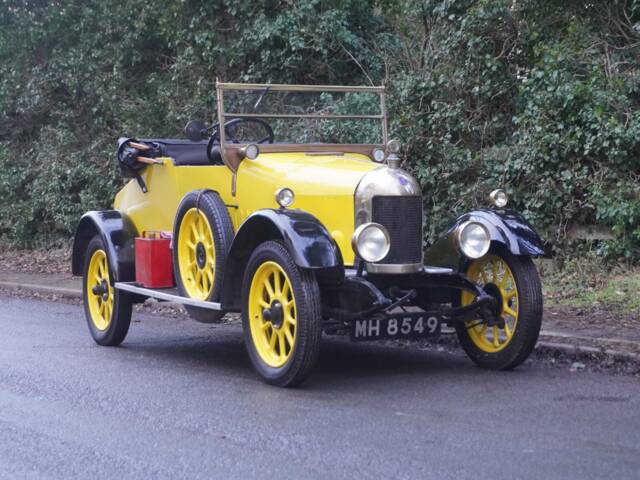
1925 | Morris Cowley Bullnose
1925 Morris Bullnose Cowley Tourer with Dickey

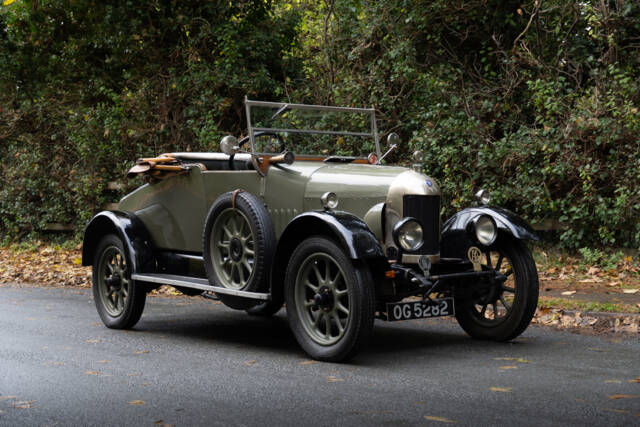
1924 | Morris Cowley Bullnose
1924 Morris Cowley Bullnose Two Seat Tourer
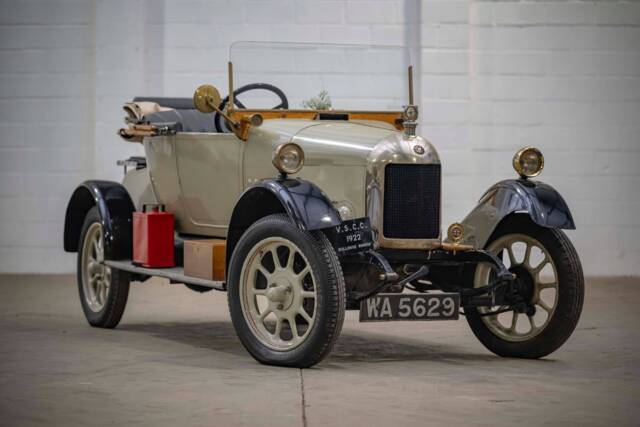
1922 | Morris Cowley Bullnose
Fabulous Vintage Morris
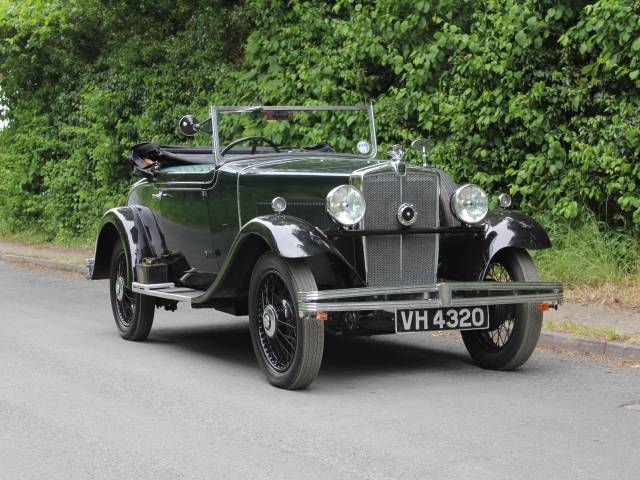
1932 | Morris Cowley Flatnose
1932 Morris Flatnose Cowley Two Seater with Dickey
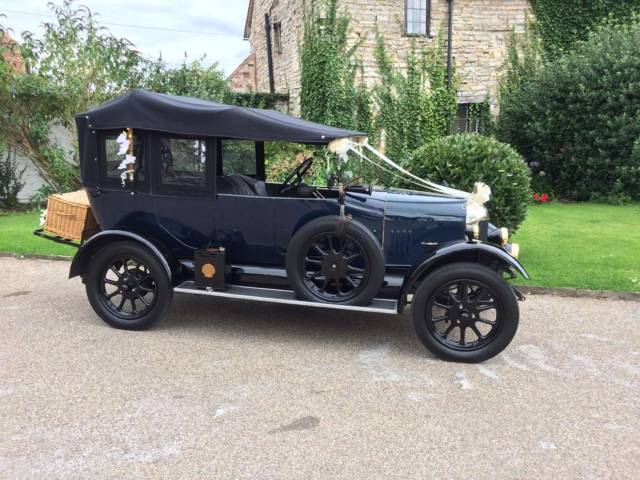
1924 | Morris Cowley Bullnose
1924 Morris Cowley 'Bullnose' Four-Seat Tourer
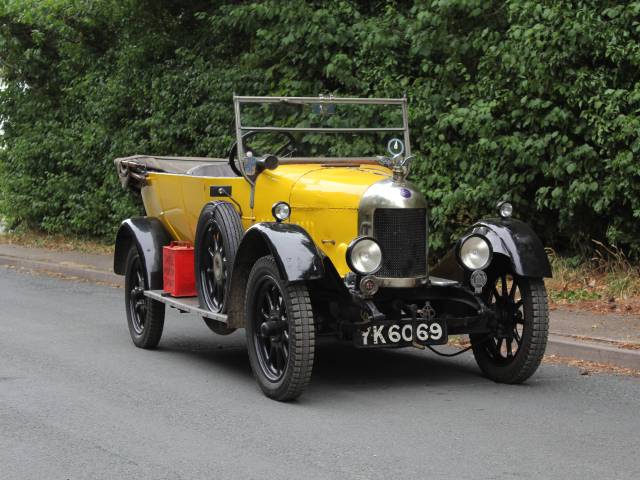
1925 | Morris Cowley Bullnose
Bullnose Cowley Four Seat Tourer
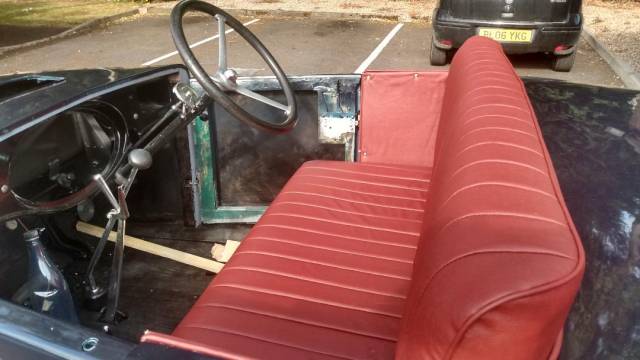
1927 | Morris Cowley Flatnose
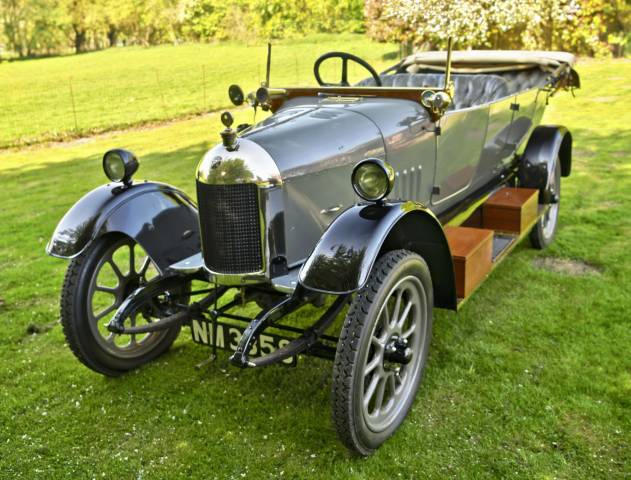
1923 | Morris Cowley Bullnose
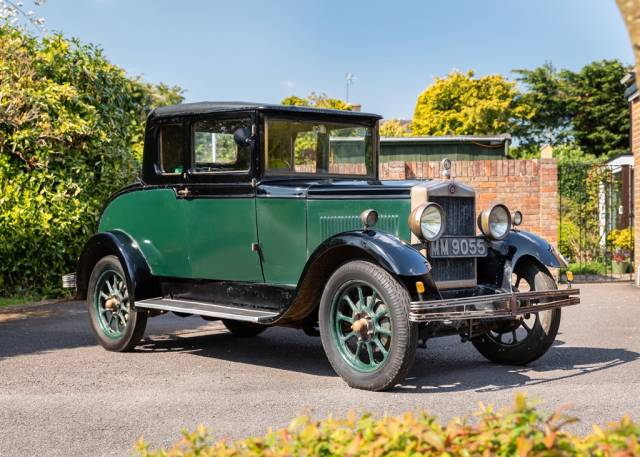
1929 | Morris Cowley Flatnose
Morris Flatnose Doctors Coupé
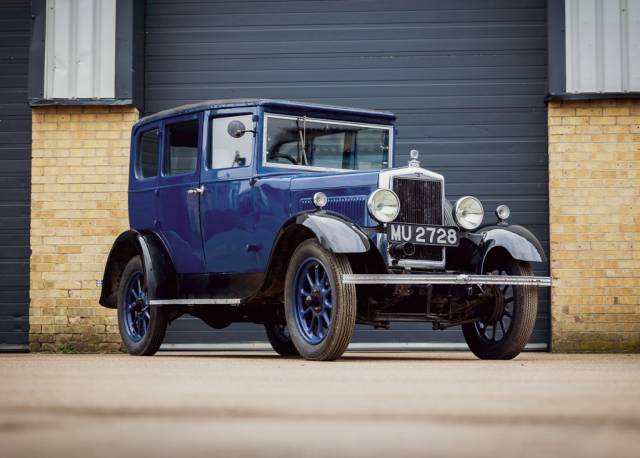
1931 | Morris Cowley
Morris Cowley
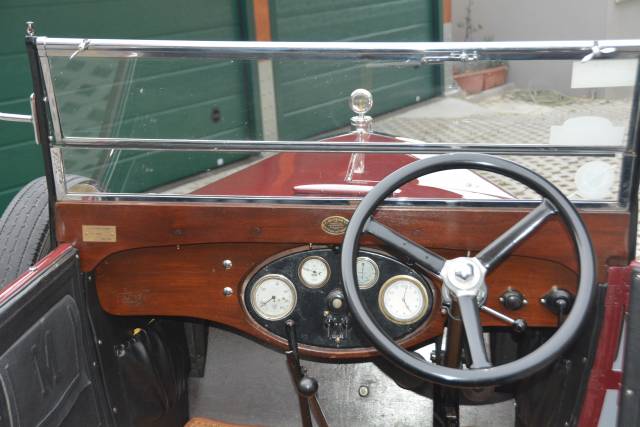
1926 | Morris Cowley Flatnose
Motore e carrozzeria perfetti e vernice riportata ai colori originali

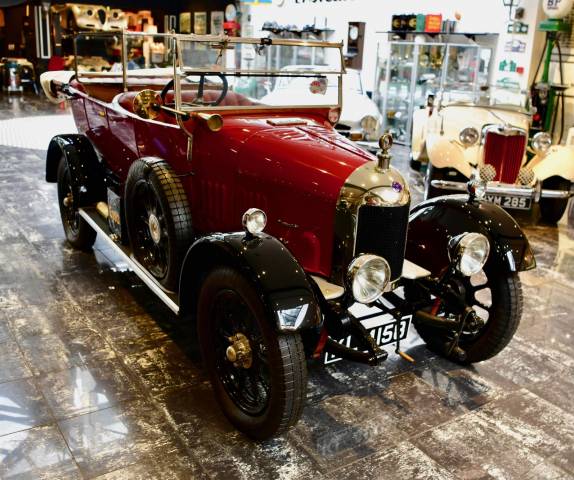
1925 | Morris Cowley Bullnose
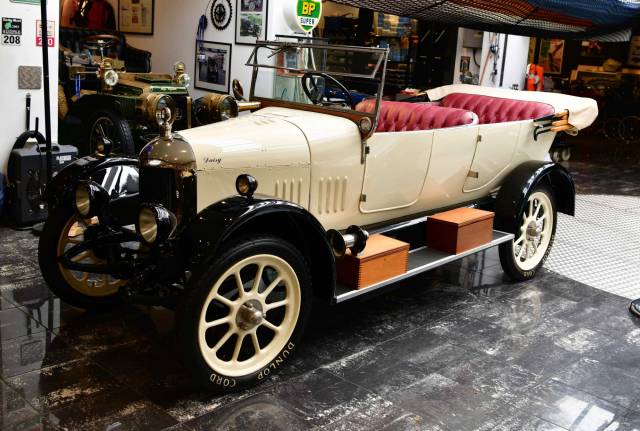
1924 | Morris Cowley Bullnose
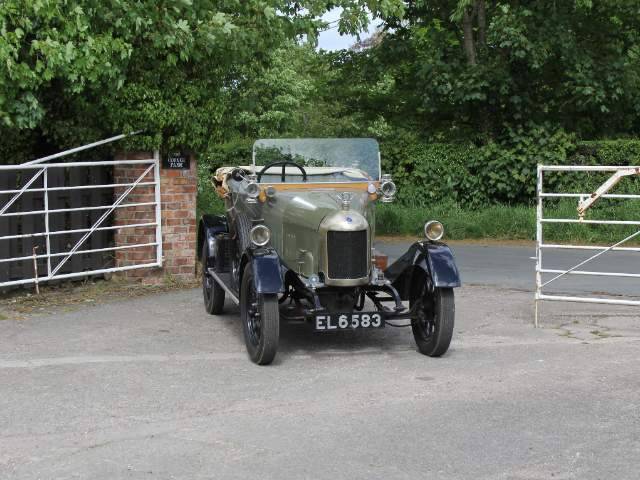
1922 | Morris Cowley Bullnose
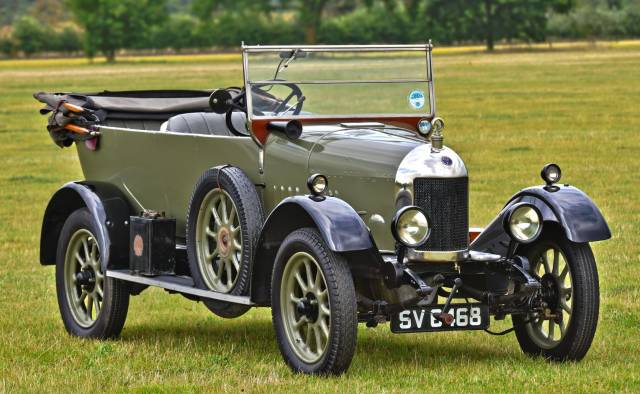
1925 | Morris Cowley Bullnose
Create search alert
Let yourself be notified as soon as a listing is published that matches your search filters.
Create listing
Do you have a Morris Cowley that you want to sell? Then create a listing now.
Create listingMorris Cowley Classic Cars: Prices & Market Values
History of the Morris Cowley
The Morris Cowley debuted in 1915, just as William Morris saw the demand for practical, economical cars in Britain rise. Built in Cowley, Oxfordshire, the model’s name stemmed from Morris’ own manufacturing site. Early Cowleys, easily recognisable by their rounded 'Bullnose' radiator, were assembled from mostly imported parts but quickly began to use locally made components after World War I. The car evolved from a compact torpedo-bodied runabout with a 1.5-litre engine and leaf spring suspension into more substantial saloons and commercial models. By the 1950s, the Cowley adopted a more squared-off 'Flatnose' design and gained technological updates such as rack-and-pinion steering, drum brakes, and a variety of engines and body forms, firmly establishing its place in British motoring history.
Model History
The Cowley was initially introduced as a budget-friendly alternative to the Morris Oxford—smaller in dimensions but equally British in spirit. The first models featured a 1018cc four-cylinder side-valve engine, giving rise to the 'Bullnose' moniker owing to the shape of its grille. Throughout the 1920s and 1930s, the Cowley grew in size and refinement, received new engines—culminating in the 2-litre six-cylinder Cowley Six in 1934—and was produced in several bodystyles, including saloons, tourers, and vans. After a brief absence, the Cowley returned in 1950 as a practical commercial vehicle. The final generation (1954–1959) offered a 1.2-litre engine and four-door body, maintaining its affordable positioning until the end of production.
Highlights of the Morris Cowley
The Cowley is best remembered for its distinctive ‘Bullnose’ radiator, introduced robust construction and versatile bodywork—including tourers, coupés, vans, and saloons. Features such as the leather-trimmed interior, steel-bodied variants (from 1926), and the practical yet elegant design contributed to its popularity. Drum brakes and a reliable four-cylinder or six-cylinder engine further enhanced its reputation. The transition to the 'Flatnose' design marked a modernisation era, while the introduction of the Cowley Six reflected growing market demands for more powerful engines and spacious interiors.
Technical Data
Special Editions and Collectible Models
Notably, the 1934 Morris Cowley Six stands out for its larger 2-litre six-cylinder engine, providing more power and smoother operation than its predecessors. Additionally, early 'Bullnose' tourers and rare bodystyles such as Dickey seat coupés and all-steel saloons are highly regarded by collectors due to their historical significance and distinctive aesthetics.
Weak Spots and Common Issues
While renowned for their sturdy mechanics, Morris Cowleys are now almost a century old and require careful inspection for chassis rust, especially in early tourer and commercial variants. The hydraulic drum brake systems and leaf spring suspensions may show wear after decades, and availability of original interior materials—especially leather upholstery—can be limited. However, the continued existence of replica parts, such as radiators, gearboxes, or soft tops, helps keep many Cowleys roadworthy. Regular maintenance of the simple, side-valve engines ensures reliable operation.
Engine and Performance, Transmission and Handling
The Morris Cowley prioritised reliability over outright speed. Early models, powered by a 1.5-litre (later 1.8-litre) four-cylinder engine from Hotchkiss, produced up to 14 PS and offered practical acceleration for the period. Later generations benefited from the more powerful six-cylinder Cowley Six and, eventually, a lightweight 1.2-litre engine during the final phase. Drum brakes and rack-and-pinion steering (in post-war models) improved ride and handling while keeping maintenance straightforward. Gearboxes were typically three-speed manuals, providing robust—but not sporty—performance. - Morris Cowley 'Bullnose' Tourer (1915–1926): Well-known for its lightweight construction and open-top bodywork.
- Morris Cowley Six (1934): The six-cylinder engine catered to drivers seeking smoother, more refined cruising.
- Morris Cowley Saloon (1954–1959): The final version with a 1.2-litre engine, ideal for urban and countryside driving alike.
Interior, Comfort, Exterior, and Design
Morris Cowleys exhibit classic British design with their signature ‘Bullnose’ or ‘Flatnose’ grilles, two- and four-door arrangements, and frequent use of painted wire-spoke wheels. Early models were often finished in black, green, or blue, with contrasting trim details. Interiors typically featured leather upholstery in a variety of shades, evolving into more utilitarian steel and cloth trims in later models. Options included coupe bodies (with Dickey seats), commercial vans, and saloons. Accessories from the era—such as radiator badges and spare wheel mounts—enhance their vintage aura. The design language reflects the technological and stylistic changes of interwar Britain.
Other Noteworthy Features
Right- and left-hand drive versions were produced to cater to both domestic and export markets. Original handbooks and service booklets are still occasionally seen, increasing provenance for collectors. Some vehicles still exchange hands with matching numbers and documented restoration histories.
Summary of the Morris Cowley
The Morris Cowley encapsulates over four decades of British automotive engineering, from its humble beginnings as a no-nonsense tourer to its finale as a practical four-door saloon. Famed for its distinctive design cues, reliable mechanics, and adaptability across markets and body styles, it remains a respected survivor from the classic motoring era. Comprehensive spare part support and a broad community of enthusiasts ensure the Cowley’s historical legacy endures among classic car connoisseurs.