- Car
- Mitsubishi
- Mitsubishi Starion (1 offer)
Mitsubishi Starion classic cars for sale
The Mitsubishi Starion embodies the spirit of 1980s Japanese engineering with its turbocharged power, classic coupé silhouette, and features such as leather interiors, alloy wheels and electric windows. Rare in Europe, this four-seater rear-wheel-drive sports car offers distinctive character for enthusiasts looking for something different.
Search results
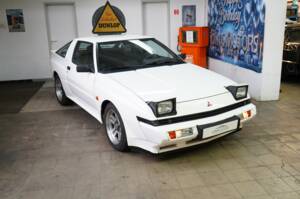
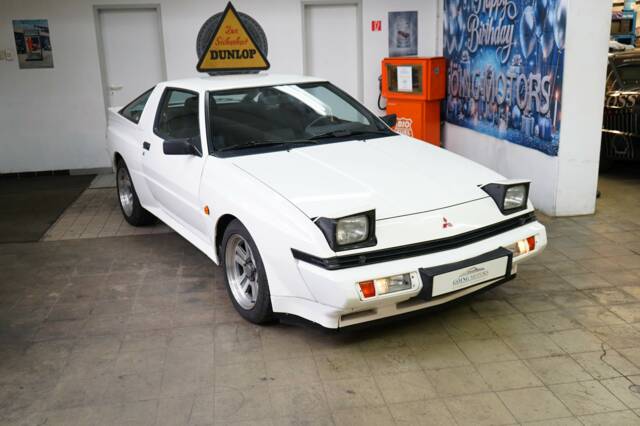
1989 | Mitsubishi Starion
JDM / Japan Turbo Kult Ikone aus den 80er Jahren: Mitsubishi Starion aus erster Hand
Mitsubishi Starion listing references from Classic Trader
Below you will find listings related to your search that are no longer available on Classic Trader. Use this information to gain insight into availability, value trends, and current pricing for a "Mitsubishi Starion" to make a more informed purchasing decision.
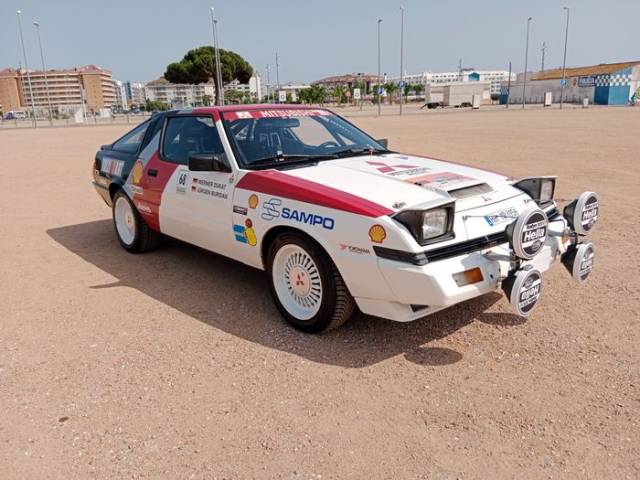
1983 | Mitsubishi Starion
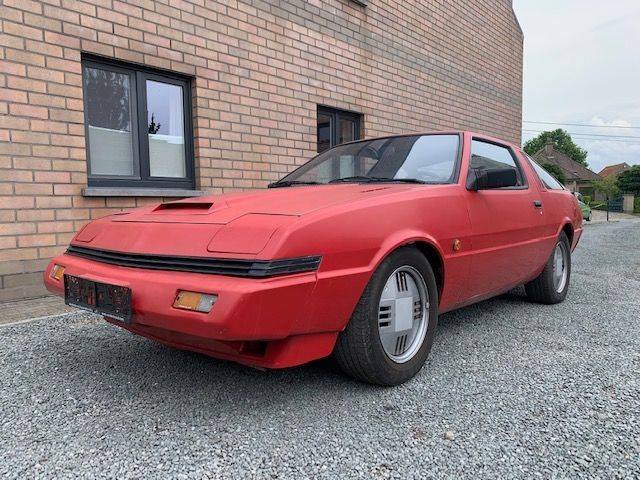
1984 | Mitsubishi Starion
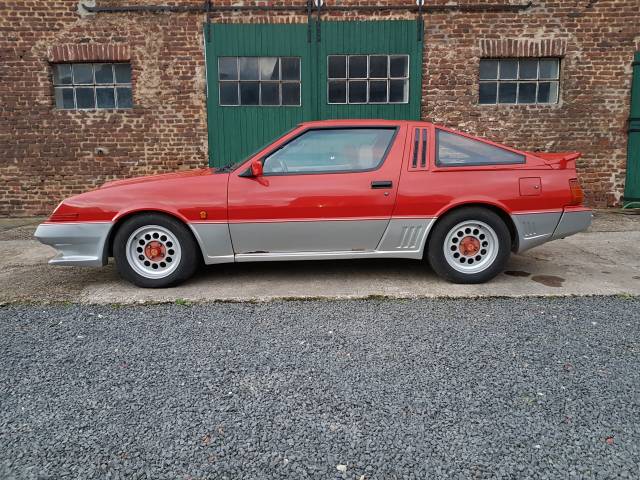
1982 | Mitsubishi Starion
Mitsubishi Starion turbo Vestatec
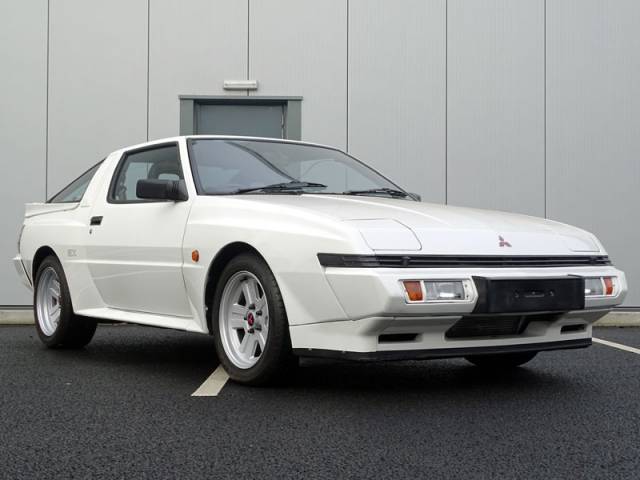
1987 | Mitsubishi Starion
Auction Donington Park: 23.02.2017 Estimate: £3000 - 4000
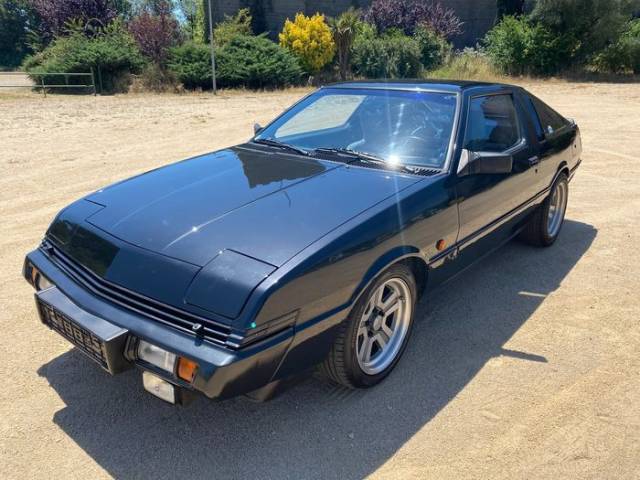
1983 | Mitsubishi Starion
History of the Mitsubishi Starion
Mitsubishi introduced the Starion in 1982 as a direct answer to the growing market for Japanese sports cars in Europe, aiming to blend dynamic performance with everyday usability. Produced until 1989, the Starion was also known by badge-engineered variants in North America—marketed as the Conquest under Chrysler, Dodge, and Plymouth. Its fastback coupe form offered seating for four and set it apart from many rivals of the period. The model’s presence on European roads was always rare, and as time goes by, well-preserved examples have become even harder to find.
Model History
Spanning its production years from 1982 to 1989, the Starion was available in several variants. Early models were distinguished by narrower bodies, while later versions—sometimes referred to as 'widebody'—featured flared wheel arches and wider tracks. Engine configurations included multiple turbocharged four-cylinder options, with some models using a 2.0-litre turbo especially in the European market. The Starion did not have a direct Mitsubishi predecessor or successor, instead representing a unique chapter in the brand's history, with its DNA influencing later Mitsubishi performance models.
Highlights of the Mitsubishi Starion
The Starion brought a range of distinctive features not often found in its price range in the 1980s. Options included leather upholstery, original Mitsubishi alloy wheels, electric windows, sunroofs, and air conditioning. The car was also equipped, in certain cases, with FIA cards and safety cages for motorsport use, and could be fitted with bucket seats for competition. The Starion's design and technology reflected a commitment to both performance and comfort, making it a versatile 1980s sports car.
Technical Data
Special Editions and Collectible Models
Certain Starion models stand out due to motorsport homologation, with some equipped with FIA cards, safety cages, and racing seats aimed at regularity competitions. Additionally, widebody editions with flared arches, offered in later model years, are particularly sought after for their unique appearance and enhanced handling characteristics. Special equipment, such as sunroofs or factory air conditioning, contributes to their collectibility.
Weak Spots and Common Issues
Common issues for the Mitsubishi Starion are not extensively documented, but as with many 1980s turbocharged cars, it is advisable to check the condition of the turbocharger, engine seals, and electronics—especially in models equipped with more advanced comfort features like electric windows and air conditioning. Ensure all original papers and both keys are present when buying.
Engine and Performance, Transmission and Handling
The Starion’s turbocharged straight-four delivers ample power to the rear wheels, providing a classic rear-wheel-drive sports car dynamic with responsive handling. Variants meant for motorsport with FIA documentation often included reinforced safety cells and bucket seats, enhancing both safety and driver engagement. European versions with the 2.0-litre turbo are particularly nimble, giving the Starion a spirited driving character. - Starion 2.0 Turbo: Known for its brisk acceleration
- Widebody versions: Extra width and stance improved handling
- Motorsport-prepared models: Safety features and FIA certification covered
Interior, Comfort, Exterior and Design
The Starion’s exterior design is defined by angular lines, pop-up headlights, a pronounced fastback silhouette and wide stance on models from the mid-1980s onward. Factory paint finishes could be modified, and factory wheels distinctively marked Mitsubishi’s performance orientation. Inside, the option of full leather trim and electric windows combined luxury with sport. Sunroofs, available in some models, and air conditioning were considered advanced comfort features for the time. Motorsport variants might include racing buckets or added safety cages, reflecting the Starion’s flexible appeal.
Other Features
Originally available as left-hand drive in Europe, the Starion was delivered with complete documentation and, often, two keys. Vehicles may appear in both original and modified forms, but originality generally increases interest. The Starion was sold in several European countries, adding to its varied heritage.
Summary
From its rare status in Europe to its turbocharged performance and sporting comfort, the Mitsubishi Starion presents a compelling option for those seeking a distinctive Japanese sports car of the 1980s. Its presence in the classic market is unique, with features such as leather interiors, electric amenities and motorsport focus in some editions ensuring continued enthusiasm among collectors and drivers alike.