Registration number: AH-87-95
Manufacturer: Gallery Aaldering Arnhemsestraat 47 6971AP BRUMMEN, NL 0575564055 http://www.gallery-aaldering.com info@gallery-aaldering.com
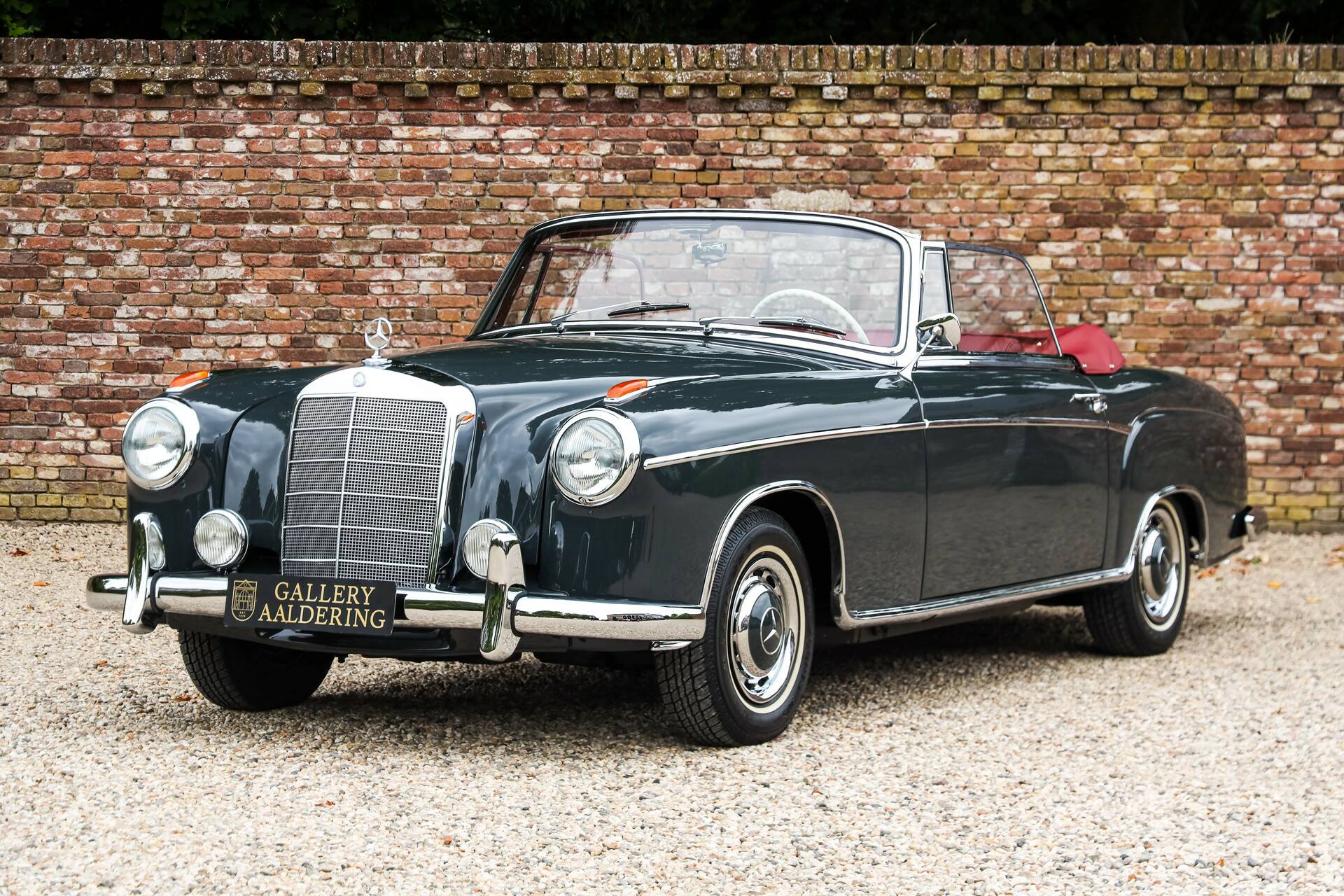
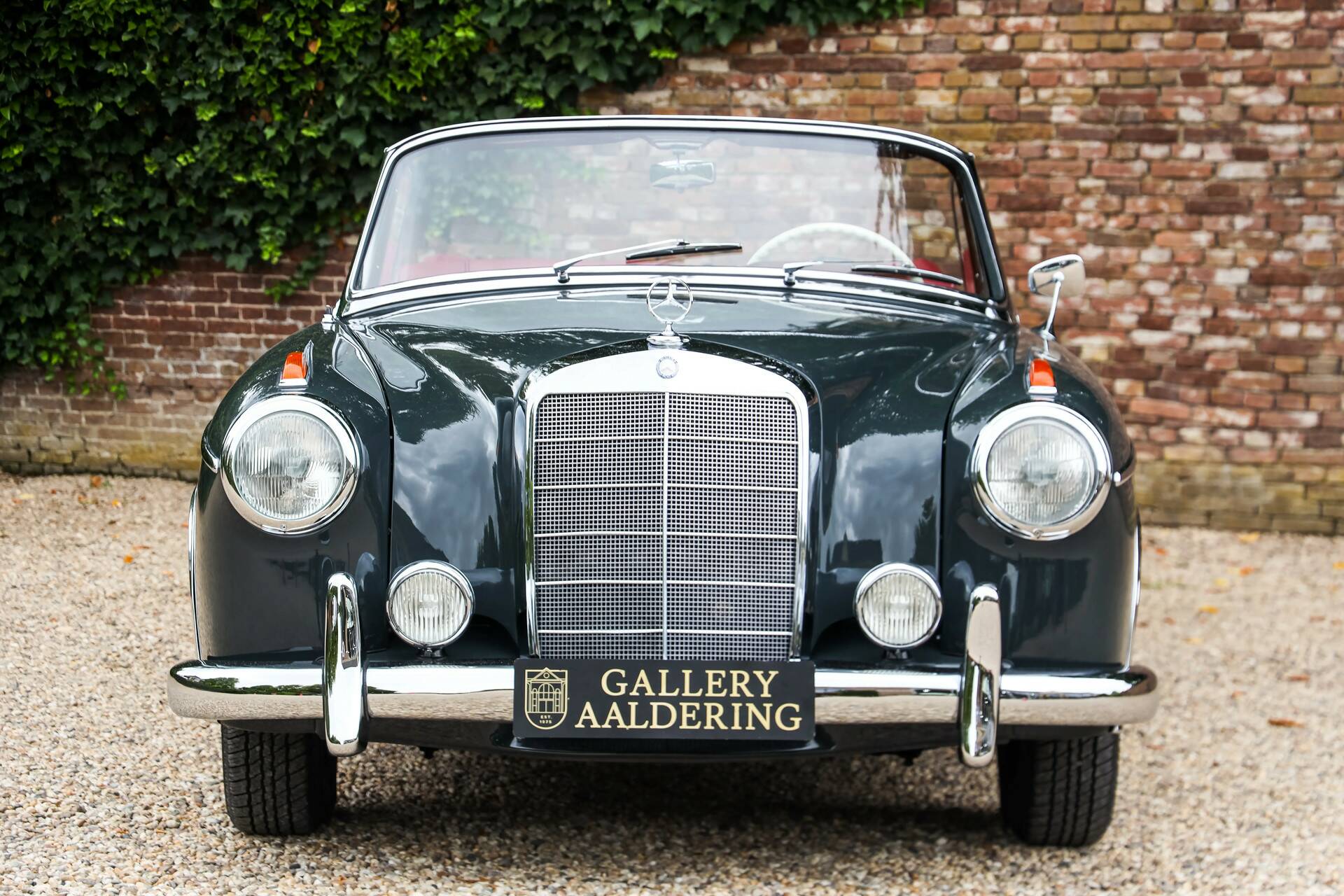
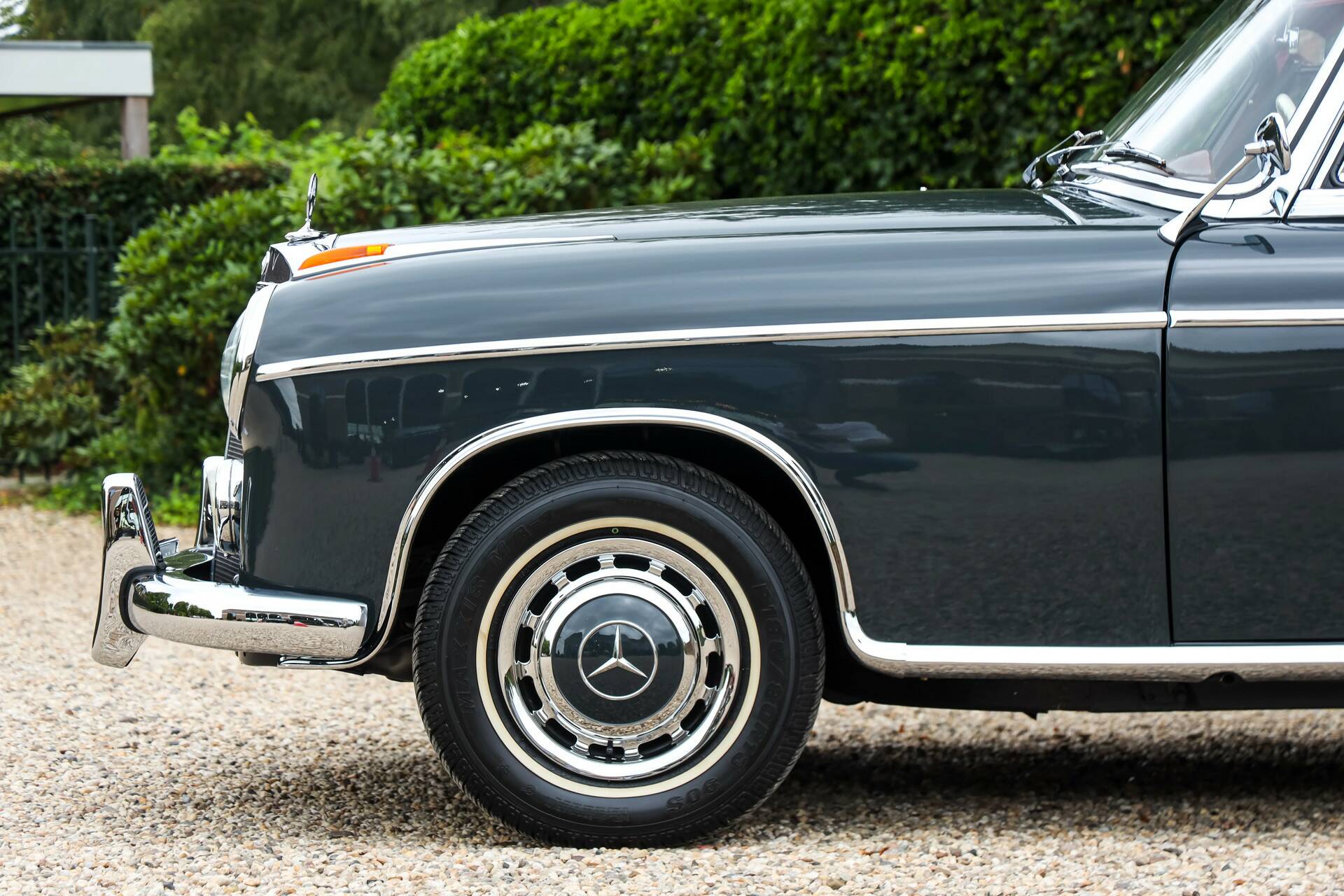
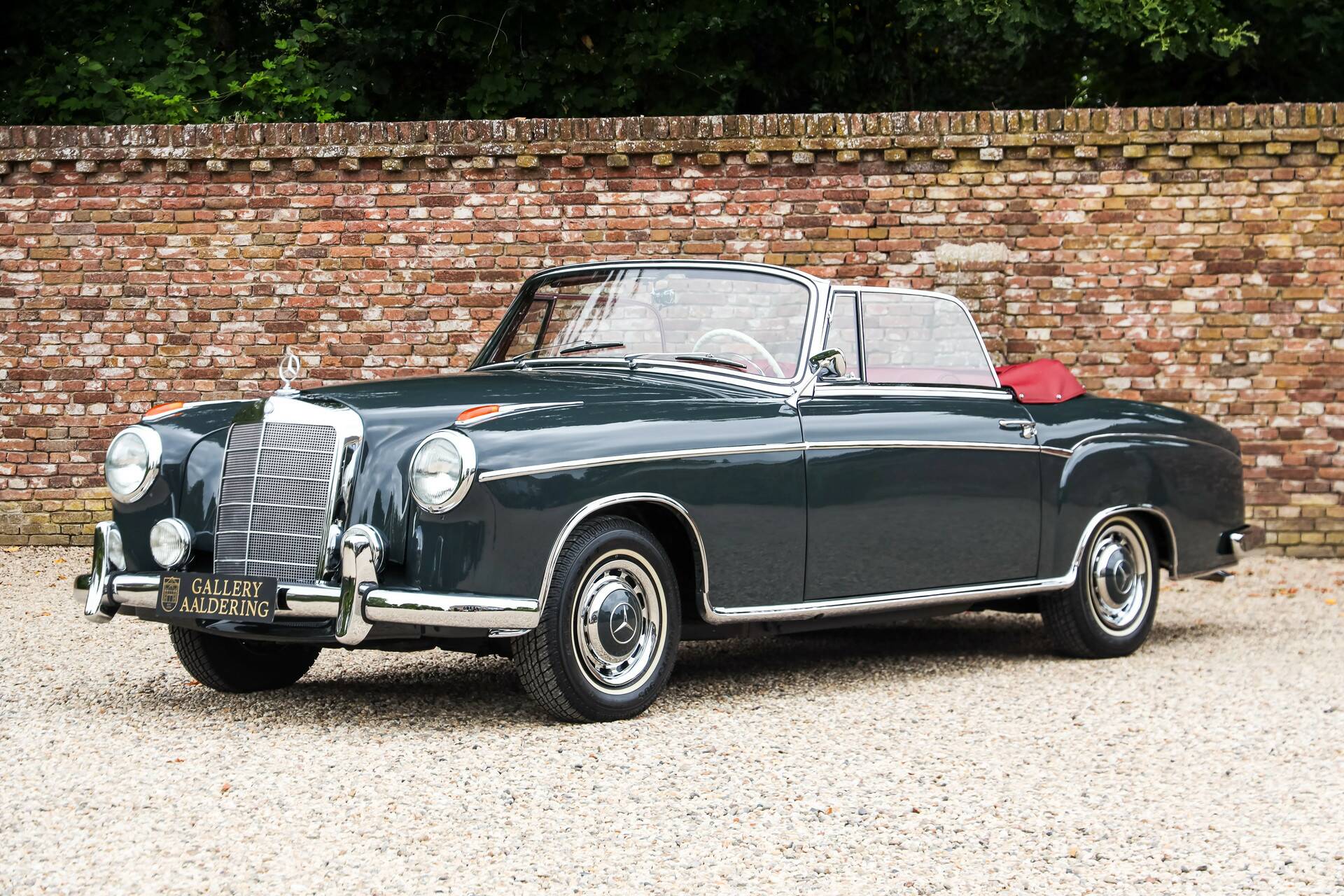
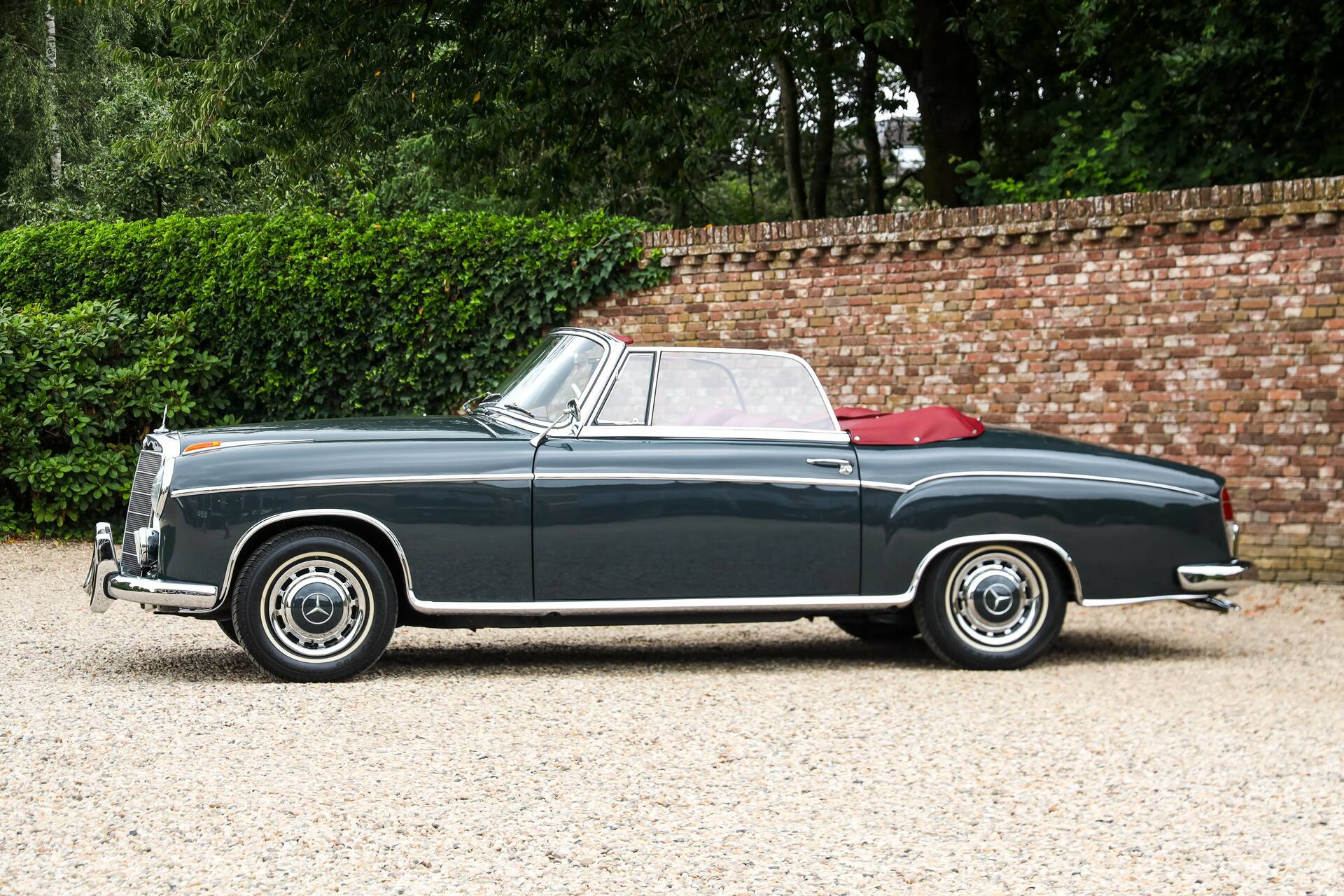
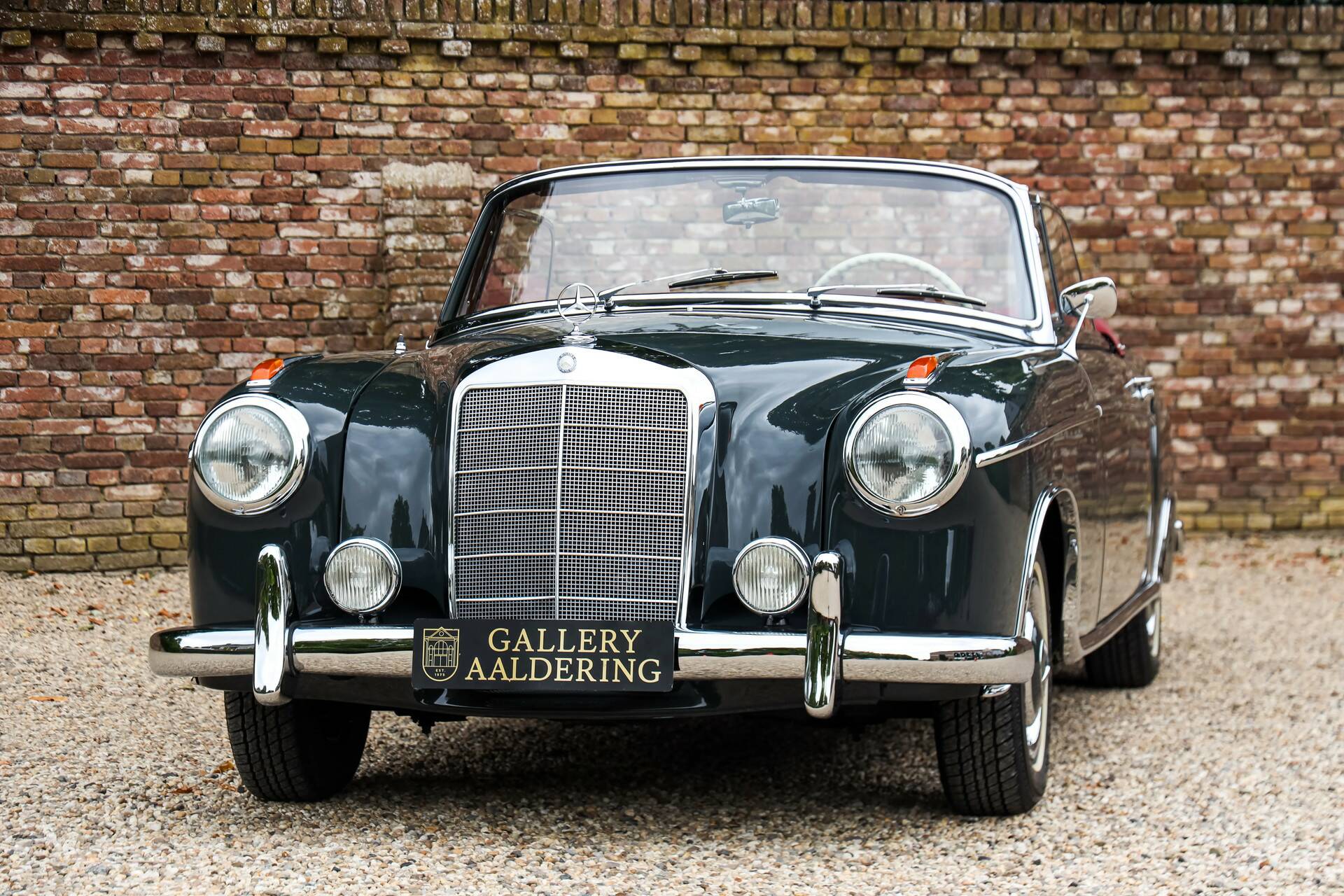
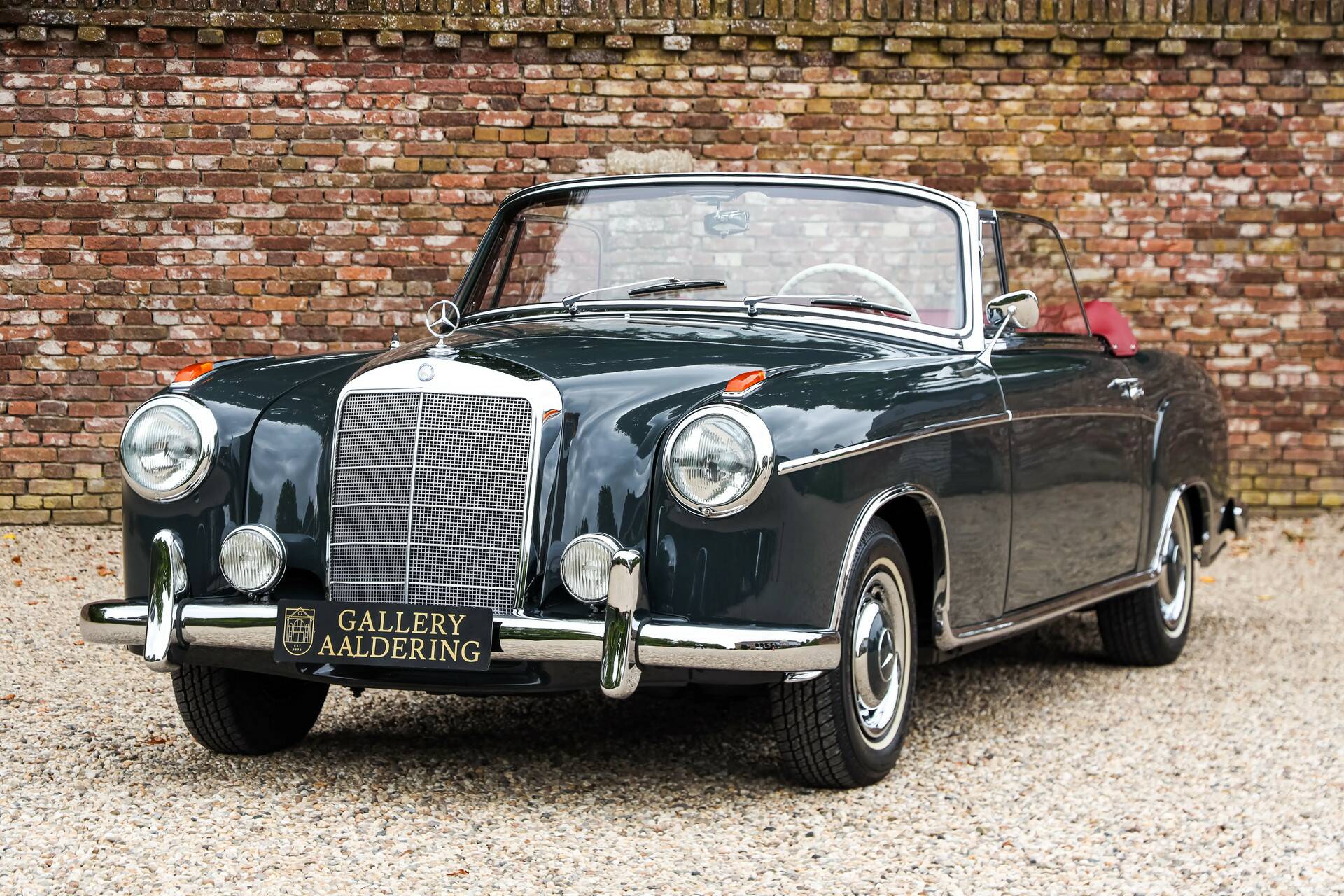
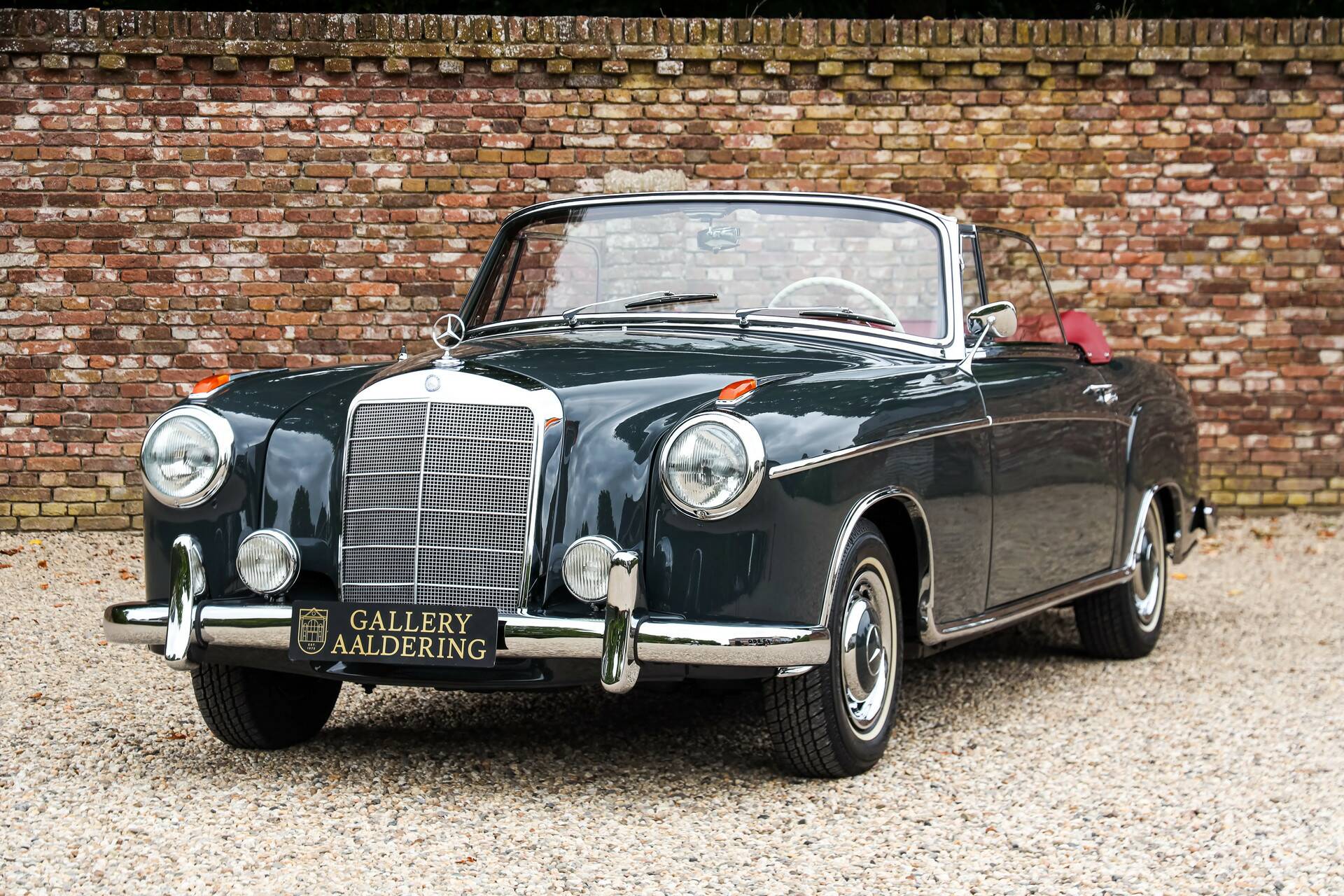
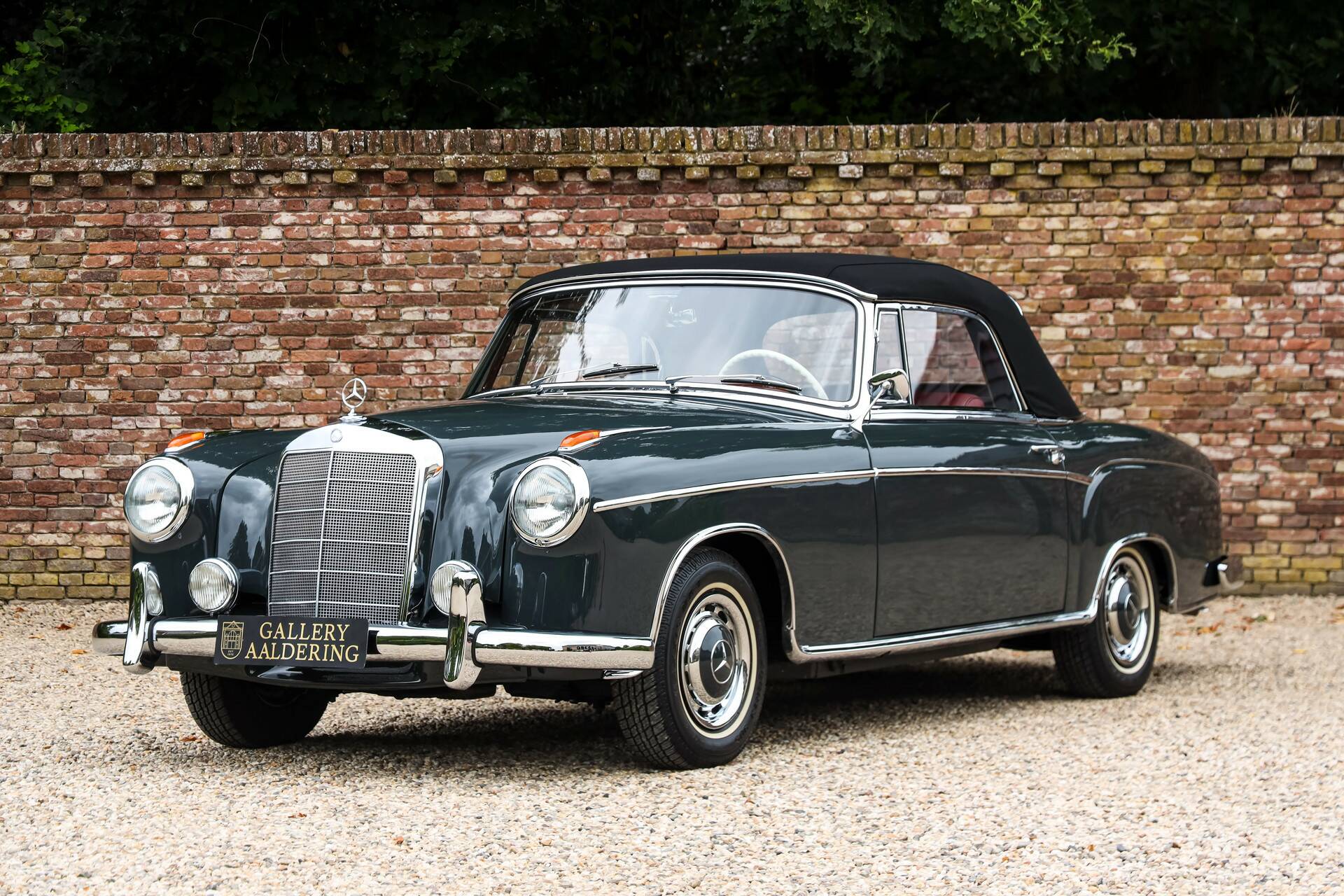
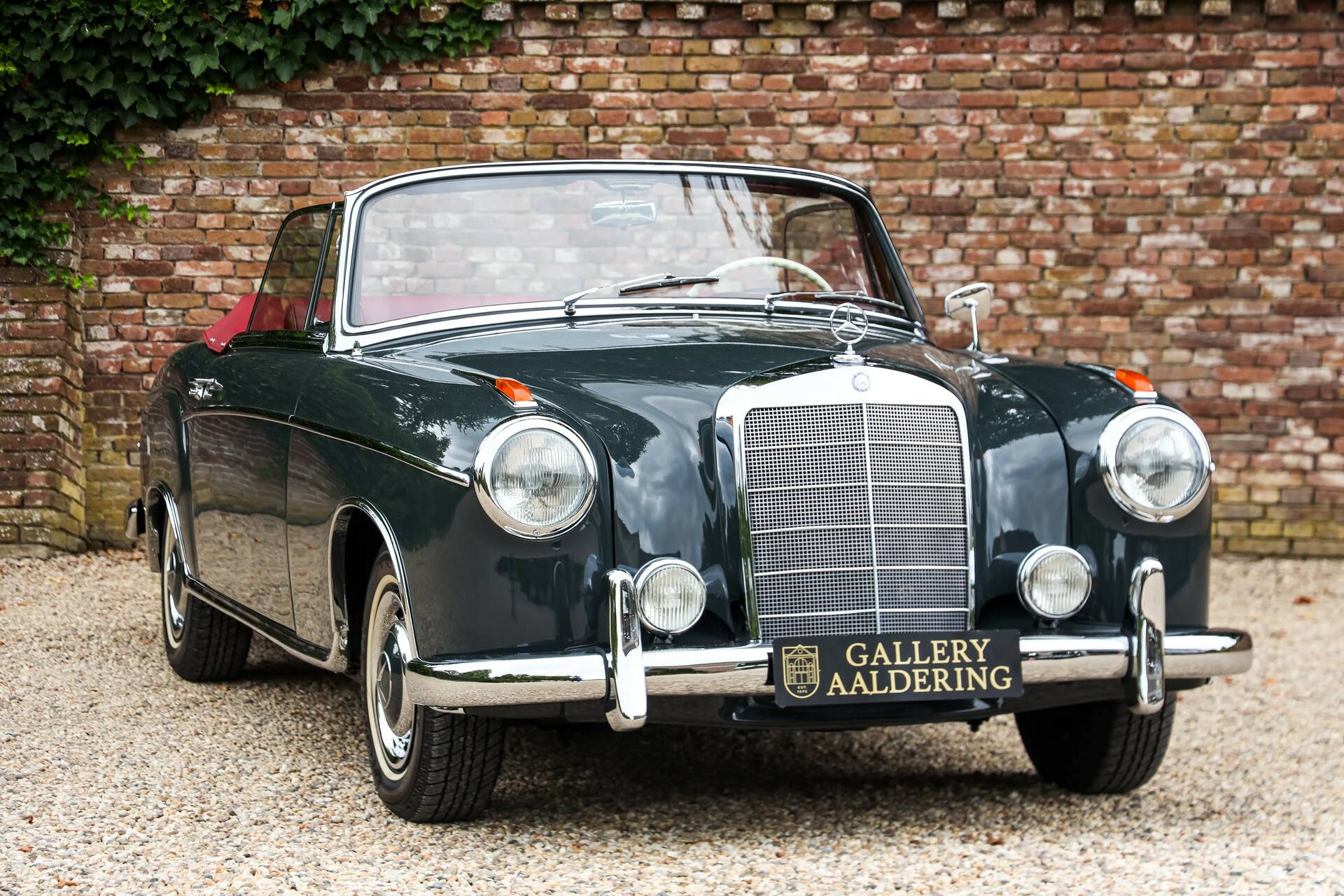
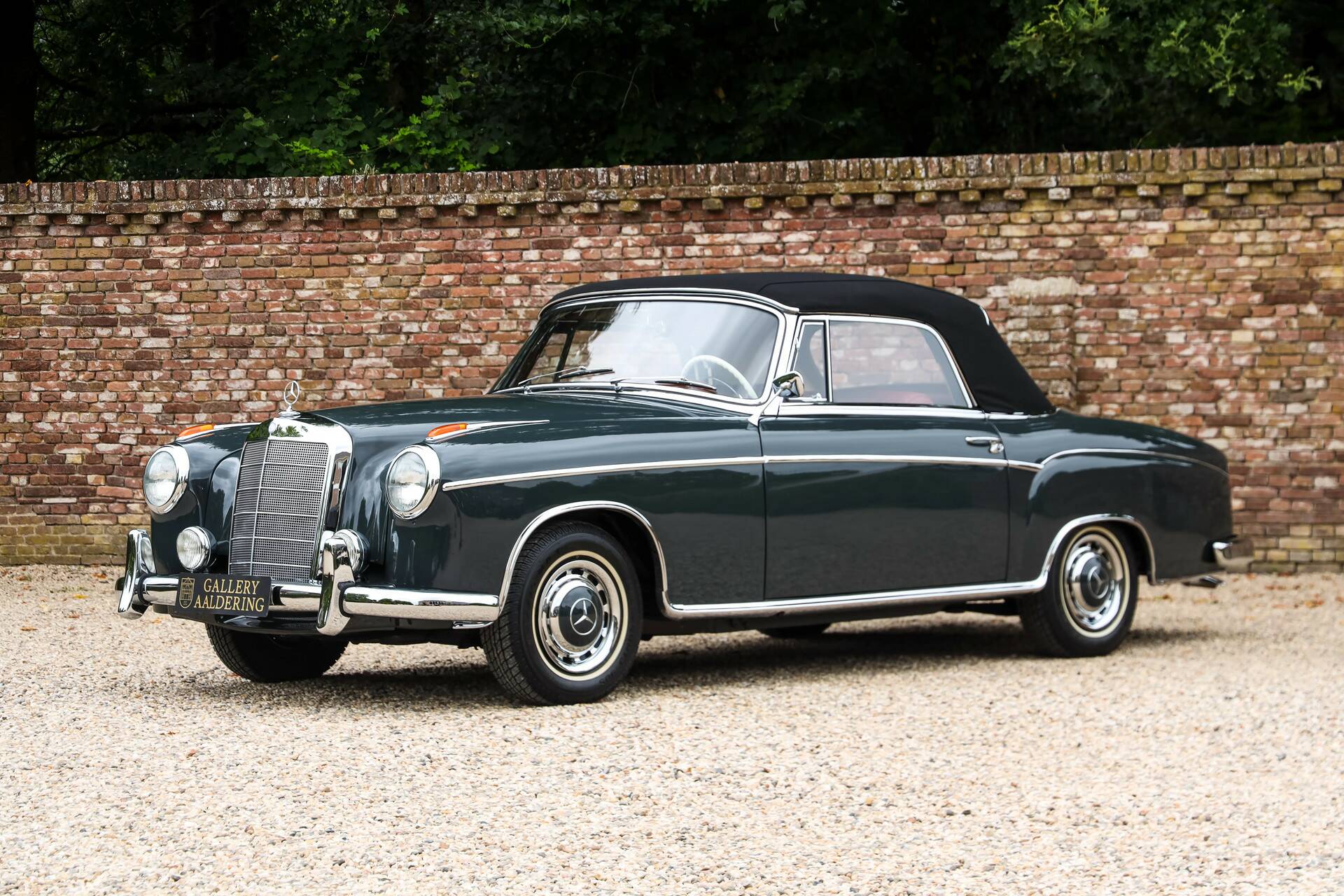
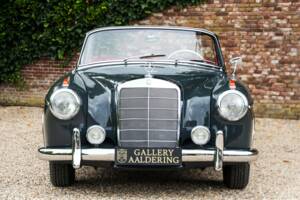
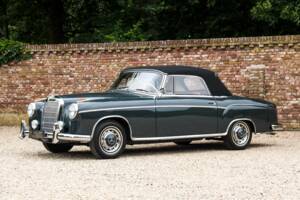
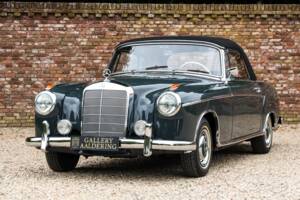
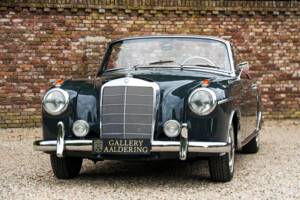
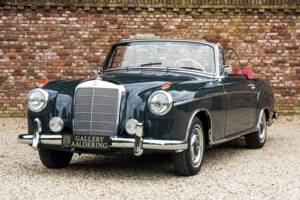
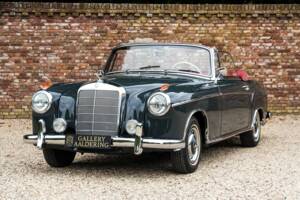
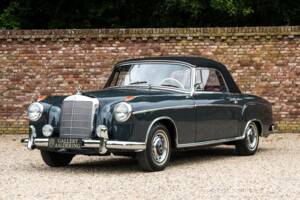
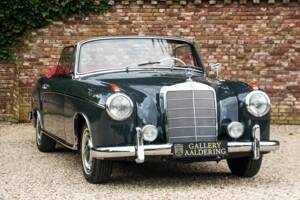
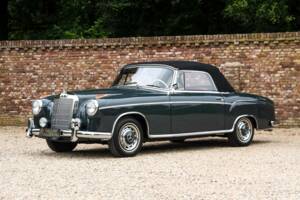
The Mercedes-Benz 220 SE Cabriolet belongs to the so-called Ponton generation. The nickname arose from its modern unit-body construction with fully integrated fenders. Today, that may sound entirely conventional, but in the mid-1950s it represented a clear departure from the separate, prewar forms seen on many earlier automobiles. No more freestanding fenders, but one cohesive, flowing shape.
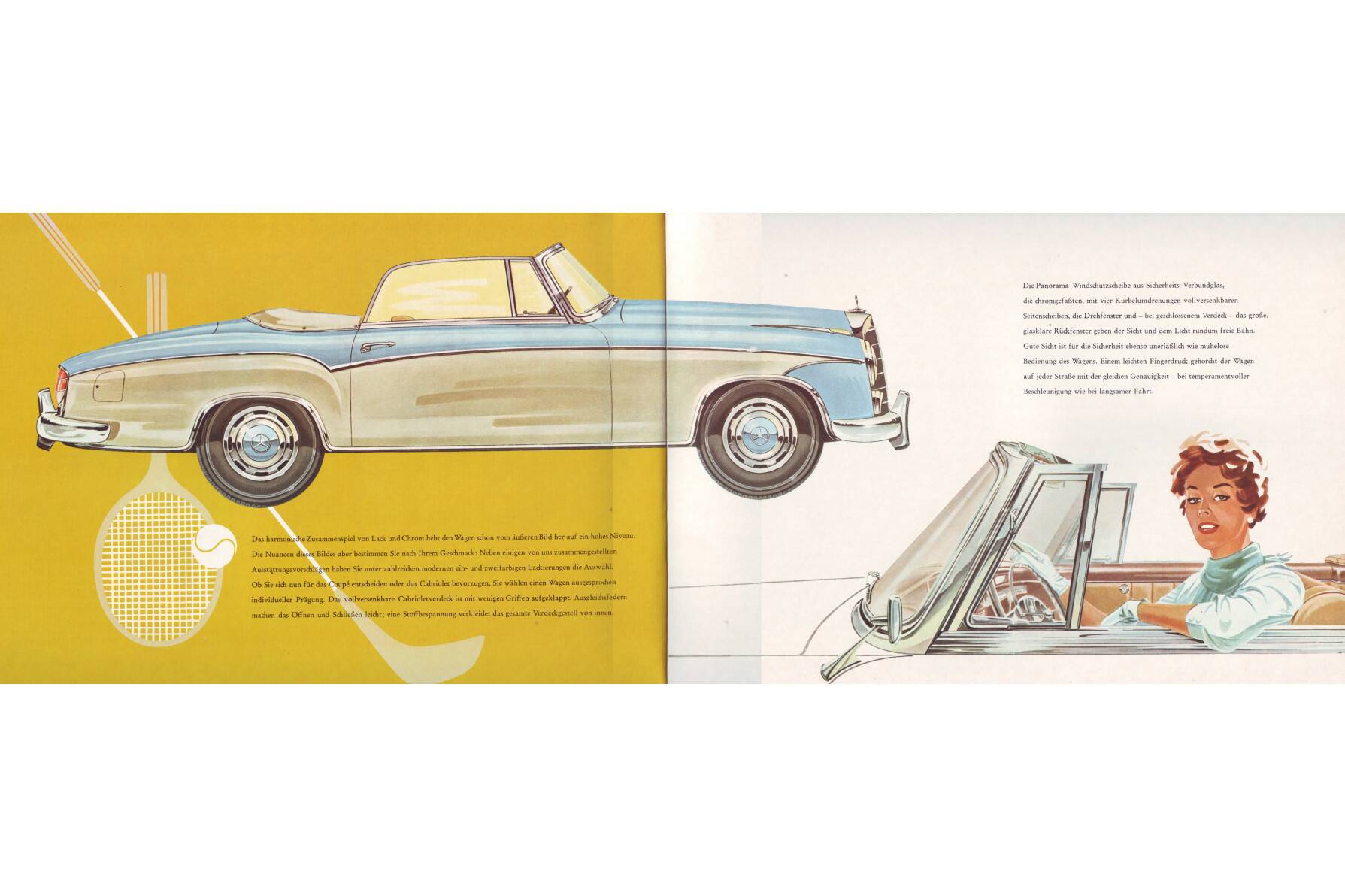
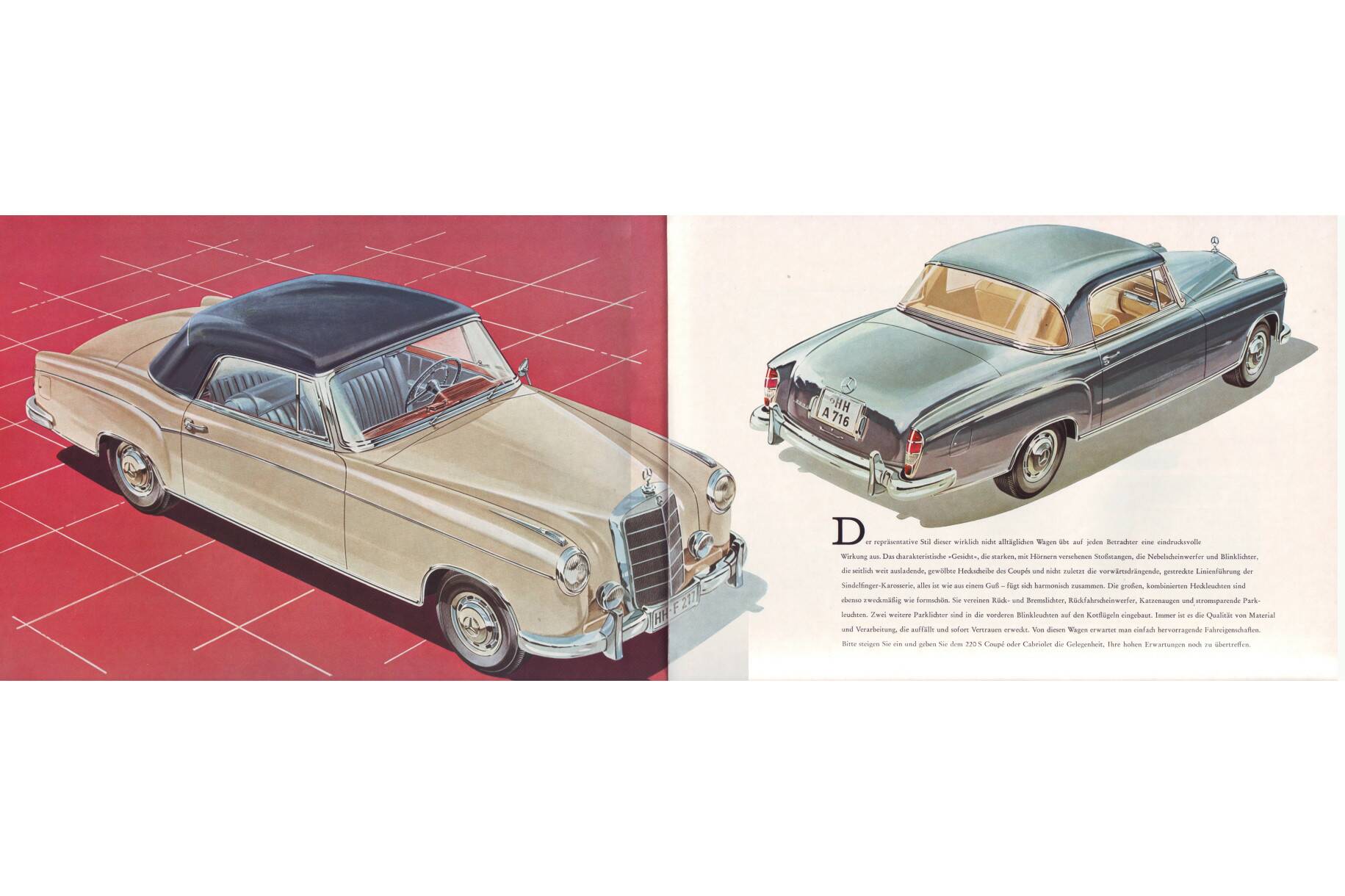
The 220 S was introduced in 1956, followed shortly afterward by a coupé and cabriolet. These open and closed two-door models were by no means simple derivatives of the sedan. They featured a shorter wheelbase, were finished to a significantly more luxurious standard, and cost approximately seventy percent more than the regular four-door version. In essence, you were buying a hand-built grand tourer.
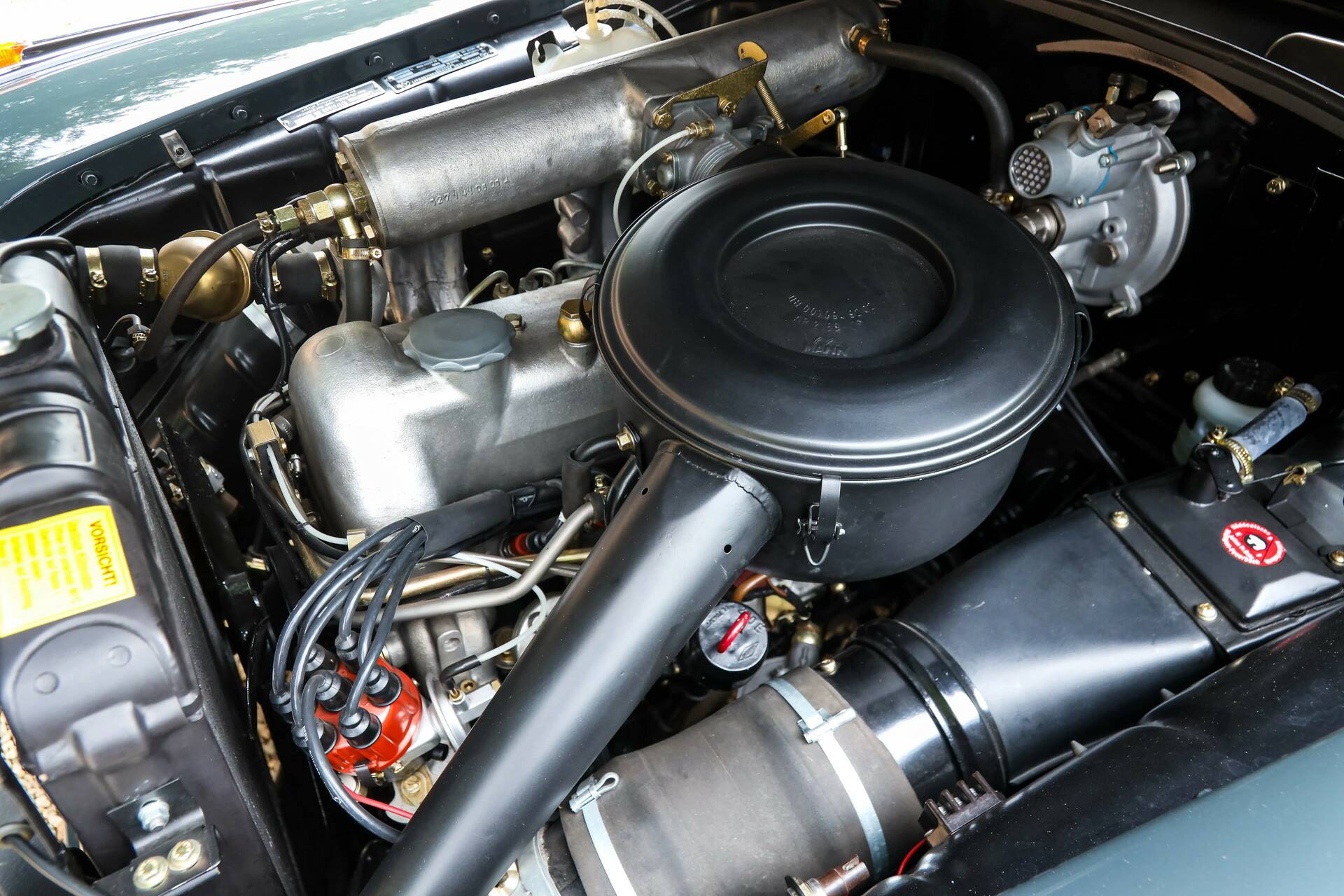
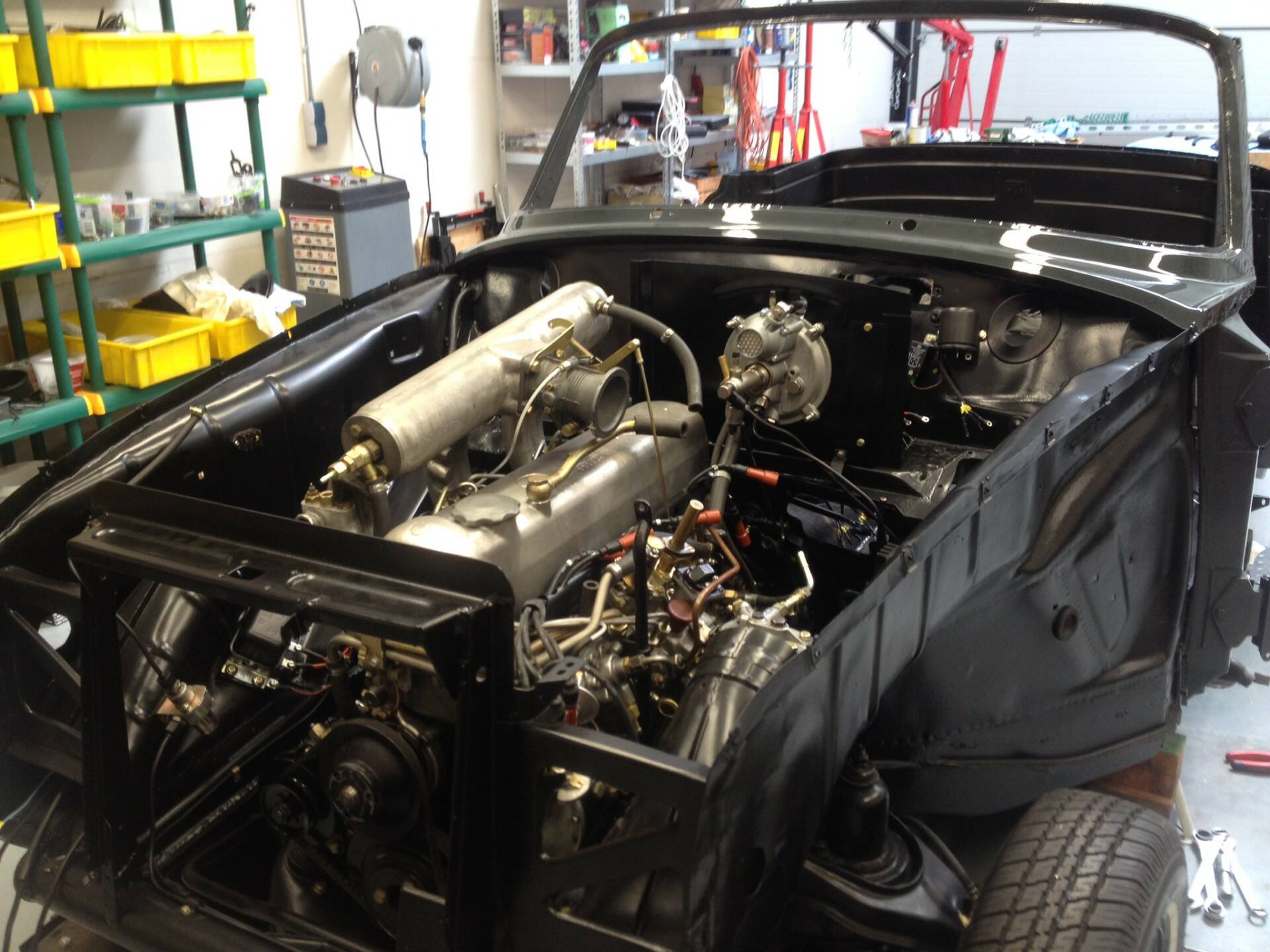
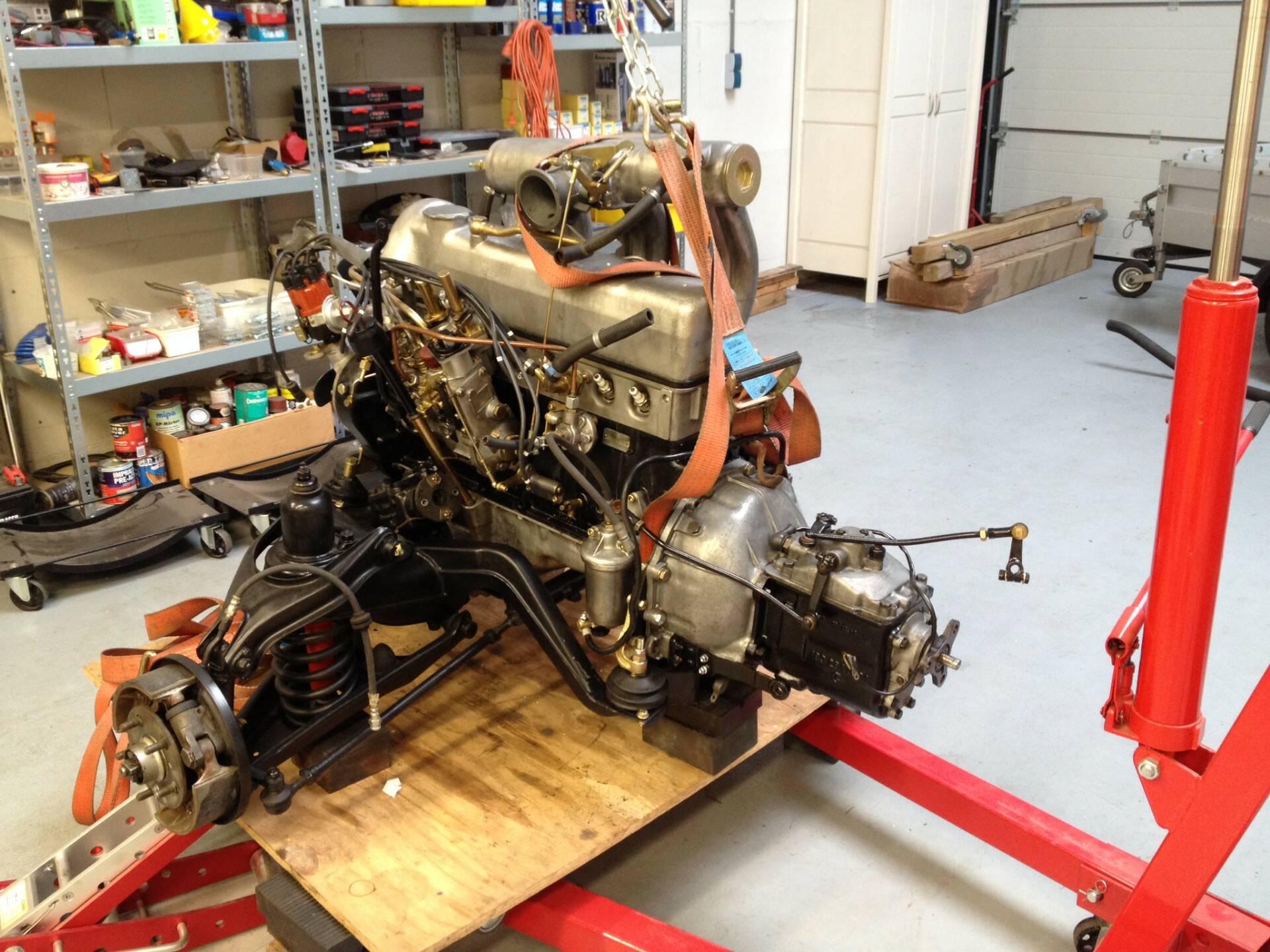
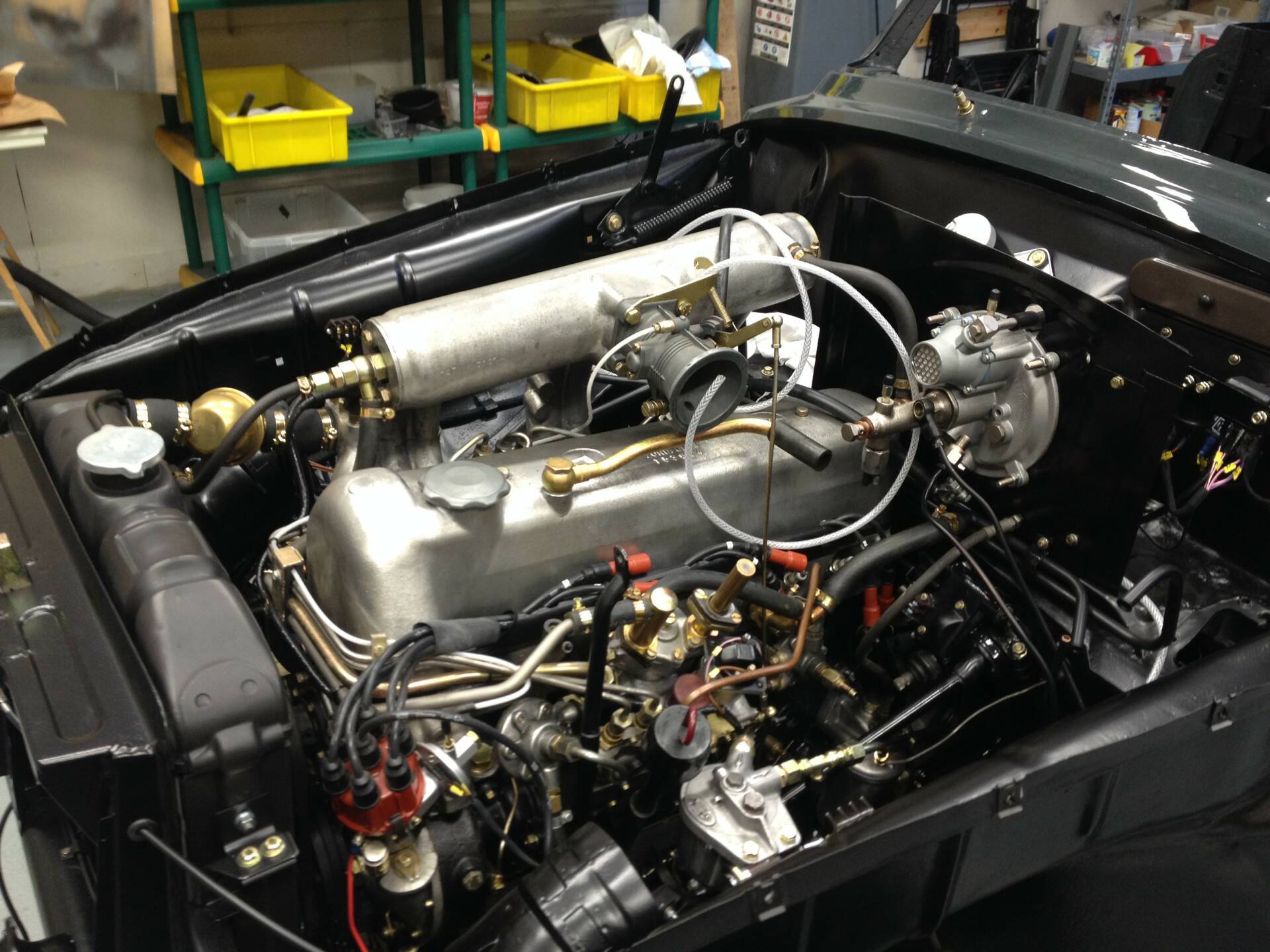
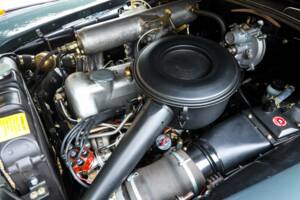
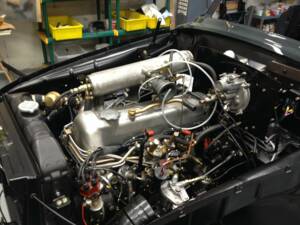
From 1958 onward, the 220 SE became available with Bosch mechanical fuel injection. The letter E stood for Einspritzung and marked the end of the carburetors used on the earlier version. Output from the 2.2-liter six-cylinder engine rose to approximately 115 horsepower, while acceleration improved as well. More importantly, the smooth six-cylinder suits the character of the car perfectly.
This particular example was built in 1960. Production ended in November of that year. Ultimately, only 1,112 examples were manufactured. This was certainly no mass-produced automobile. Every Cabriolet was built largely by hand in Sindelfingen. Body panels were individually fitted, interiors were finished with great care, and the fully folding convertible-top mechanism was considerably more complex than that of the average open car from the period. In the case of this Mercedes, that same attention to detail was later applied all over again.
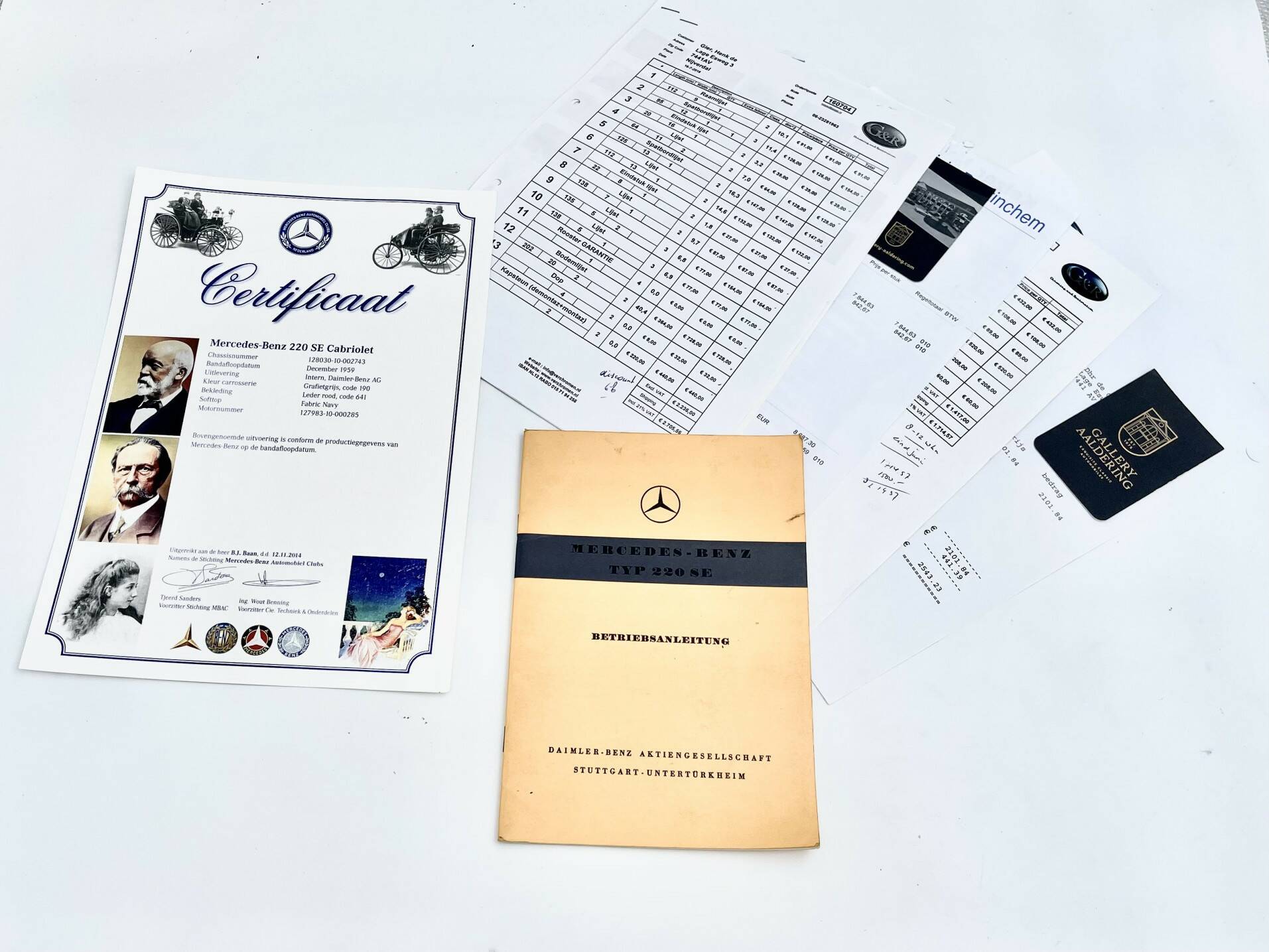
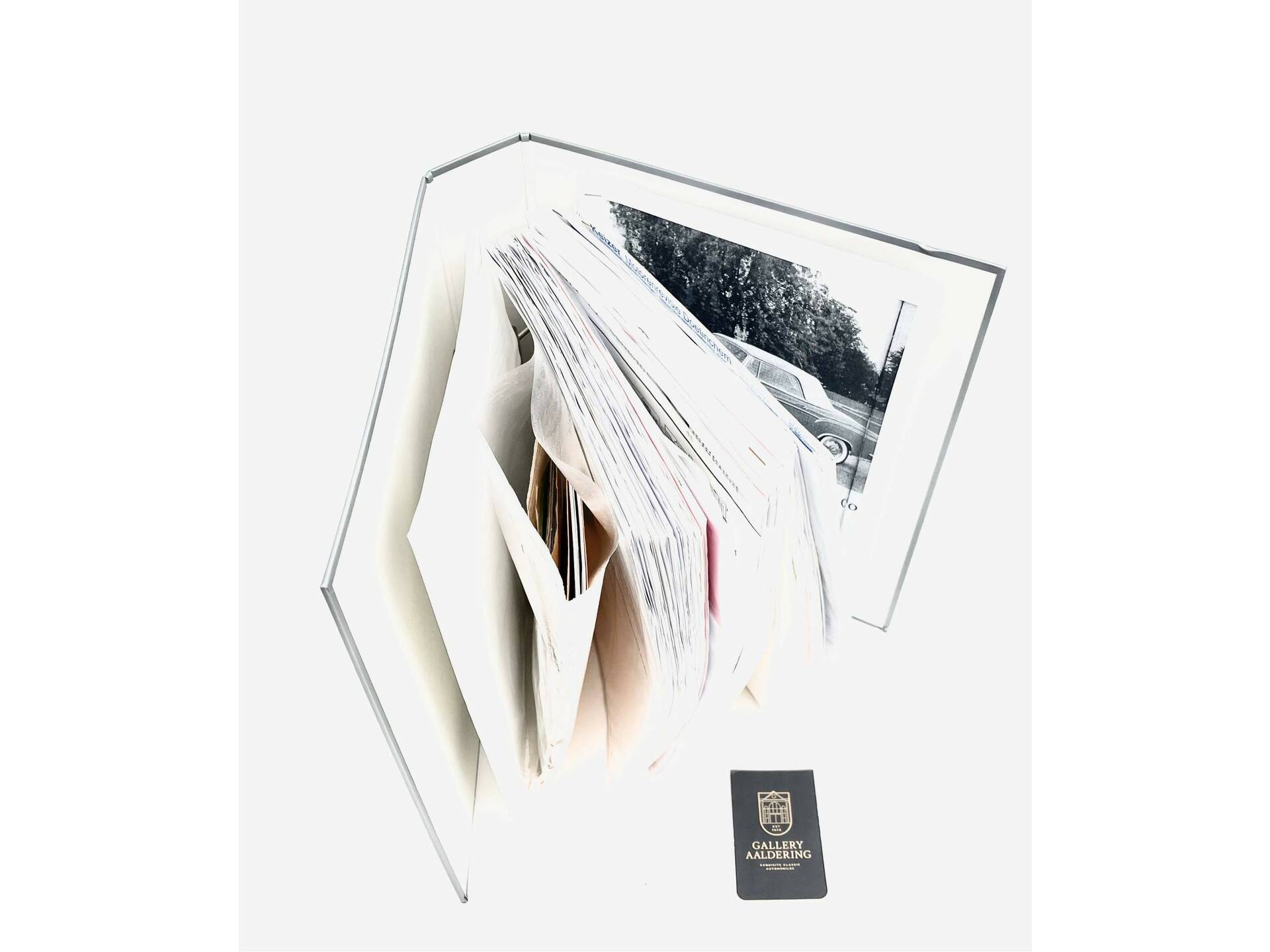
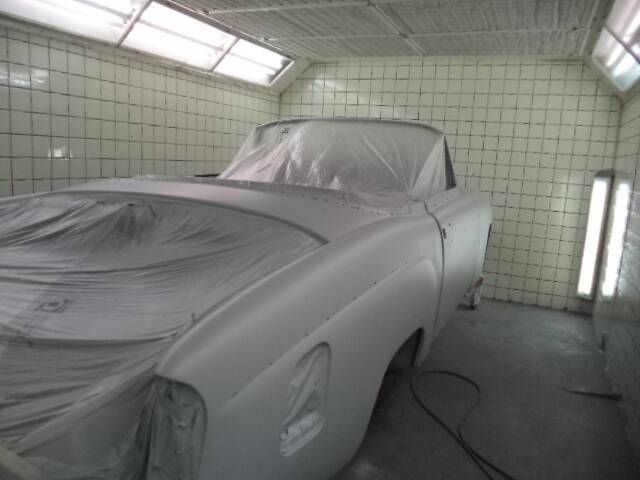
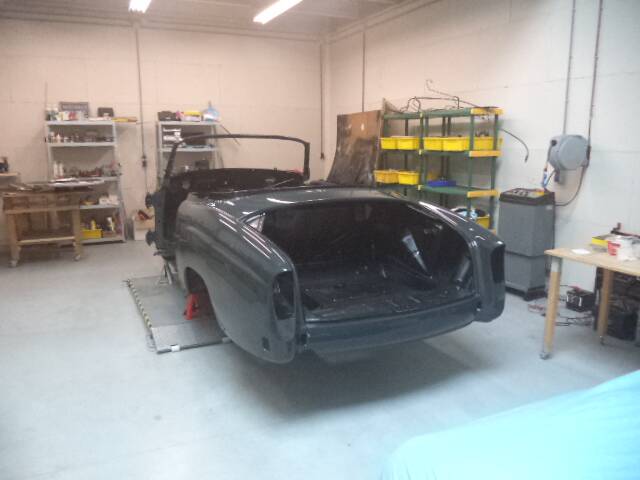
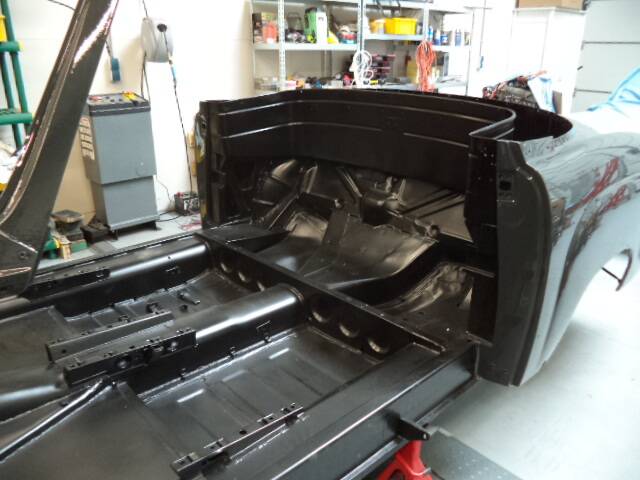
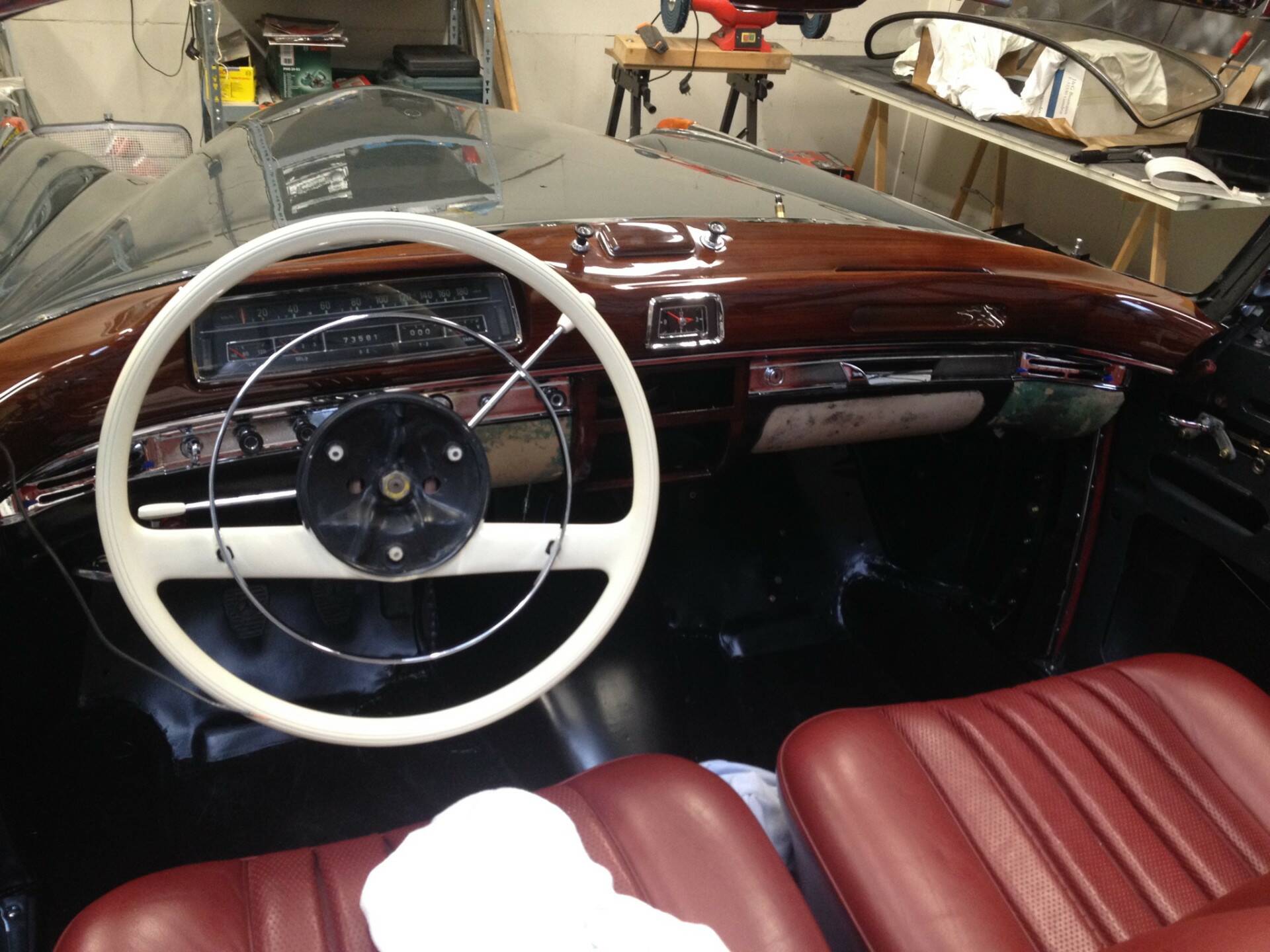
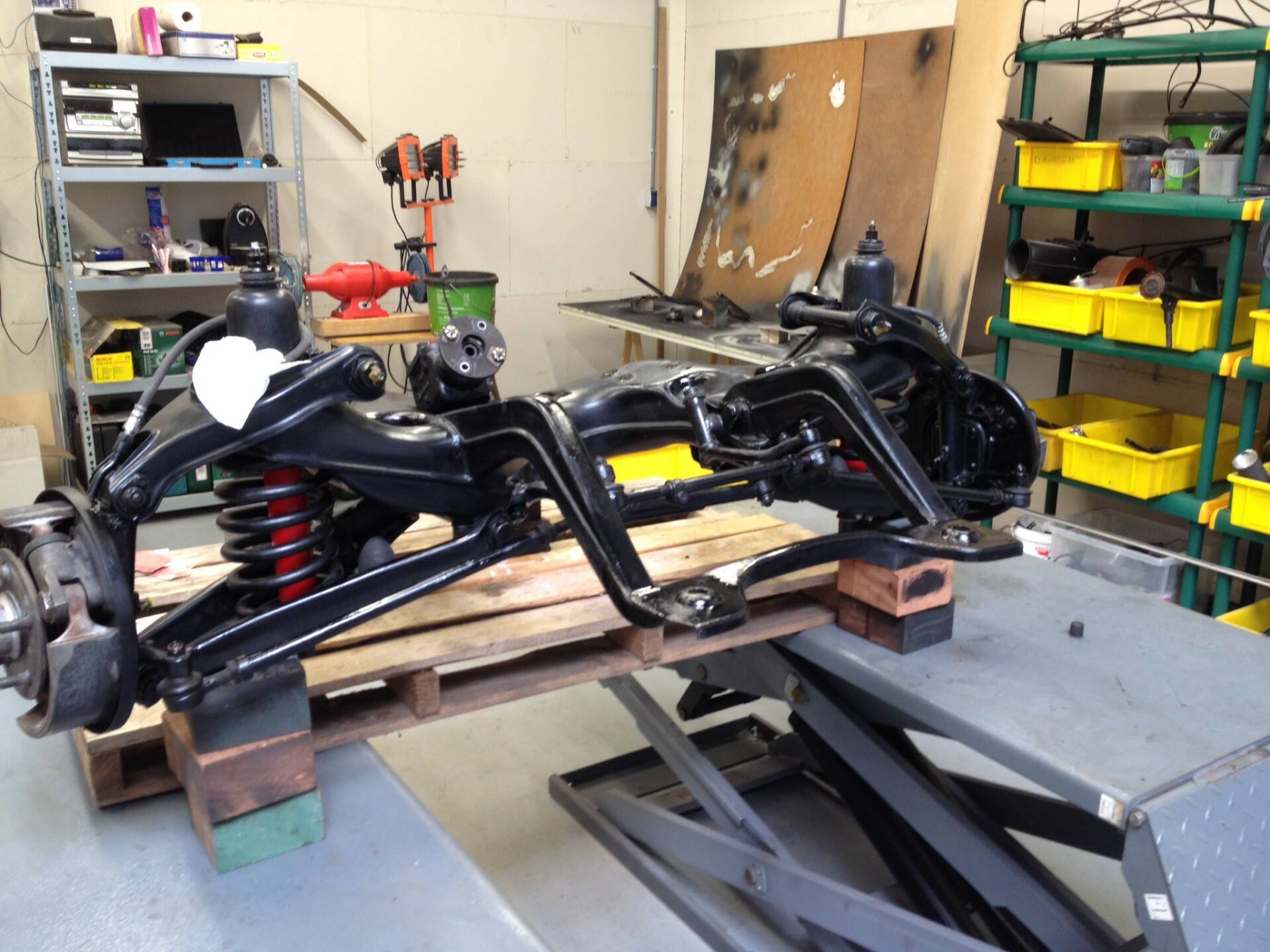
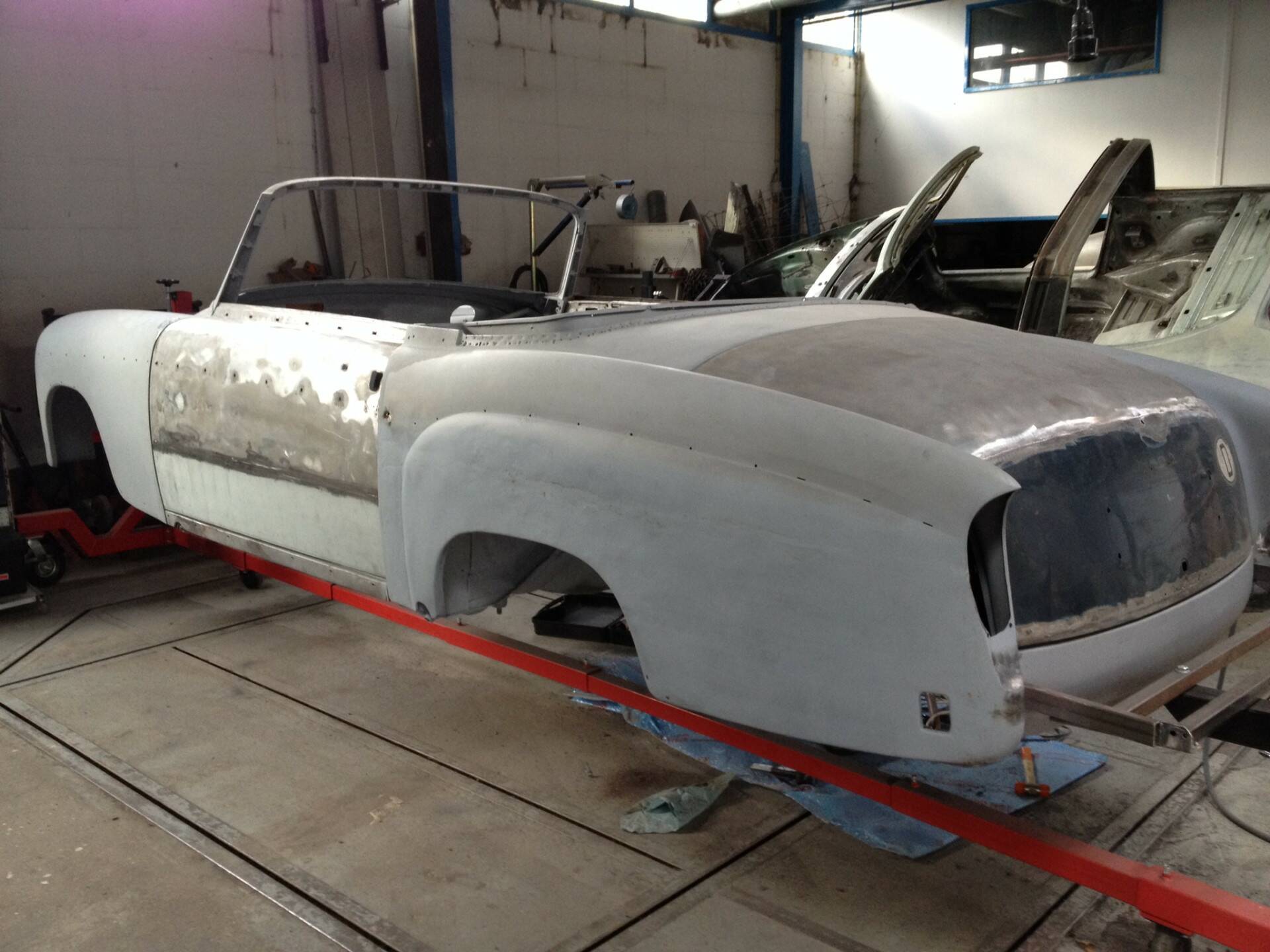
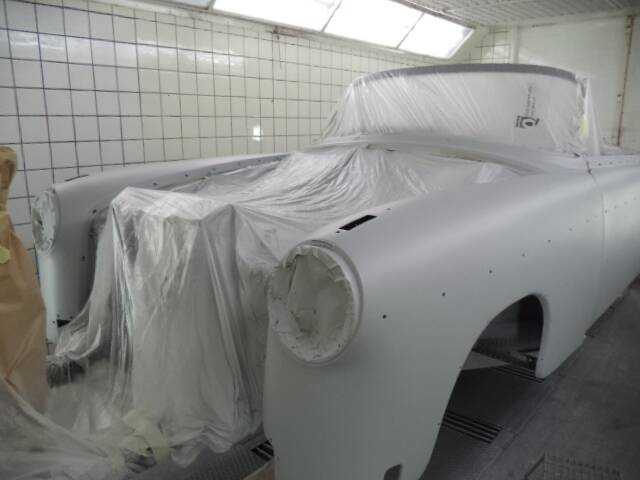
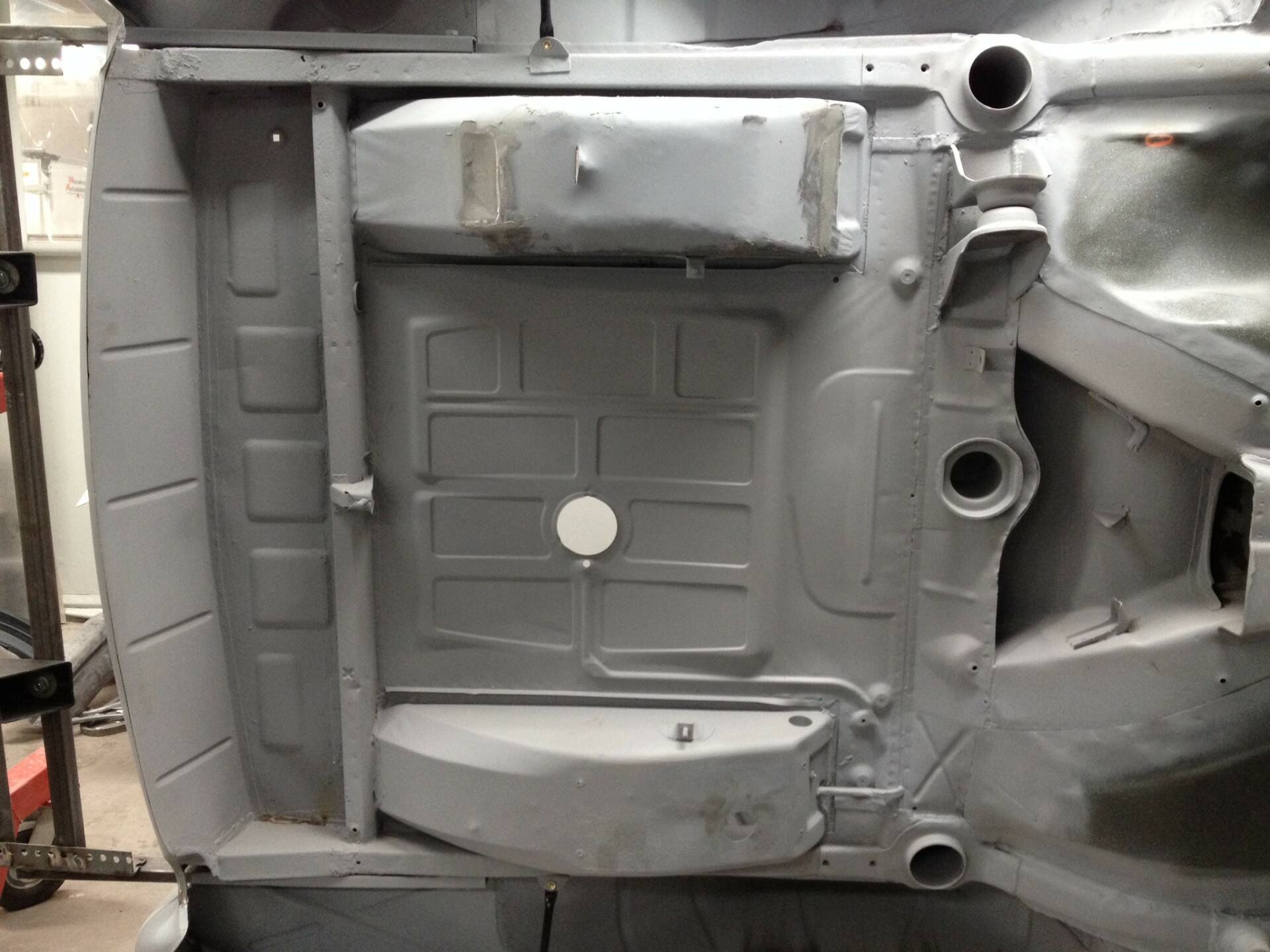
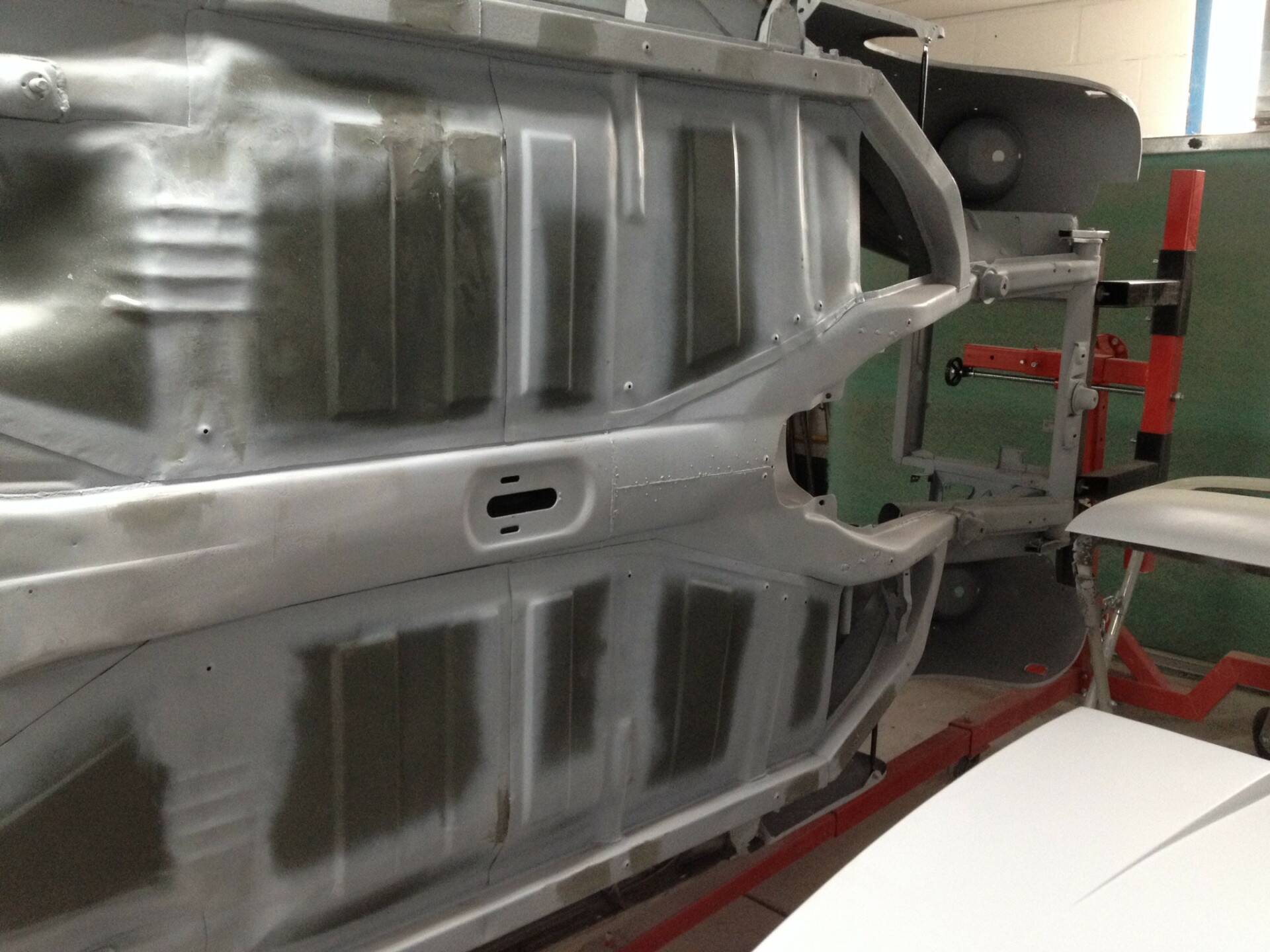
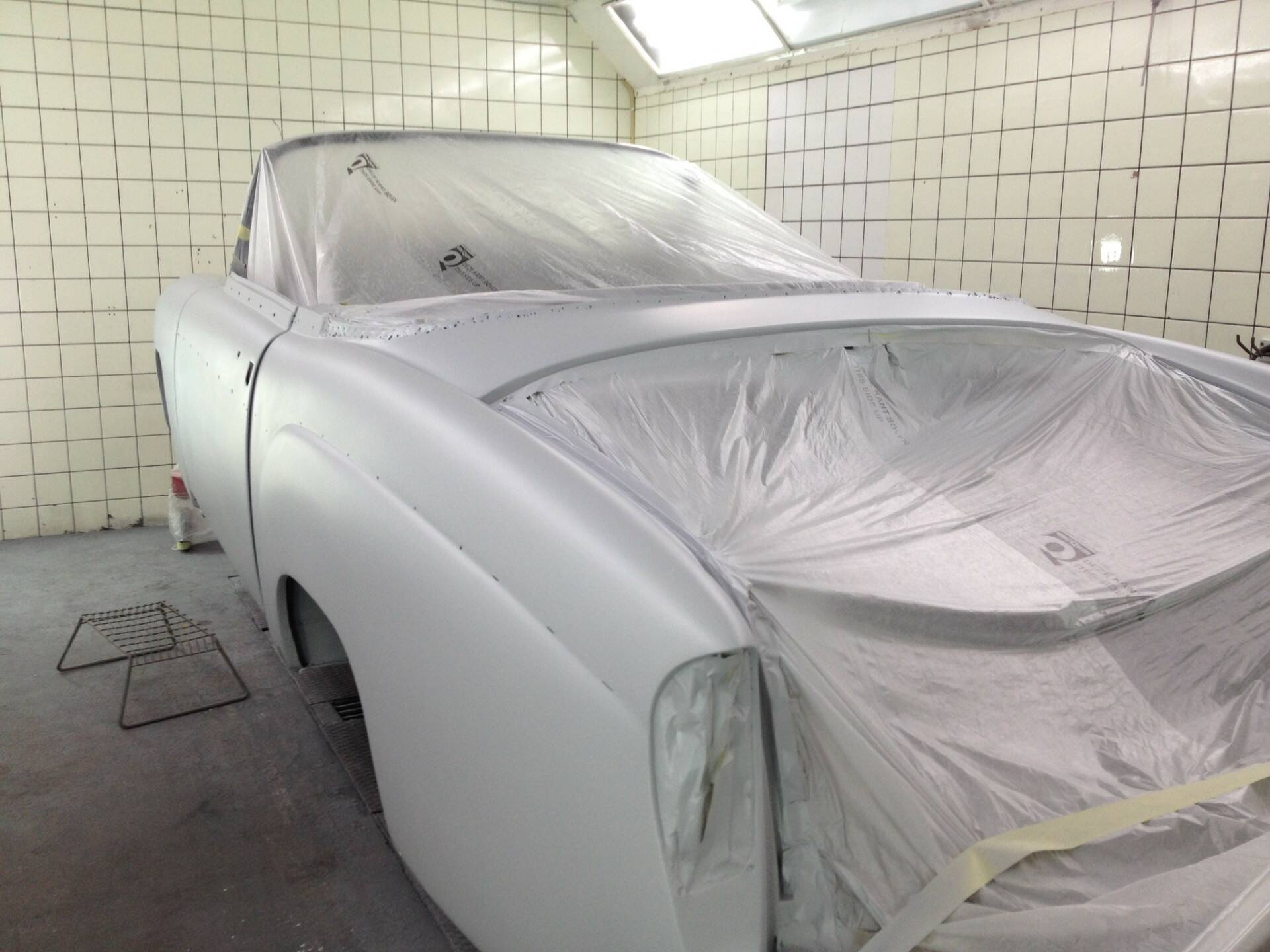
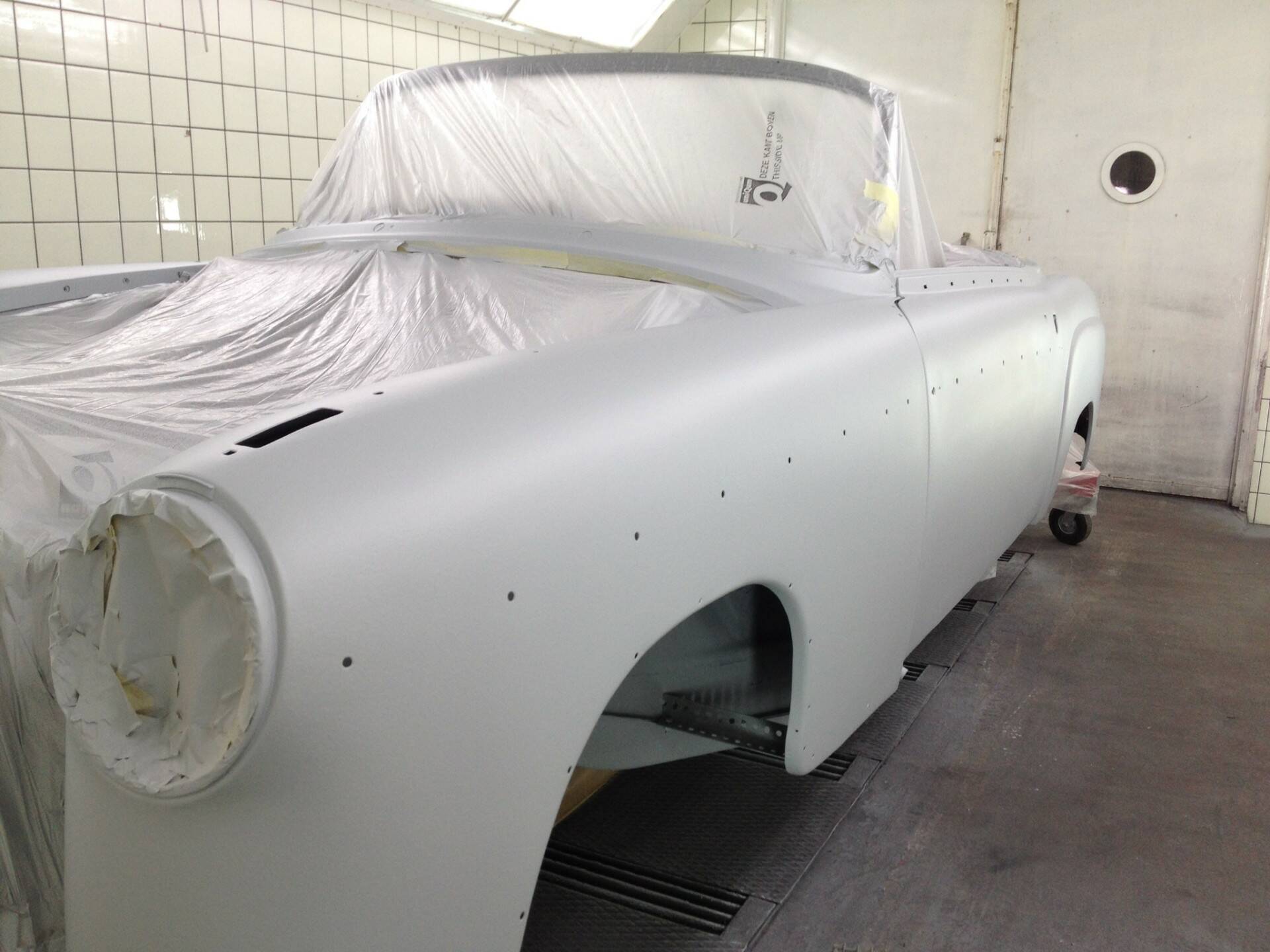
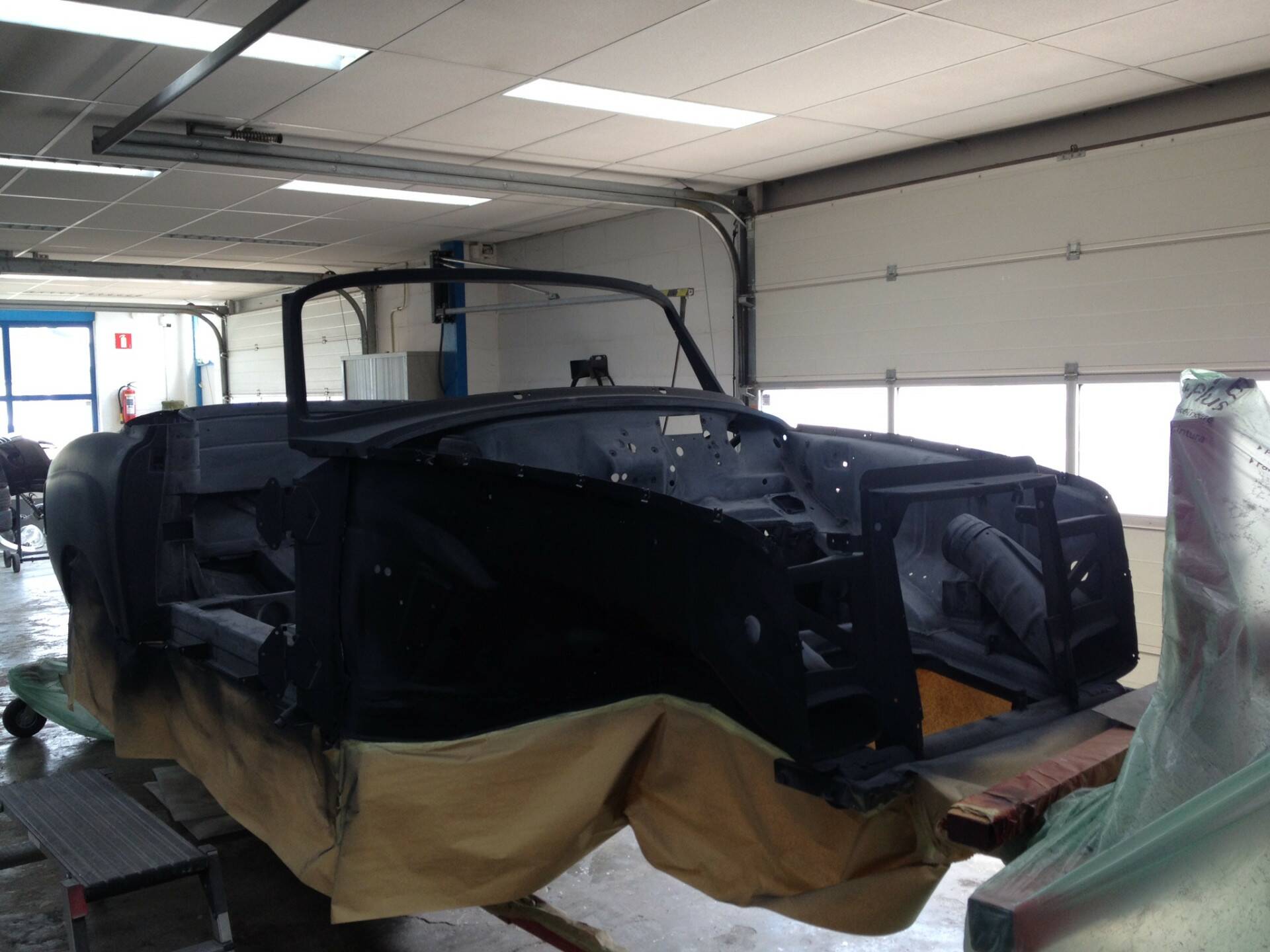
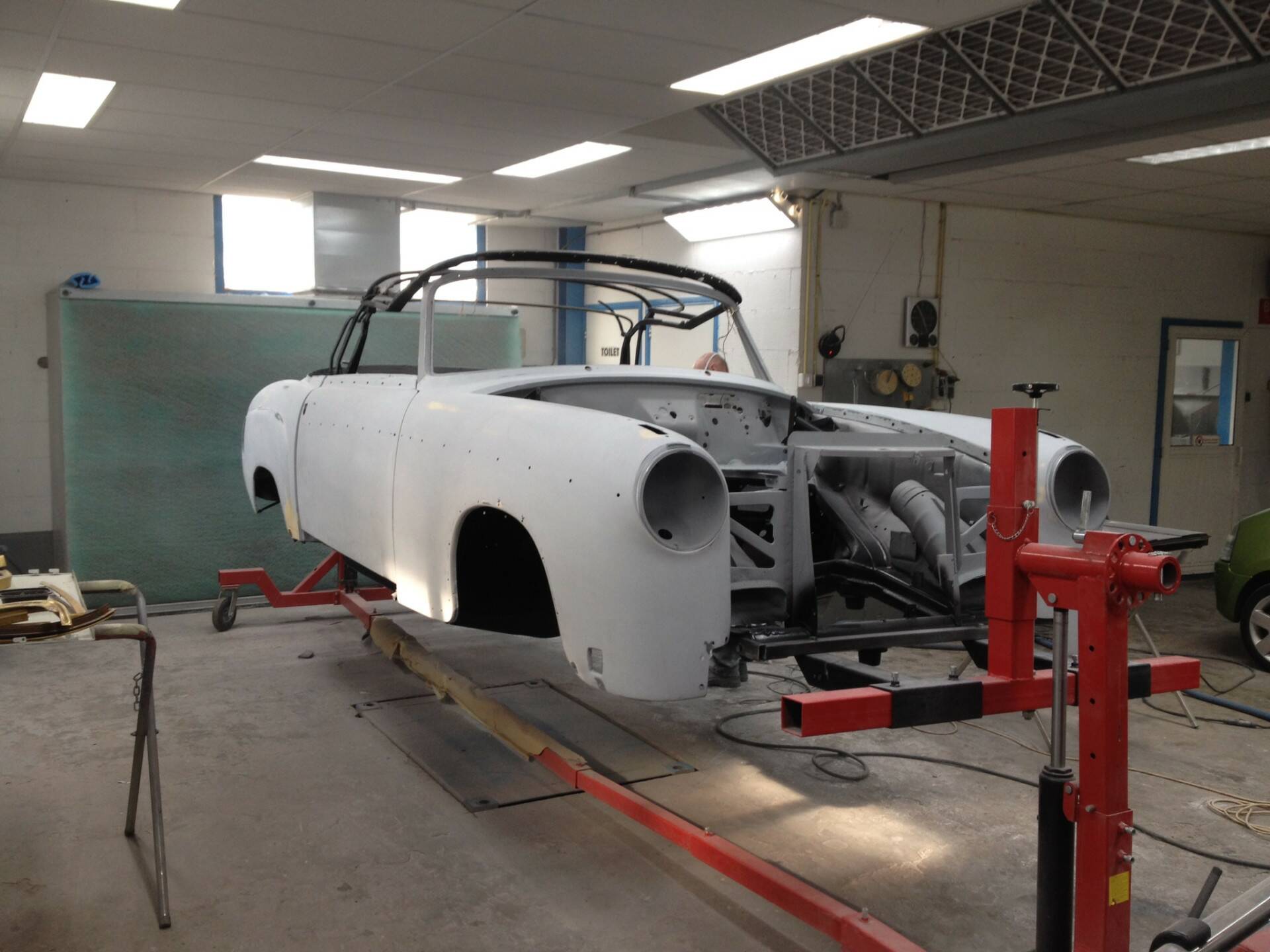
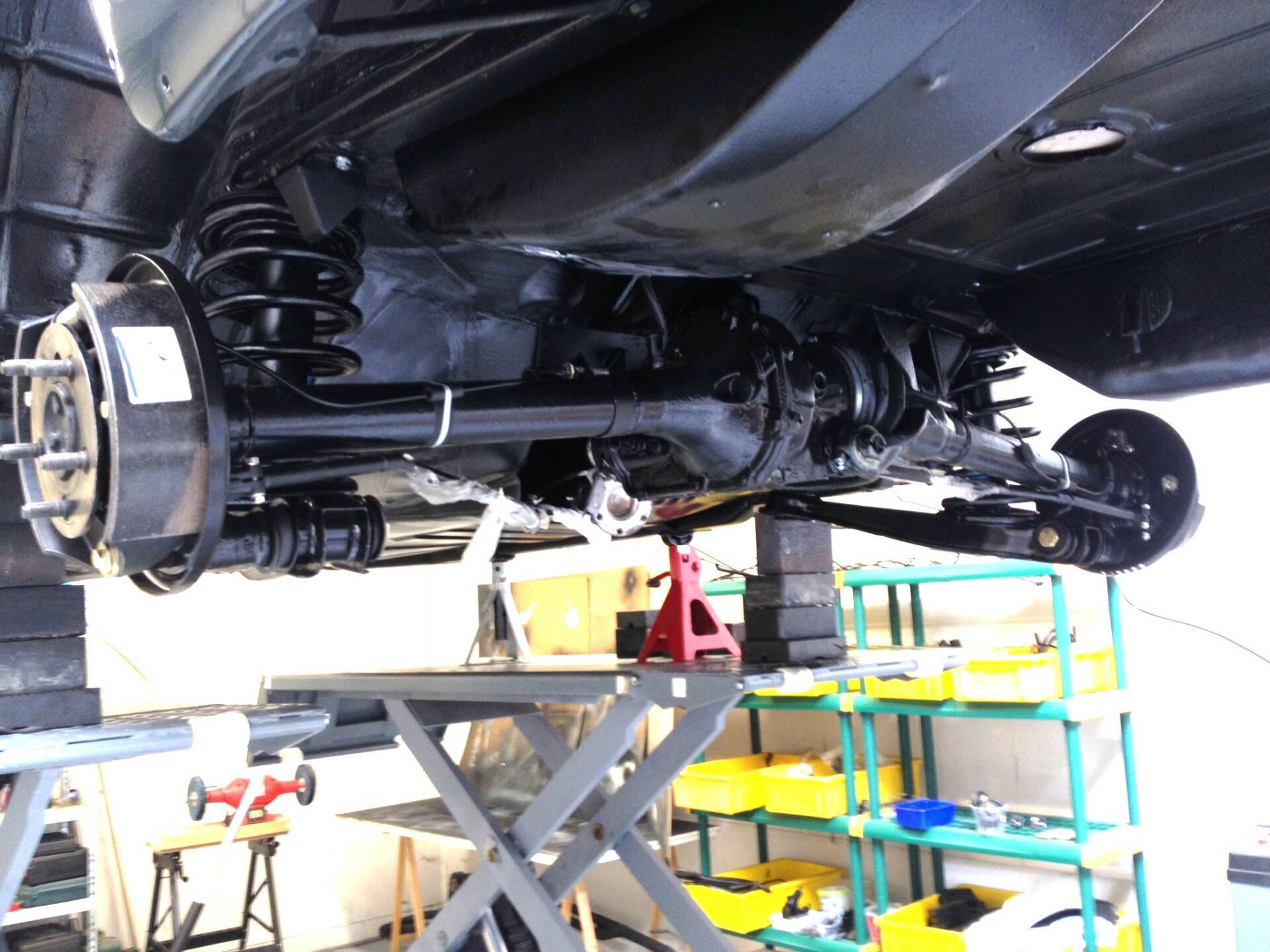
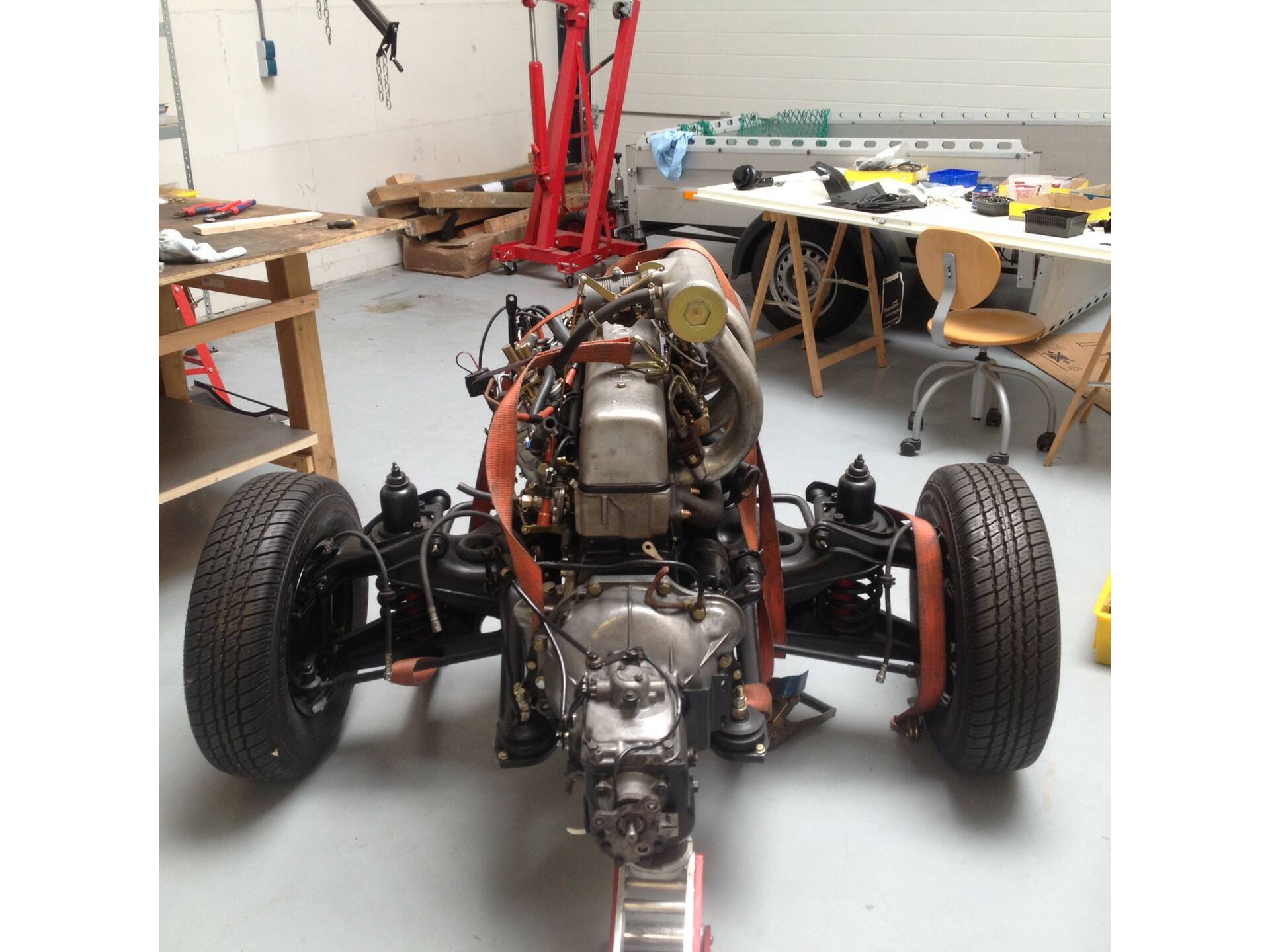
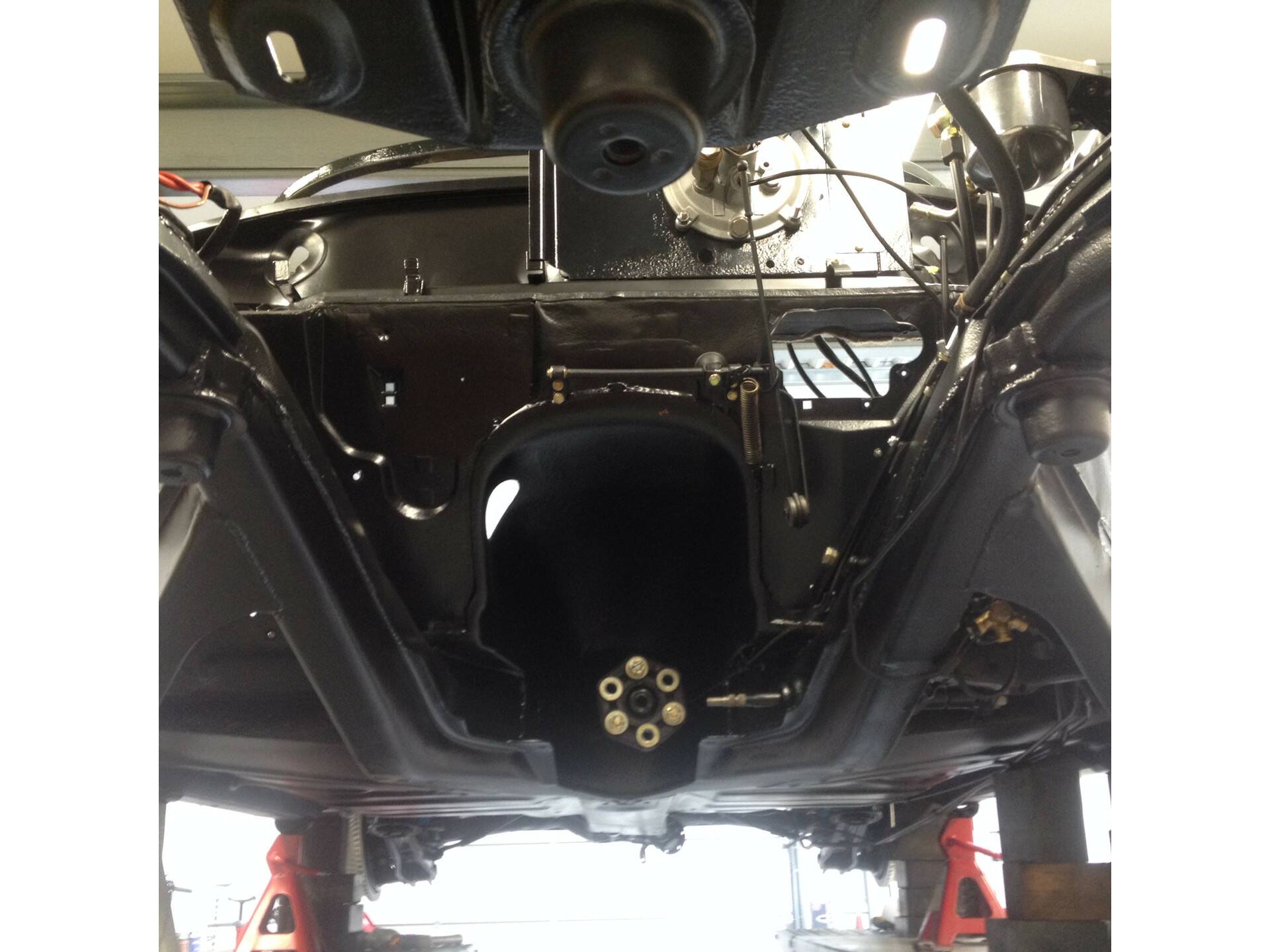
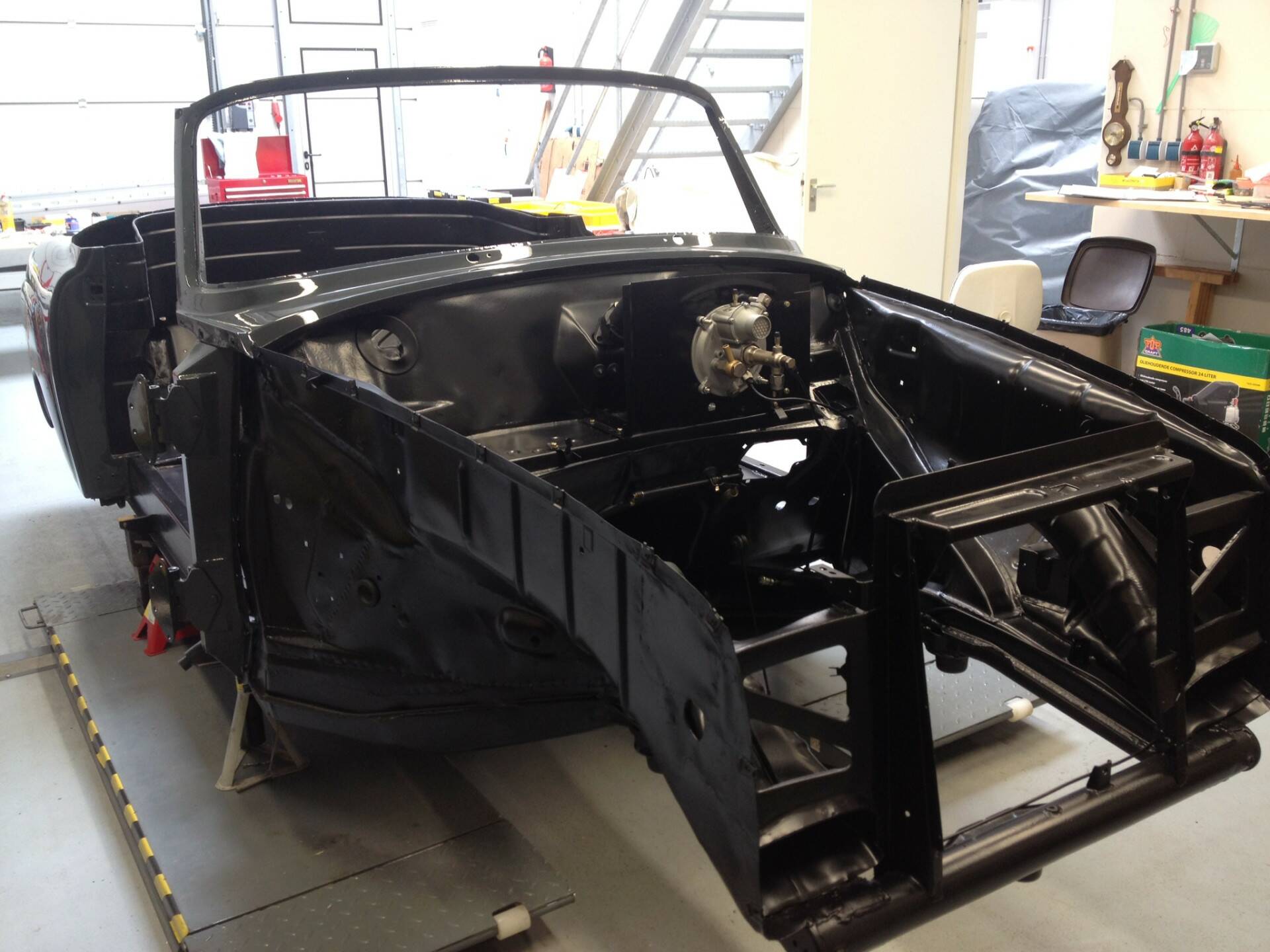
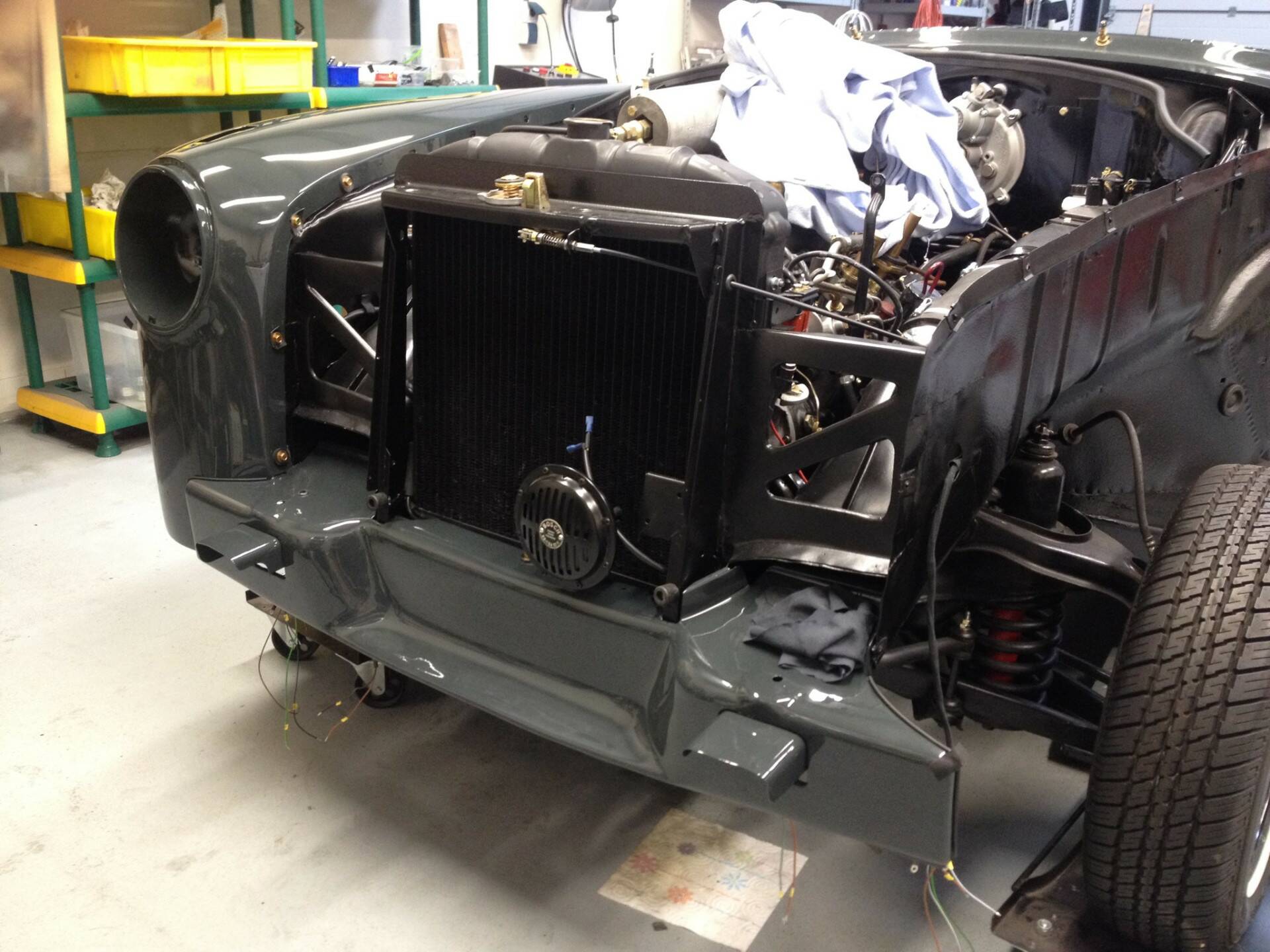
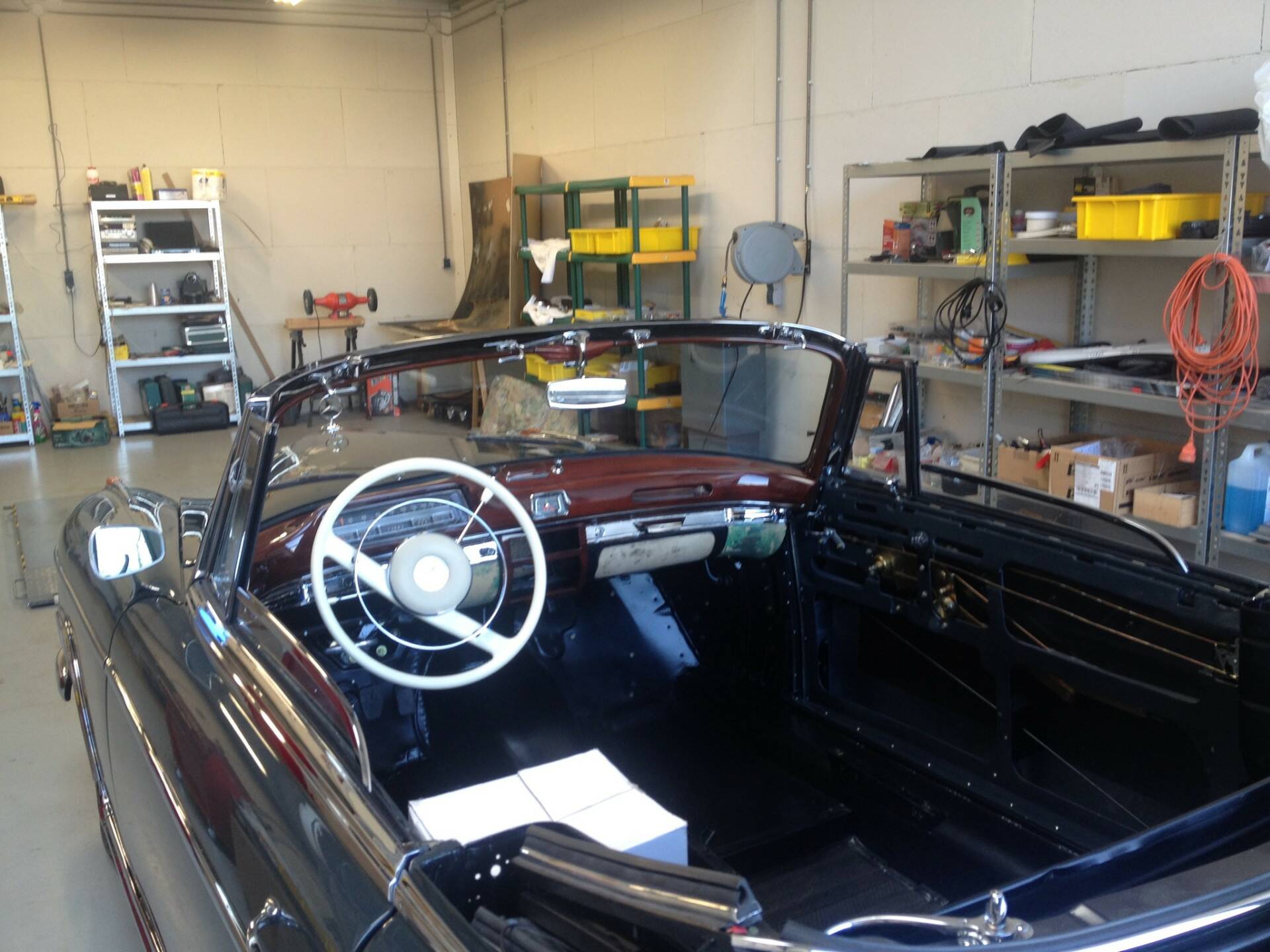
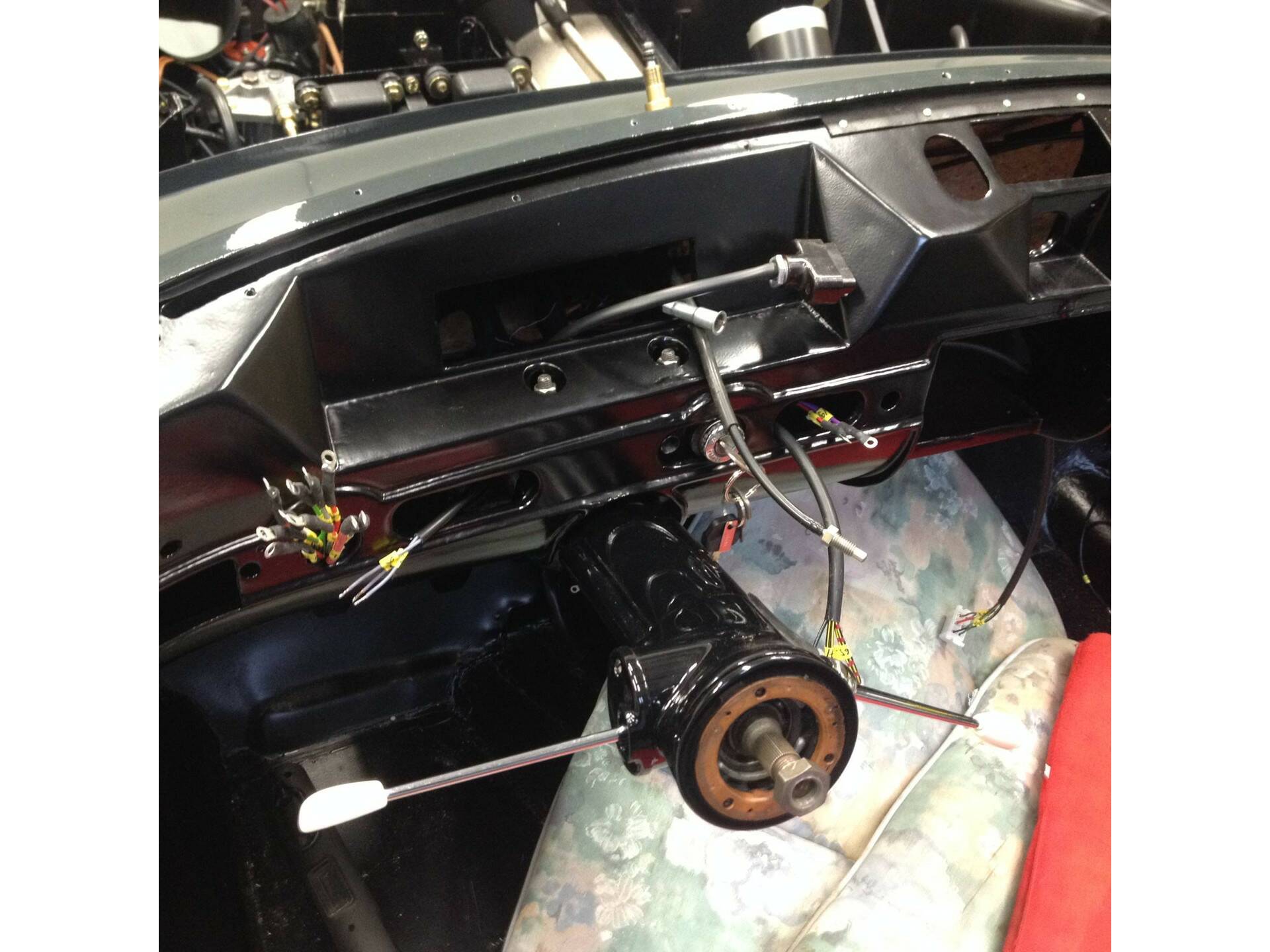
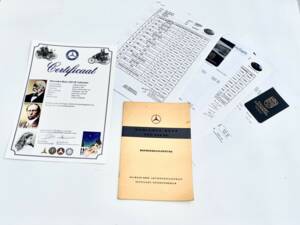
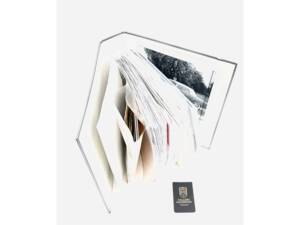
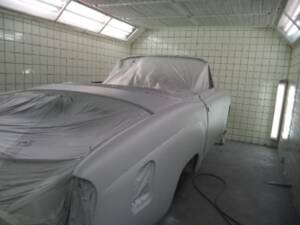
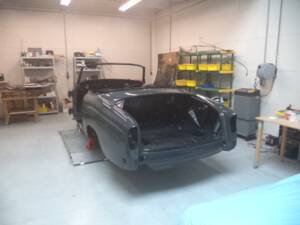
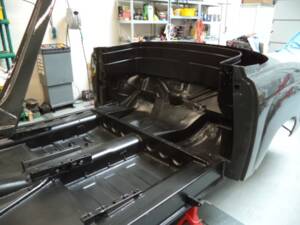
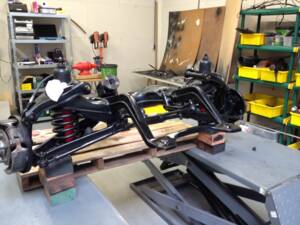
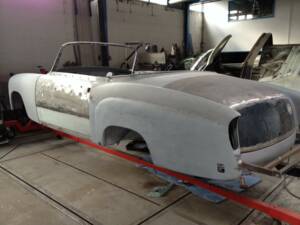
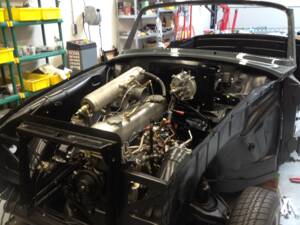
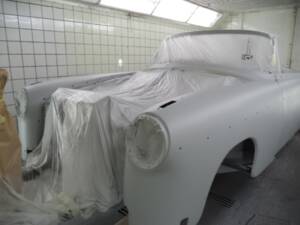
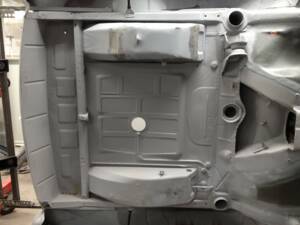
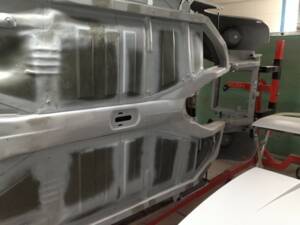
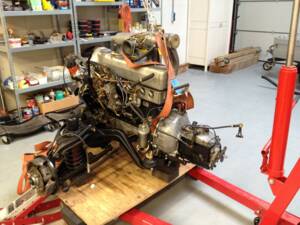
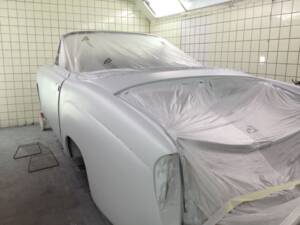
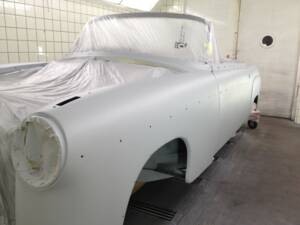
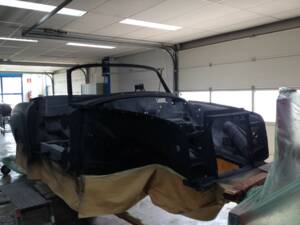
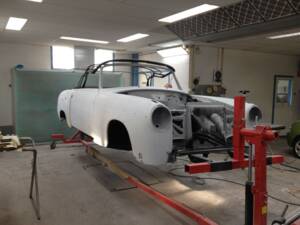
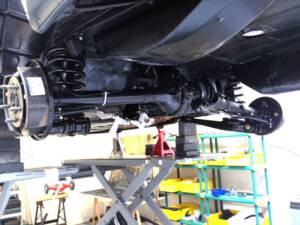
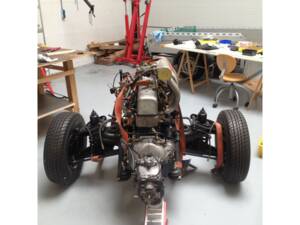
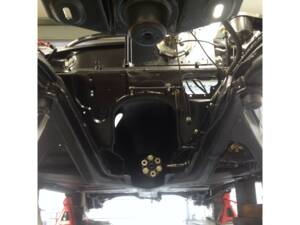
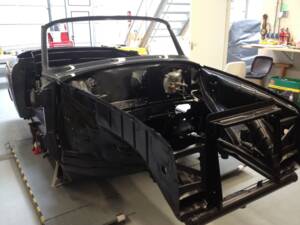
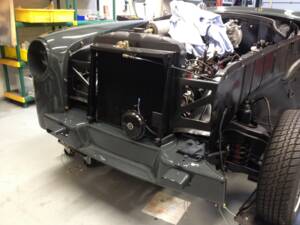
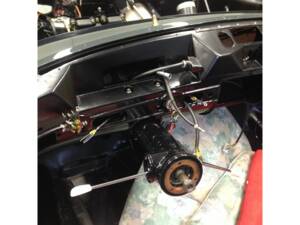
This Mercedes underwent a comprehensive restoration to a very high standard. It was not merely repainted, retrimmed, and mechanically inspected, but completely disassembled. The body was stripped back to bare metal and then carefully rebuilt. The restoration is extensively documented with photographs and invoices from highly regarded specialists.
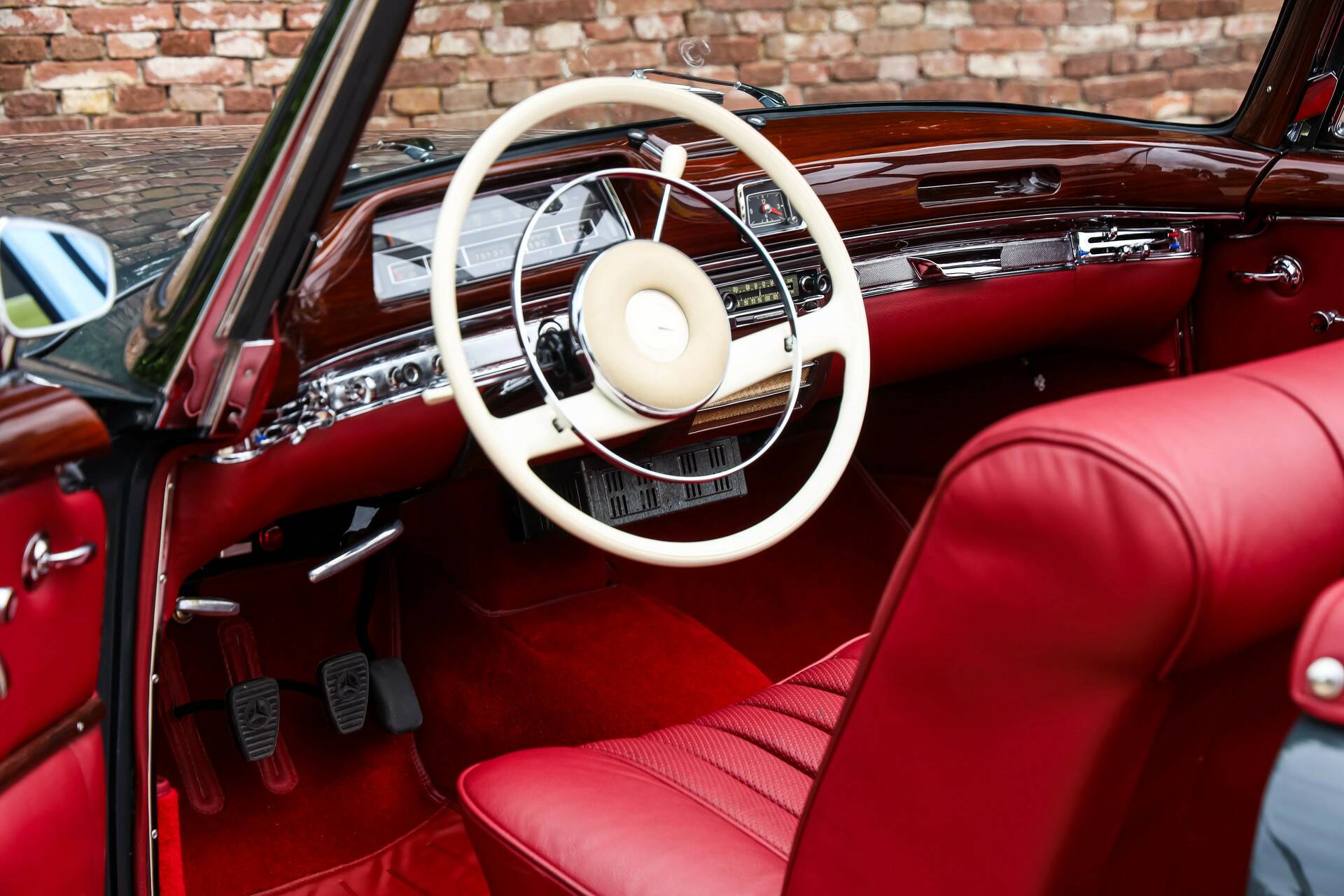
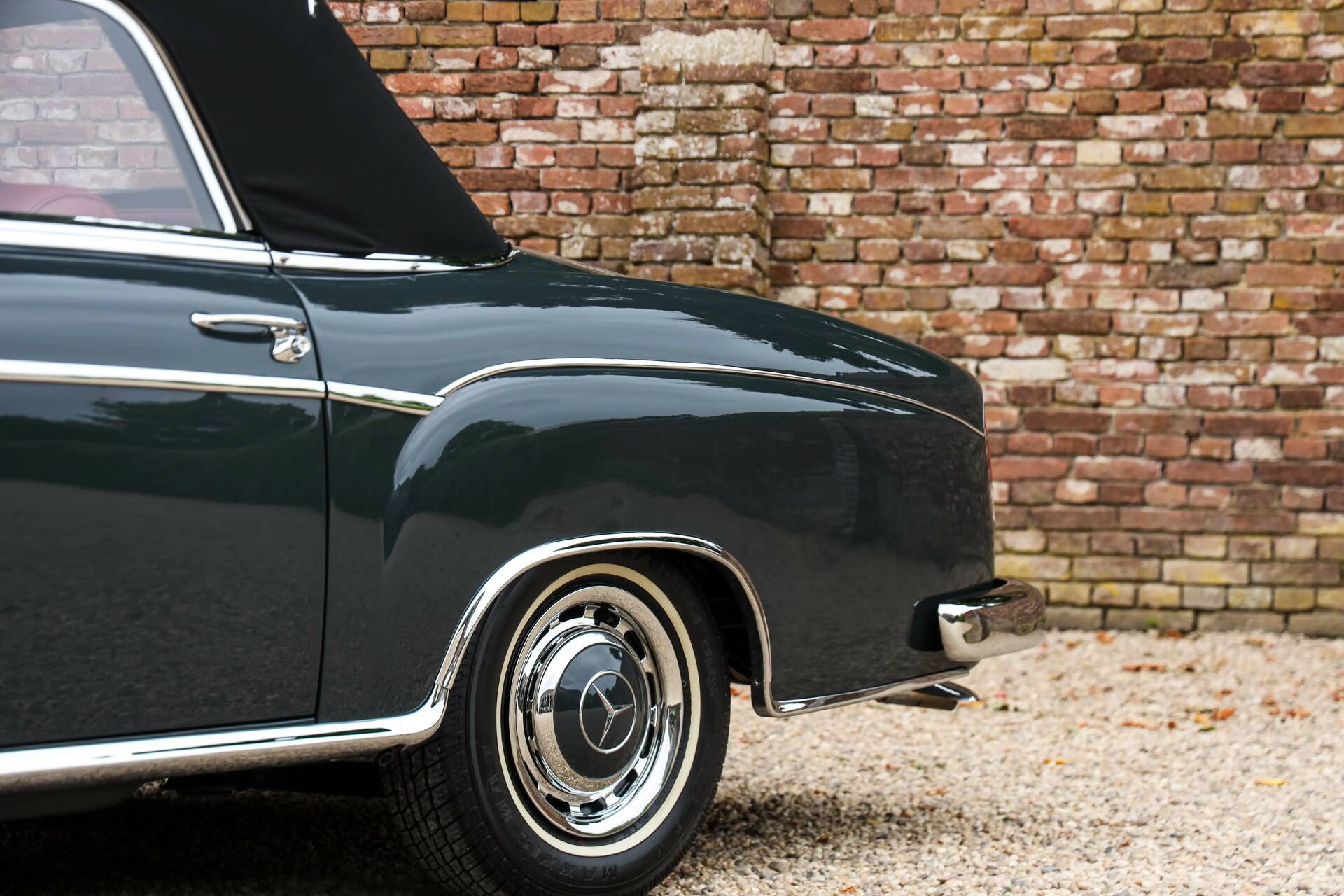
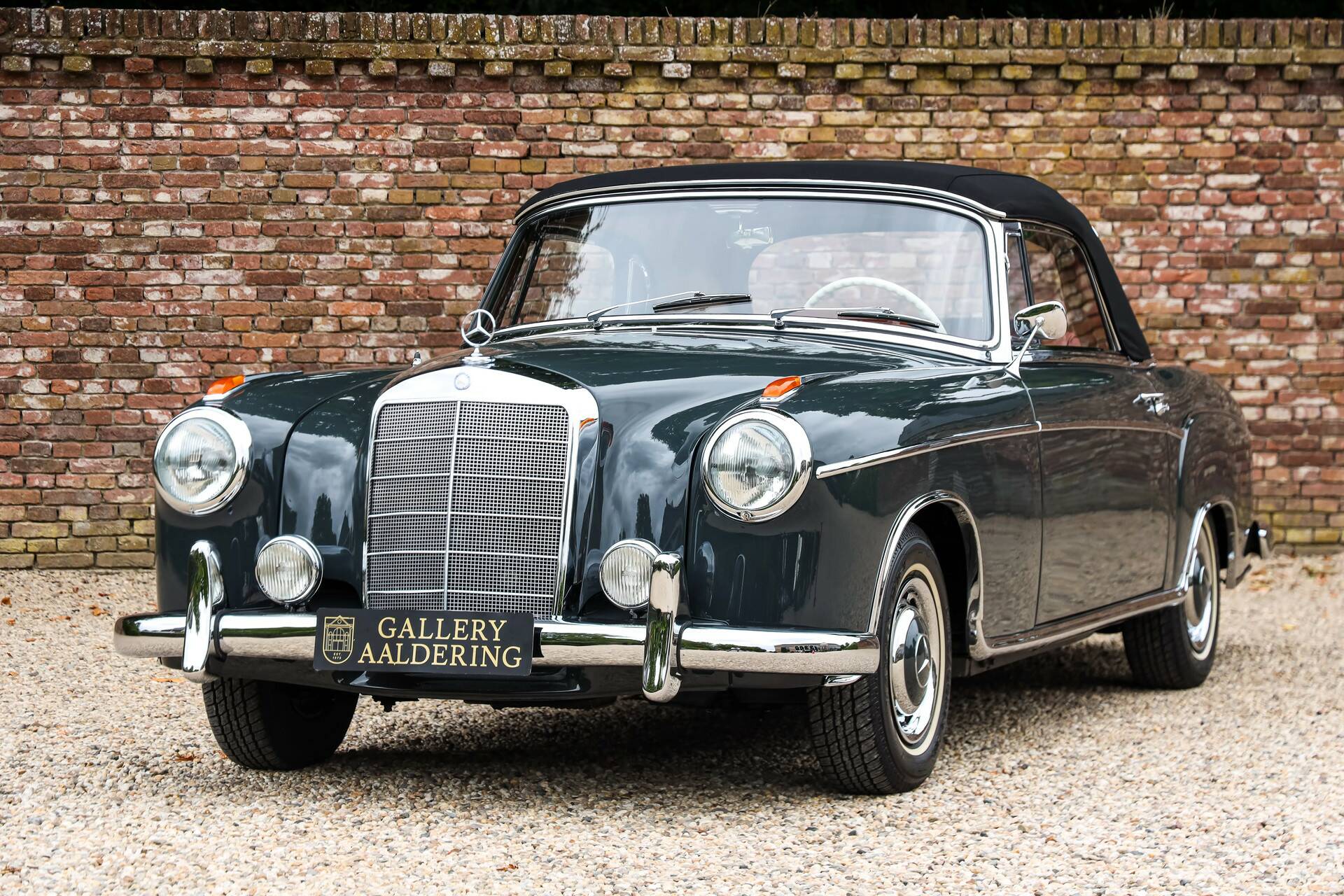
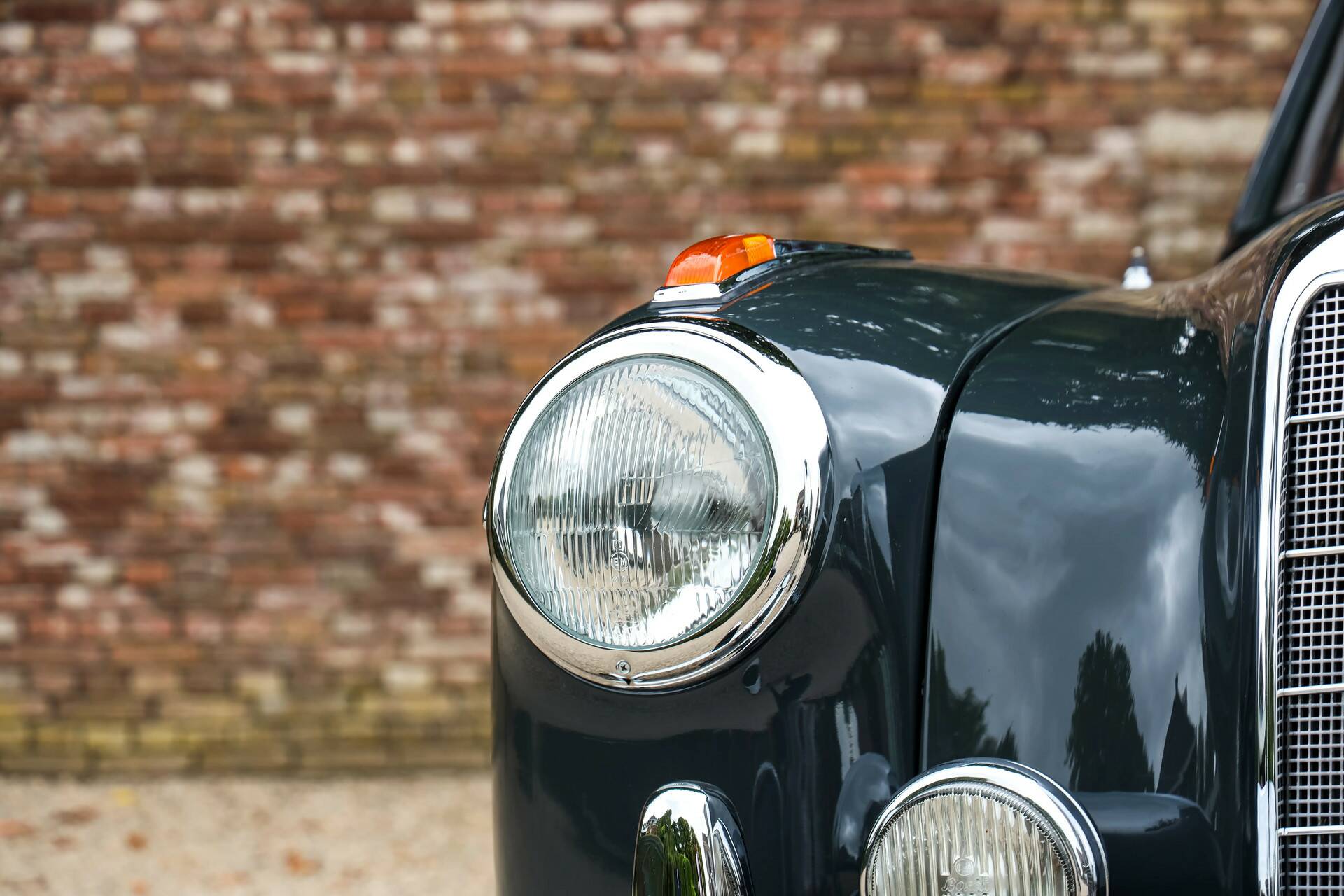
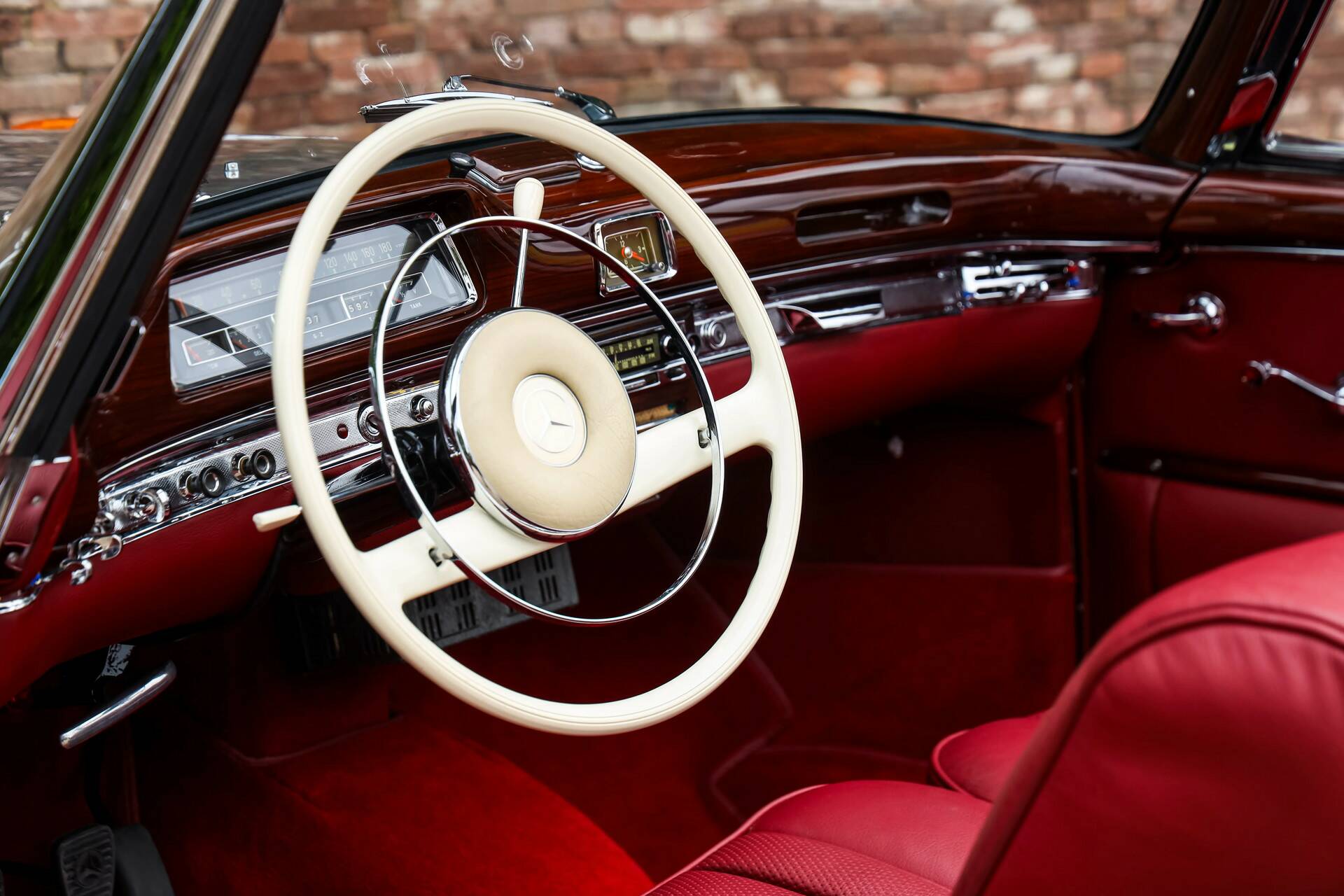
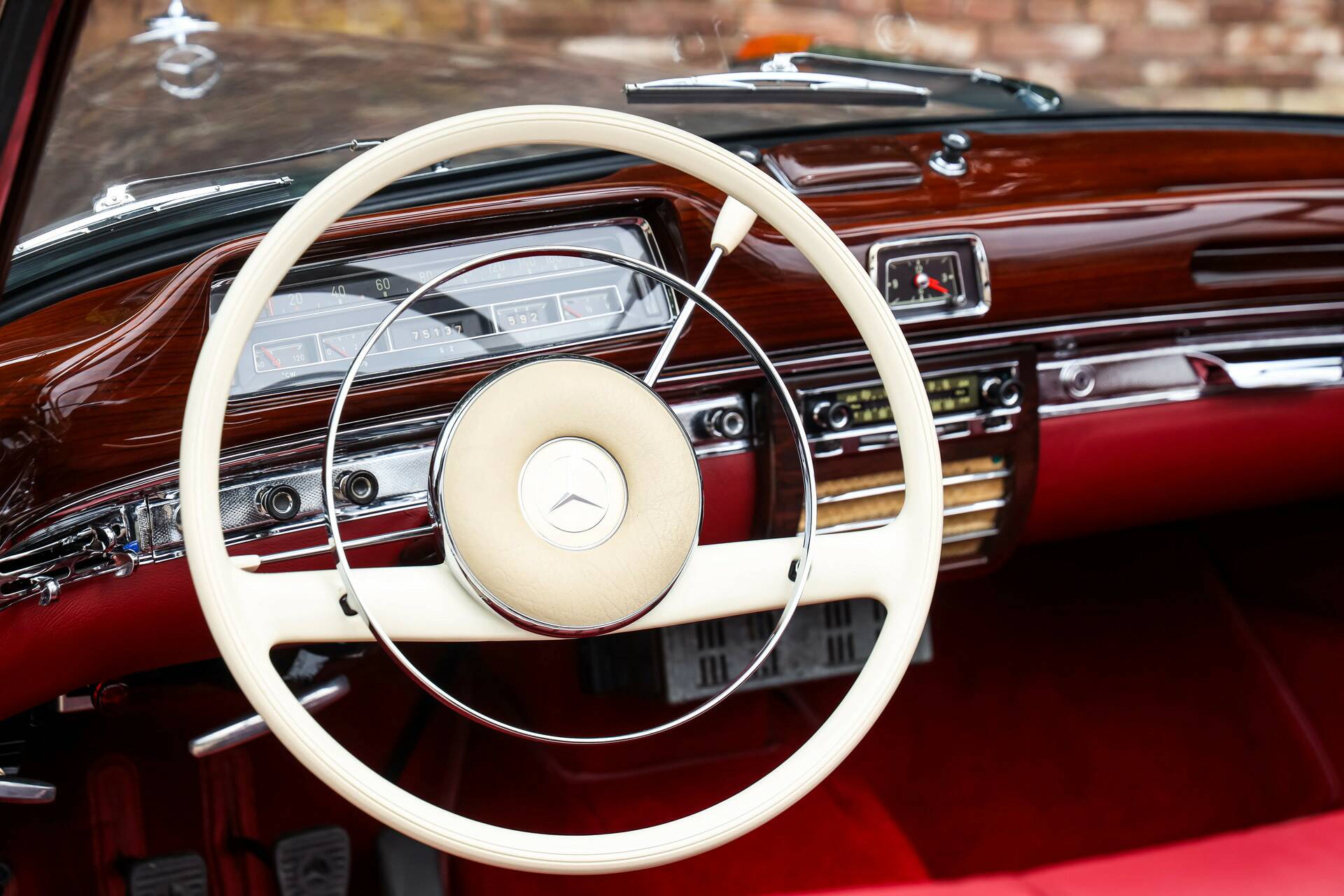
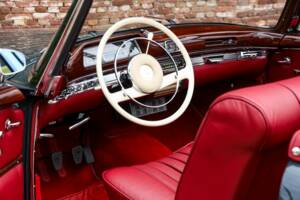
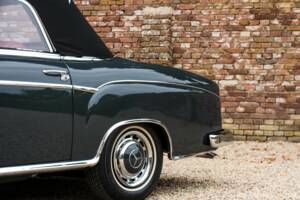
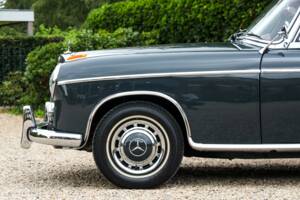
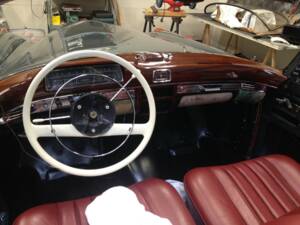
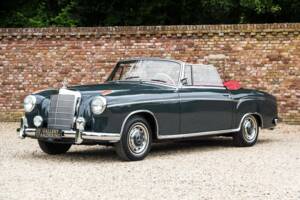
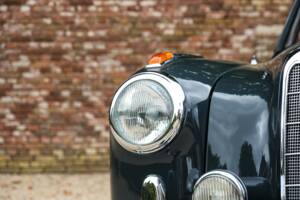
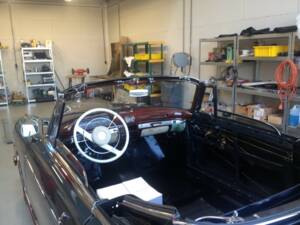
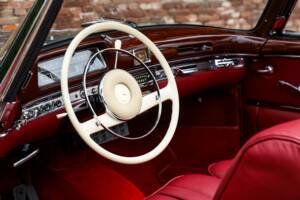
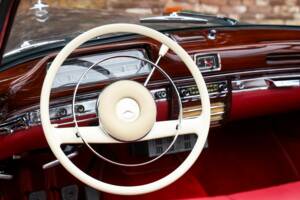
The bodywork, mechanical components, and interior were all treated with the same level of care. The wood trim fits beautifully, the chrome gives the car precisely the right amount of presence, and the interior possesses that distinctive atmosphere only a carefully finished Mercedes of this era can provide. Elegant, but never excessive. Luxurious, yet certainly not ostentatious.
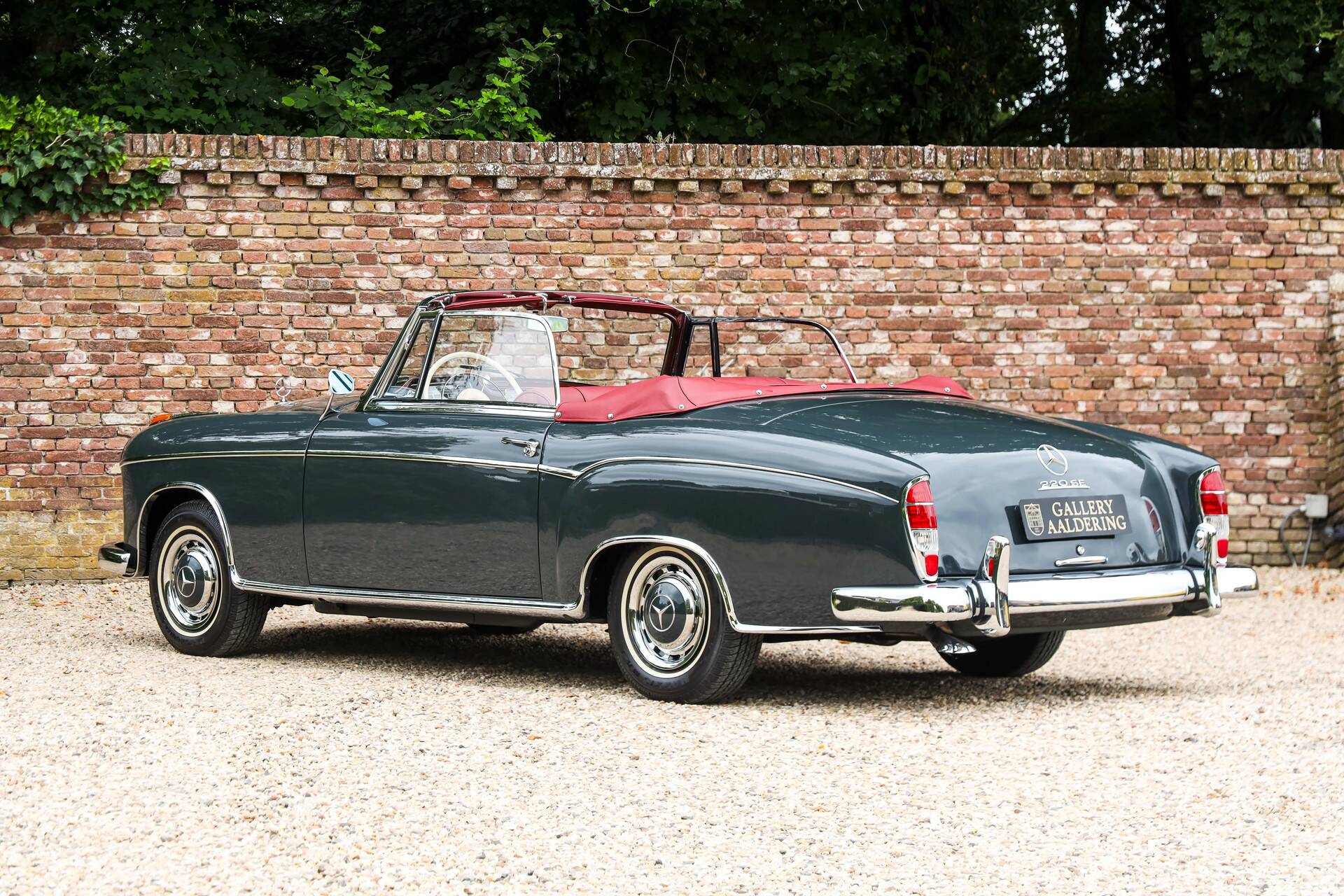
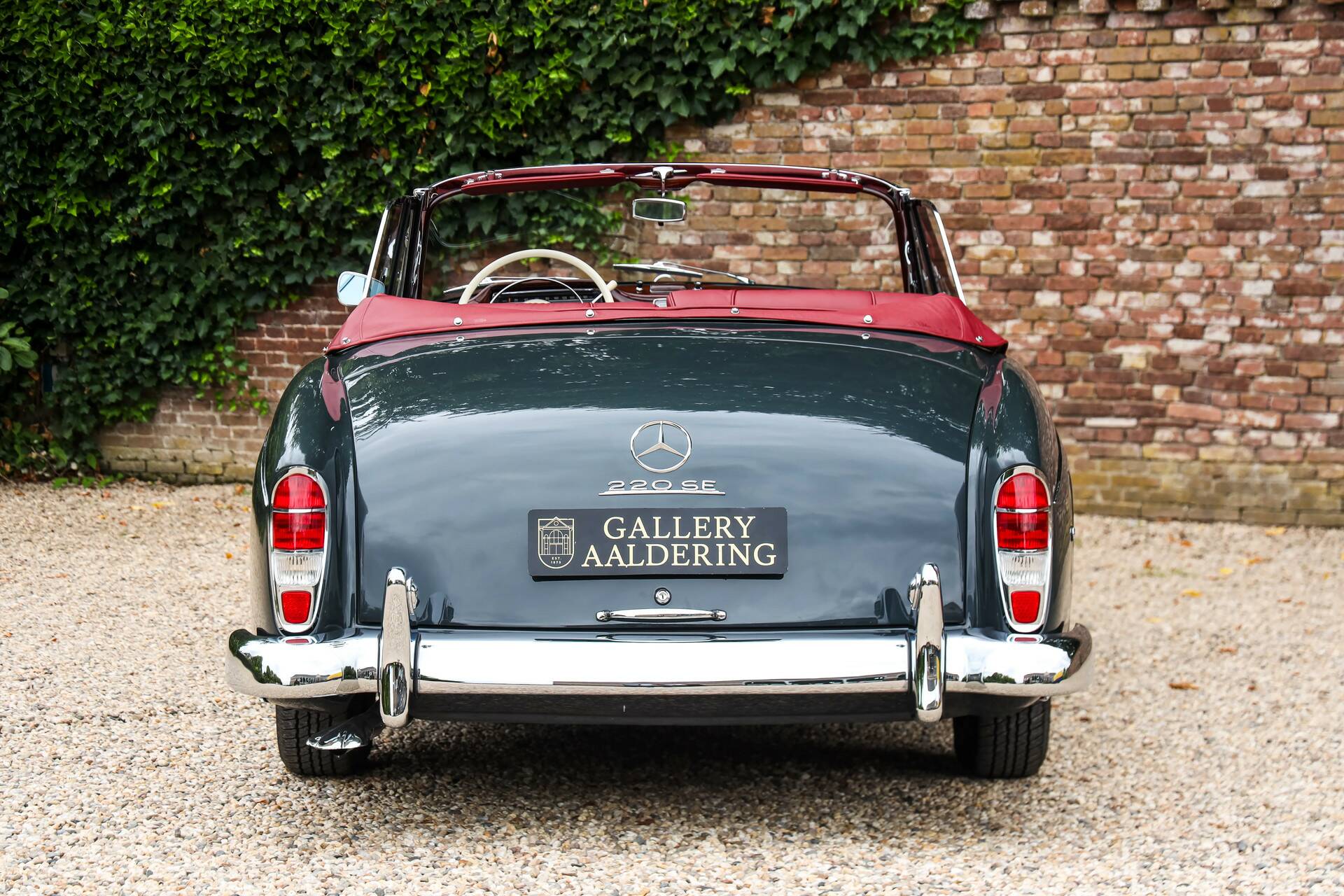
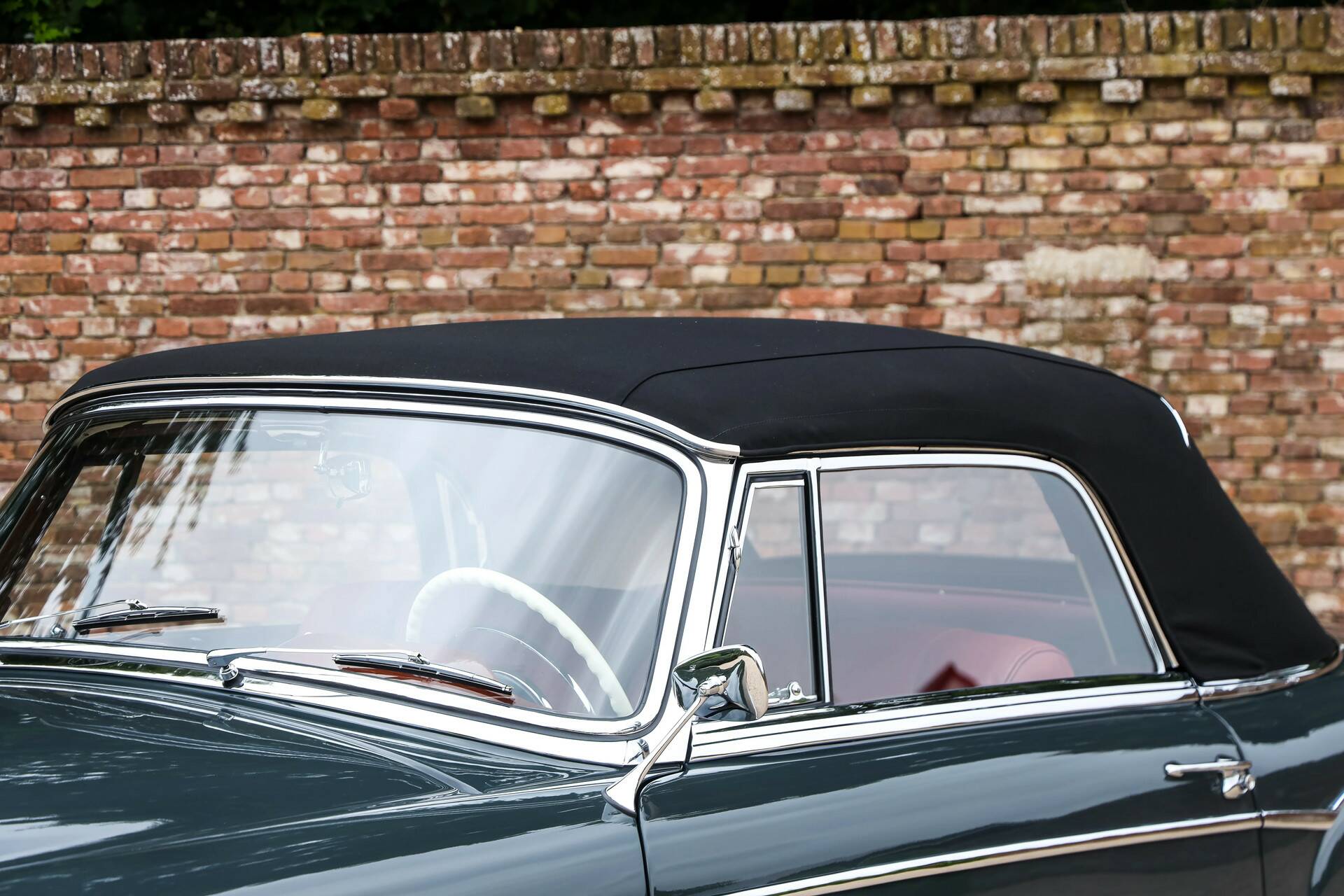
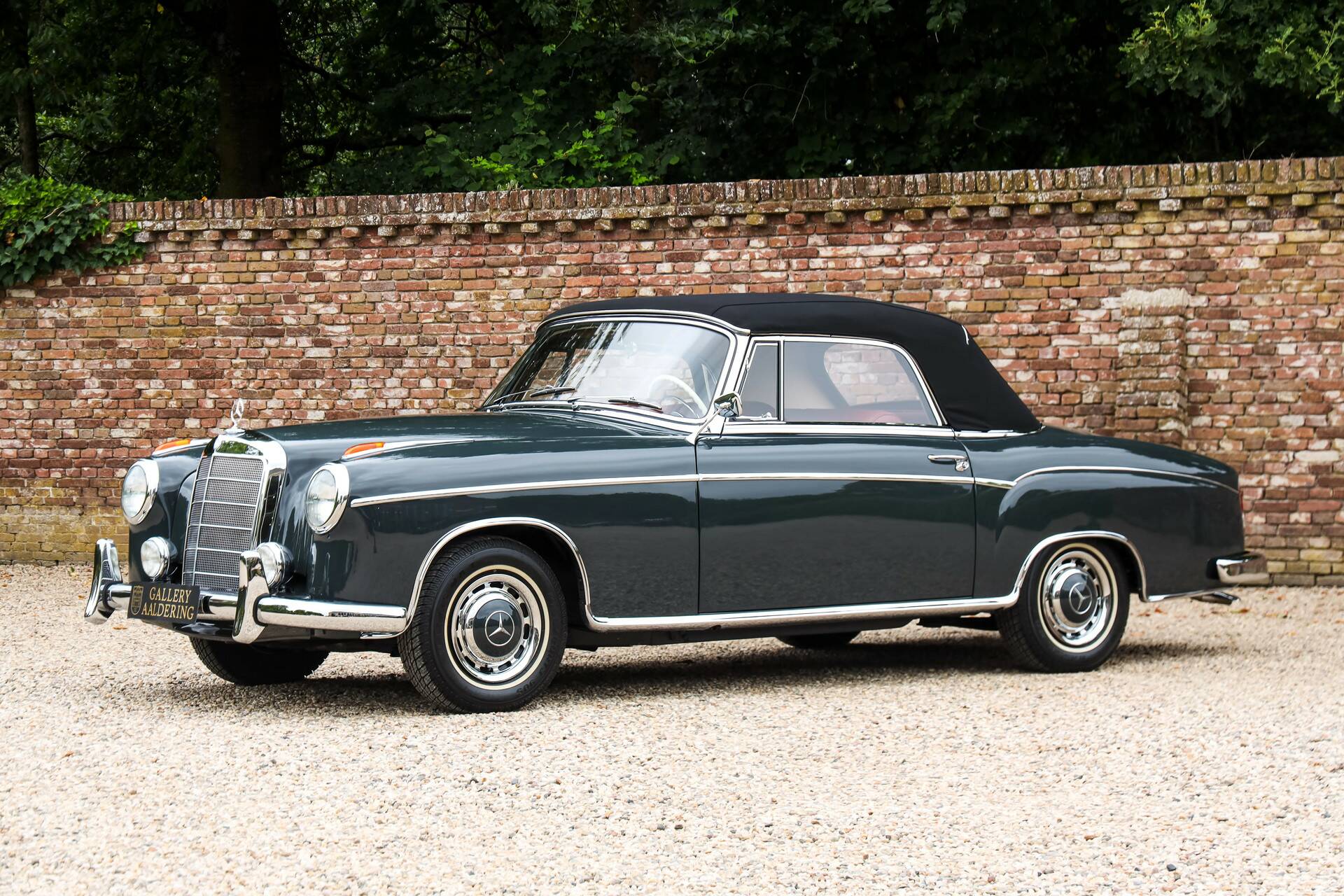
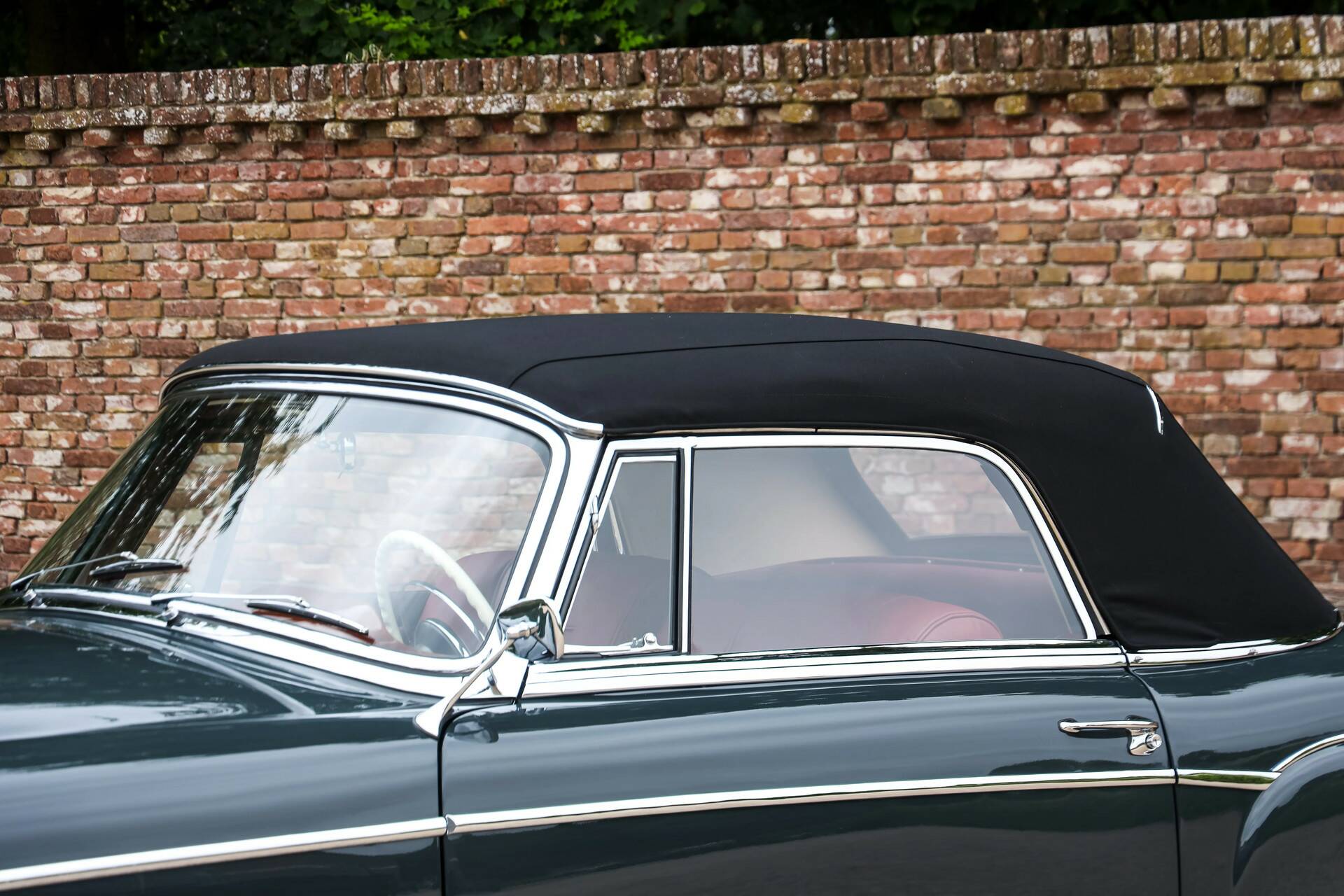
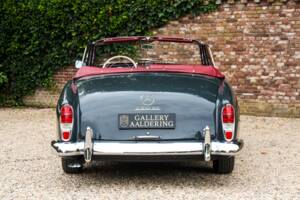
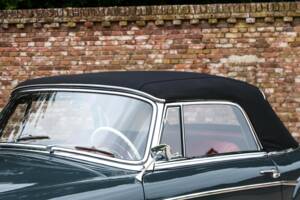
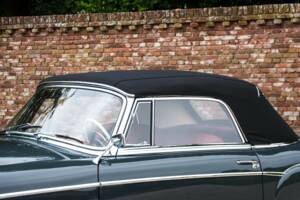
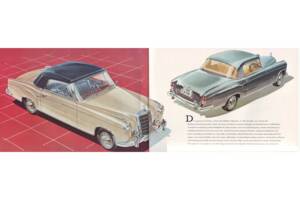
This Mercedes also retains matching numbers and was restored in its original color combination. This has been confirmed using official information from Mercedes-Benz. Speaking of the color scheme, the Cabriolet’s original top was dark blue. Today, the car is fitted with a black convertible top made from high-quality mohair.
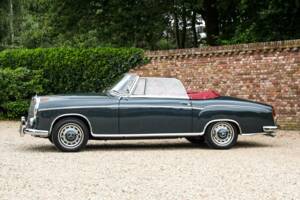
Once lowered, the top folds away neatly behind the rear seat, allowing the long, low lines of the body to be fully appreciated. Unlike many two-seat convertibles, the 220 SE also provides room for several occupants. Or for two people with more than enough luggage space for a long weekend away.
The Mercedes-Benz 220 SE Cabriolet represents an important link in the marque’s postwar history. It occupies the space between the stately 300 “Adenauer” and the more modern W111 models that followed. It comes from a period in which Mercedes-Benz once again demonstrated that technical progress and classical styling could coexist beautifully.
Interested? Contact Gallery Aaldering today and discover this Mercedes-Benz for yourself. We export our vehicles worldwide; please inquire about the available possibilities.