Heinkel Trojan classic cars for sale
The Heinkel Trojan, a microcar blending engineering innovation with minimalist design, is sought after by enthusiasts for its unique three-wheel configuration, featherlight structure, and lively single-cylinder engine. As an efficient city car with surprisingly agile handling, this model stands out for users valuing practicality, history, and distinctive charm.
Search results
Currently, there are no matching listings for your search.
Create search alert
Let yourself be notified as soon as a listing is published that matches your search filters.
Create listing
Do you have a Heinkel Trojan that you want to sell? Then create a listing now.
Create listingHeinkel Trojan listing references from Classic Trader
Below you will find listings related to your search that are no longer available on Classic Trader. Use this information to gain insight into availability, value trends, and current pricing for a "Heinkel Trojan" to make a more informed purchasing decision.
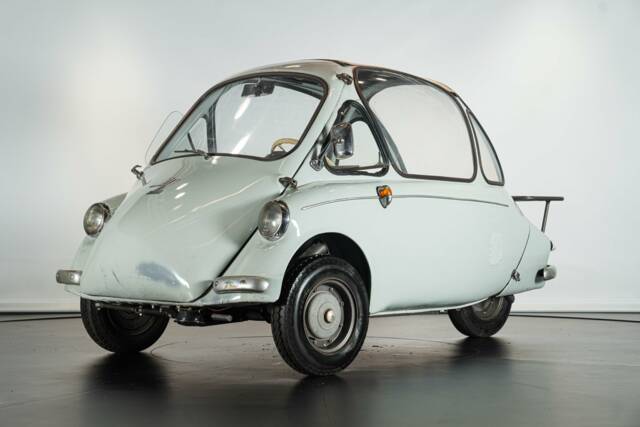
1960 | Heinkel Trojan 200
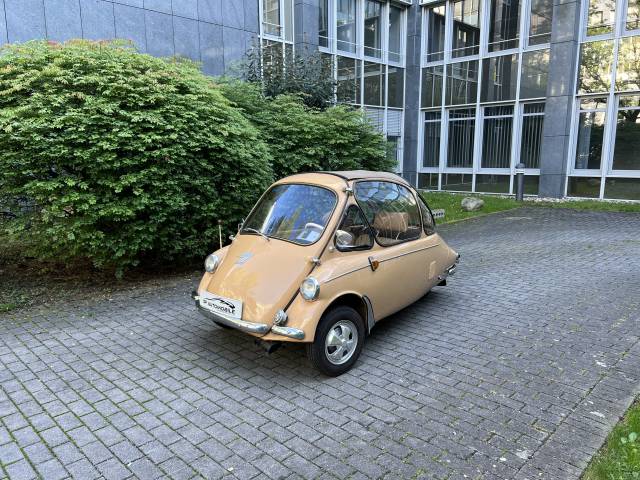
1959 | Heinkel Trojan 200
Heinkel Kabine T 153 S TÜV NEU
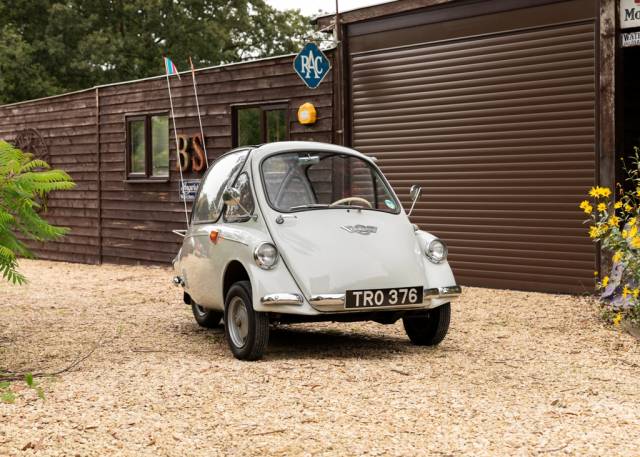
1963 | Heinkel Trojan 200
Heinkel Trojan
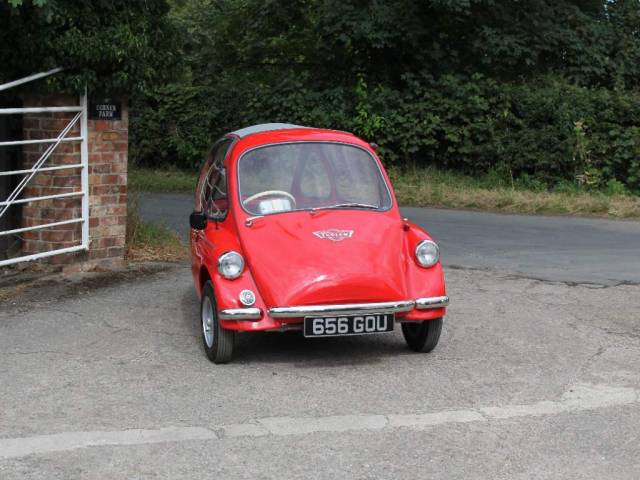
1936 | Heinkel Trojan 200
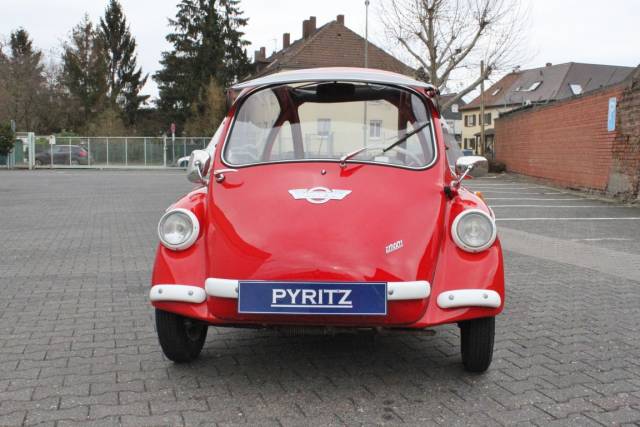
1964 | Heinkel Trojan 200
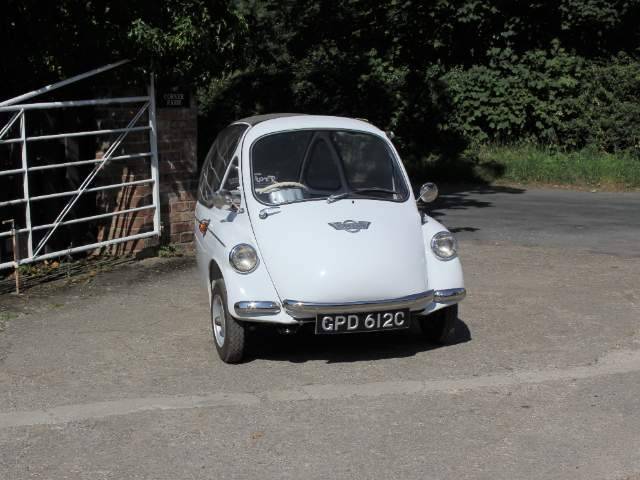
1965 | Heinkel Trojan 200
1965 Trojan 200
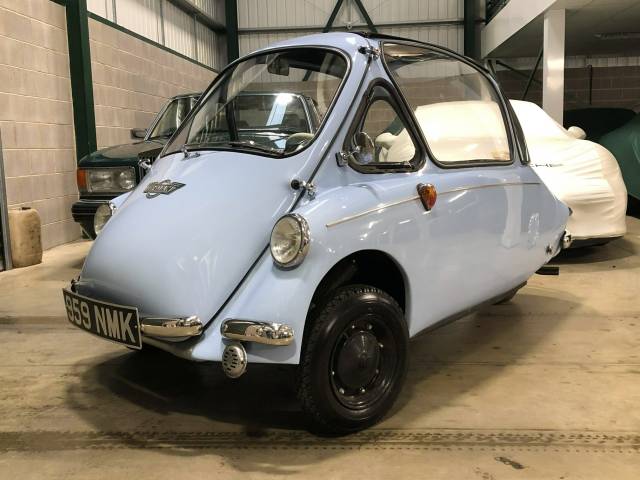
1962 | Heinkel Trojan 200
1962 Heinkel Trojan 200 Restored in 2014 with bills on file in excess of 20K
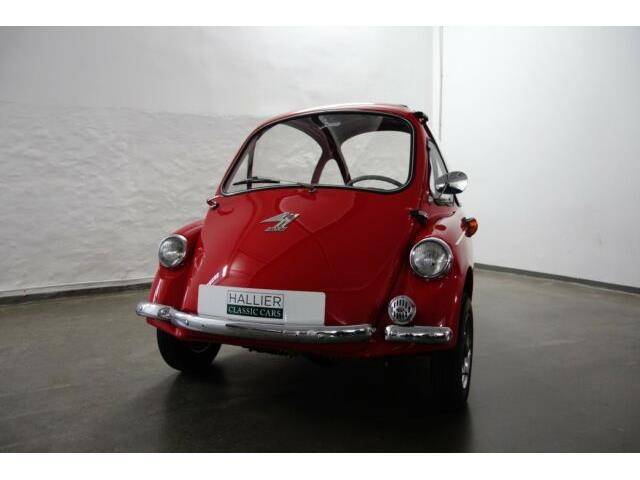
1958 | Heinkel Trojan 200
Sonstige Sonstige Andere Heinkel Kabinenroller, Schöner Zustand
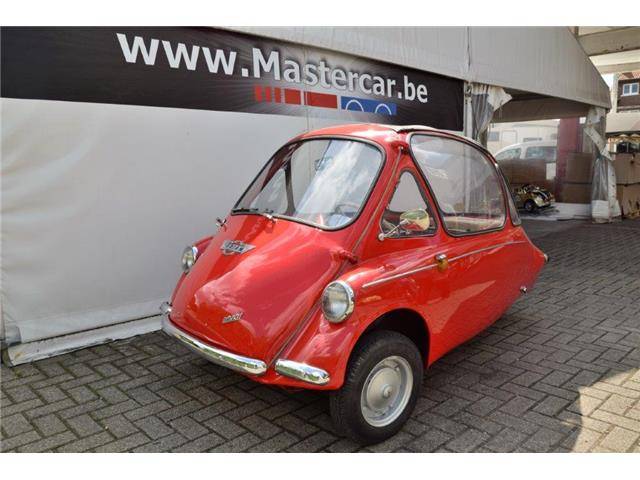
1963 | Heinkel Trojan 200
Oldtimer Heinkel Trojan 603
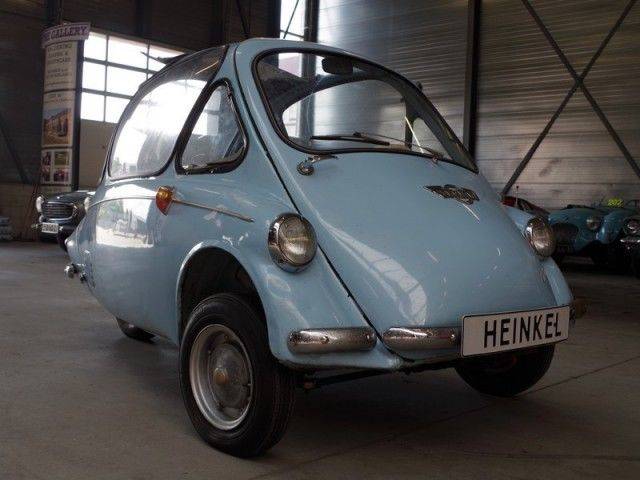
1962 | Heinkel Trojan 200
Andere Heinkel Trojan 200 Type 154
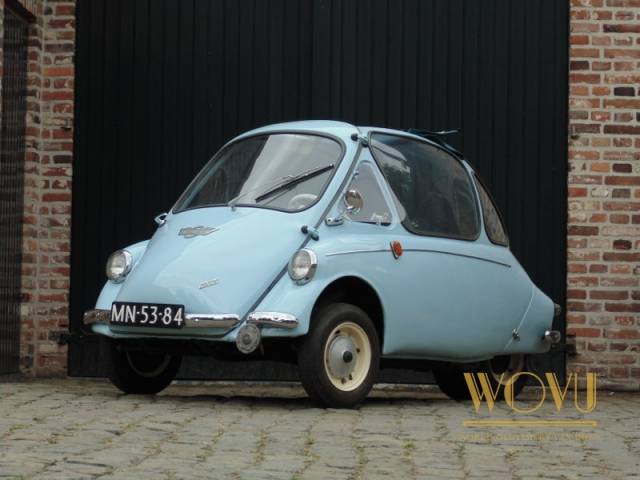
1963 | Heinkel Trojan 200
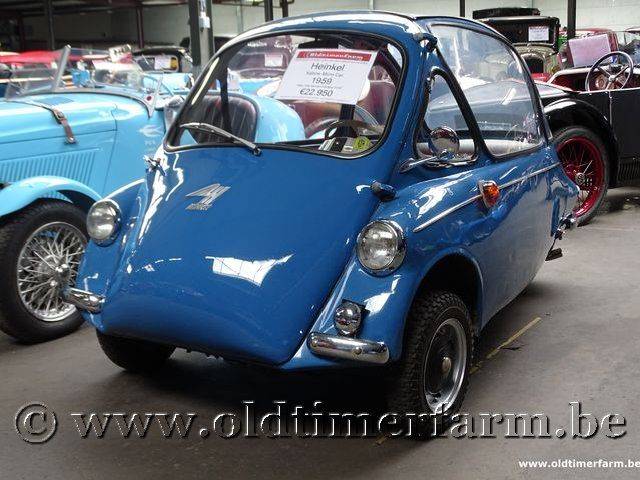
1959 | Heinkel Trojan 200
1959 Heinkel Kabine Micro Car '59
Create search alert
Let yourself be notified as soon as a listing is published that matches your search filters.
Create listing
Do you have a Heinkel Trojan that you want to sell? Then create a listing now.
Create listingHeinkel Trojan Classic Cars: Prices & Market Values
History of the Heinkel Trojan
The Heinkel Trojan traces its roots to post-war Germany, where Heinkel Flugzeugwerke, primarily an aircraft manufacturer, ventured into microcar production with the Kabine in 1956. Facing shifting economic needs and a market hungry for affordable, small vehicles, Ernst Heinkel’s company initially built the Kabine until 1958. Production then moved briefly to Ireland, but due to quality concerns, the licence shifted in 1960 to Trojan Cars Ltd. in the UK. There, the model was revised and branded as the ‘Trojan 200’, continuing until 1966. Its simple engineering and compact build meant it served practical transportation needs, especially in urban environments, and cemented the Heinkel Trojan’s place in British and European motoring history.
Model history
The Heinkel Kabine served as the direct predecessor to the Trojan 200, featuring a nearly identical body and mechanical layout. The transition to British production introduced minor improvements in quality control and adaptation to local market requirements. No officially designated successor was developed after production ended in 1966. The Trojan series remained largely unchanged over its run, maintaining the unique three-wheel set-up and air-cooled single-cylinder engine that defined the model.
Highlights of the Heinkel Trojan
Microcar enthusiasts value the Heinkel Trojan for its genuine three-wheel configuration, featherweight construction (around 250 kg), and reliably simple engineering. The model features a foldable soft top, minimalist interior, and a functional heating system with basic but effective components. Its ease of manoeuvring in tight urban conditions, combined with extremely low running costs, makes it stand out even within microcar circles.
Technical data
Special Editions and Collectible Models
There are no widely recognised special editions of the Heinkel Trojan. Variants can be identified mainly by engine size (Kabine 150, Trojan 200) and minor market-driven details, but limited or commemorative editions were not part of Heinkel or Trojan’s production strategy.
Weak Spots and Common Issues
Known issues with the Heinkel Trojan arise largely from its age and simplicity. Chrome parts, such as bumpers and trim, often show wear and may require re-plating or replacement. The cabin's basic upholstery and dashboard may exhibit wear or aluminium oxidation. Three-wheeled configuration can be excluded from regular MOT/TÜV in some regions, but this also leads to oversight of important safety checks. Be mindful of windshield gaskets, plexiglass panels, and roof fabric, as replacements are sometimes needed due to age and weathering. Seat padding and soft-top mechanisms are further common areas needing attention. The heating system, though robust, is elementary and should be checked for corrosion or leaks.
Engine and Performance, Transmission and Handling
Heinkel Trojans offer light, nimble handling, especially valued in urban driving due to their 250 kg kerb weight. Despite compact dimensions, top speeds of up to 87 km/h are achievable, while the 4-speed gearbox with a reverse gear enables flexibility in tight spaces. Steering is effortlessly direct through a basic wheel and linkage set-up. The single-cylinder engine supplies enough torque for city traffic but prioritises economy over outright speed. Cabin comfort is minimal, but the experience is unmistakably distinct – with audible mechanical operation contributing to the microcar’s character. - Kabine 150: Features 175cc engine, lighter configuration, designed for minimal city transport.
- Trojan 200: Upgraded to a 198cc engine for better performance, this variant became the main production model in the UK.
Interior, Comfort, Exterior and Design
Heinkel Trojan’s design is unapologetically functional, with a minimal dashboard of brushed aluminium, easily readable gauges, and straight-forward switches. Seat construction is basic, with some examples boasting restored upholstery or original pads. The exterior uses thin steel panels with optional chrome trim on bumpers and frames. A foldable soft top (Skai softtop) is often included, operated from within the cabin. Special colours and material choices were limited at the time, and accessory options are generally confined to period-correct modifications—such as replacement rubber seals, improved plexiglass side panels, or subtle luggage solutions attached to the rear hatch. The three-wheel layout and compact form provide the Heinkel with a striking side profile unique among post-war microcars.
Other relevant features
Storage space in the Heinkel Trojan is sparse, but a rear luggage compartment is accessed via a removable or hinged rear cover. Utility-driven features like the simply constructed heater (prone to repairs, but easy to fix), spare wheel mounting, and practical, easy-to-service mechanical layout continue to appeal to enthusiasts who value do-it-yourself maintenance. Subtle details such as the vehicle’s distinctive entry door and minimalist badgework set this microcar apart from mainstream competitors.
Summary
The Heinkel Trojan stands as a singular representative of Heinkel’s microcar legacy. With 100% of current listings and user interest focused on this model, it embodies both the technical ingenuity and practical spirit of post-war European motoring. Those seeking a distinctive, economical, and historically important microcar will appreciate its exclusive character, ease of ownership, and unique driving experience.