- Car
- Heinkel (2 offers)
Heinkel Classic Cars for Sale
Heinkel is synonymous with innovative post-war mobility, offering both the advanced Tourist scooter and the singular Kabine microcar. Their vehicles, constructed with robust engineering and efficient engines, highlight the transition from an aviation legacy to small-scale automotive expertise. Models such as the Heinkel Kabine Typ 154 and Tourist 103 define the brand's renowned craftsmanship and are sought after for their technical ingenuity and historic significance.
Search results
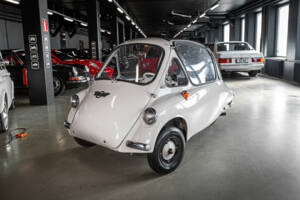
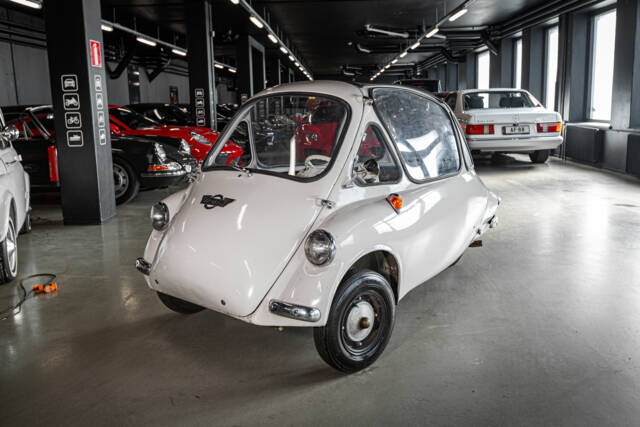
1964 | Heinkel Trojan 200
Heinkel Trojan 603/198-64 Typ 153

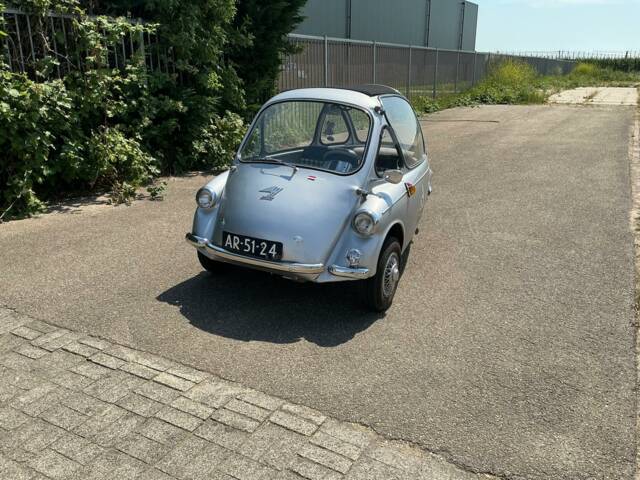
1961 | Heinkel Kabine T 153
Heinkel Kabine T153 – A great driving classic
VAT is reclaimable

Auctions ending soon

Loading…
Loading…
Loading…
Loading…
Heinkel listing references from Classic Trader
Below you will find listings related to your search that are no longer available on Classic Trader. Use this information to gain insight into availability, value trends, and current pricing for a "Heinkel" to make a more informed purchasing decision.
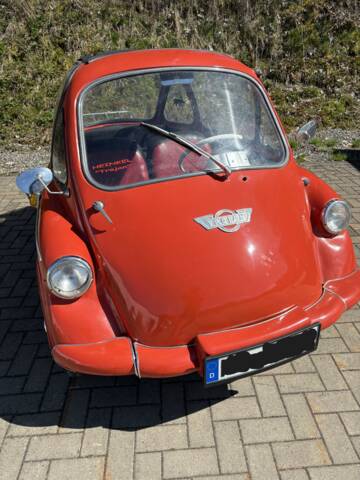
1962 | Heinkel Trojan 200
Kabinenroller Dreirad

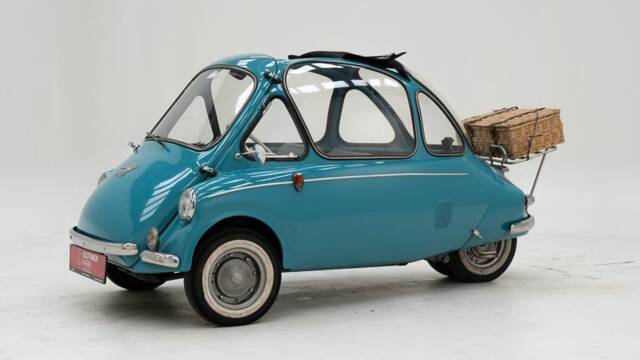
1958 | Heinkel Kabine 150
1958 Heinkel Kabine 154 '58

1958 | Heinkel Kabine 150
1958 Heinkel Kabine 154 '58
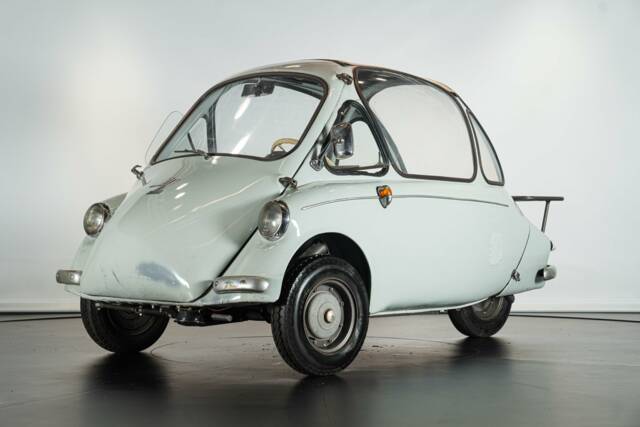
1960 | Heinkel Trojan 200

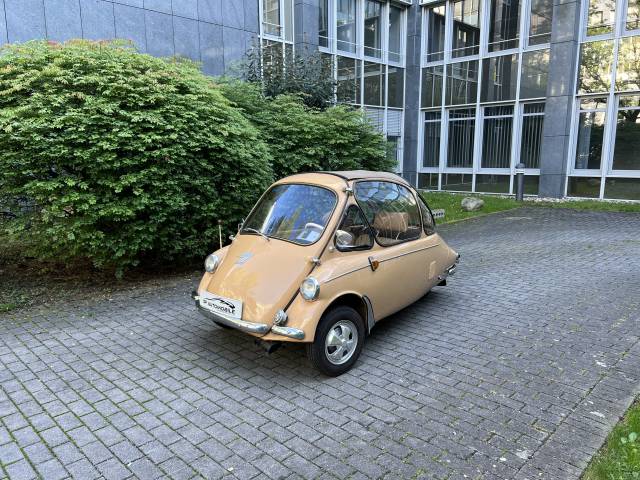
1959 | Heinkel Trojan 200
Heinkel Kabine T 153 S TÜV NEU
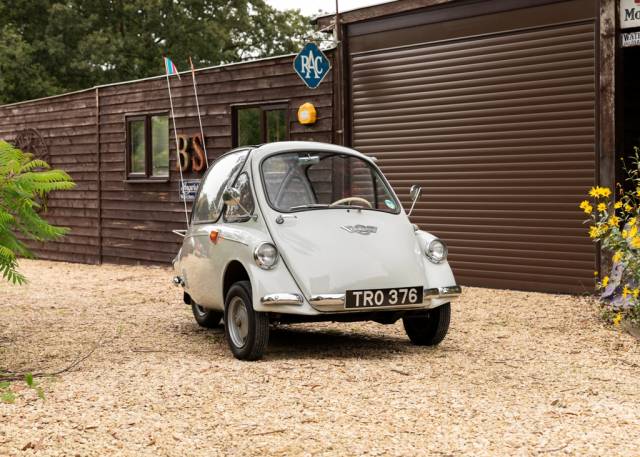
1963 | Heinkel Trojan 200
Heinkel Trojan

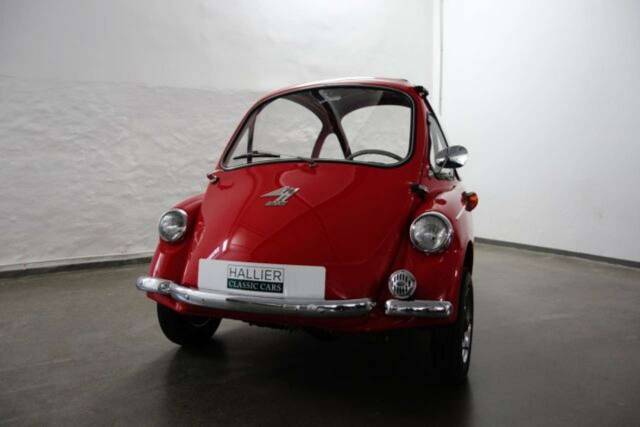
1958 | Heinkel Kabine 200
Sonstige Marken Heinkel Kabinenroller, Schöner Zustand
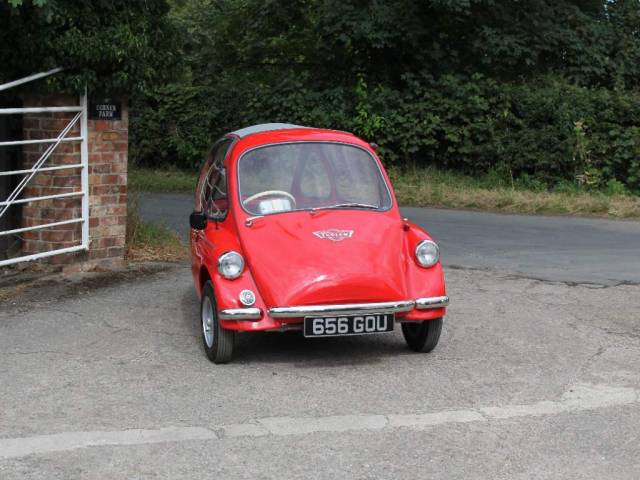
1936 | Heinkel Trojan 200
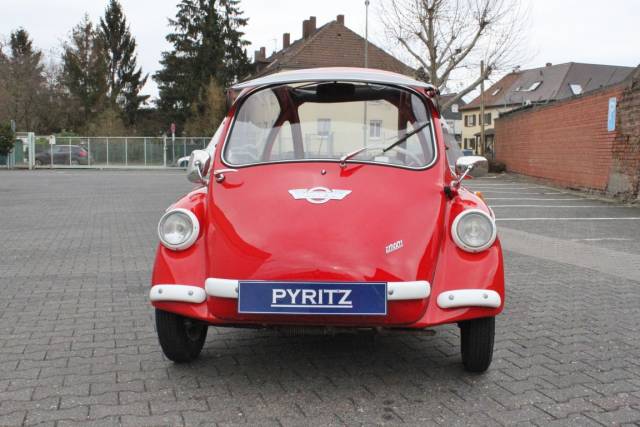
1964 | Heinkel Trojan 200
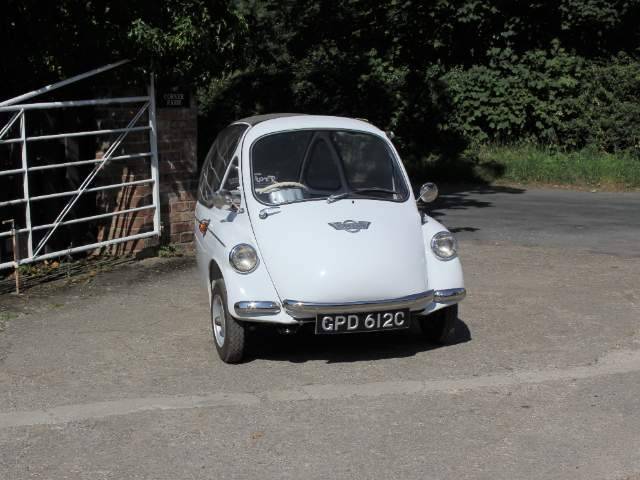
1965 | Heinkel Trojan 200
1965 Trojan 200
History of Heinkel – From Aircraft to Microcars
Heinkel Flugzeugwerke, established by Ernst Heinkel in 1922, gained prominence as one of Germany’s leading aircraft manufacturers—particularly for military aircraft supplied to the Luftwaffe during World War II. Notable for introducing advanced innovations in aviation technology, including the world’s first operational turbojet and rocket-powered aircraft, Heinkel left a vital mark in aerospace history. After World War II, facing restrictions on aircraft production, Heinkel shifted focus to manufacturing two-wheelers and microcars. Their Stuttgart-Zuffenhausen base became the epicentre of compact vehicle innovation, introducing the Heinkel Tourist scooter in the early 1950s and the Kabine bubble car by 1956. Despite this diversification, Heinkel returned briefly to aeronautics before being absorbed into Vereinigte Flugtechnische Werke in 1965, effectively ending their automobile production.
Model Series: Heinkel's Microcars and Scooters
Heinkel's automotive history comprises three major vehicle types: the Tourist scooter series and the microcar Kabine. The Heinkel Tourist—produced over five generations between 1953 and 1965—was renowned for its high build quality, described in the UK as the “Rolls-Royce of scooters.” Over 100,000 units were manufactured, solidifying its status as a premium scooter, more advanced and robust than rivals like Vespa or Lambretta. The Heinkel Kabine, produced from 1956 to 1958, stands as Heinkel’s only car model. Available in three-wheeled (Types 150, 153) and four-wheeled (Typ 154) variants, and later produced under licence by Trojan in the UK up to the mid-1960s, the Kabine became an enduring icon of 1950s micro-motoring. Key technical distinctions—such as the adoption of a reverse gear in the Heinkel Trojan—set these vehicles apart. The model codes also reflect changes in chassis design and technical details over the years.
Unique Features and Market Data
Heinkel vehicles are defined by compact yet durable engineering. The Tourist scooter employed a steel tube frame with pressed steel parts and featured a four-speed manual gearbox, robustly constructed for longevity. The Kabine microcar, accessible via a unique front-opening door and sporting a manually operated fabric sunroof, was distinctive among microcars. The rear-mounted, air-cooled single-cylinder four-stroke engines, ranging from 174cc to 204cc, delivered practical urban mobility. Available accessories included windshields, crash bars, luggage racks, spare wheel kits, and an array of colour schemes—with rare options such as sahara yellow-black or fully red exteriors. The Heinkel Kabine and Tourist both had features such as integrated handlebar instruments, under-seat storage, and, in later scooters, a dual-swing front fork for improved handling and comfort.
Technical Specifications
Special Editions and Collectible Models
The most prominent collectible variant is the Heinkel Kabine Typ 154, especially in the form of the British-manufactured Trojan Kabine, which included a reverse gear—a rarity among period microcars. Distinct colour combinations and unusual accessories, like factory-fitted clocks or extra luggage kits, add special appeal to preserved models. No evidence of formally factory-issued 'special edition' models exists, but specific late-series scooters such as the Tourist 103A-2 (with dual-swing fork and updates to rear bodywork) are especially notable amongst collectors for their technical enhancements.
Engine, Performance, Transmission and Handling
The Heinkel Tourist scooter delivers lively urban performance, reaching speeds of up to 93–95 km/h with steady handling, thanks to its substantial build and balanced chassis. The chain drive, encased in an oil bath, provides reliable longevity and minimises maintenance compared to open chain systems. The four-speed manual gearbox allows precise power delivery. The Heinkel Kabine offers modest yet practical motoring with its 9.2 hp single-cylinder engine, reaching similar speeds as the scooter. Its lightweight chassis and compact wheelbase make it nimble for city driving, while the later Trojan version’s addition of reverse gear increases usability in tight situations. Variable wheel configurations—three for the 150/153 and four for the 154—provide differences in stability and handling for each variant. - Heinkel Kabine Typ 154/Trojan: Most popular for both supply and demand, recognised for its usability upgrades.
- Tourist 103A-1/103A-2: Technically advanced scooter for its time, distinctive for its heavy-duty construction and improved comfort in later series.
Interior, Comfort, Exterior and Design Features
Heinkel’s design language blends aerospace-inspired efficiency with automotive practicality. Both the Tourist and Kabine integrate their distinctive cockpit-like form—compact, curved bodywork with utilitarian yet charming lines. The Kabine’s forward-hinged door mimics an aircraft entry hatch, while the large glazed area and sunroof contribute to a light-filled interior. Materials reflect mid-century durability: pressed steel panels, steel tube framing, and simple but robust bench seating. Standard and optional colourways—including rare two-tone and vibrant shades—underscore the spirit of 1950s personal style. Optional extras such as wind deflectors, luggage racks, and crash bars not only increased comfort and utility but were fitted out in period-correct materials and finishes. The Kabine’s minimal dashboard and economical use of chrome echoes the restrained exuberance of microcar design.
Other Details
Heinkel vehicles often included practical touches, such as the Tourist’s integrated handlebar instruments and flexible under-seat storage. Specialized accessories, like the factory spare parts travel kit or custom clocks, were available for those engaging in longer excursions. The Tourist's advanced suspension and chain drive solutions were particular selling points, reducing vibration and improving ride quality over rivals. The option to legally operate Kabine three-wheelers with minimal regulatory hurdles further increased their popularity in some markets.
Summary: Heinkel Classic Cars Overview
Heinkel’s foray into classic scooters and microcars delivered technically mature, ingeniously packaged vehicles, offering a unique perspective on 1950s mobility. The Tourist and Kabine lines remain benchmarks of post-war European engineering. Models such as the Typ 154 Kabine and Tourist 103 continue to attract attention from enthusiasts and collectors due to their robust construction, innovative features, and a distinctive aesthetic rooted in Heinkel’s aviation heritage.