Cisitalia 202 classic cars for sale
The Cisitalia 202 is a true connoisseur's choice: an Italian sports car icon of the late 1940s with only about 160 produced, aluminium bodywork, and Vignale cabriolet variants. This design-led GT was coveted by cultural and automotive figures alike, and remains a centrepiece for serious collectors.
Search results
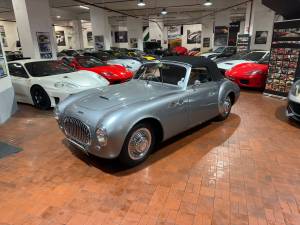
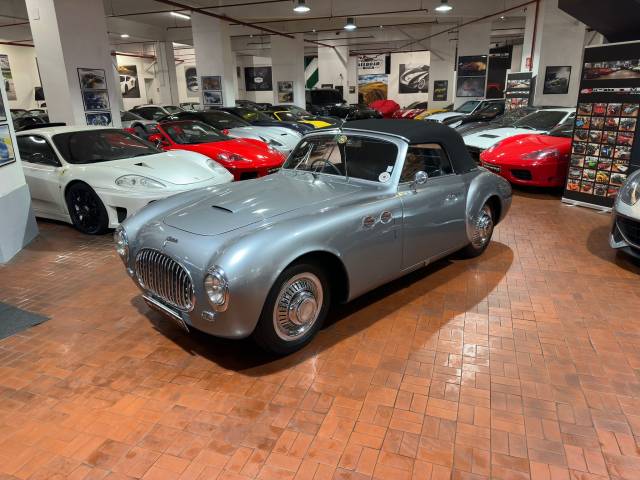
1950 | Cisitalia 202 B Stabilimenti Farina
CISITALIA 202 B CABRIOLET LUSSO VIGNALE FUORI SERIE

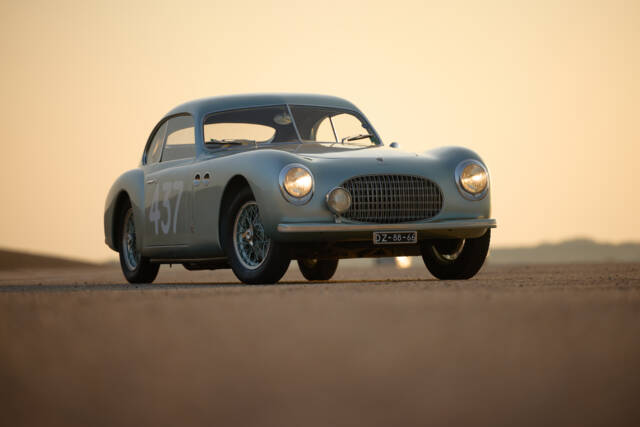
1948 | Cisitalia 202 Gran Sport
Mille Miglia Veteran - Ready for MM2025
Auctions ending soon

Loading…
Loading…
Loading…
Loading…
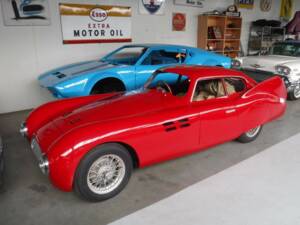
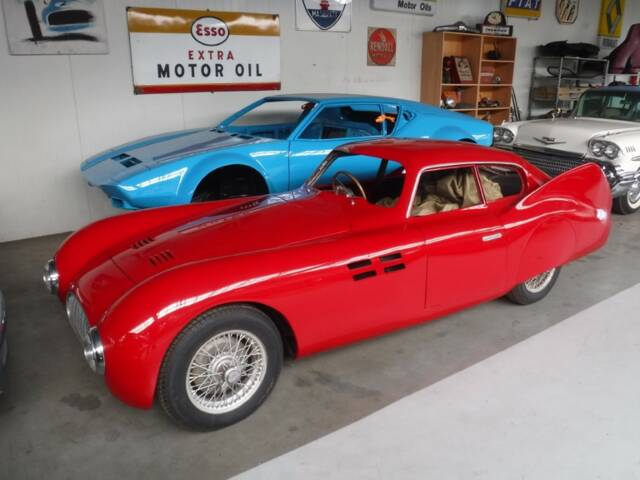
1948 | Cisitalia 202 MM aerodinamica
Cisitalia-202 Aerodynamic RHD
Cisitalia 202 listing references from Classic Trader
Below you will find listings related to your search that are no longer available on Classic Trader. Use this information to gain insight into availability, value trends, and current pricing for a "Cisitalia 202" to make a more informed purchasing decision.
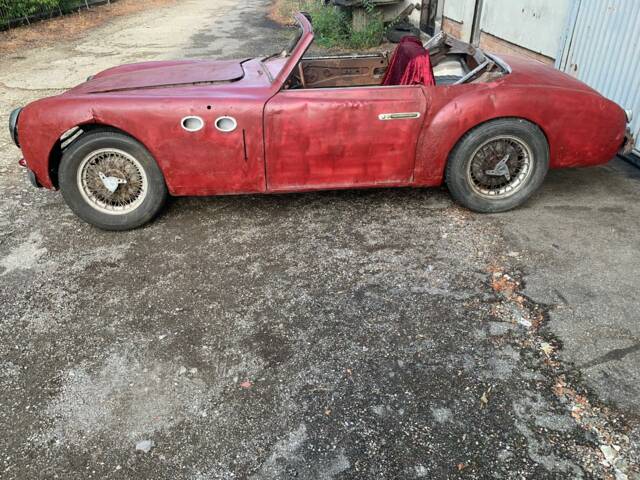
1947 | Cisitalia 202 Gran Sport
CISITALIA 202 SPIDER VIGNALE

1947 | Cisitalia 202 Stabilimenti Farina
1947 cisitalia cabrio vignale Una delle 3 cisitalia prima serie
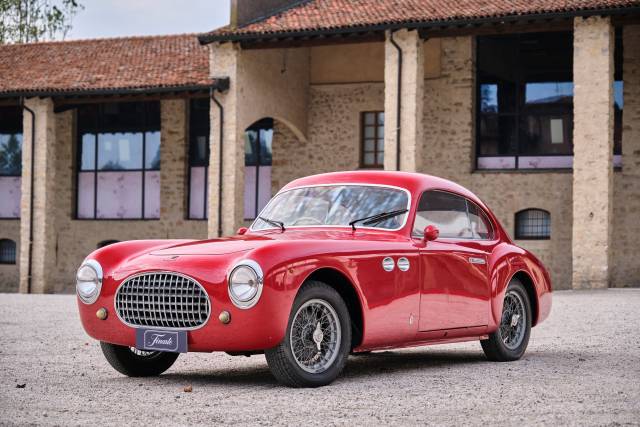
1949 | Cisitalia 202 Gran Sport
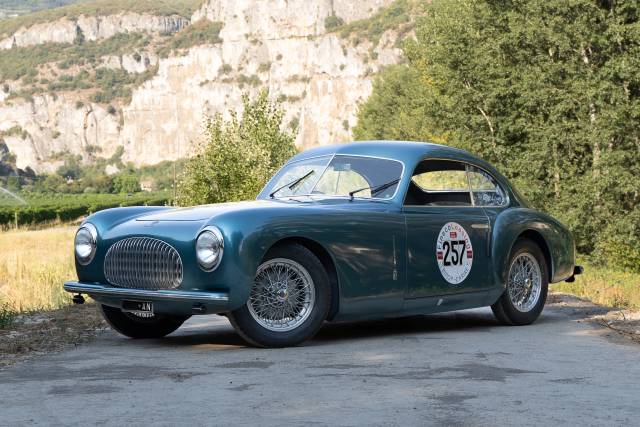
1947 | Cisitalia 202 SC Stabilimenti Farina
202 SC
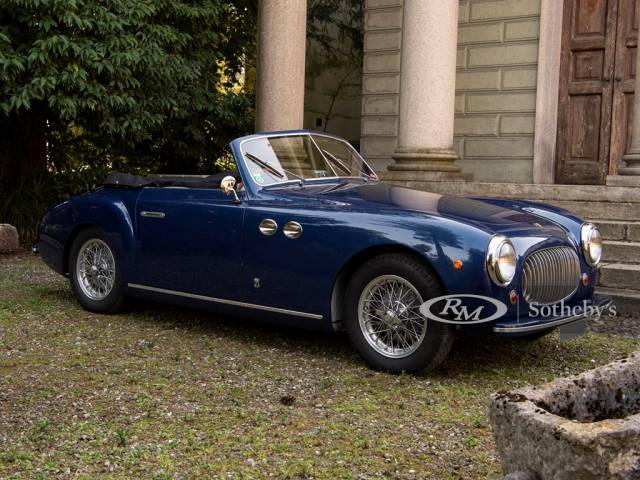
1950 | Cisitalia 202 SC Stabilimenti Farina
1950 Cisitalia 202 SC Cabriolet
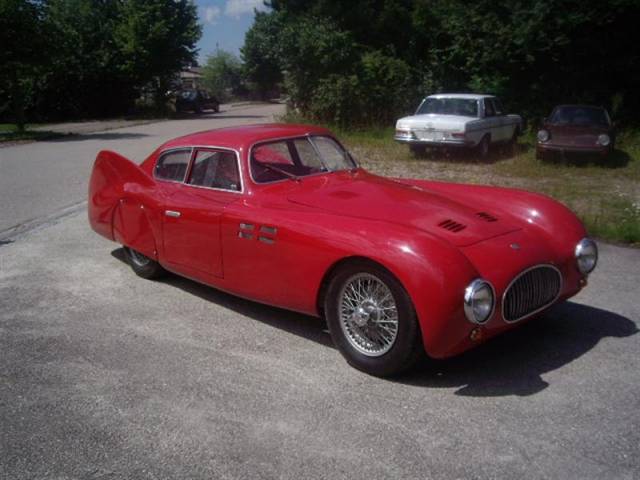
1948 | Cisitalia 202 MM aerodinamica
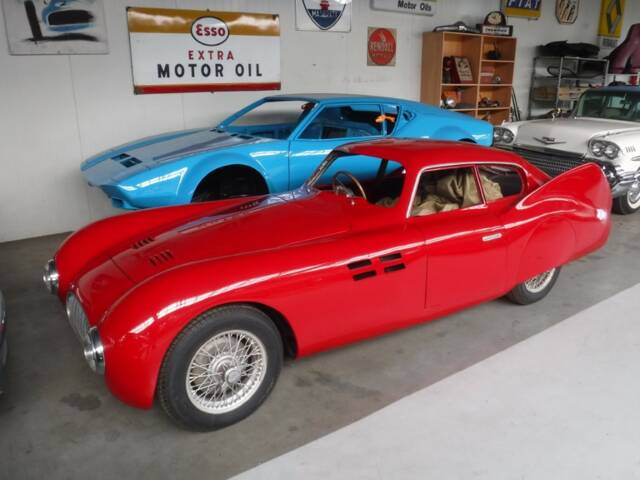
1948 | Cisitalia 202 MM aerodinamica
Cisitalia-202 Aerodynamic RHD
History of the Cisitalia 202
Cisitalia emerged in post-war Turin in 1946, founded by Piero Dusio, and quickly set out to shape Italian automotive history. The 202 GT debuted soon after and was a radical departure from traditional car design, presenting unified, aerodynamic coachwork in an era dominated by fenders and discrete panels. The 202 made an immediate impact, being one of the first cars recognised as rolling art, ultimately earning a permanent spot in the Museum of Modern Art in New York. The 202 defined the direction of sports car aesthetics into the 1950s and was produced only in limited numbers, making it a rare sight even in its native Italy.
Model History
Production of the Cisitalia 202 started in 1947. The very first series is particularly elusive, with just three vehicles produced. Over its short run, the car was sold mainly as a coupé, with a small number of cabriolets by Vignale also leaving the factory. With no direct predecessor, the 202 was a fresh start for Cisitalia, and while hopes were high for follow-ups, no true successor in the same spirit and volume ever materialised as the company's financial resources dwindled.
Unique Features and Notable Stats
The Cisitalia 202 set new standards in styling and image. Its two-piece windscreen and hand-beaten aluminium body not only reduced weight but set the template for the modern GT. The engineering included a dry sump engine—a choice seldom seen in GT cars of the time—paired with highly desirable 15-inch Borrani wire wheels. The exclusivity is underlined by the fact that only about 160 cars left the production line. Among its owners were Henry Ford, Frank Sinatra, Grace Kelly, and Jake LaMotta, cementing its standing in both automotive and popular culture. Owners today can obtain originality certificates directly from the president of the Cisitalia International Club, supporting provenance and authenticity for collectors.
Technical Data
Special Editions and Collectible Models
A notable rarity is the Cabriolet version by Vignale, produced in far fewer numbers than the Coupé. The earliest trio of Cisitalia 202s from the first series is nearly unattainable, with provenance tracing often through expert and club verification. The MoMA New York collection holds one of the best-documented examples.
Weak Spots and Common Issues
Comprehensive information about model-specific weak spots is rare, but as with many hand-built, limited-production Italian cars of the era, corrosion can affect aluminium body panels, especially where they meet steel chassis elements. Wiring and fuel systems may reflect period technology and need careful attention. Availability of parts is highly limited, making originality certification through the Cisitalia International Club especially valuable.
Engine, Transmission and Handling
The Cisitalia 202 is powered by a dry sump inline-four, chosen for compactness and reliability, though absolute power output was moderate by modern standards. The car's light aluminium body and classic rear-wheel-drive layout deliver agile handling and a direct road feel. Corrections to period-spec suspension and careful wheel alignment are necessary for optimal driving experience. Highlights include the Coupé, with its lightweight construction and purist GT lines, and the rarer Vignale Cabriolet, both offering distinctive Italian sports car characteristics of the era.
Interior, Comfort, Exterior and Design
Designed by a team including Pinin Farina (Pininfarina), the Cisitalia 202 presents a flowing form without defined wings. Most examples feature unique pastel and metallic paint finishes, leather interiors, and aluminium trim. The minimalist dashboard houses only essential instrumentation, tailored for sports driving. Detail highlights are the split windscreen and Borrani wheels. Accessories often include original steering wheels and period-accurate tool rolls. Every 202 was essentially bespoke, as per coachbuilt tradition.
Other Noteworthy Features
Prestige and cultural cachet distinguish the 202: few models have had such a visible presence in both automotive museums and the private collections of renowned personalities. Cisitalia International Club support ensures continued community and authenticity validation.
Summary
A true milestone in Italian car history, the Cisitalia 202 combines innovative postwar design, scarce production, and public recognition that spans from Mille Miglia to MoMA. Its uncompromising engineering and celebrated owners mark it as a standout not just among Cisitalias, but in world motoring heritage.