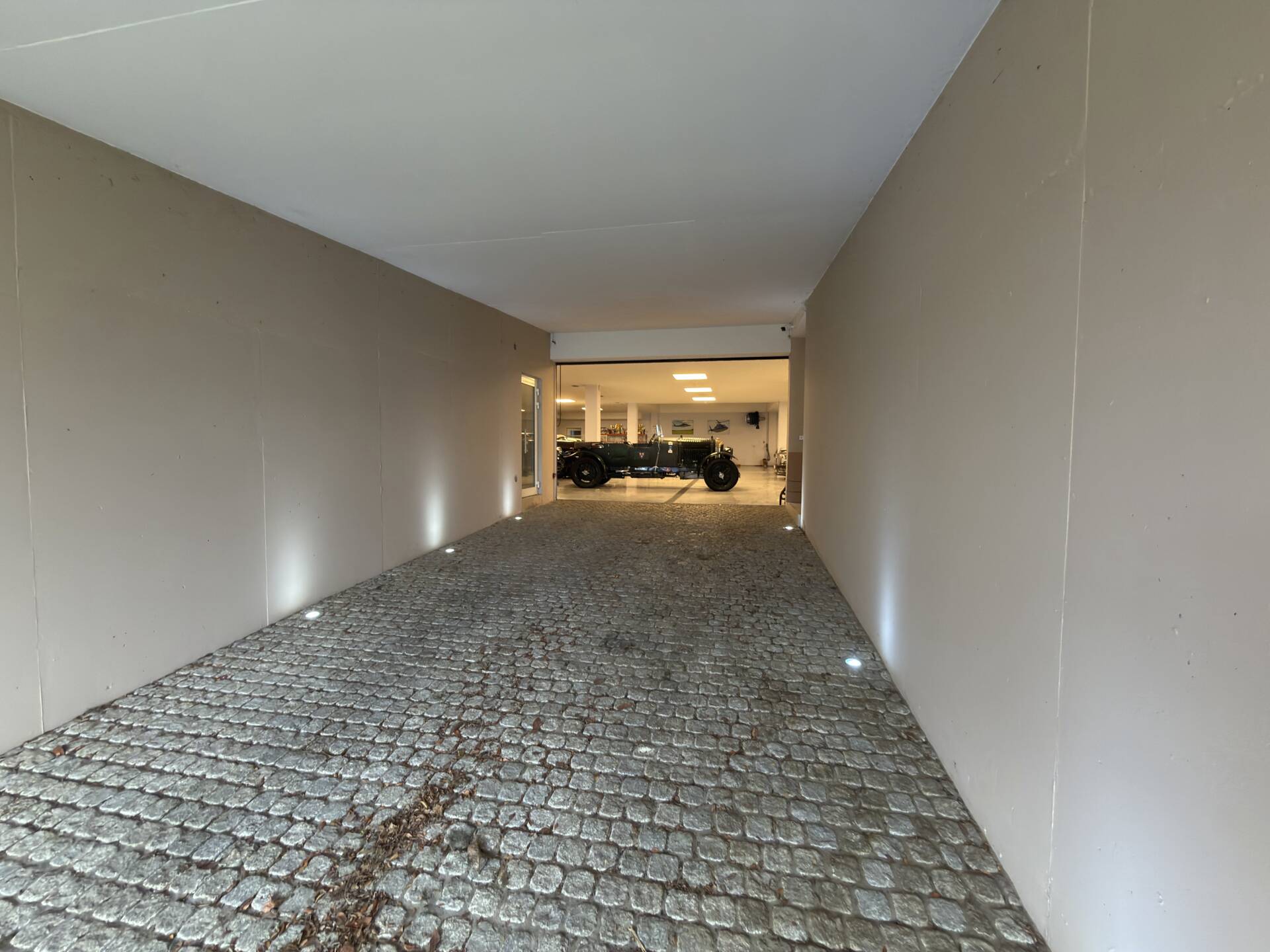
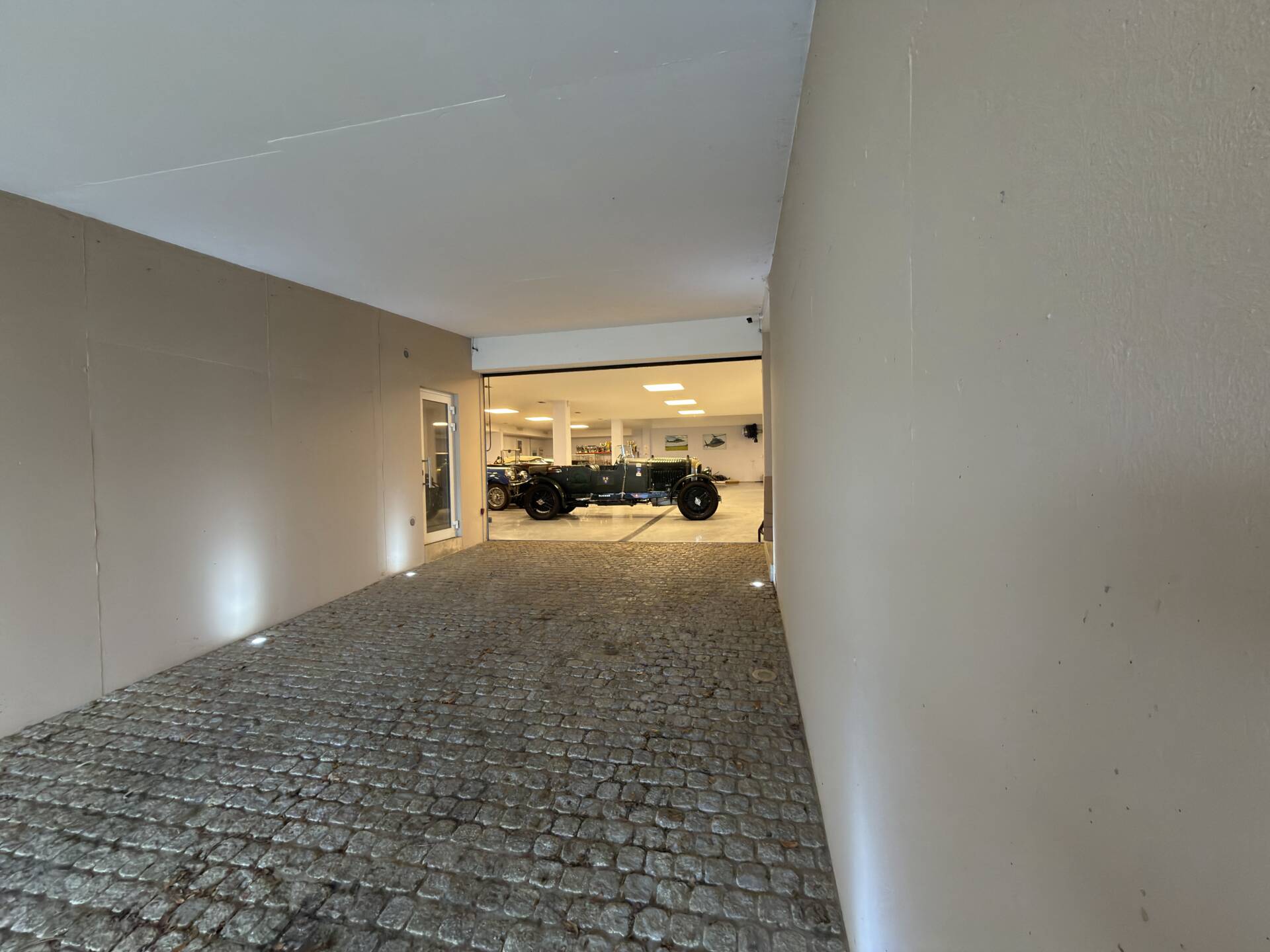
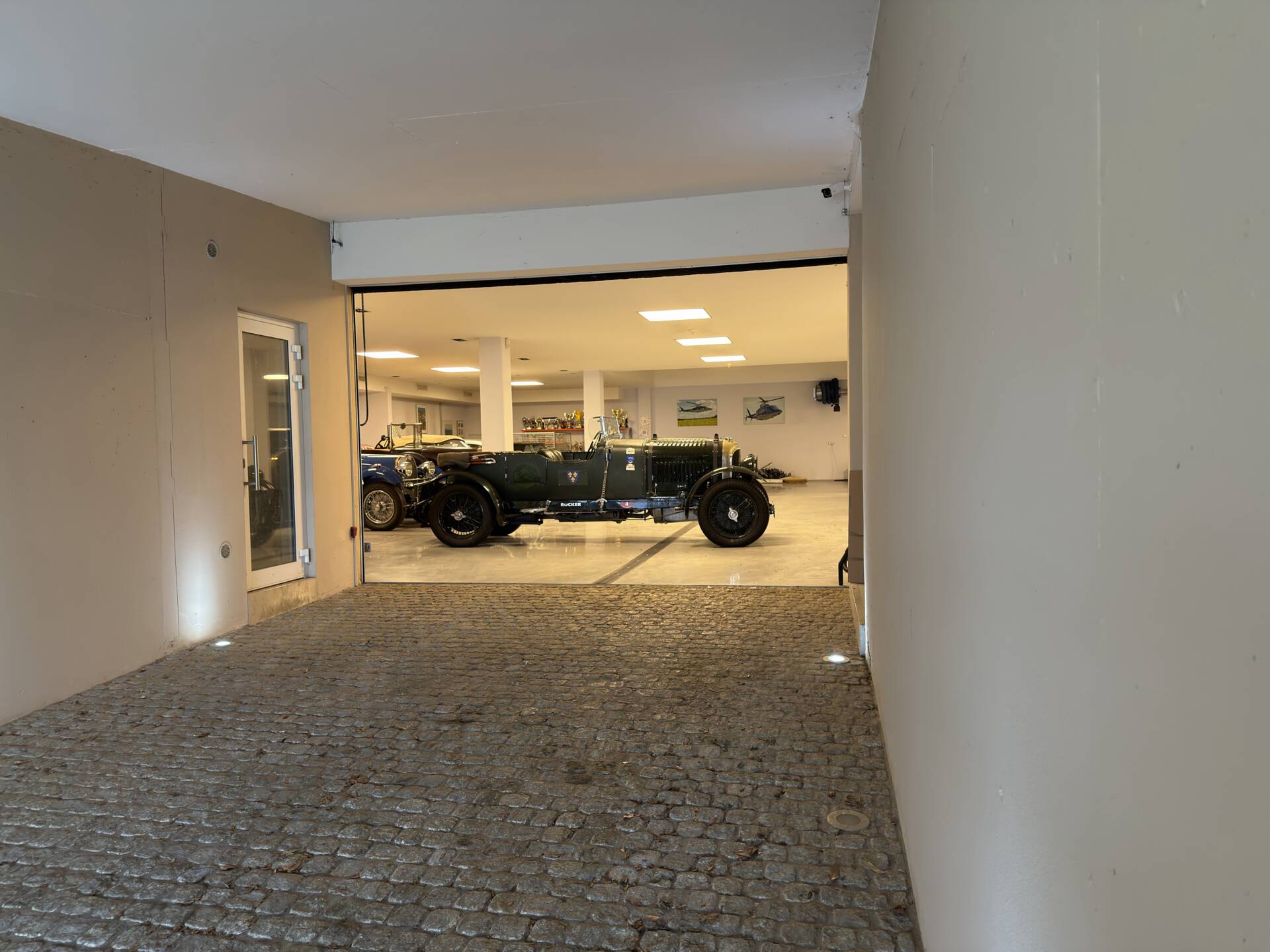
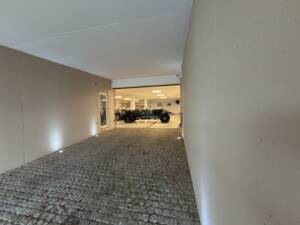
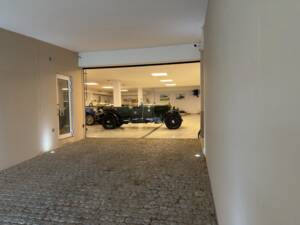
1928 Bentley 4½ Litre Open Tourer – The Spirit of the Bentley Boys
Highlights
This 1928 Bentley 4½ Litre combines the engineering expertise of the Cricklewood era with a remarkable British ownership history. It was delivered via Jack Barclay Ltd. in London in July 1928 and was later owned, among others, by Henry Mulholland, 4th Lord Dunleath. According to the owner, it retains the original factory number combination of chassis PM3265 and engine PM3266. Its open Le Mans Tourer body, extensive technical work and international rally participation make it a Bentley whose story has continued to be written not only in documents, but also on the road.
When Bentley Still Stood for Endurance and Adventure
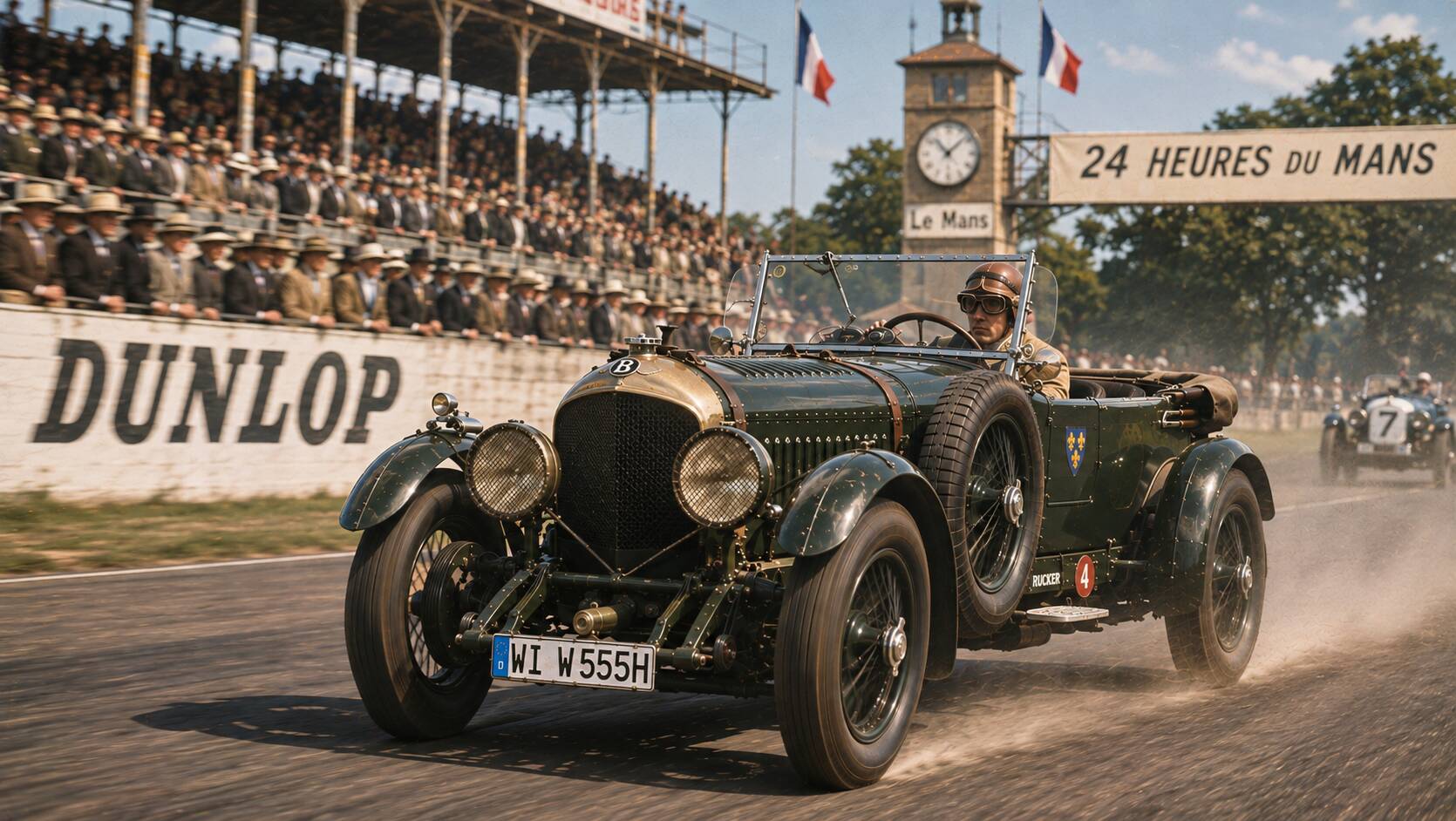
There was a time when a Bentley did not stand outside a luxury hotel in London merely to be seen. It stood at the start of Le Mans.
The men who drove these automobiles became known as the Bentley Boys. Wealthy adventurers, racing drivers and gentlemen for whom motor sport was just as much a part of life as social elegance.
Their cars were large, heavy and, at first glance, hardly suited to long-distance racing. Yet their strength lay in robust engines, powerful pulling power and exceptional endurance.
Between 1924 and 1930, Bentley won the 24 Hours of Le Mans five times. The 4½ Litre was one of the models that shaped the brand’s sporting reputation.
The example offered here carries on this tradition. Its history leads from the London motor trade through the Northern Irish aristocracy to its present appearance as an open Tourer in the style of the famous Bentley racing cars.
1928 – Delivered via Jack Barclay
In July 1928, this Bentley was delivered through the renowned London dealer Jack Barclay Ltd. J. T. Johnson is documented as the first owner.
The vehicle originally had a closed body by Gurney Nutting based on the Weymann patent. This construction combined comparatively lightweight design with the comfort of an exclusive British touring car.
The Bentley was therefore initially not an open sports car, but a prestigious touring car for discerning customers who valued performance and long-distance capability equally.
Original Factory Number Combination
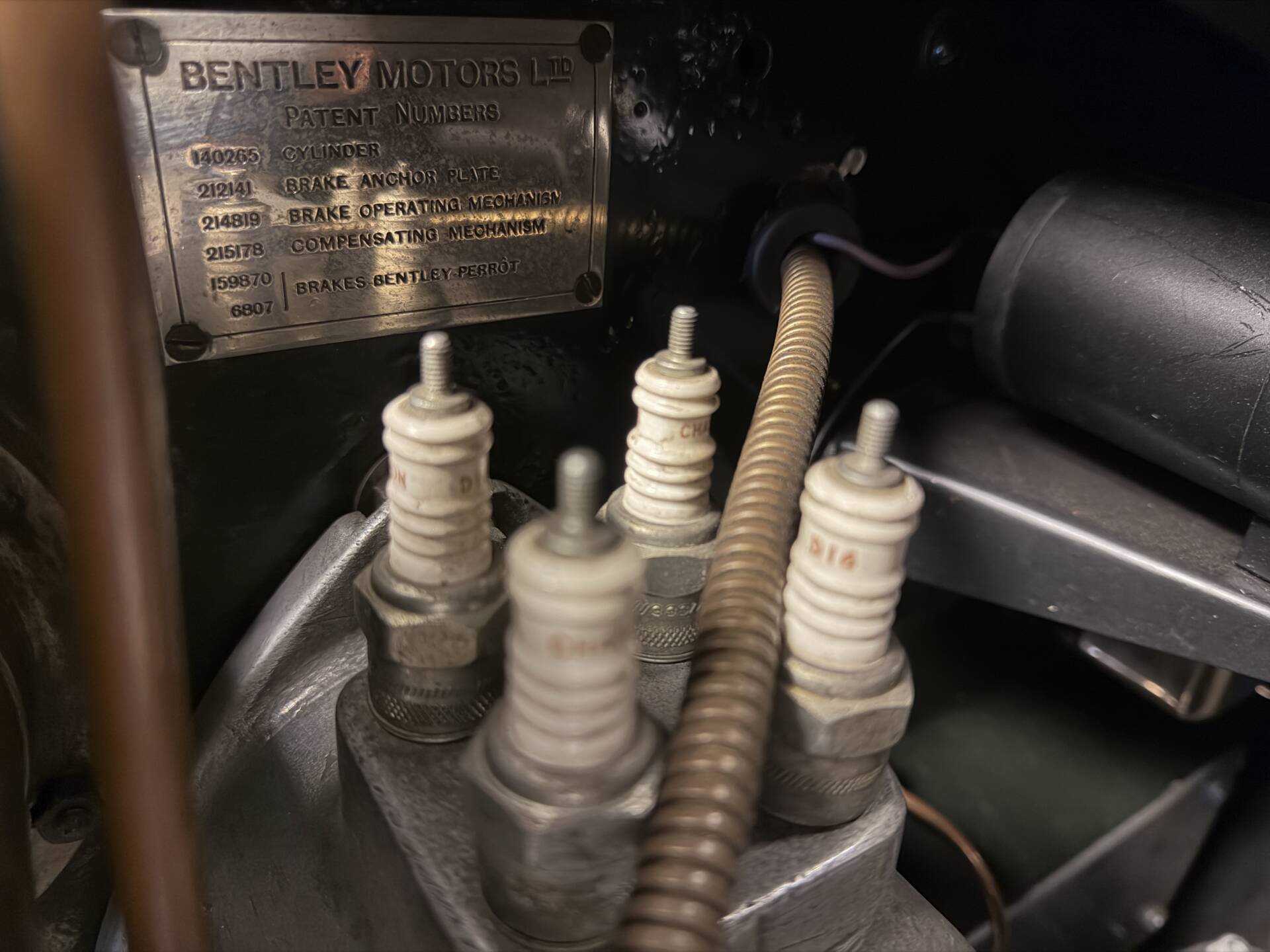
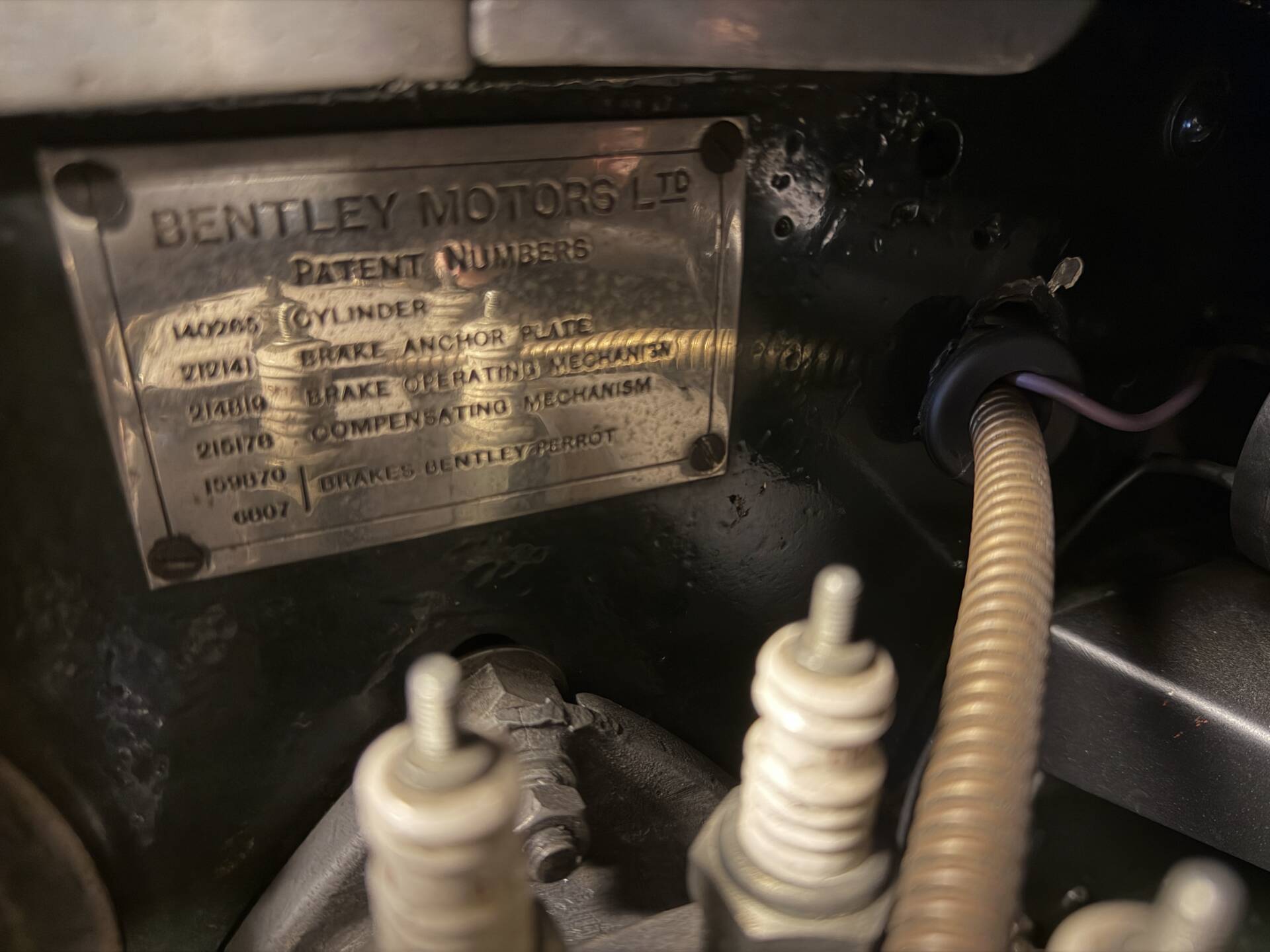
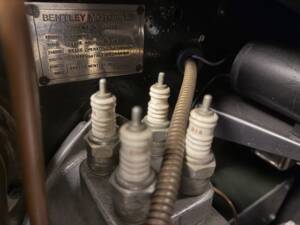
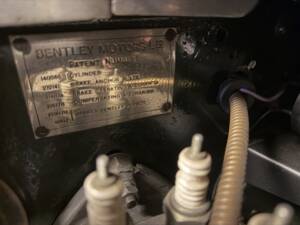
A particularly interesting detail is the original combination of chassis number PM3265 and engine number PM3266, which, according to the owner, has been preserved.
This assignment is said to be documented by the 1928 Bentley factory register and the FIVA Identity Card. For collectors of early Bentley automobiles, the verifiable connection between chassis and engine is an important part of the vehicle’s historical identity.
Especially in the case of vehicles that have been restored and technically overhauled over many decades, a documented factory assignment is of particular significance.
A Remarkable Provenance – From Commander Gaunt to Lord Dunleath
The ownership history, which according to the owner is comprehensively documented, includes several British owners. Alongside the first owner, J. T. Johnson, it also includes Commander Norman Gaunt.
Of particular note is Henry Mulholland, 4th Lord Dunleath, who owned the Bentley from 1955 to 1971.
At that time, automobiles from the 1920s were by no means automatically sought-after collector’s items. Many were considered technically outdated and costly to maintain. The fact that this Bentley survived and later found its way into the British classic-car scene is therefore an essential part of its history.
According to the owner, the vehicle has been in German ownership since 2008. The combination of early British provenance, an aristocratic past and many years of subsequent use gives the car its distinctive historical character.
From Closed Tourer to Le Mans Tourer
Between 1968 and 1971, the Bentley was restored and received its present open body in Le Mans style. The surviving vehicle history names McKenzie in Dorset and the coachbuilder James E. Pearce from Sussex, among others, in connection with this work.
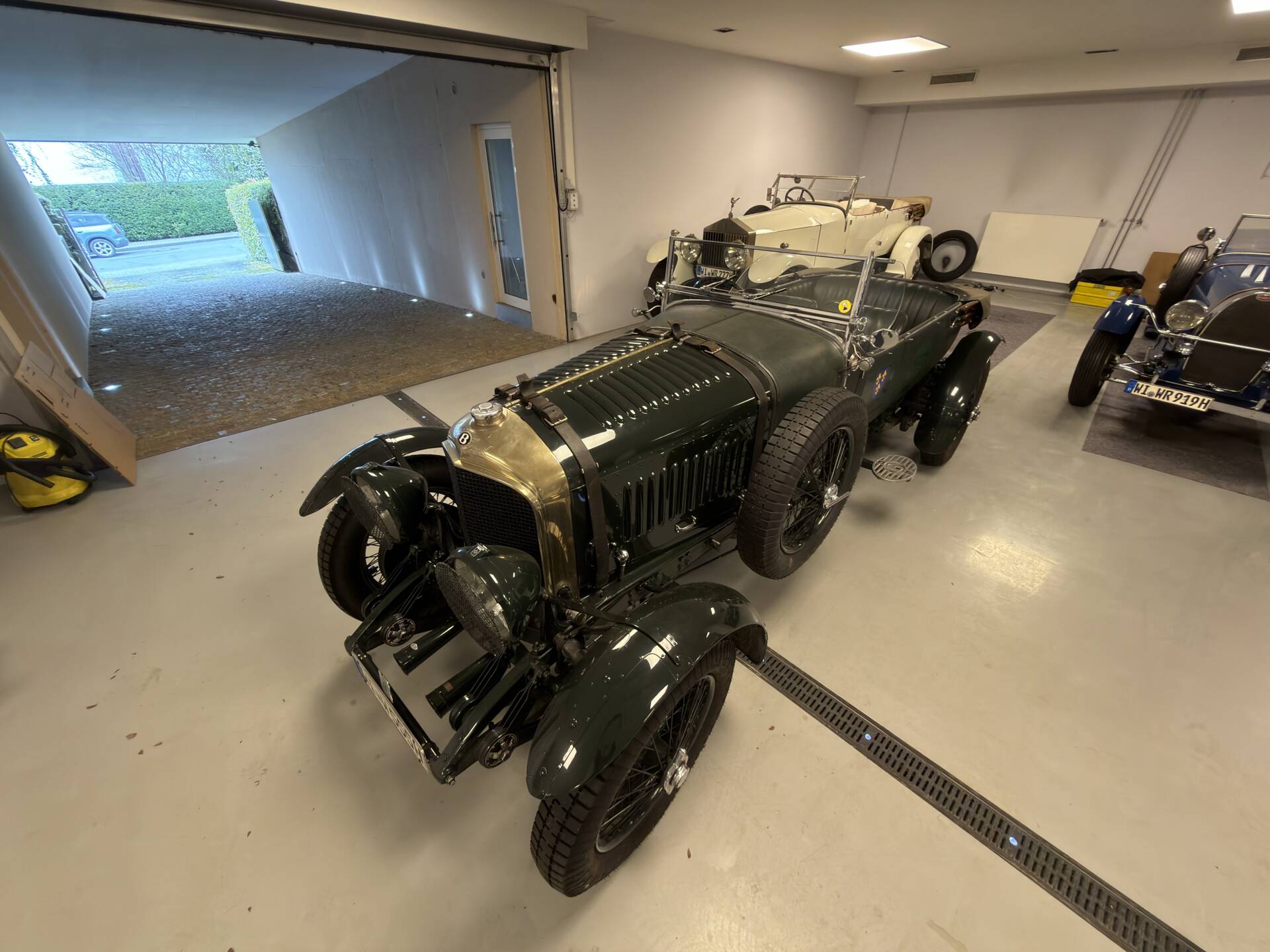
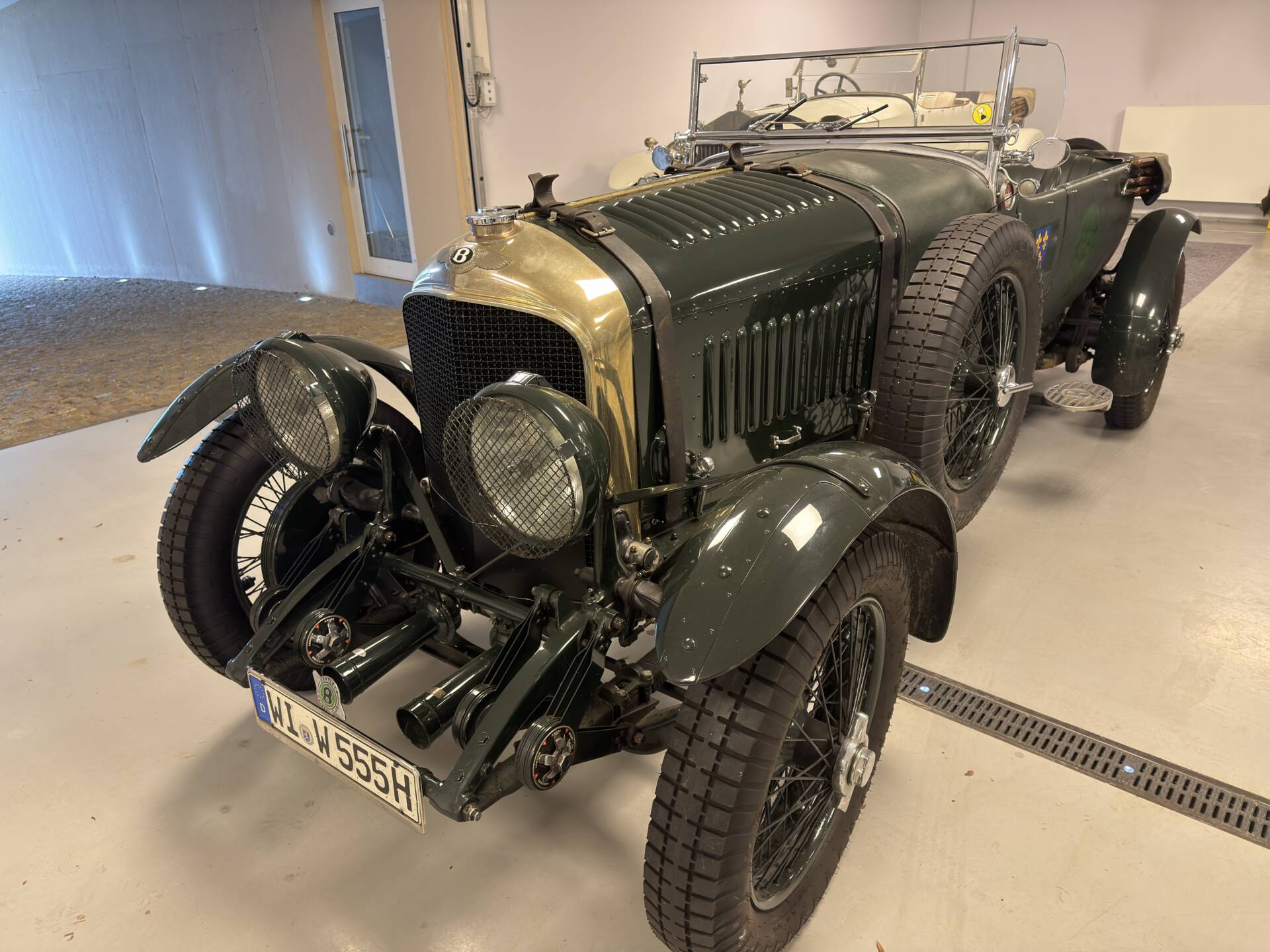
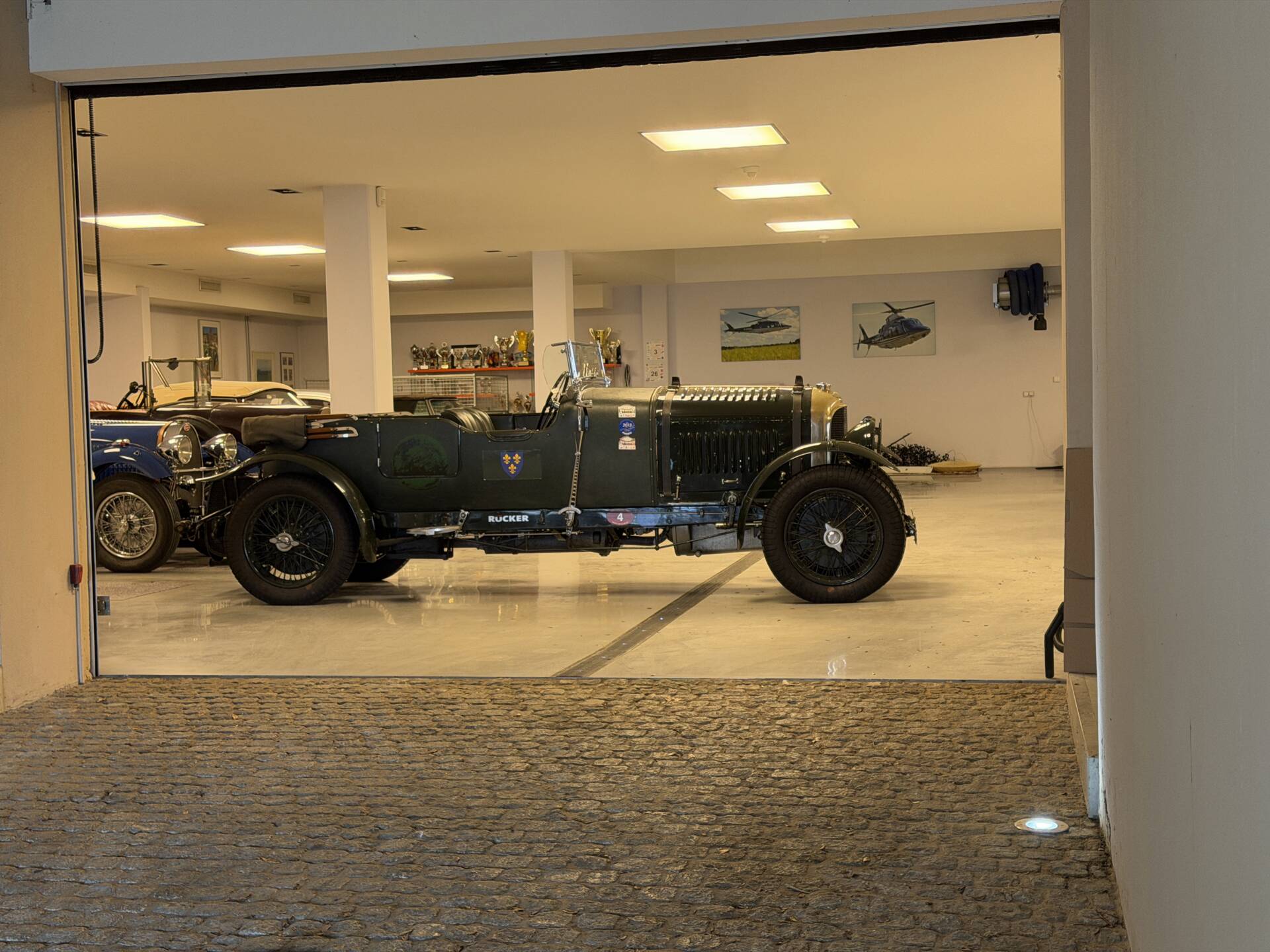
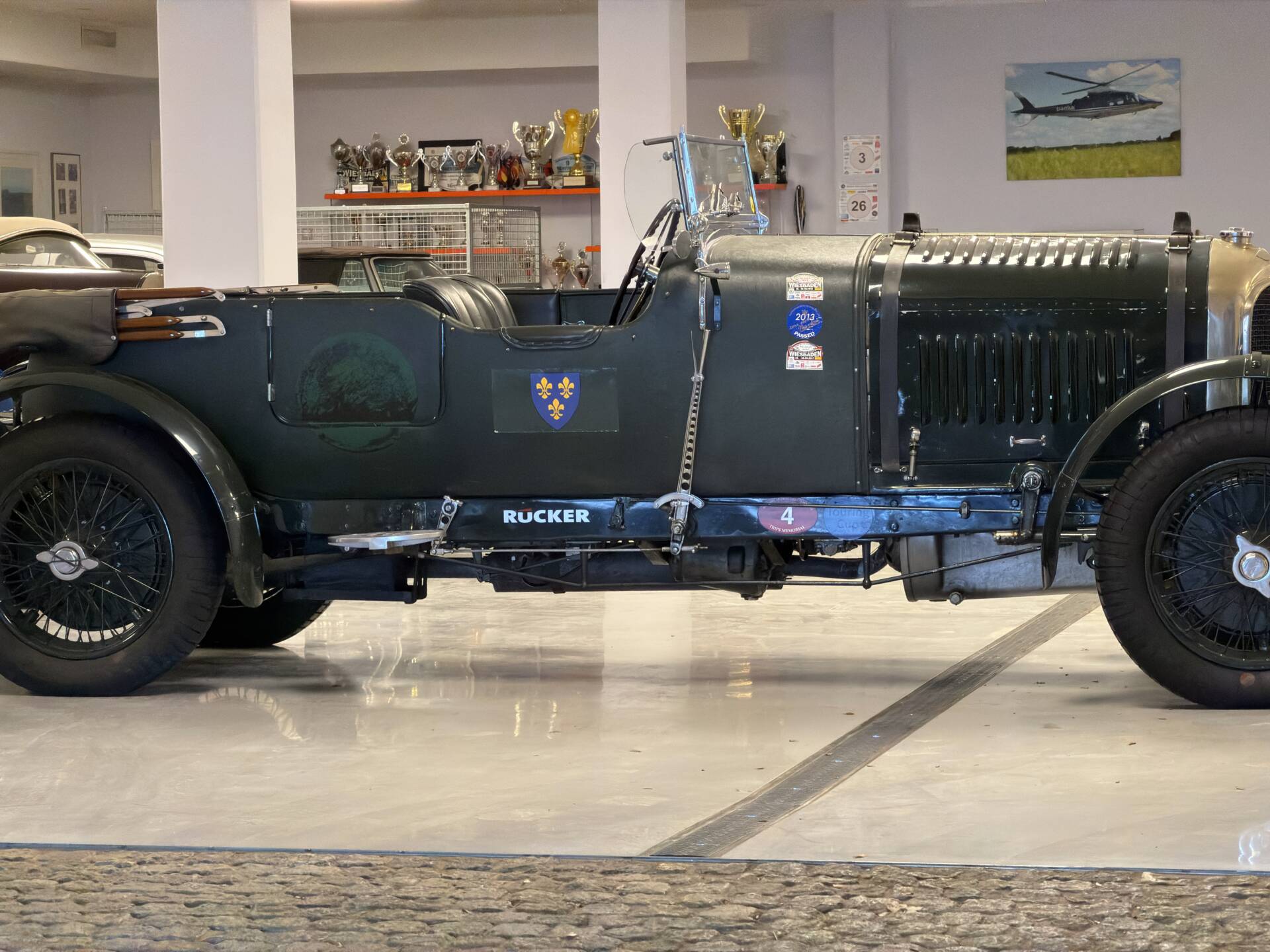
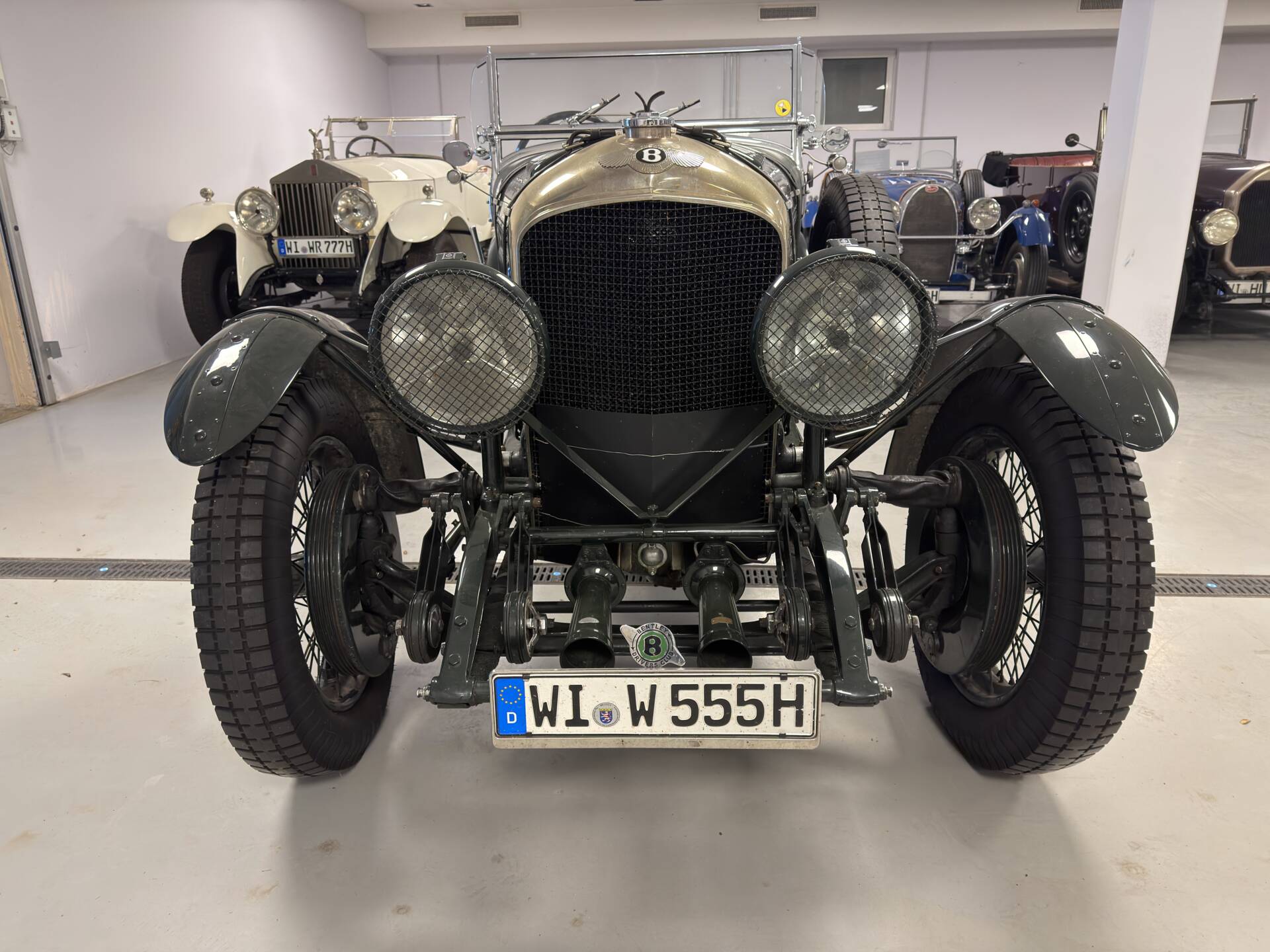
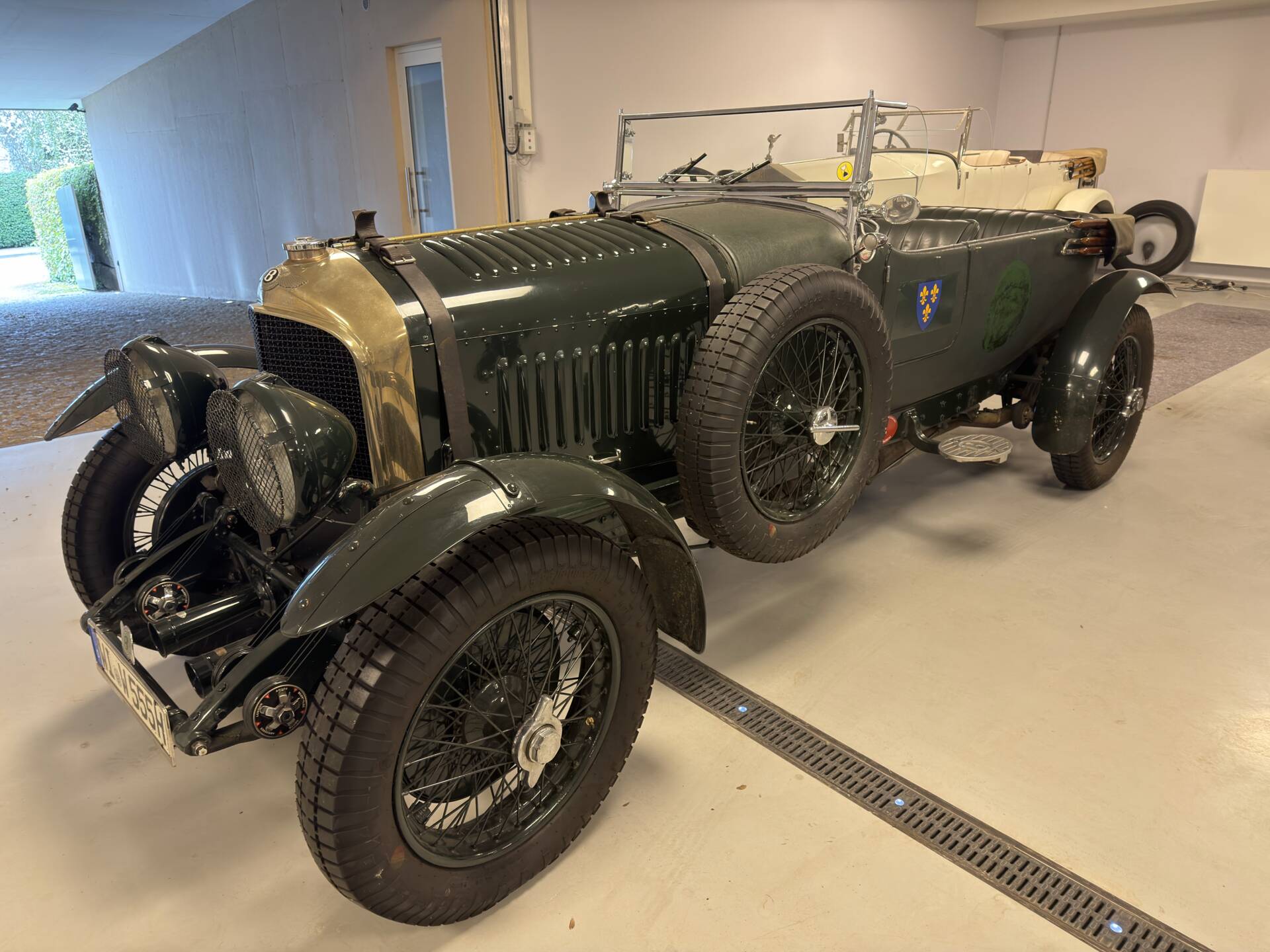
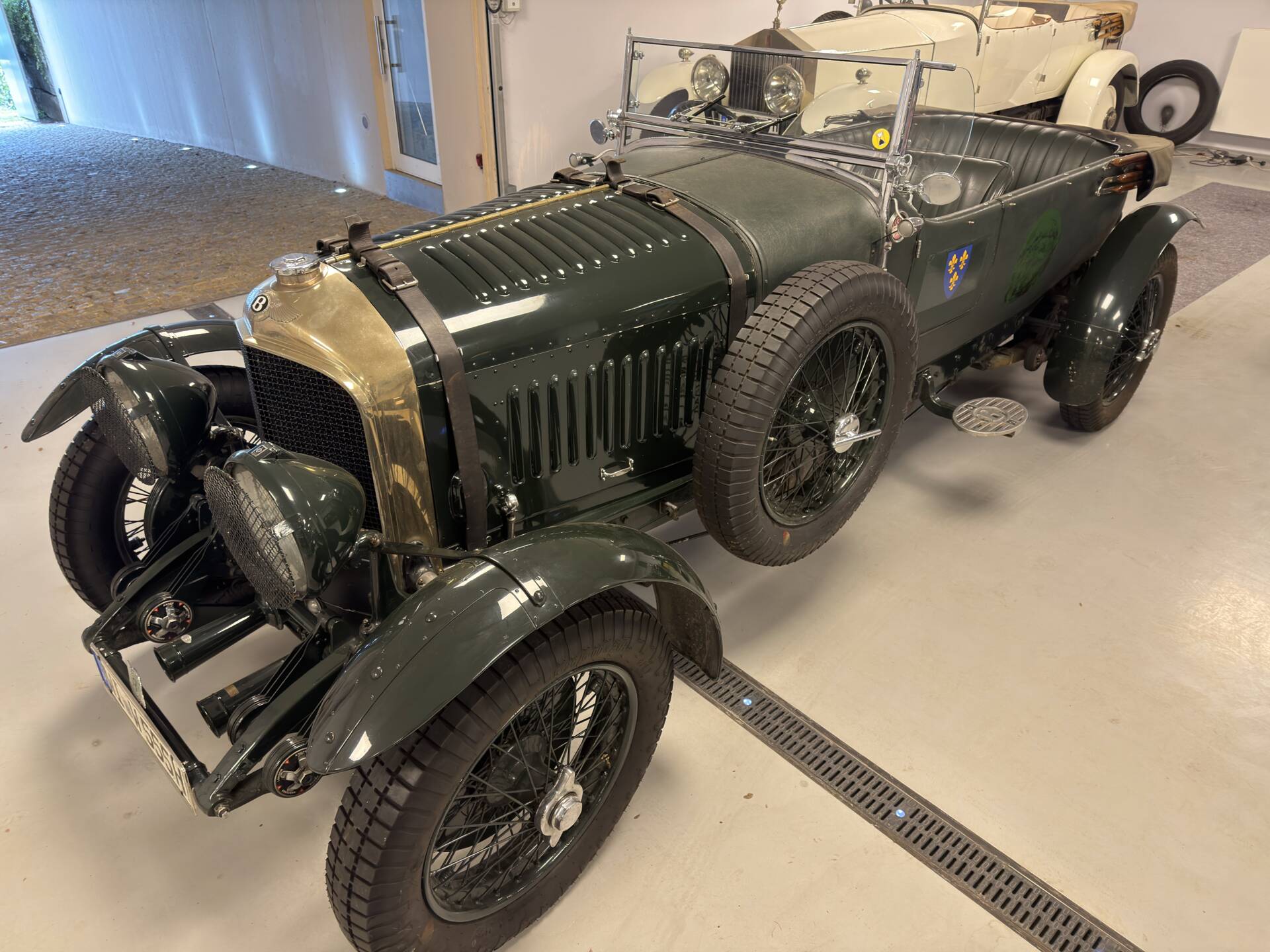
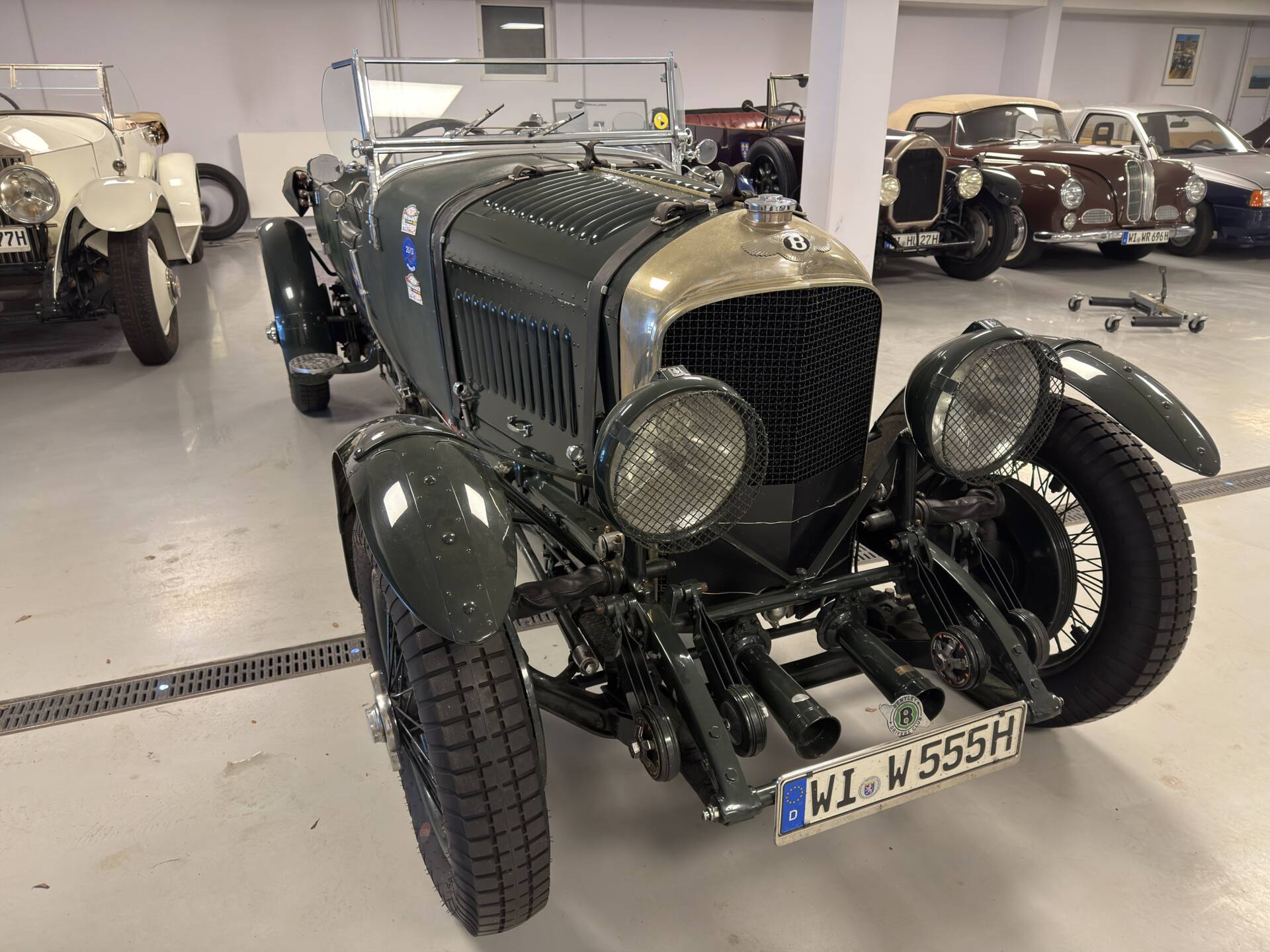
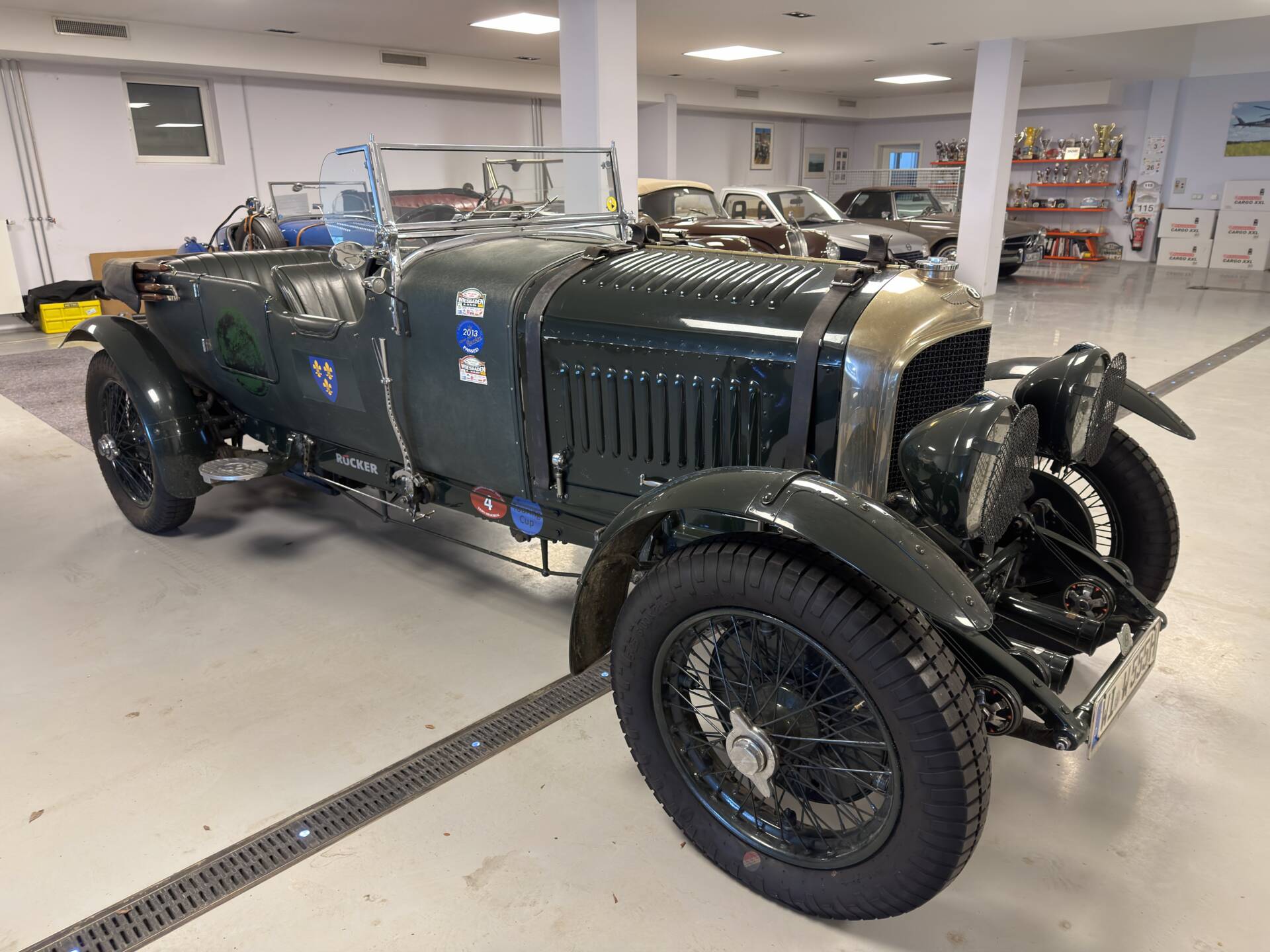
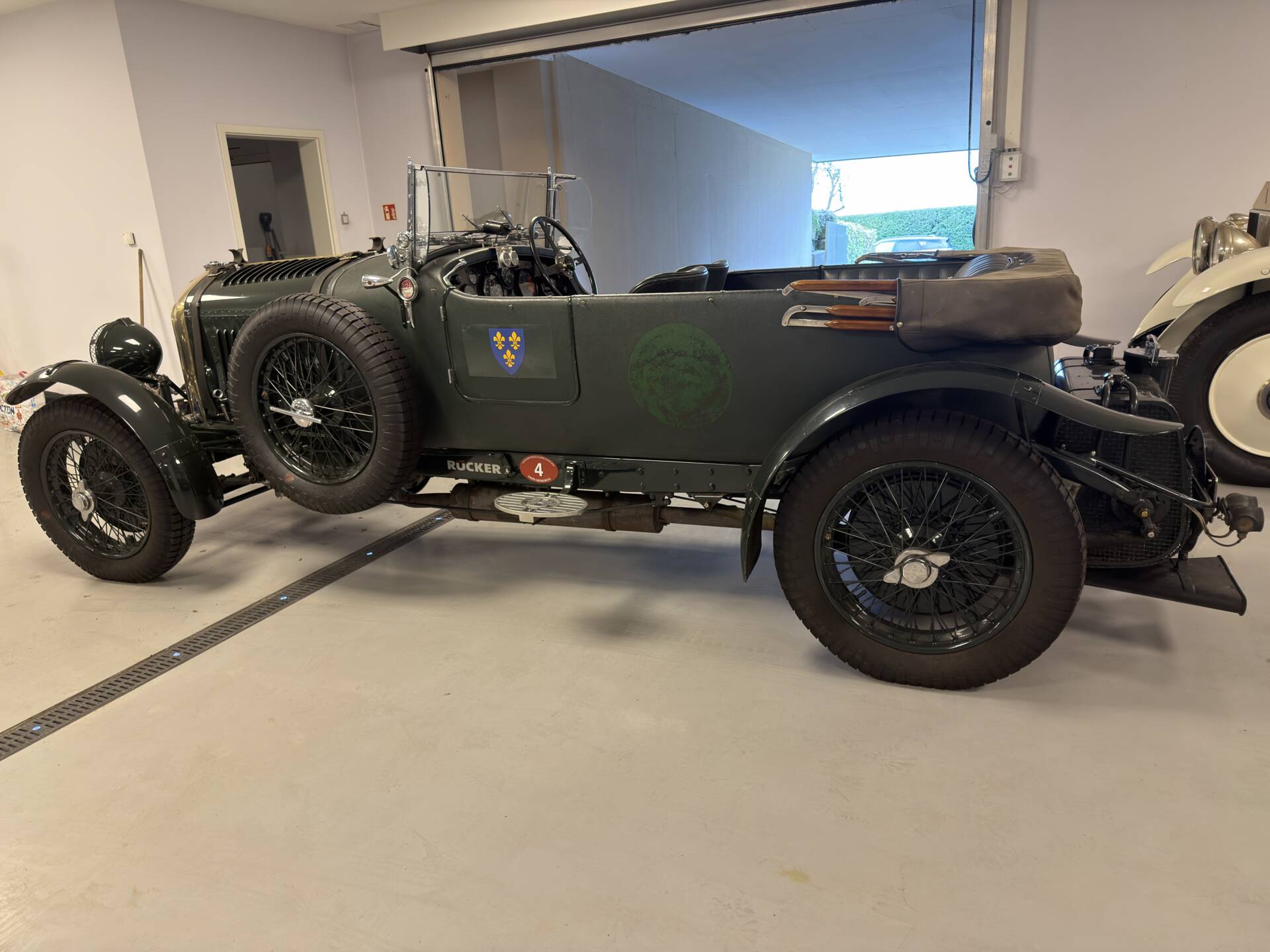
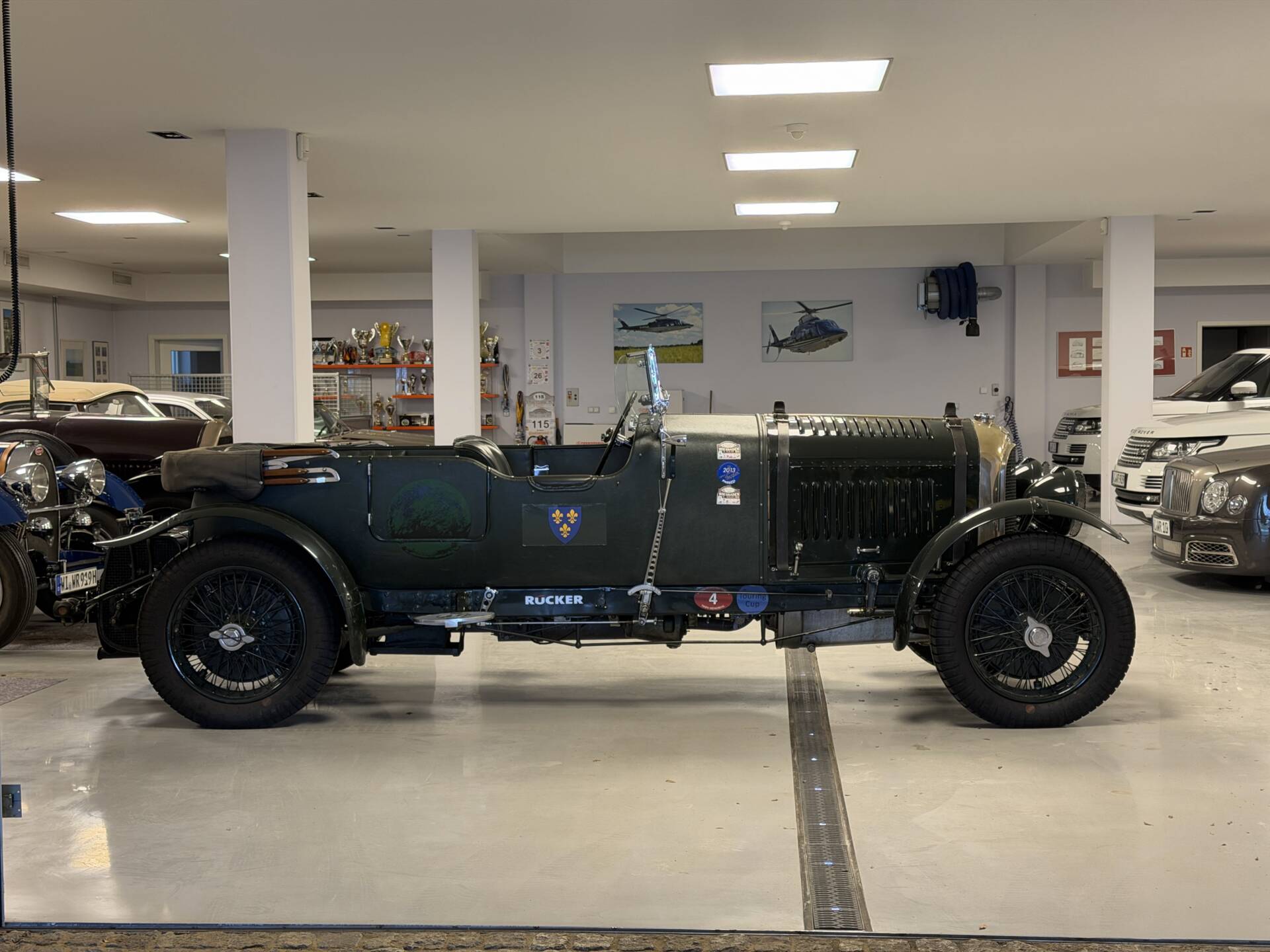
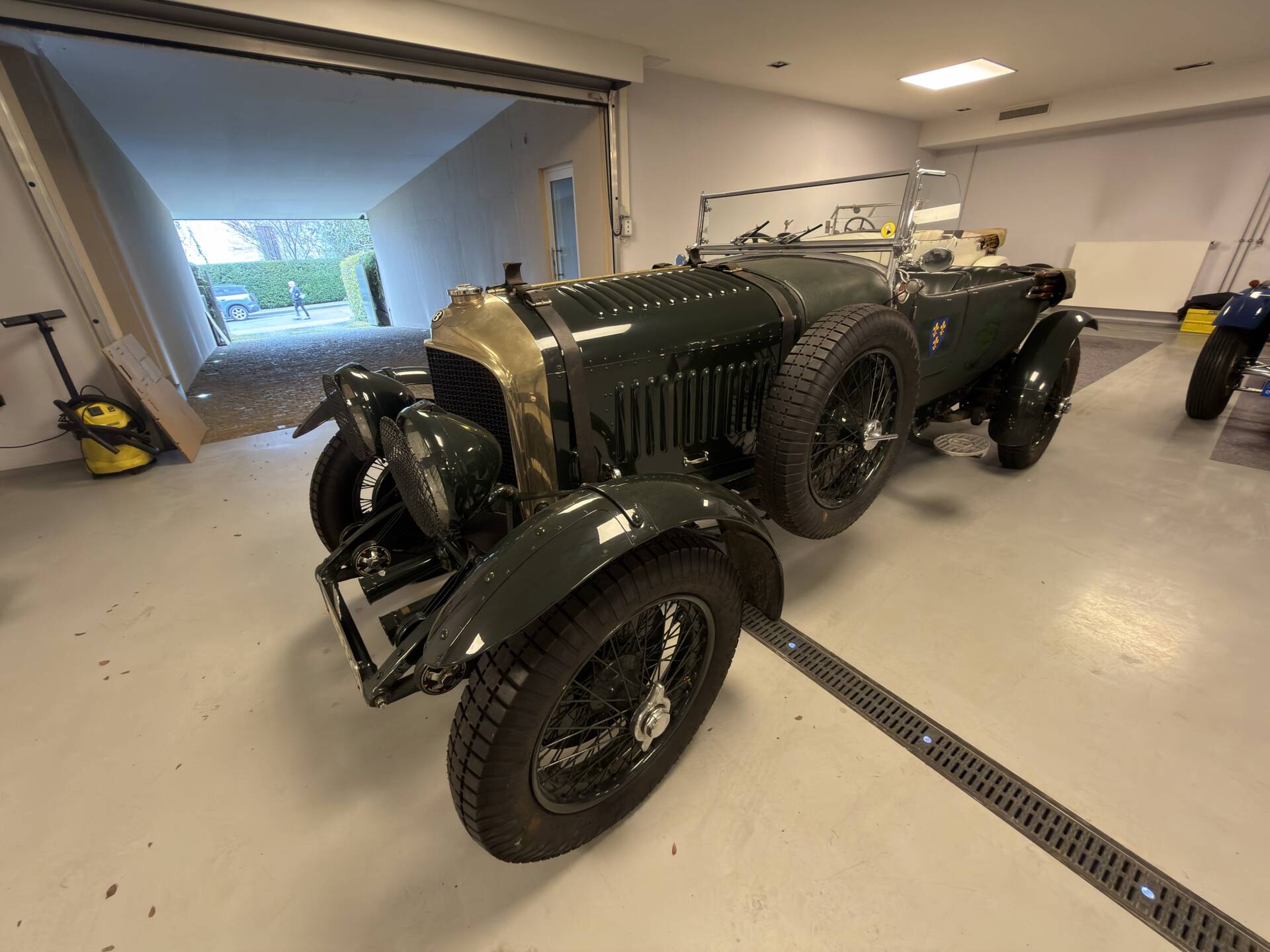
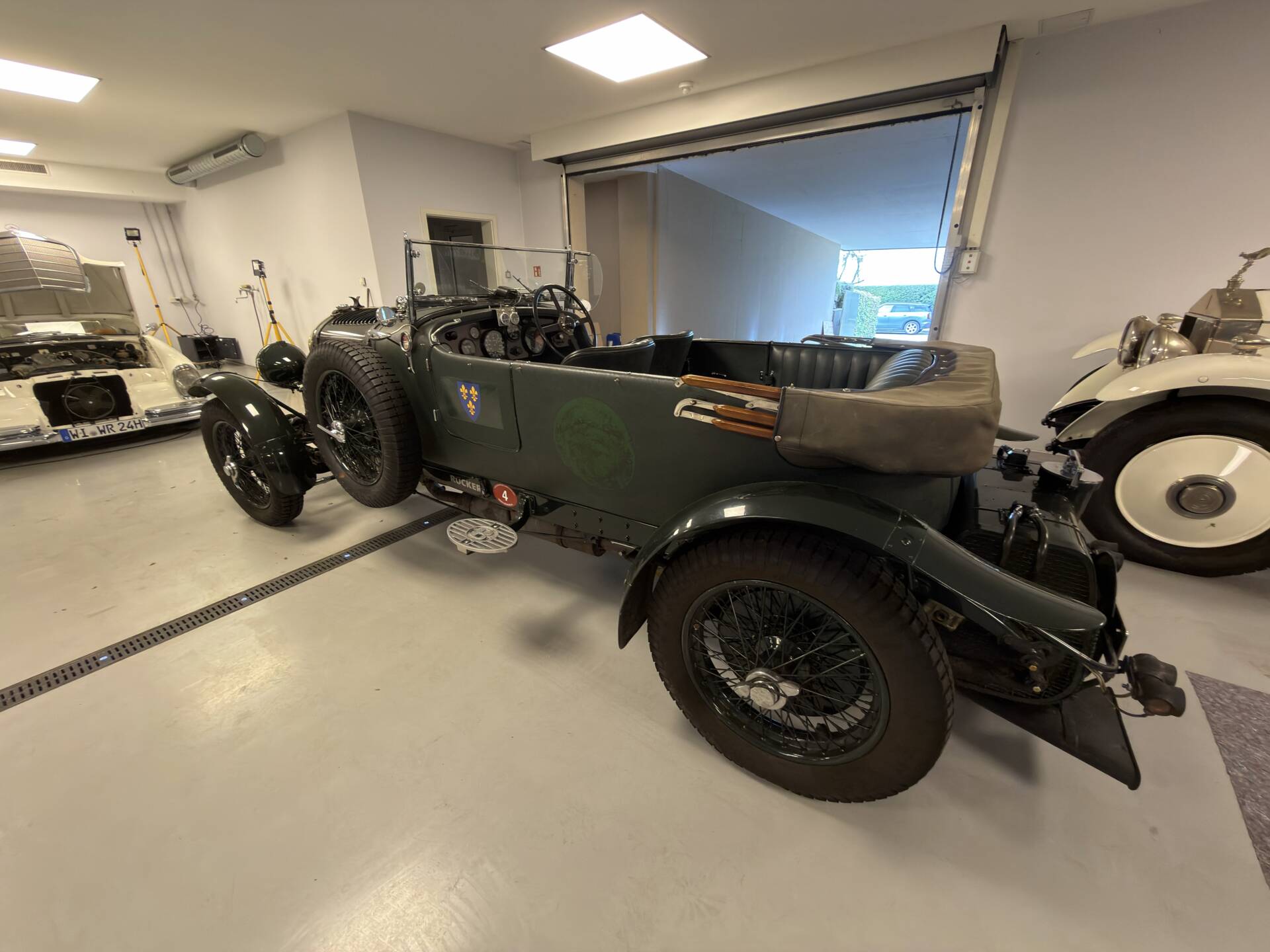
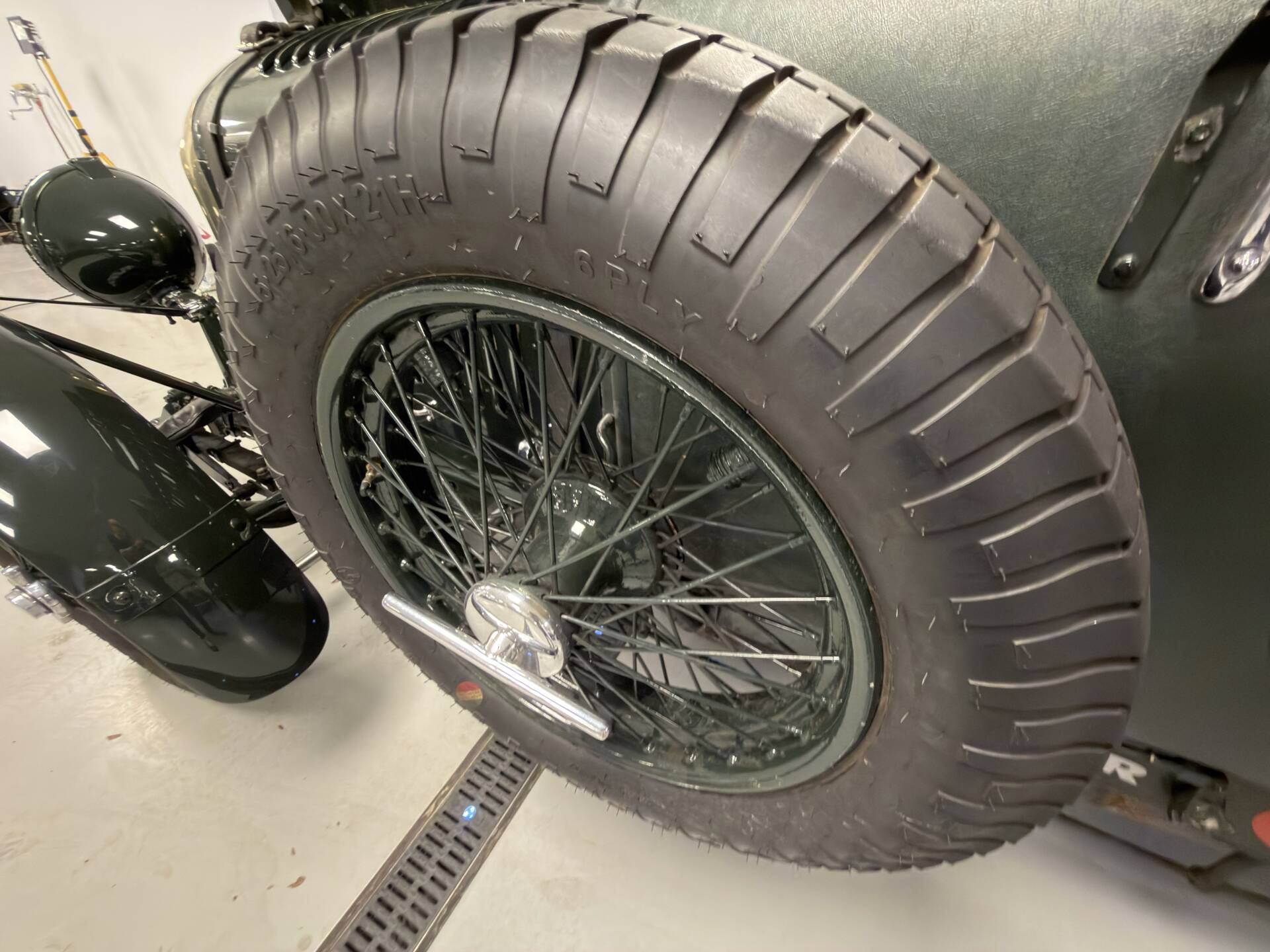
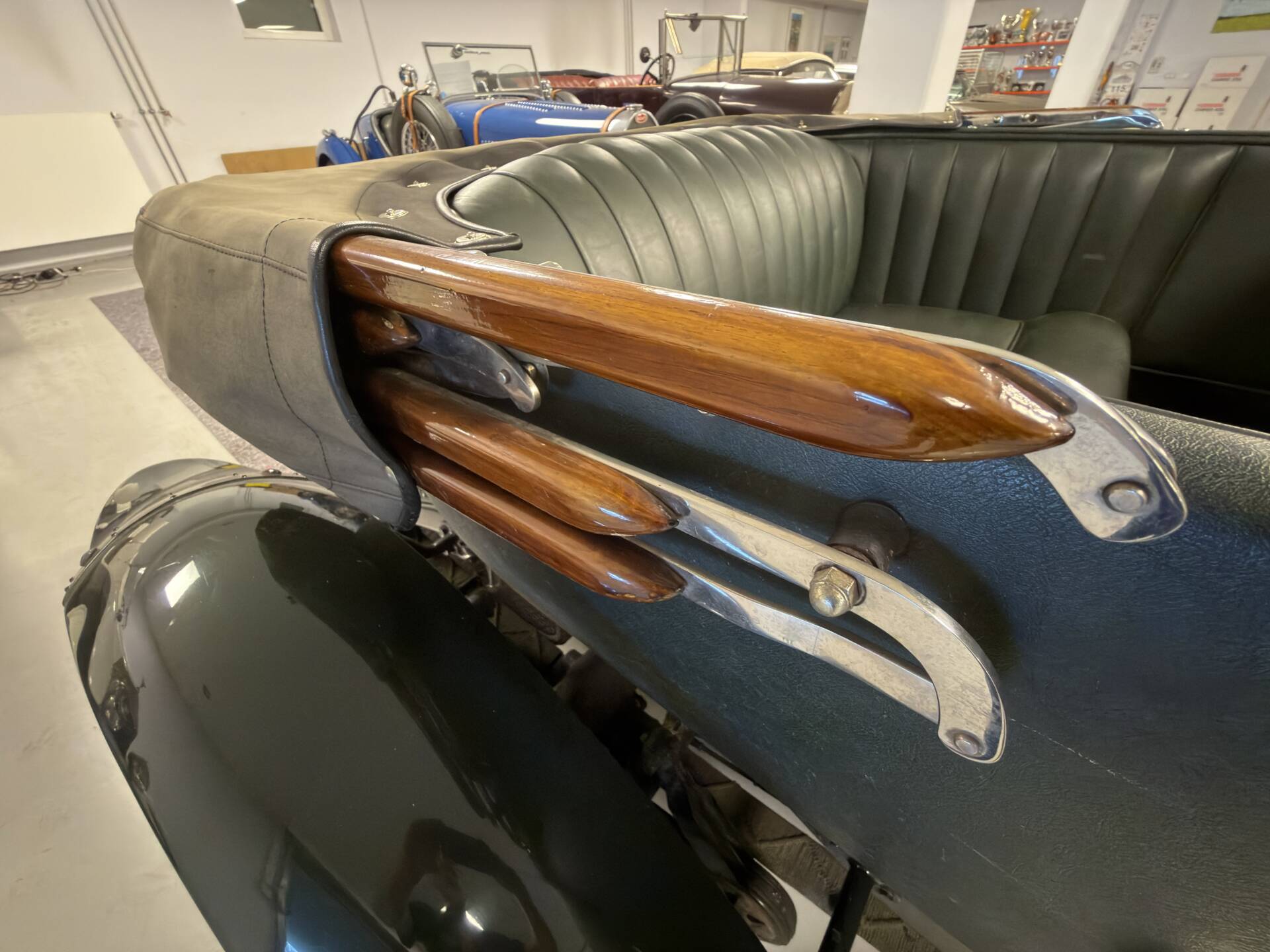
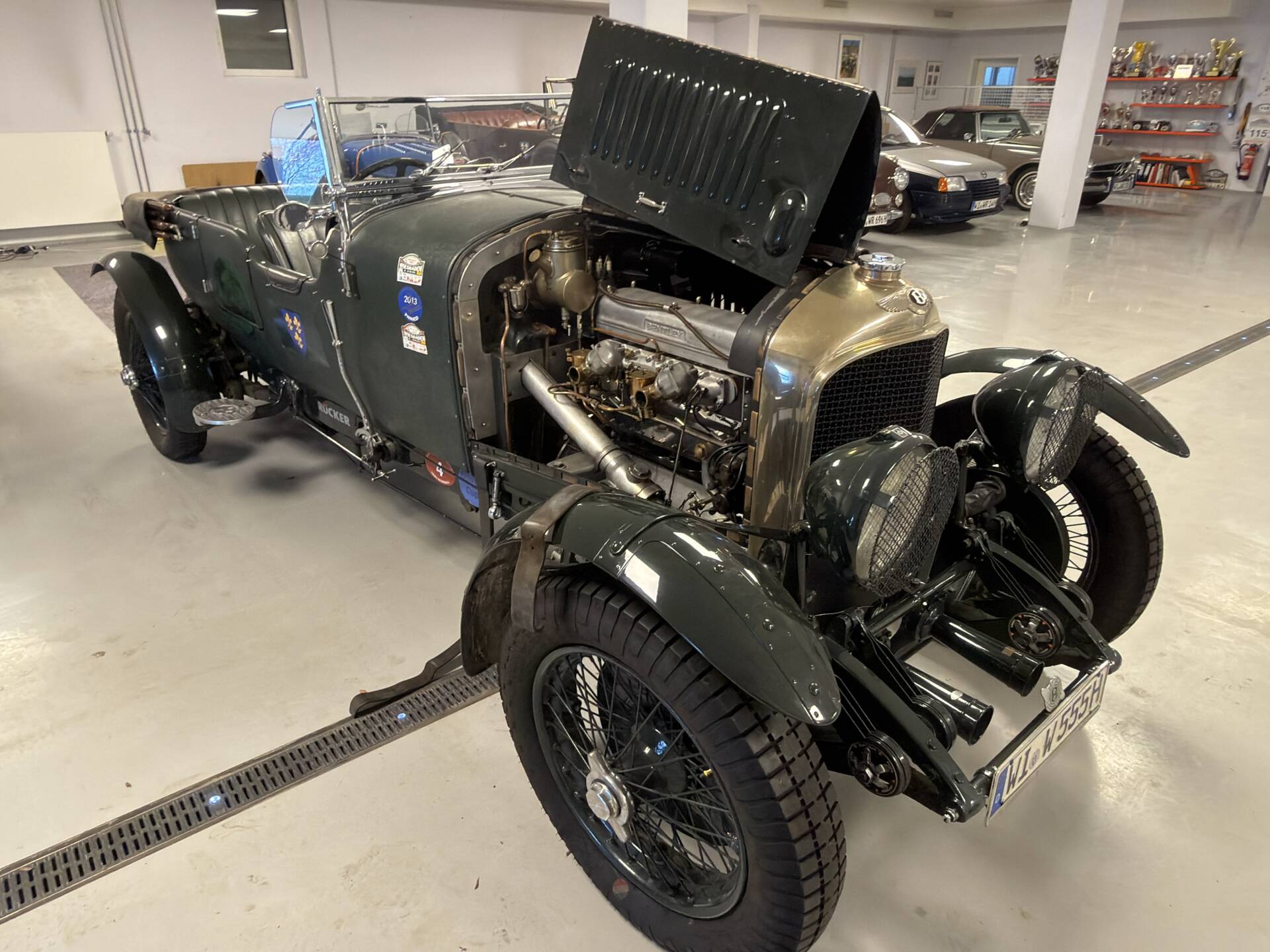
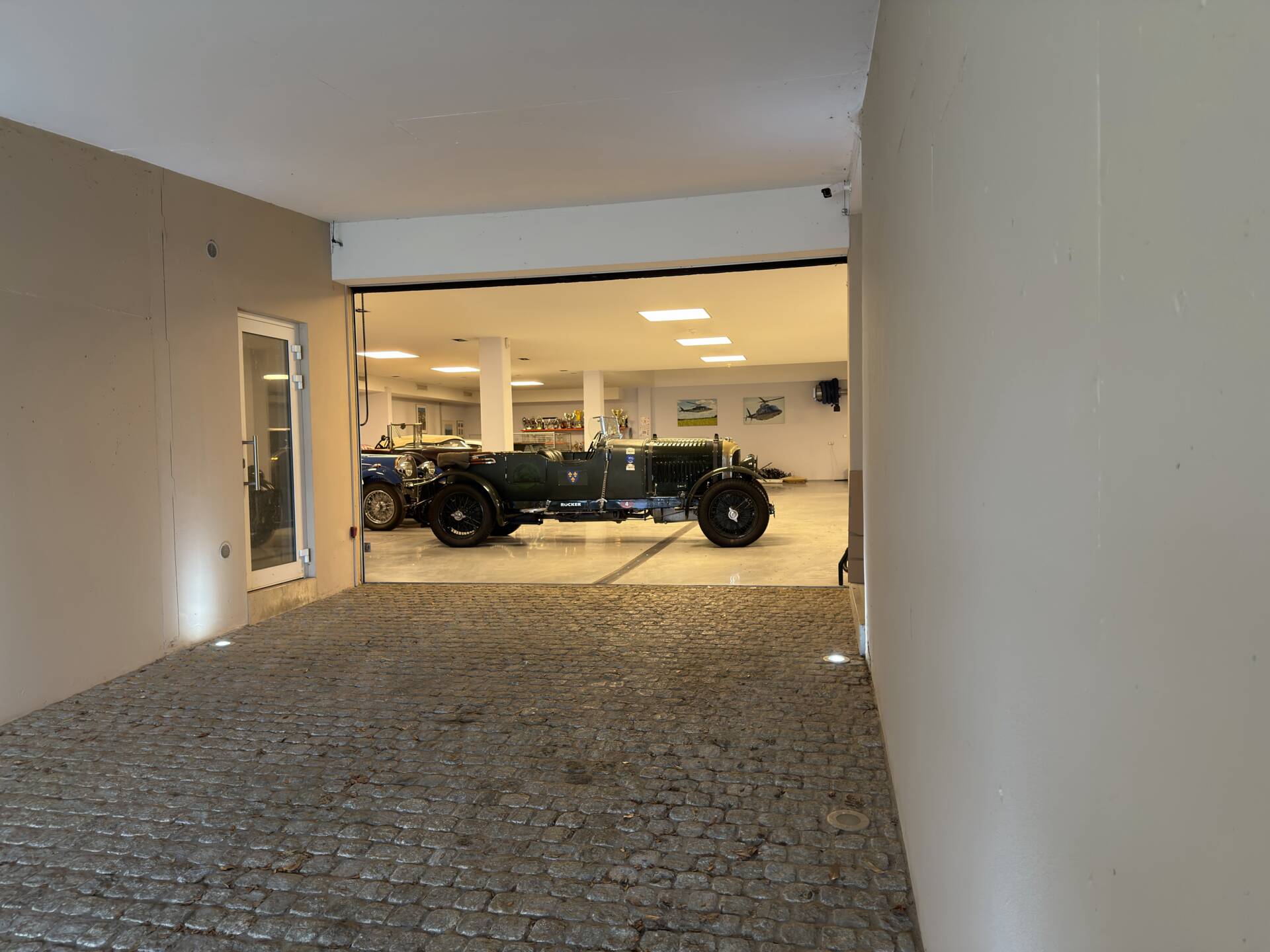
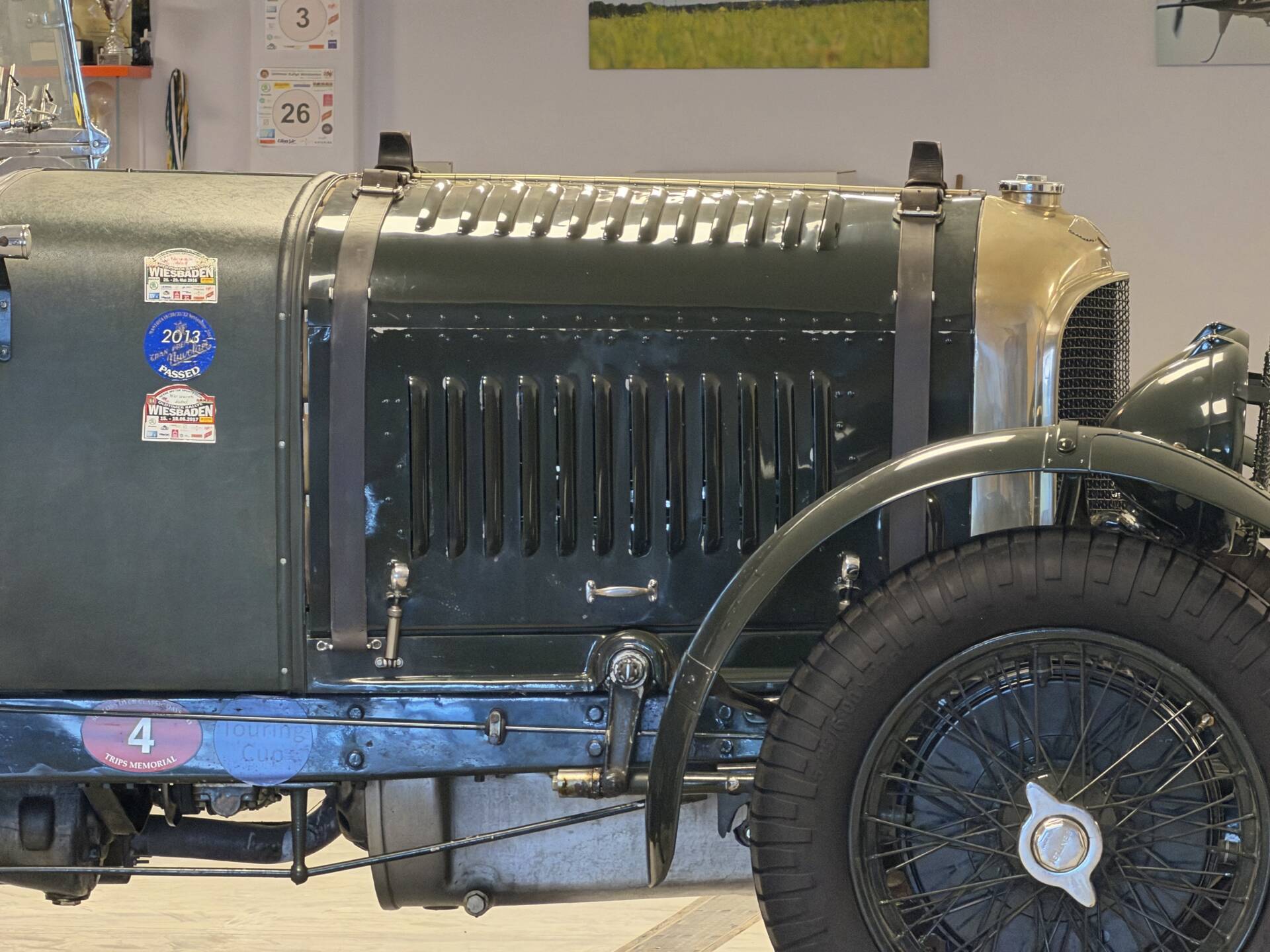
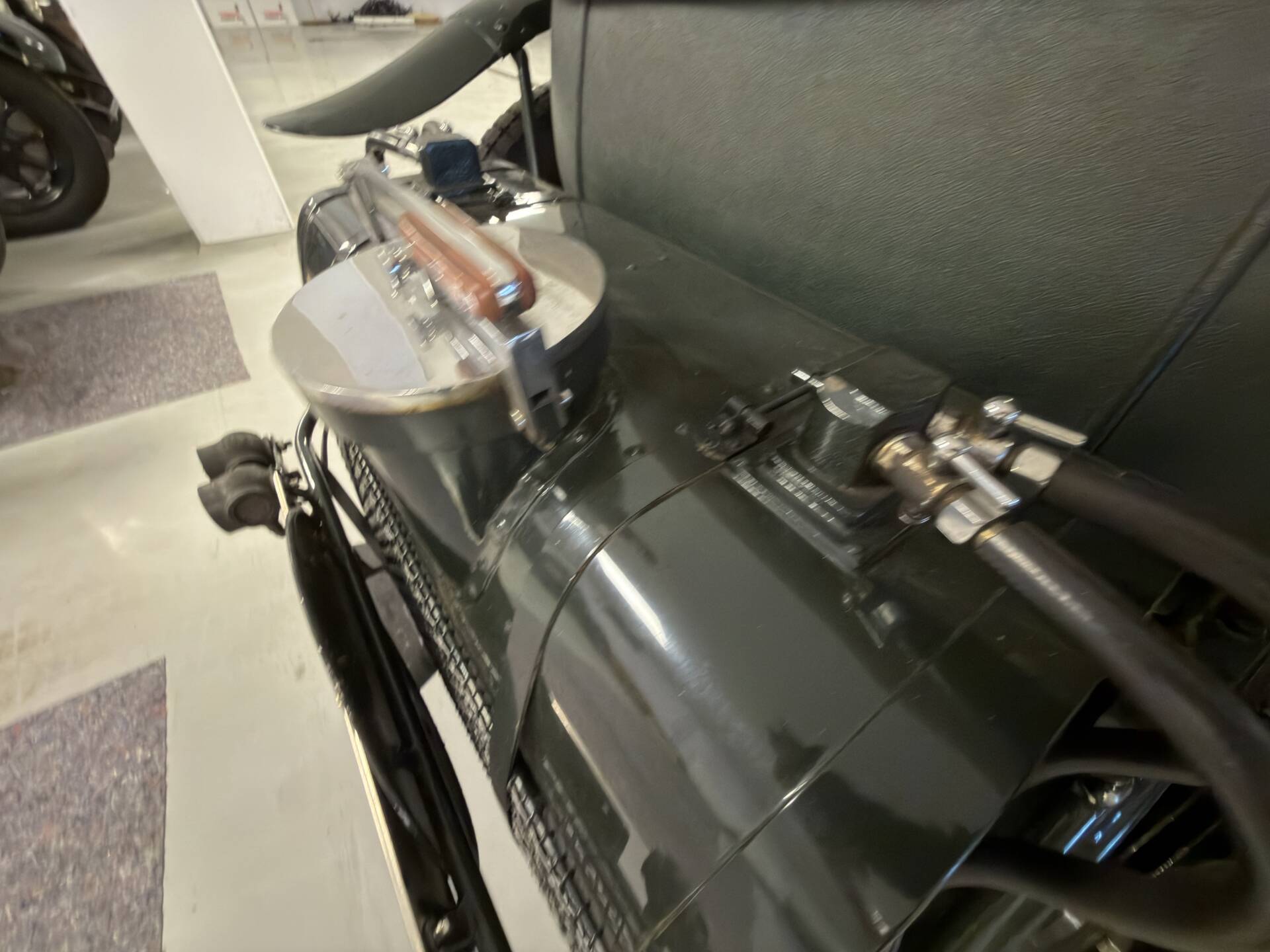
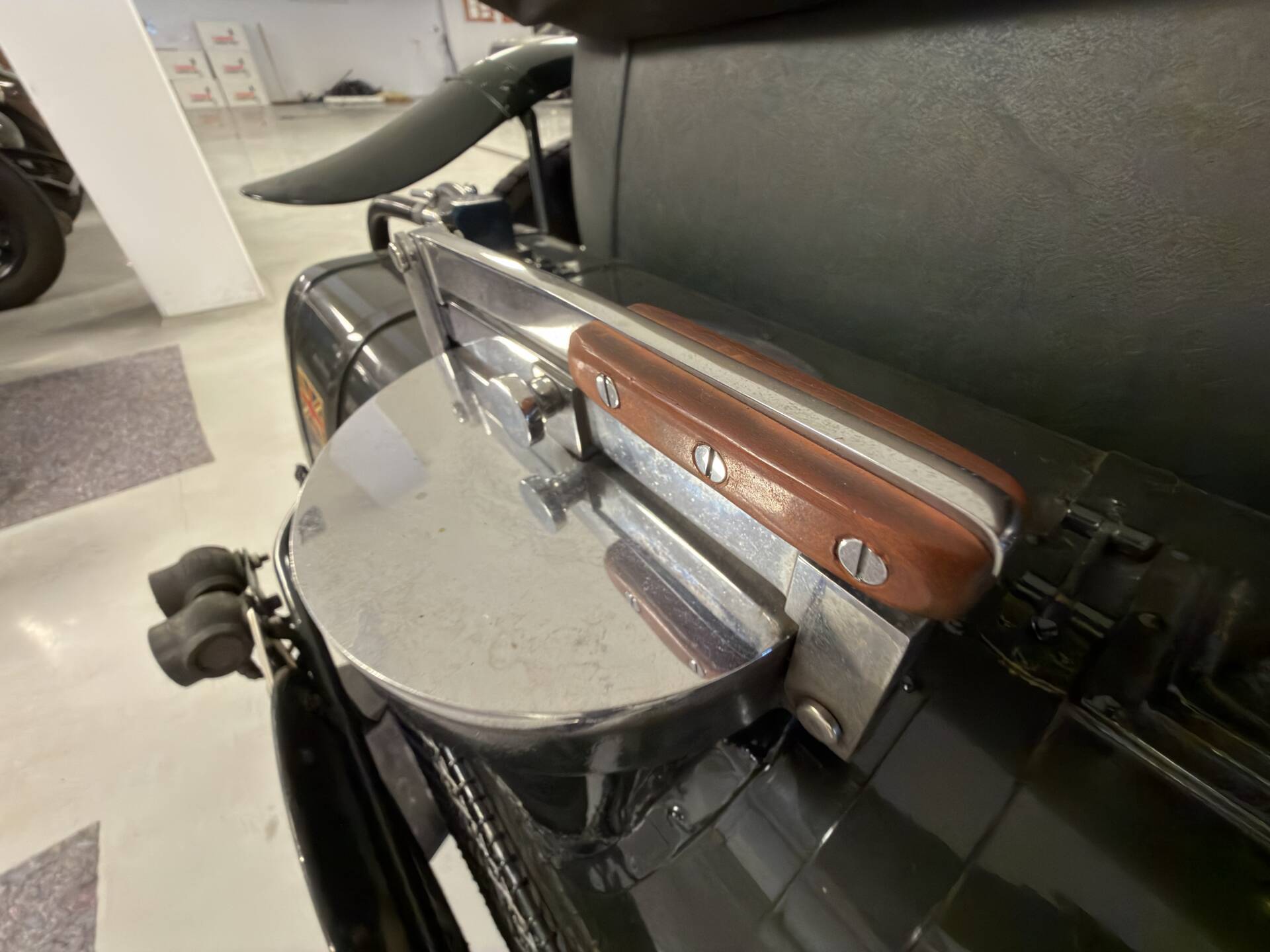
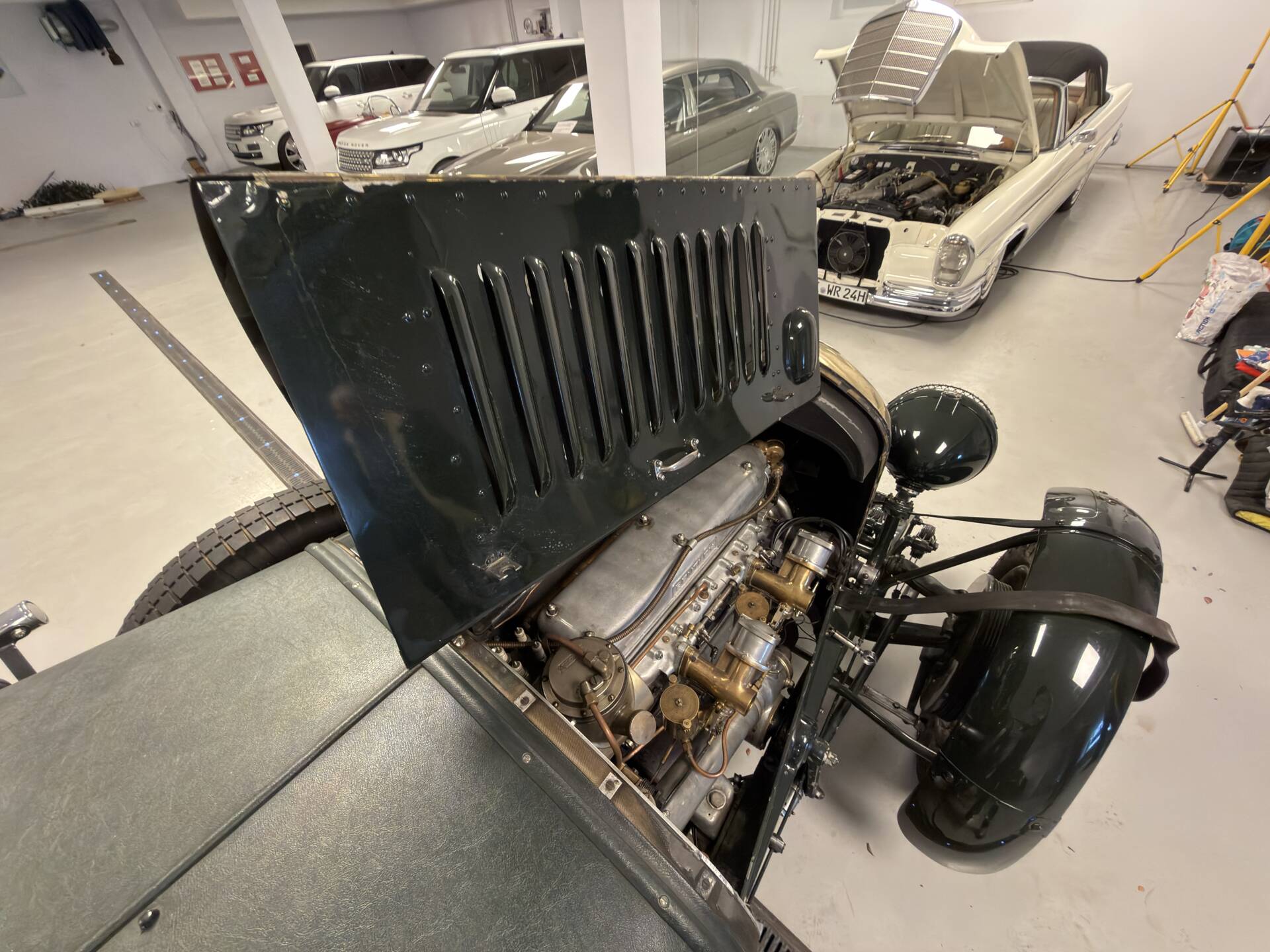
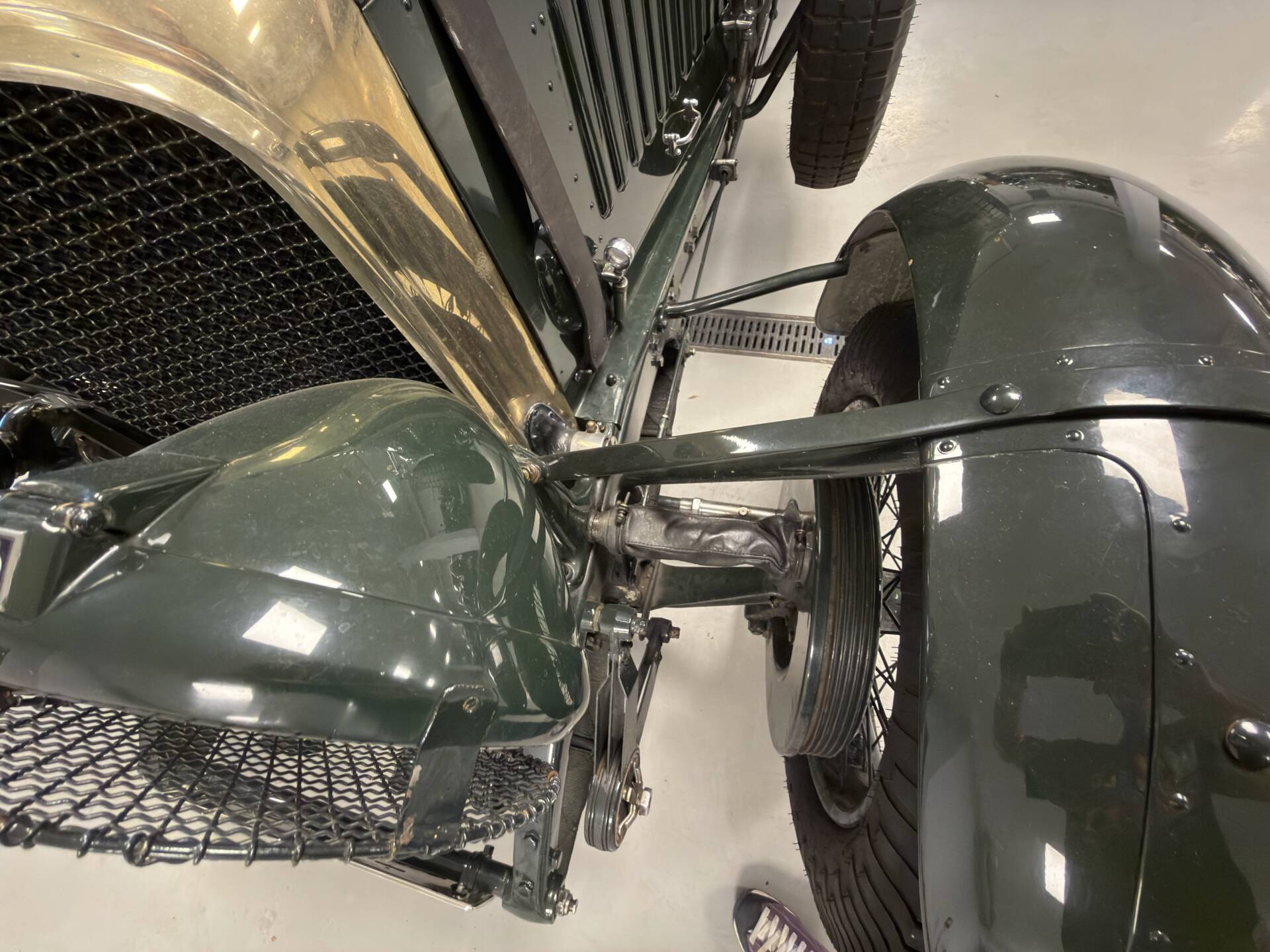
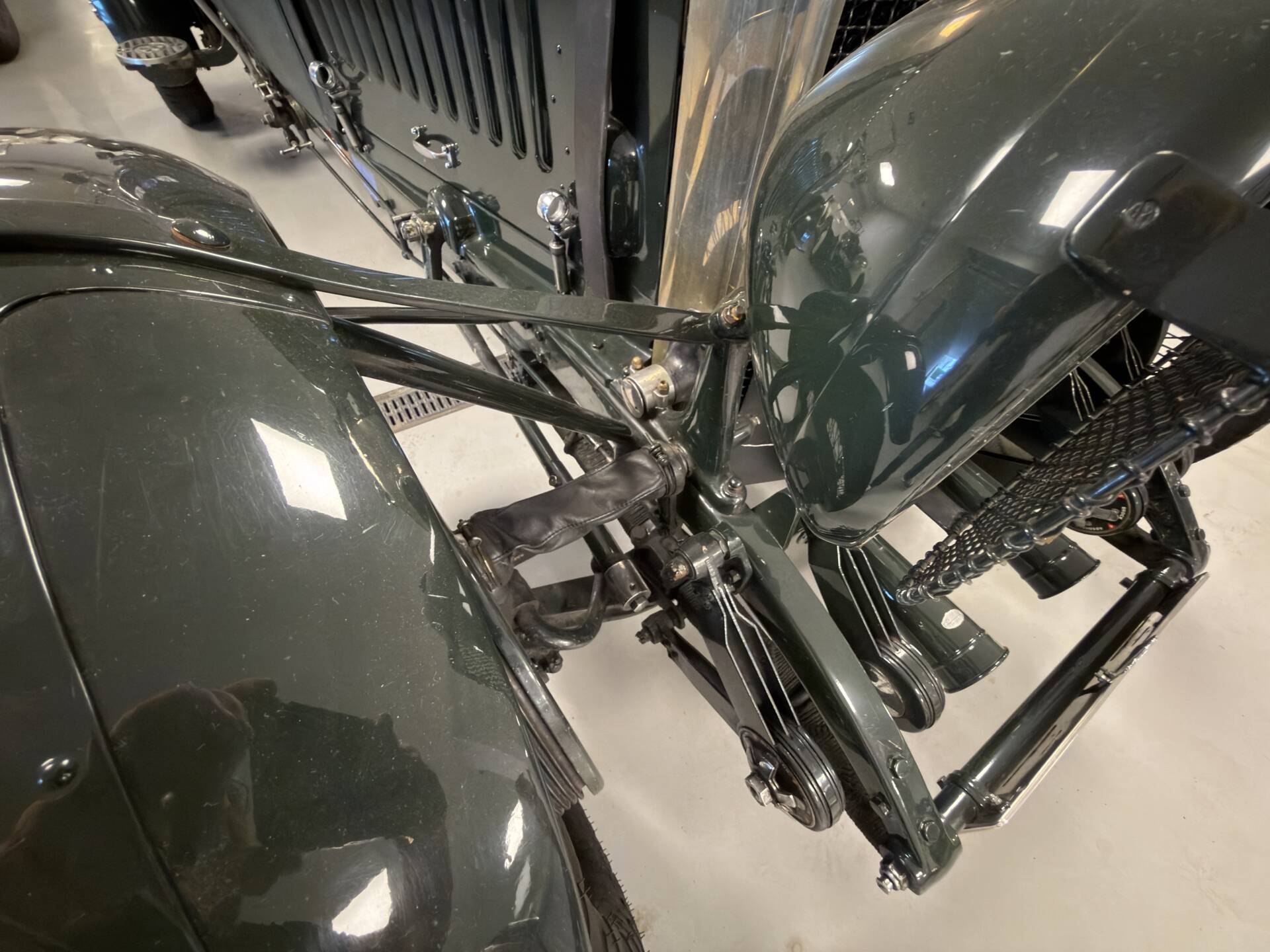
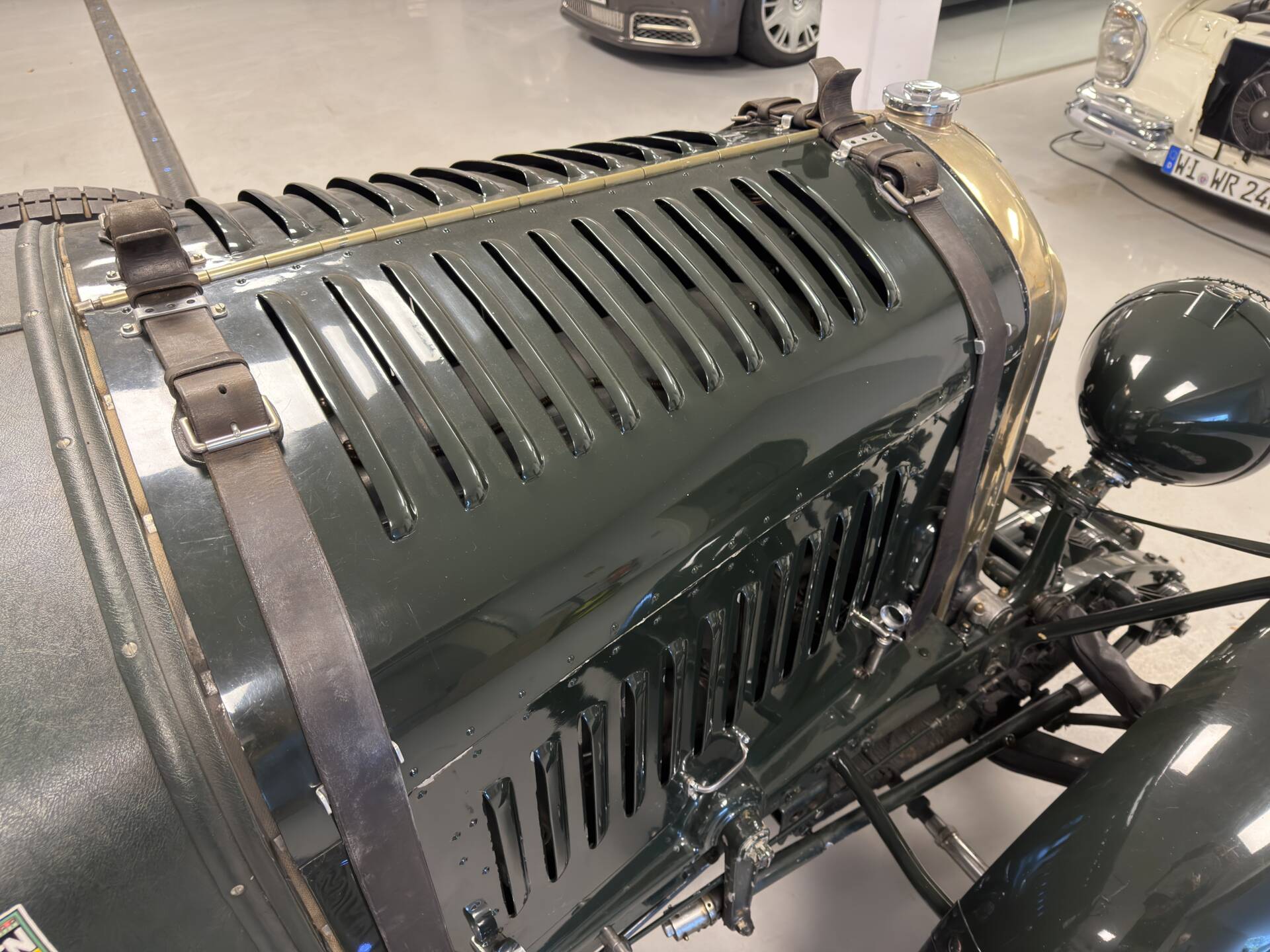
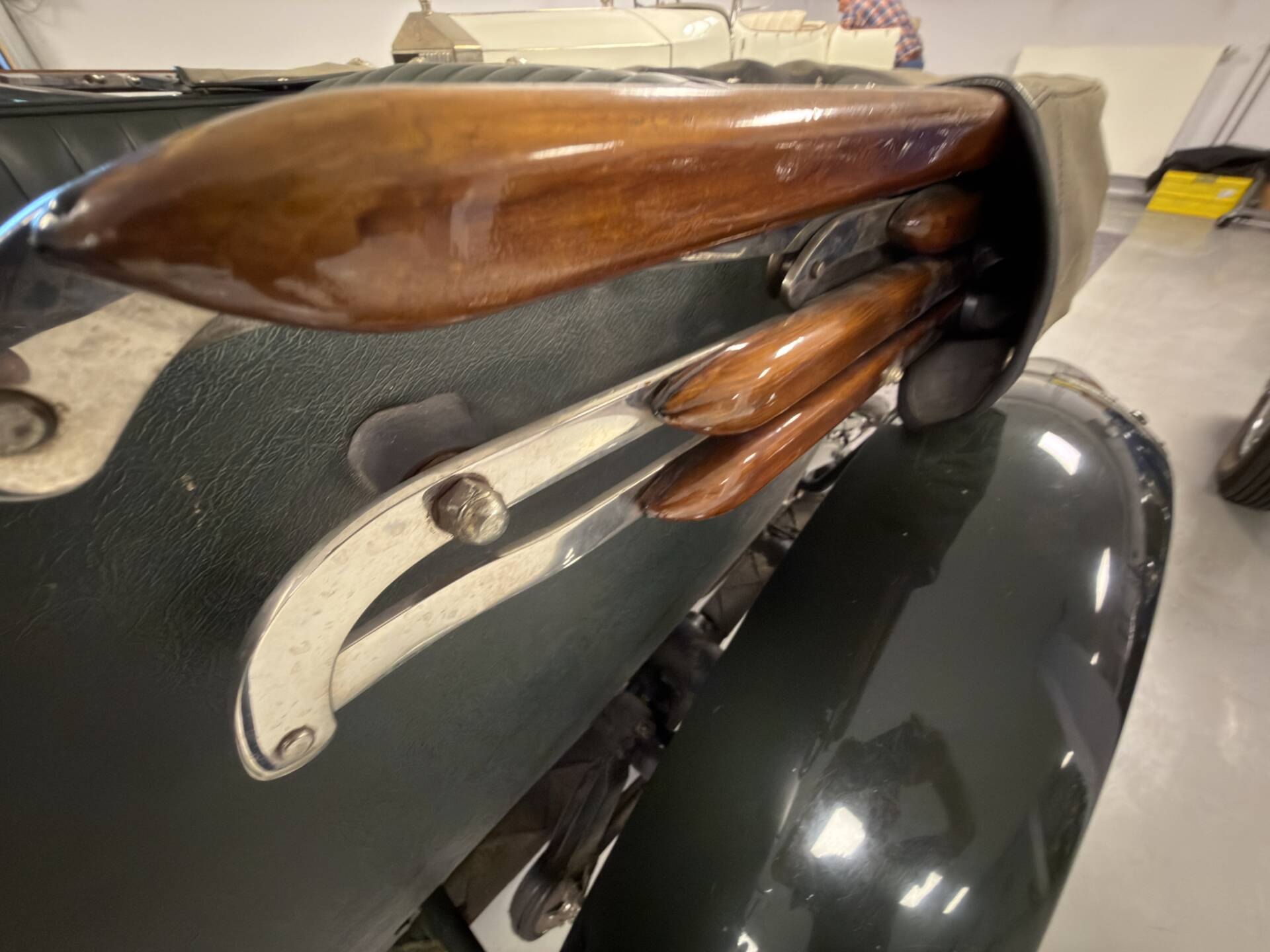
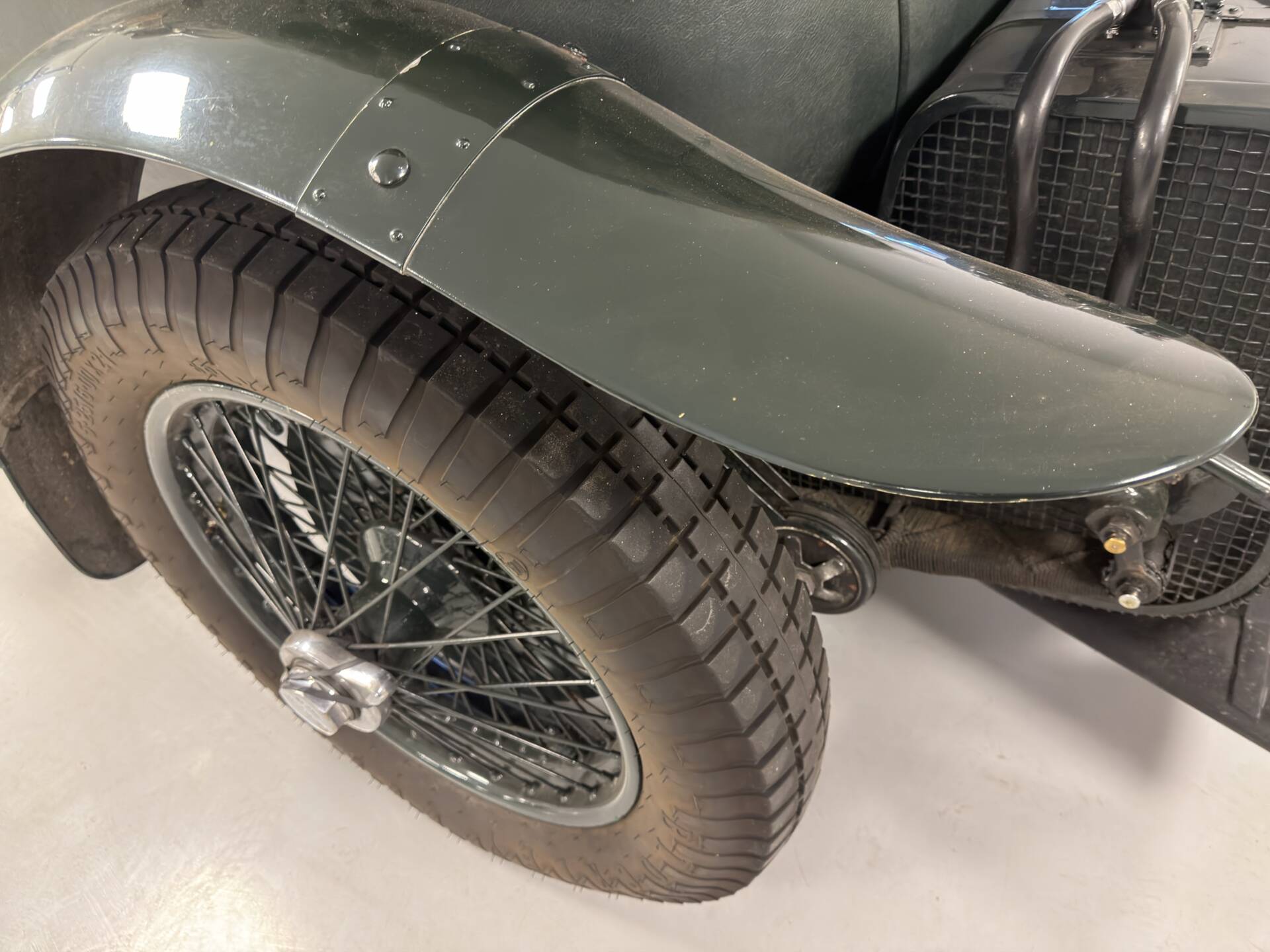
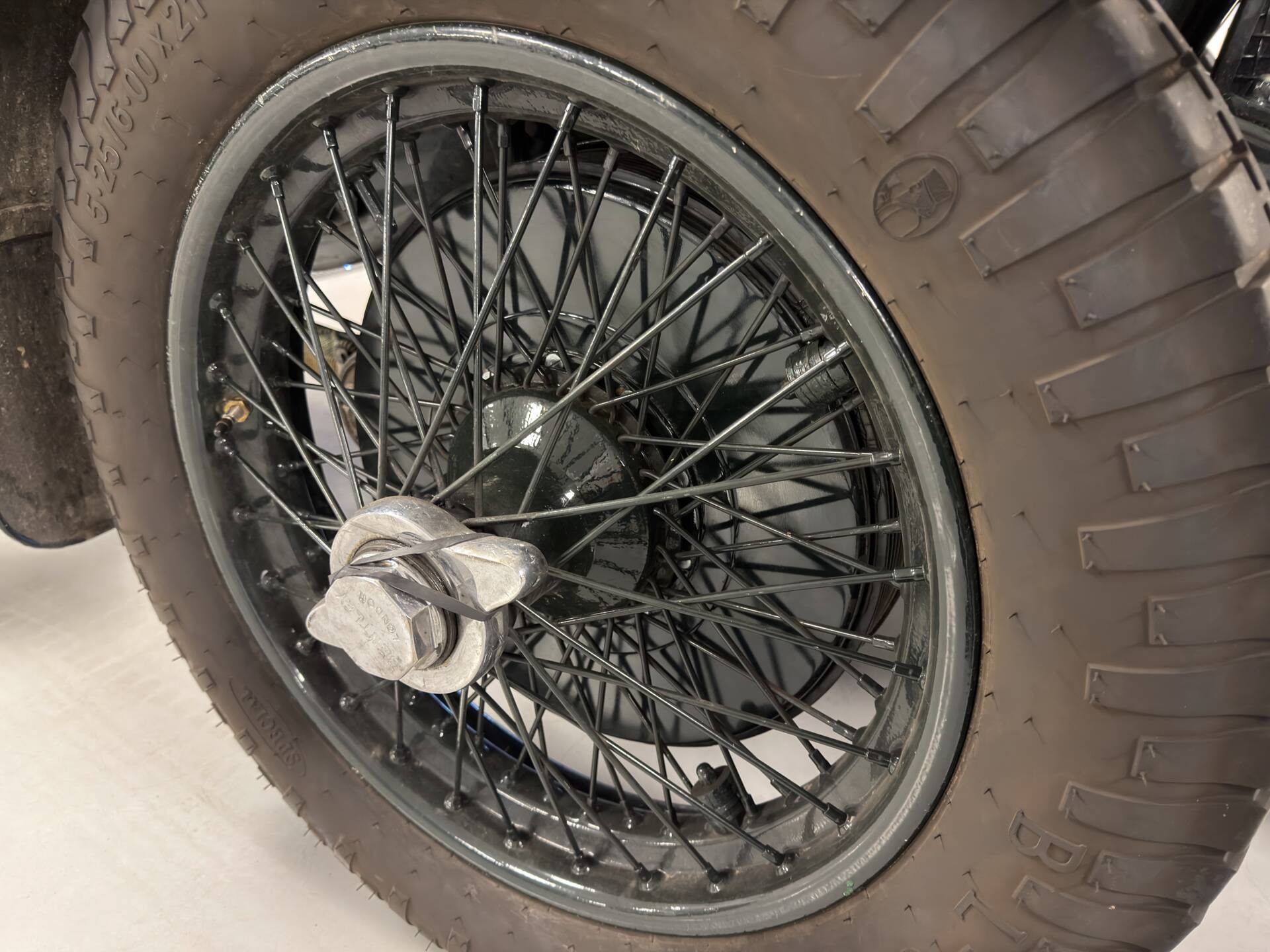
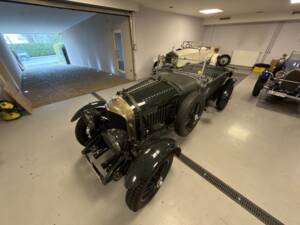
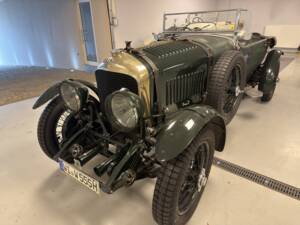
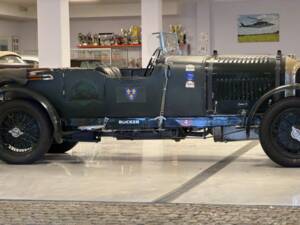
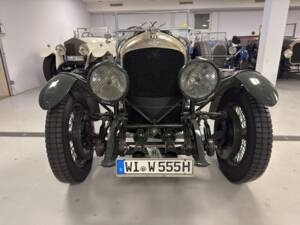
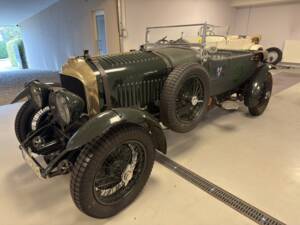
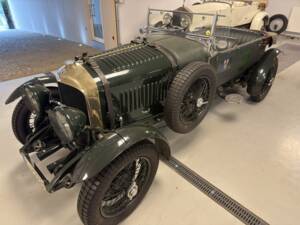
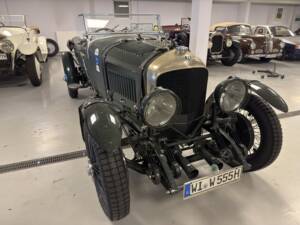
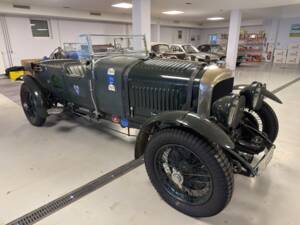
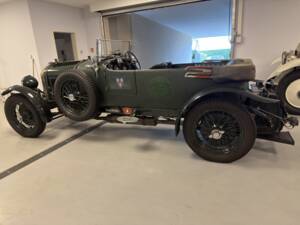
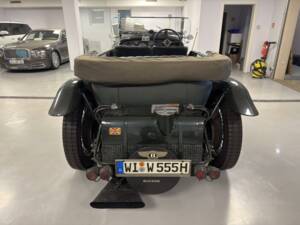
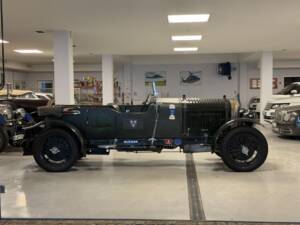
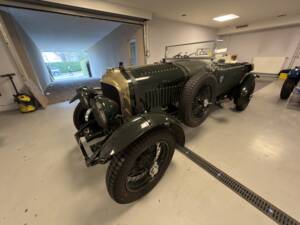
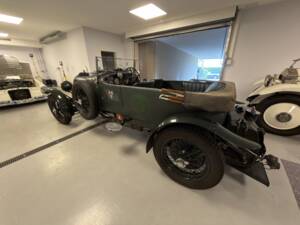
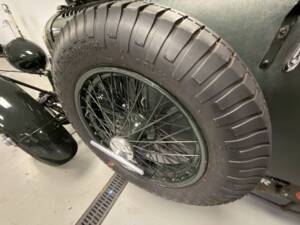
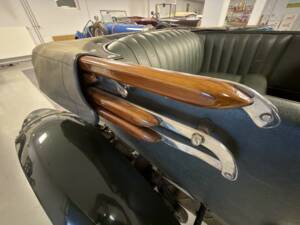
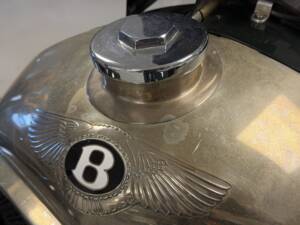
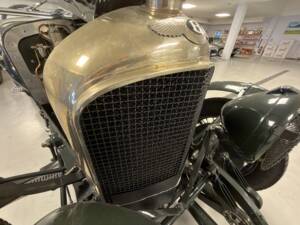
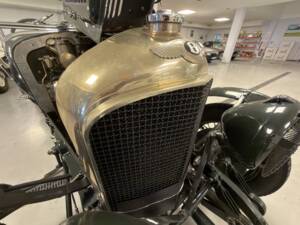
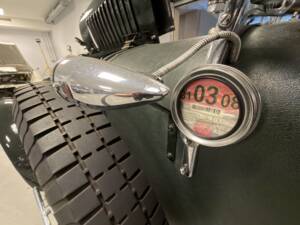
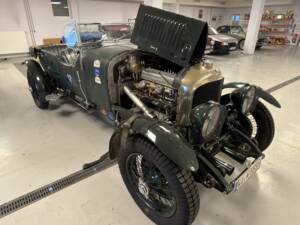
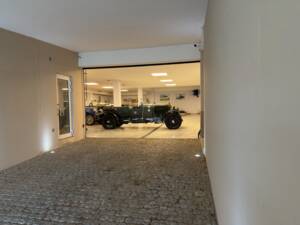
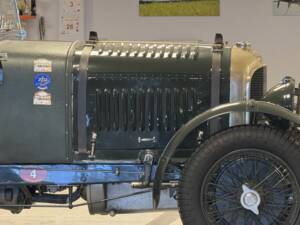
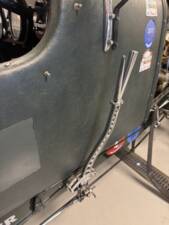
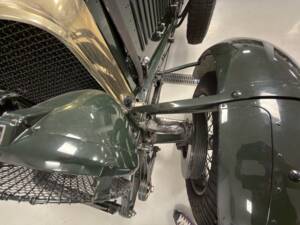
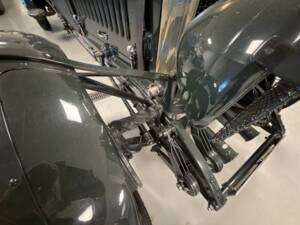
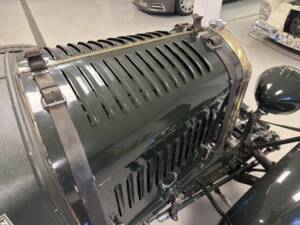
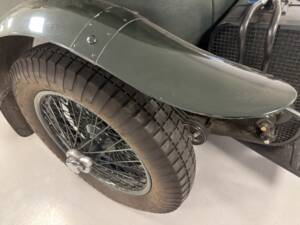
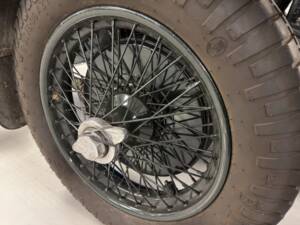
The original closed Gurney Nutting body was replaced by a sporting Tourer body with a long bonnet, imposing radiator, cycle wings and large wire wheels.
Its silhouette recalls the legendary Bentley racing cars of the late 1920s. The historical classification is important here: The open body does not date from the delivery year 1928, but was created as part of the later conversion.
The vehicle is therefore not an unrestored Le Mans racing car preserved in unchanged condition, but an original 1928 Bentley 4½ Litre with an open Tourer body that has existed for more than five decades.
According to the owner, this configuration is registered both in the German vehicle documents and in the FIVA Pass as a “4.5 Liter Open Tourer” in Le Mans style.
4½ Litres – Power from Four Cylinders
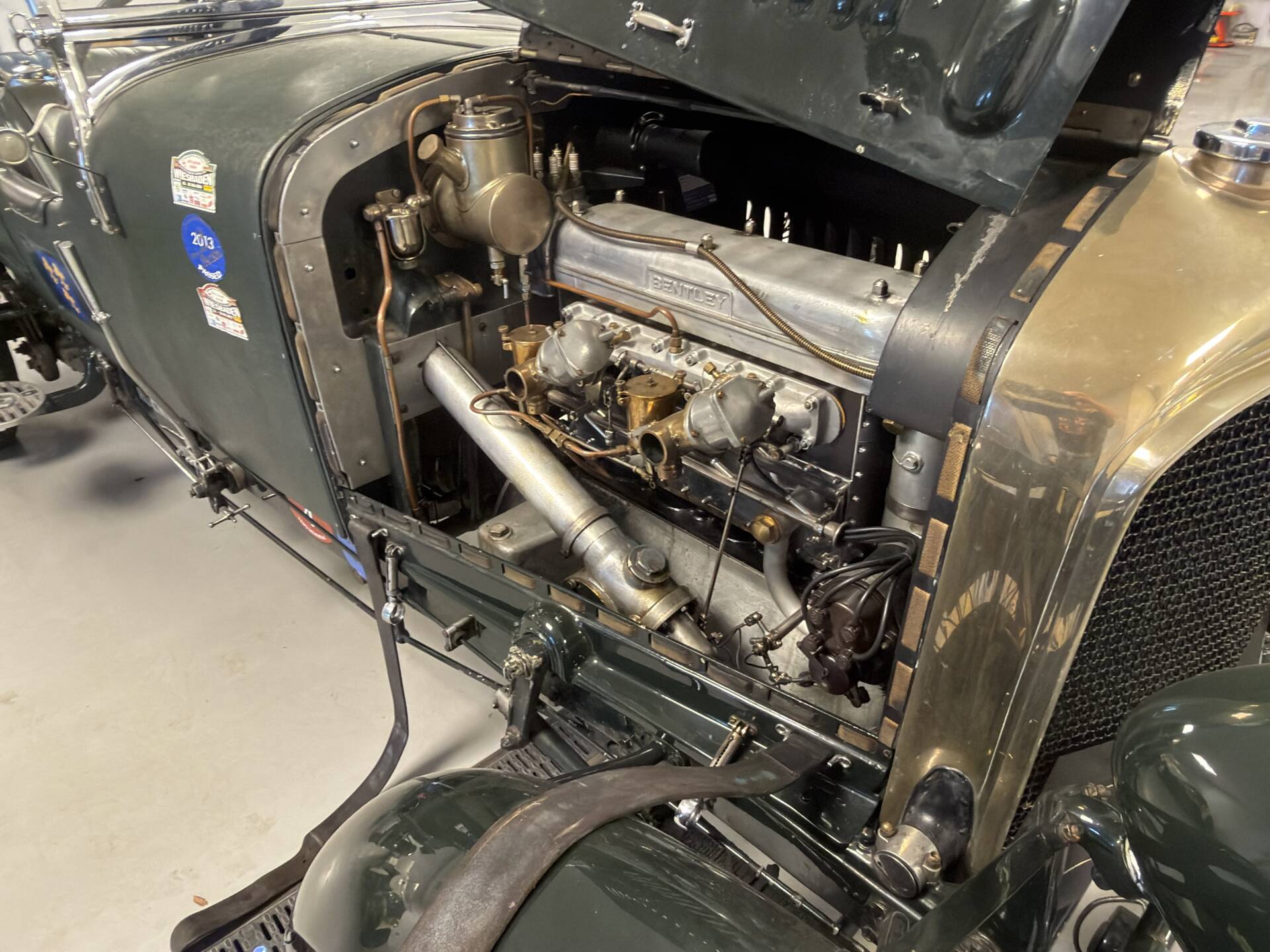
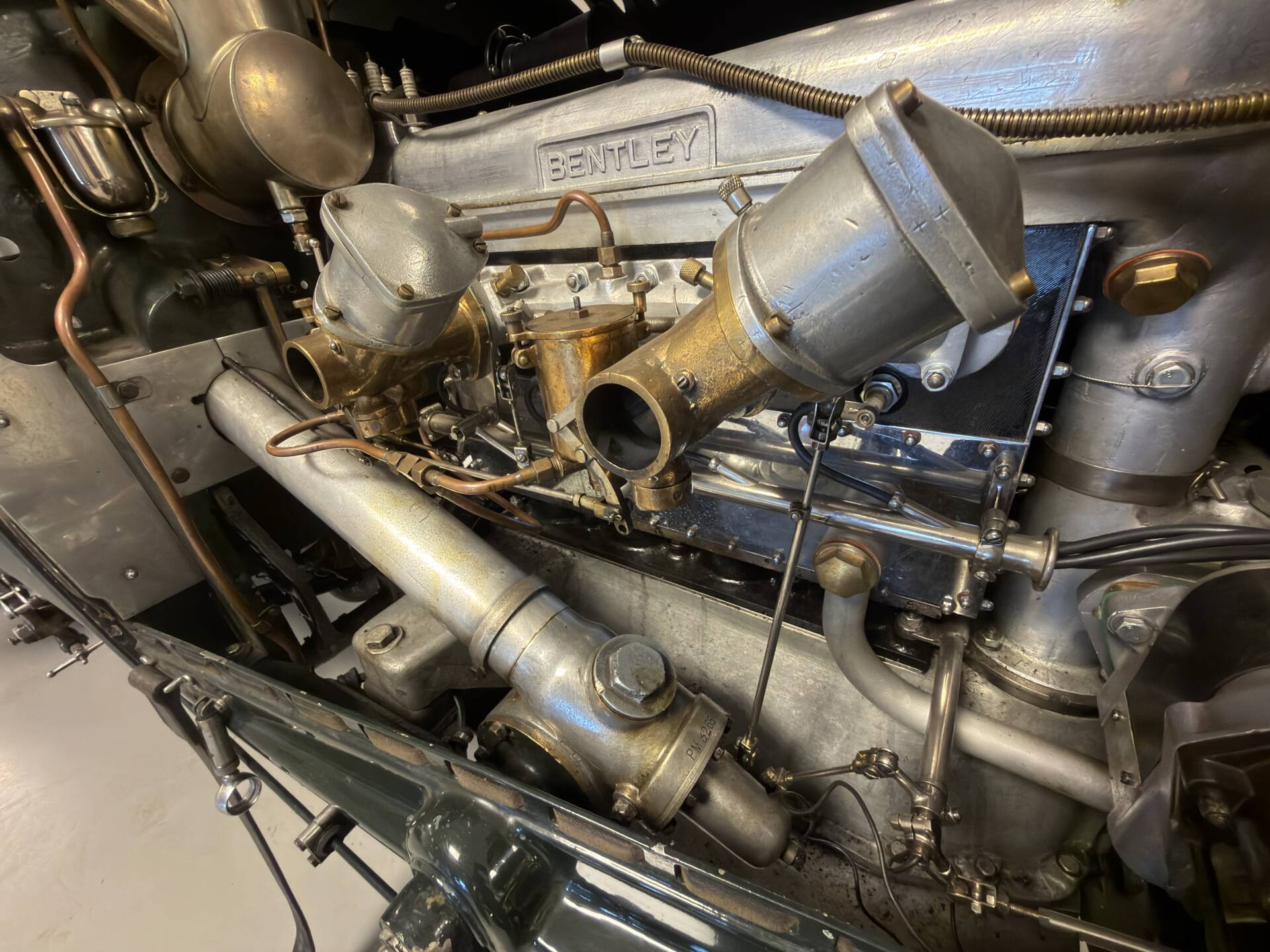
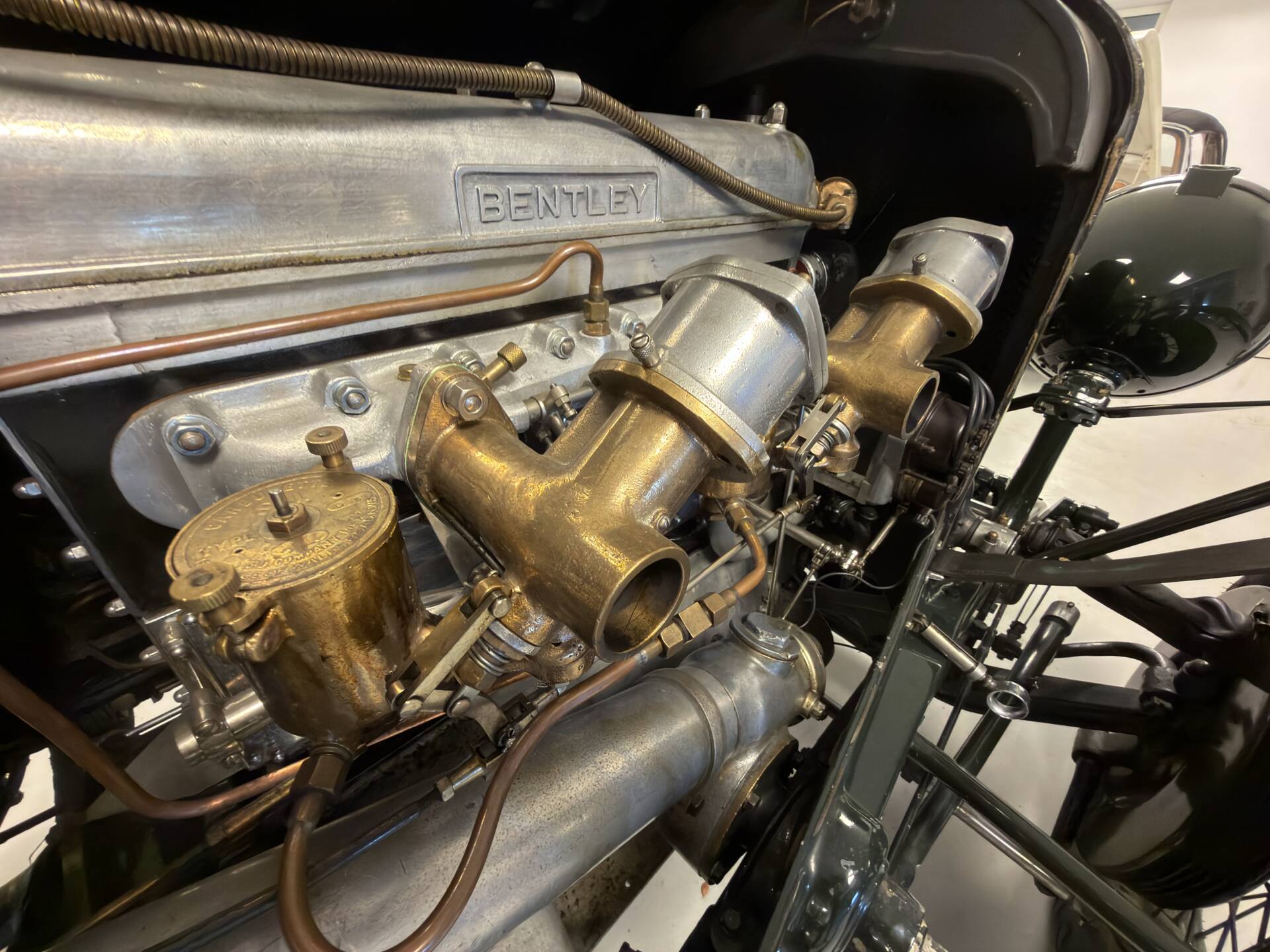
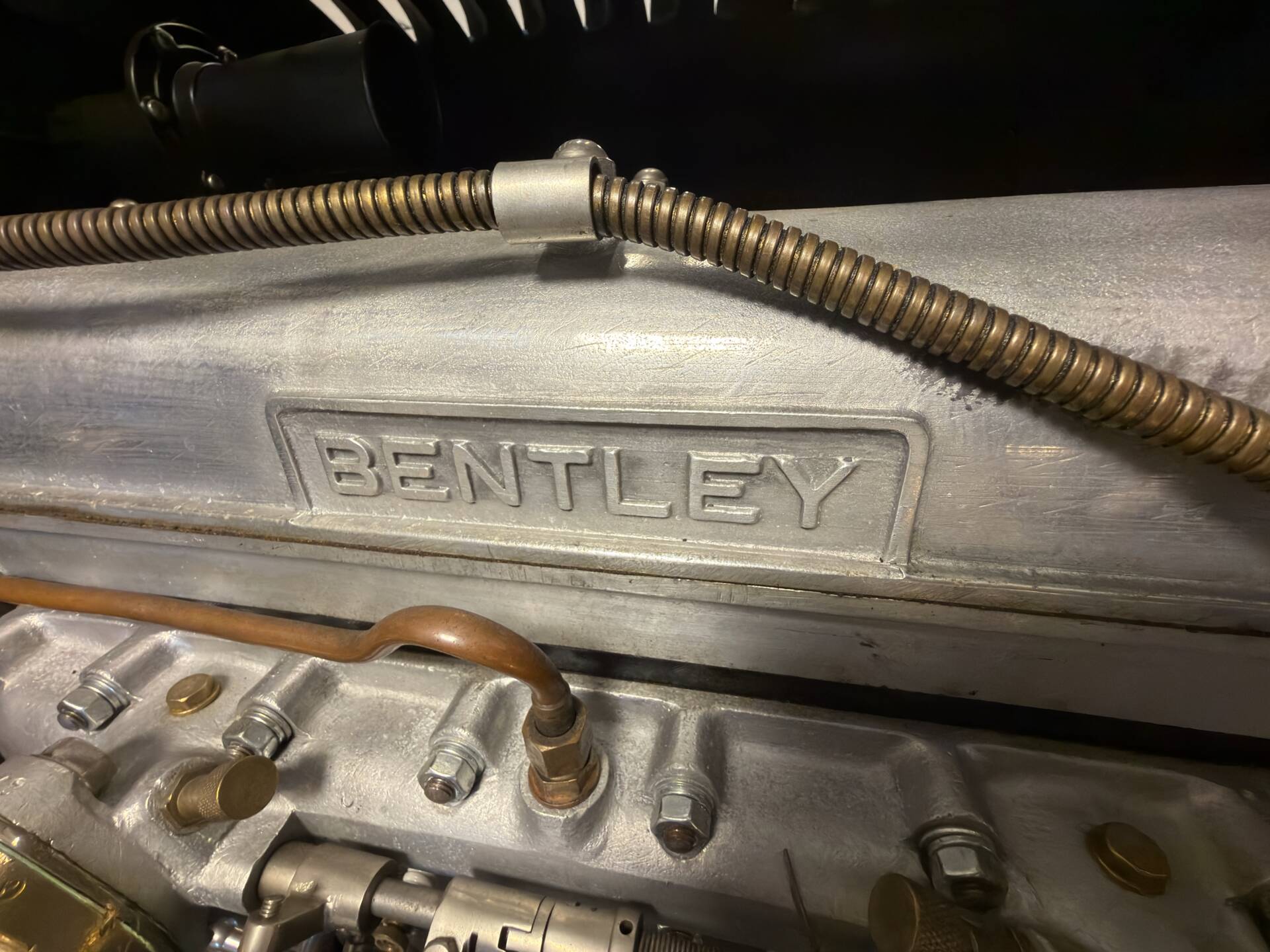
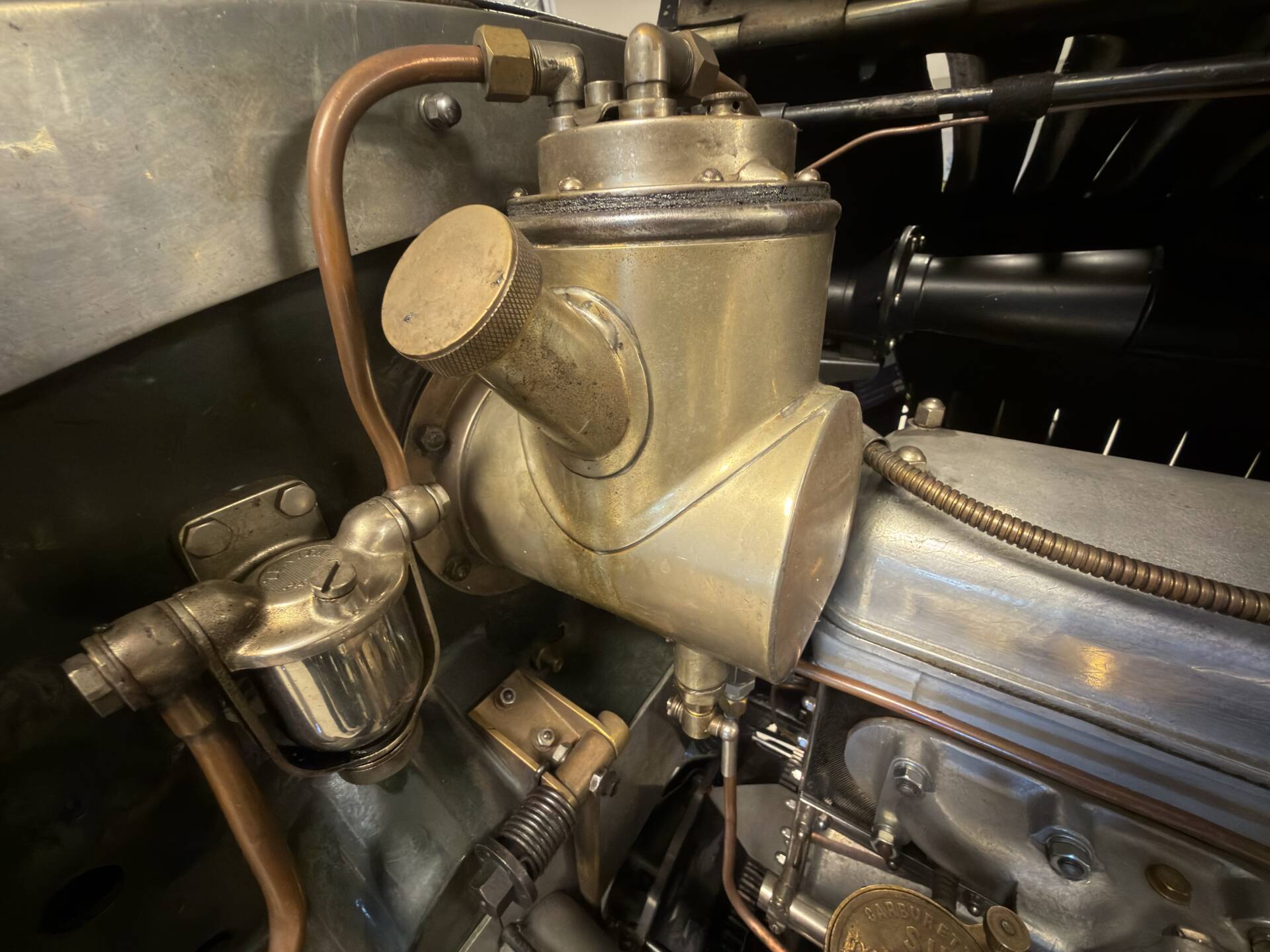
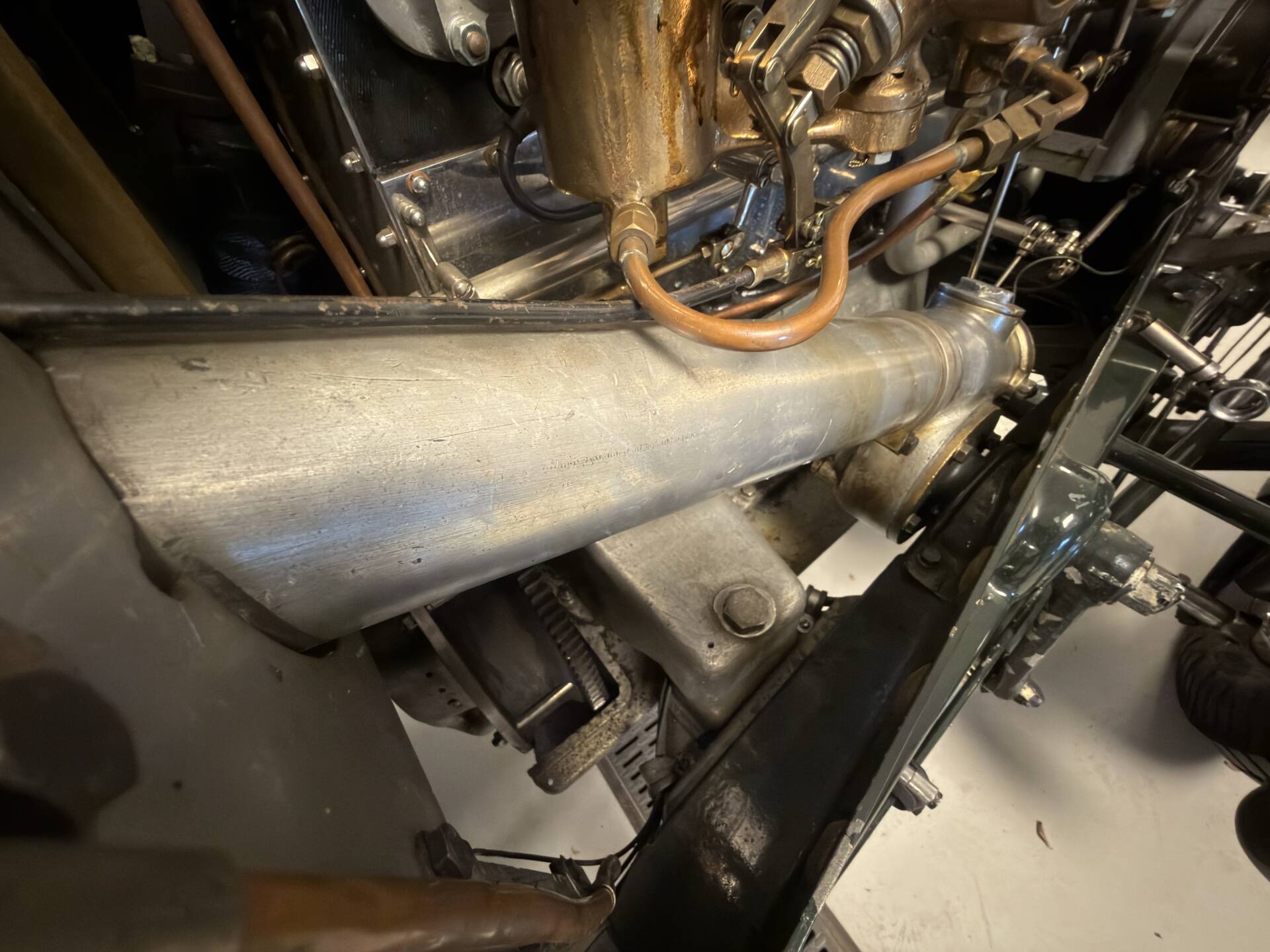
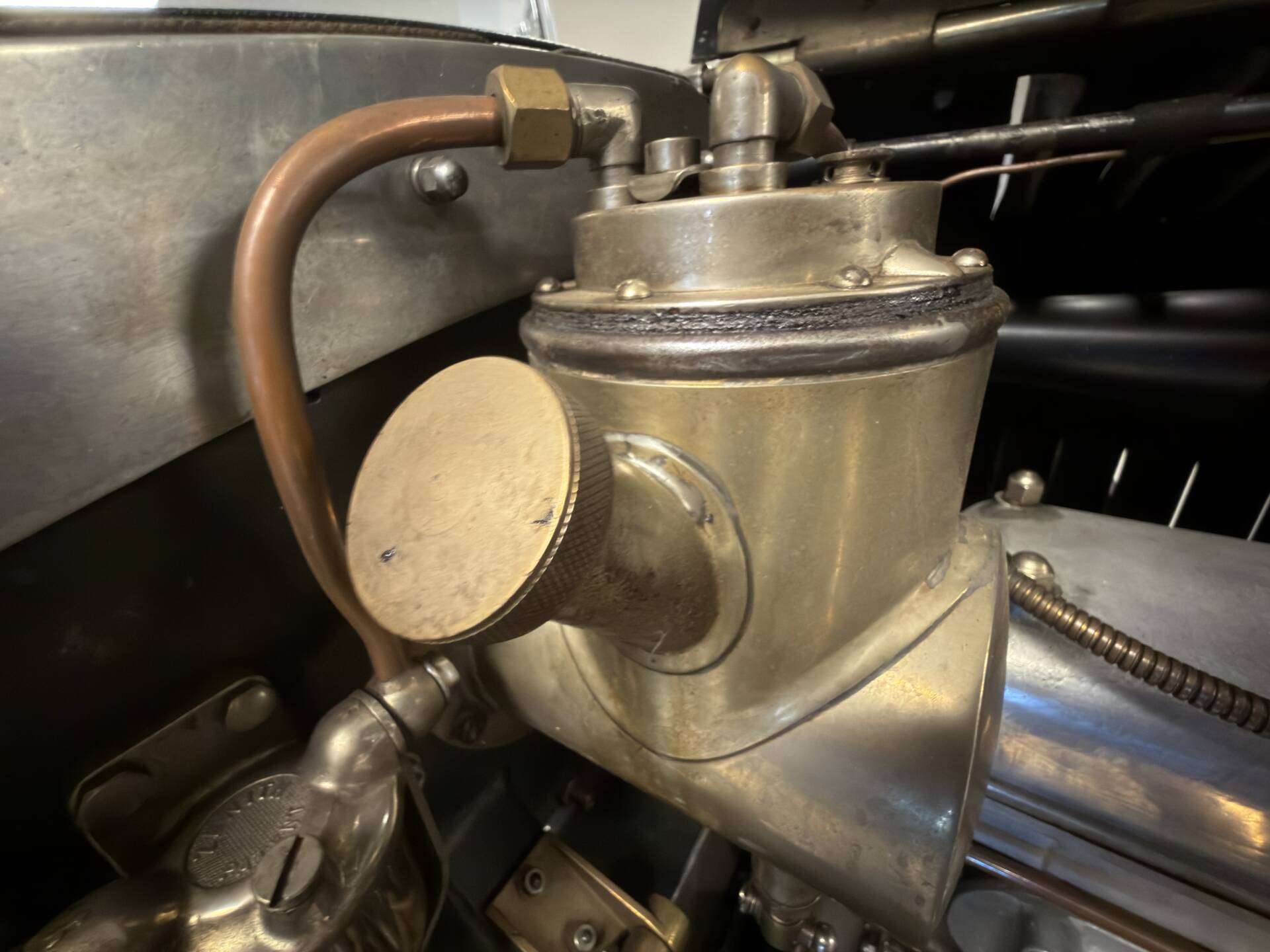
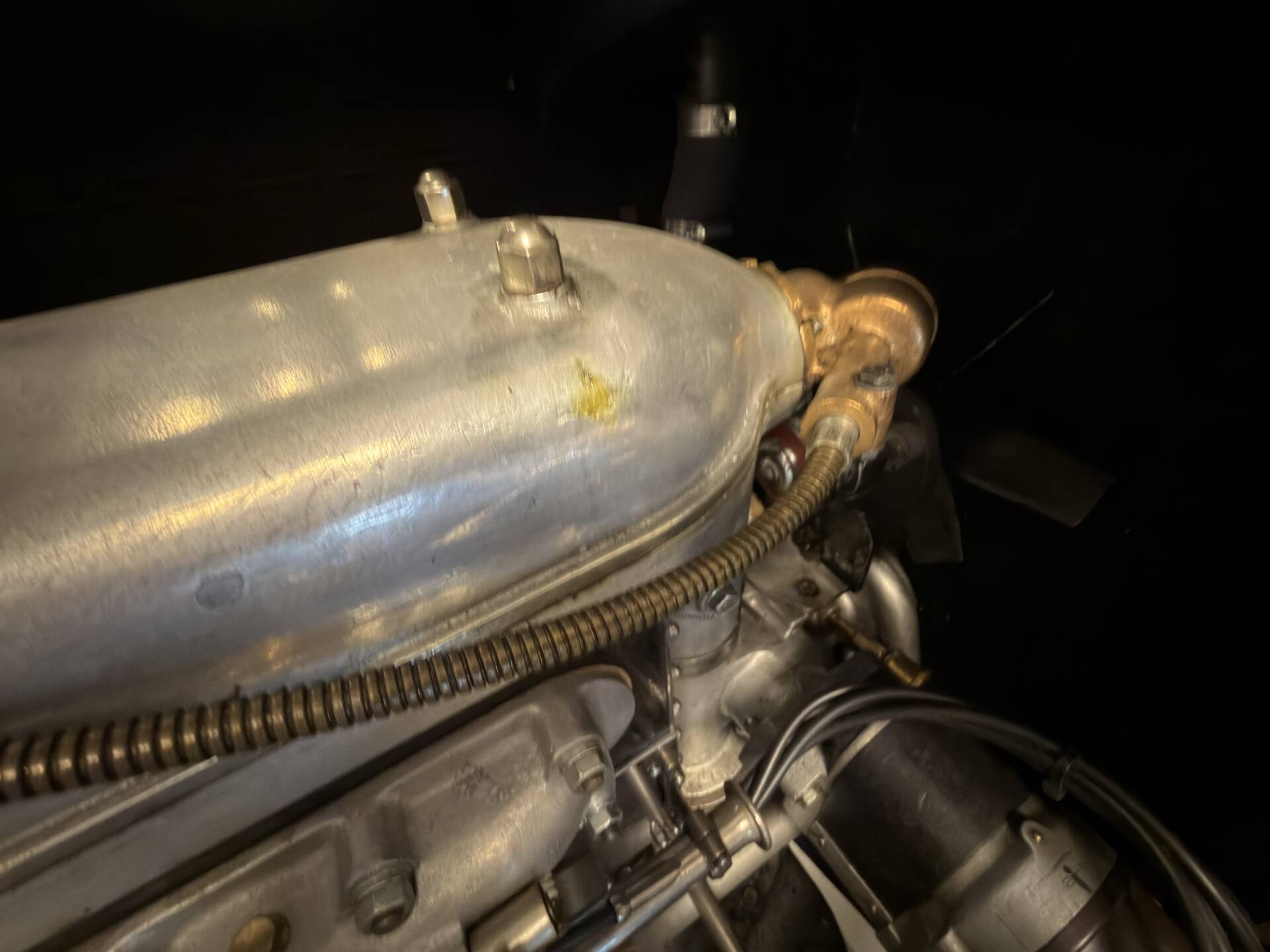
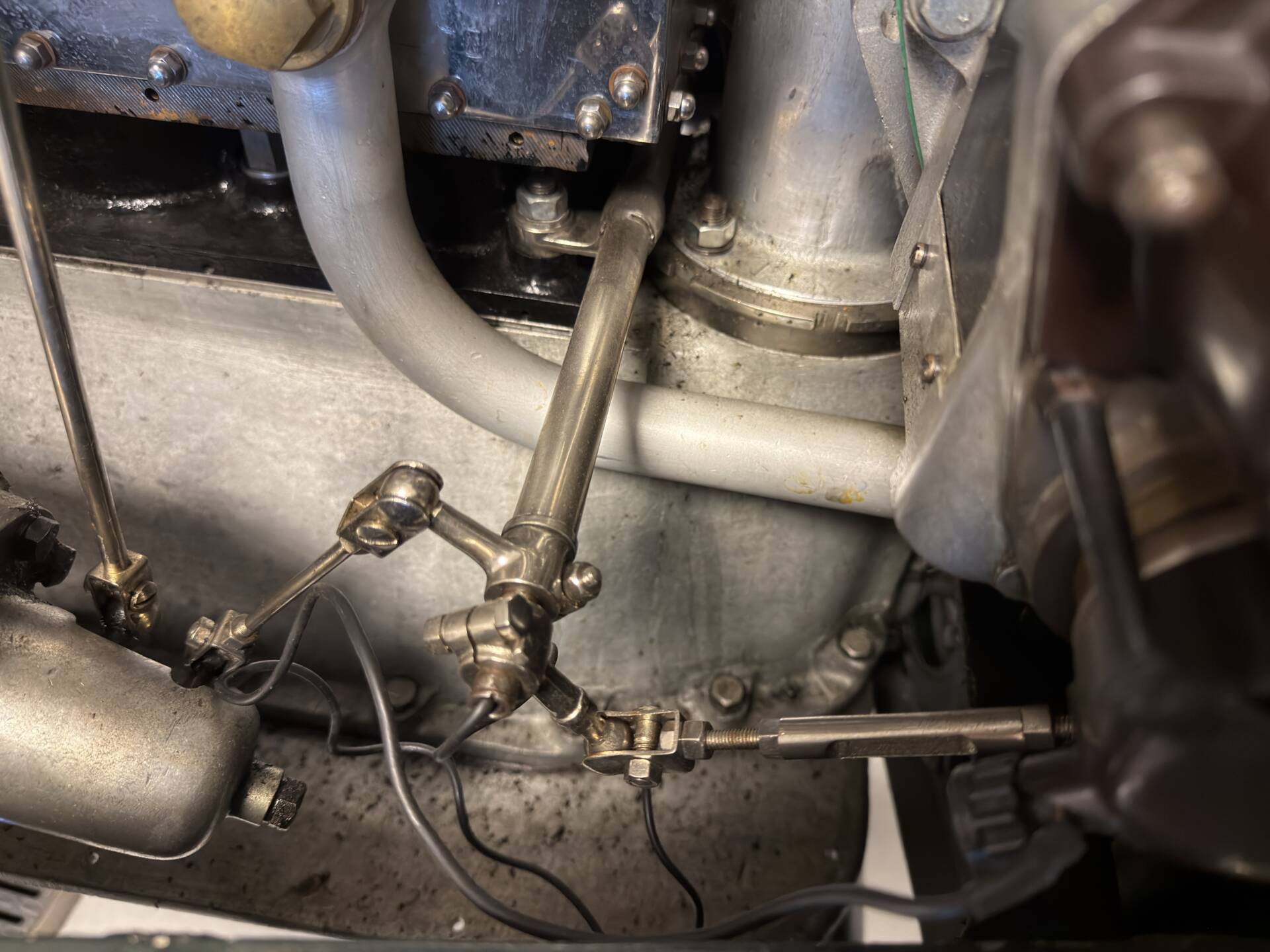
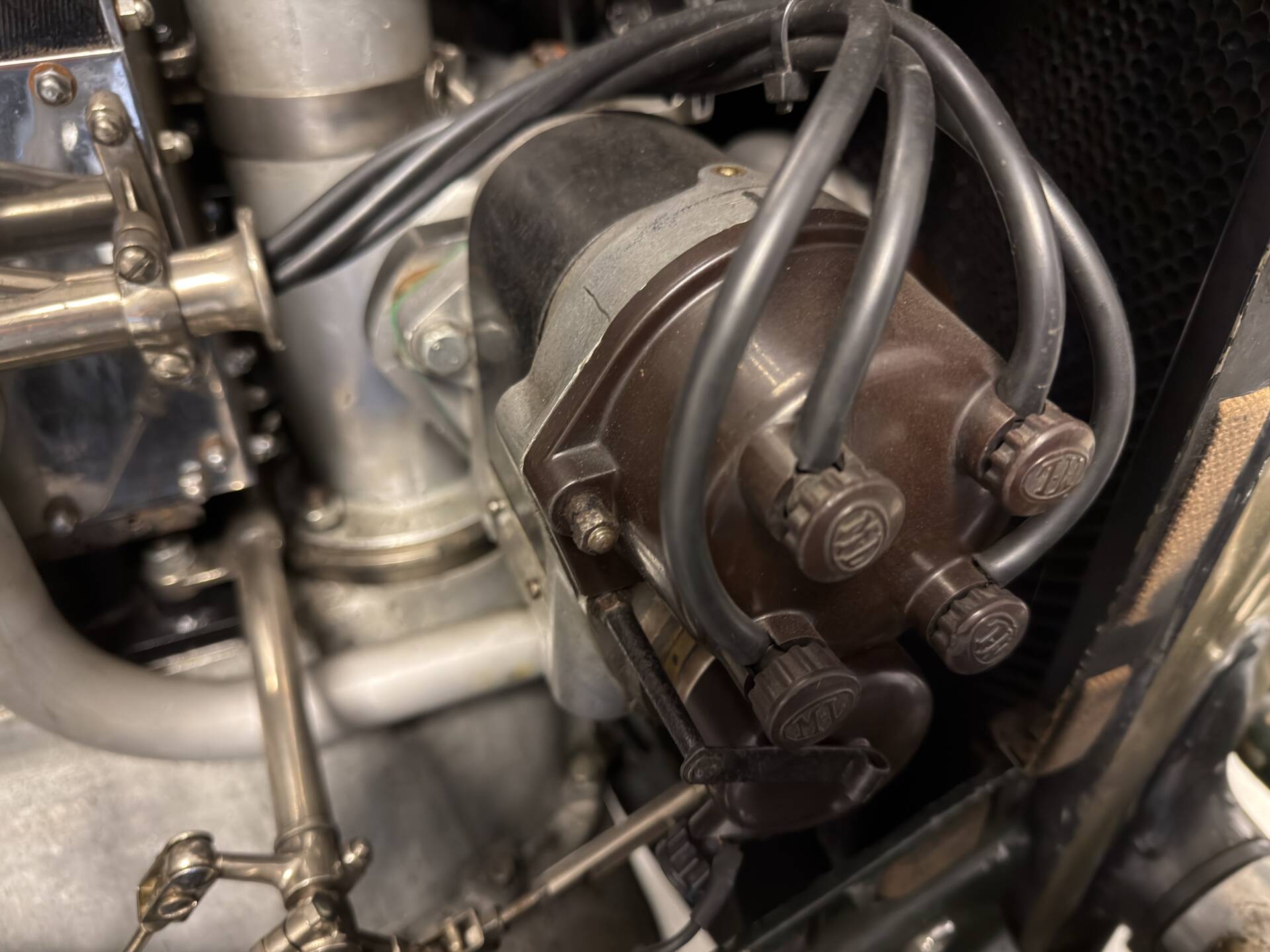
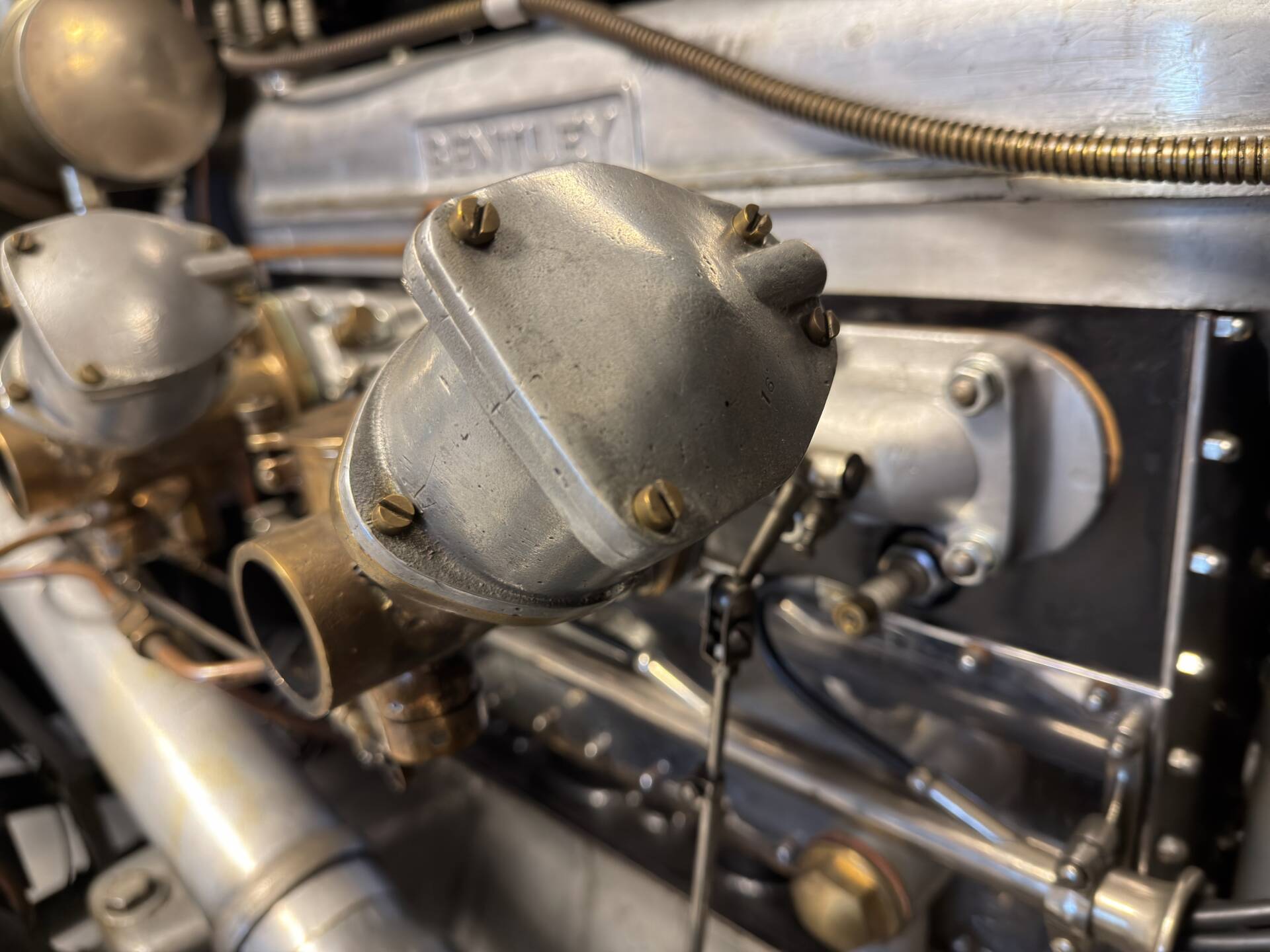
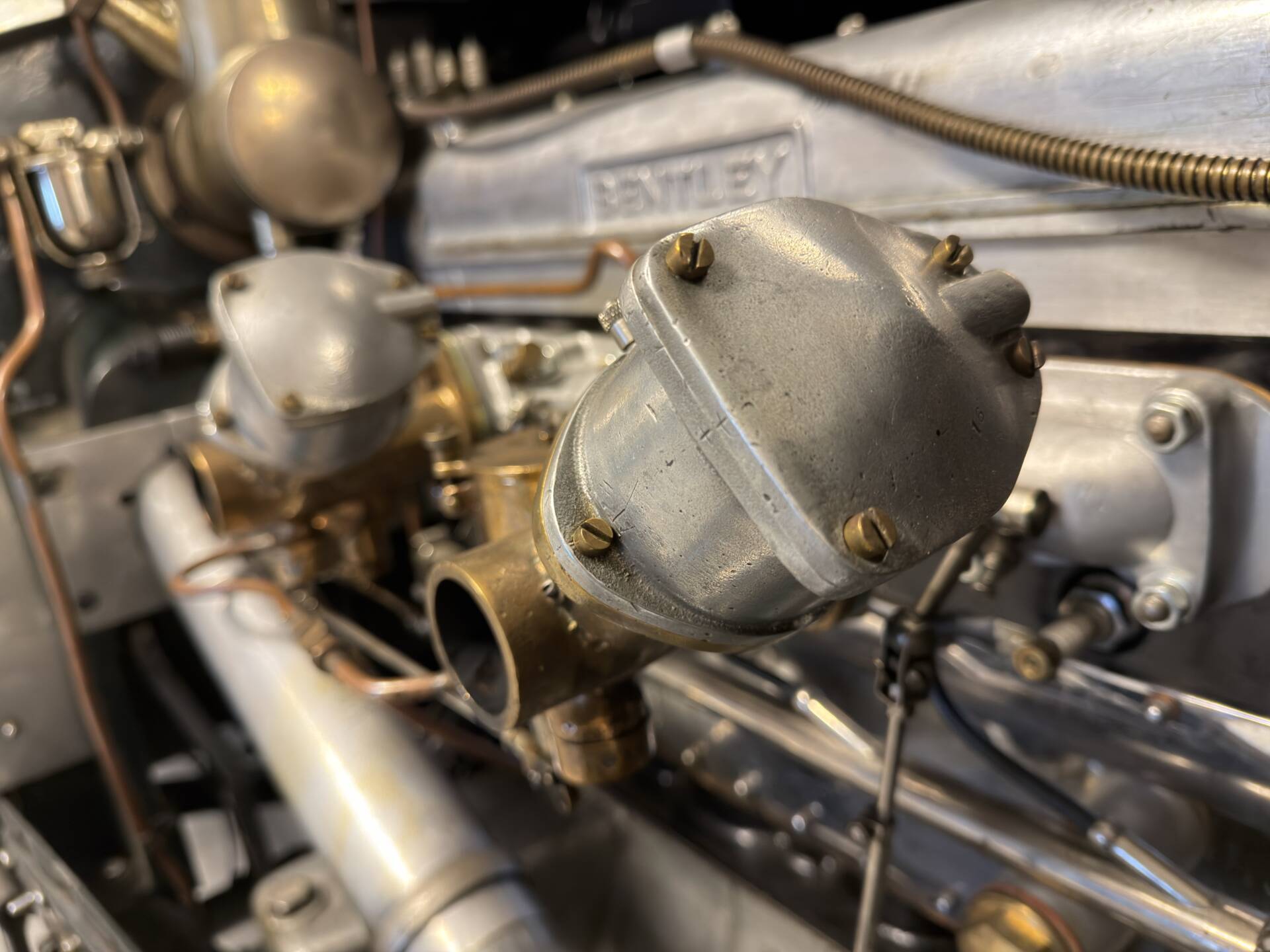
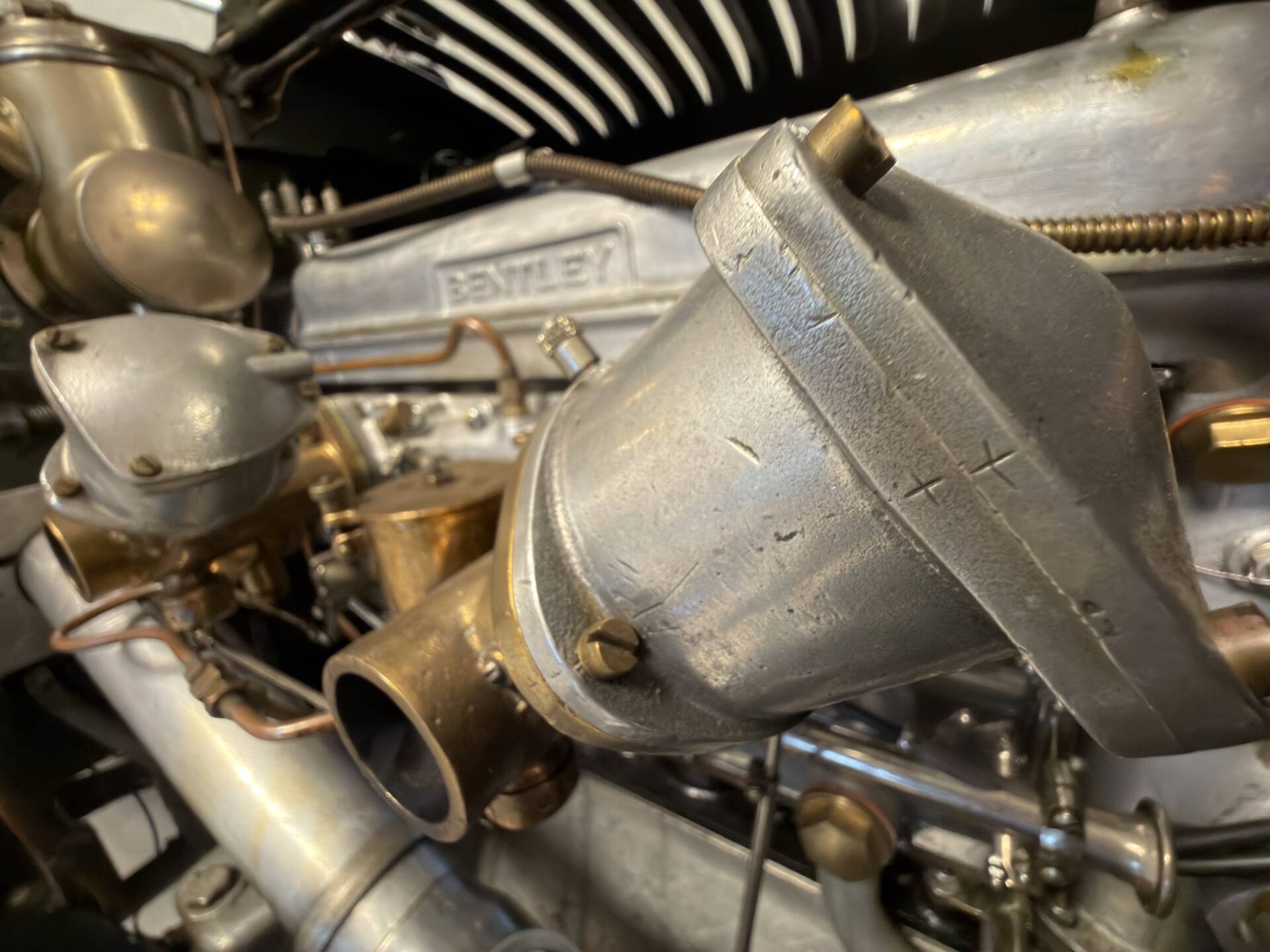
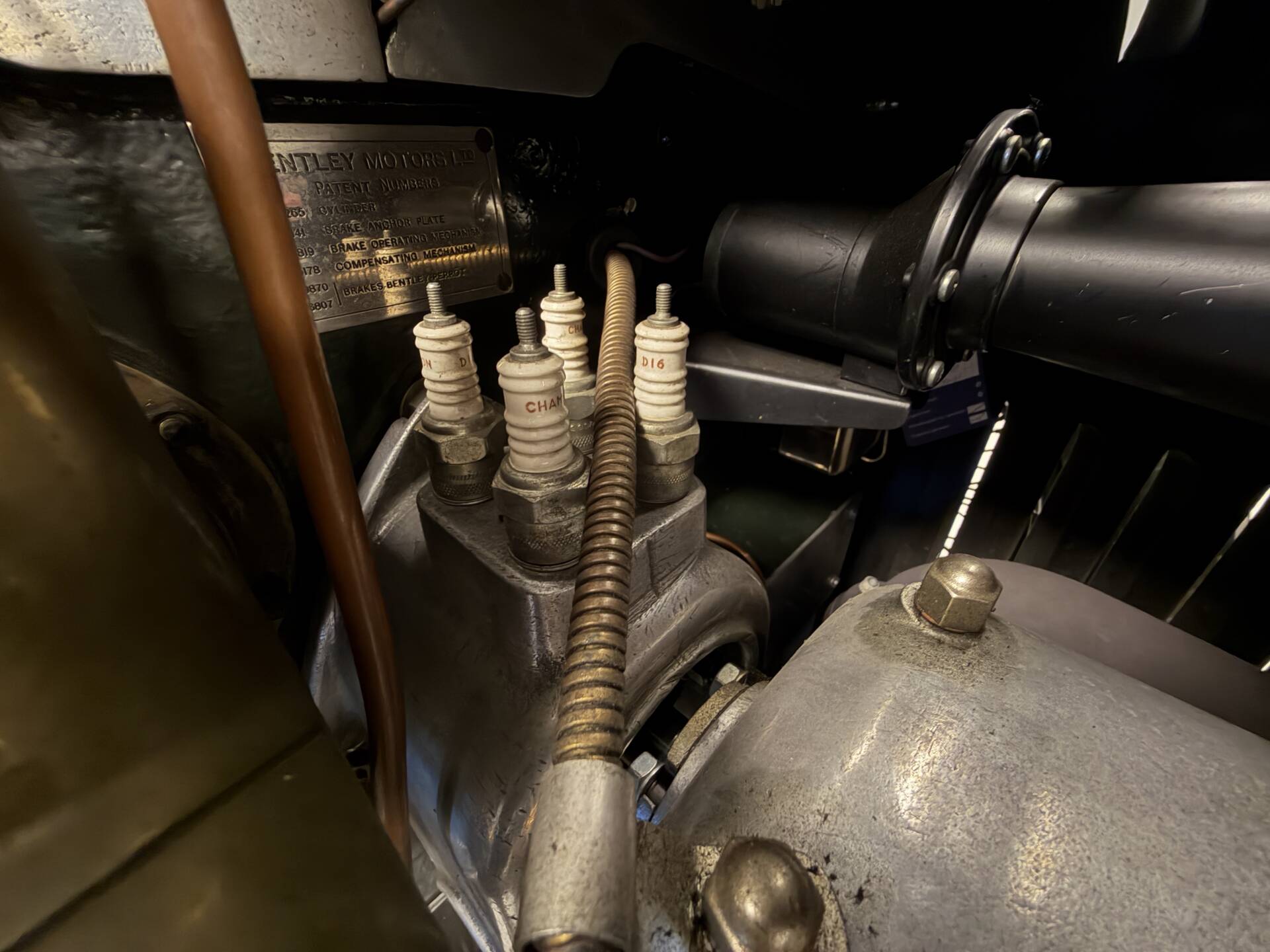
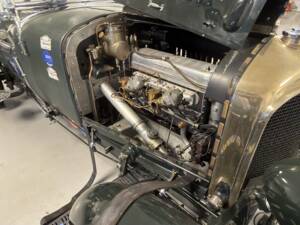
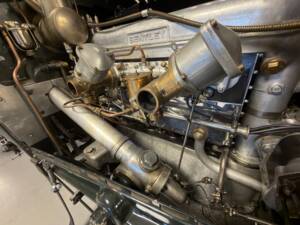
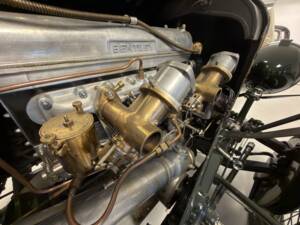
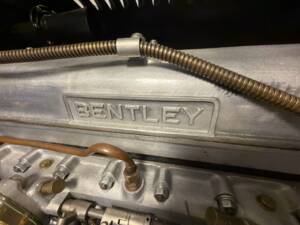
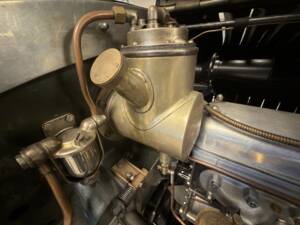
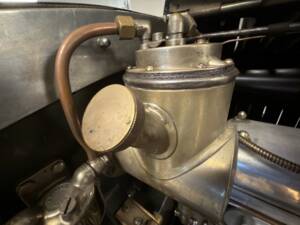
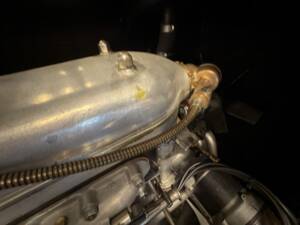
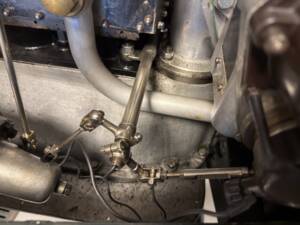
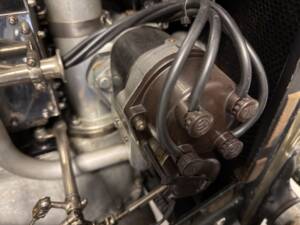
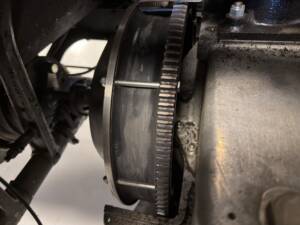
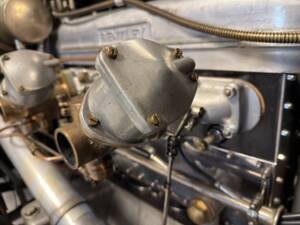
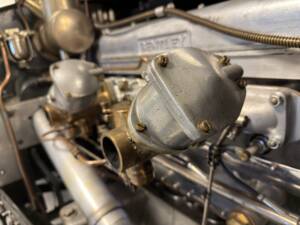
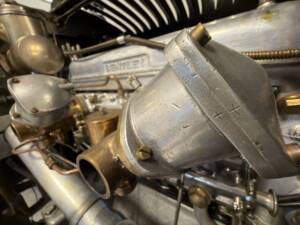
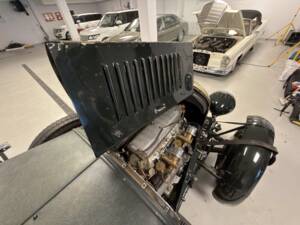
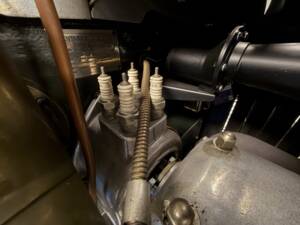
Under the long bonnet is a large-displacement four-cylinder engine with 4,398 cm³ displacement. The design, with overhead camshaft and four valves per cylinder, was advanced for its time and engineered for high durability.
The original factory specification is stated in the vehicle description as approximately 110 hp. For the example offered, the technical listing data records 105 hp or 77 kW.
More important than the outright power figure is the character of this engine. Its large displacement provides strong pulling power and a driving experience defined by mechanical presence rather than high revs.
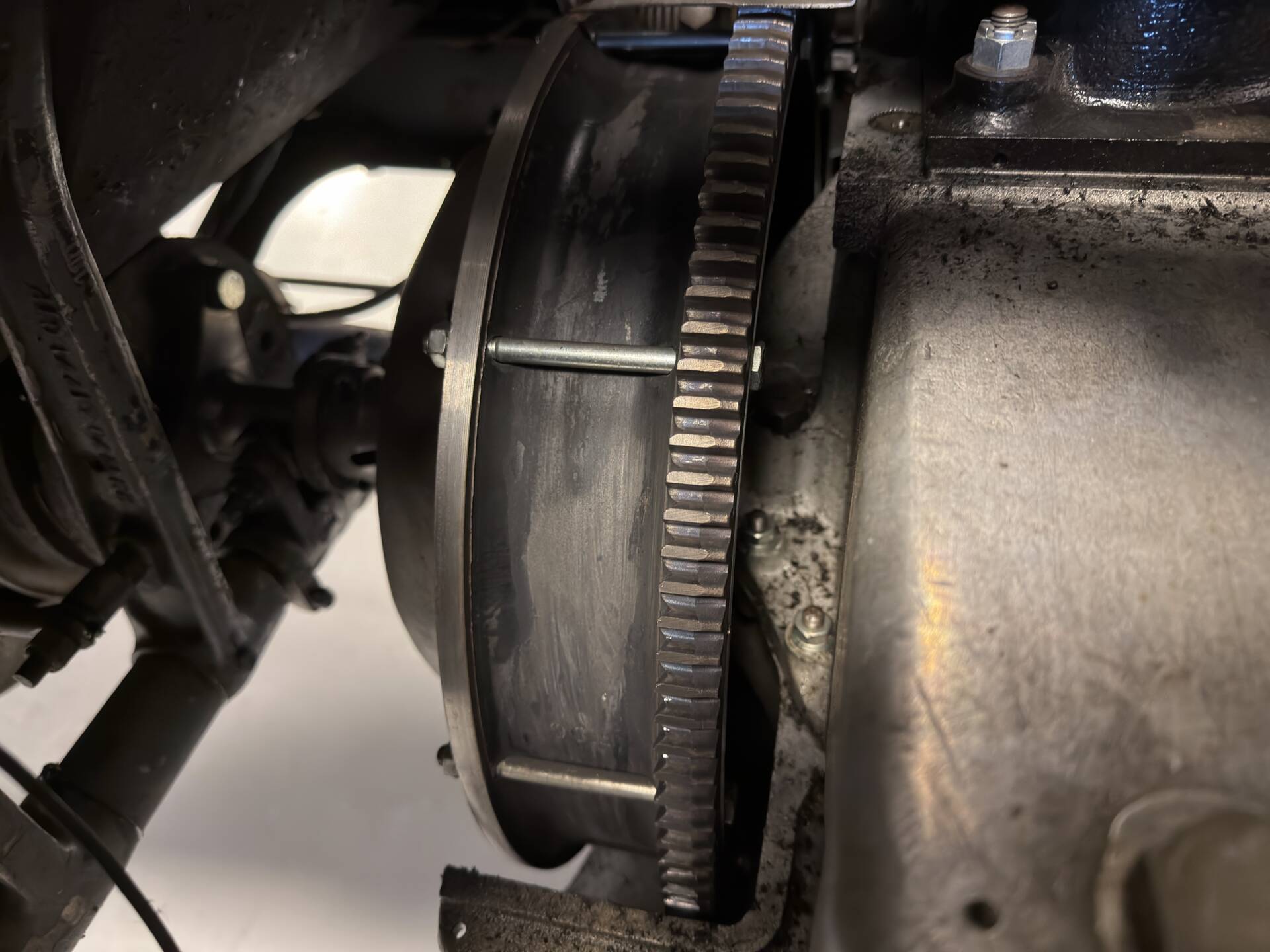
The Bentley has a manual four-speed gearbox with additional overdrive. This allows a more relaxed cruising speed on longer journeys. The vehicle history mentions work carried out in 1999 in connection with an overdrive by Tim Payne.
A Bentley for the Long Journey
According to the owner, this car was not used exclusively as a collector’s item. The current owner personally drove it from Great Britain to Germany under its own power.
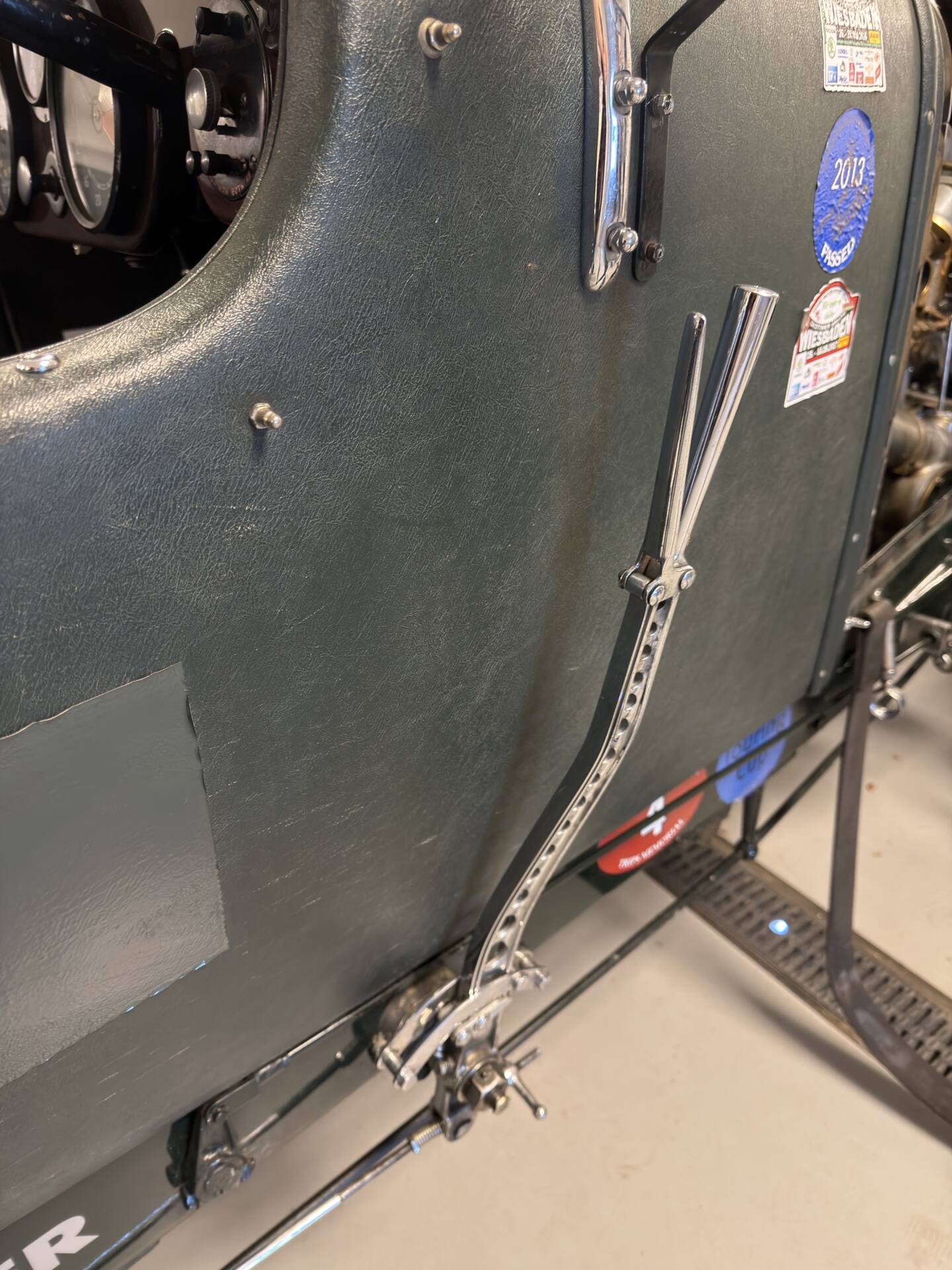
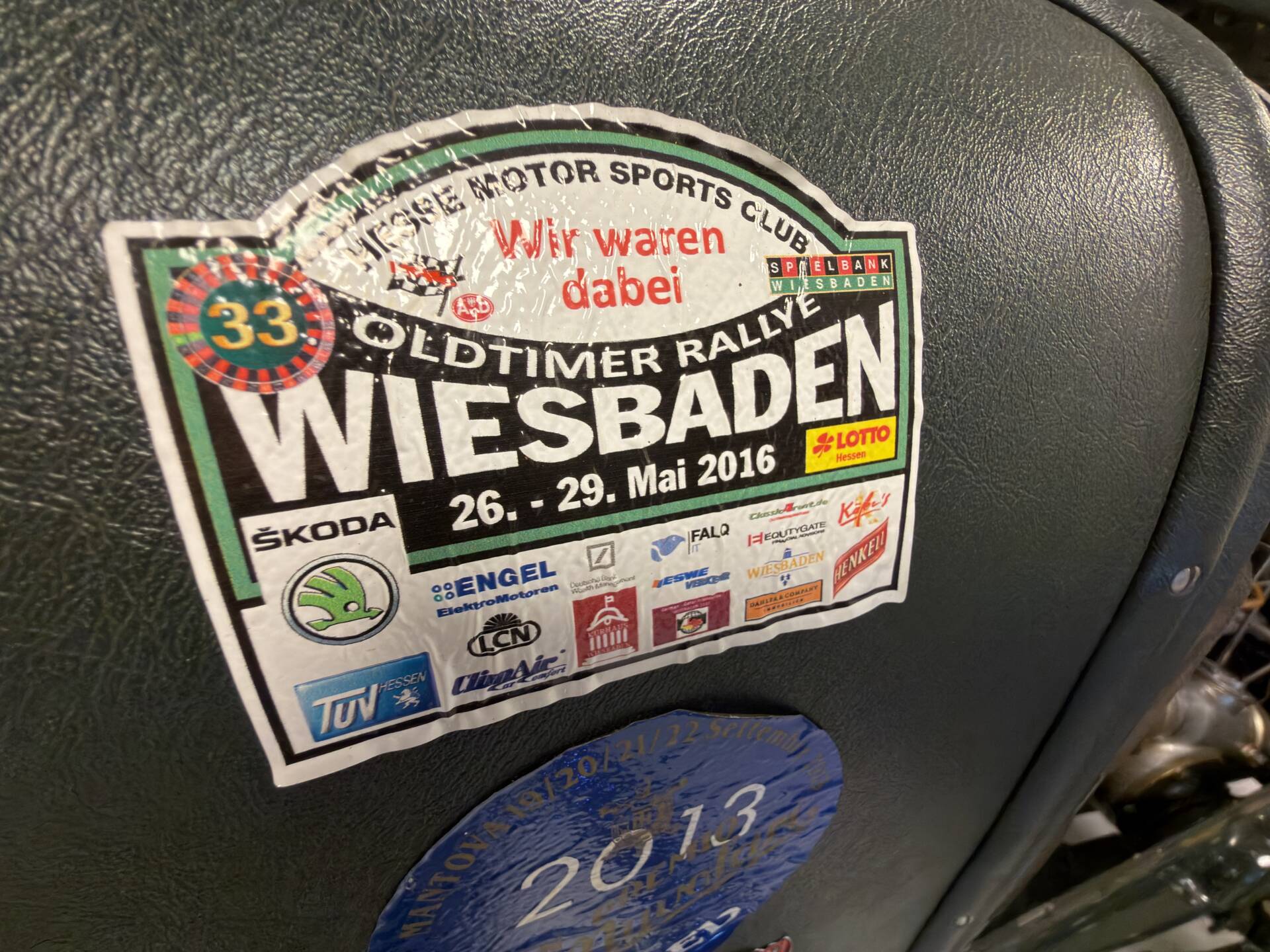
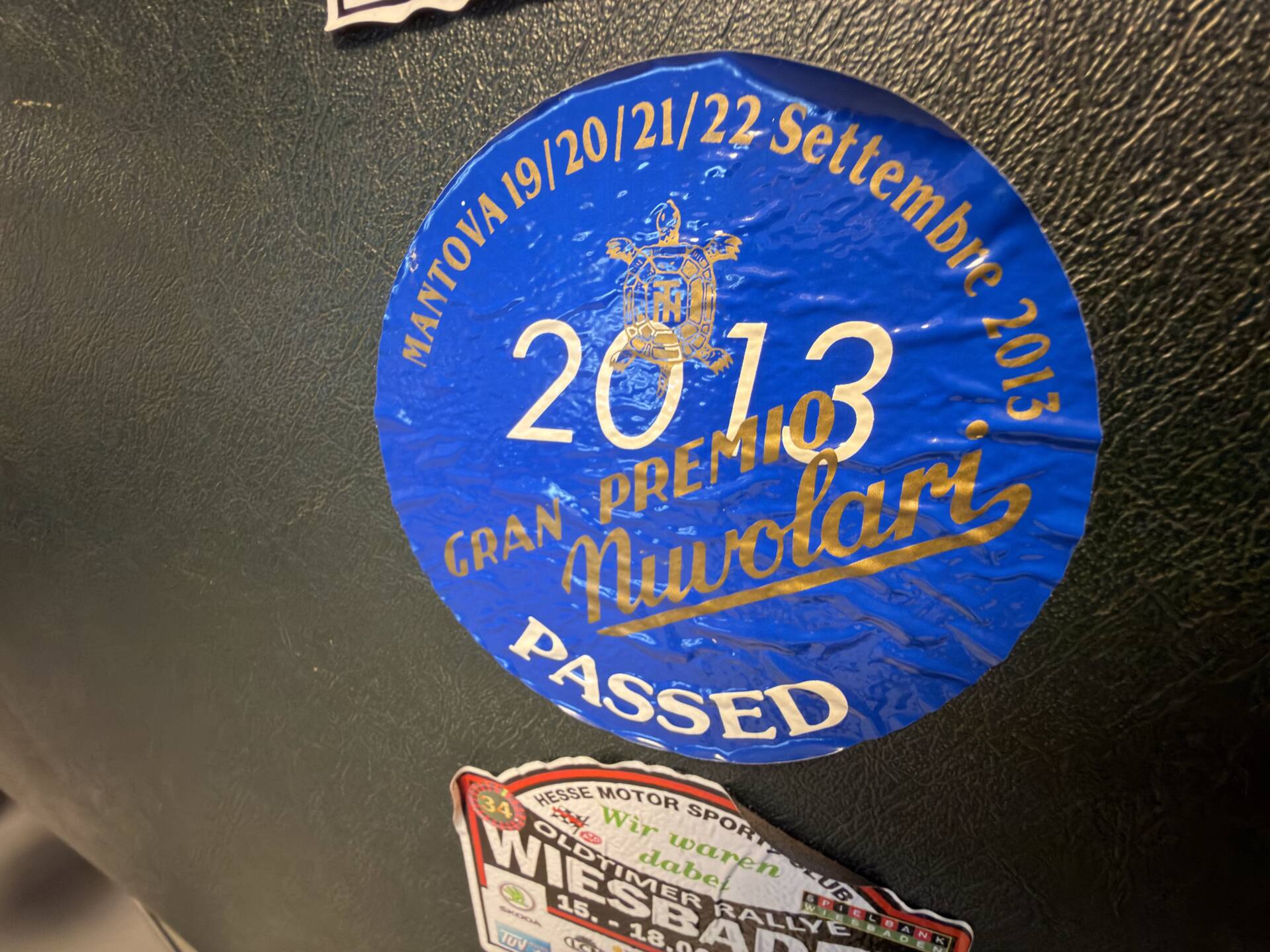
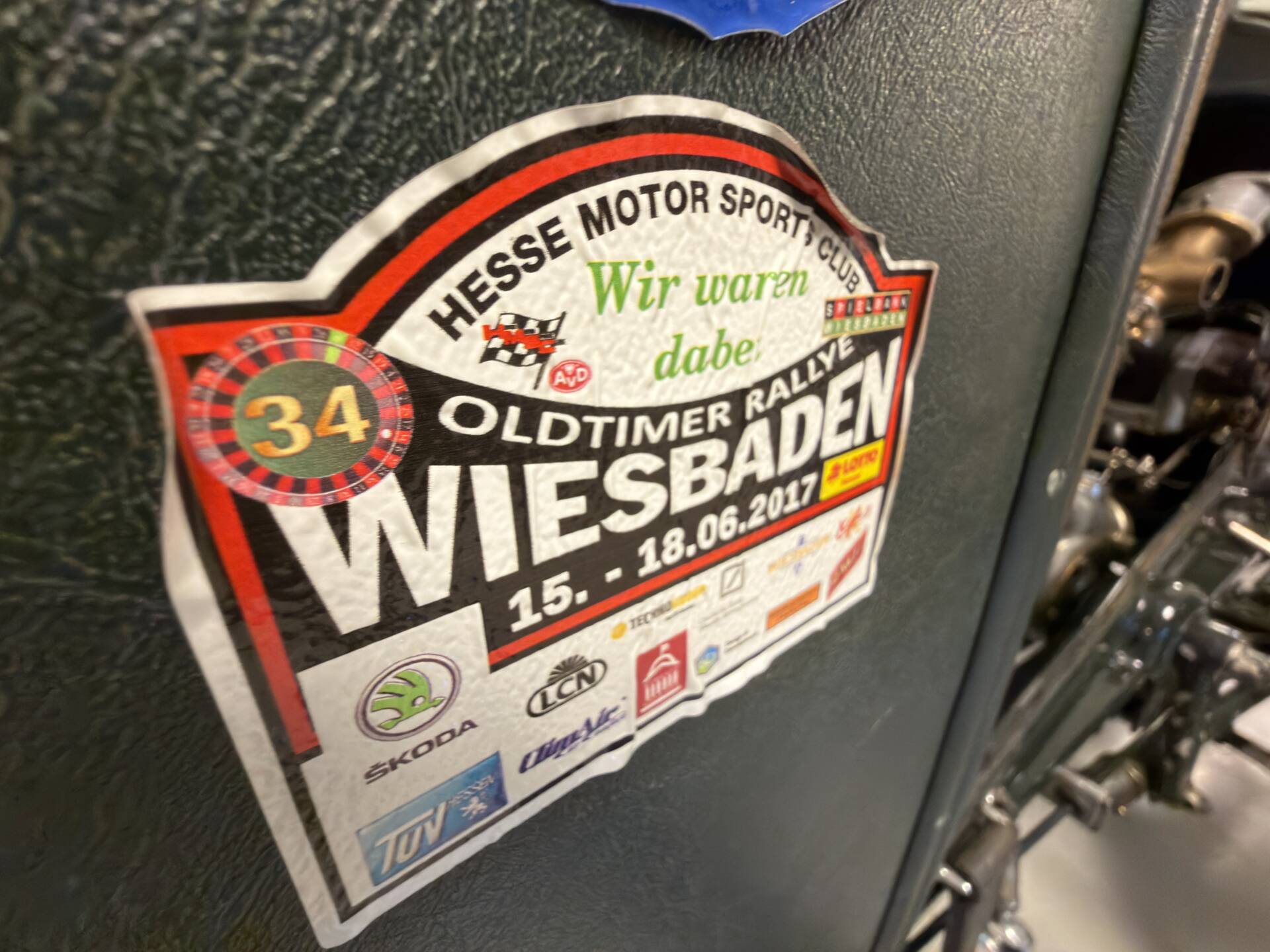
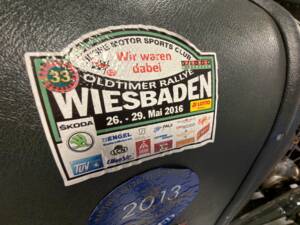
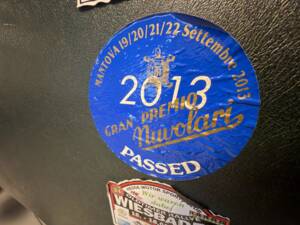
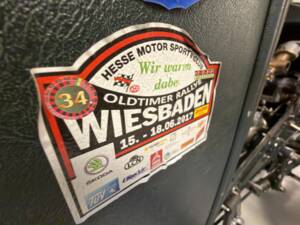
Since then, the Bentley is said to have participated in numerous international rallies, proving itself a reliable and powerful companion.
Such use is consistent with the brand’s original concept. Bentley built its large automobiles not solely for prestigious appearances, but for long distances, heavy loads and drivers seeking a direct connection with the mechanics.
The additional overdrive and the later technical work support this long-distance-oriented character.
LMB Racing – Extensive Technical Work
Between 2014 and 2016, the Bentley underwent extensive technical refurbishment at LMB Racing in Wommelgem, Belgium.
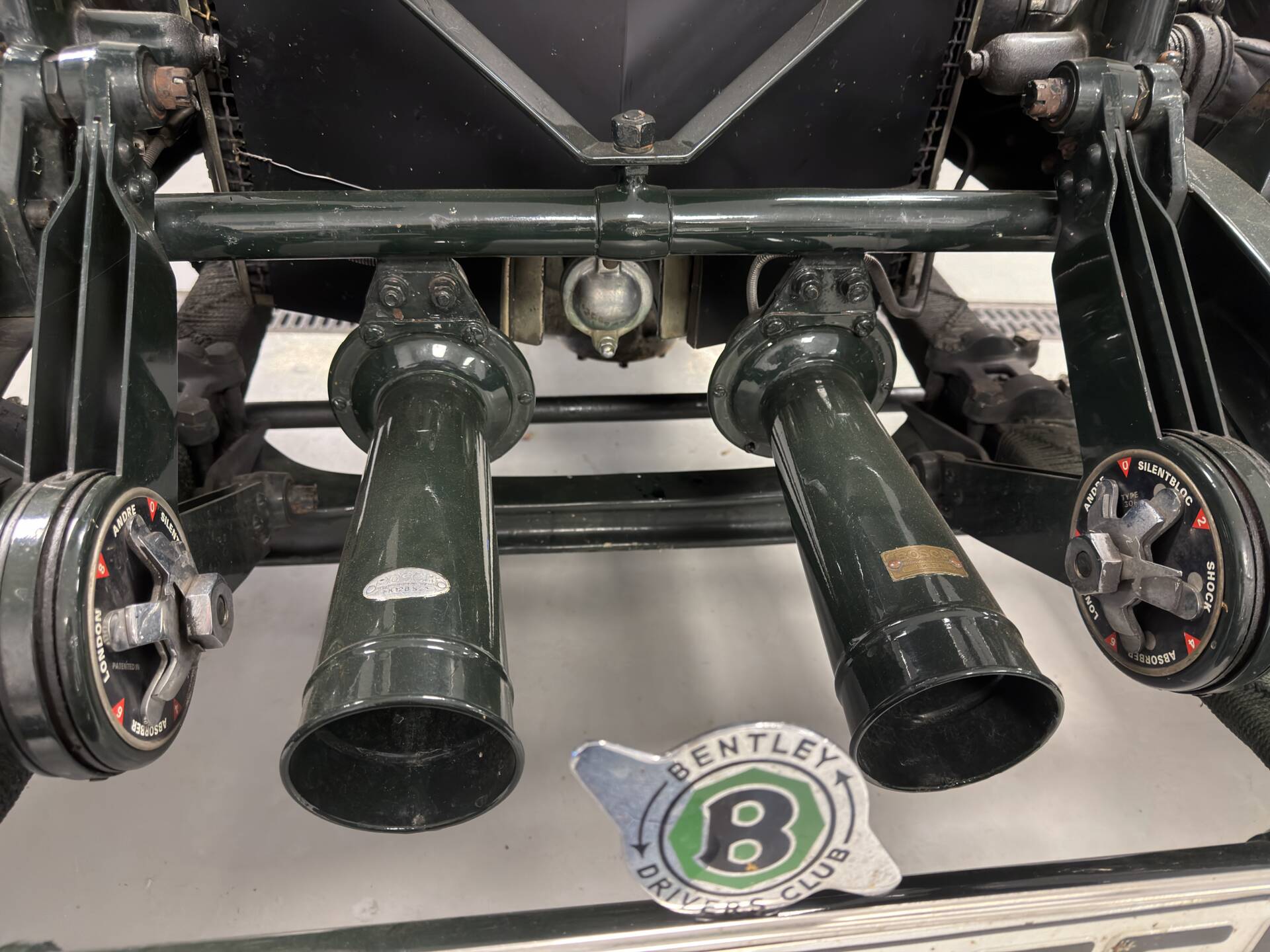
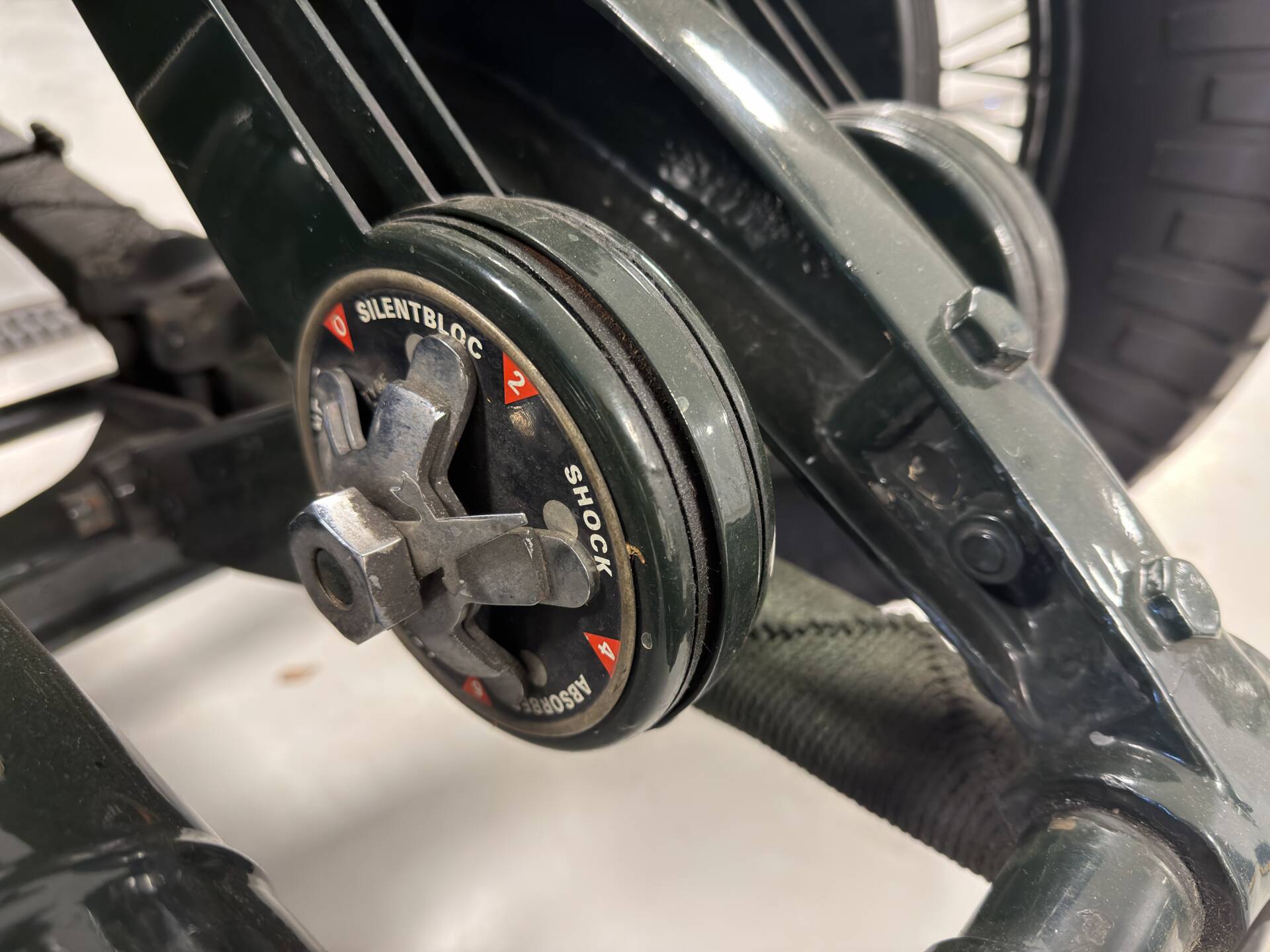
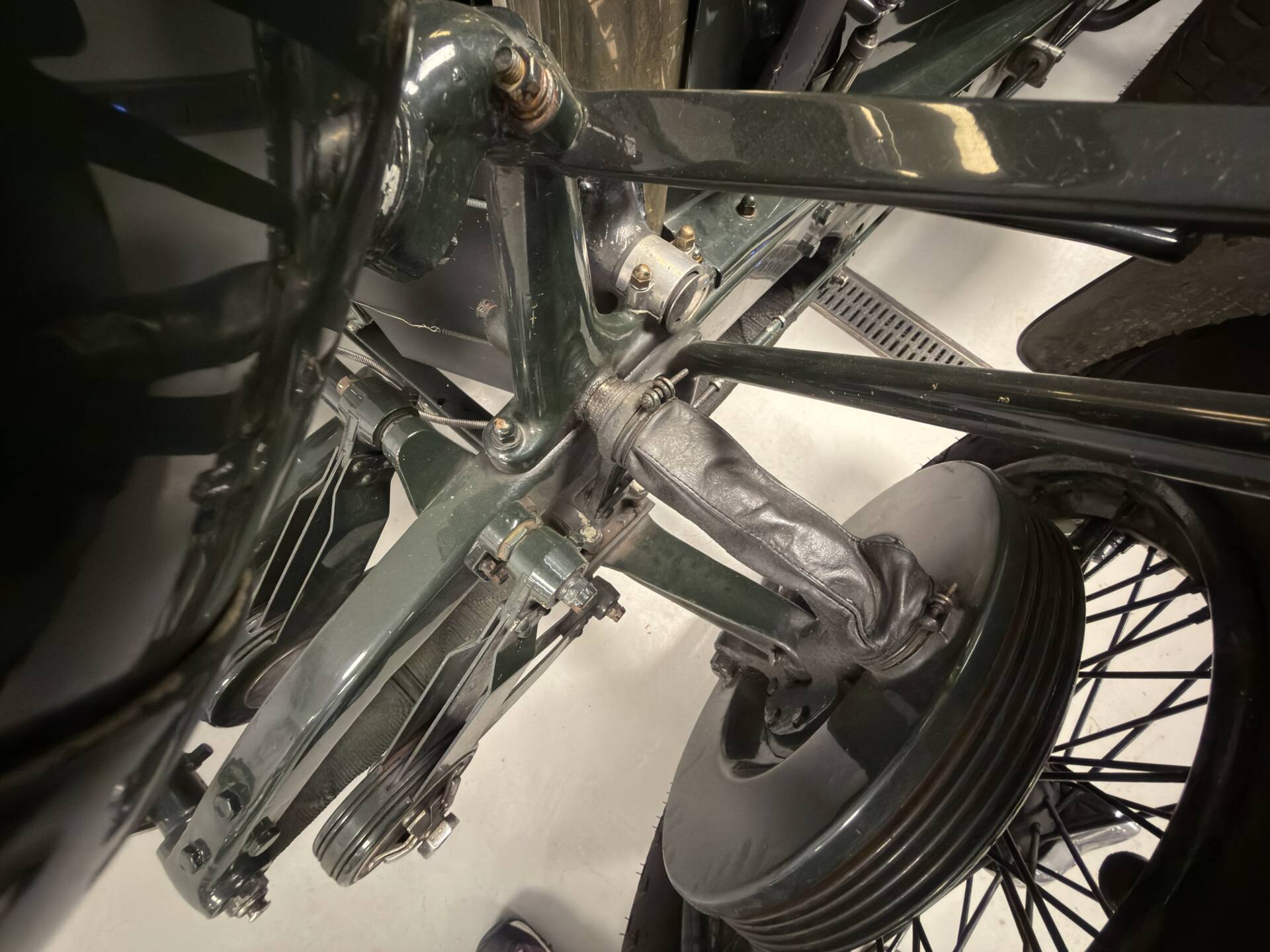
The measures documented in the appraisal include work on the engine, crankshaft, pistons, camshaft and braking system.
For a Bentley of this generation, such work is particularly relevant. The complex historical design requires specific expertise and careful coordination of the mechanical components.
The documented care provided by a specialist operation therefore forms an important part of the vehicle’s more recent history. Beyond the information regarding its roadworthiness and previous use, no detailed inspection reports on its current technical condition are available.
Exterior and Interior
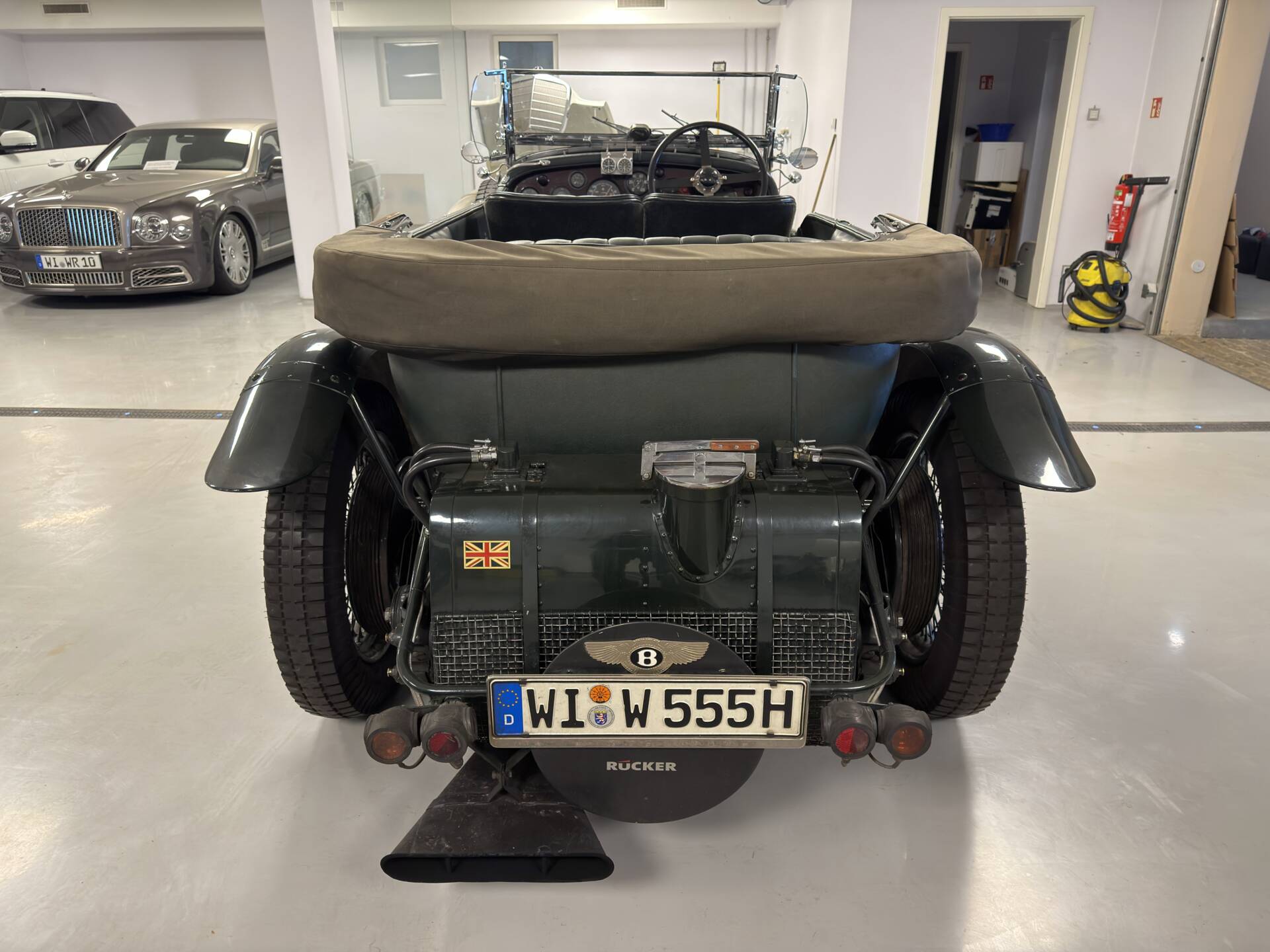
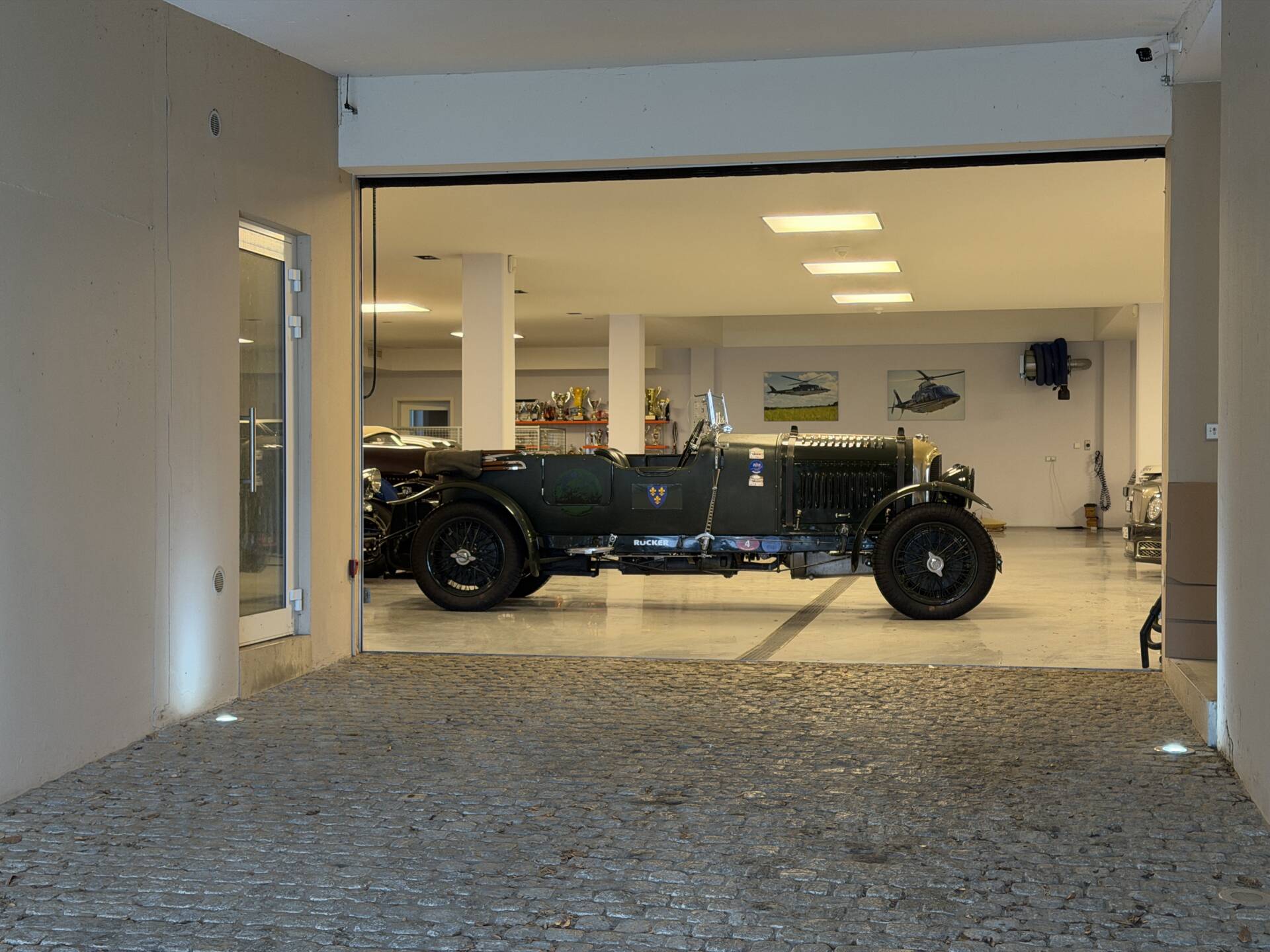
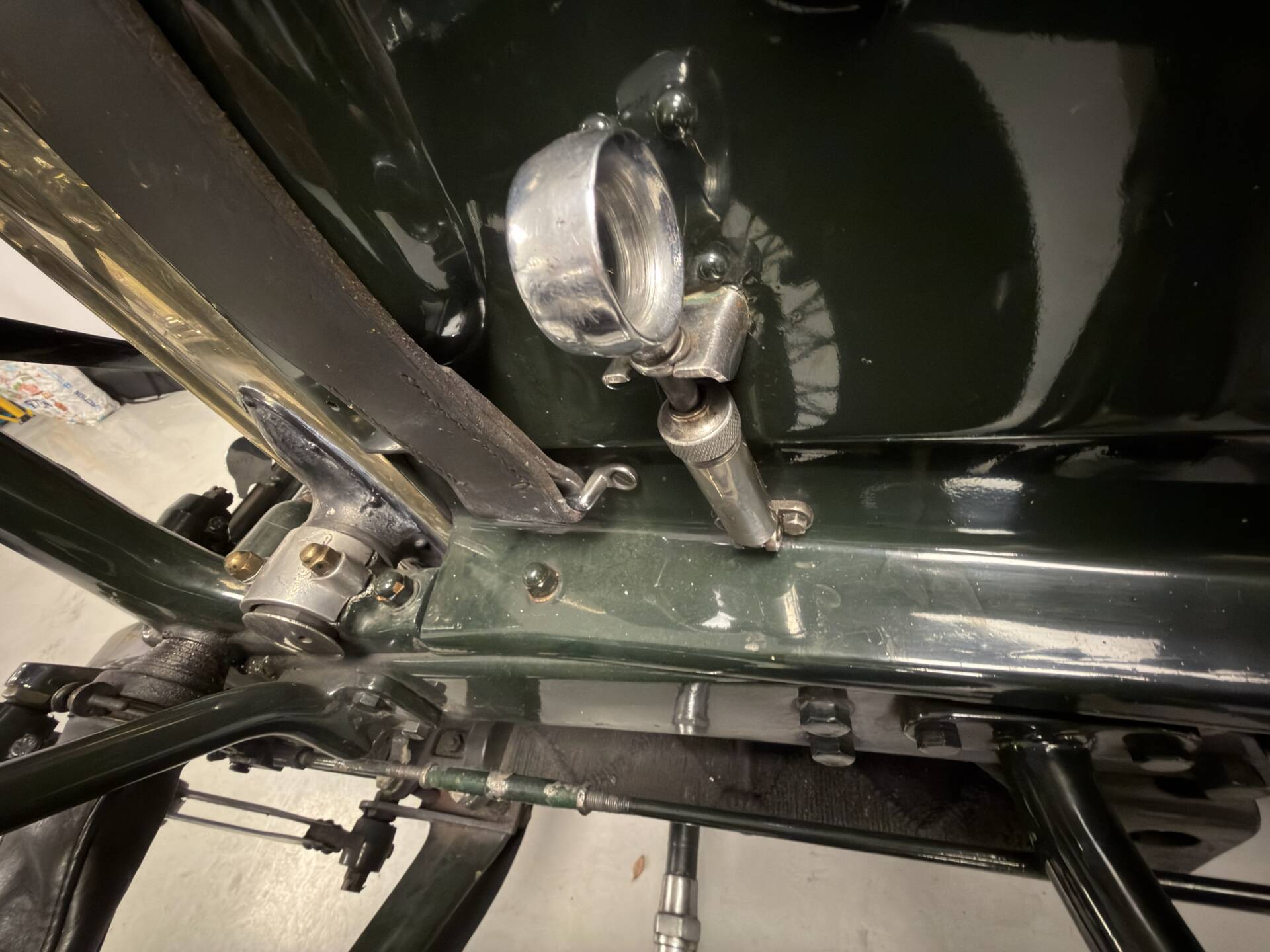
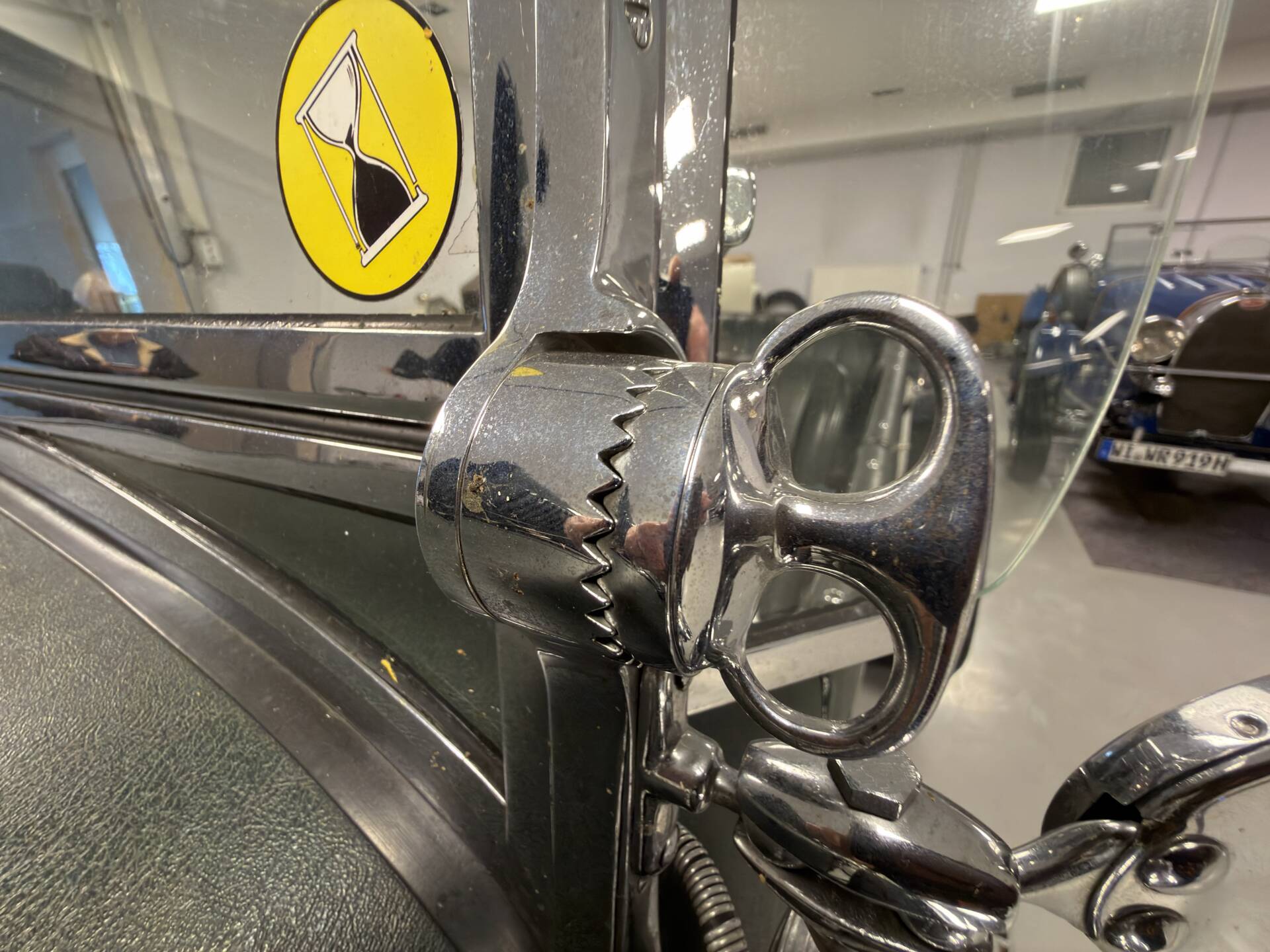
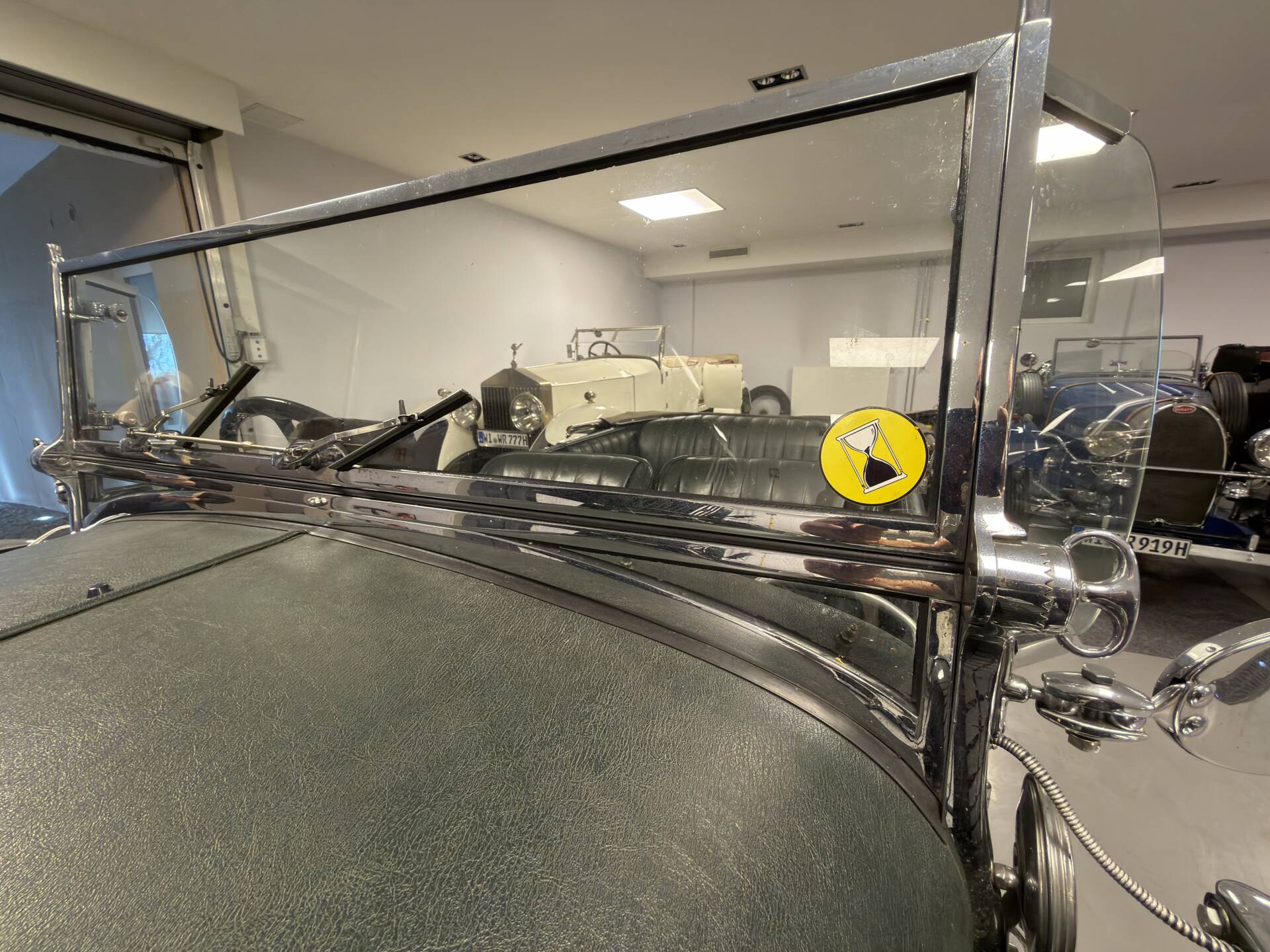
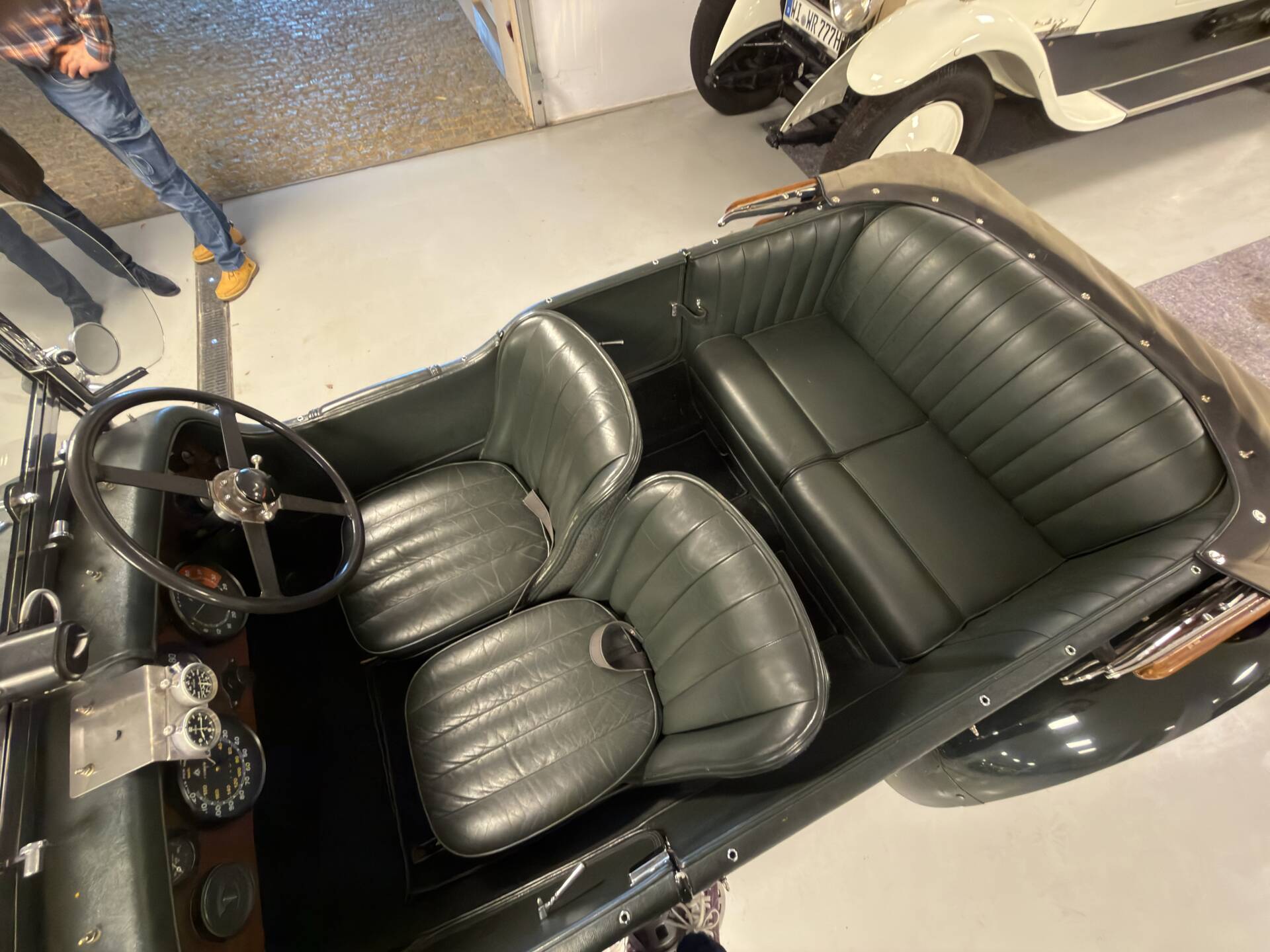
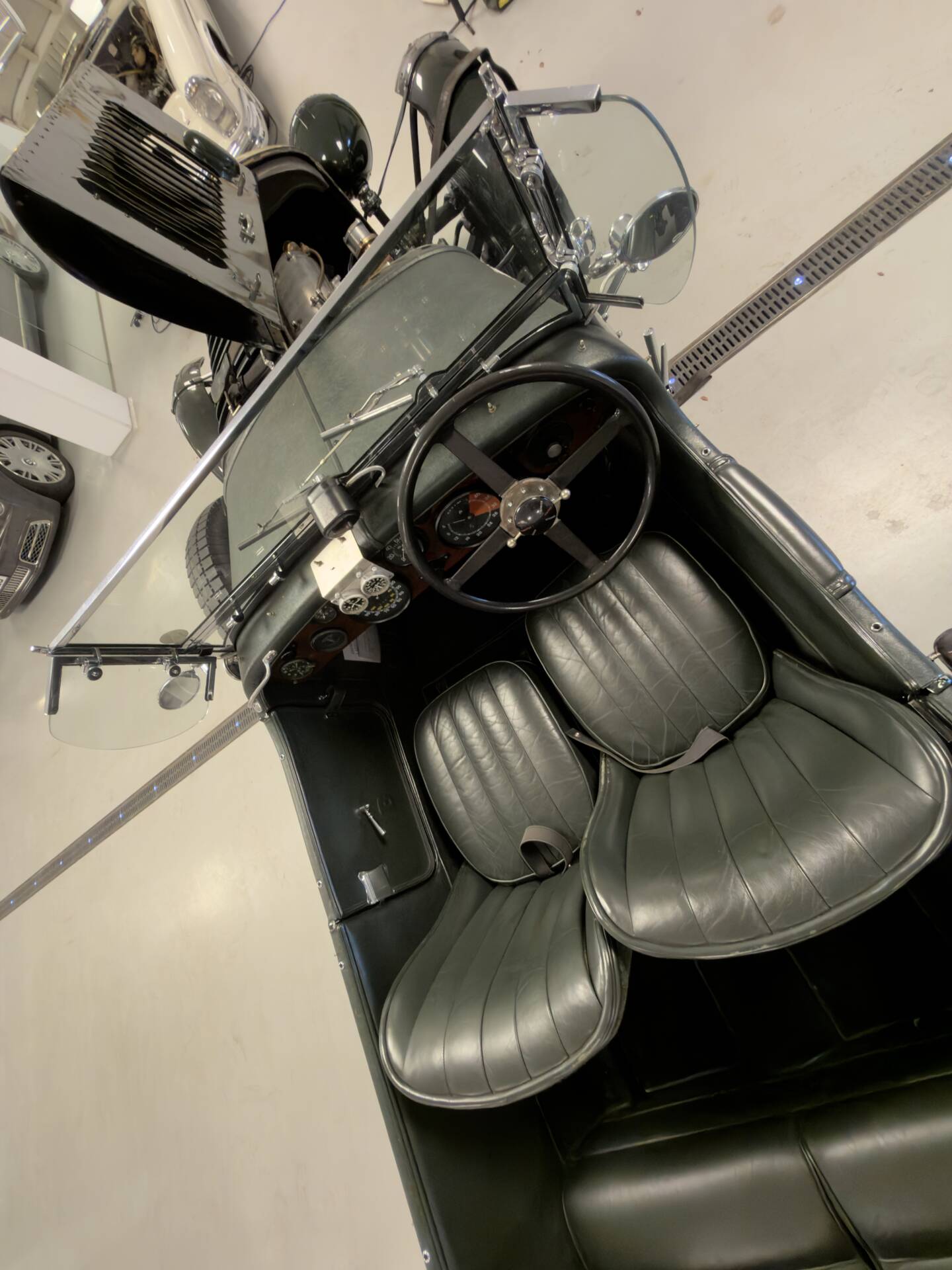
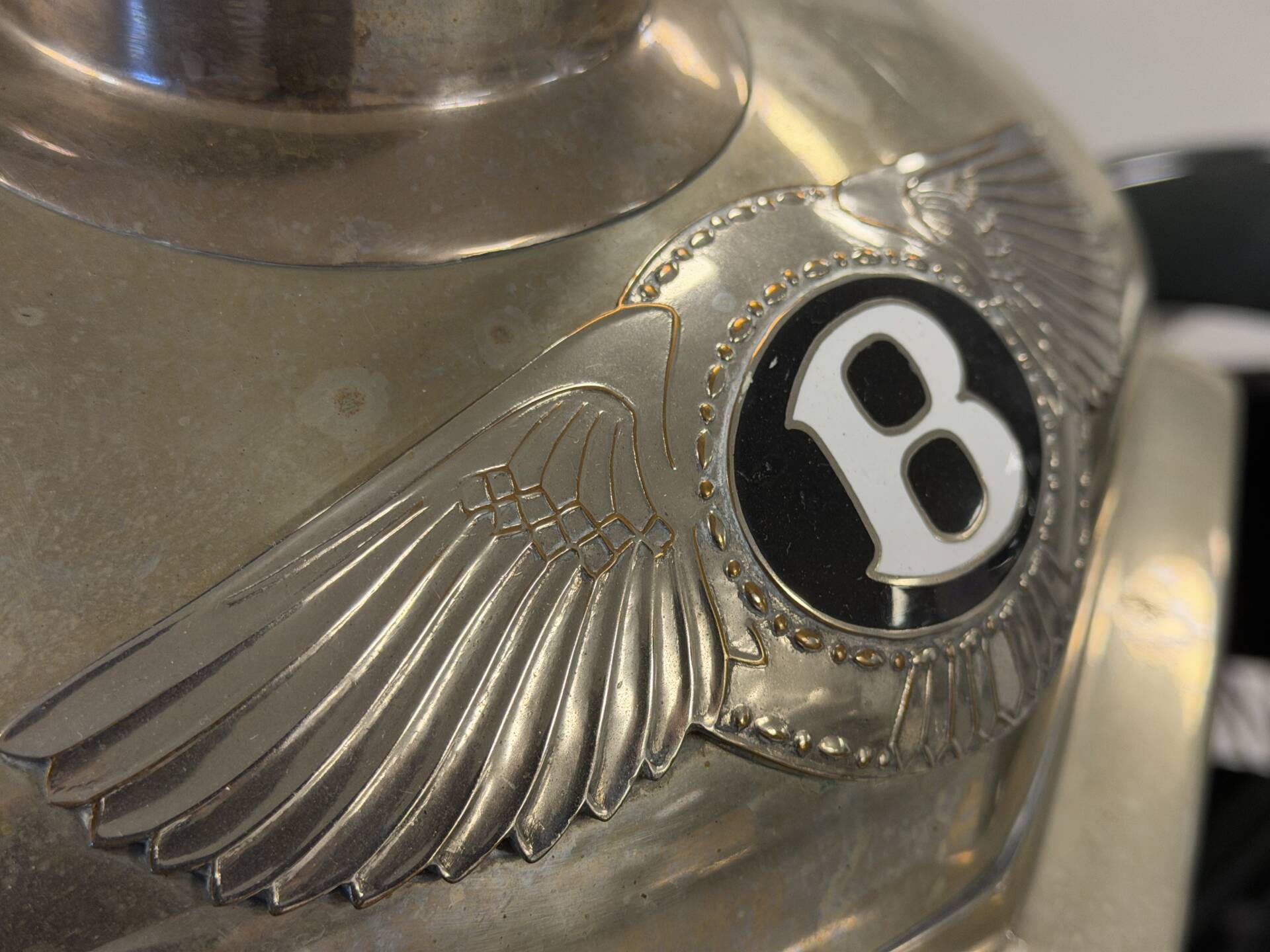
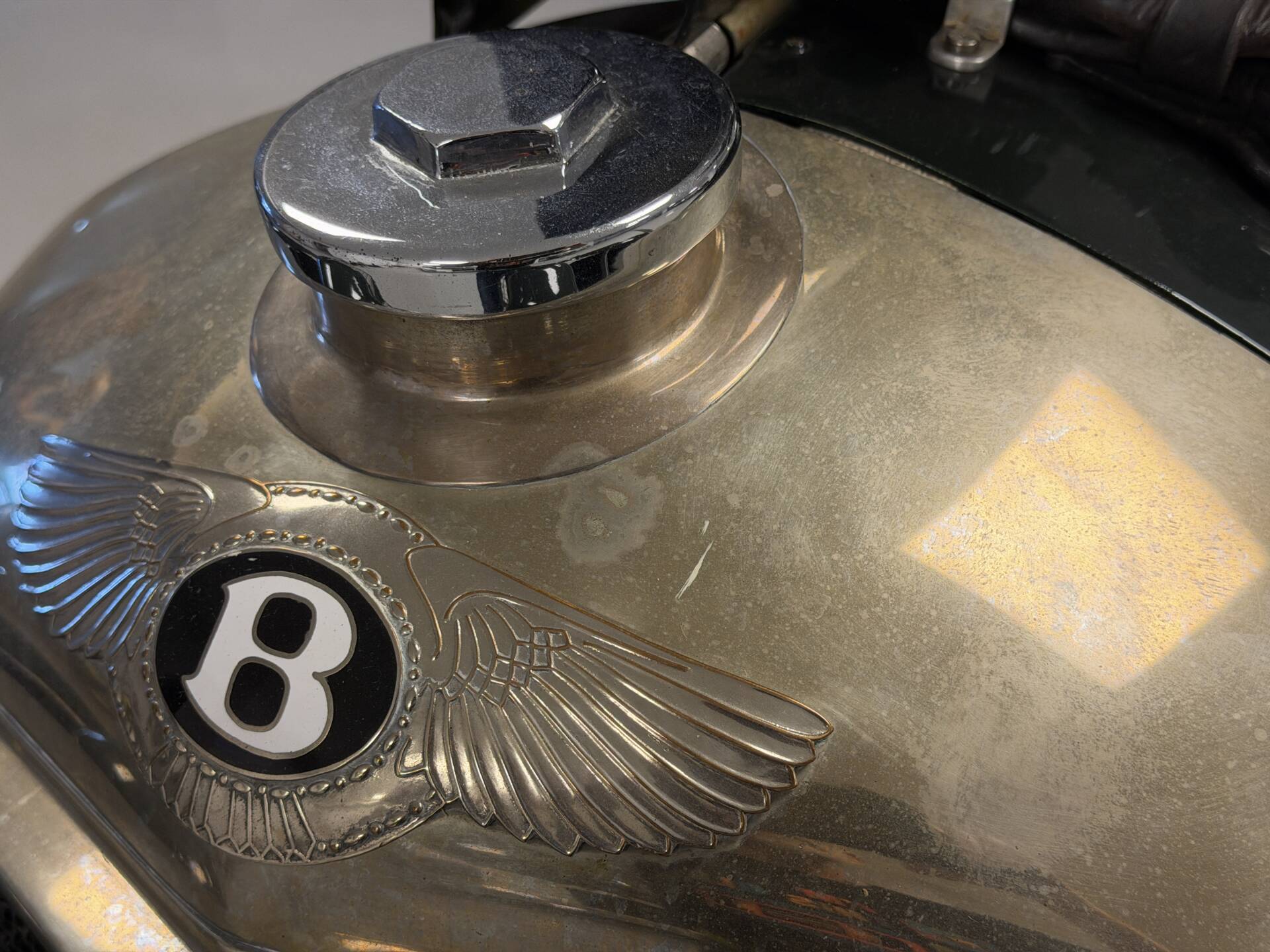
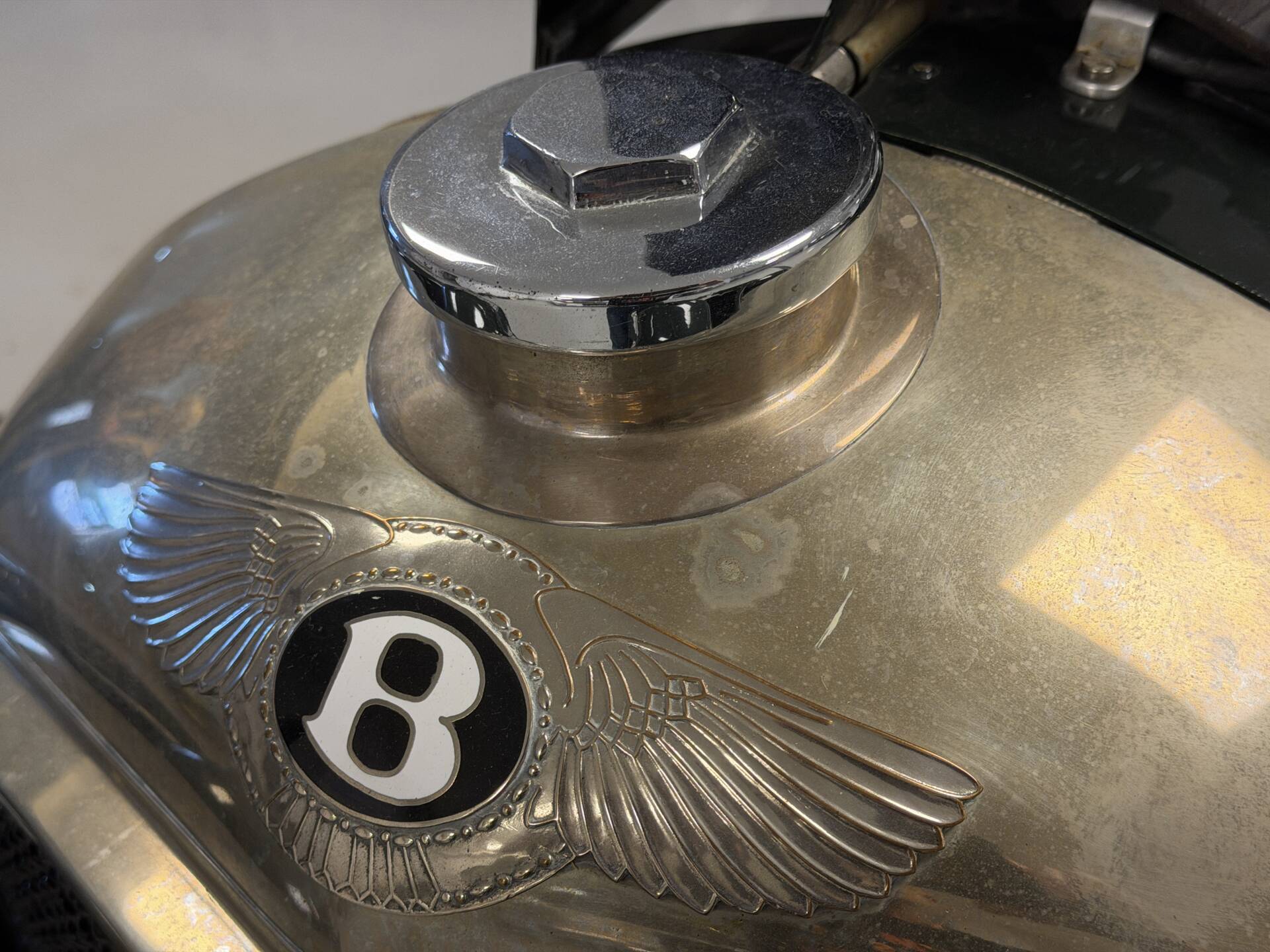
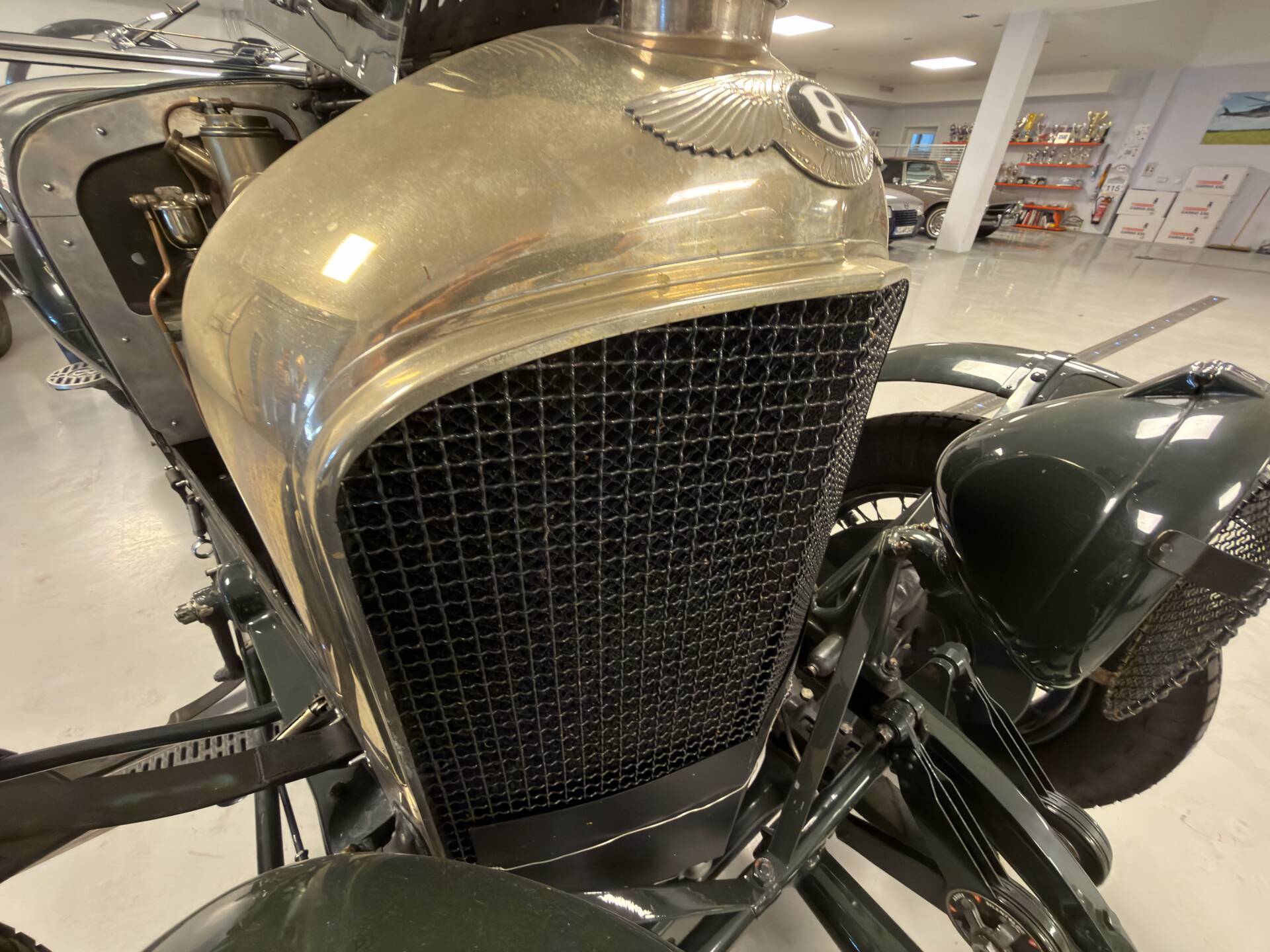
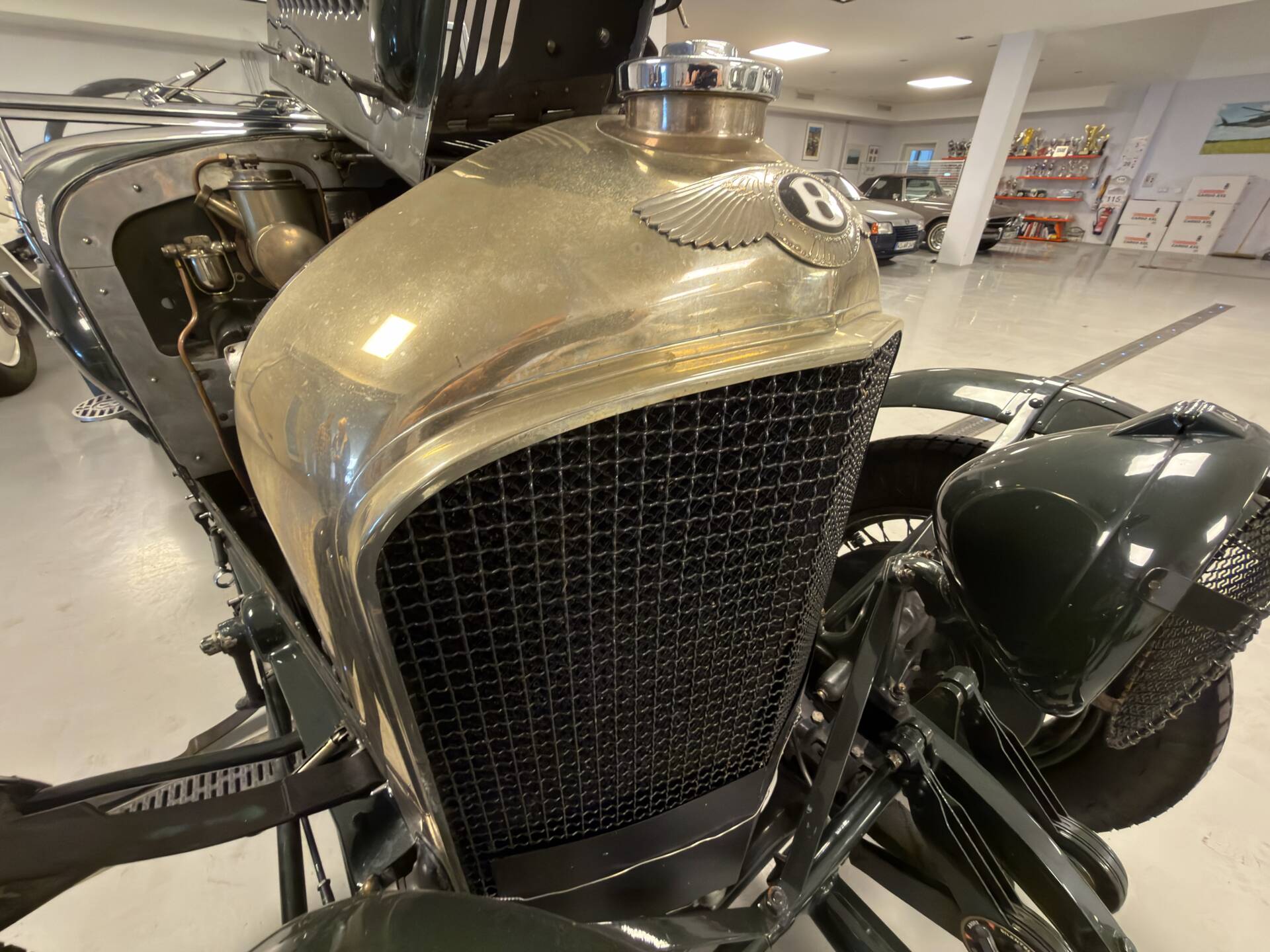
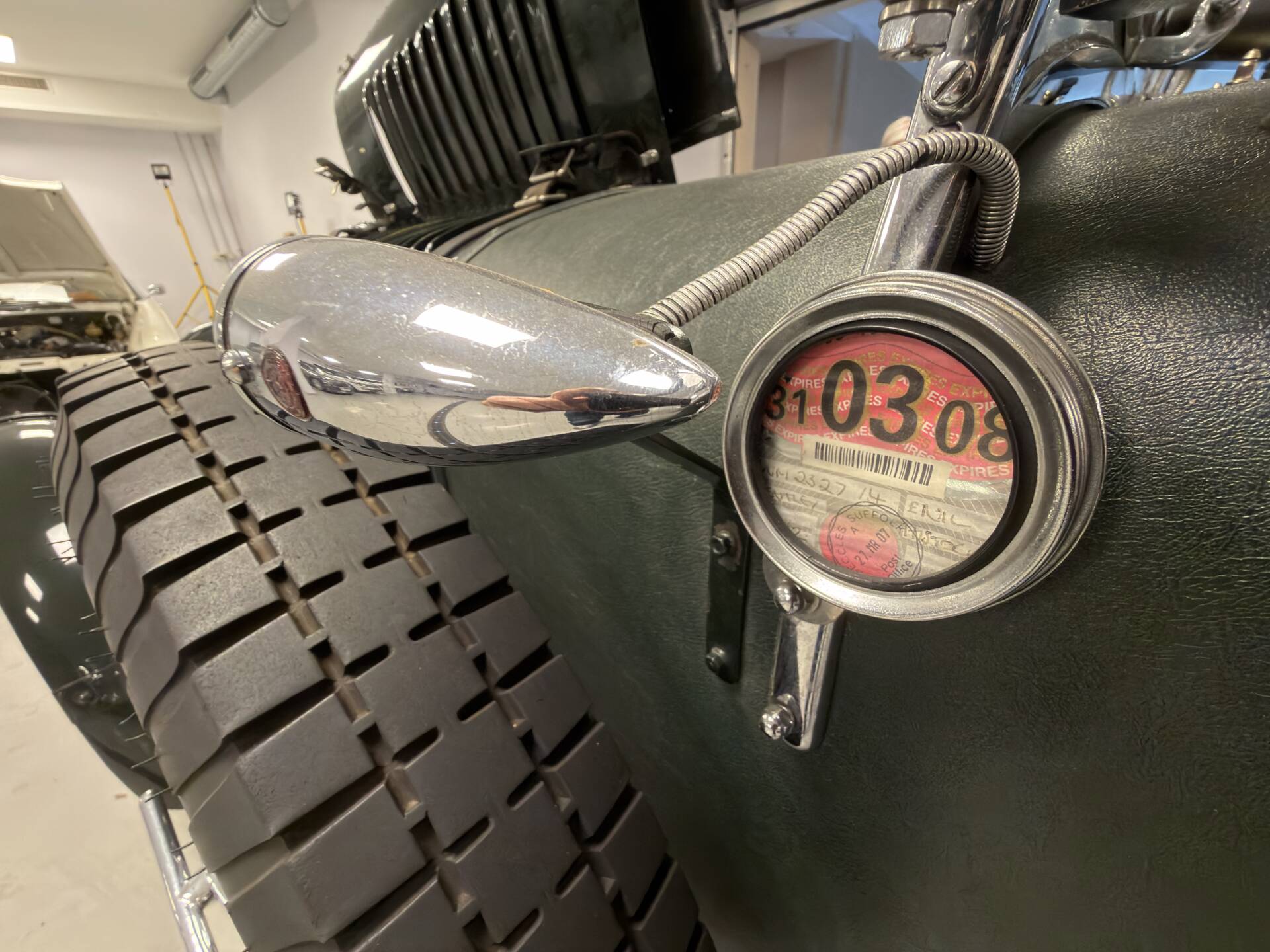
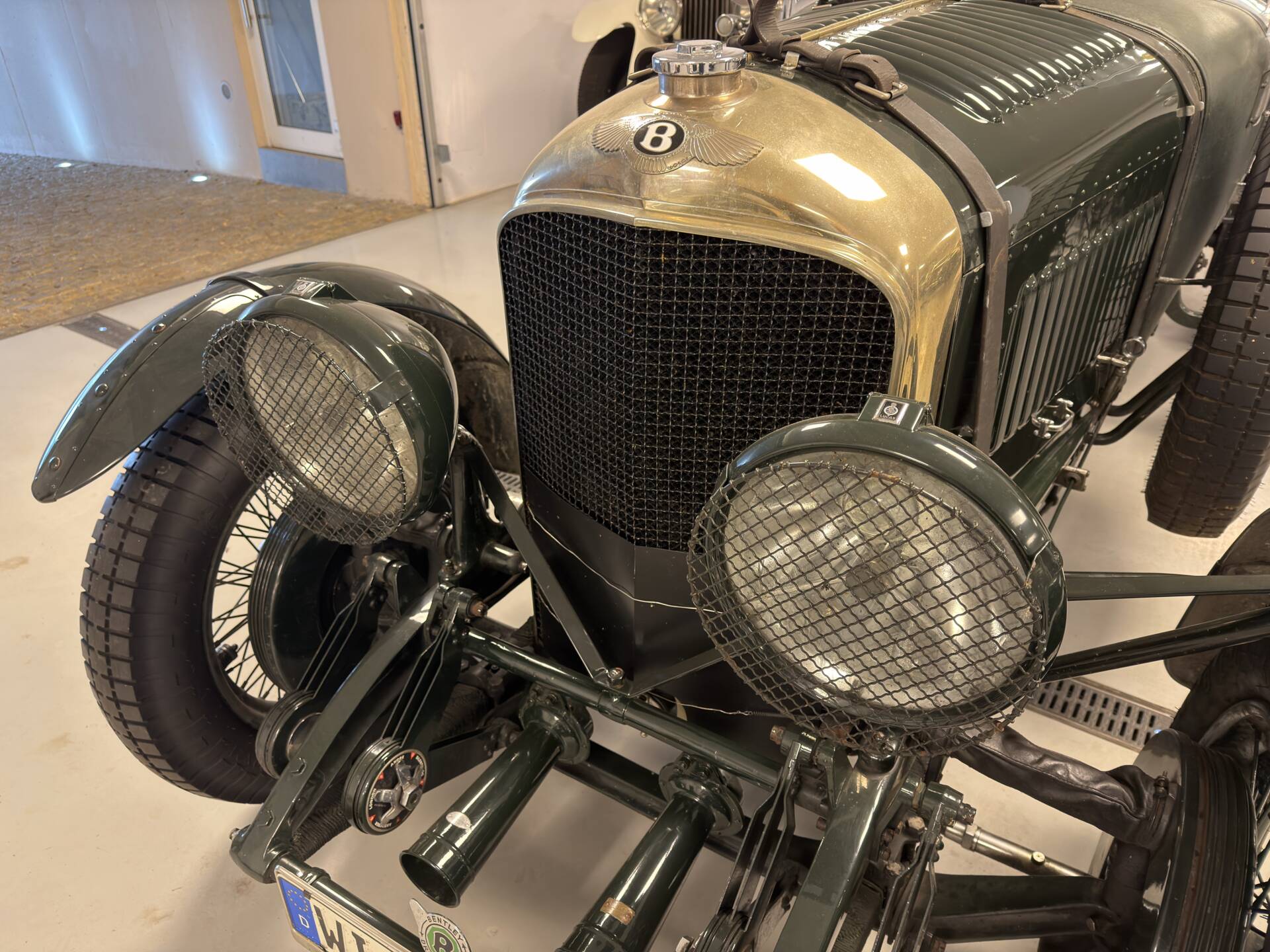
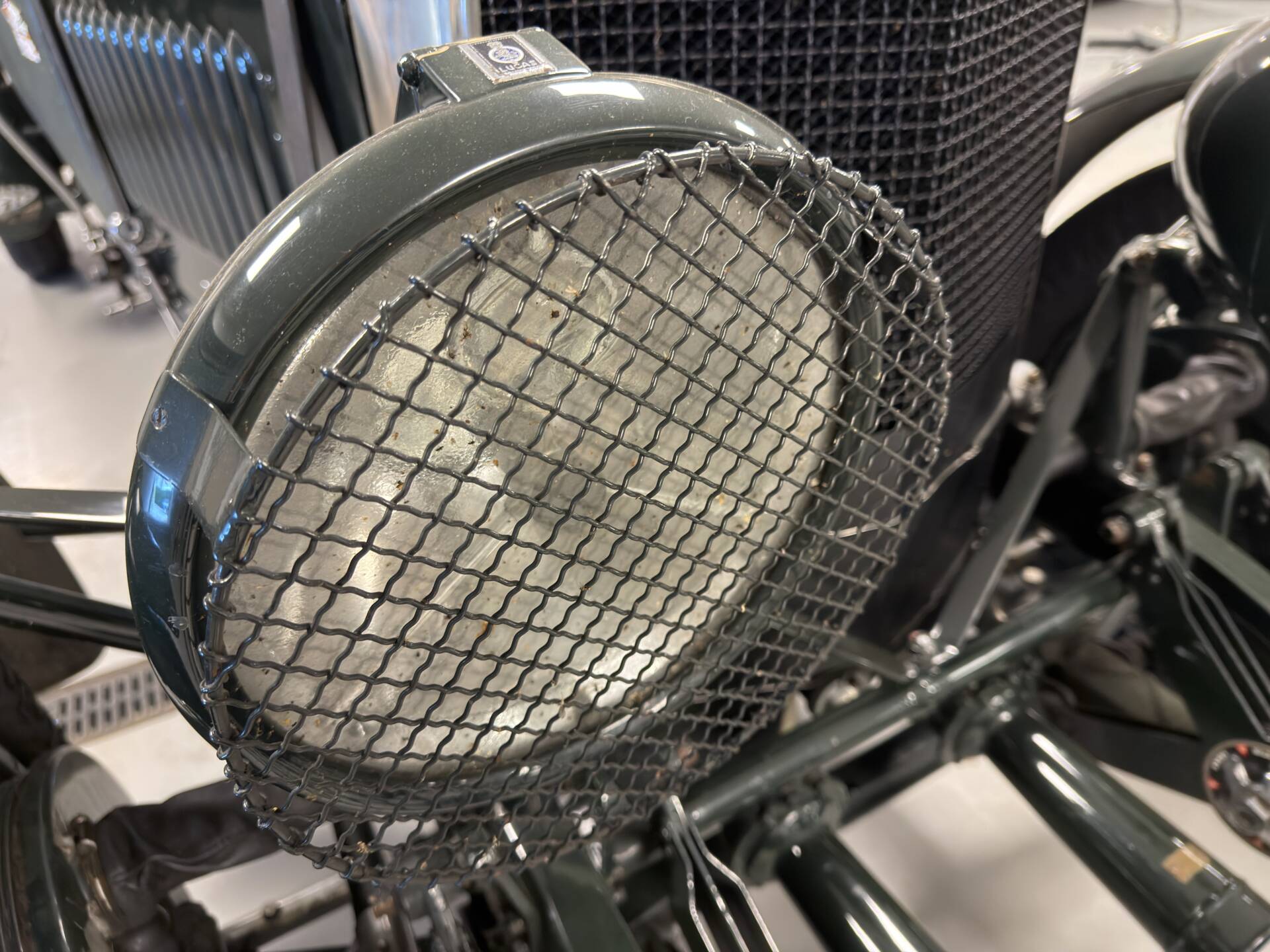
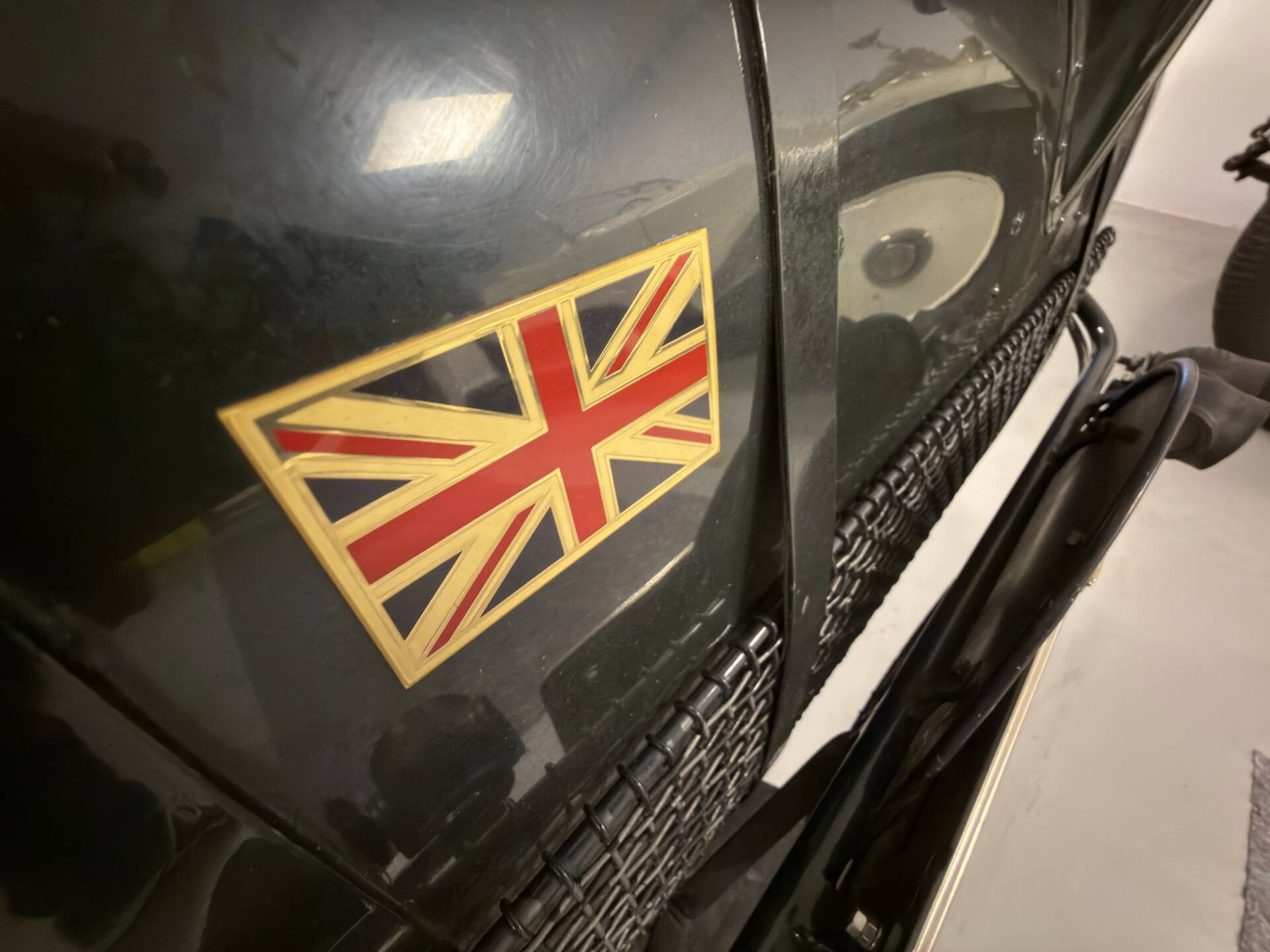
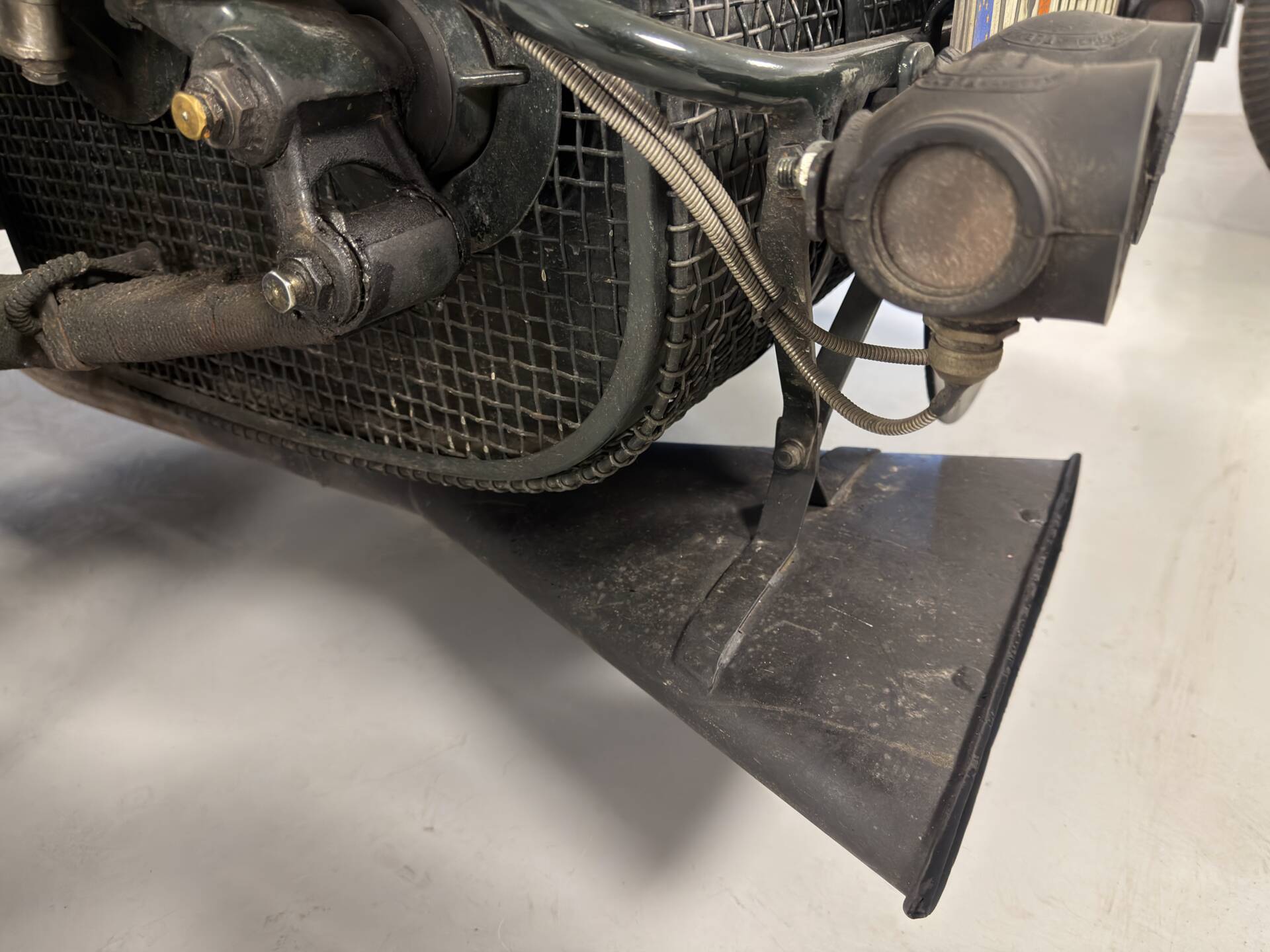
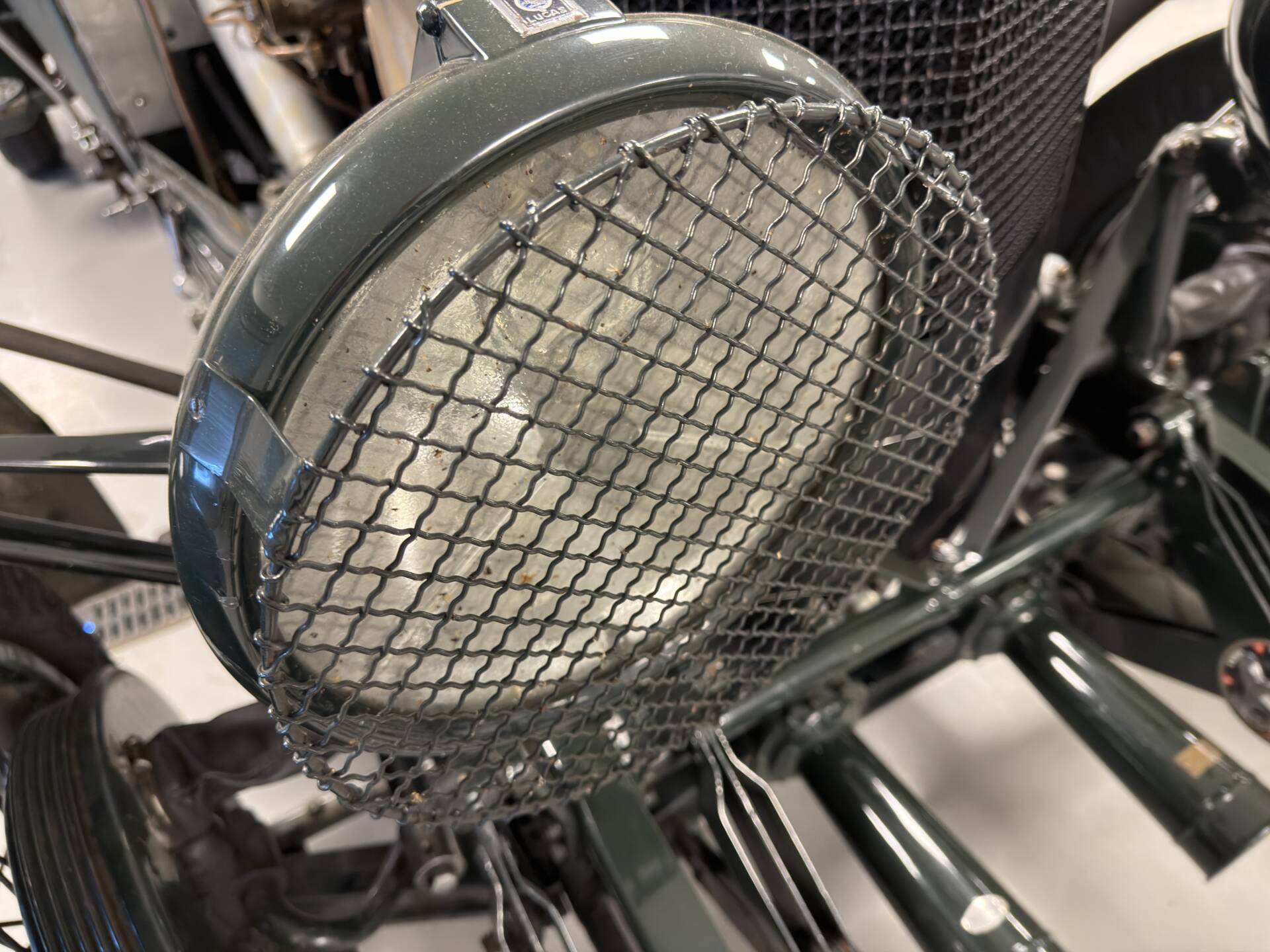
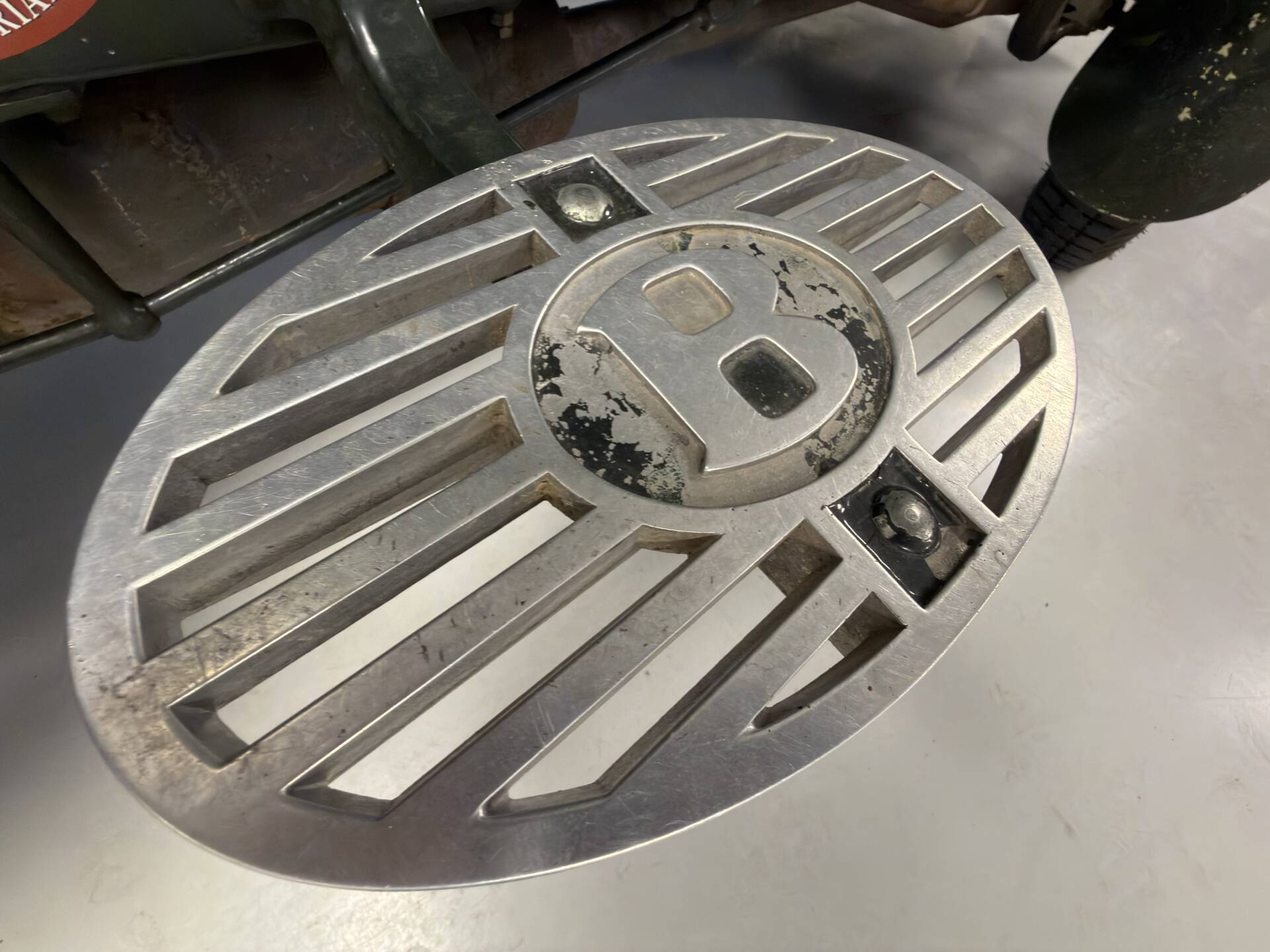
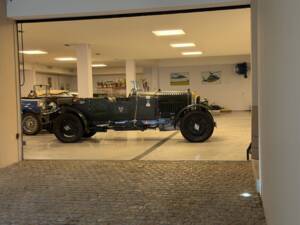
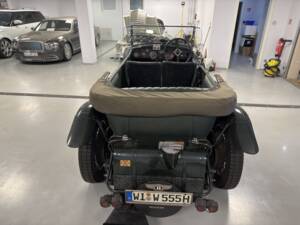
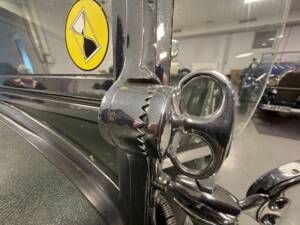
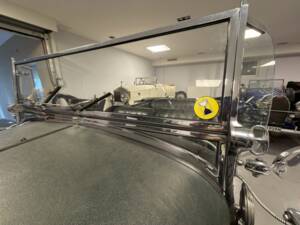
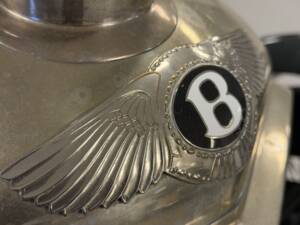
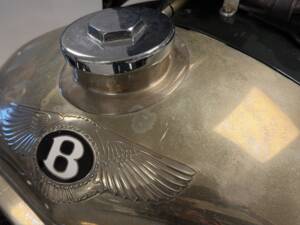
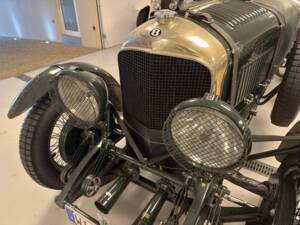
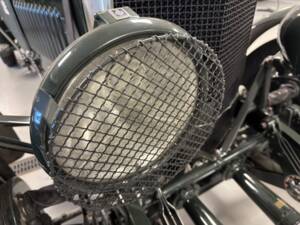
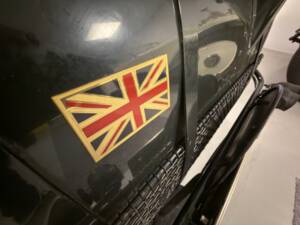
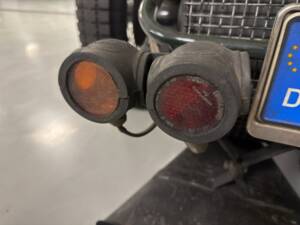
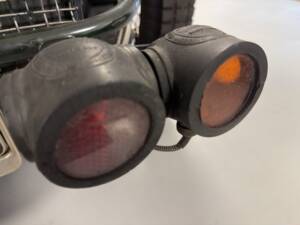
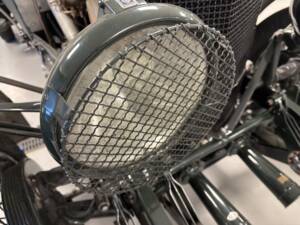
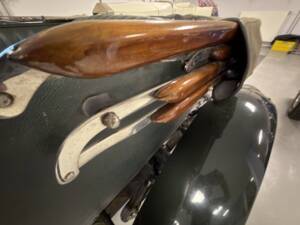
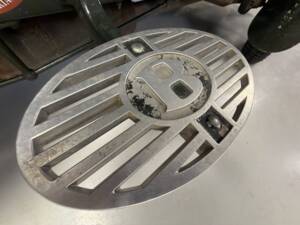
The dark green paintwork accentuates the classic appearance of the open Tourer. The striking radiator, long bonnet and cycle wings give the Bentley an unmistakable presence.
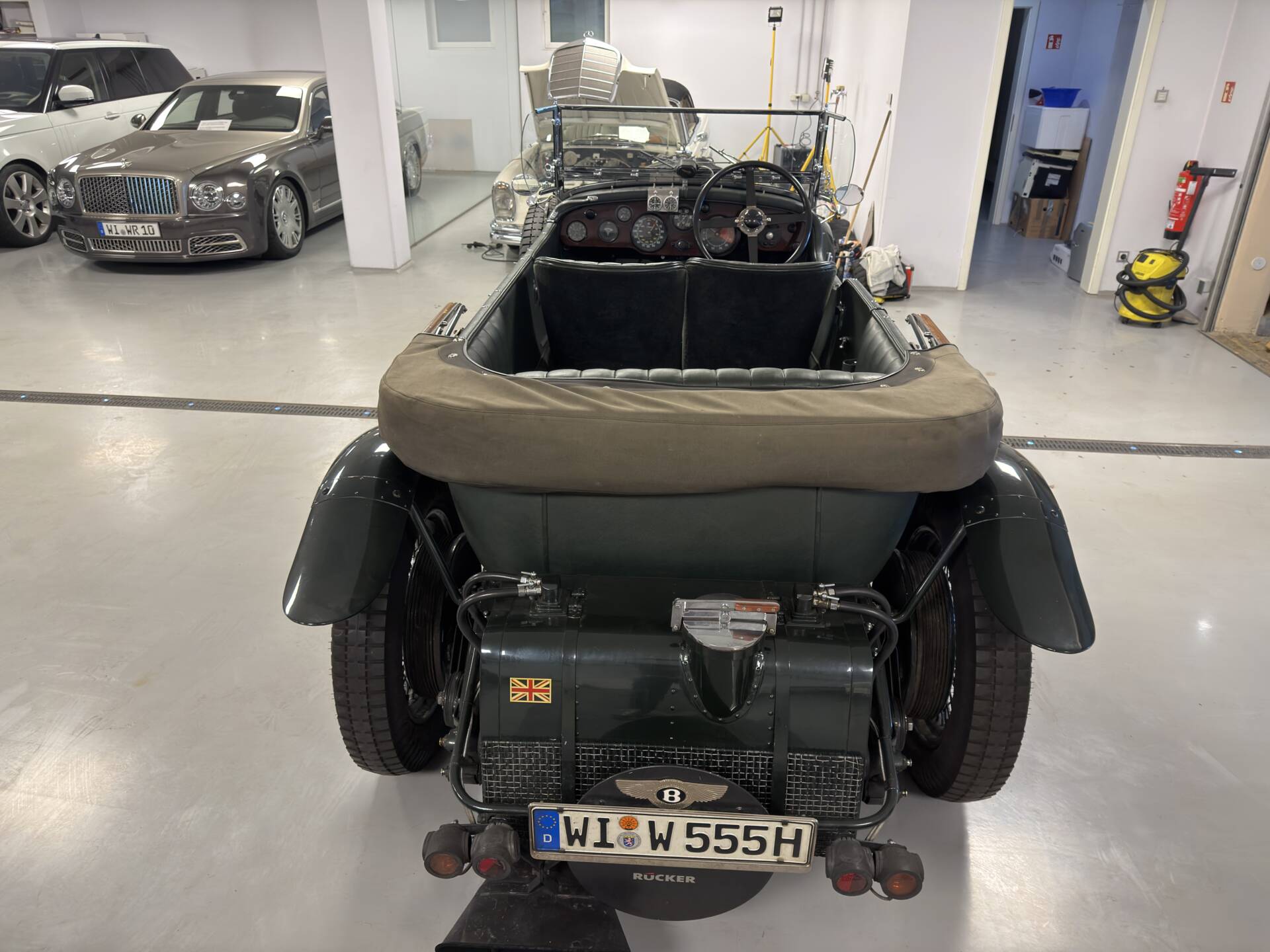
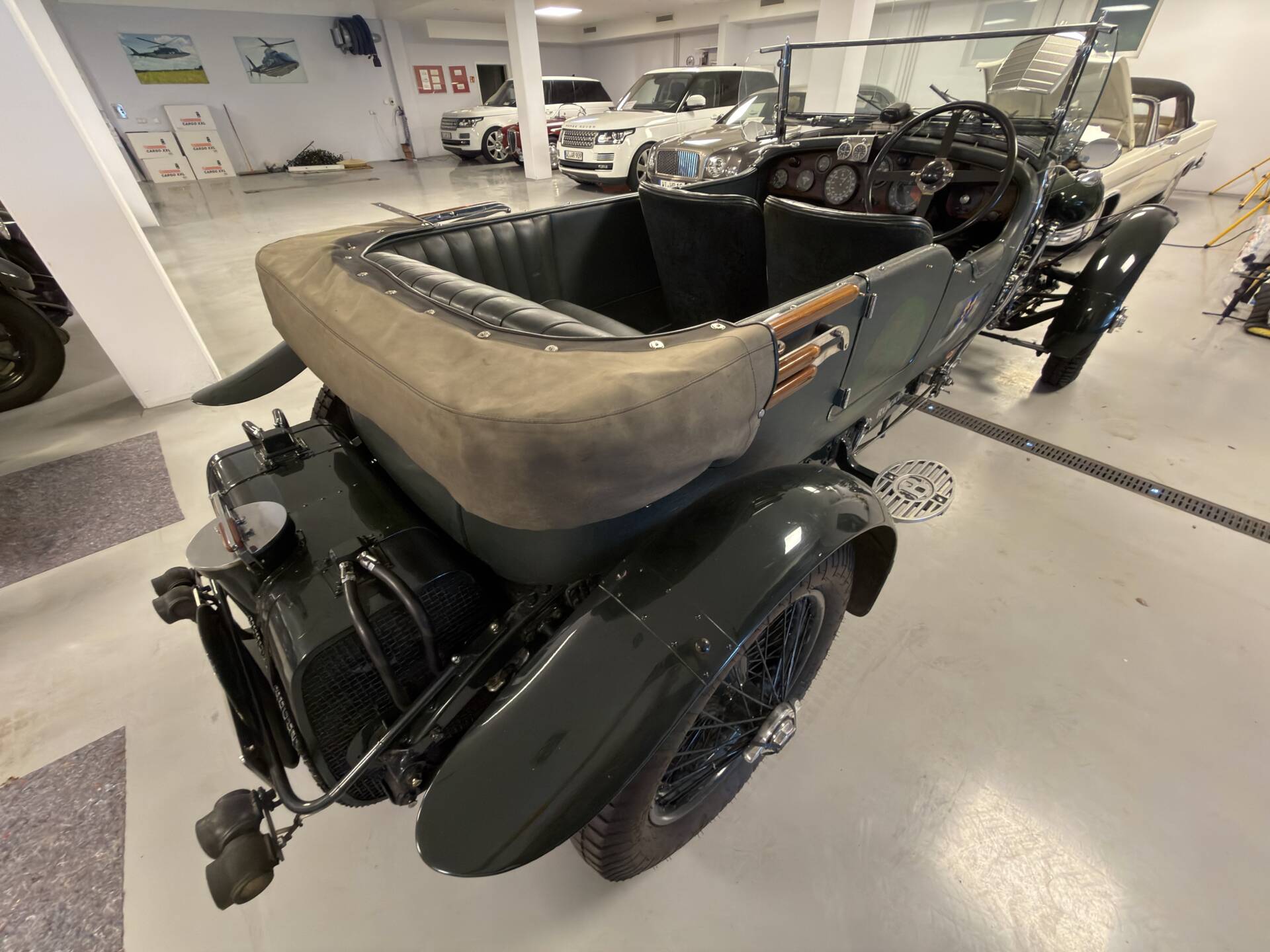
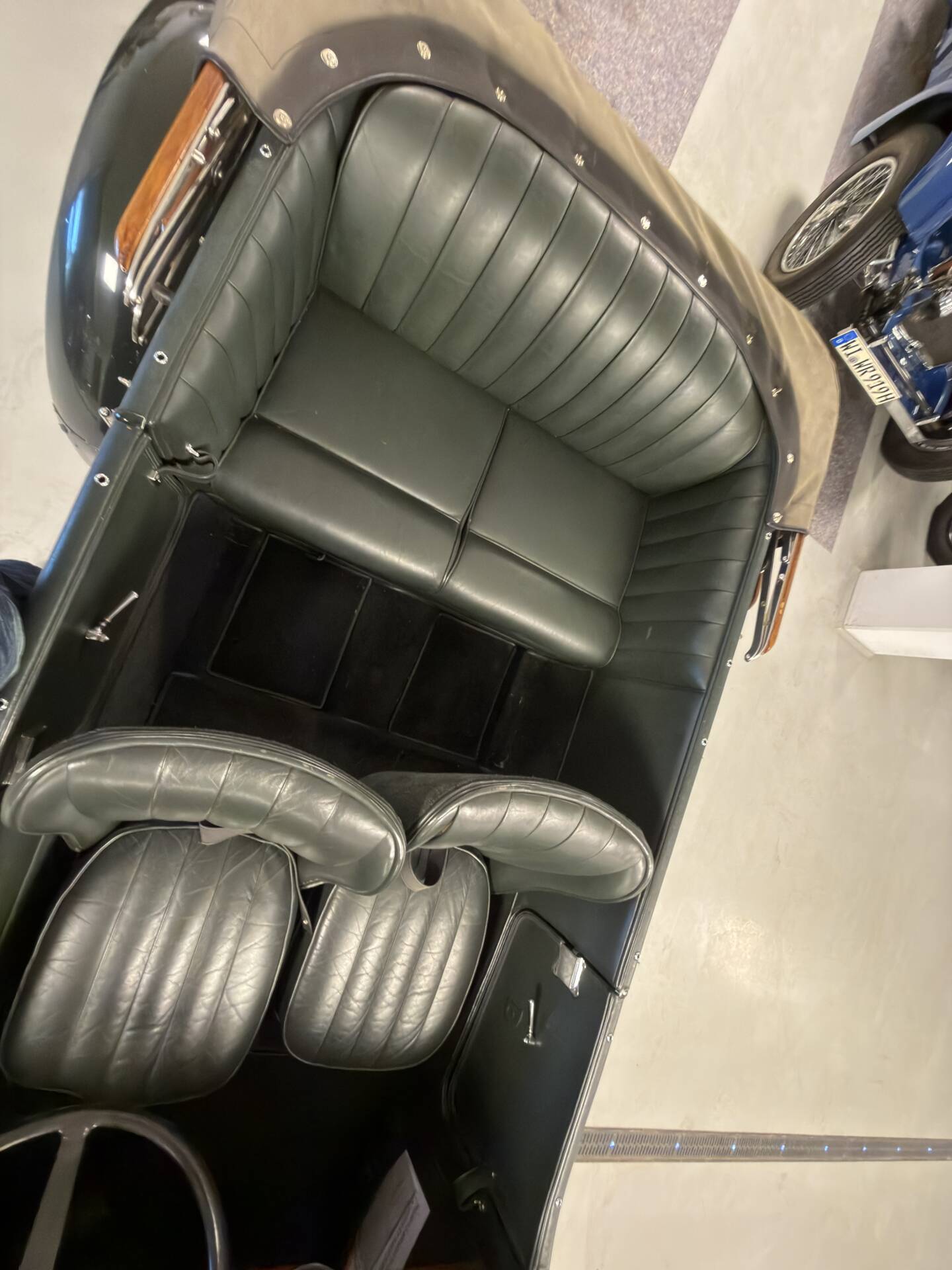
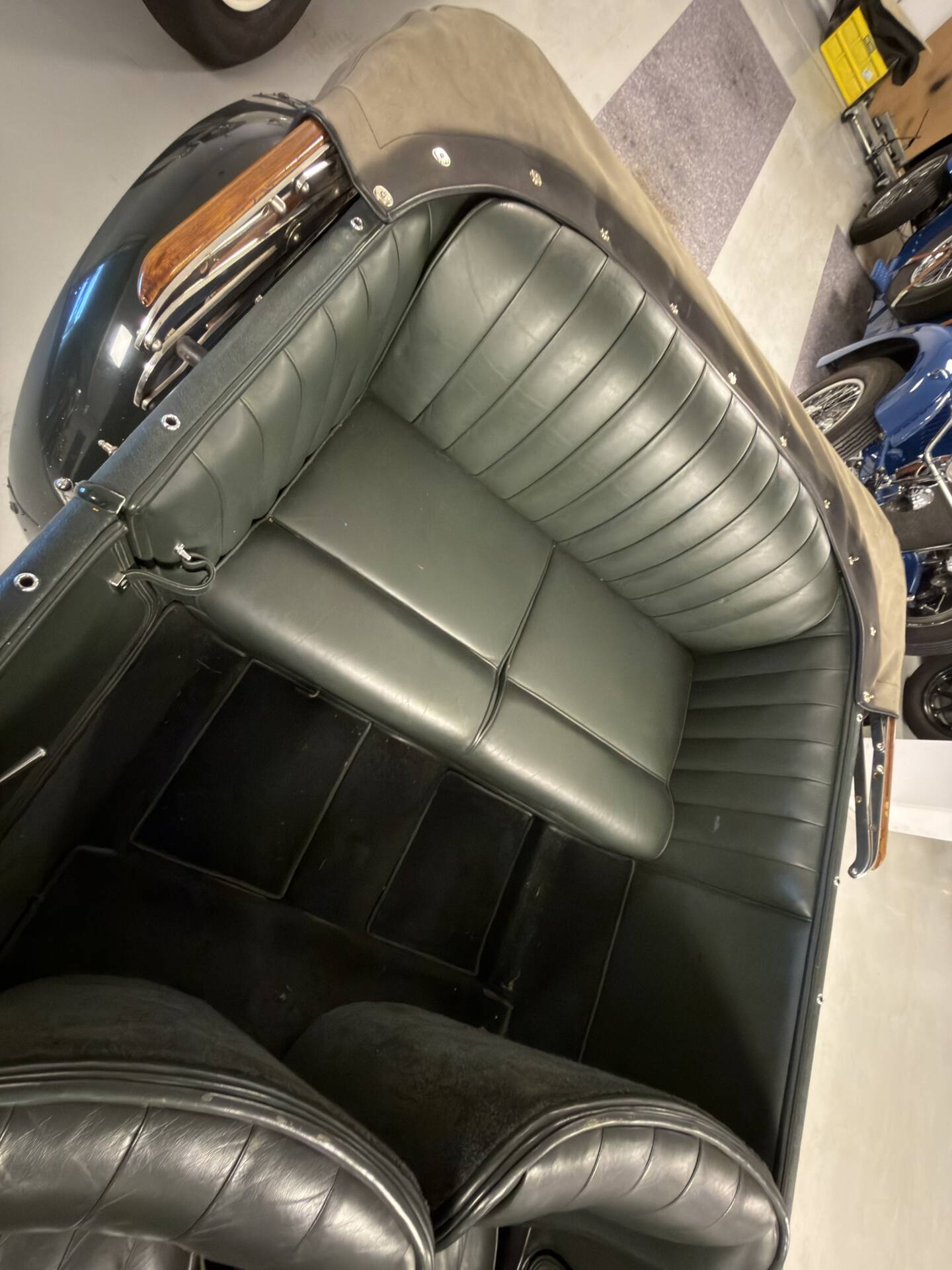
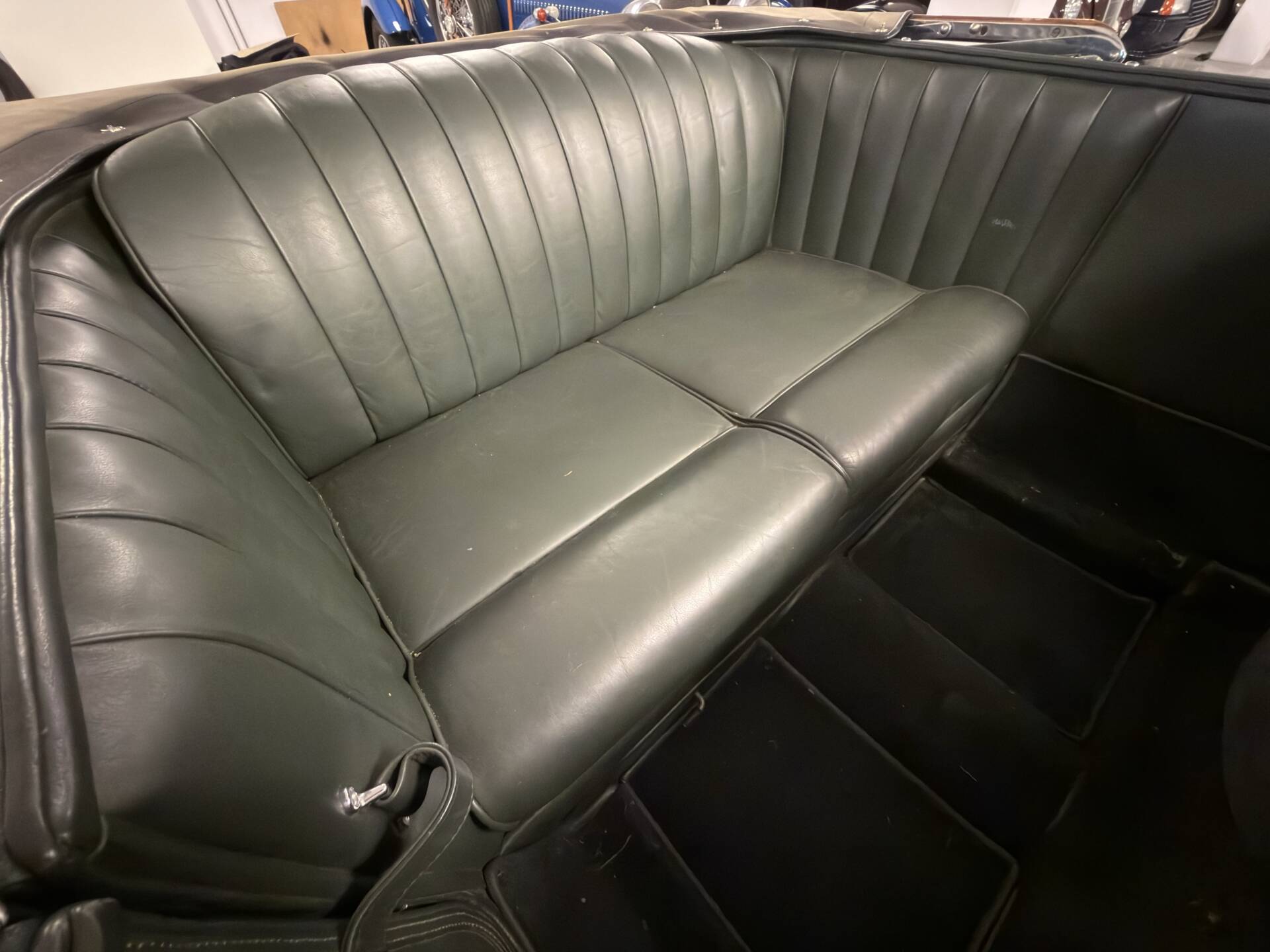
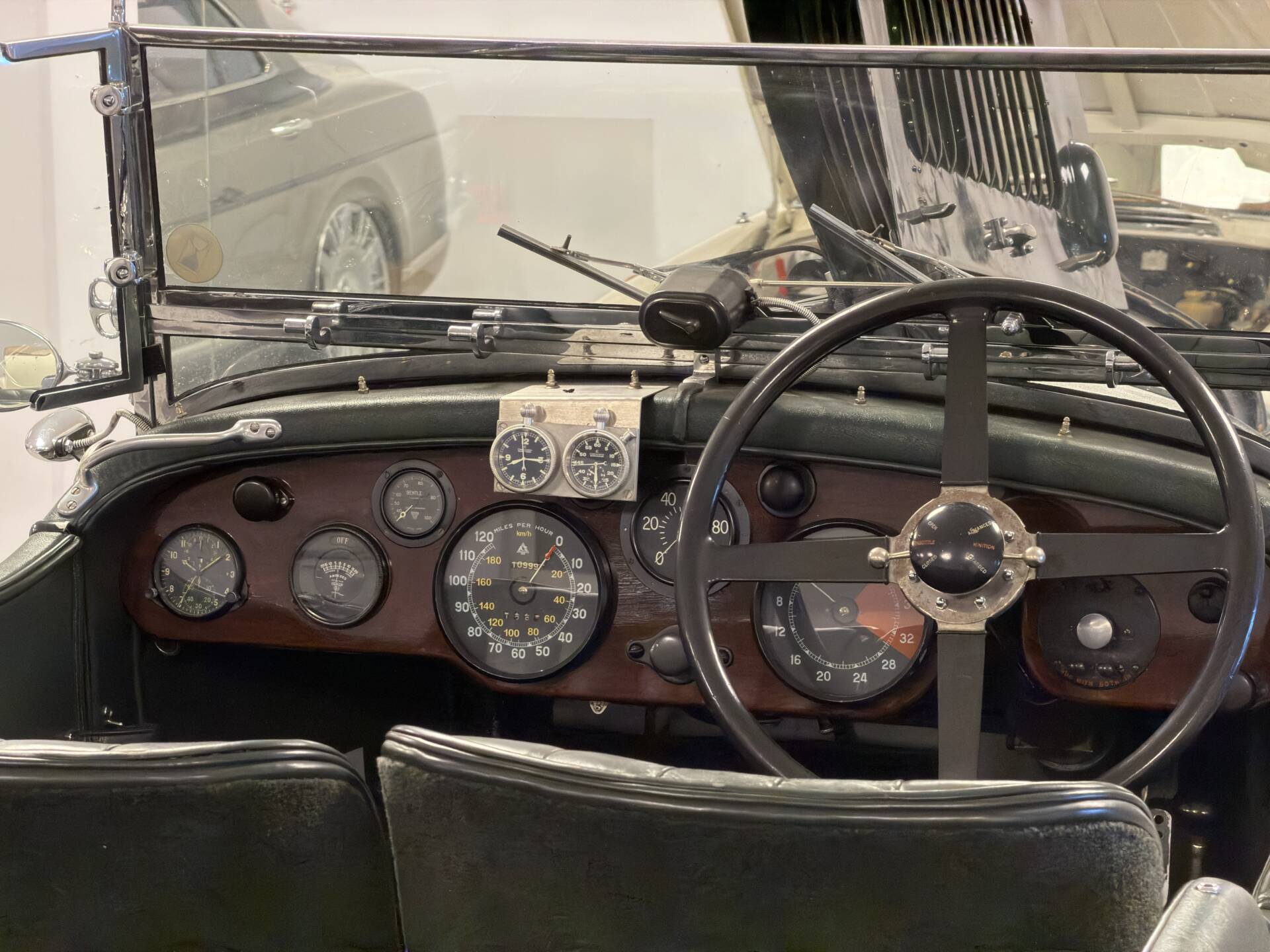
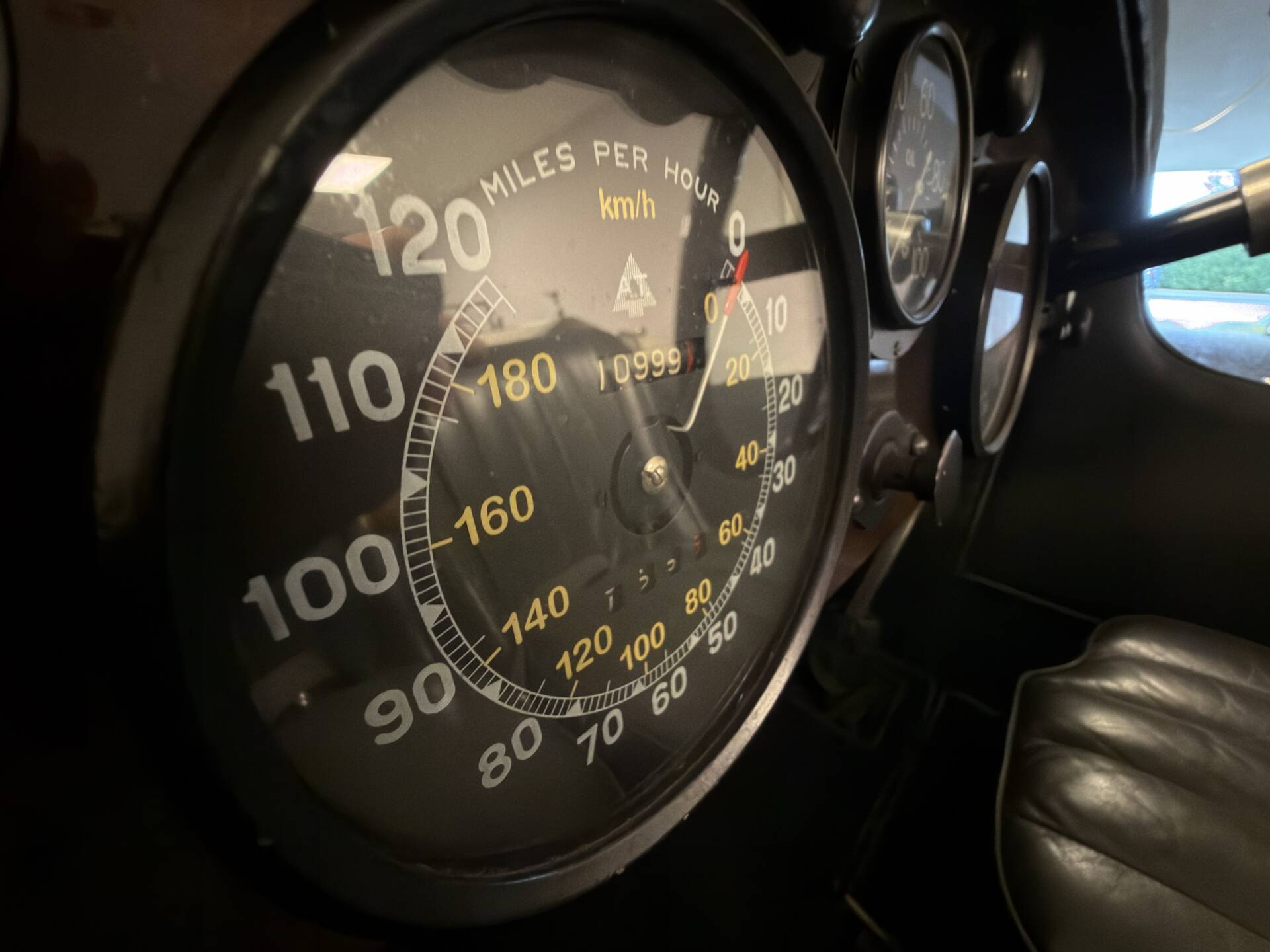
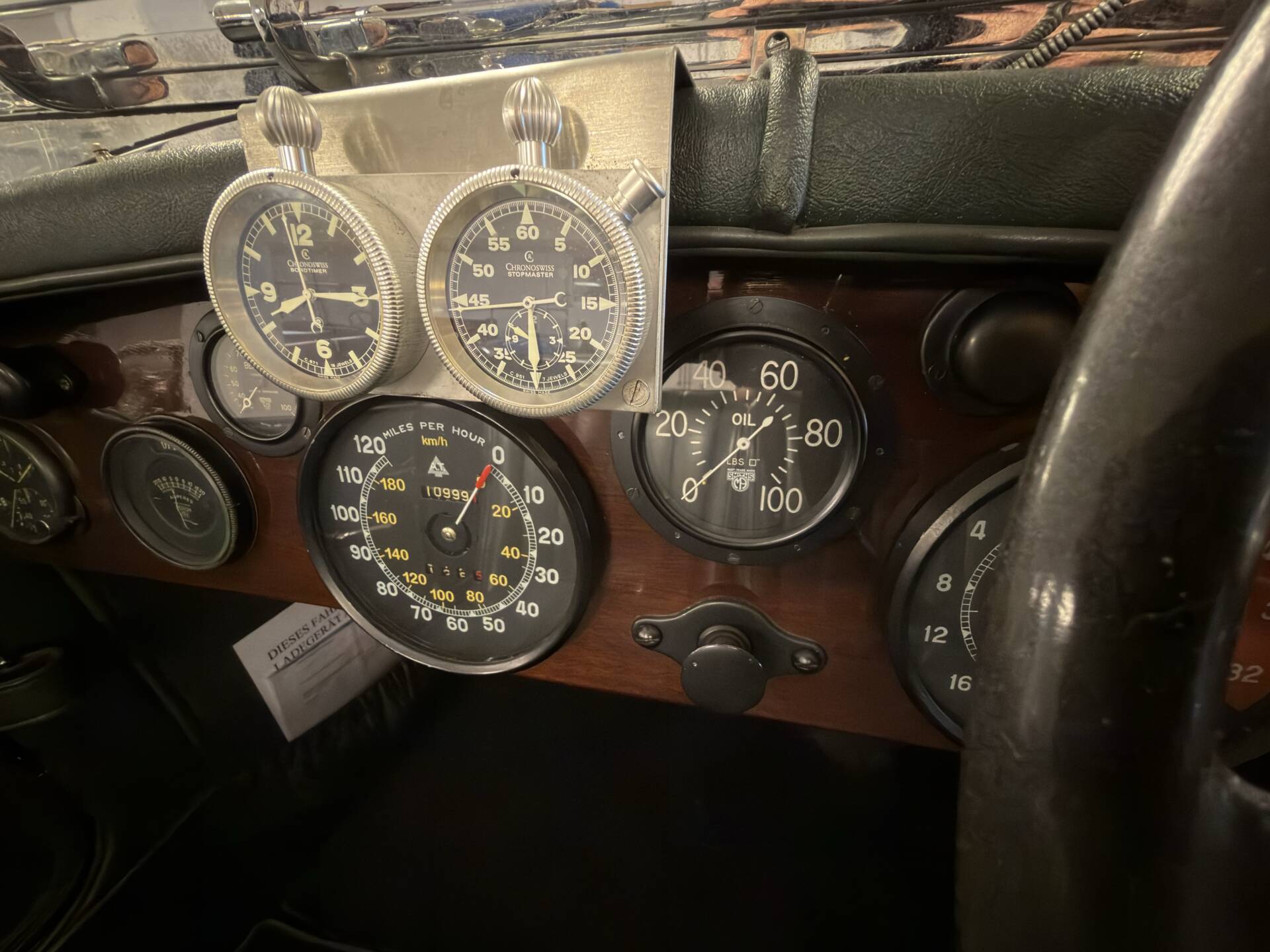
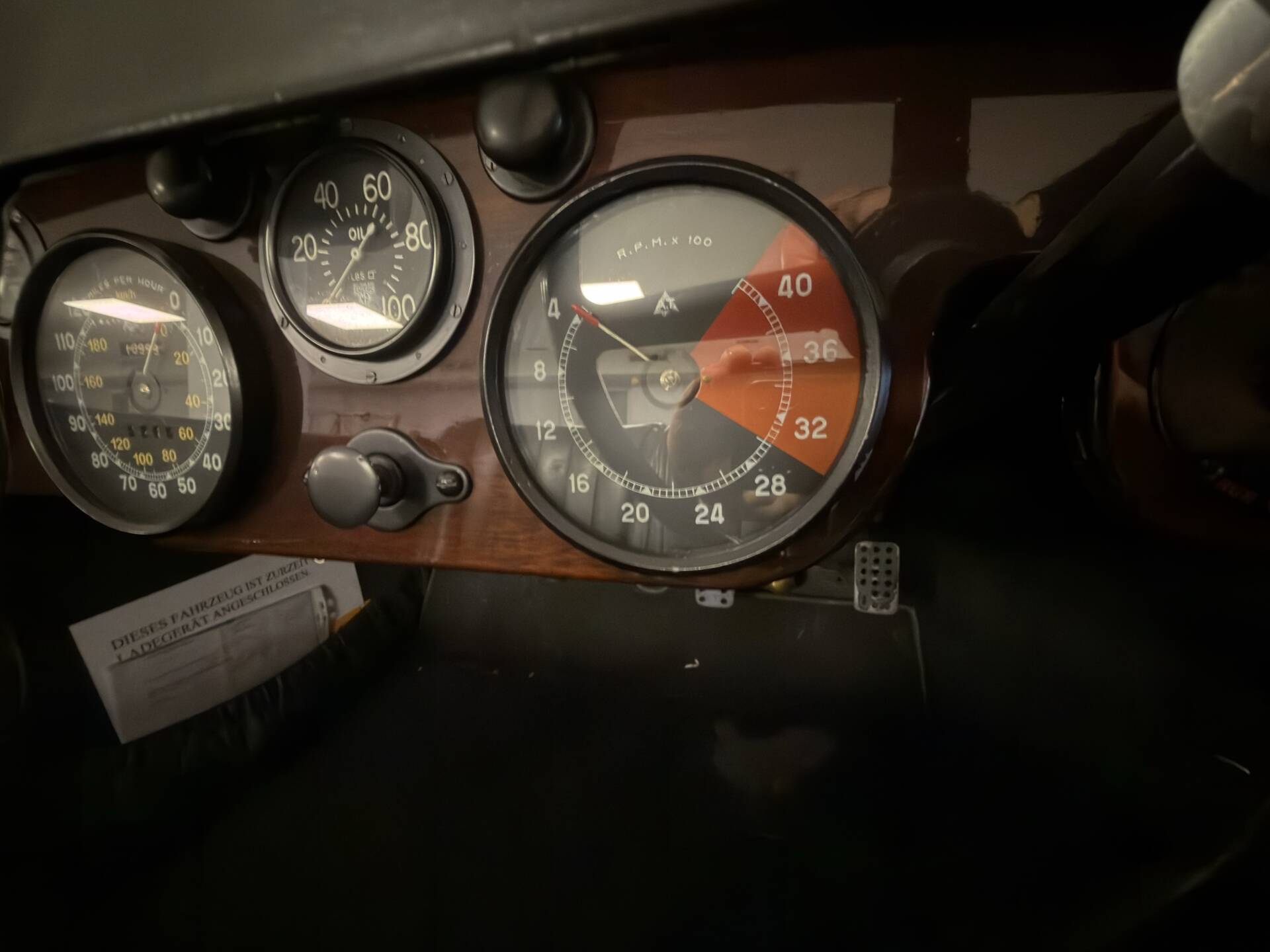
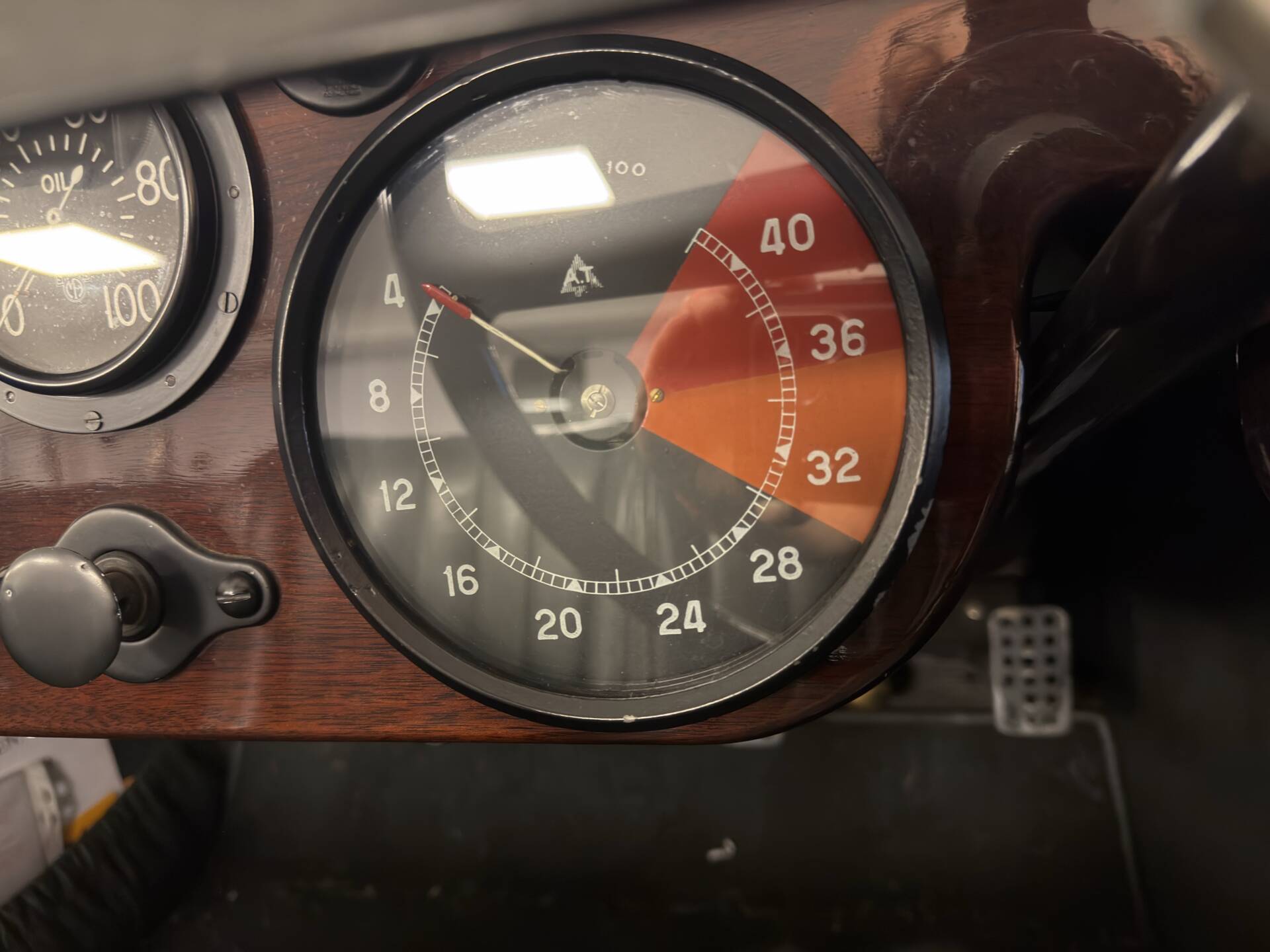
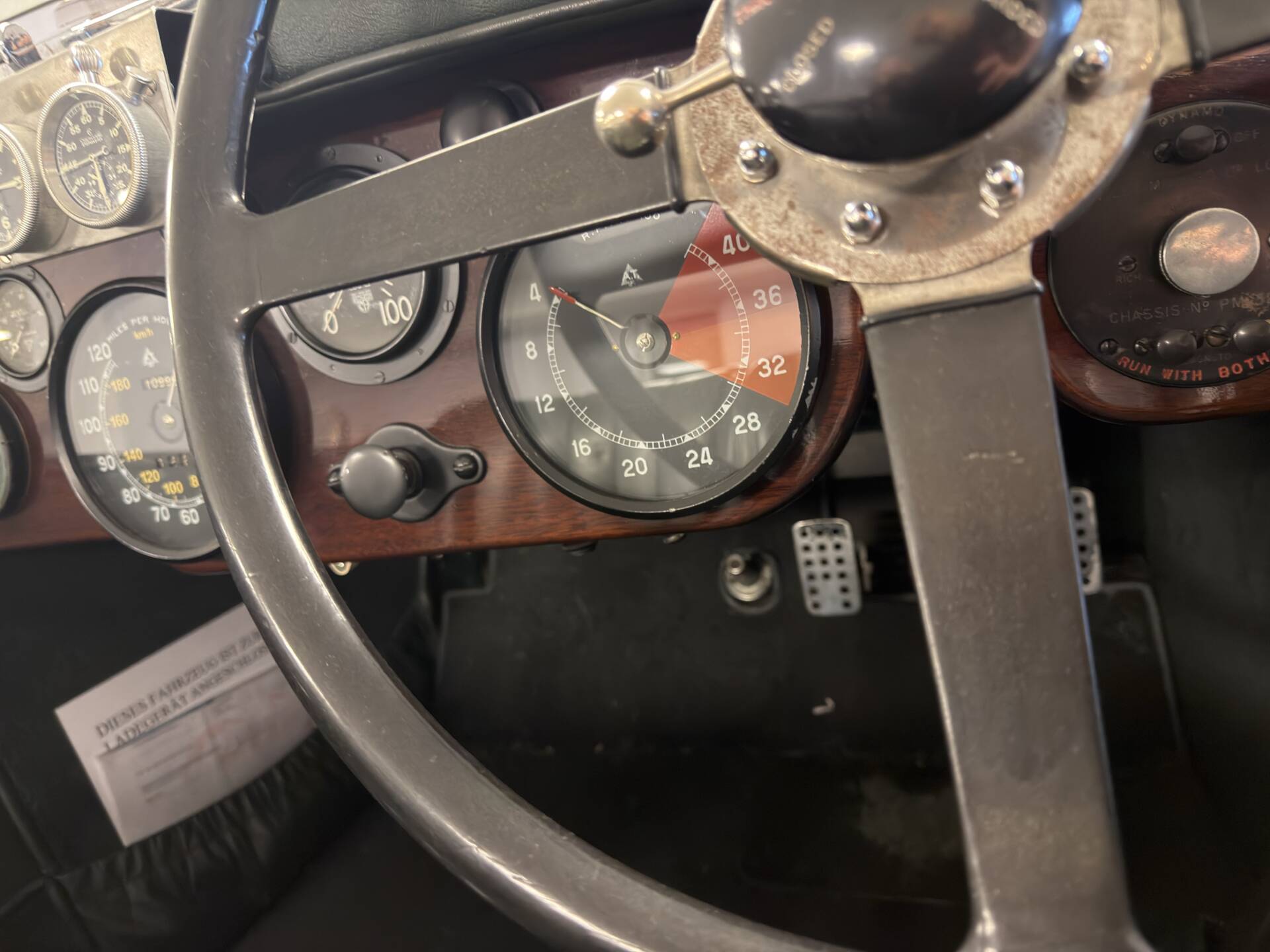
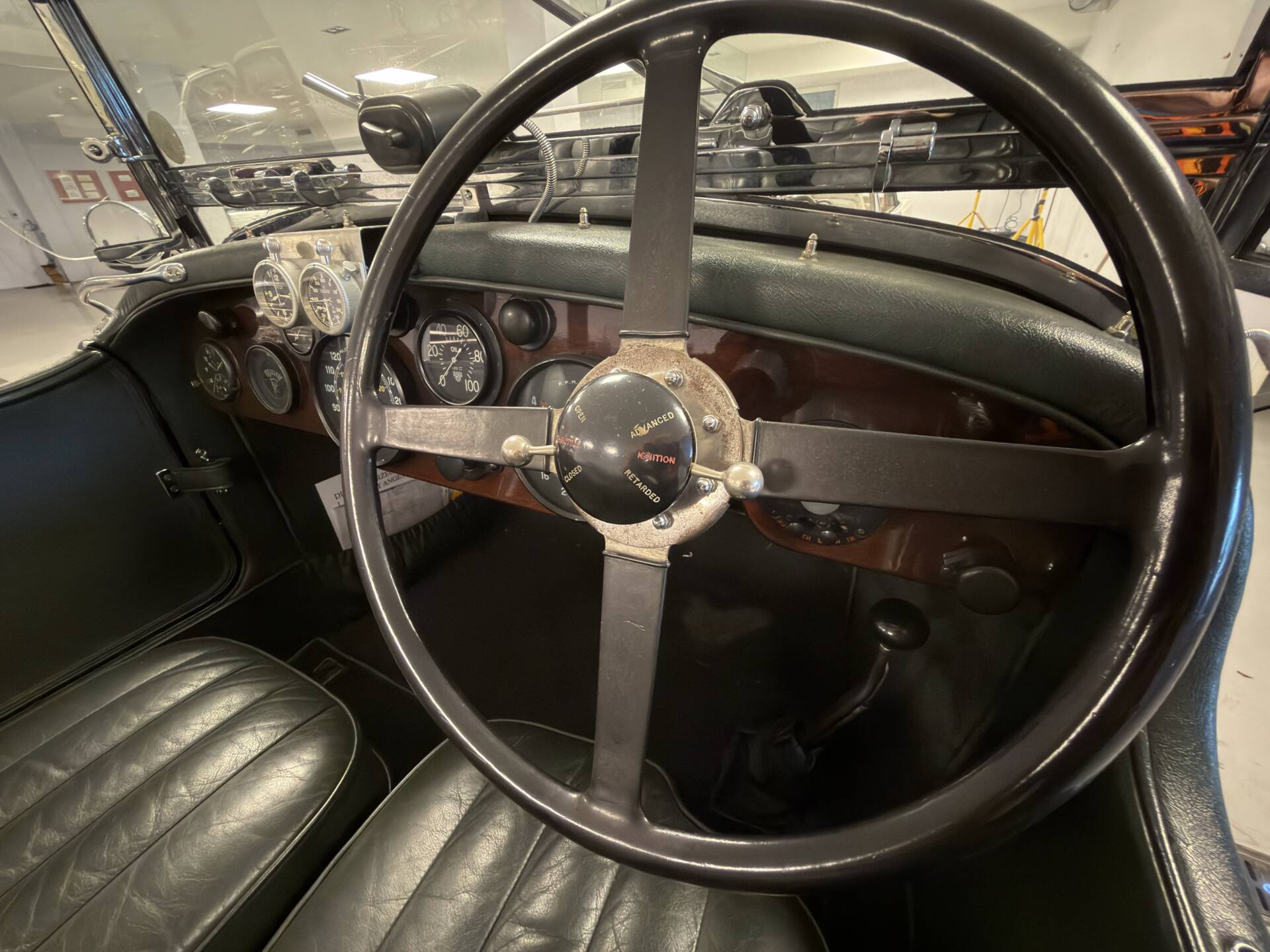
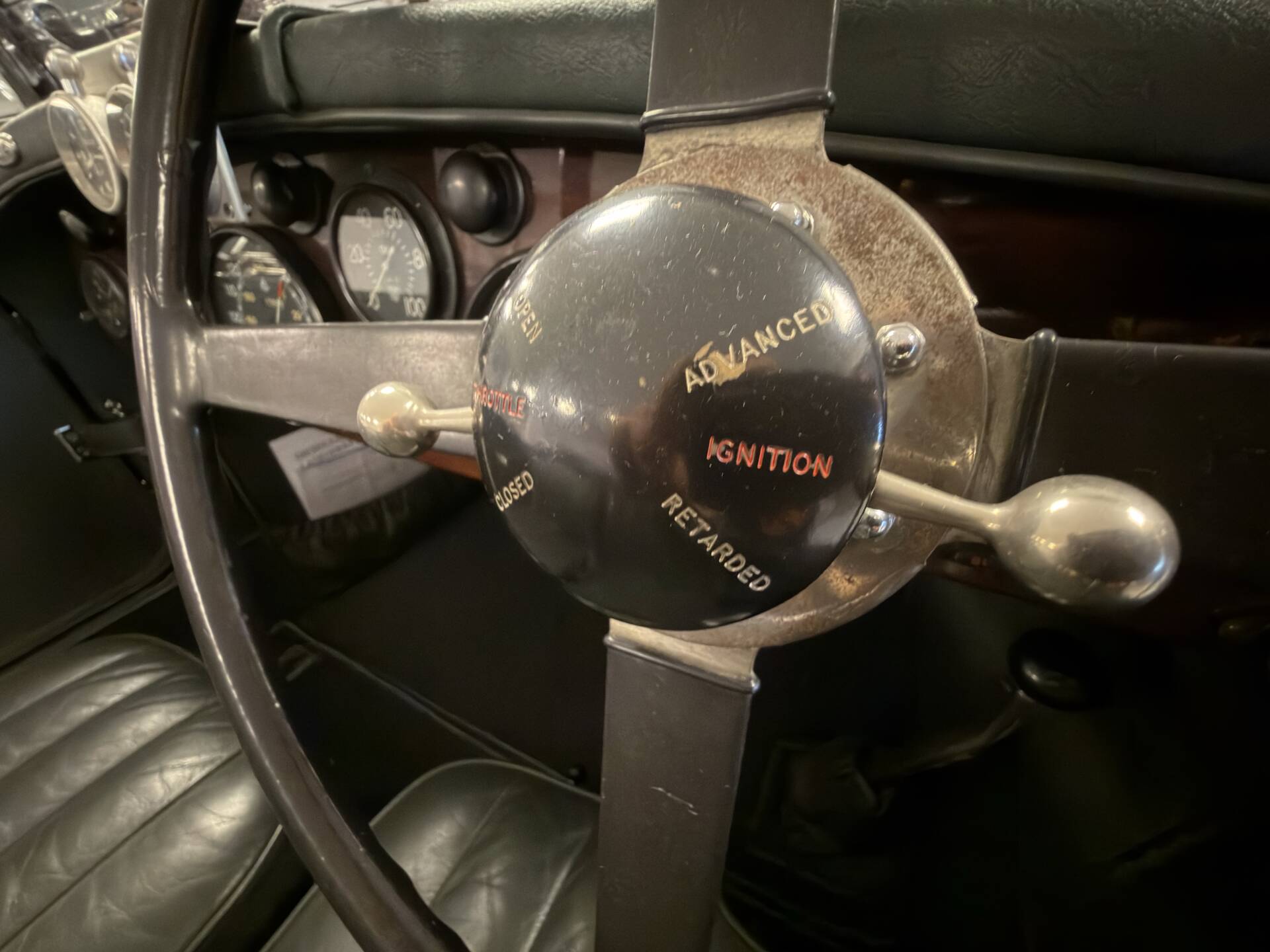
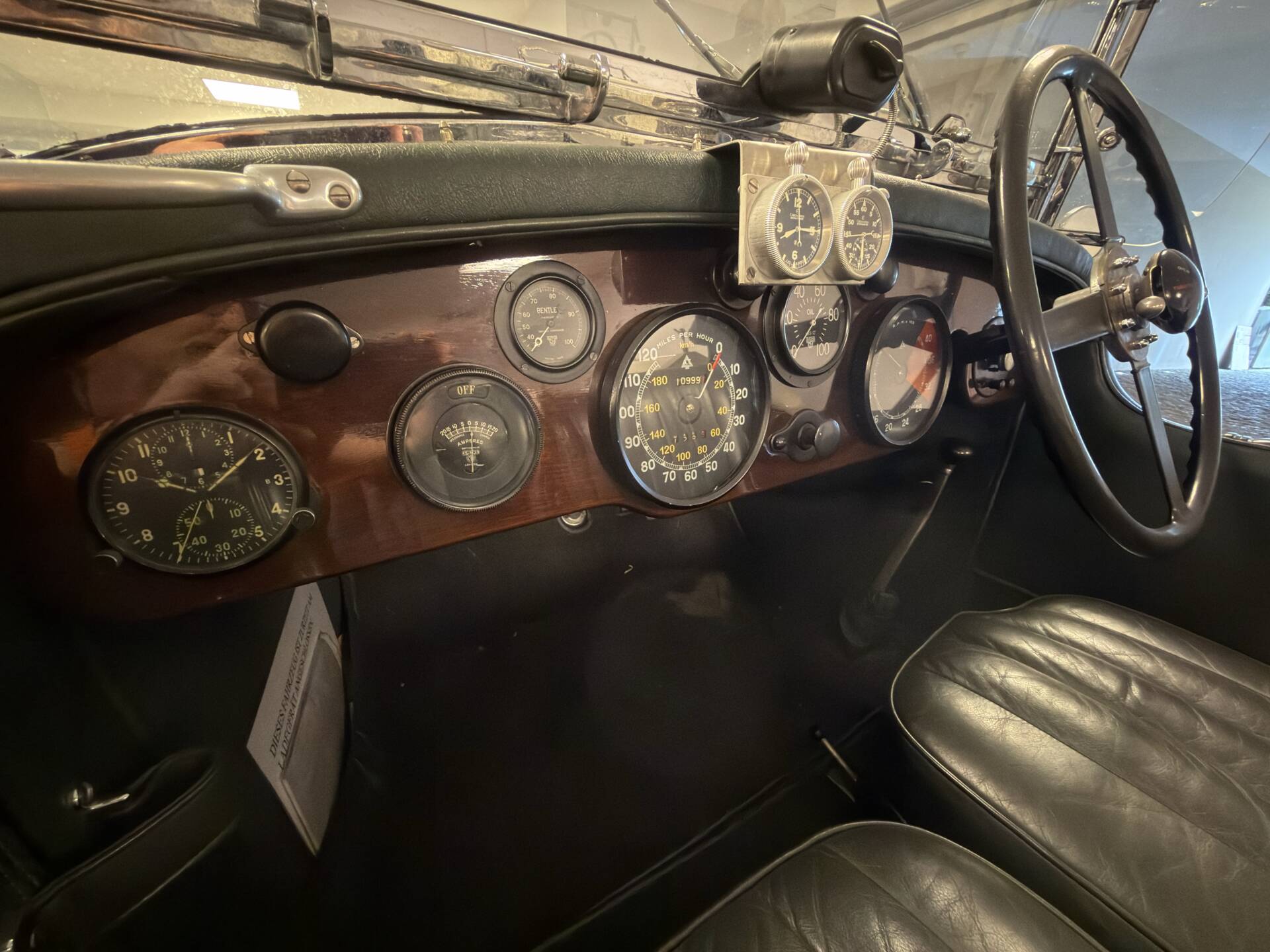
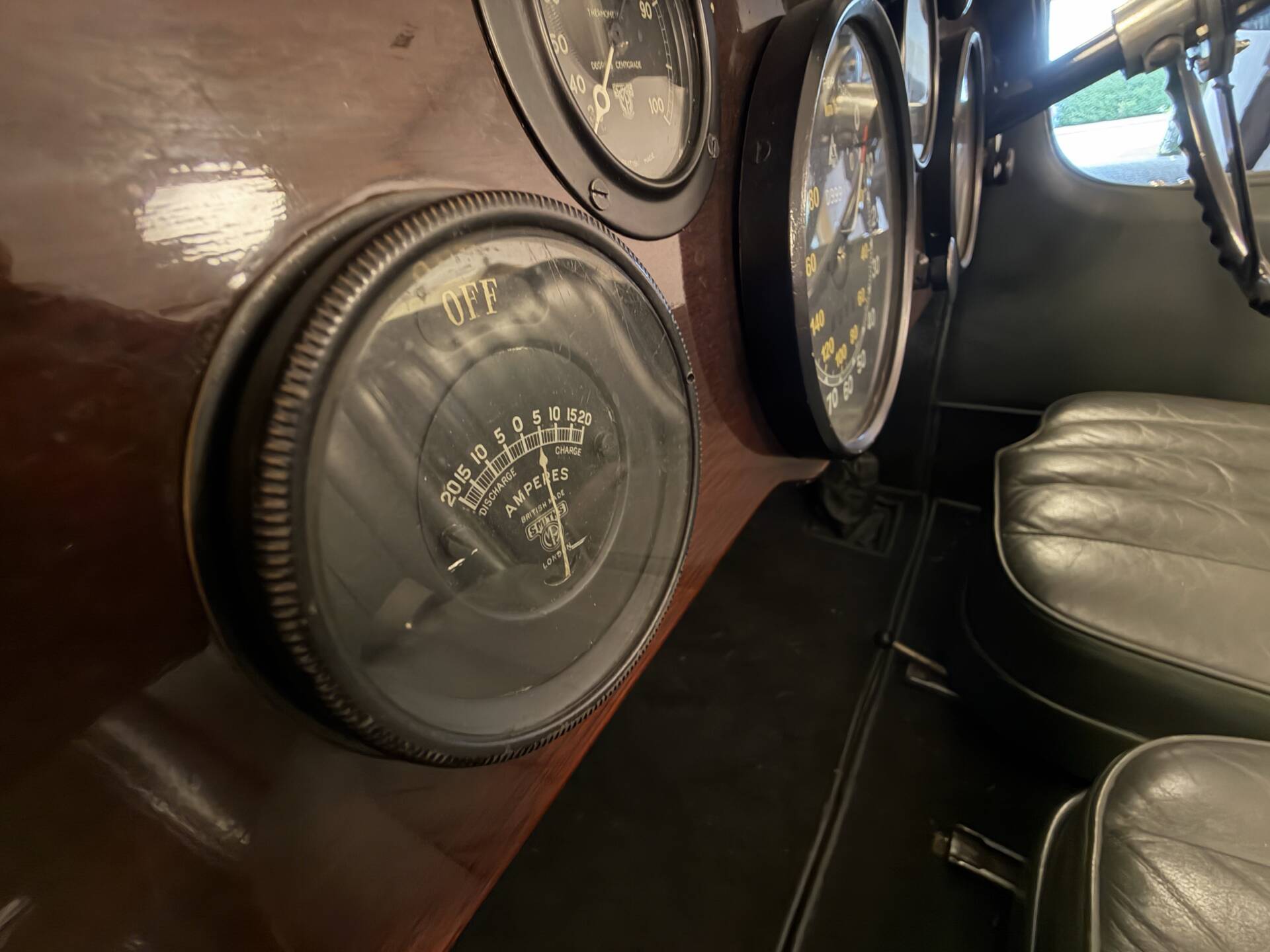
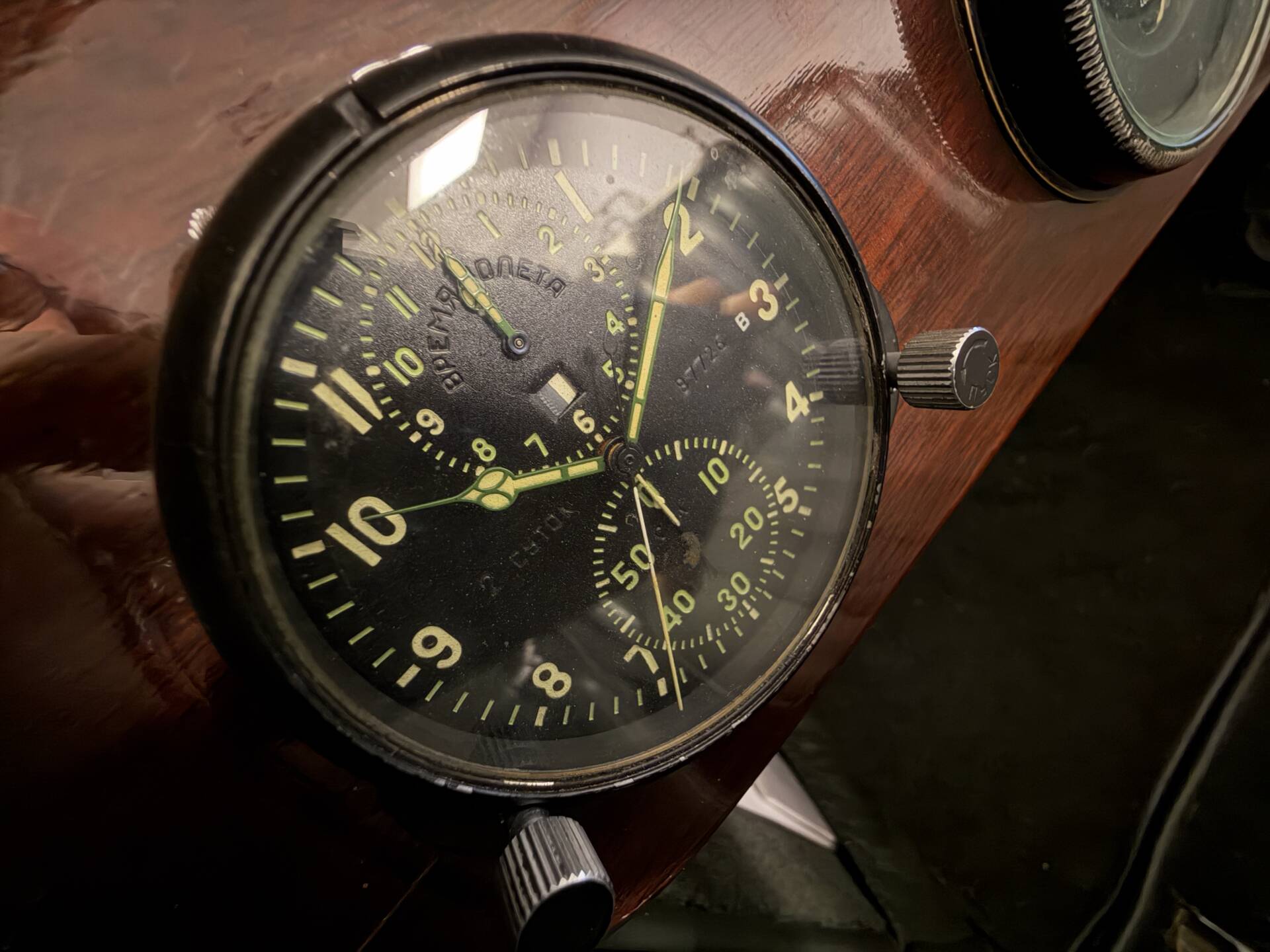
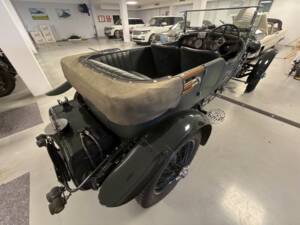
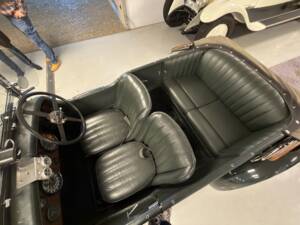
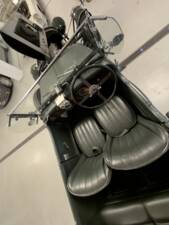
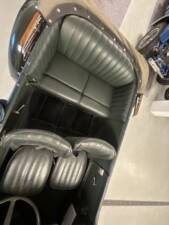
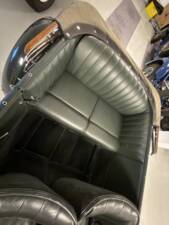
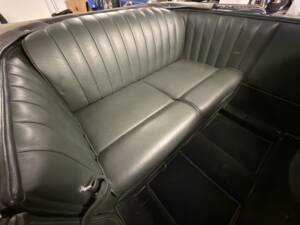
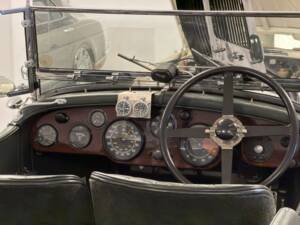
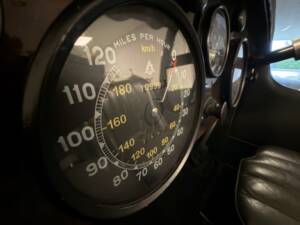
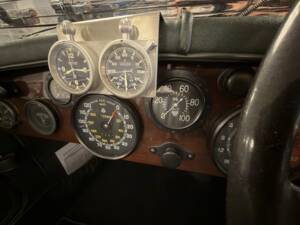
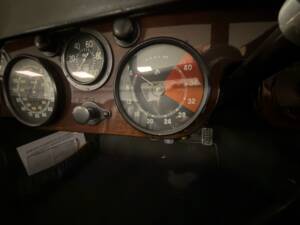
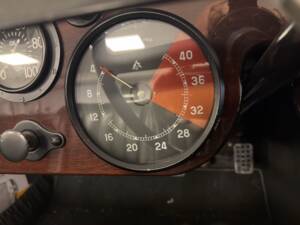
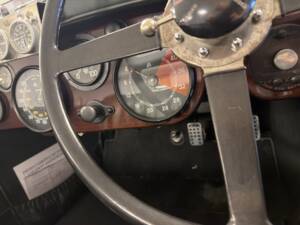
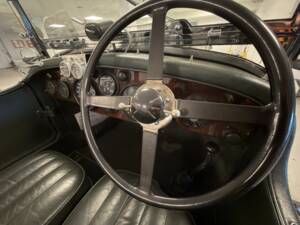
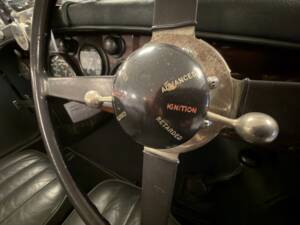
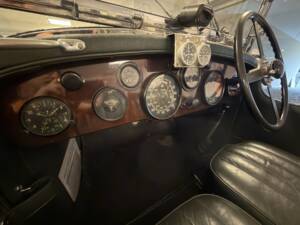
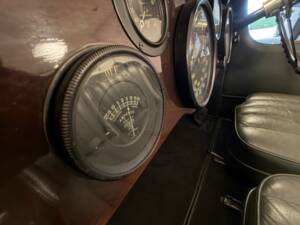
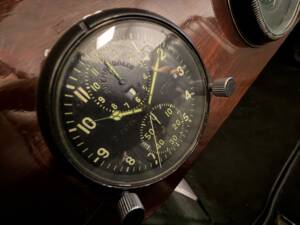
The traditional design continues inside. Dark green leather seats, classic round instruments and a period-style steering wheel define the atmosphere.
A Bentley from this era demands attention and mechanical understanding. You have to listen to its engine, get to know the gearbox and feel the steering’s responses.
That is precisely where its fascination lies: the driving experience is created not by electronic systems, but by the direct connection between human and machine.
Documentation, FIVA and Appraisal
The vehicle’s history is accompanied by extensive documentation. This includes historical information on its delivery and ownership succession, a 2013 FIVA Identity Card and documentation of the technical work.
According to supplementary information from the owner, a FIVA Pass with identification number 042254 and classification E/4 is available. Like the Bentley factory register, it is said to document the original assignment of chassis PM3265 and engine PM3266.
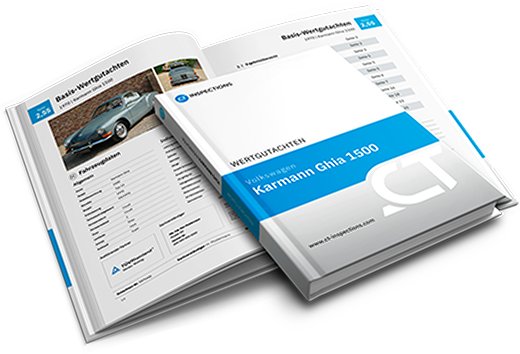
Another important document is the detailed appraisal by Dipl.-Ing. Klaus Kukuk from December 2016. It covers the vehicle’s history, technical design, work carried out and condition at the time.
At the time, the Bentley received an overall condition rating of 2. This assessment relates to the time of the appraisal in 2016.
Conclusion – The Spirit of the Bentley Boys
This Bentley 4½ Litre combines several remarkable chapters of British automotive history. Its delivery via Jack Barclay, the documented connection to Lord Dunleath and its subsequent conversion into an open Le Mans Tourer give it a biography of its own.
The original factory number combination according to the owner, the extensive documentation and the technical care provided by LMB Racing are particularly interesting aspects for collectors.
Added to this is its more recent use as a touring car in international rallies. It is a Bentley whose story did not end with restoration, but continued on European roads.
It is not an unrestored Le Mans racing car preserved in unchanged condition, but a genuine 1928 Bentley 4½ Litre with historical substance, a traditional open body and the mechanical presence of its era.
An automobile from an era when endurance, courage and four and a half litres of displacement made the difference.
Personal Impression
What fascinates me about this Bentley is not only its past, but the idea of actually setting out on a journey in it. Starting the large four-cylinder engine, operating the mechanical gearbox and covering mile after mile must be an experience that no modern sports car can replace. This Bentley is a piece of automotive history that does not merely want to be looked at, but driven.
This description has been automatically translated. Original language: German.