
✨ Highlights
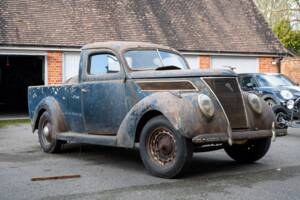
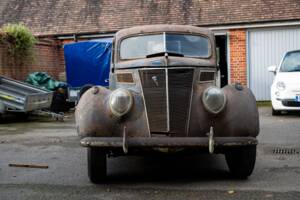
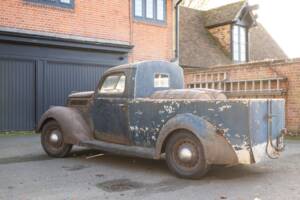
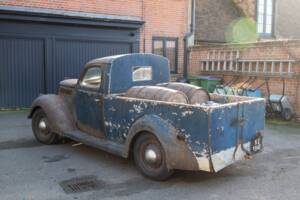
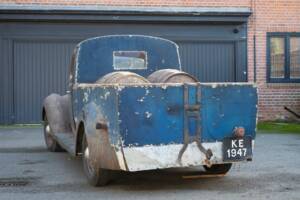
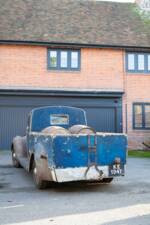
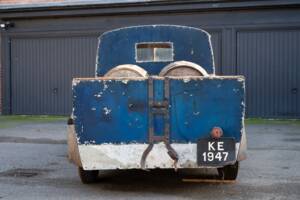
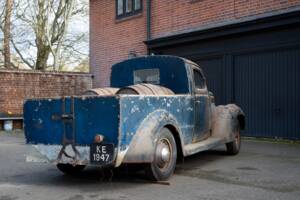
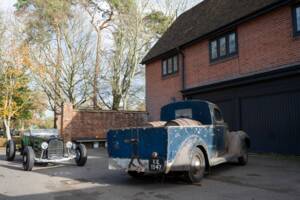
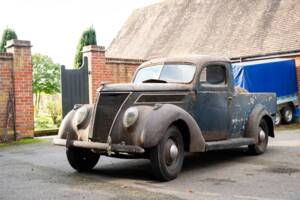
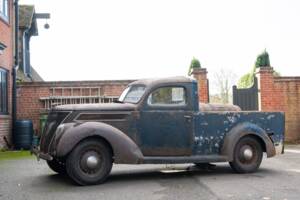
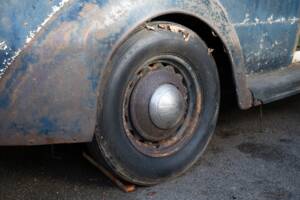
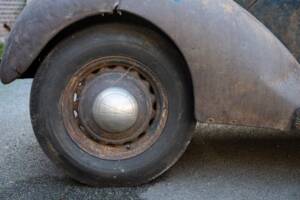
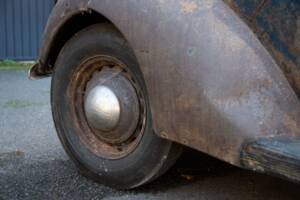
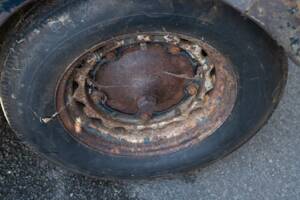
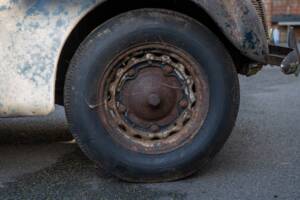
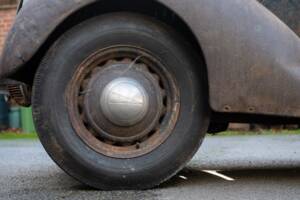
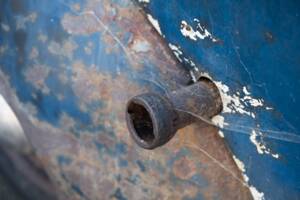
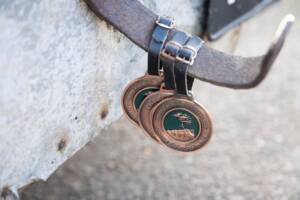
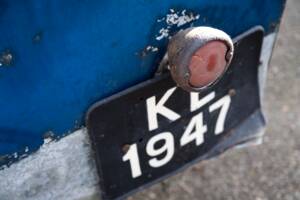
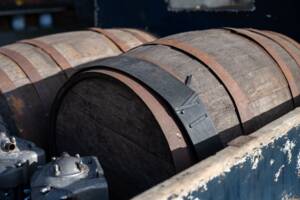
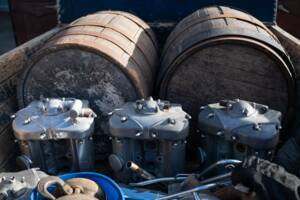
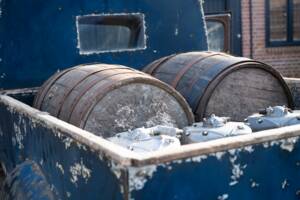
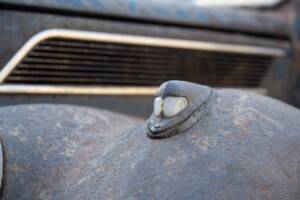
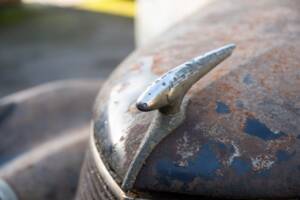
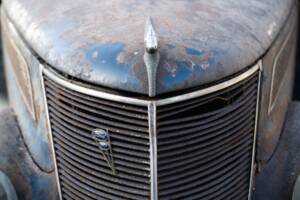
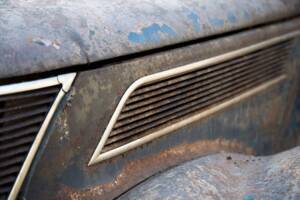
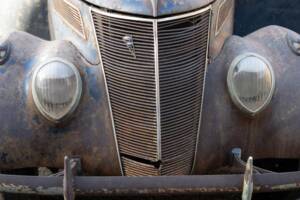
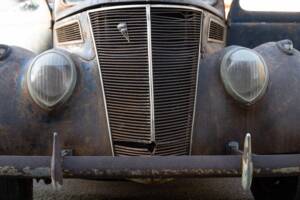
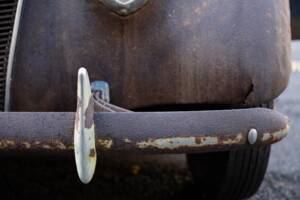
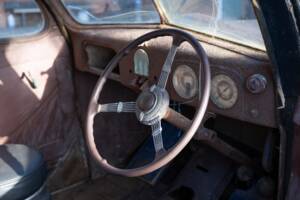
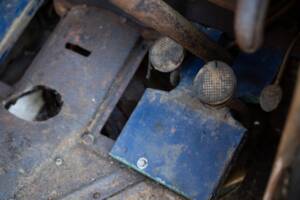
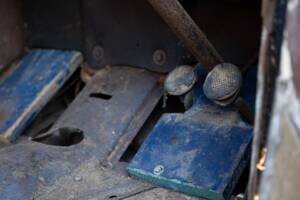
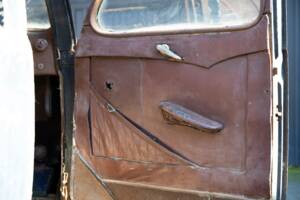
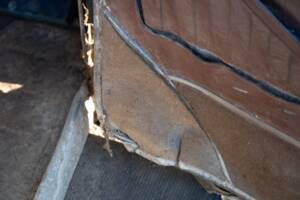
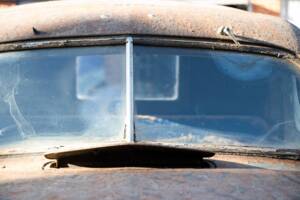
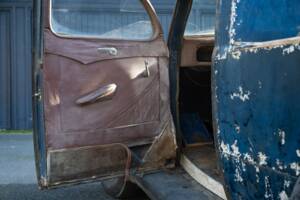
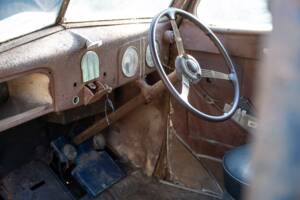
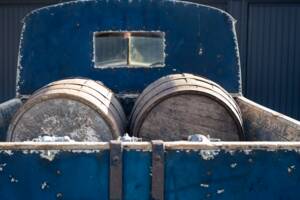
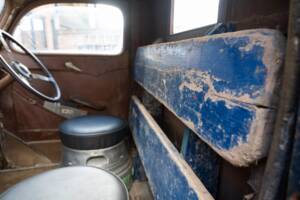
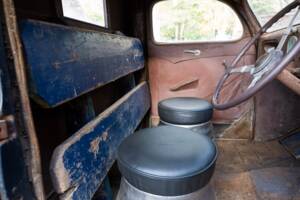
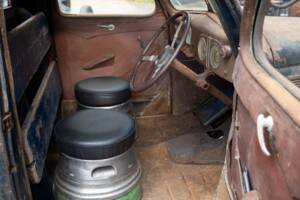
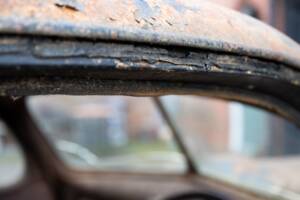
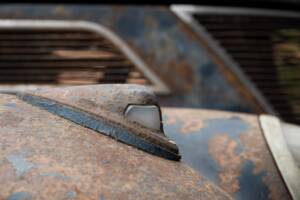
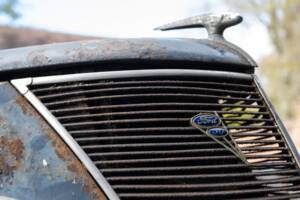
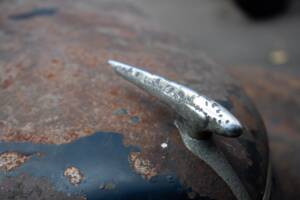
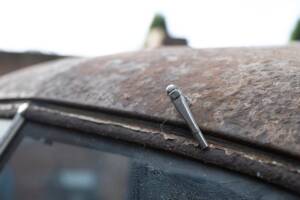
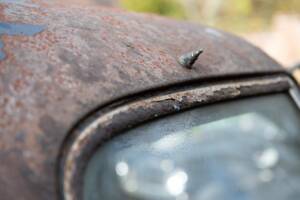
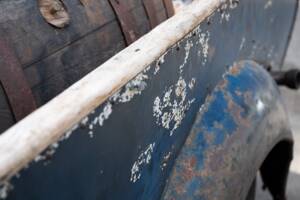
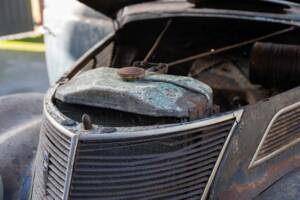
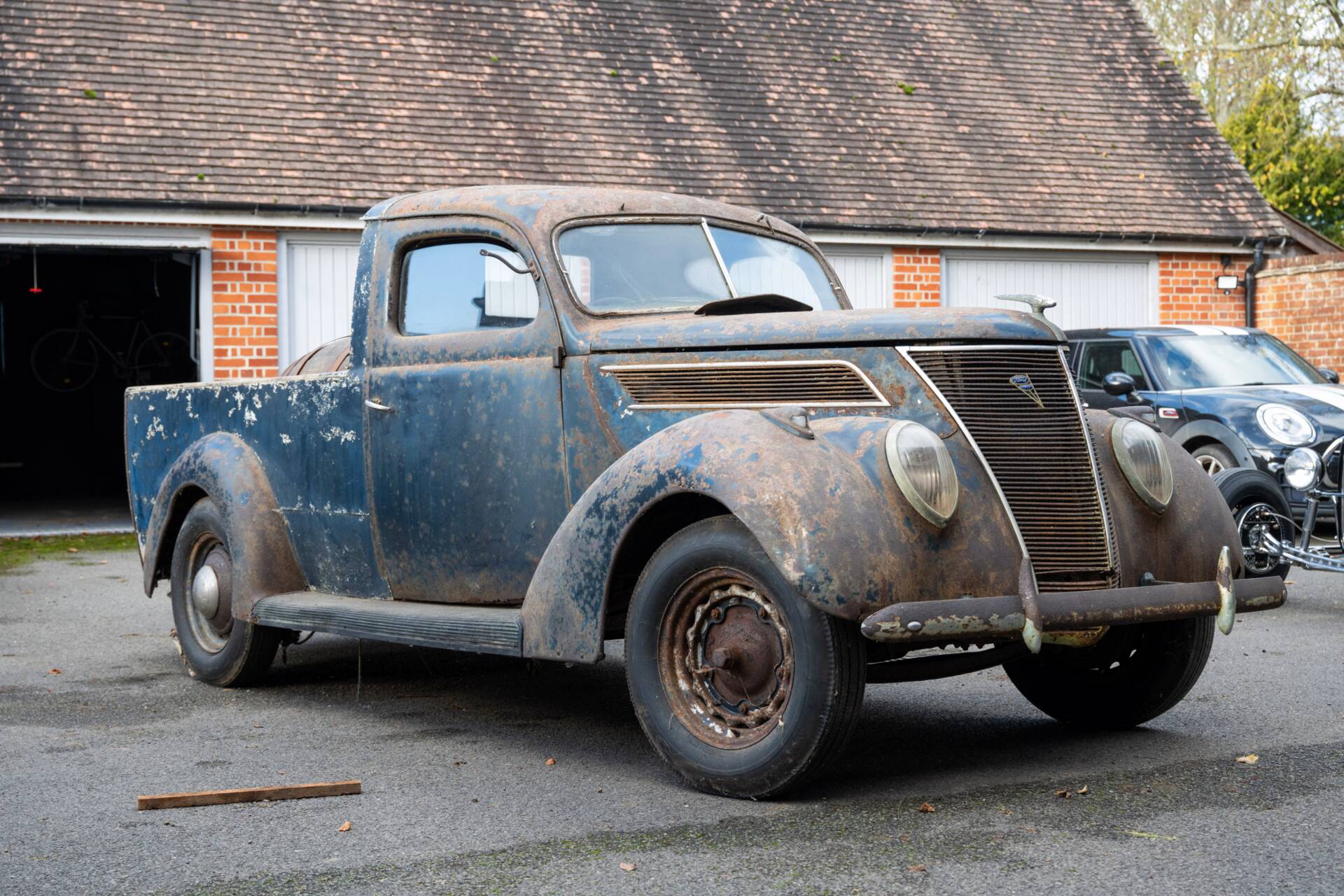
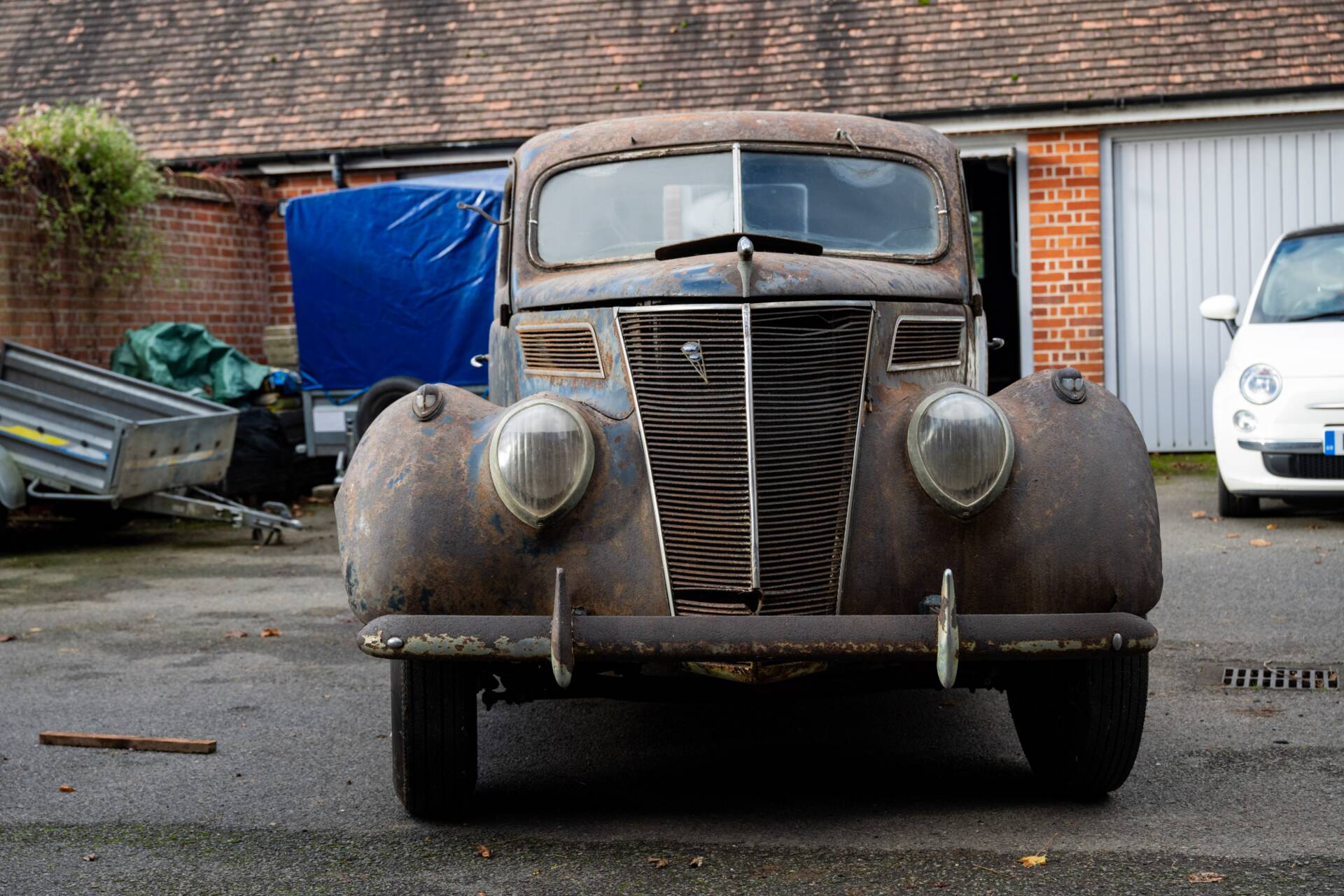
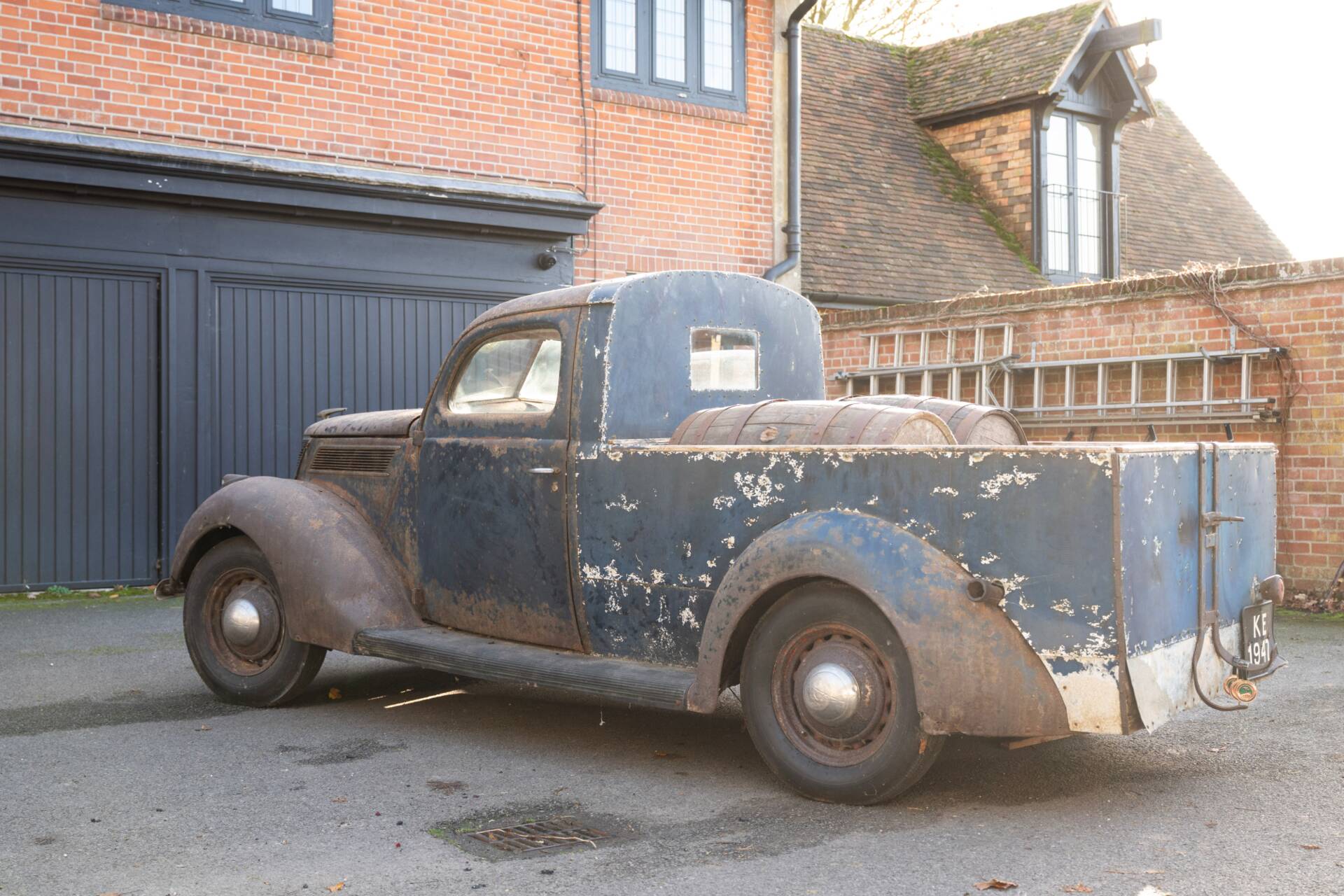
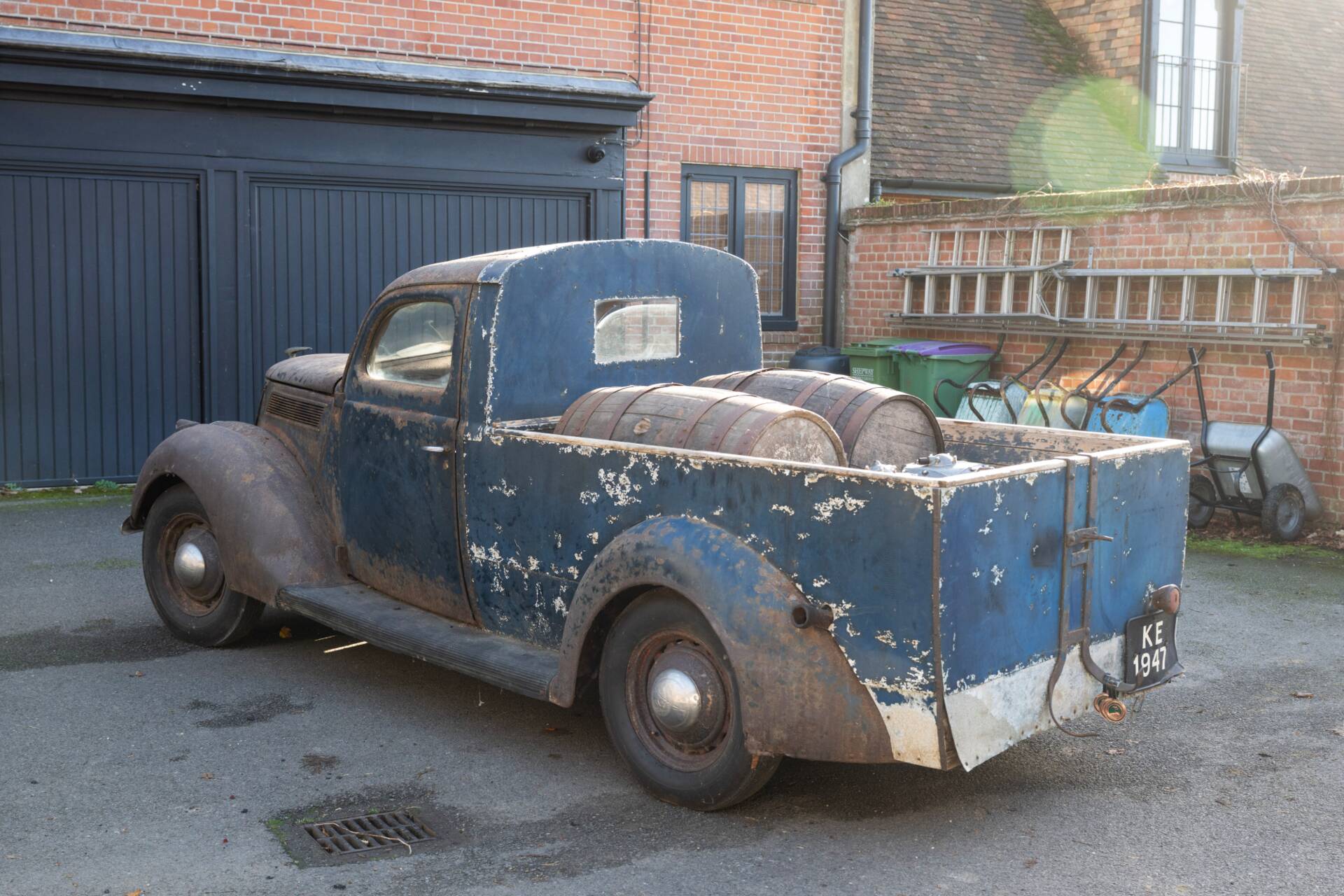
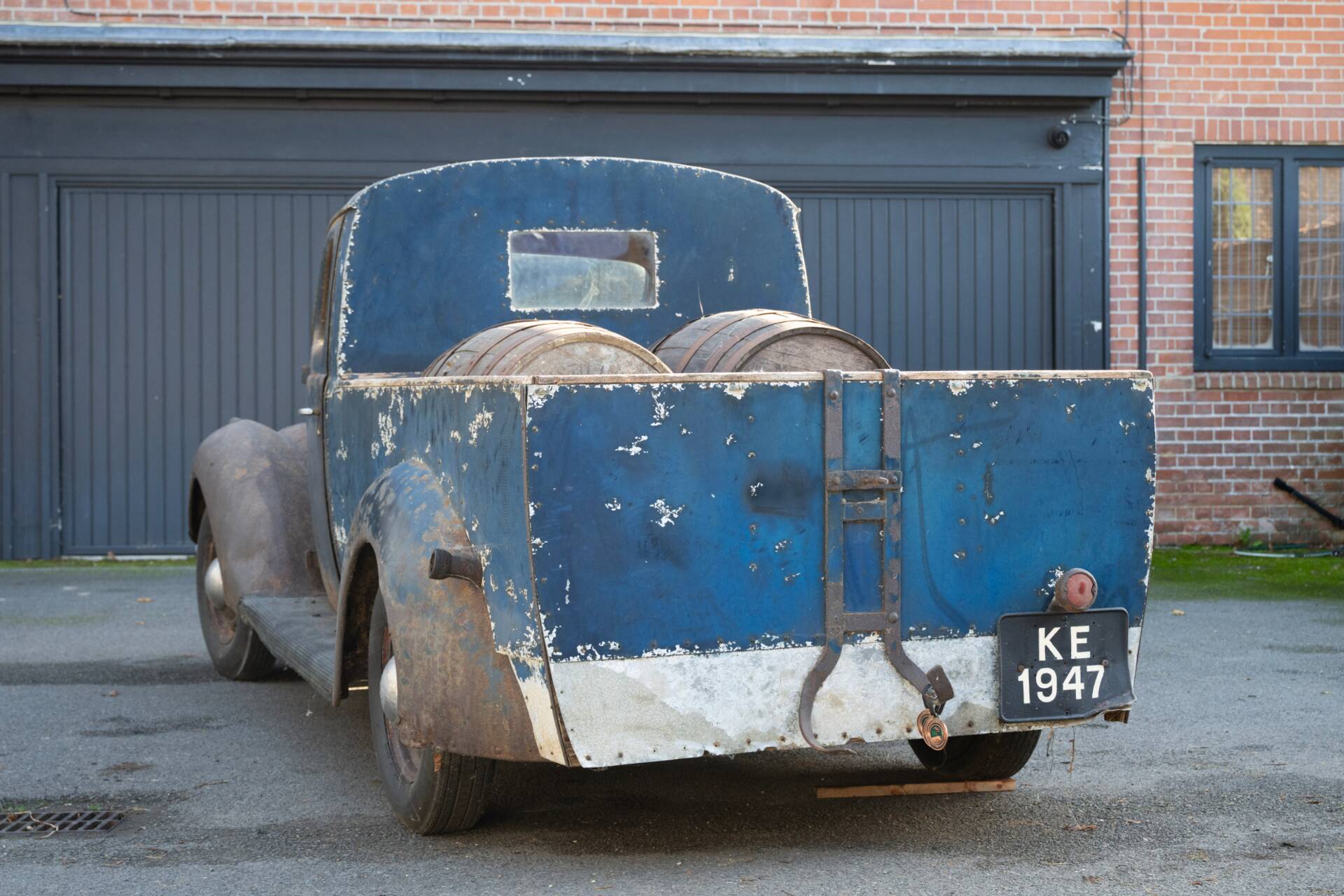
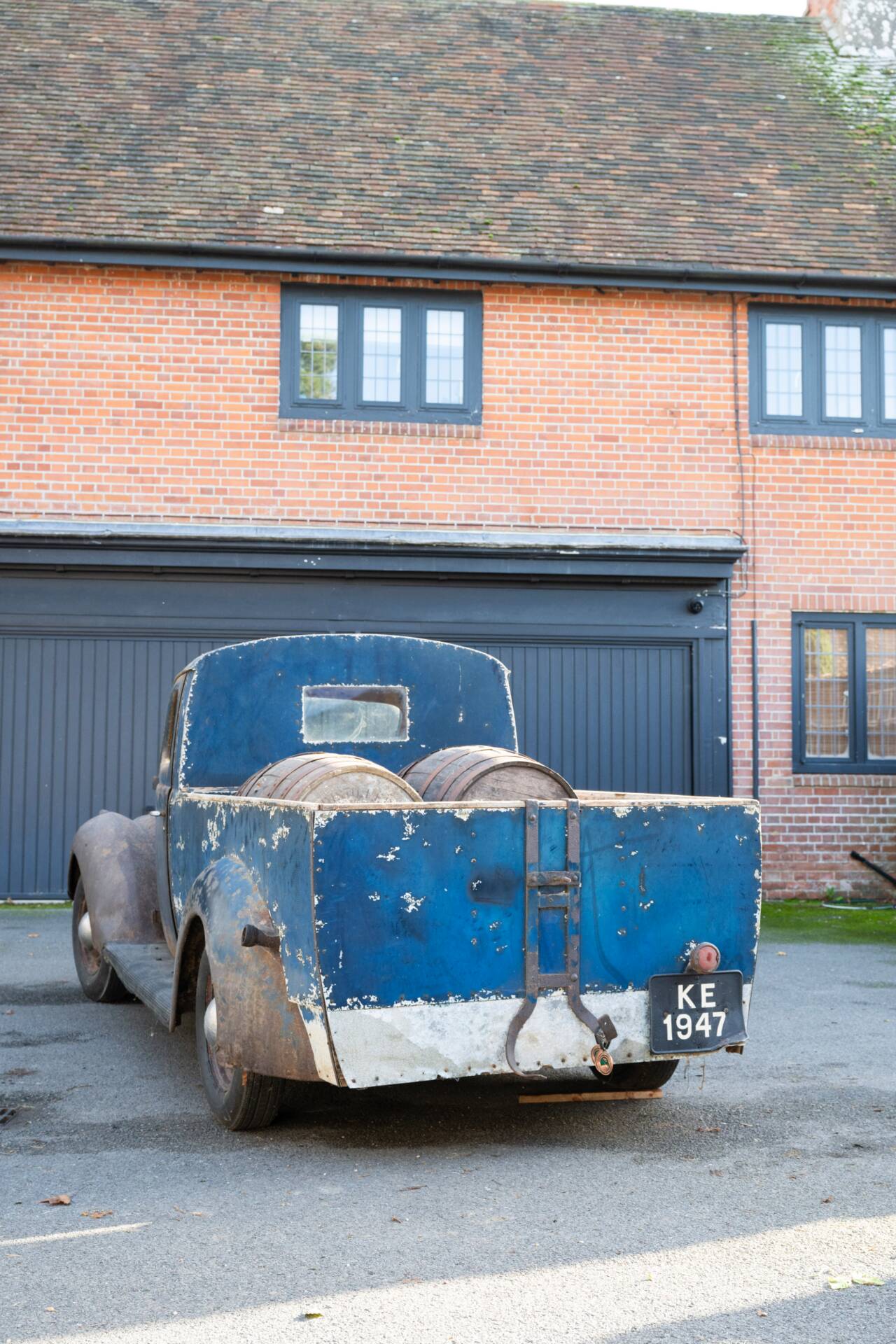
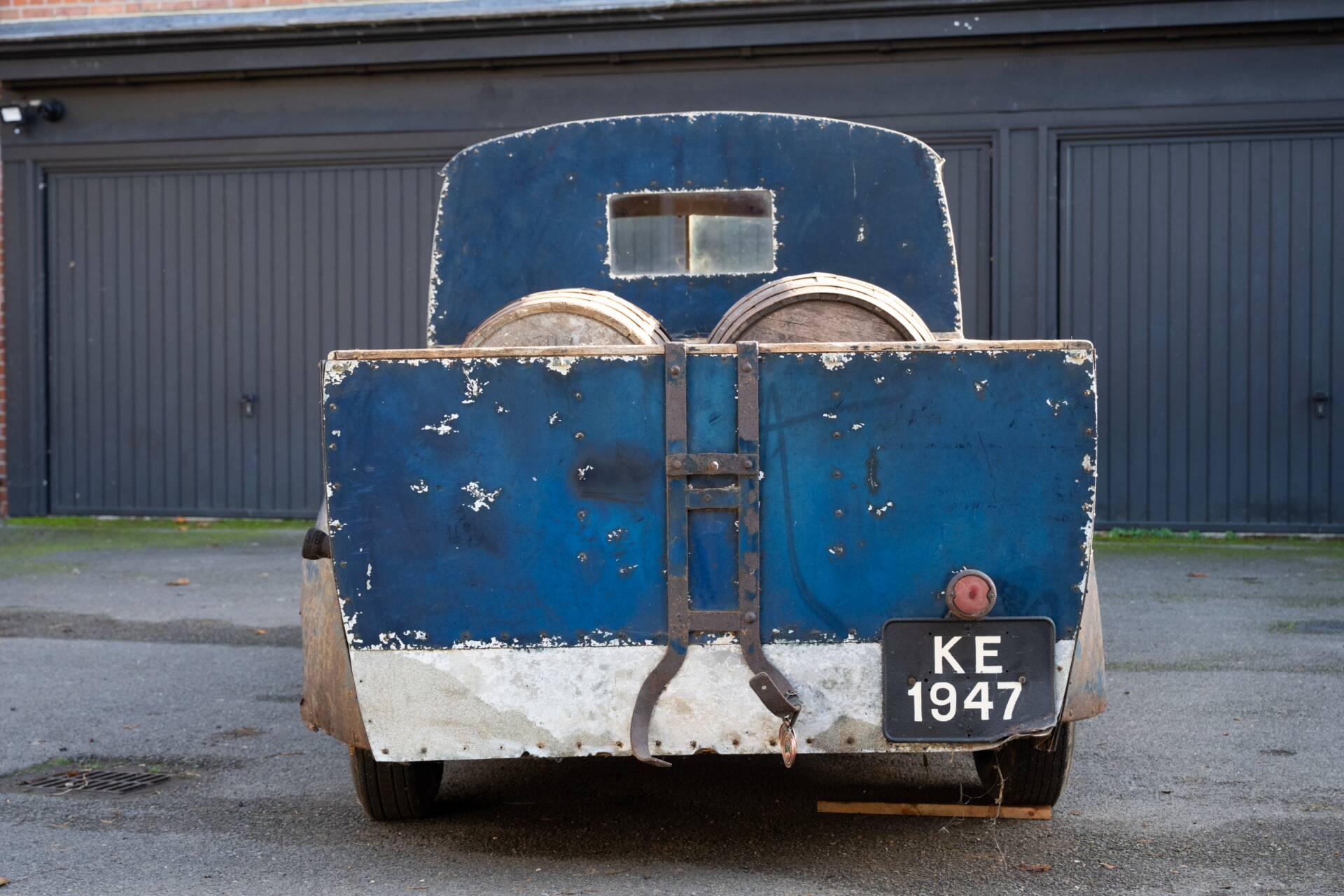
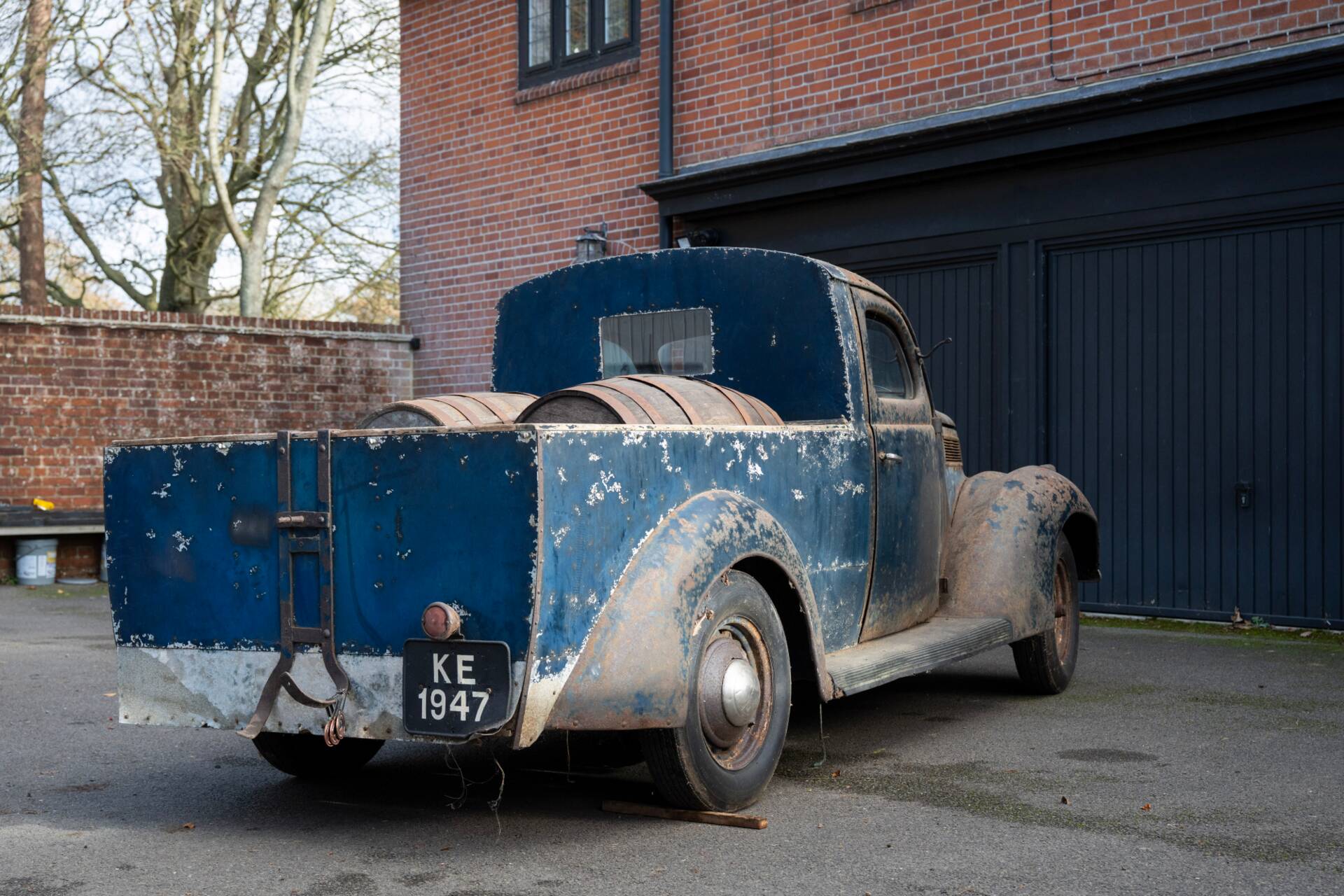
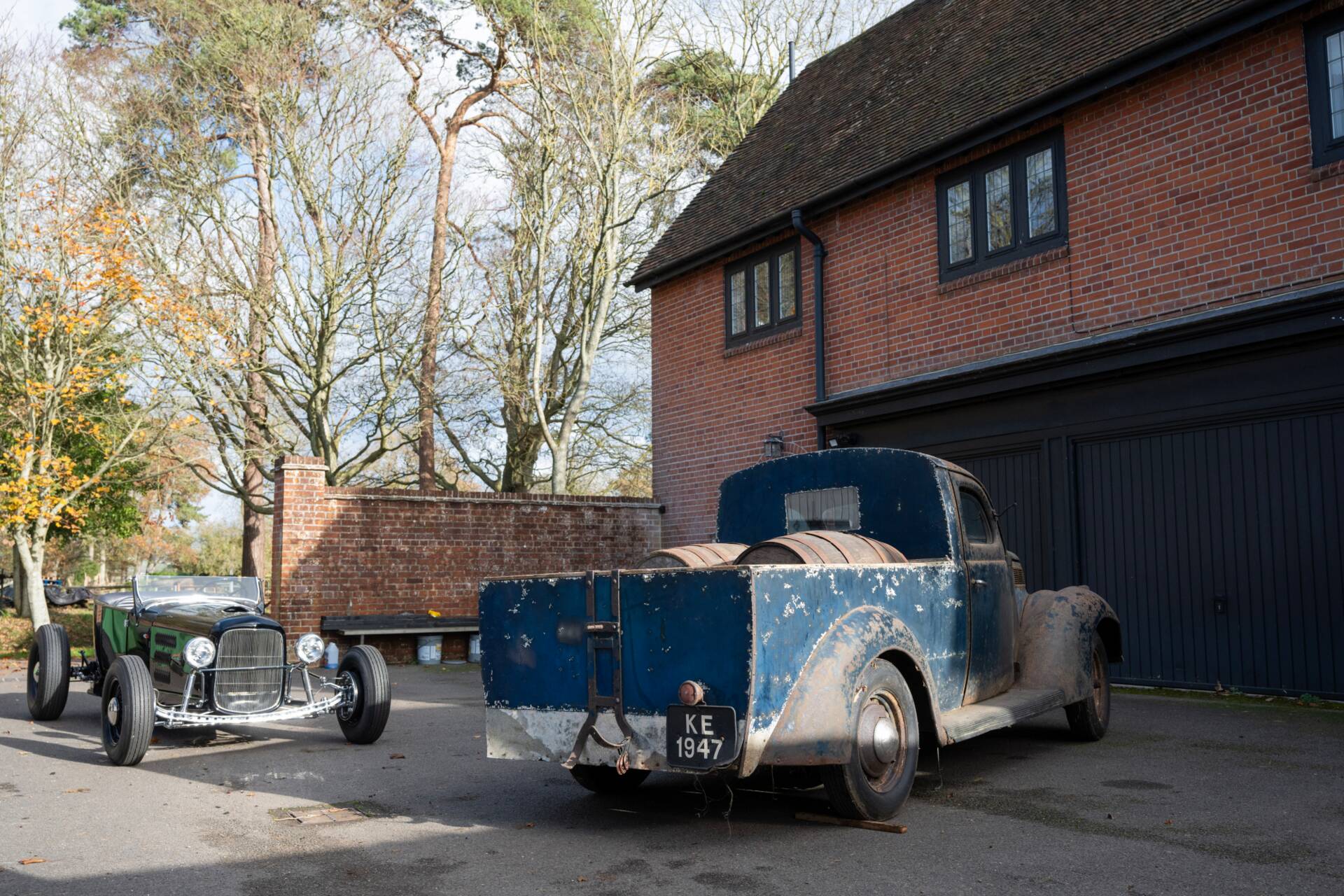
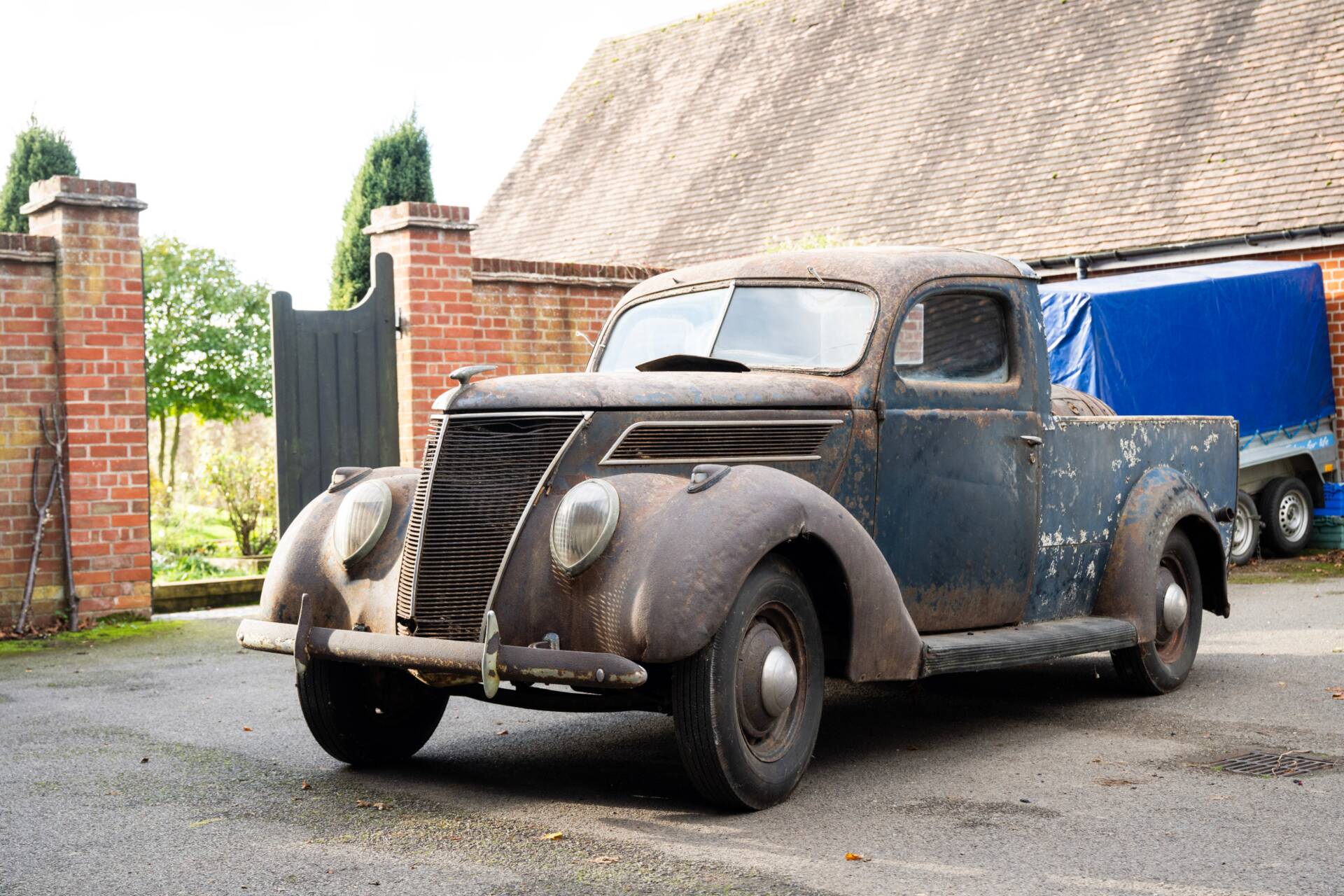
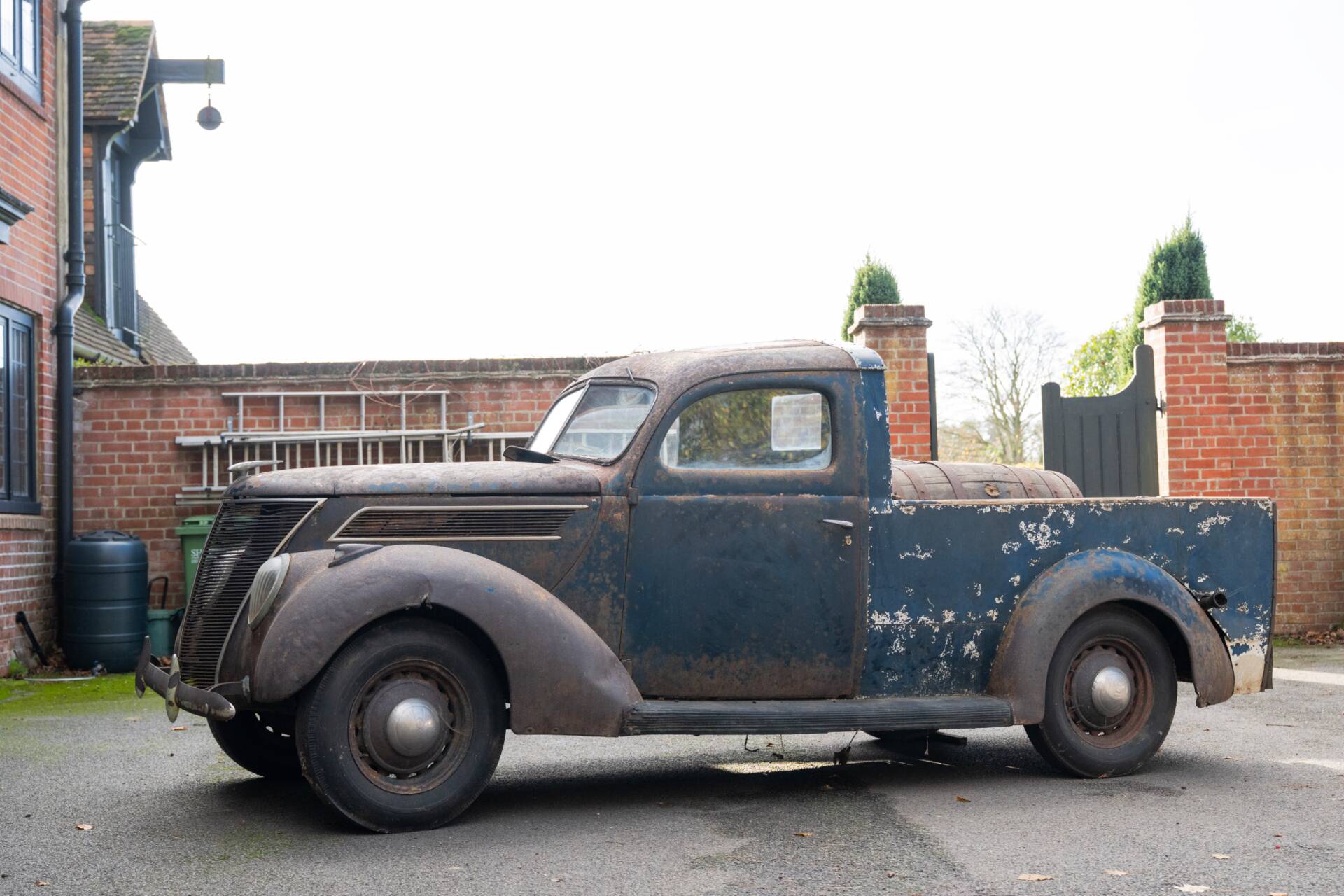
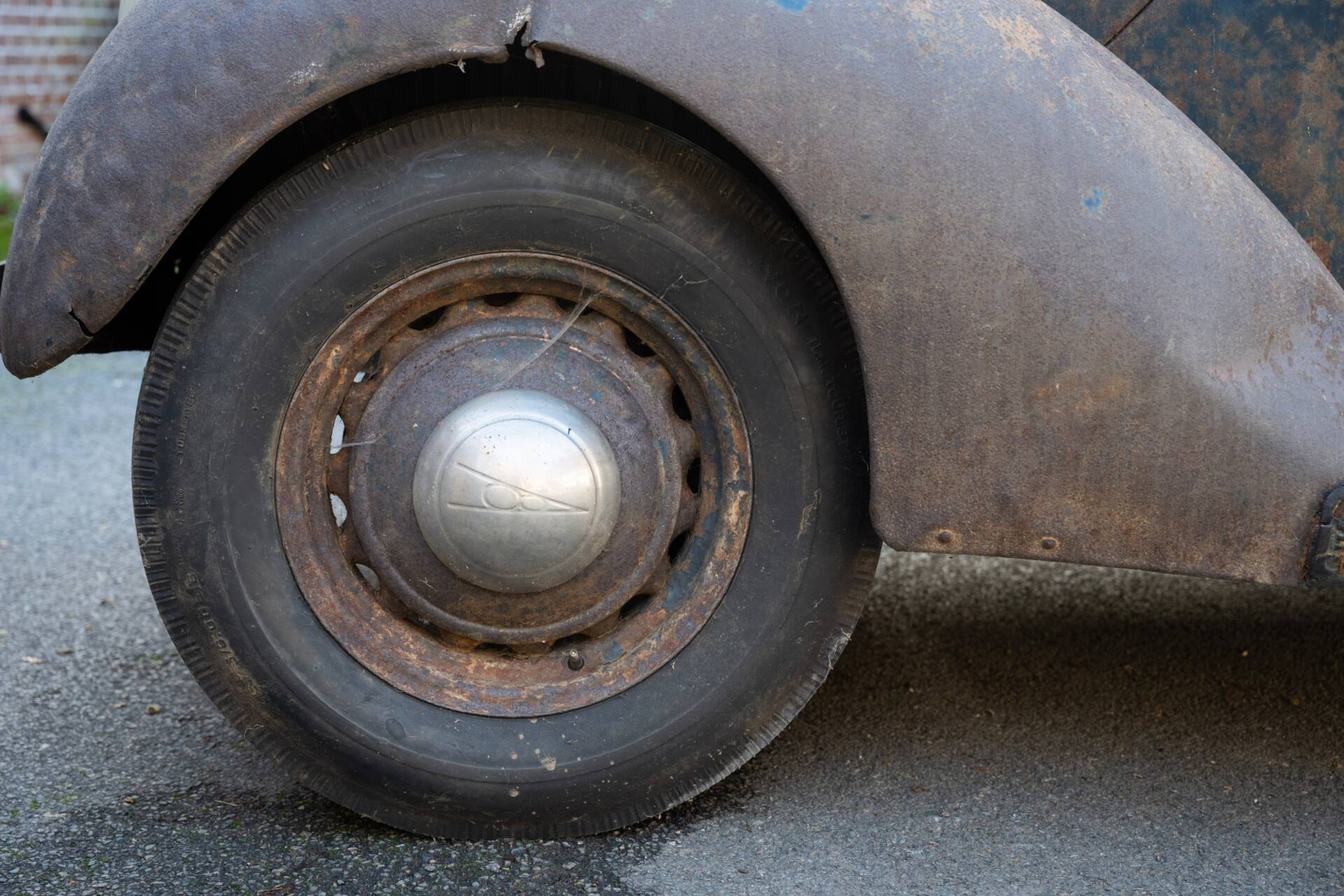
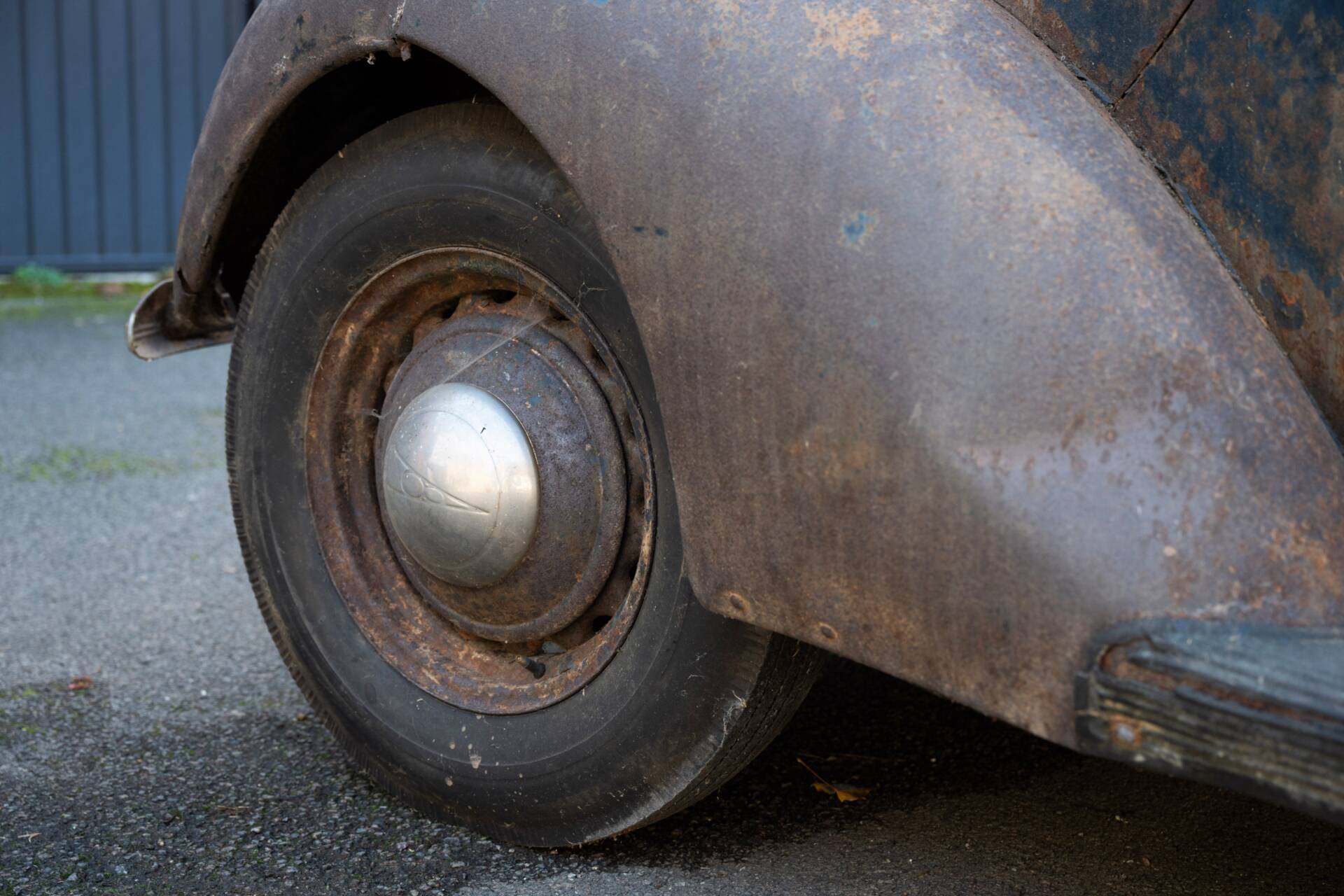
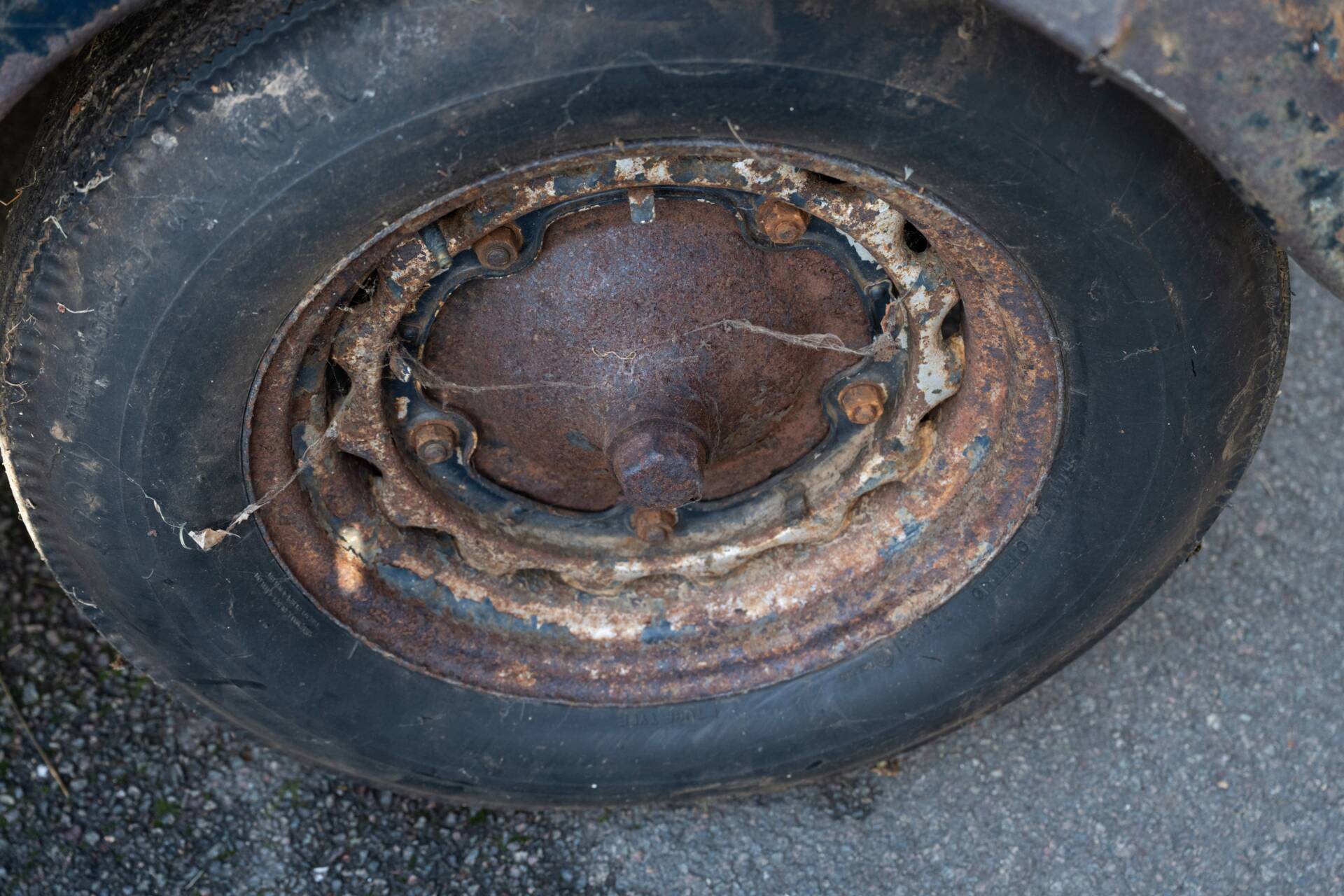
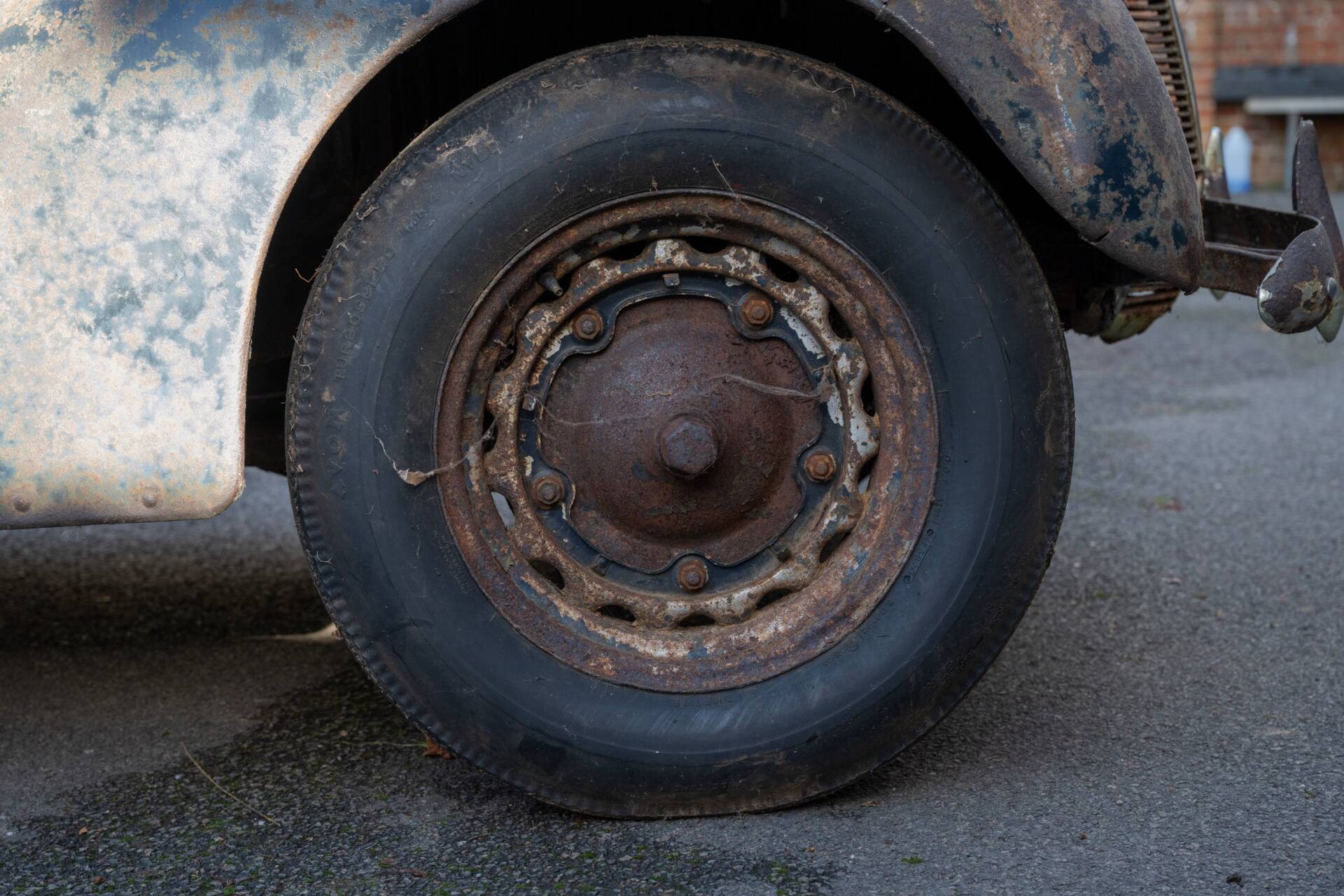
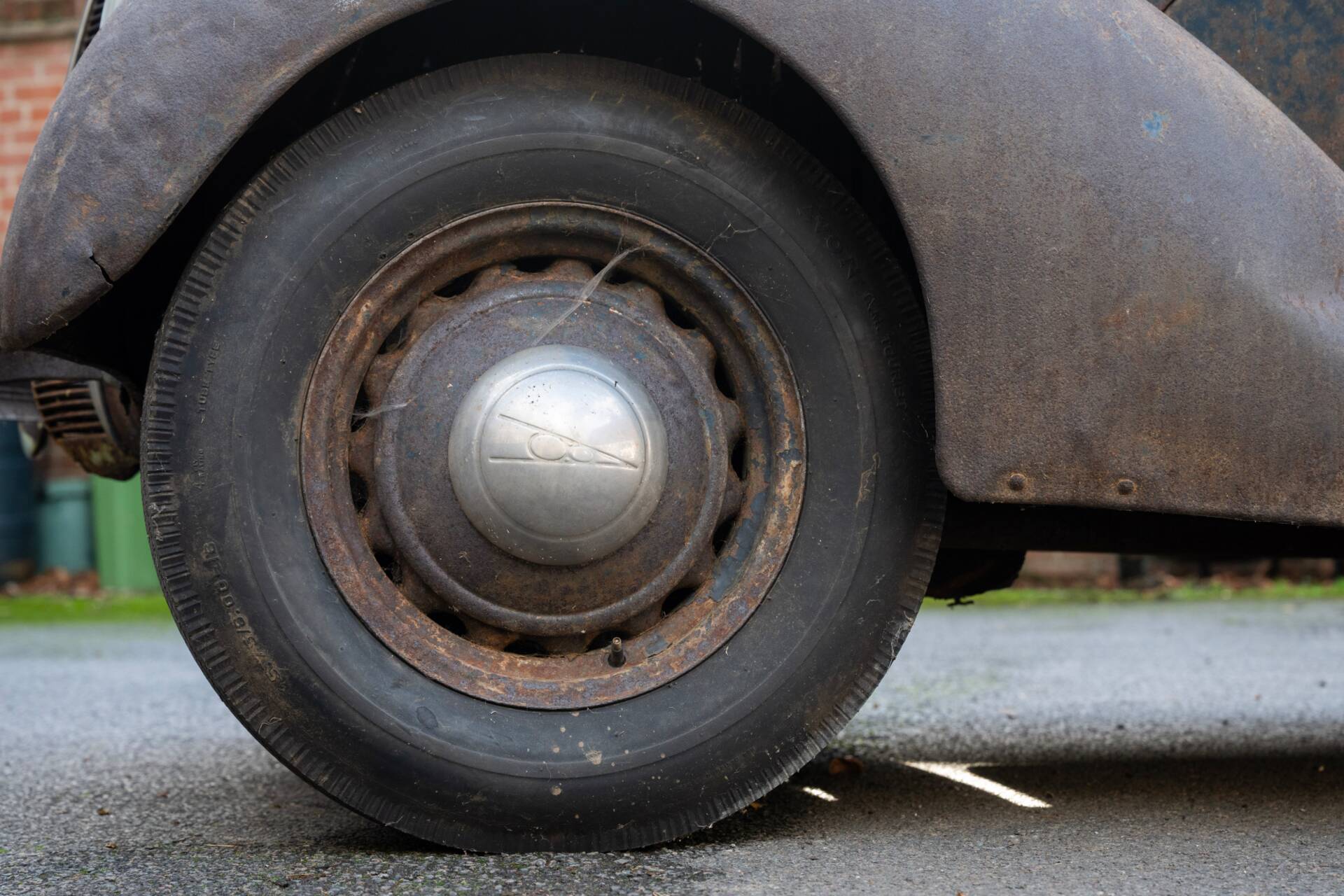
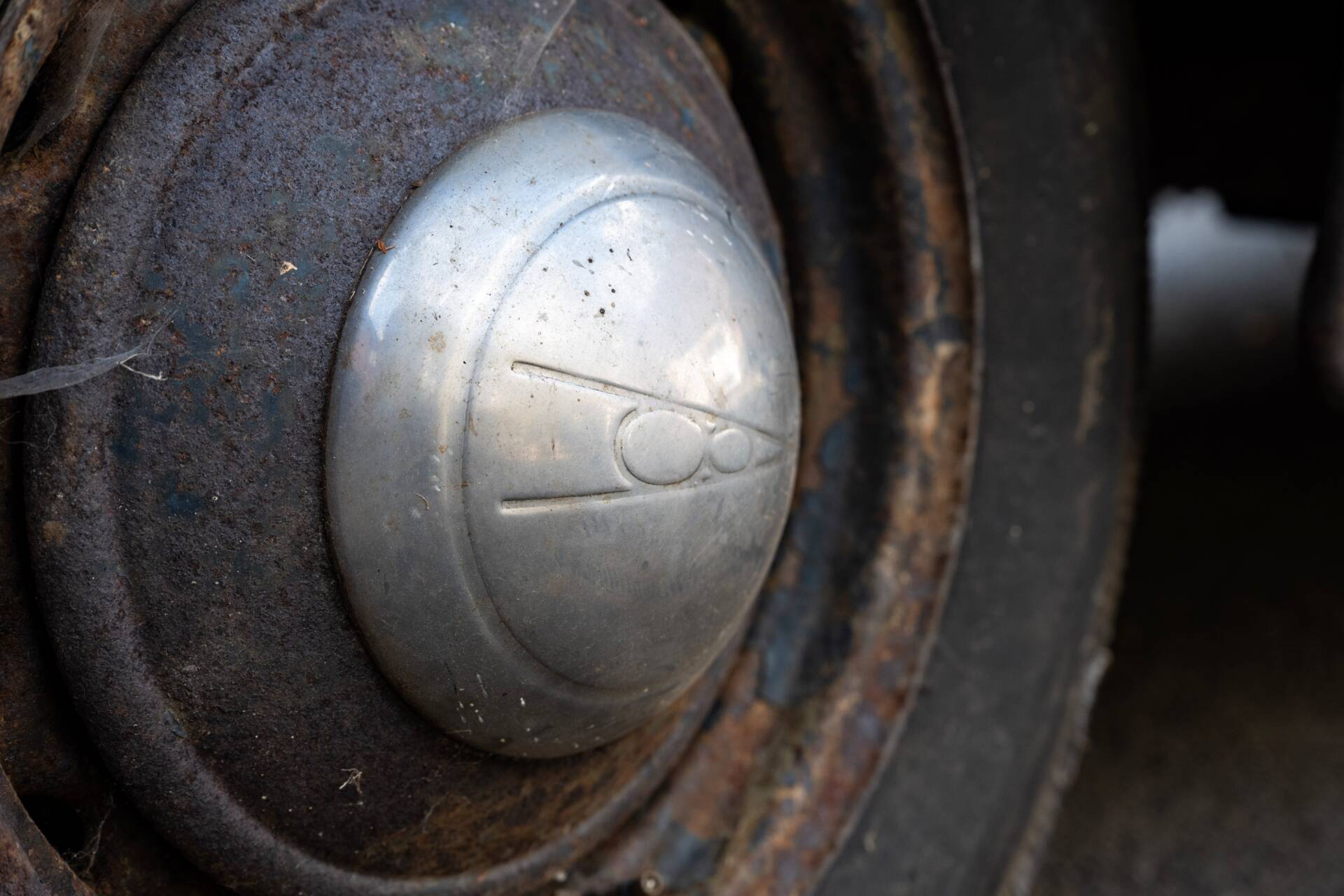
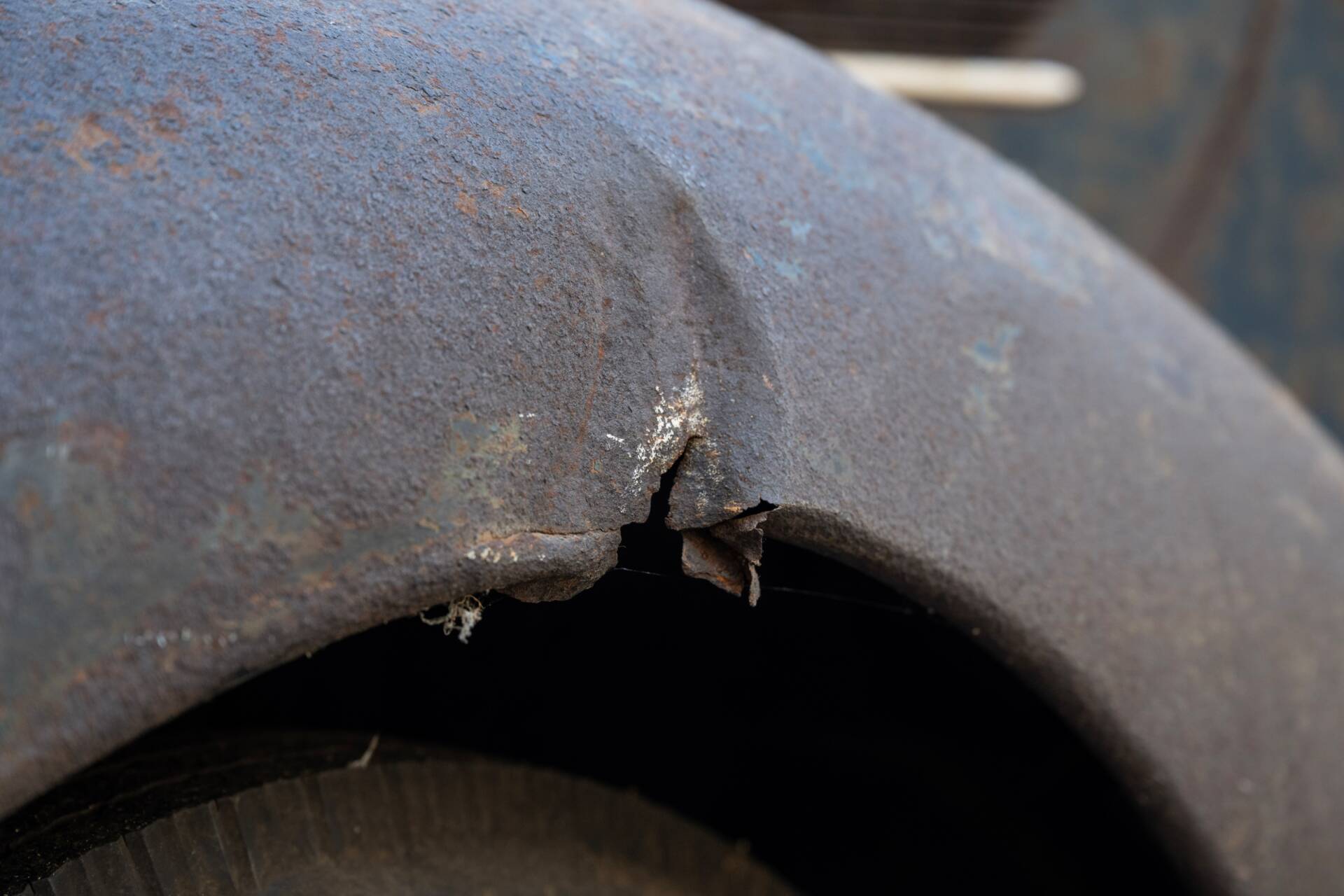
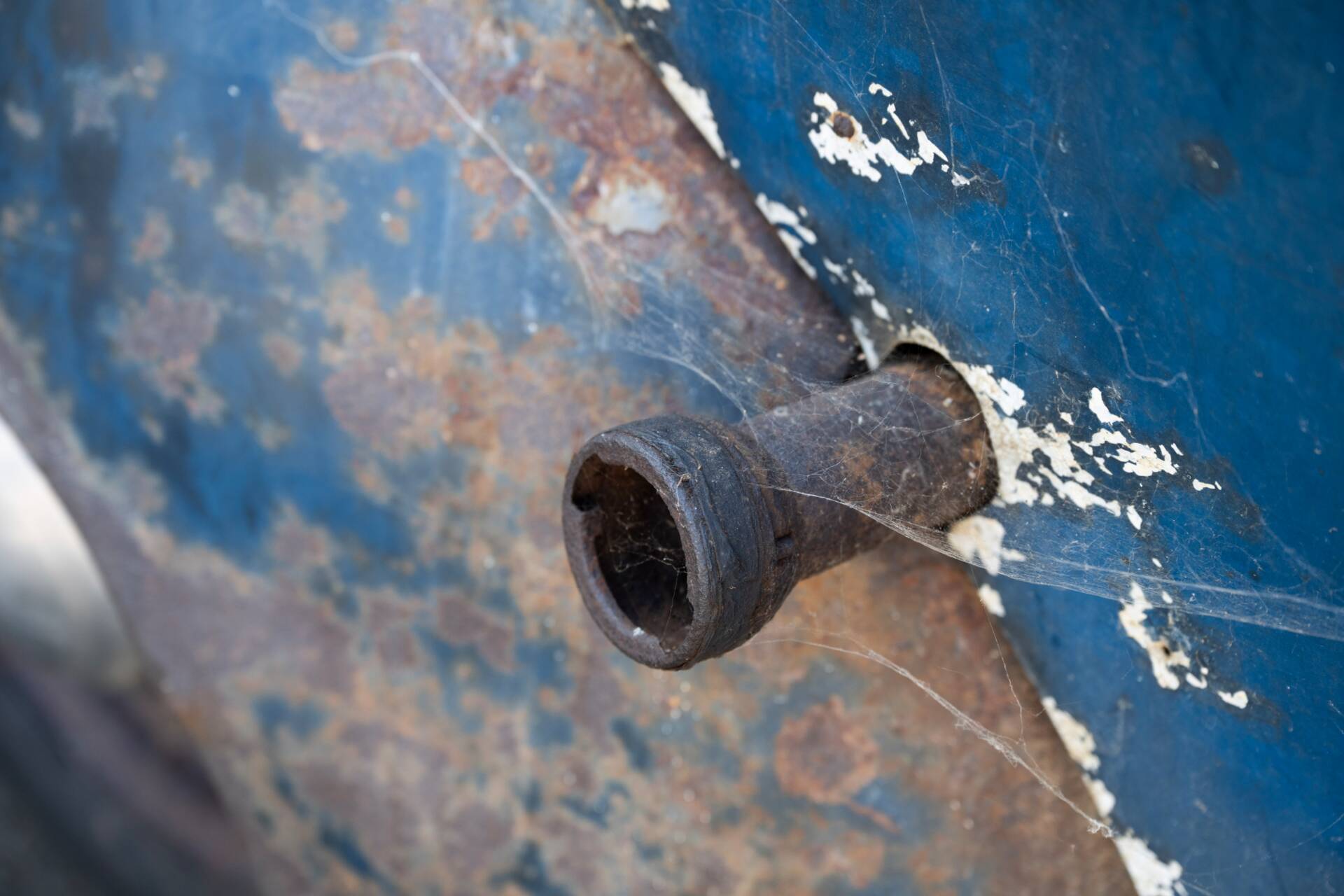
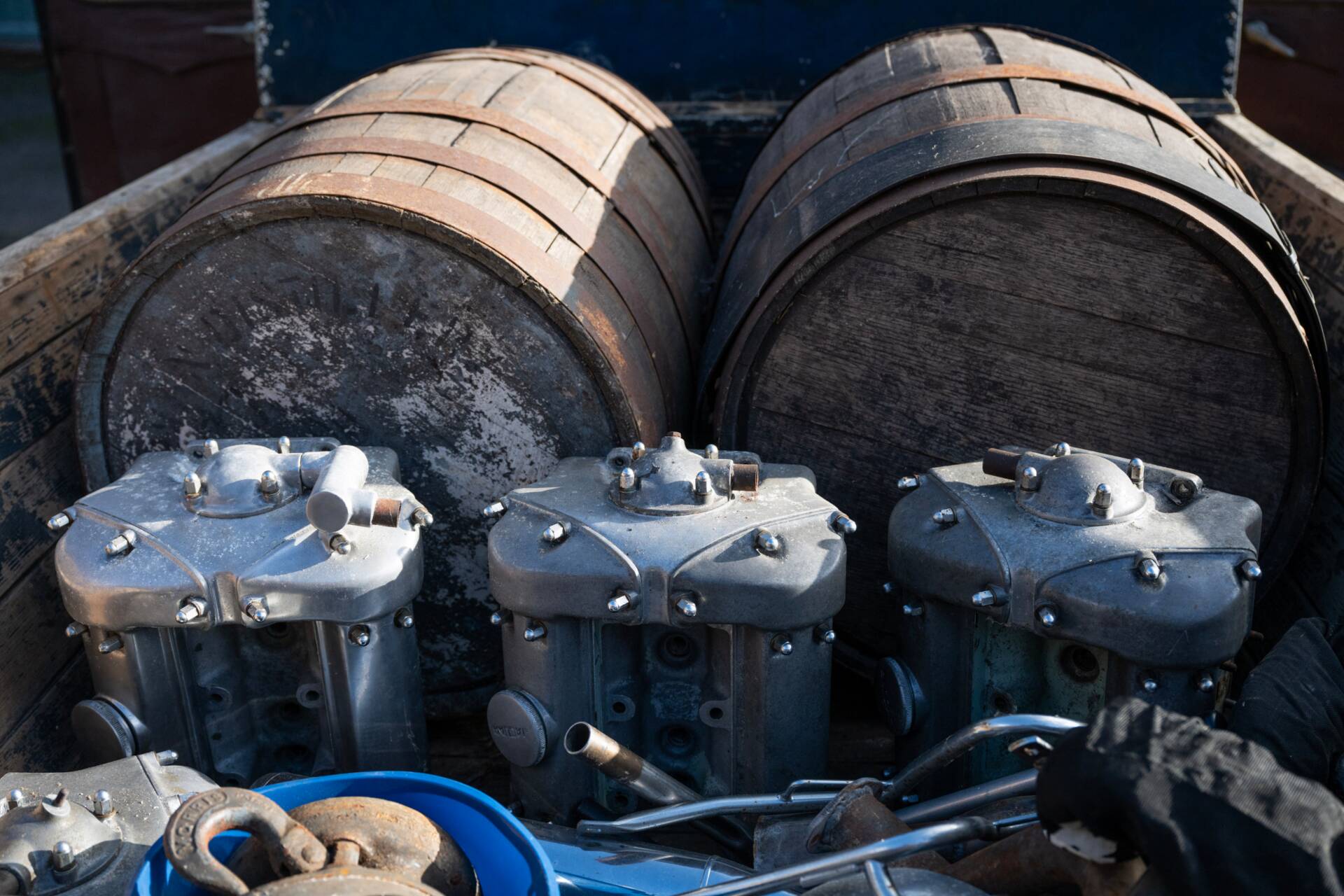
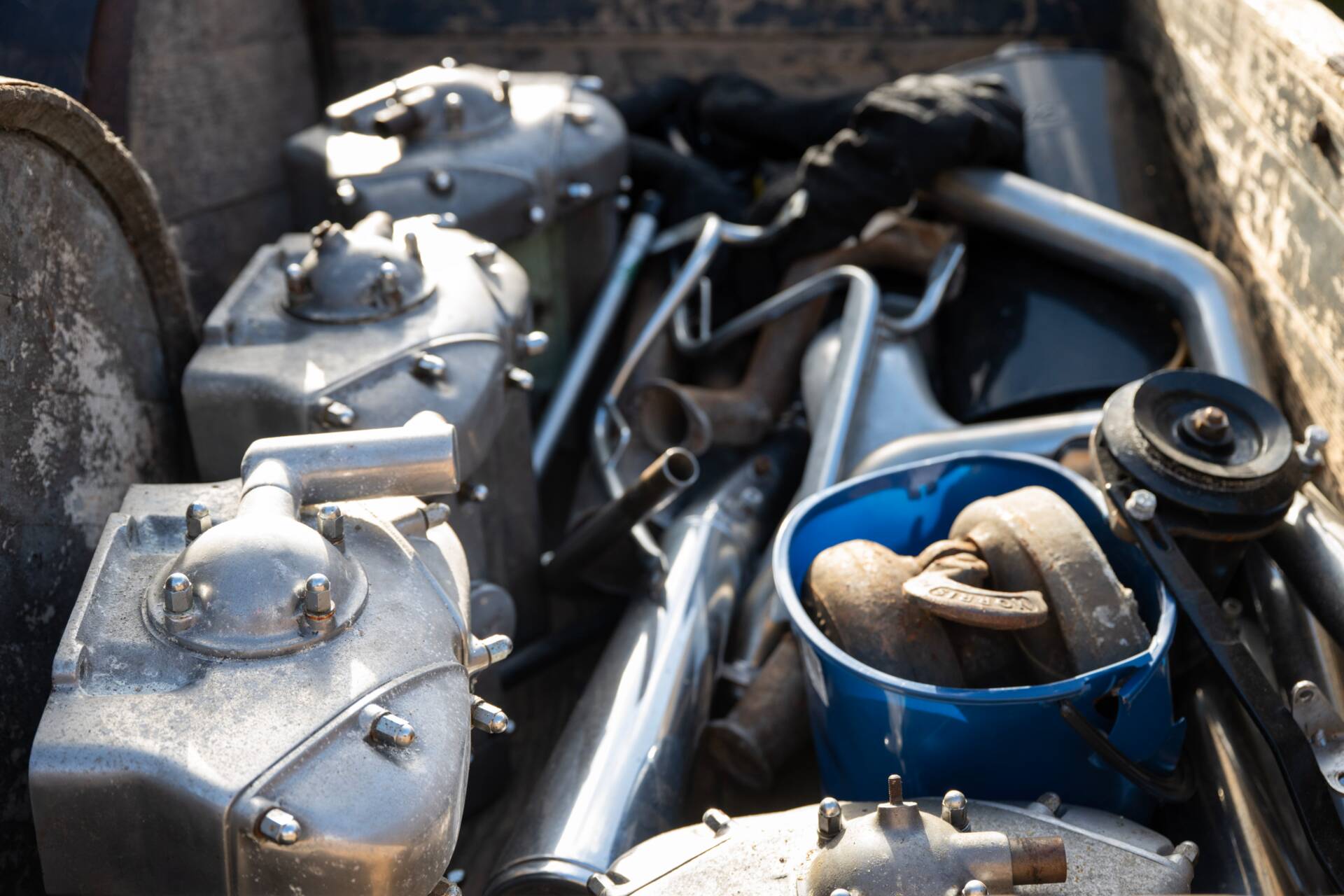
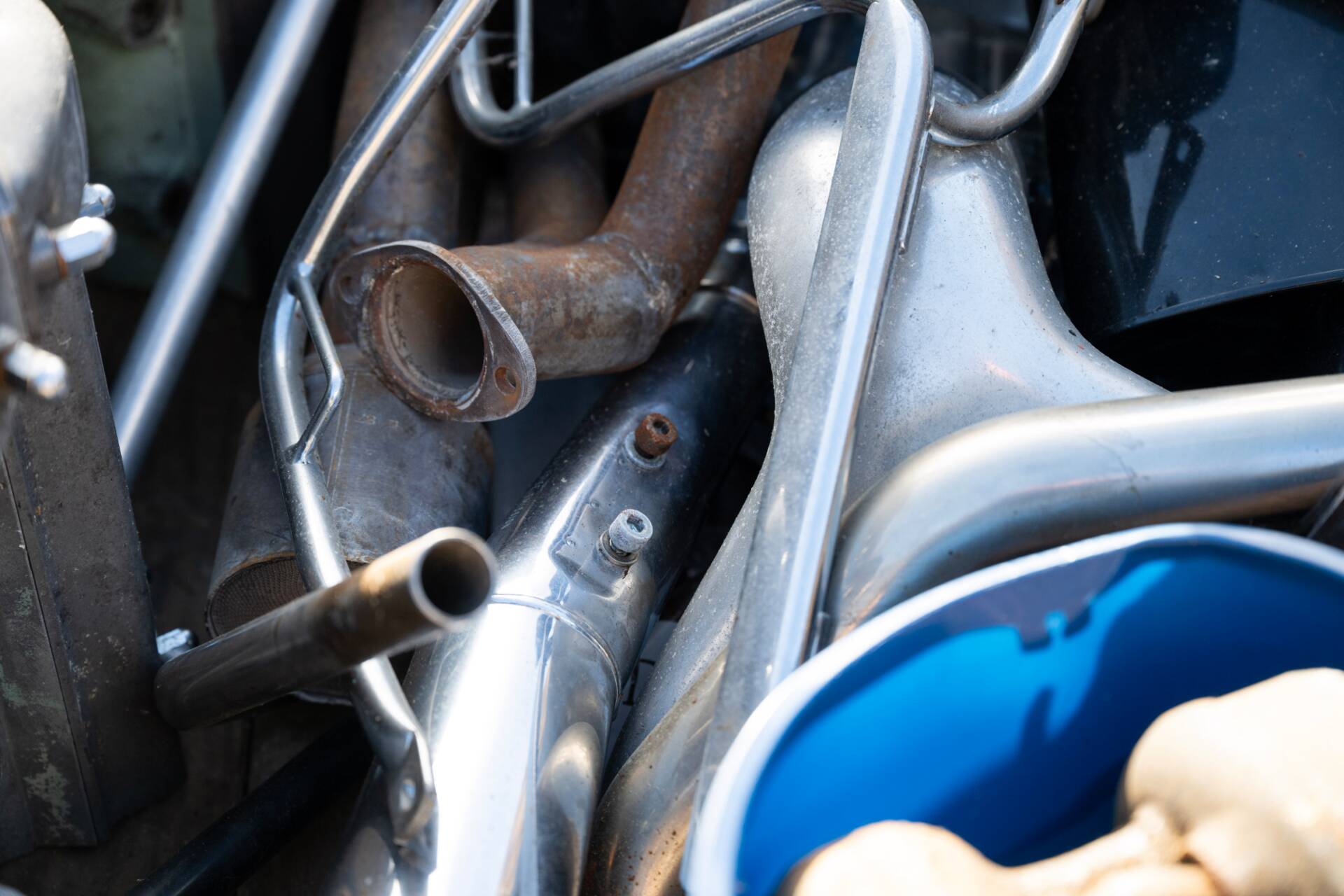
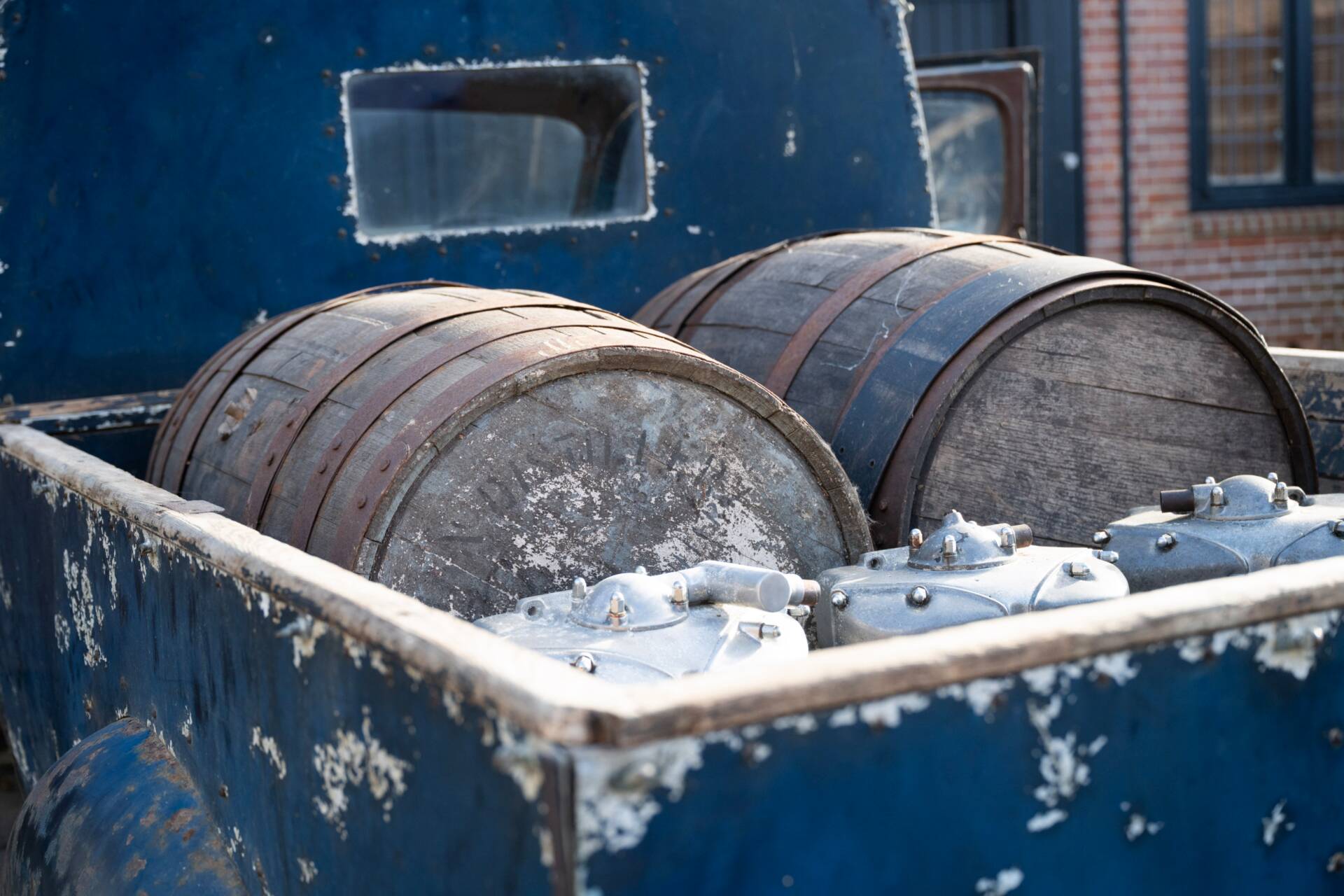
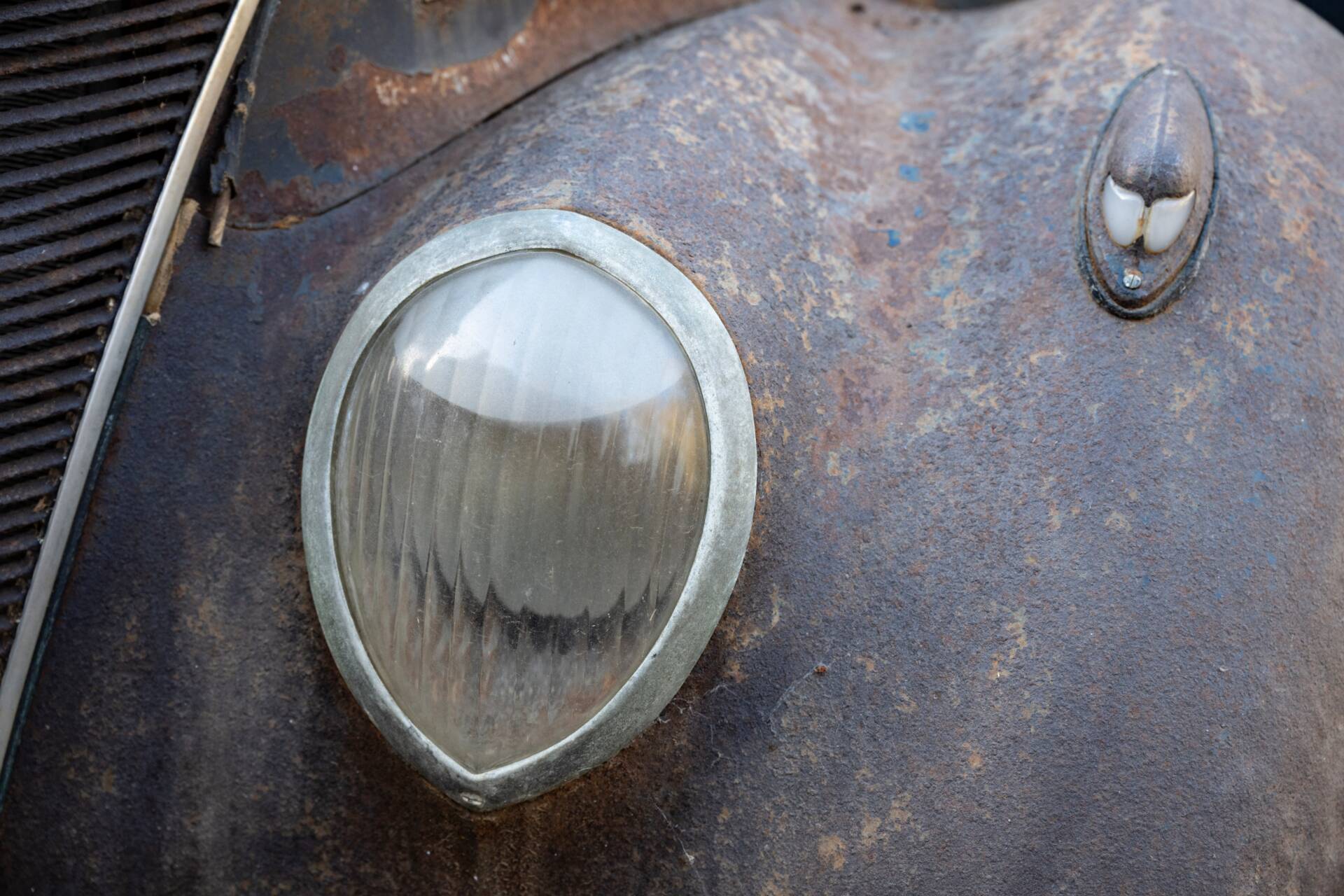
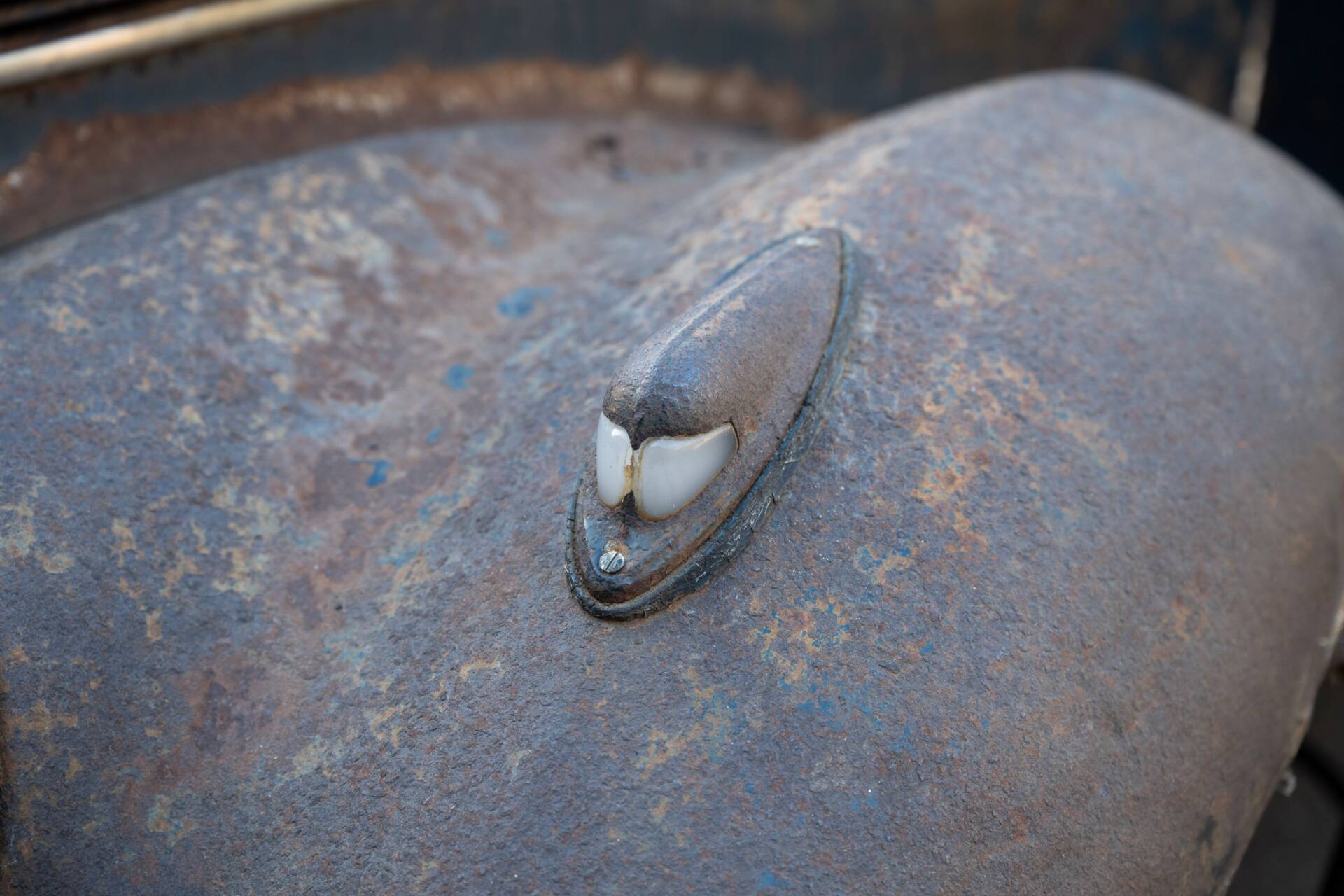
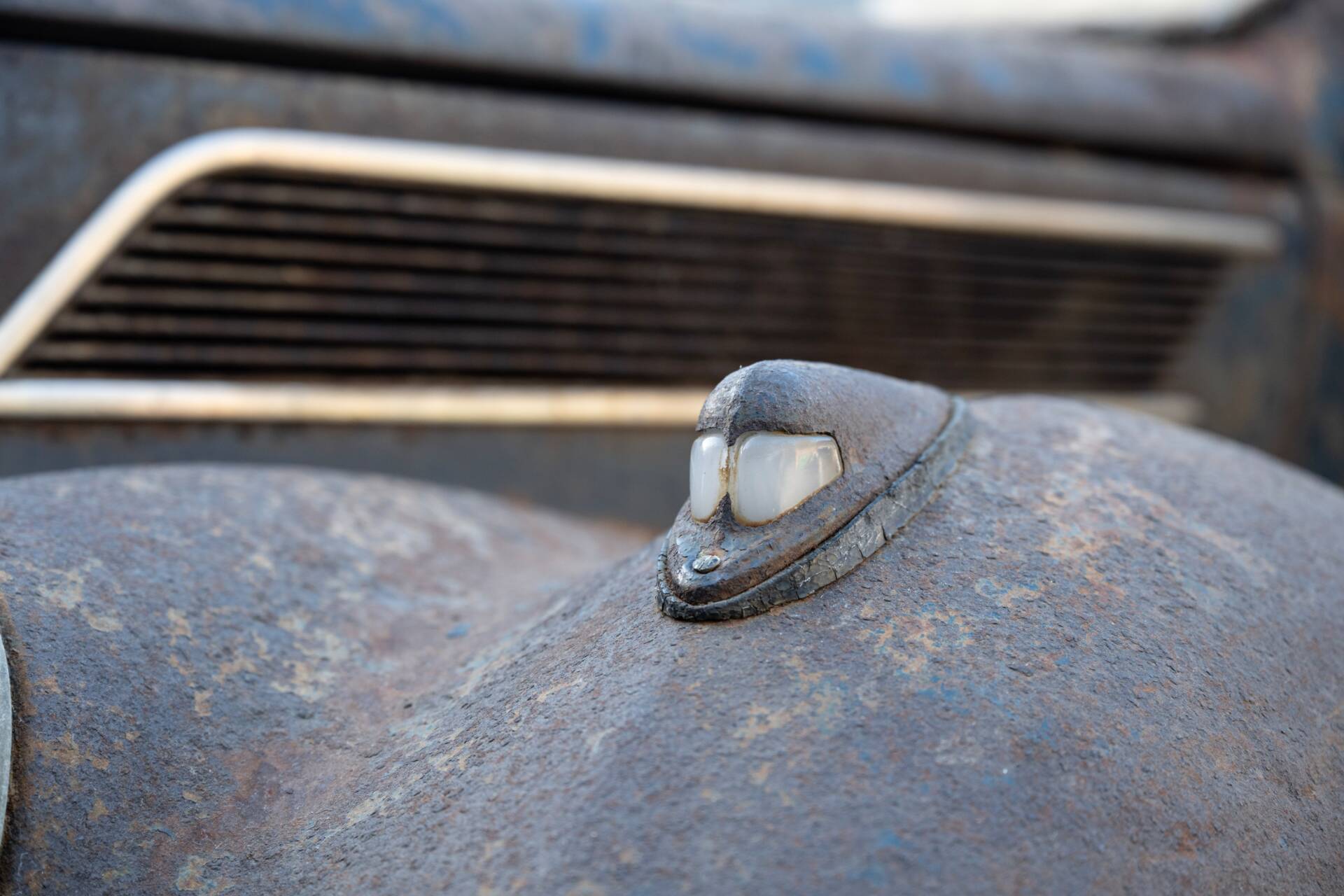
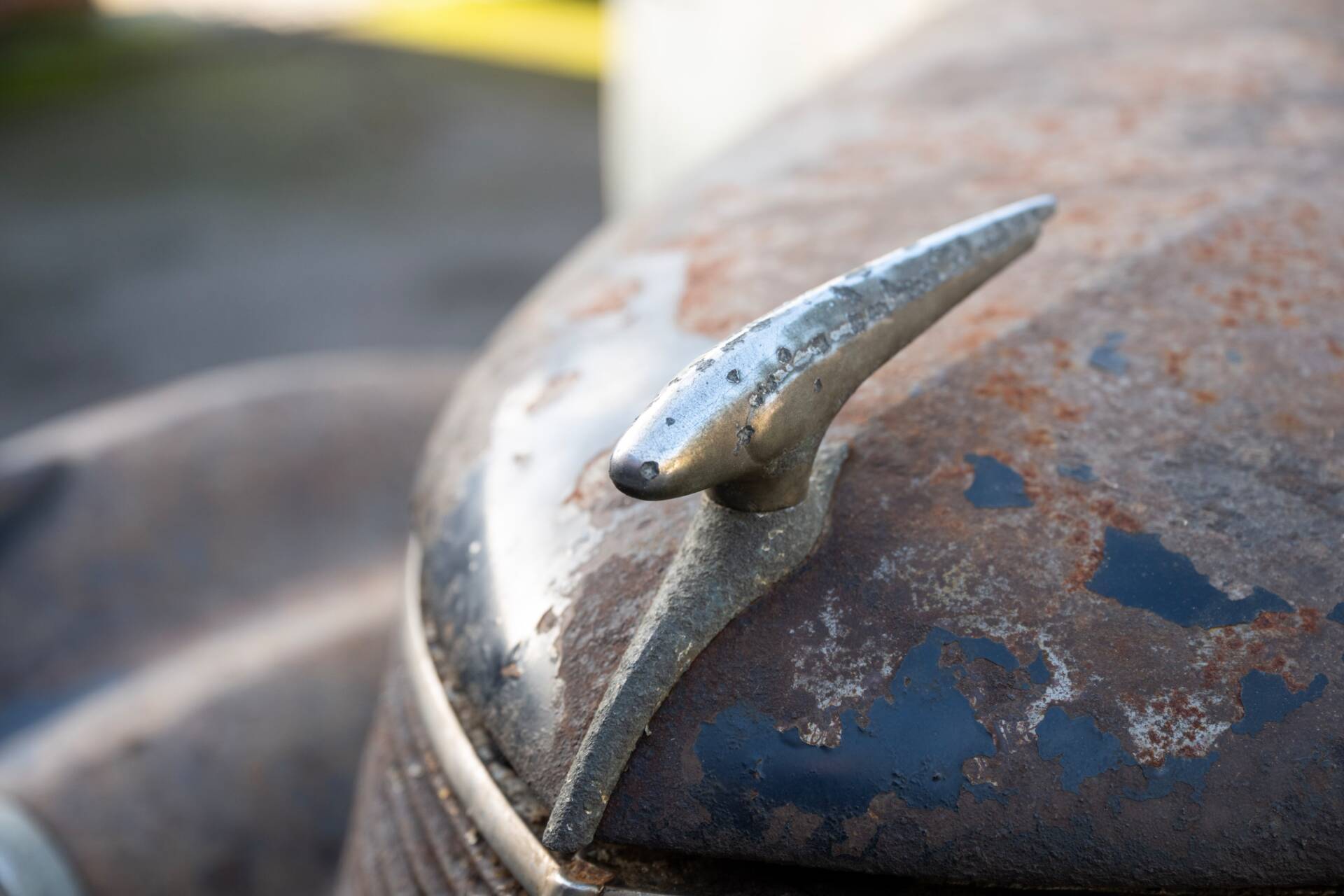
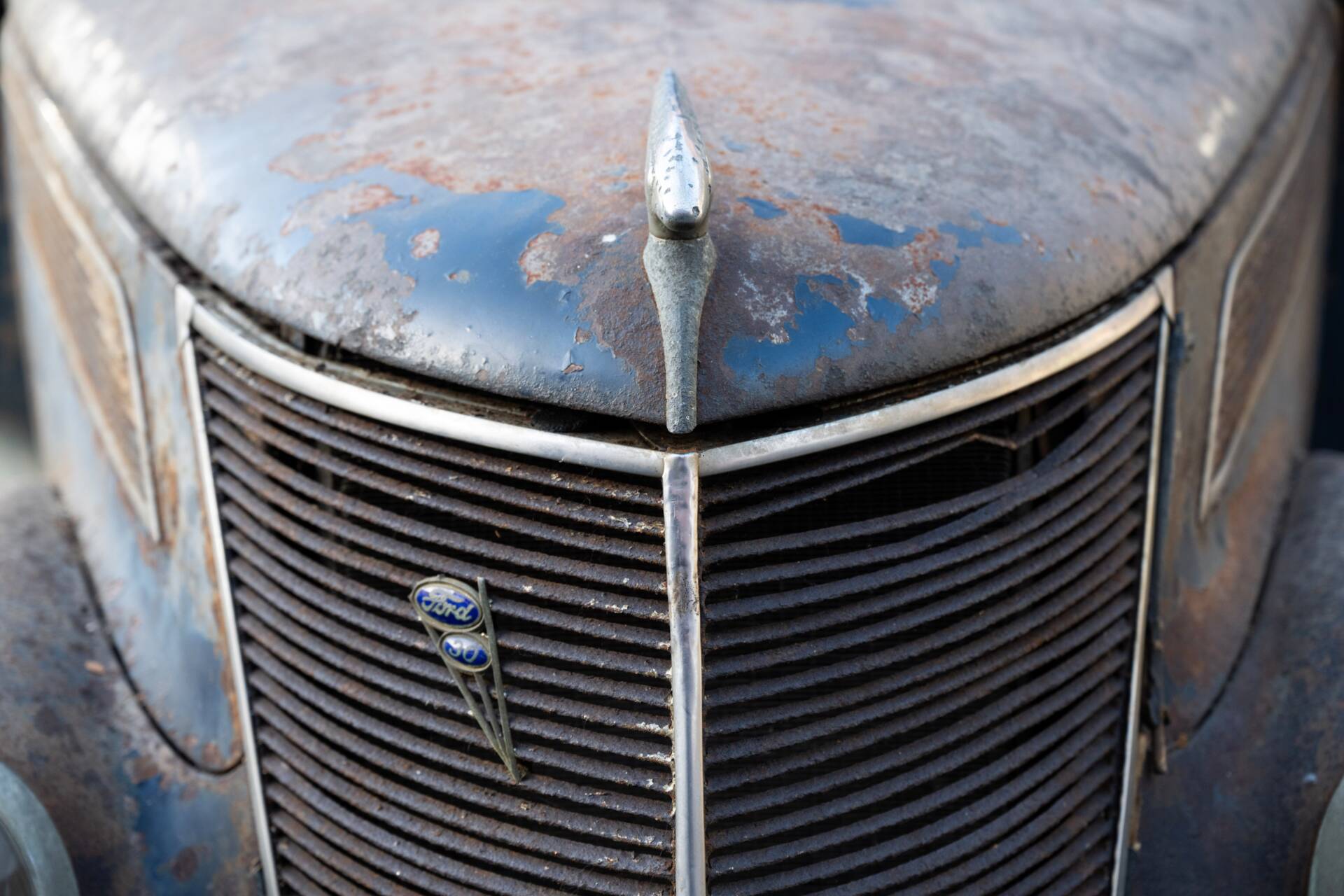
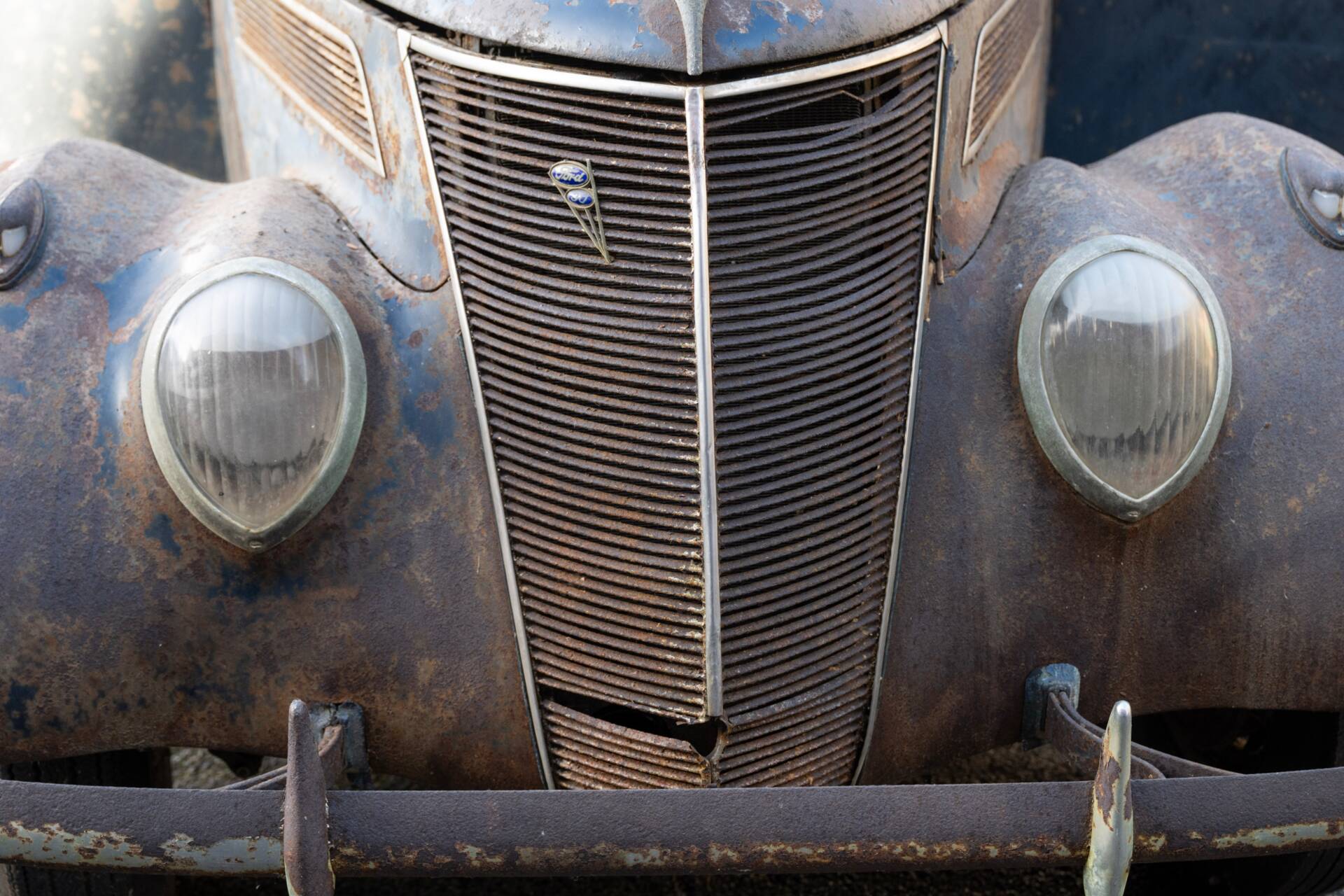
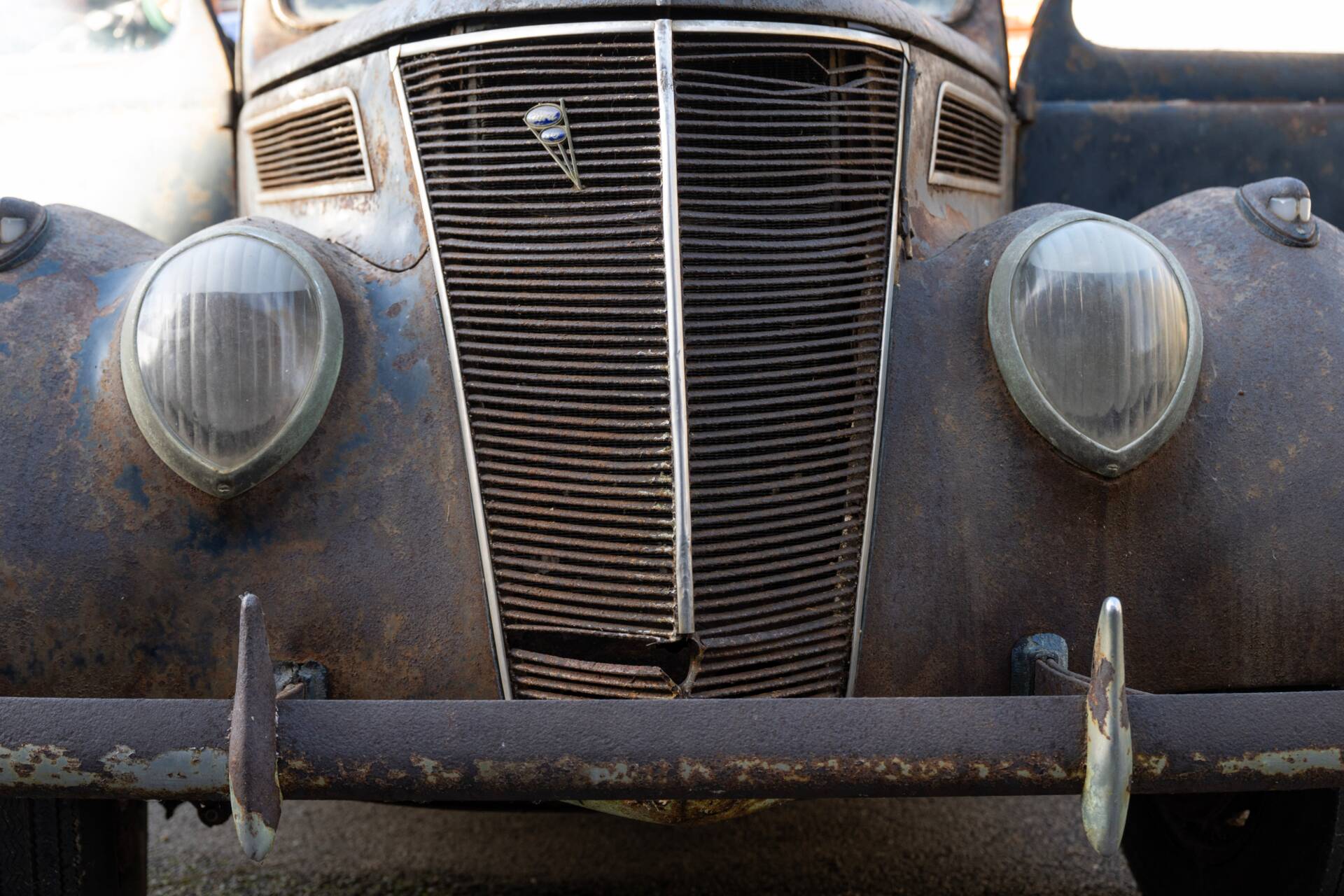
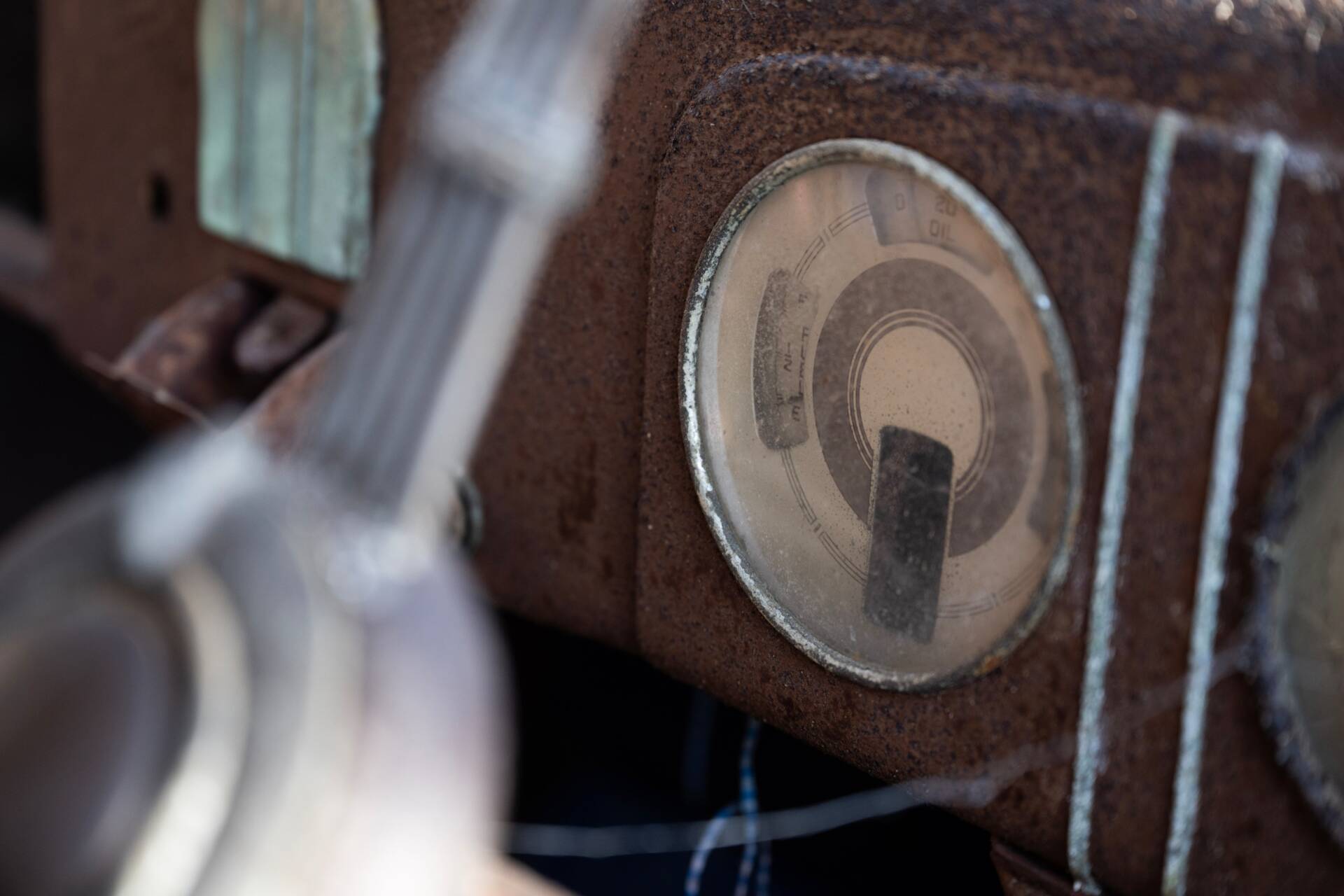
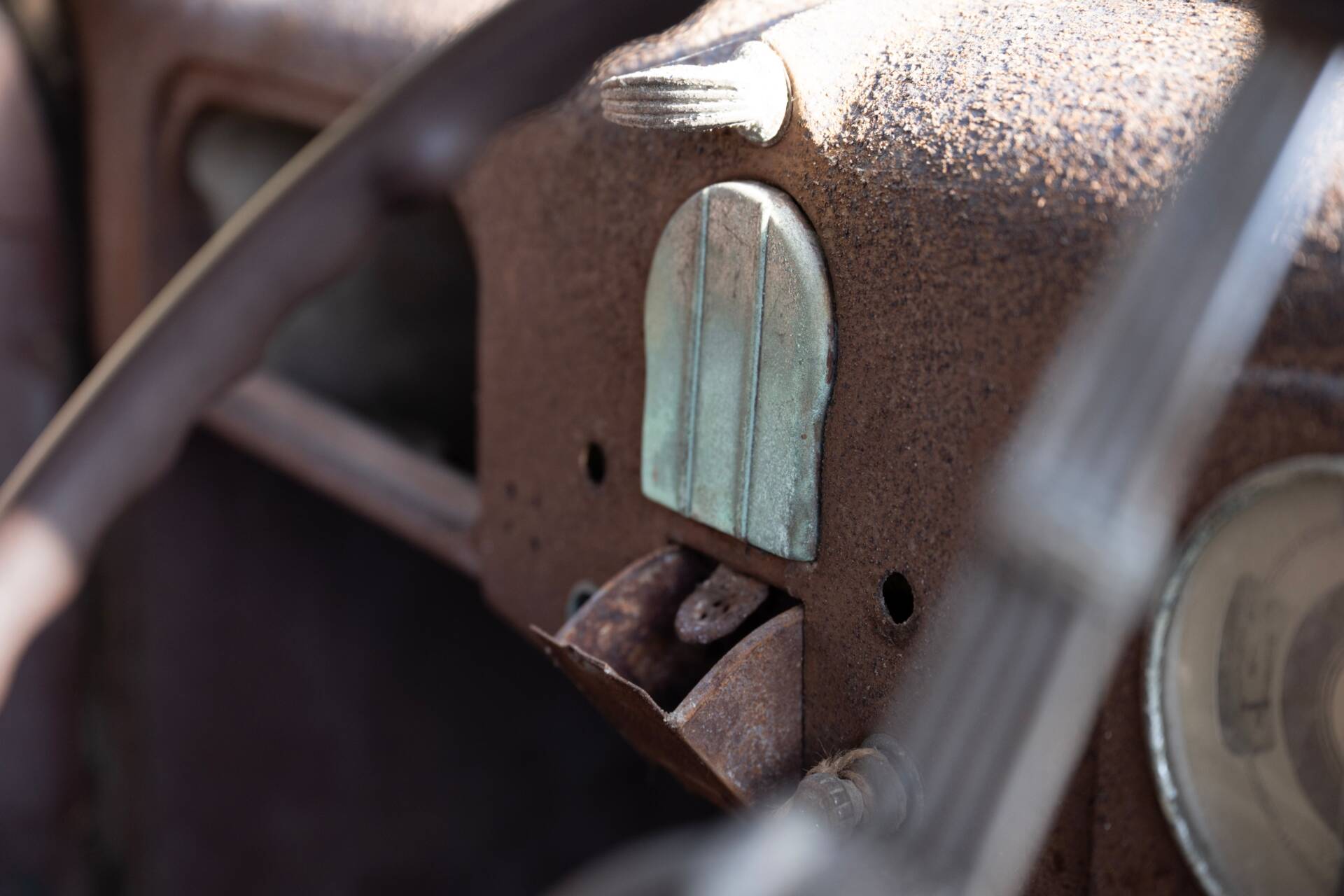
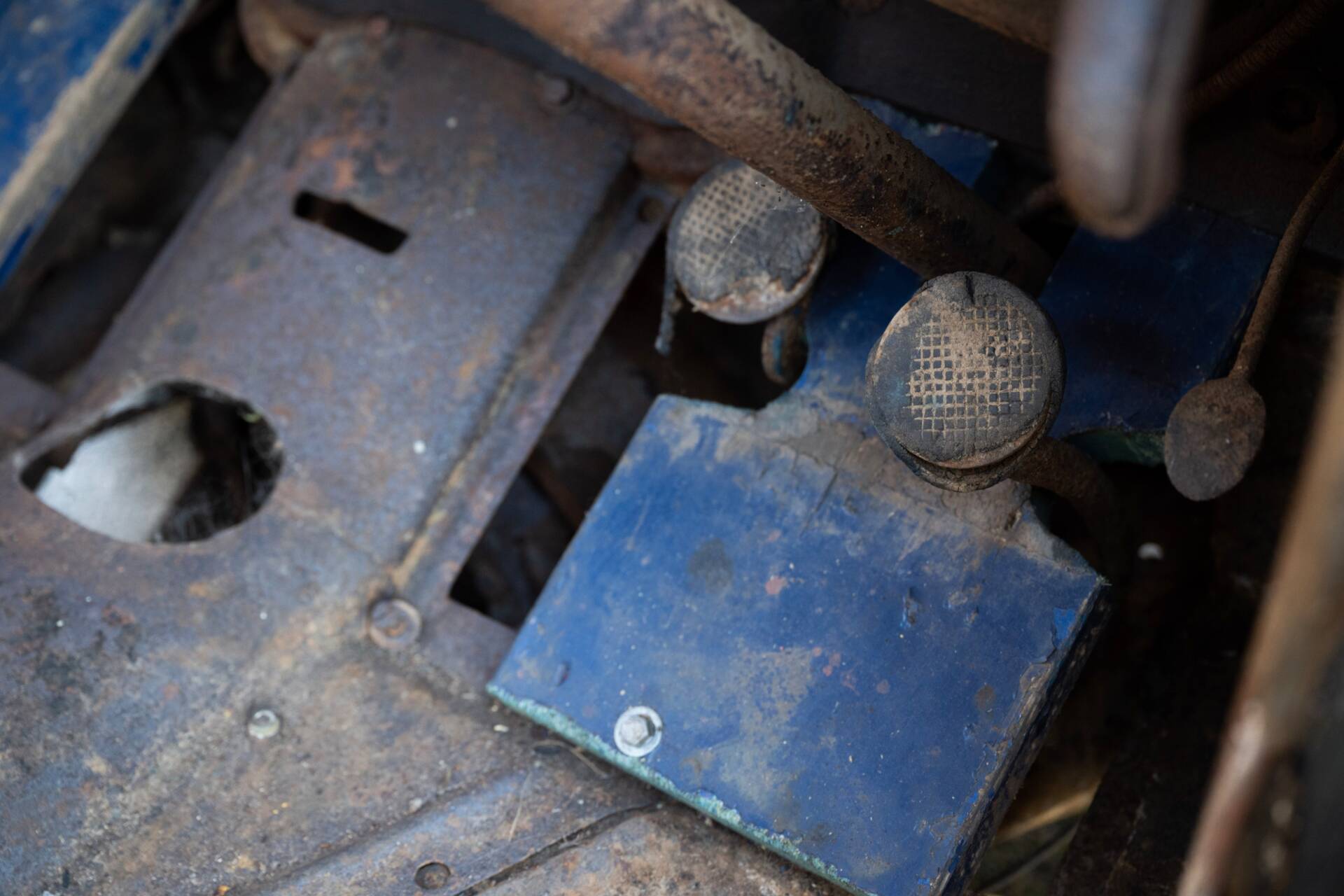
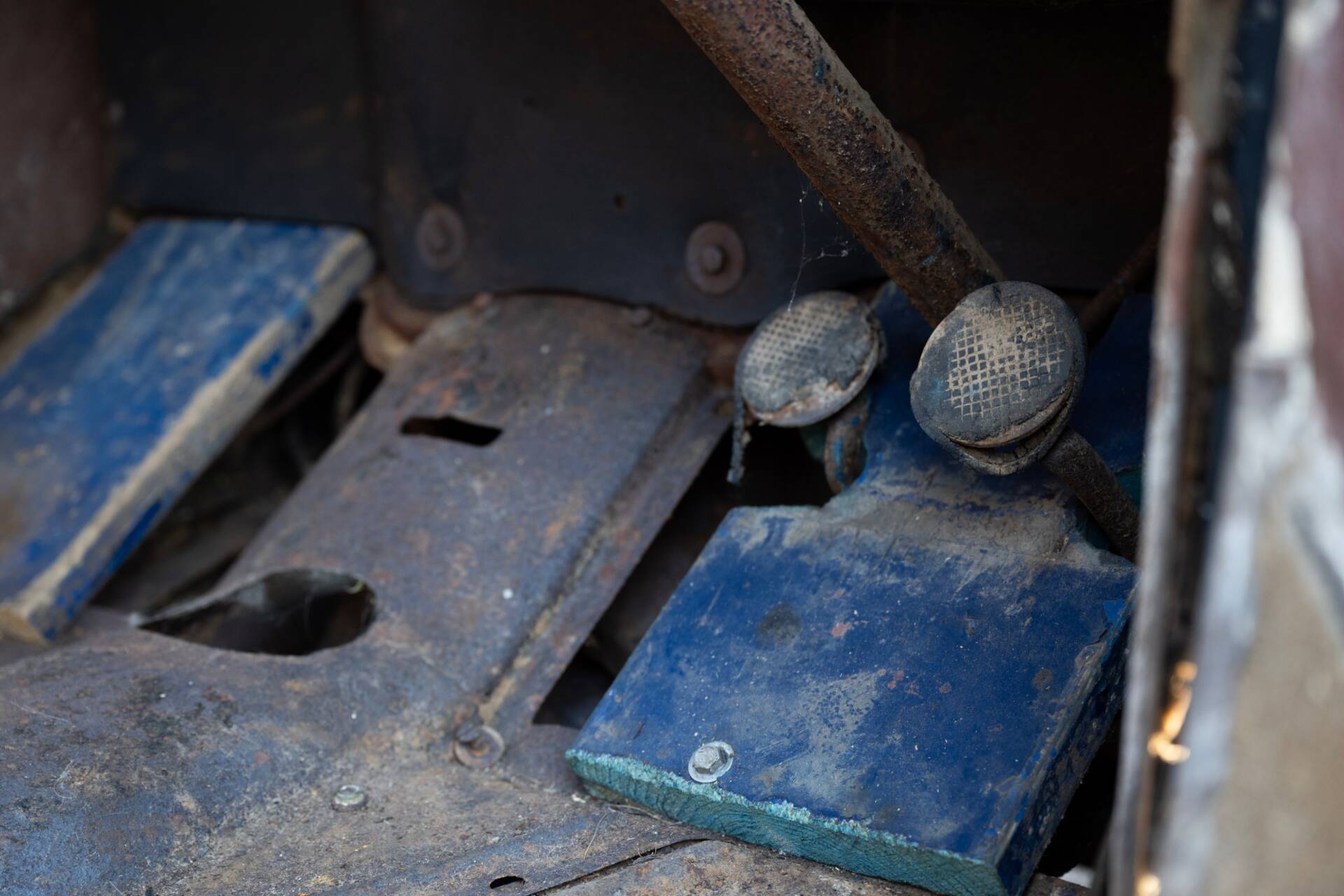
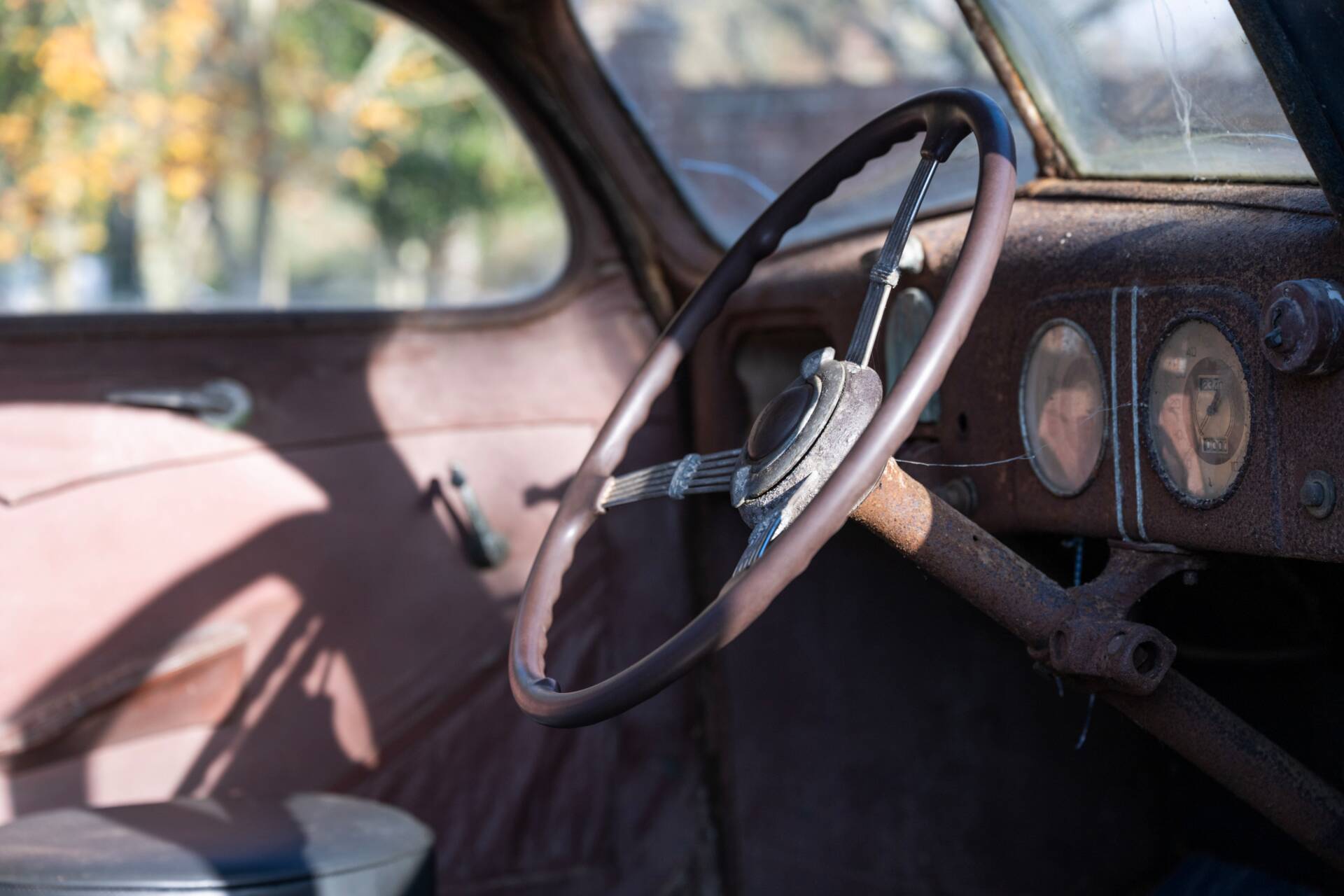
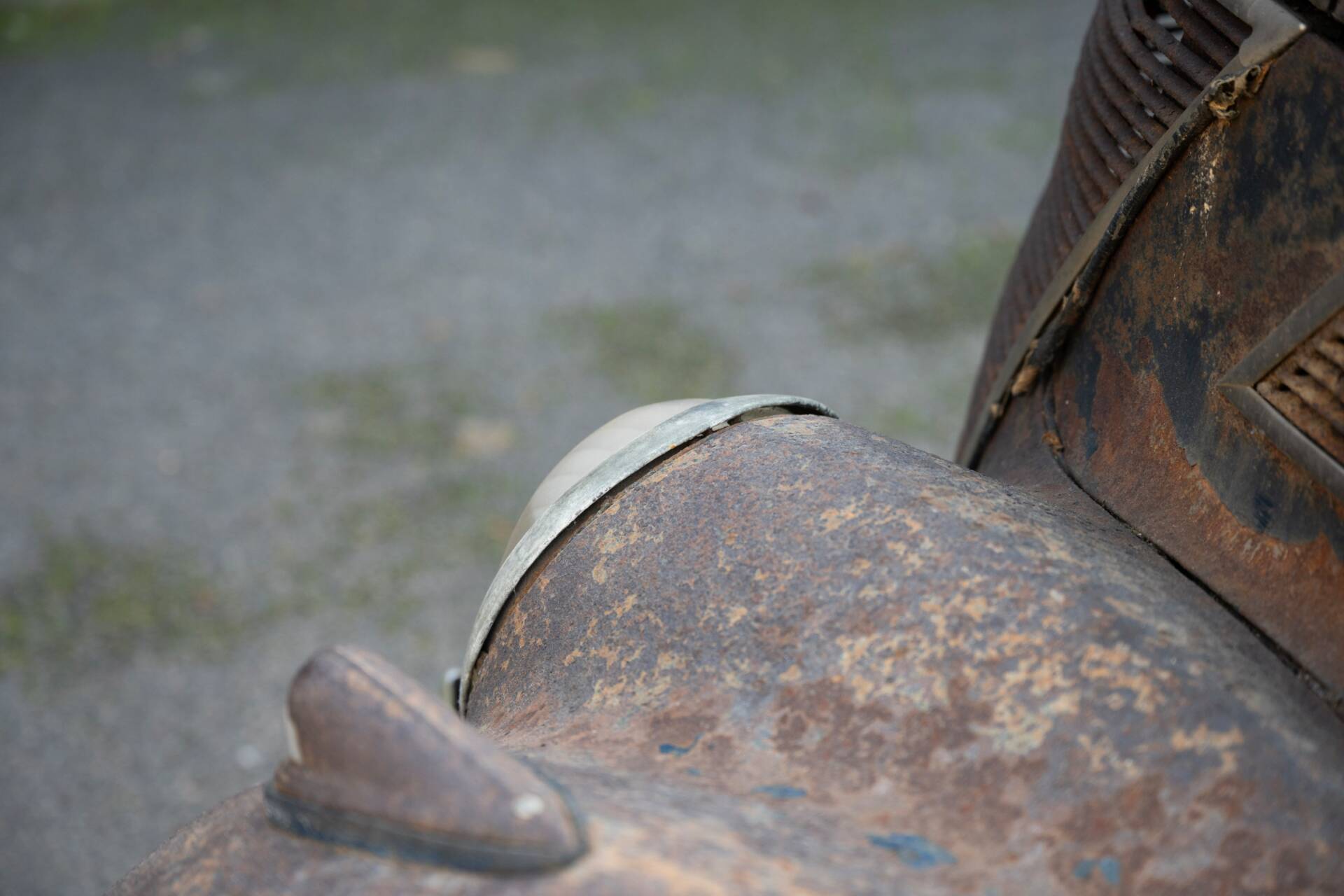
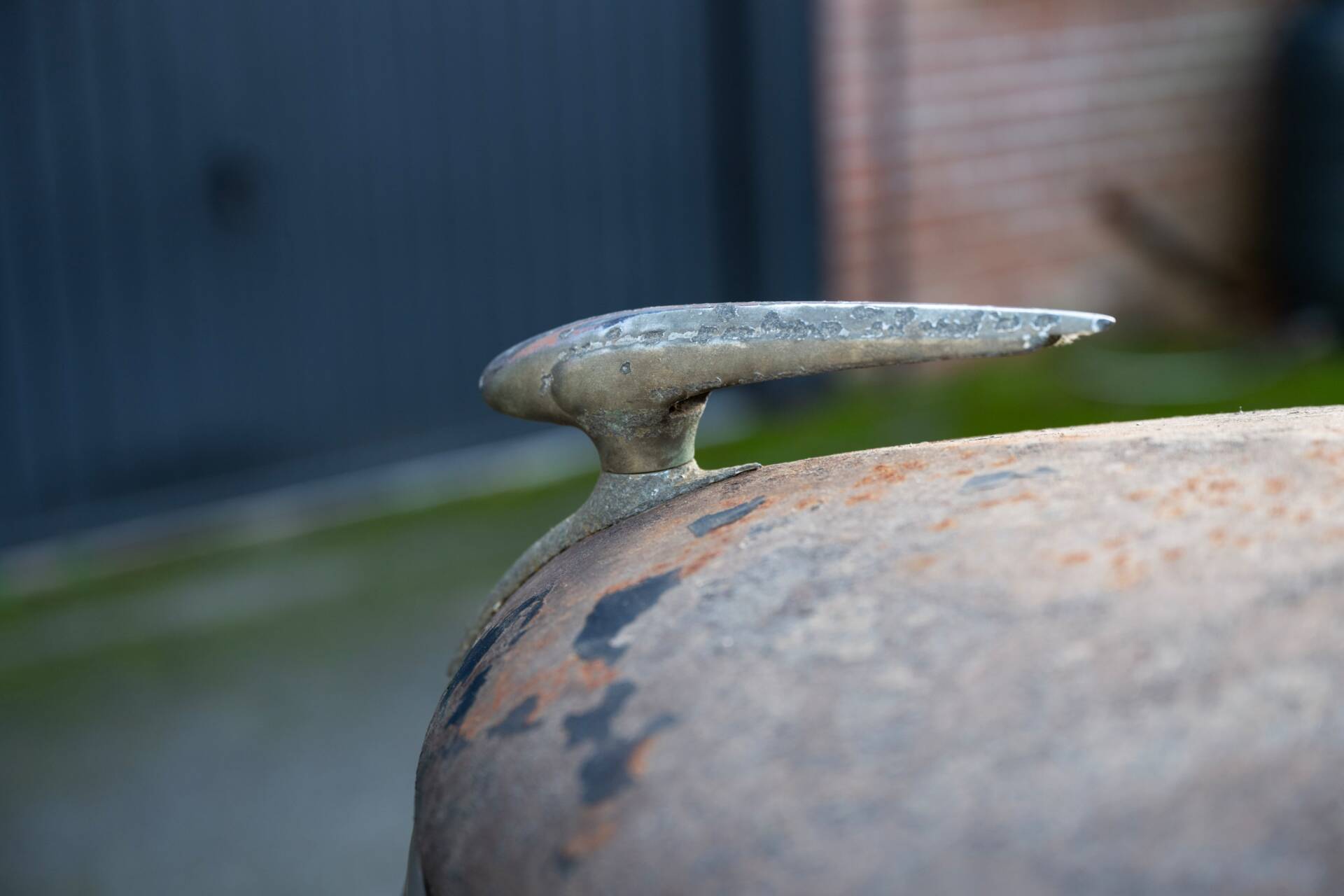
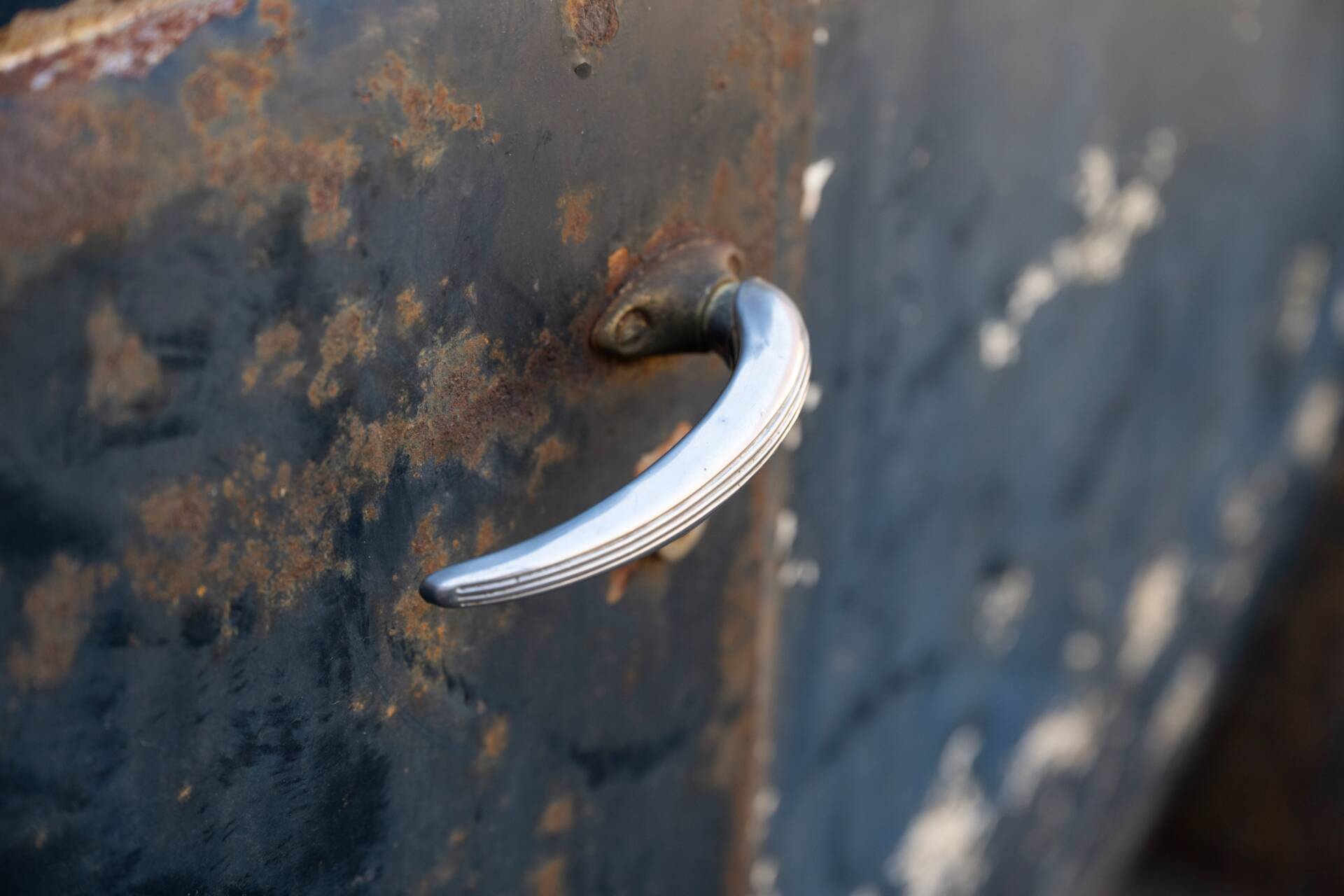
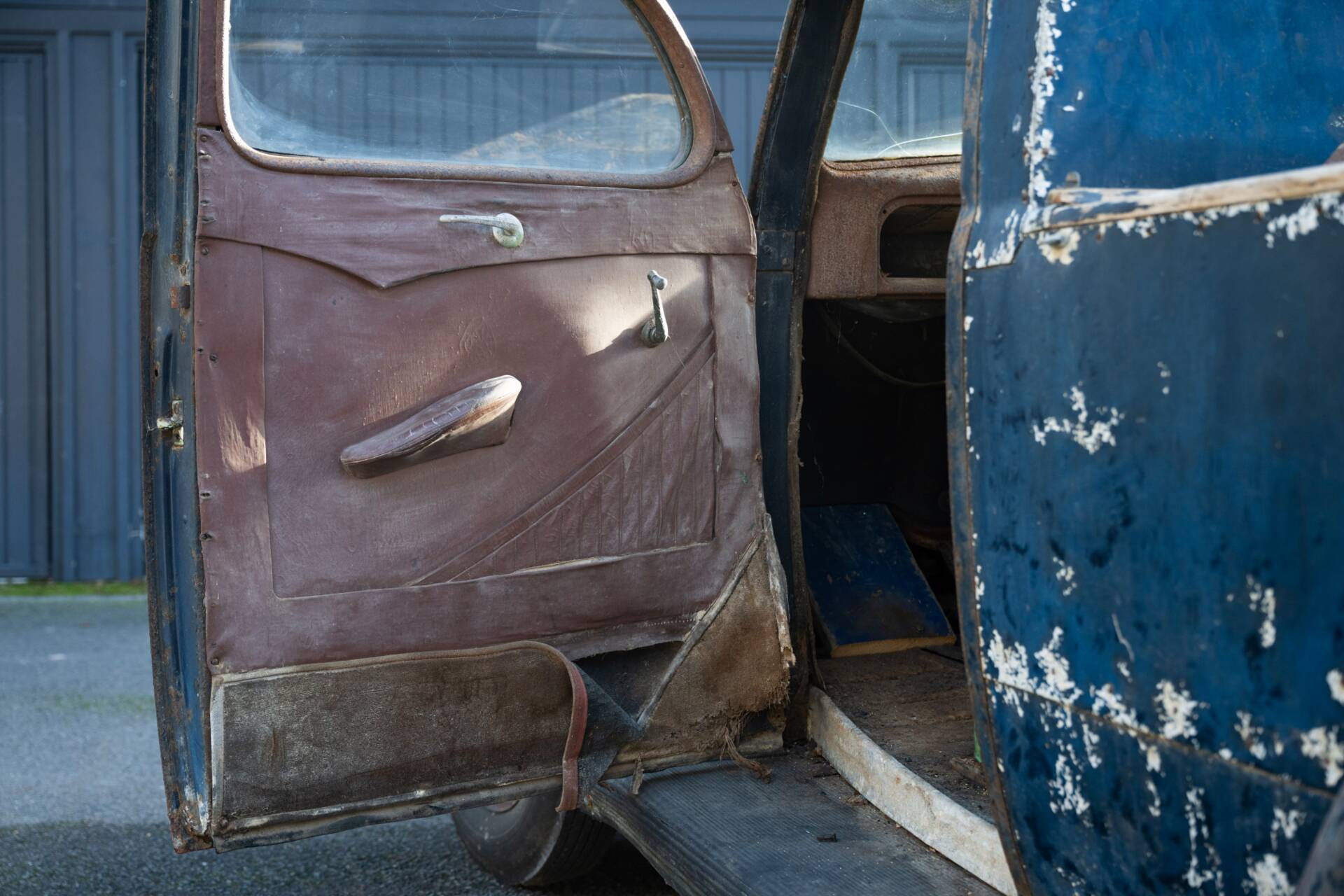
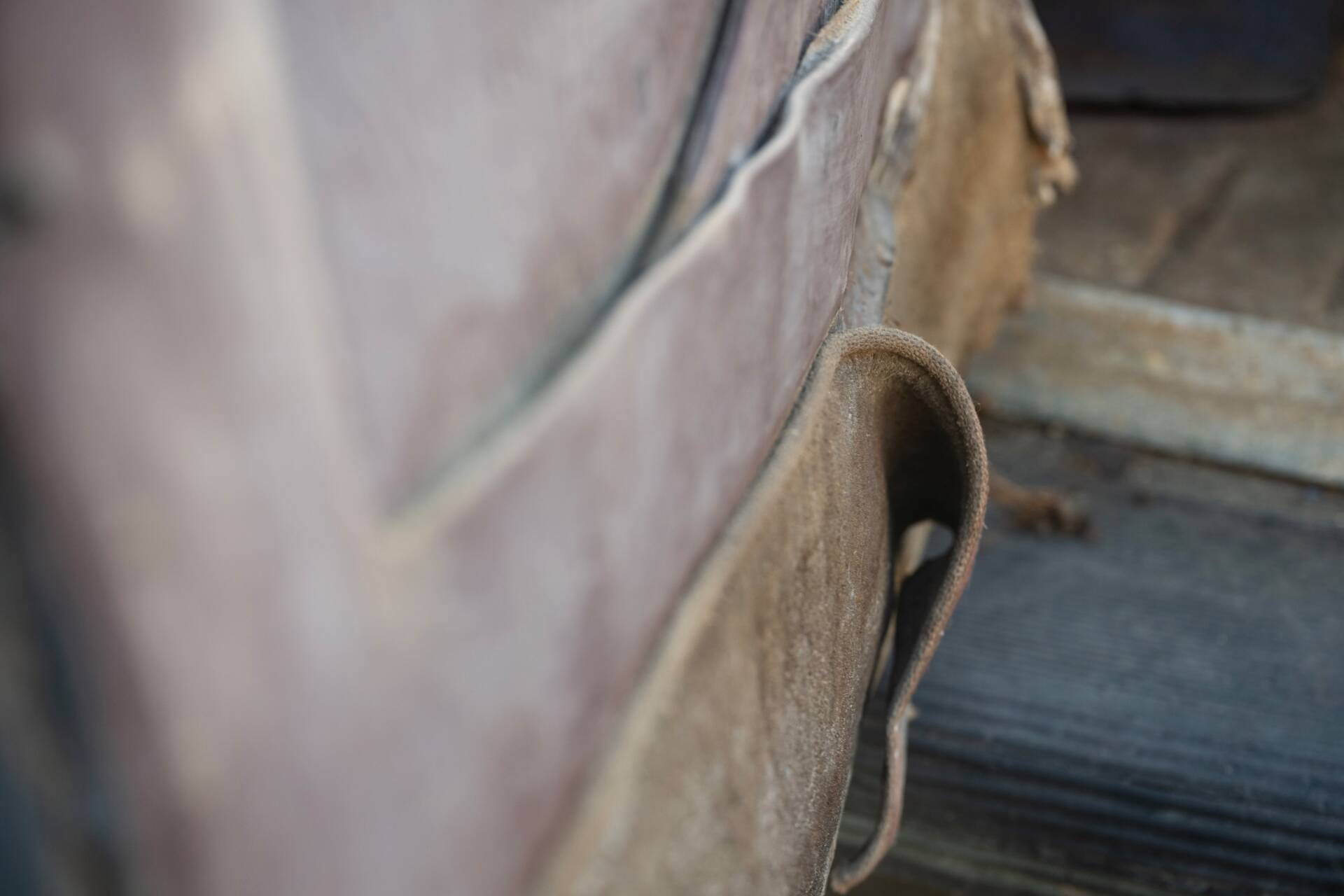
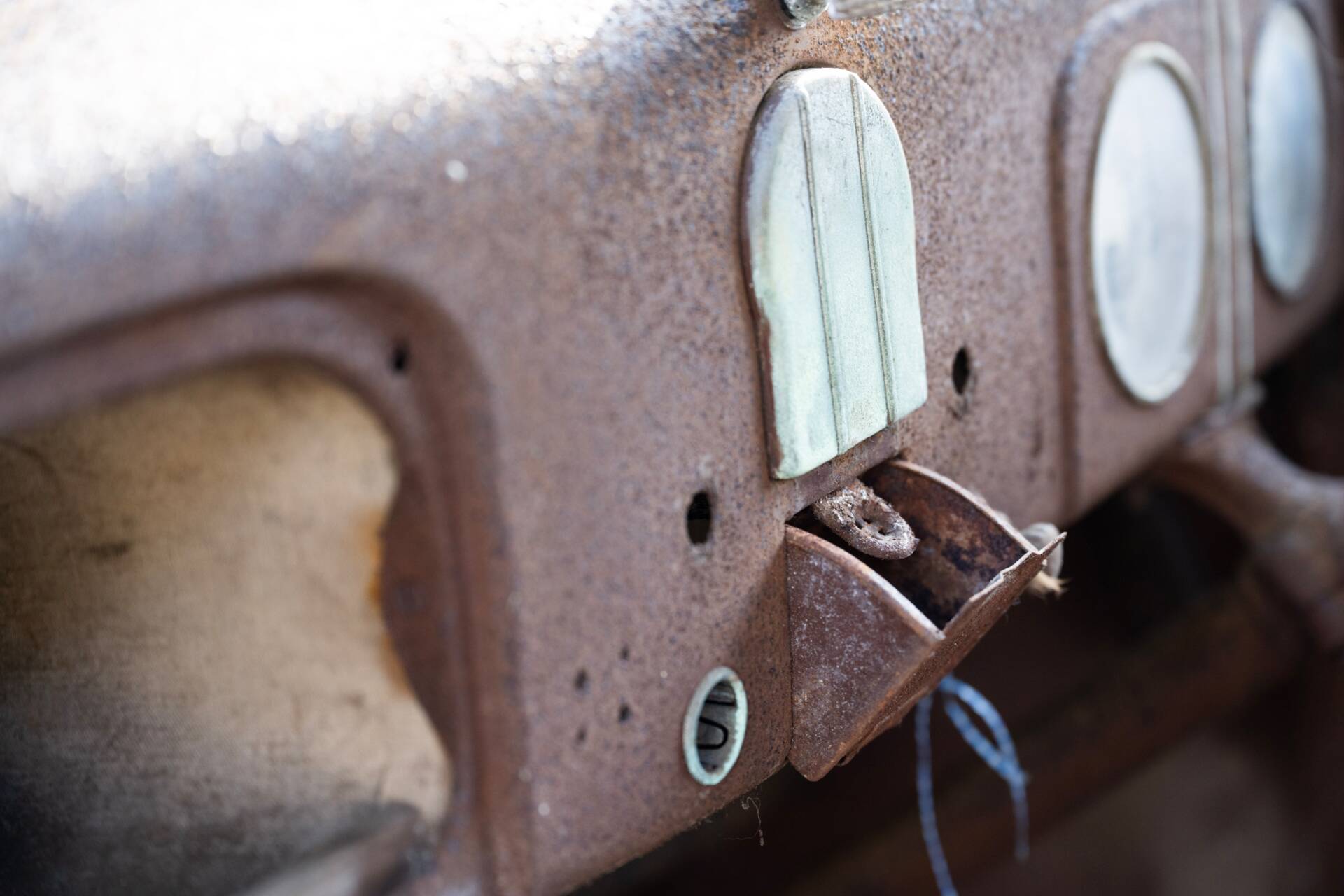
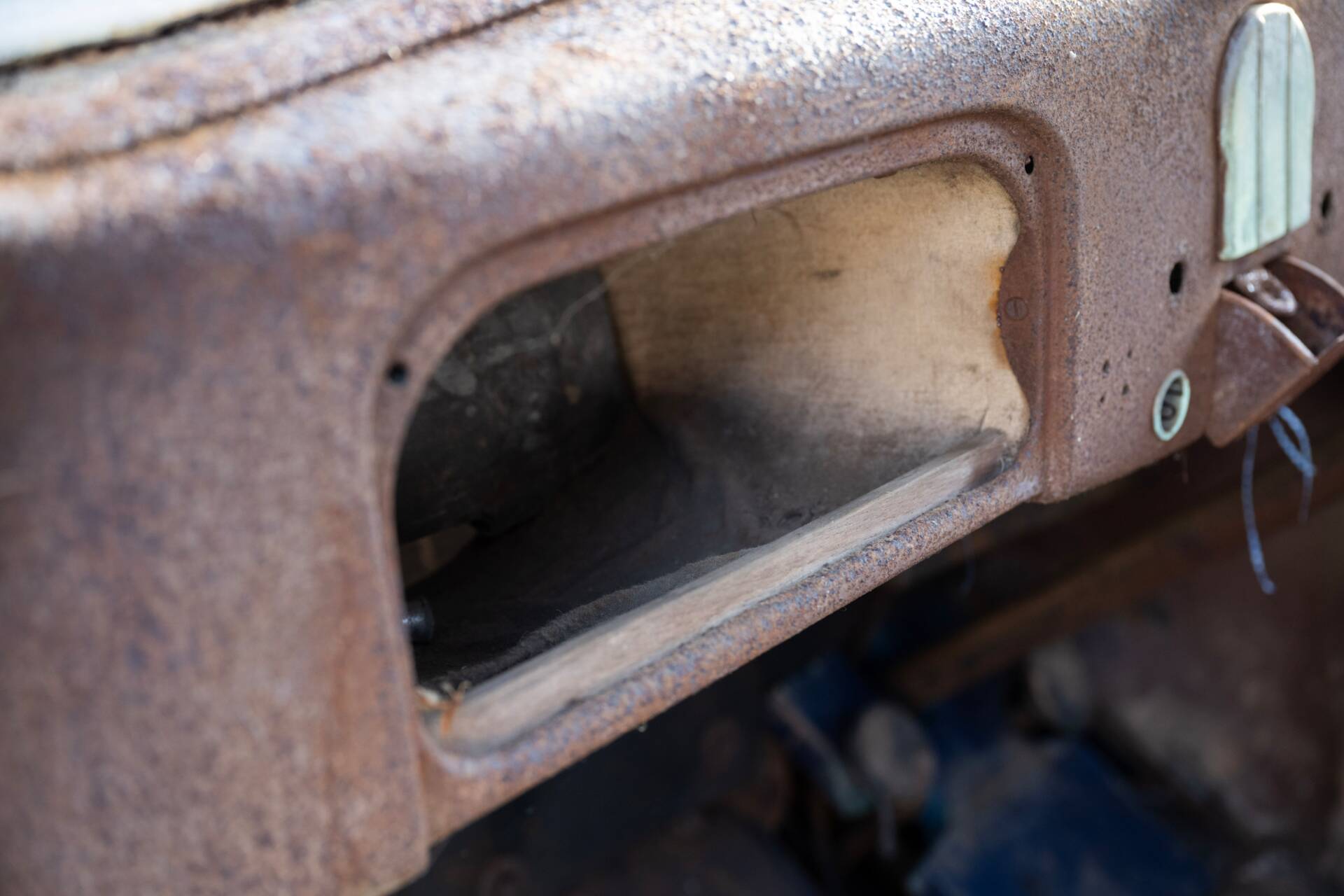
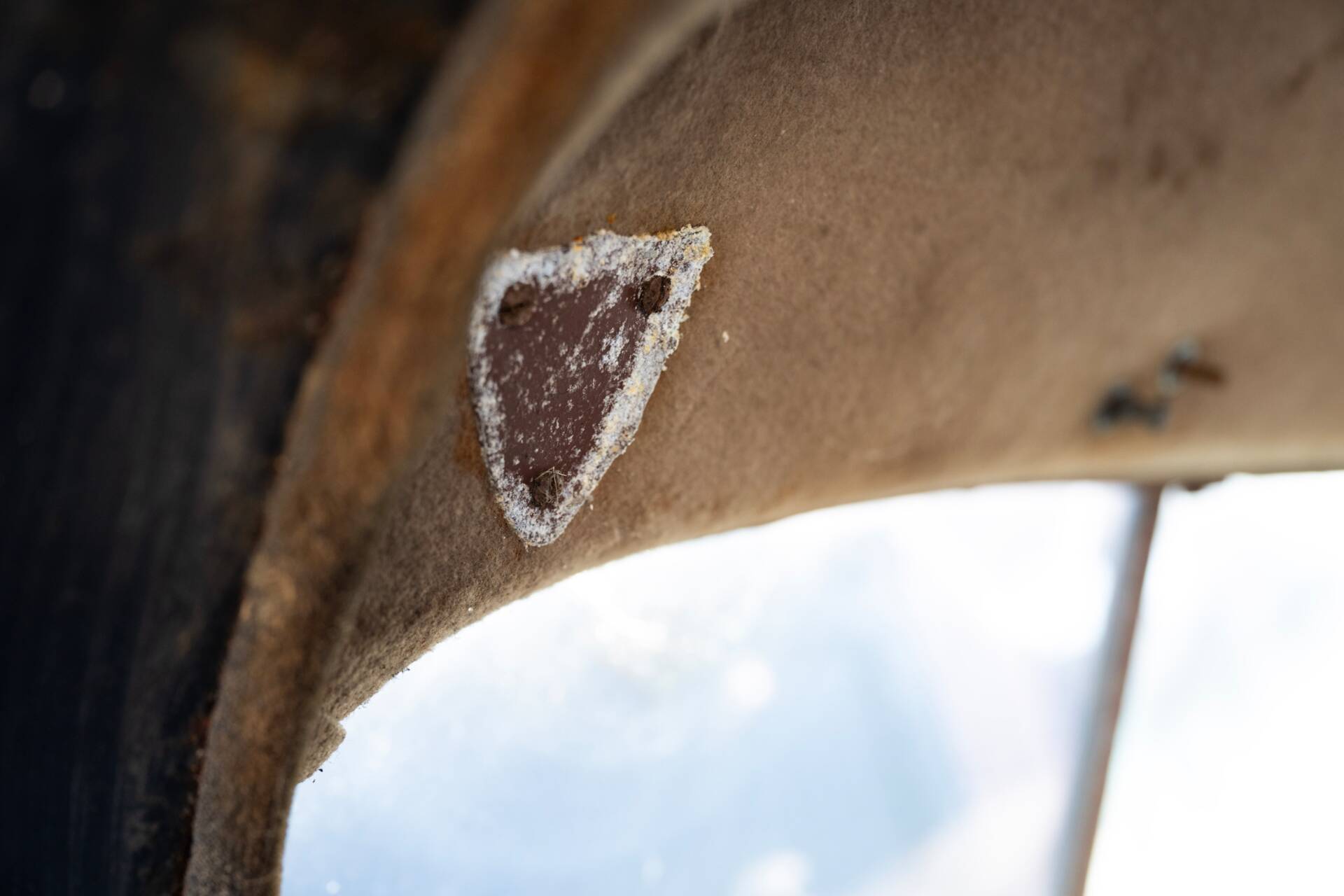
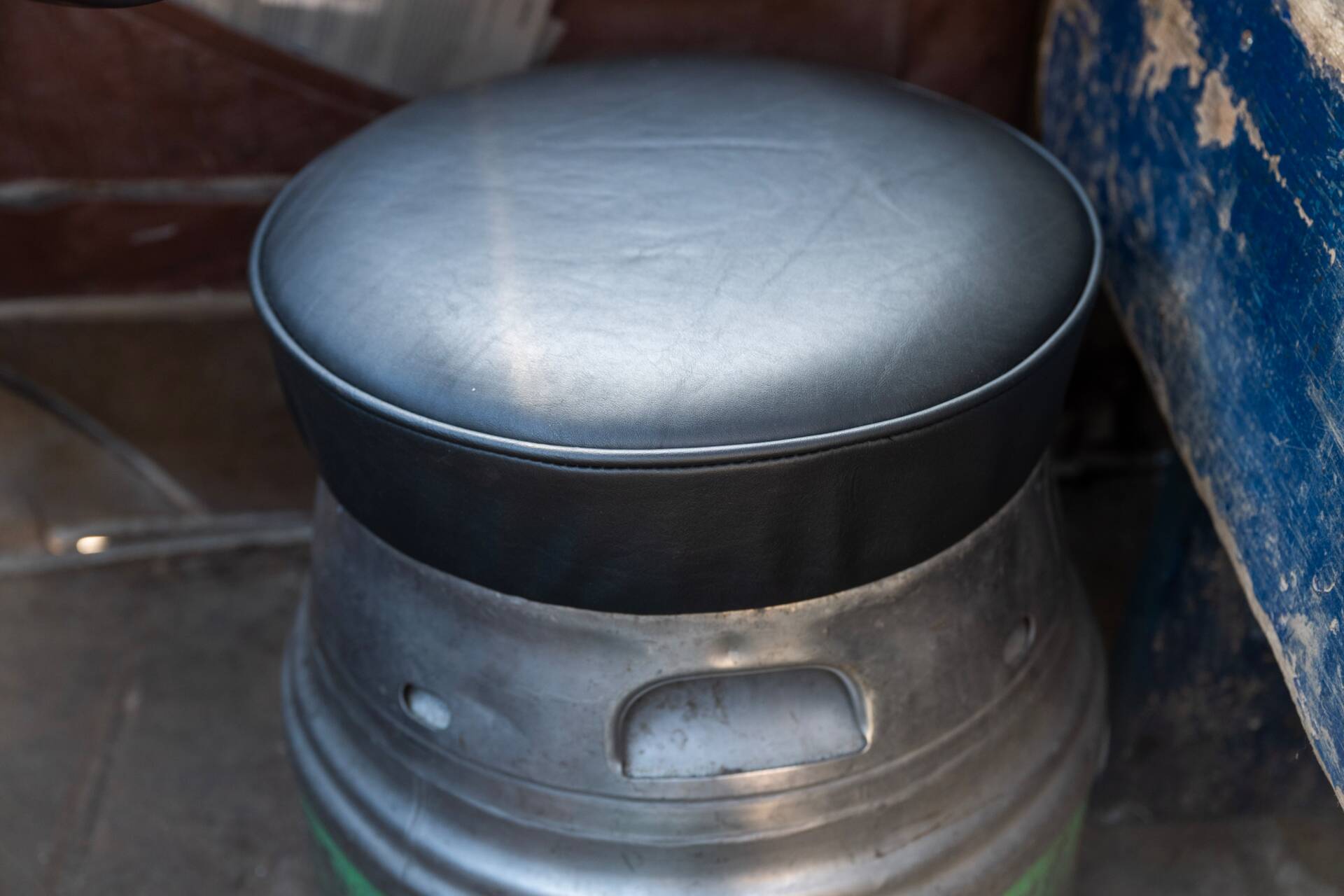
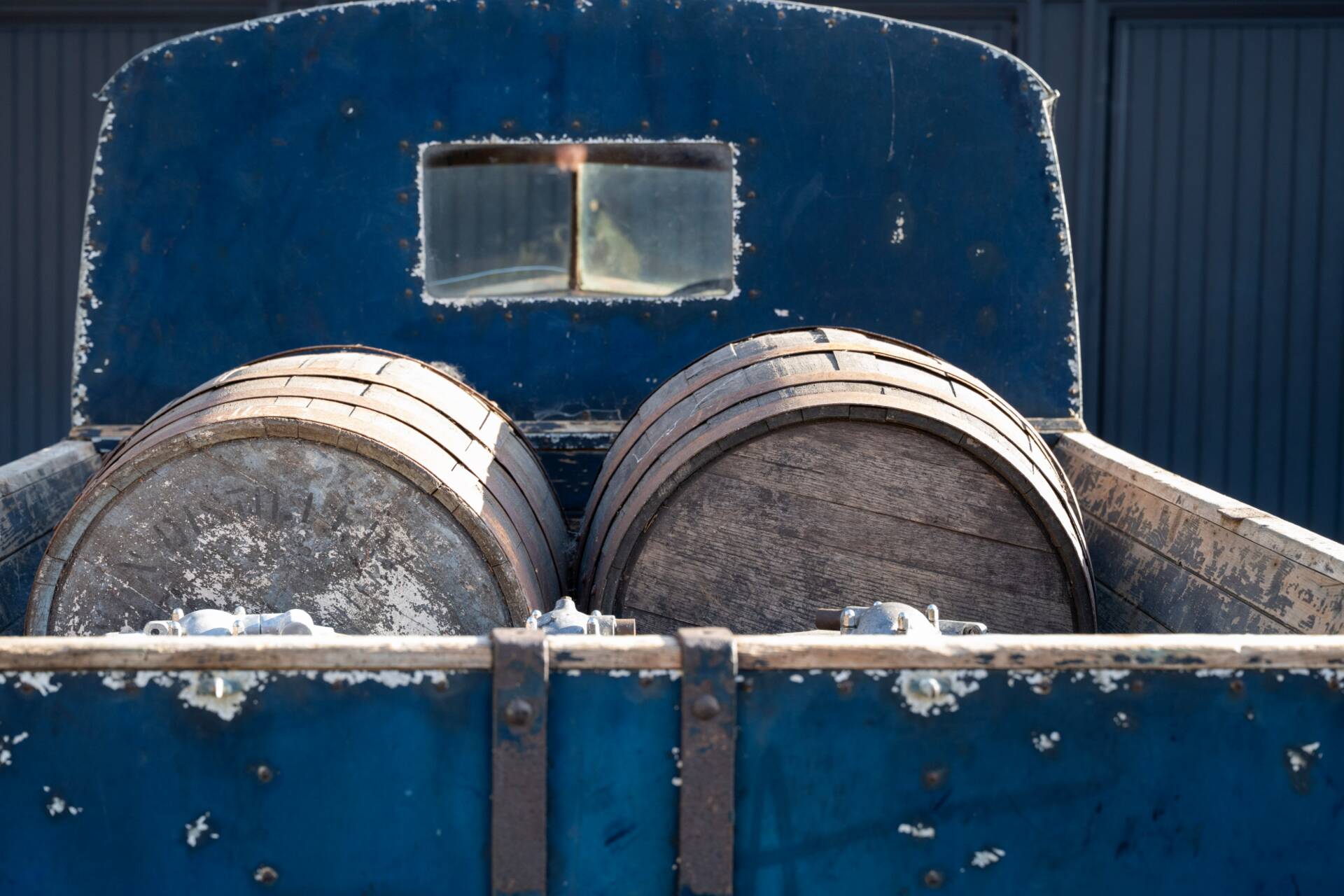
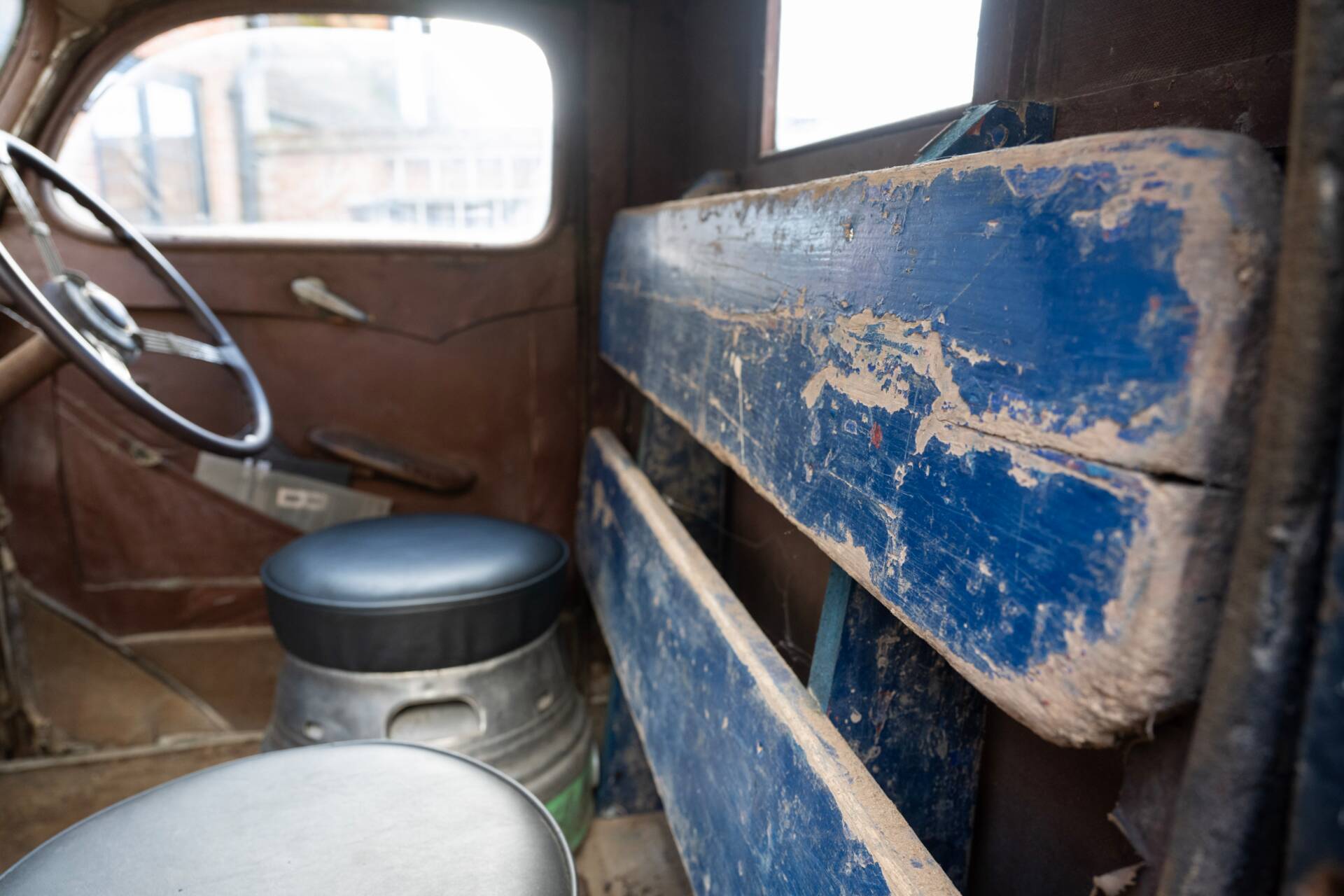
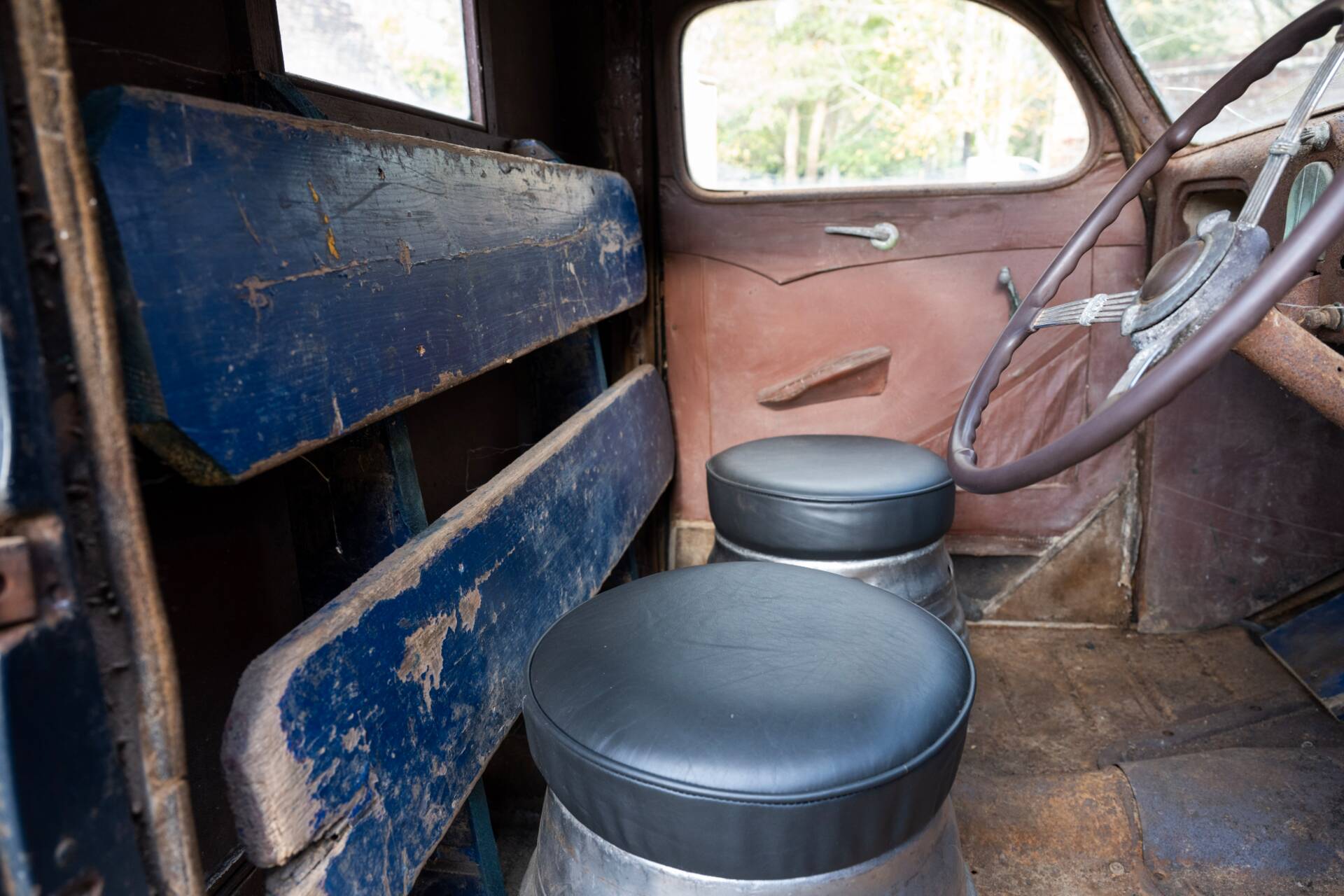
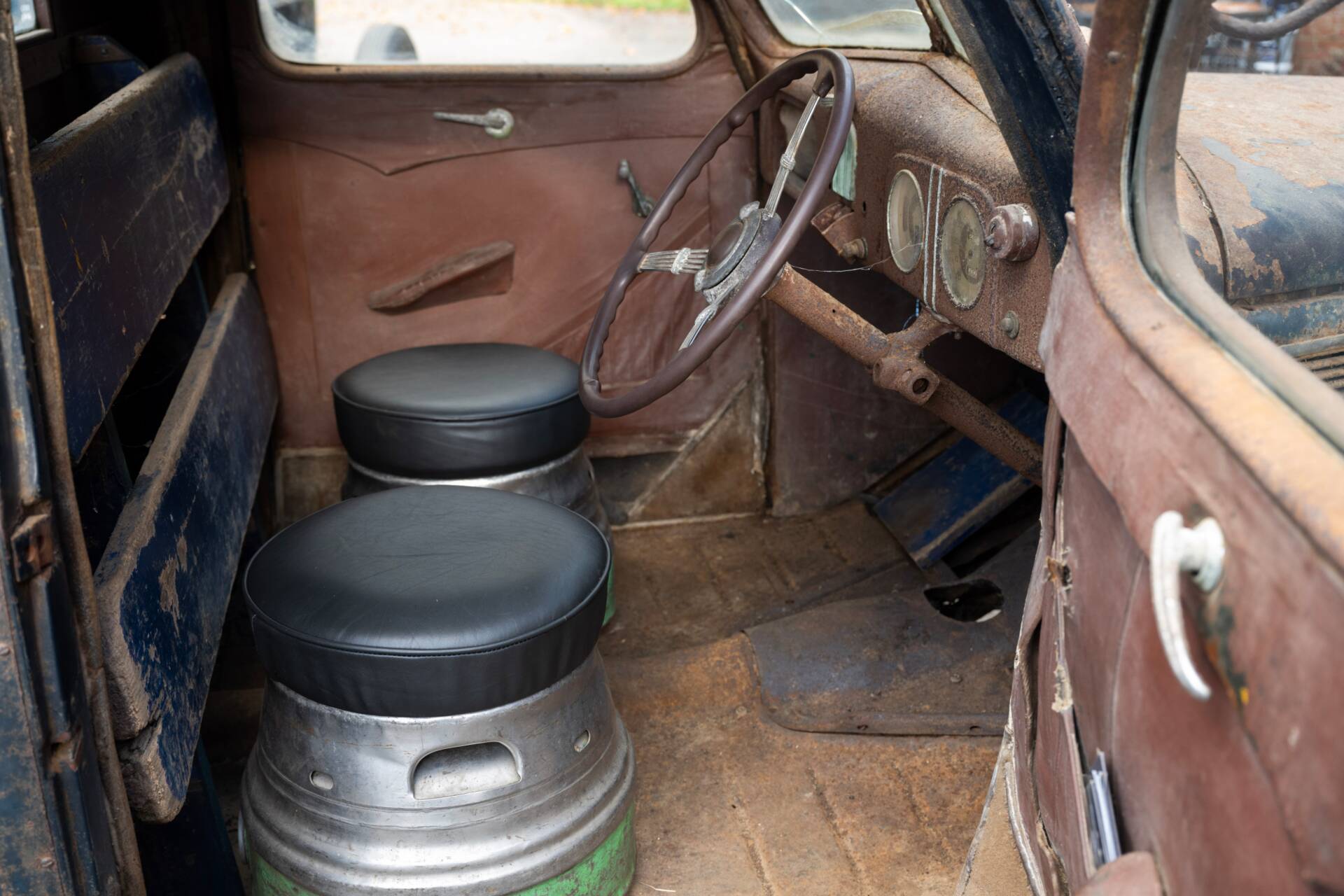
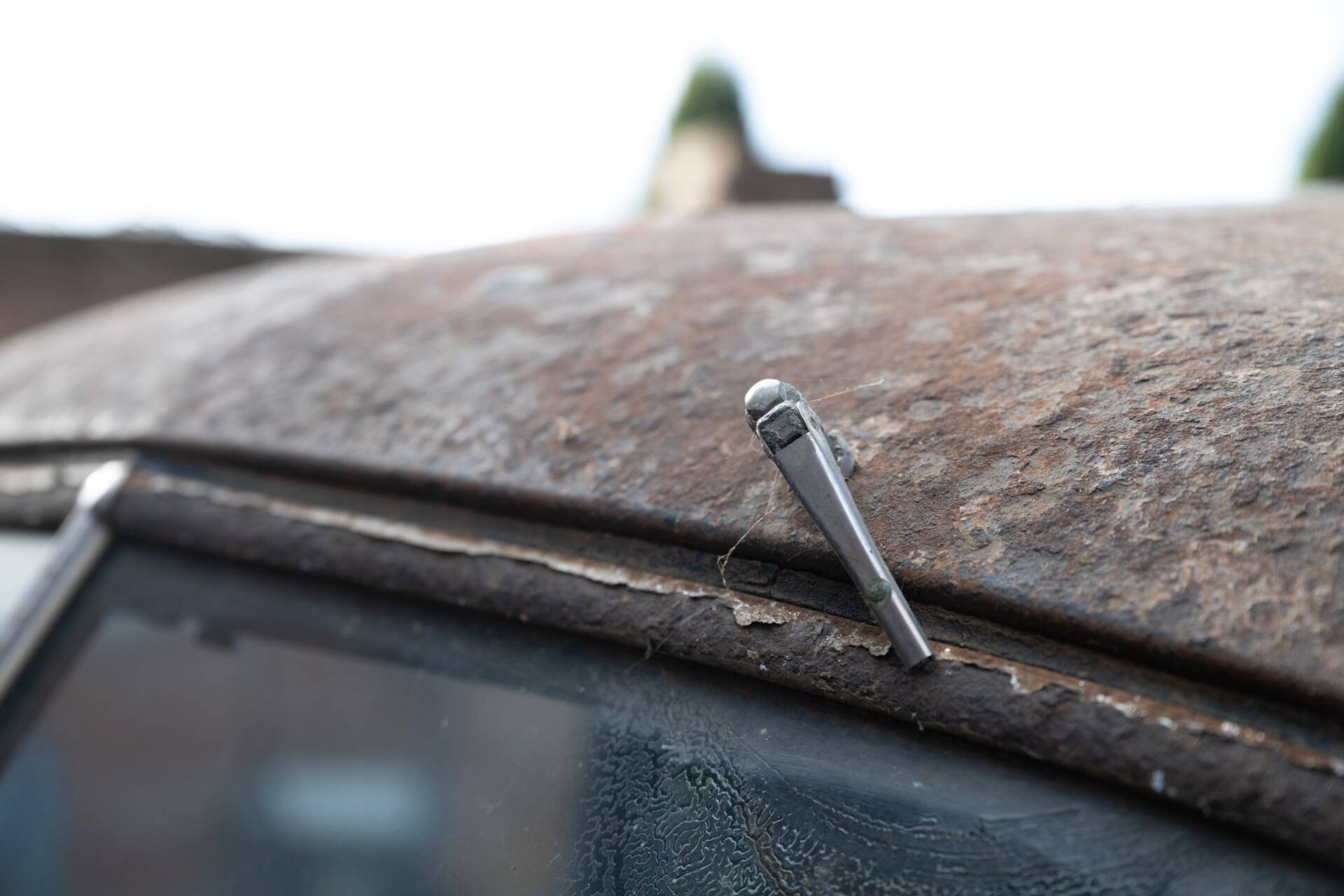
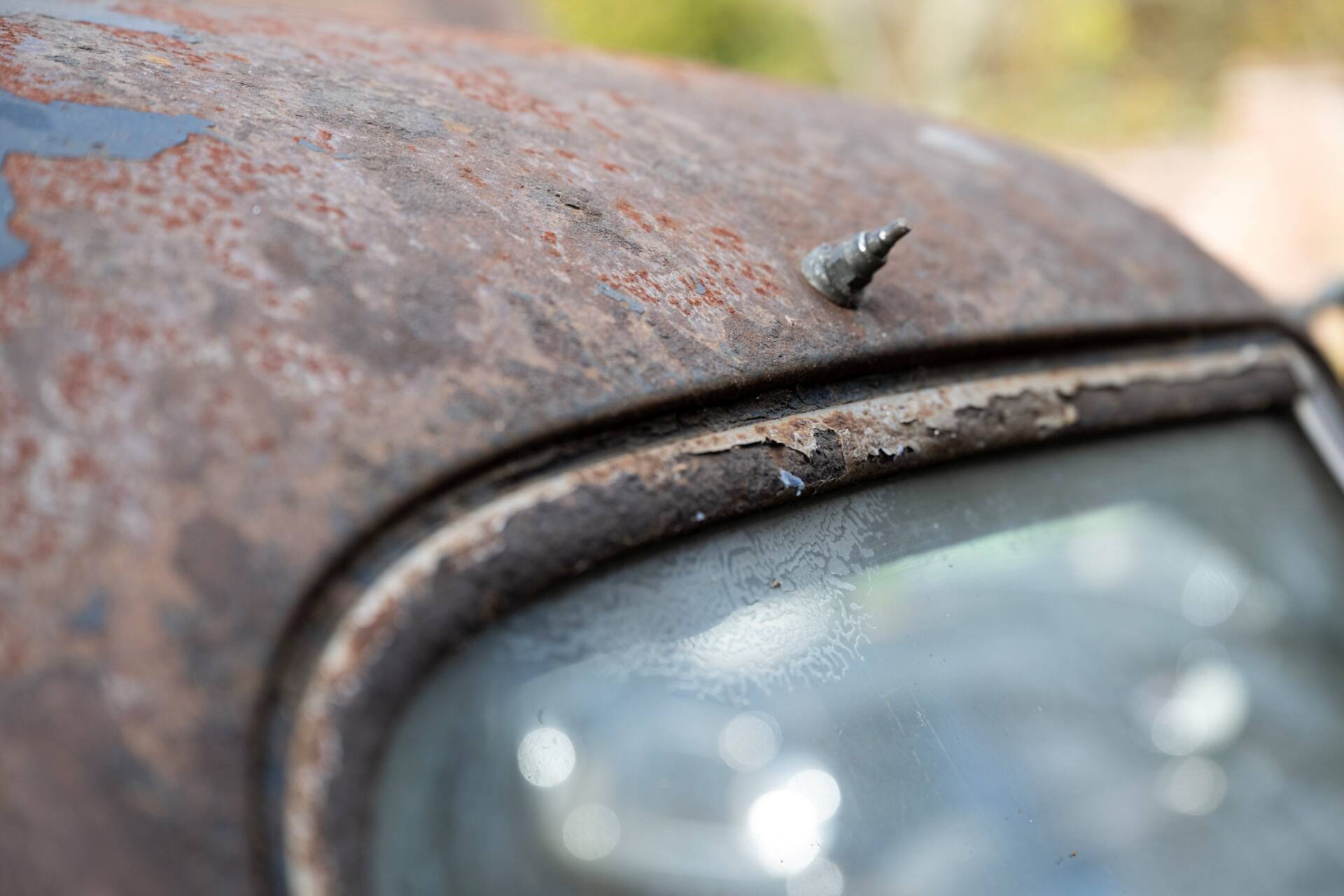
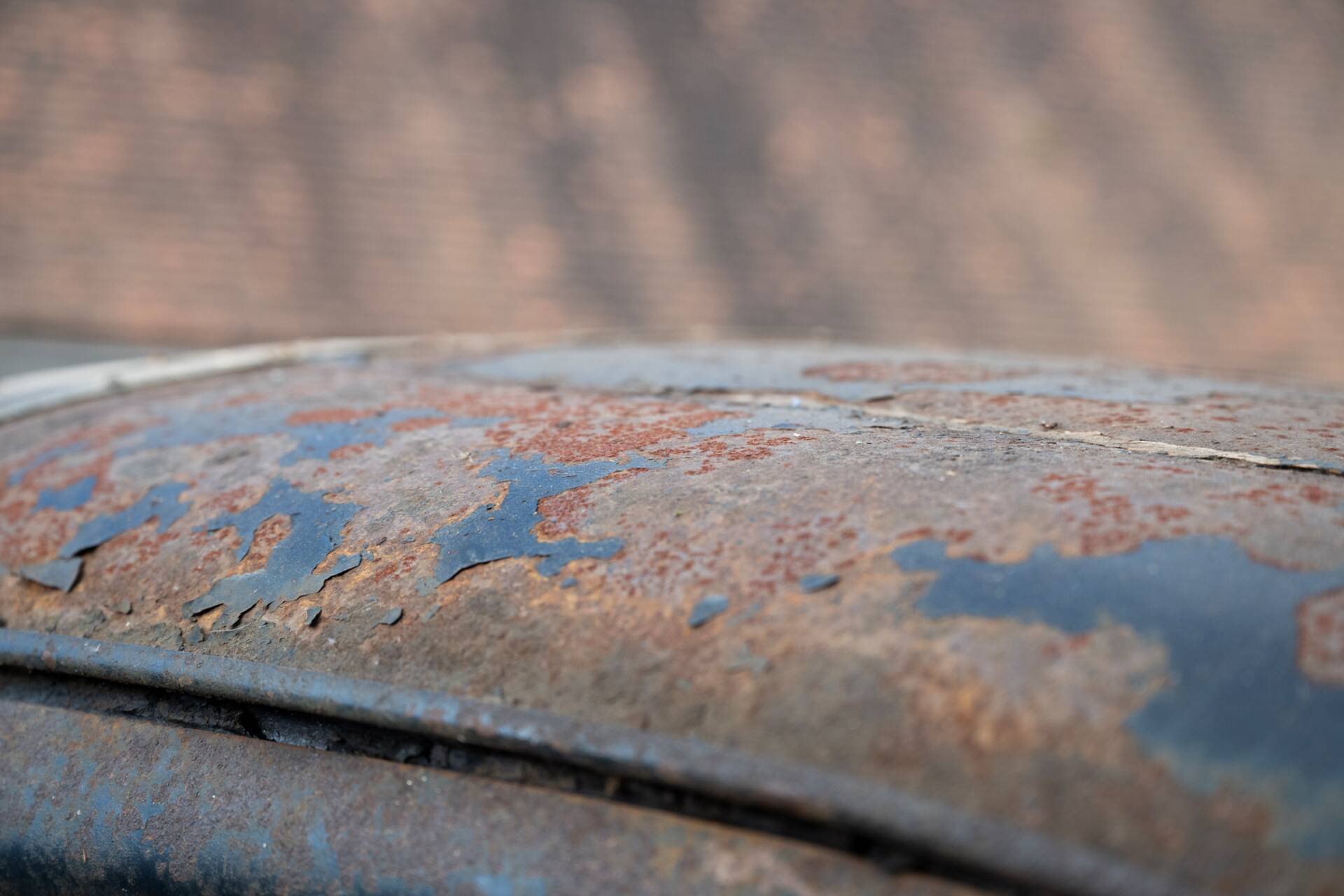
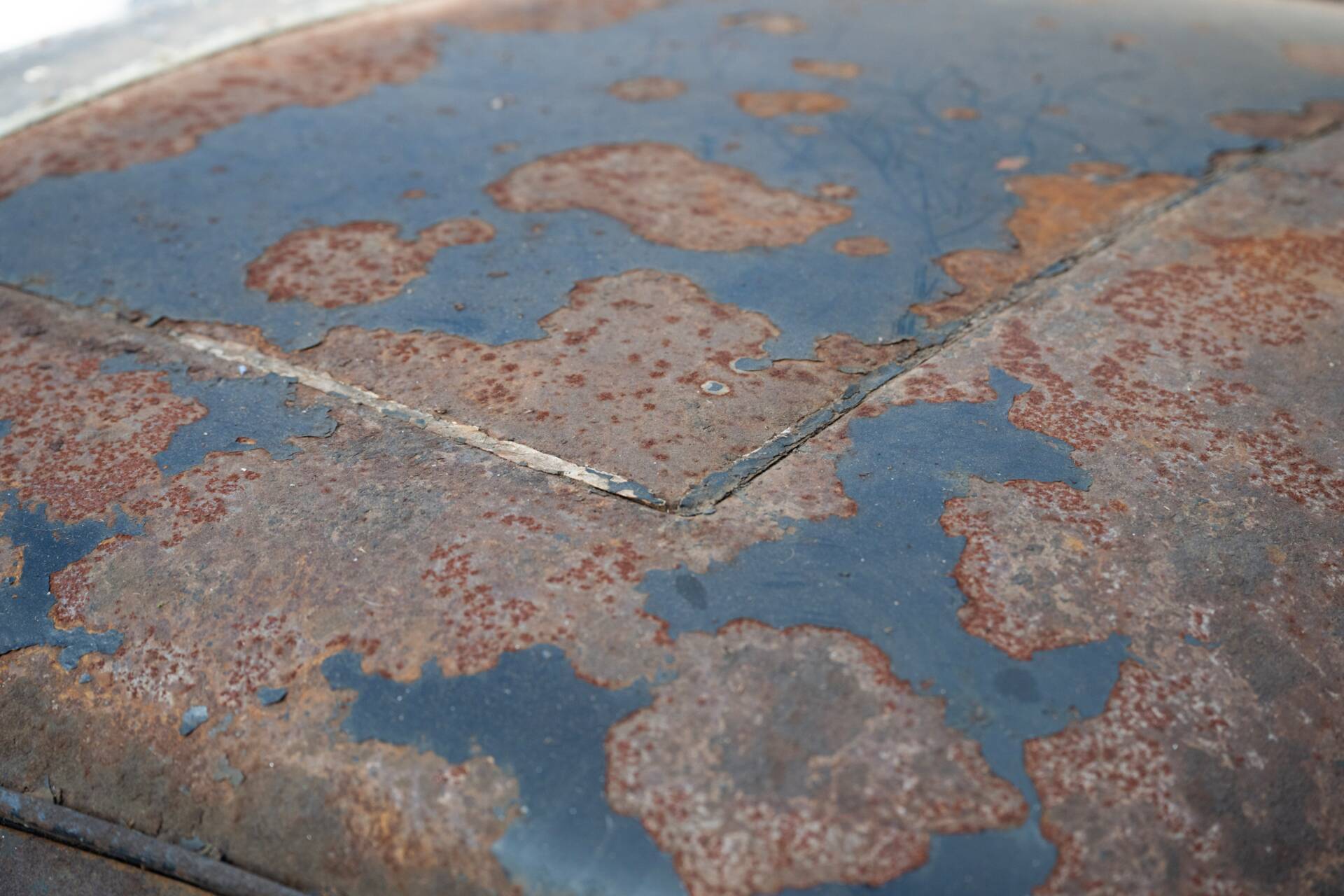
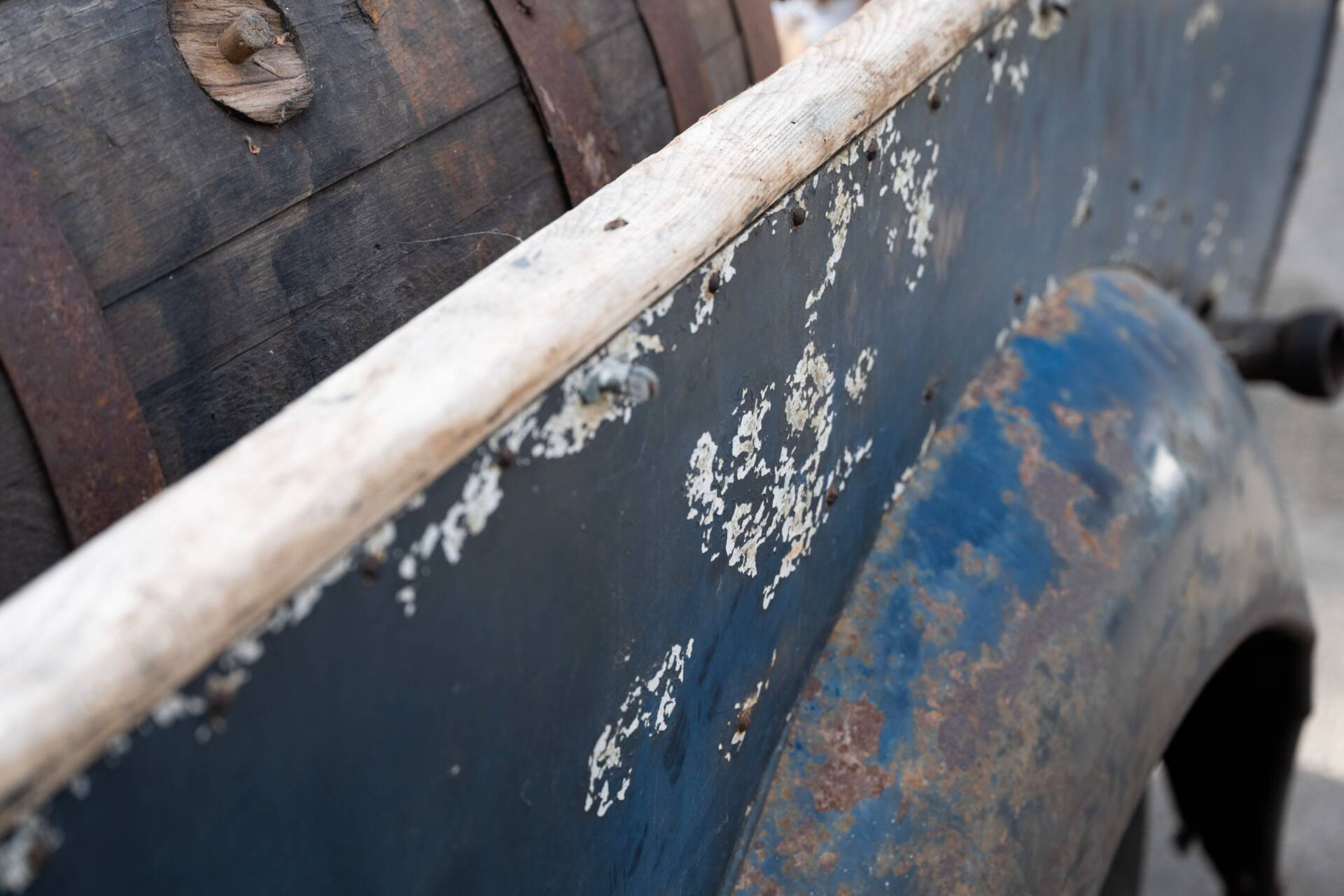
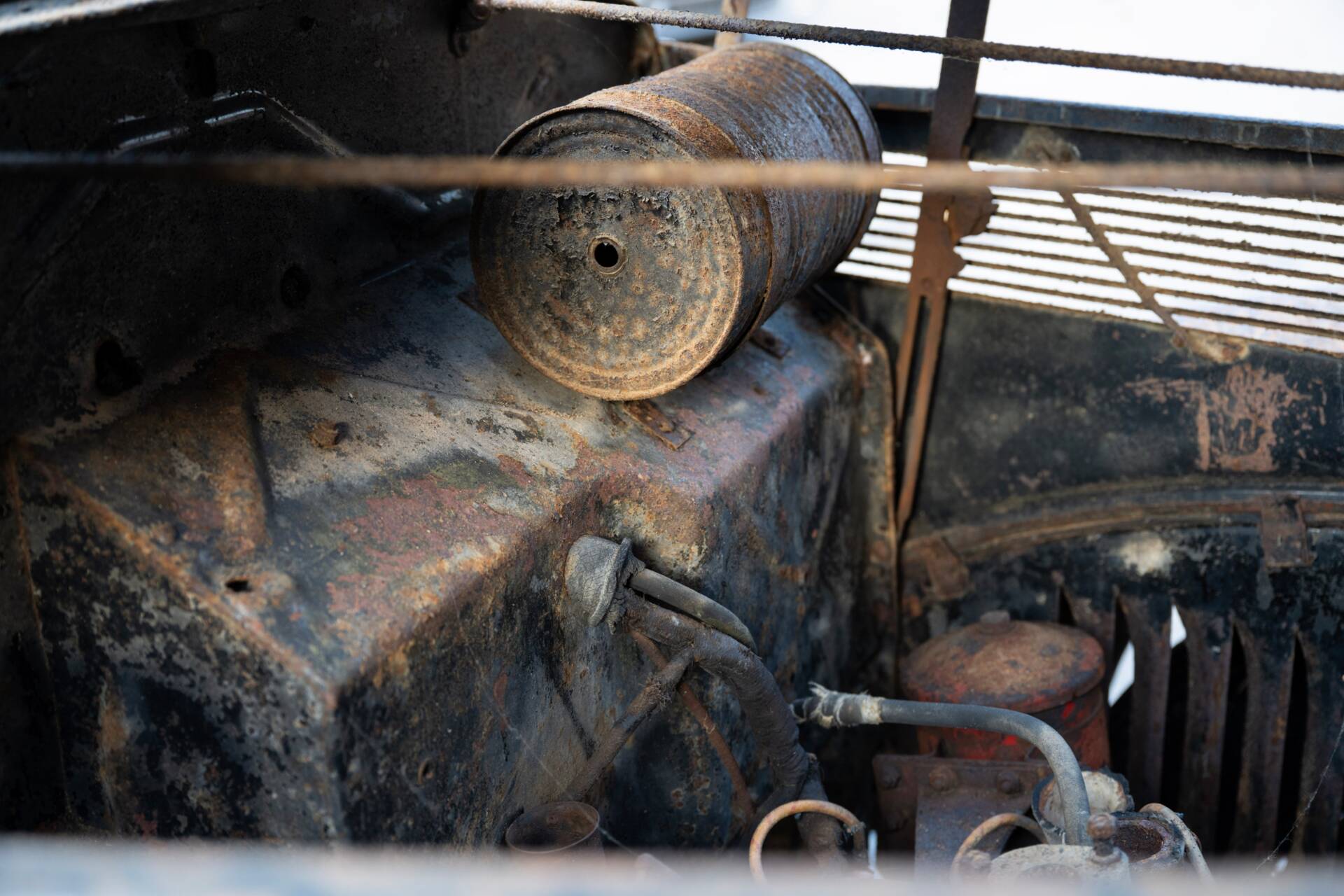
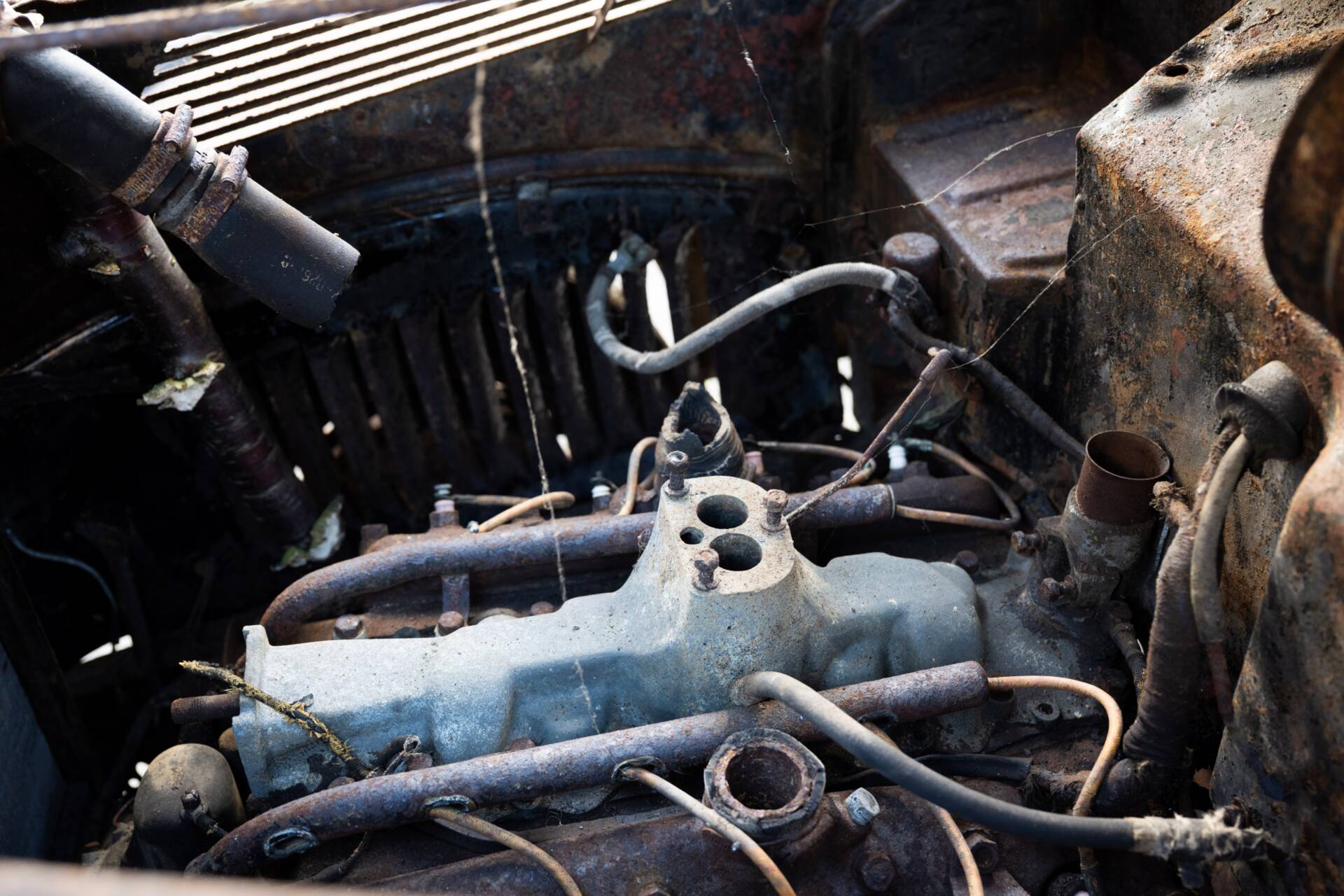
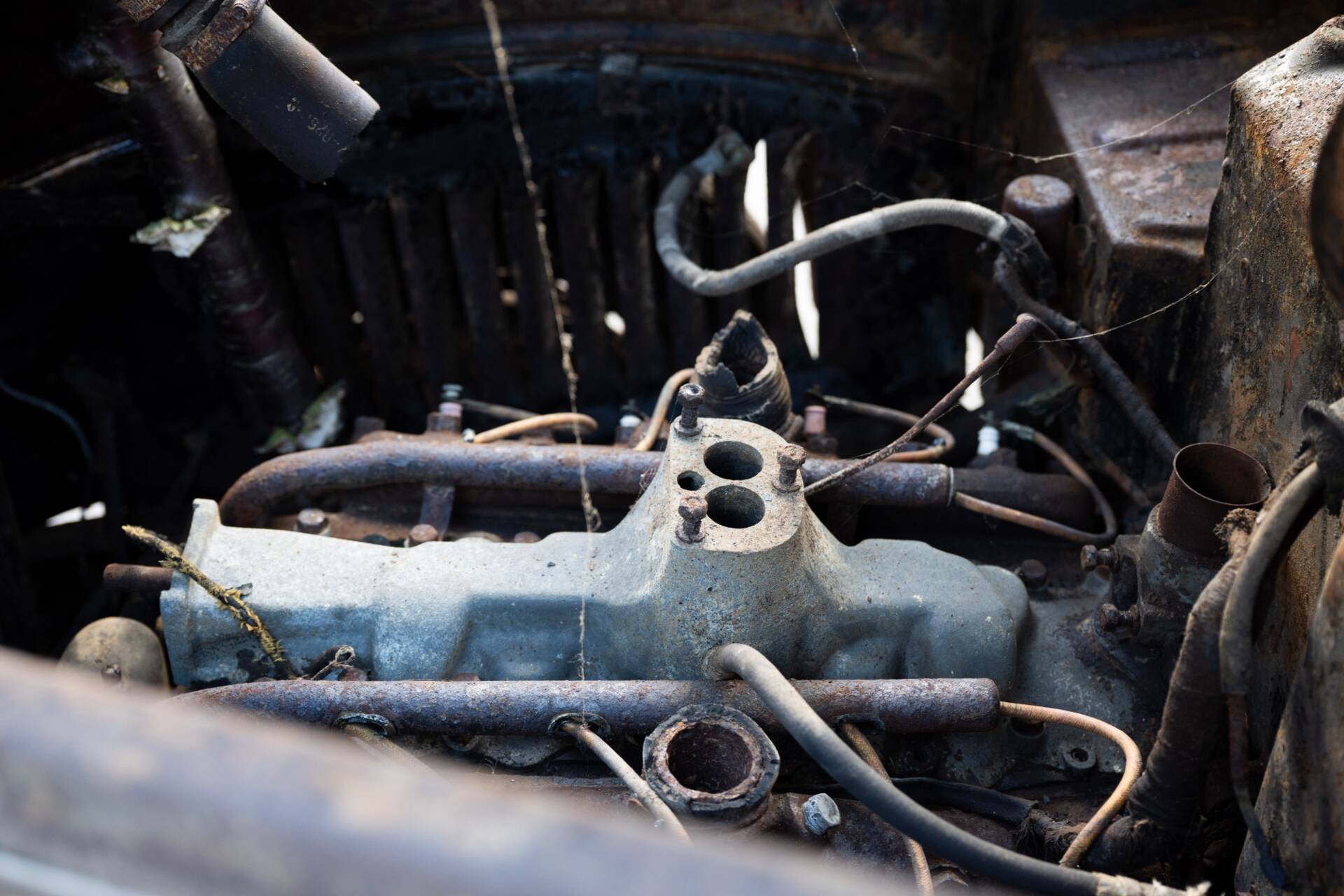
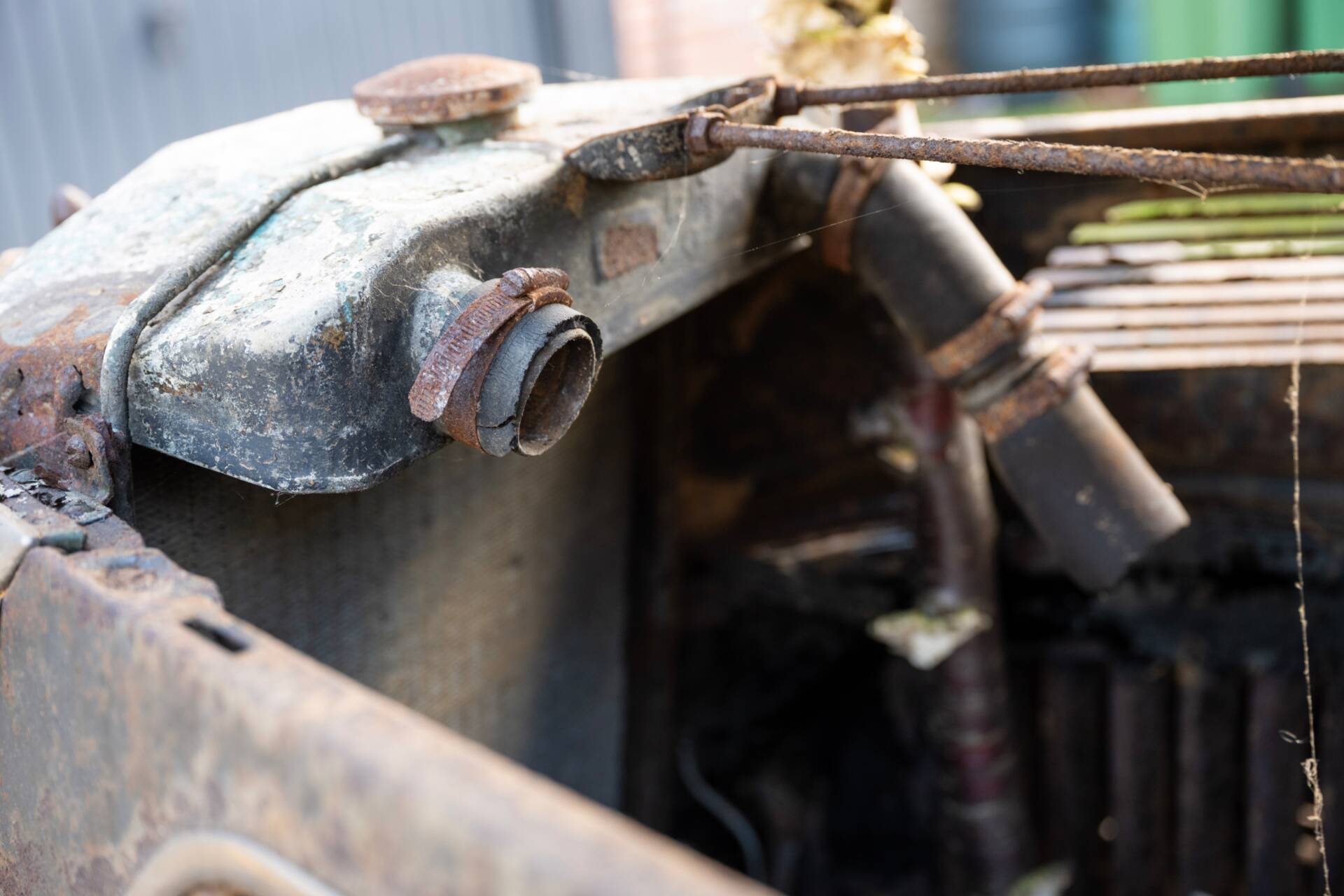
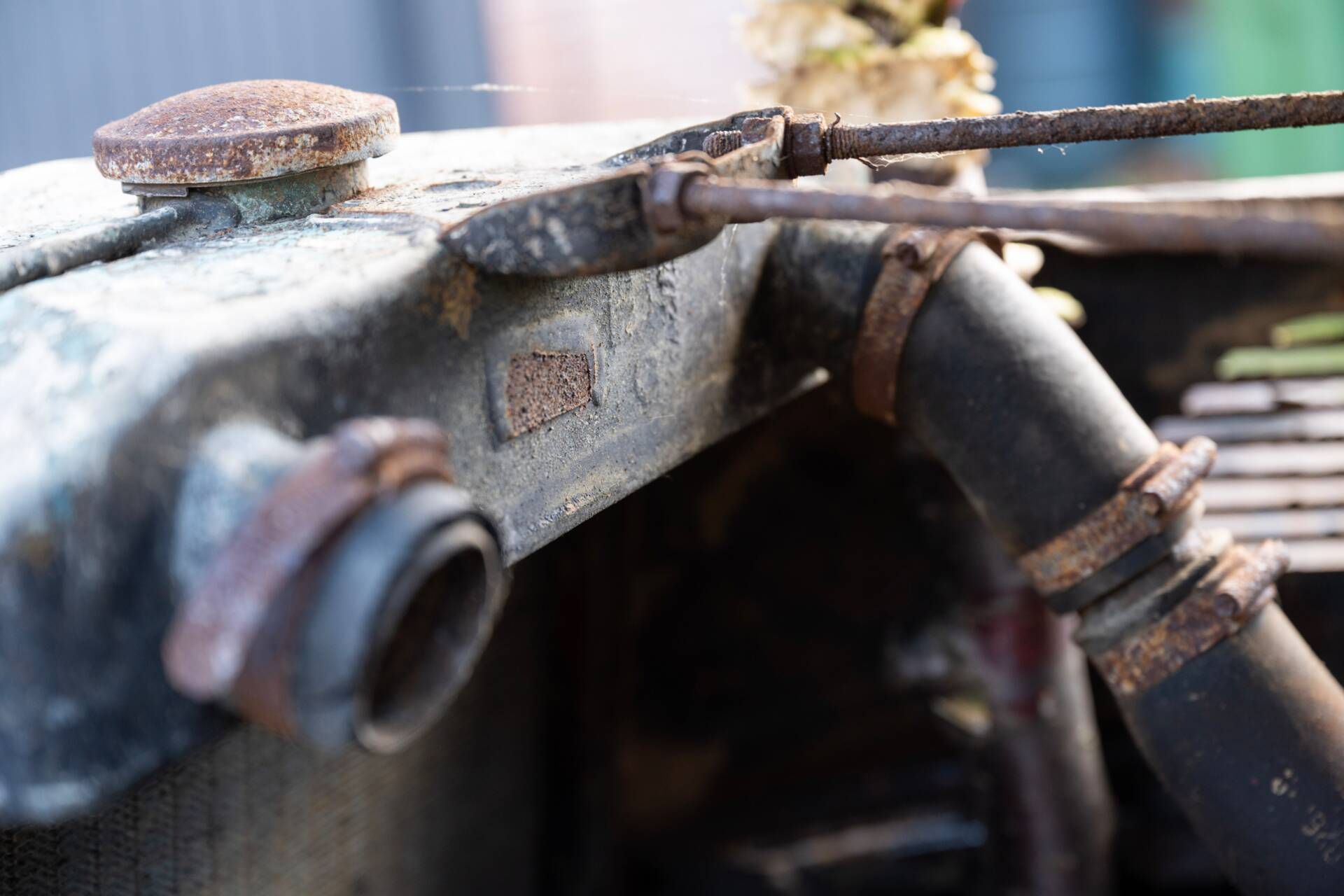
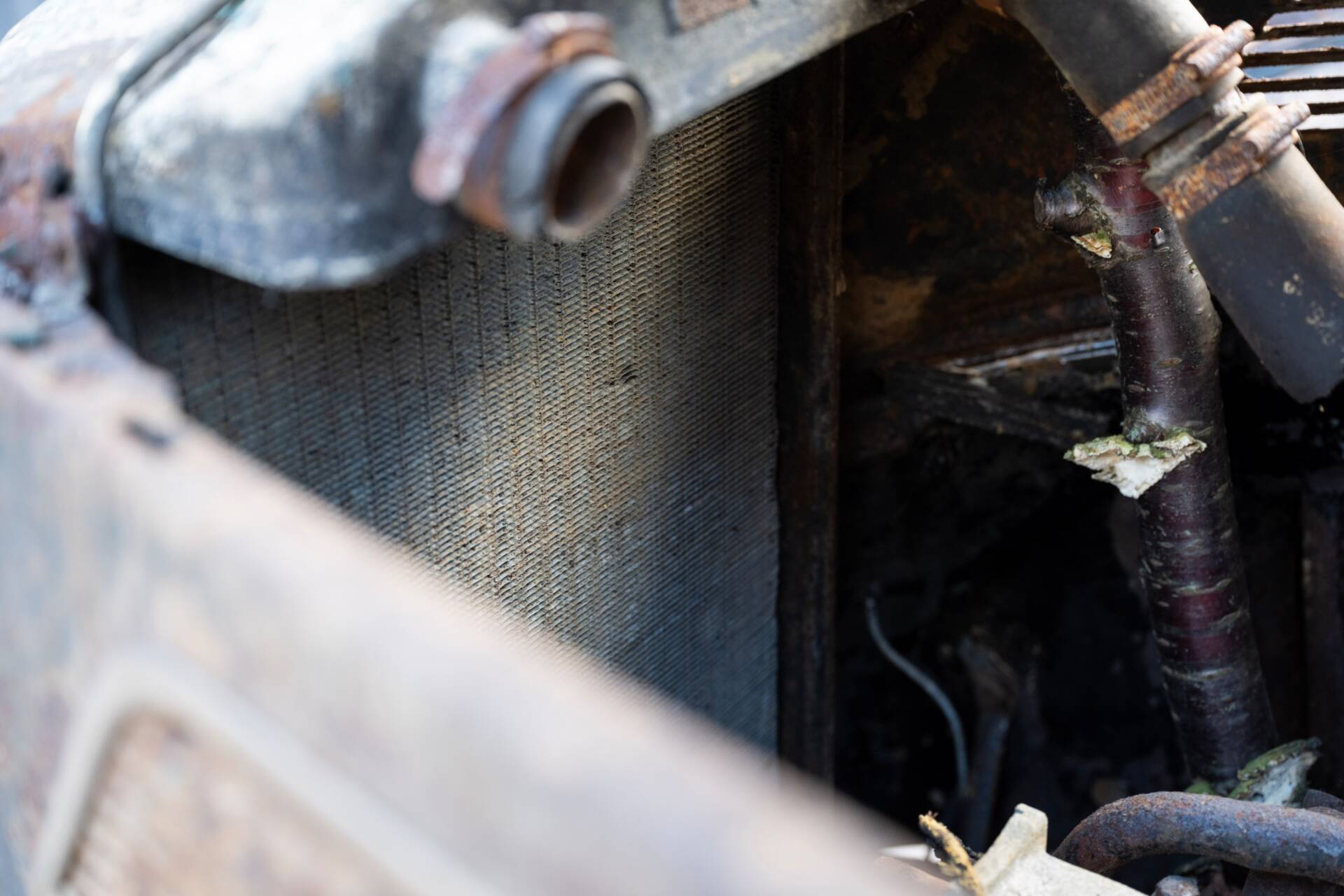
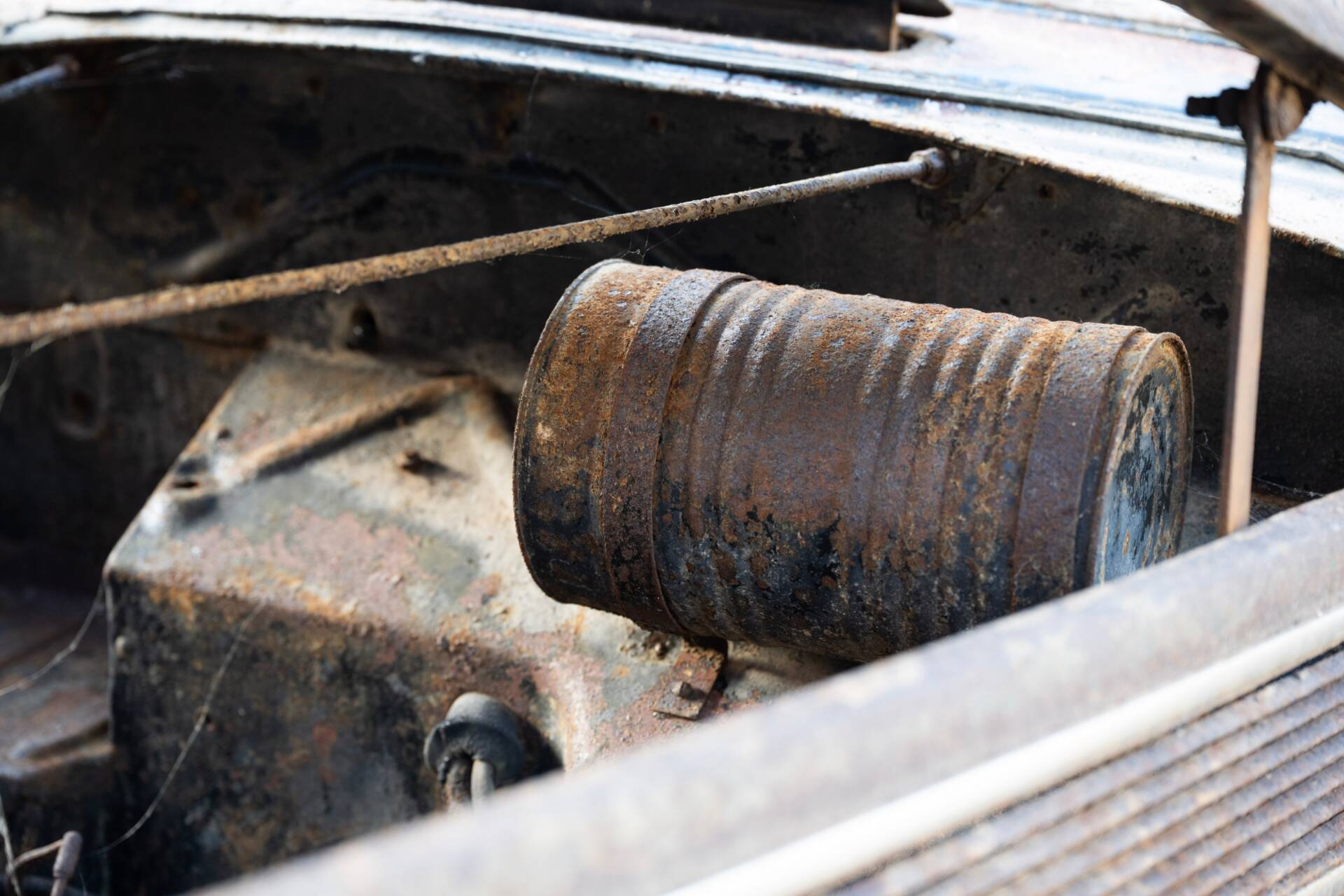
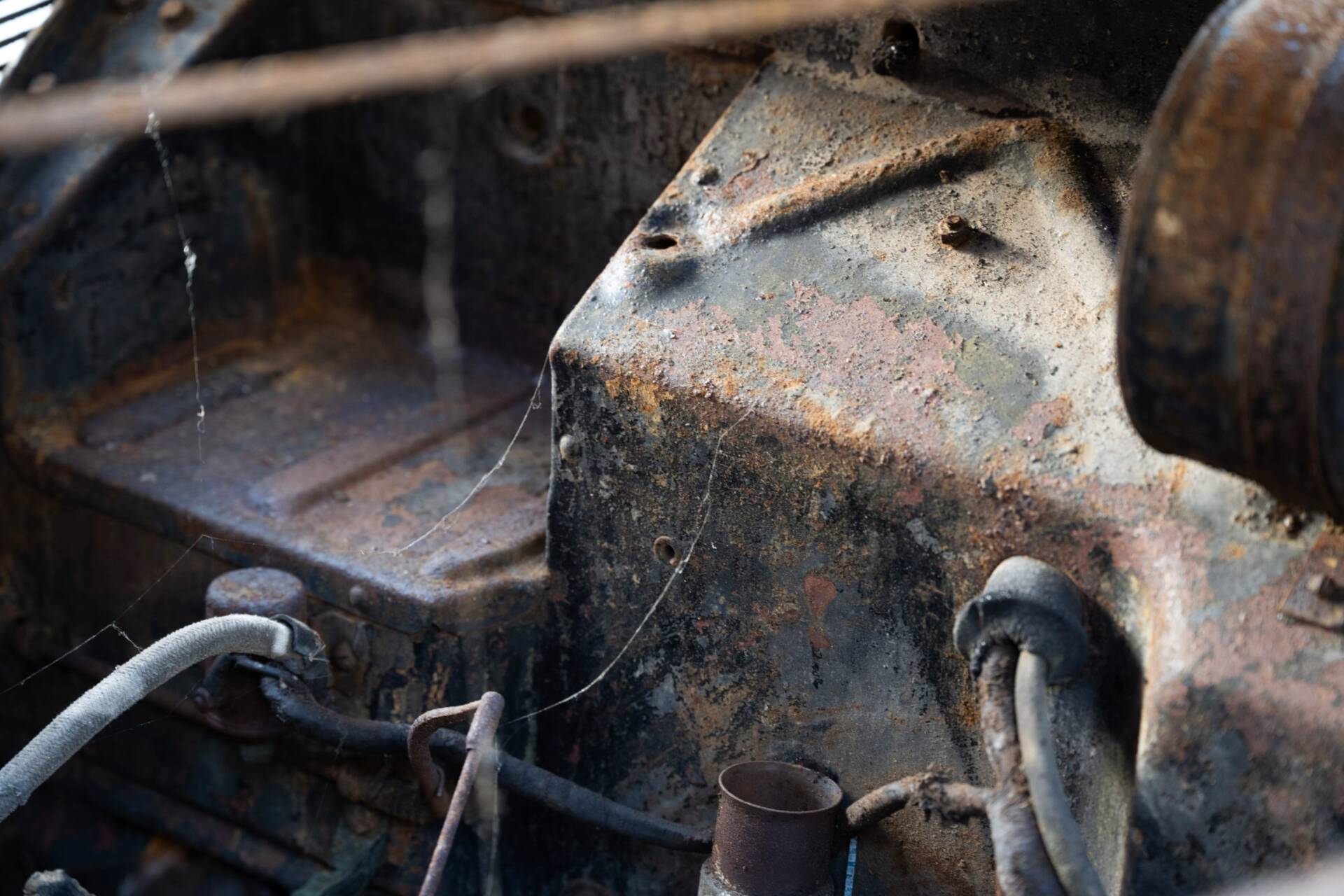
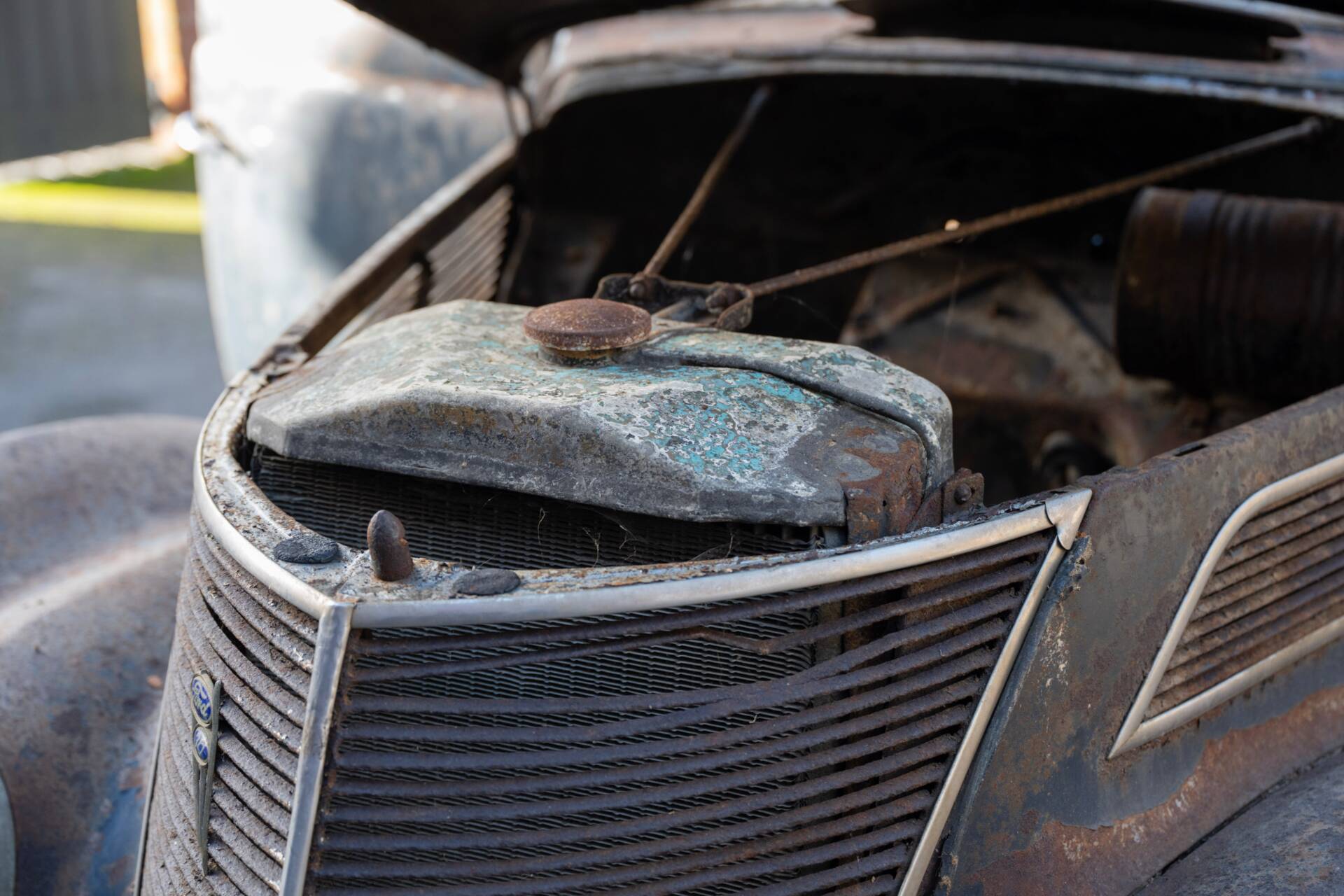
Untouched barn find – stored for decades at the Milligen farm. Originally delivered as a four-door saloon and converted into a pick-up during the Second World War by local coachbuilders Tooley and Youngs. A highly desirable example of pre-war British Ford engineering. Currently missing gearbox and carburetor – making it an ideal project for an ambitious restoration by collectors with a passion for Ford.
🏛️ General Information / Model History
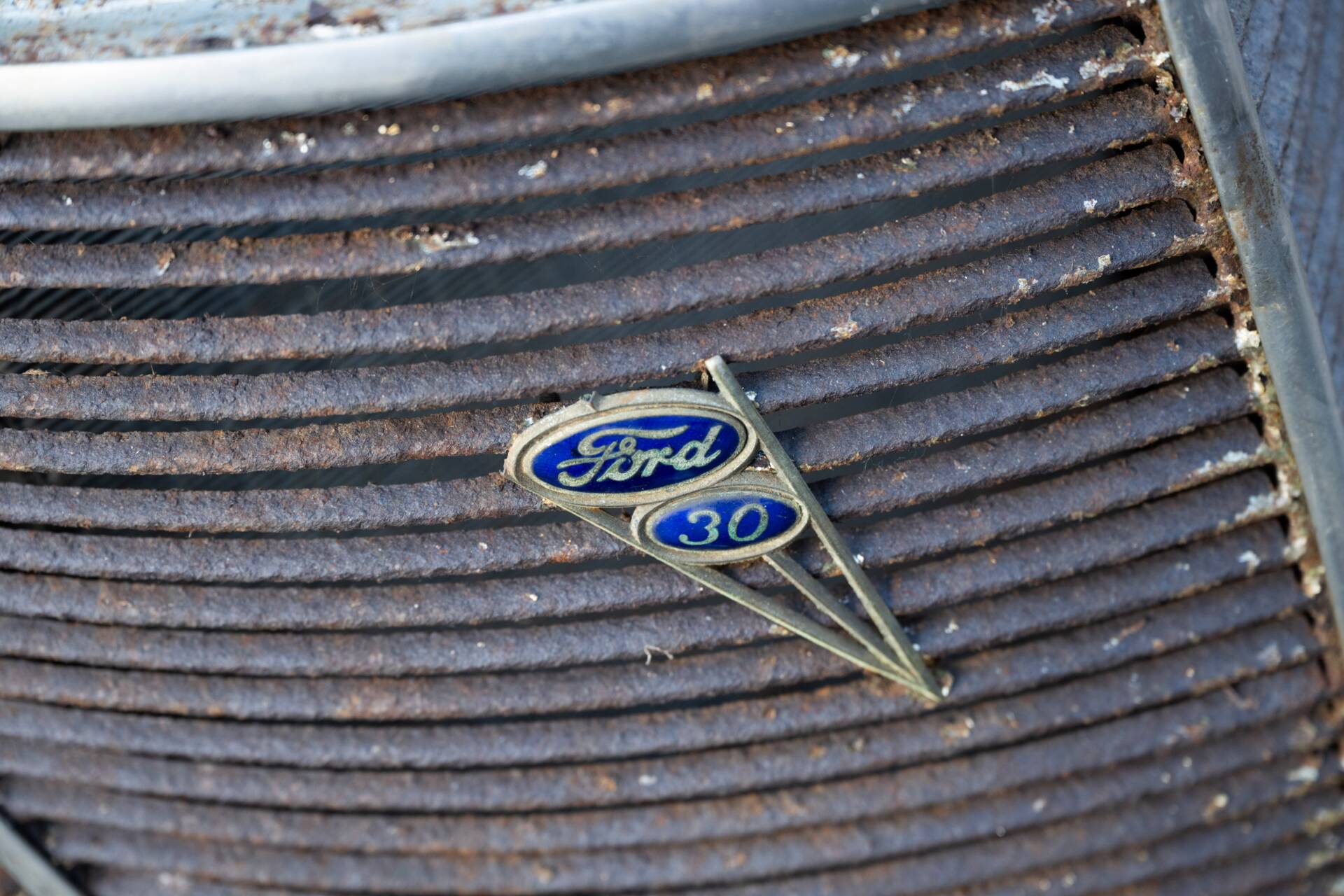
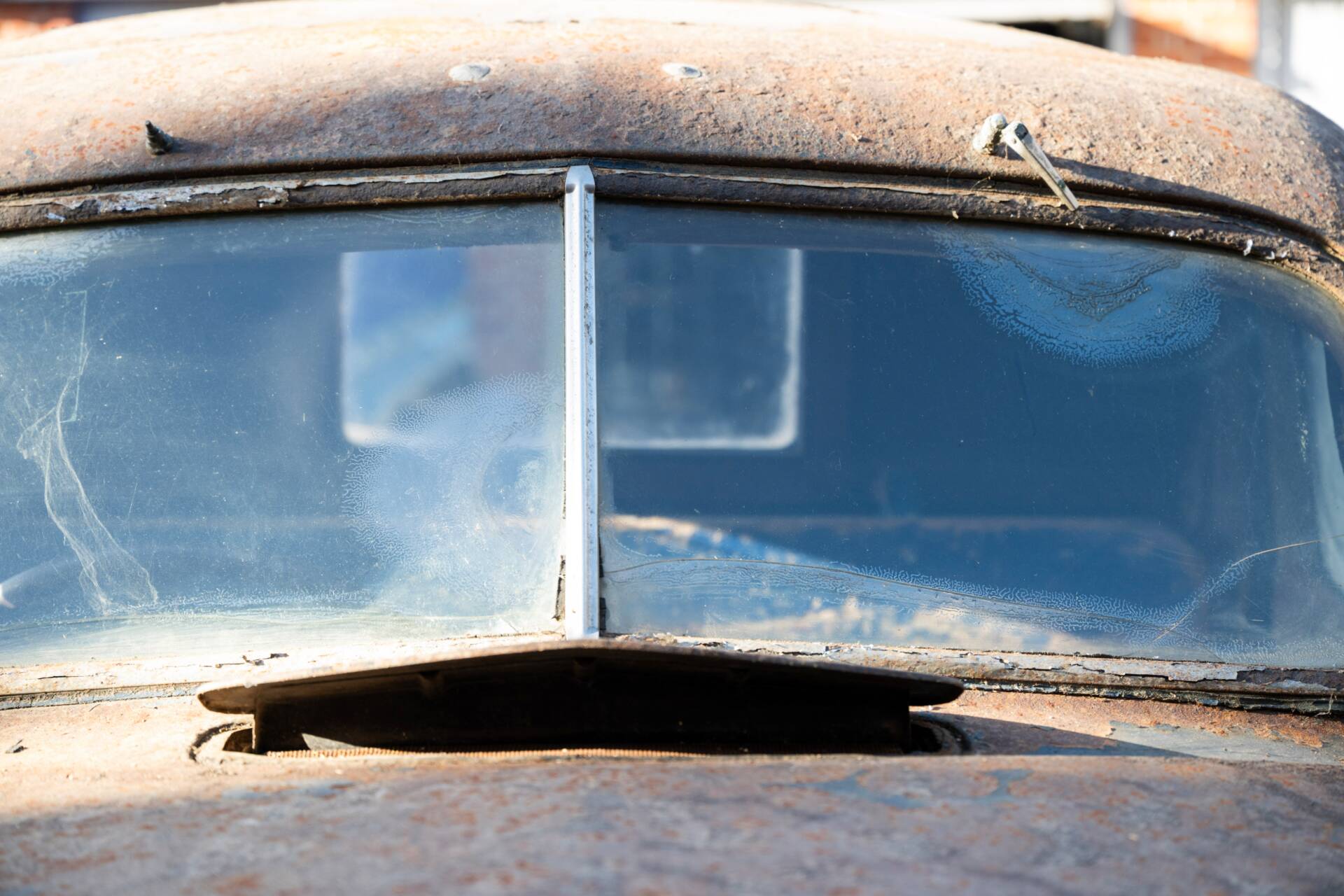
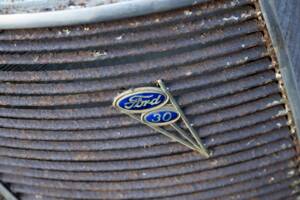
The Ford V8-78 marks an important milestone in British automotive history. Presented in January 1937, it was essentially the British right-hand-drive version of the American V8-78, produced at the historic Dagenham plant. With its avant-garde “split-screen” design, clearly inspired by the luxurious Lincoln Zephyr, the V8-78 set stylistic standards and incorporated technical innovations: for the first time, the previously common rod-operated brakes were replaced by “easy-action self-energising” cable brakes, which contemporary reports praised for significantly improved braking performance.
Between January 1937 and June 1938, only 4,331 examples were produced, mainly as four-door saloons, while Club Cabriolets and commercial conversions such as the pick-up presented here remained rare. Many considered this model series the most elegant version of the famous Ford V8 range. With a tested top speed of around 140 km/h (87 mph) and a new price of £230, the V8-78 offered remarkable value for money and was regarded as one of the fastest British family cars of its time.
Modified V8s were particularly popular among British farmers due to their robustness and versatility. Their all-weather capability and reliable starting performance made them a staple of rural mobility – especially since conversions like the pick-up offered here met the specific needs of farm operations.
This Vehicle
Exterior
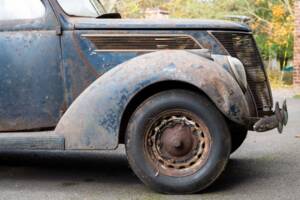
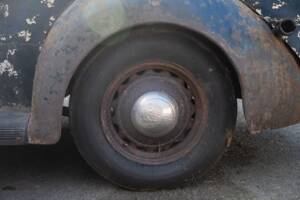
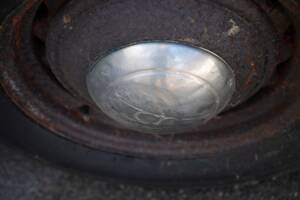
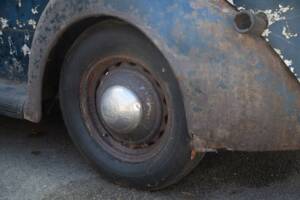
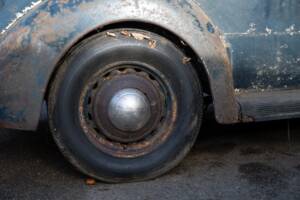
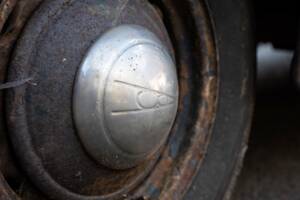
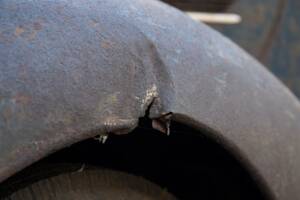
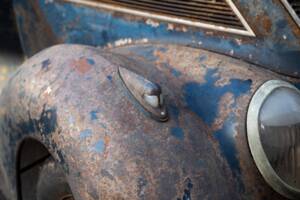
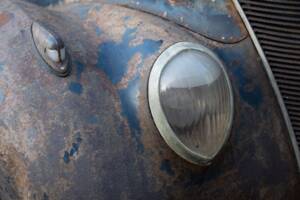
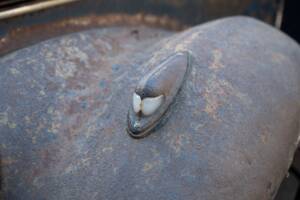
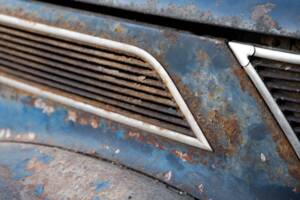
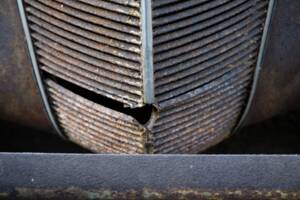
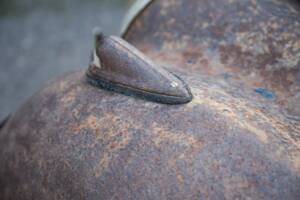
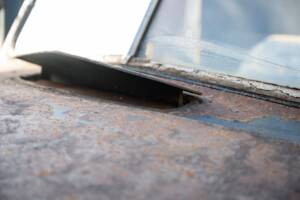
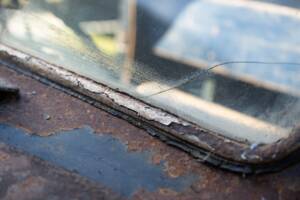
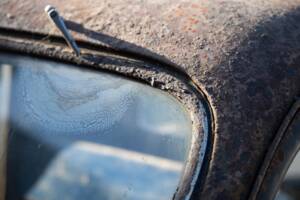
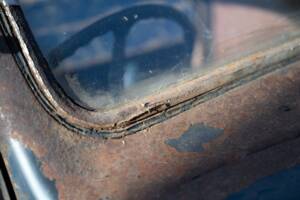
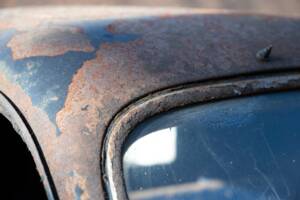
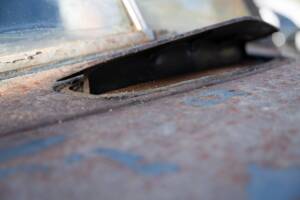
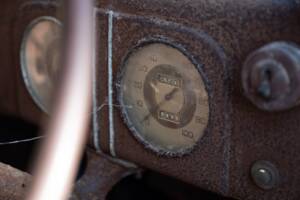
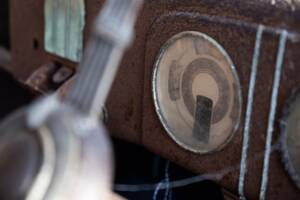
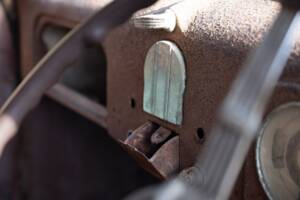
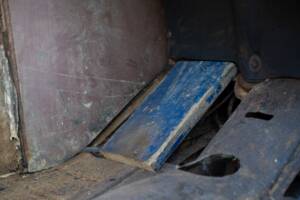
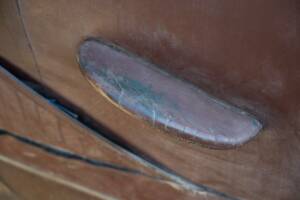
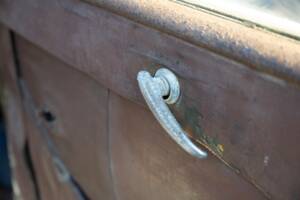
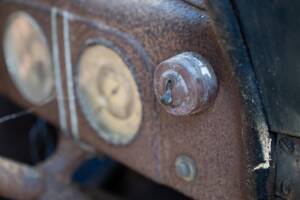
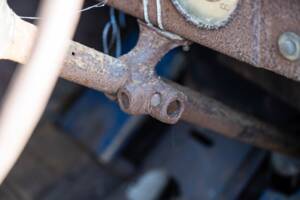
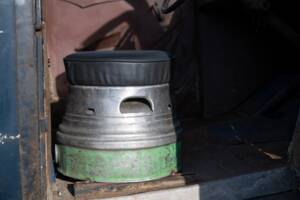
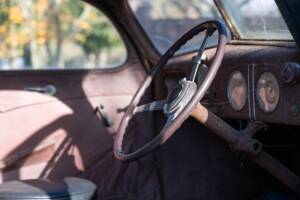
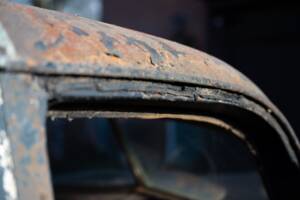
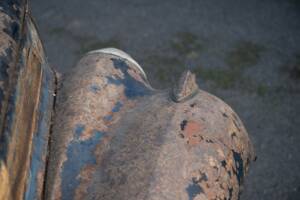
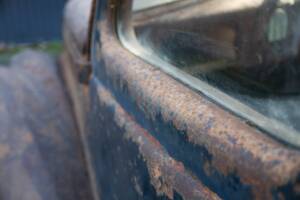
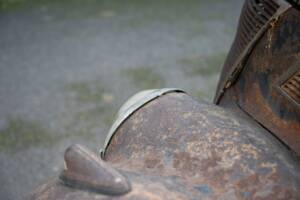
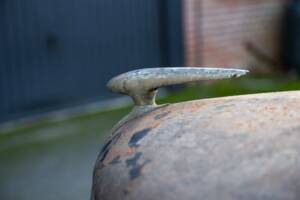
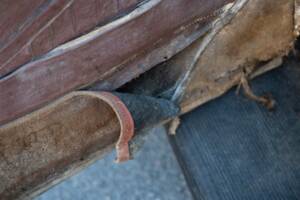
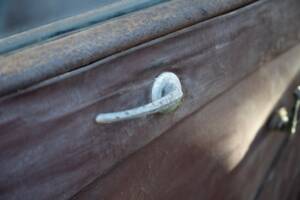
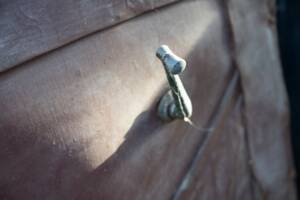
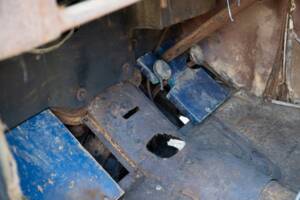
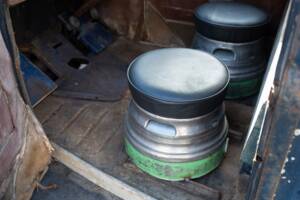
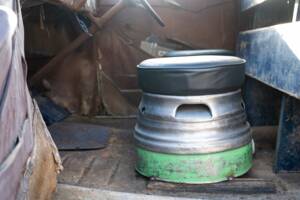
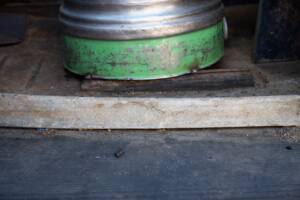
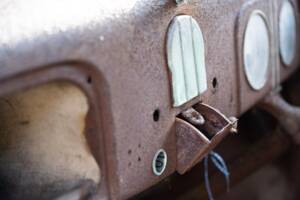
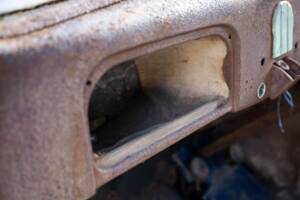
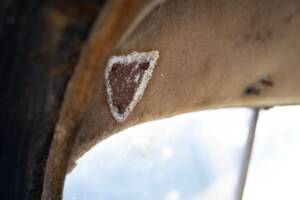
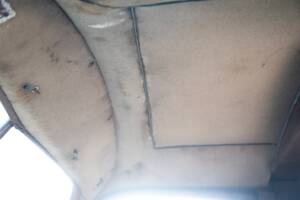
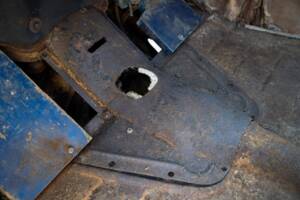
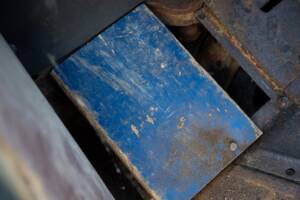
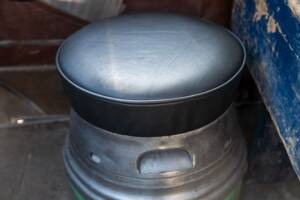
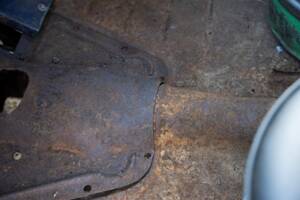
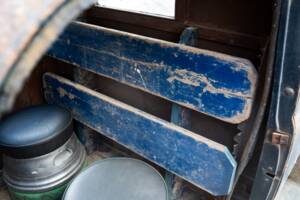
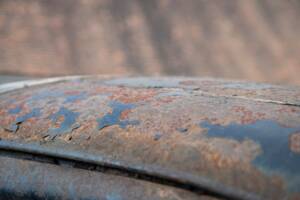
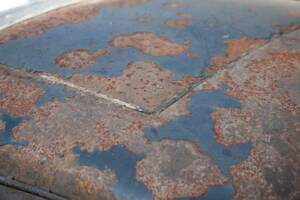
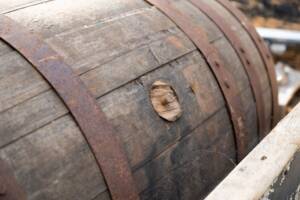
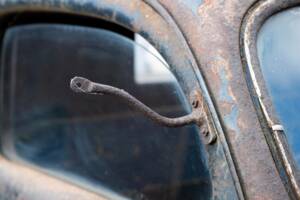
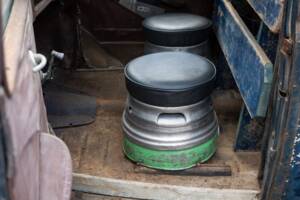
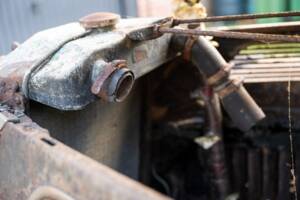
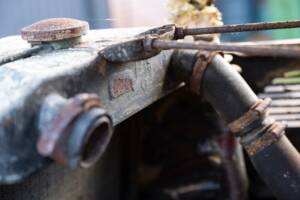
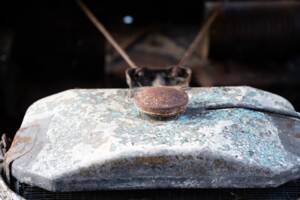
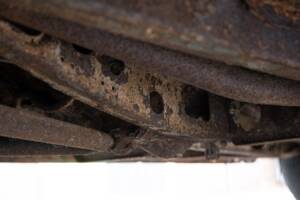
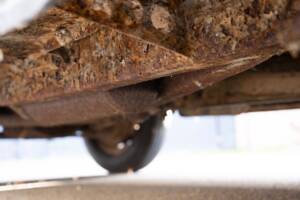
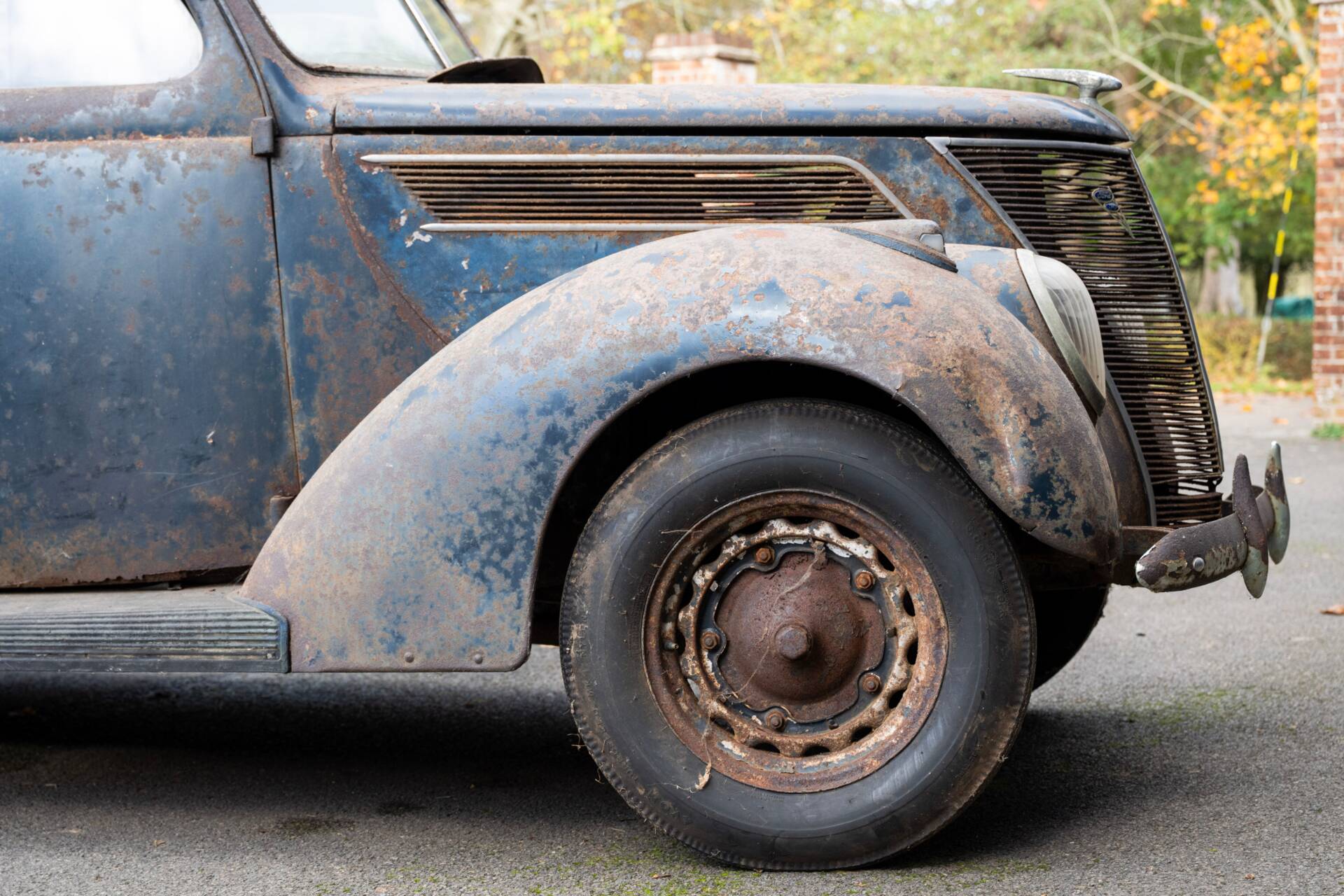
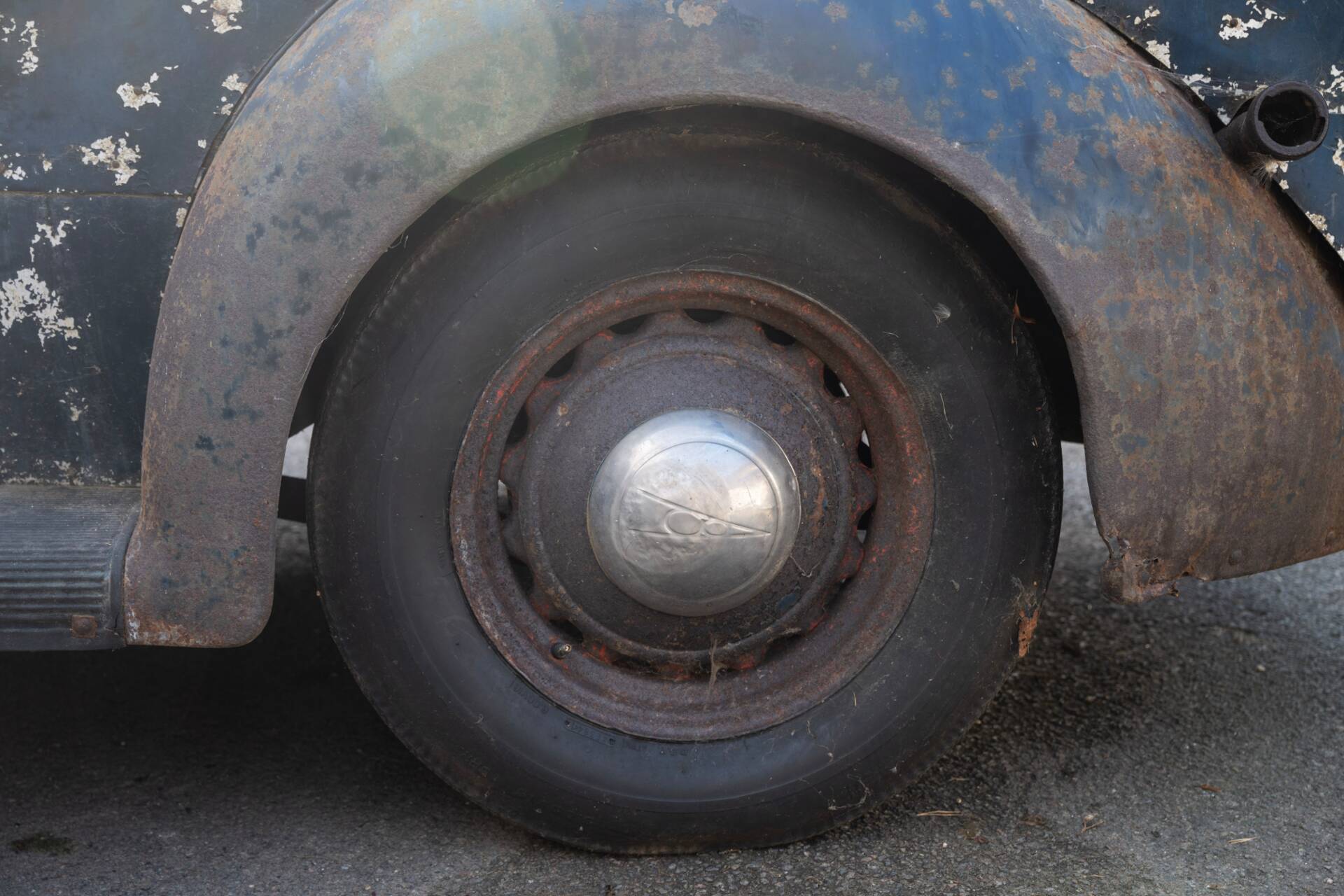
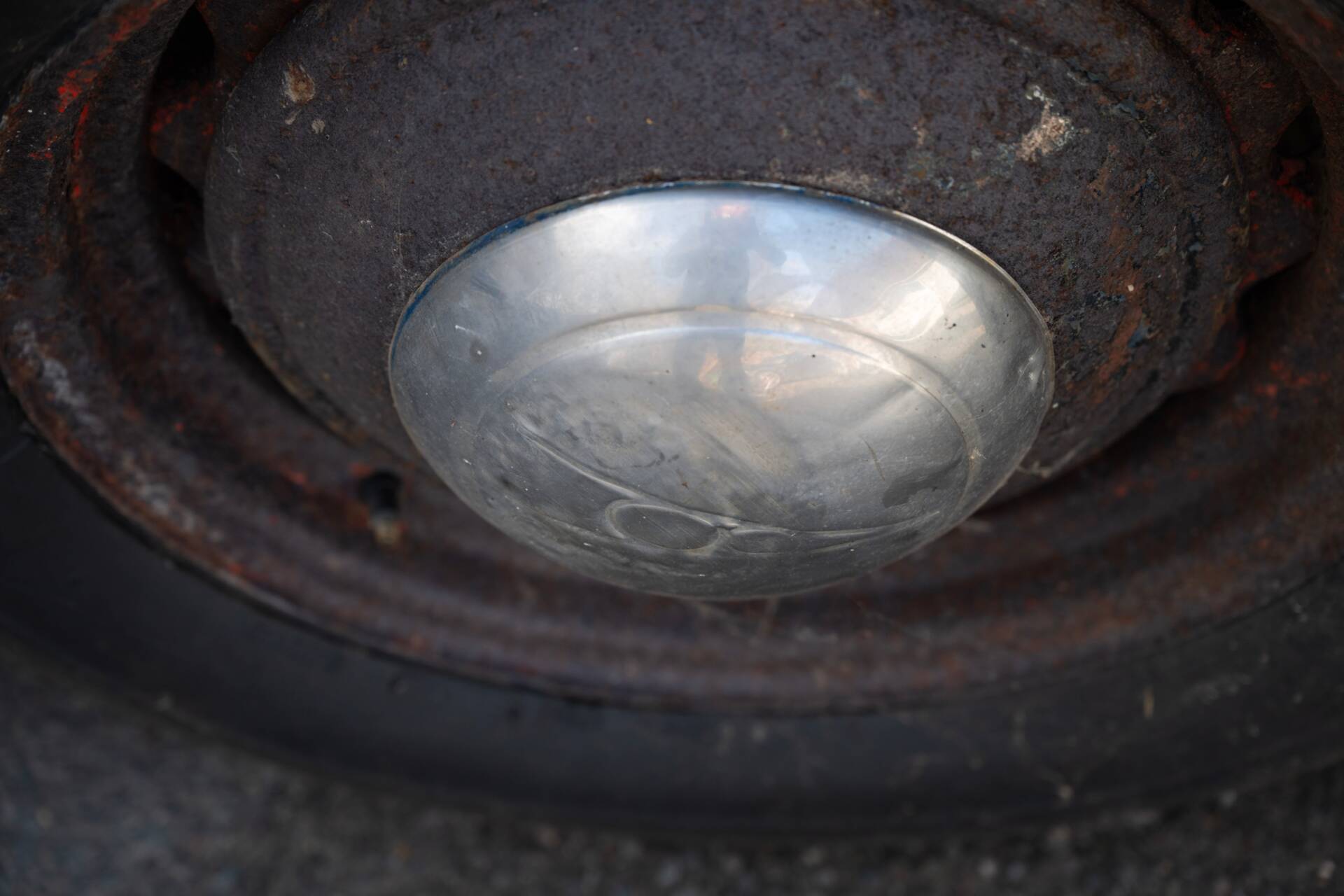
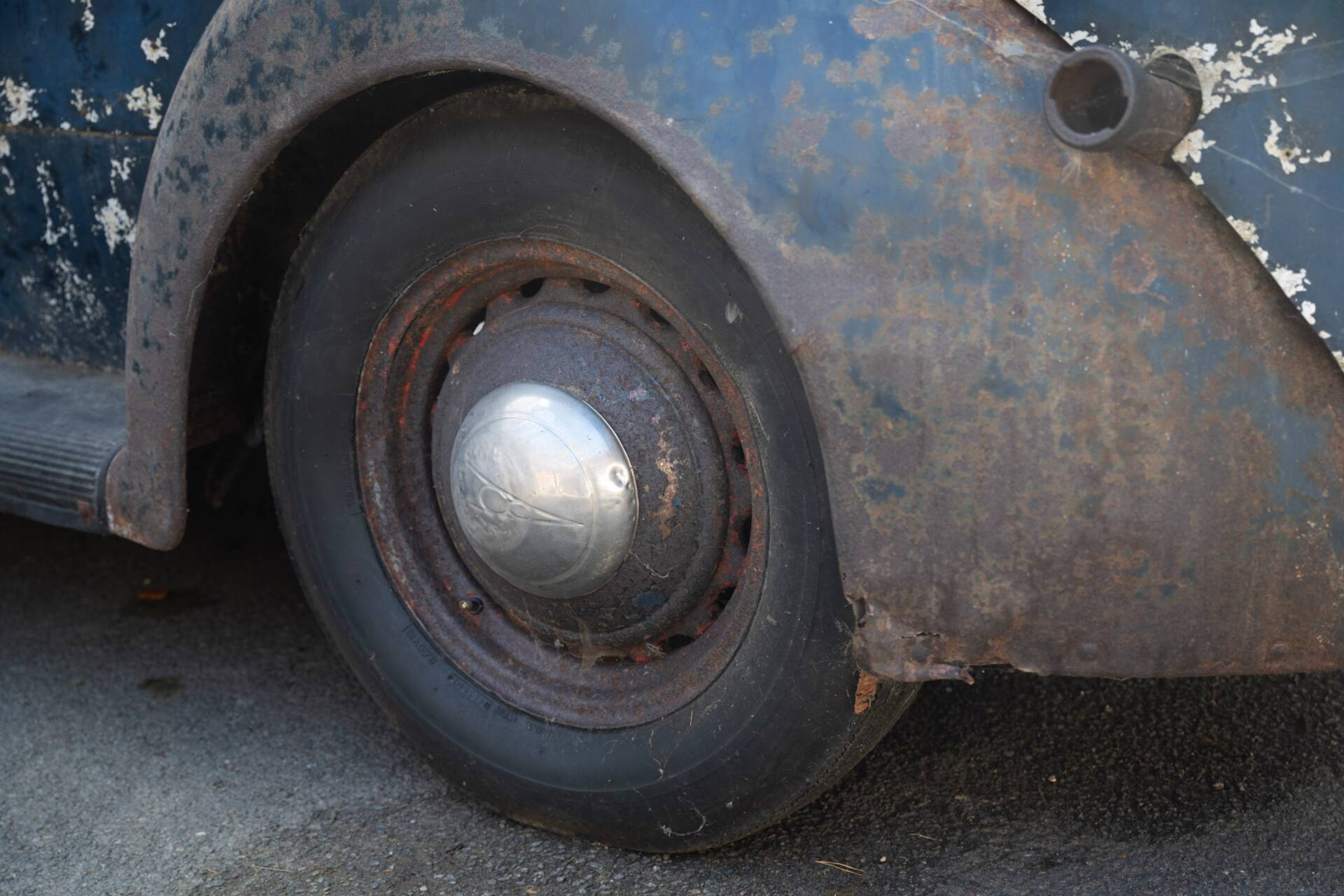
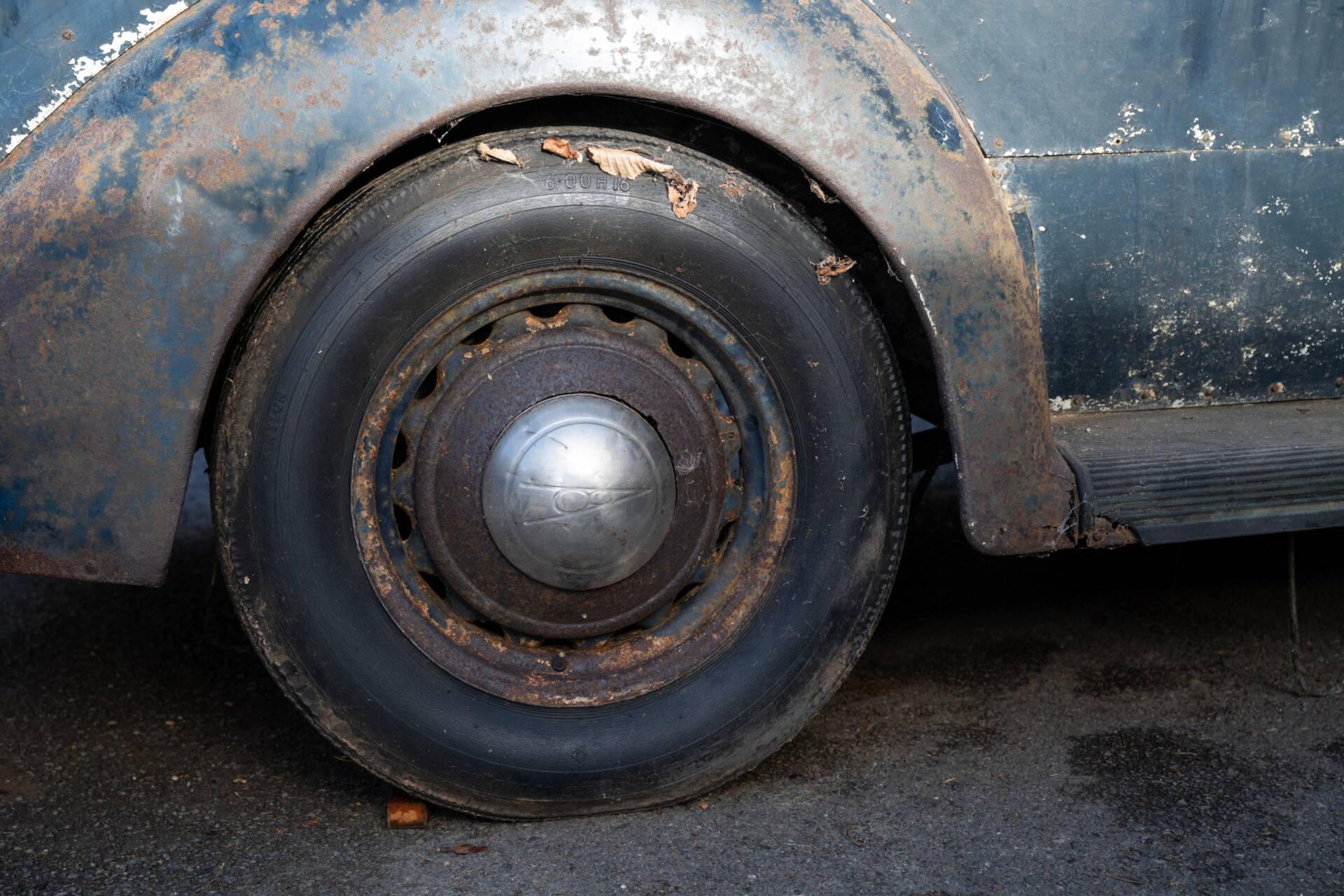
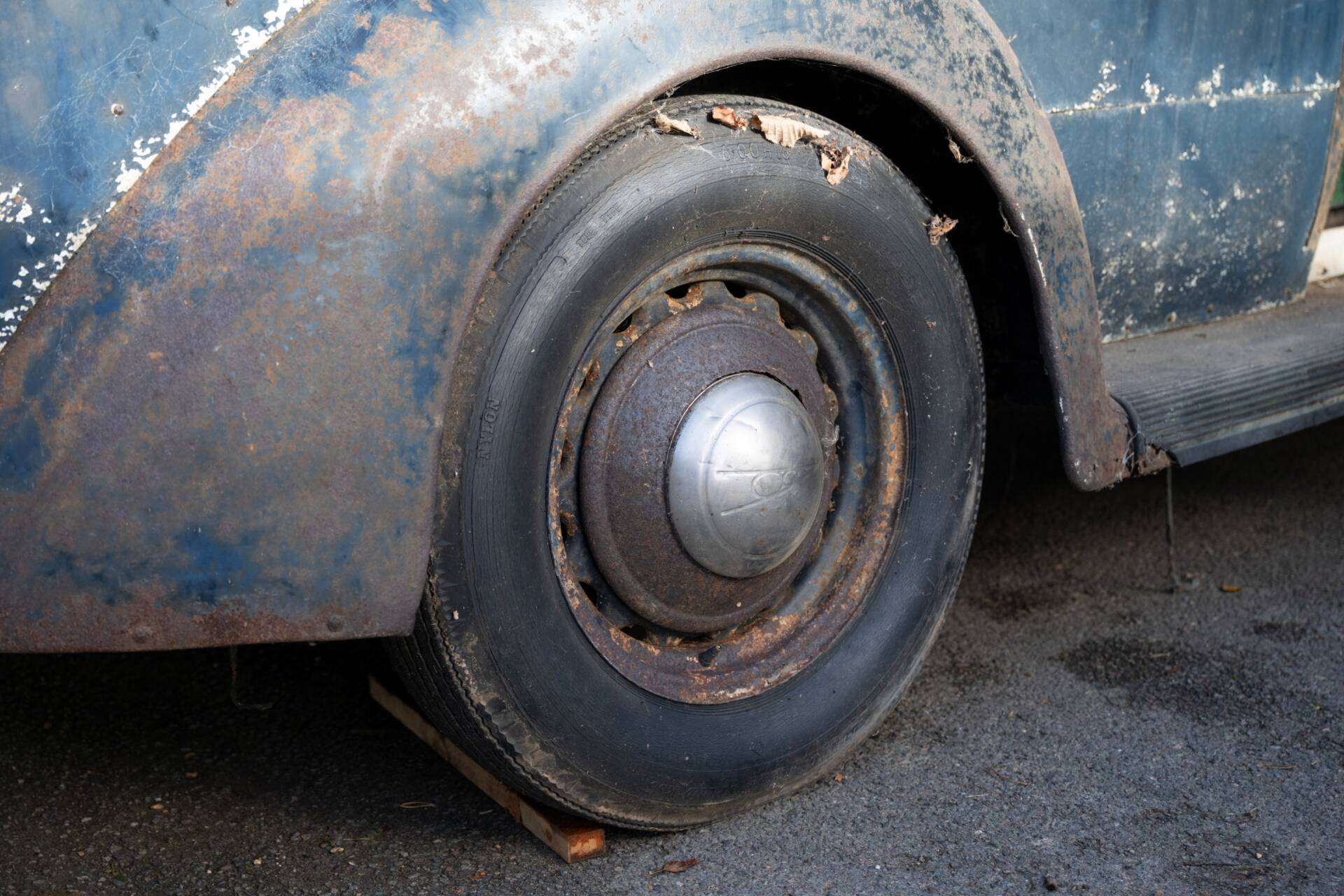
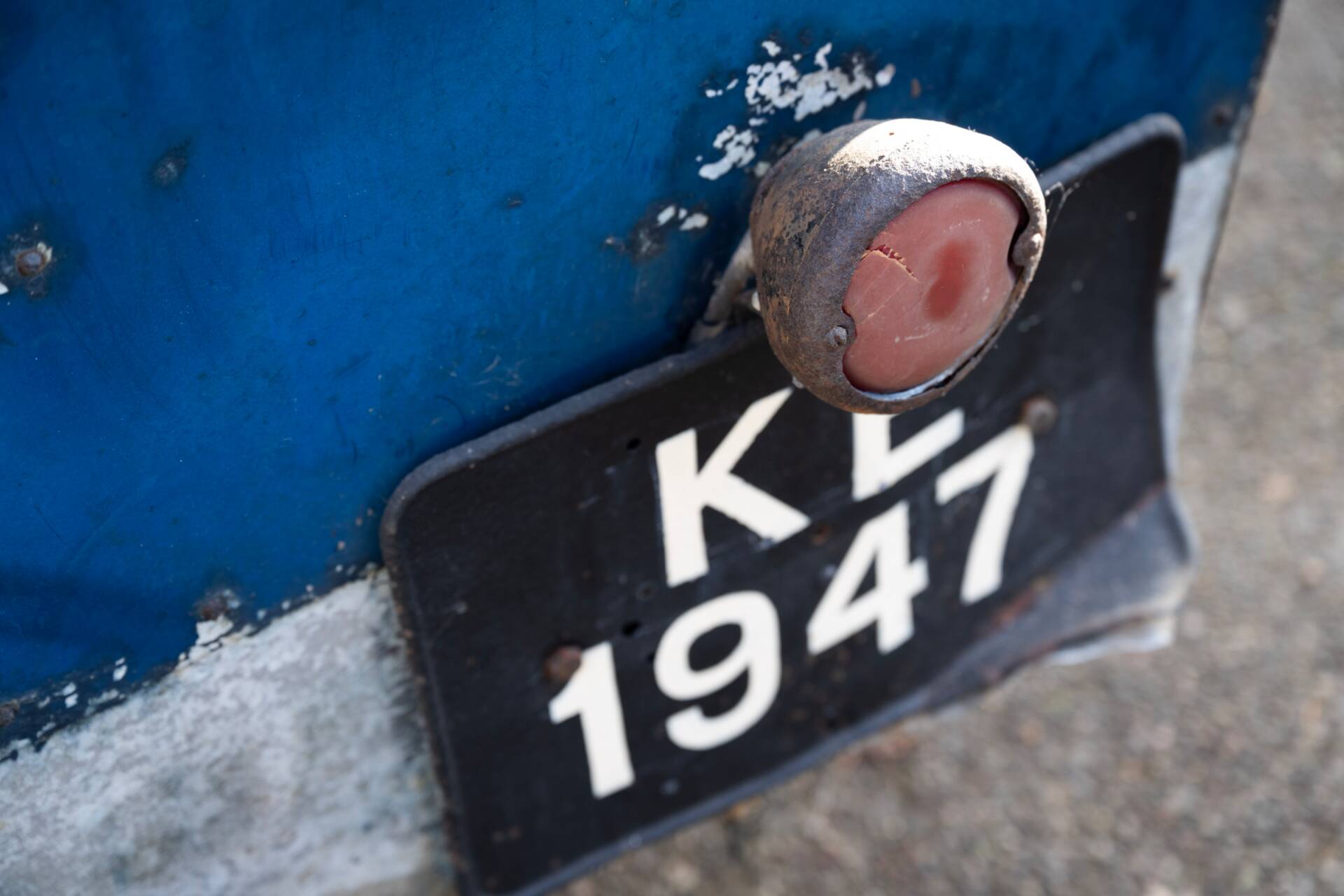
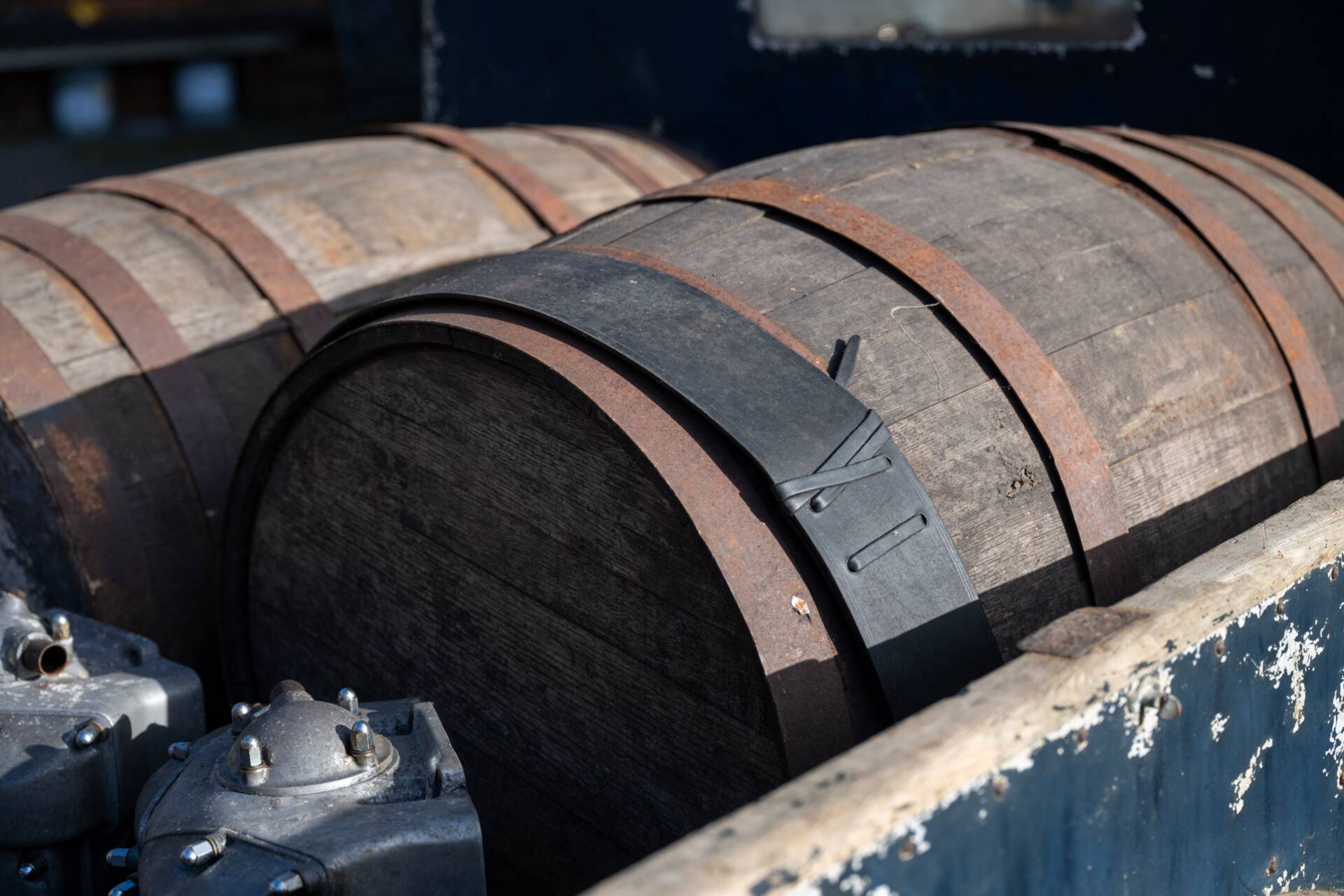
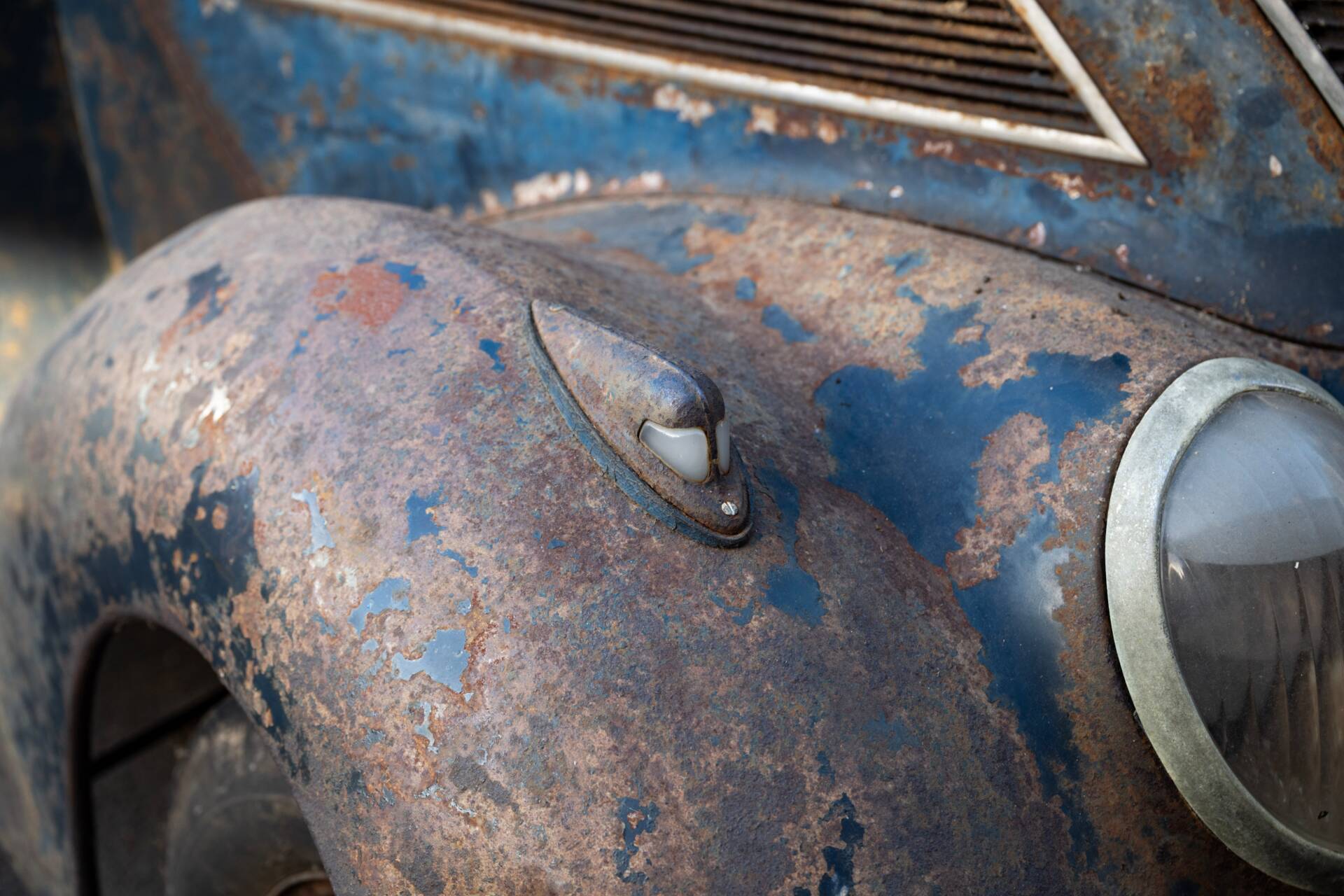
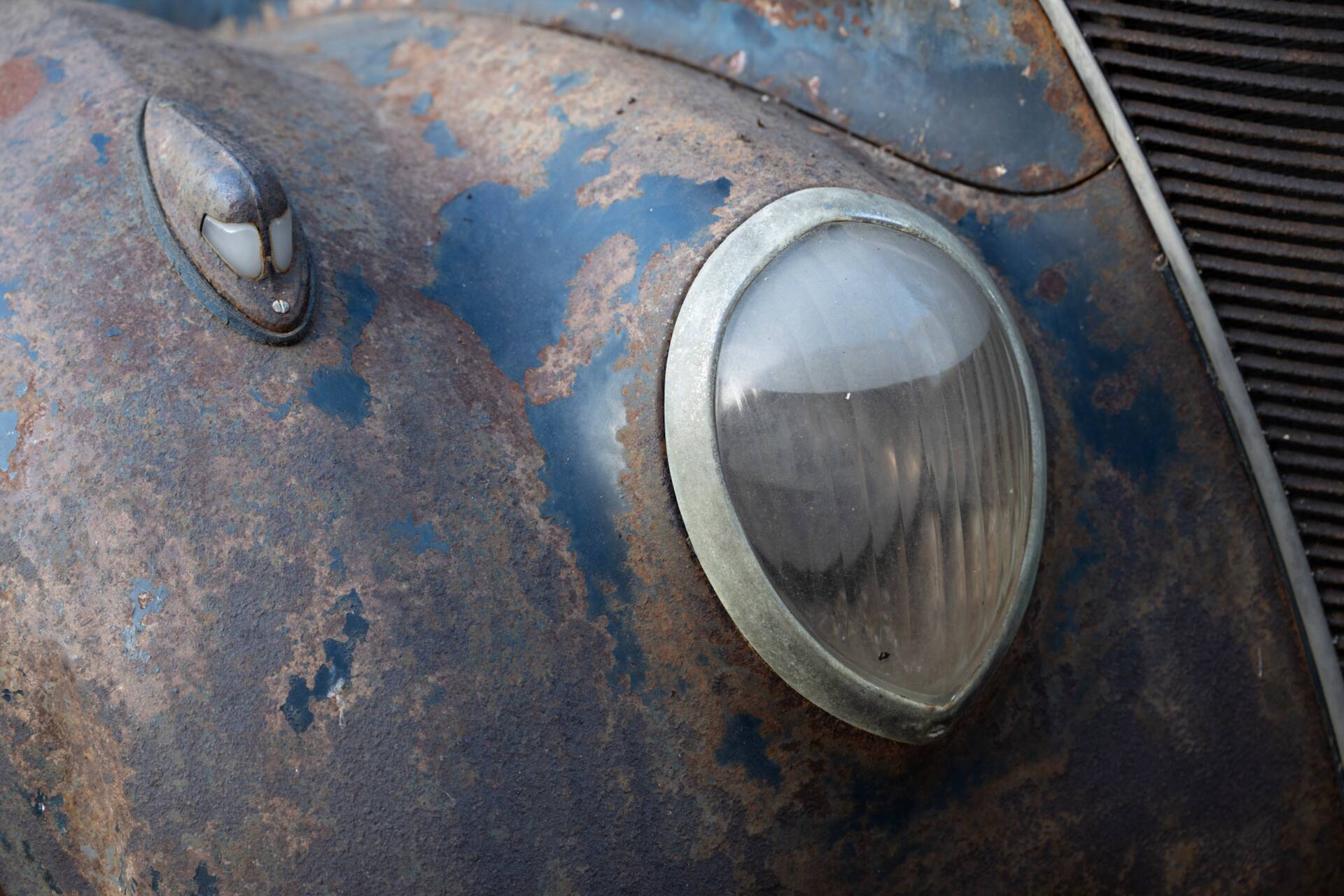
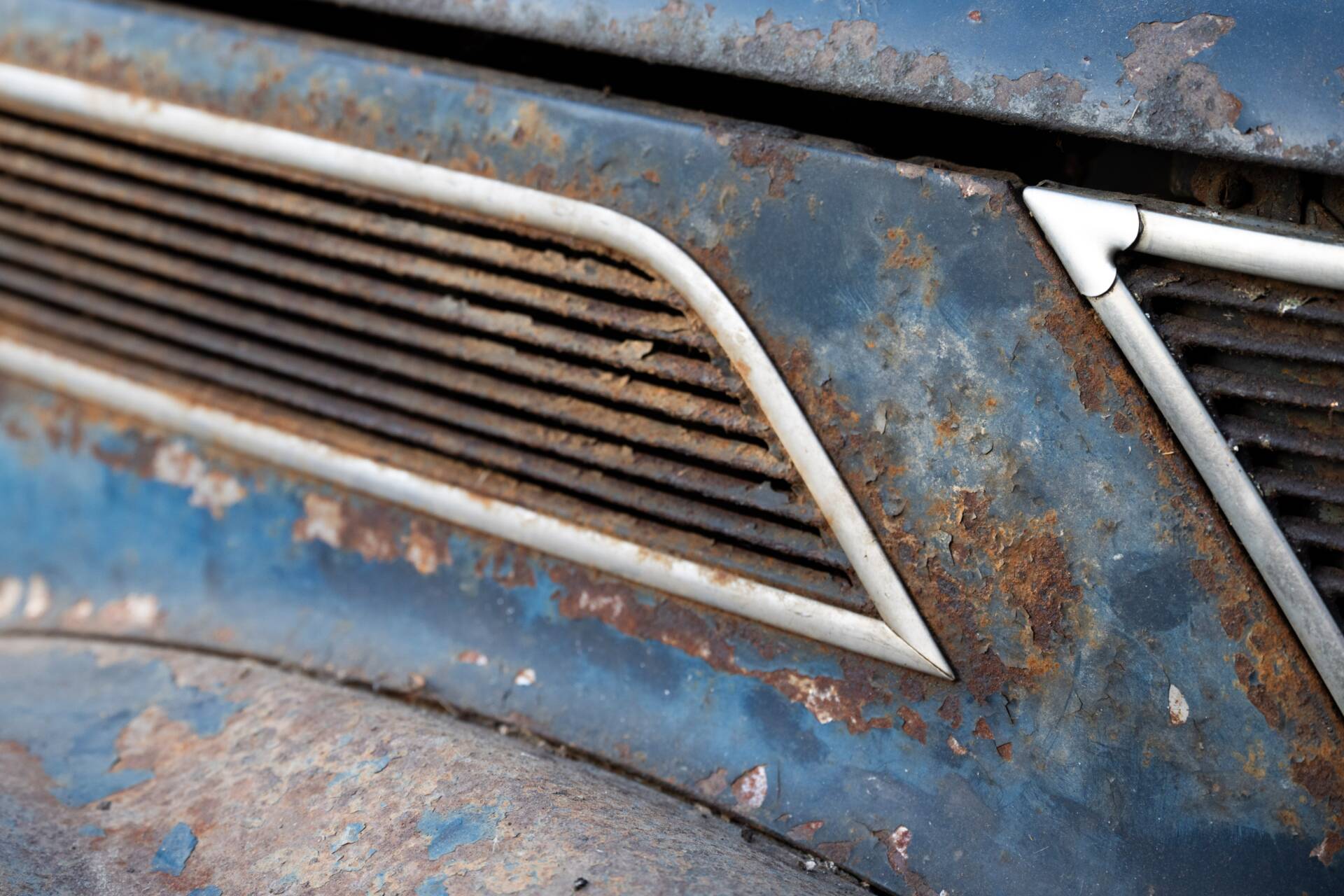
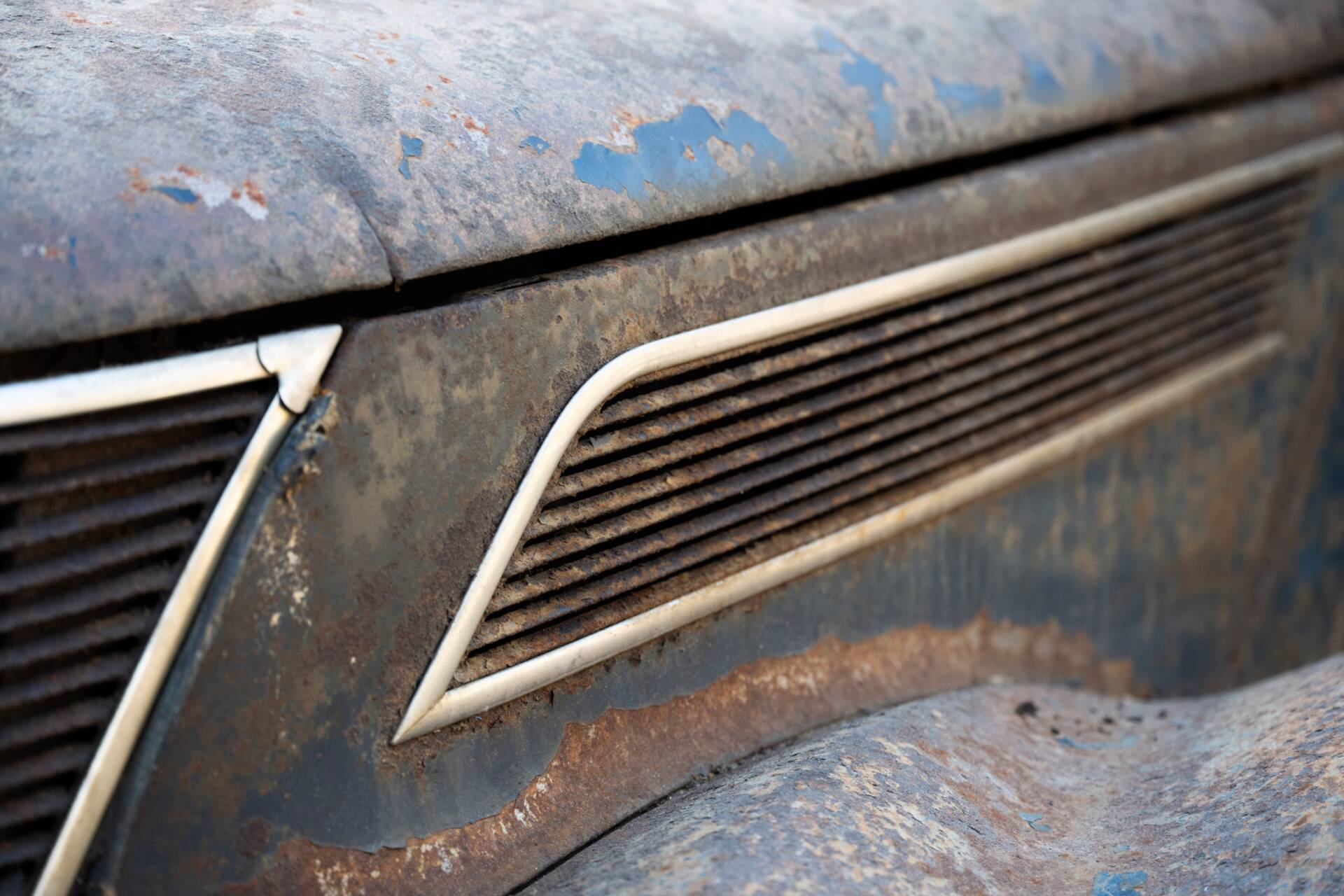
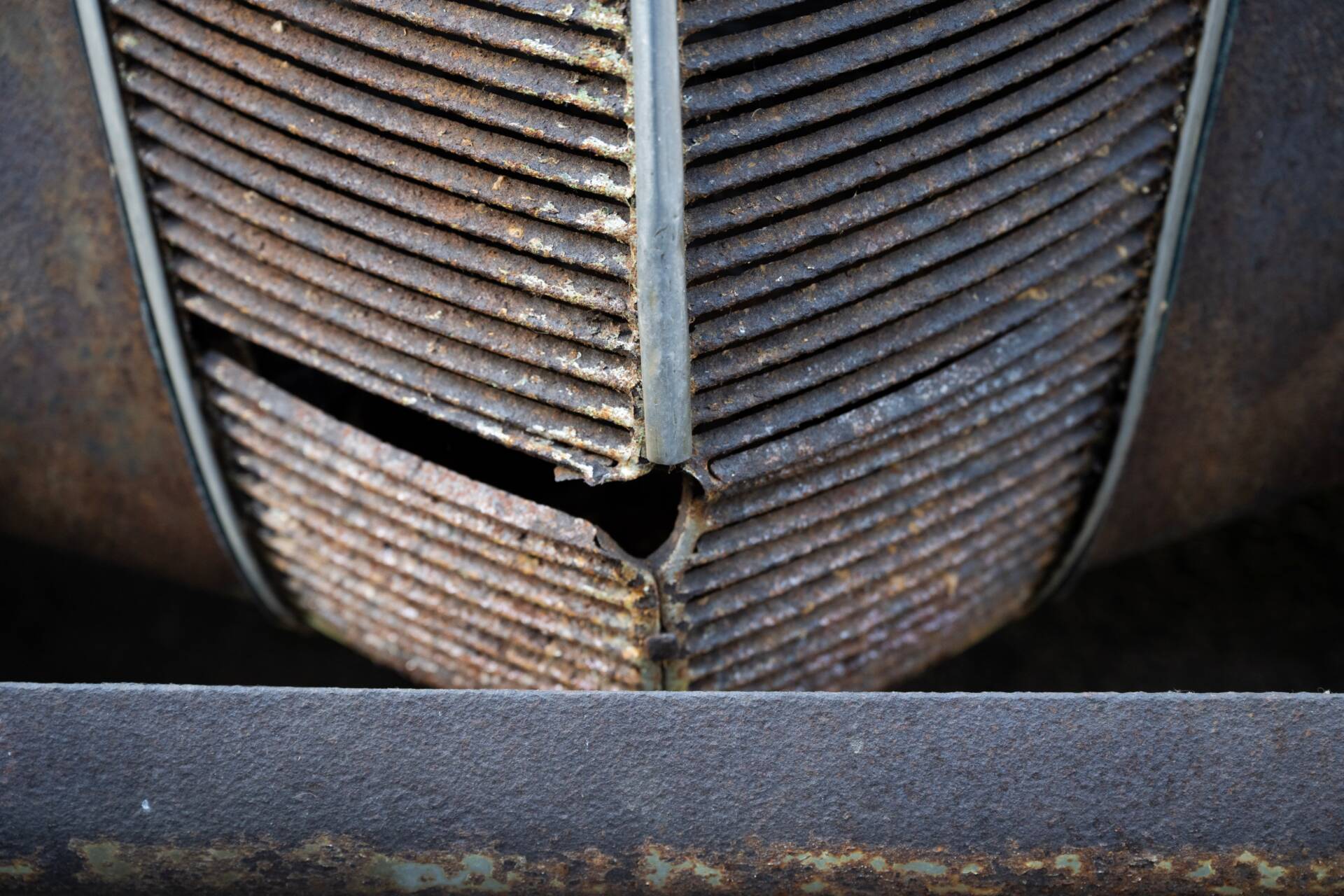
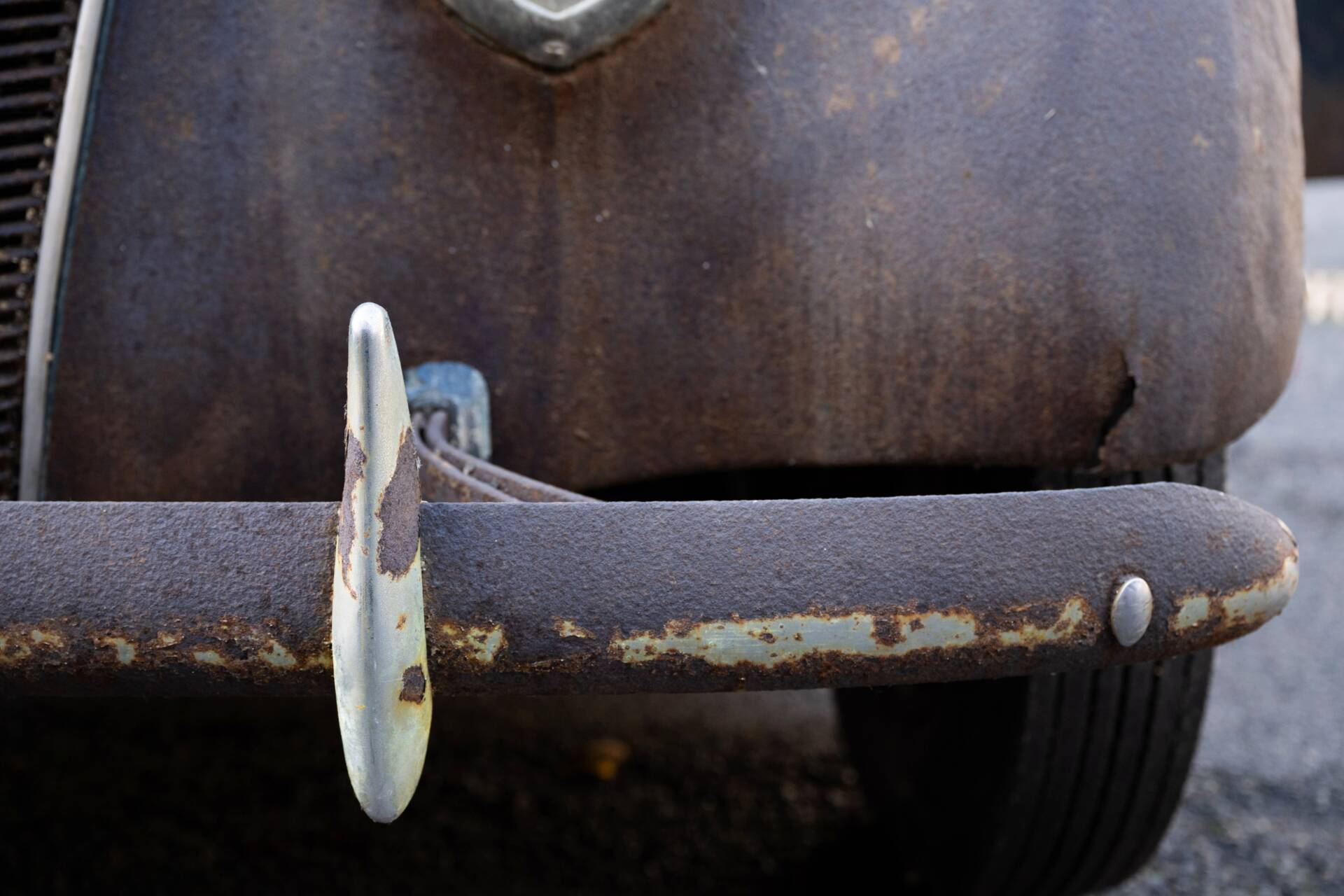
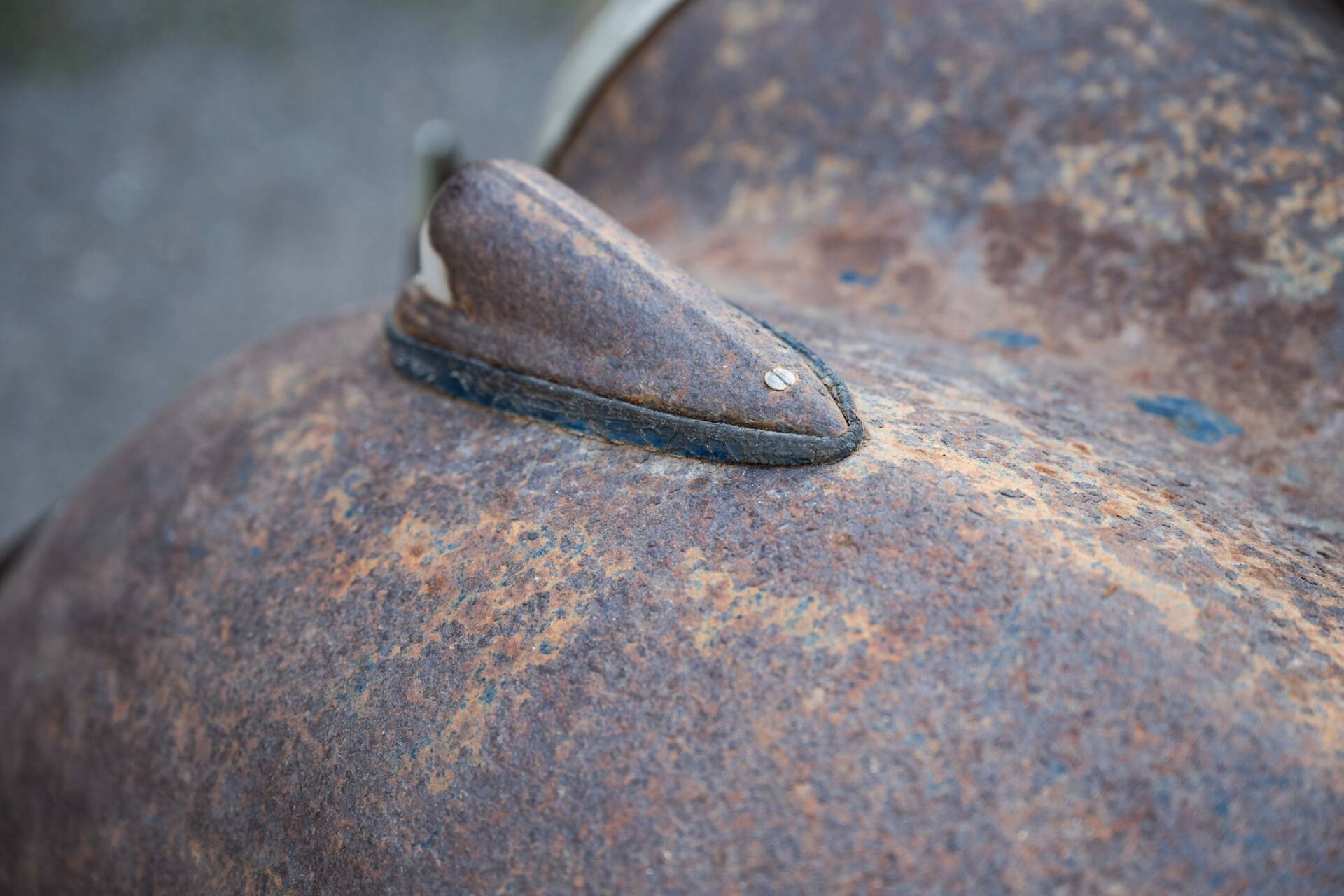
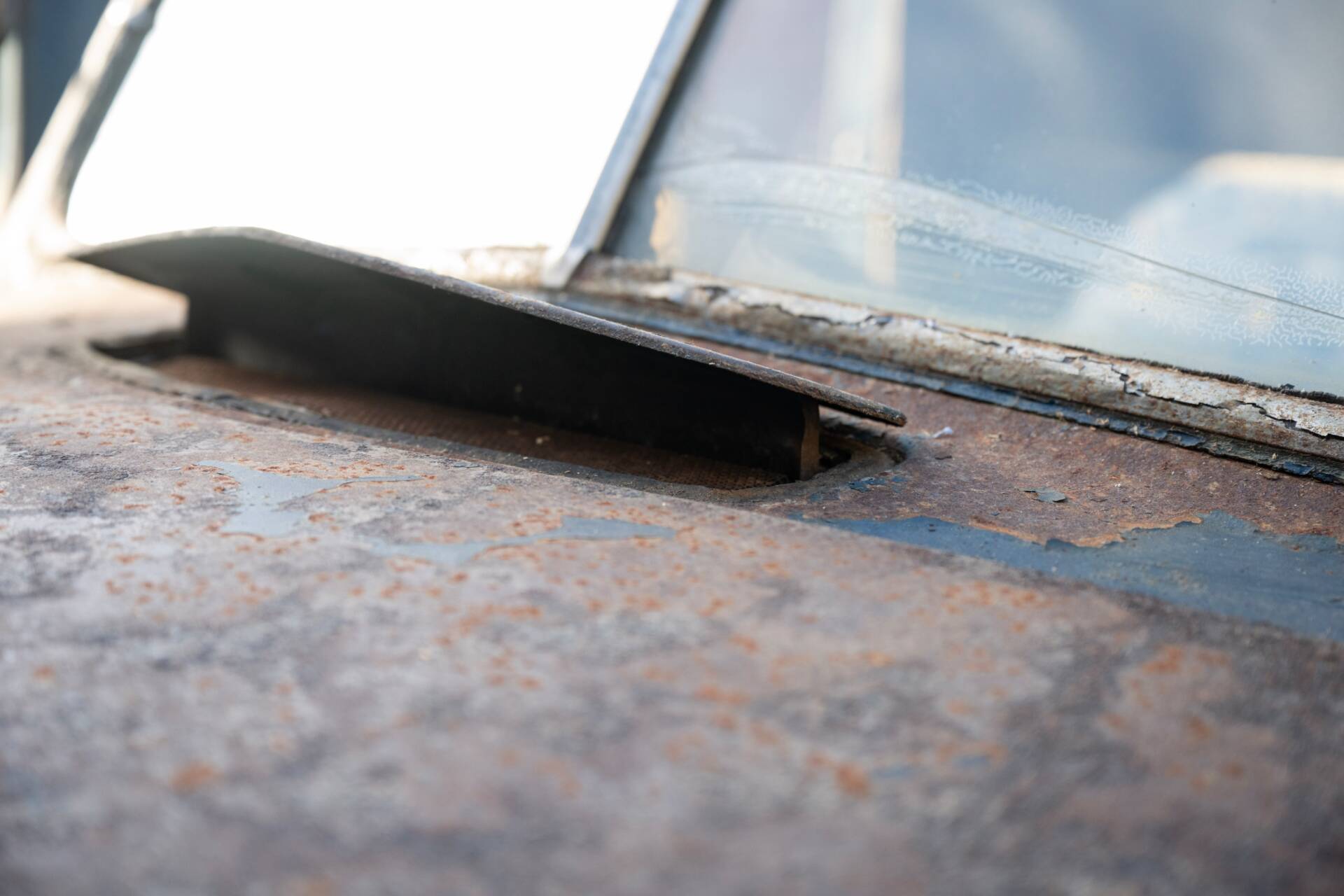
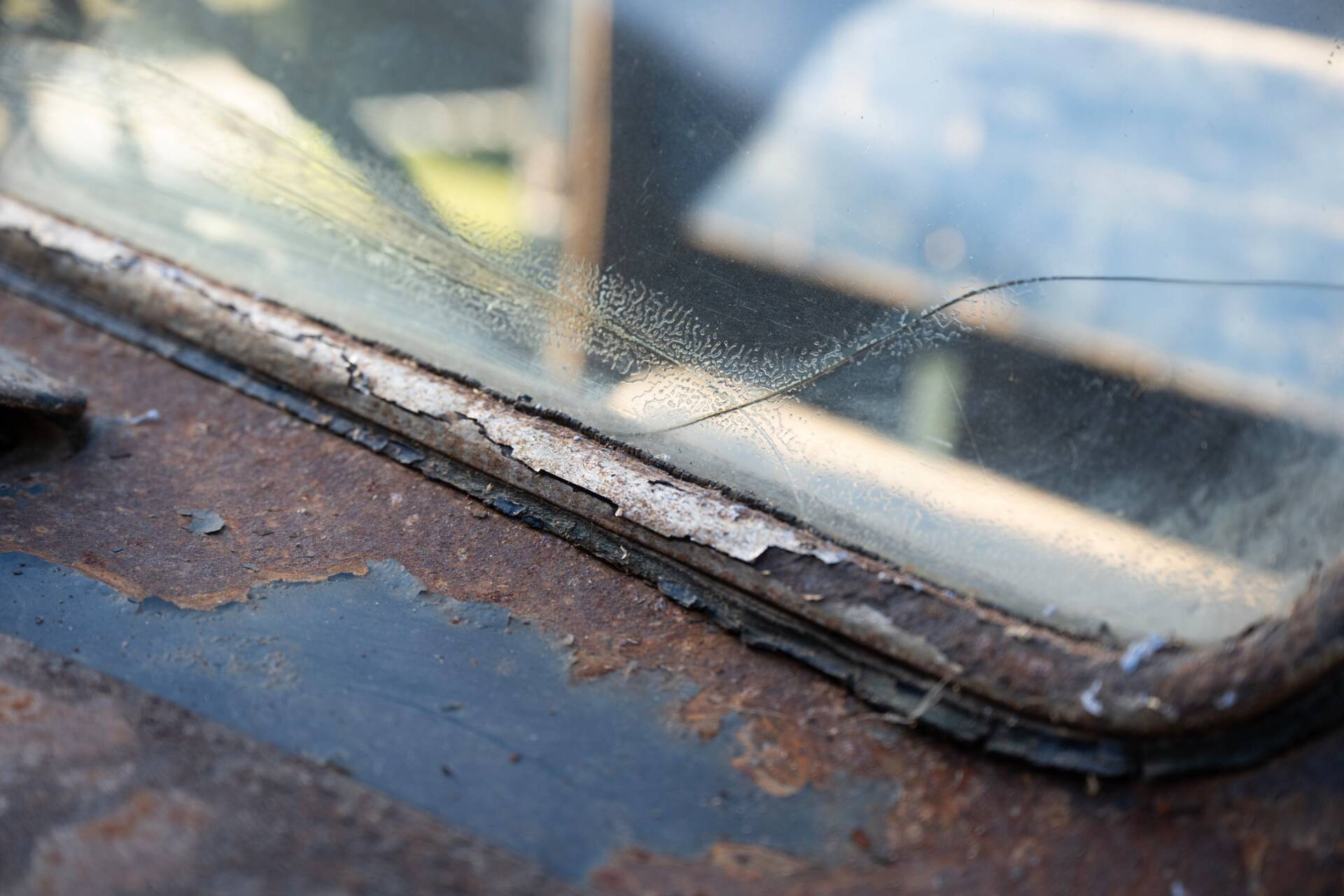
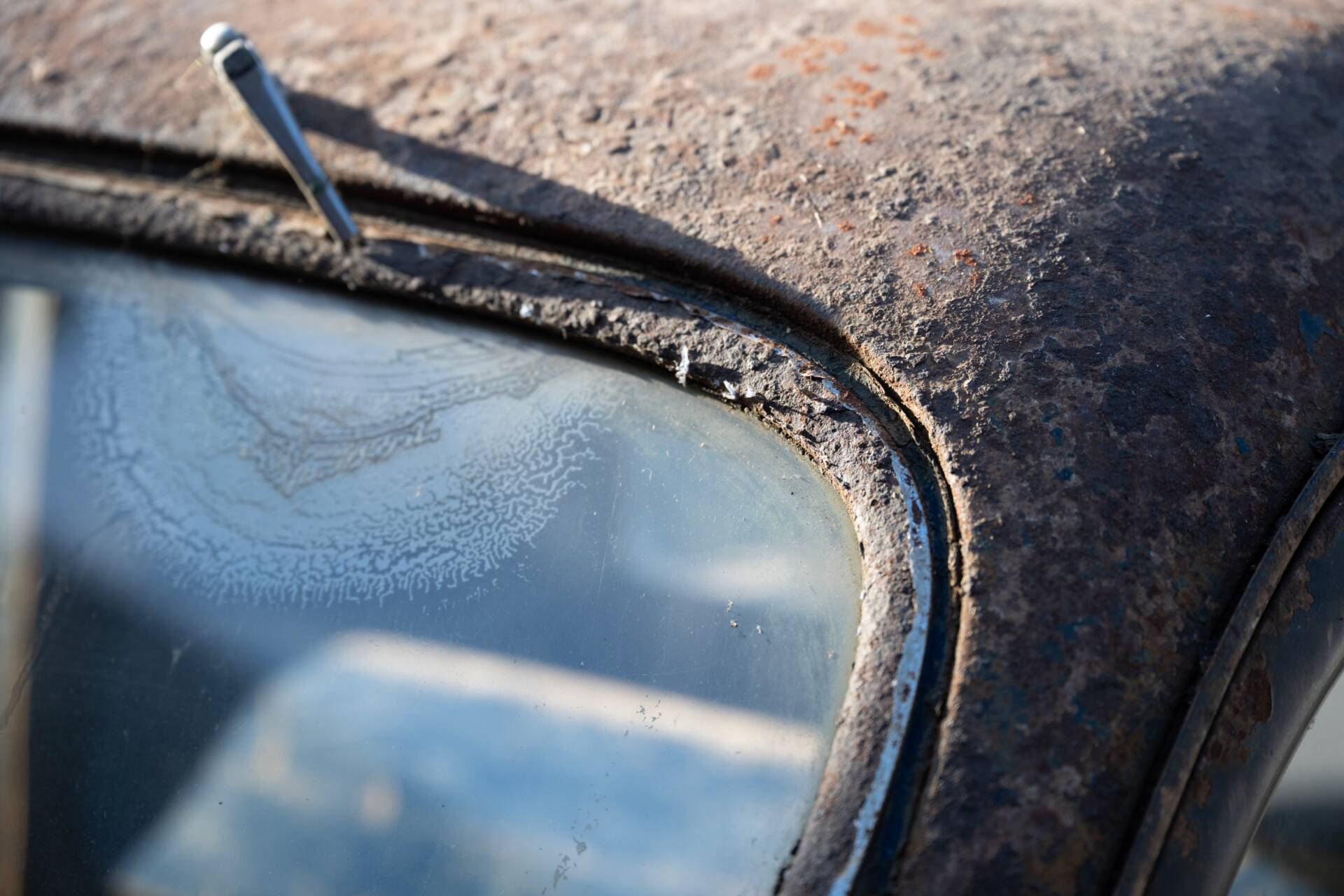
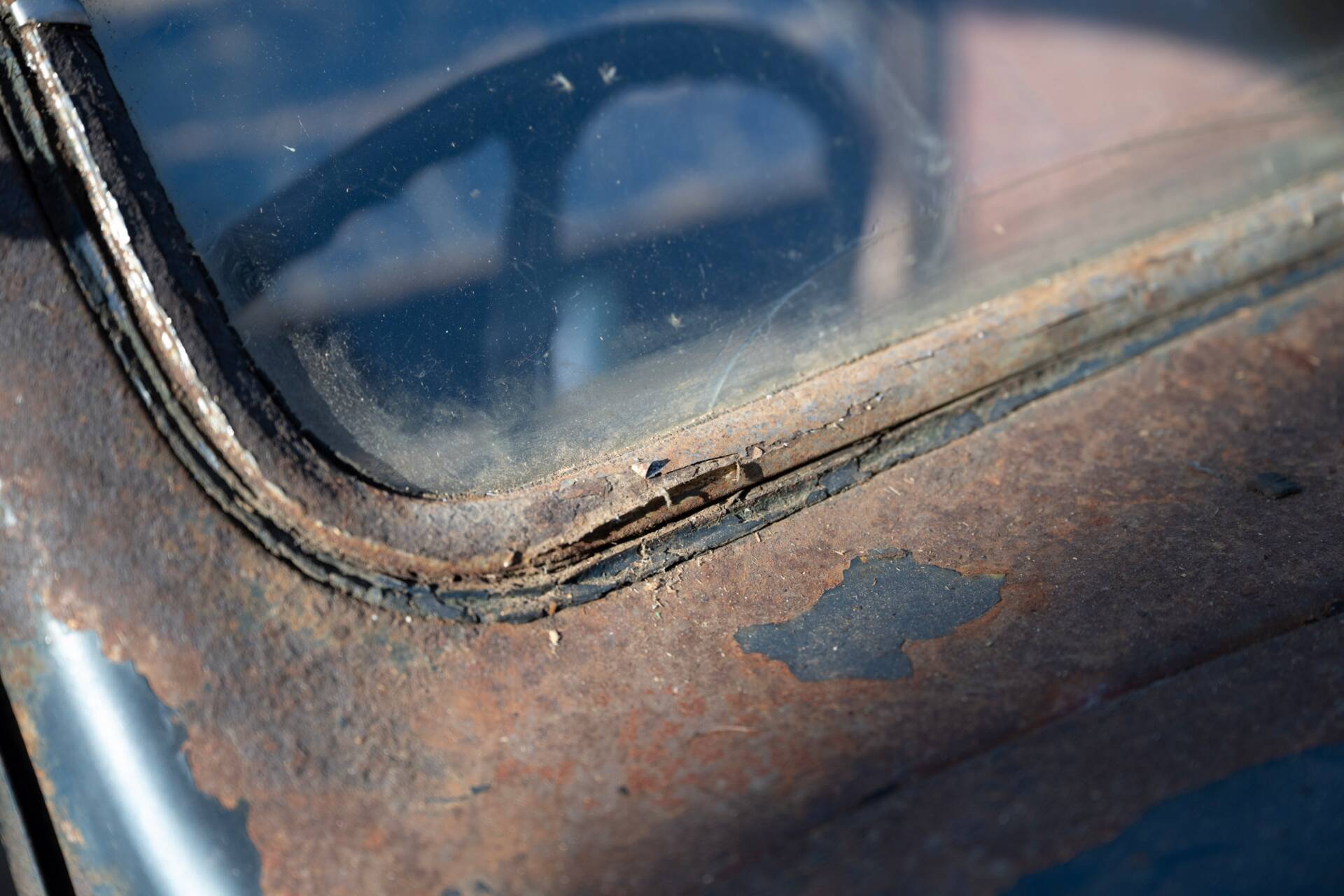
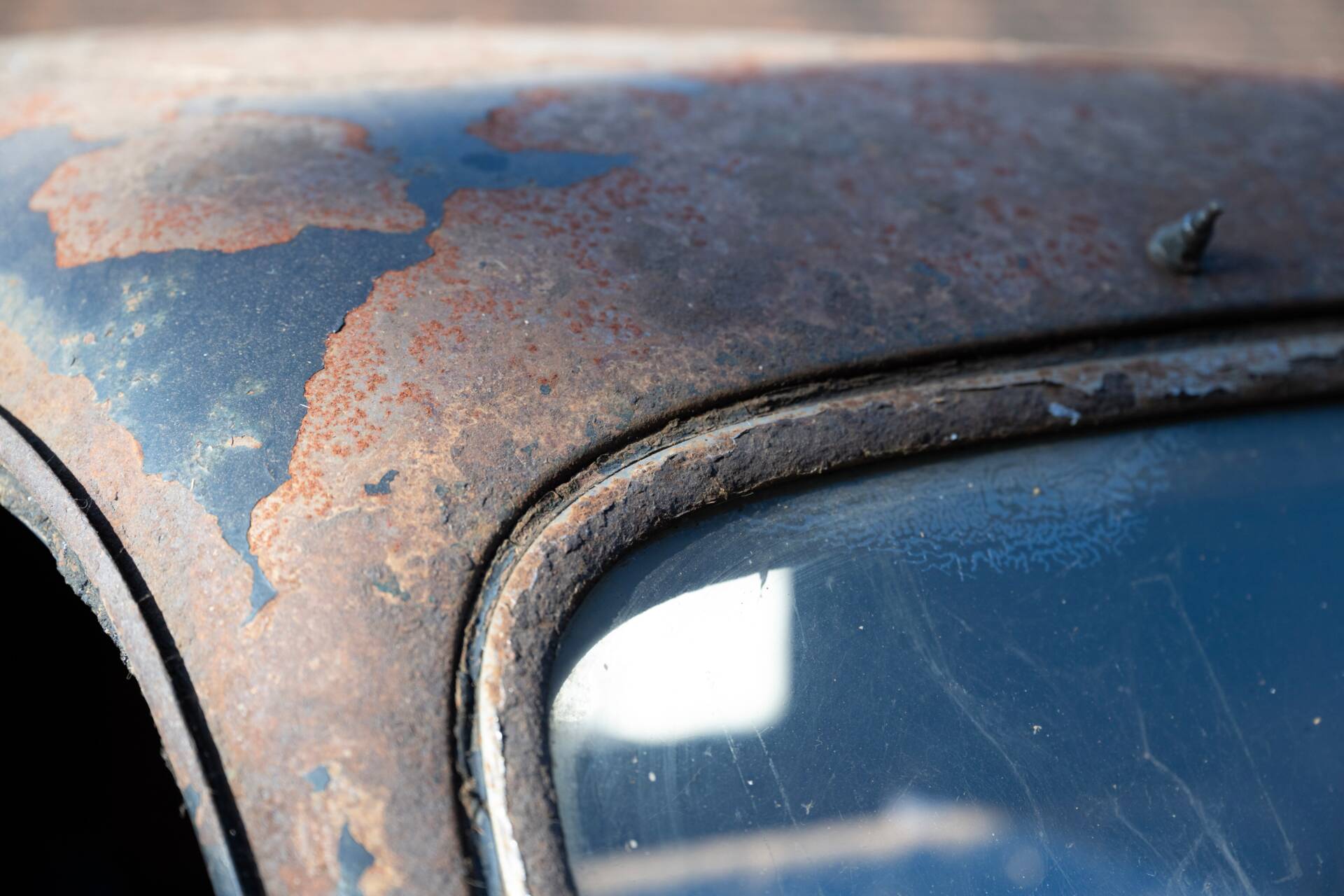
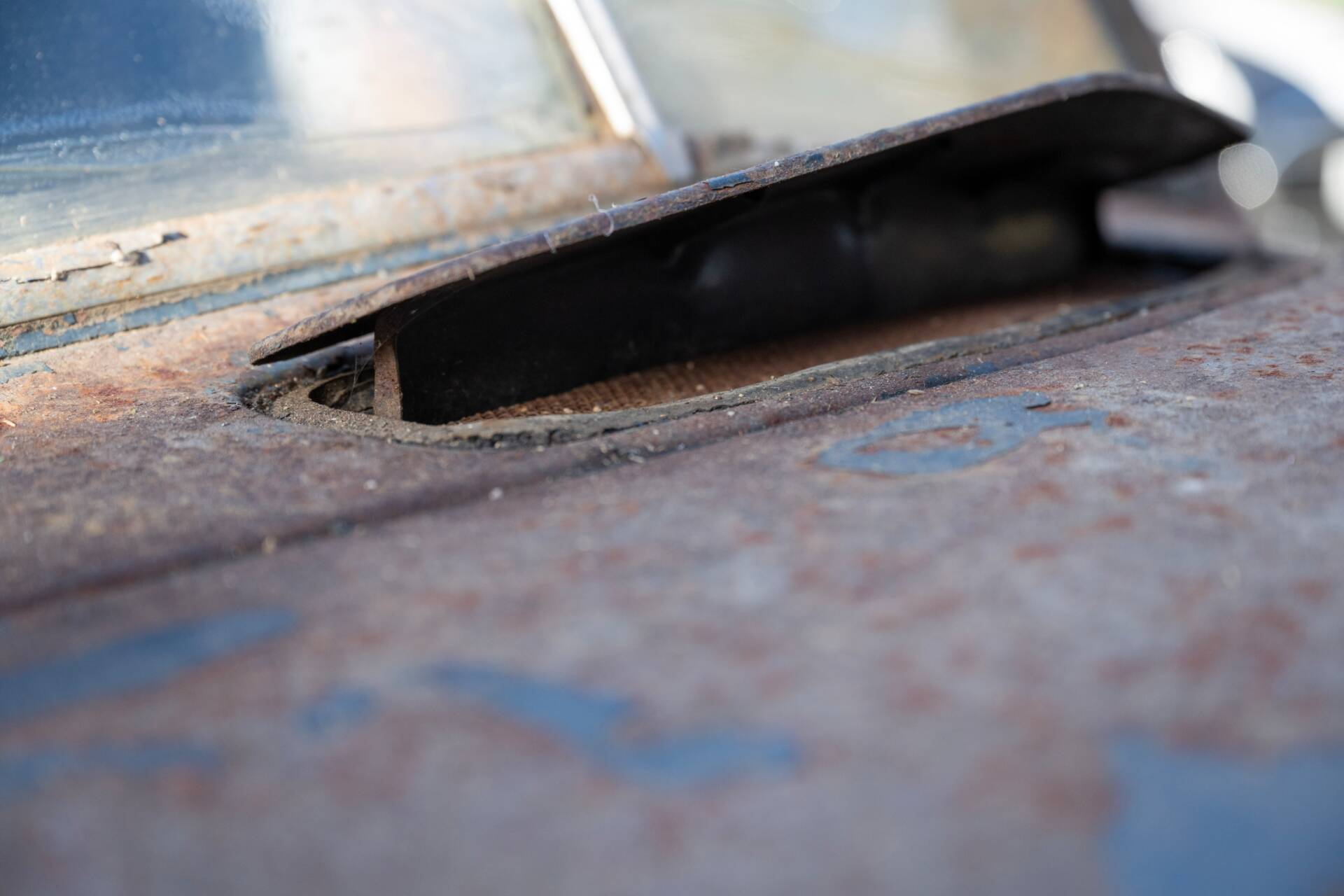
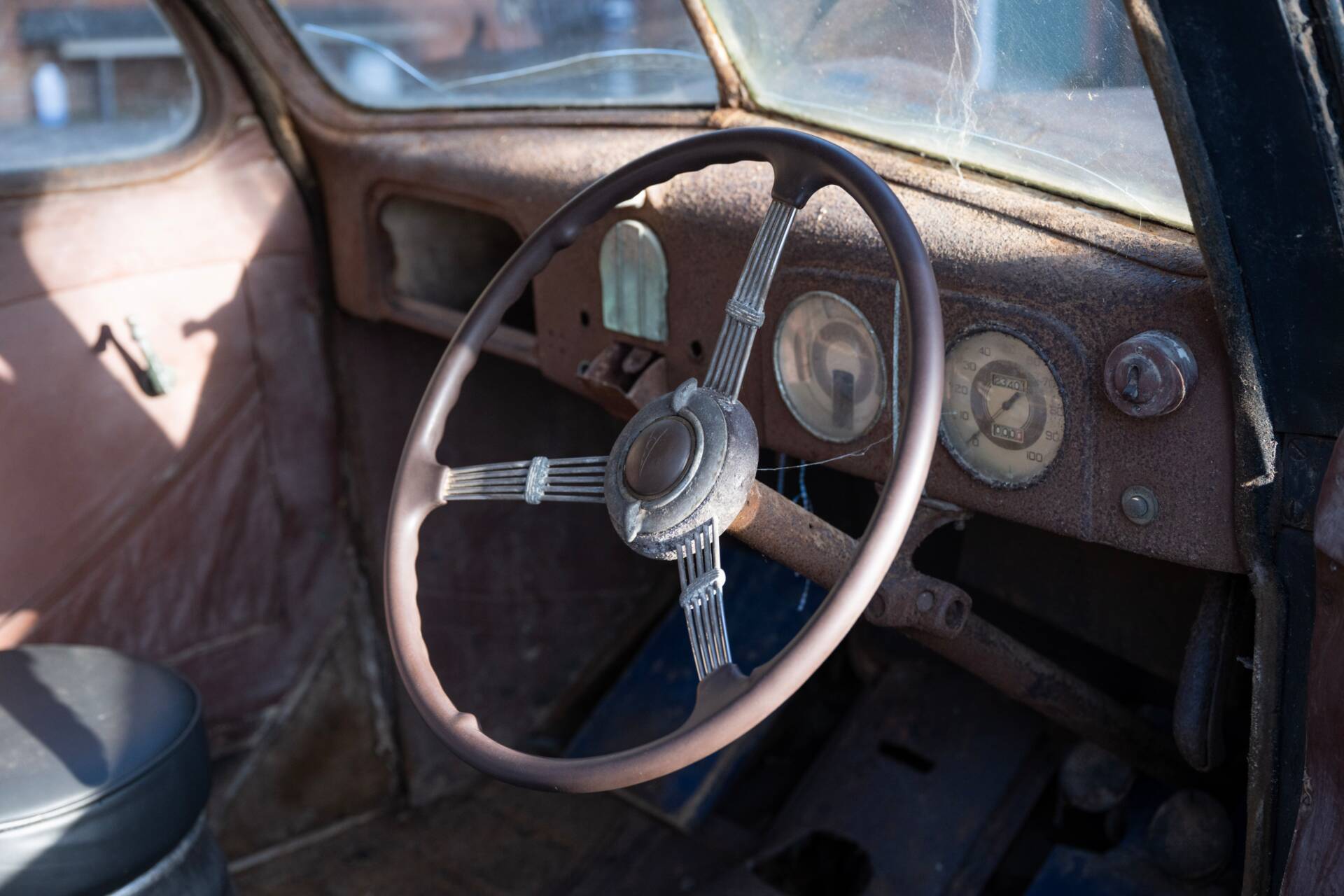
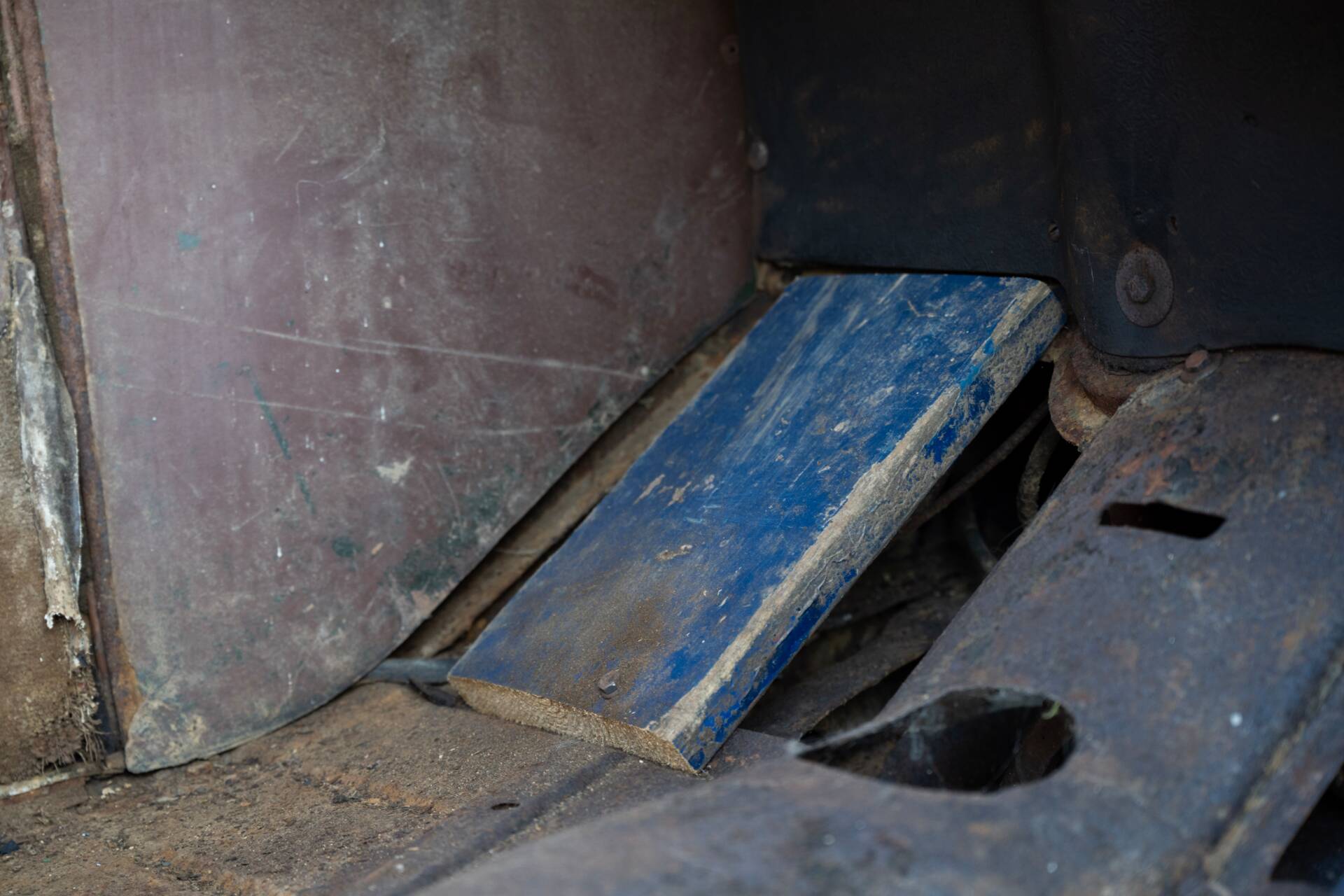
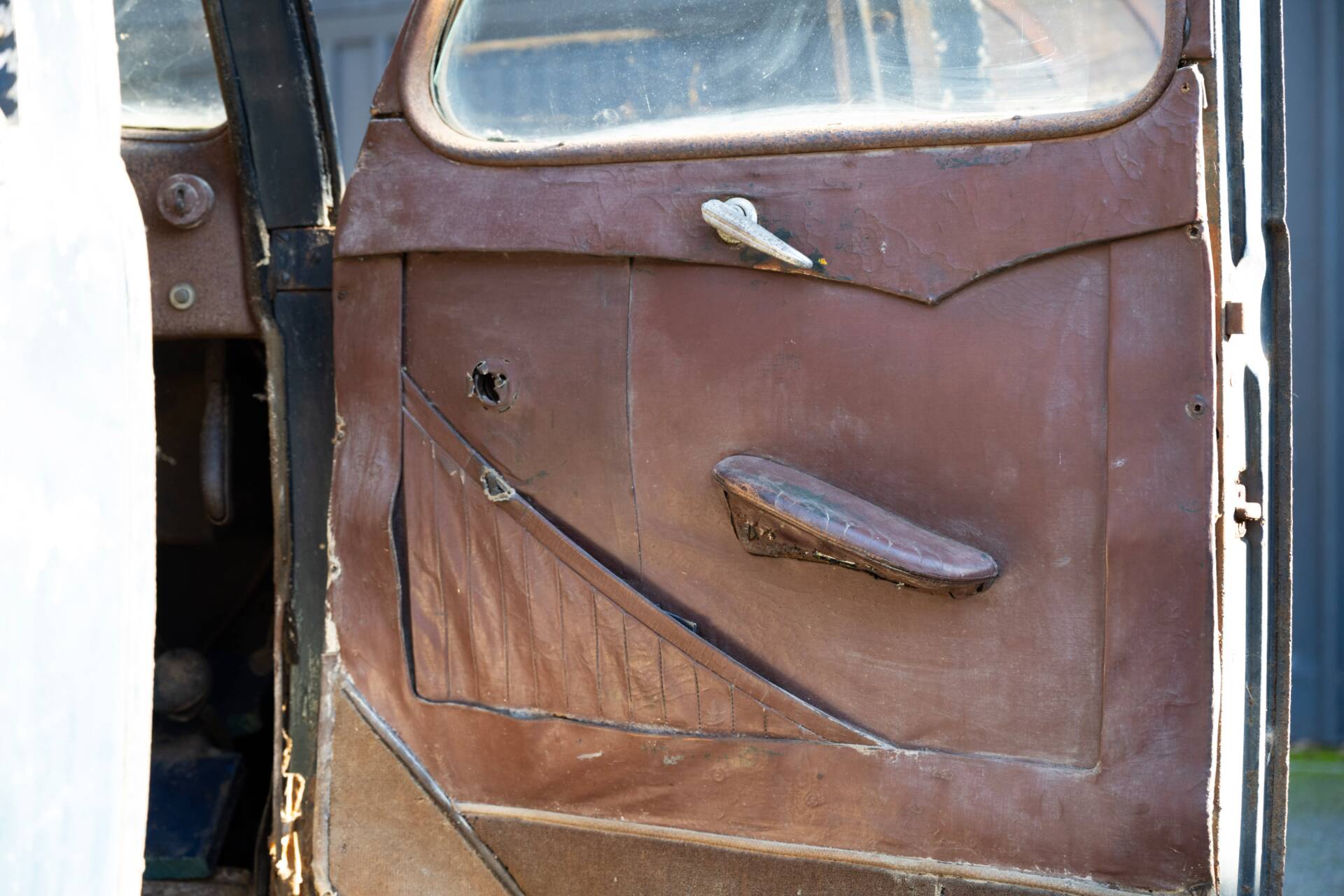
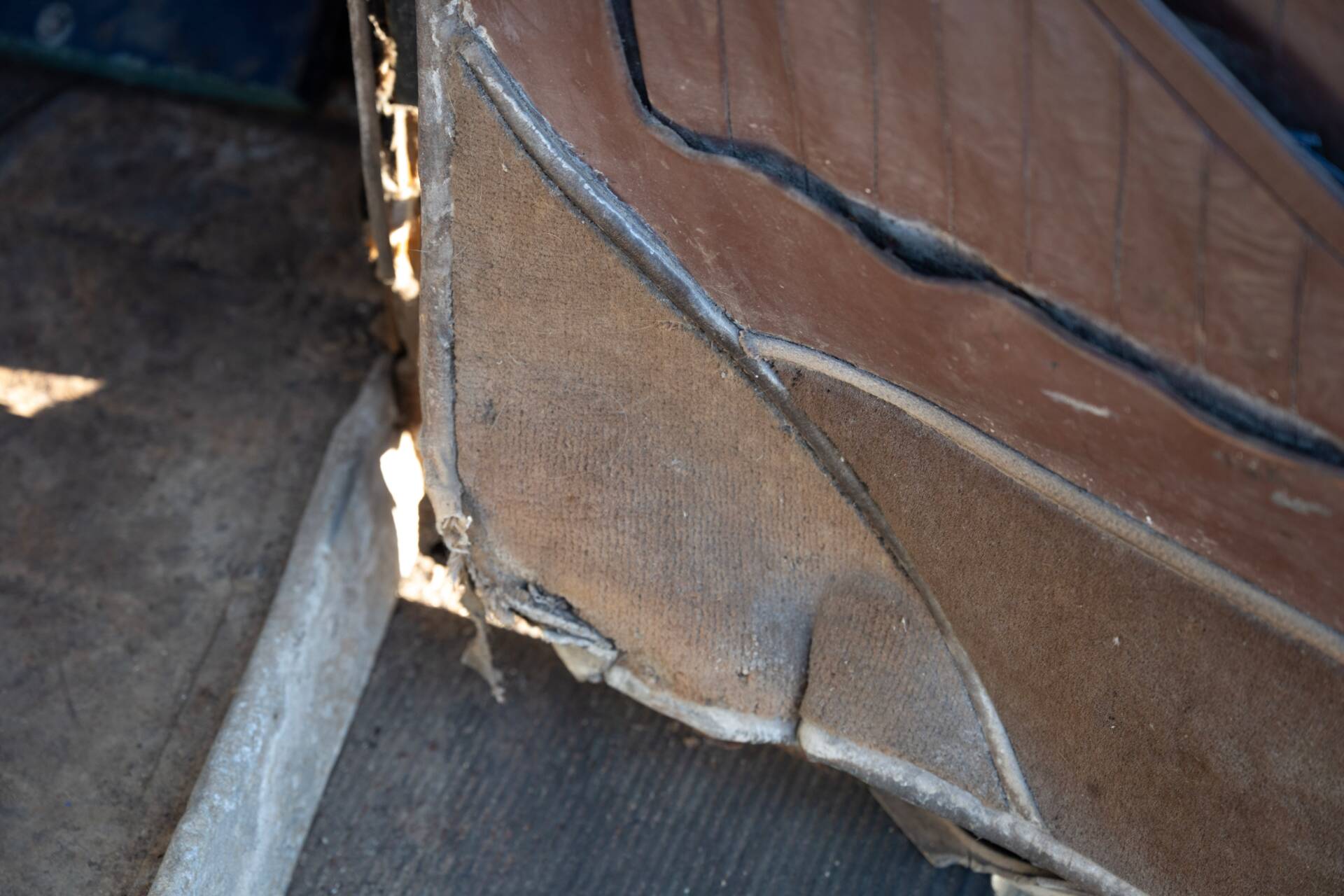
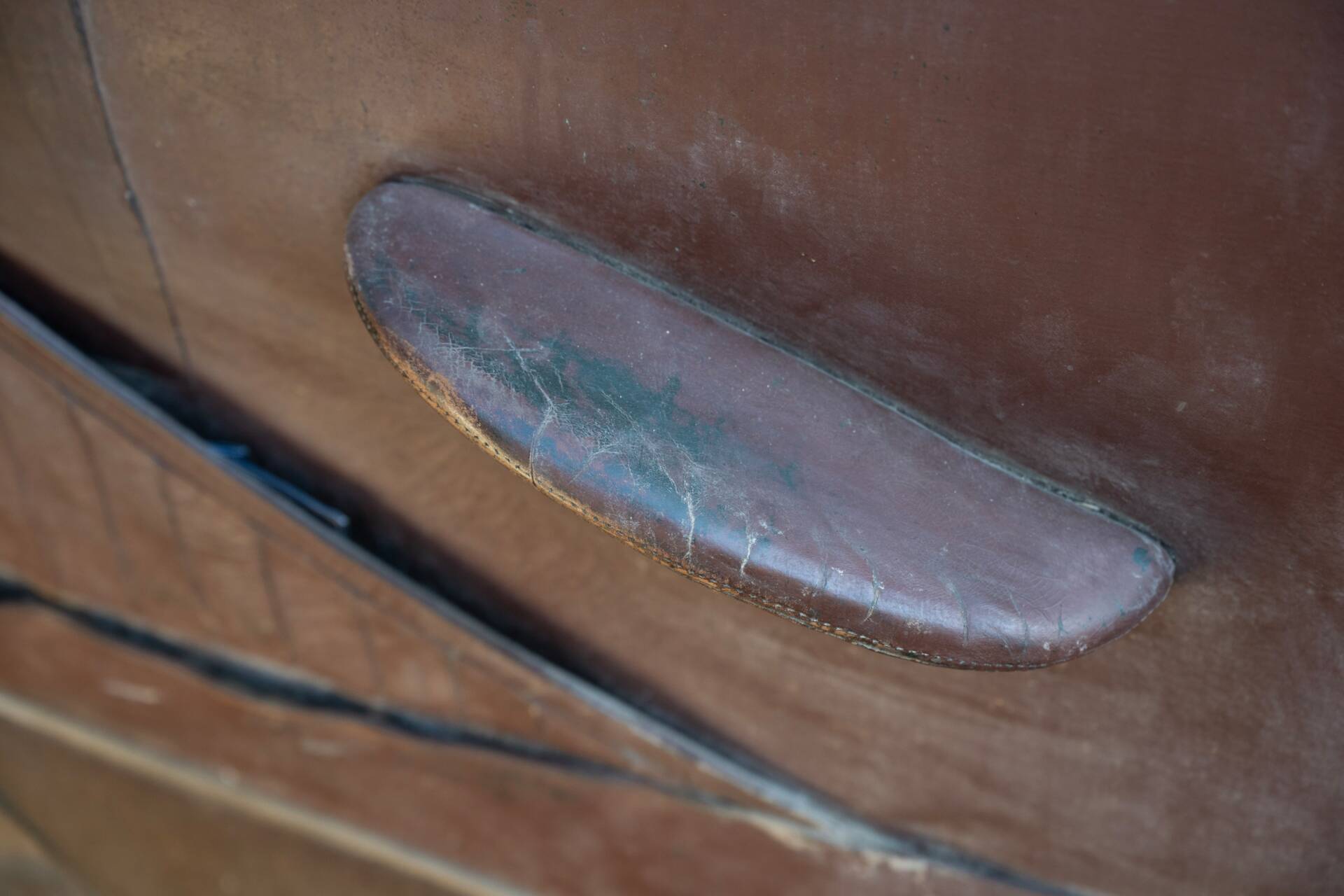
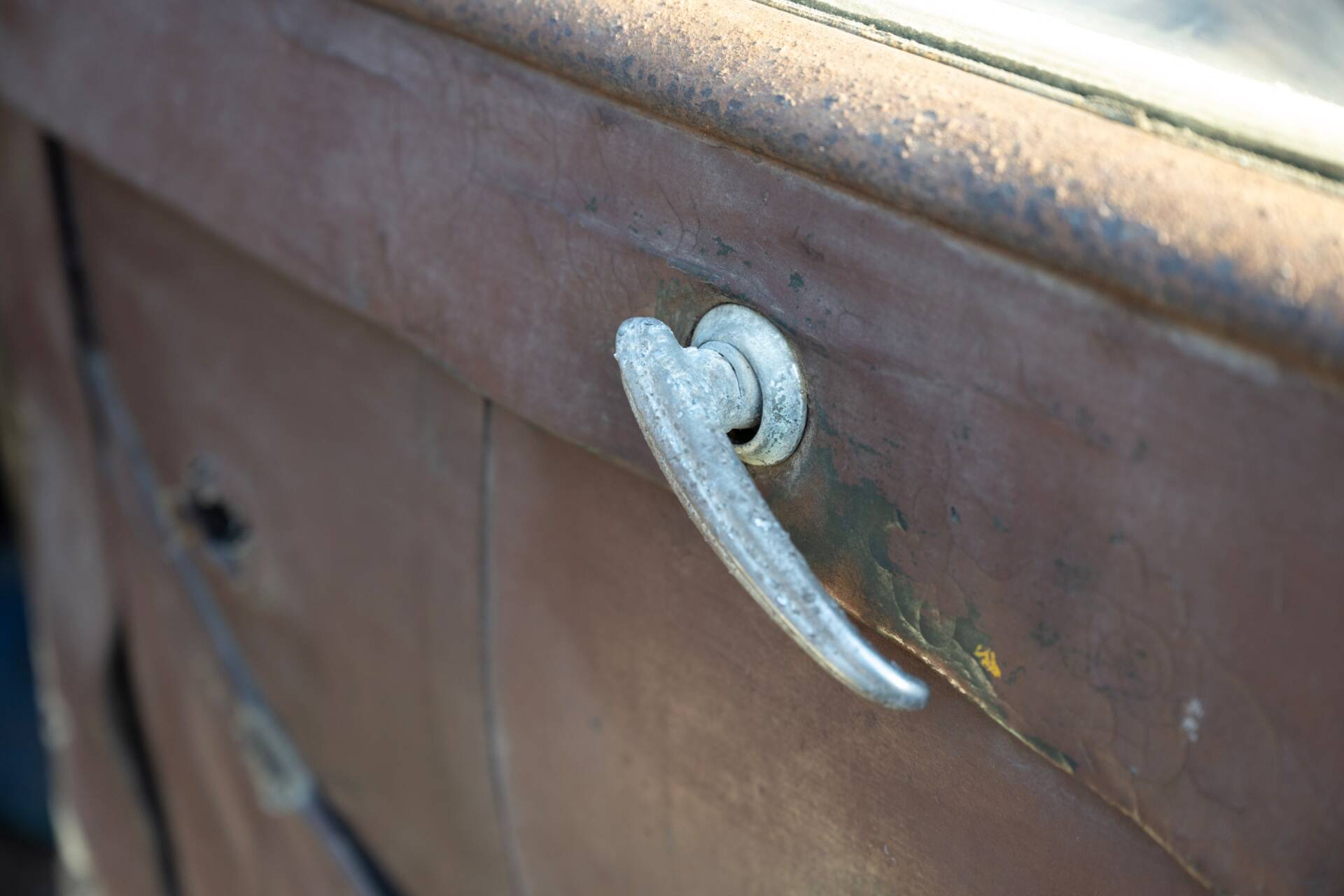
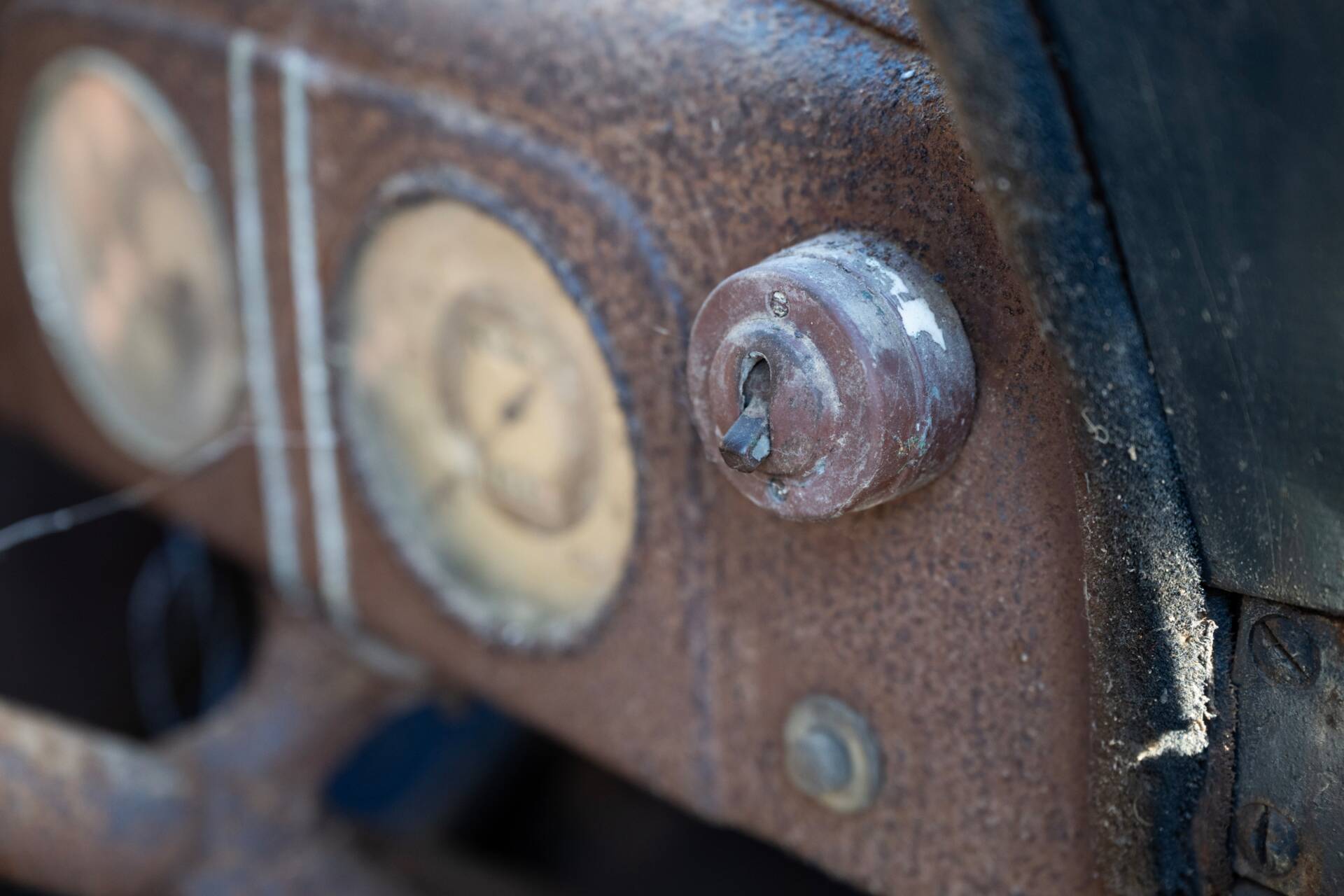
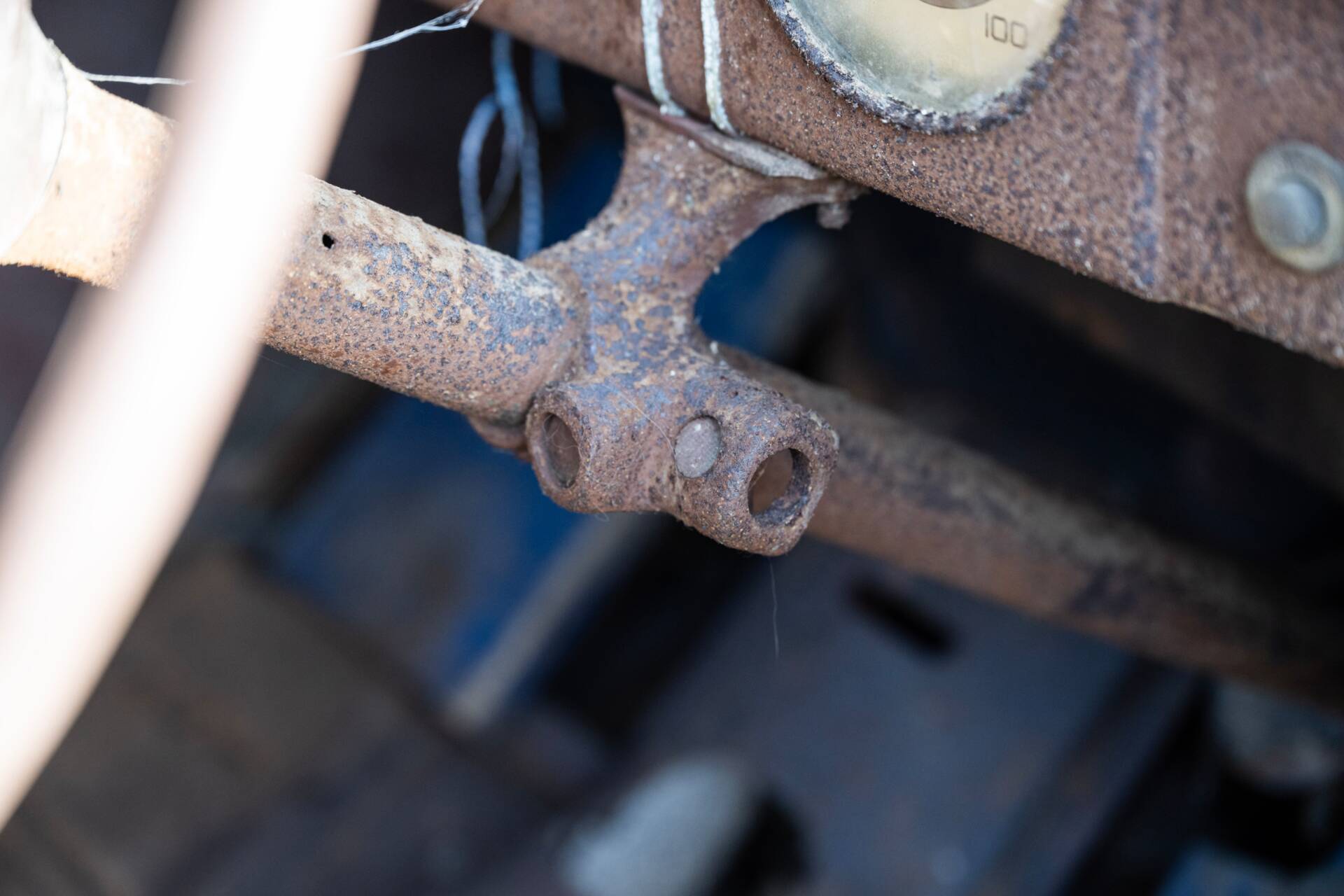
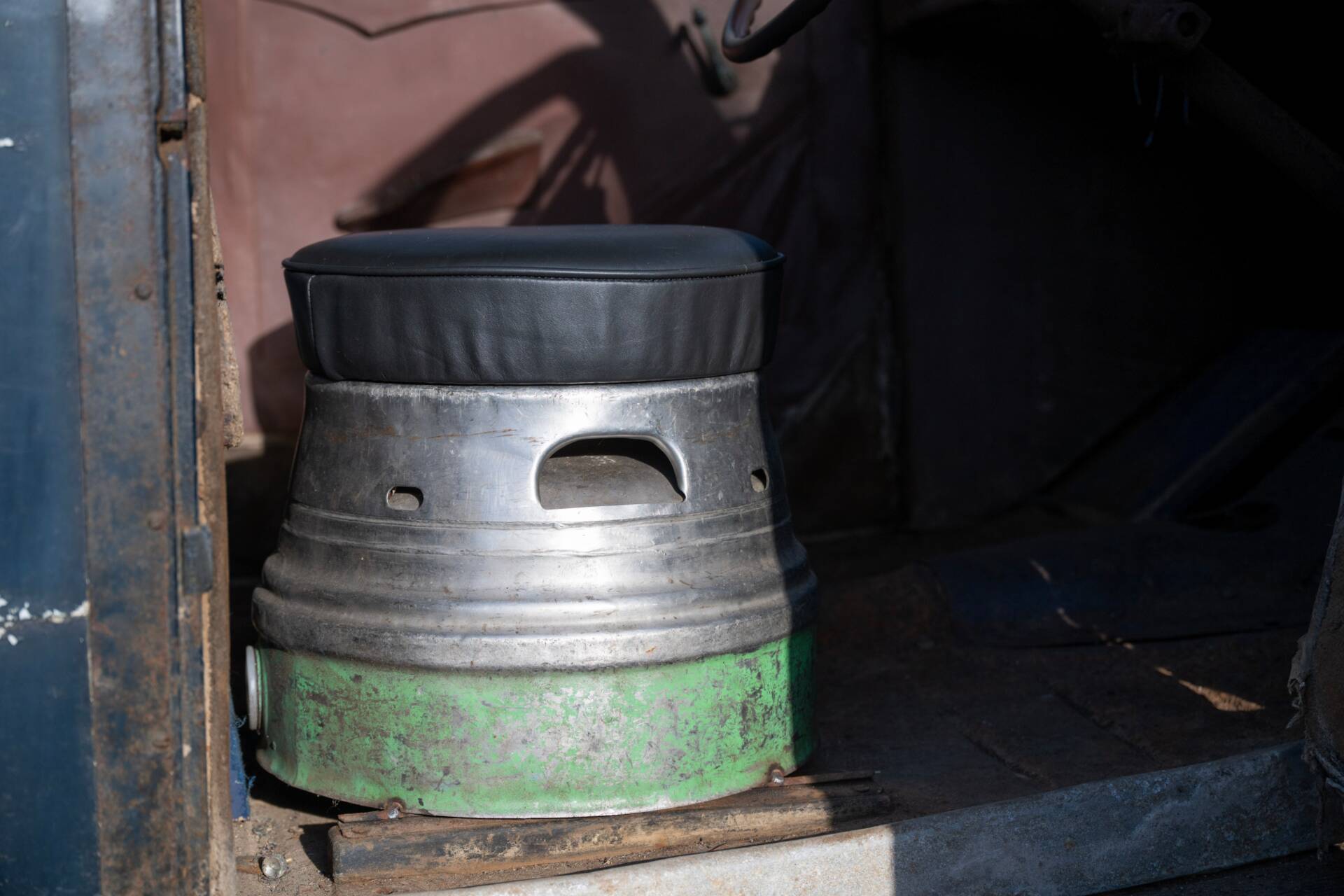
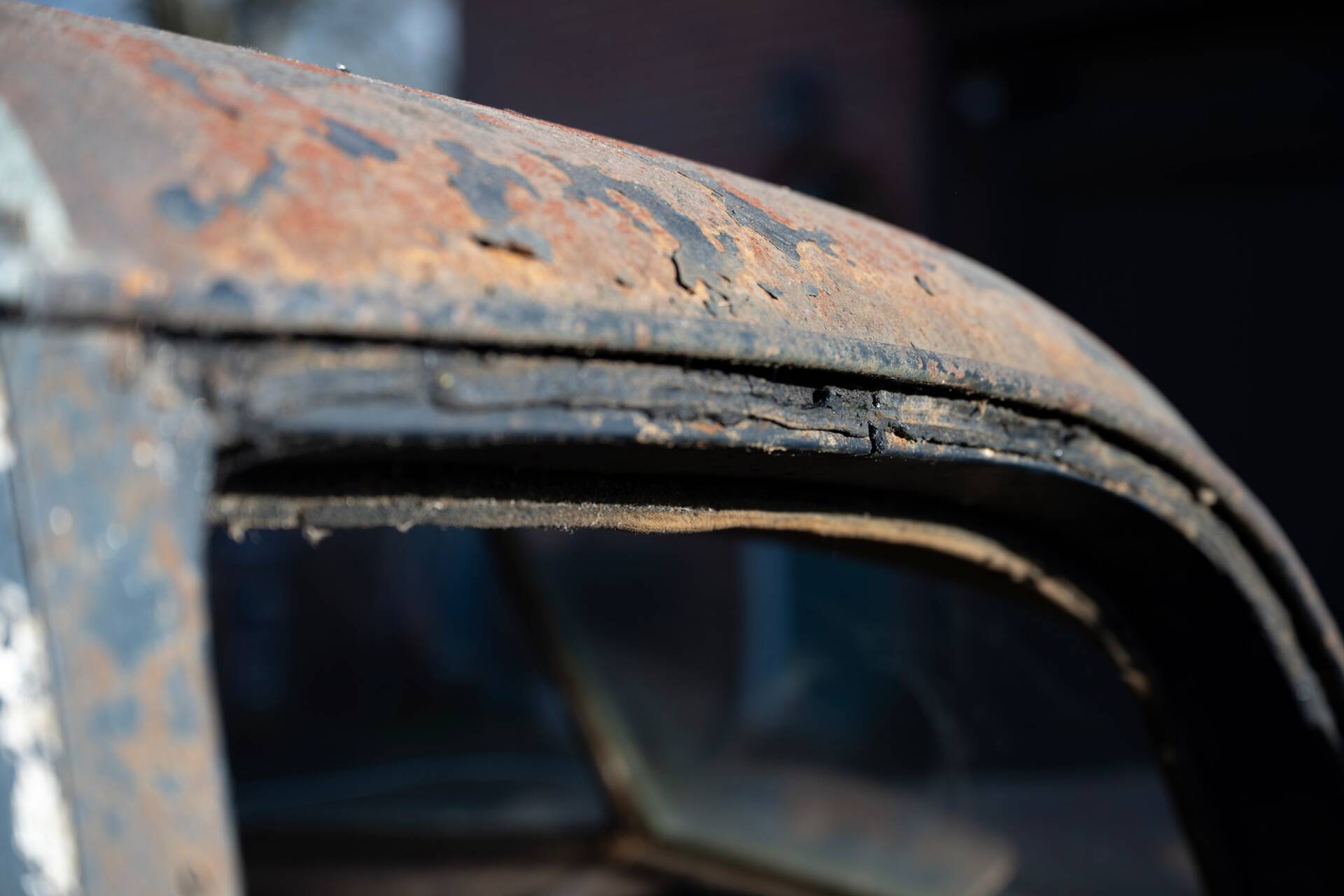
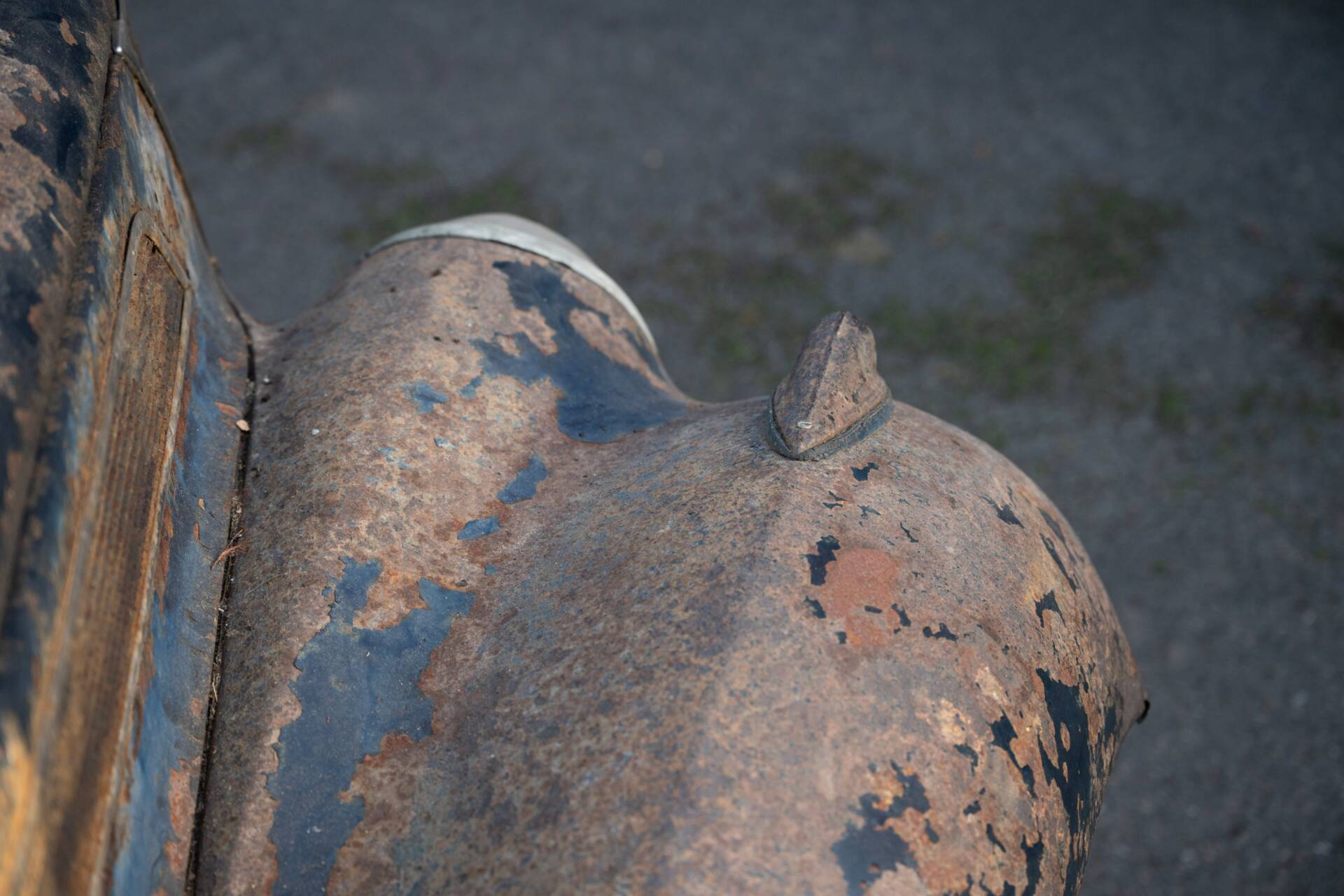
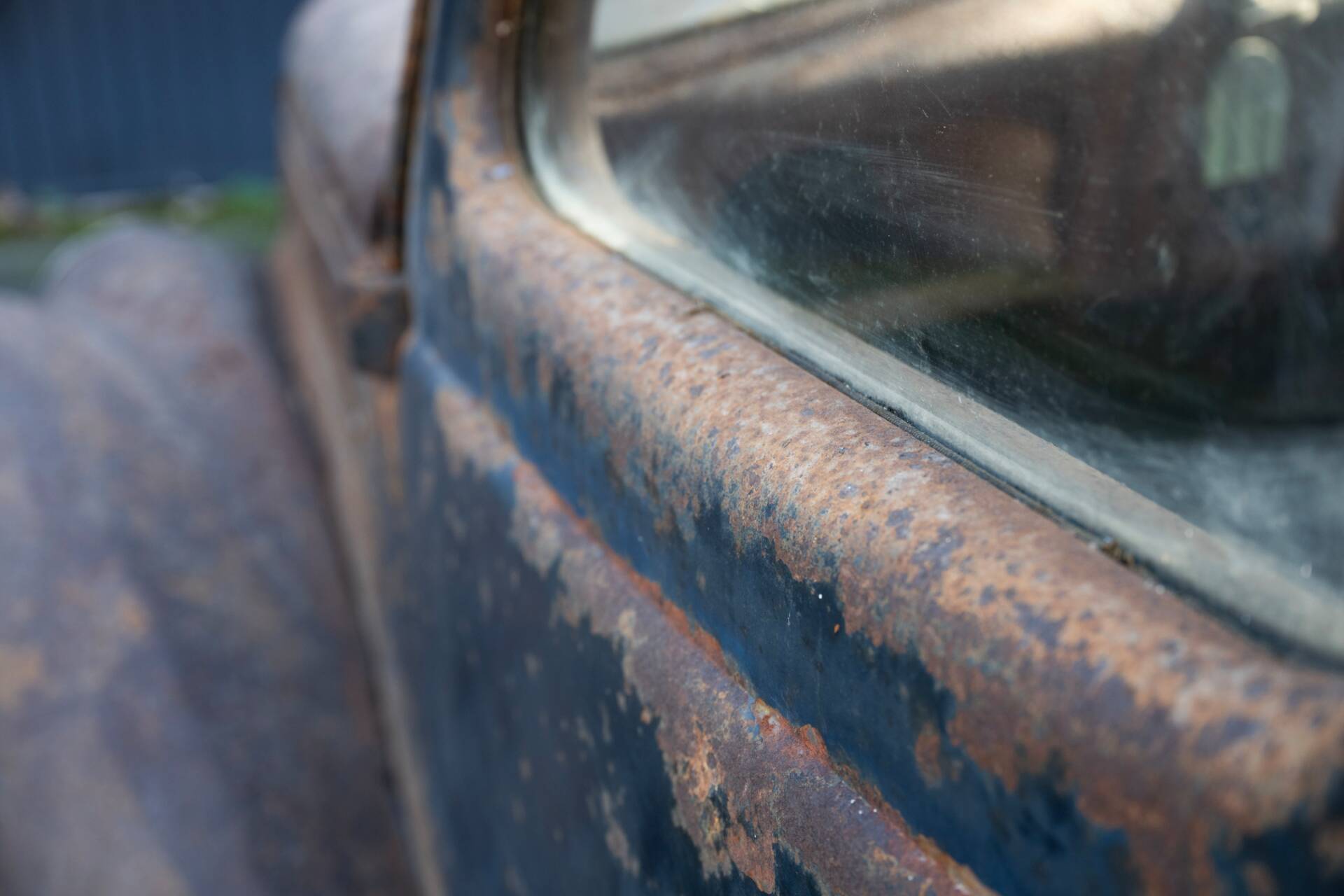
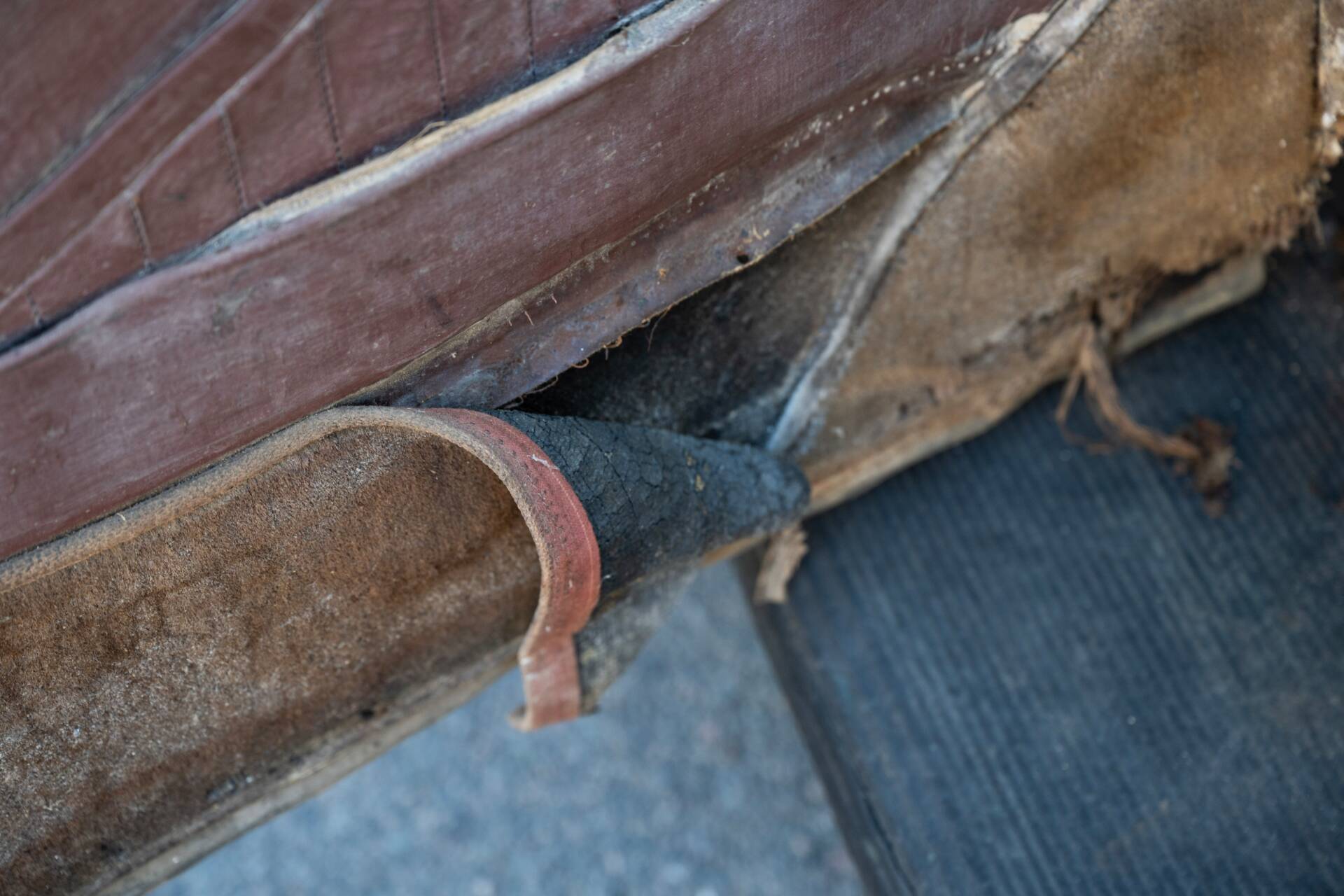
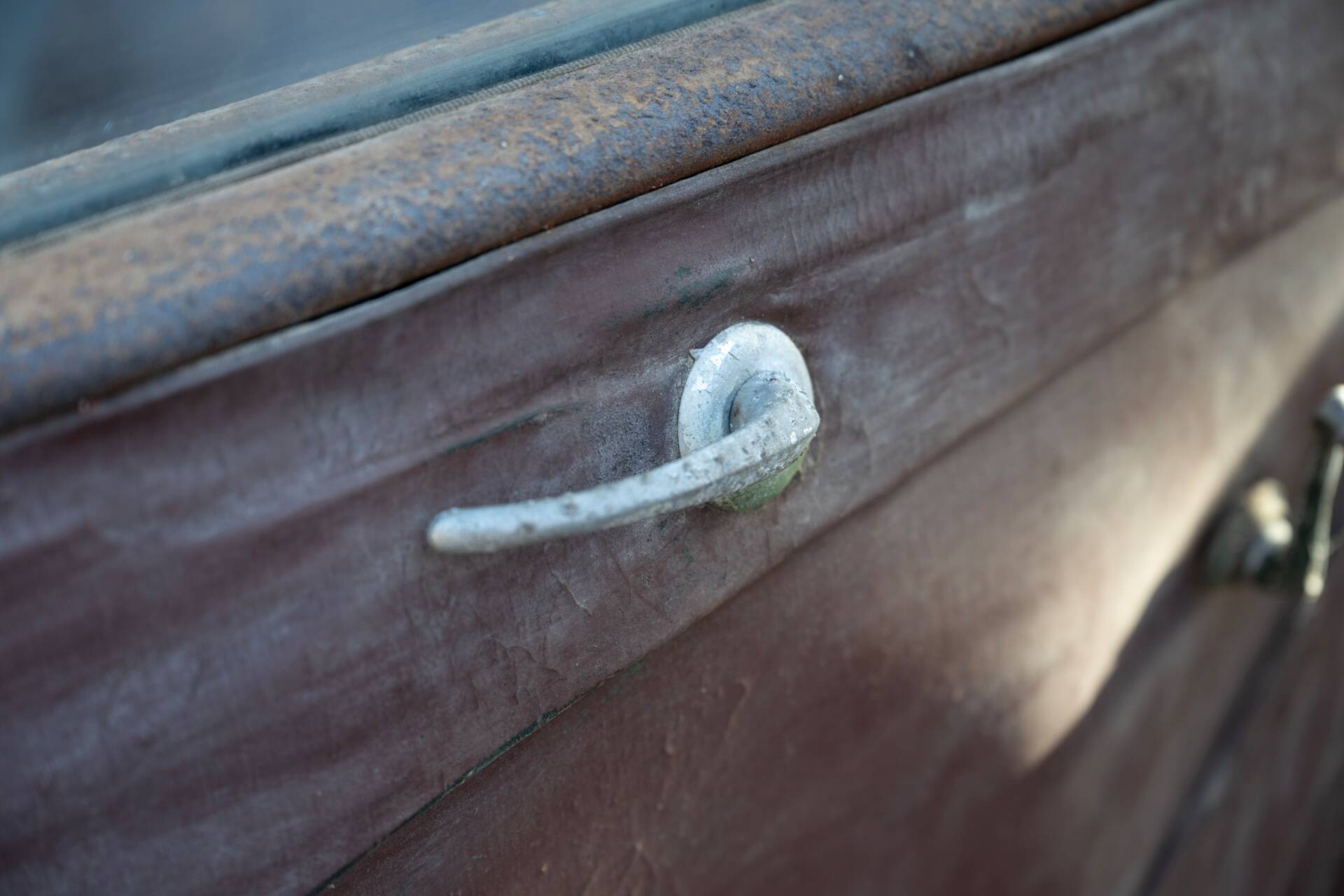
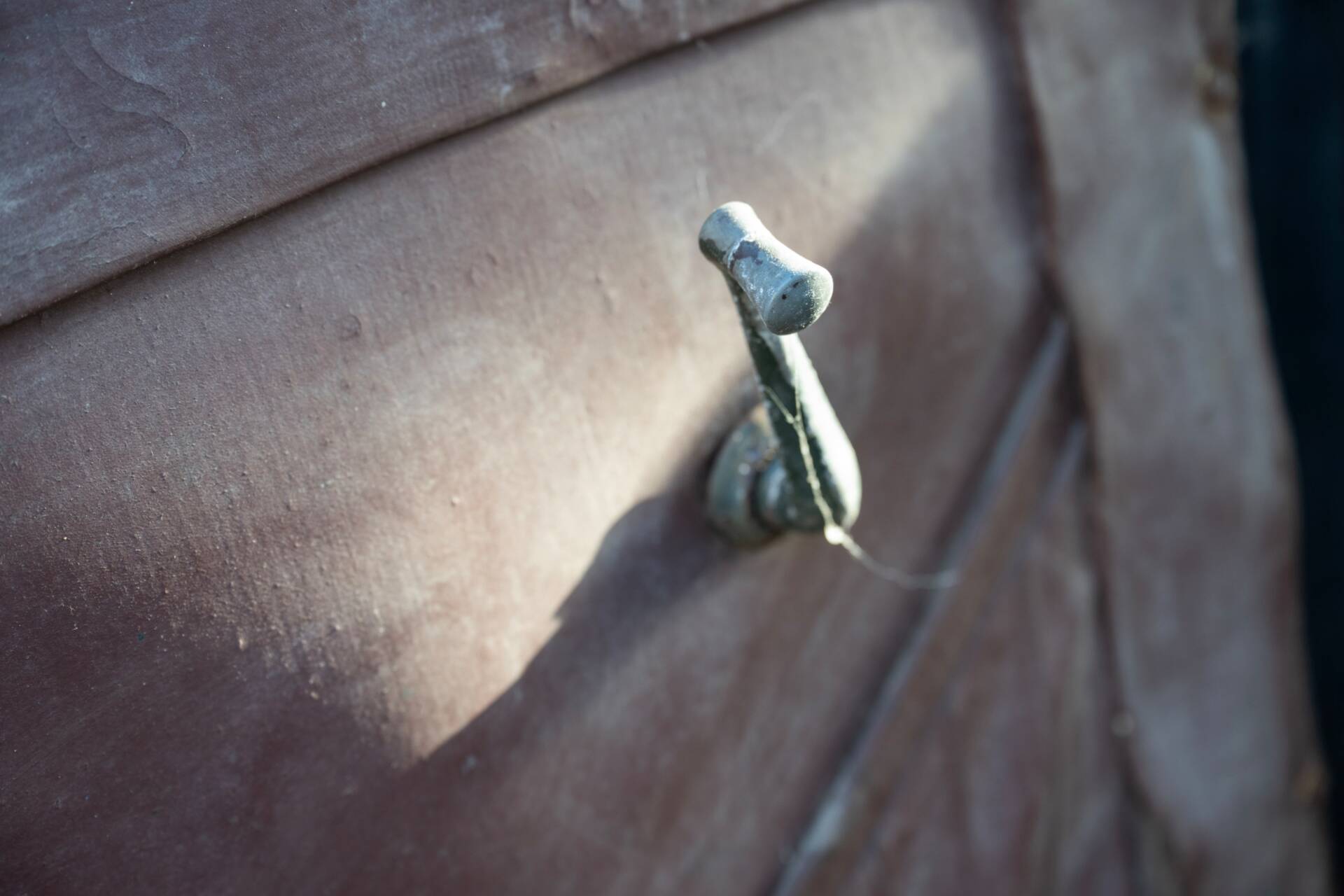
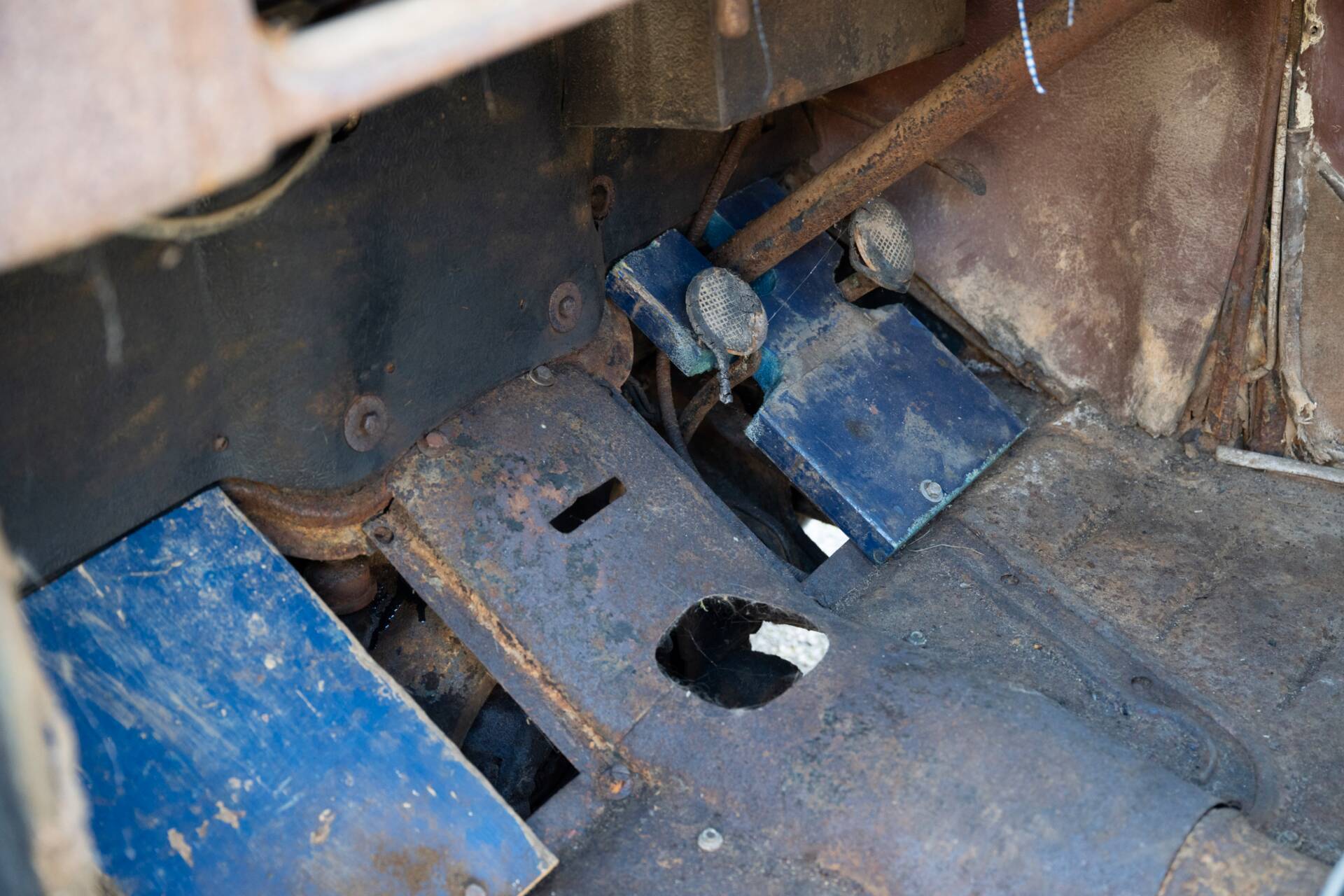
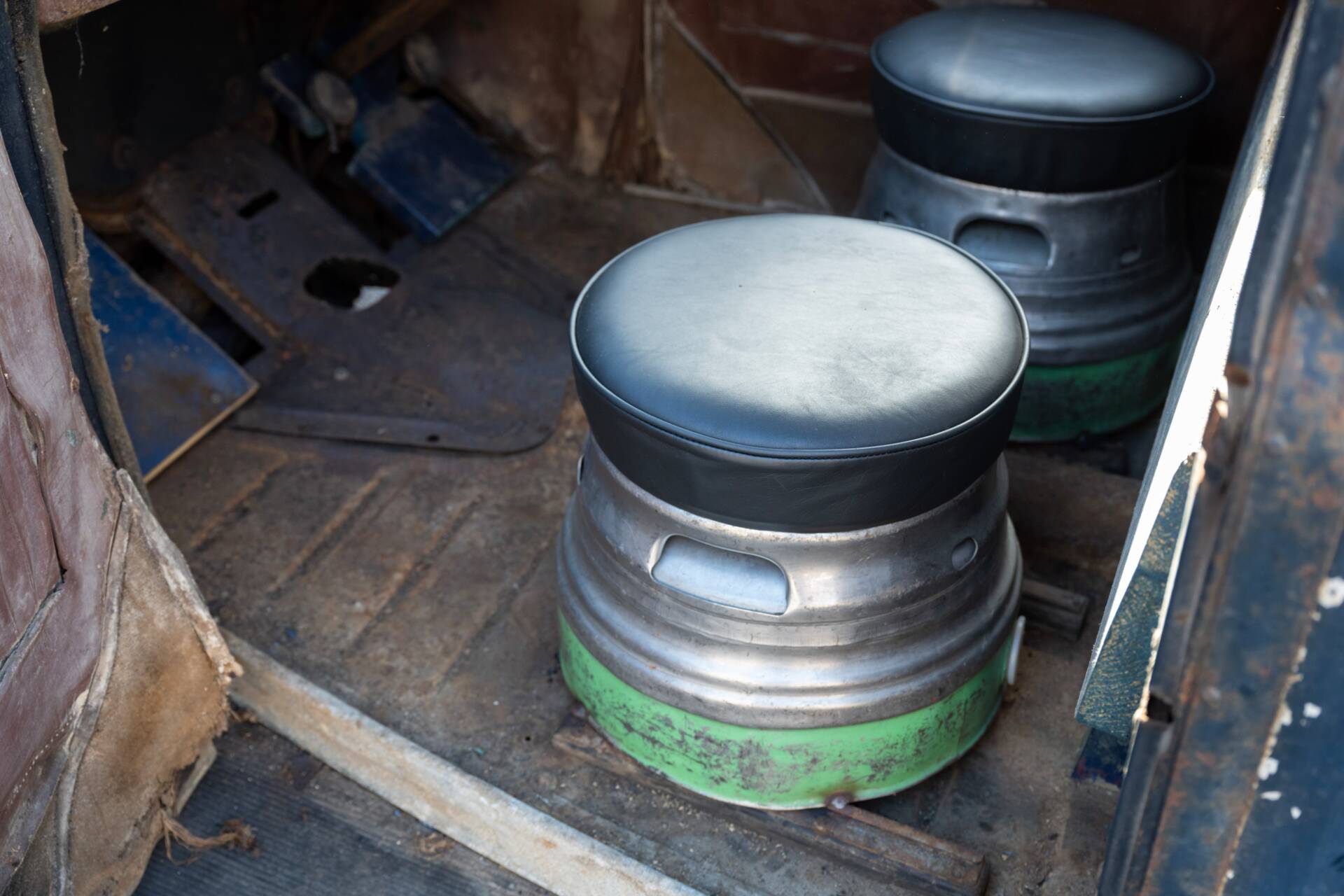
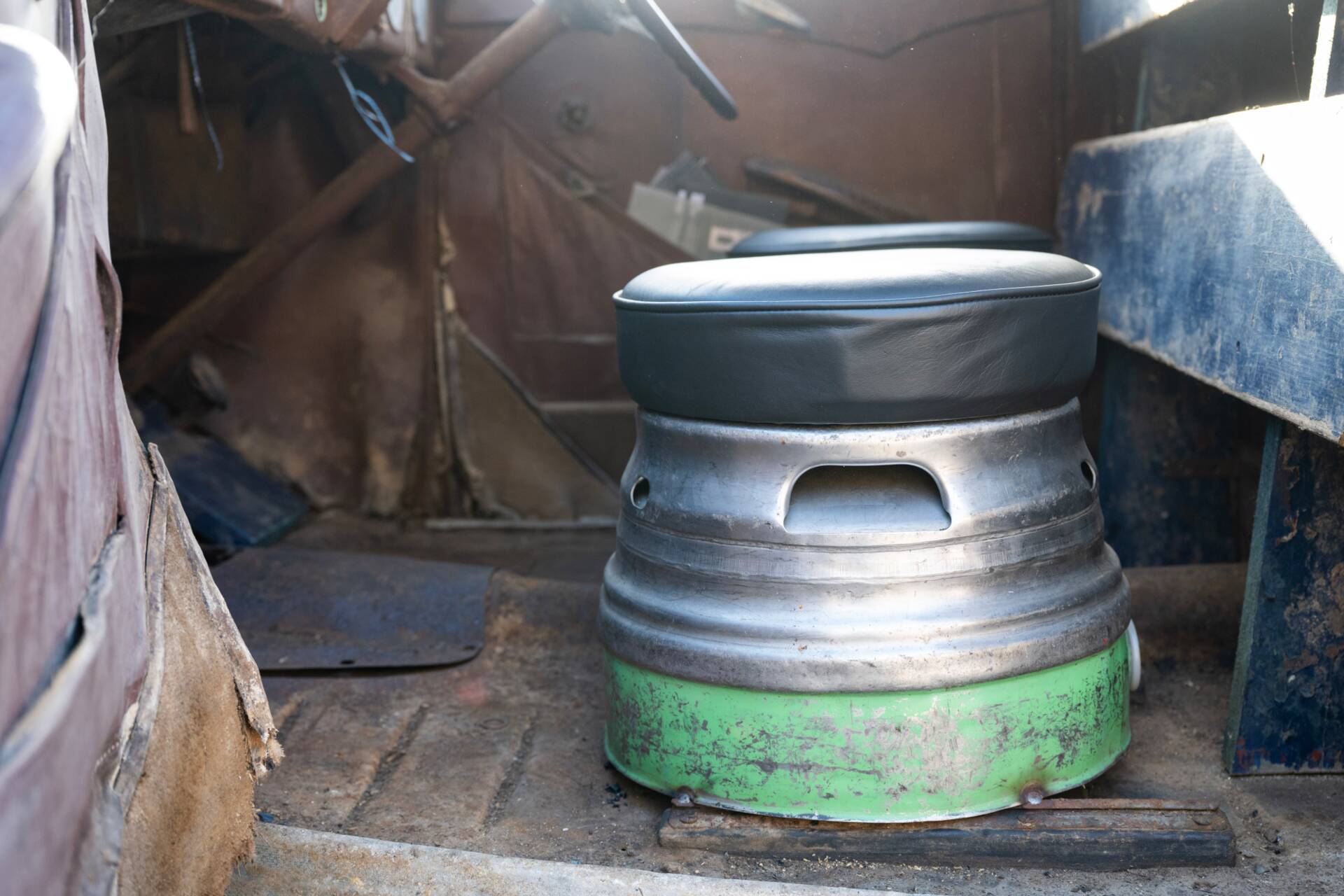
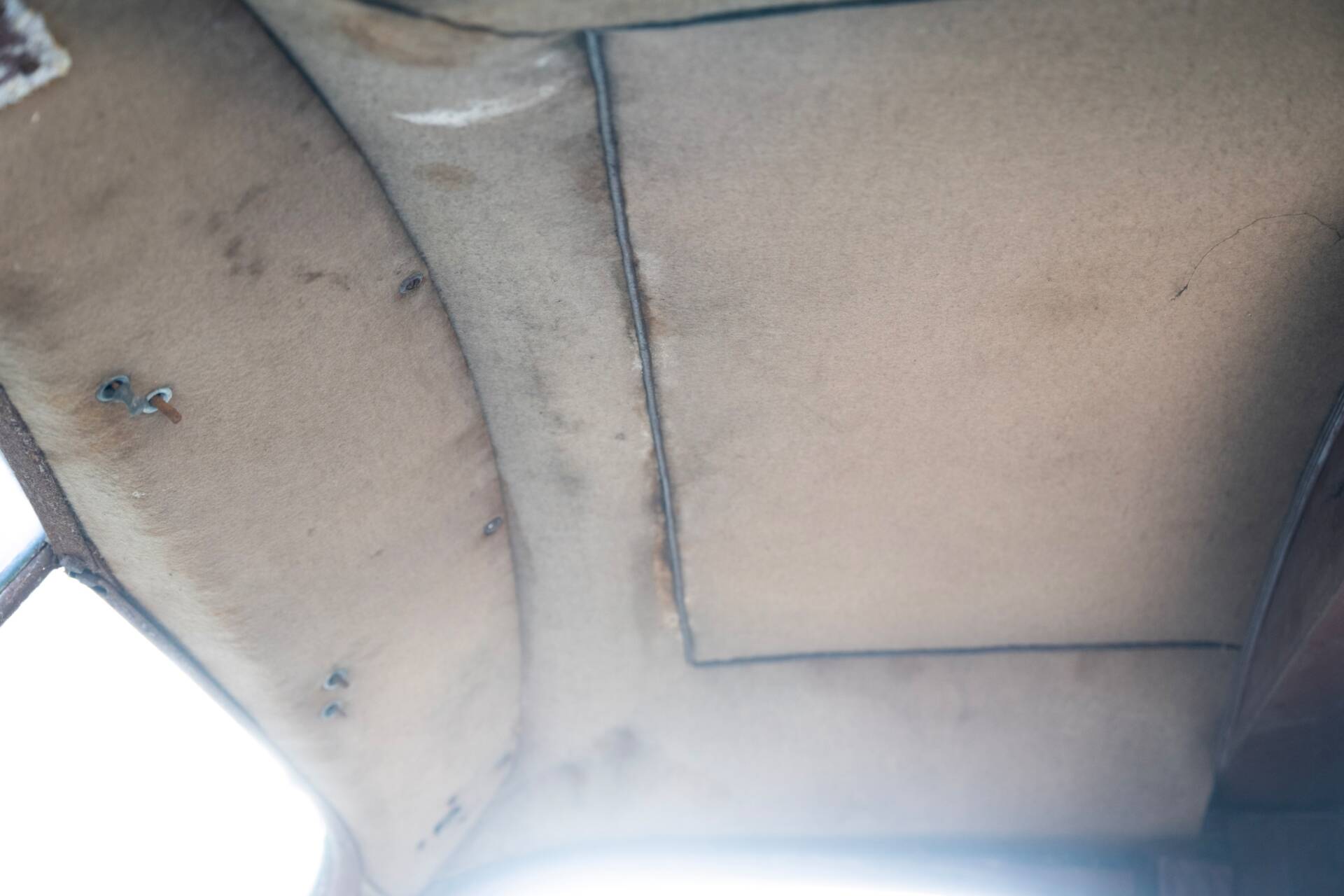
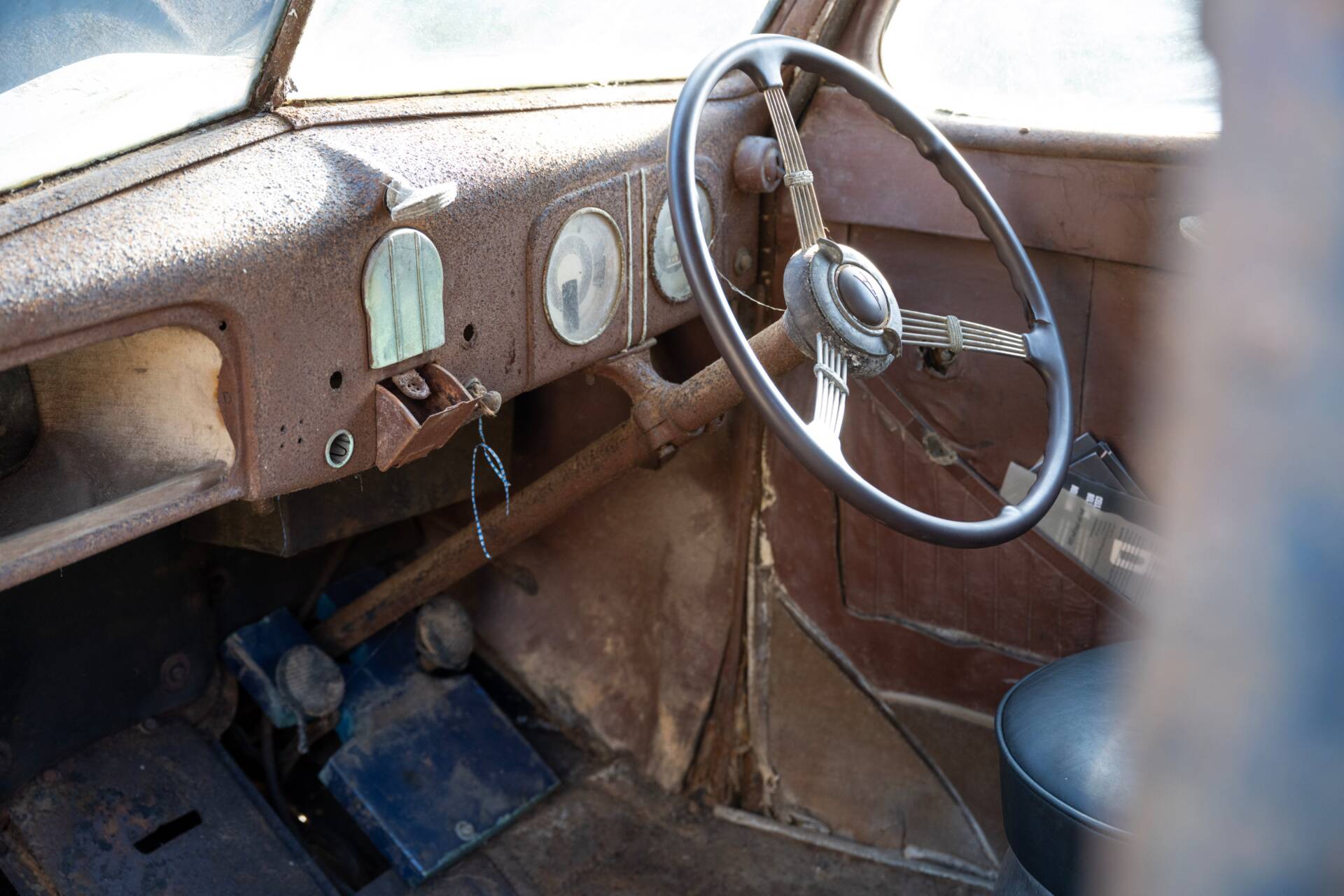
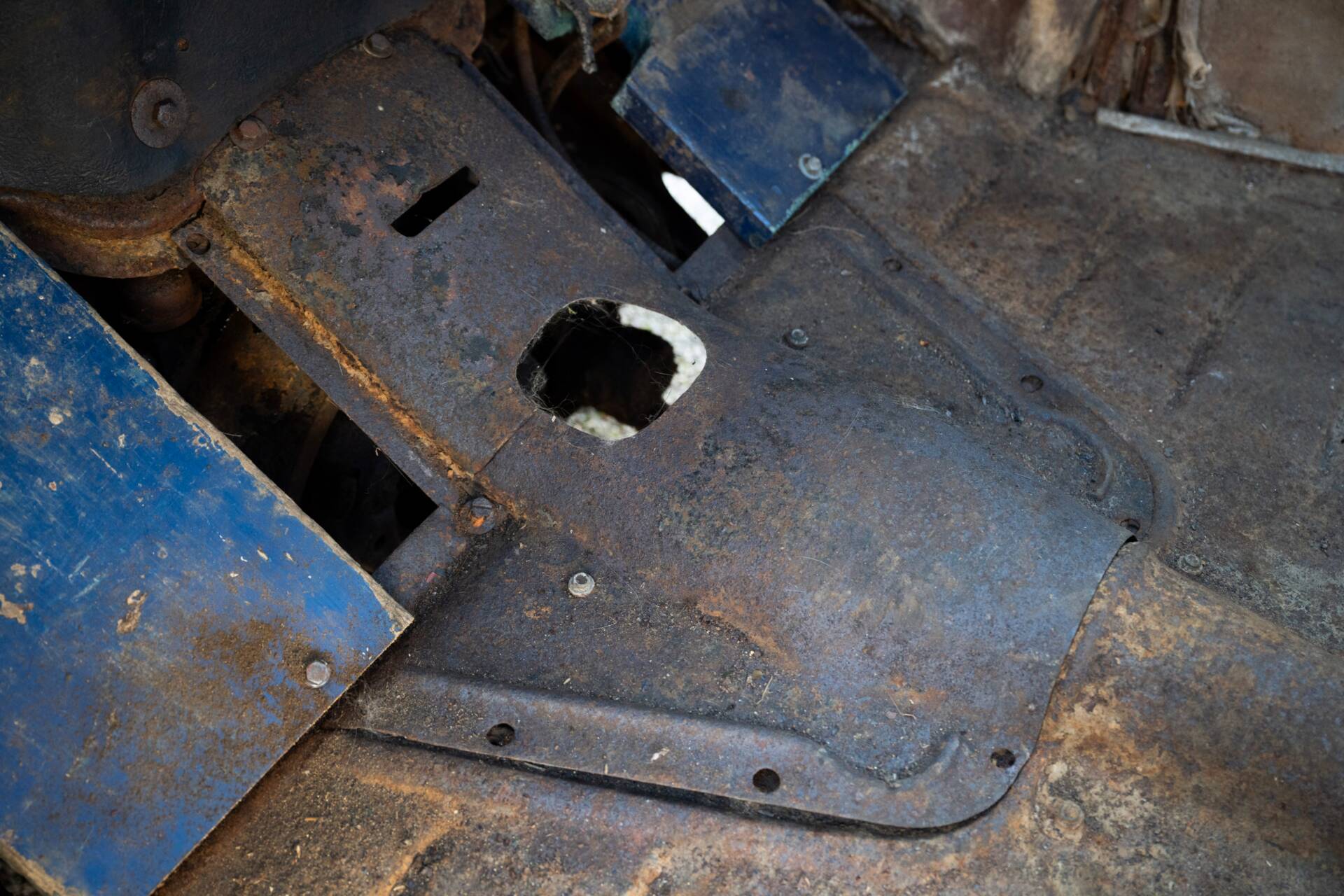
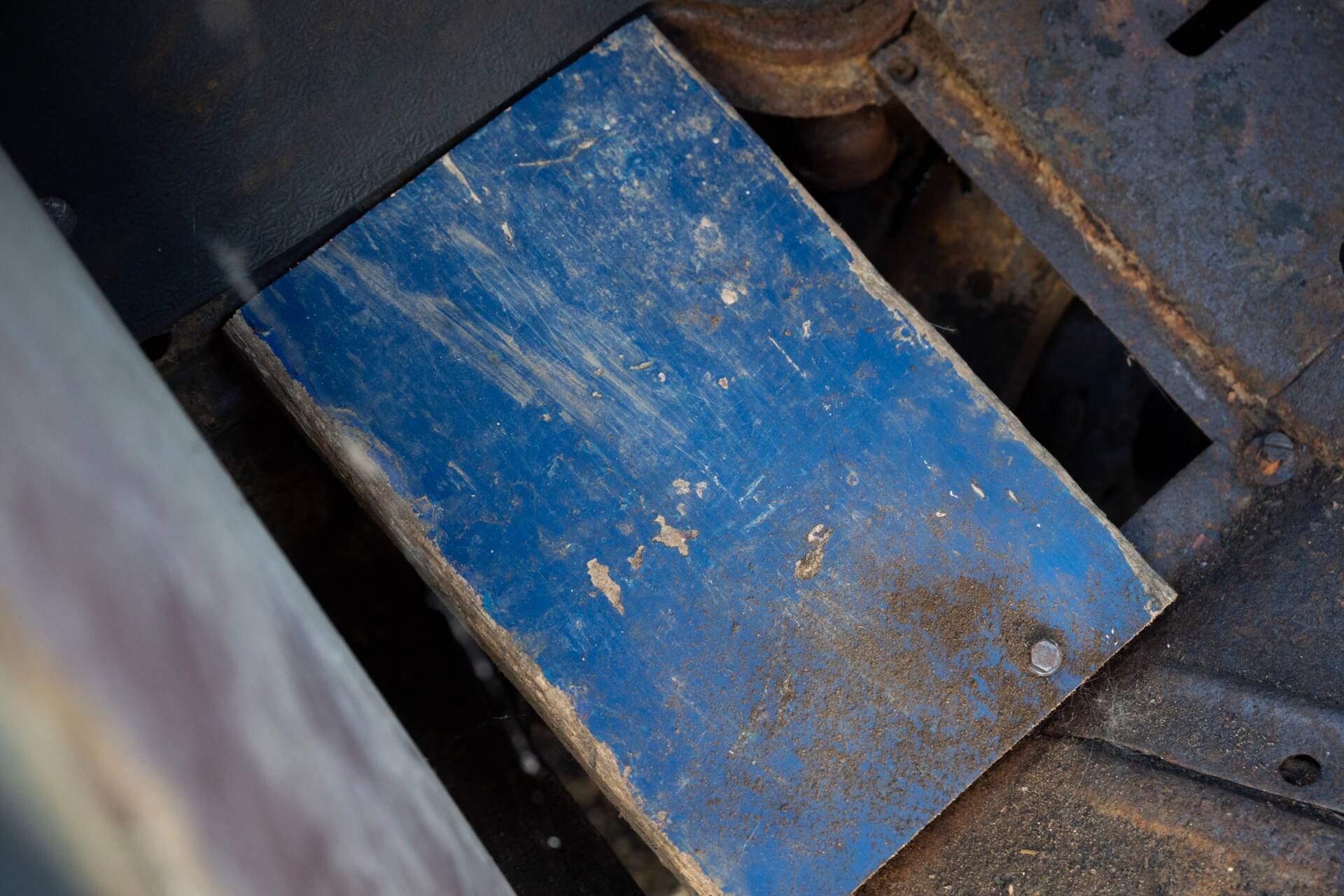
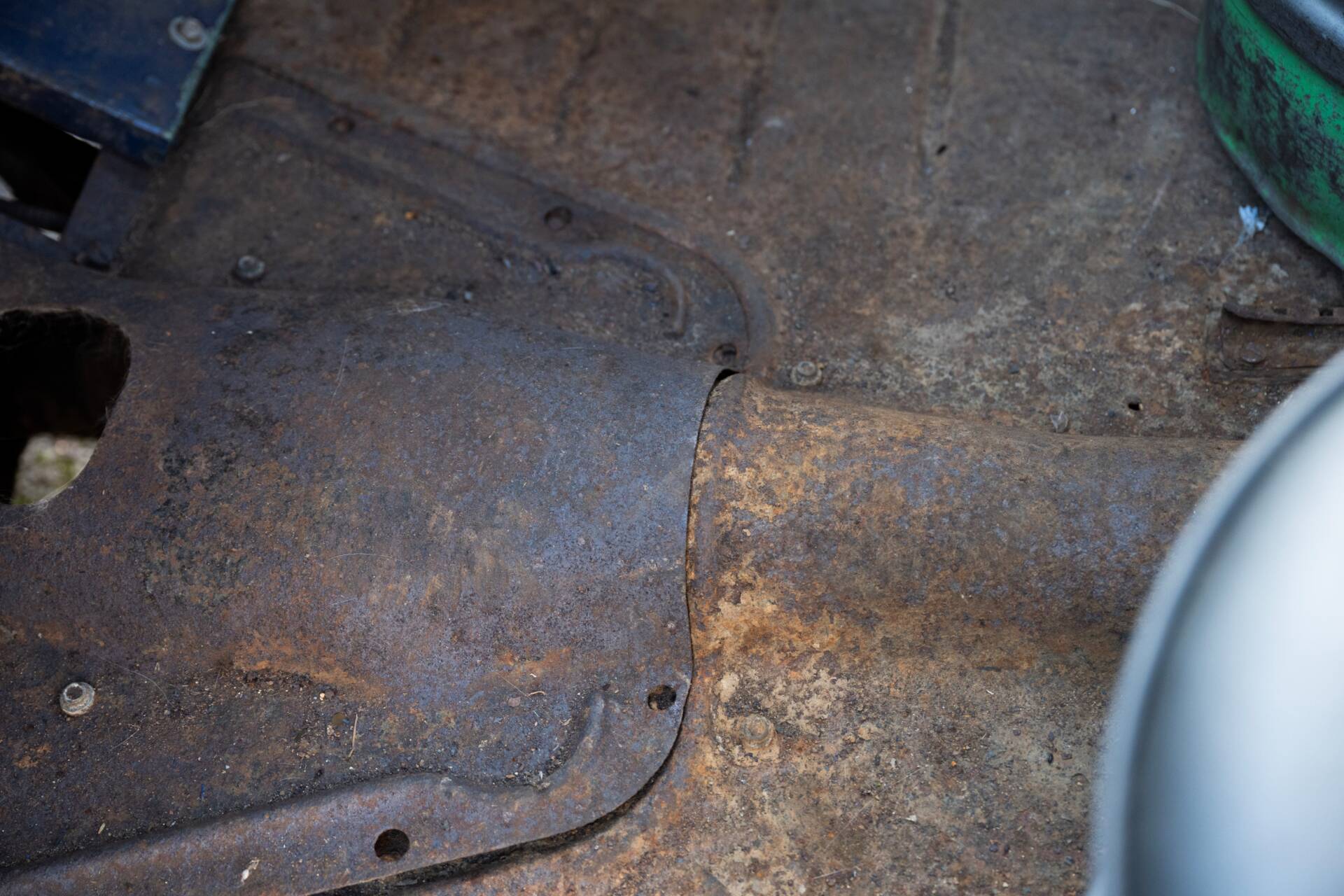
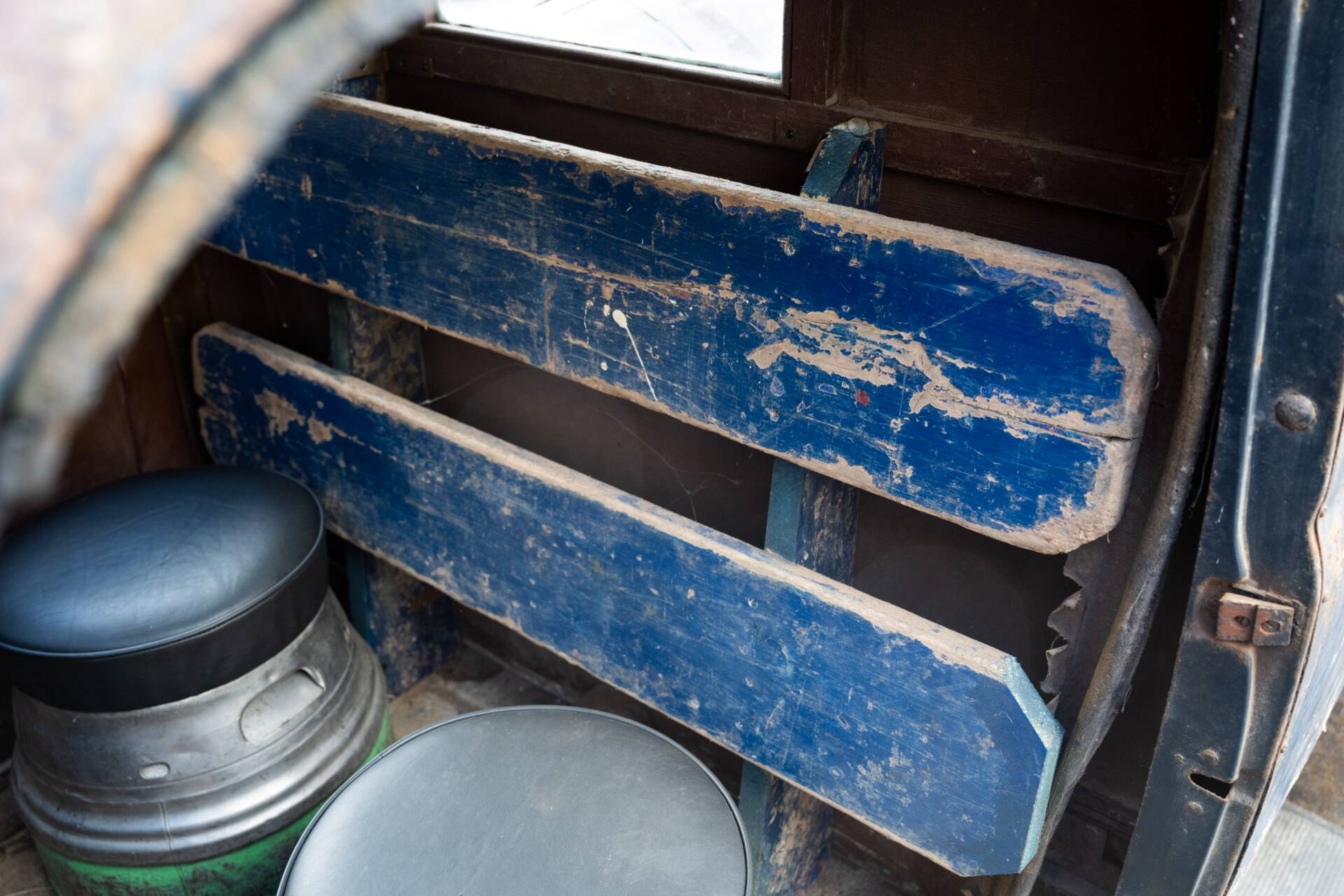
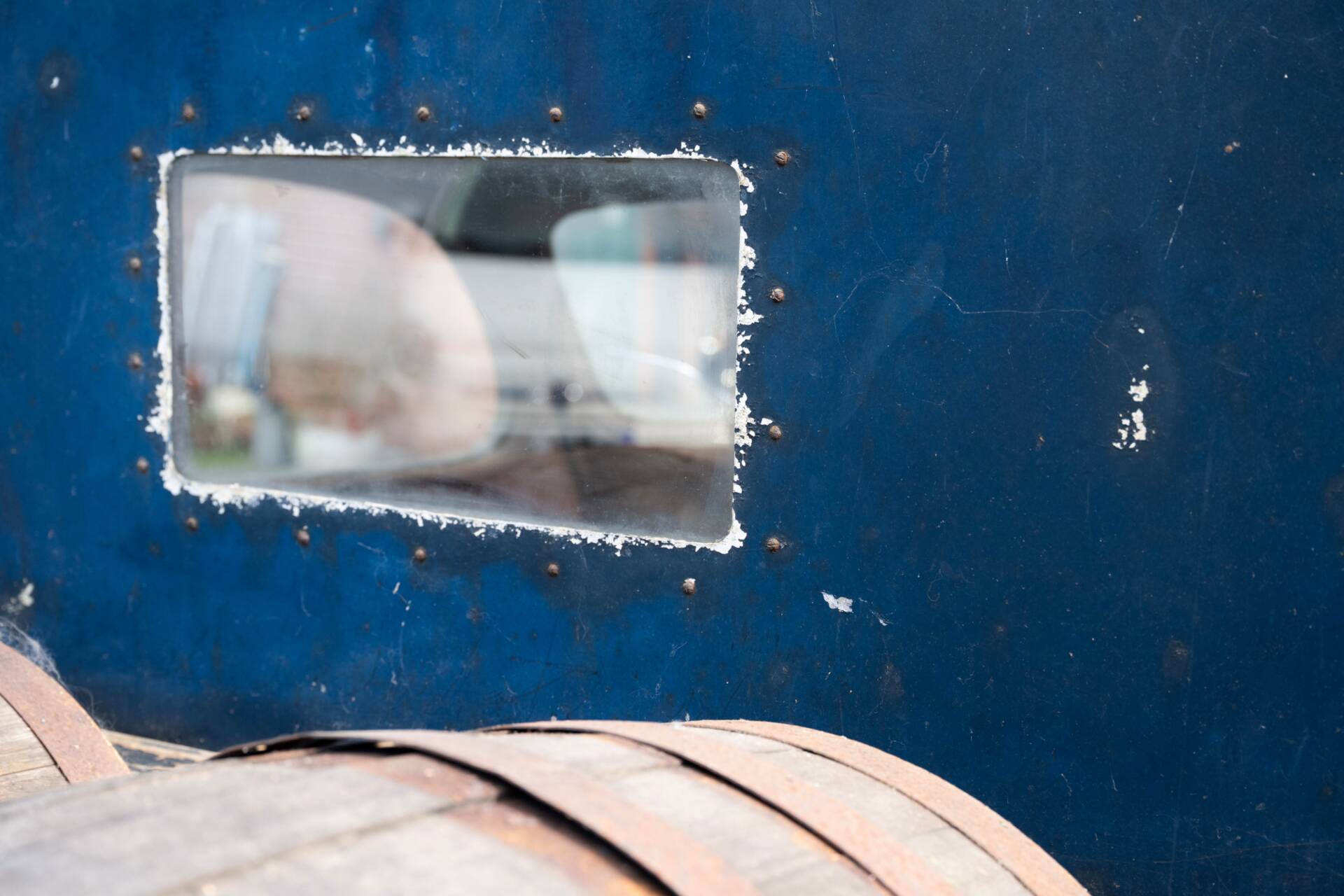
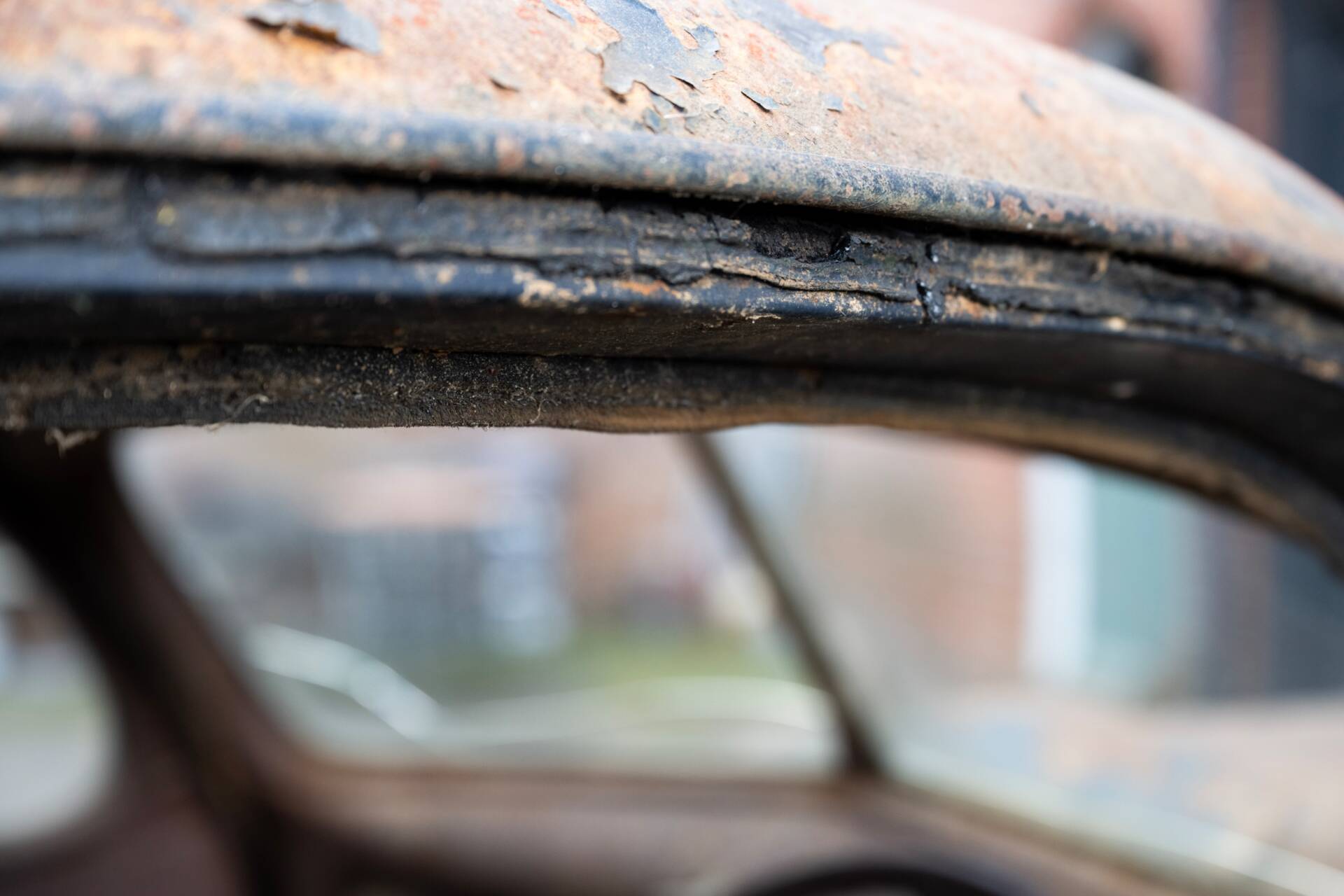
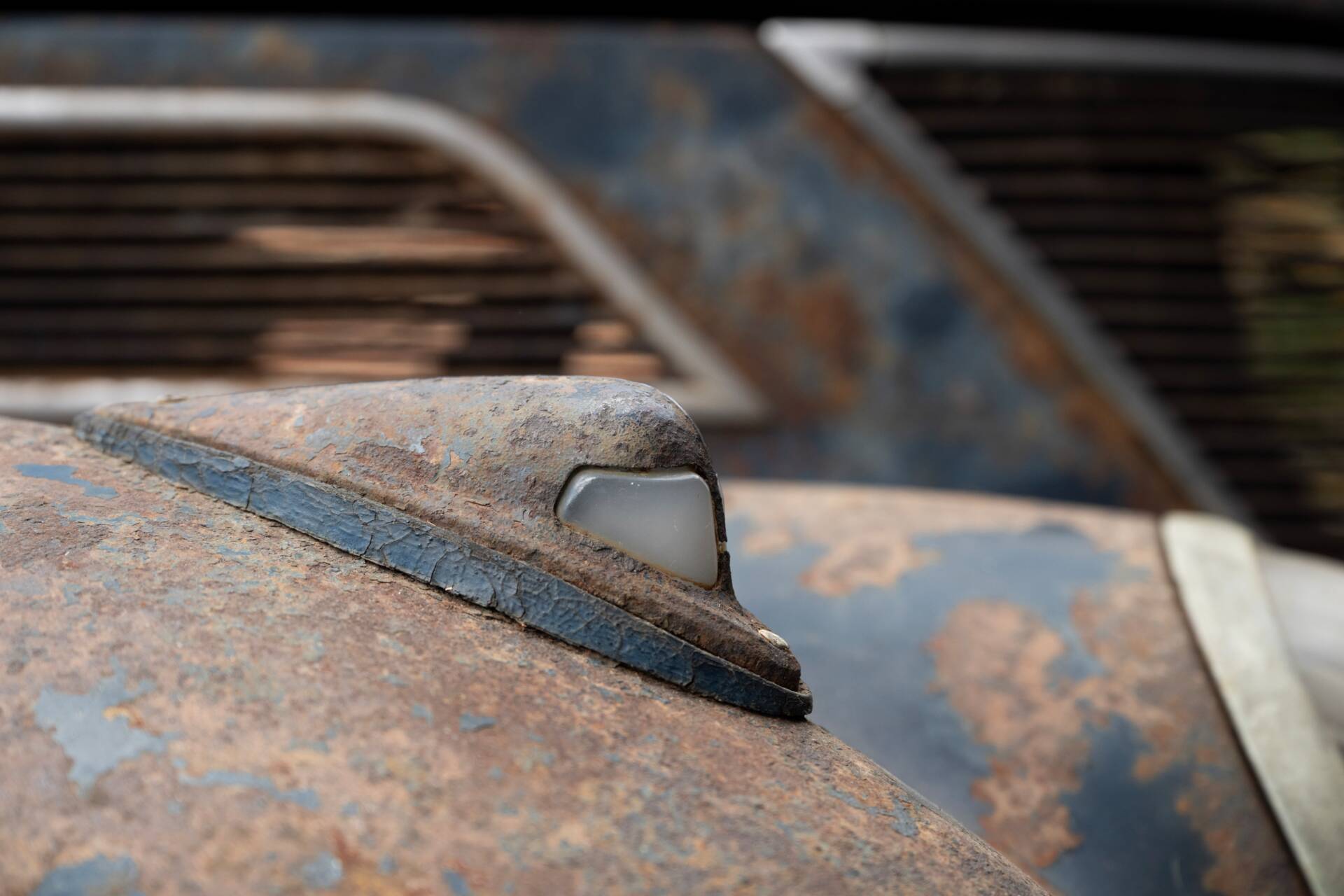
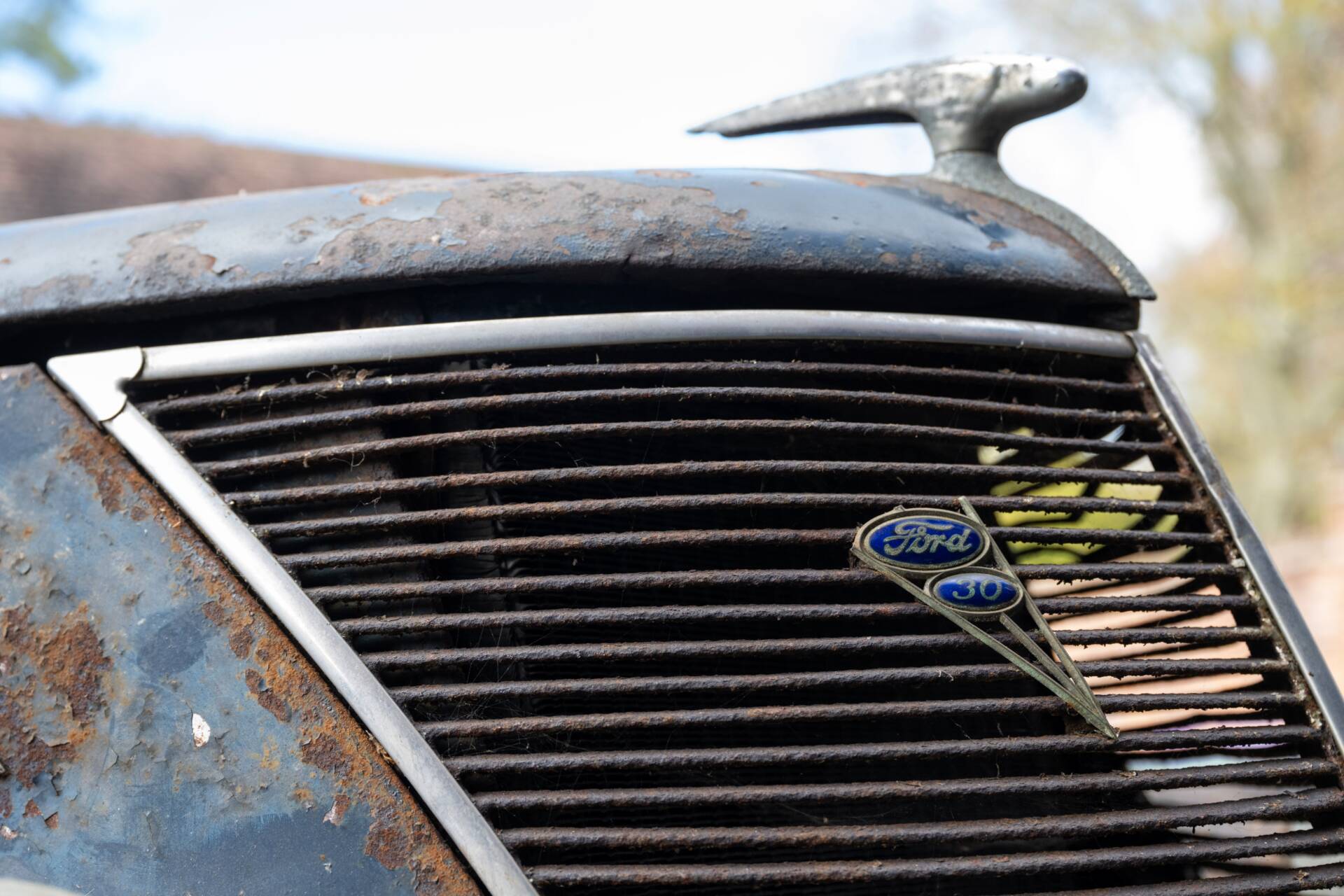
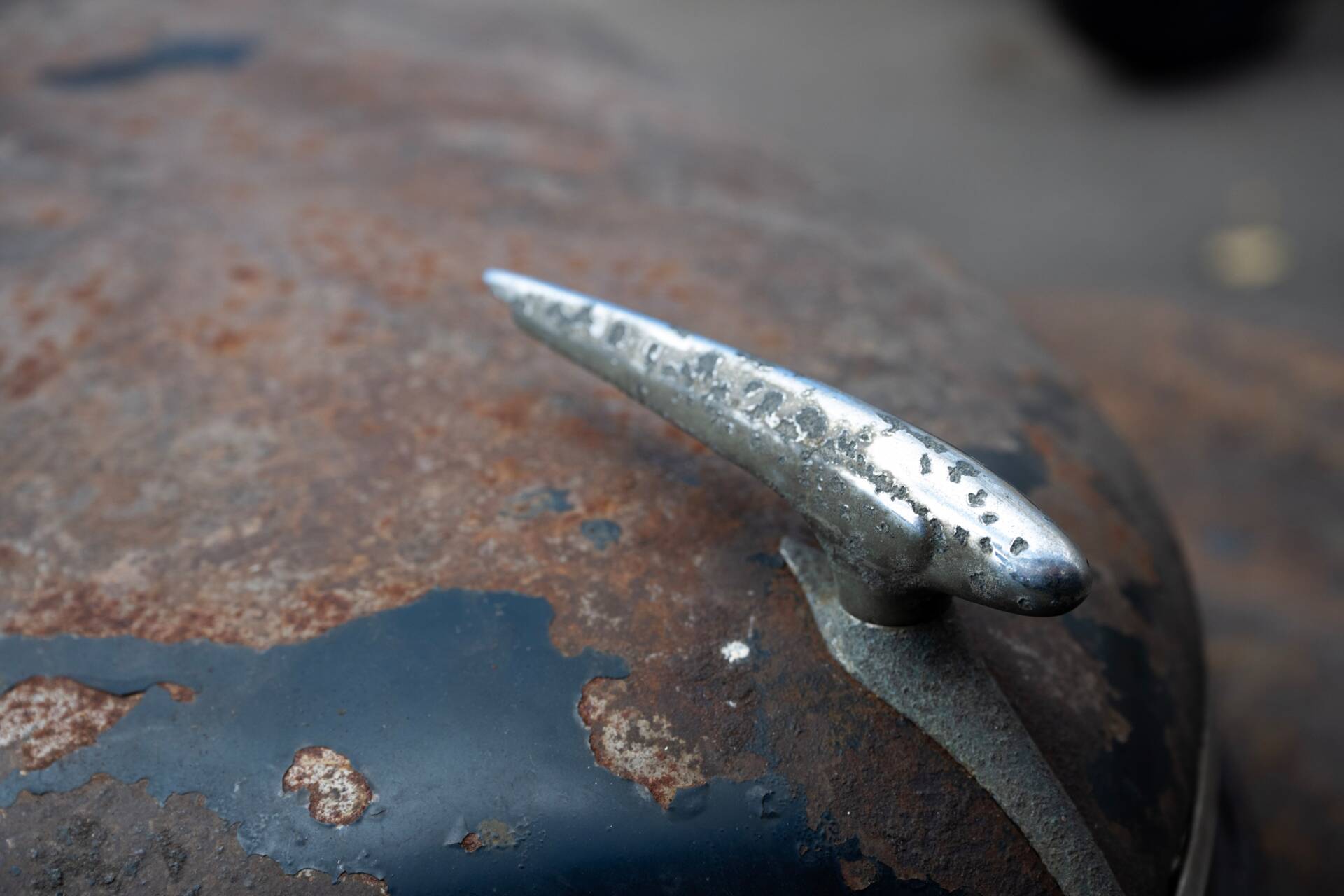
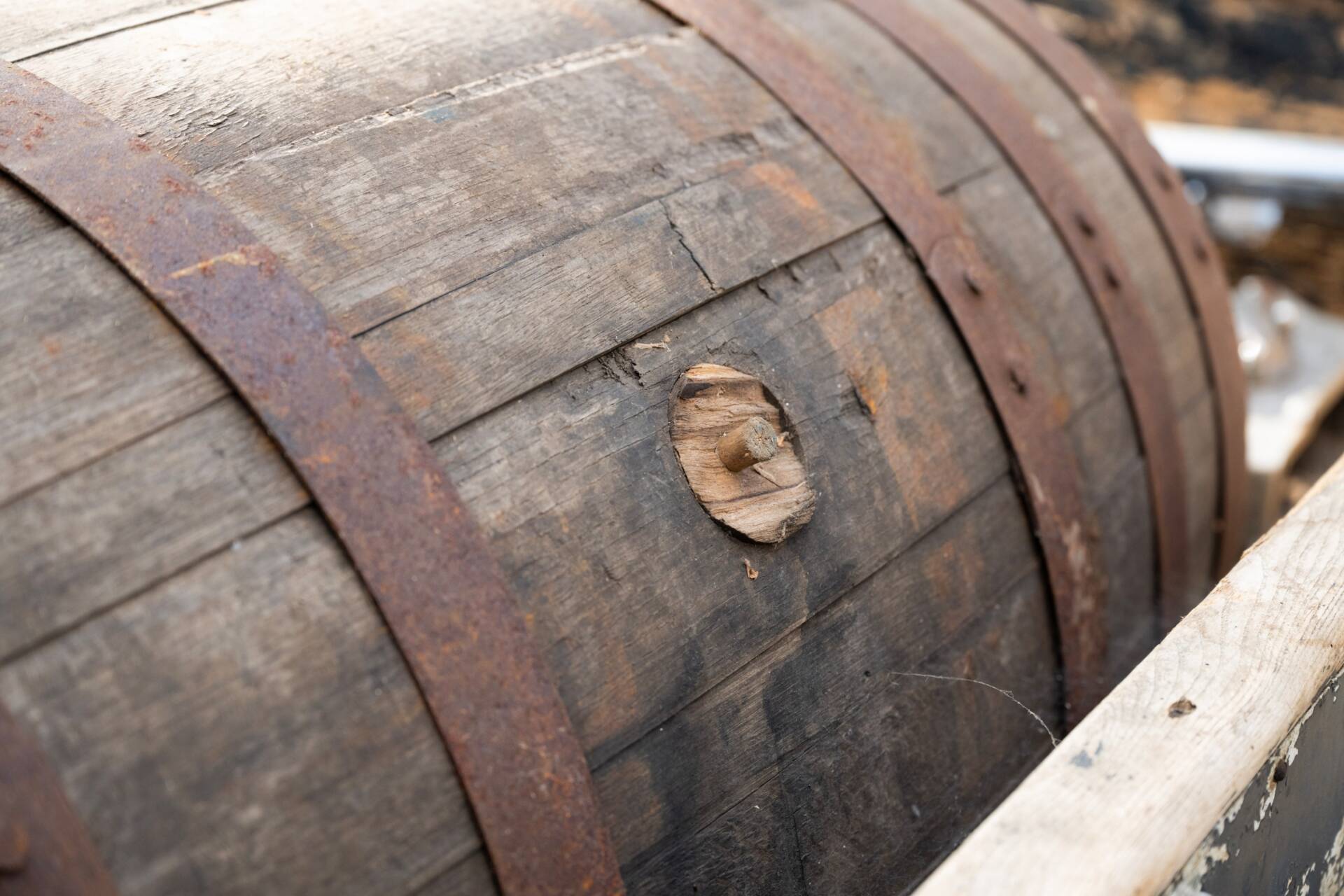
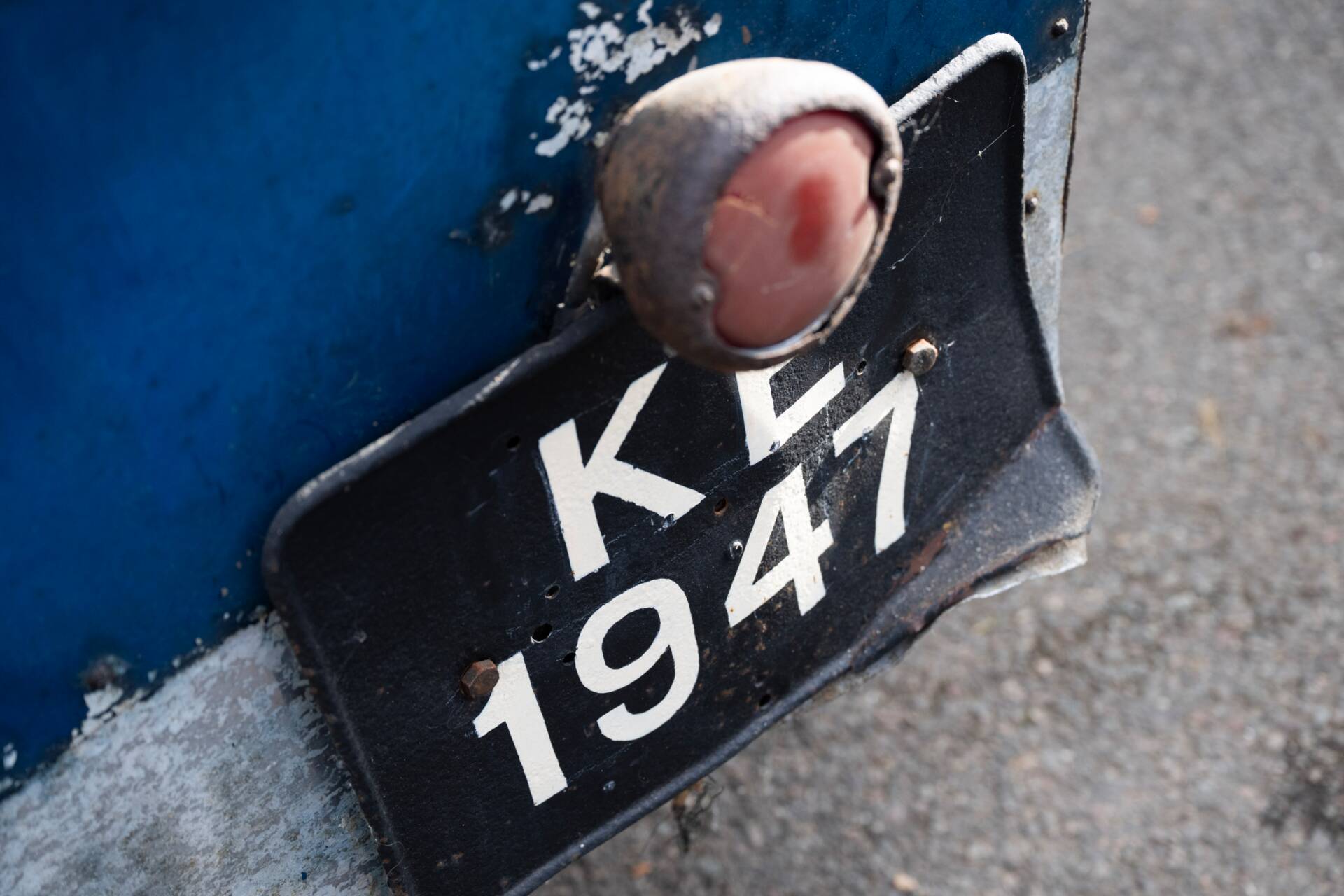
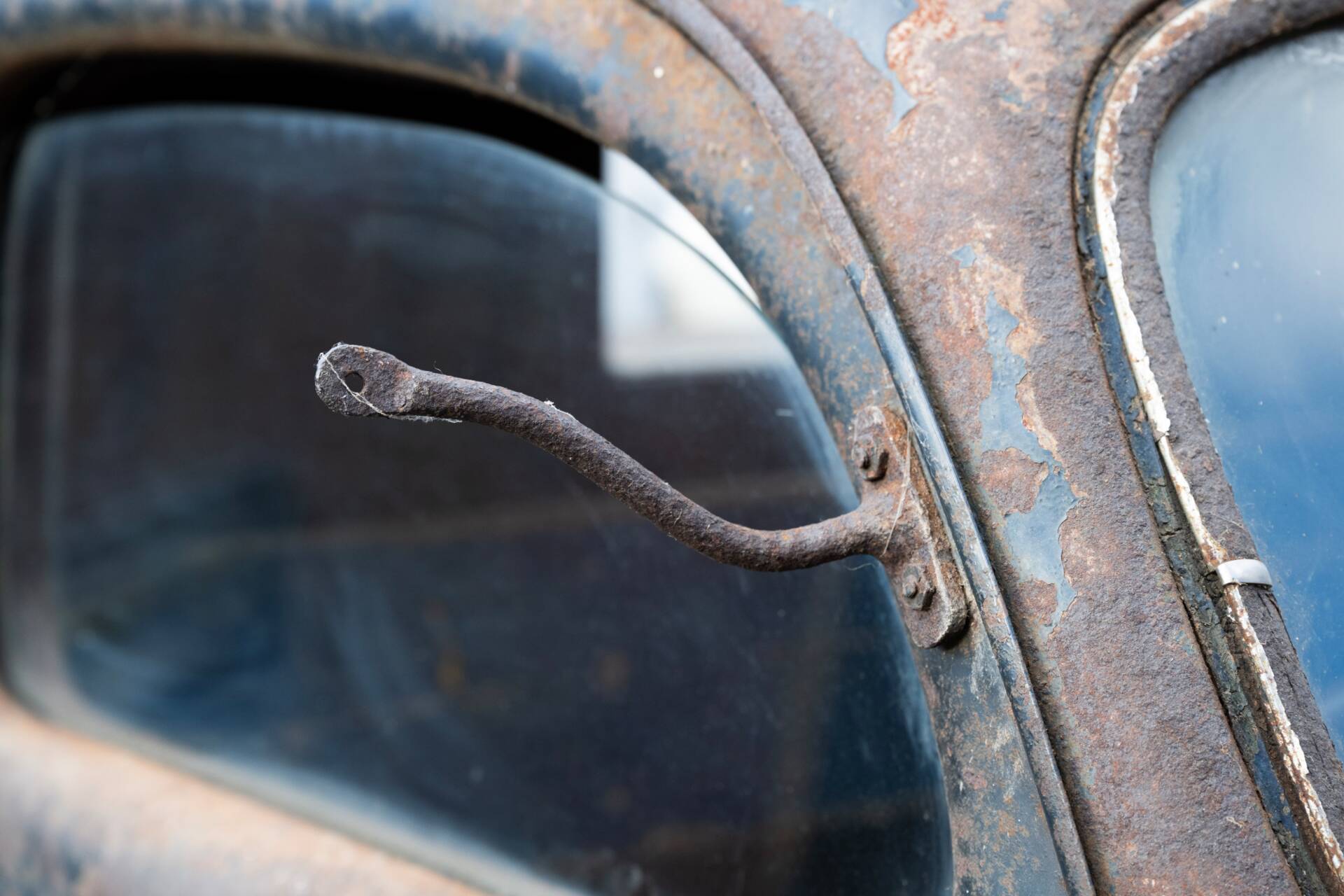
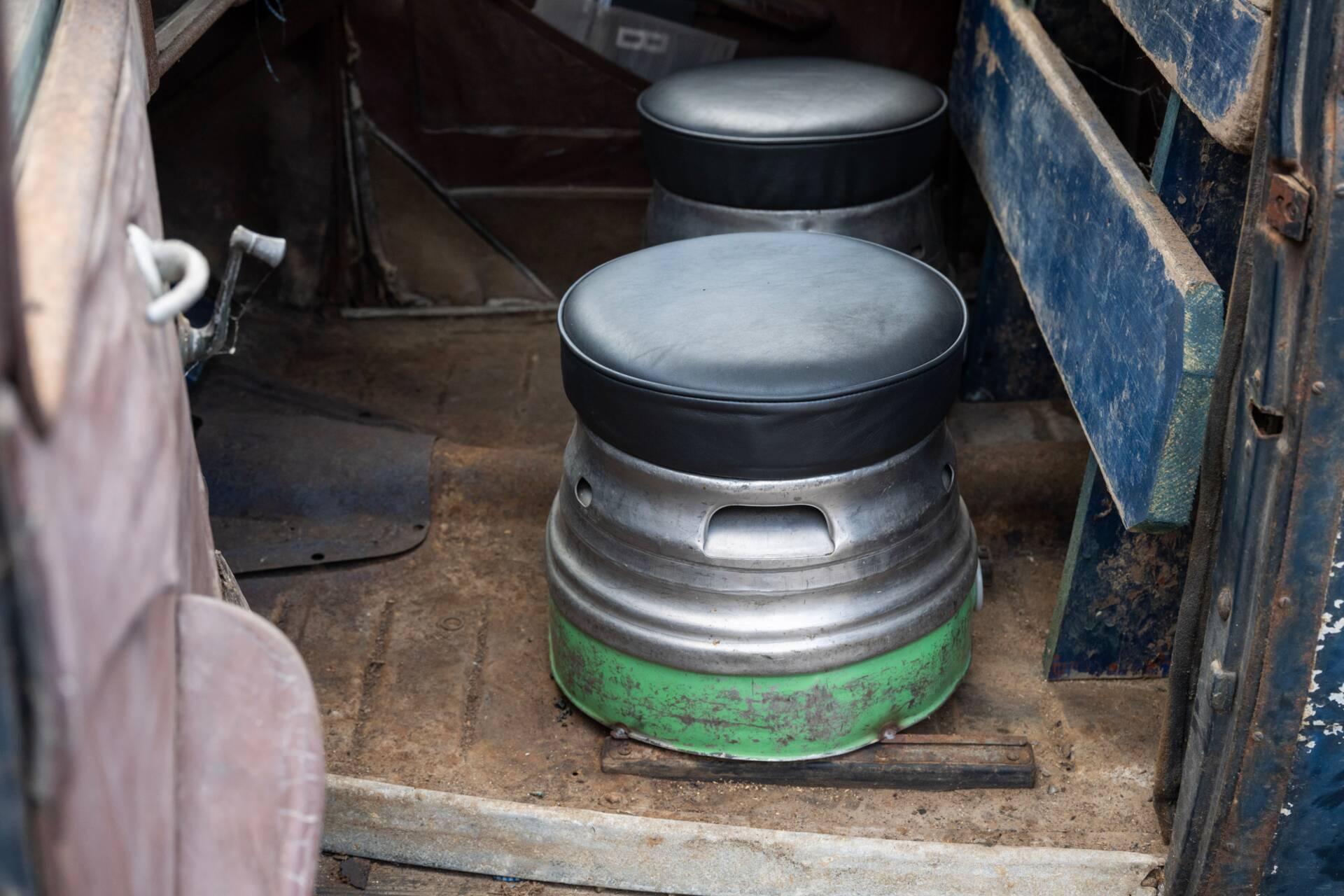
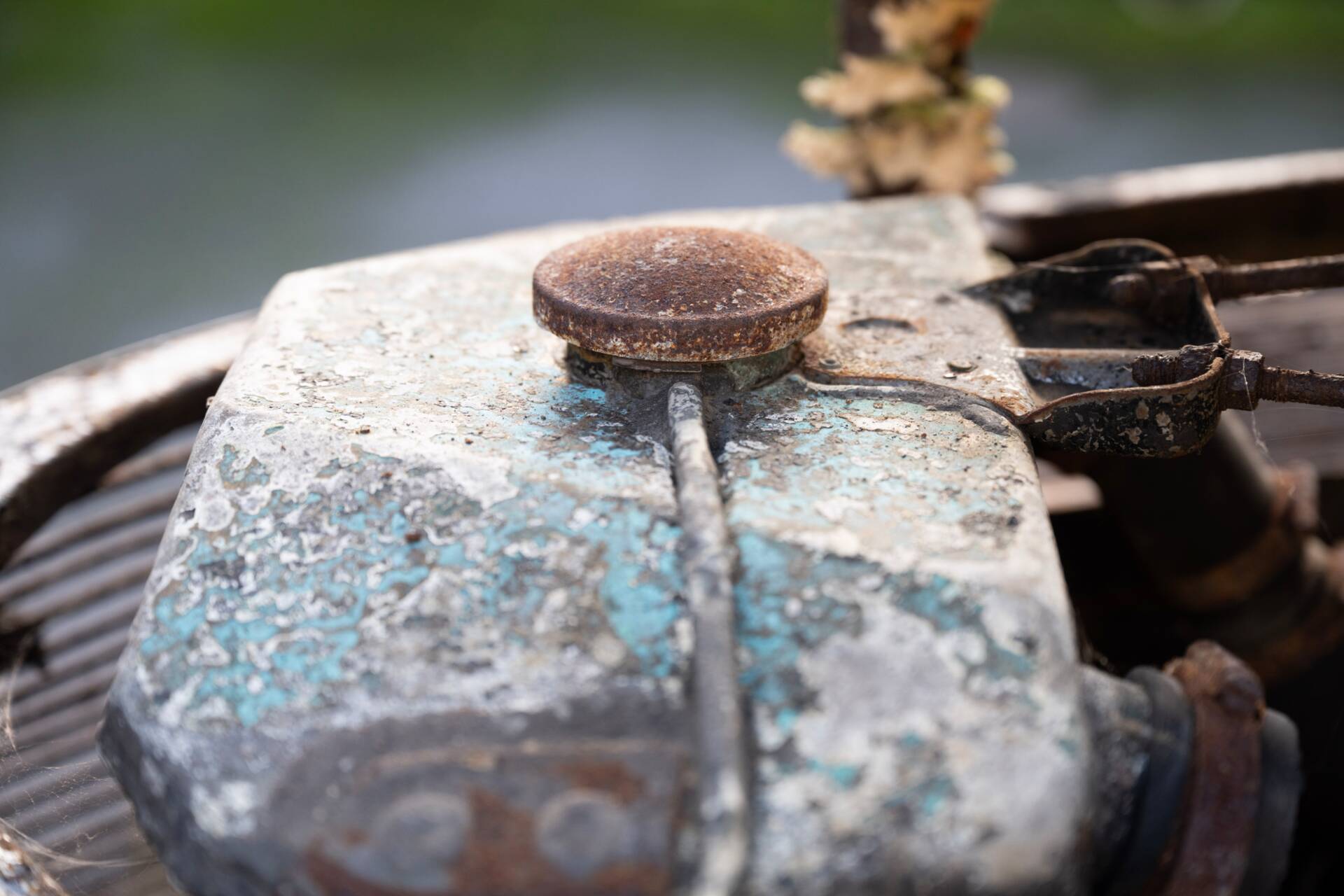
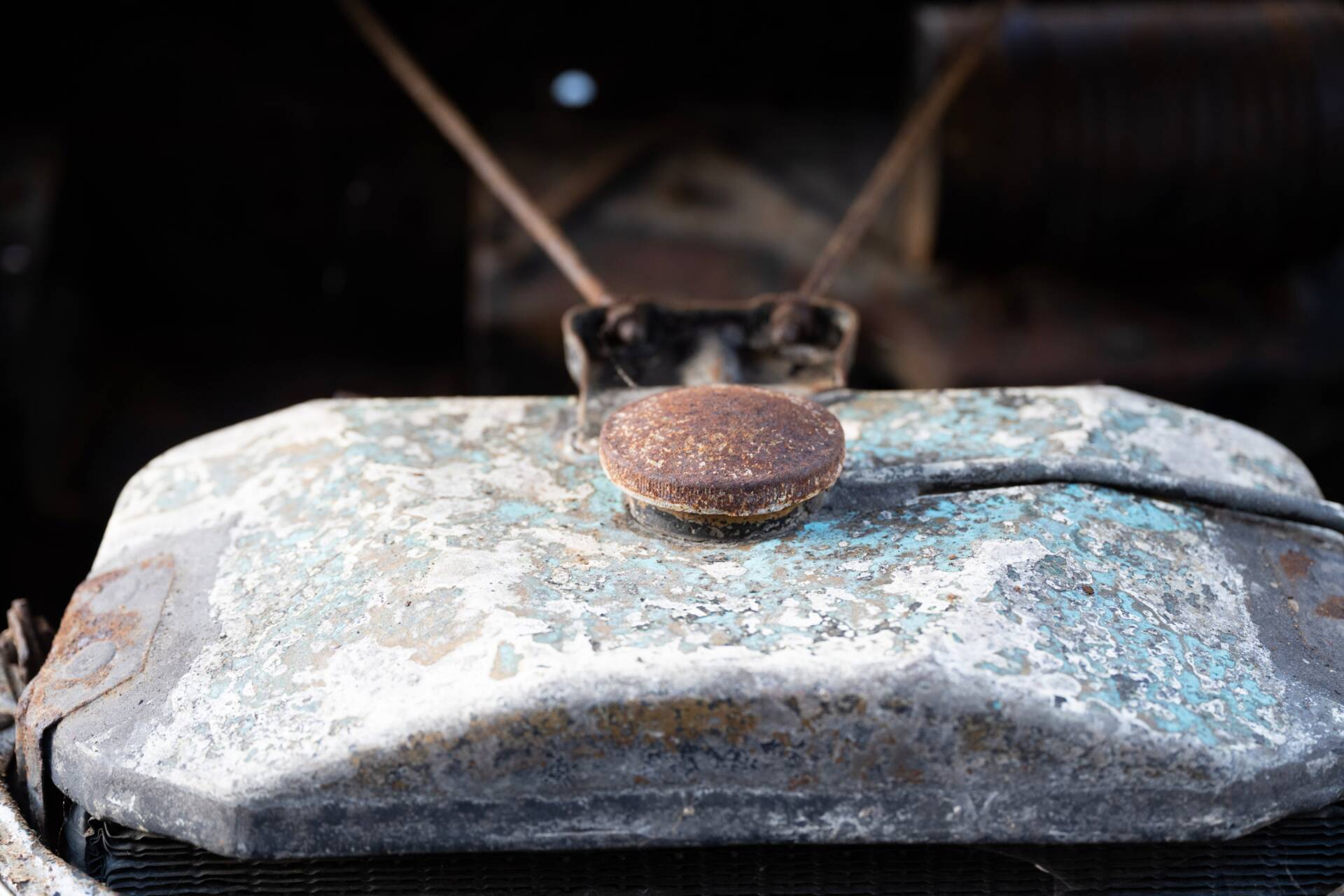
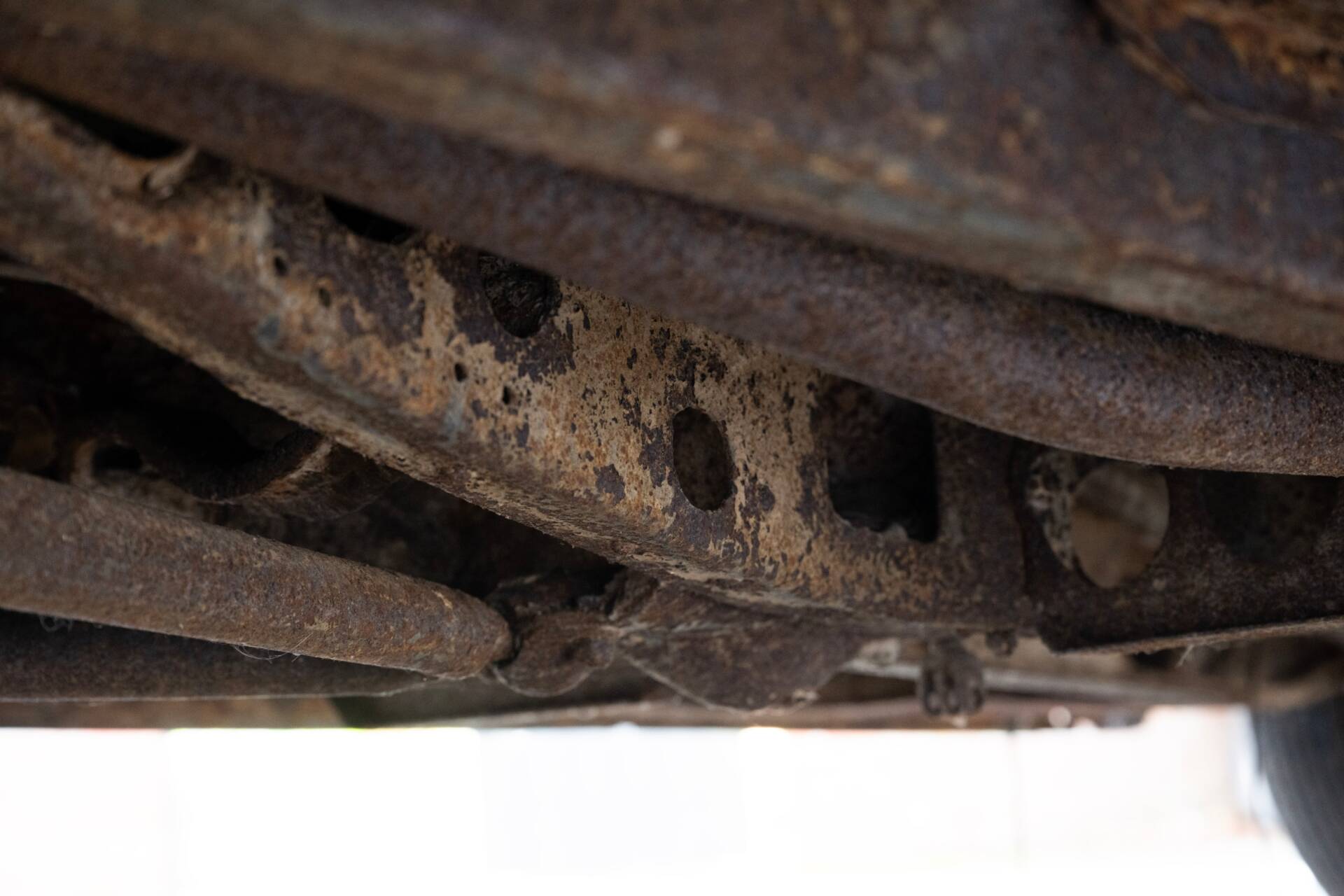
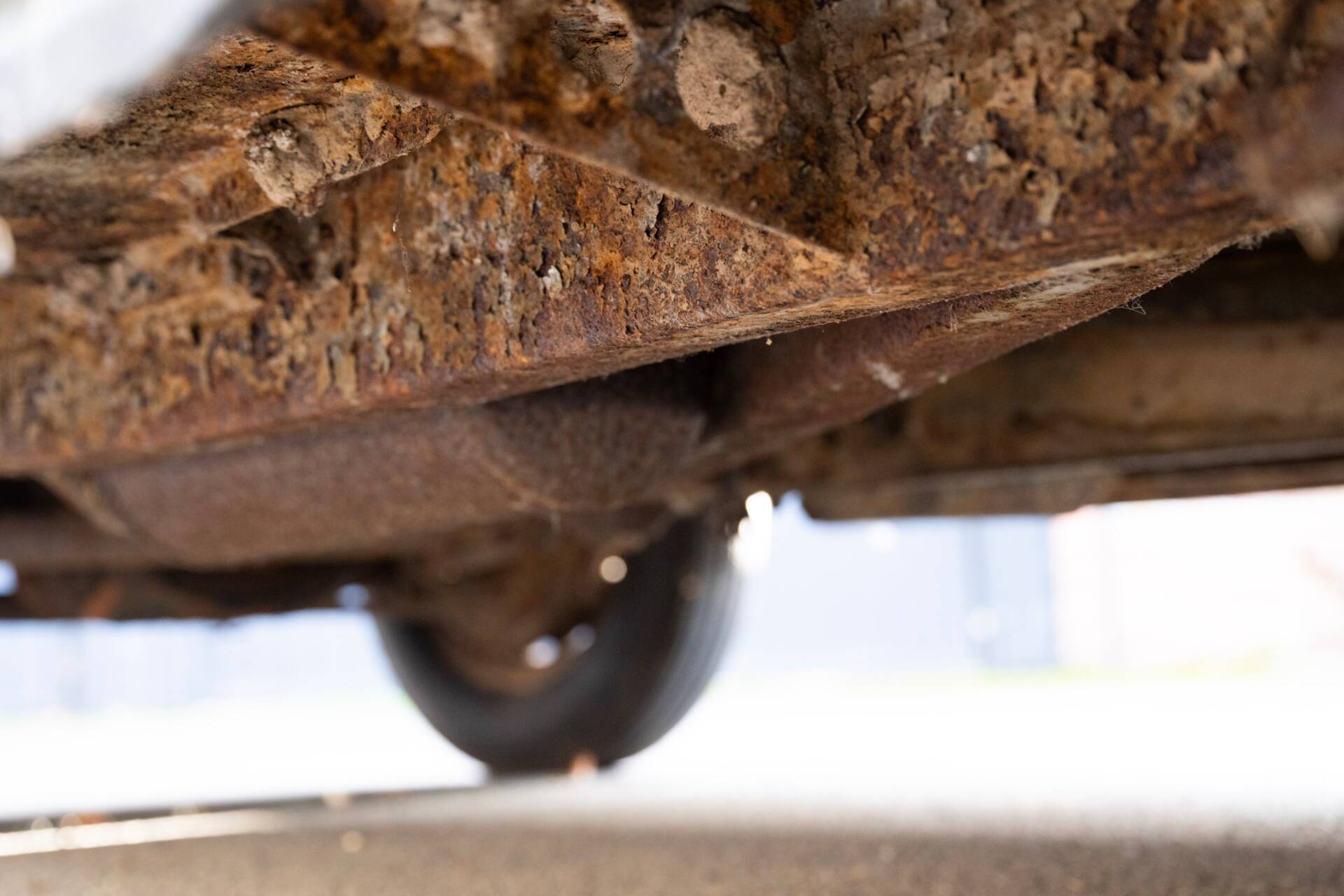
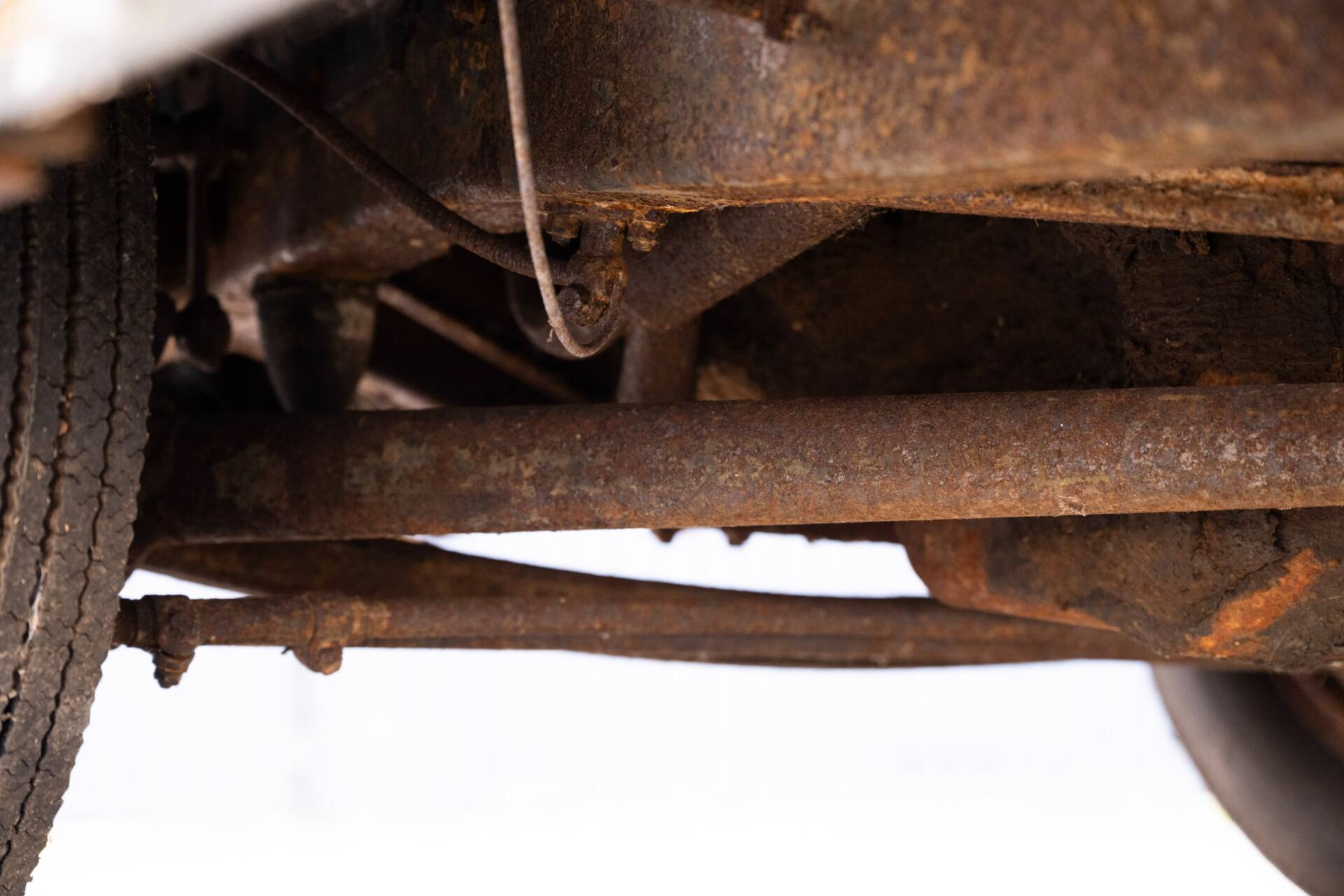
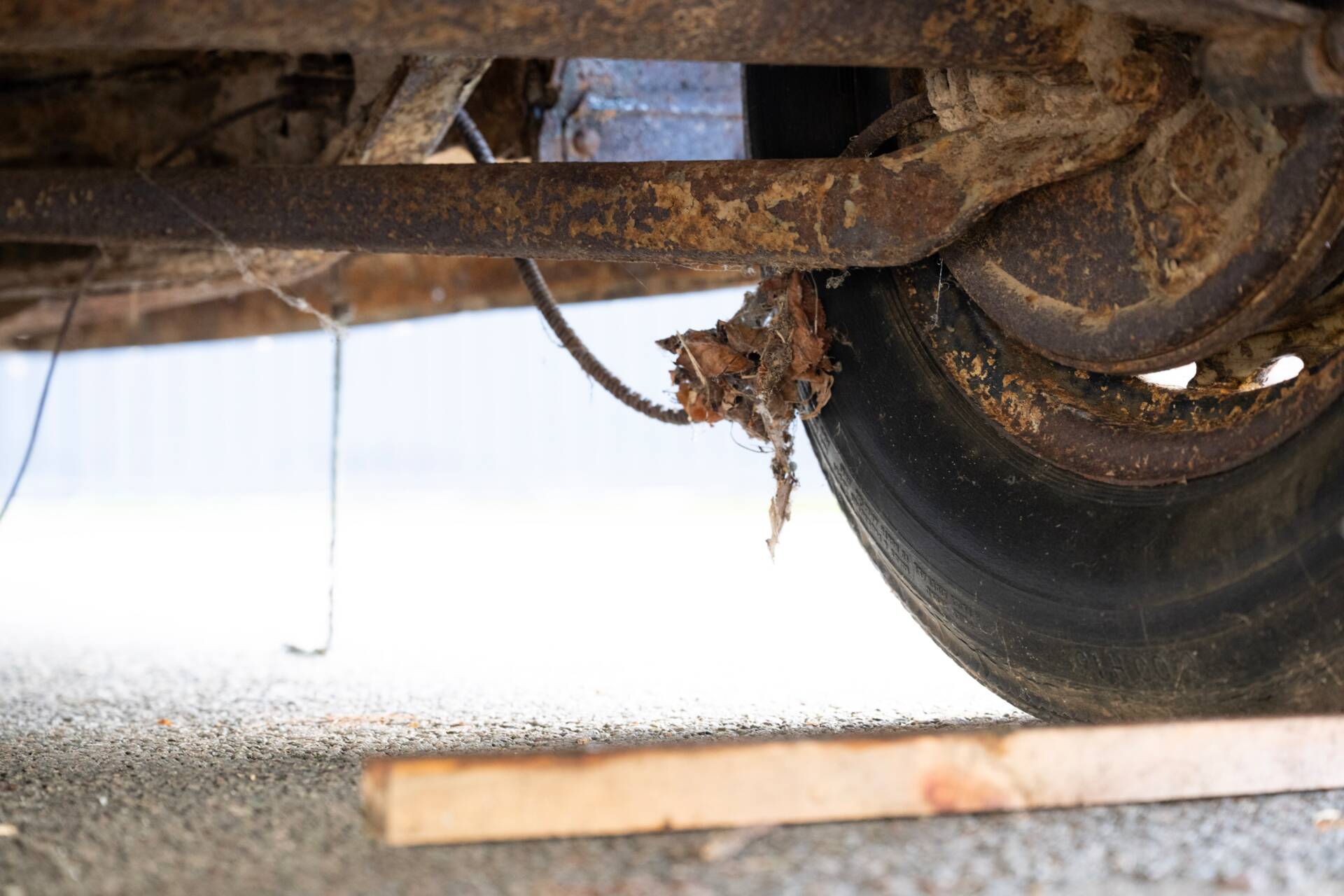
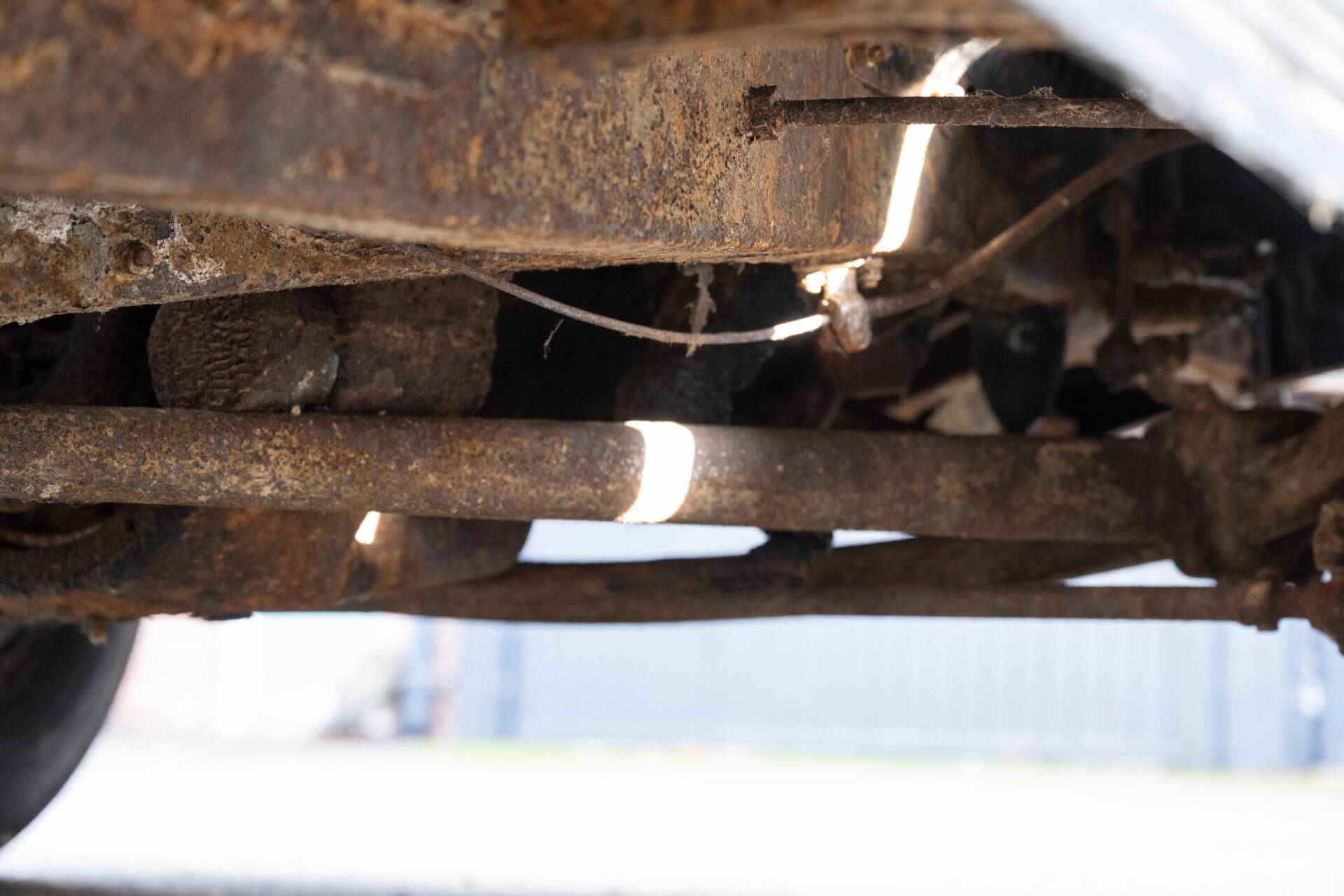
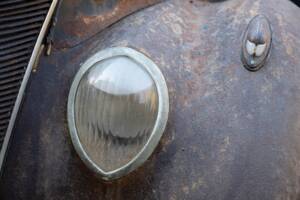
The body was originally manufactured by Briggs as a four-door saloon and, according to local accounts, converted into a pick-up with a wooden bed by Tooley and Youngs during the Second World War. The vehicle currently presents itself in unrestored condition with typical patina and largely complete substance. No detailed information is available regarding the condition of the paintwork and frame, which seems plausible given its decades-long storage.
Mechanical
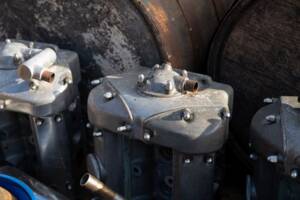
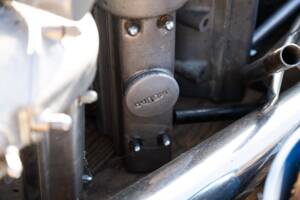
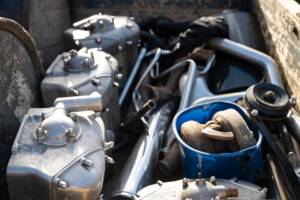
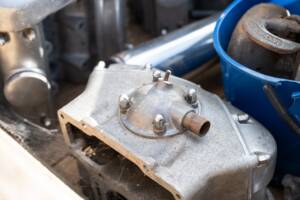
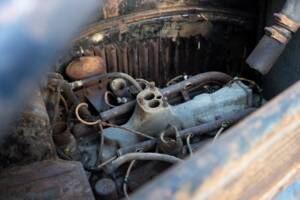
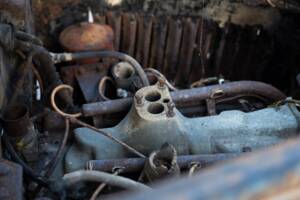
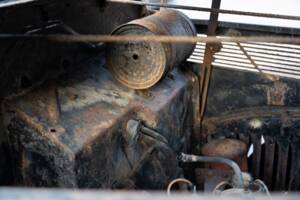
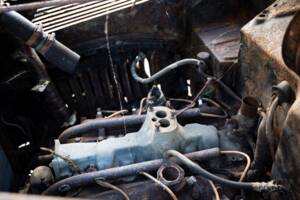
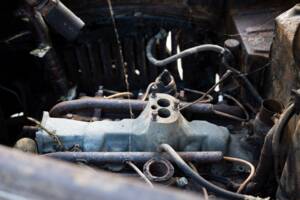
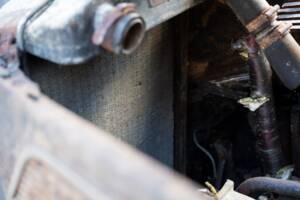
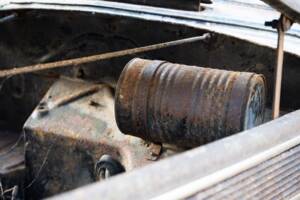
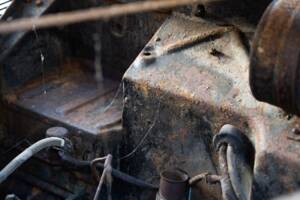
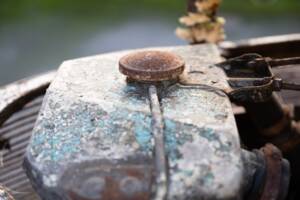
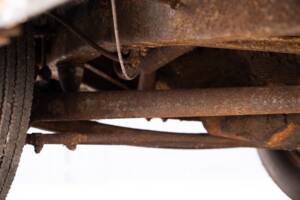
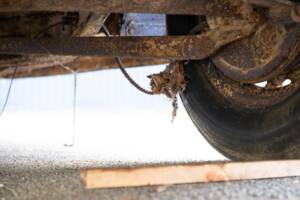
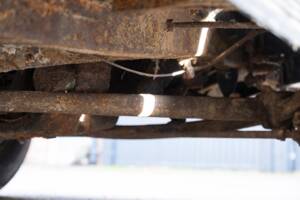
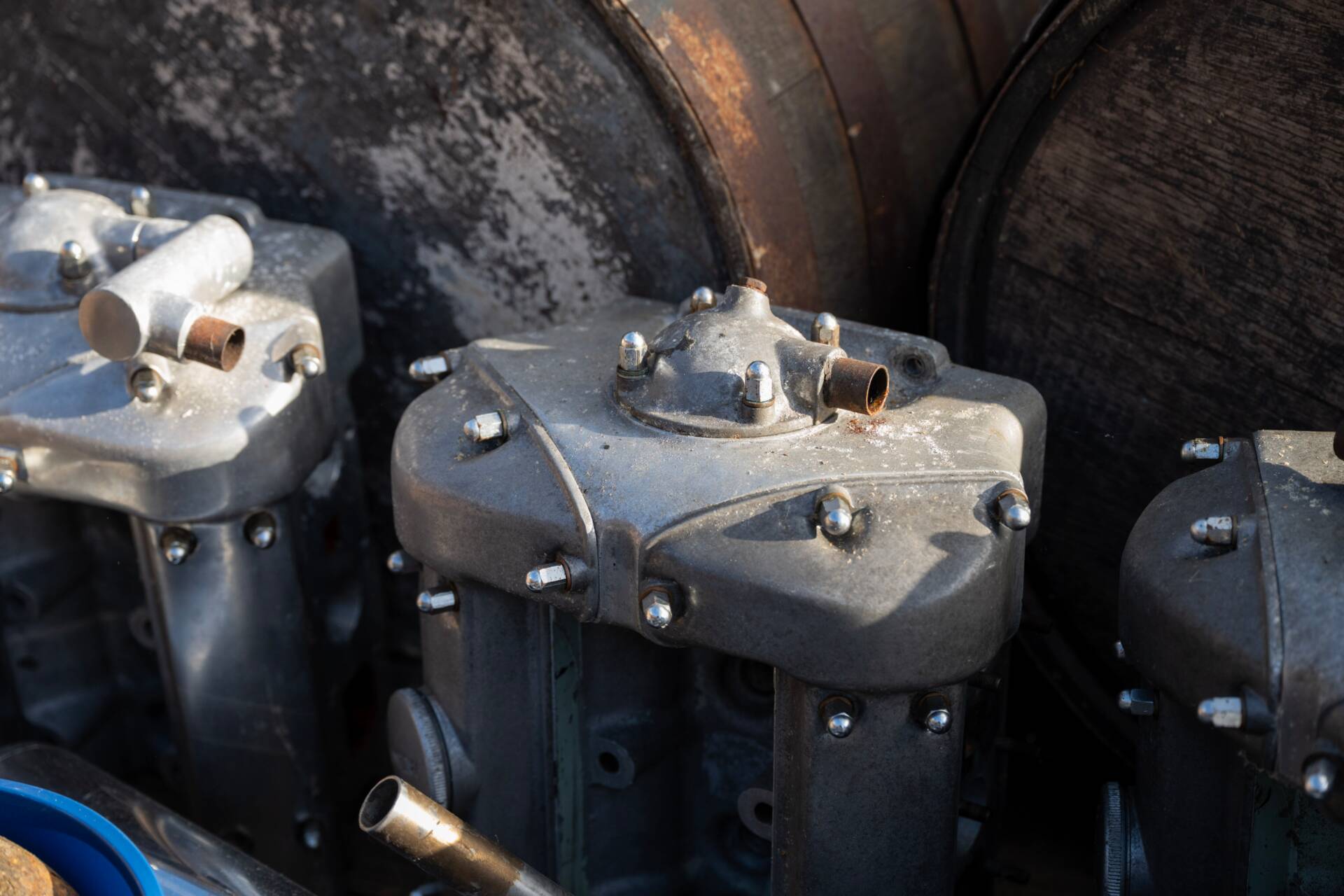
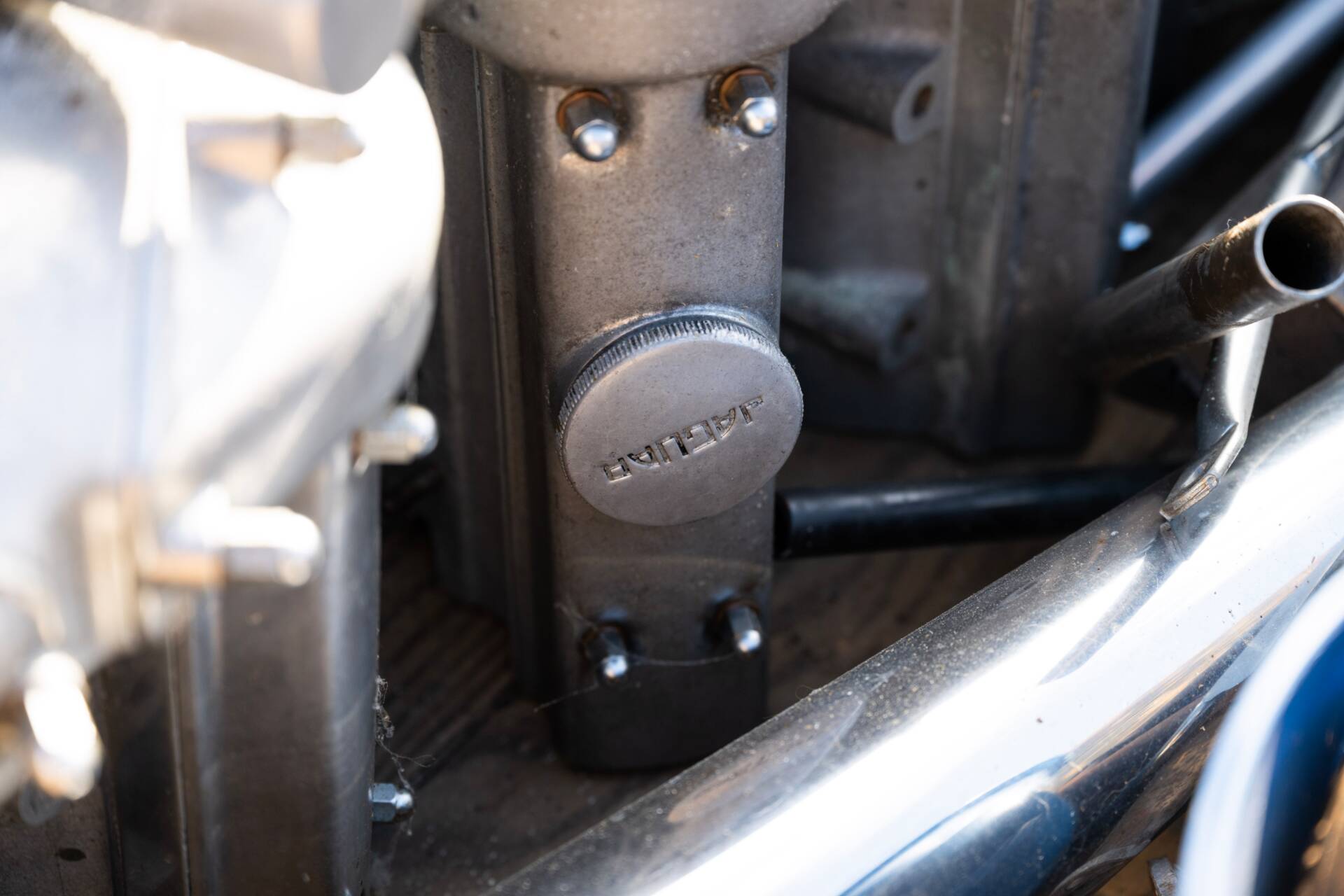
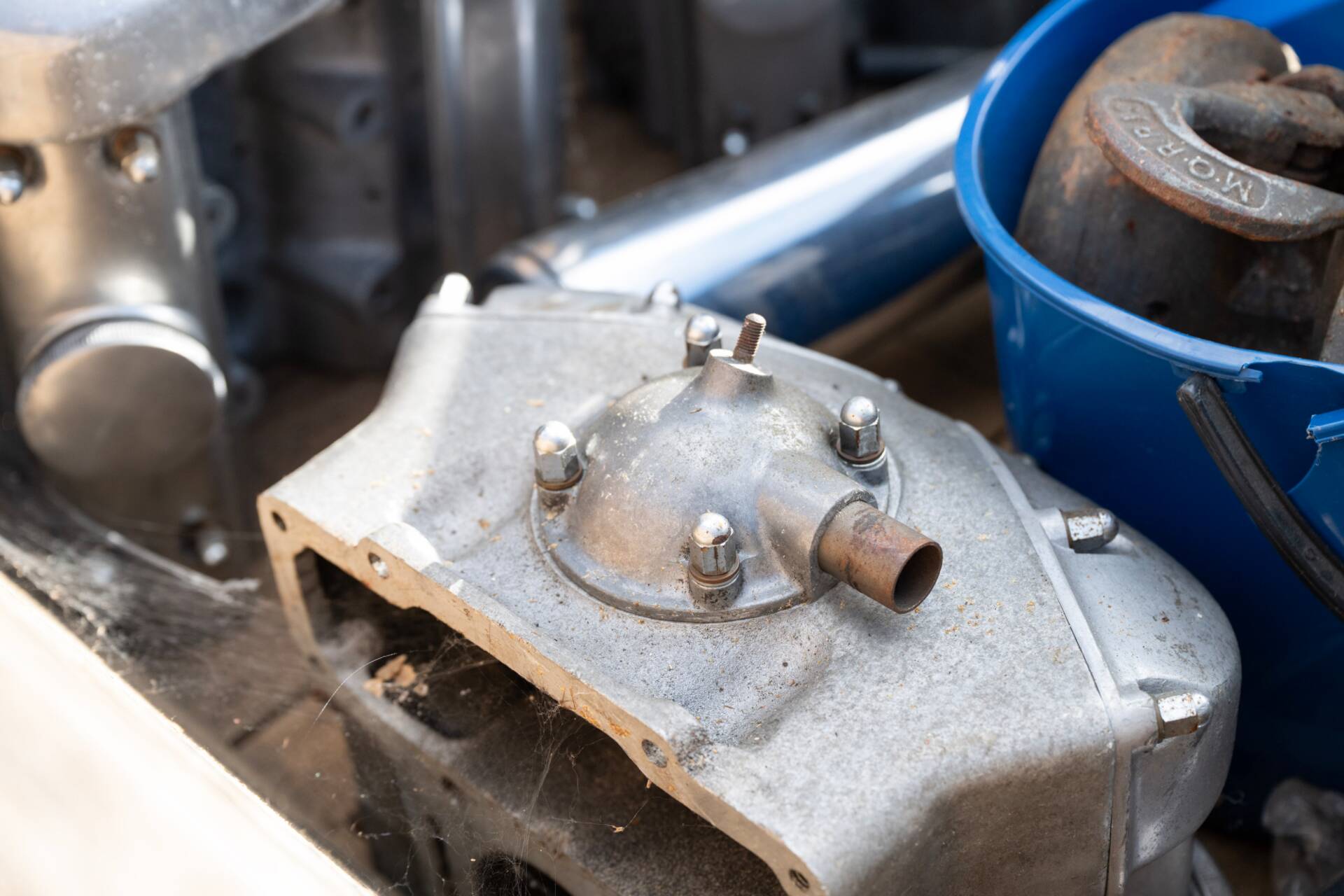
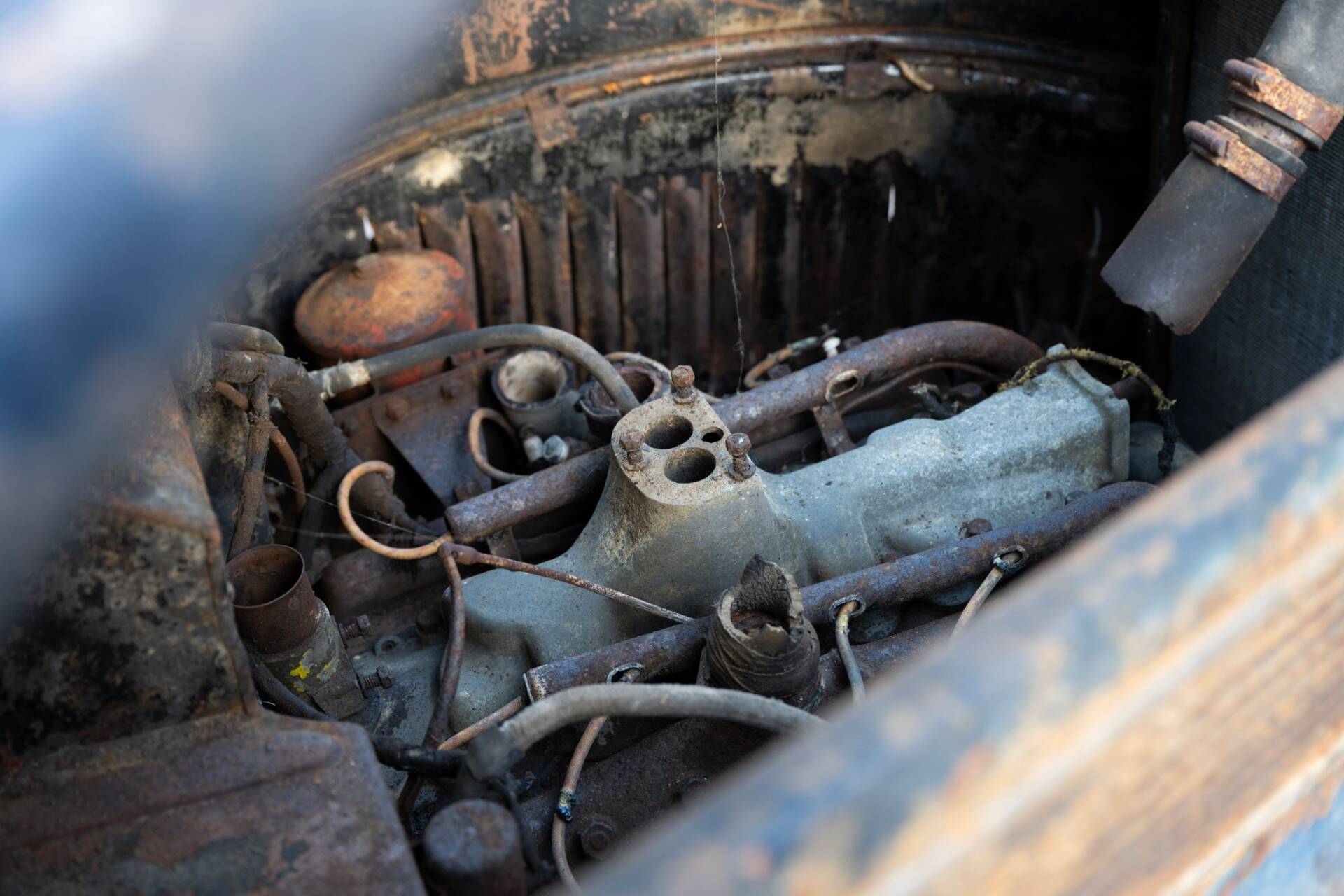
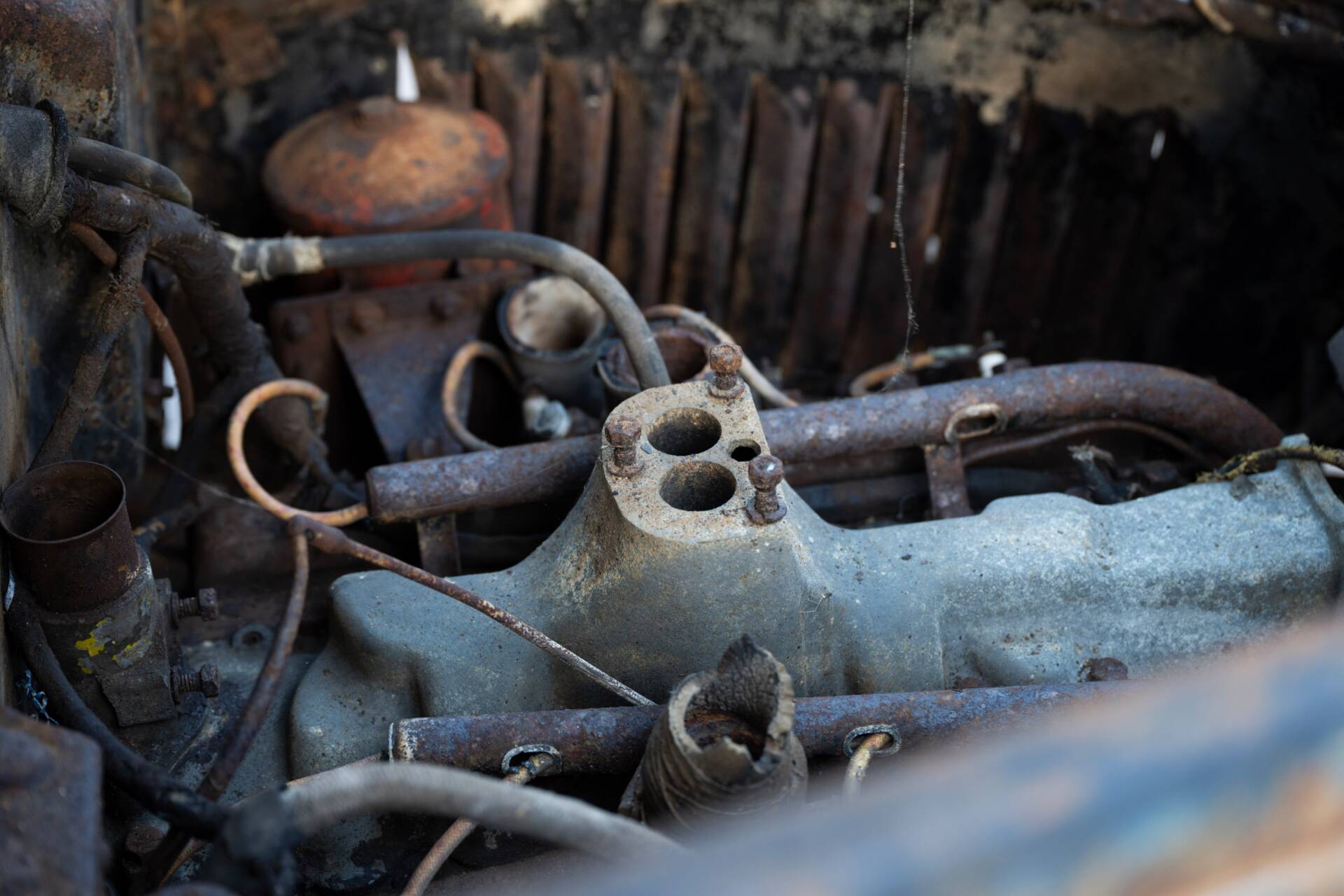
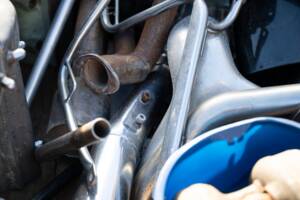
The V8-78 engine is among the most widely produced and robust Ford units of the pre-war era. This example is currently missing its gearbox and carburetor, although it cannot be ruled out that these may resurface before the auction. No reliable information is available regarding the overall mechanical condition – particularly suspension, axles and electrics. Full restoration project.
History
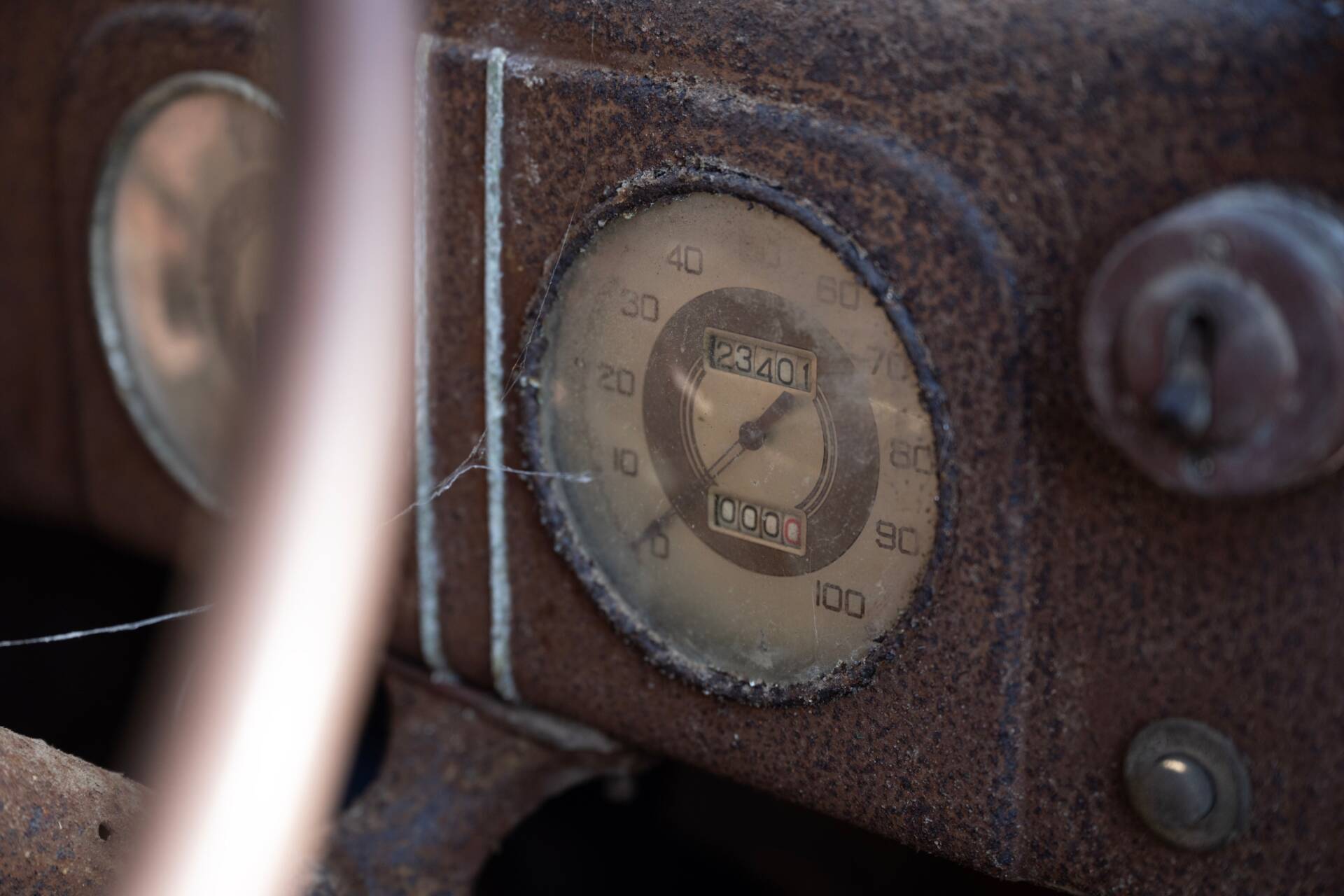
It is known that after its conversion the vehicle was used for decades at the Milligen farm before being stored in a disused shed – a classic “barn find” highly appreciated by collectors. Information about first registration and previous owners is unavailable, and it is not confirmed whether documents such as old registration papers or maintenance records exist.
Service / Documentation
There is no reliable information regarding the extent of available documentation, service booklets or spare parts records. At the time of cataloguing, neither an original owner’s manual nor workshop history could be inspected.
Summary / Conclusion
As an authentic barn find, this Ford V8-78 Pick-up offers a rare opportunity for experienced collectors and enthusiasts of British pre-war vehicles. The combination of rare commercial conversion, documented long-term storage and complete restoration needs gives this example a special aura. In the context of British commercial vehicle construction of the 1930s, this vehicle has the potential, after professional restoration, to shine as an authentic period exhibit. Market observation shows that pick-ups and agricultural conversions from this era are enjoying growing popularity.
Comment / Personal Impression
When I first saw the vehicle, I was reminded of the unvarnished honesty of a time when automobiles were primarily working tools. The smell of old wood, the dull metal and the resting layer of dust tell stories of hard work, improvisation and a piece of rural automotive culture that is rarely found today. For me, this Ford V8-78 is a prime example of automotive authenticity that commands respect.