Sammlung Sonderklasse - Auction
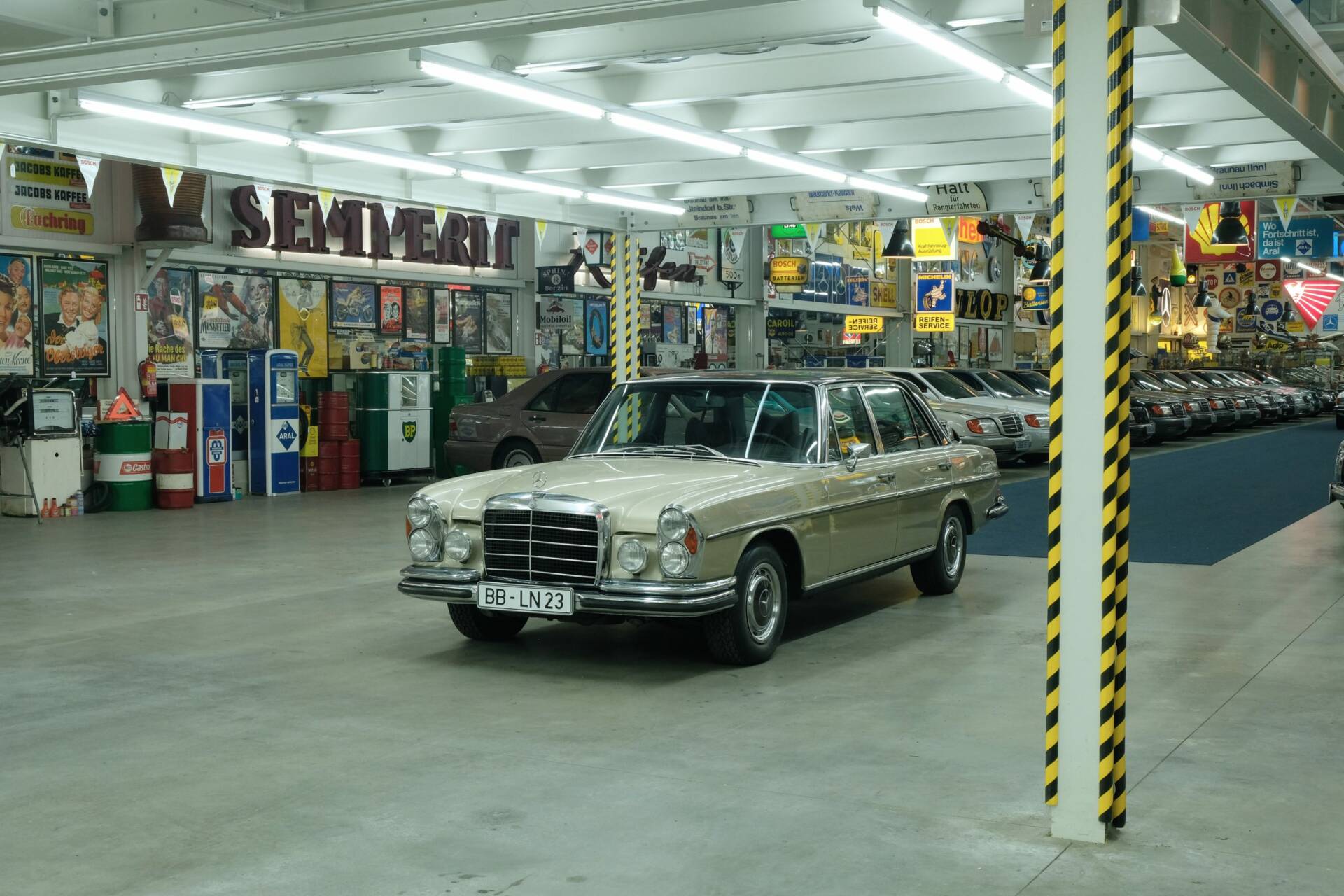
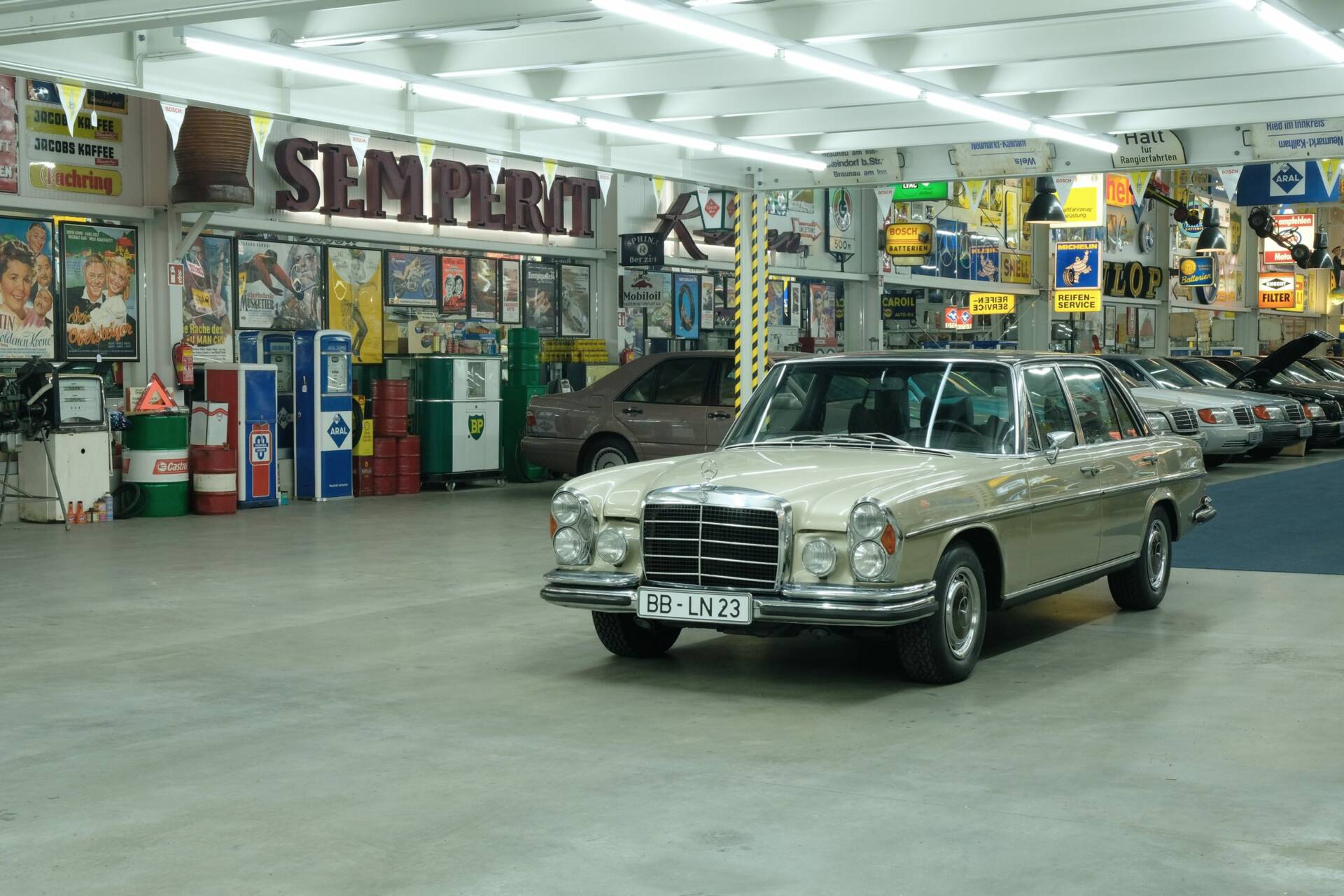
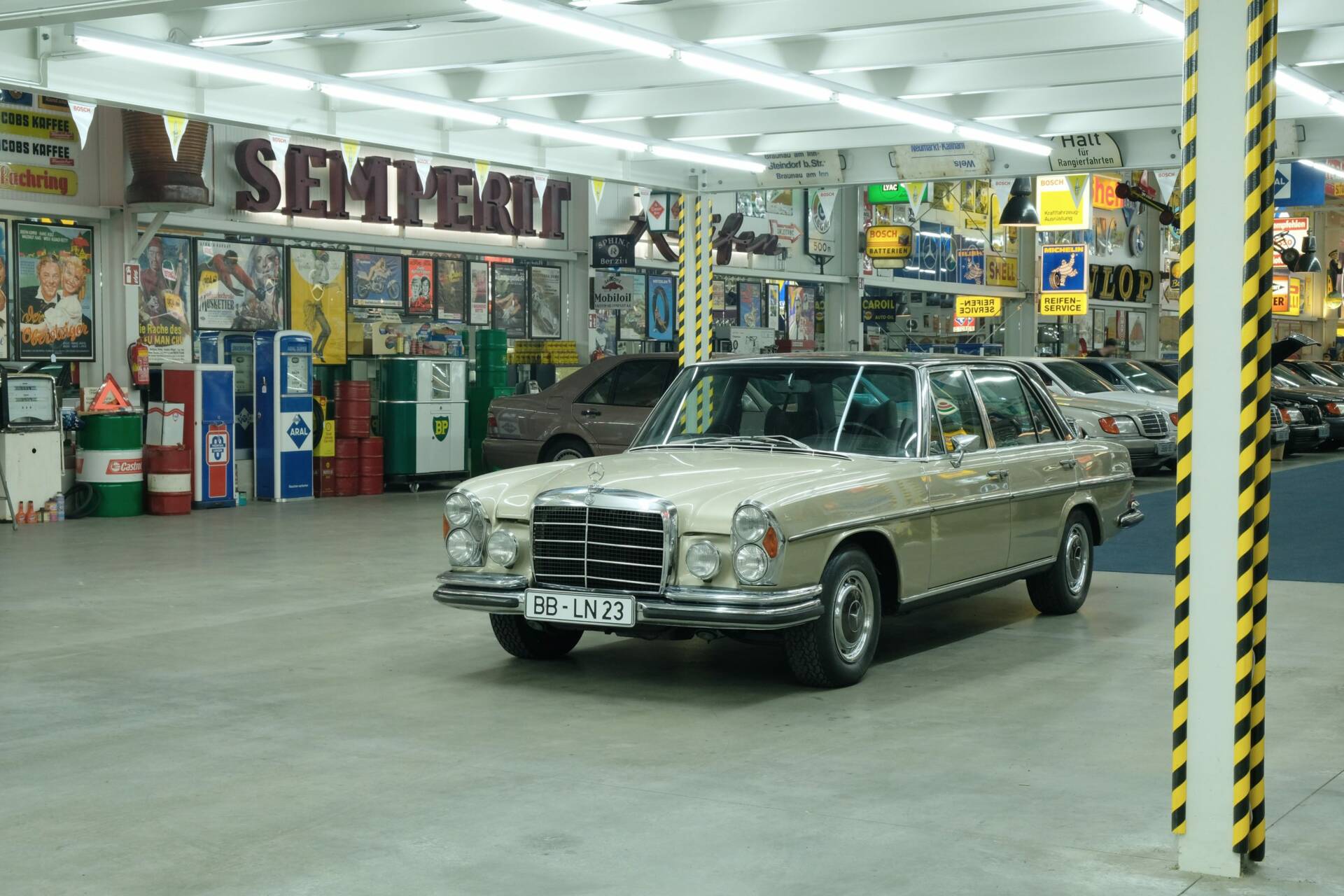
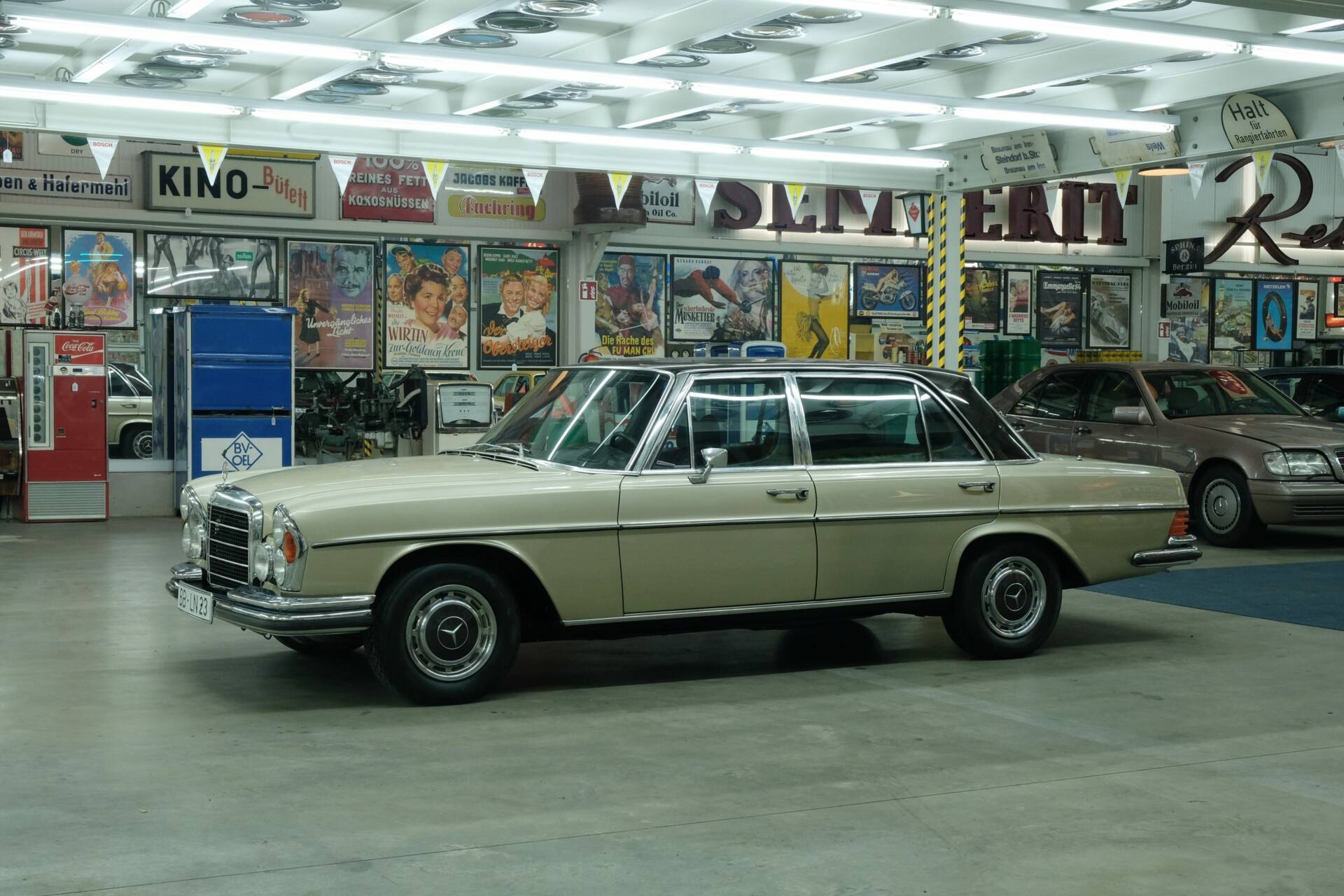
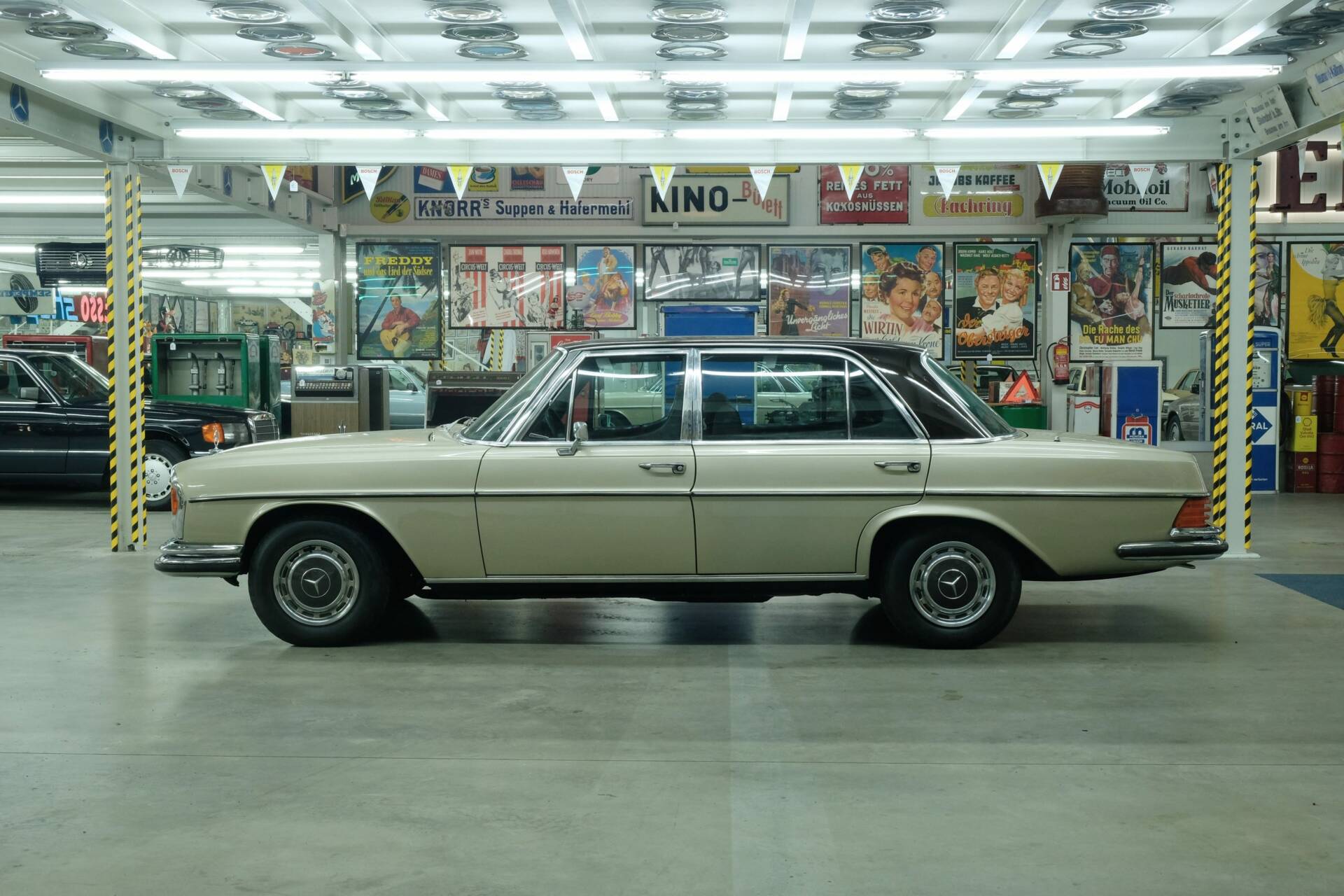
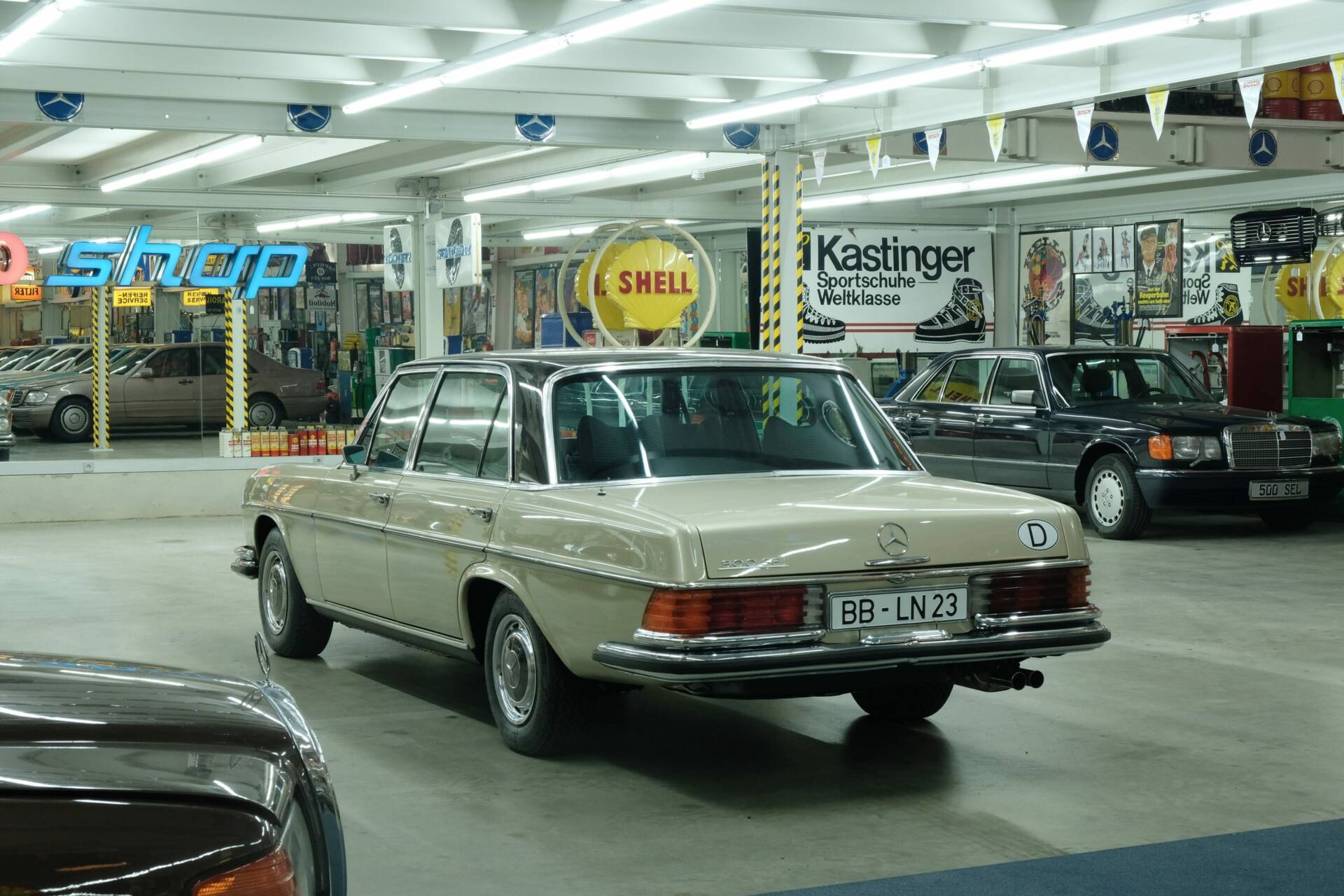
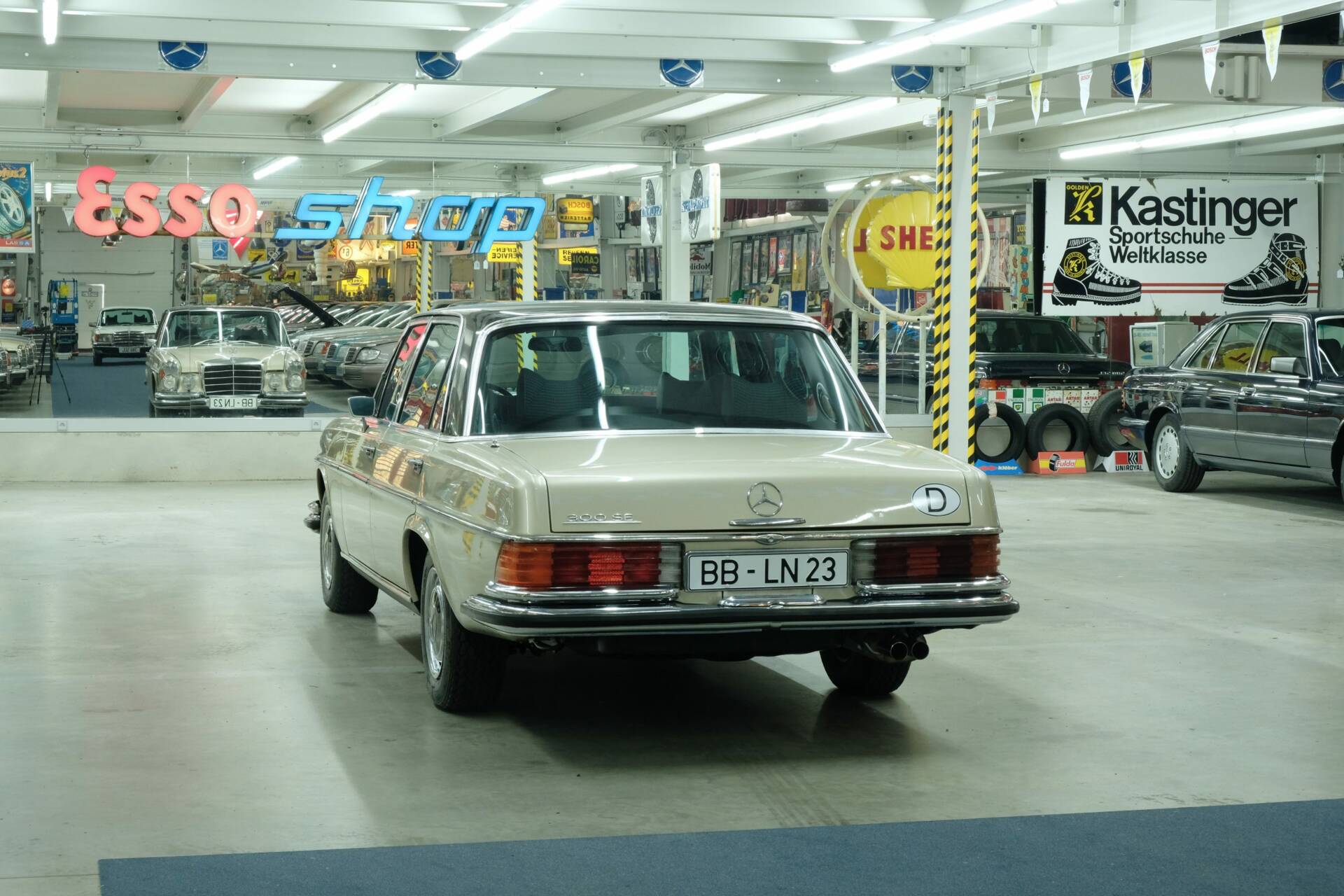
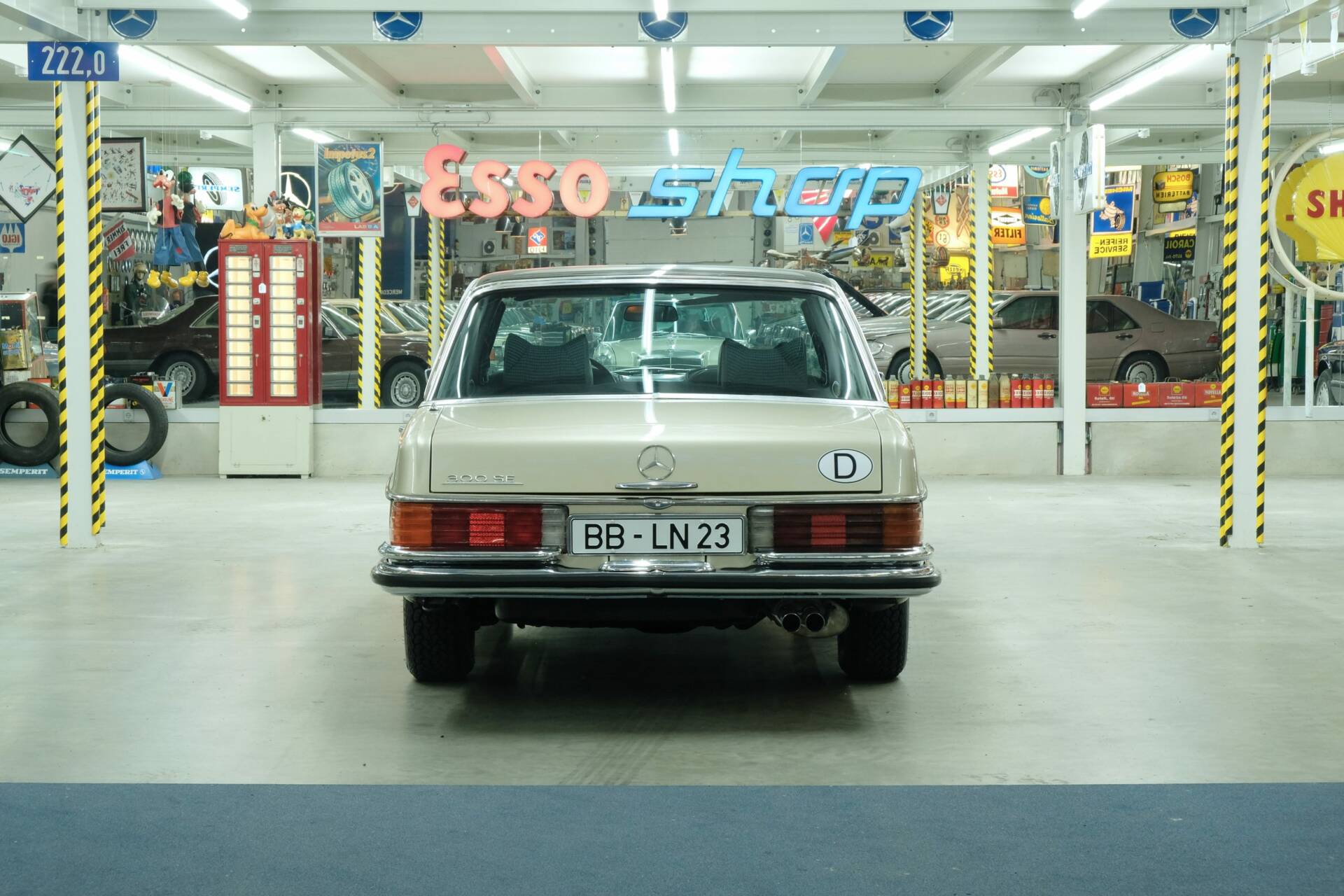
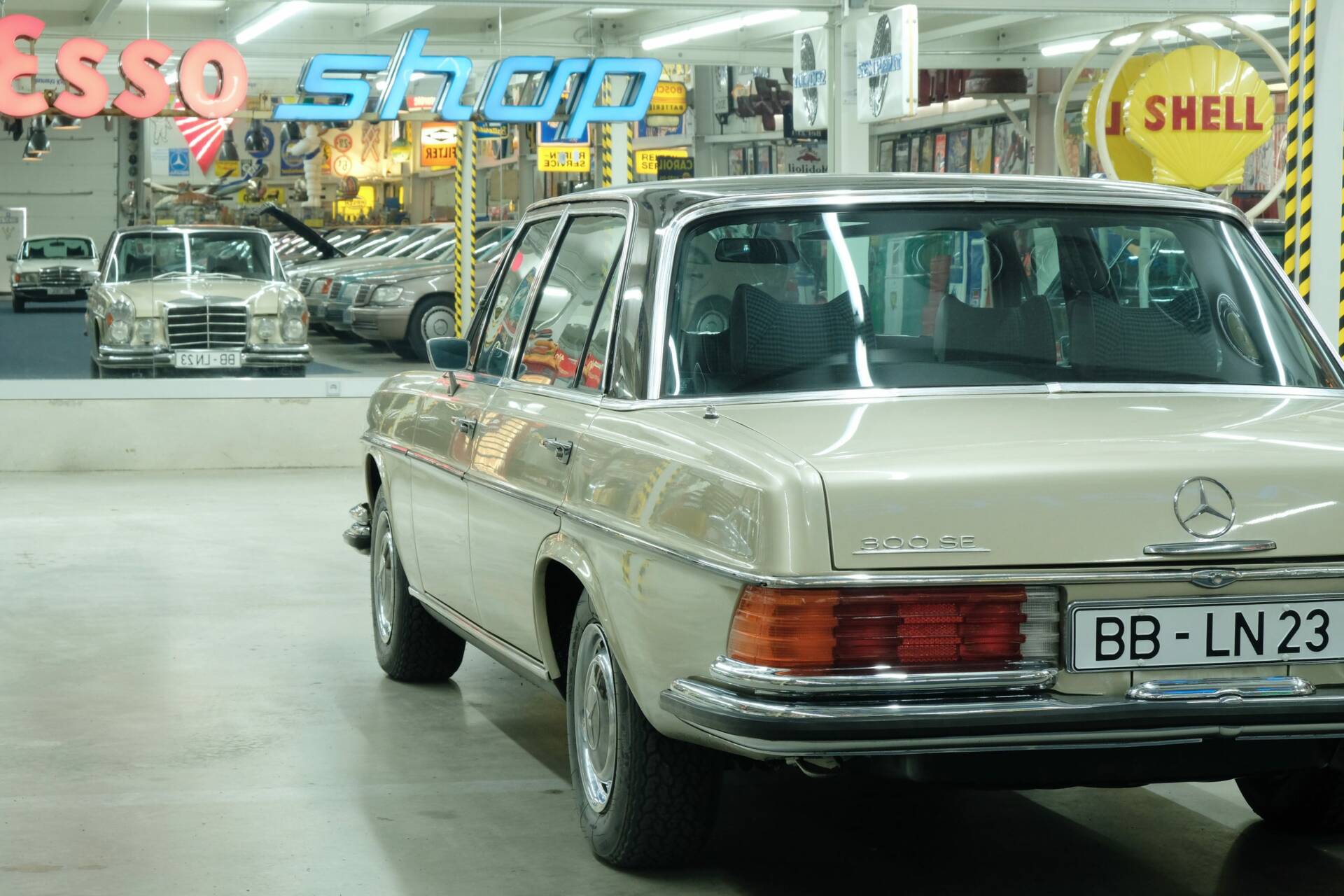
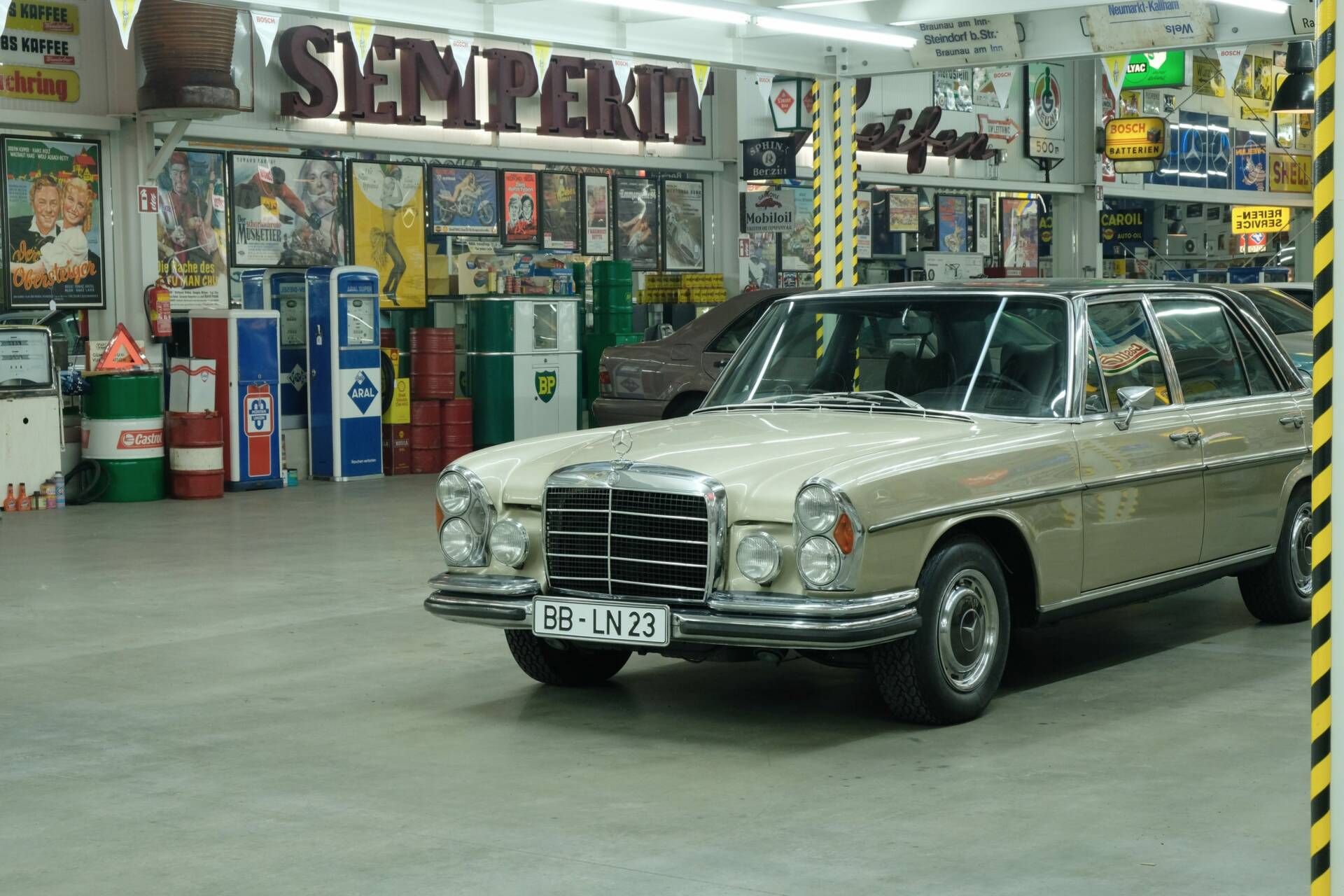
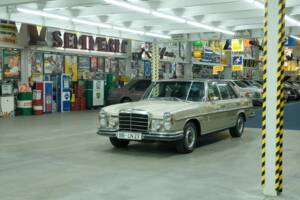
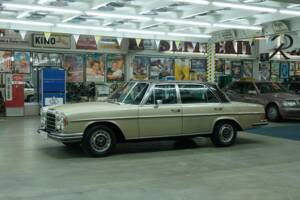
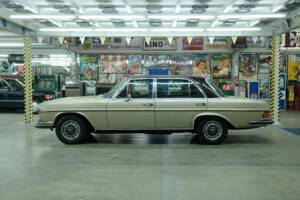
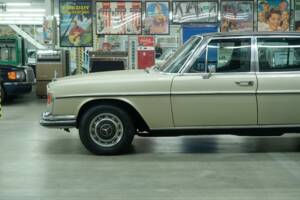
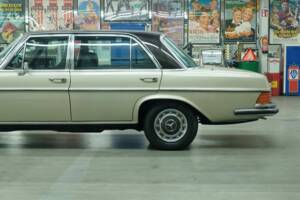
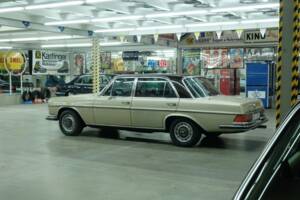
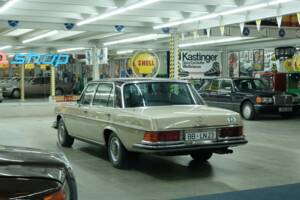
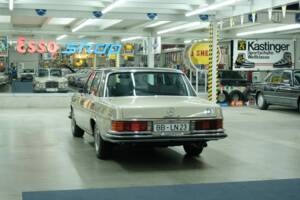
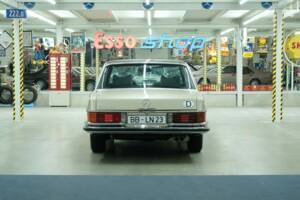
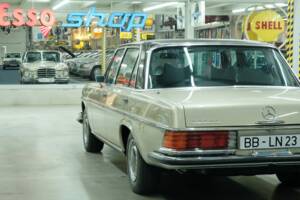
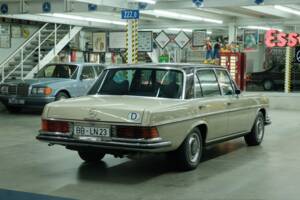
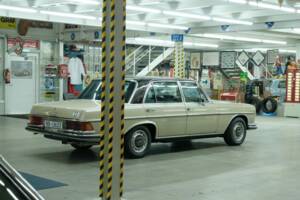
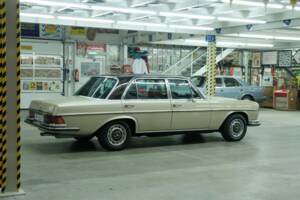
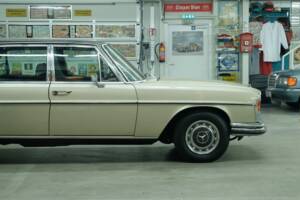
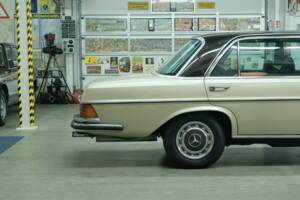
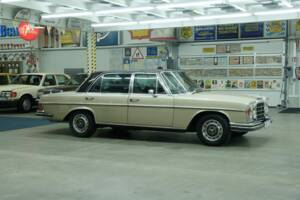
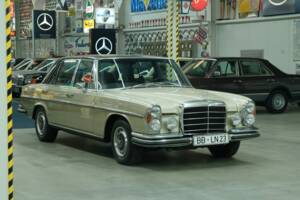
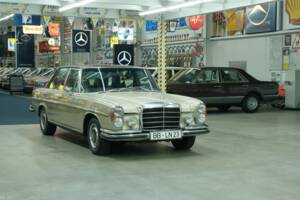
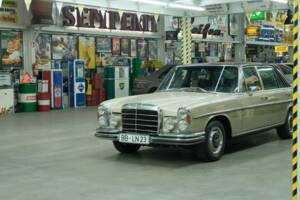
Lot 019: 1968 Mercedes-Benz 300 SE (6.3) “Wilfert”
Vehicle description
- 1968 Mercedes-Benz 300 SE 6.3 "Wilfert"
Technical details
- Starting price: € 20.000.- Without Reserve
- ONE-OF-A-KIND EXPERIMENTAL CAR
- MIRACULOUSLY SURVIVED UNTIL TODAY
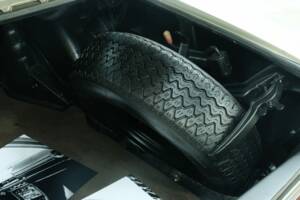
- LARGELY PRESERVED IN UNRESTORED CONDITION
- MANY PROTOTYPE SAFETY FEATURES
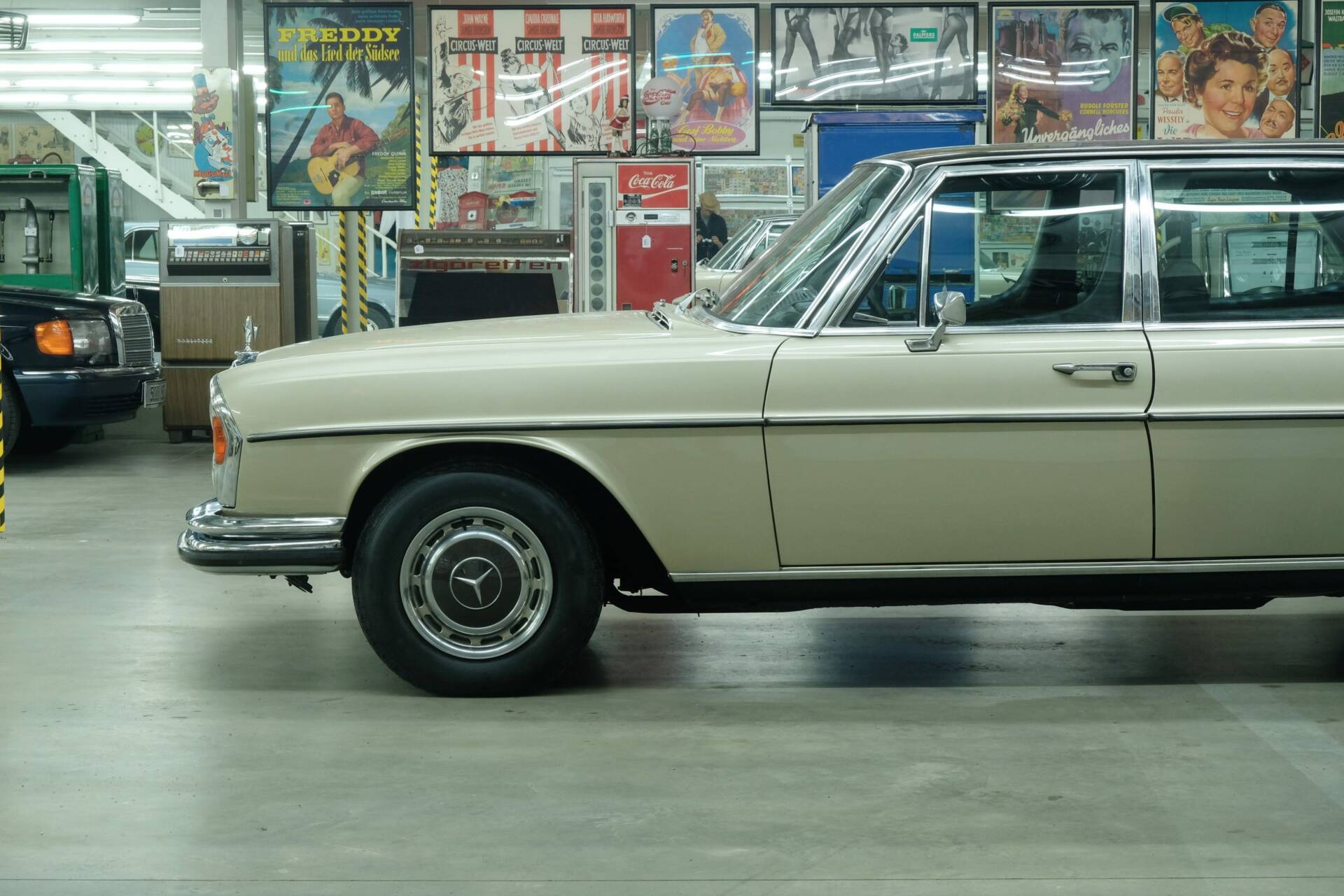
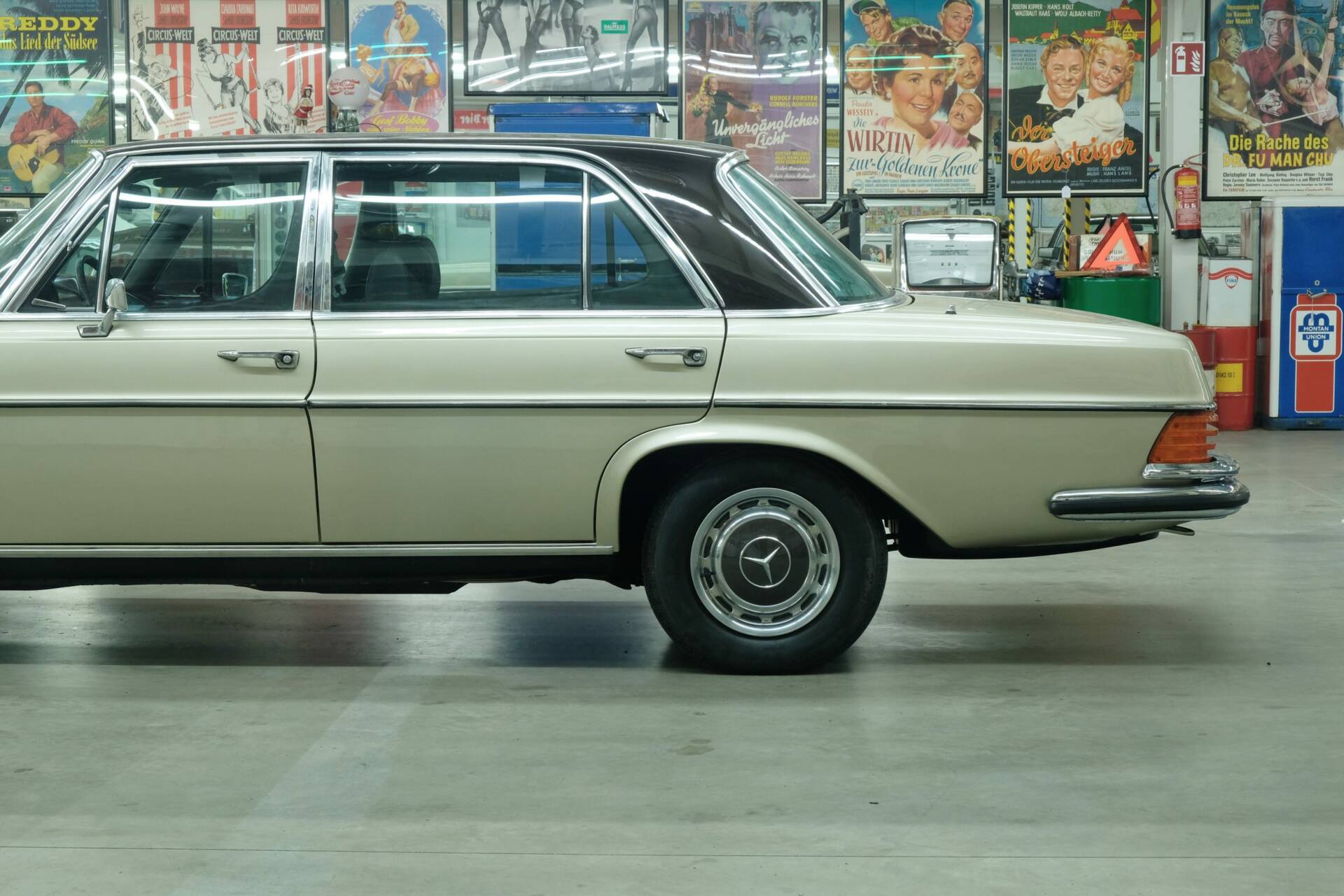
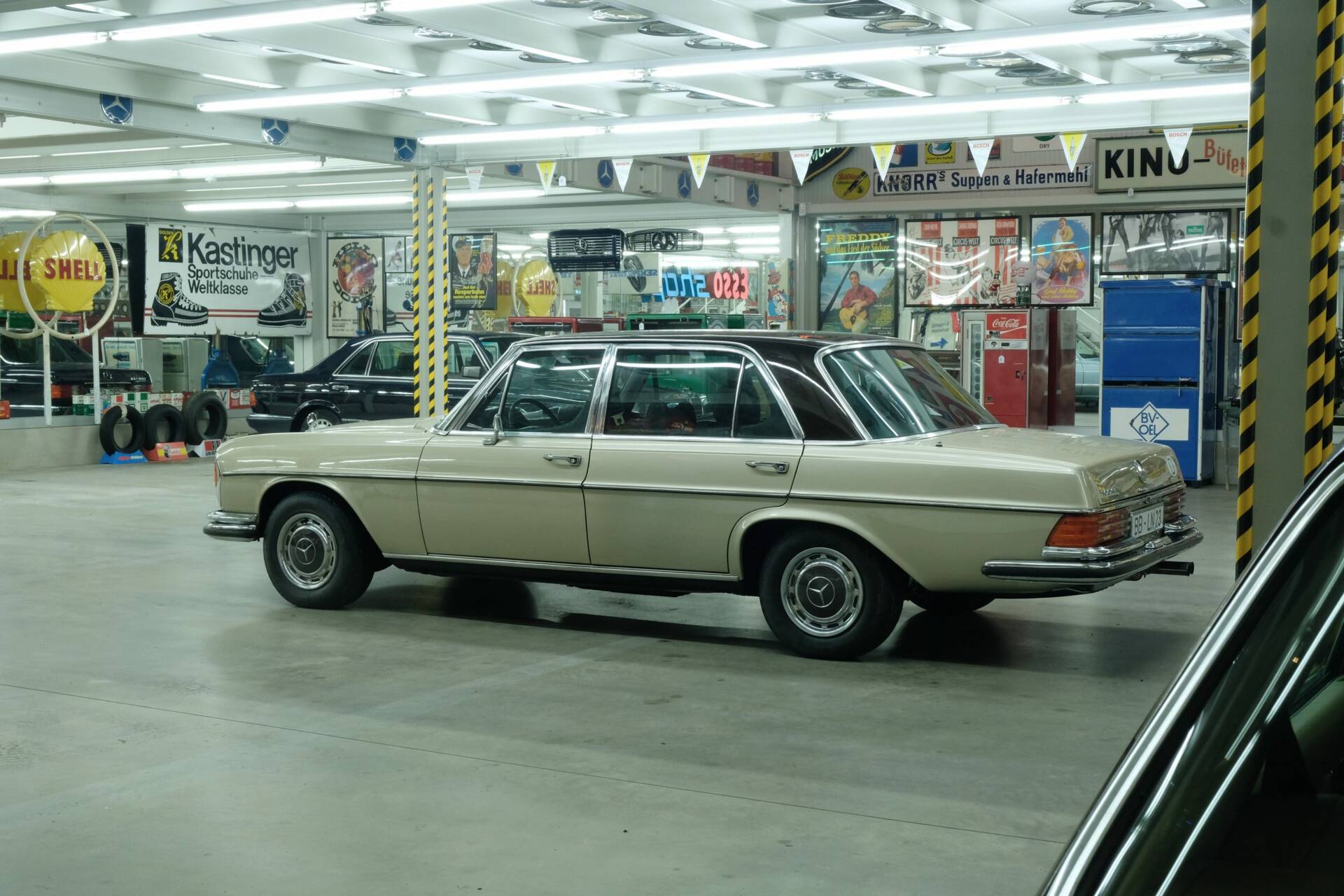
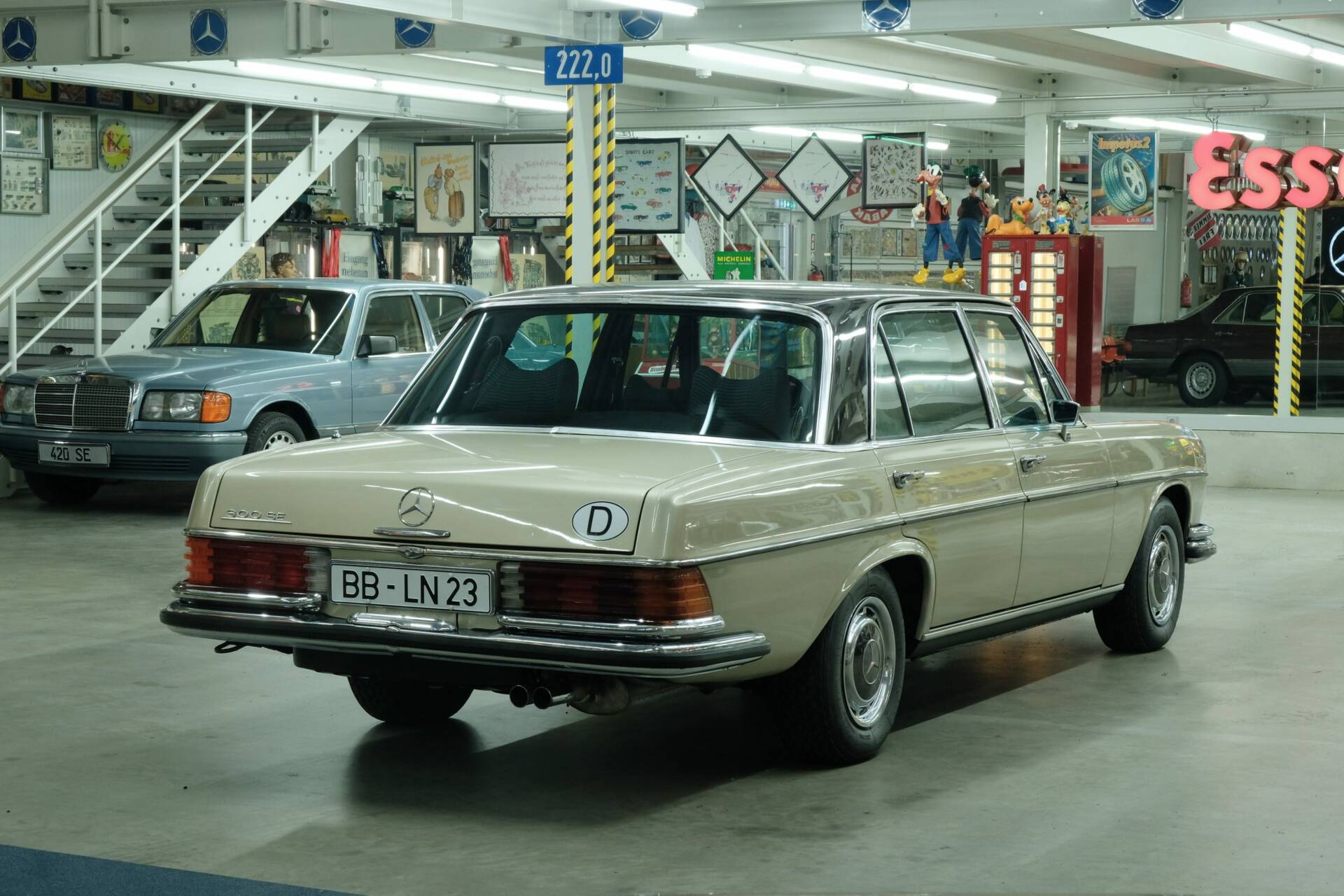
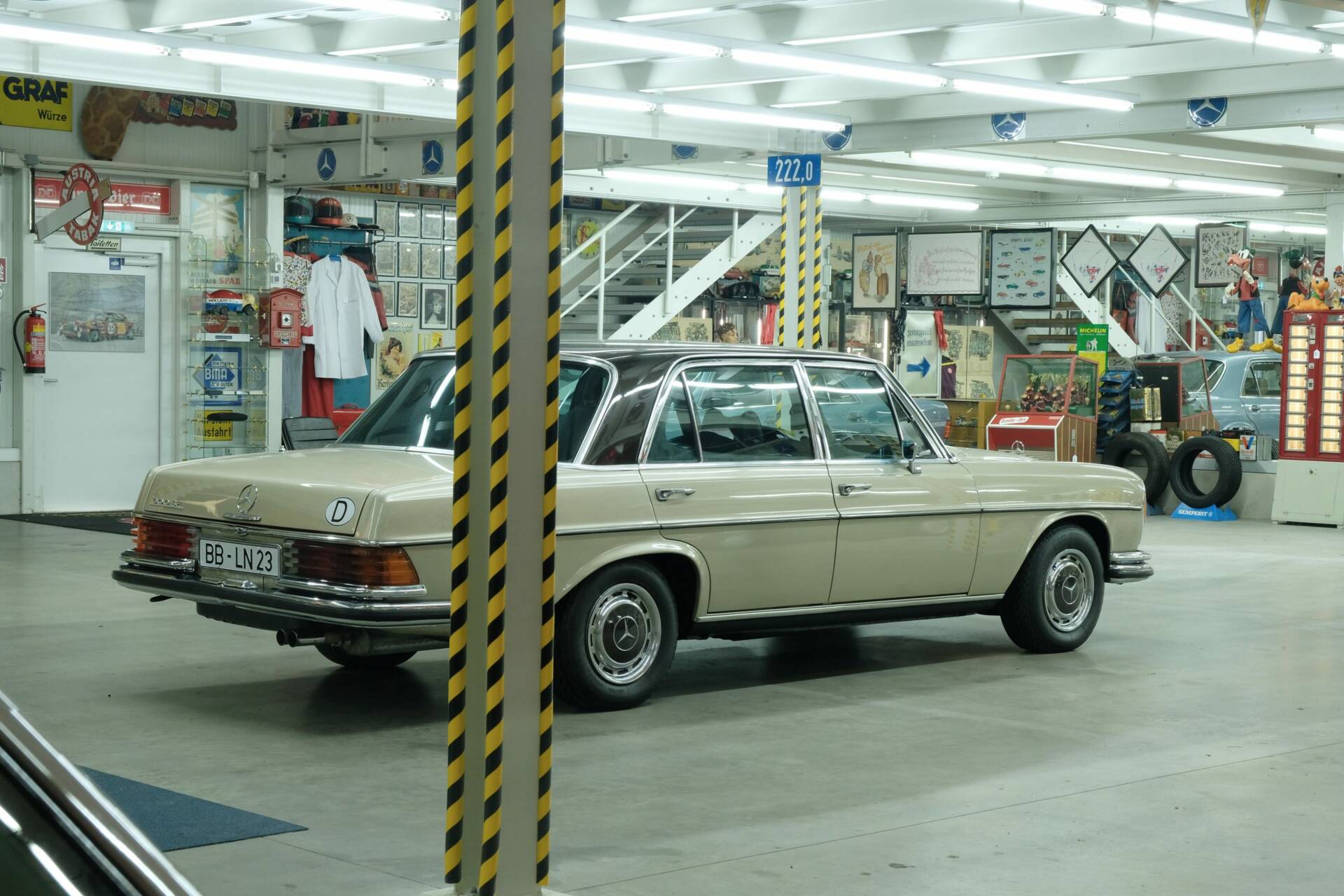
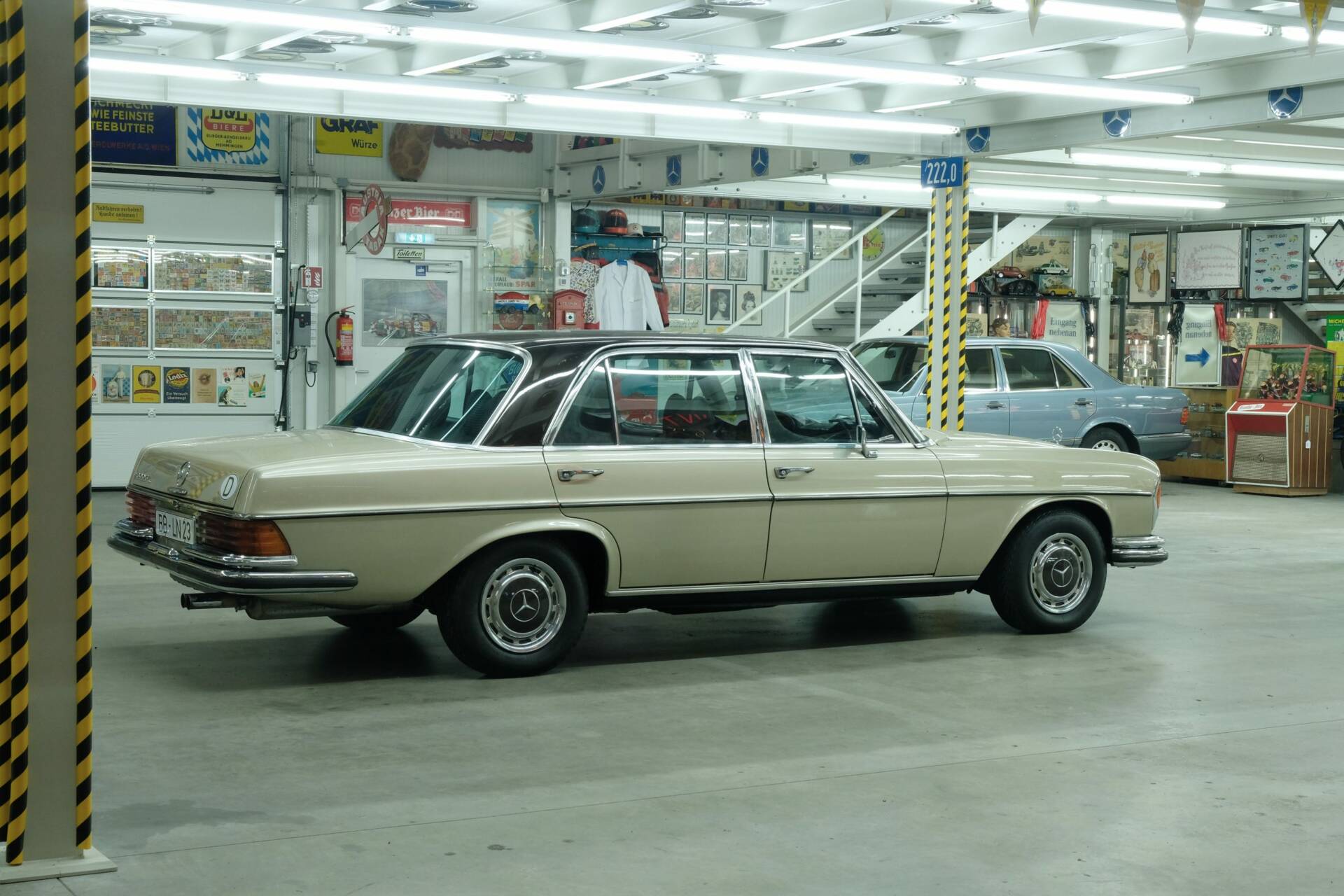
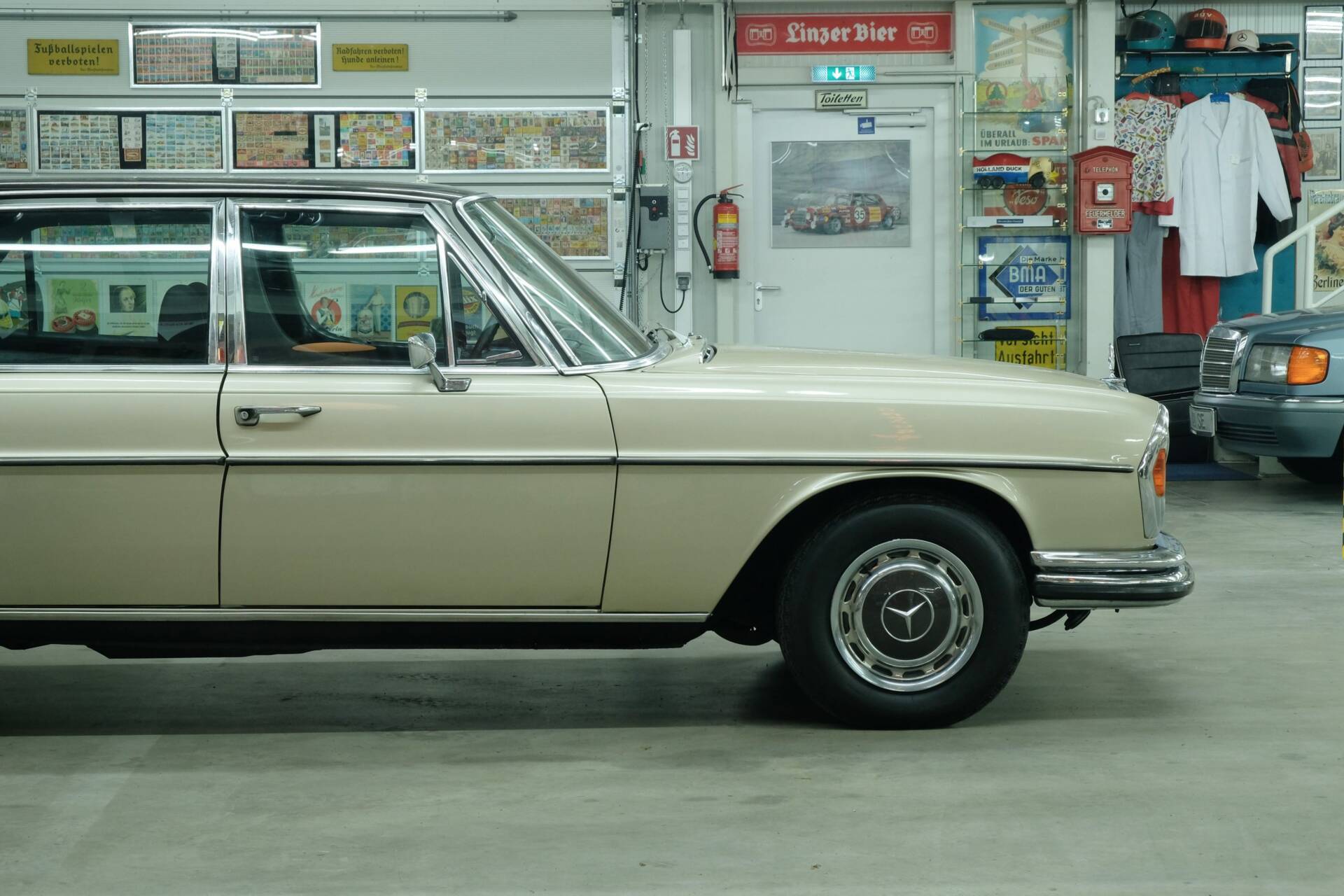
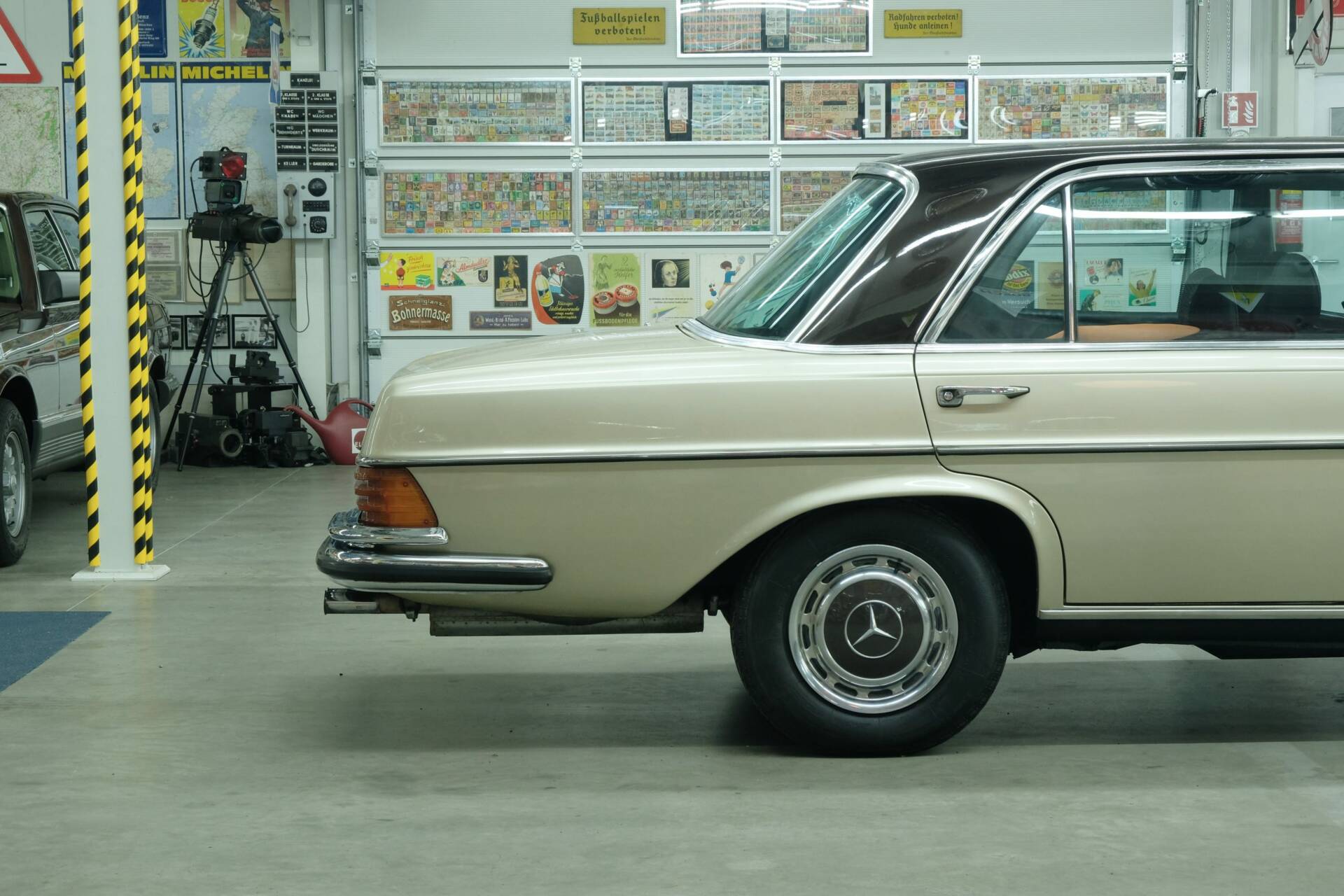
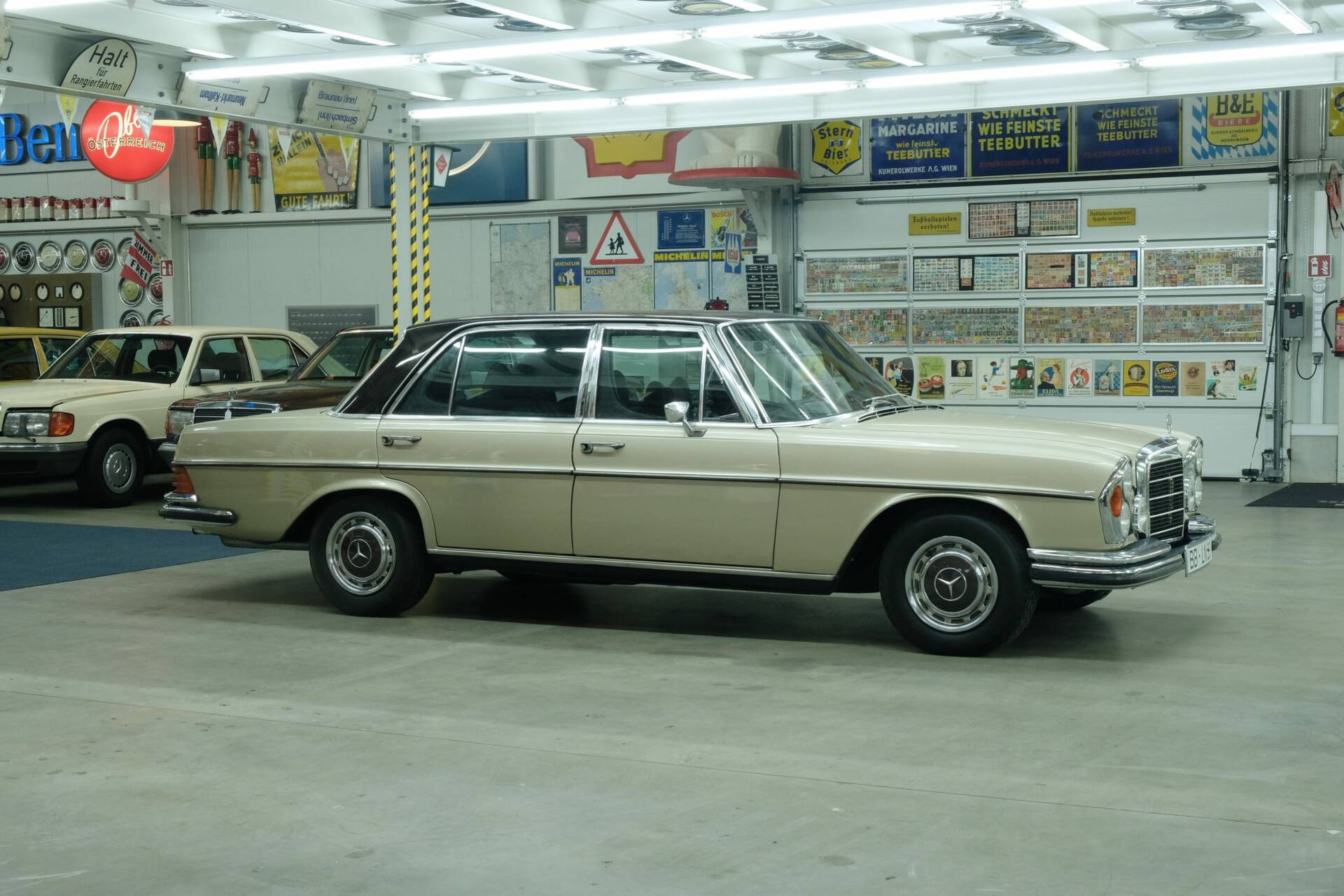
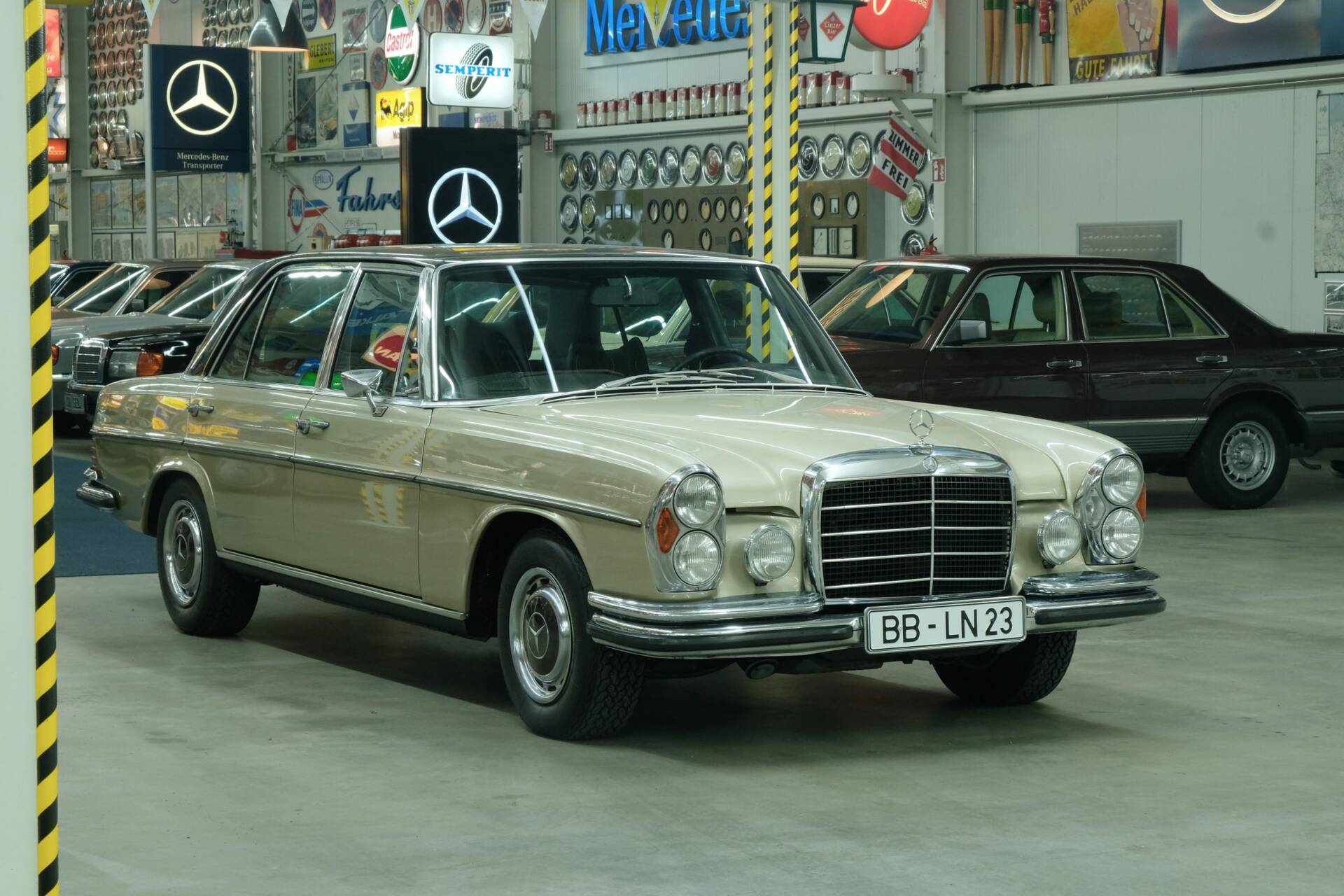
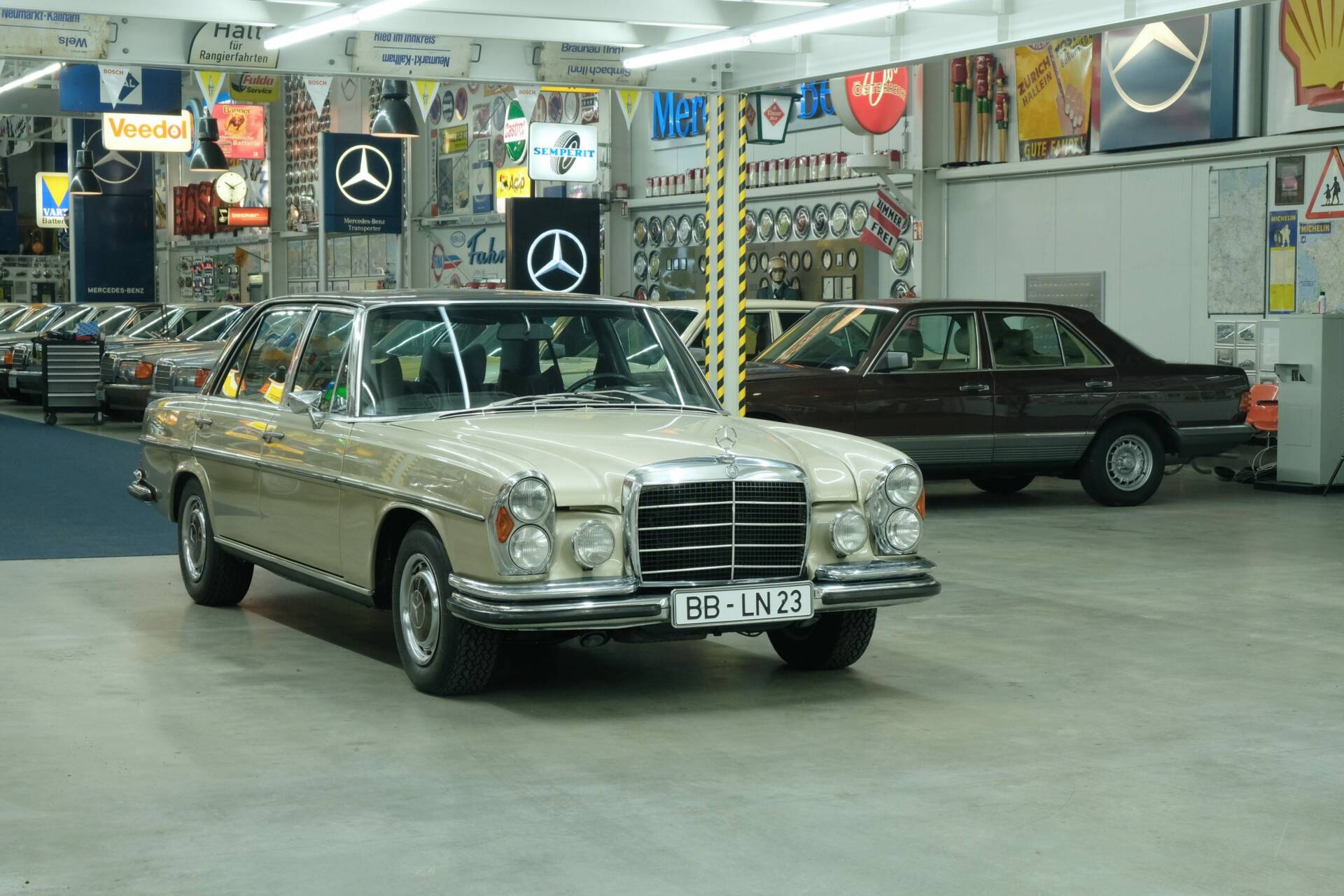
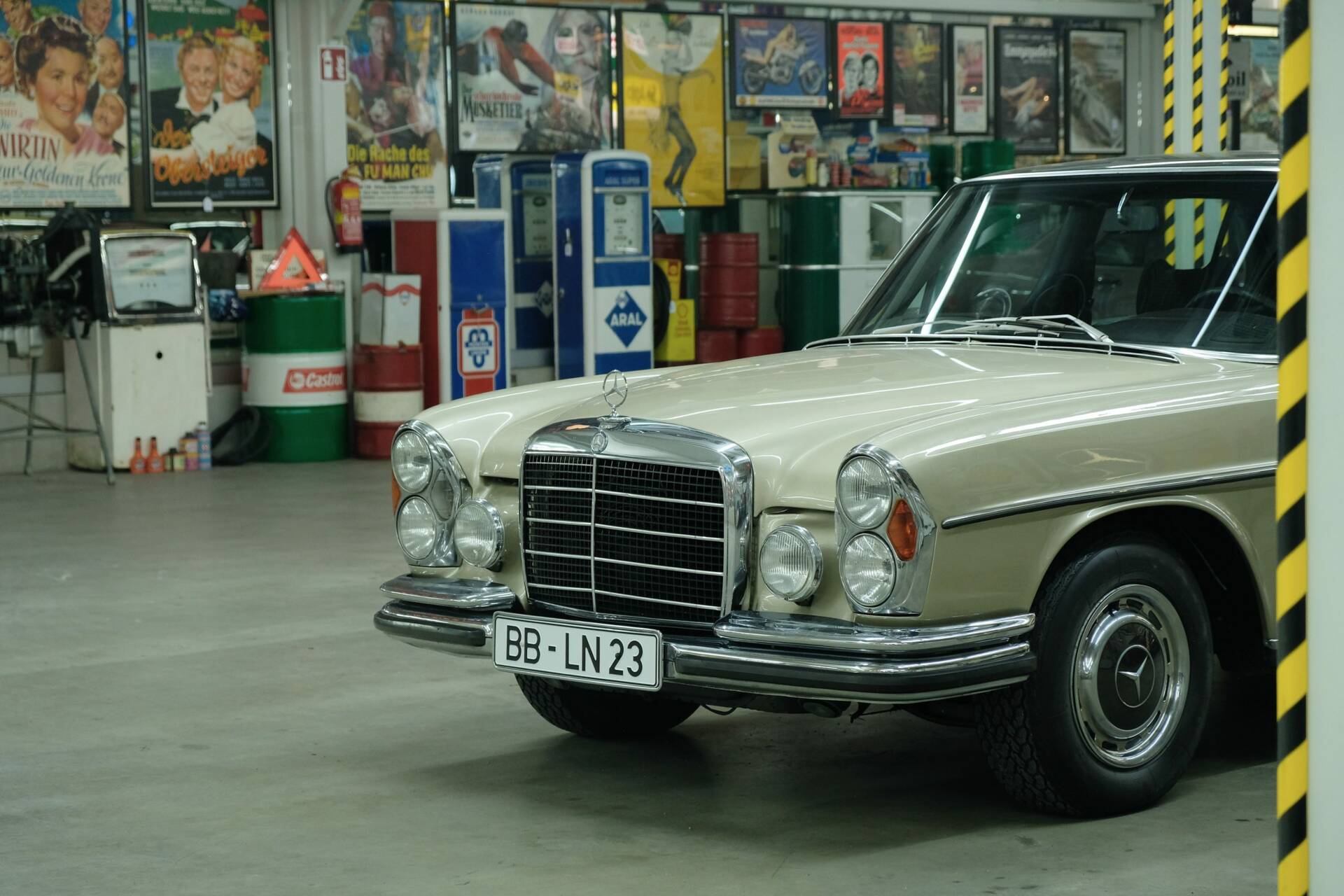
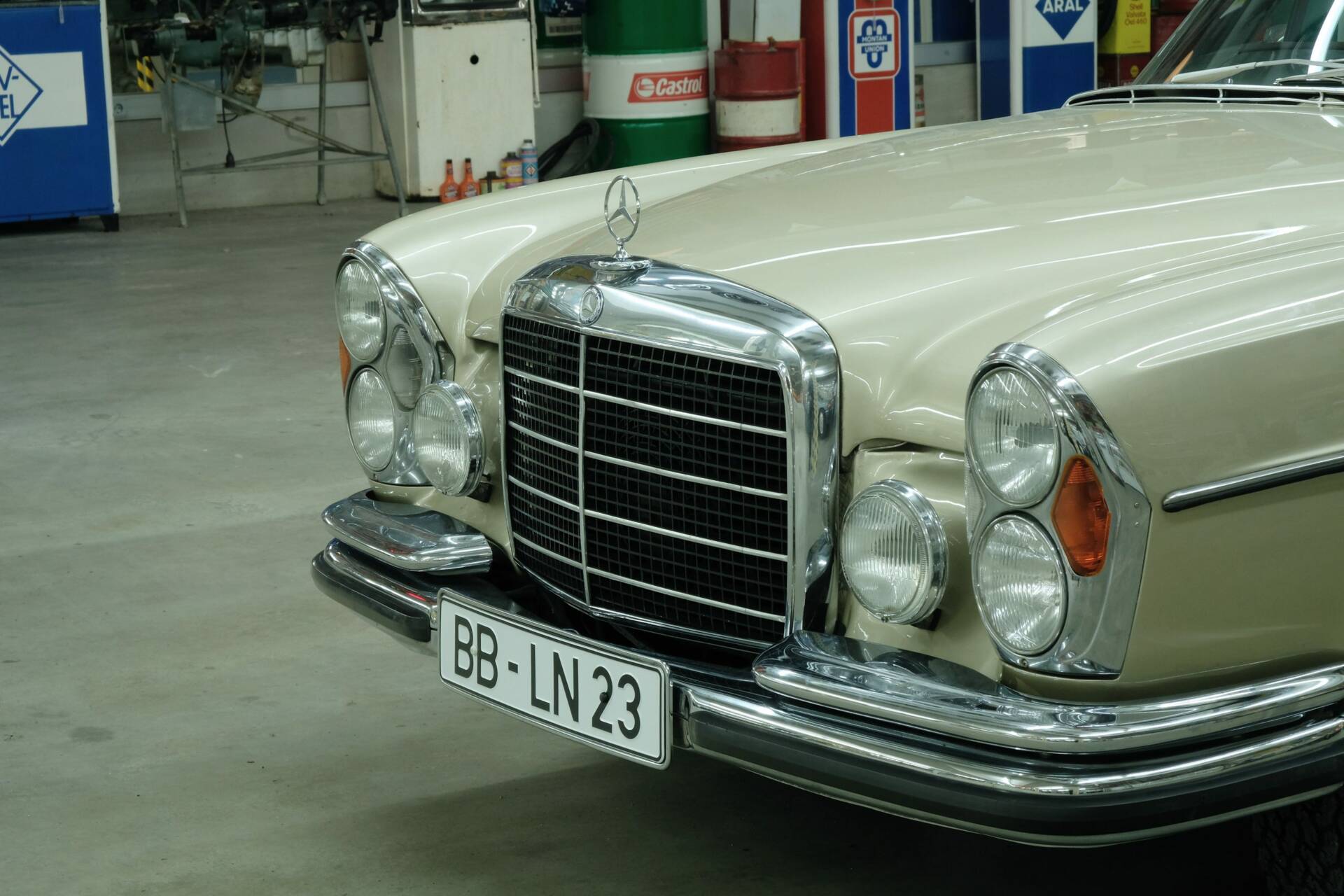
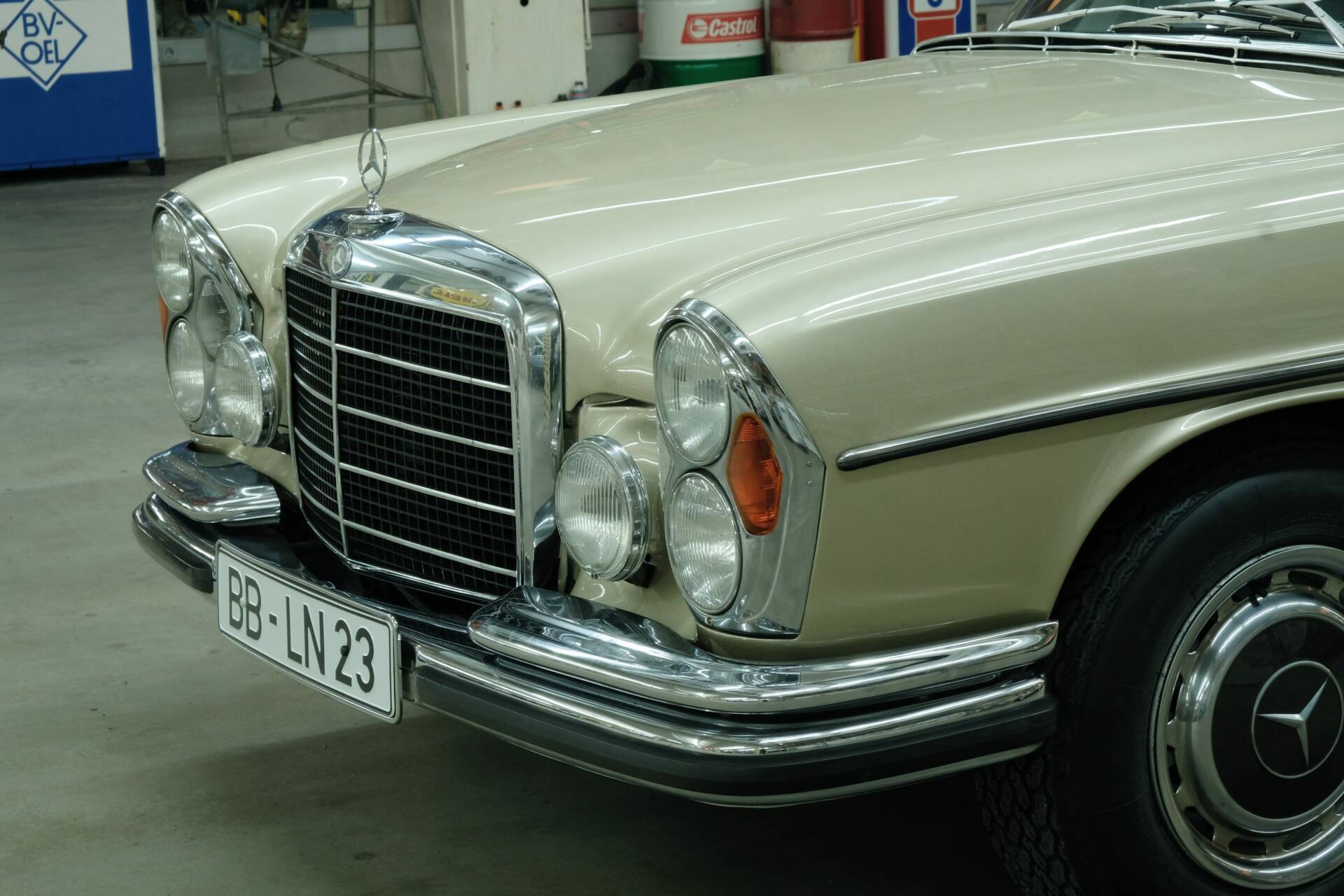
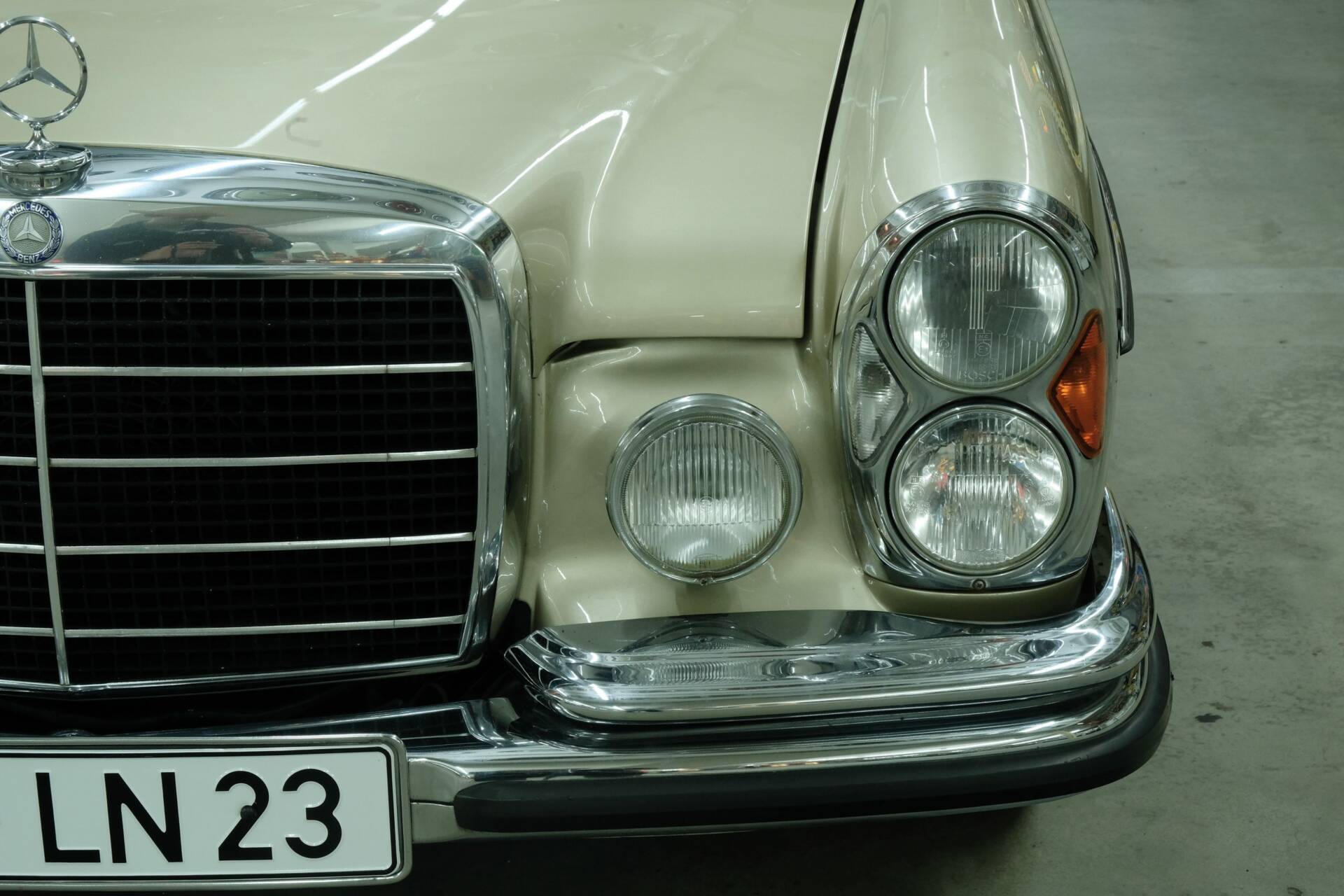
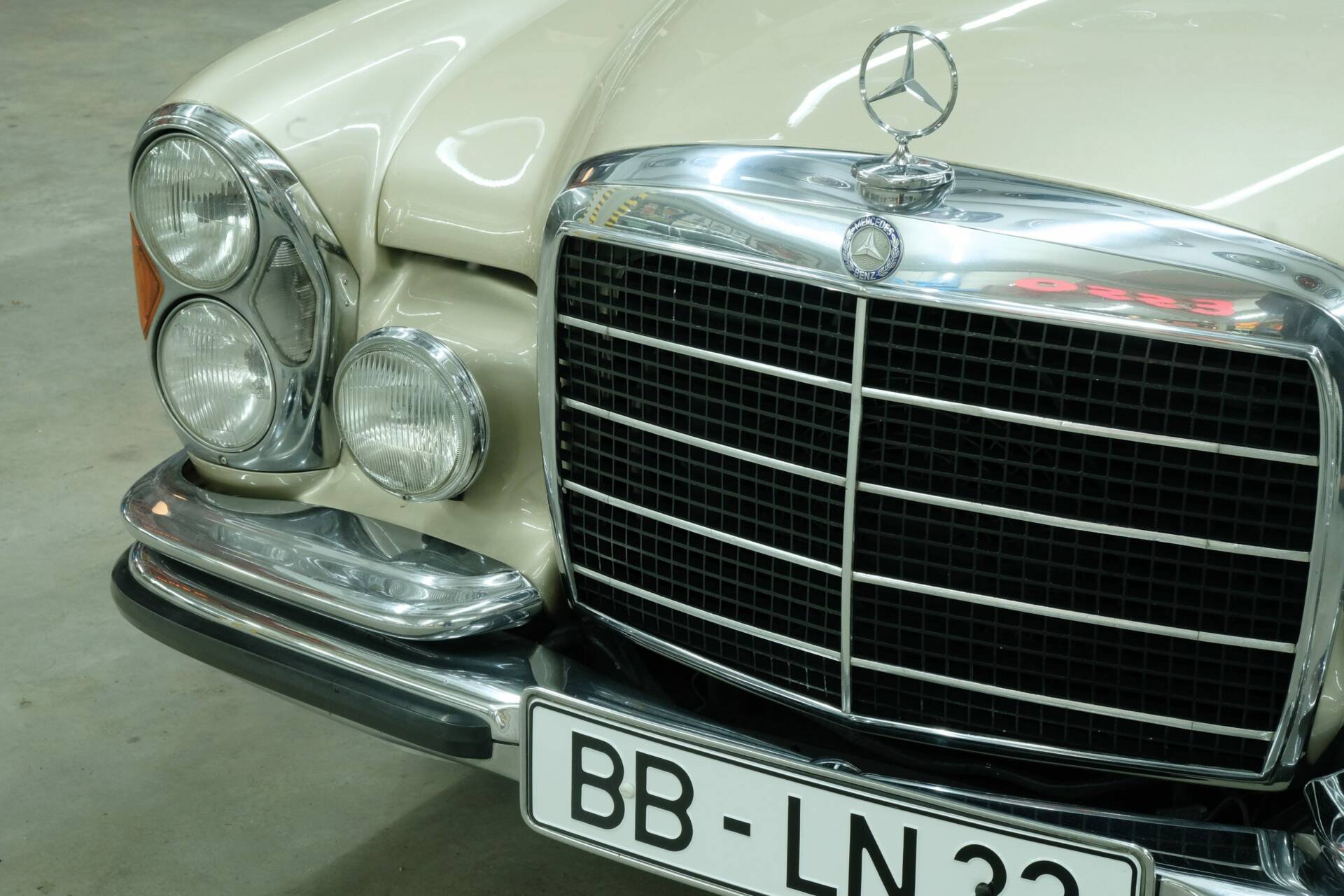
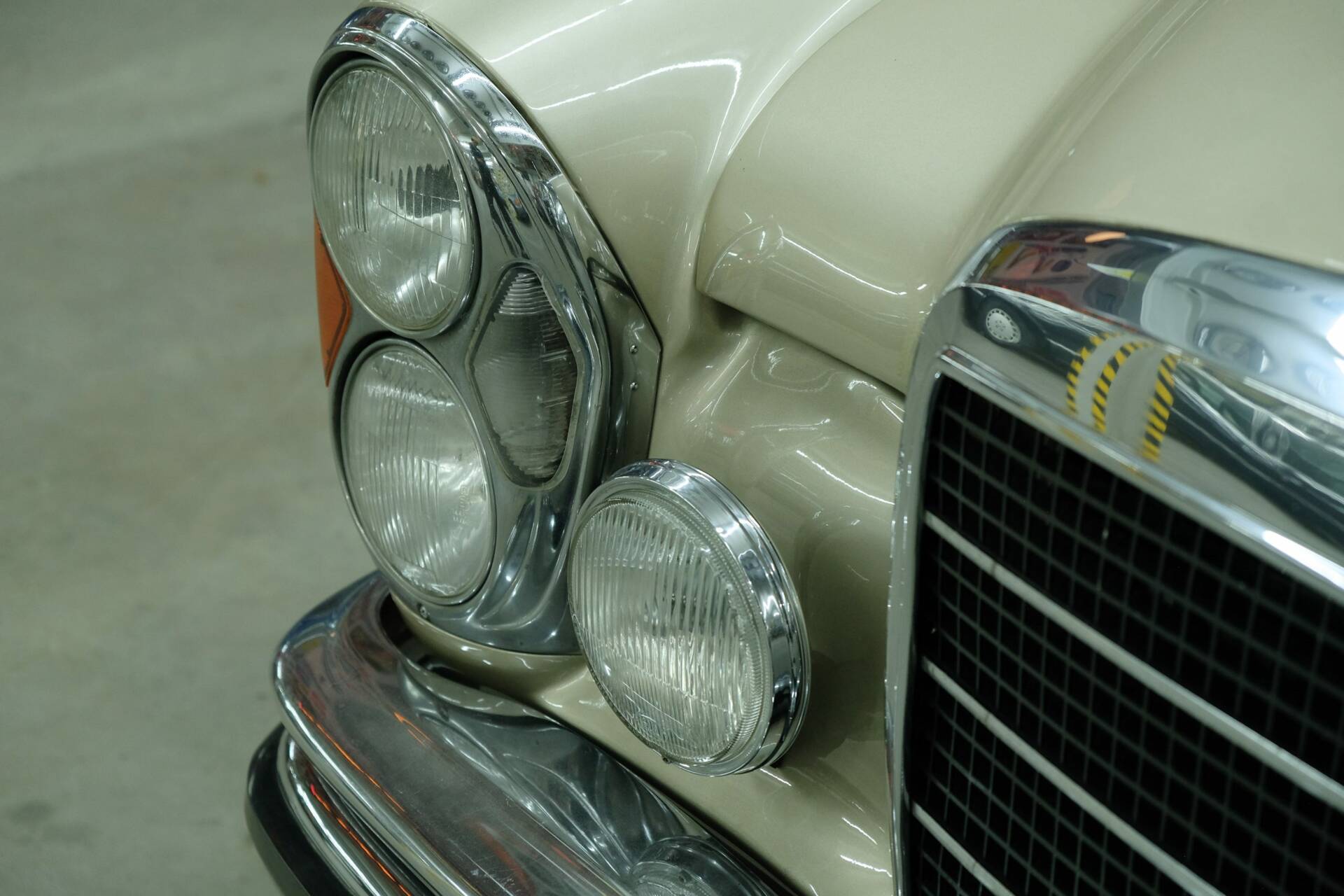
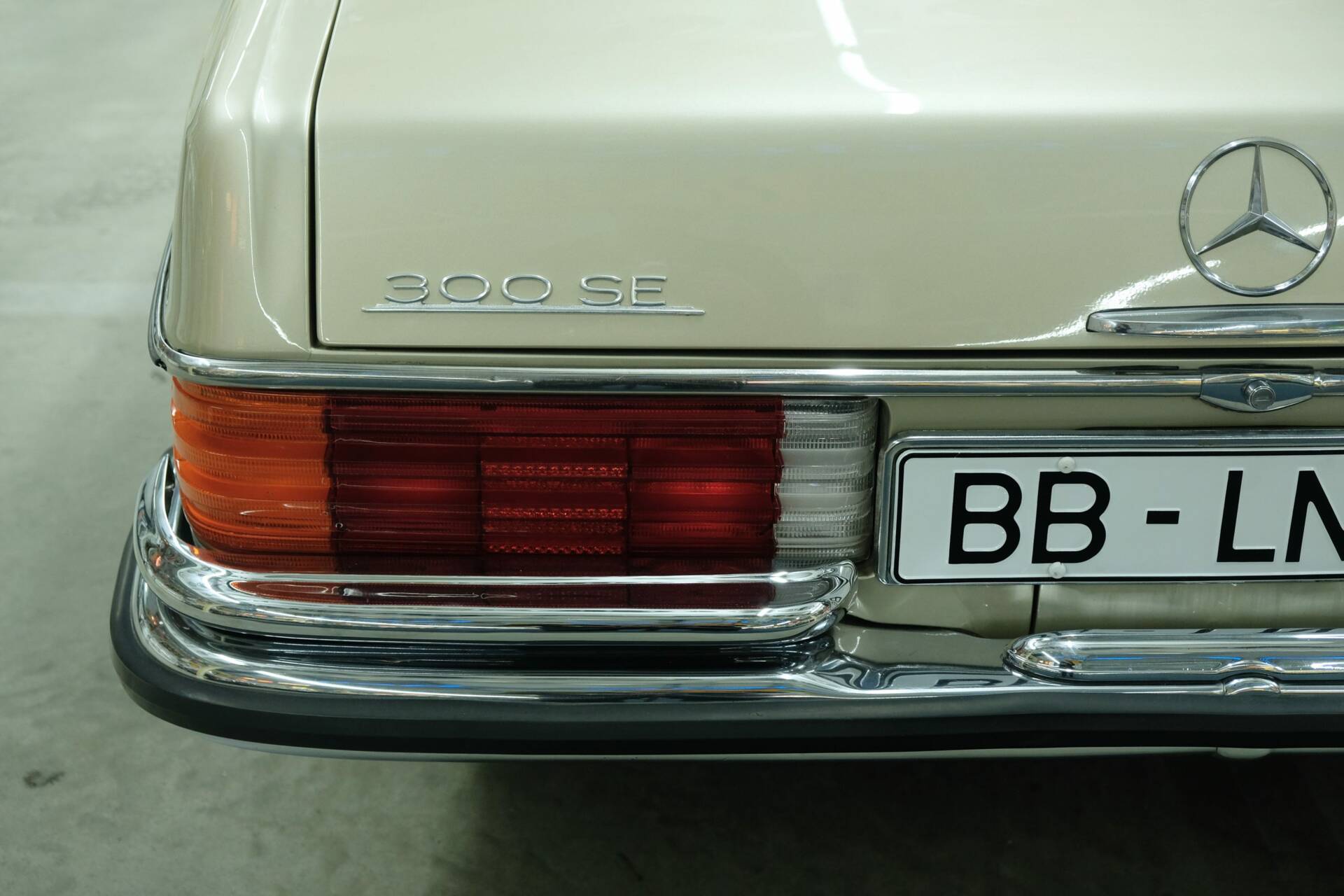
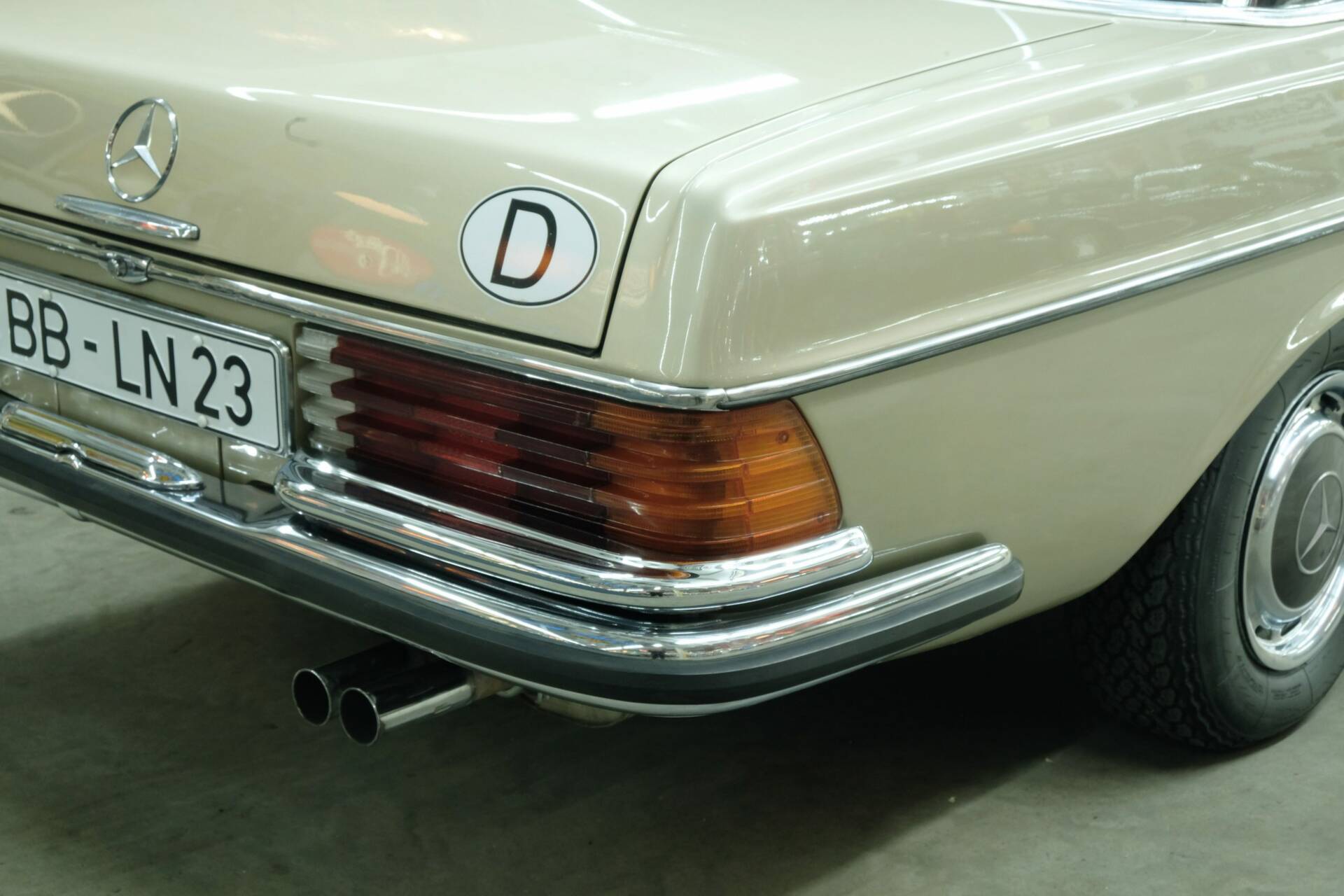
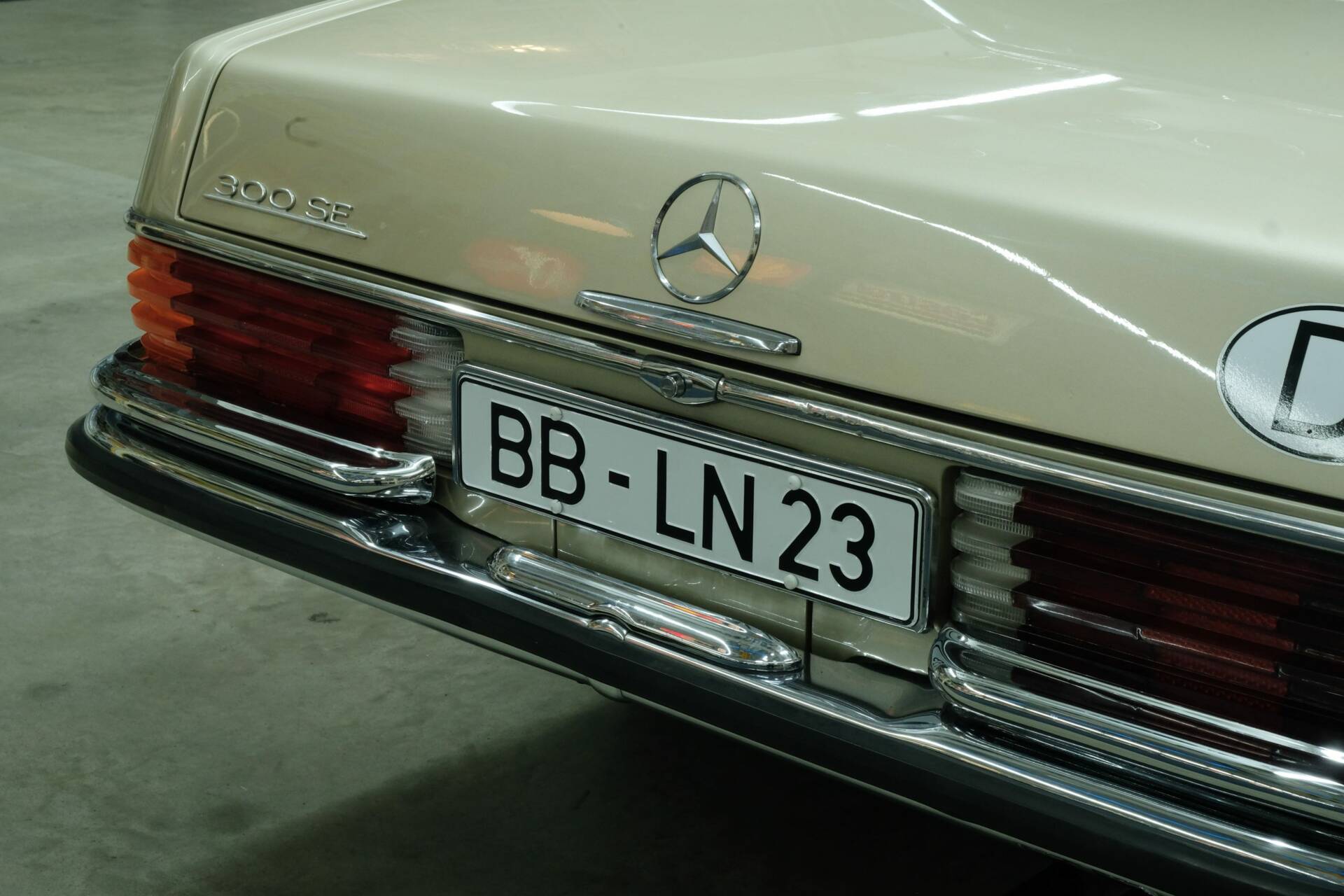
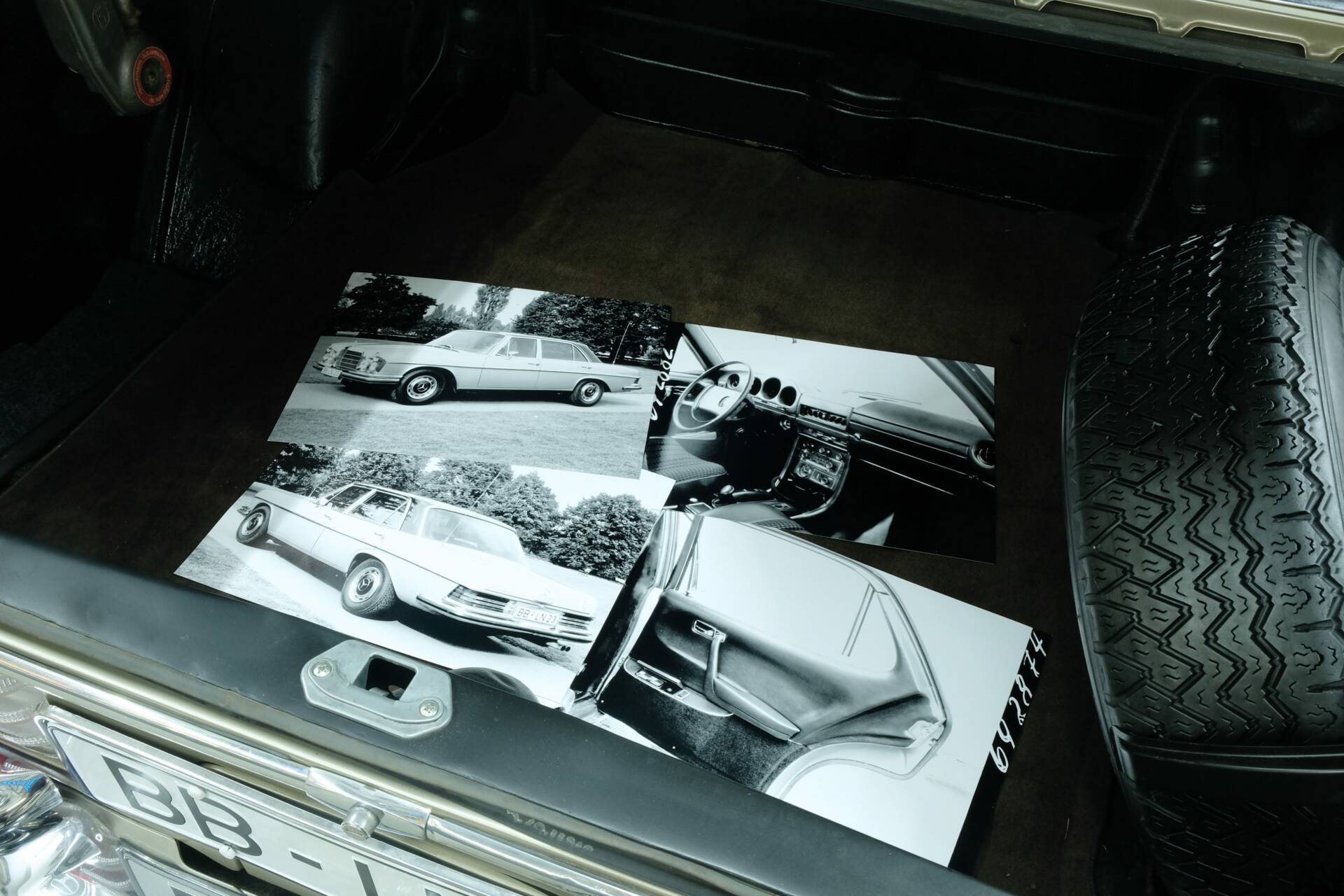
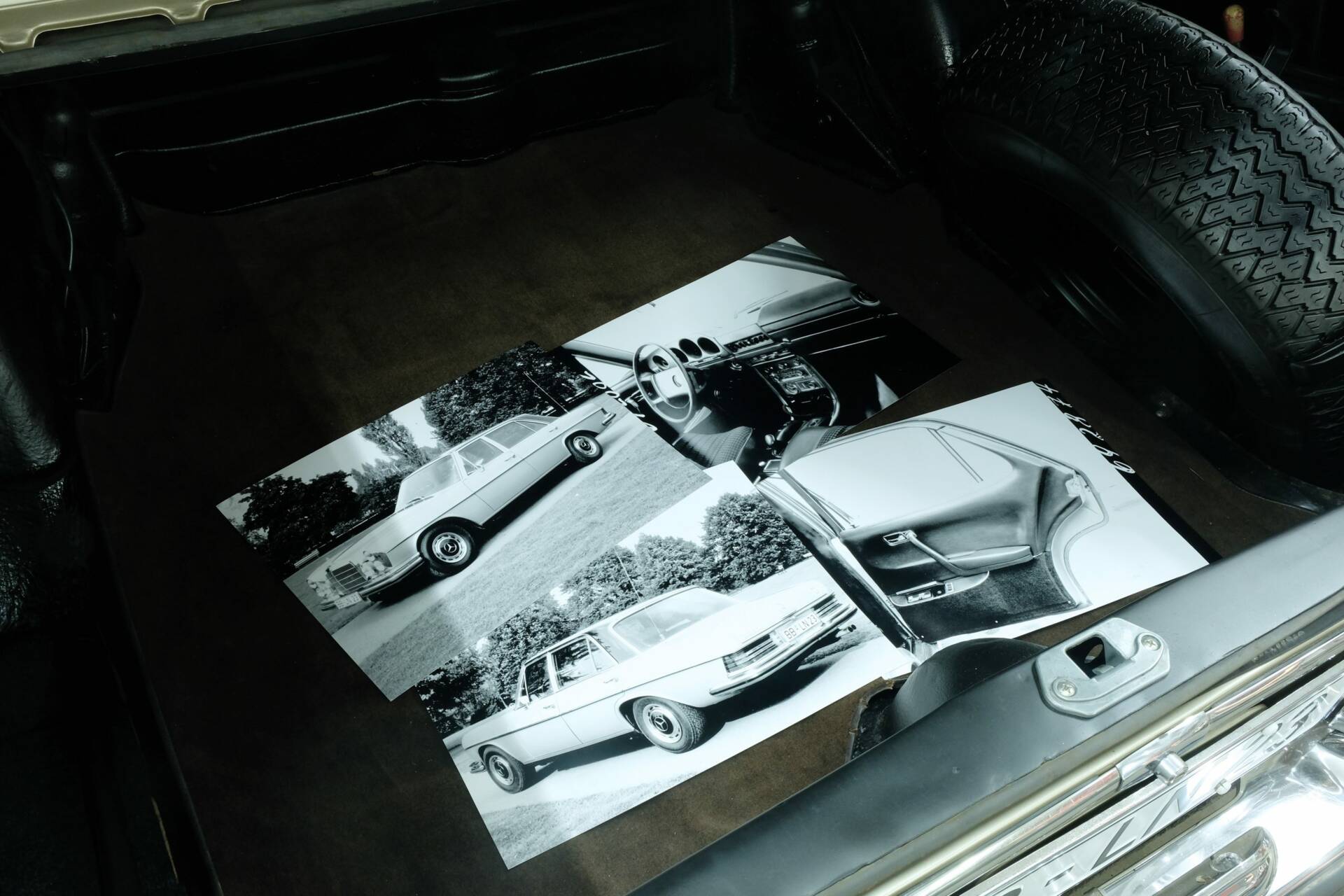
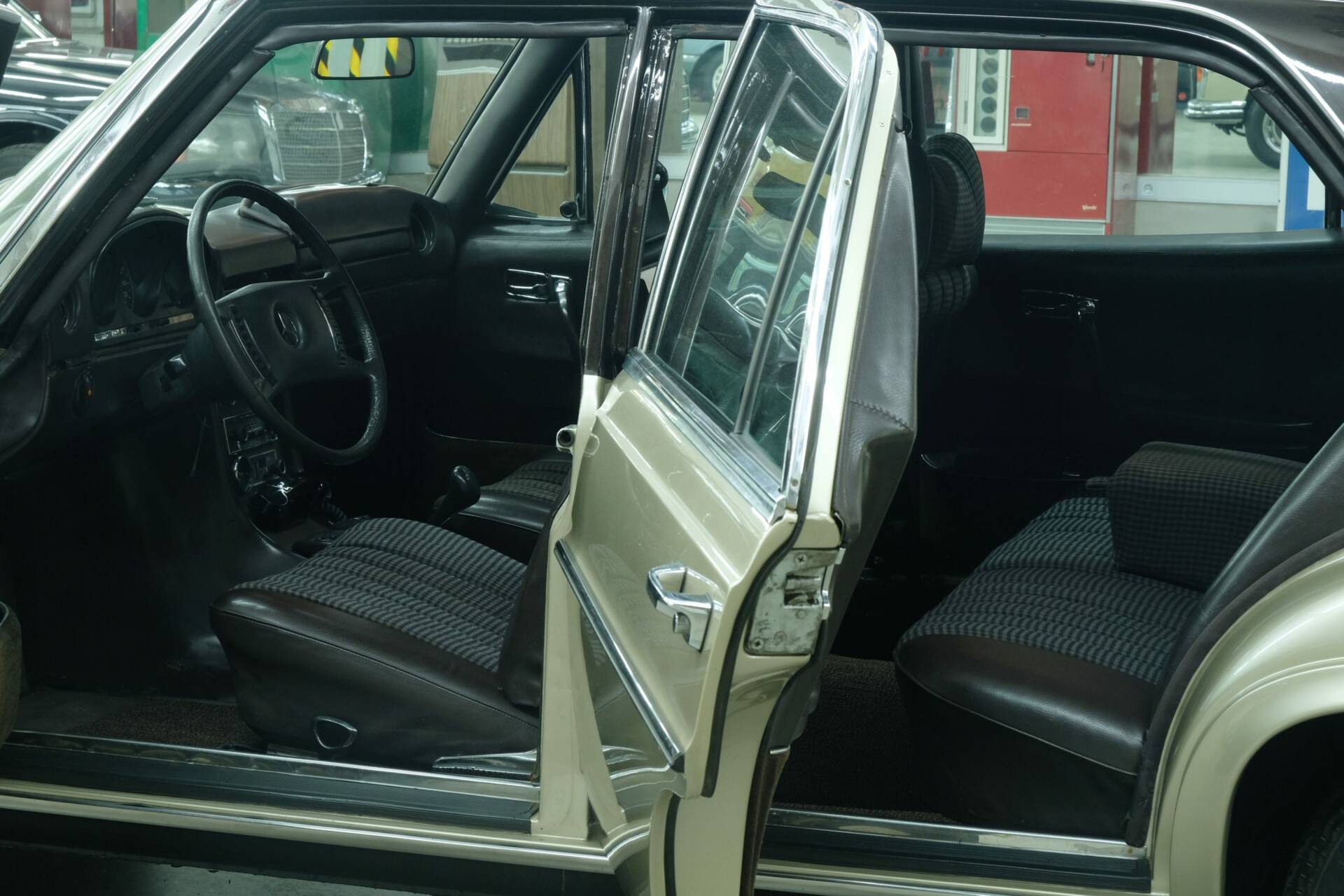
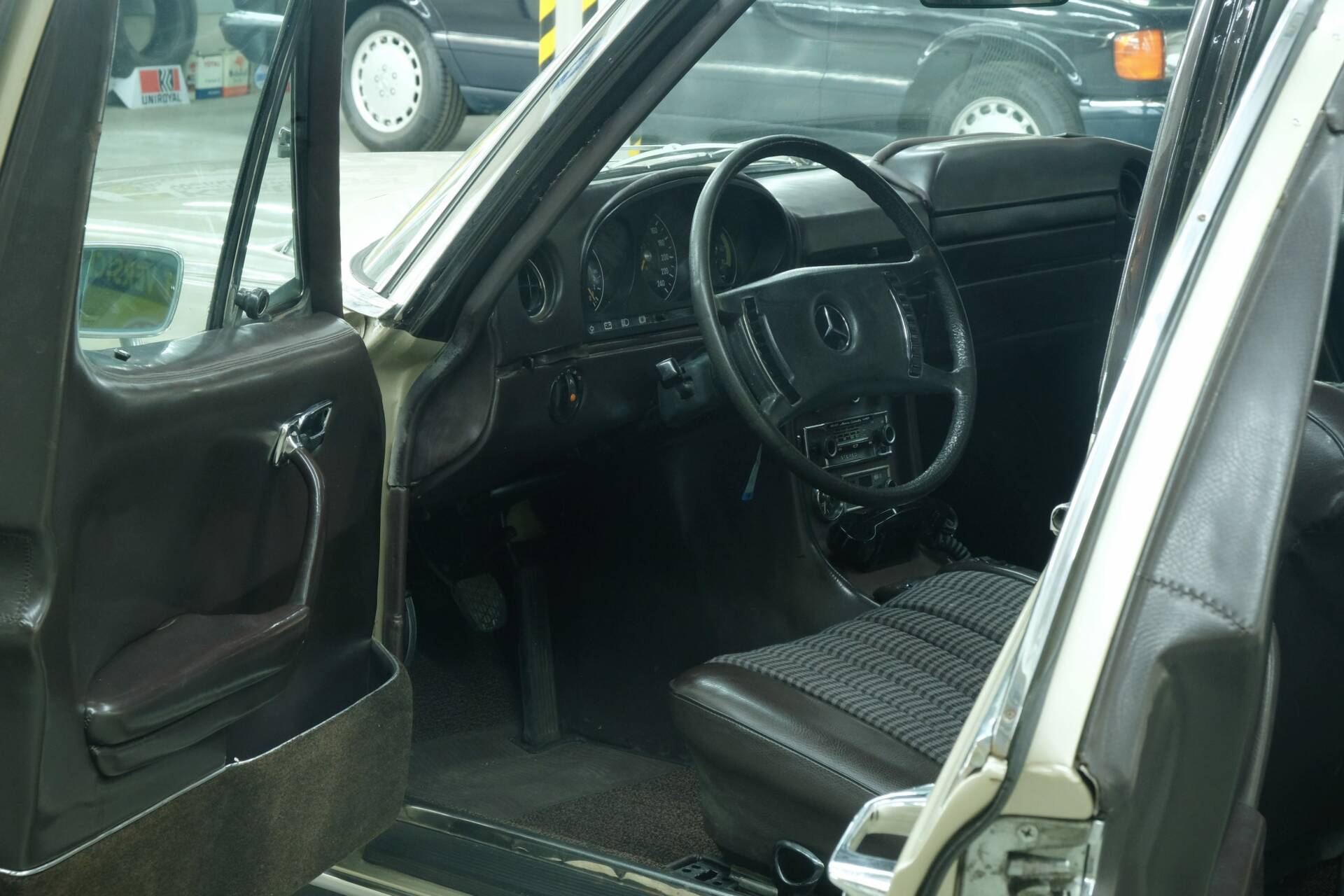
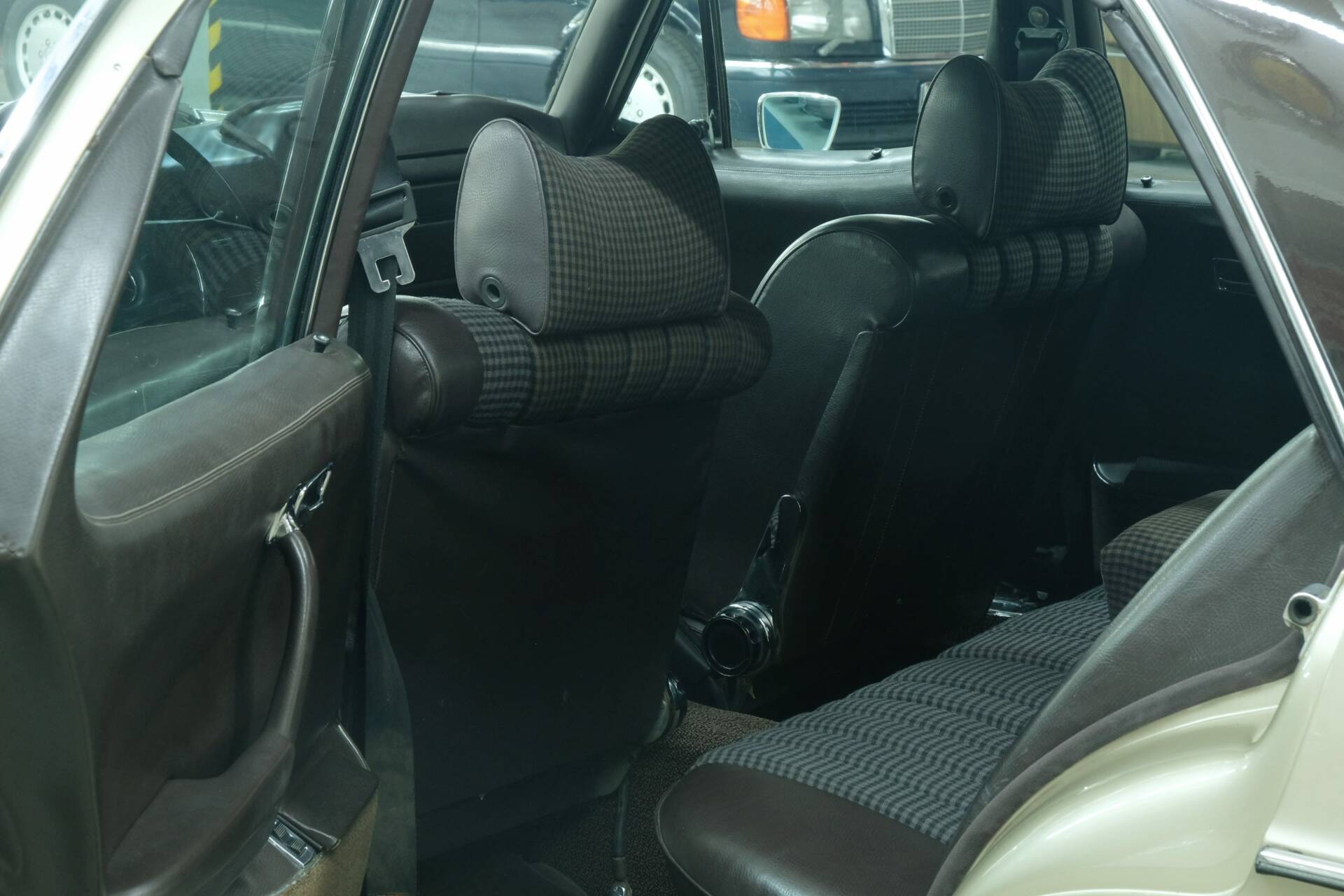
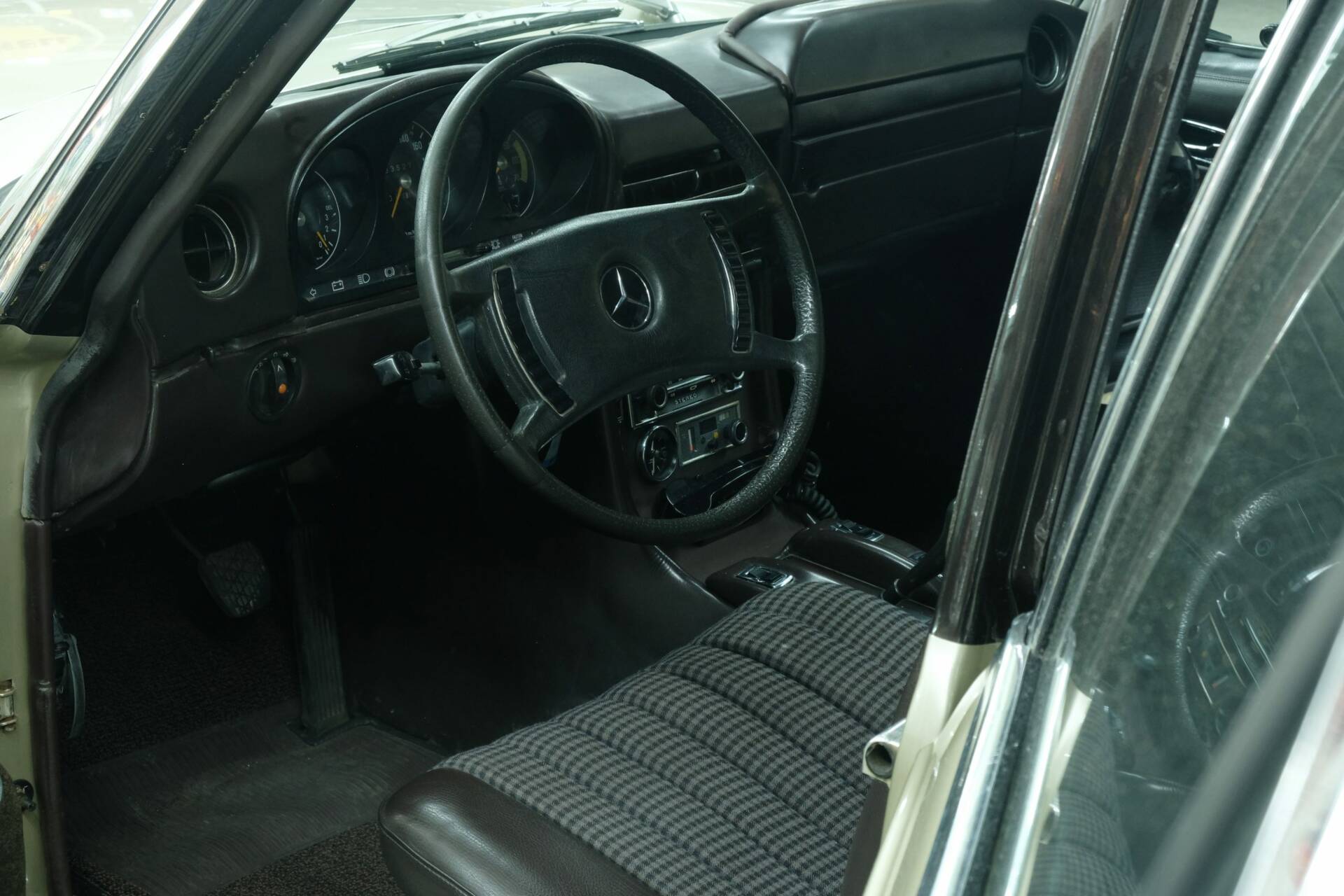
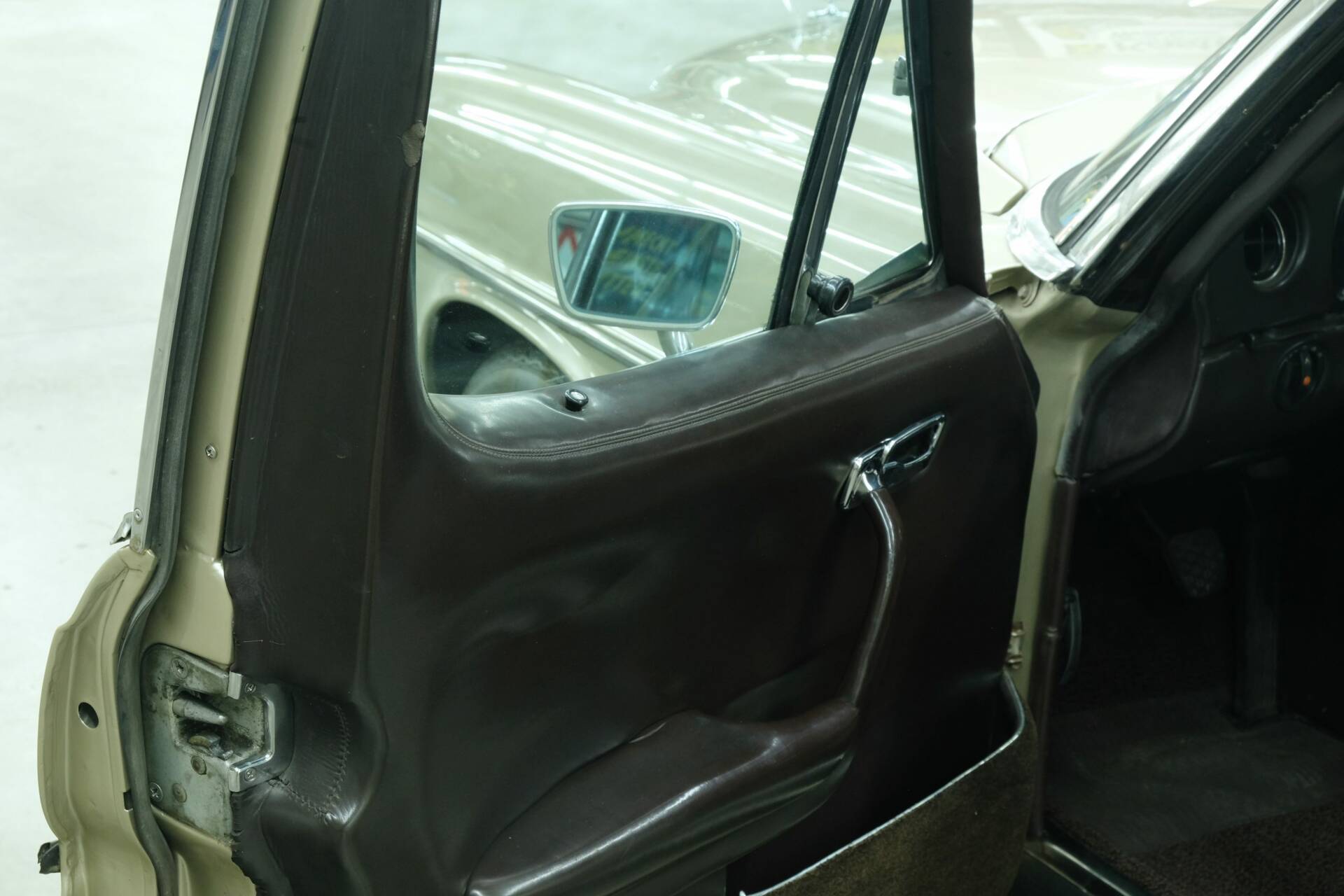
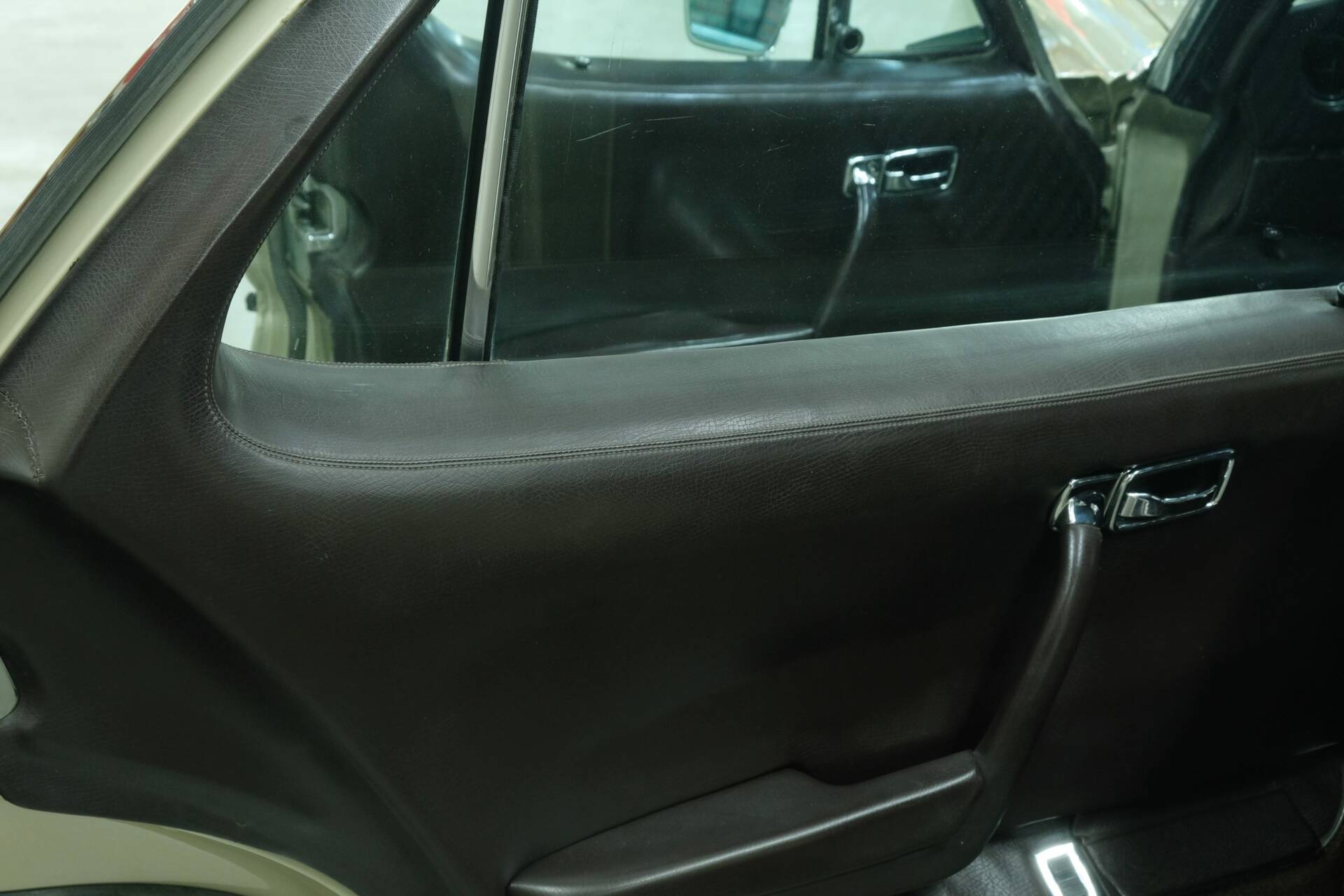
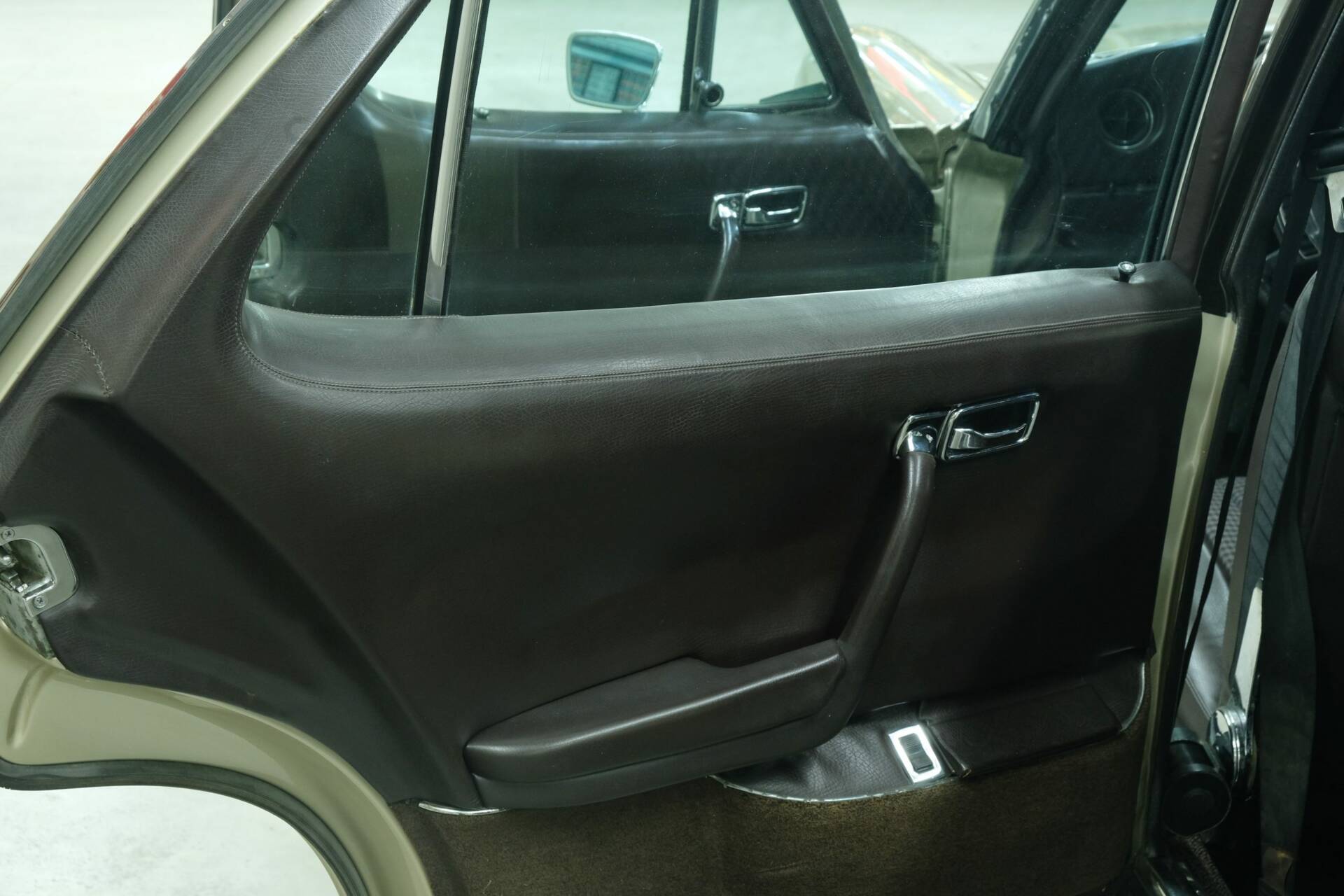
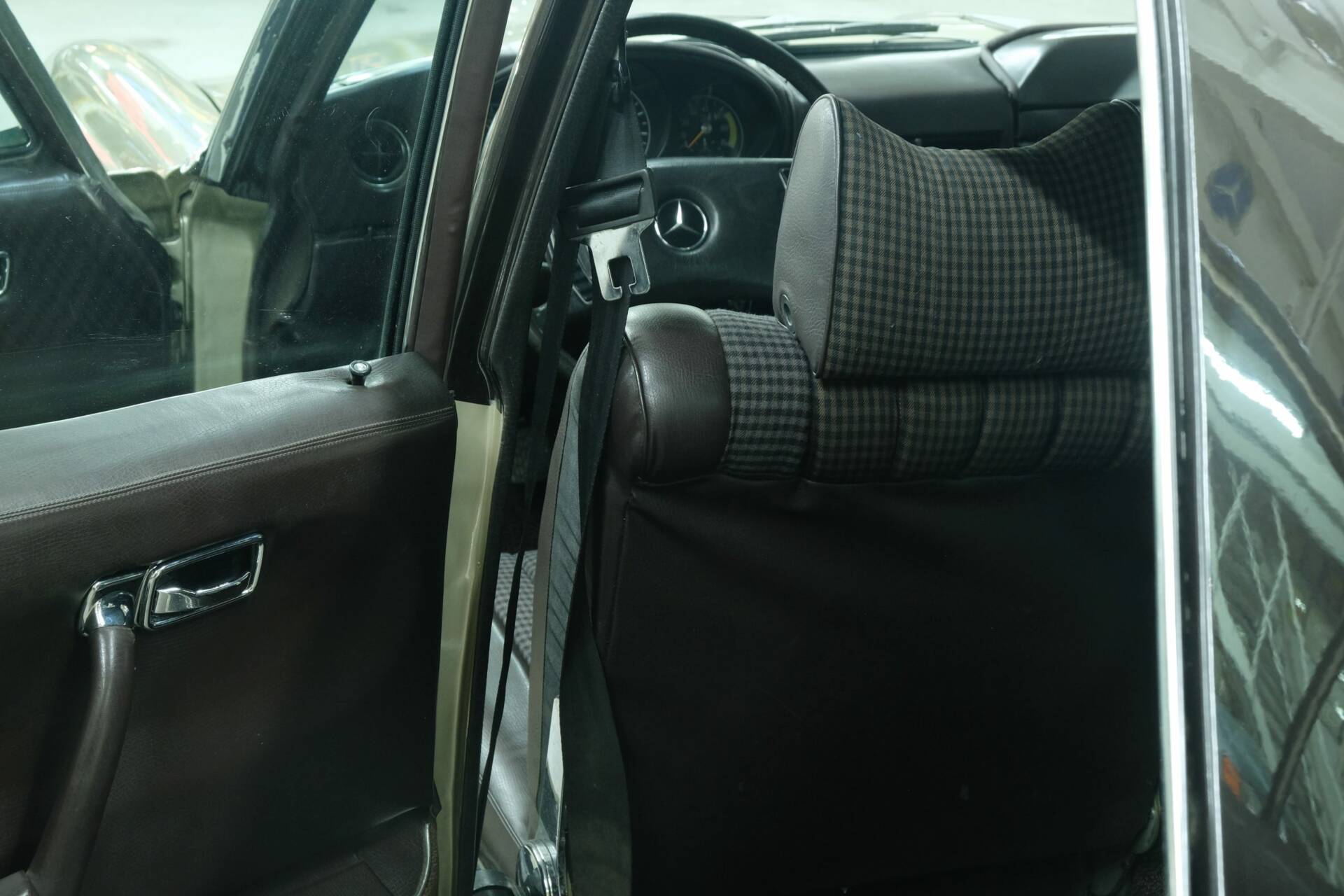
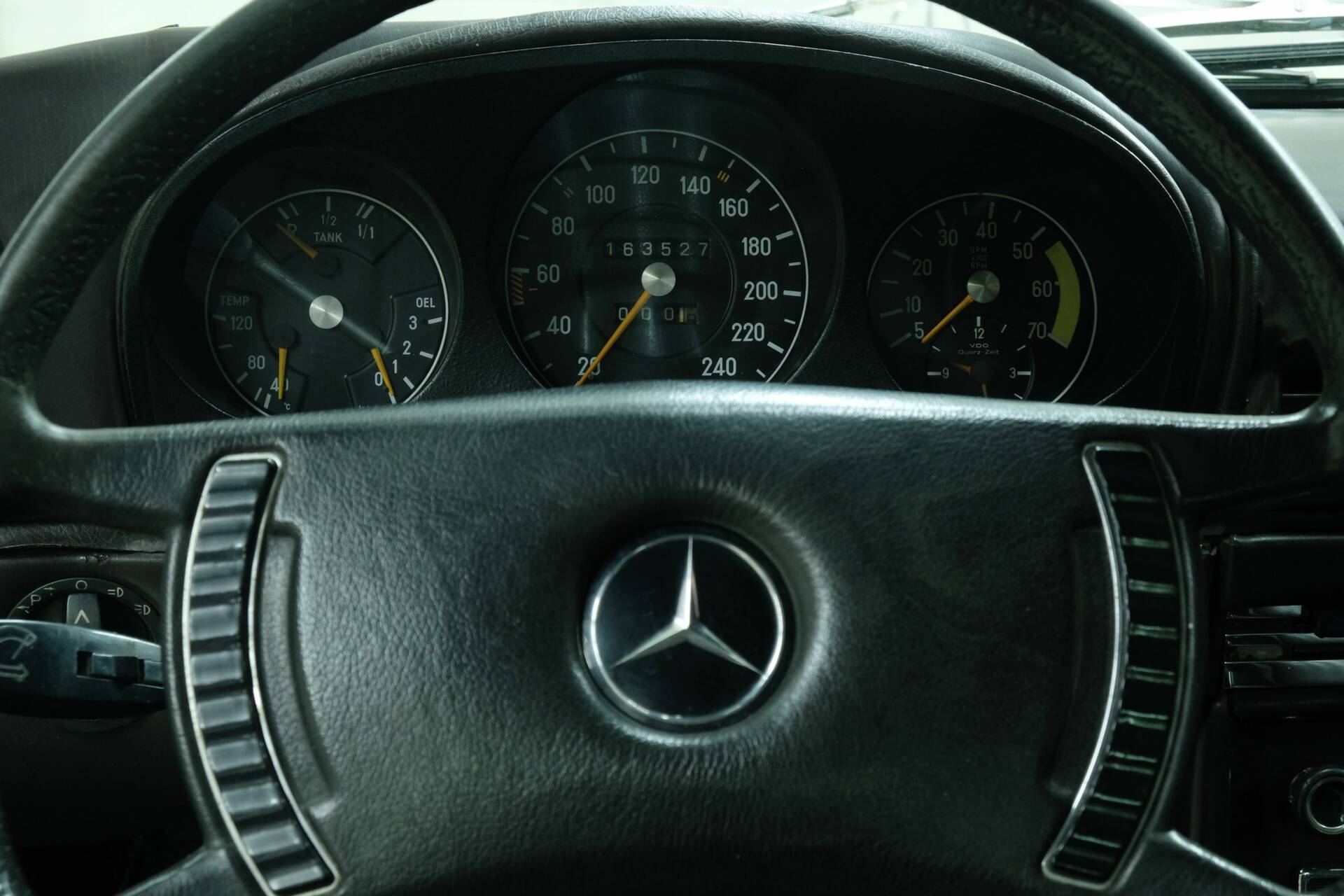
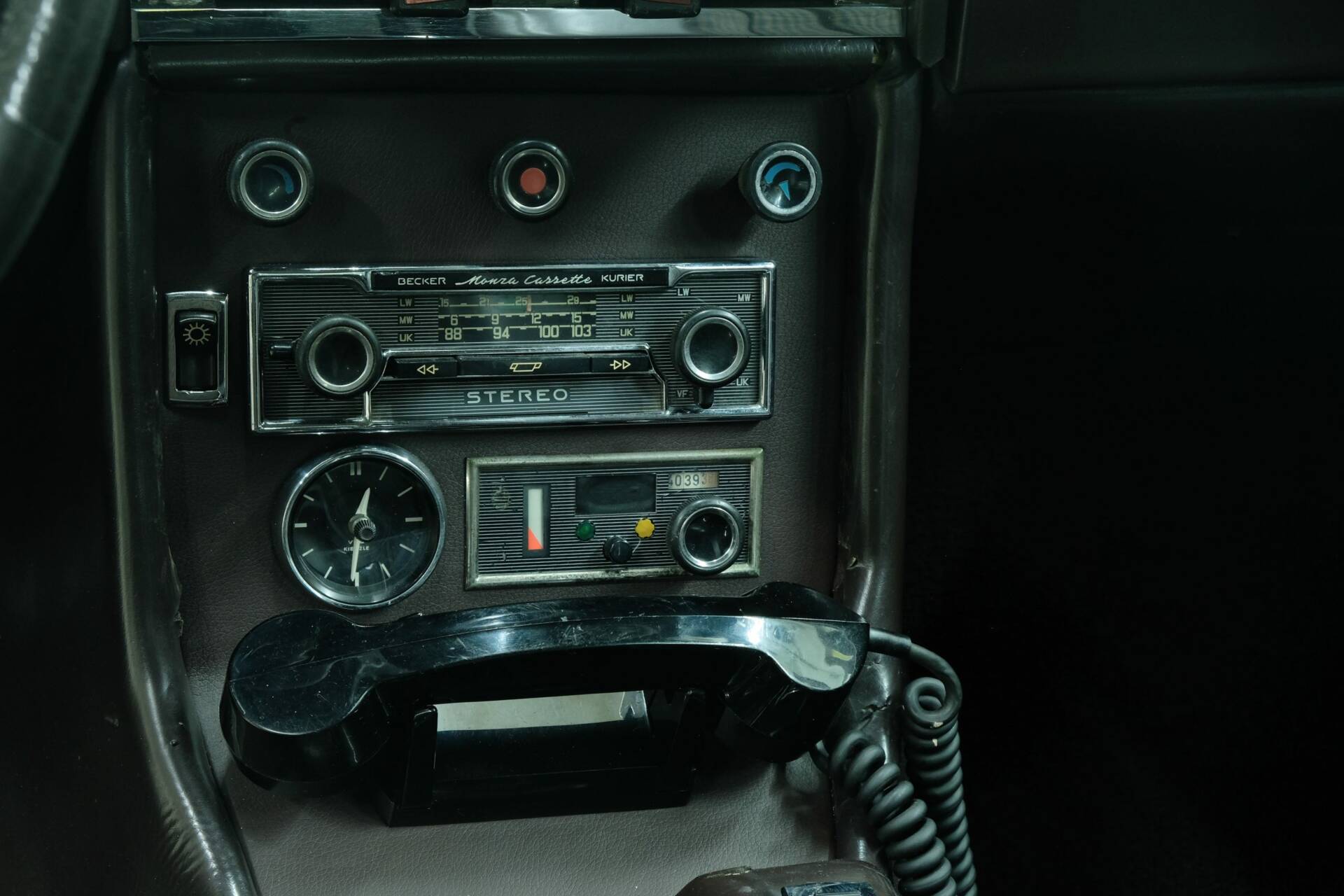
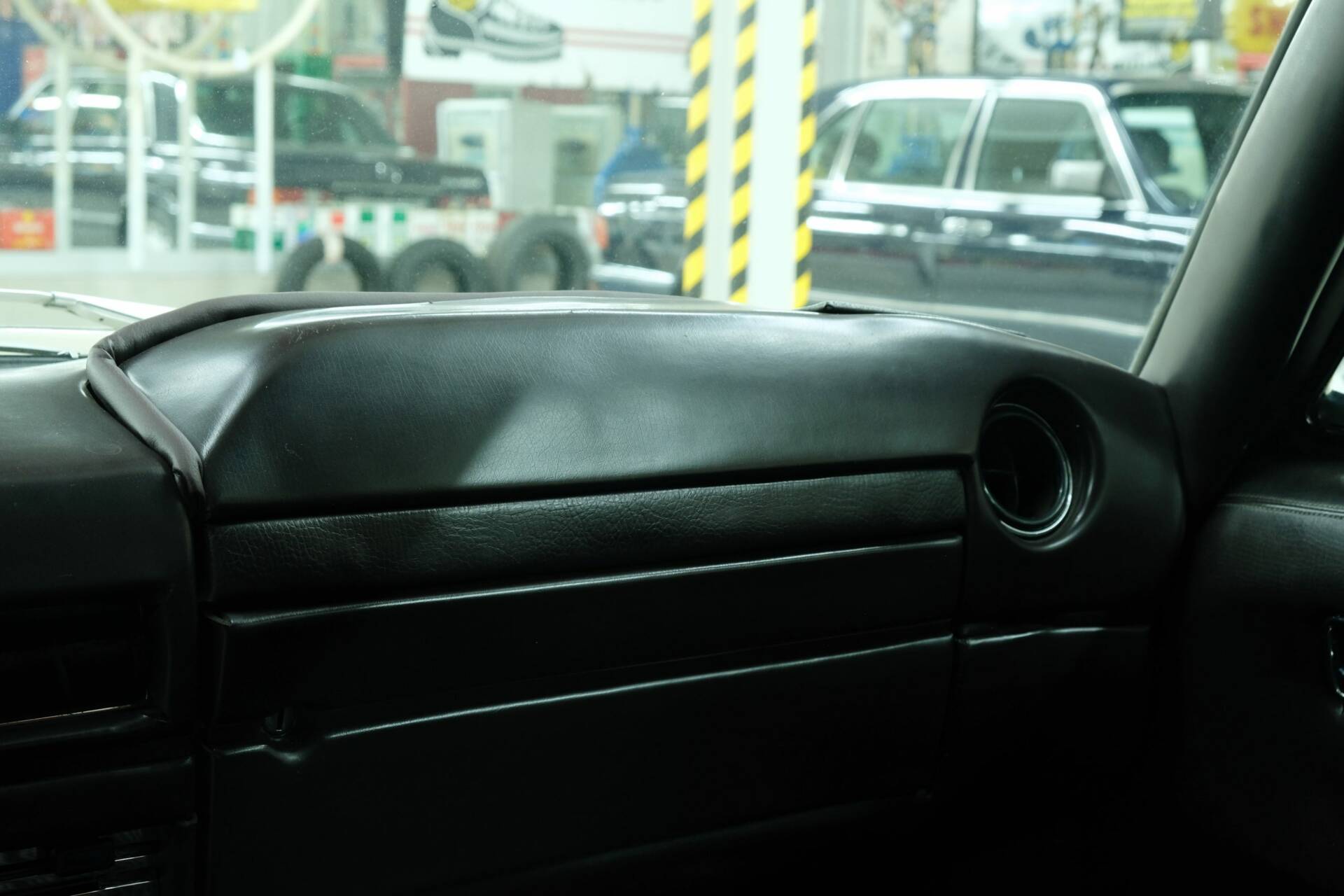
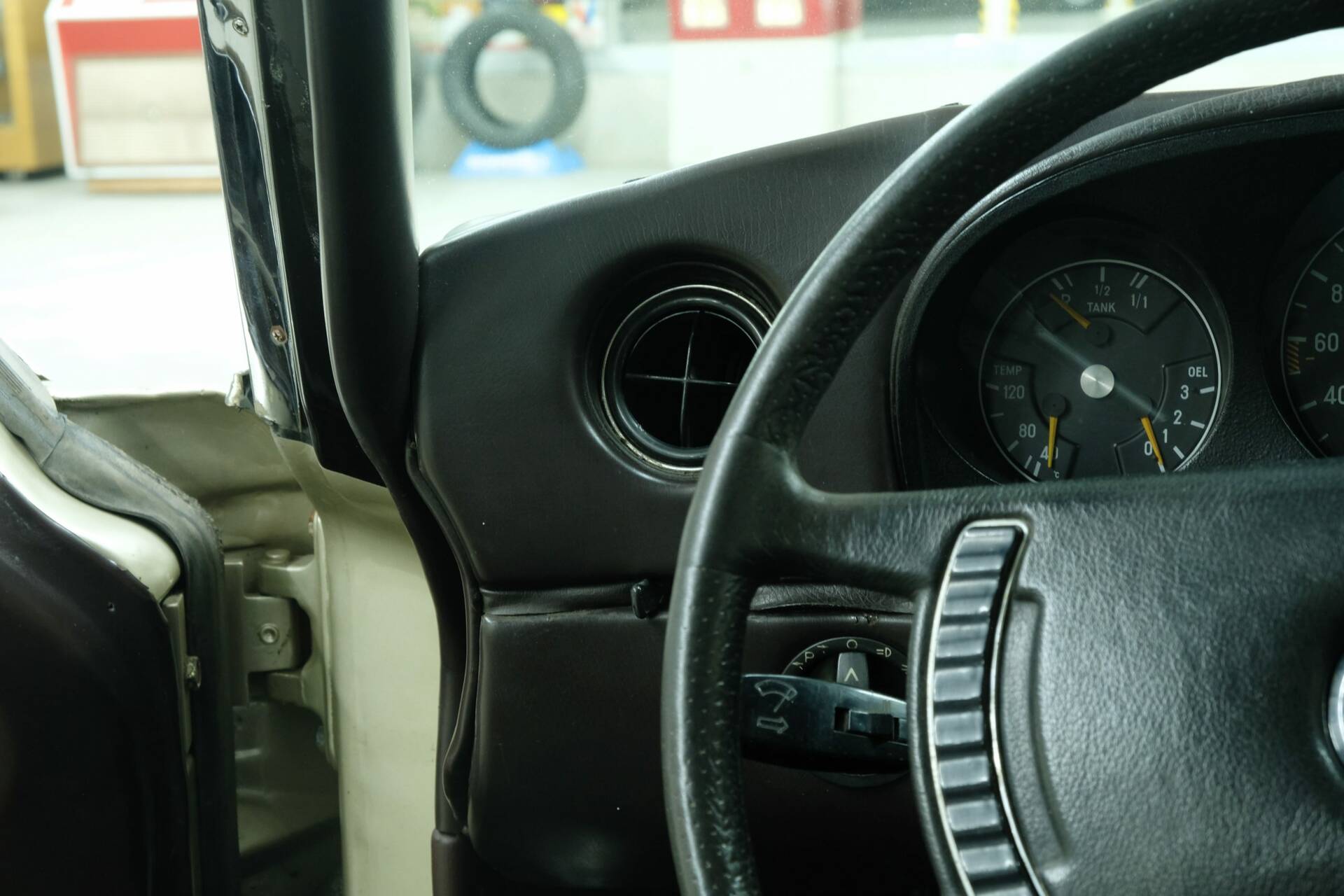
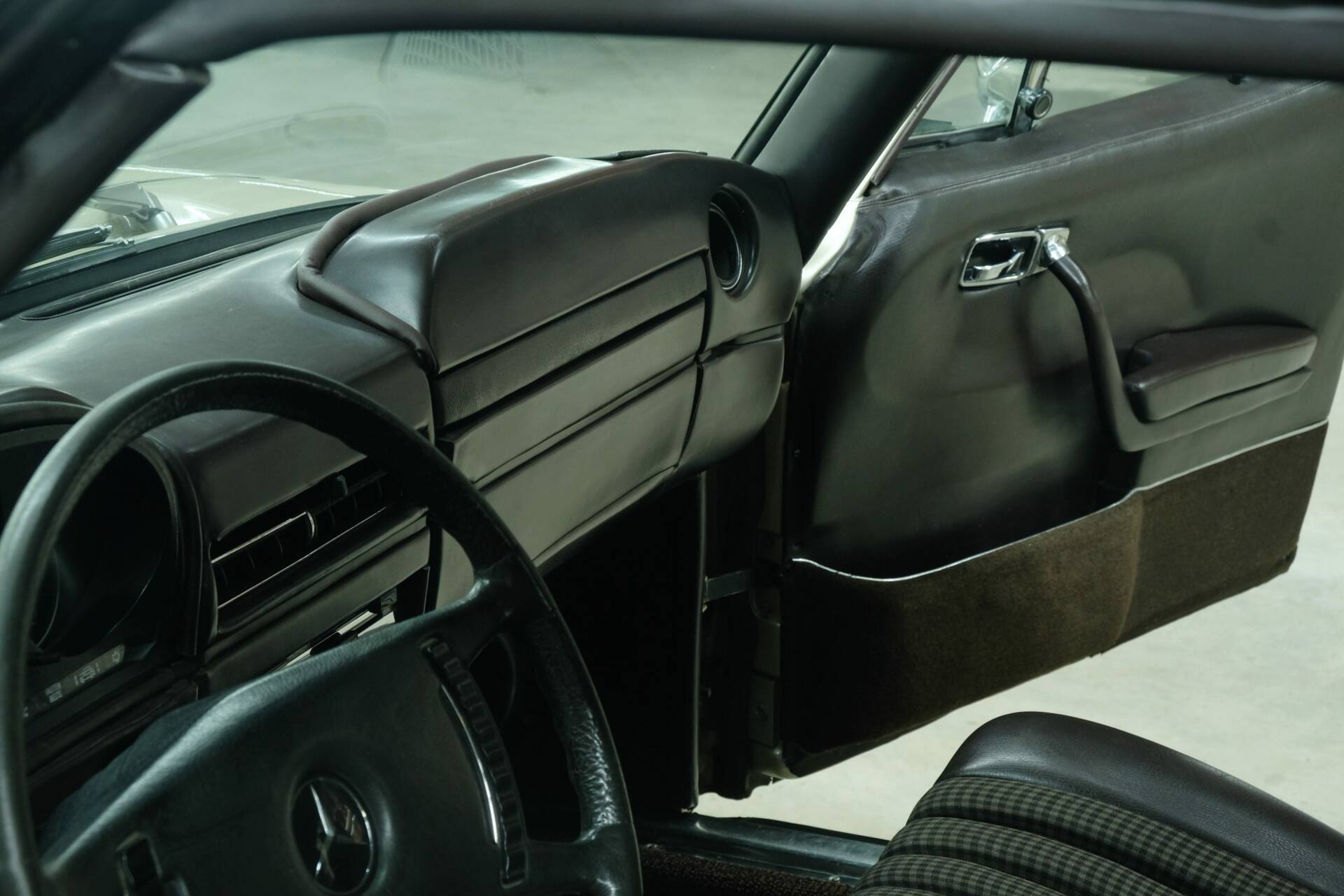
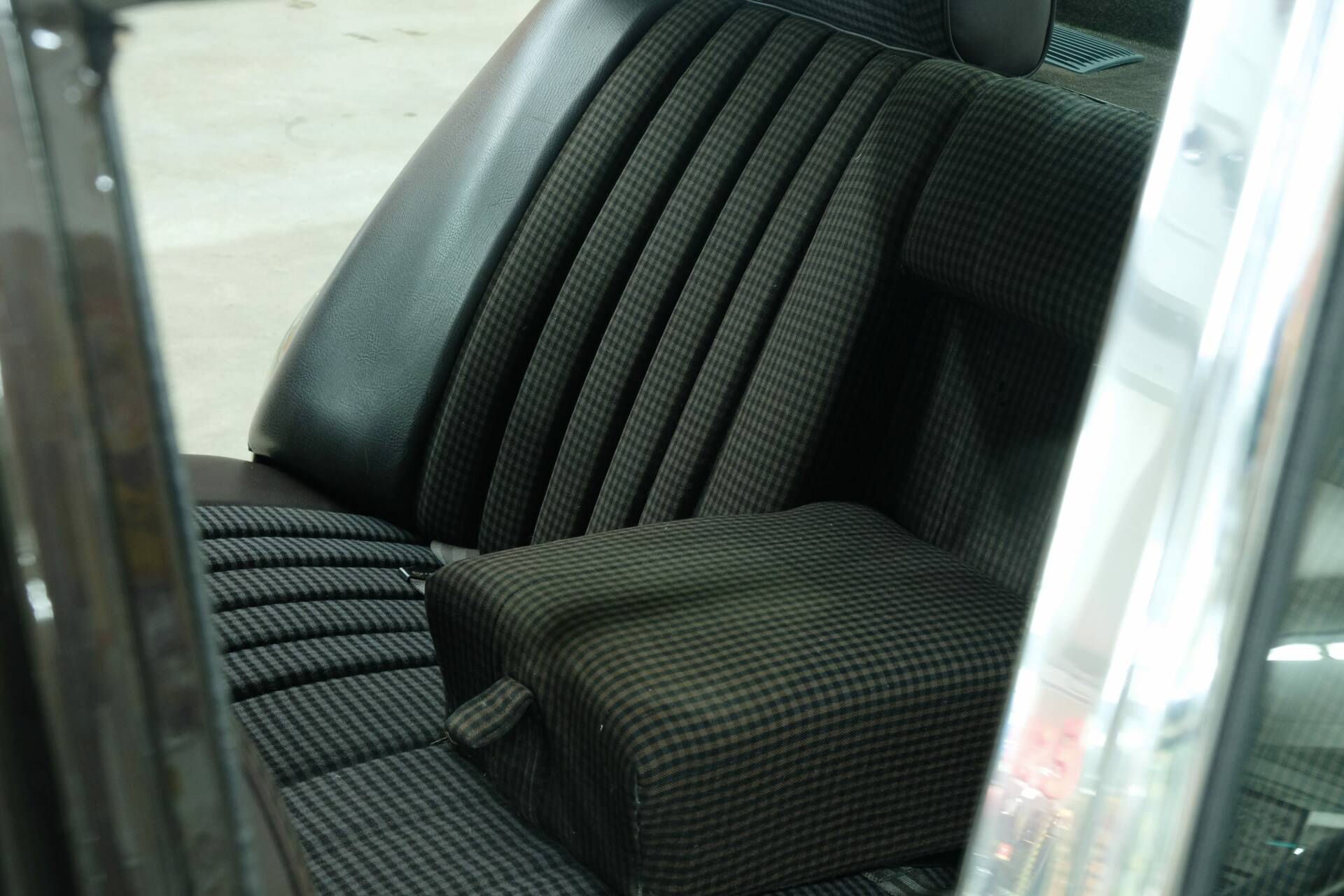
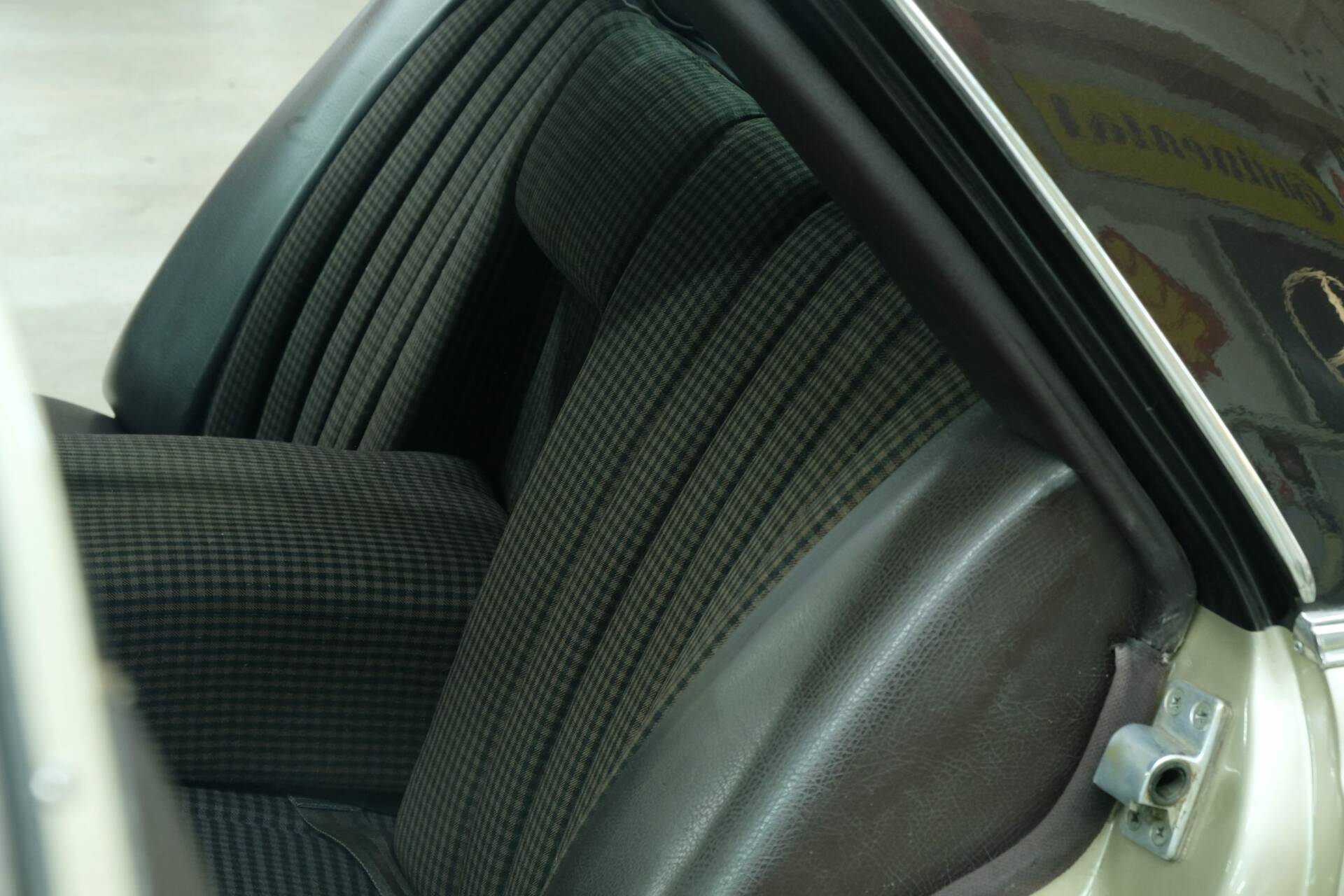
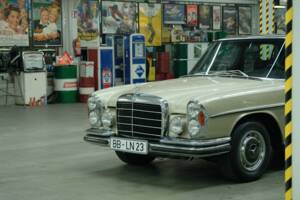
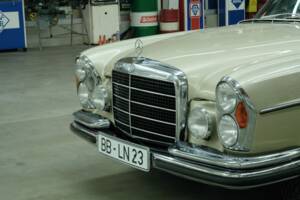
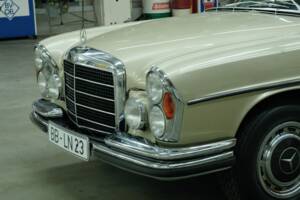
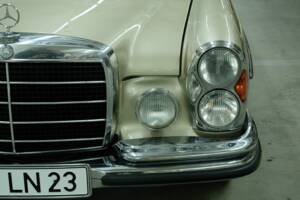
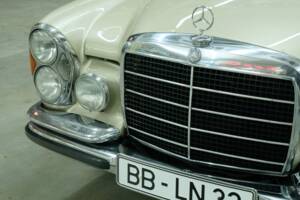
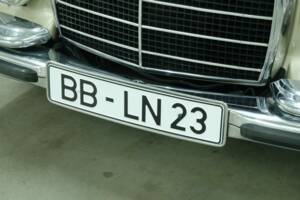
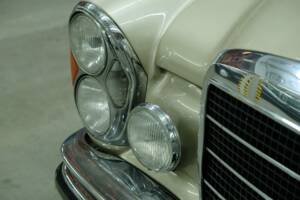
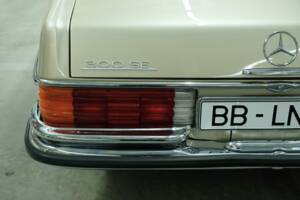
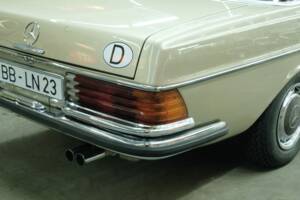
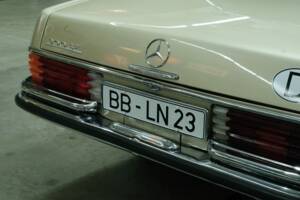
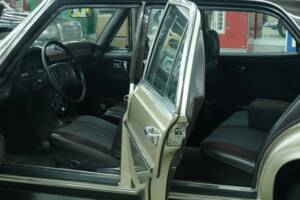
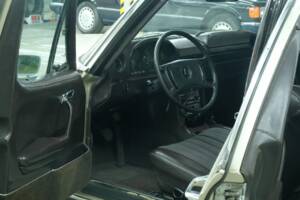
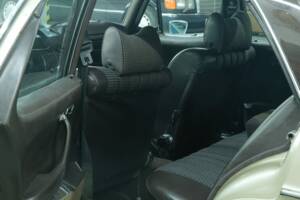
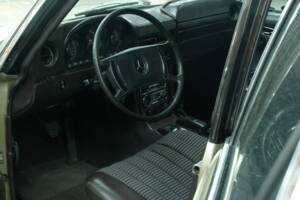
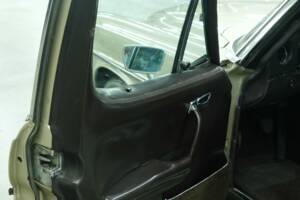
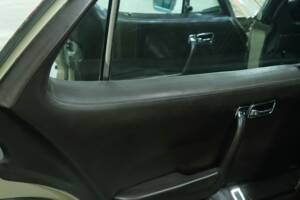
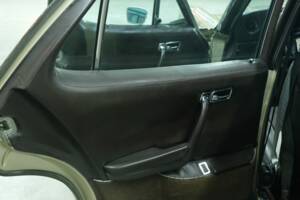
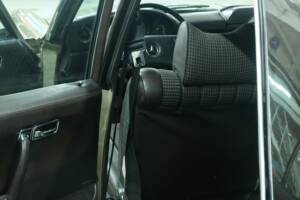
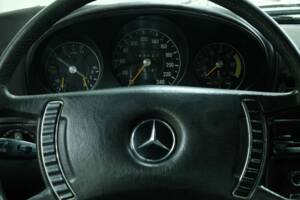
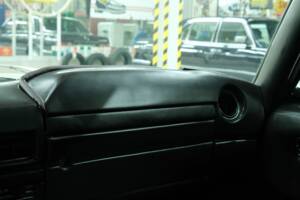
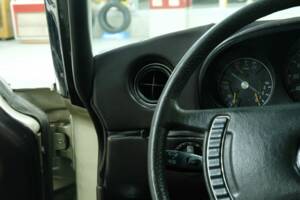
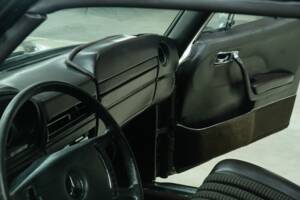
- At first, fleeting glance, this W 109 appears to be a short-wheelbase 300 SE, yet look again and somehow things are different. The taillights bear a striking resemblance to those of its successor, the radiator grille to that of the later W 111 Coupés and Cabriolets. Inside, too, one can already see much of what Mercedes-Benz would later use to make the W 116 one of the safest cars in the world. Padded trim along the side windows, impact protection across the dashboard and a safety steering wheel all look strangely familiar, yet everything still appears decidedly improvised.
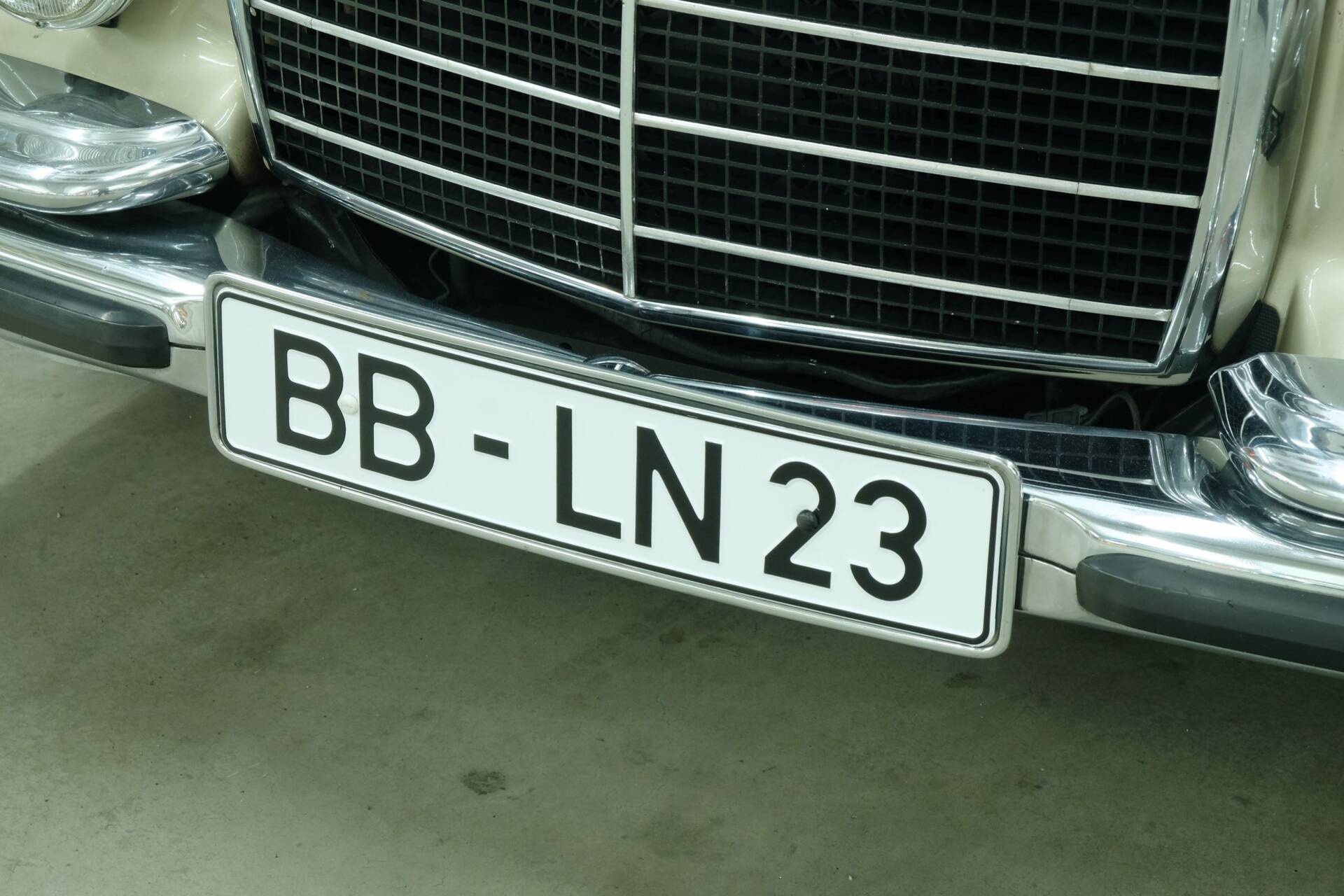
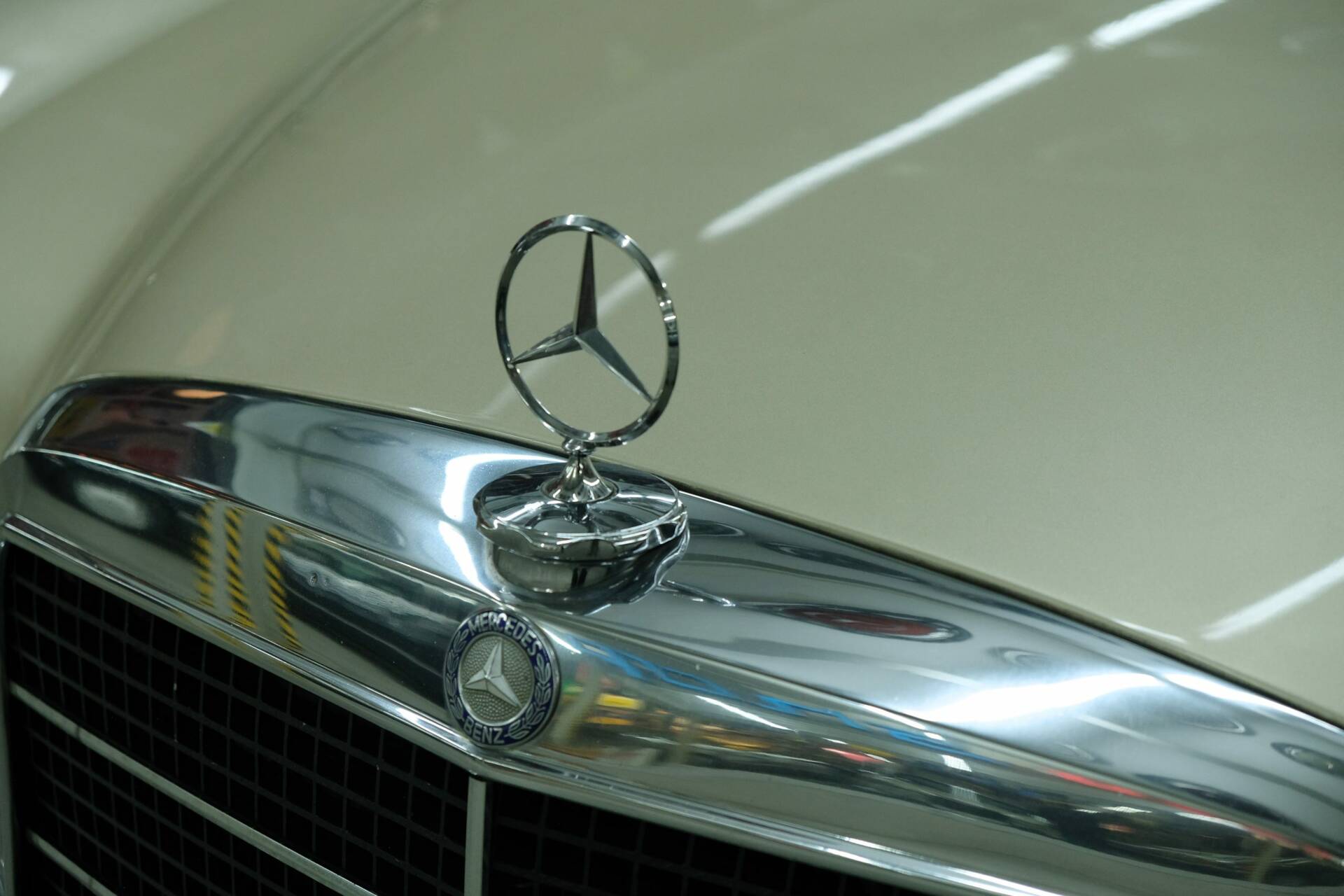
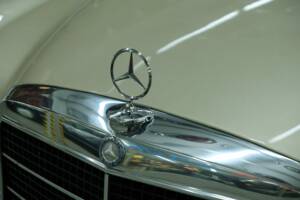
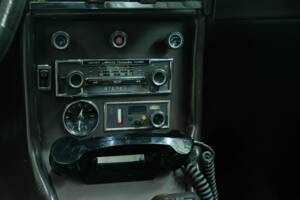
- And ultimately, that is precisely what it is. This 300 SEL 6.3 – the »L« and »6.3« badges were omitted to attract less attention – is an experimental vehicle that somehow escaped its intended fate, the crusher. The door panels, dashboard and centre console were handmade from aluminium and thickly padded in artificial leather. Equally unique is the gear selector gate fashioned from brass and Plexiglas. The aforementioned taillights and instrument cluster are prototypes as well, designs that would not enter series production until years later. The bonnet and radiator grille, meanwhile, actually came from the later low-grille Coupé.
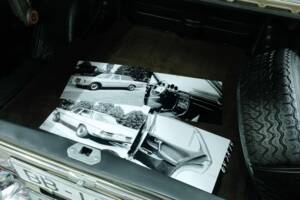
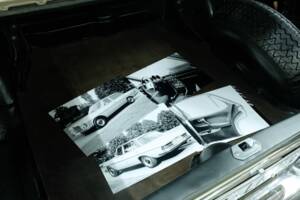
- Working closely with Béla Barényi, Karl Wilfert was one of the great pioneers of automotive safety. As head of passenger-car development, he helped set the direction at Mercedes-Benz. Wilfert himself used the experimental car as his personal company vehicle, first registered on August 8, 1968. From 1983 onwards, this unique automobile was registered to Bertram Wolff. That the so-called »Wilfert Car« survived at all is something of a miracle. Today, it stands as a witness to one of the most important stages in Mercedes-Benz development history – all the more remarkable because its unique experimental features have survived untouched to this day.
- Year: 1968
- Chassis N°: 66 517 107 /1
- Paint: 462 (UT) / 461 (OT) TUNIS BEIGE METALLIC / BRONZE BROWN METALLIC
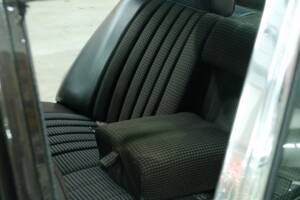
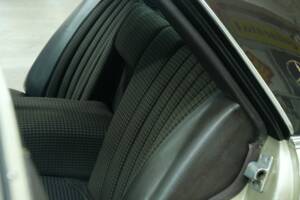
- Interior: FABRIC BROWN
Provenance
- 08/08/1968 MERCEDES-BENZ, STUTTGART-UNTERTUERKHEIM, DE
- 17/11/1983 BERTRAM WOLFF, HEIDELBERG, DE
- 02/05/2006 BERTRAM WOLFF, DARMSTADT, DE
Documents
- GERMAN FAHRZEUGBRIEF (1983)
- GERMAN REGISTRATION PAPERS (2006)
About the model line
W 109
Paul Bracq’s influence on the Mercedes-Benz model range following his arrival in Stuttgart is unmistakable. The design language he established with the W 111 and W 112 Coupés and Cabriolets continued with the W 113 „Pagoda“ in 1963, the mighty W 100 in 1964 and, ultimately, the new executive-class saloons, the sister models W 108 and W 109, which made their debut in 1965. They were not only considerably more modern than their predecessors but, unlike them, also occupied a clearly defined place within the Mercedes-Benz model hierarchy. Looking back, Mercedes itself regards them as the true birth of the S-Class, even though the designation had yet to become official.
The W 108 and W 109 differed primarily in one defining feature: air suspension. The W 109 was also available exclusively with the long wheelbase and carried the now familiar „SEL“ designation. At the same time, Mercedes significantly expanded both the engine range and the number of model variants. The story began at the 1965 Frankfurt Motor Show with the 250 S, powered by a carburetted engine, the fuel-injected 250 SE and the range-topping 300 SE, all based on the W 108. Production of the long-wheelbase W 109 followed six months later with the 300 SEL. As the flagships of the range, the latter two continued to feature the venerable six-cylinder engine inherited from the W 189, complemented by even more lavish chrome trim. By early 1968, however, this powerplant – whose basic design dated back to the early 1950s – had finally reached the end of the road. It was replaced throughout the range by the new 2.8-litre M 130 engine. The 250 SE consequently became the 280 SE with 160 horsepower, while the 300 SEL evolved into the 300 SEL 2.8 with an additional ten horsepower.
Almost simultaneously, Mercedes-Benz created an entirely different sensation with the W 109. By installing the 6.3-litre V8 from the W 100 beneath its bonnet, Germany’s fastest production saloon was born. Capable of 220 km/h, the four-door performance machine bore the simple name 300 SEL 6.3 and gave more than a few engineers in Stuttgart’s neighbourhood cause for reflection. A comprehensive facelift followed in 1969, bringing smaller V8 engines of 3.5 litres to both model series – and for the US market 4.5 litres, because size matters.
Behind the scenes, work on the successor had long since begun. In 1970, Paul Bracq left Stuttgart for Munich. Friedrich Geiger, who had been with Mercedes-Benz since the 1950s and was among other things the father of the legendary 300 SL, returned to the drawing board. Meanwhile, Béla Barényi and Karl Wilfert continued their relentless pursuit of automotive safety. Traffic on Europe’s roads had multiplied throughout the 1960s, and so had the number of accidents, many of them fatal. Mercedes intended its next generation of flagship saloons to set entirely new standards in every aspect of safety.
Auction information
- Auction: 07 November 2026, 14:00
- Auction house: Humer Granner & Co
- Starting price: 20,000 EUR
- Reserve: No reserve
- Viewing: 05. November 2026 10:00 – 18:00, 06. November 2026 09:00 – 18:00, 07. November 2026 ab 09:00
- Location: Gewerbeparkstraße 17, 4101 Feldkirchen an der Donau, AT
- Bidding: In person · Online live · Telephone · Written bid
- Auction registration: Schriftliches Kaufangebot, Als Telefonbieter, Online - live
- Contact: Wolfgang Humer, +43 650 7262524 / Reinhard Granner, +43 699 17127272
About the auction
This Mercedes-Benz is part of the Sammlung Sonderklasse, one of the largest private Mercedes-Benz collections in Europe. The entire collection will be auctioned from 5 to 7 November 2026 in Feldkirchen an der Donau, Austria. All 83 cars are offered without reserve.
The collection also includes around 1,000 automobilia items and several fully furnished rooms, which will be auctioned on 6 and 7 November by Ni-Cola Classics. Please note that if you want to bid on automobilia, you must register in advance at nicola-ac.de. You can also view all lots at https://auction.nicola-ac.de/
The car auction starts on Saturday 7 November at 14:00, and you can bid in person or online. The cars can be viewed on Thursday 5 November from 10:00 to 18:00. Please note that if you want to bid on this car, you must register in advance with Humer Granner at https://hg.auction/auktionen/auktion-november-2026/.
You can order the catalogue at metropole-auction.com. It also serves as your admission ticket for two people. The catalogue does not replace registration with the auction house.
Participation & details