1972 | Datsun 240 Z
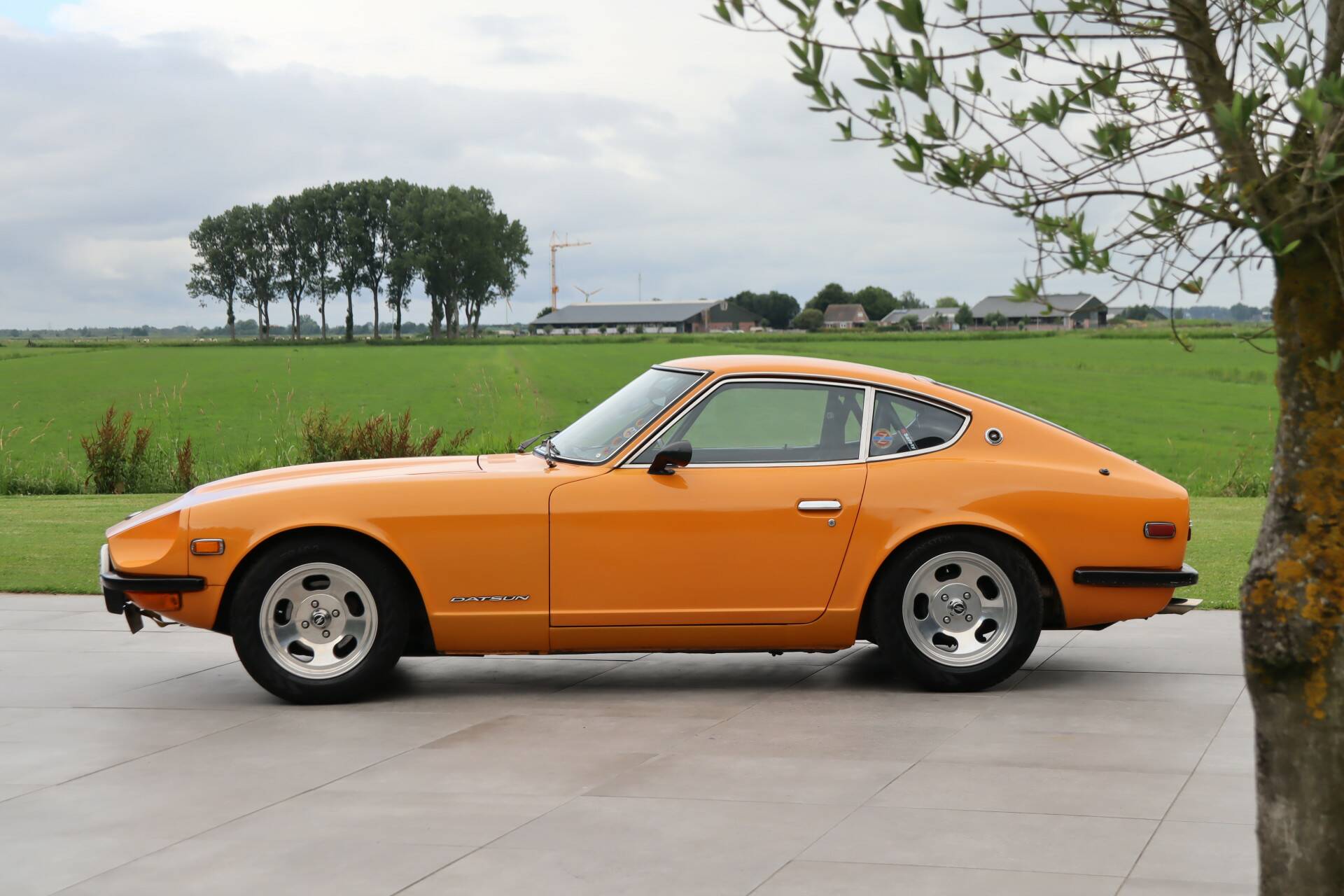
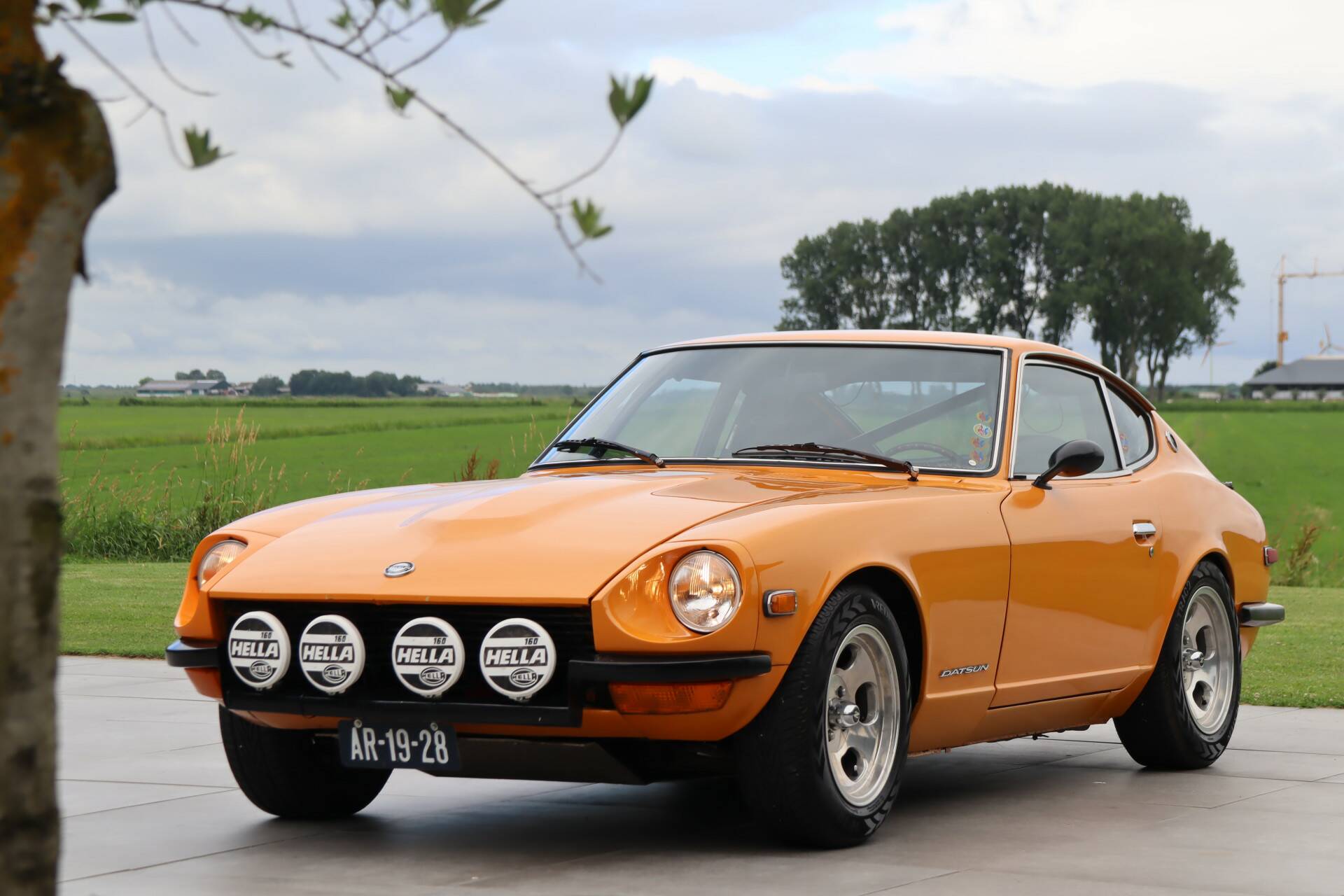
Datsun 240 Z Series II - Rally Prepared
39 750 €
1 / 50


1972 | Datsun 240 Z
Datsun 240 Z Series II - Rally Prepared
39 750 €
1972 | Datsun 240 Z
Datsun 240 Z Series II - Rally Prepared
39 750 €

Commerçant
Datsun 240 Z Series II - Rally Prepared
Datsun 240 Z Series II - Rally Prepared
General information
Model year: 2026
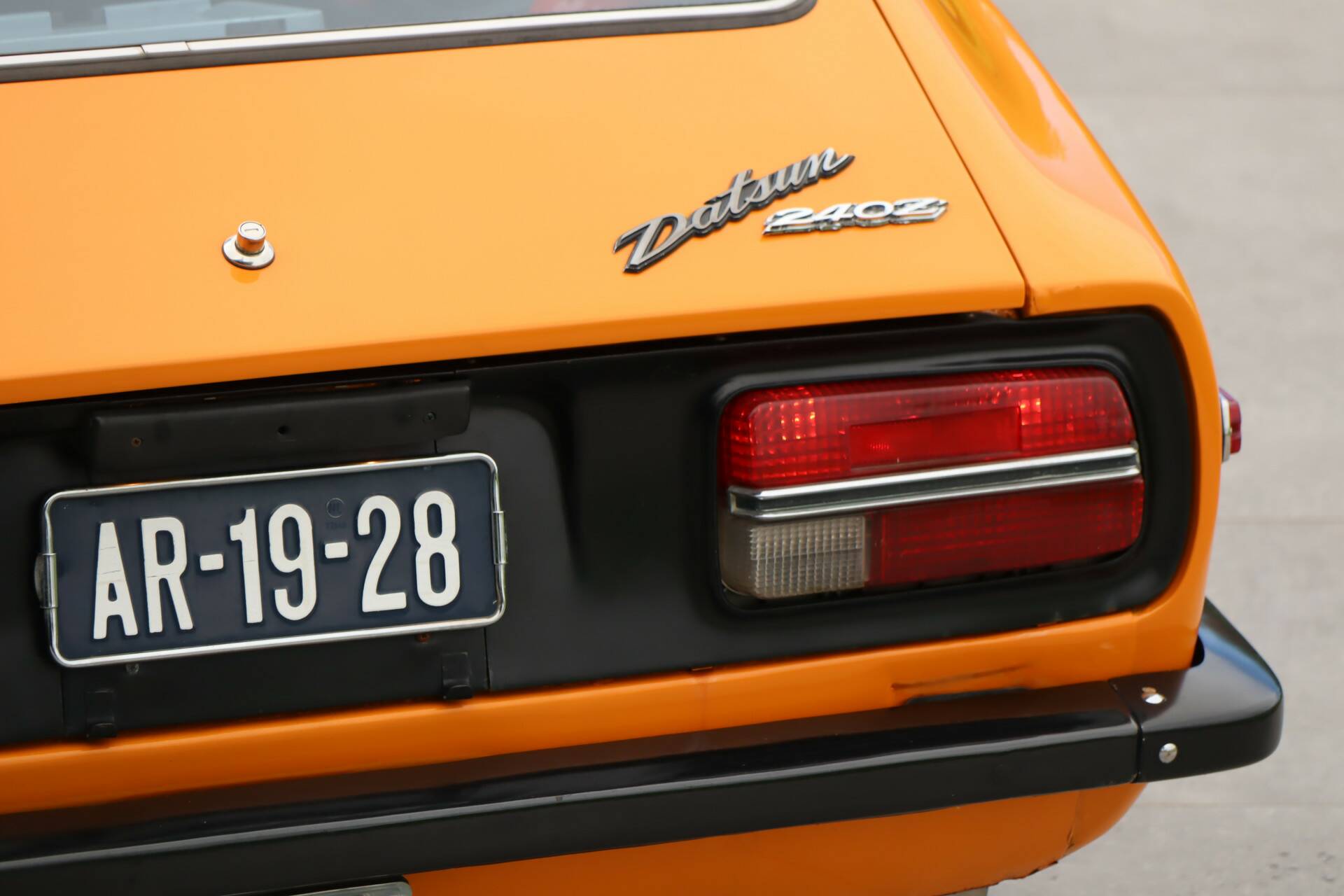
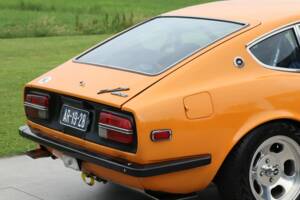
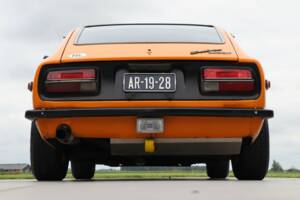
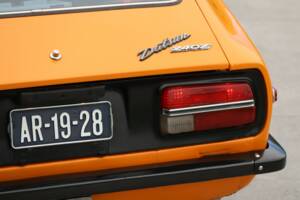
Registration number: AR-19-28
Technical information
Transmission: 4 gears, Manual gearbox
Drive: Rear wheel drive
Acceleration (0-100 kph): 8,0 s
Top speed: 200 km/h
Empty weight: 1.070 kg
Interior
Number of seats: 2
Environment
Emission class: Euro 0
Product safety
Manufacturer: Carrosso Classic & Sportscars Eekstraat 2 8375HN OLDEMARKT, NL 0625351515 http://www.carrosso.com sales@carrosso.com
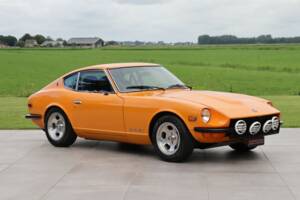
1971 Datsun 240 Z Series II Coupe
• 2,393 cc 6-cylinder engine
• Ready for rally driving
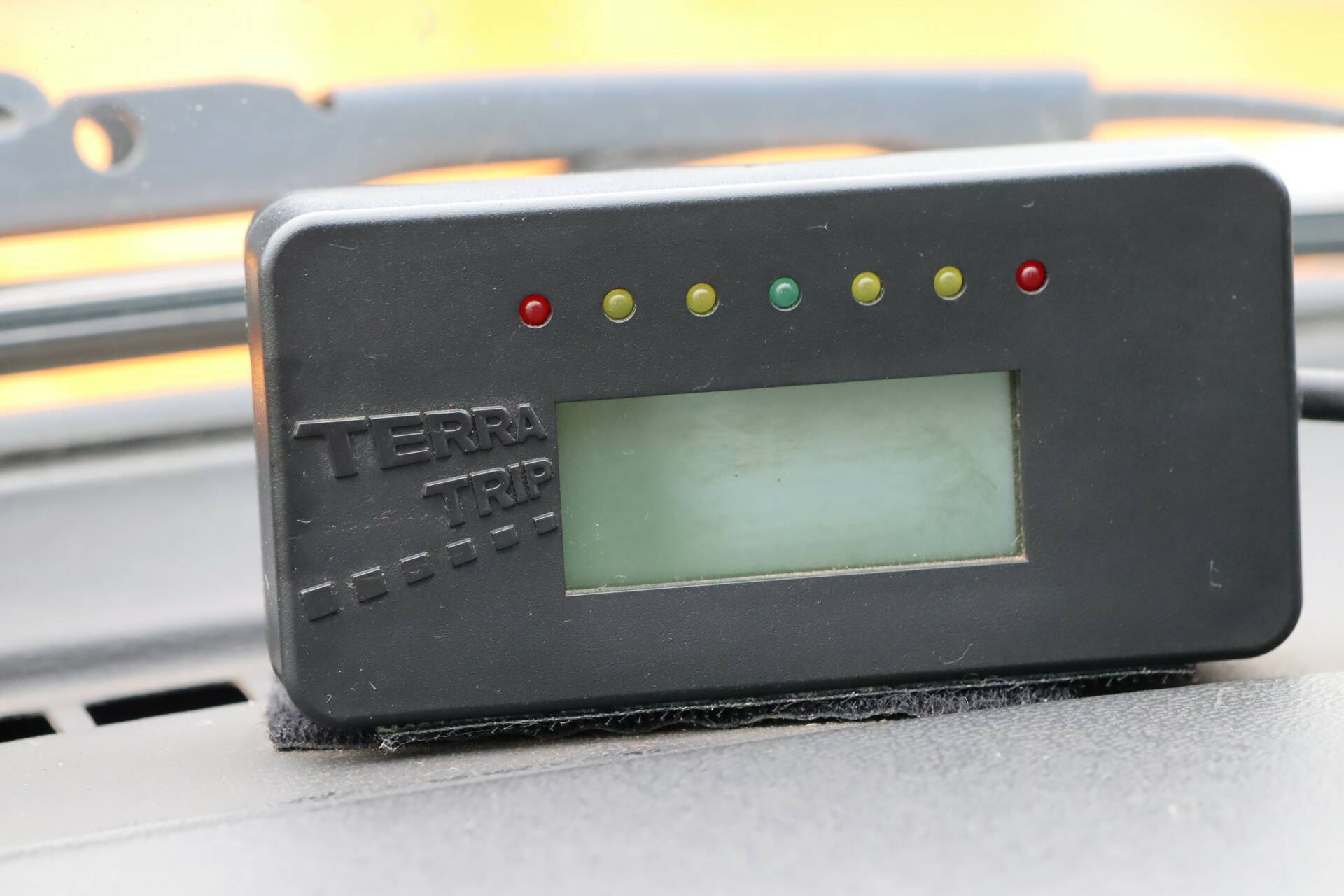
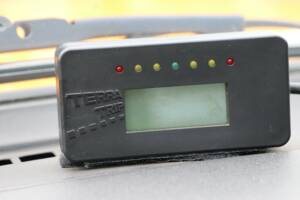
• Trip meter
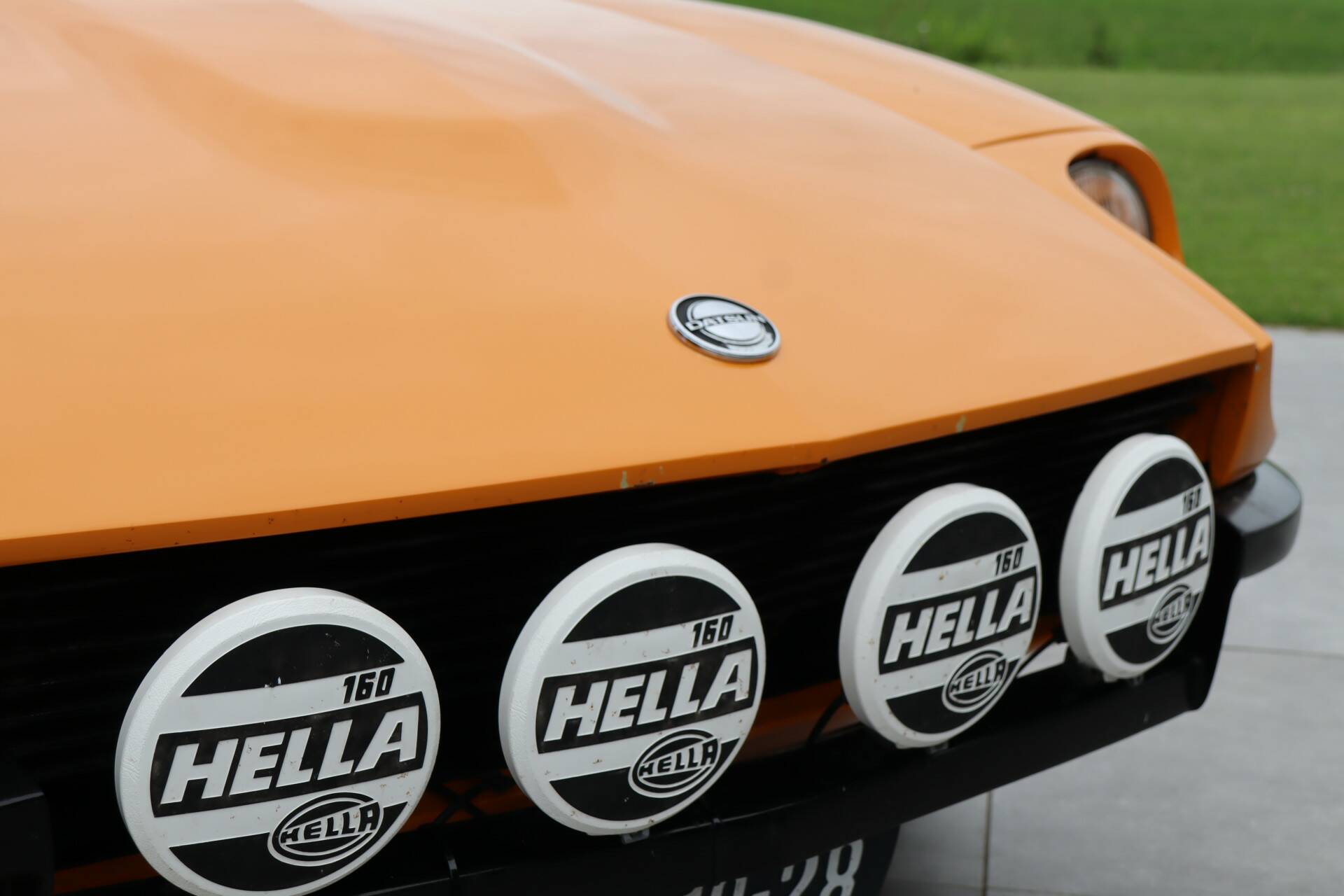
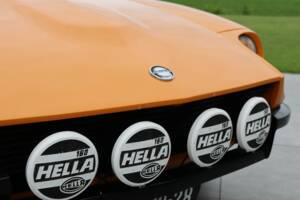
• Hella spotlights
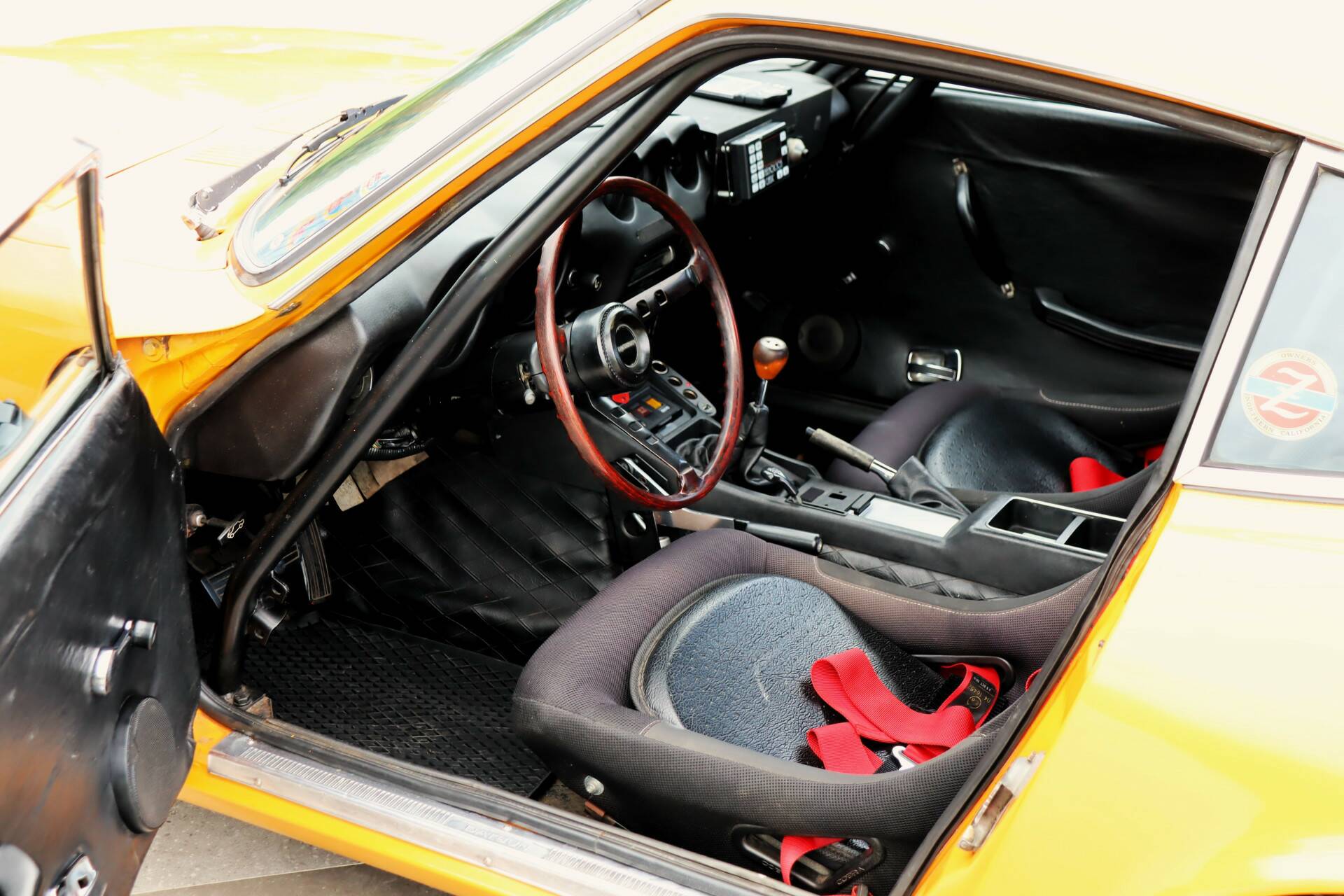
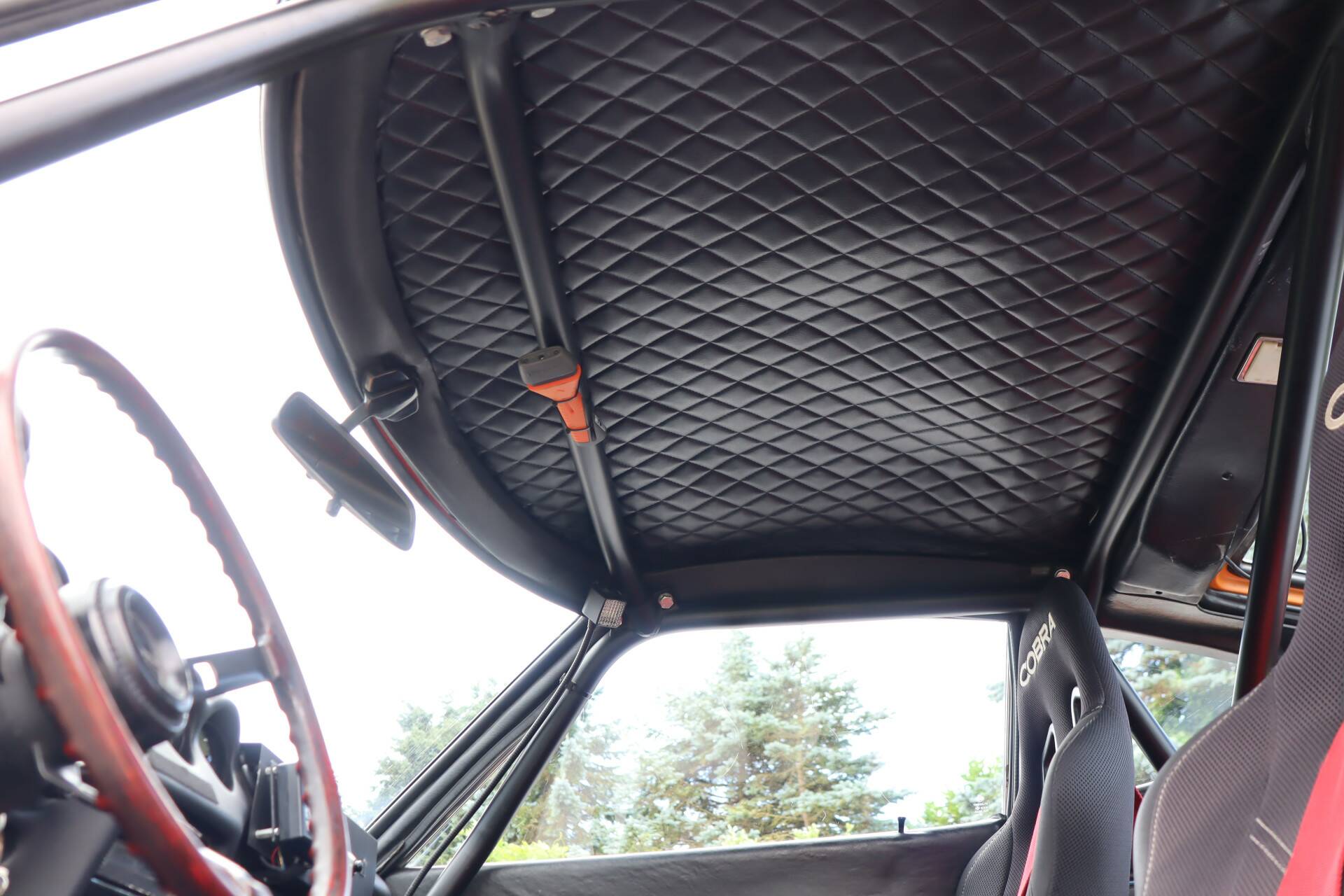
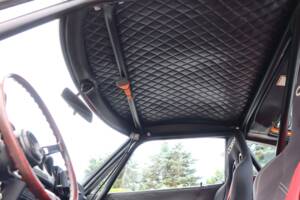
• Roll cage
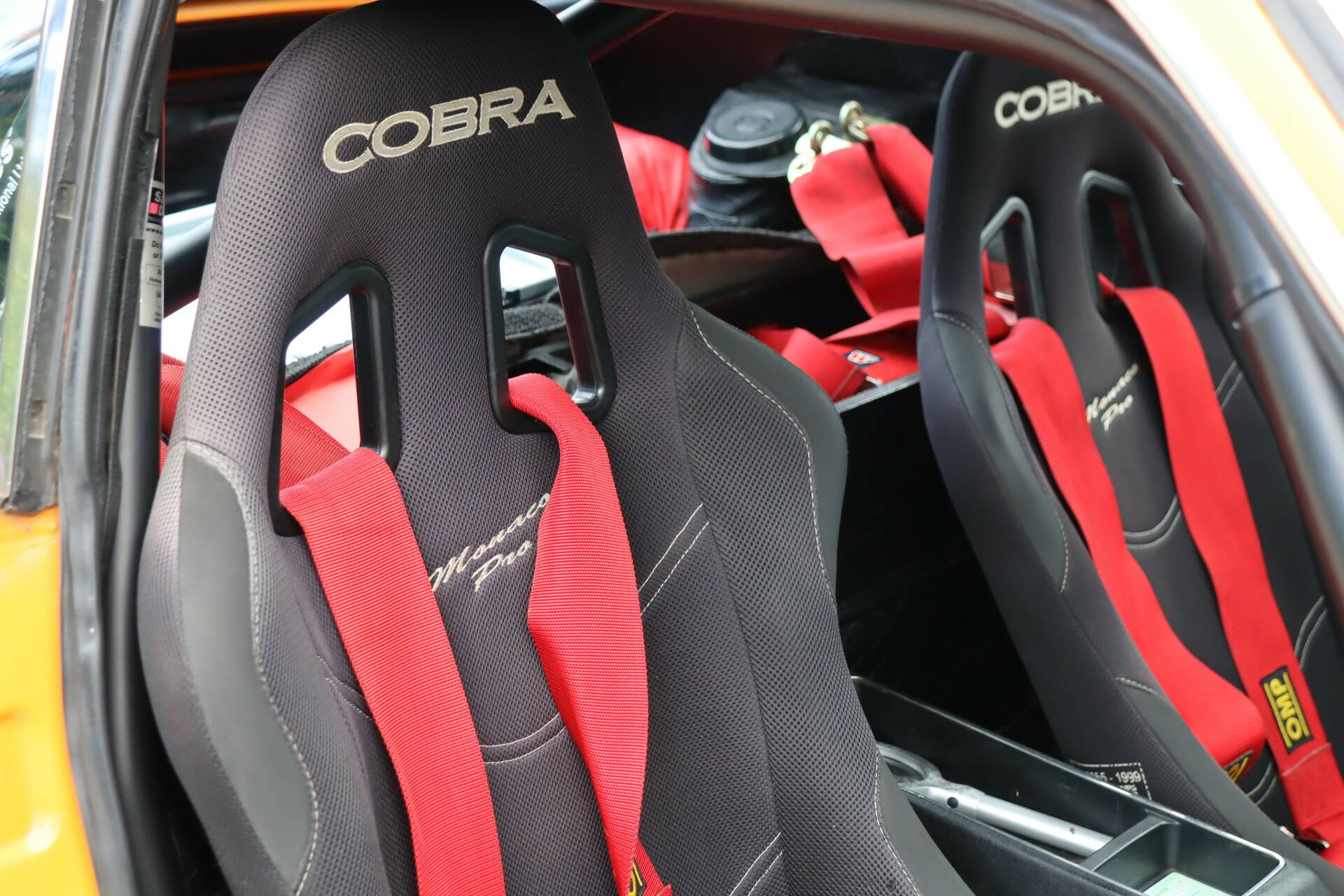
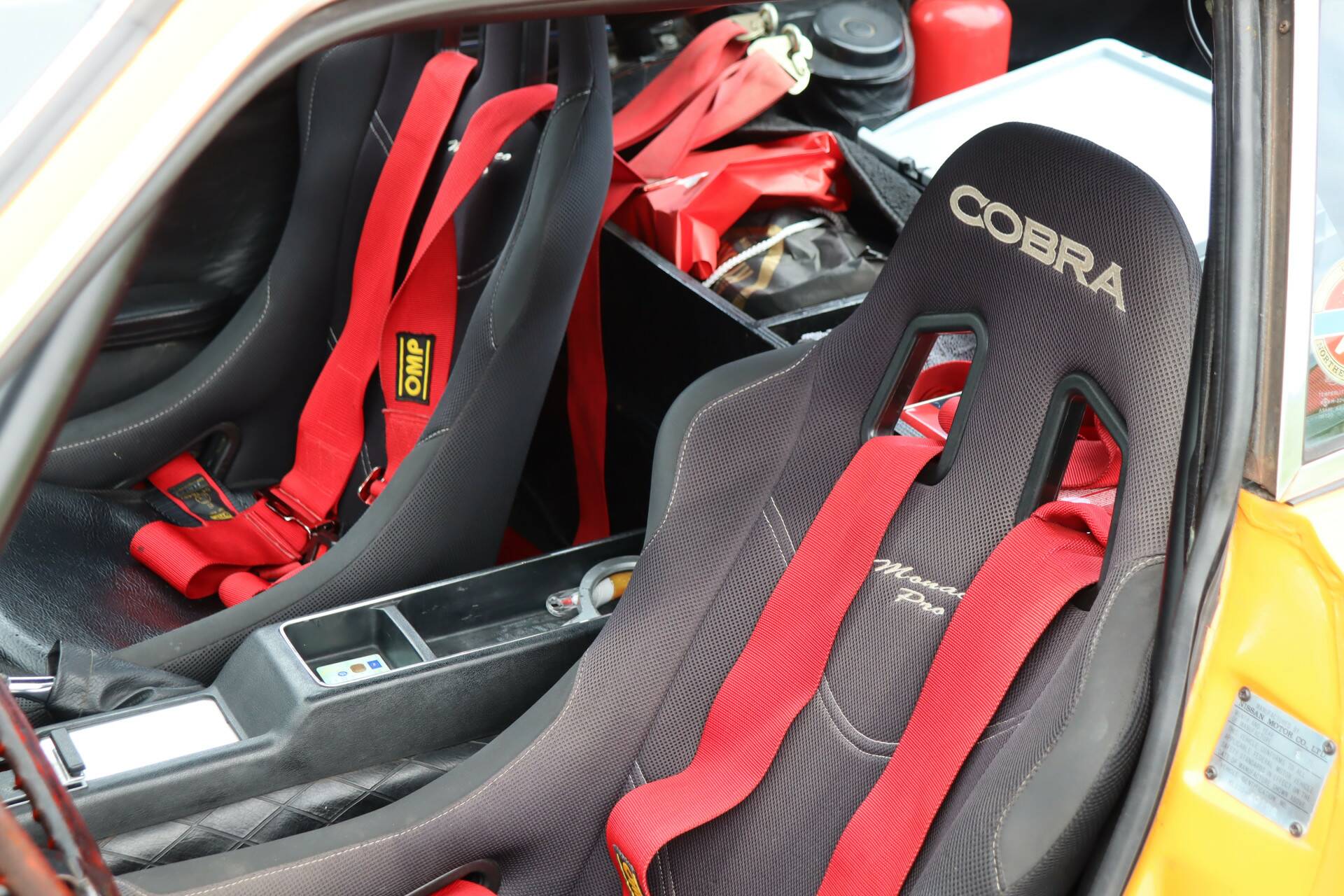
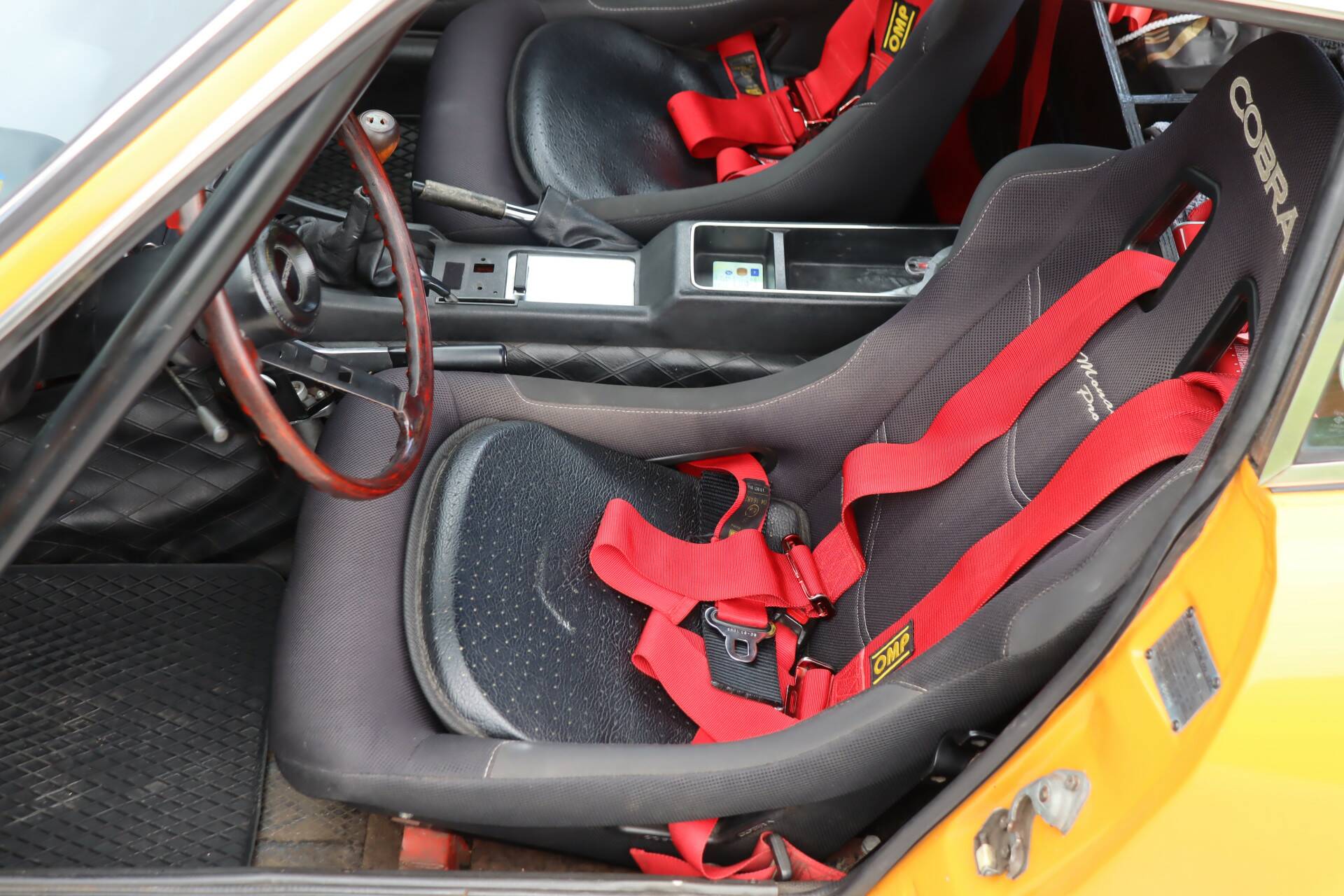
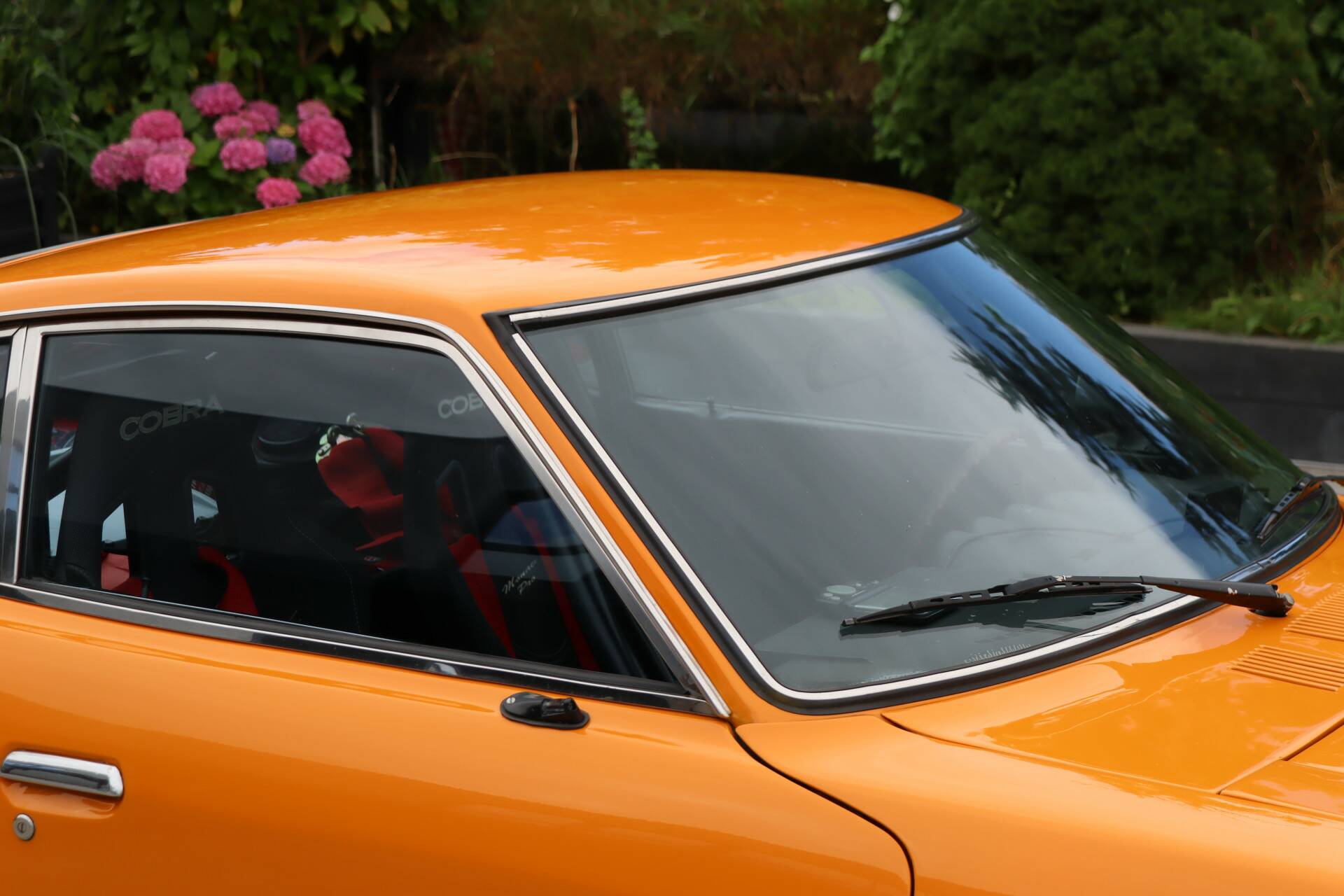
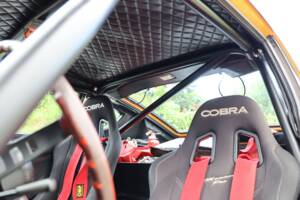
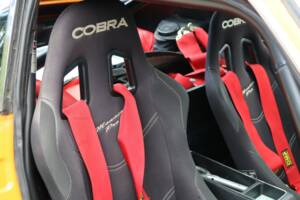
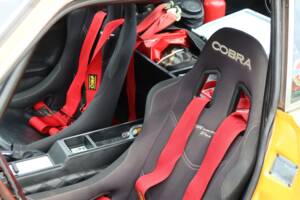
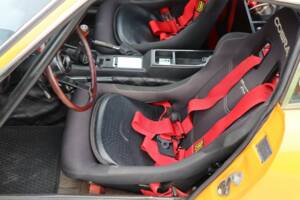
• Cobra bucket seats
• Well-maintained (invoices available)
HISTORY/DOCUMENTATION
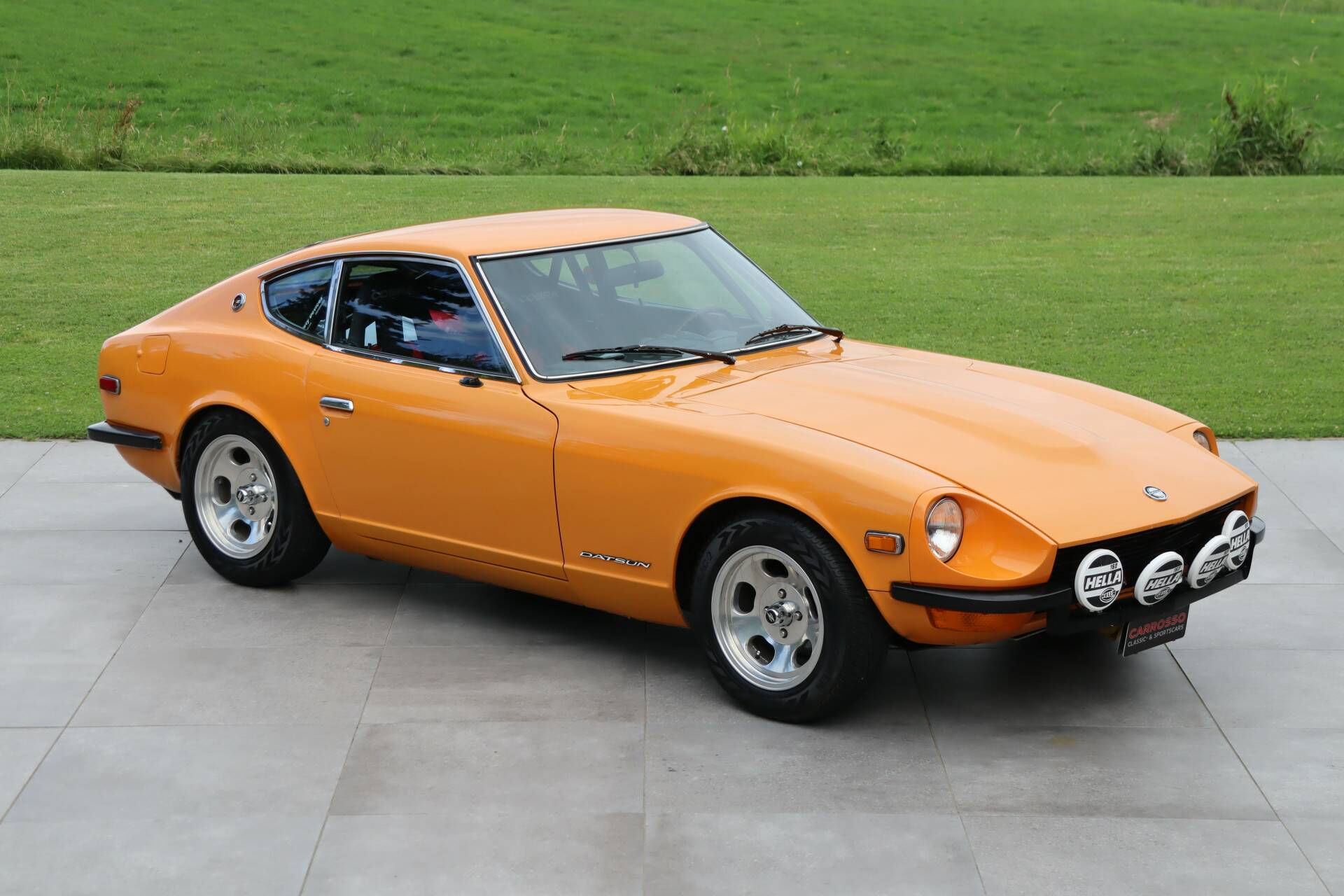
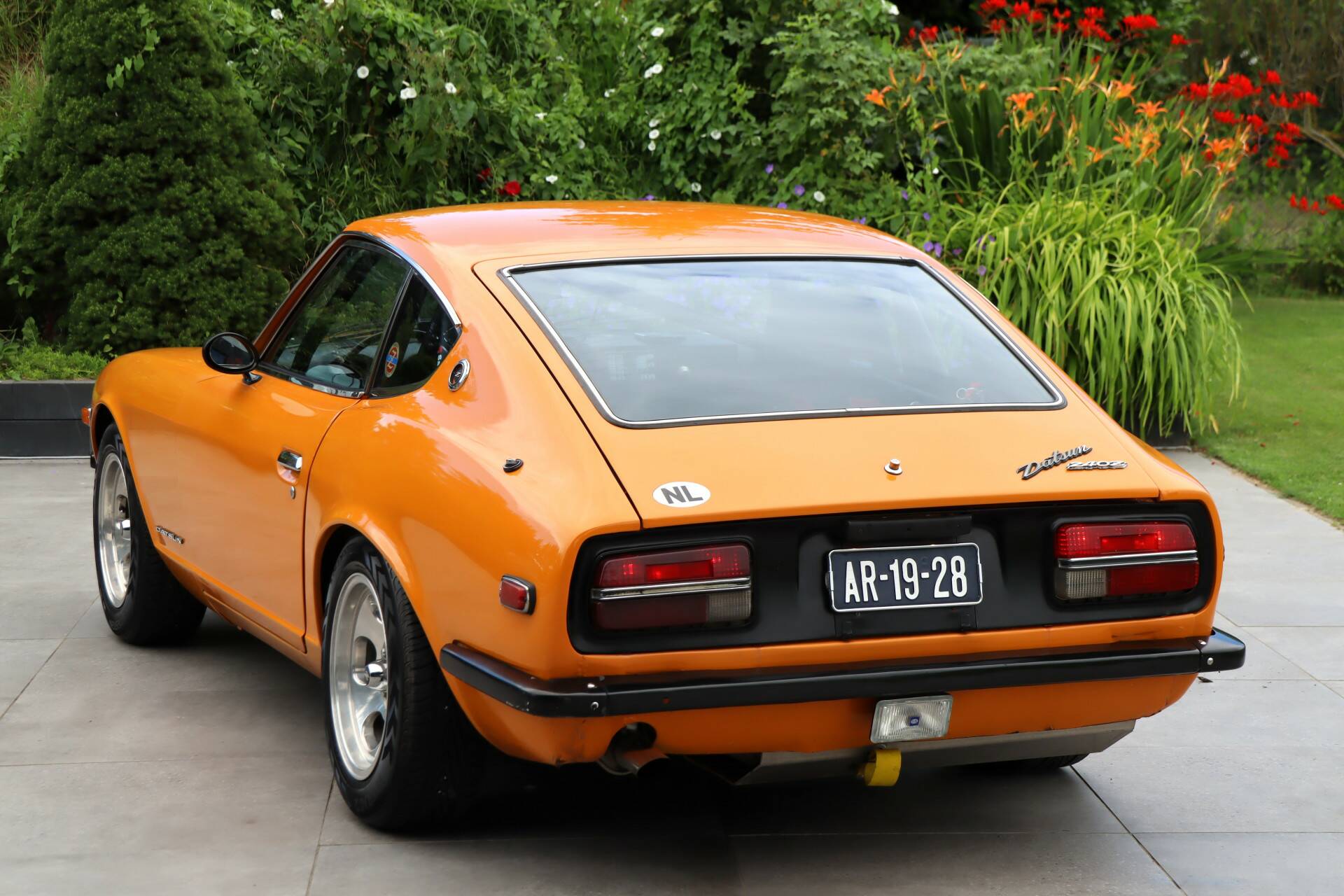
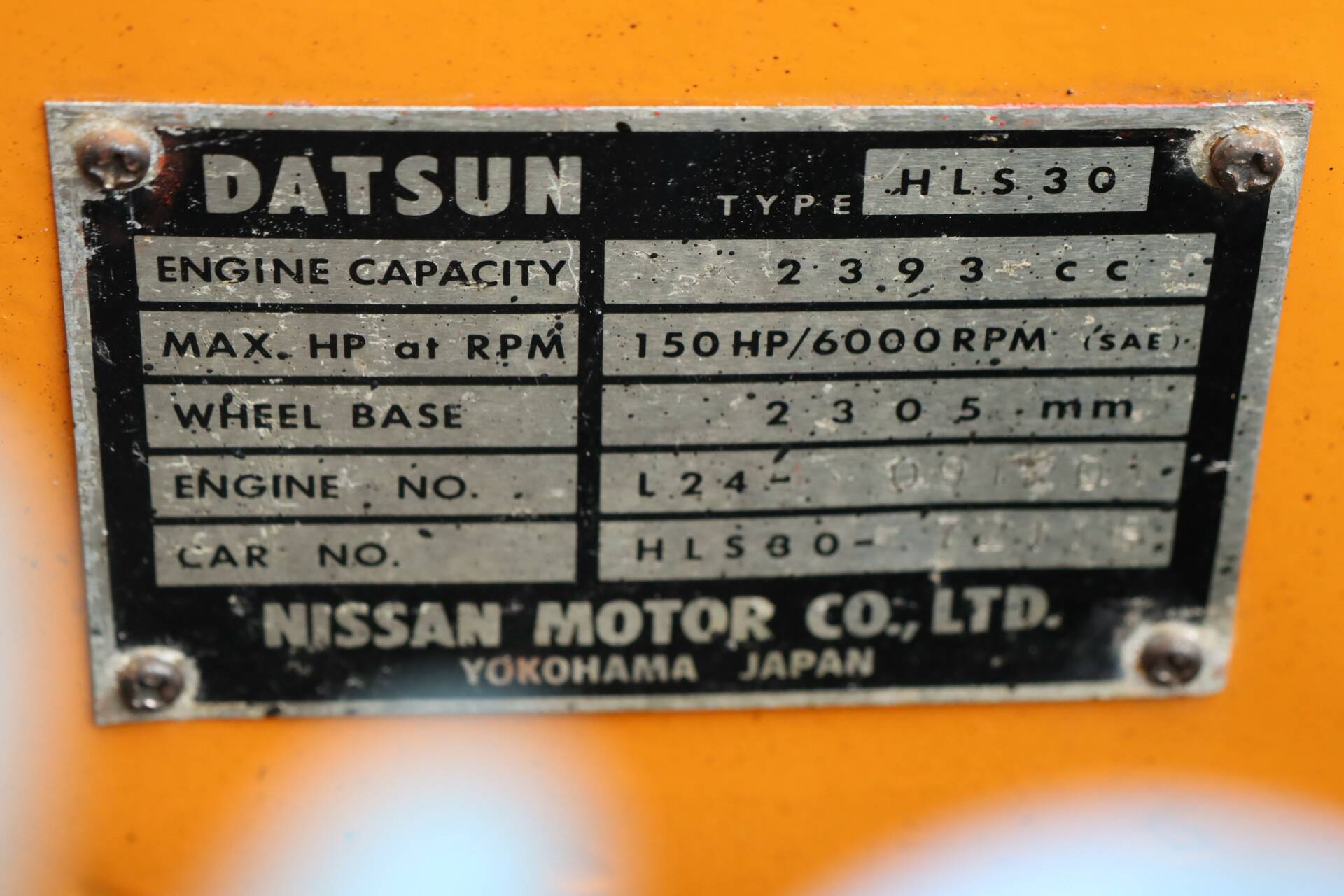
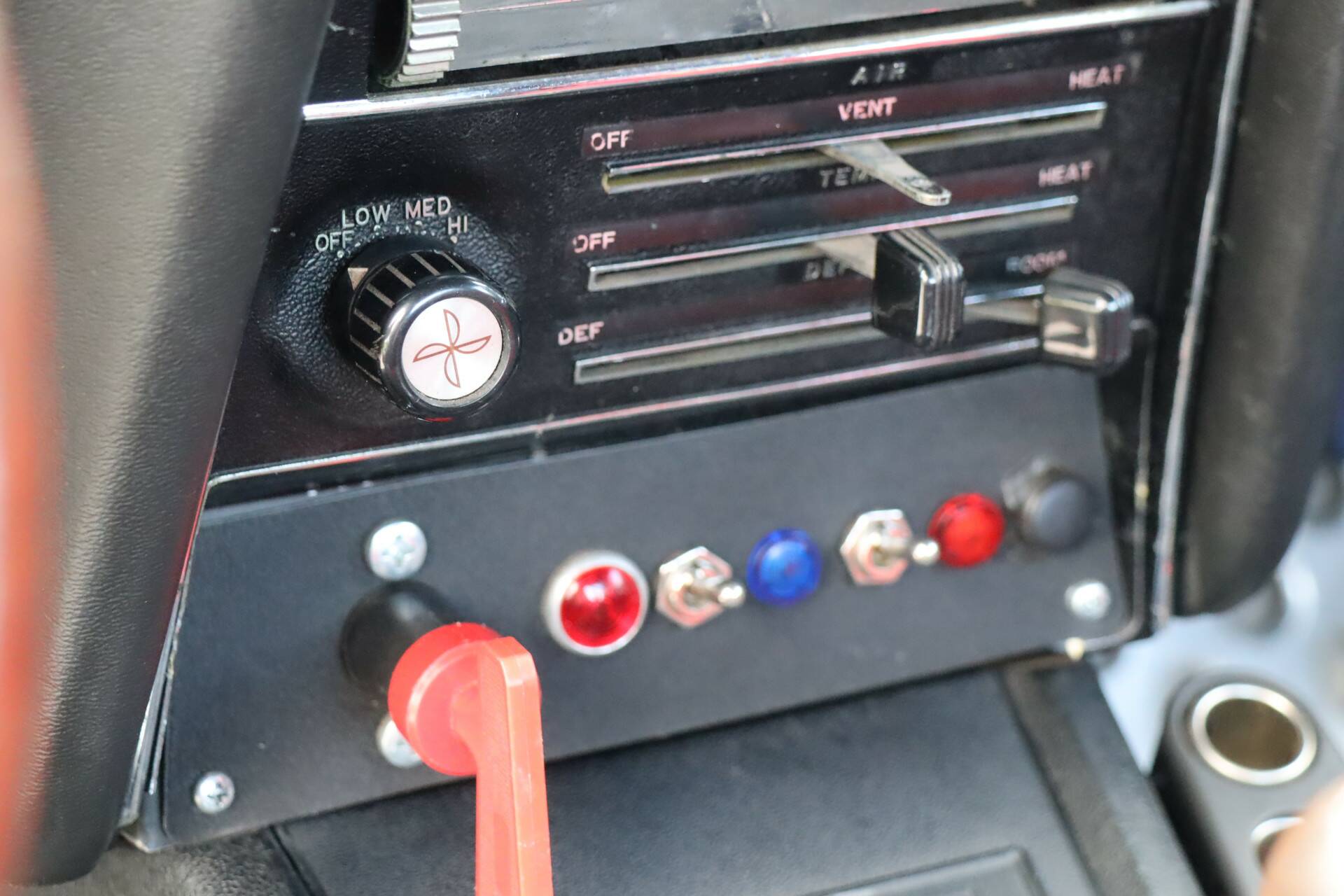
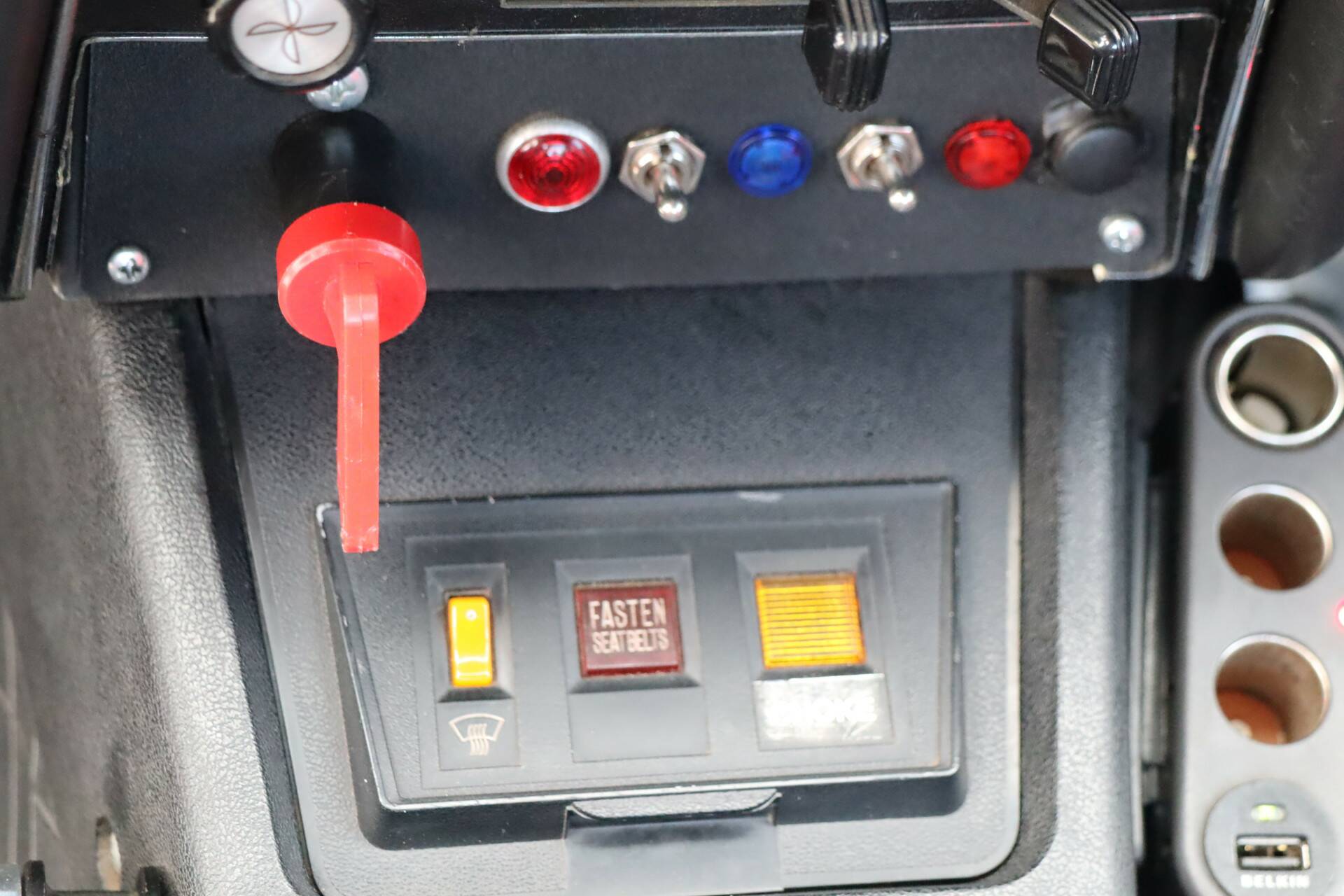
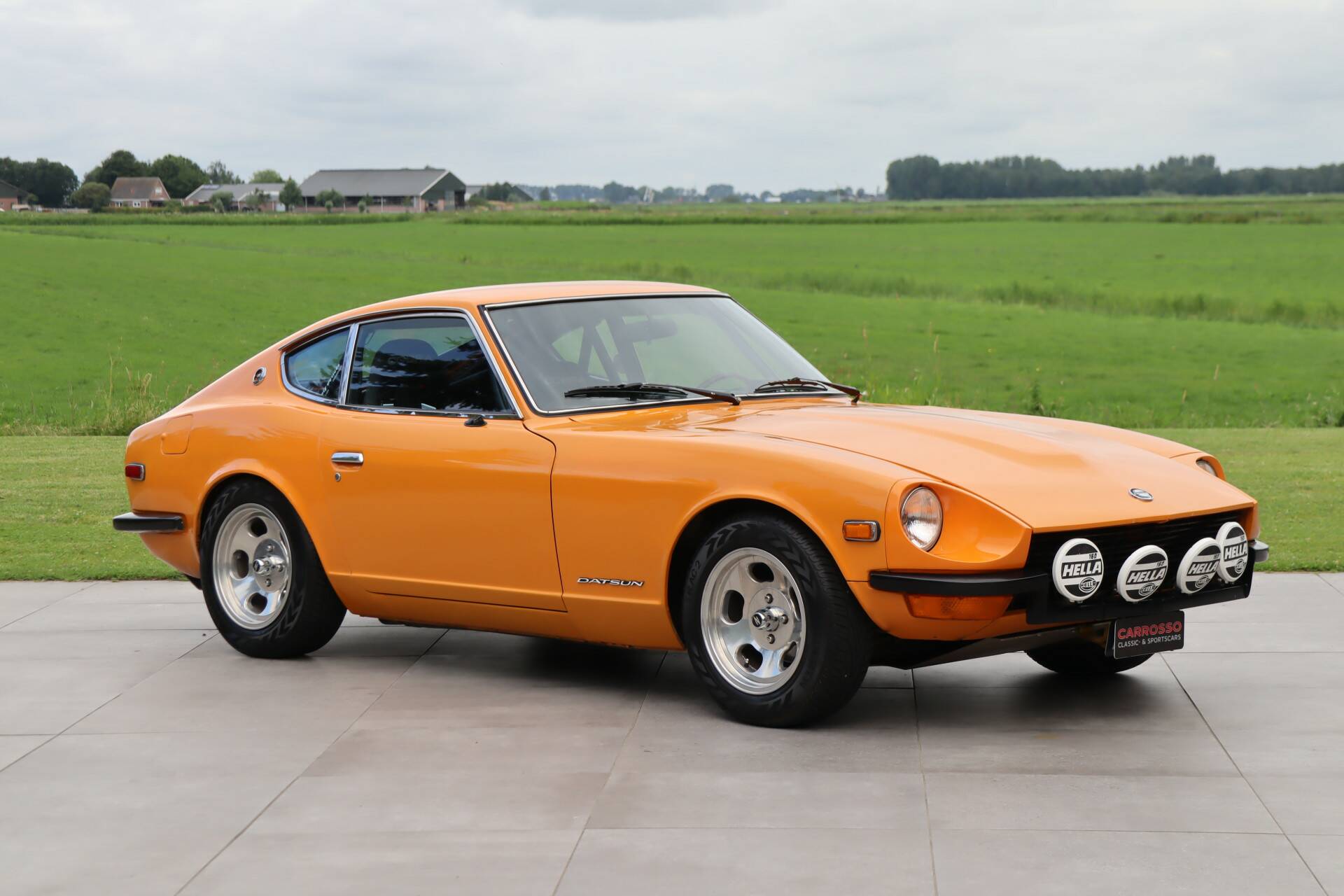
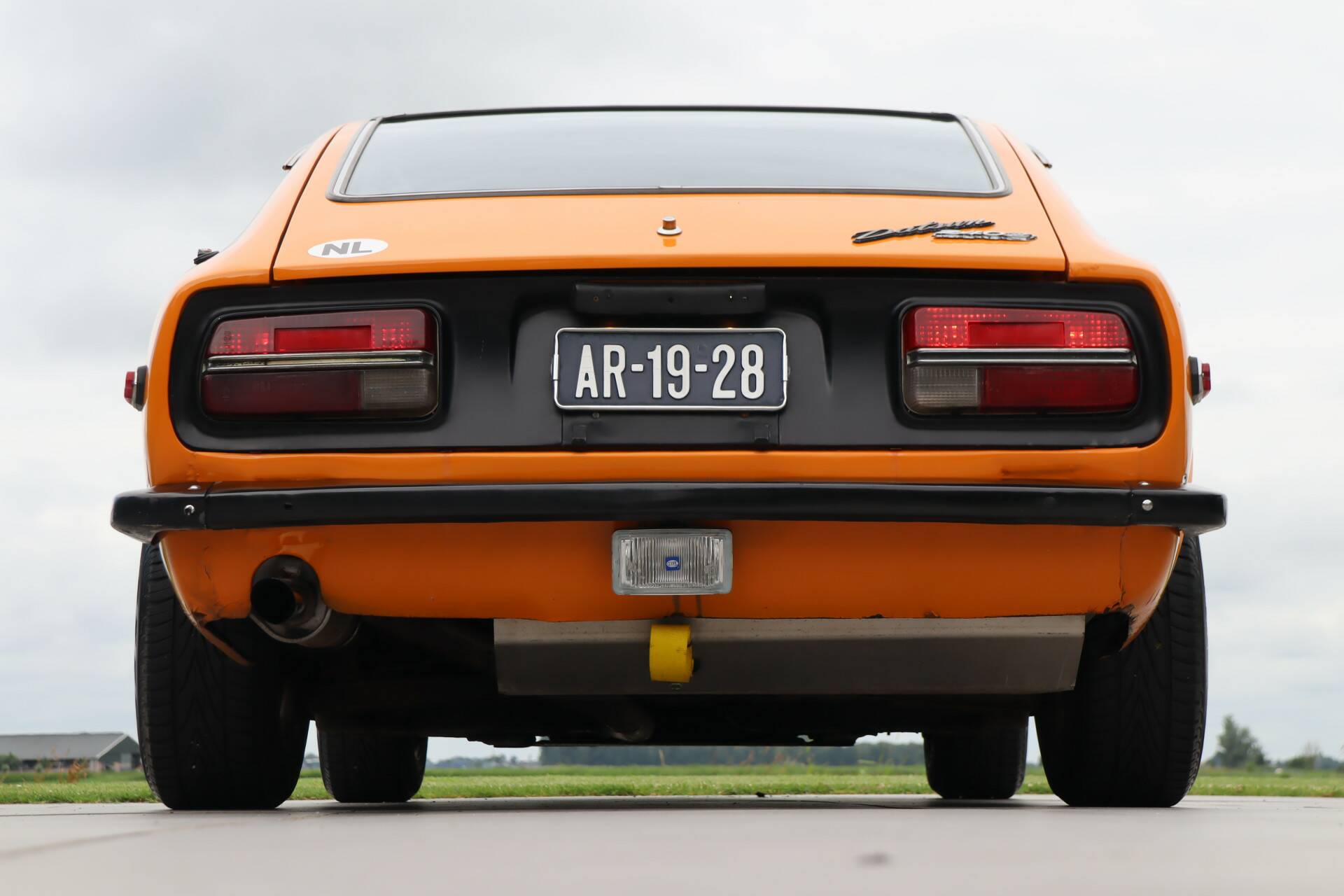
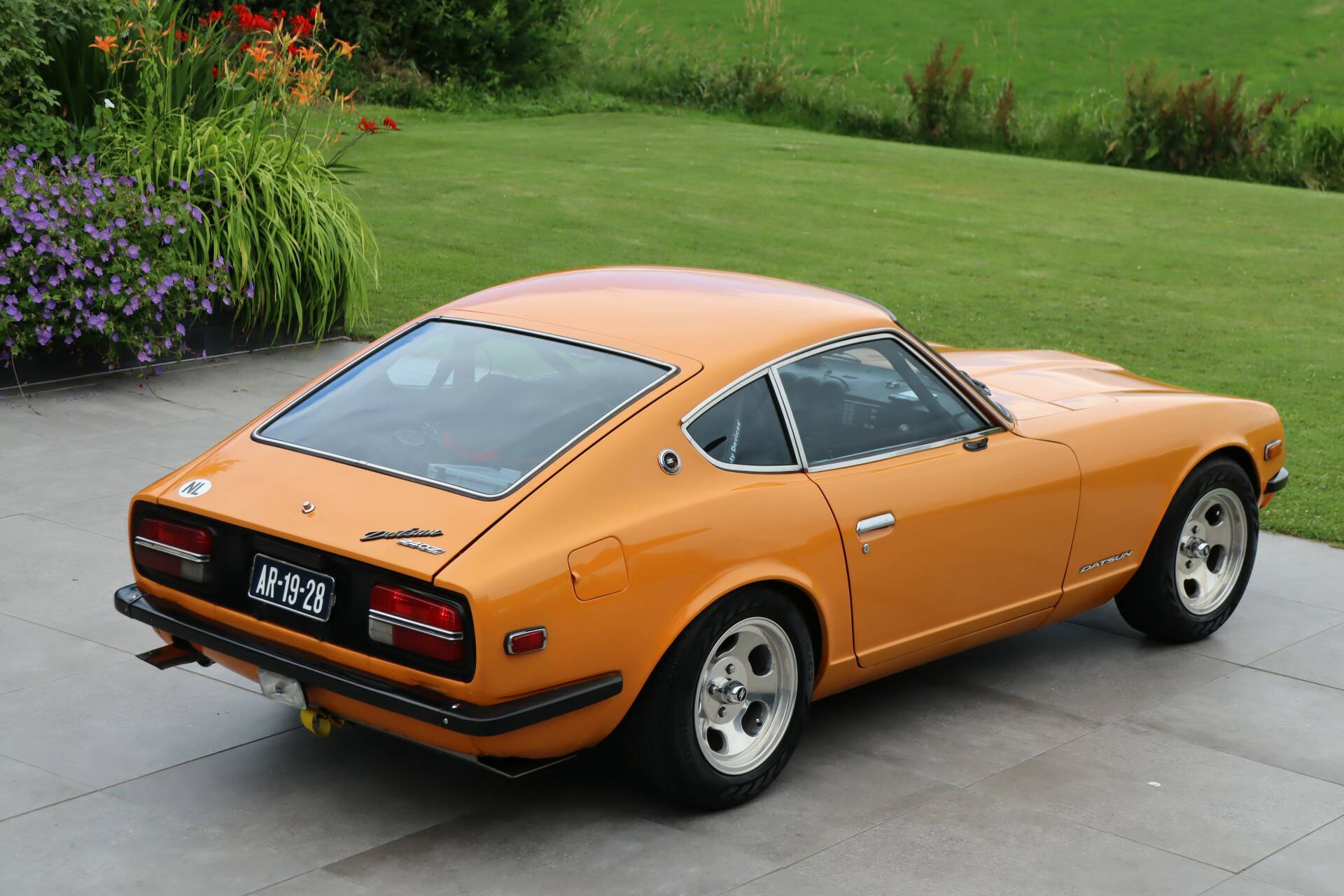
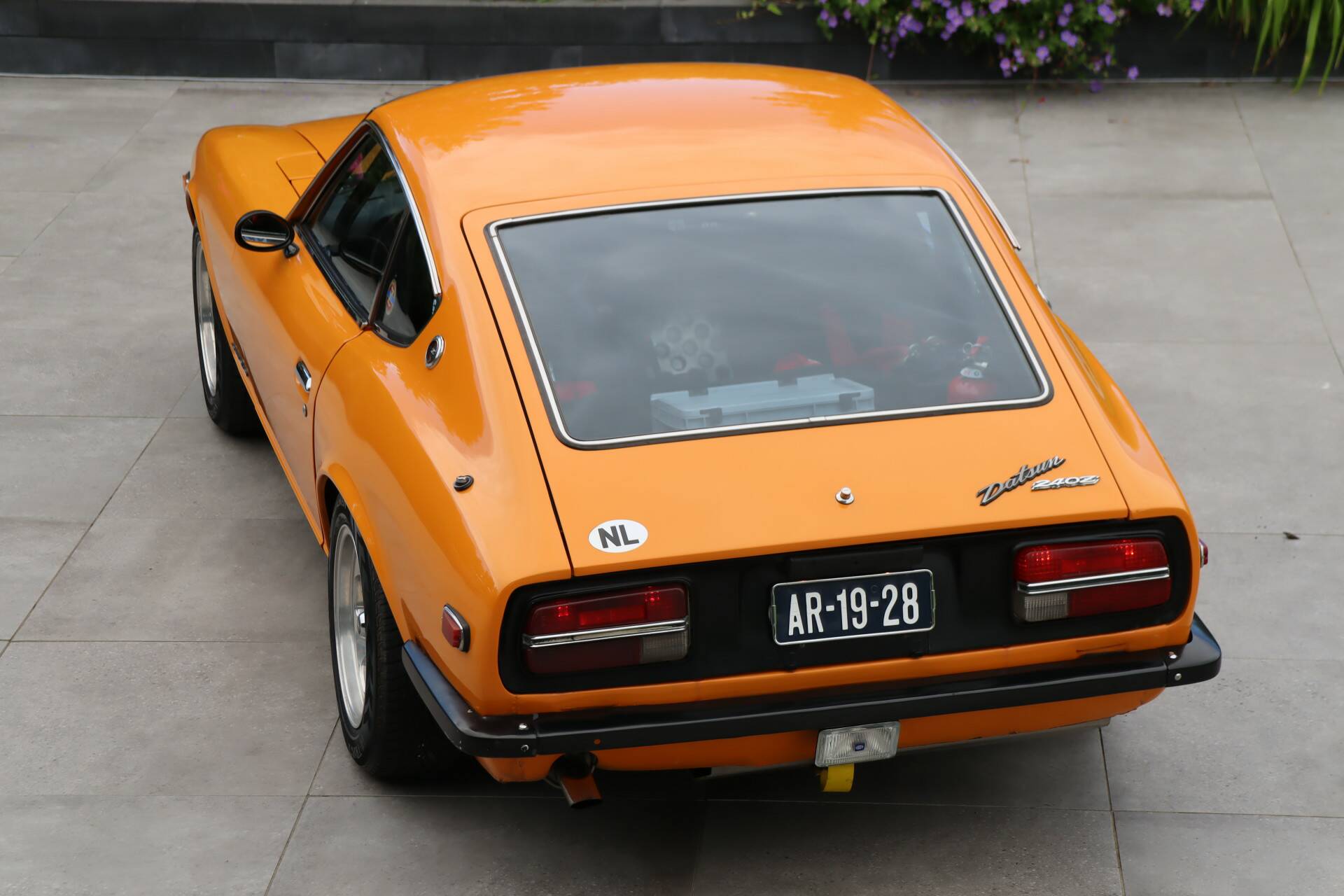
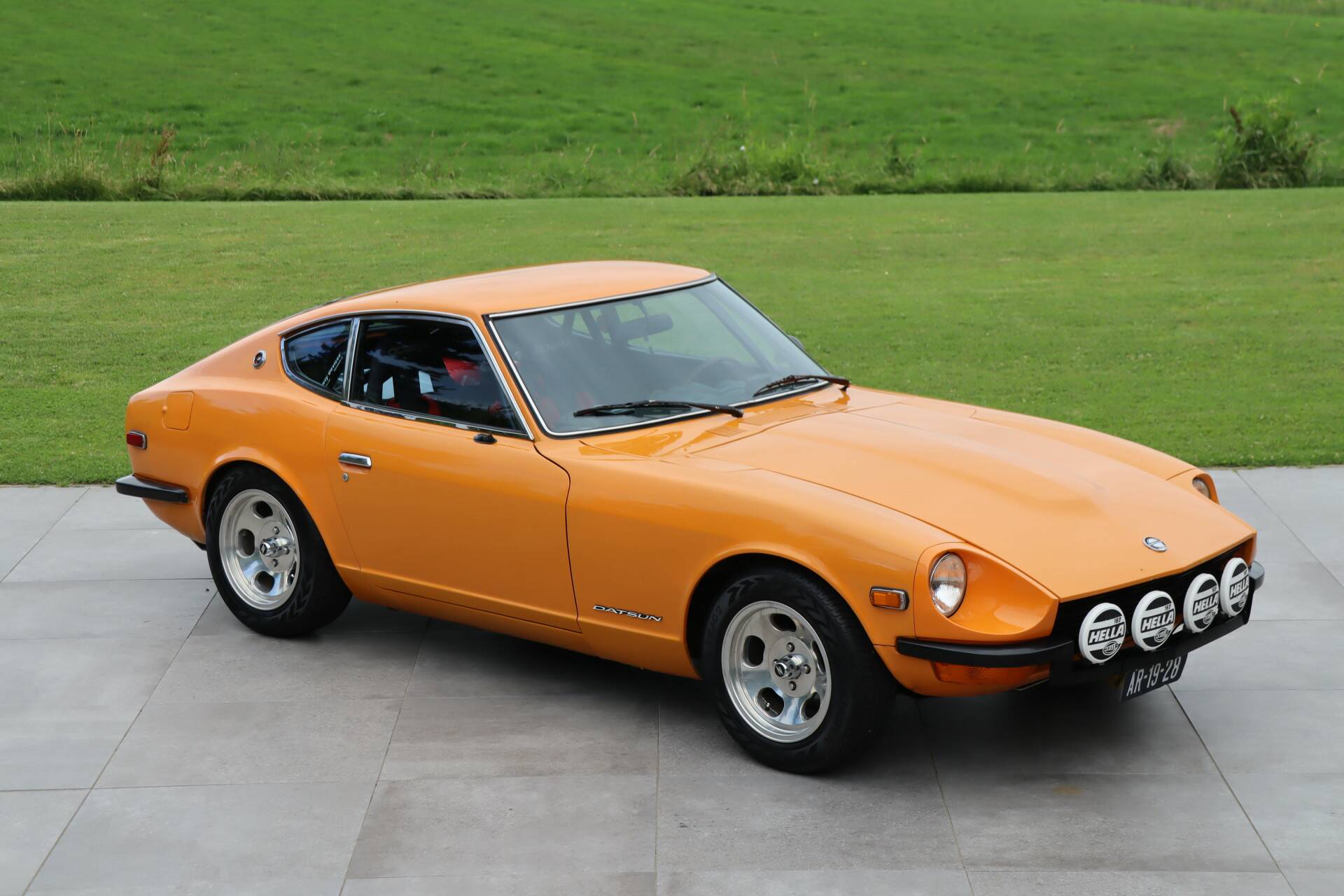
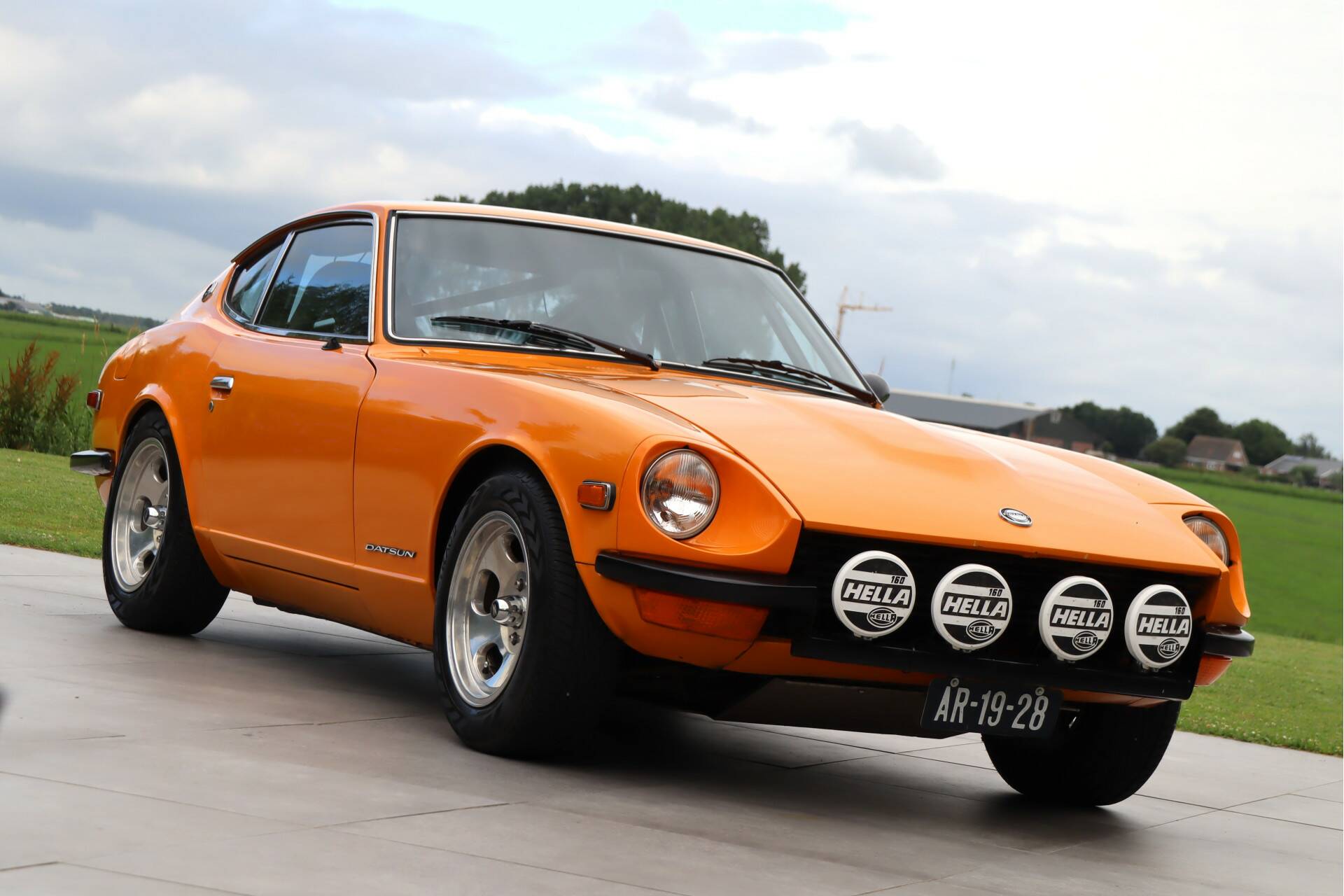
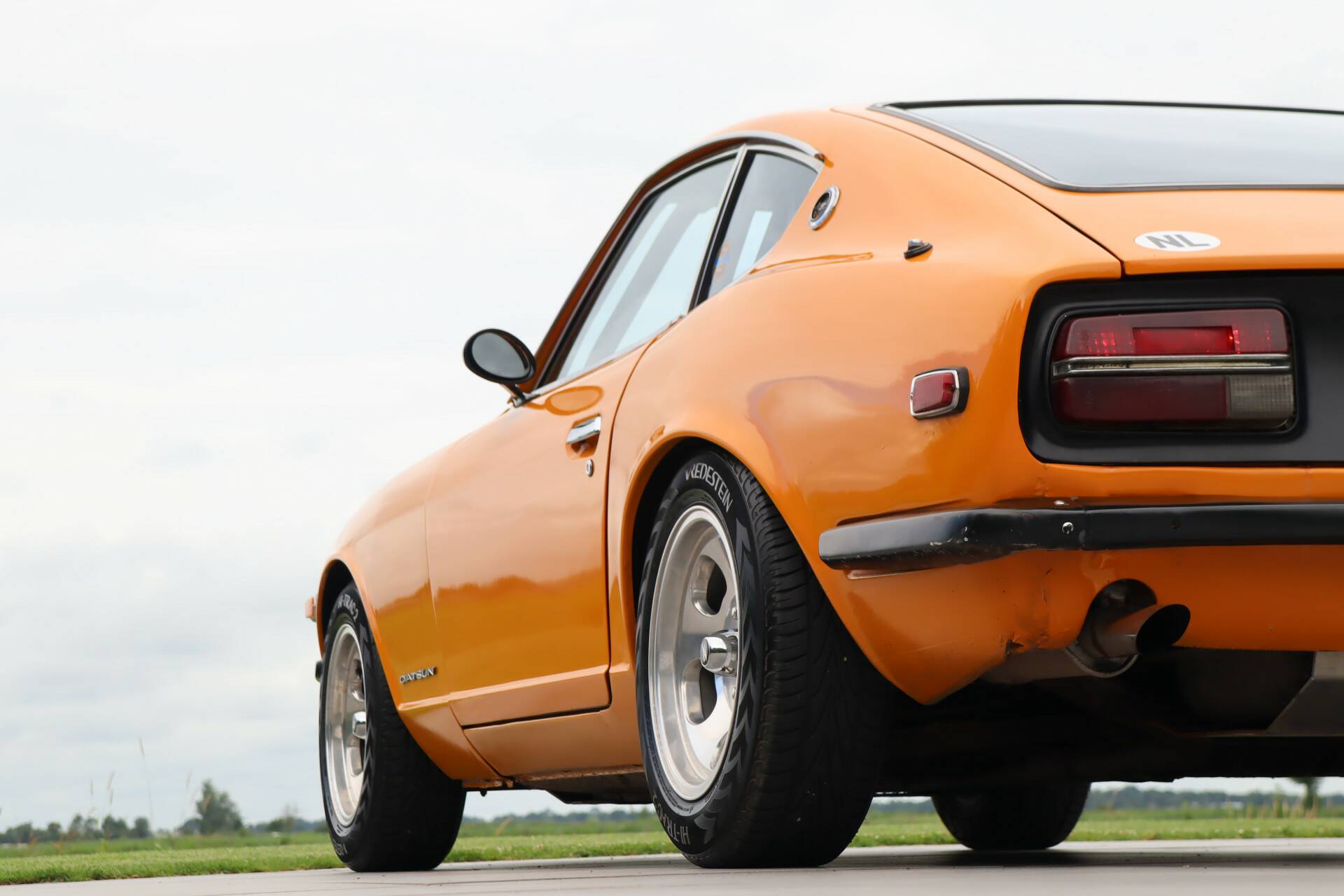
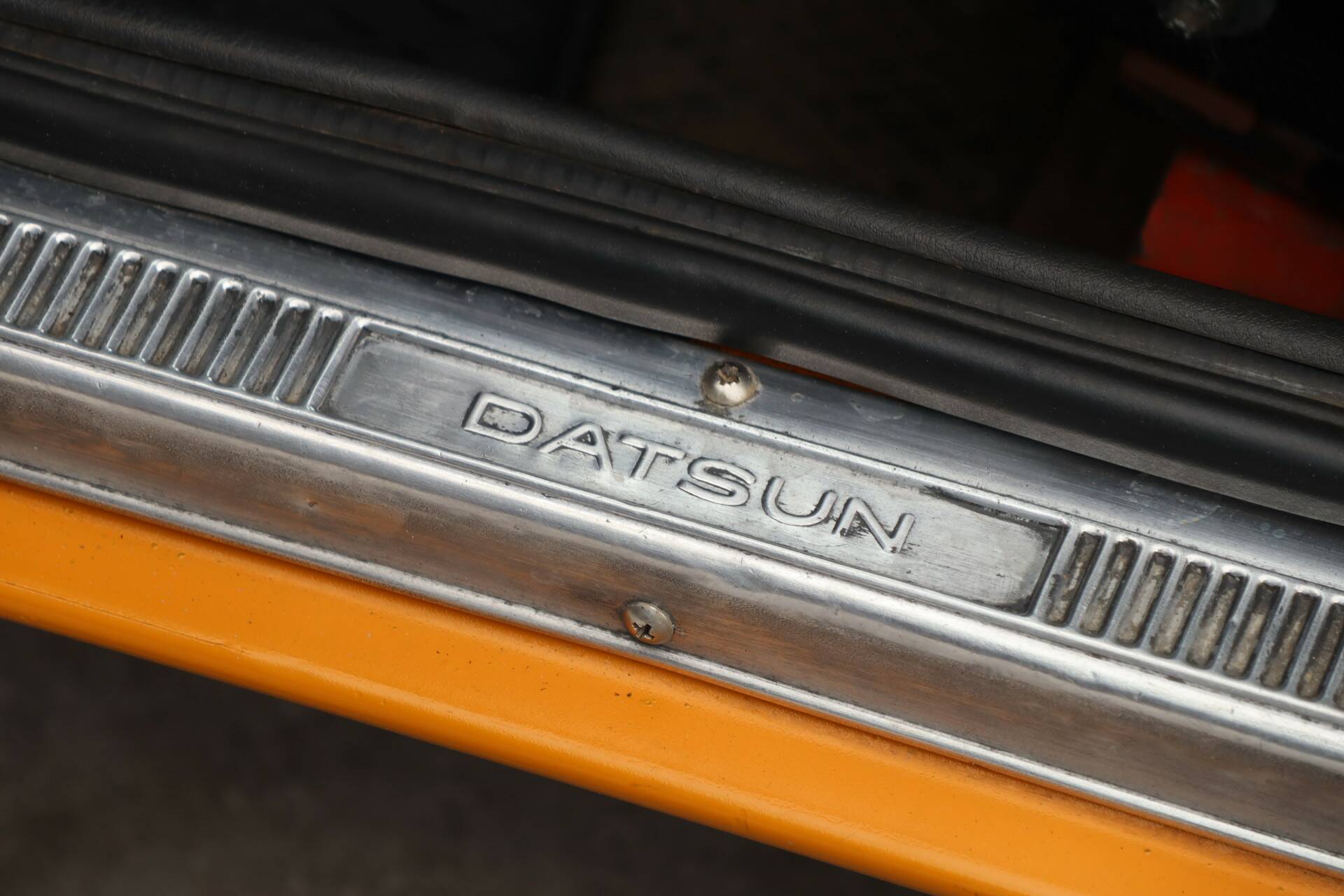
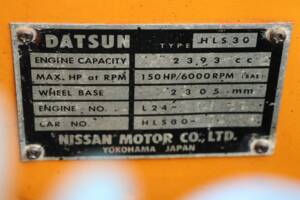
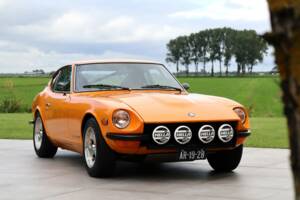
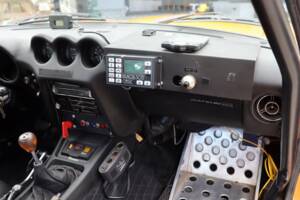
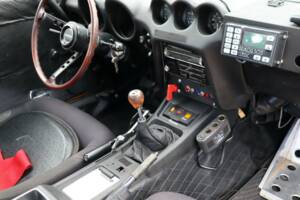
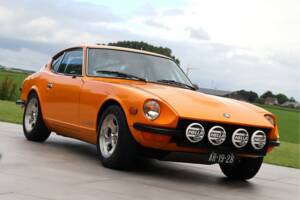
With the Z Series, Datsun brought an iconic car to the market. A fast and agile car with a delightful 6-cylinder engine, but also a comfortable GT. It’s therefore no surprise that the example we’re offering has been upgraded and modified for rally driving and/or long trips. This car is a true mile-eater. It has been equipped with a rally trip meter, bucket seats, a roll cage, Hella spotlights, and a ground switch. This example, with type code HLS30, was produced in August 1971 and was originally delivered new in the United States. The chassis number is 40190, which means this is a Series II model. In 2011, the car was imported from the sunny climate of California to the Netherlands. The car has been well maintained, and extensive documentation is available. Due to its age, the car is exempt from road tax and is no longer subject to the APK inspection.
EXTERIOR
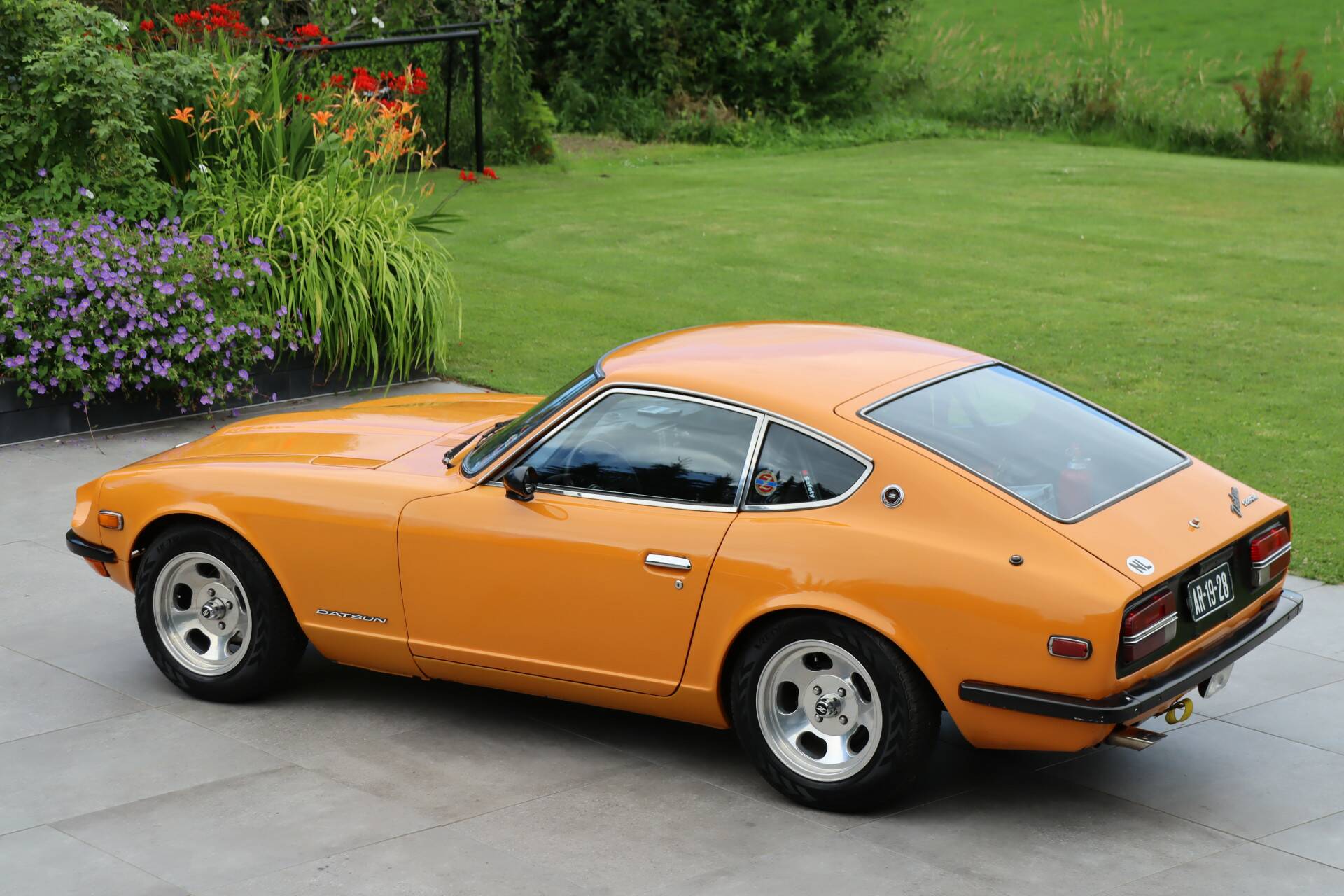
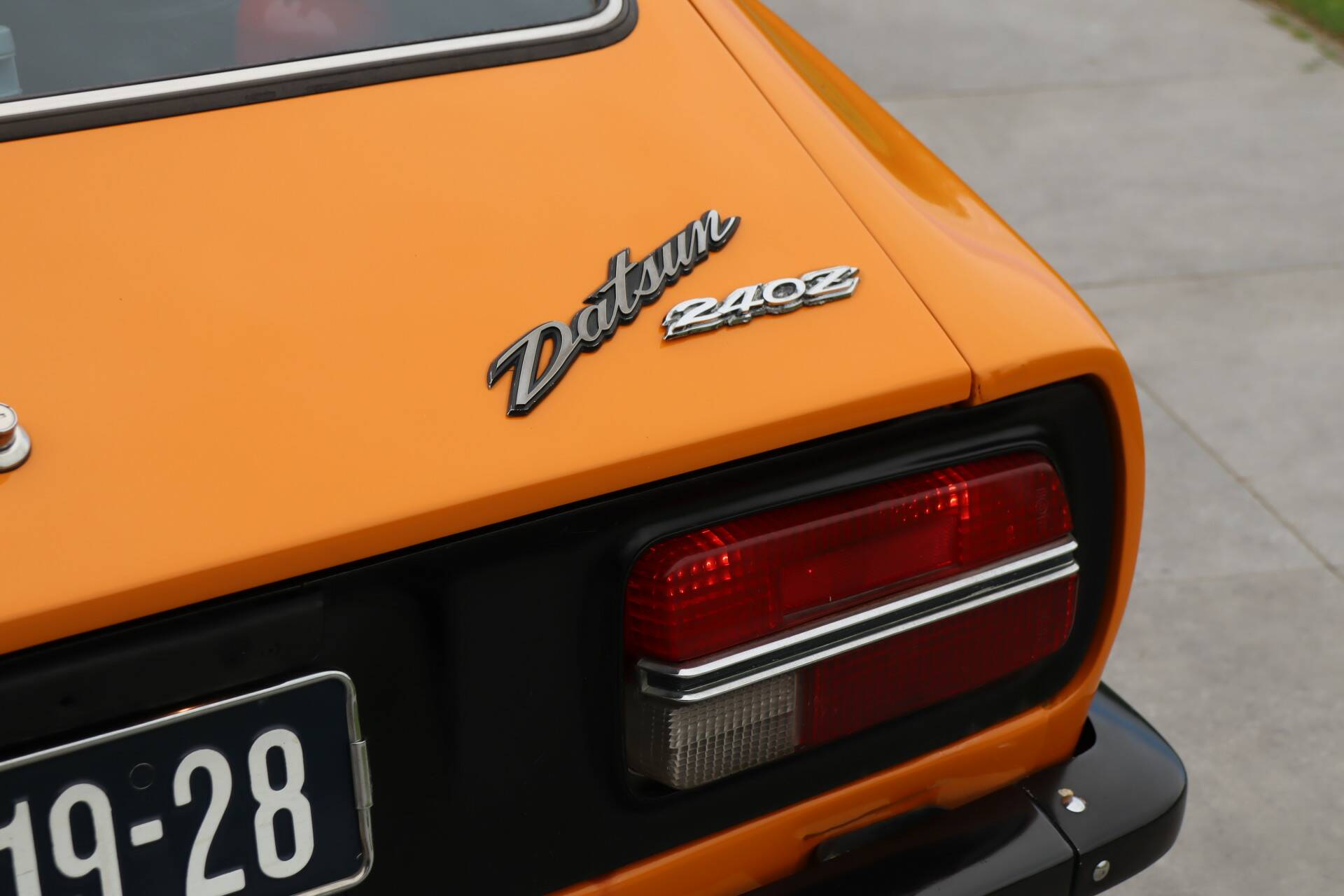
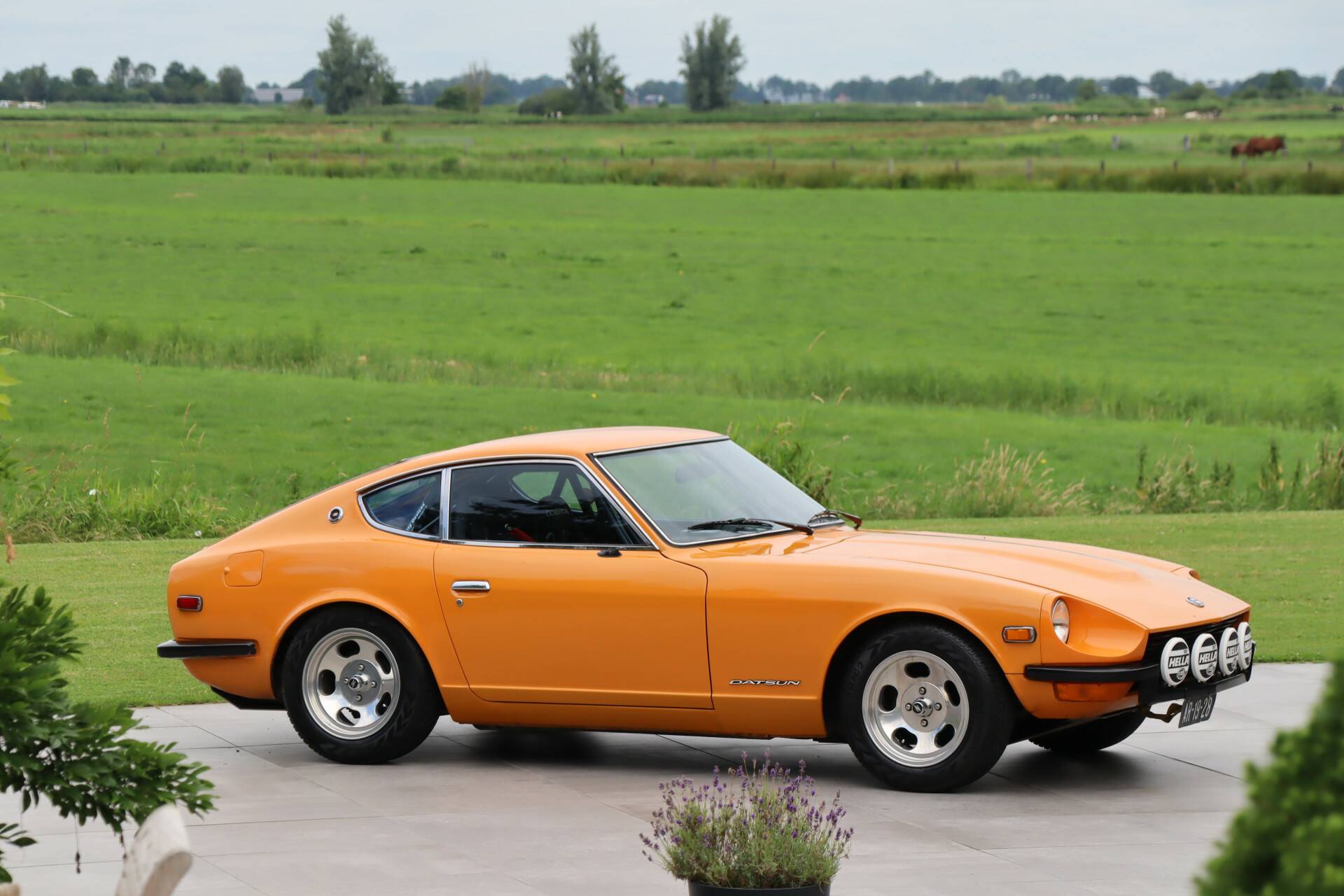
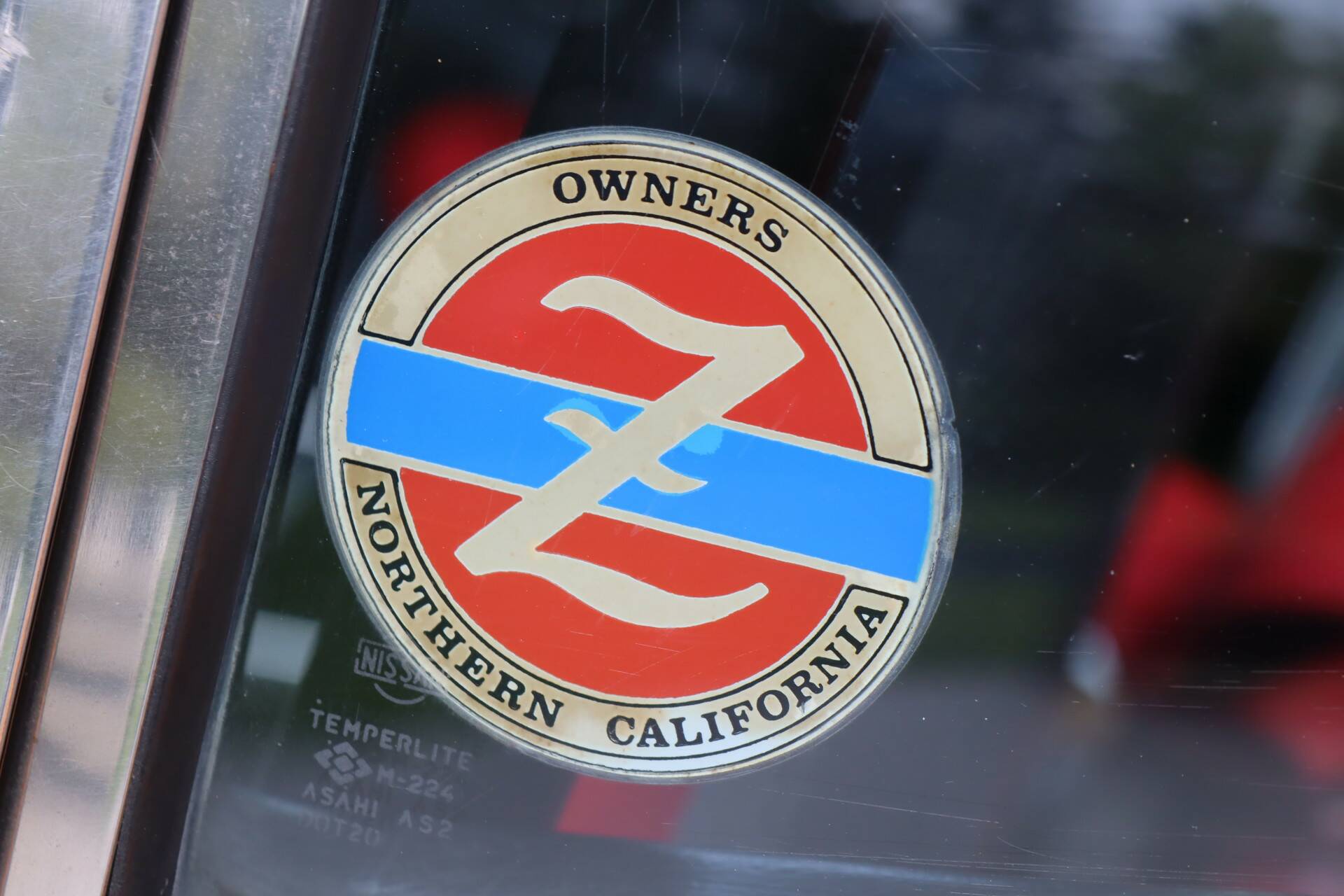
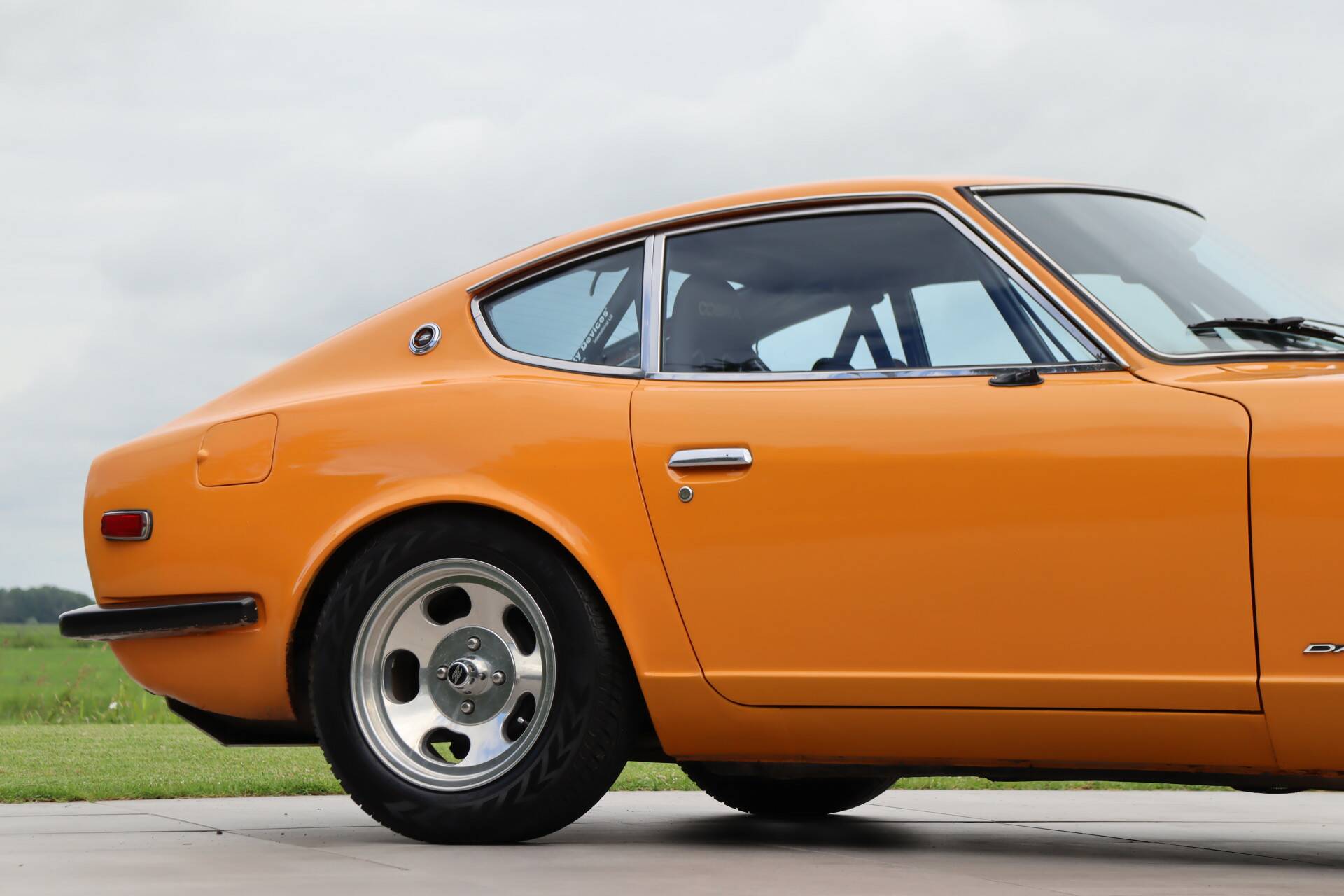
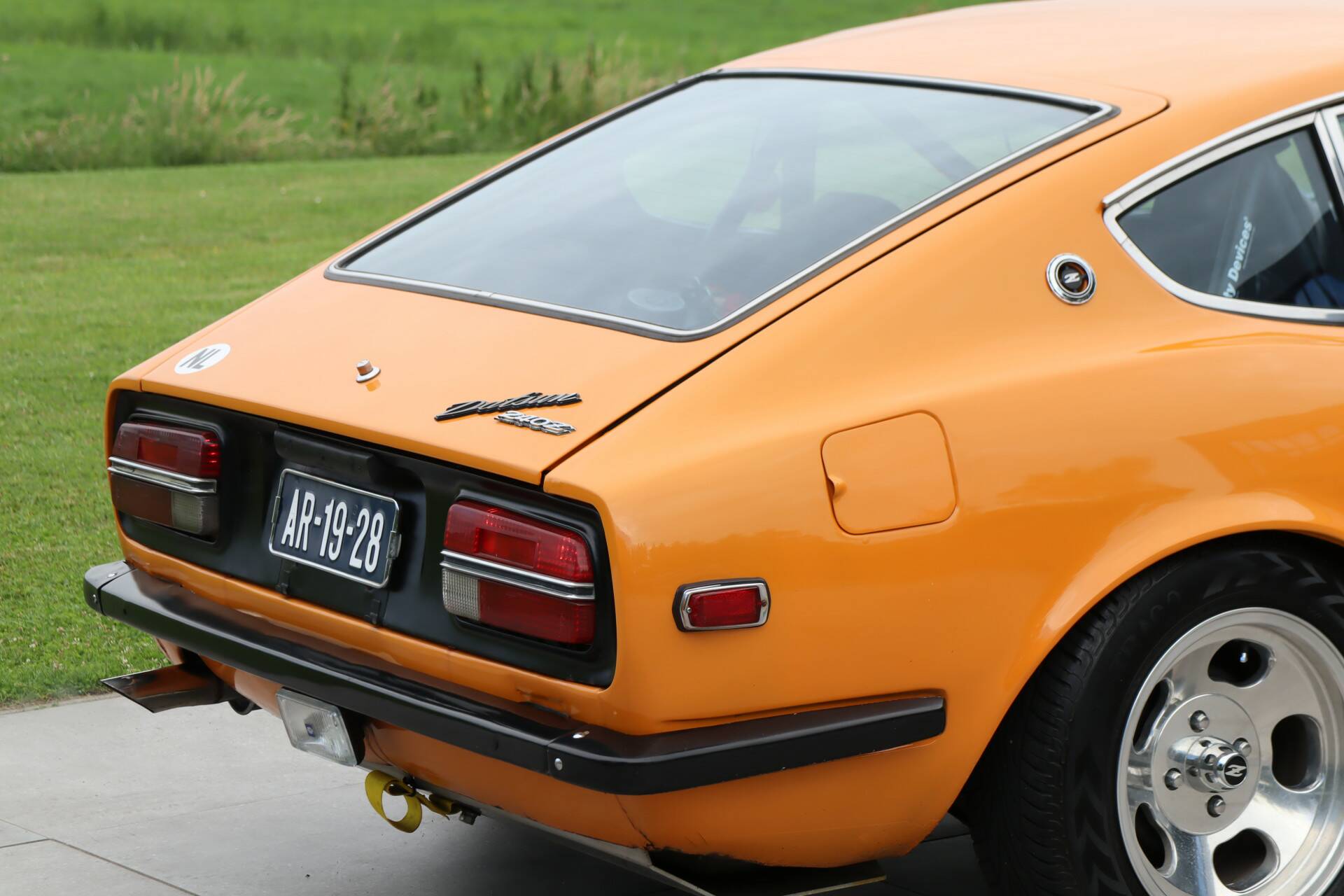
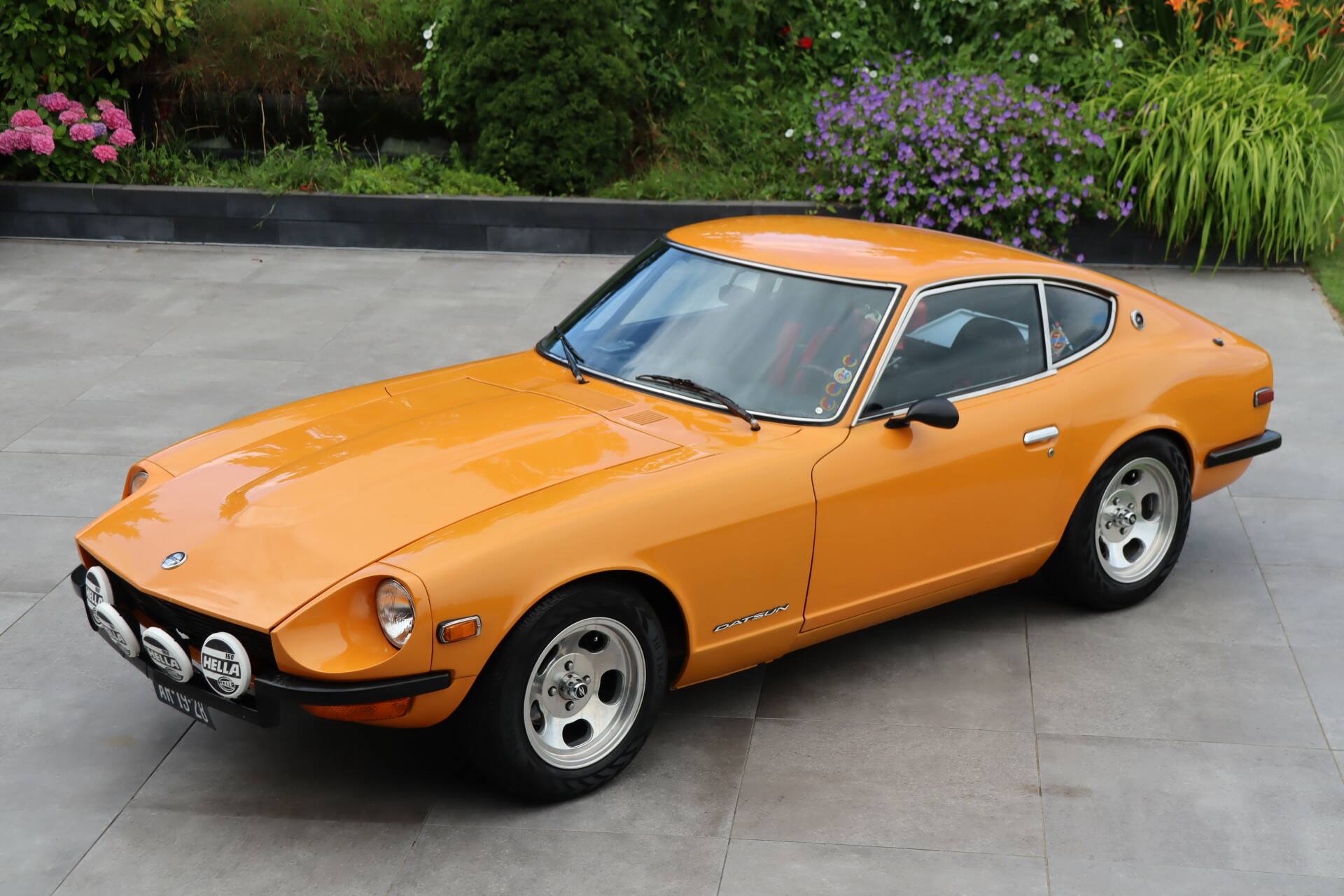
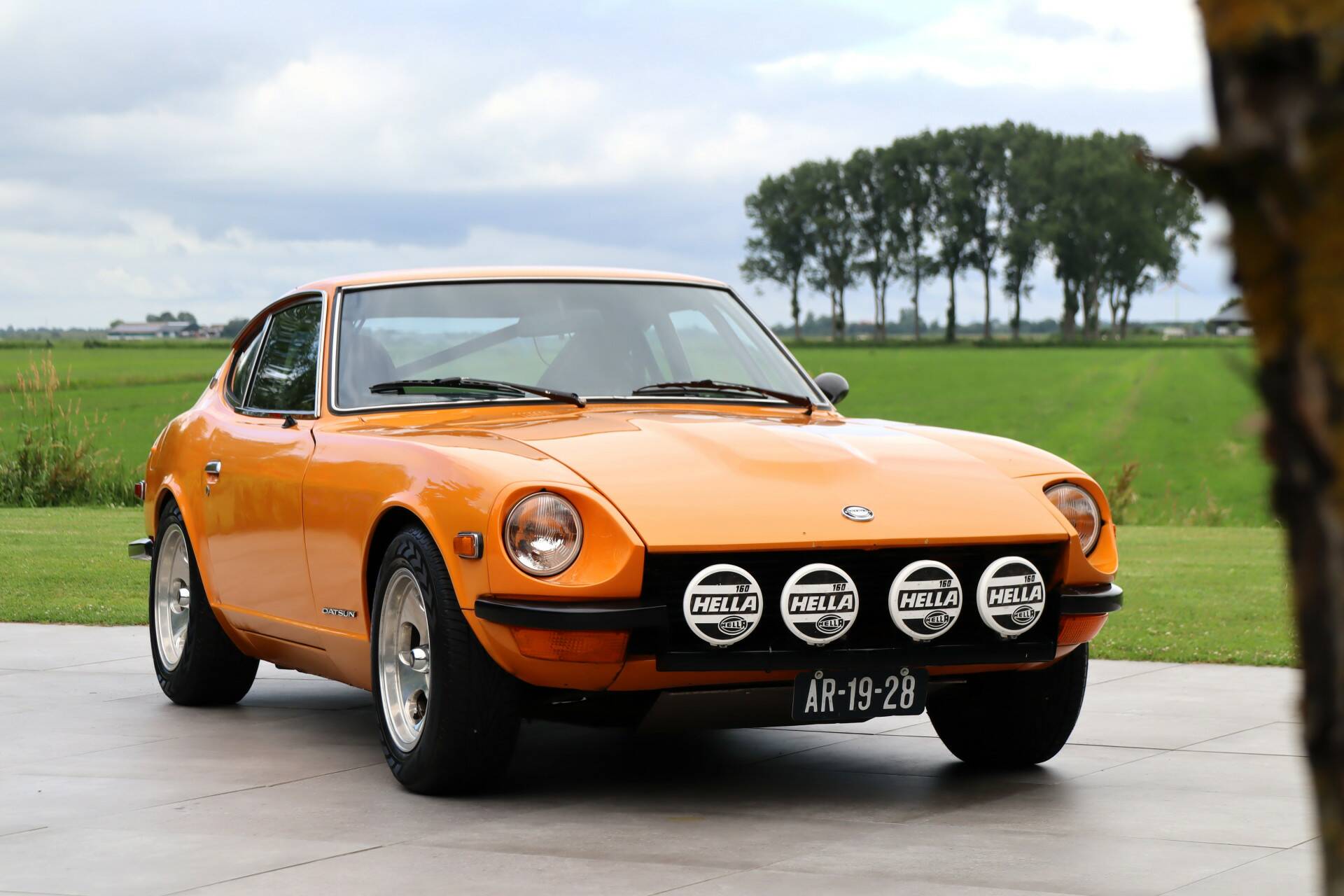
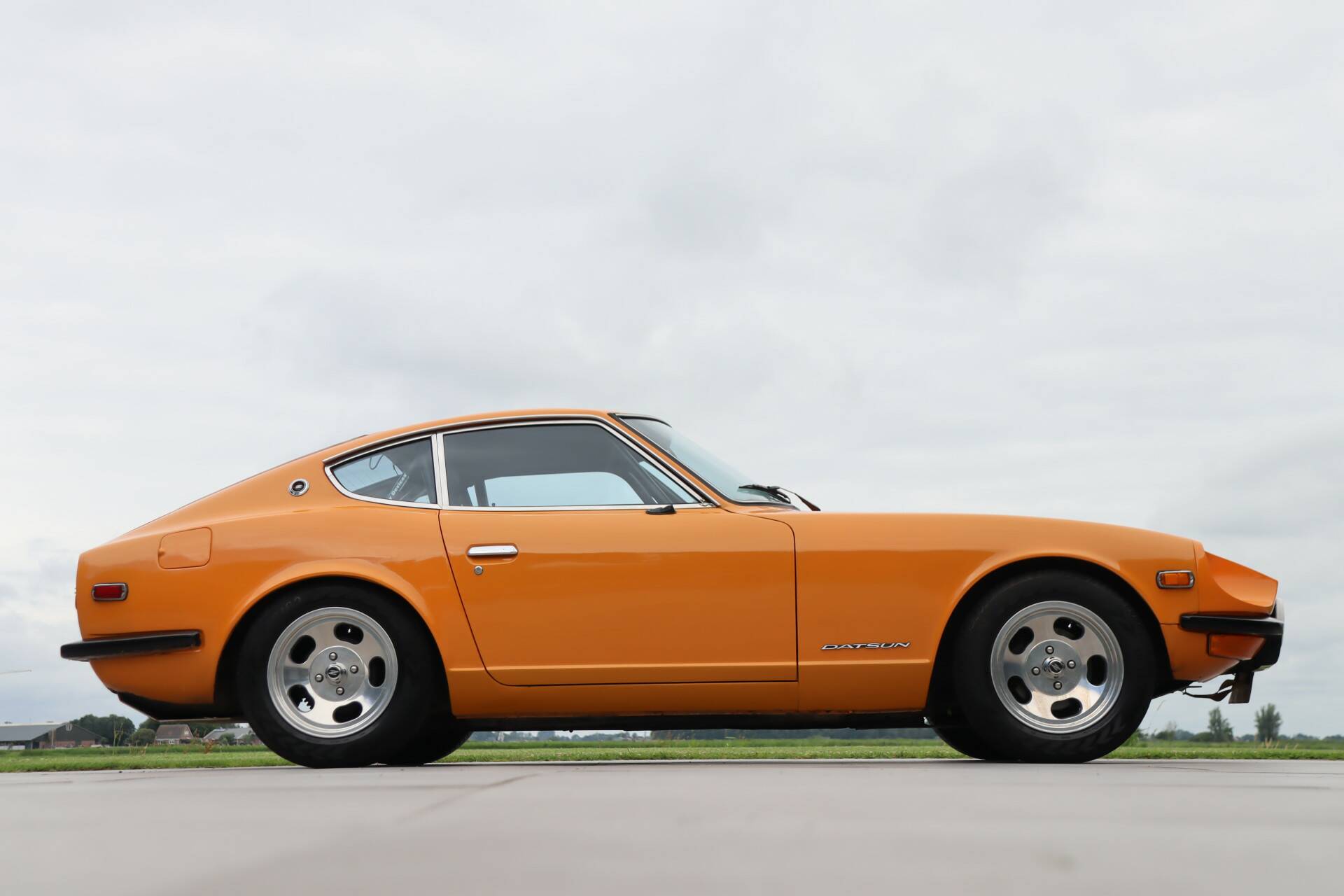
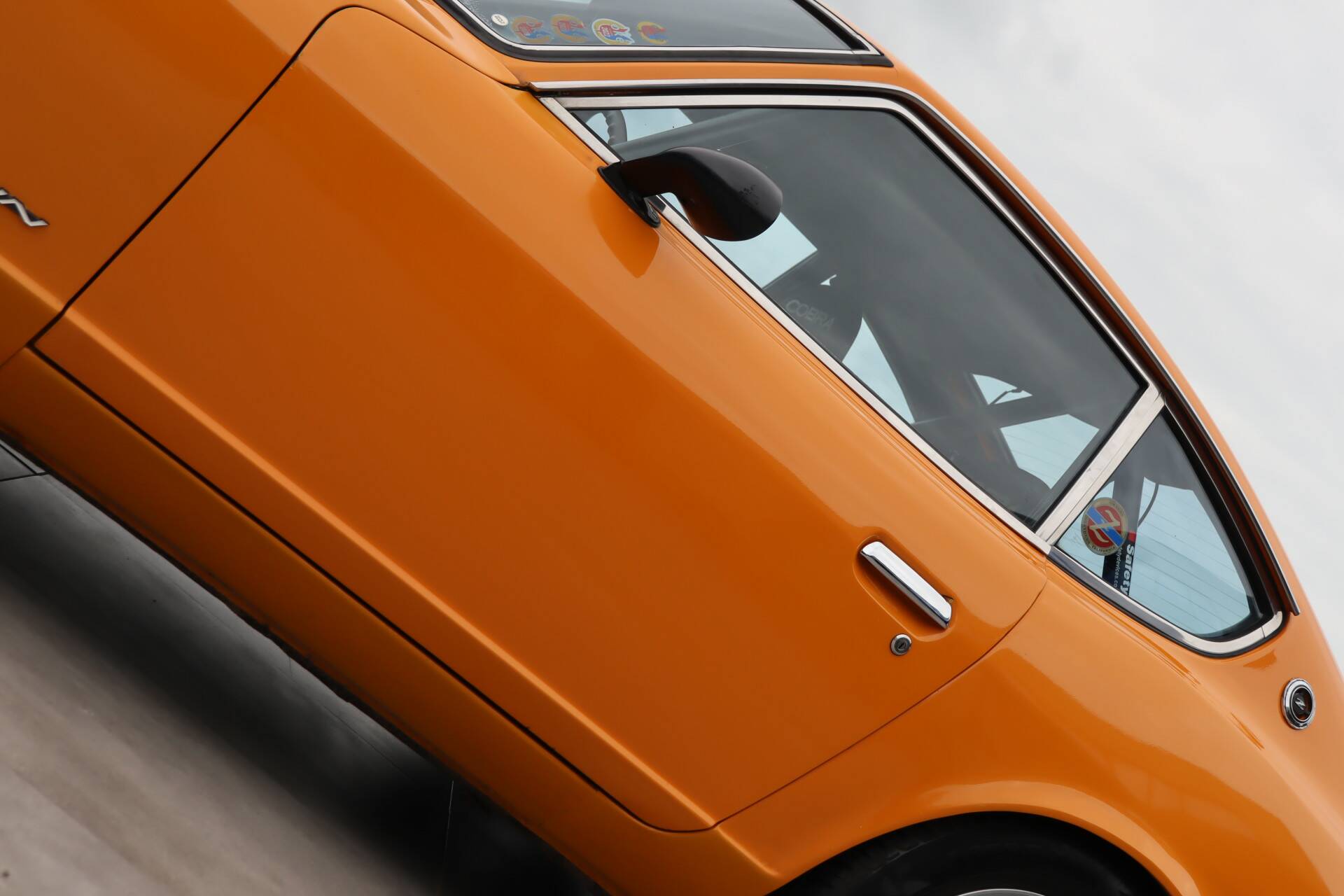
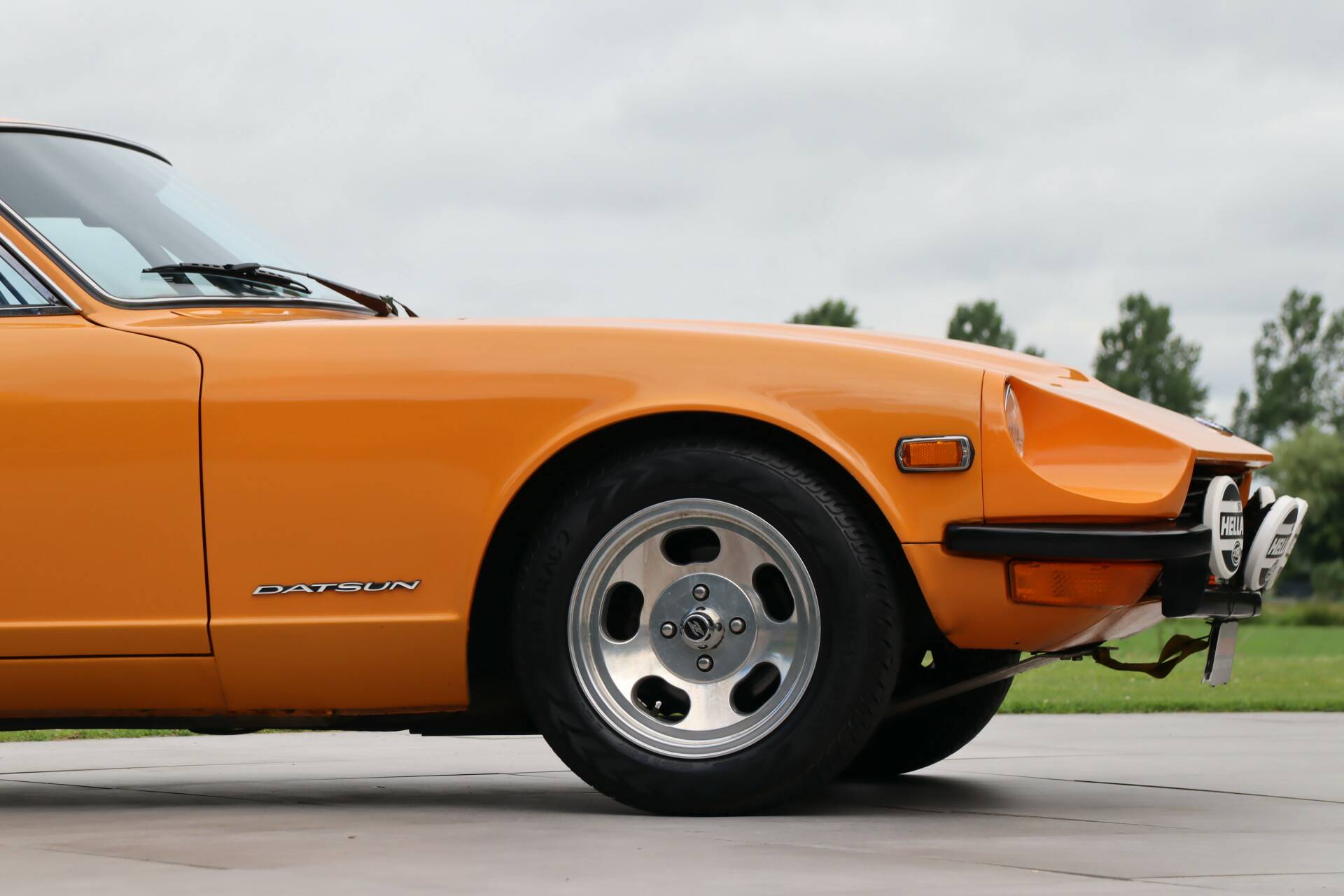
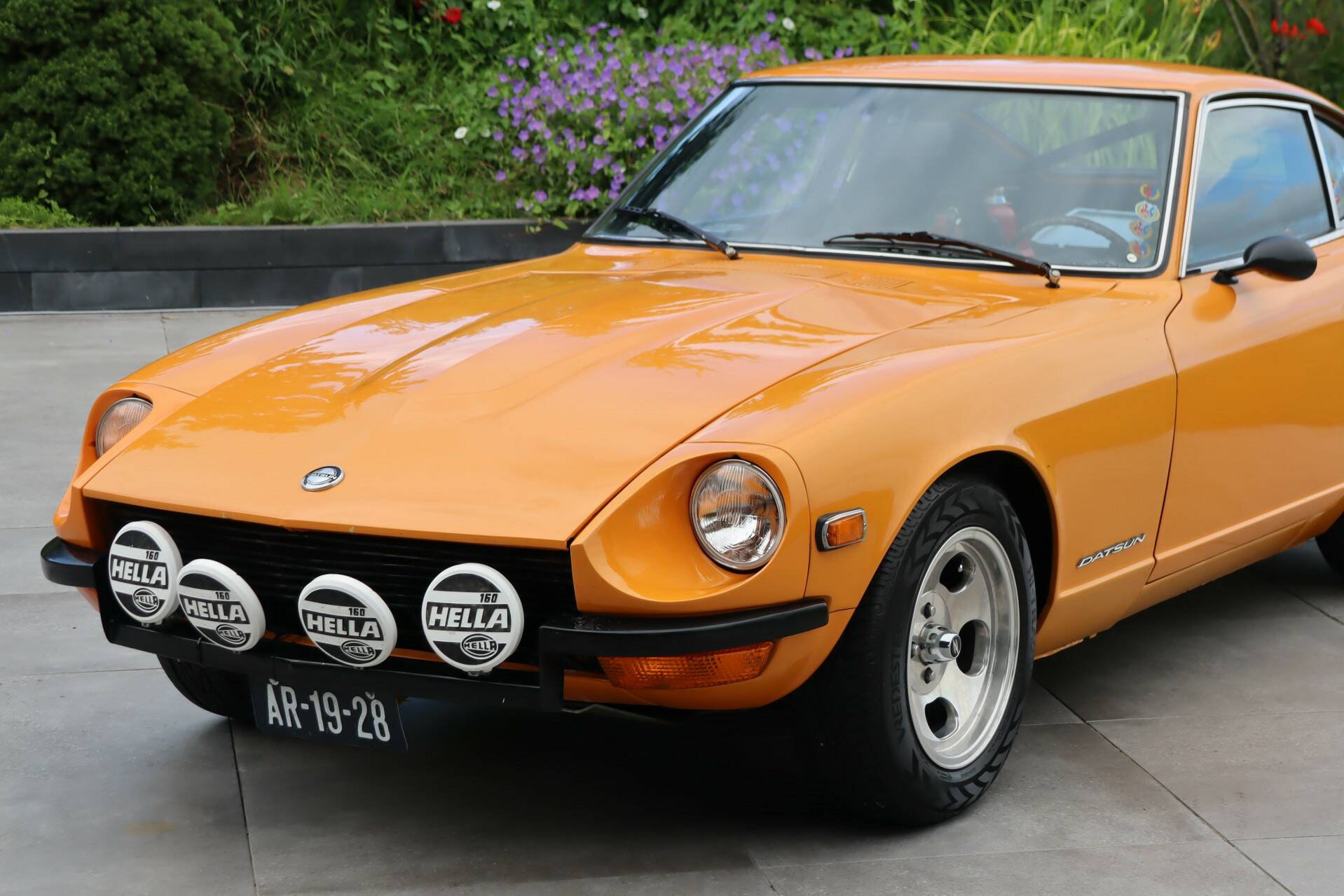
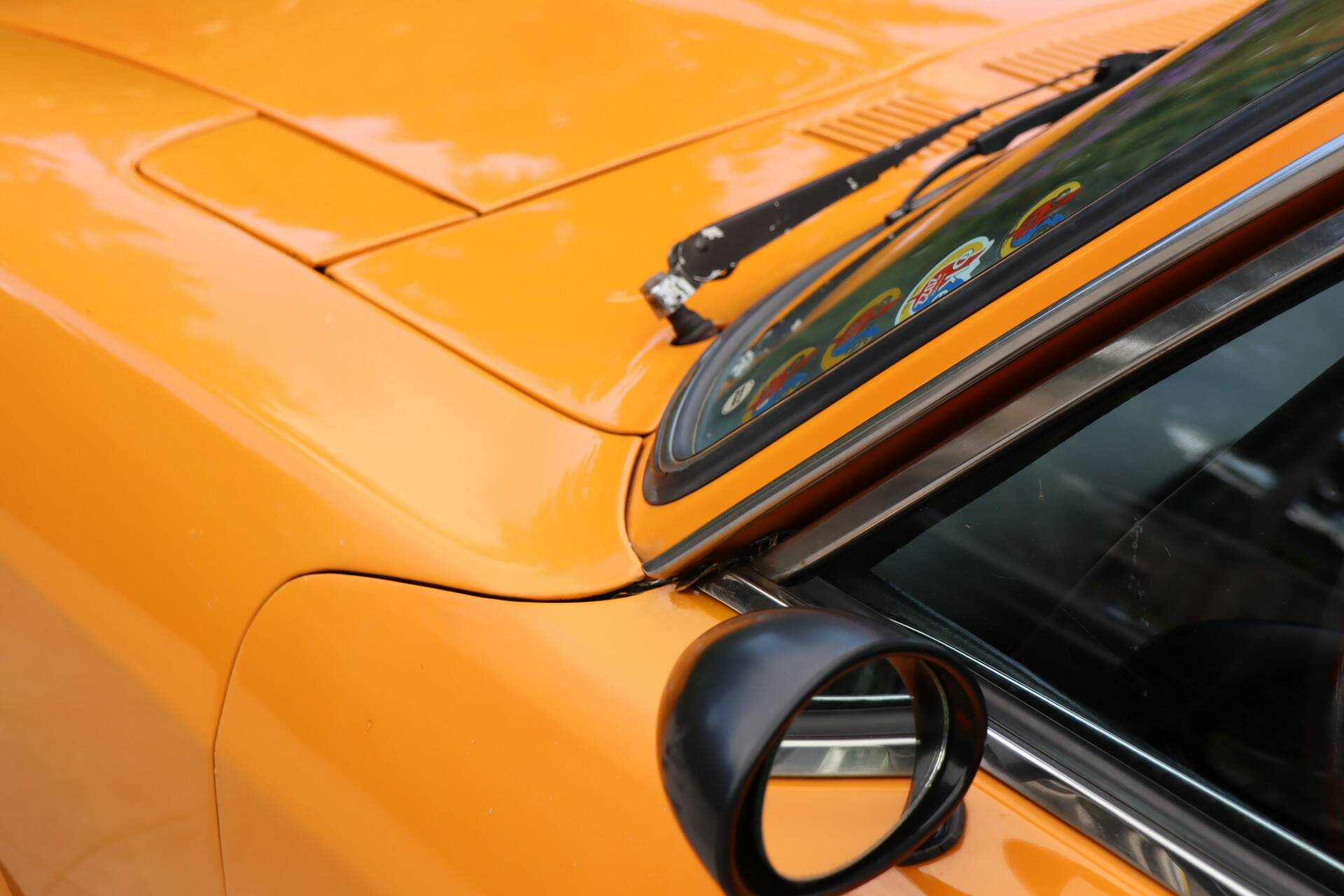
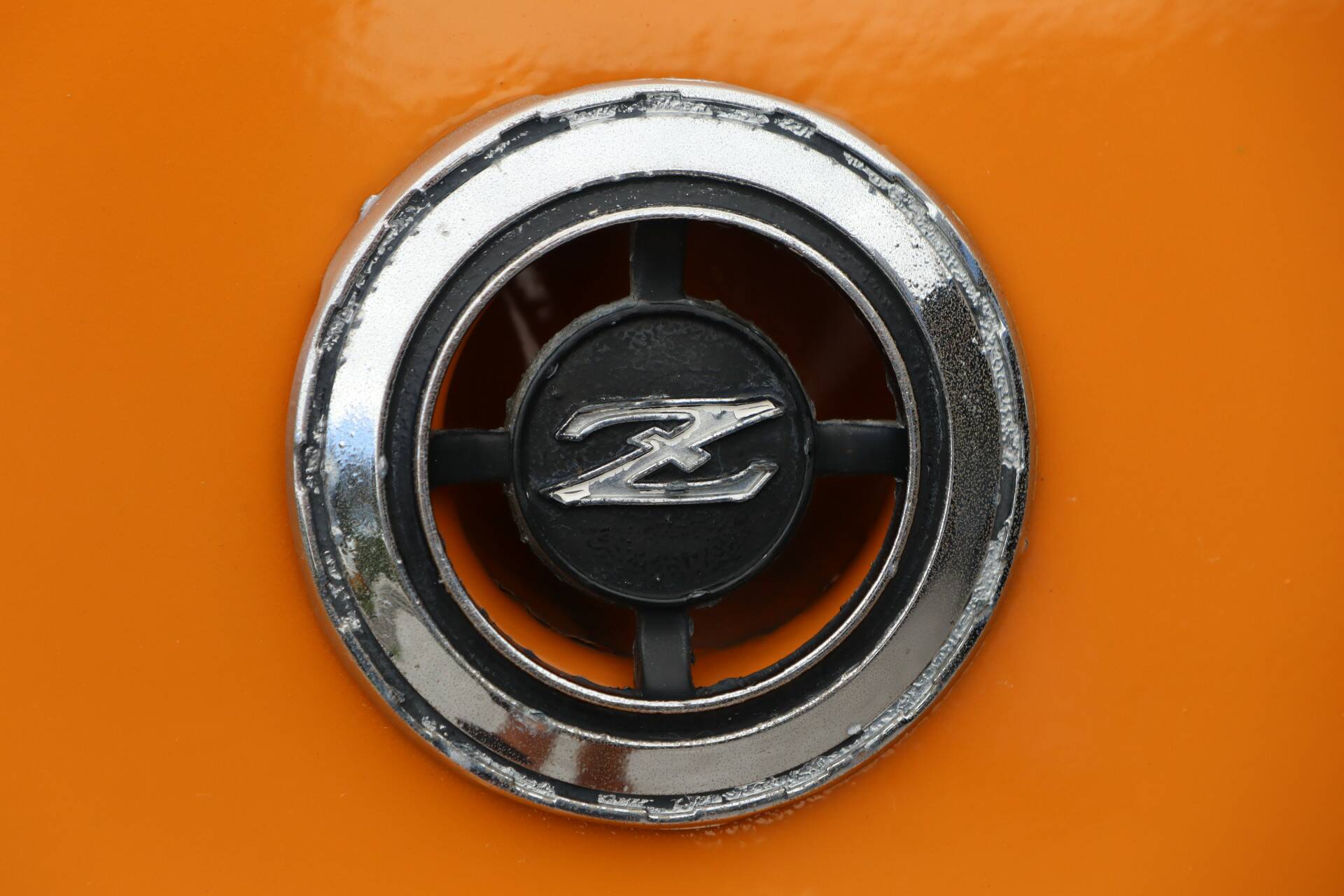
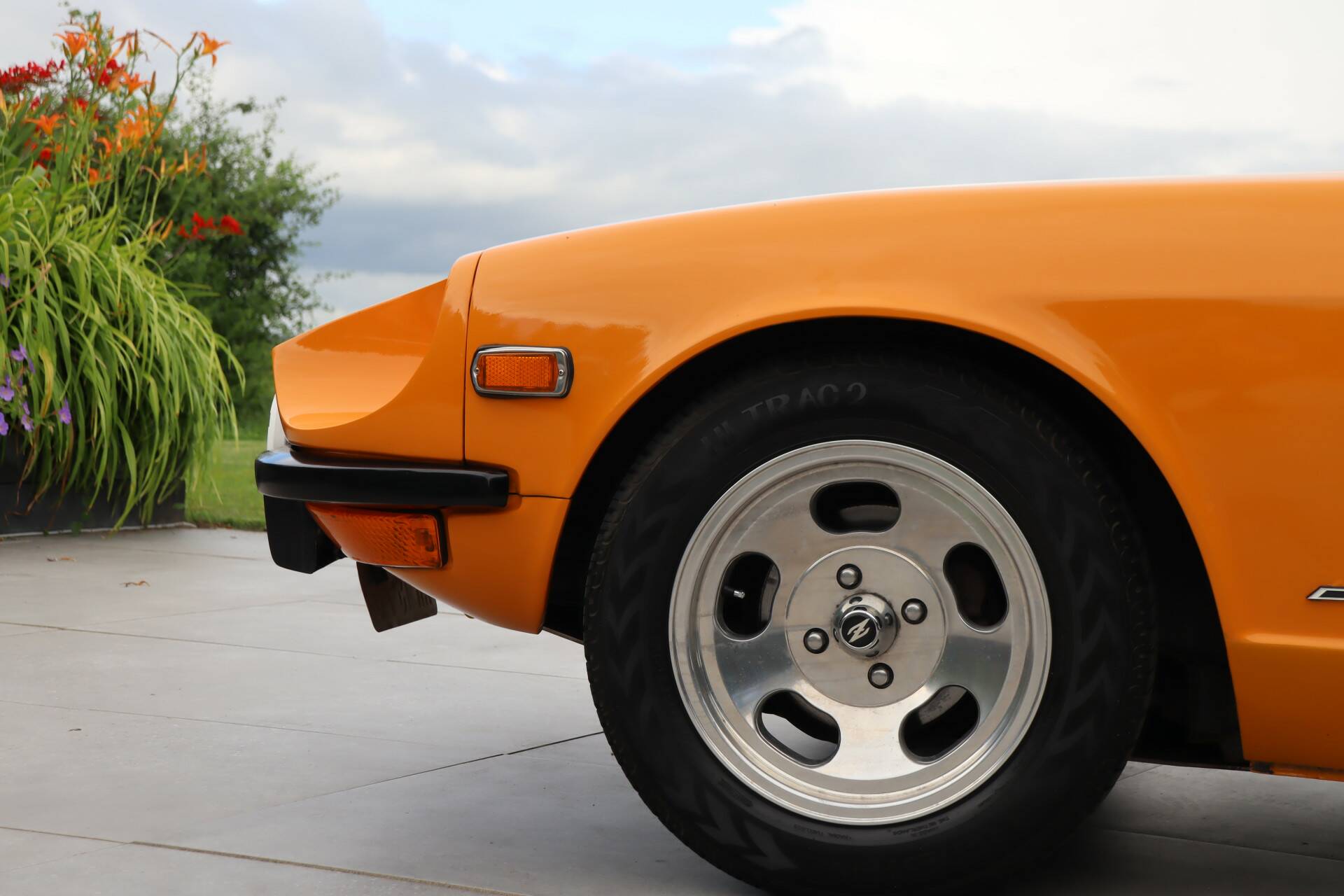
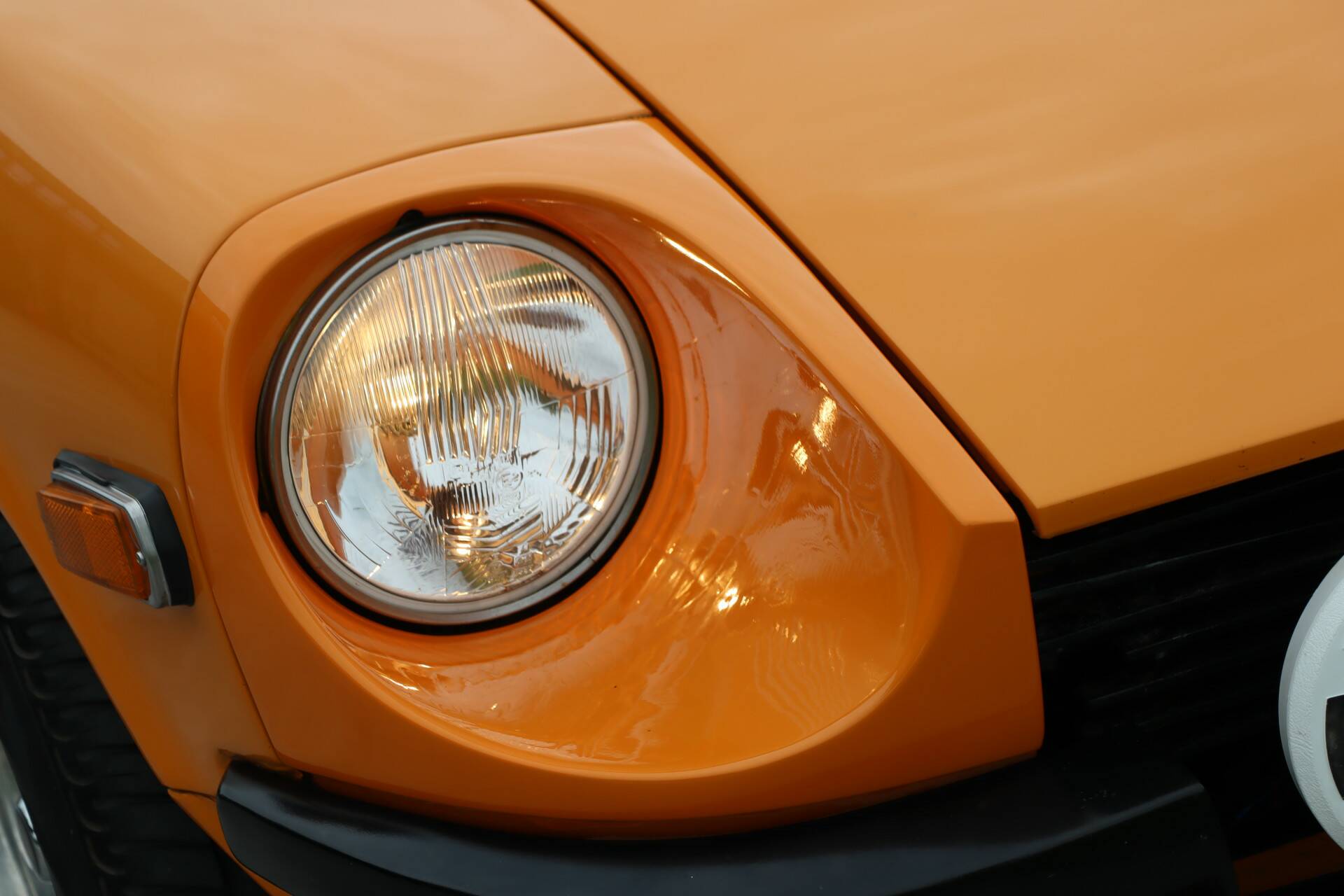
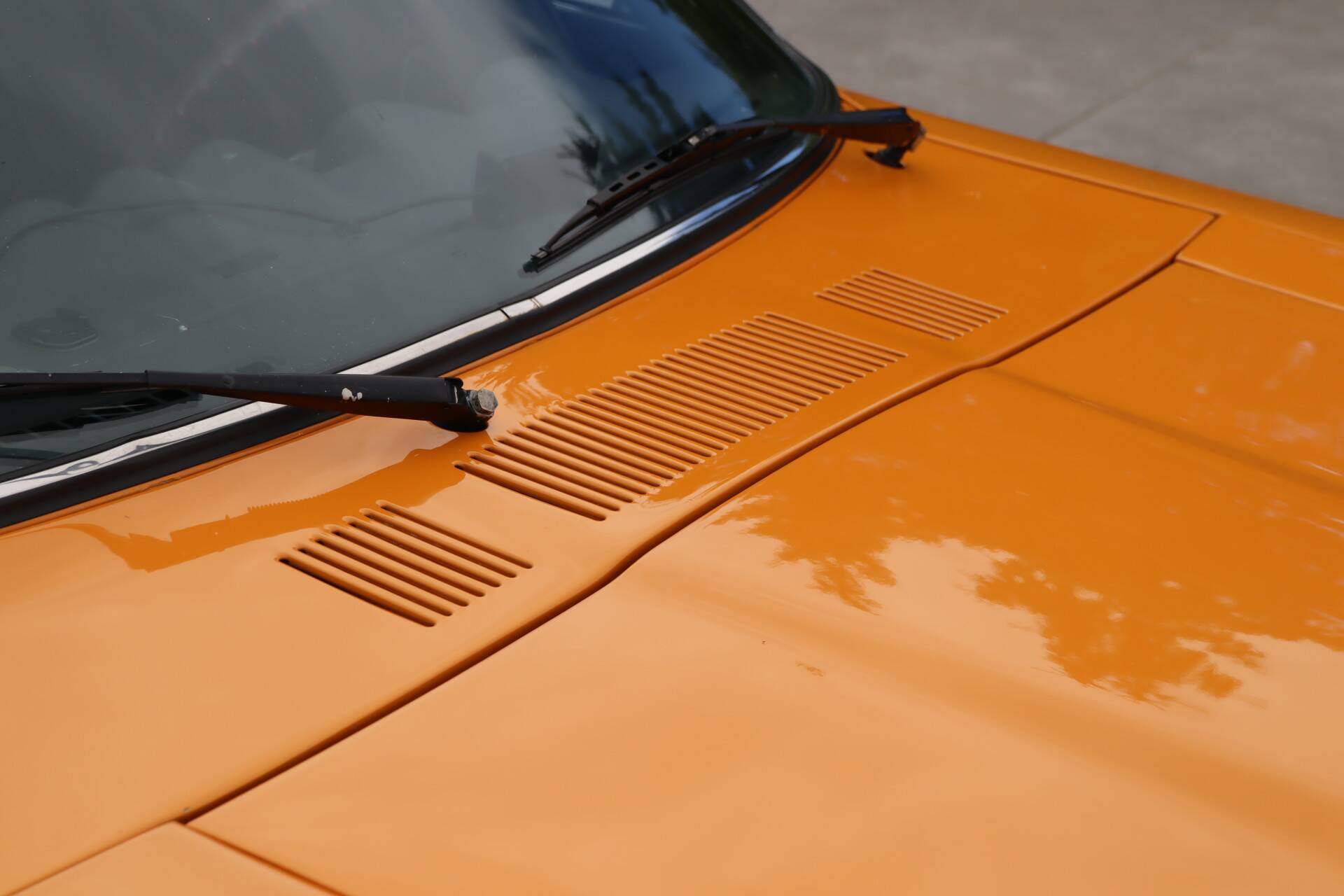
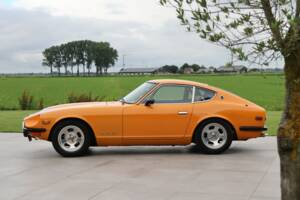
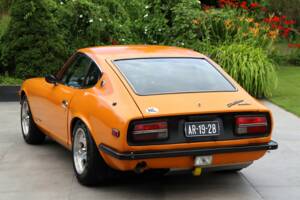
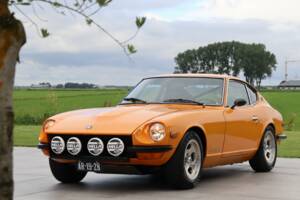
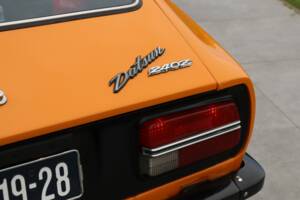
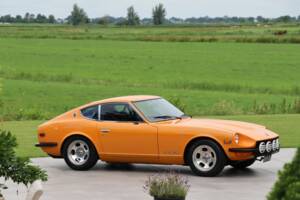
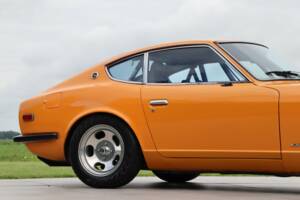
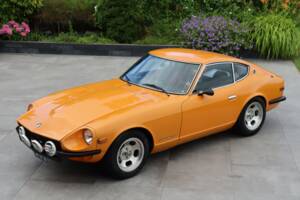
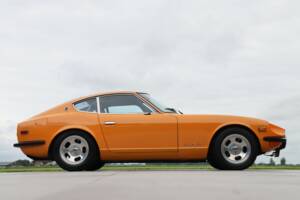
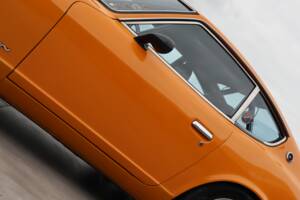
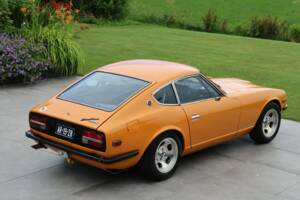
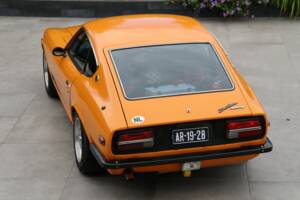
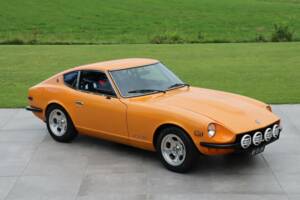
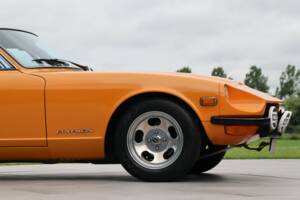
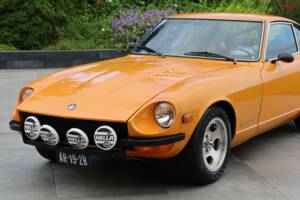
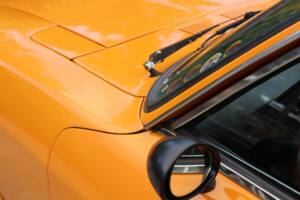
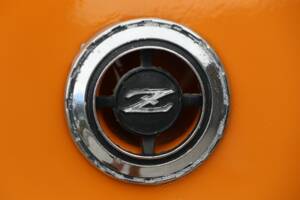
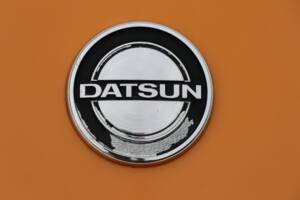
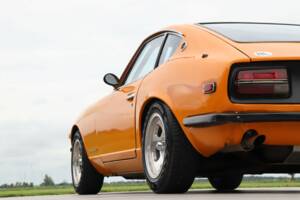
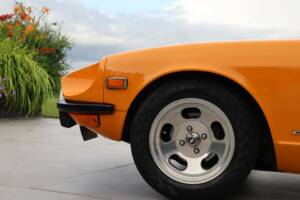
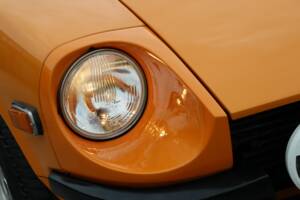
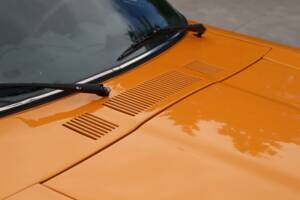
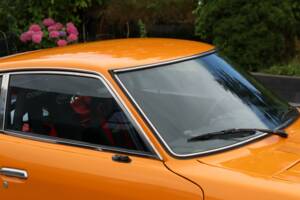
The paint job is beautifully executed in a warm shade of orange: New Sight Orange (color code 918). The sporty 15-inch aluminum wheels are fitted with Vredestein tires all around, which are still in good condition. Visually, the car is in a fairly original condition, with signs of use befitting its age. Furthermore, it has a rigid chassis. The lights and windows are in good condition. The chrome trim is largely original, and some of the rubber seals have been replaced. Helle fog lights are mounted on the front, giving the car a more rugged look. What most distinguishes the Series II from the Series I are the Z logos behind the side windows (instead of a 240Z logo). Larger bumpers have also been installed.
INTERIOR
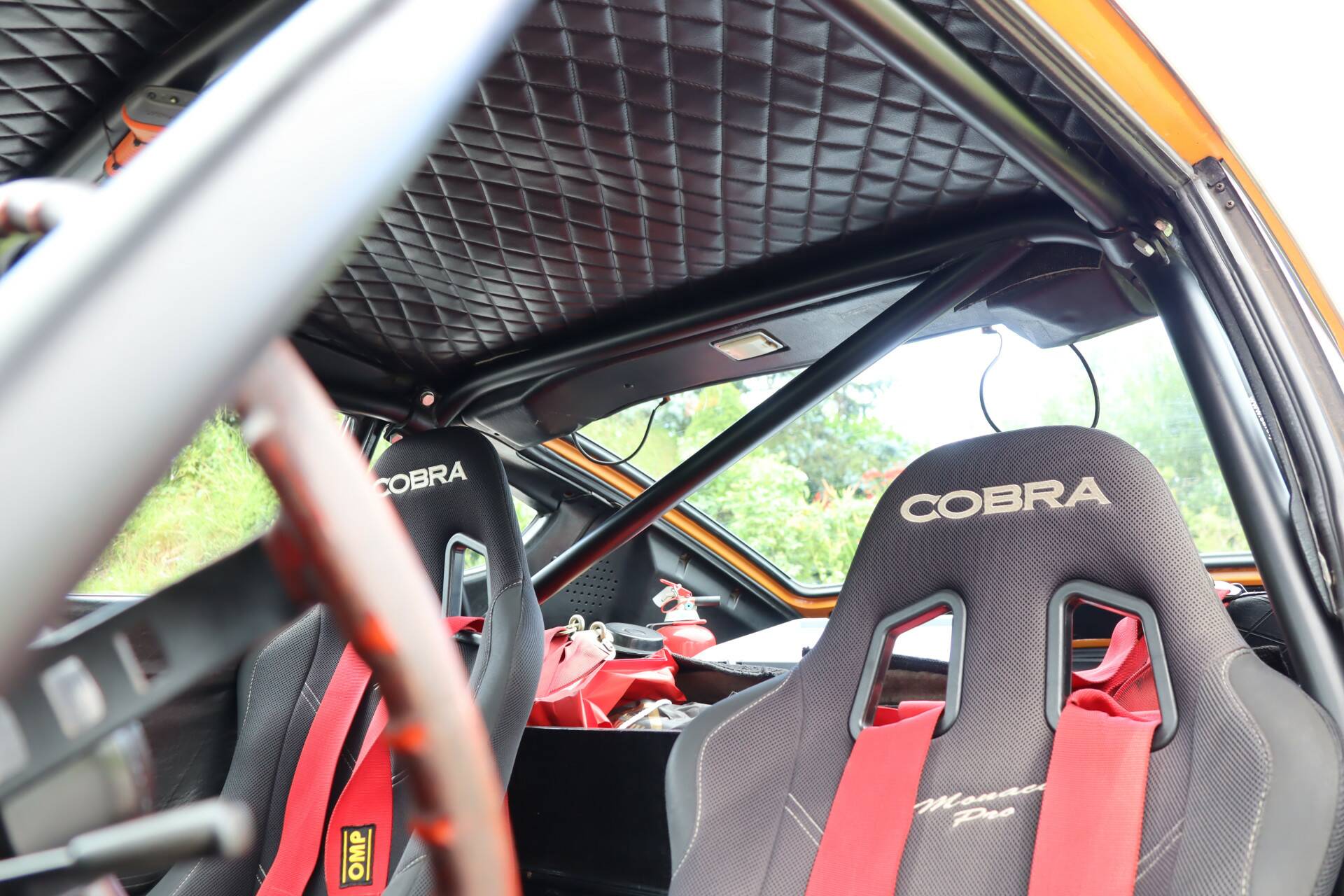
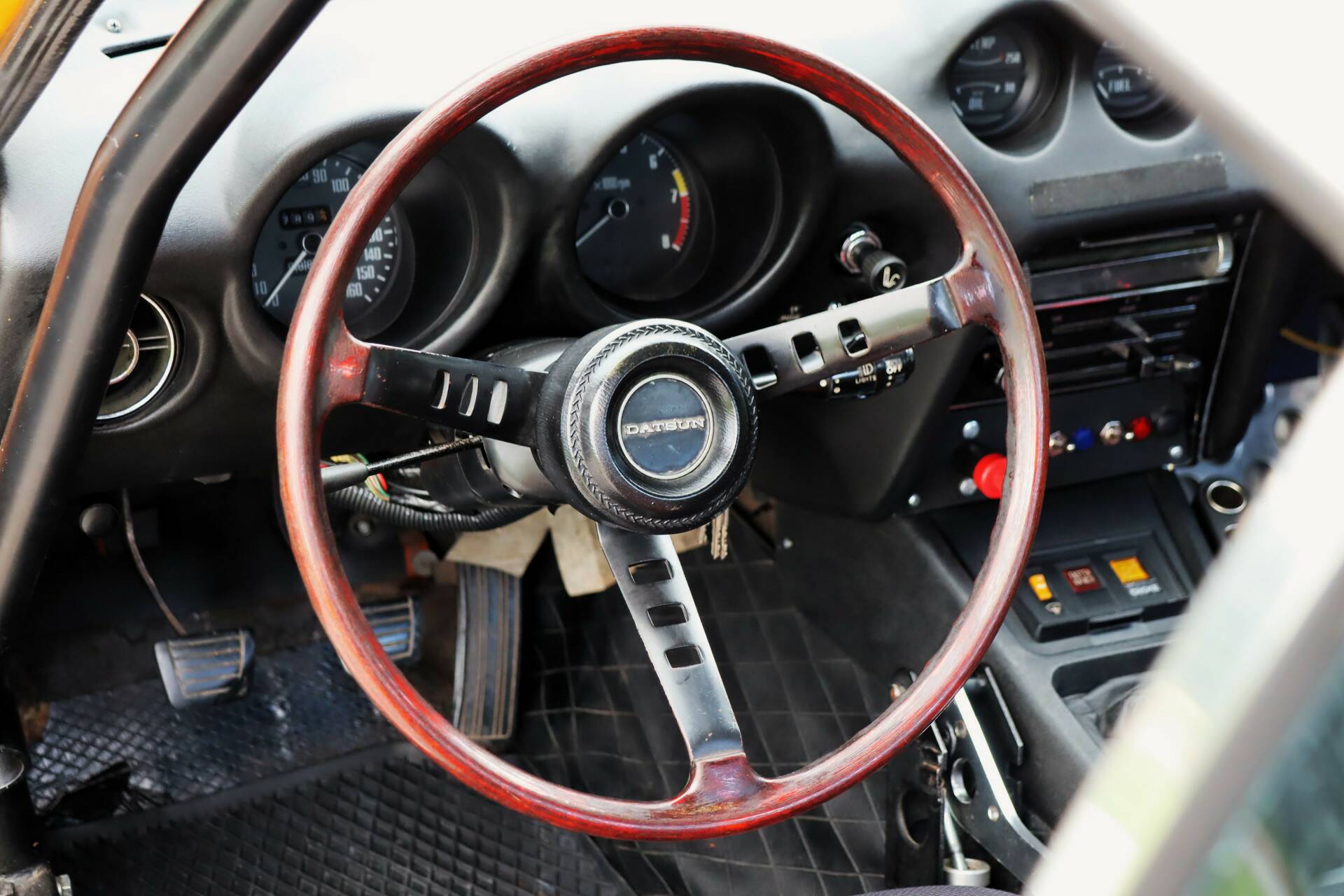
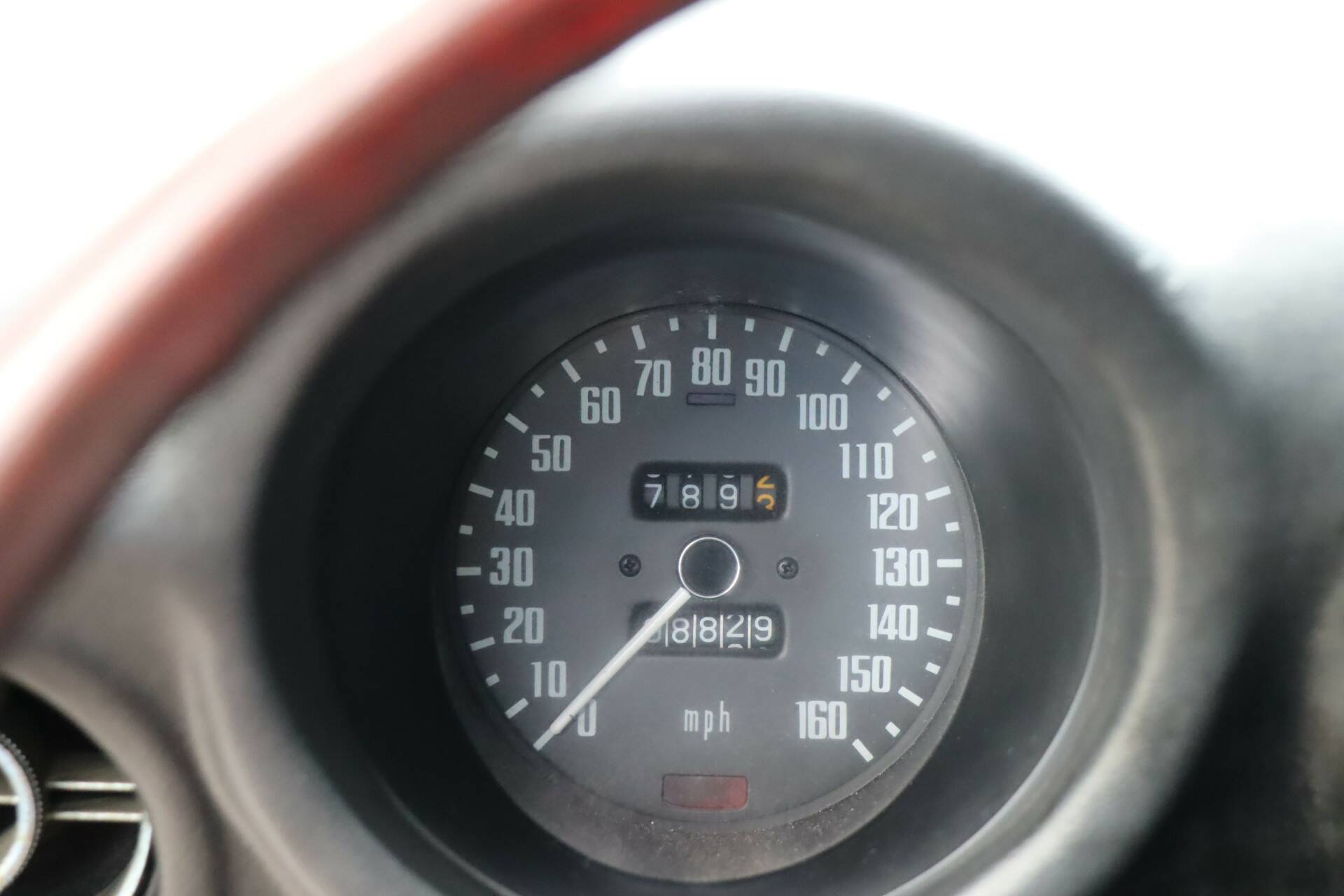
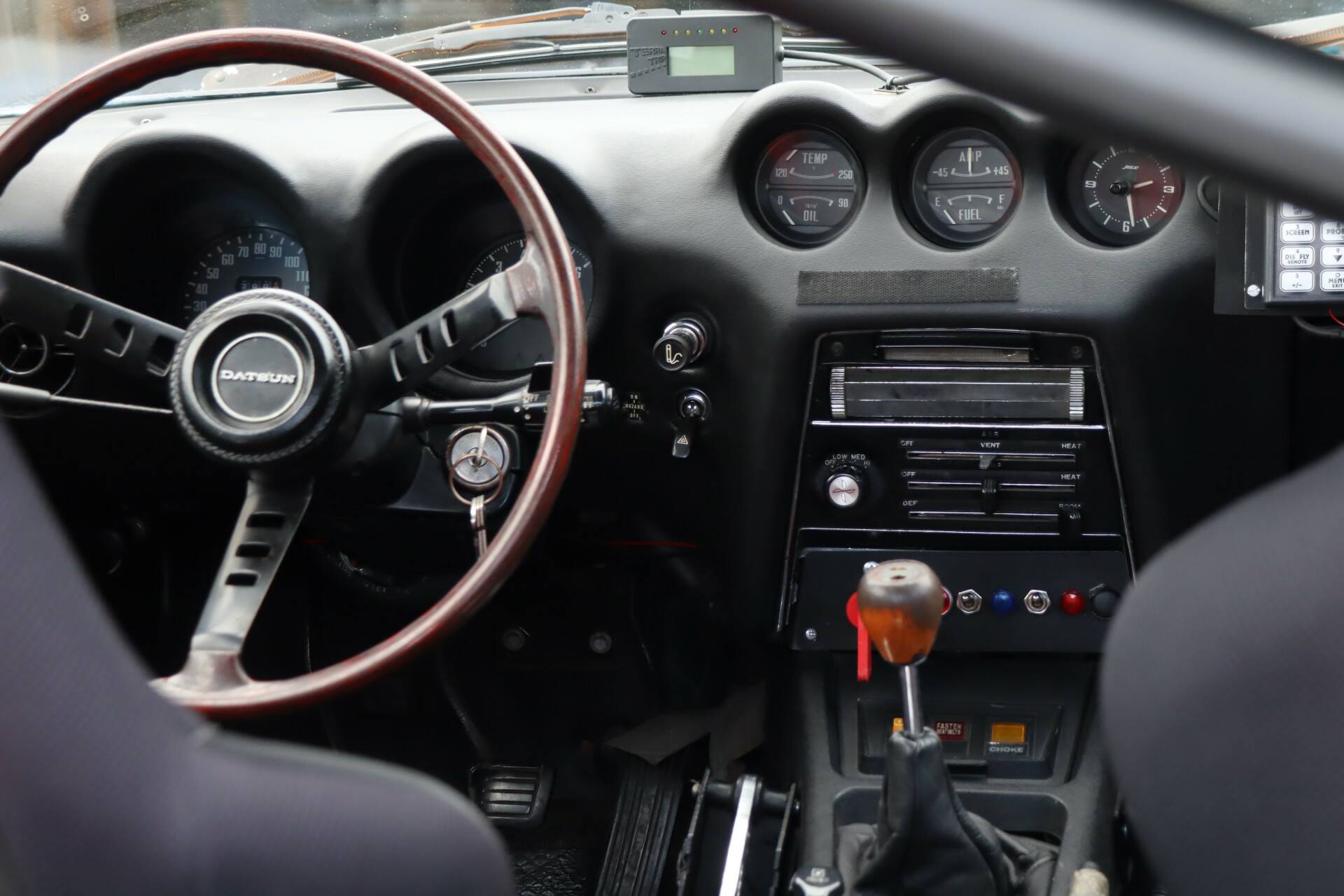
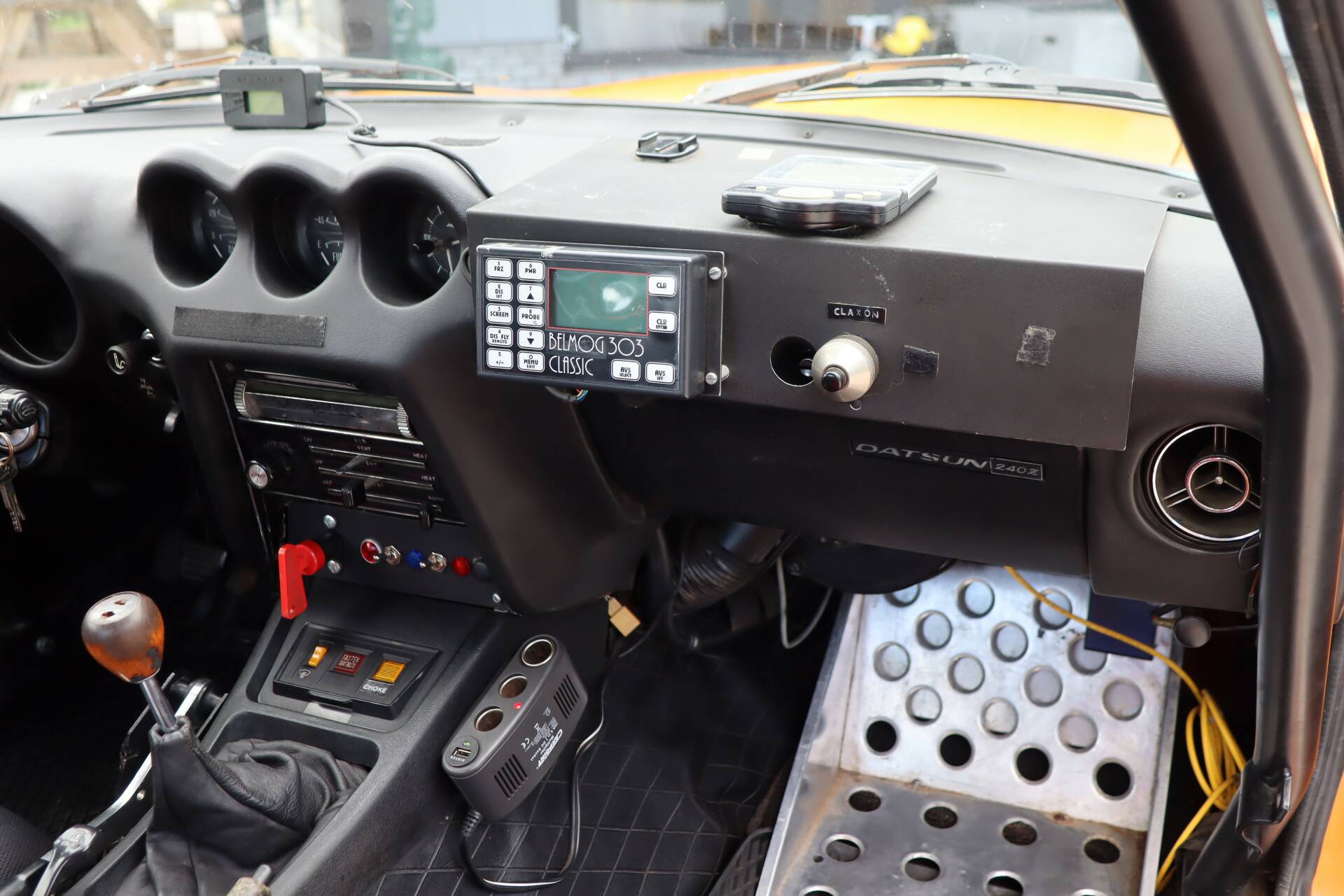
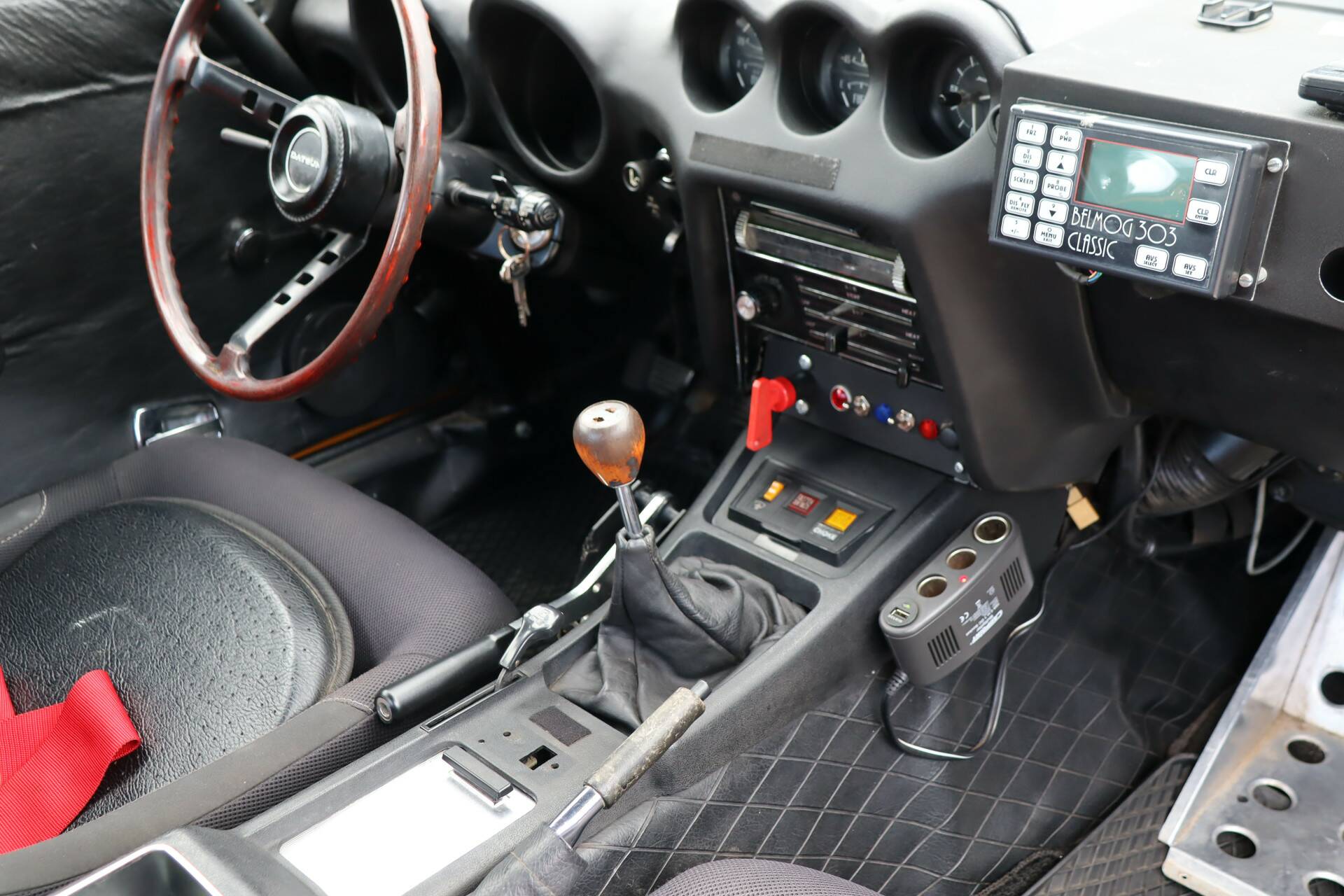
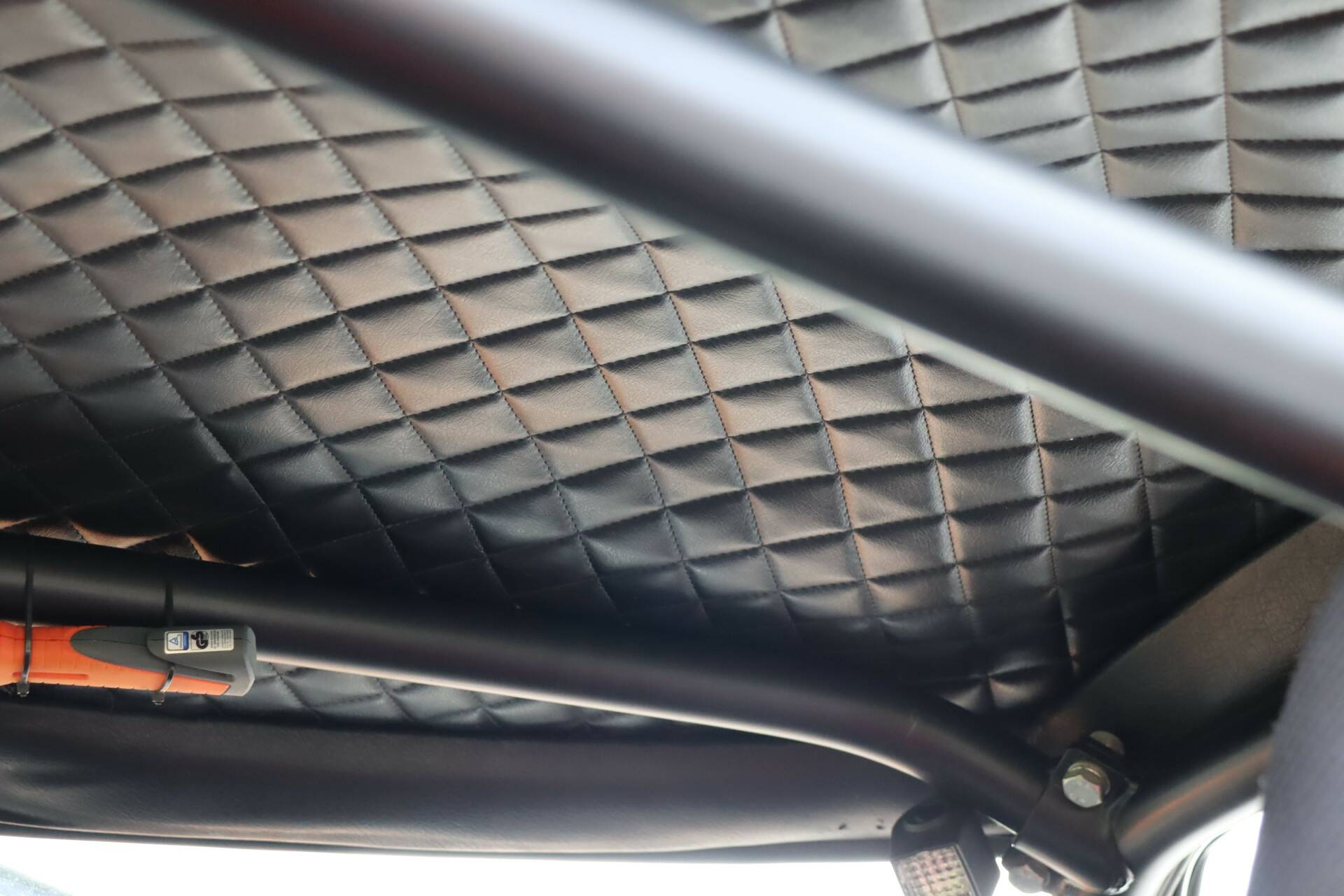
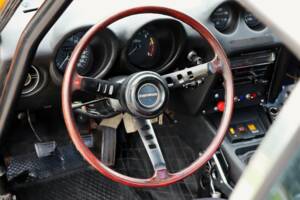
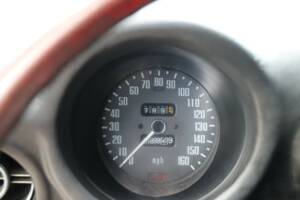
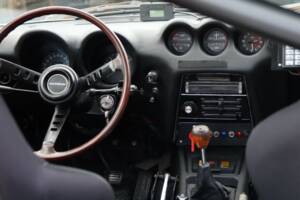
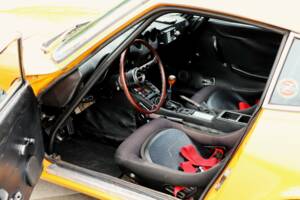
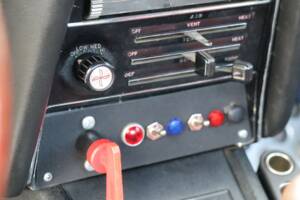
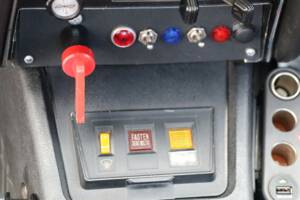
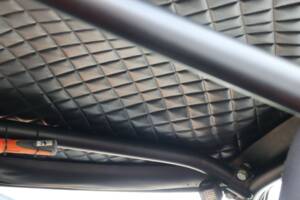
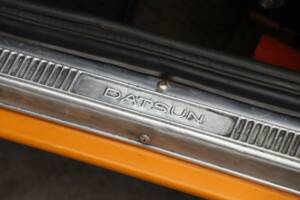
The interior is clearly focused on driving rather than luxury: a well-organized dashboard with round gauges set in a deep recess, less chrome than the early Series I and more plastic trim, sturdier and slightly more modern seats, and a slightly more practical layout of switches and controls. The steering wheel and gearshift knob are finished in wood. The interior features heating and various updates, including a ground-firing switch, hydraulic parking brake, Belmog Classic rally odometer, Cobra bucket seats, a roll cage (Safety Devices), and USB and 12V ports. The headliner is beautifully finished with fine stitching. The trunk contains a fire extinguisher and spare tire, neatly concealed beneath the upholstery. The interior shows signs of use consistent with the car’s age.
TECHNICAL
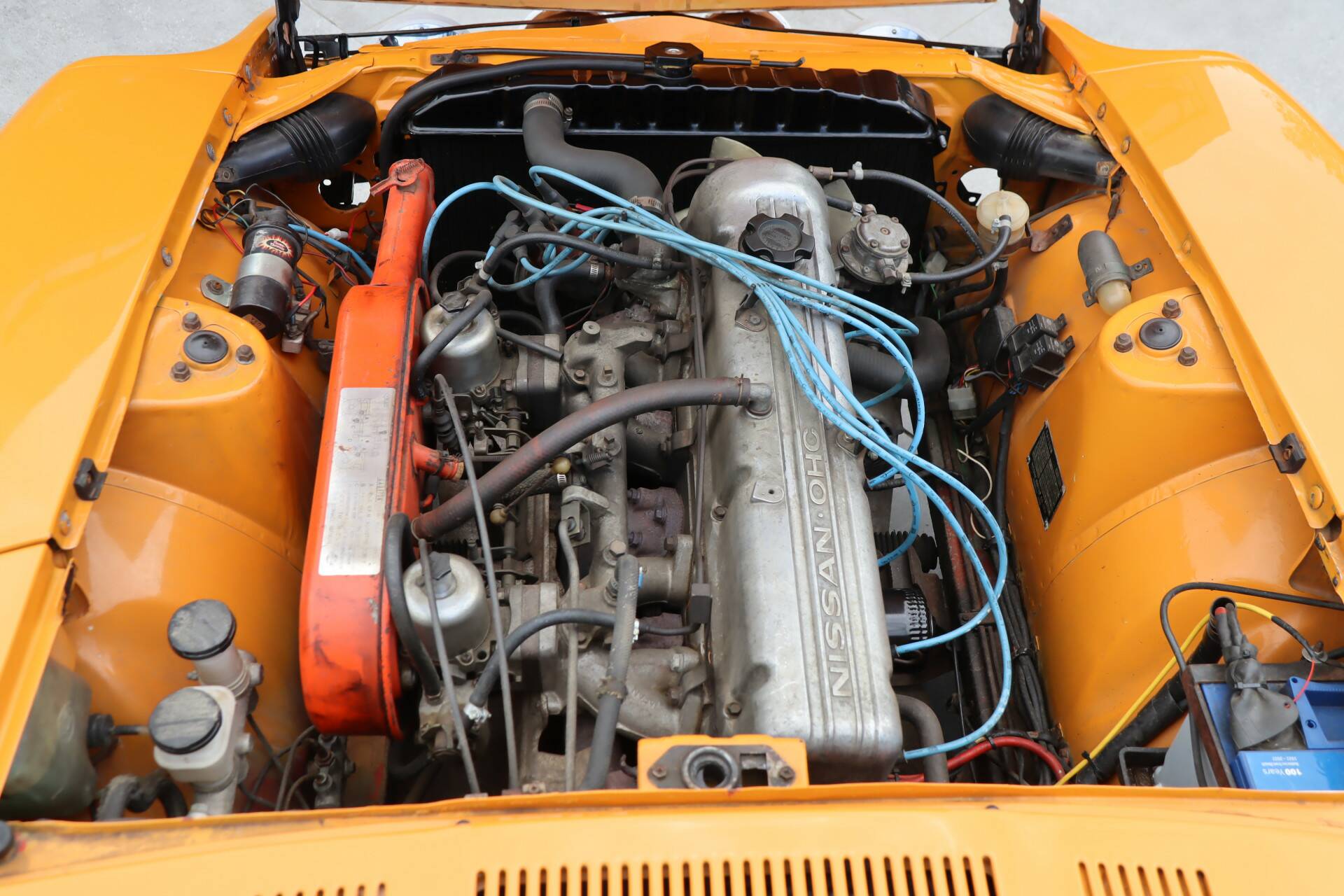
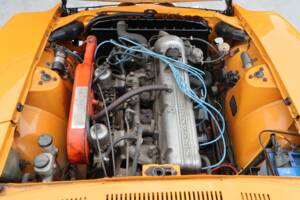
Driving this car is a joy: Combined with the raw, rugged engine sound, the car not only sounds sporty, but its performance is also impressive by 1970s standards. It reaches 100 km/h in about 8 seconds, and the top speed is approximately 200 km/h. The engine compartment looks dry and houses the 2.4-liter inline-6 engine: a cast-iron block with an aluminum SOHC cylinder head and chain-driven camshaft, which delivers 150 pk via twin carburetors and is known for its smooth operation and reliability. The 4-speed transmission is manual, and the car is rear-wheel drive. The car drives, brakes, and shifts well. It has been well maintained, as evidenced by the maintenance log. Many new parts have also been installed. So it’s completely ready to drive for its next owner! The last maintenance service was performed in May 2025.
GENERAL
The Datsun 240Z (also known as the “Fairlady”) was introduced in 1969. With features such as a 6-cylinder engine with overhead camshafts, front disc brakes, and four-wheel independent suspension, the car bore similarities to much more expensive sports cars such as the Jaguar E-Type and BMW 2800 CS, but at the price of cars like the Alfa Romeo Spider, MG B, and Opel GT (all of which were equipped with a 4-cylinder engine). The Z-series was therefore a huge success worldwide. In 1974, the 240Z was succeeded by the 260Z, and later by the 280Z. The car is still regarded as a well-handling GT with a sporty and attractive design, as well as excellent driving characteristics. As a result, the model has become increasingly popular.

Faites inspecter ce véhicule par des experts !

Chargement…
Chargement…
Chargement…
Chargement…
Chargement…
Chargement…
Chargement…
Chargement…
Plus de 100 000 passionnés de véhicules de collection reçoivent déjà nos meilleures annonces
Recevez des sélections triées sur le volet des voitures, motos et annonces de ventes aux enchères les plus intéressantes sur Classic Trader, directement dans votre boîte de réception.