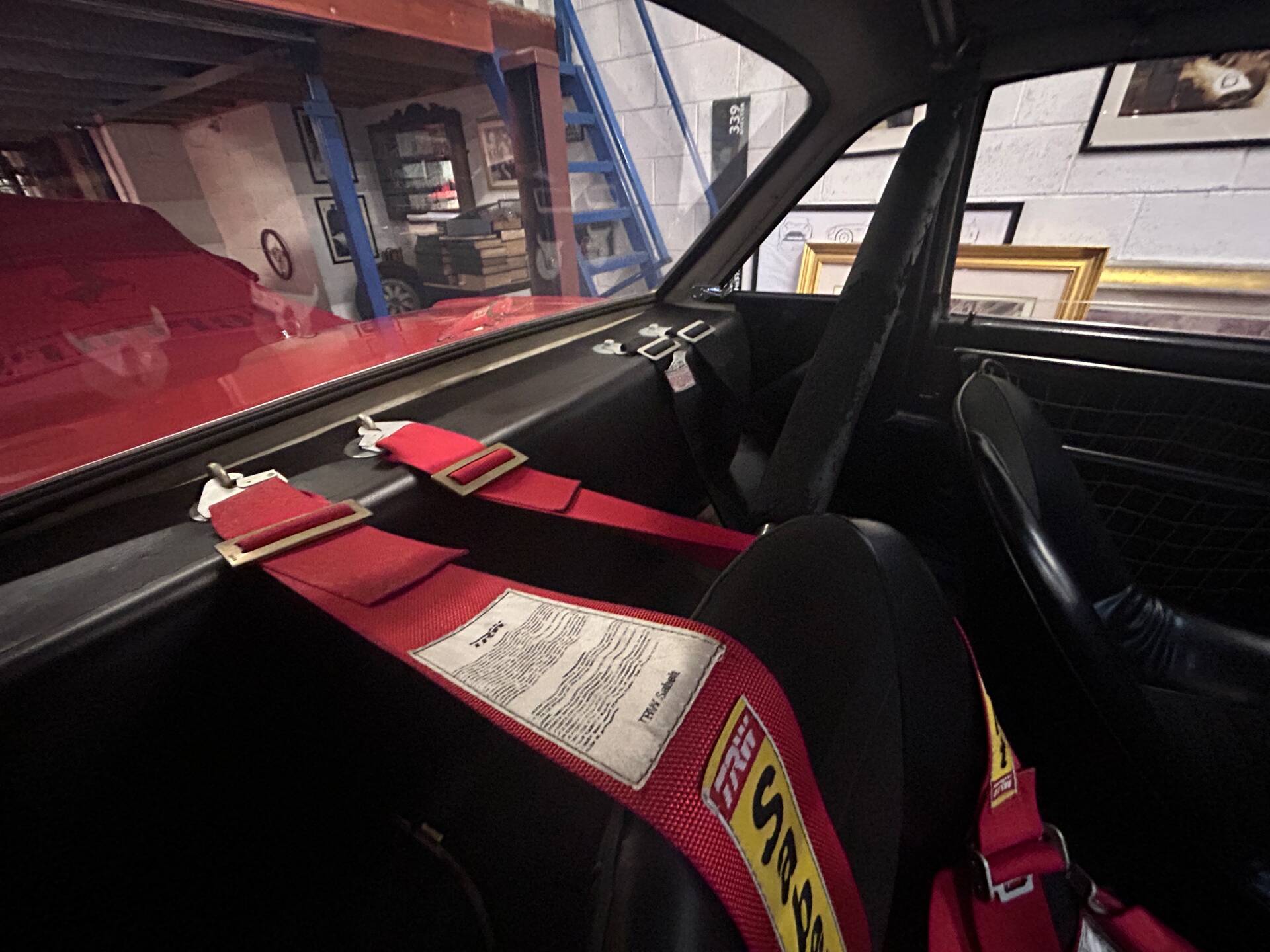
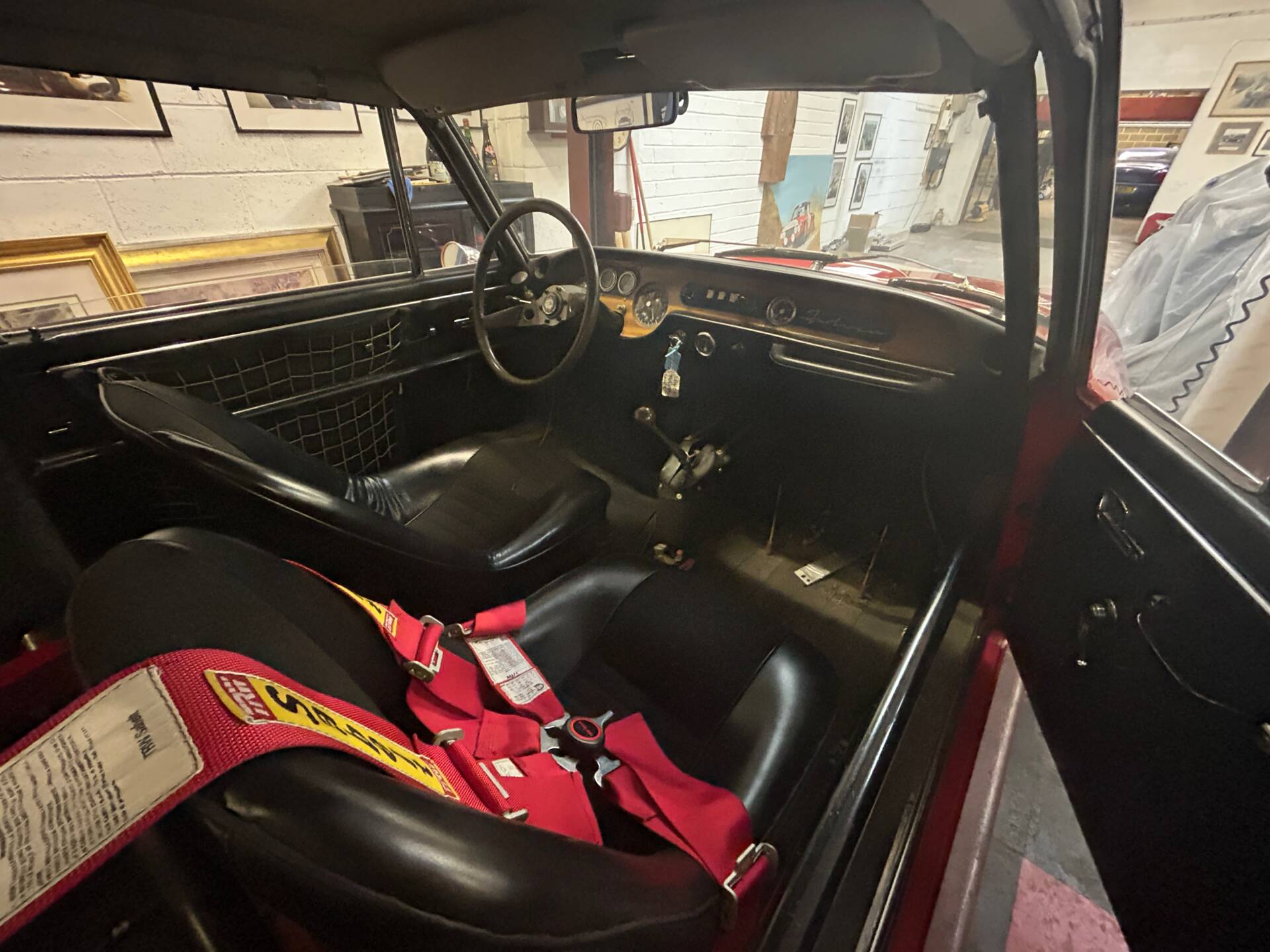
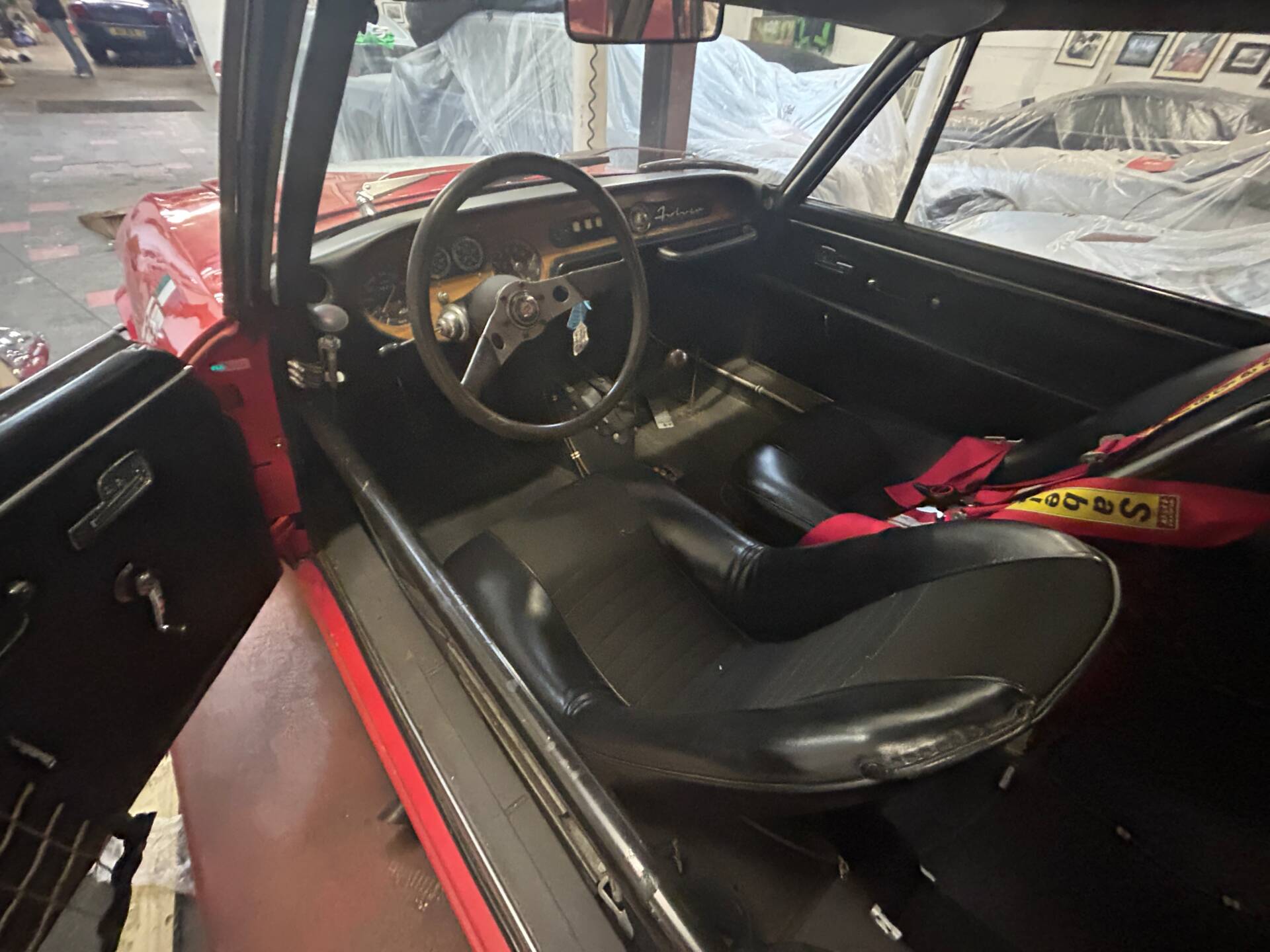
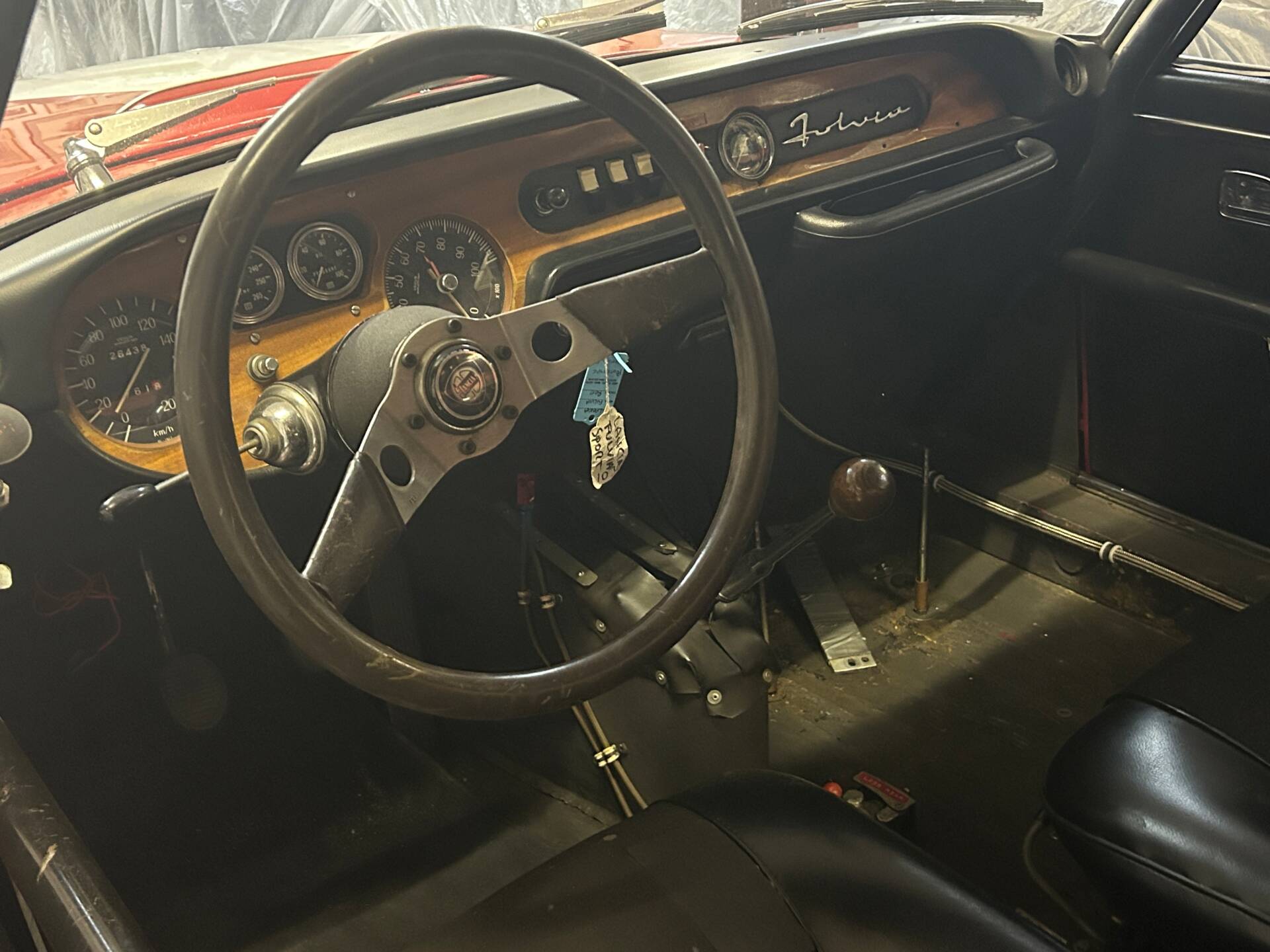
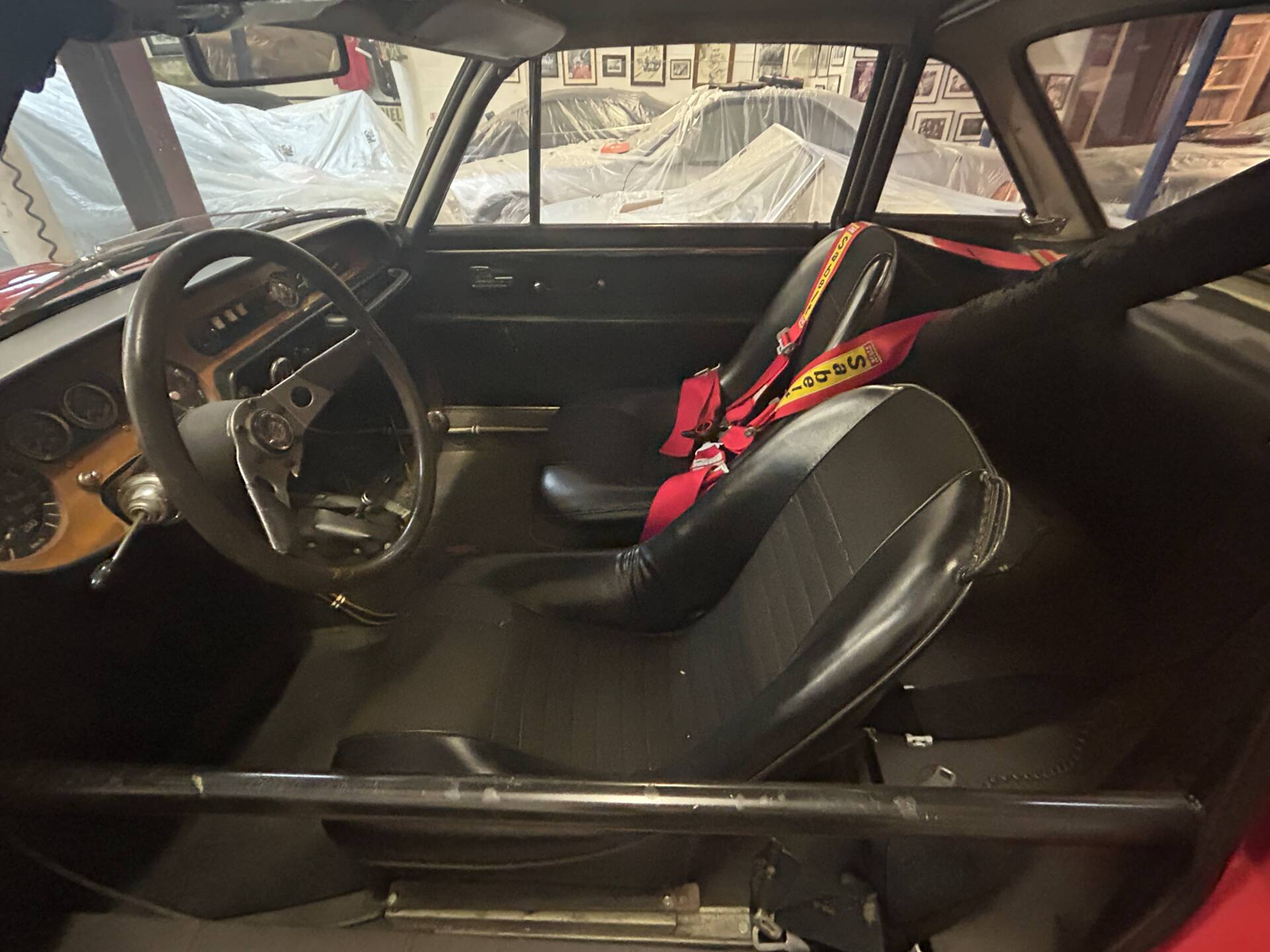
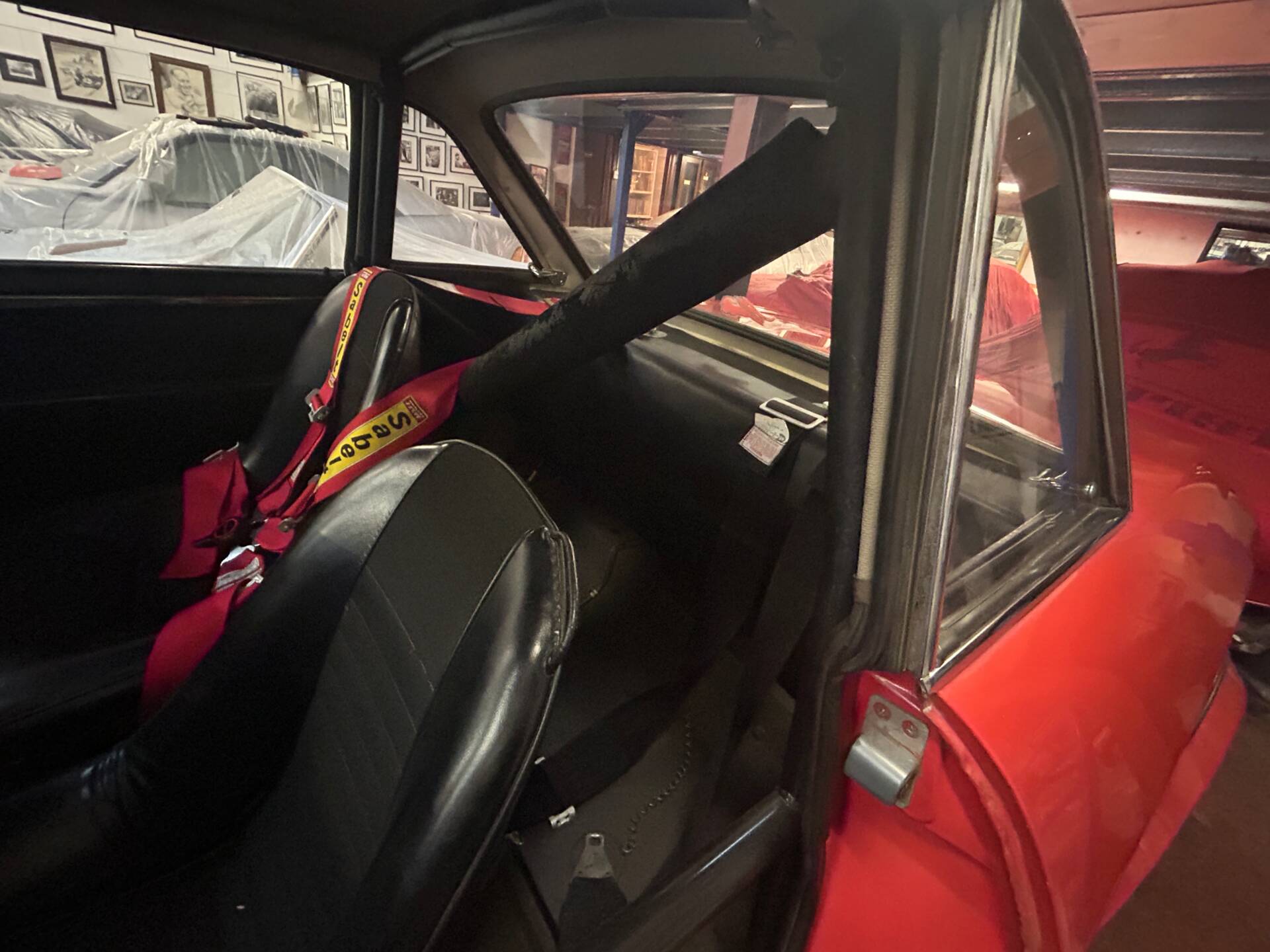
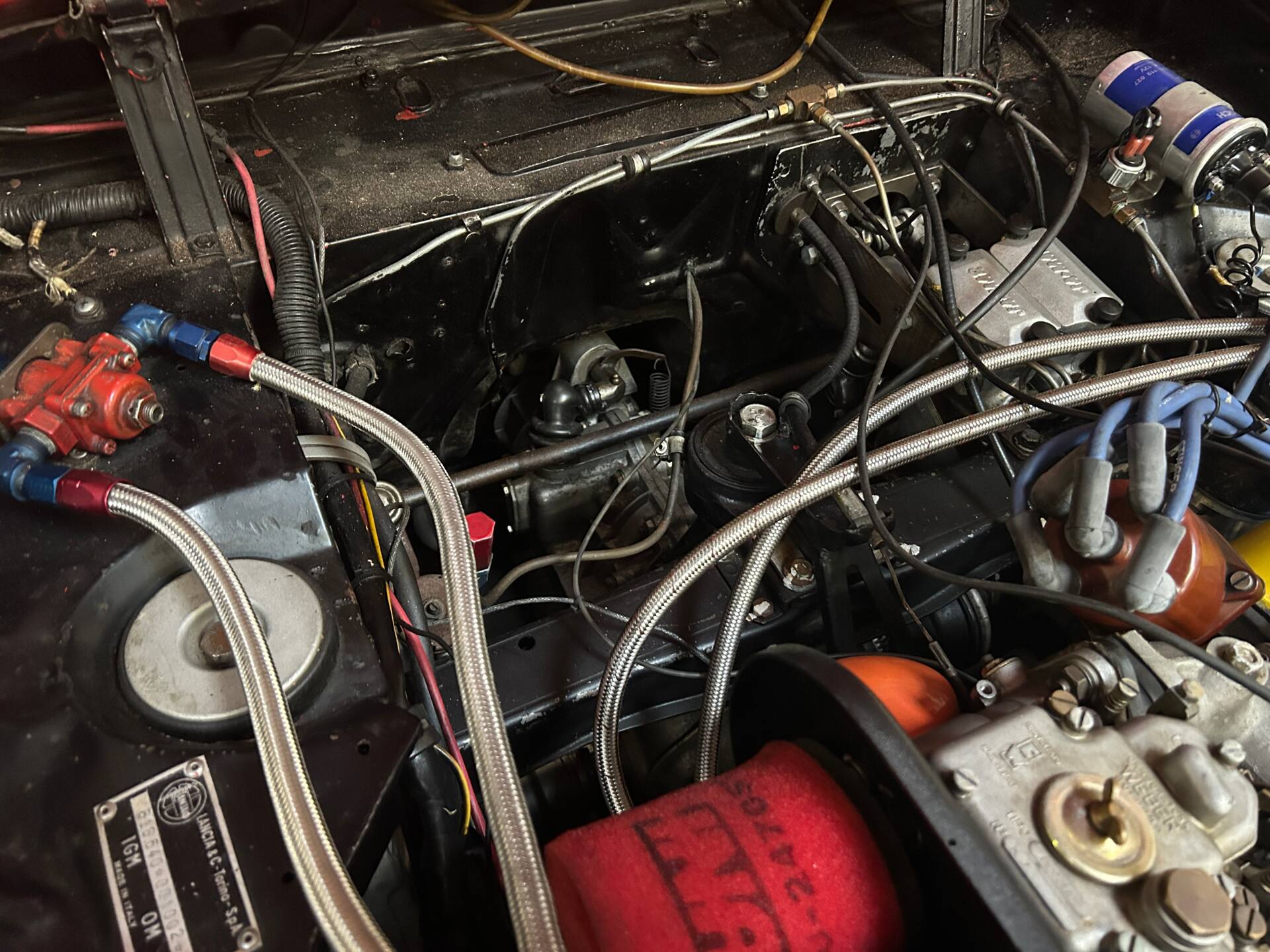
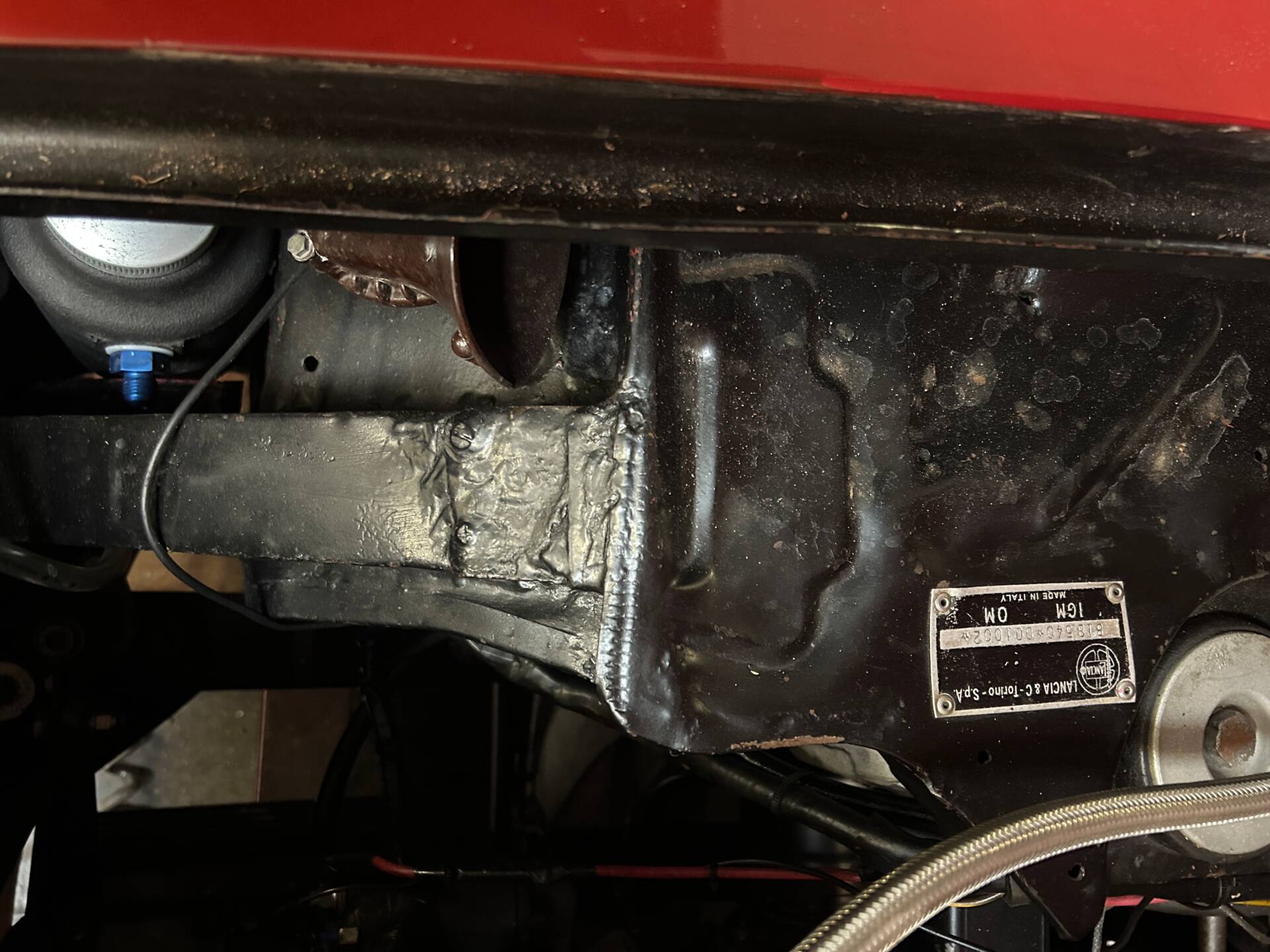
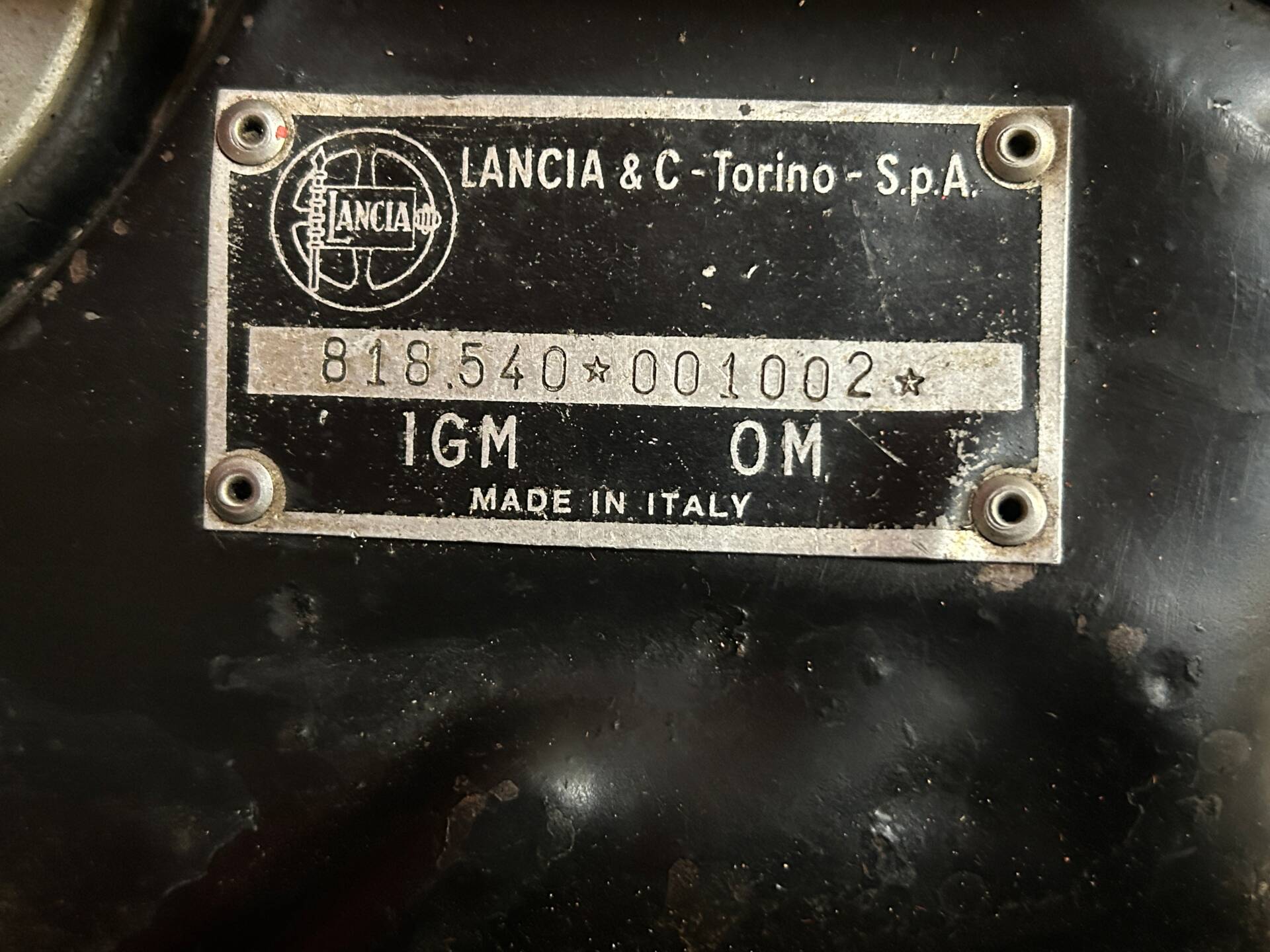
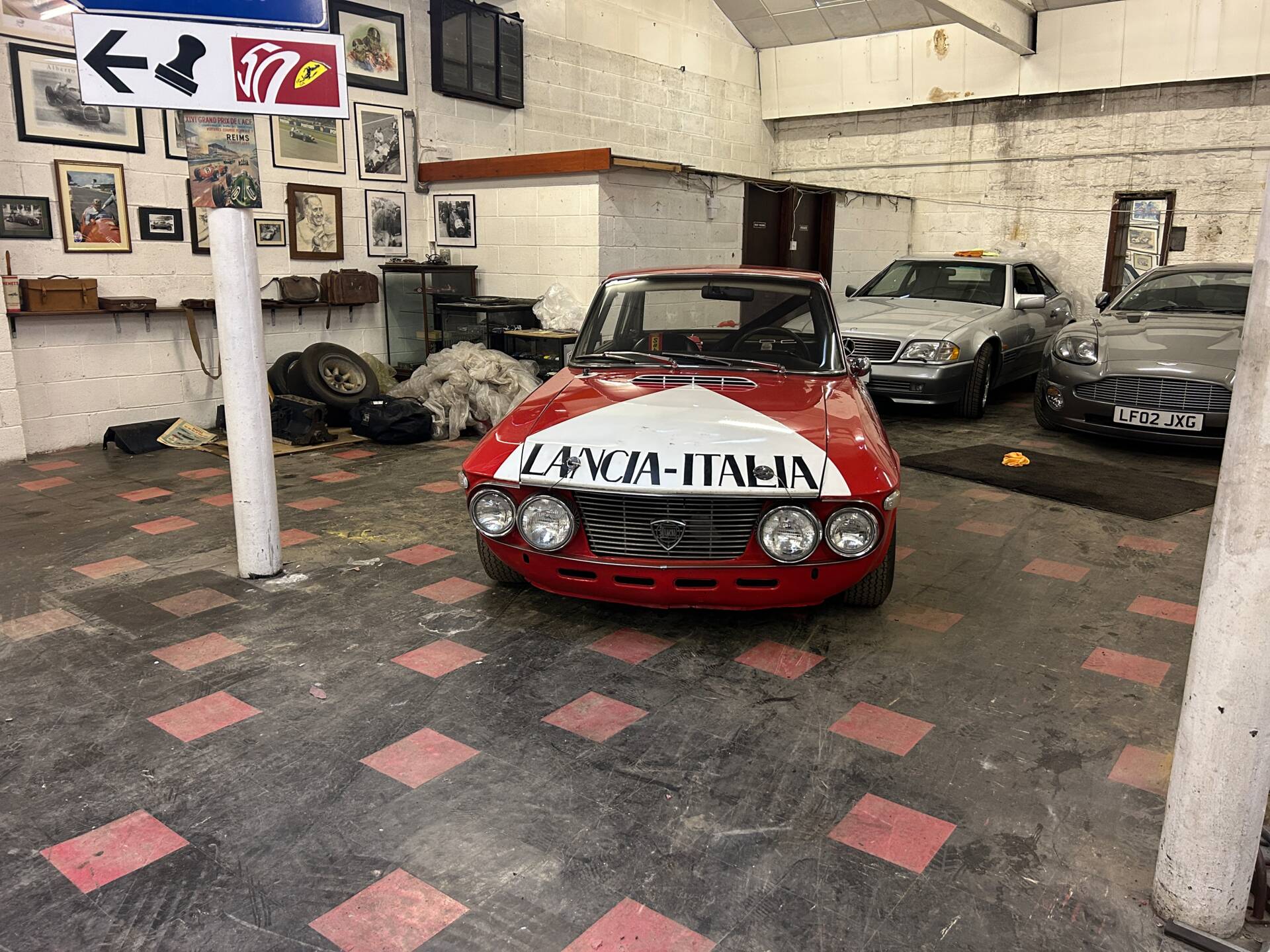
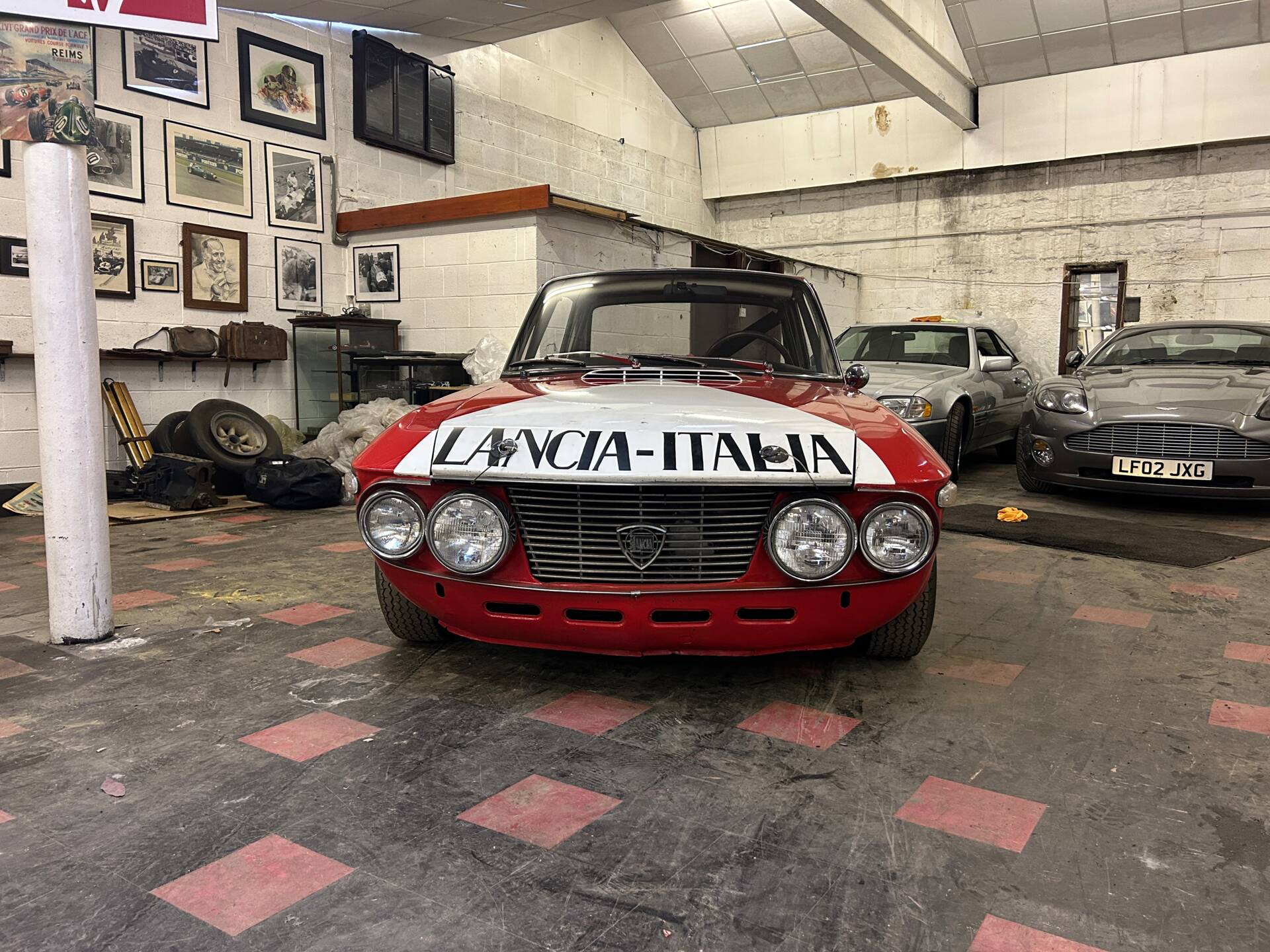
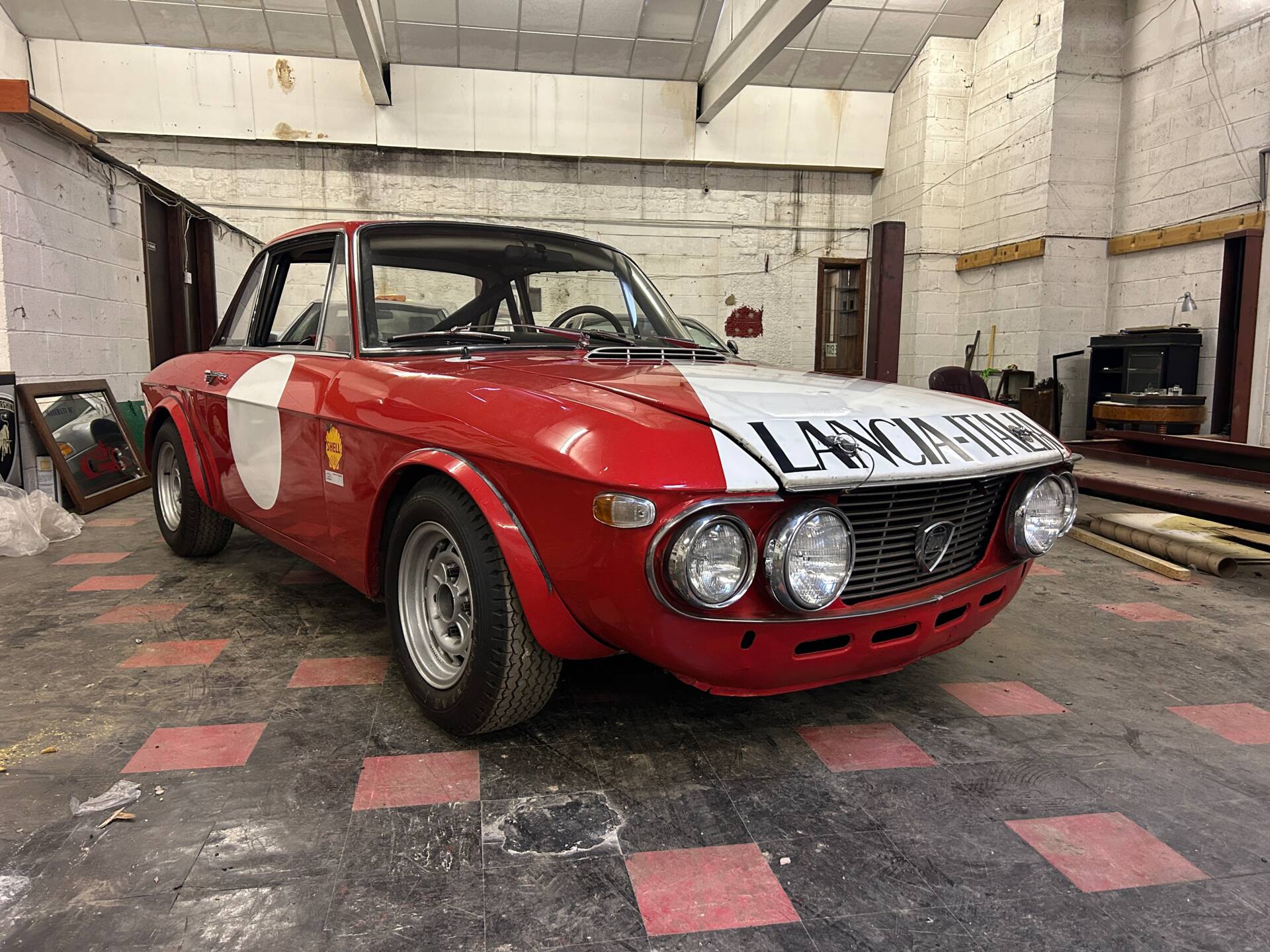
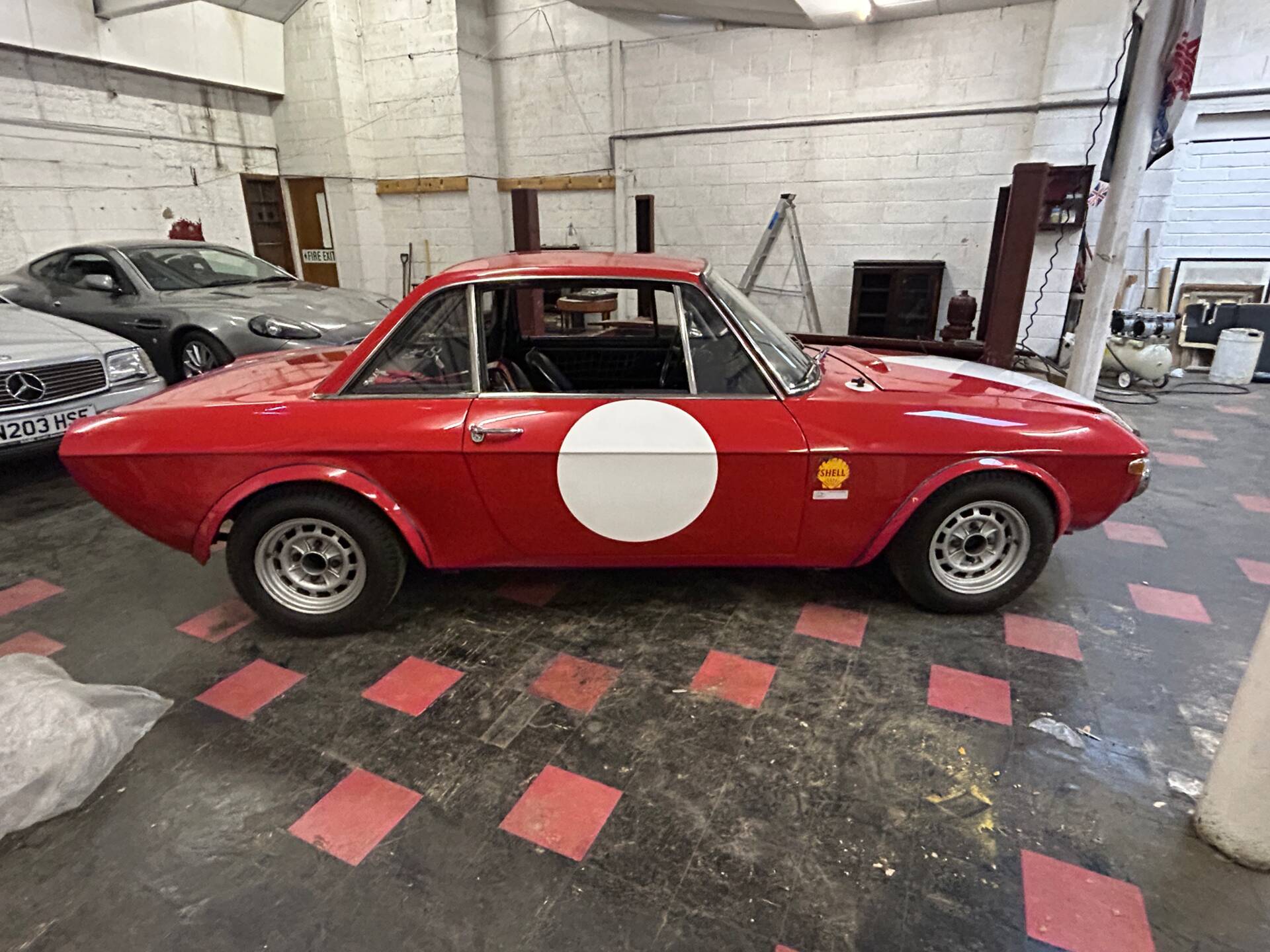
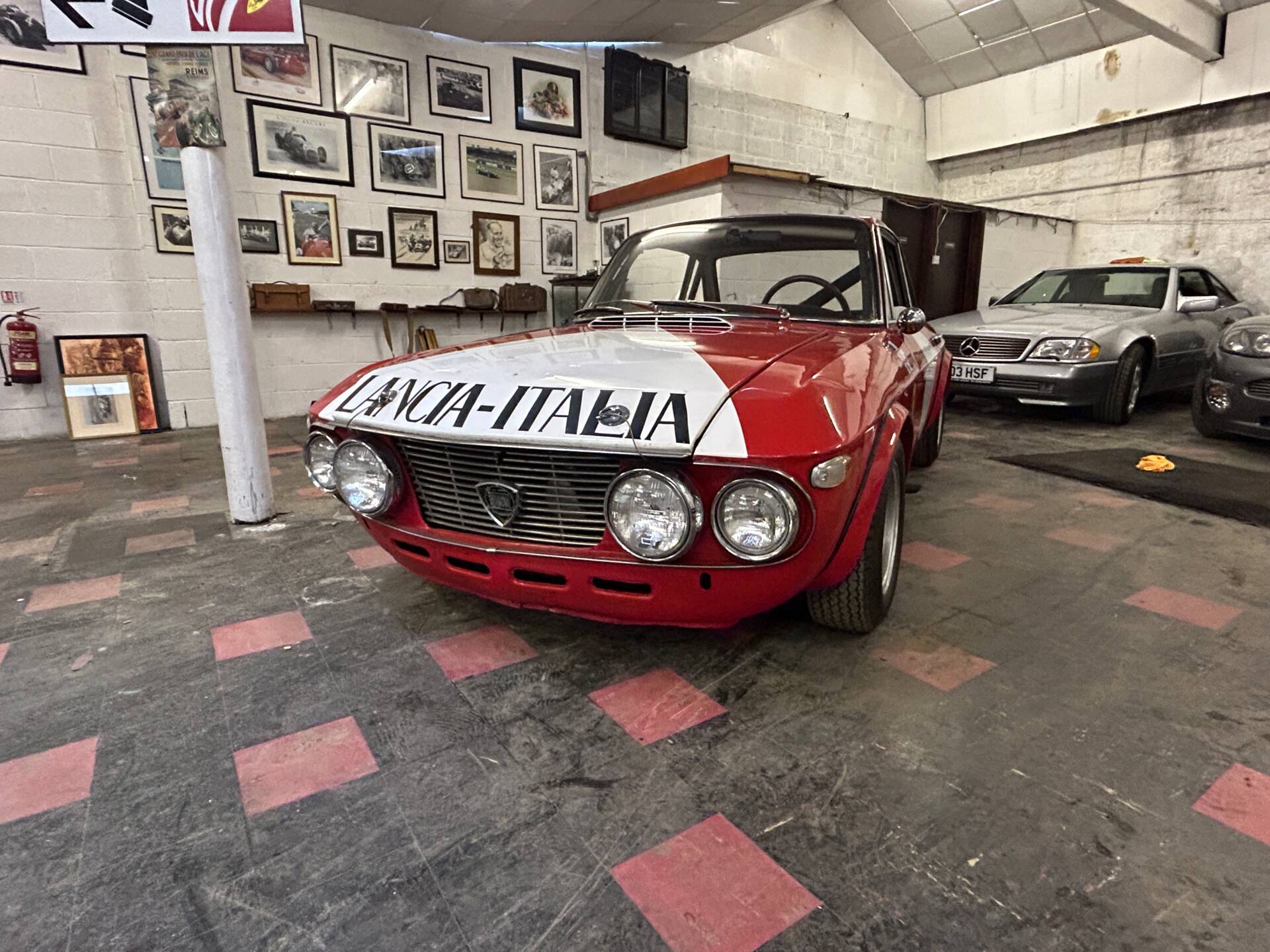
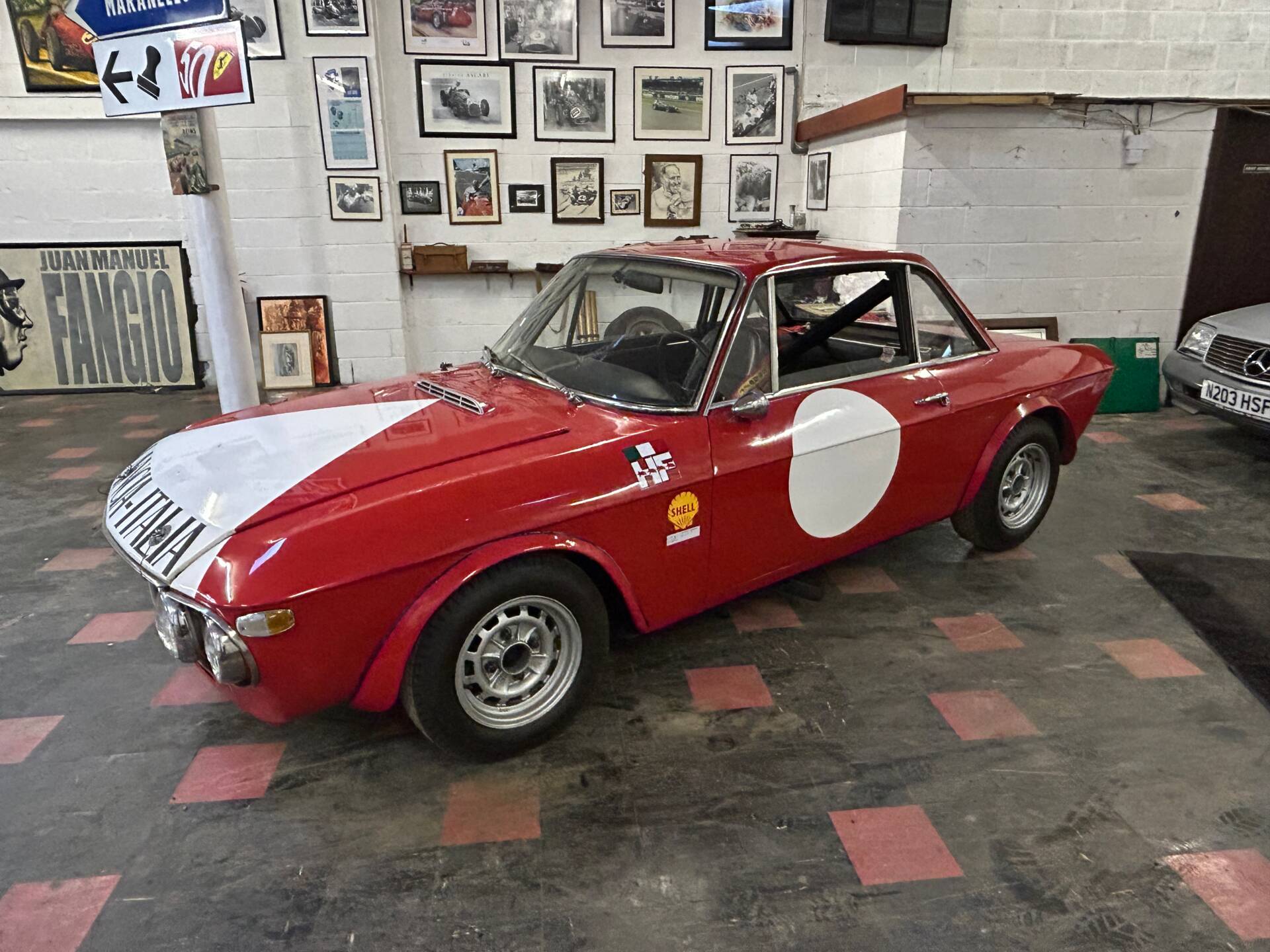
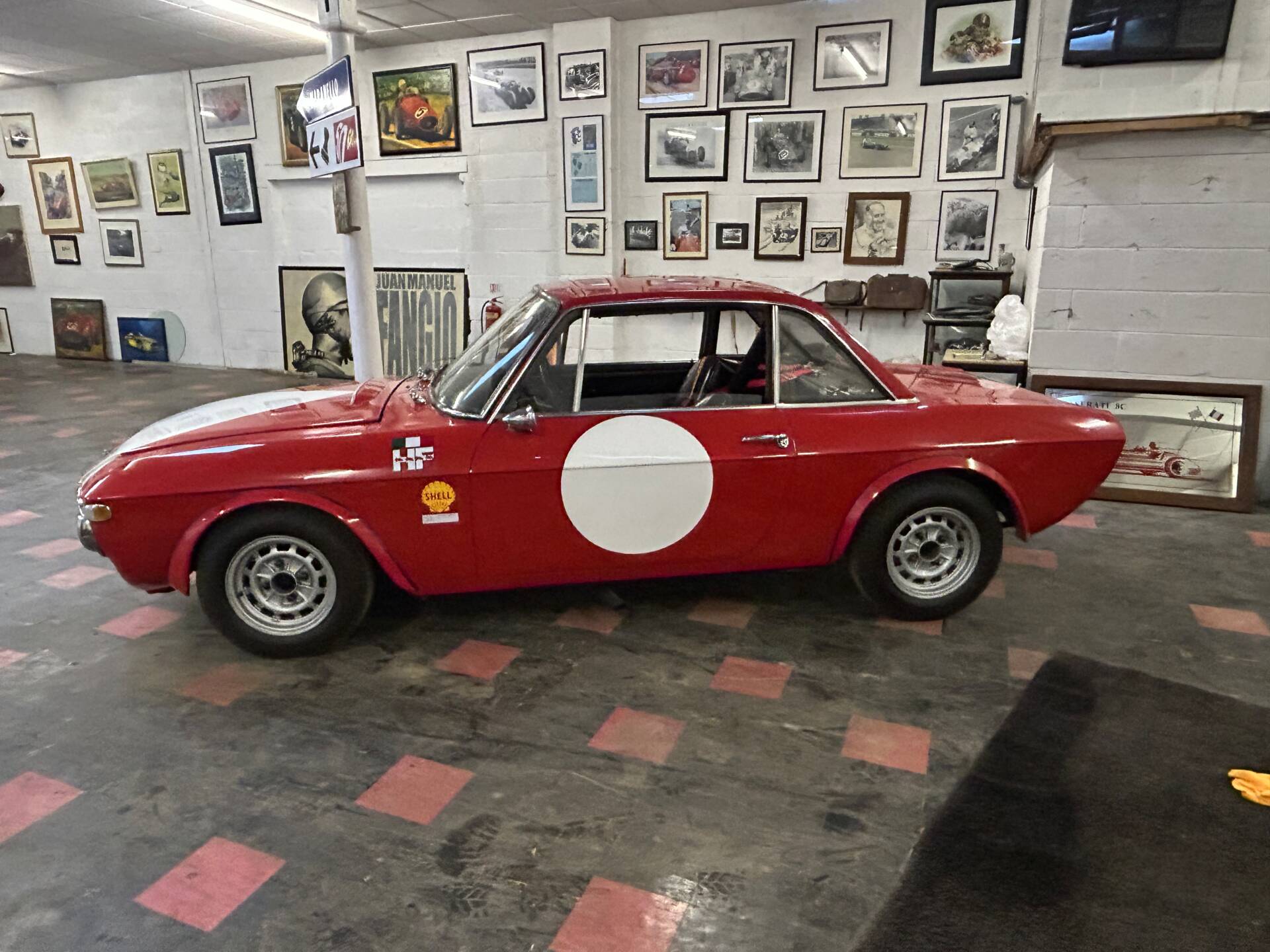
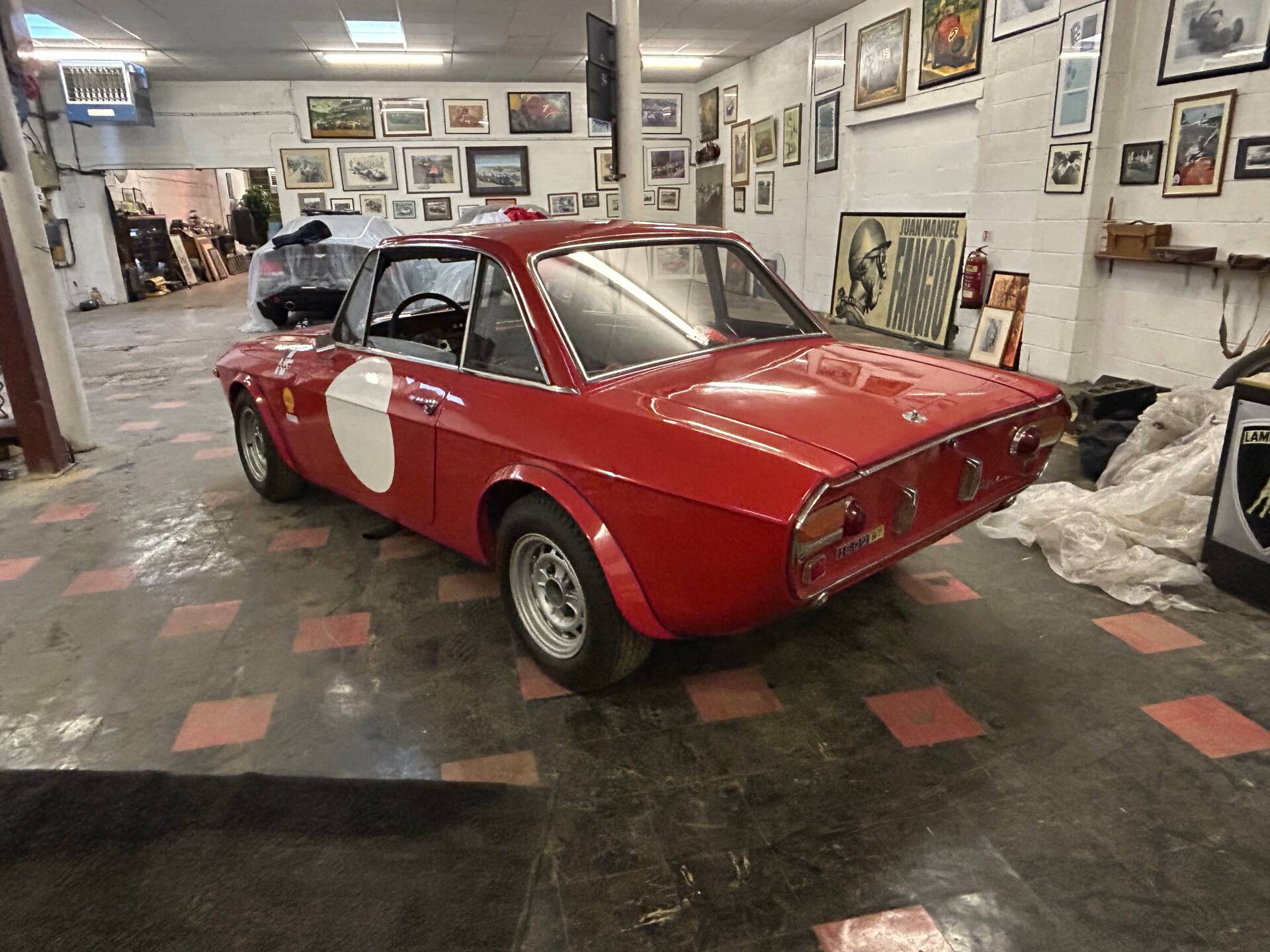
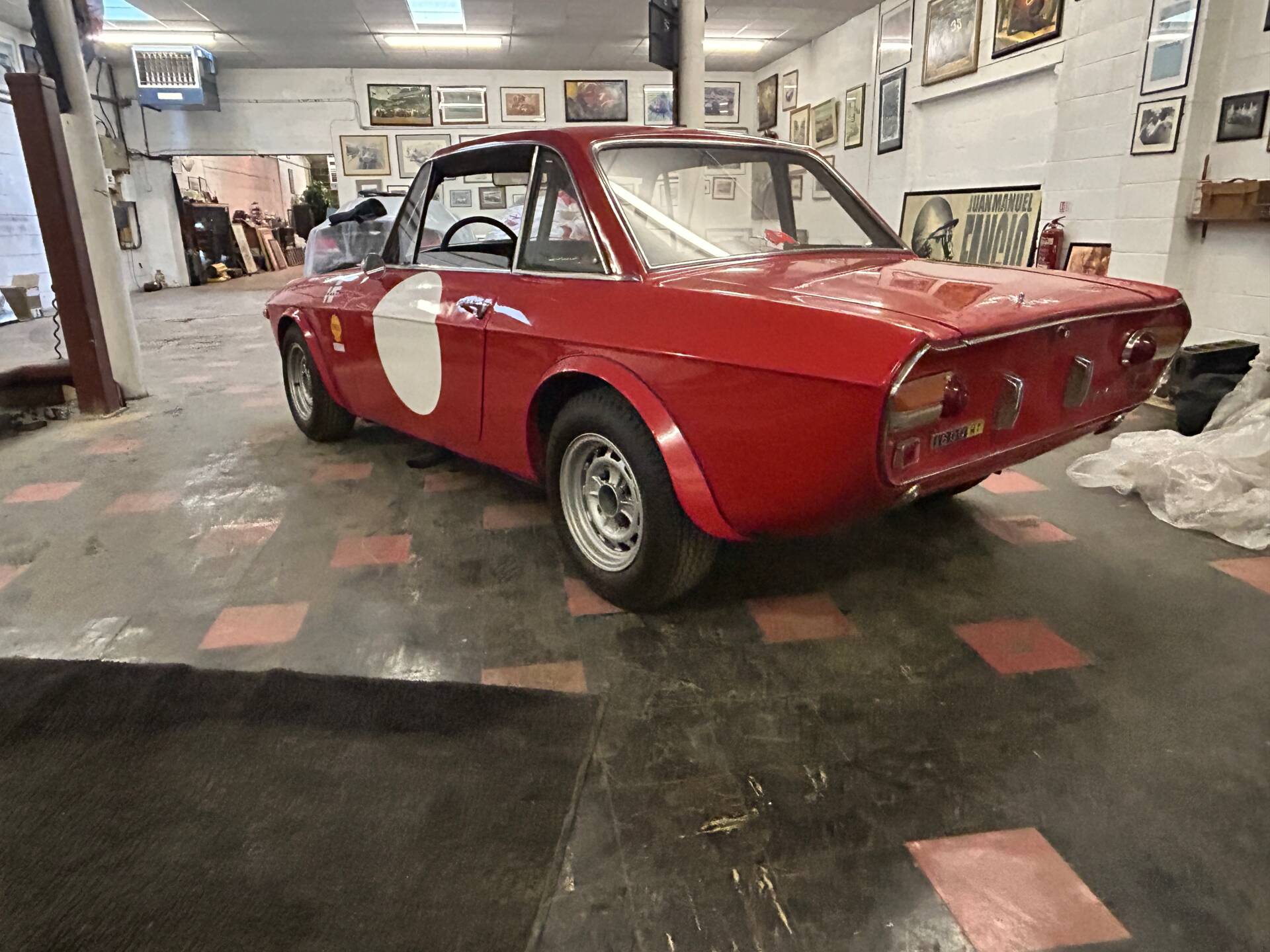
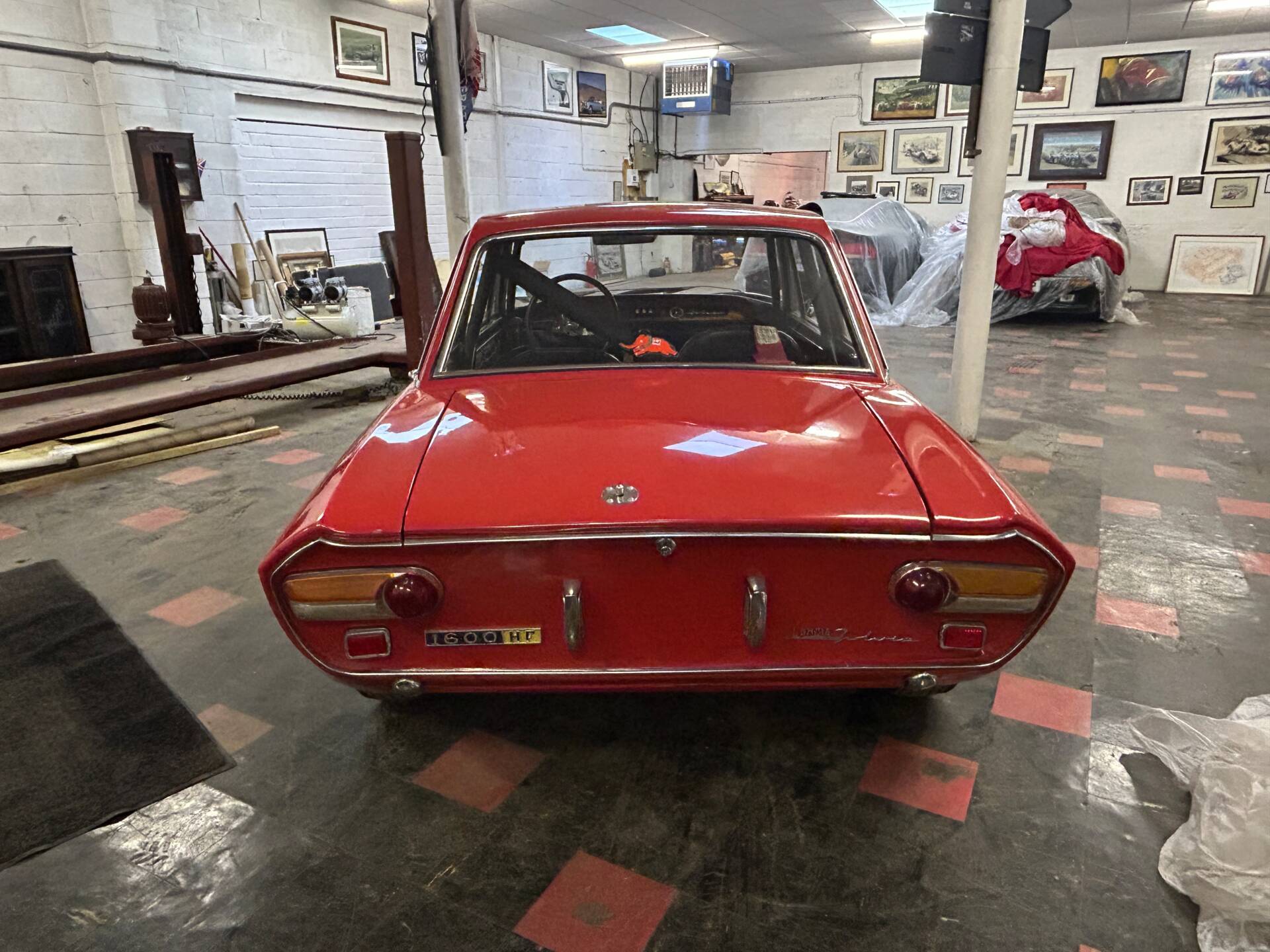
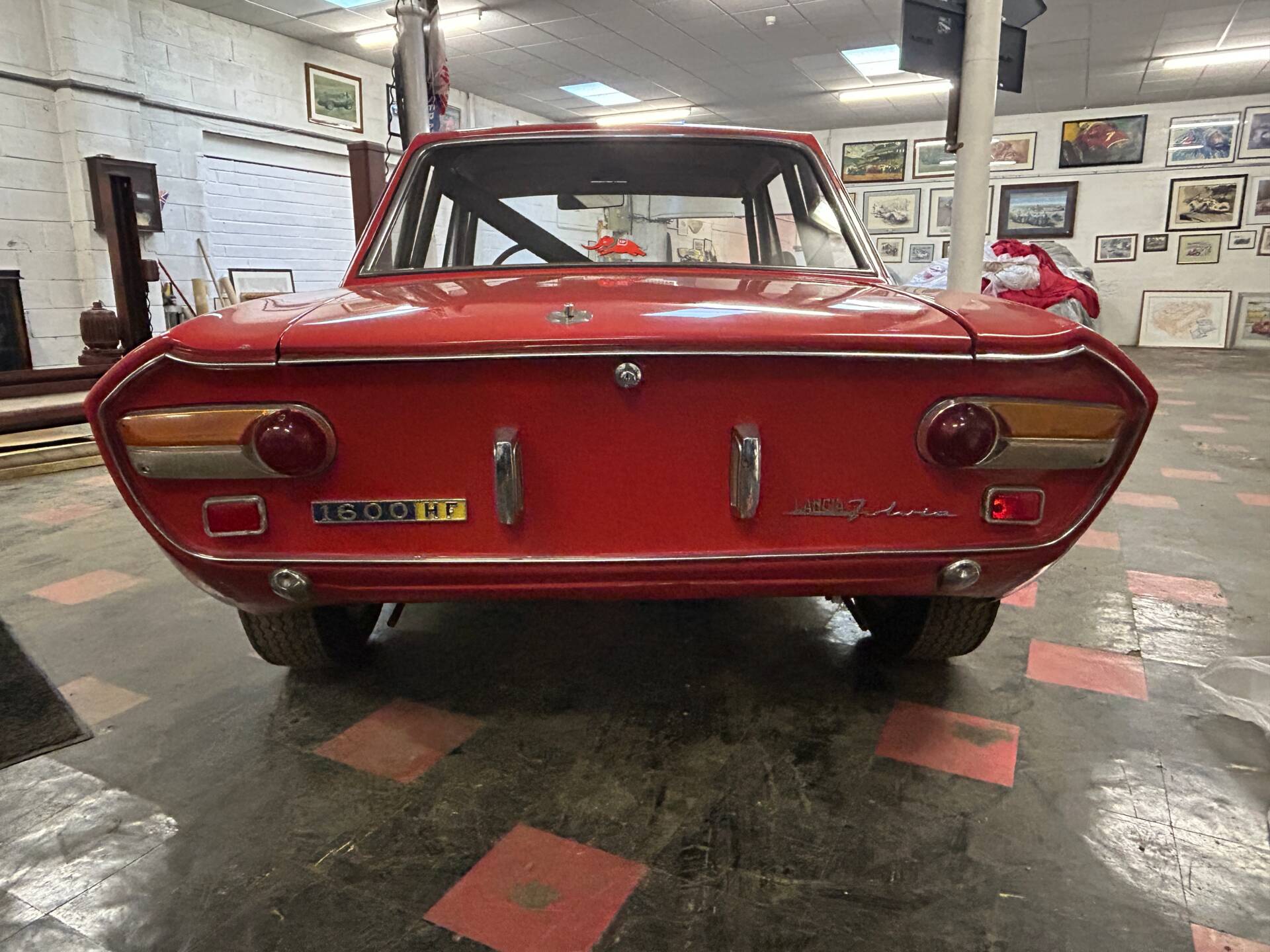
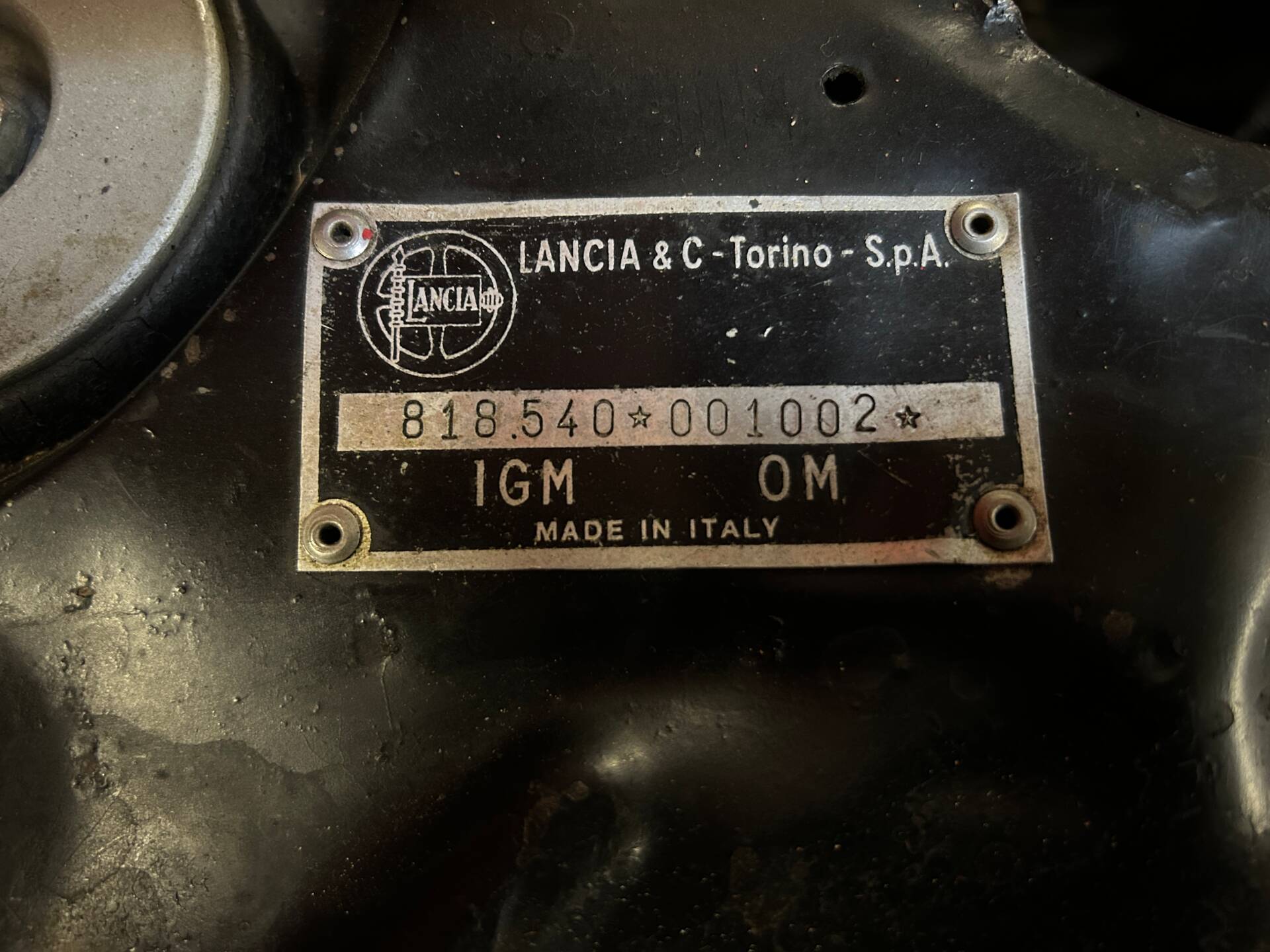
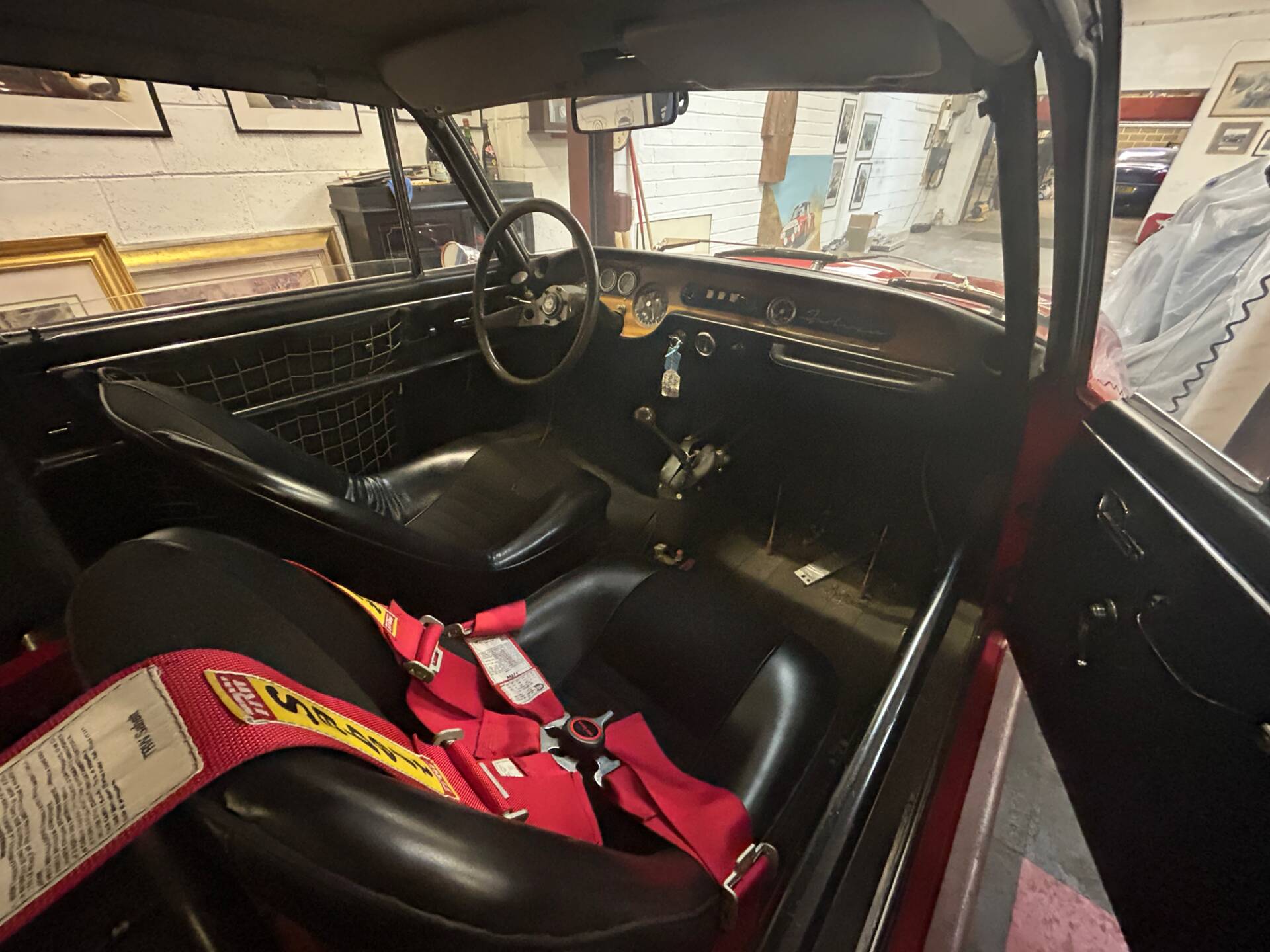
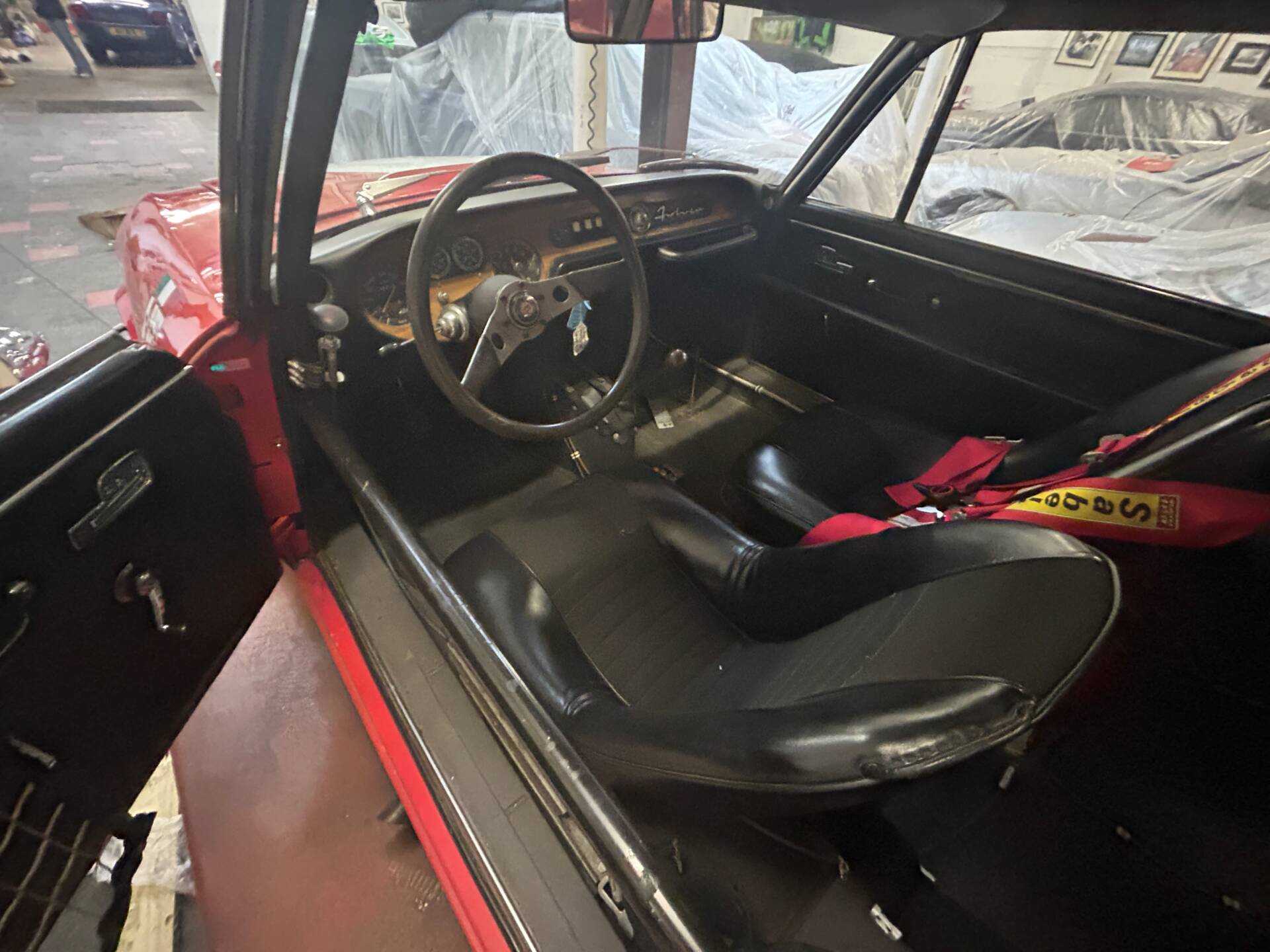
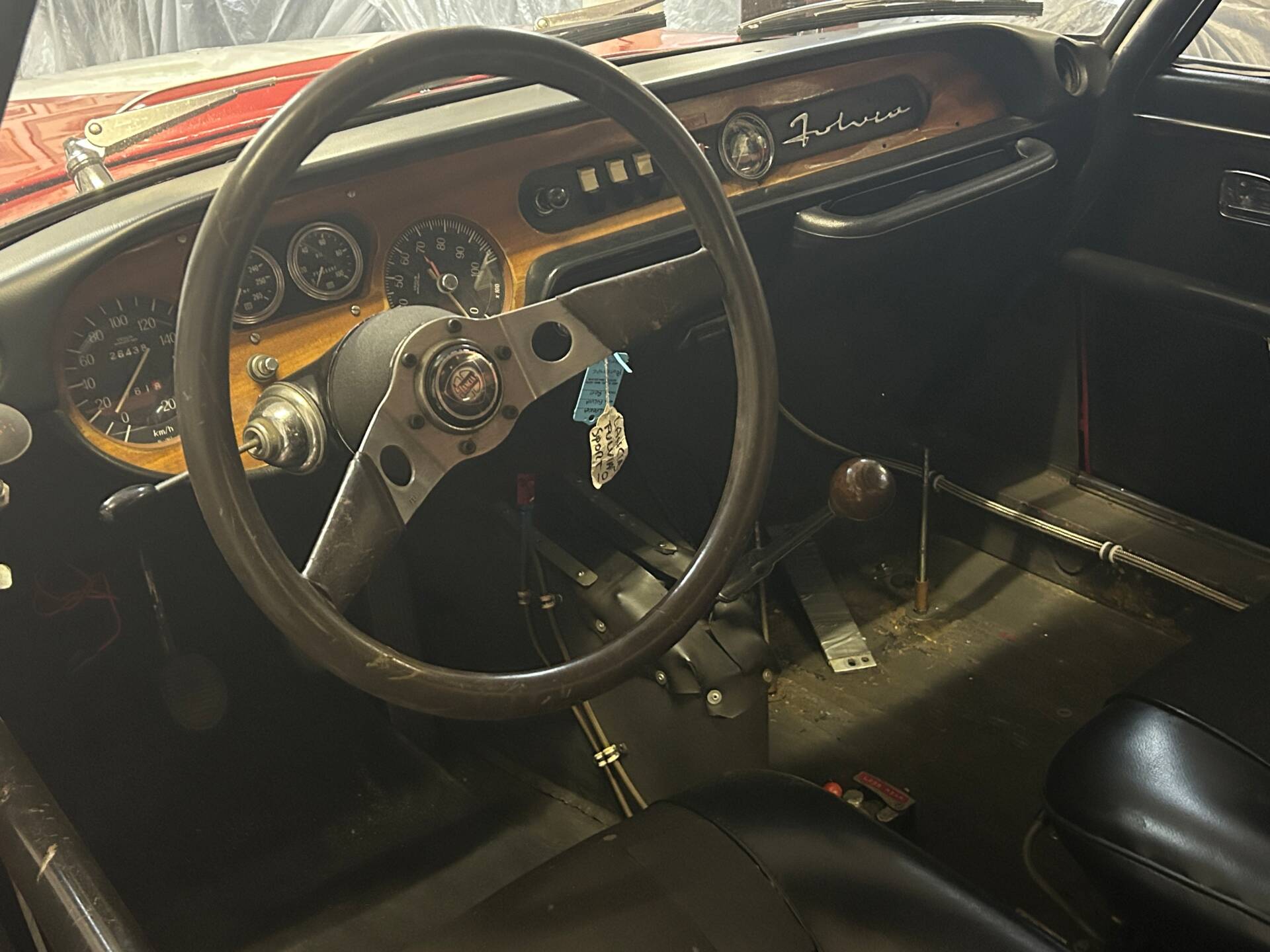
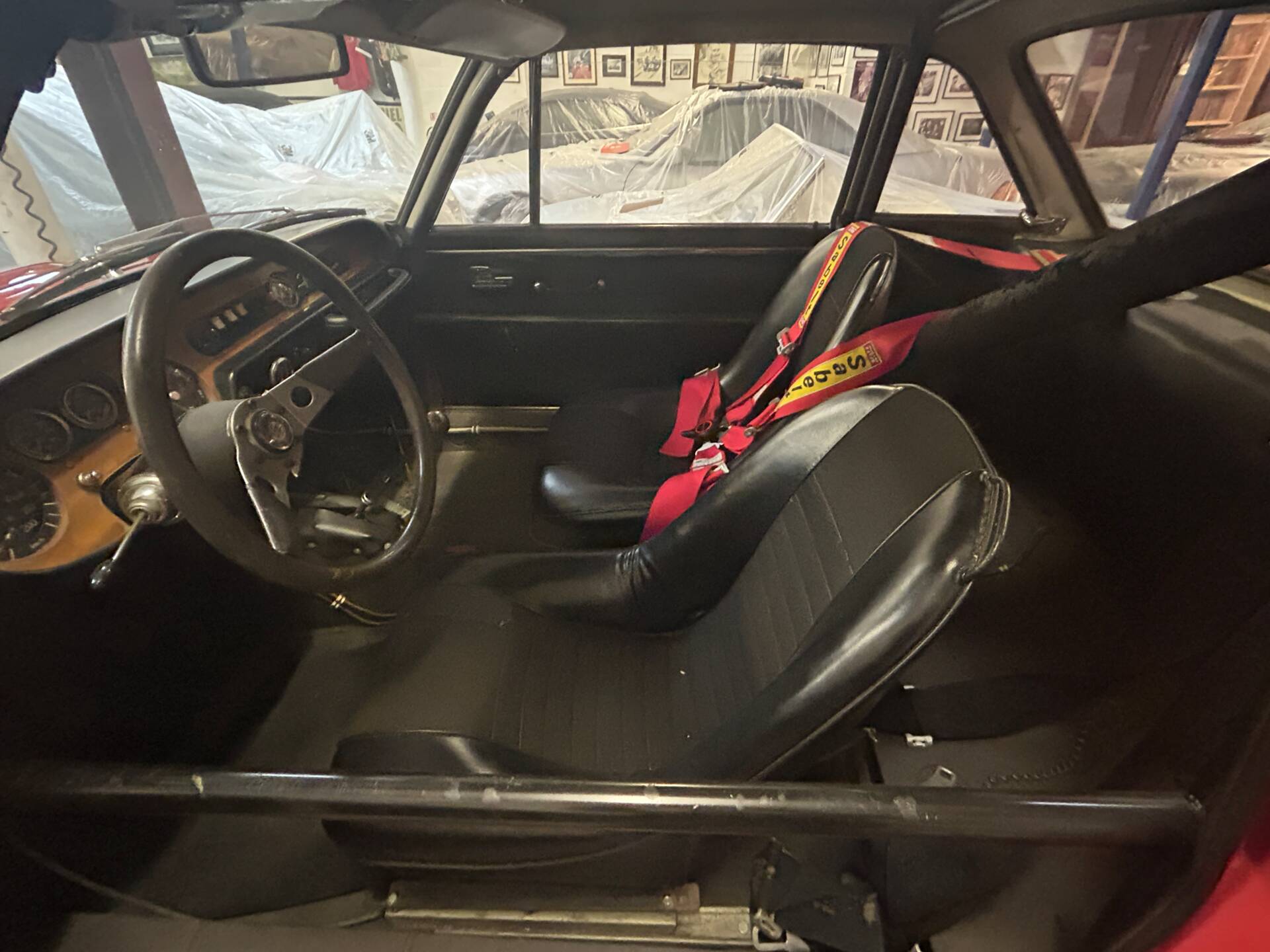
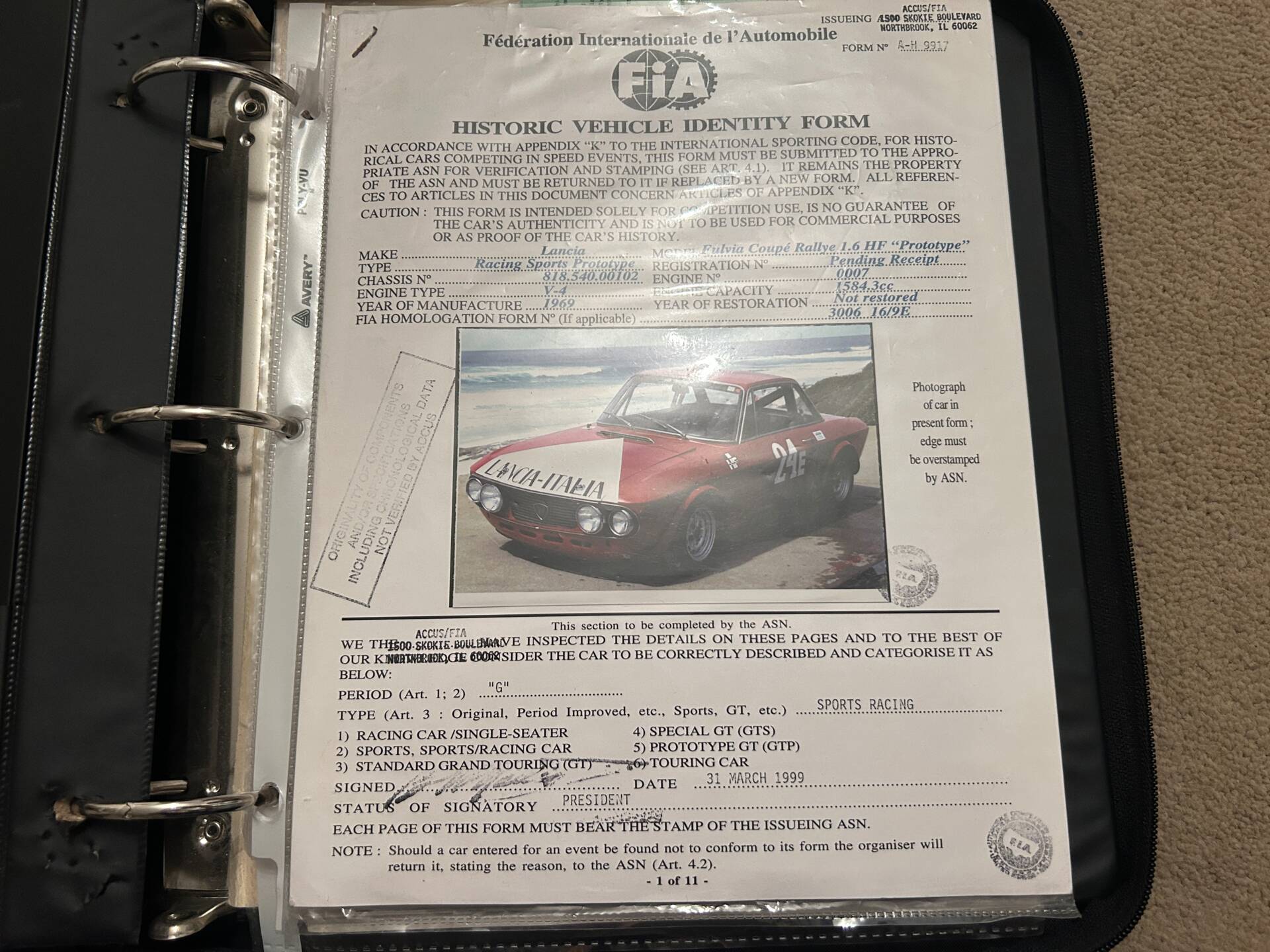
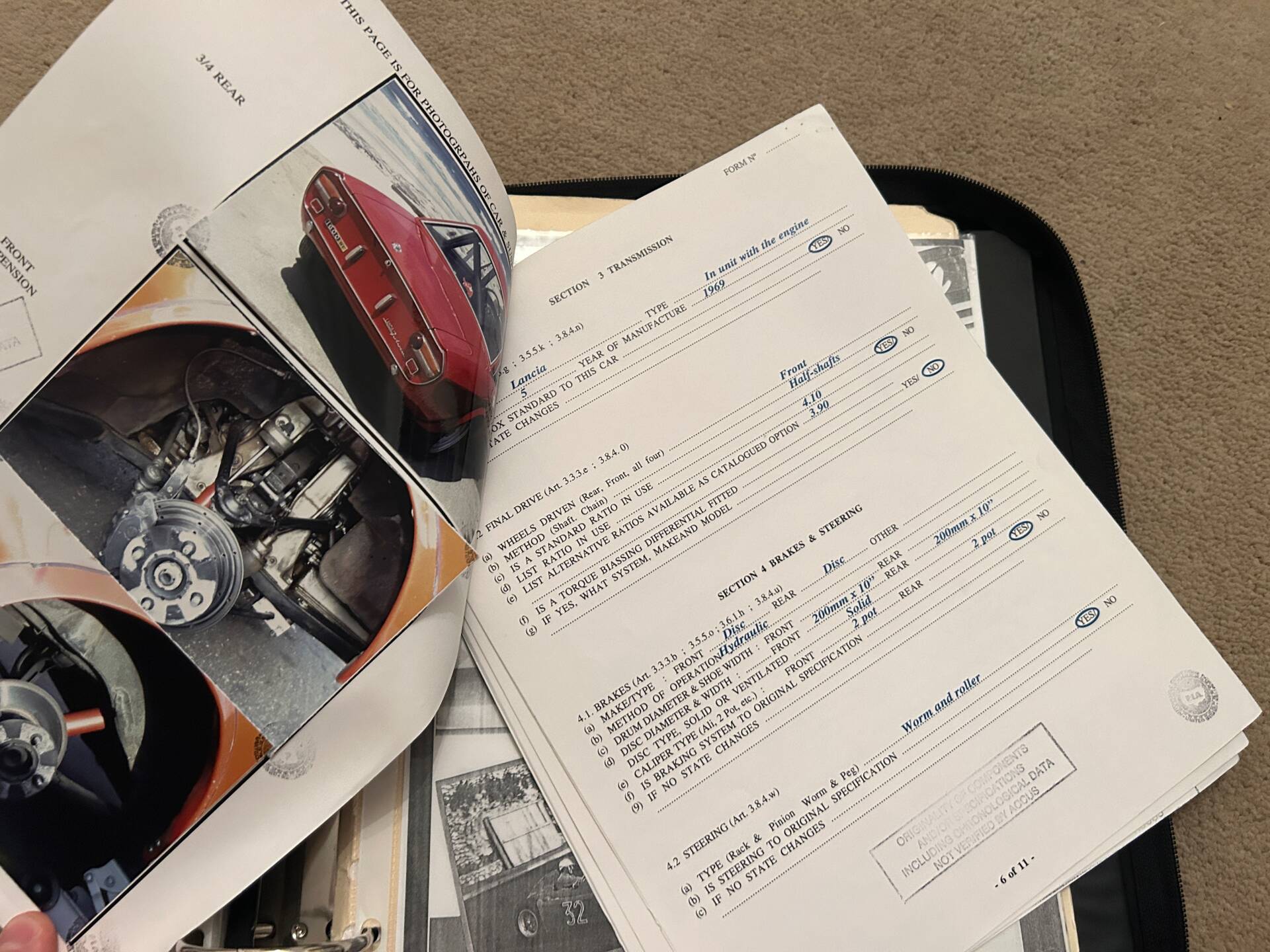
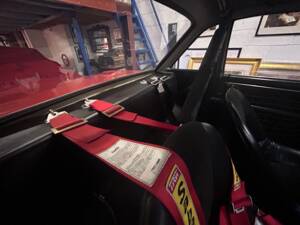
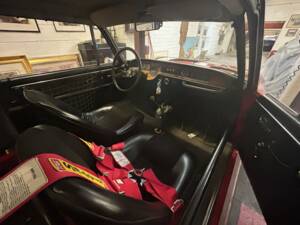
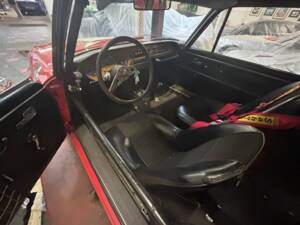
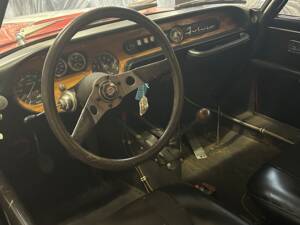
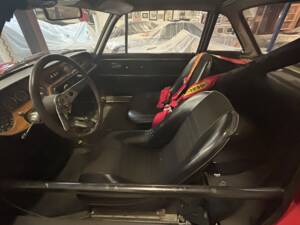
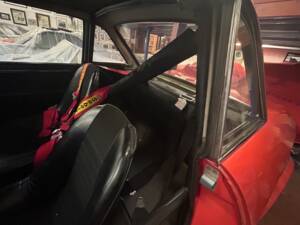
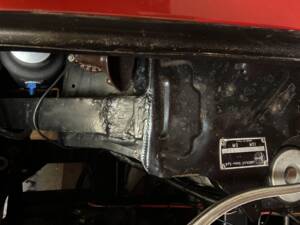
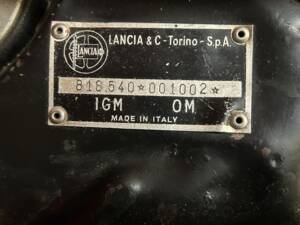
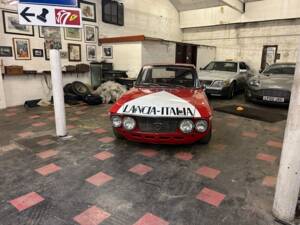
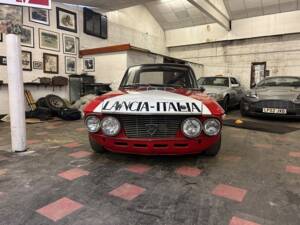
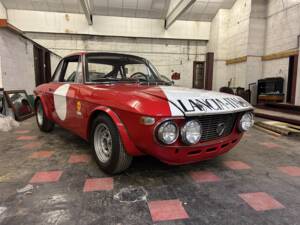
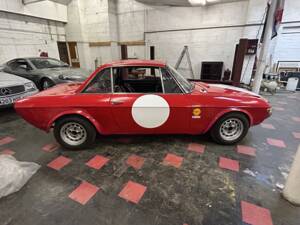
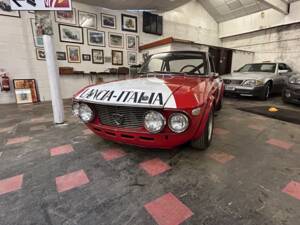
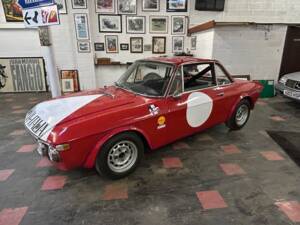
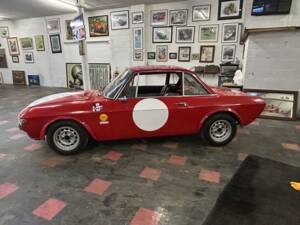
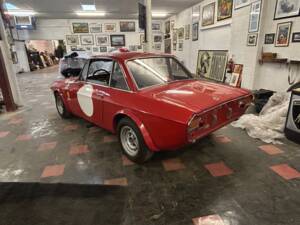
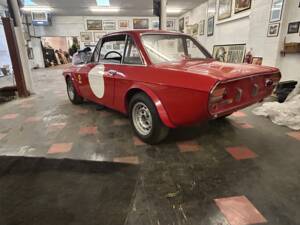
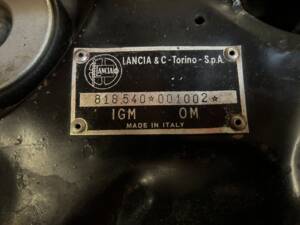
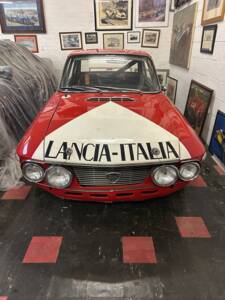
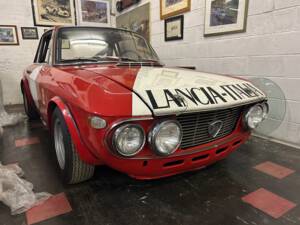
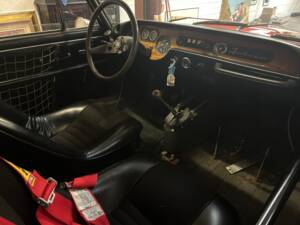
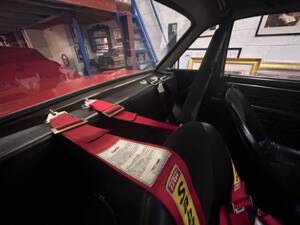
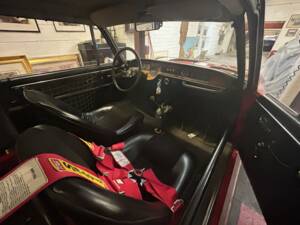
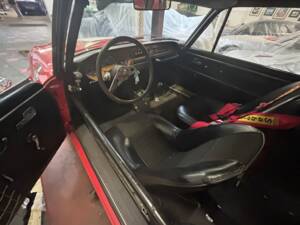
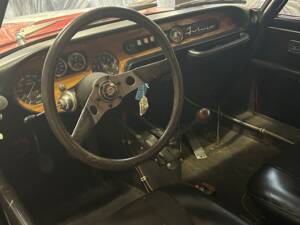
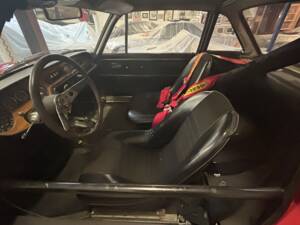
Chassis 818.5401002
Engine 818.5408003
Gearbox 818.612
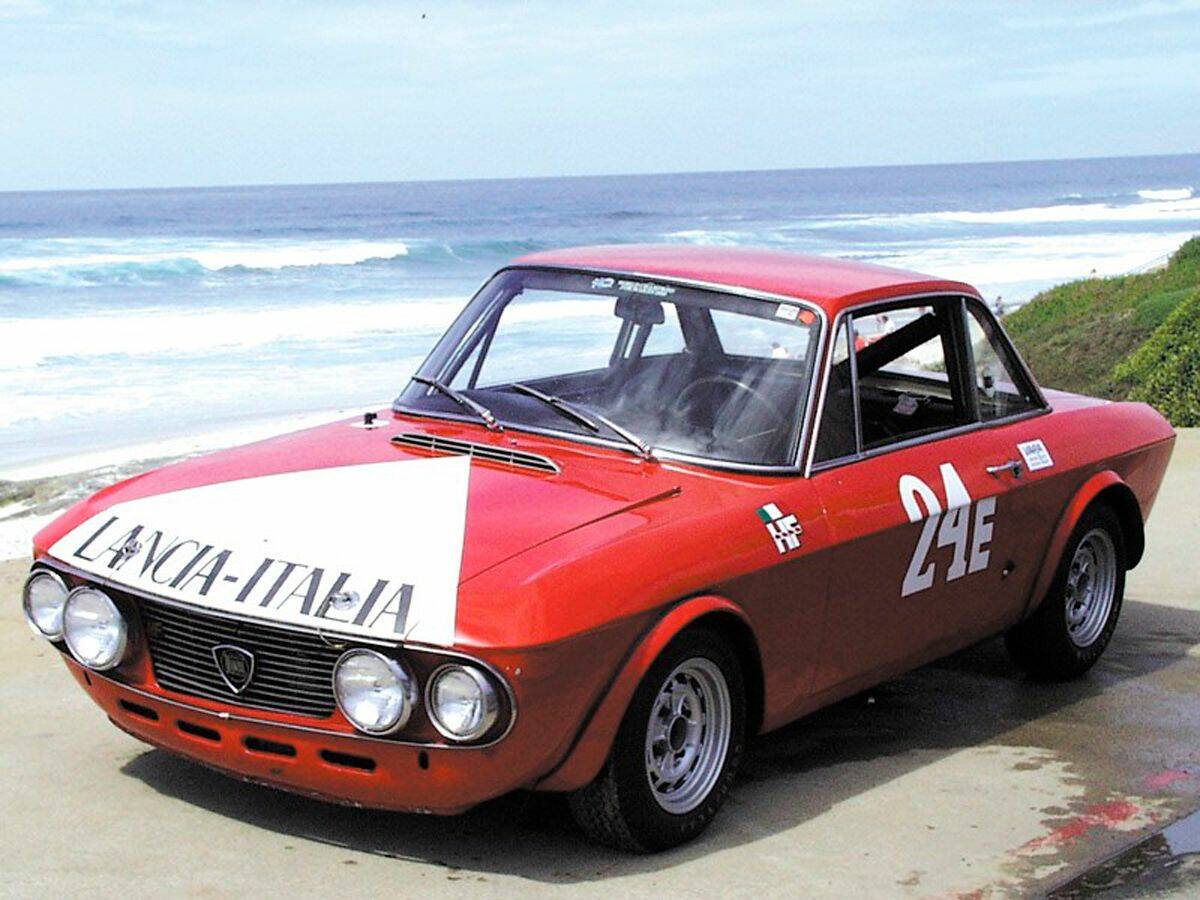
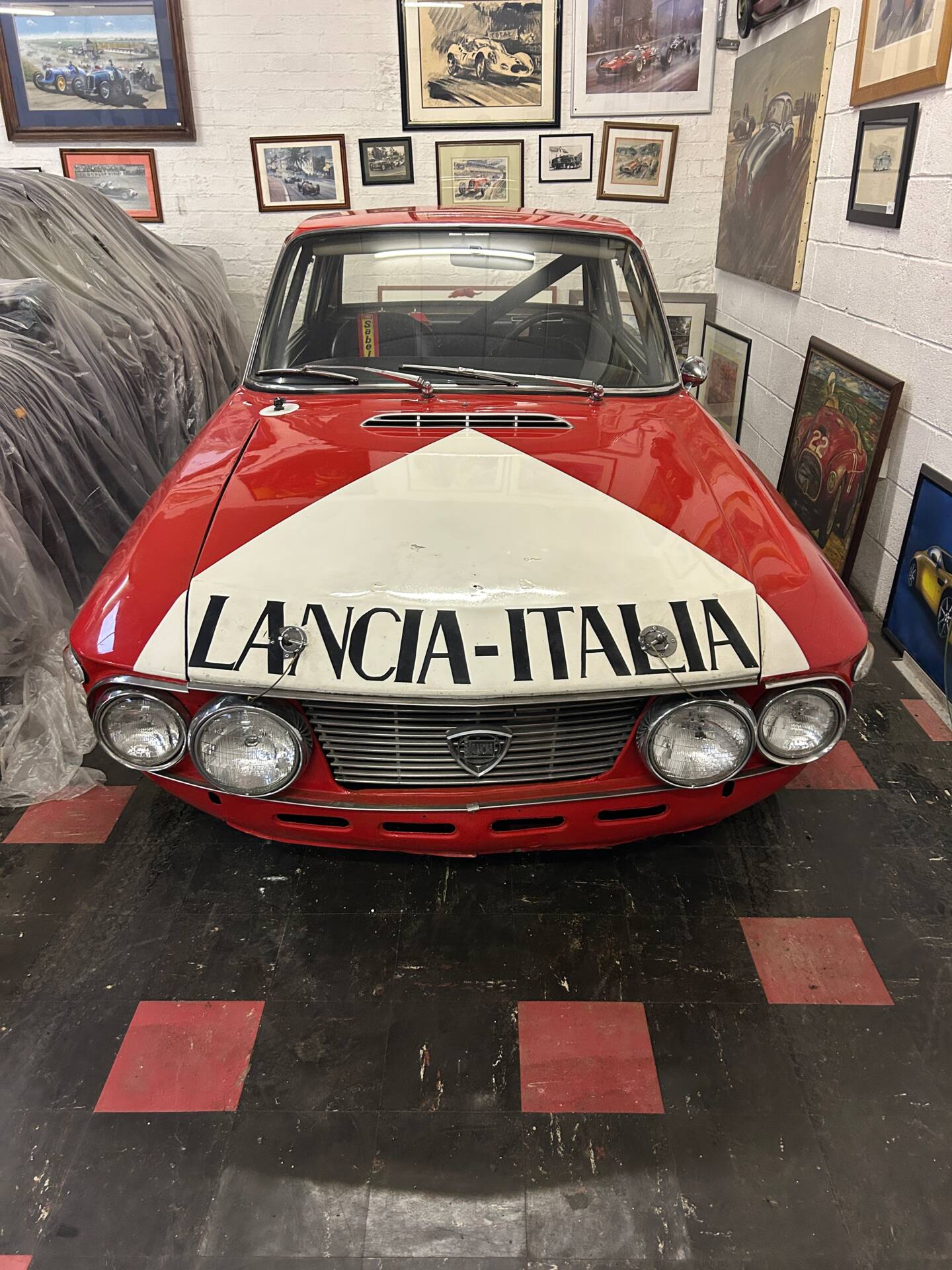
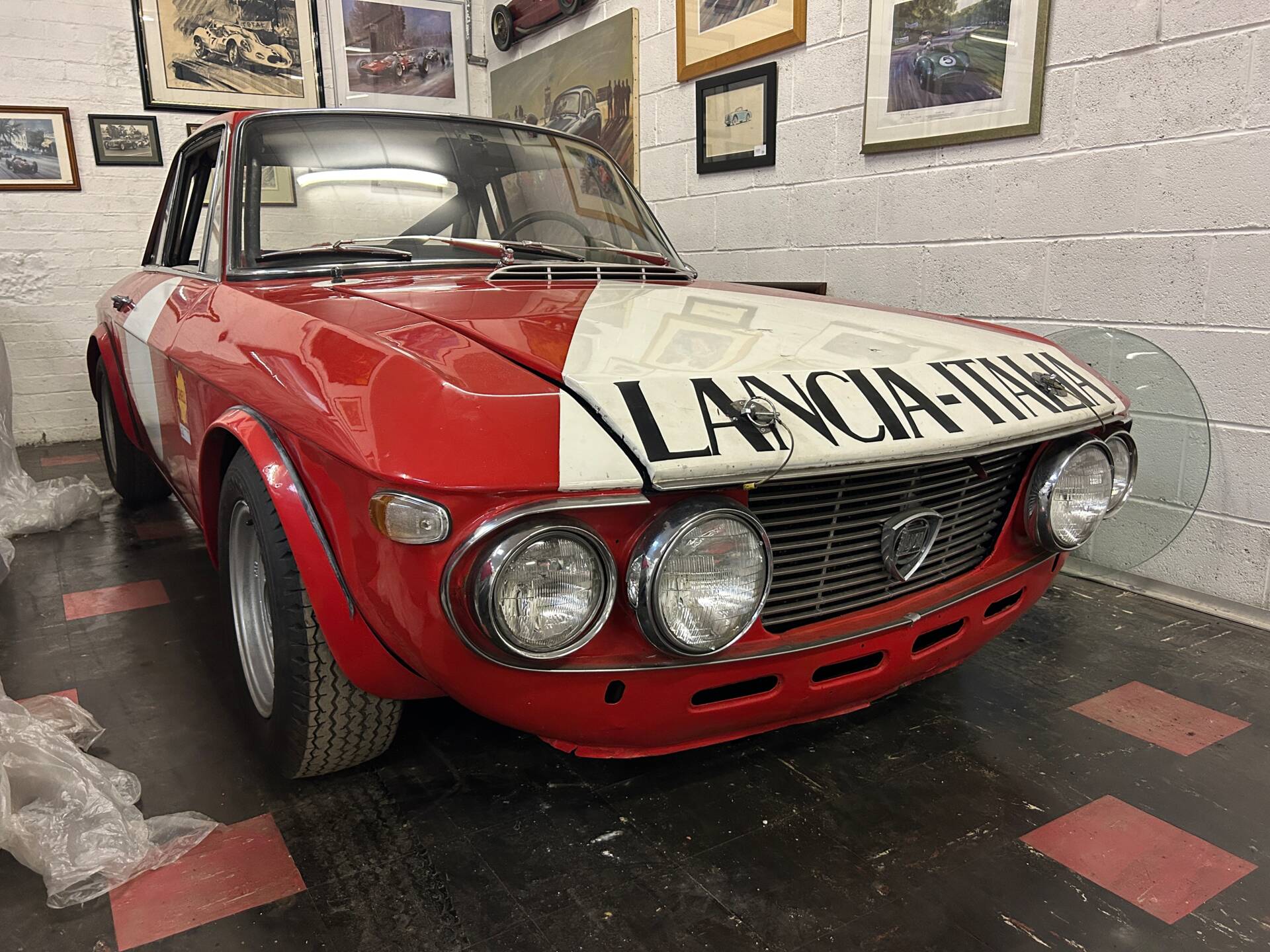
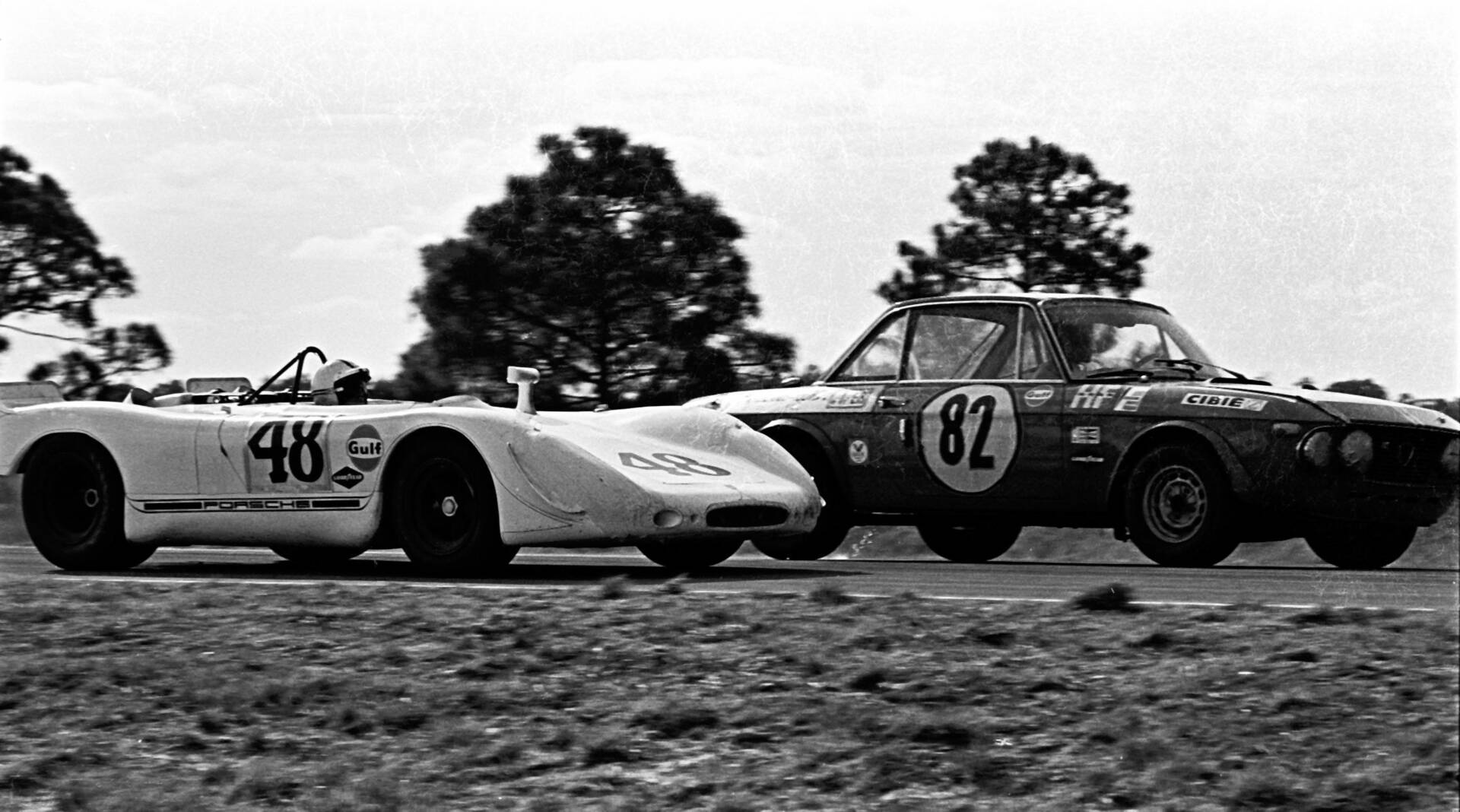
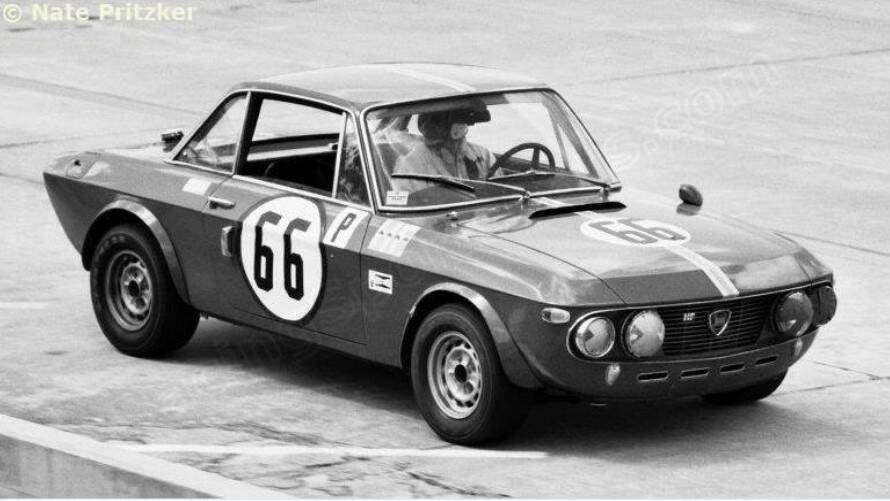
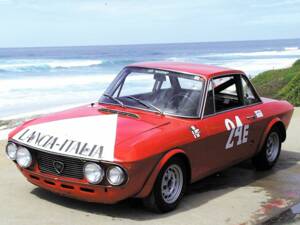
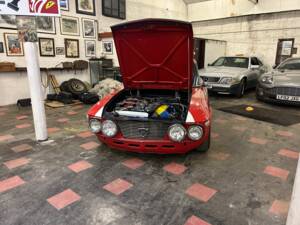
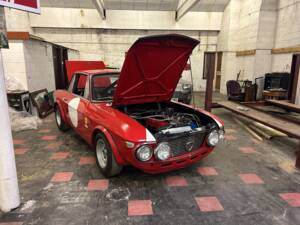
Ex-factory team car/ the second HF Squadra Corse car built. Driven by Innes Ireland at the 1969 Sebring 12 Hours
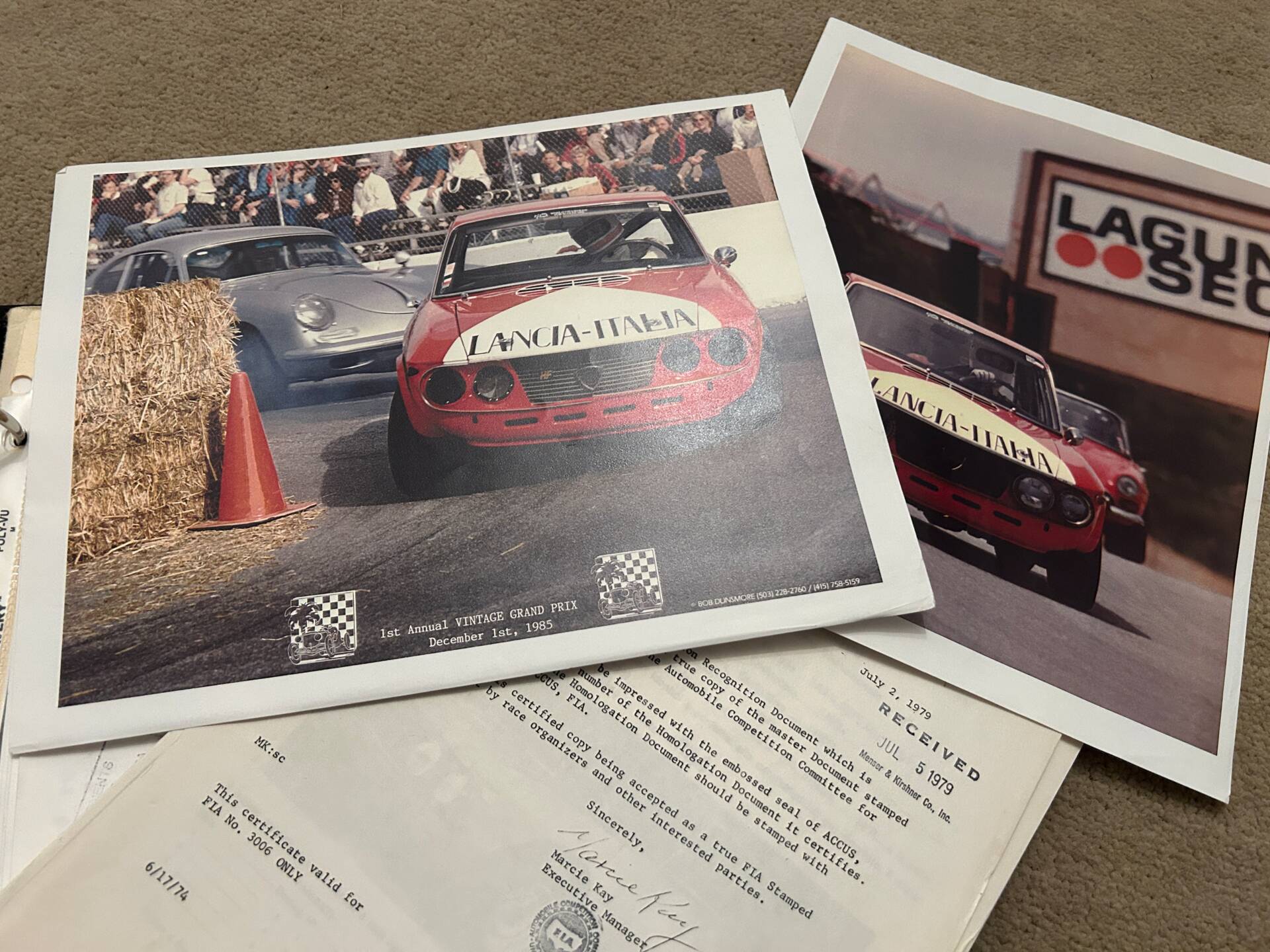
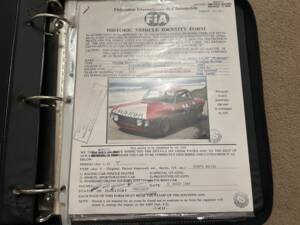
The earliest surviving example of an HF 1600 produced for Homologation by the FIA
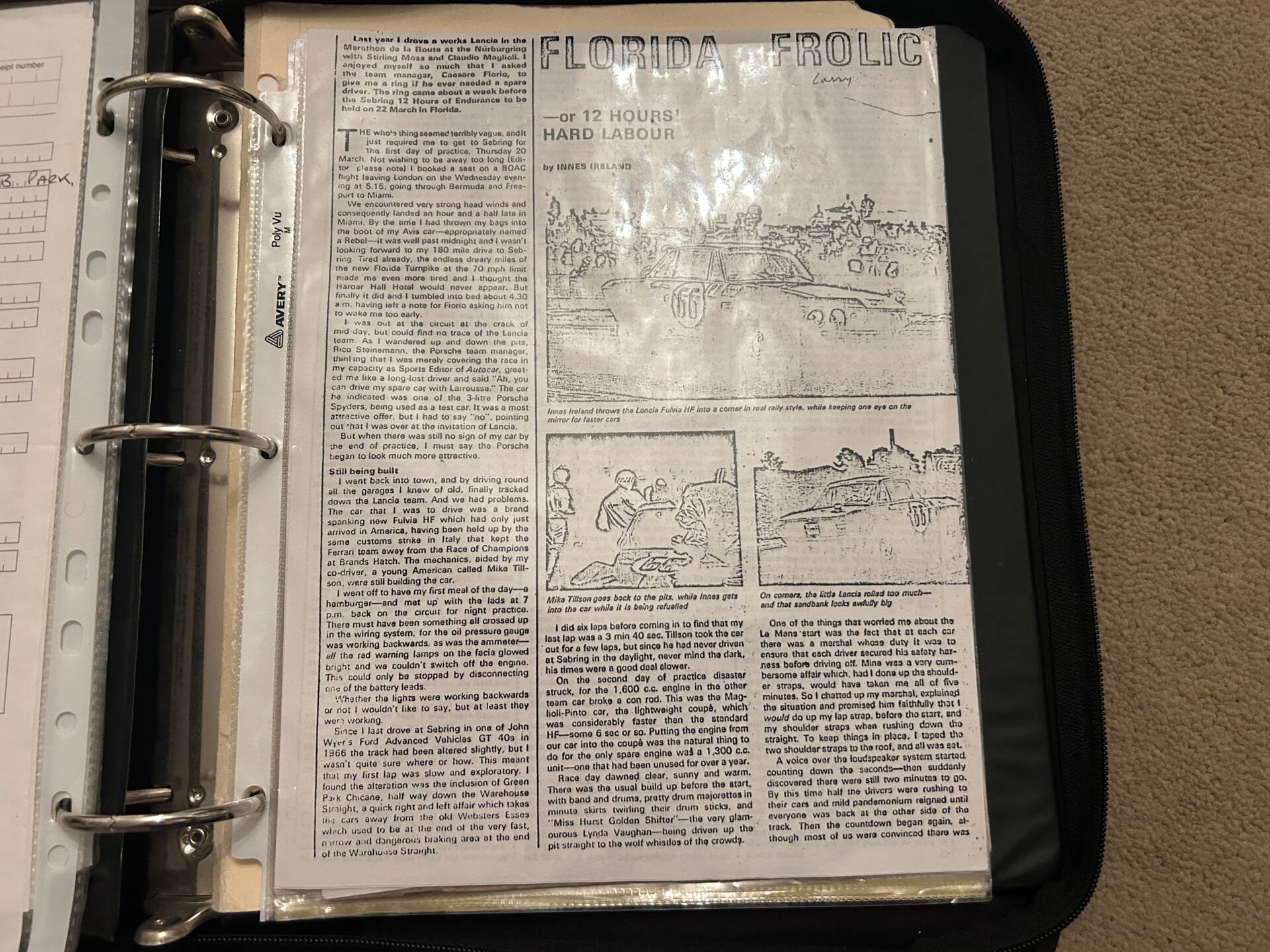
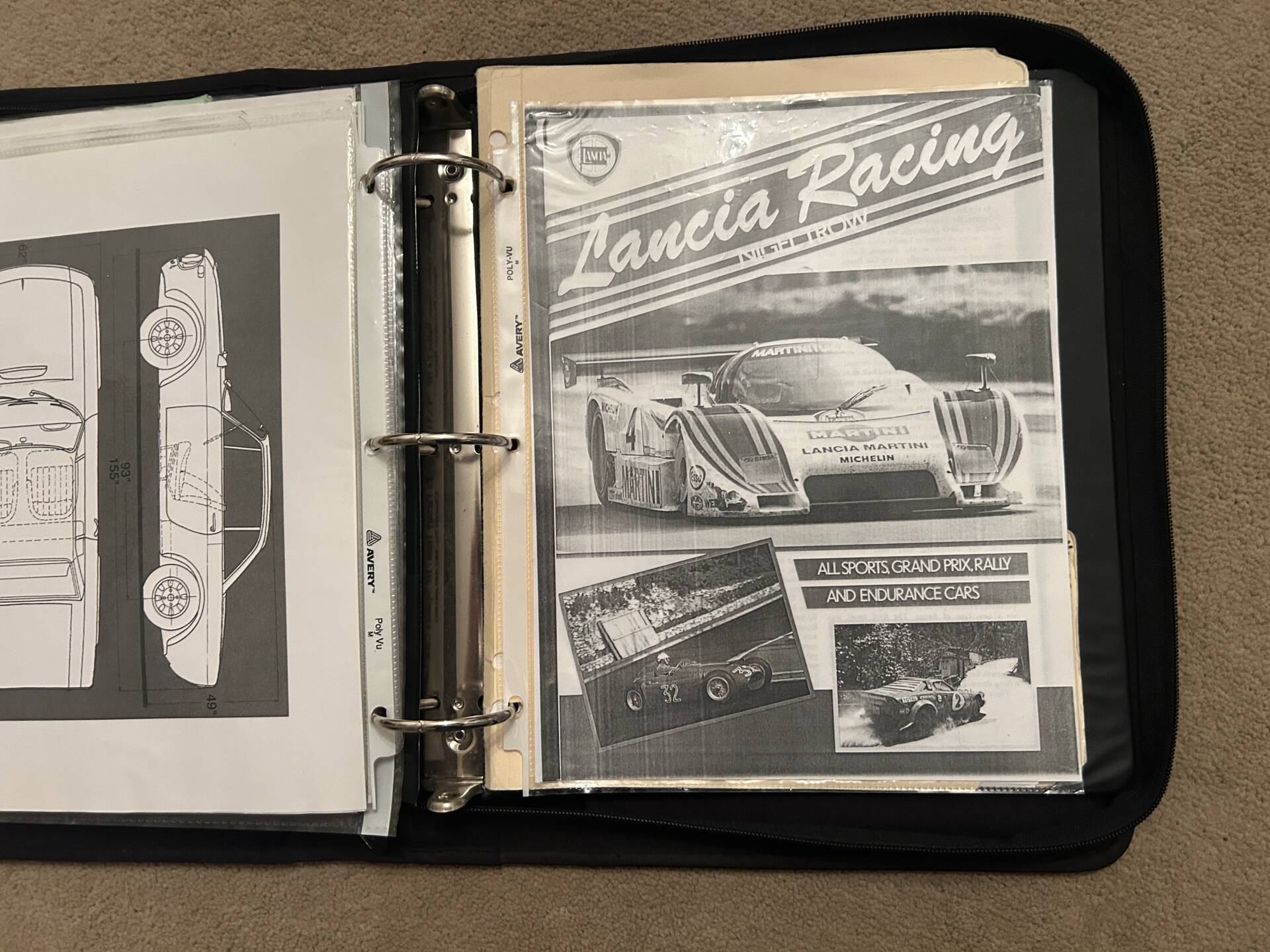
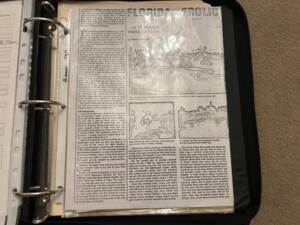
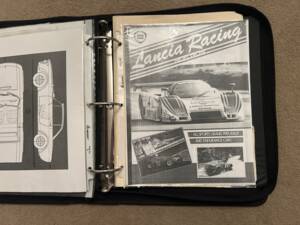
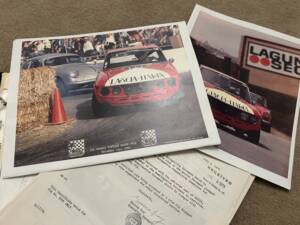
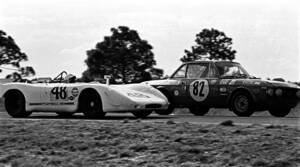
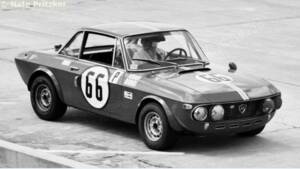
Built by HF Squadra Corse in late 1968, Chassis 818.540*001002 was shipped from Turin to the USA and handed over to Lancia’s US importer, Algar Enterprises, for endurance racing and specifically the 1969 Sebring 12 Hours in 1969, to be raced by Innes Ireland and a young American mechanic-turned-driver named Michael Tillson, who worked for Algar. As documented by Ireland in his column in the 8 May 1969 issue of Autocar (and recounted by Nigel Trow in his well known book ‘Lancia Racing’), the day before the car arrived the Fulvia Sport of Maglioli lost its engine in practice, and the 1600 engine from #1002 was swapped into the Sport. #1002’s engine was replaced with a 1.3HF 818.342 engine, which resulted in a frustrating race for Ireland & Tillson, as the car’s gearbox (818.540.0016 at the time) was geared for the 1600 engine.
Following Sebring, #1002 was acquired by a US privateer team. Just before Sebring 1970, the new owner, Bob Clark, obtained engine 818.540.001009 V1016 from the Reparto Corse. Engines were ‘pooled’ at the Reparto Corse, and swapped in and out of chassis as needed.
After Sebring 1970, chassis #1002 was subsequently sold to Michael Siegrist, a Lancista in Maryland who subsequently sold the car to Larry Menser, a West Coast racer, who raced the car for a number of years, winning two vintage championships with it. The car was then sold to Bill Noon of Symbolic in La Jolla, California, and Bill raced the car in historic racing in Europe.
At some point in its history, gearbox 0016 suffered an oiling failure at full speed, seizing the ‘box and stopping the engine instantly and sending rods #1 and #2 through the alloy crankcase. Larry Menser seems to remember the engine blowing up when he raced it, while Bill Noon says he blew it up chasing Stirling Moss through Radillon at Spa. However and wherever it occurred, both engine and gearbox were replaced prior to the car being sold to Ed Godshalk in Oregon. Ed sold #1002 in 2005 when it came into the current UK owner’s possession.
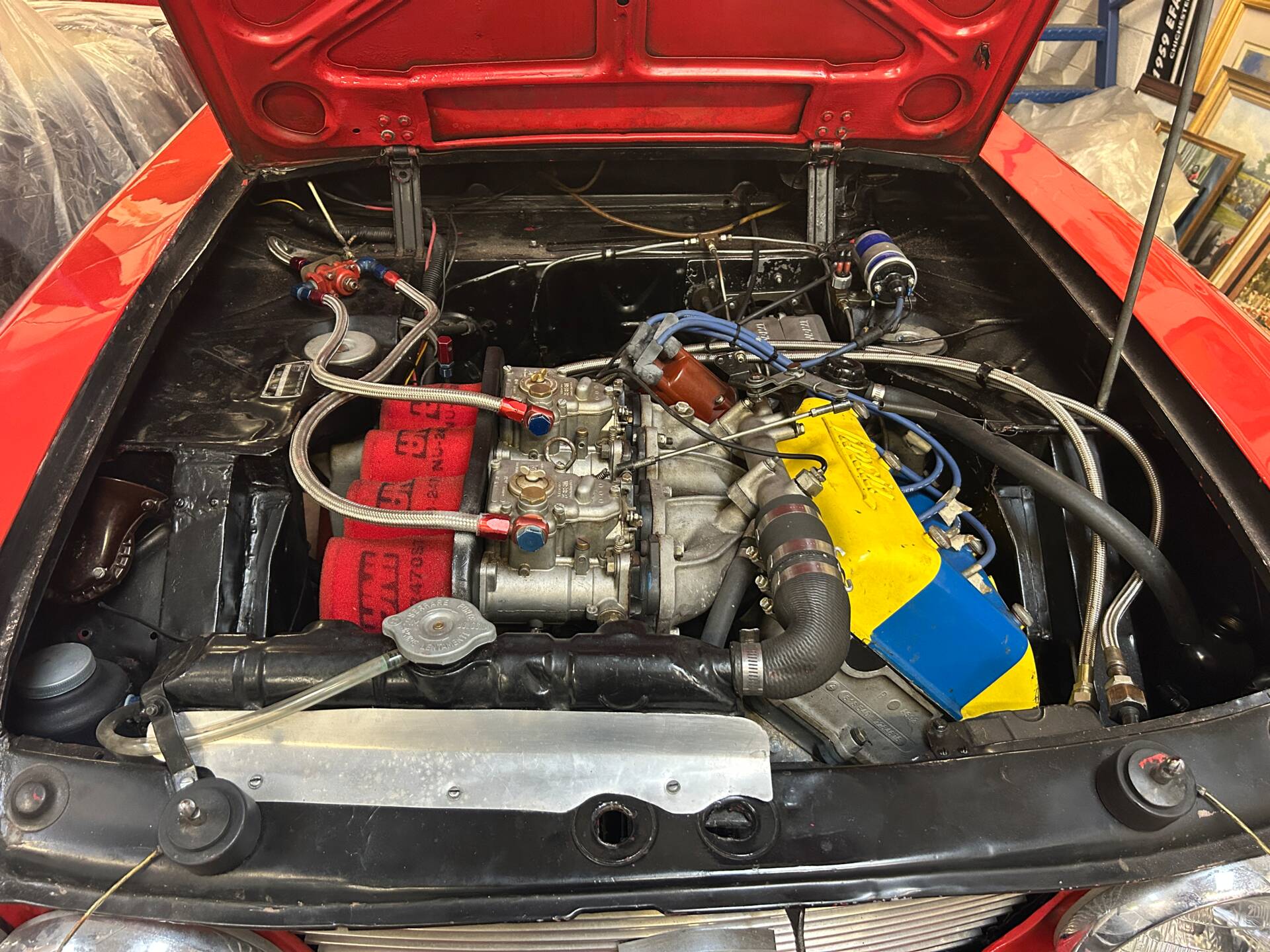
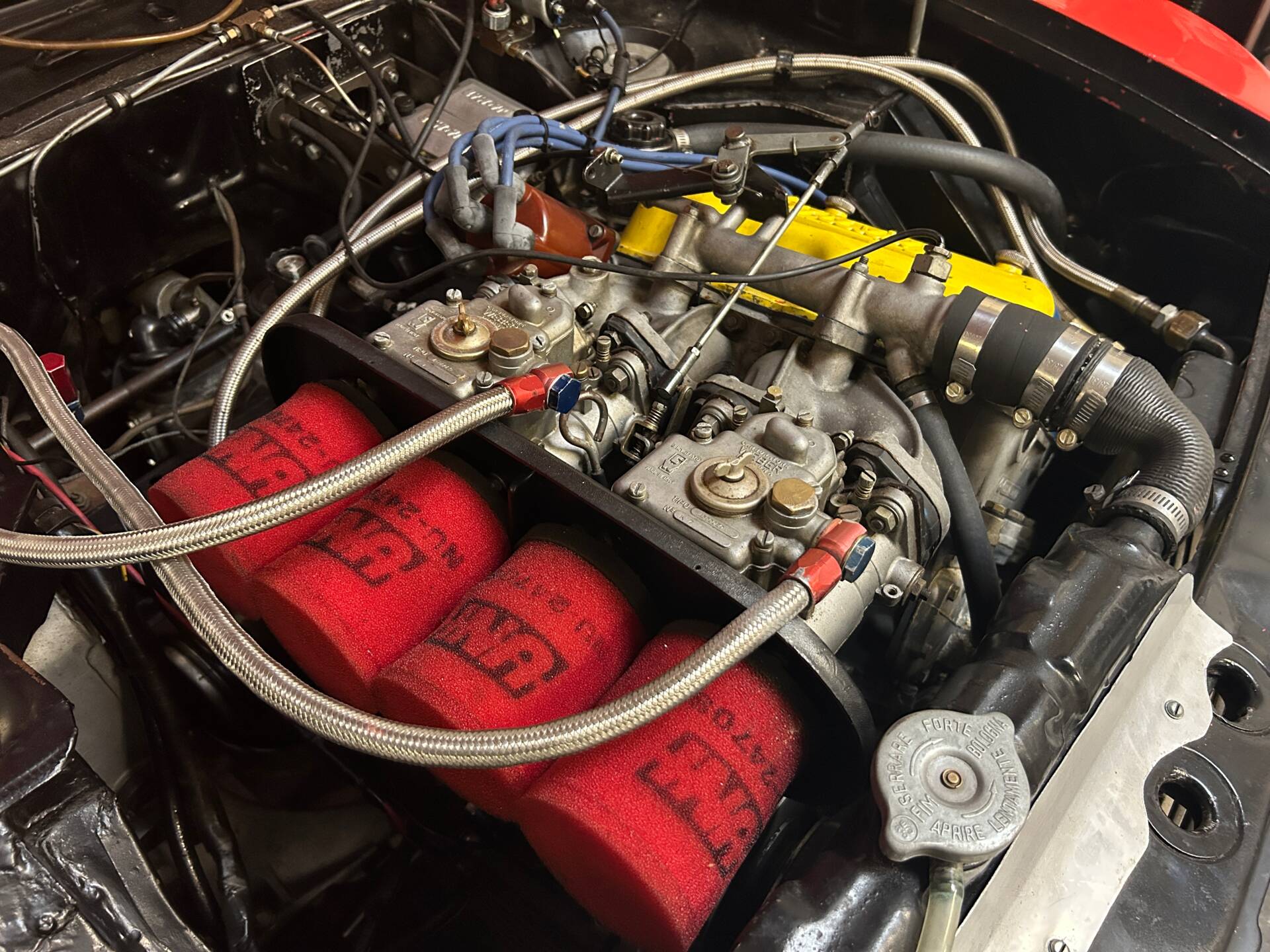
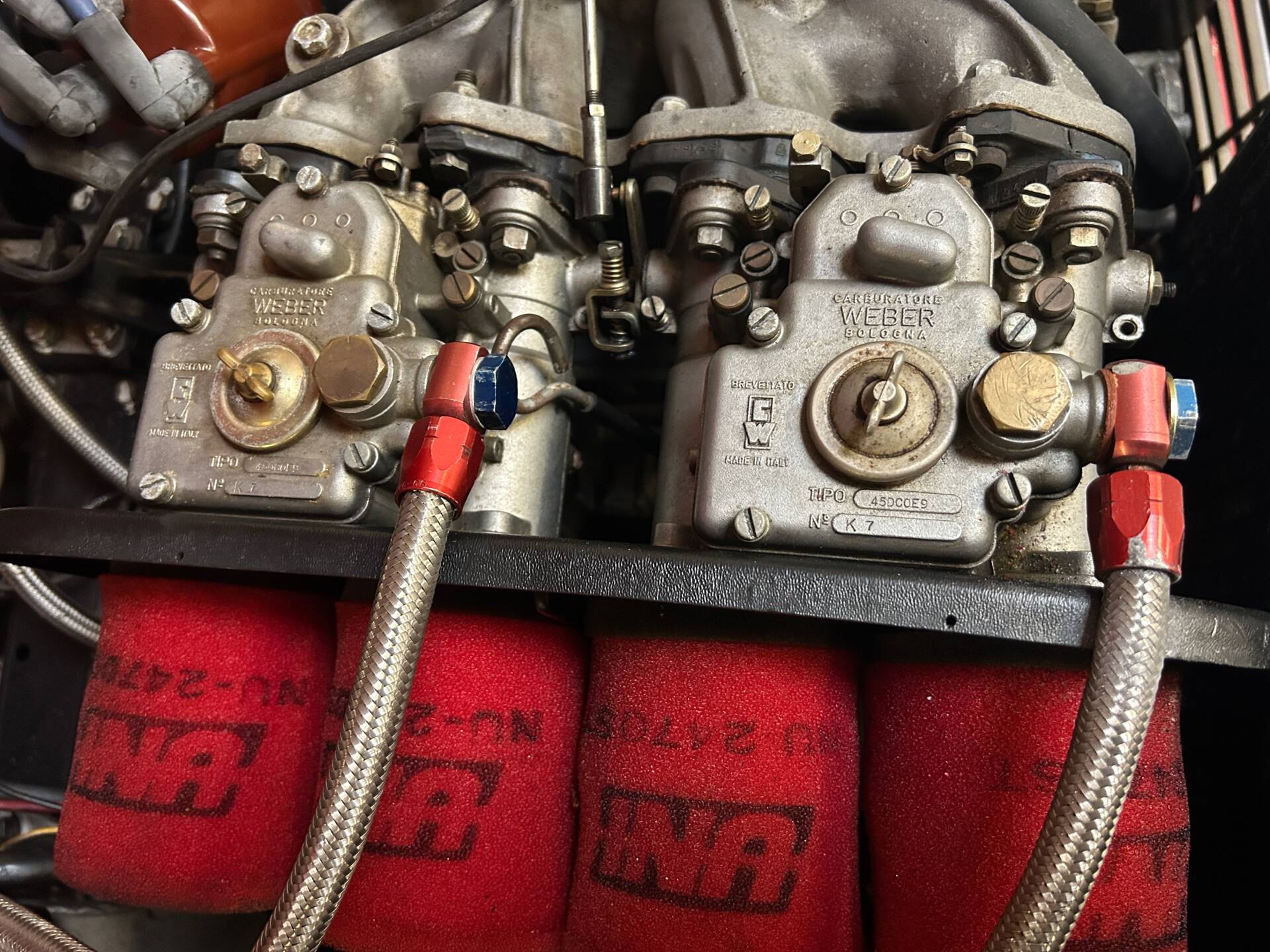
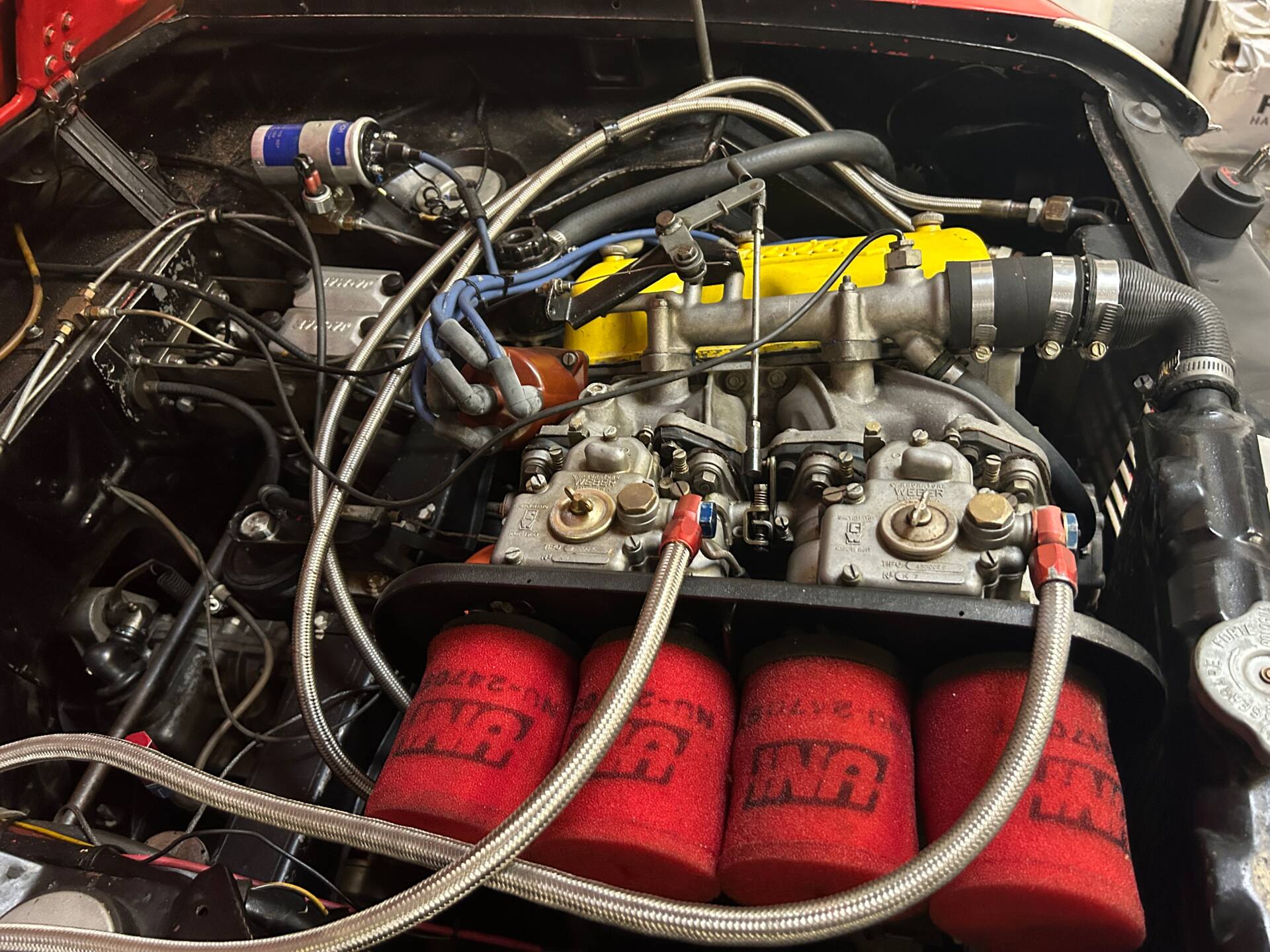
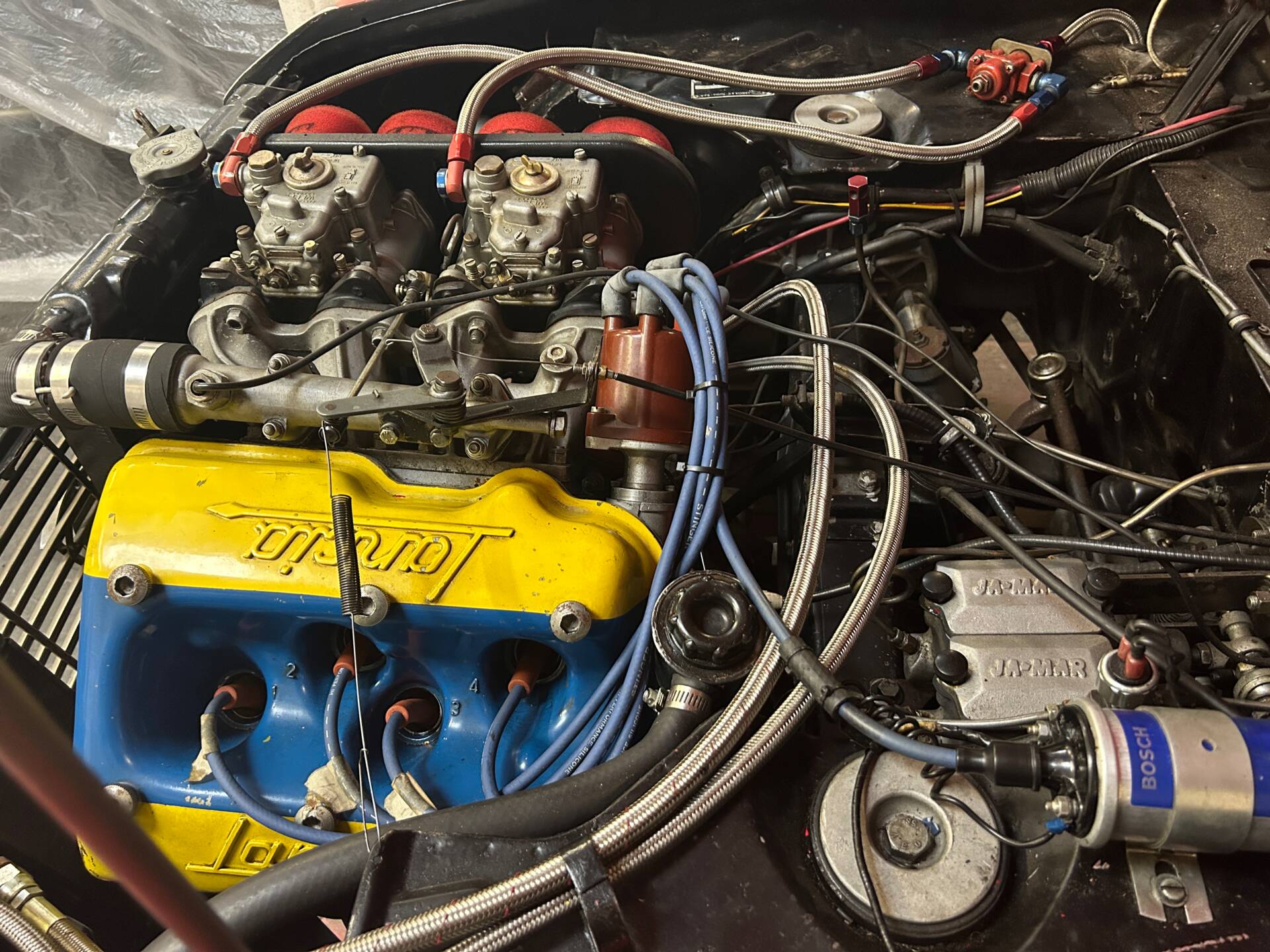
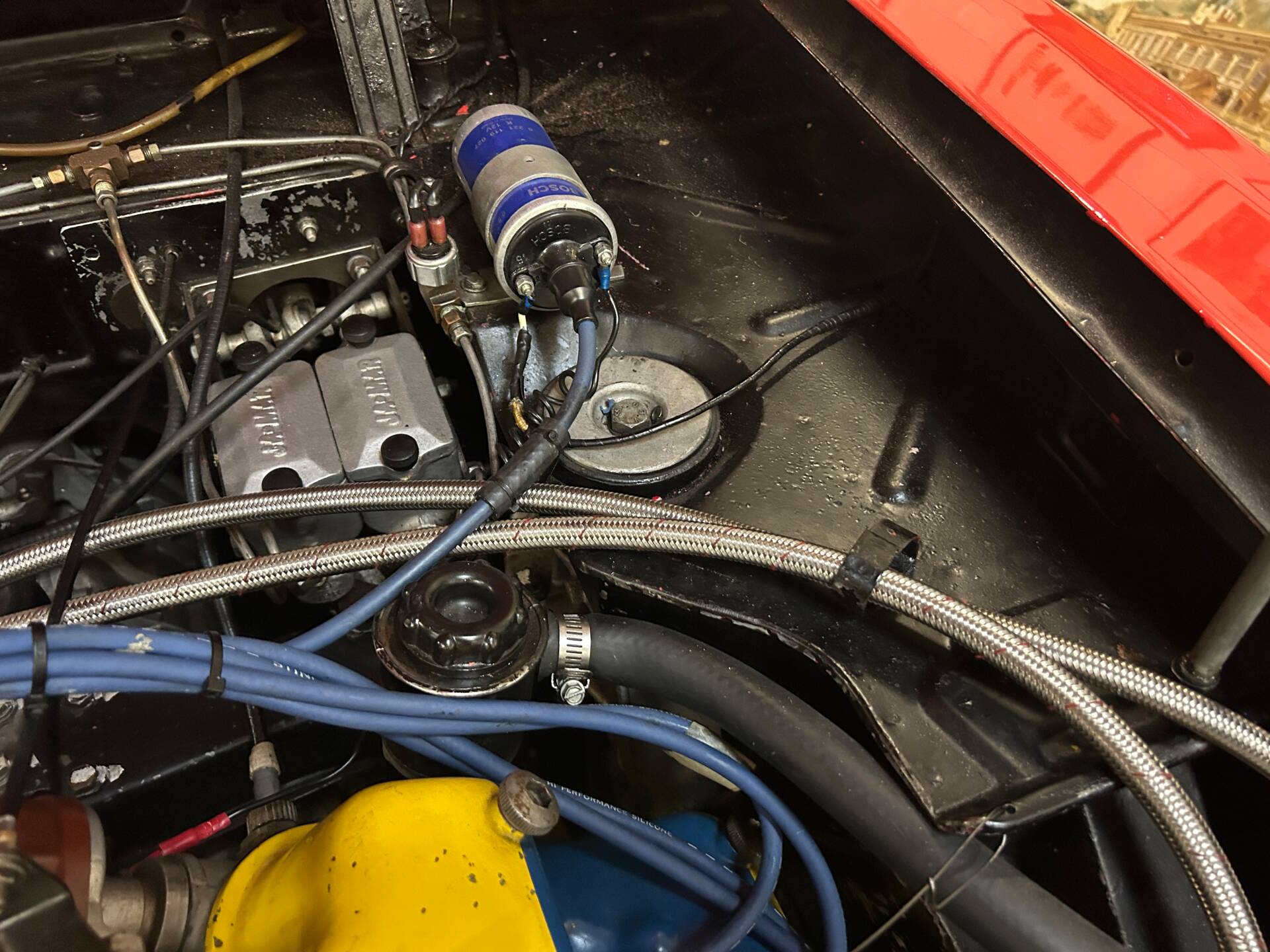
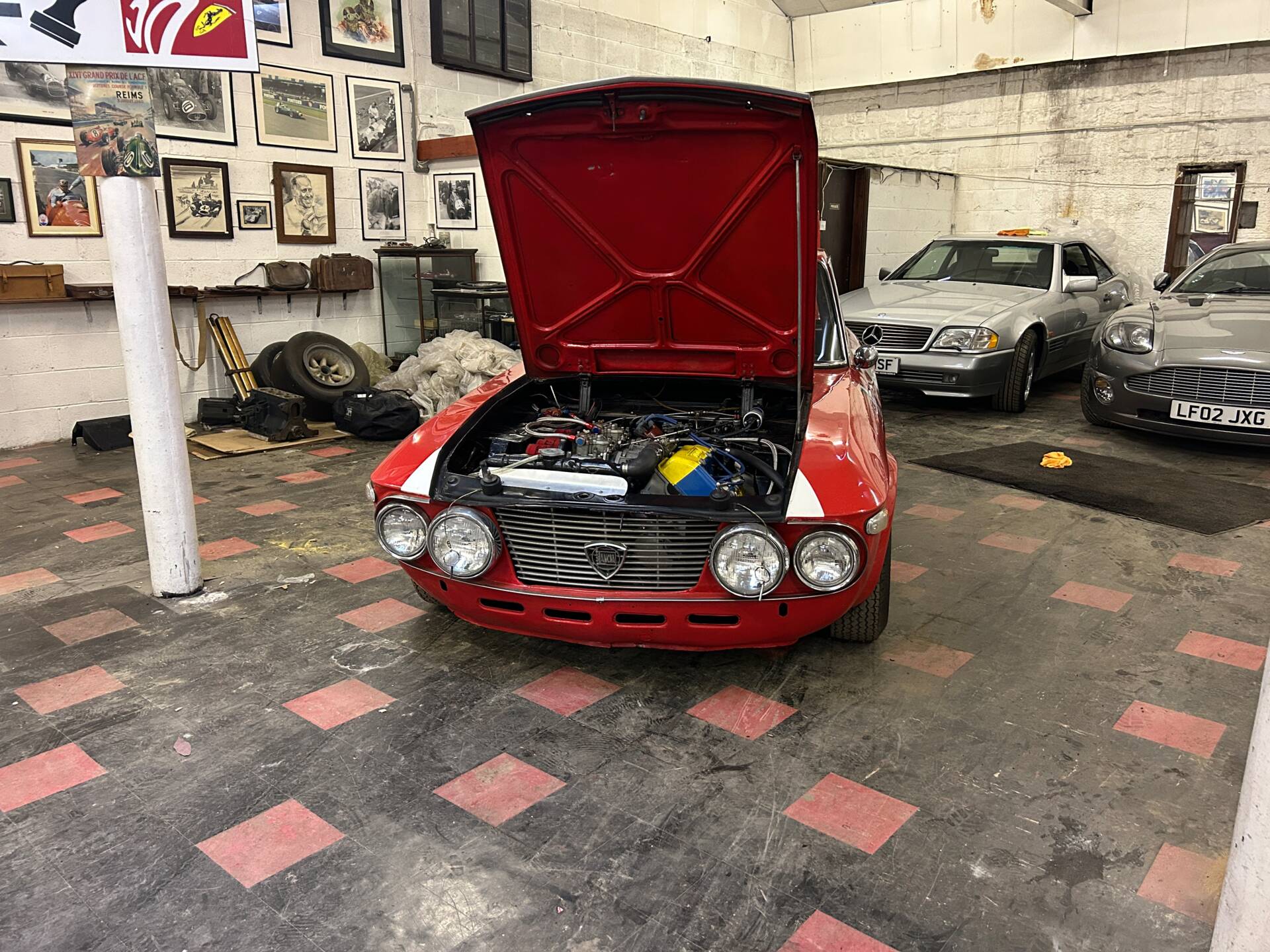
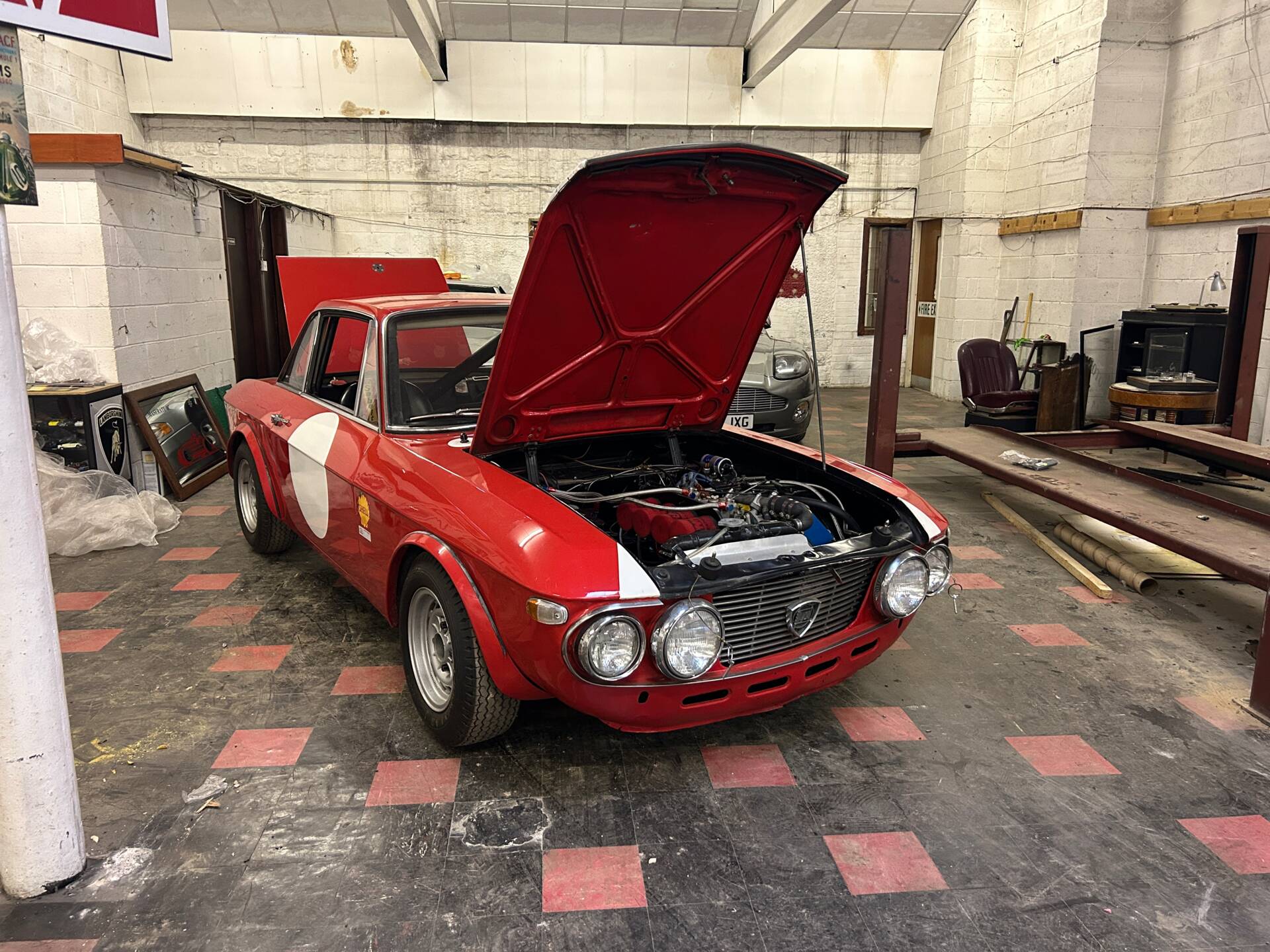
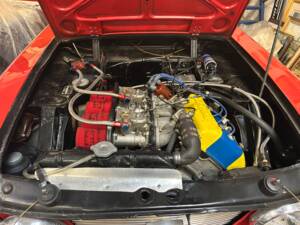
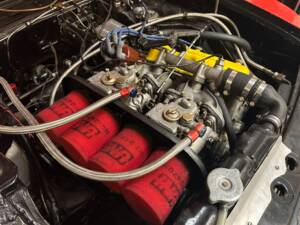
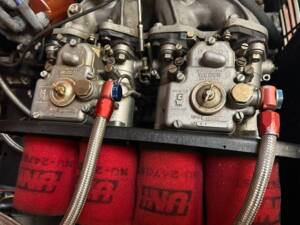
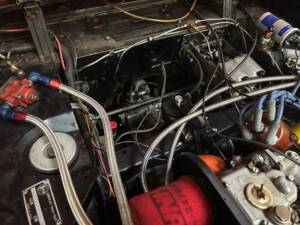
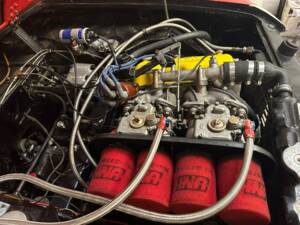
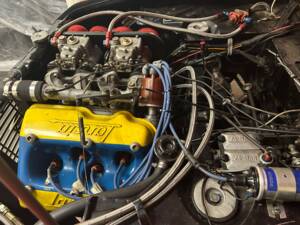
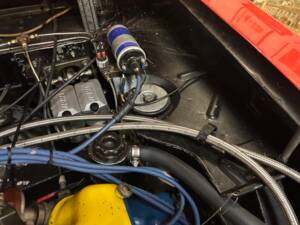
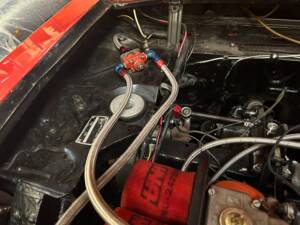
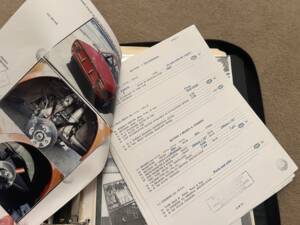
The car is currently fitted with a 1600 HF motor breathing through 45mm twin-choke Weber carburettors (as used in later factory racing cars) and new old stock Mondial 10.5:1 compression-ratio pistons. This power unit was reportedly rebuilt and had about 300 miles running prior to the car being laid up in 2005.
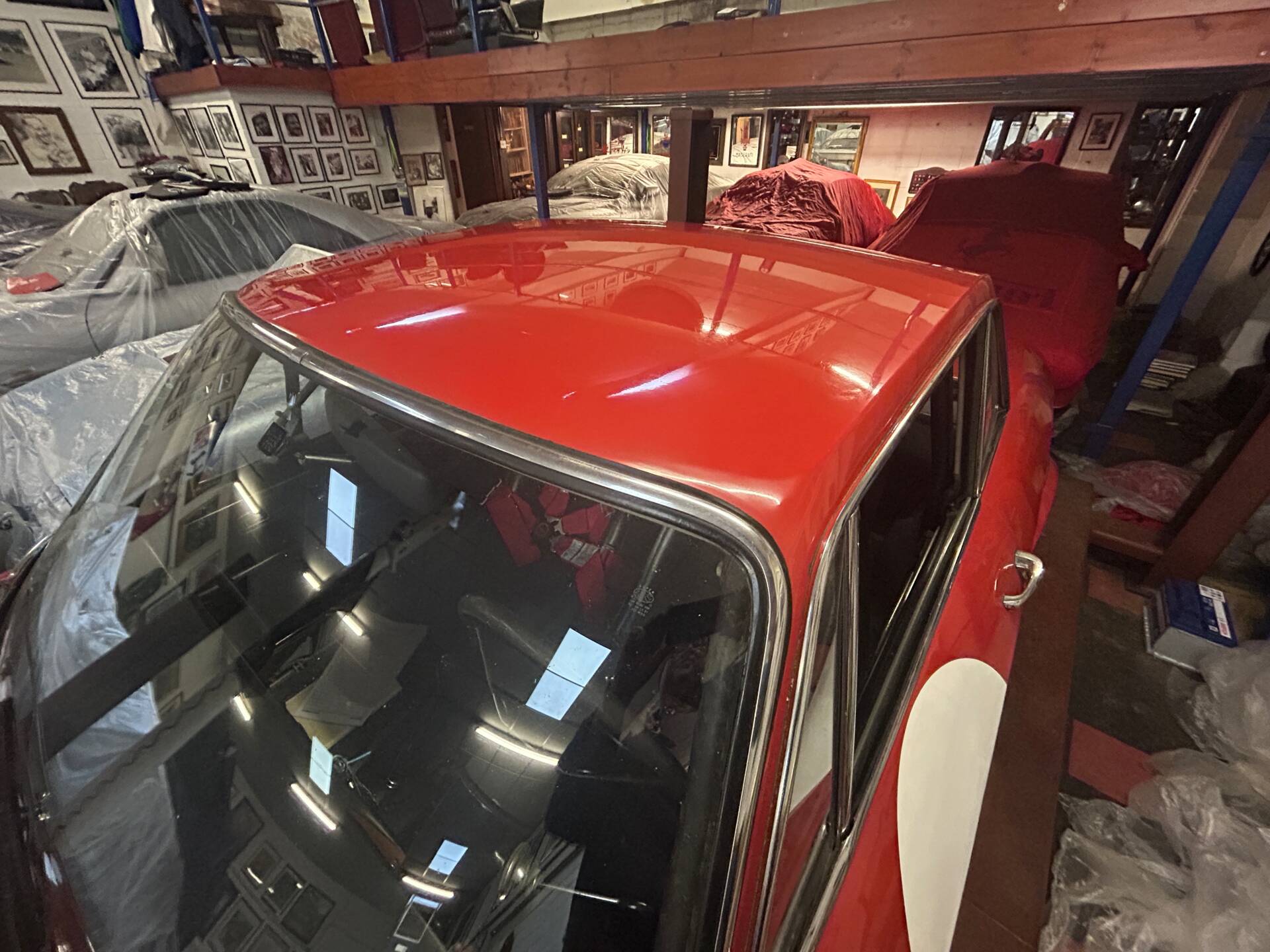
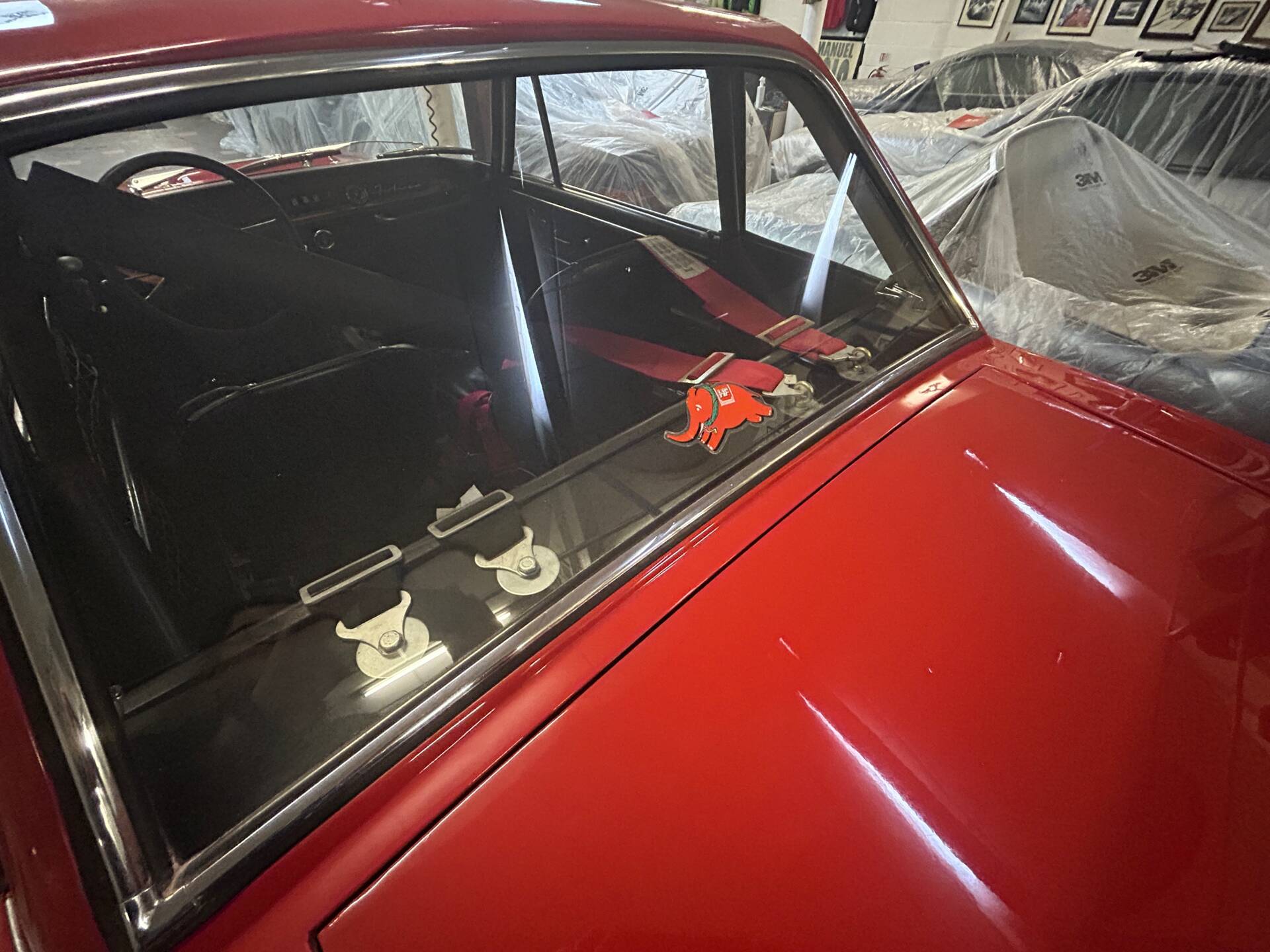
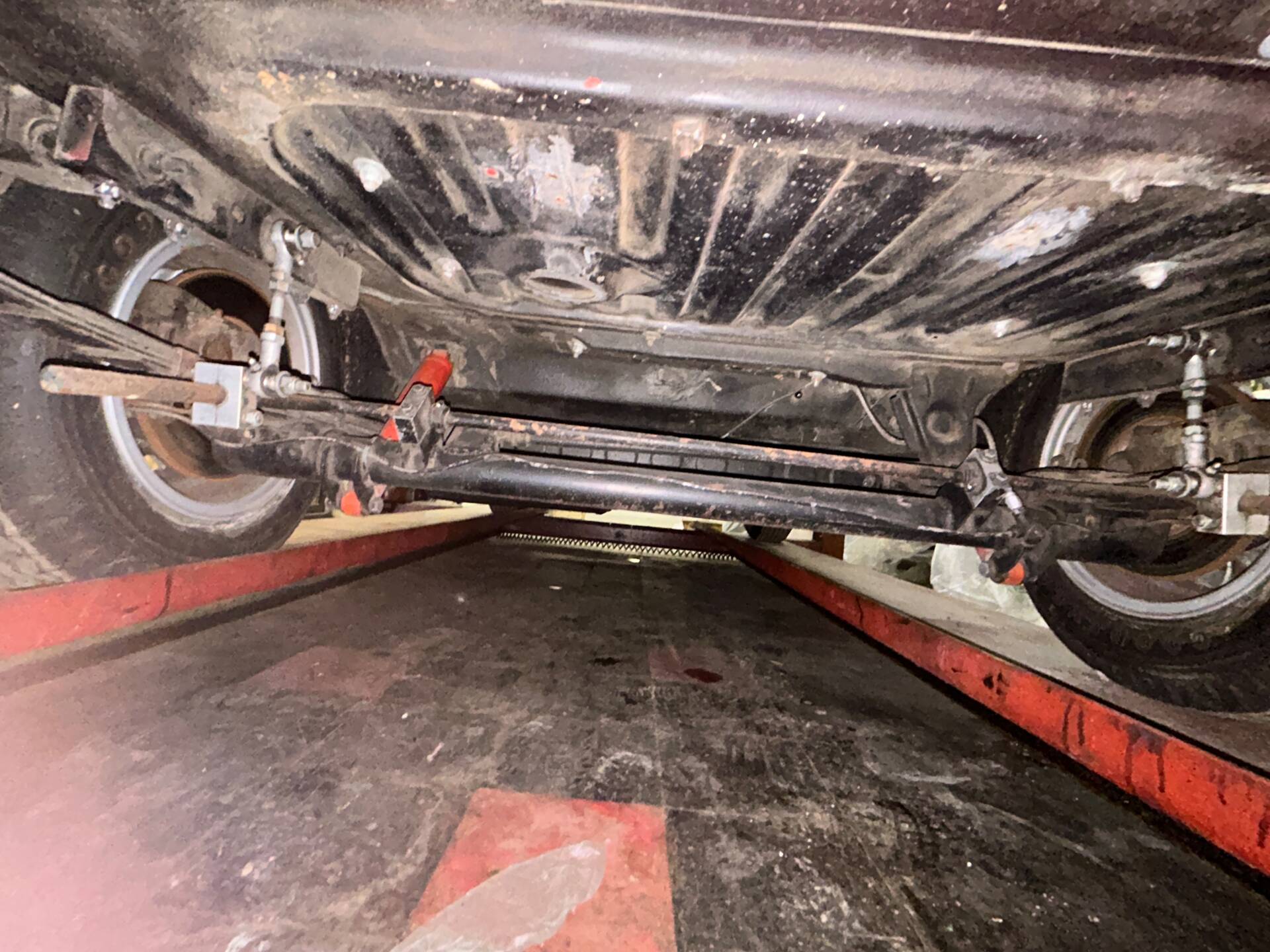
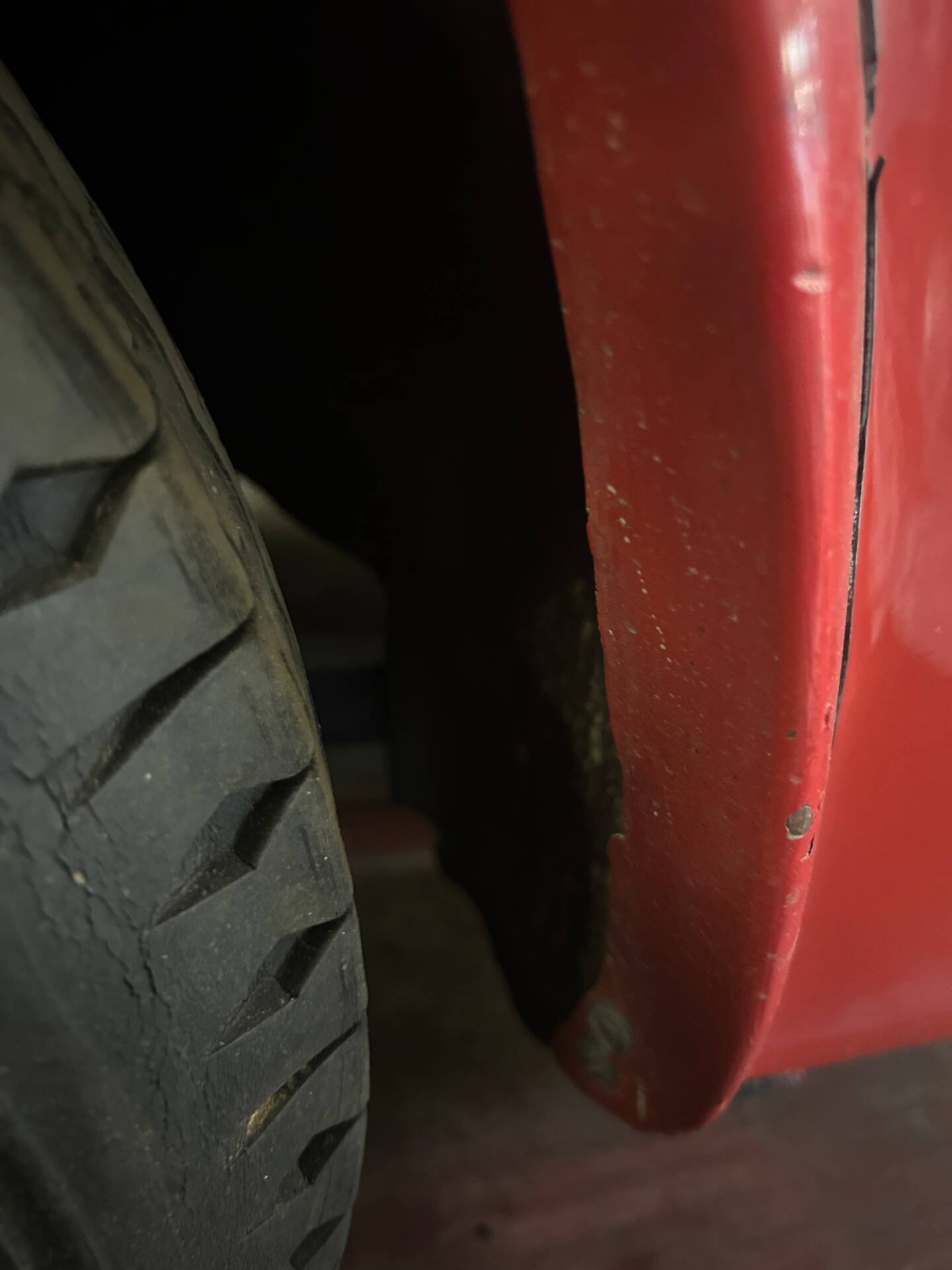
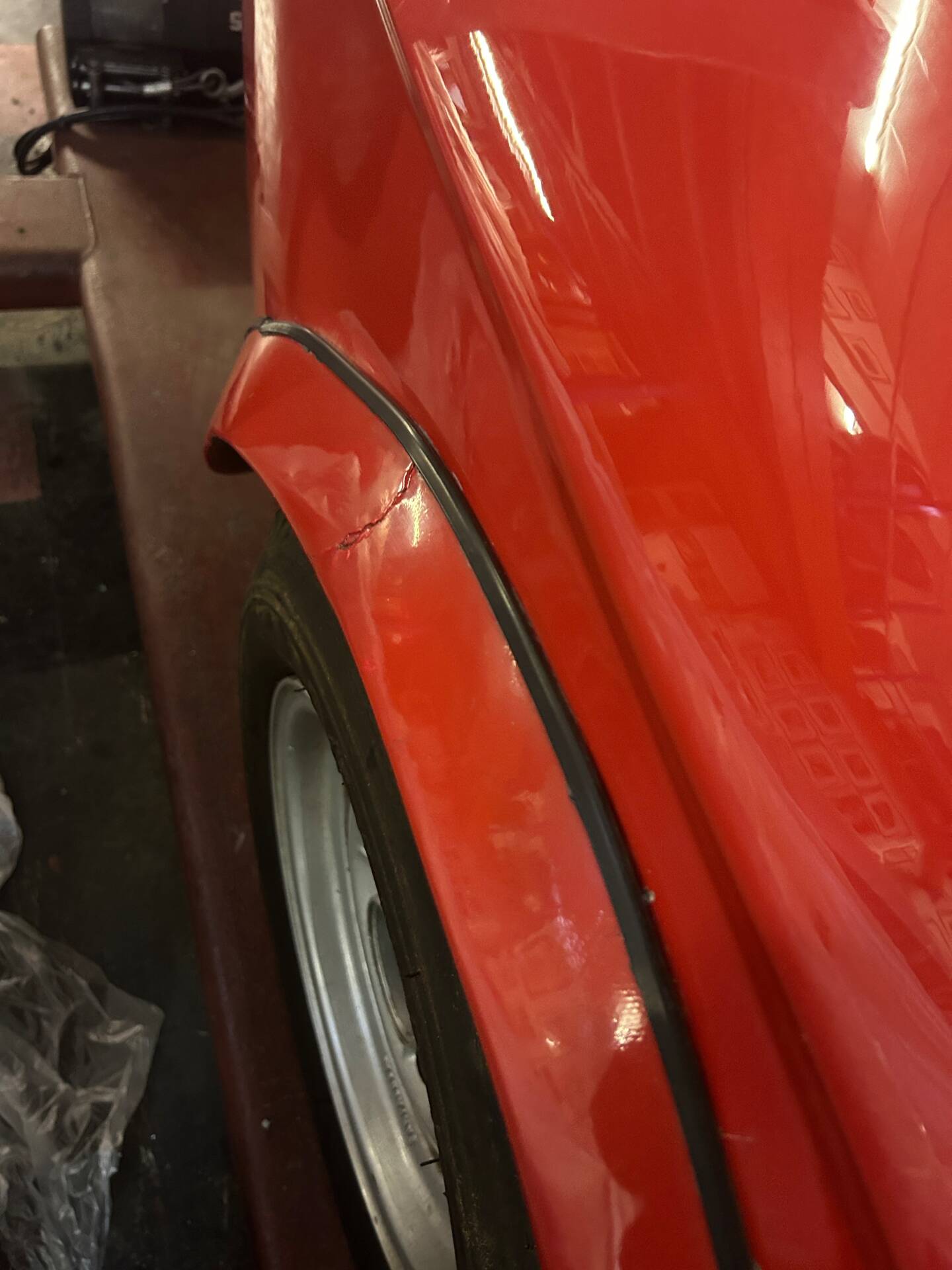
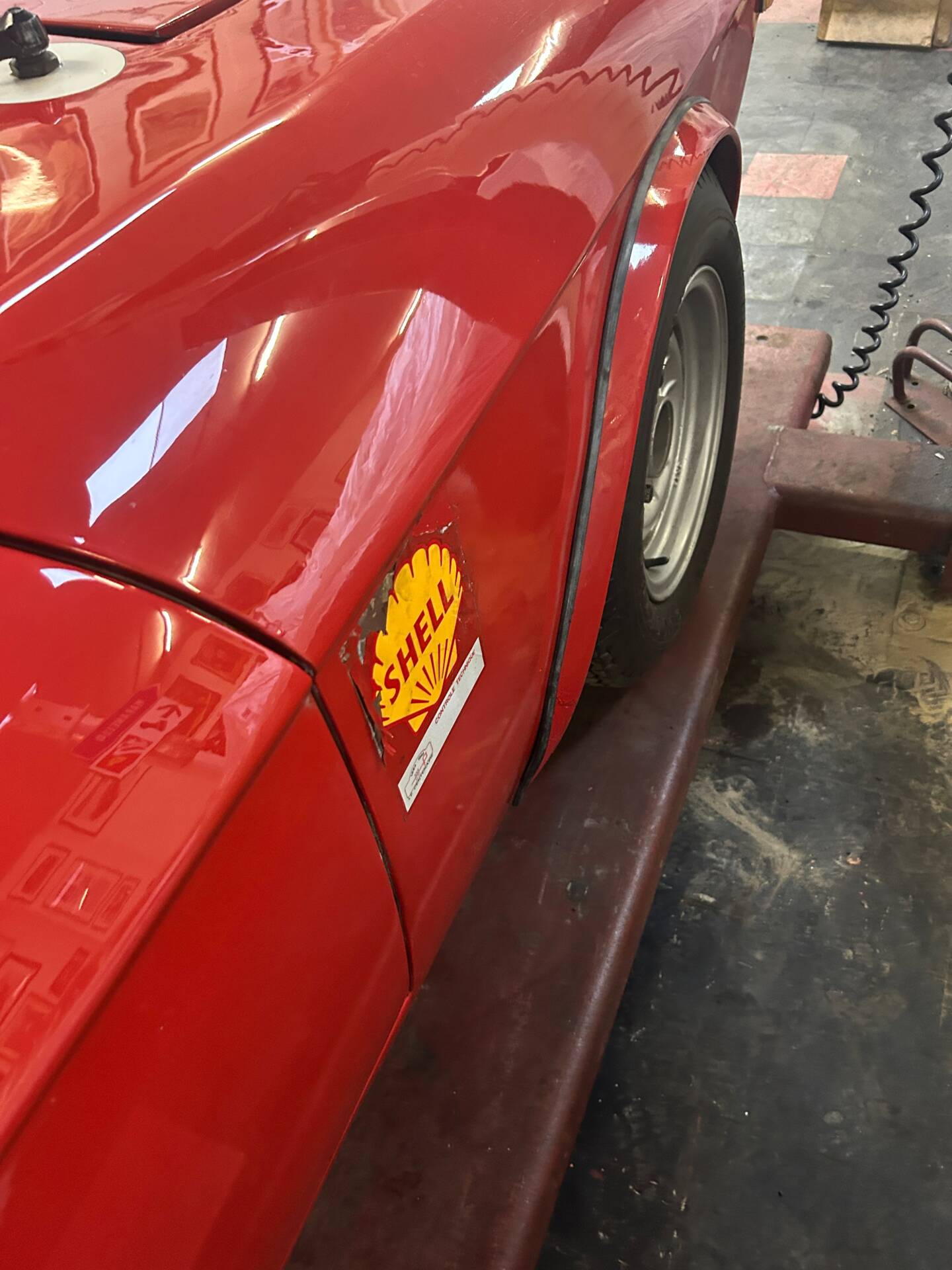
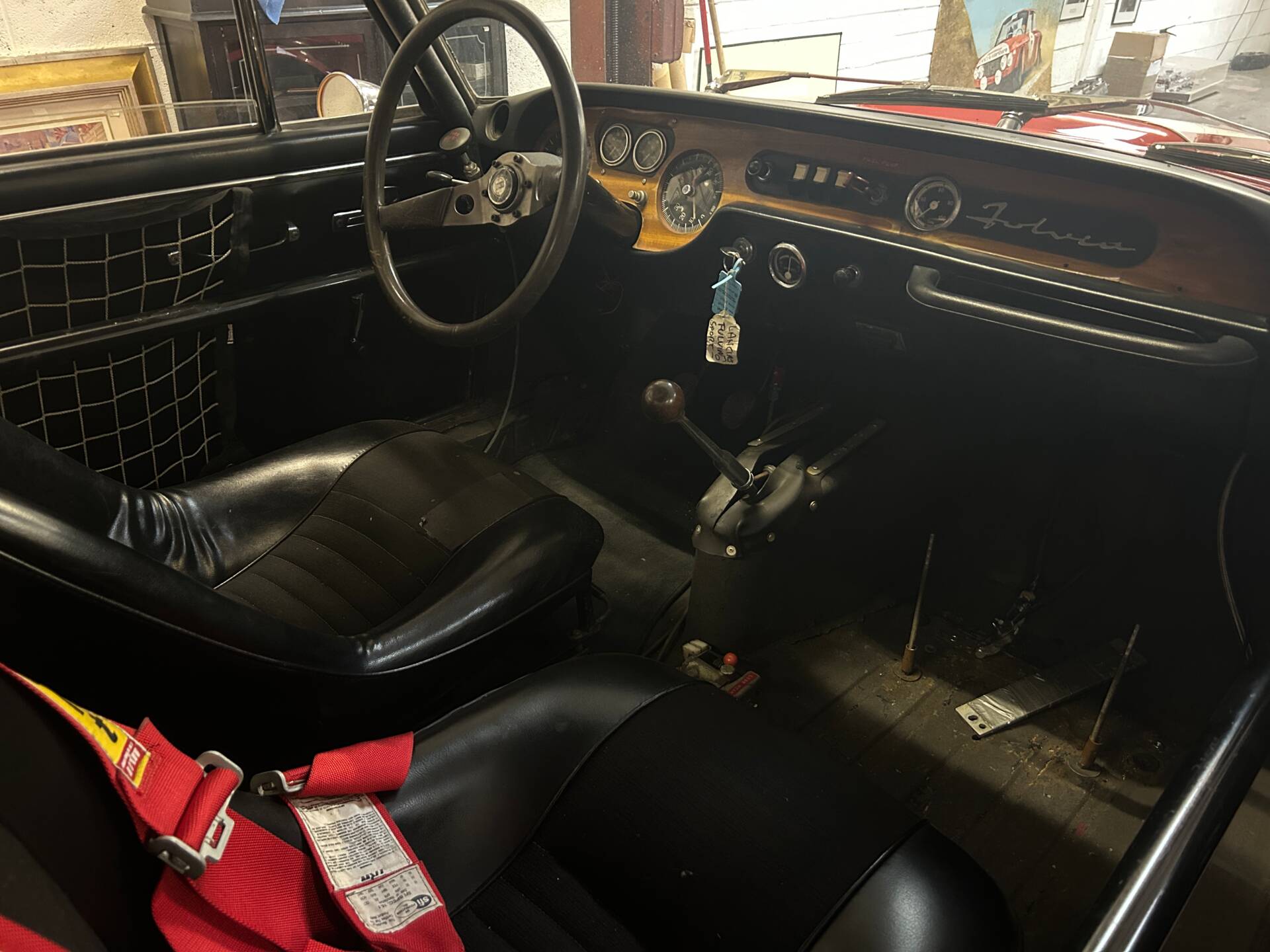
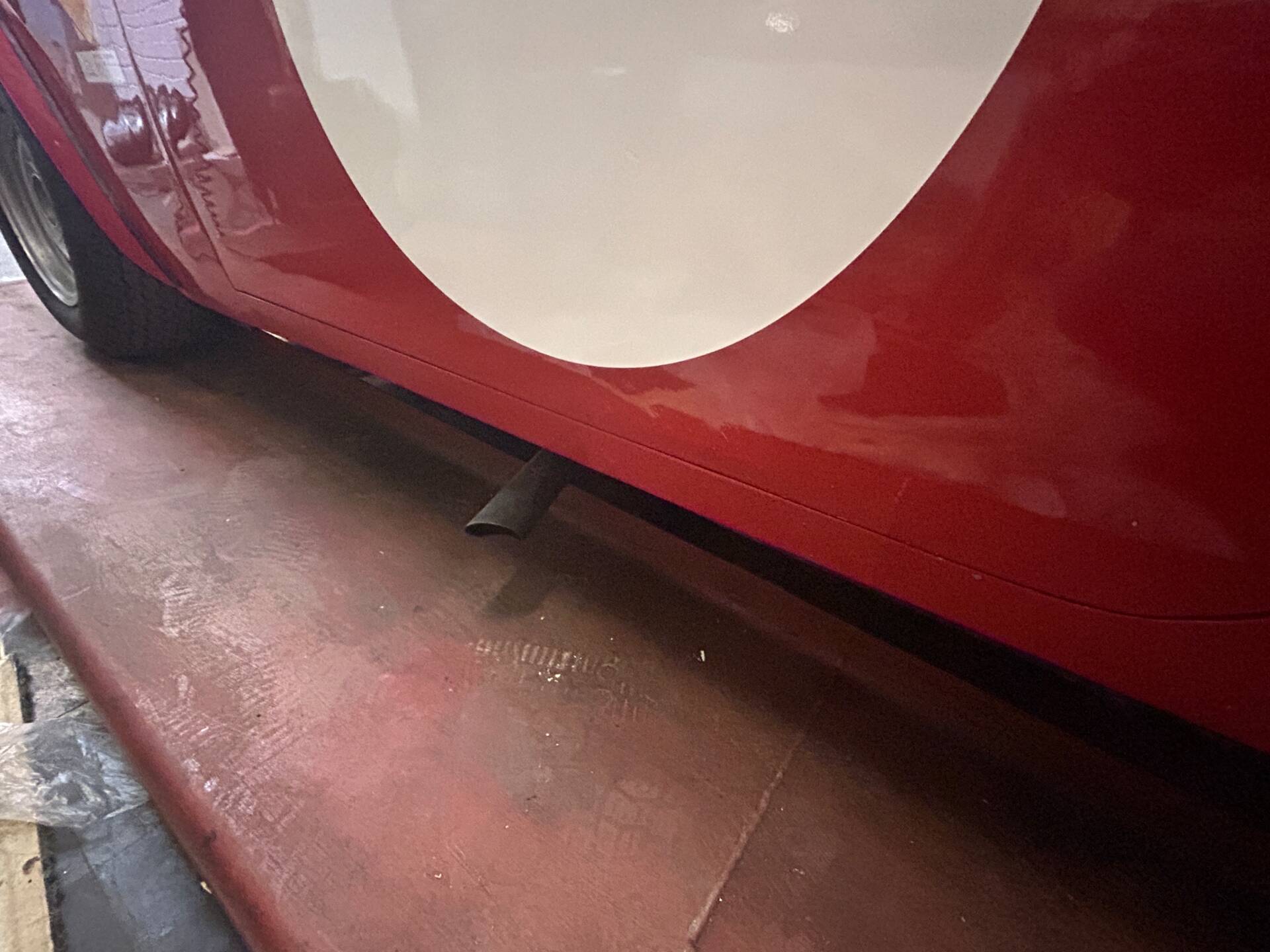
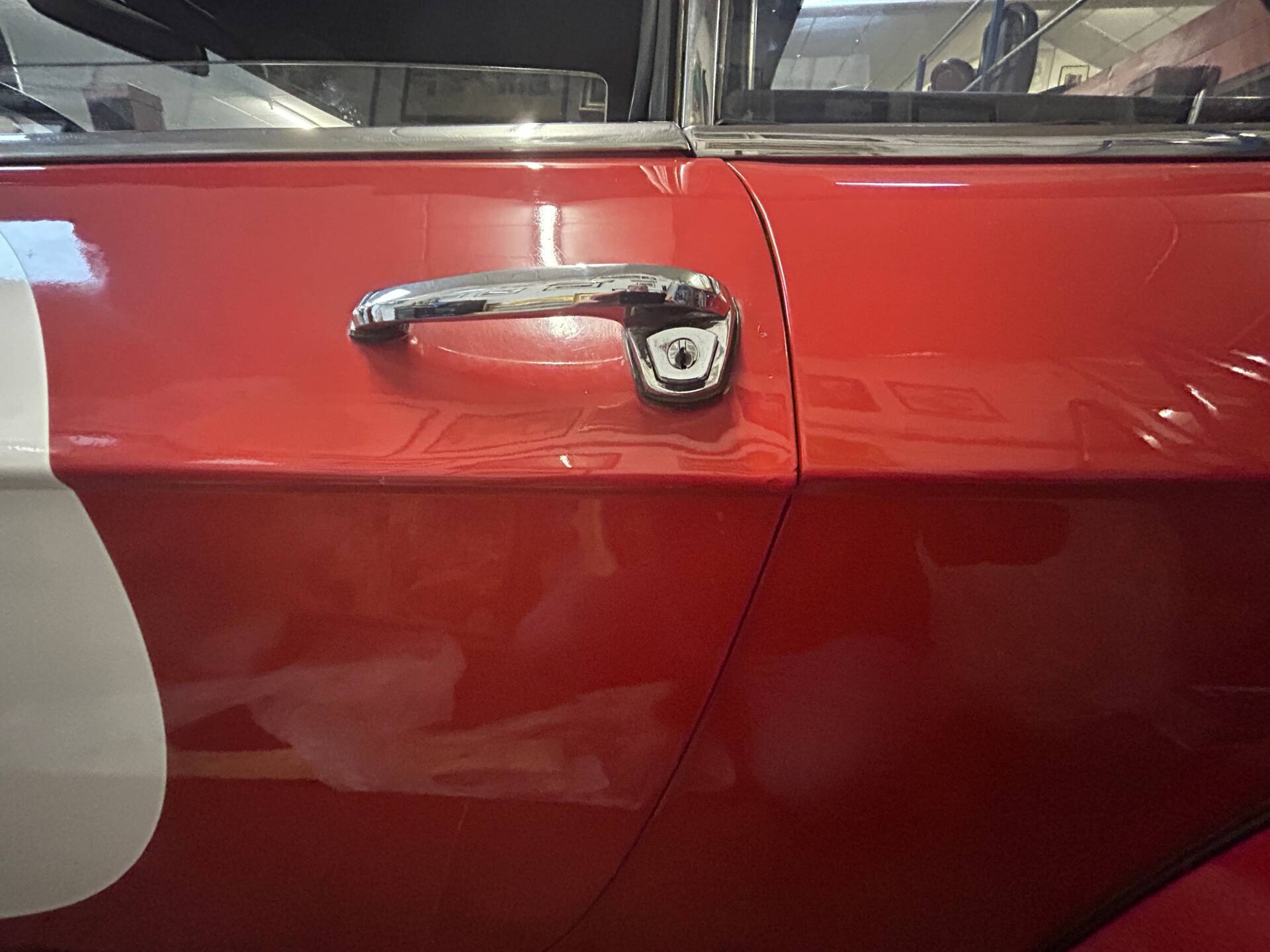
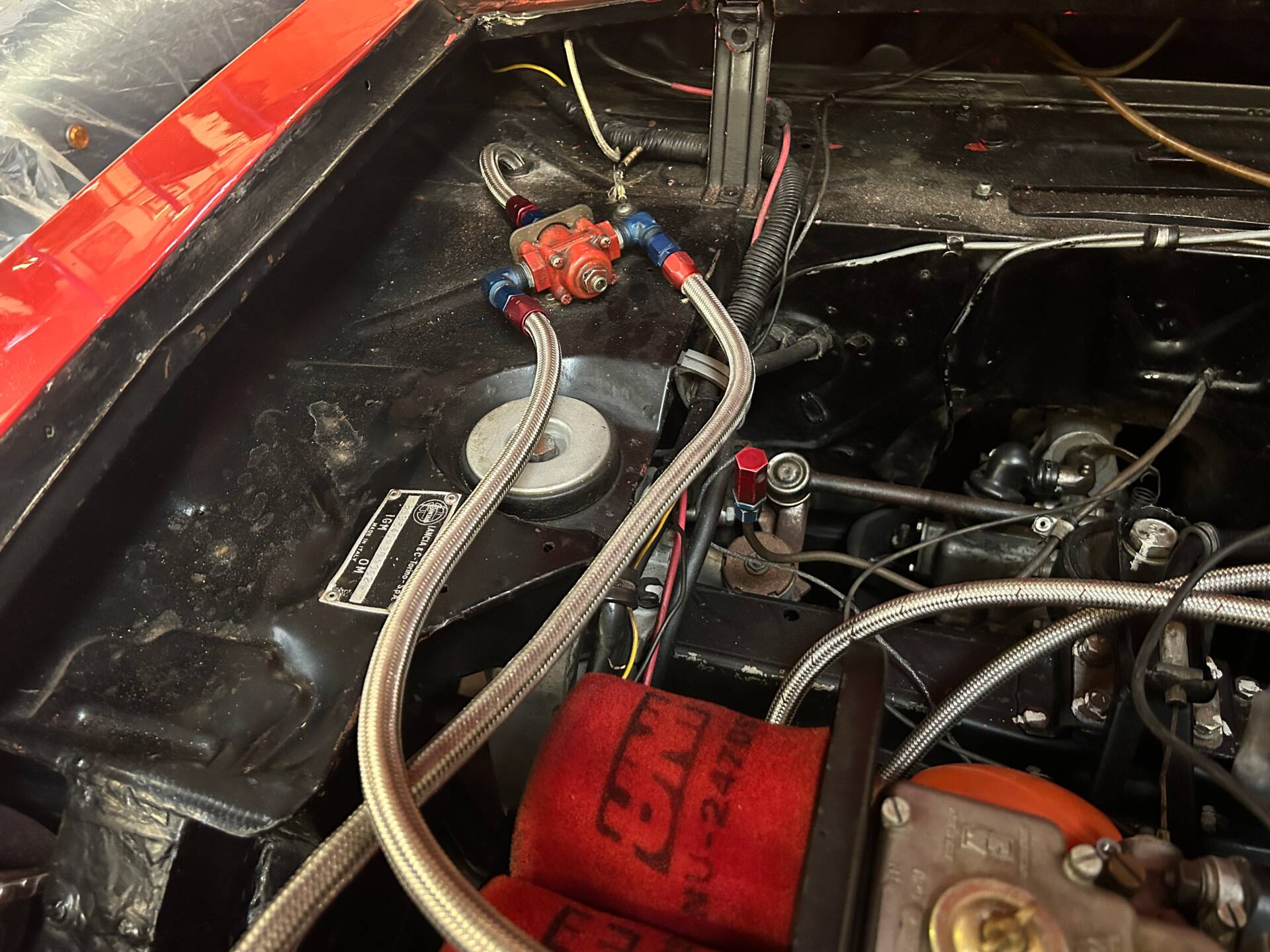
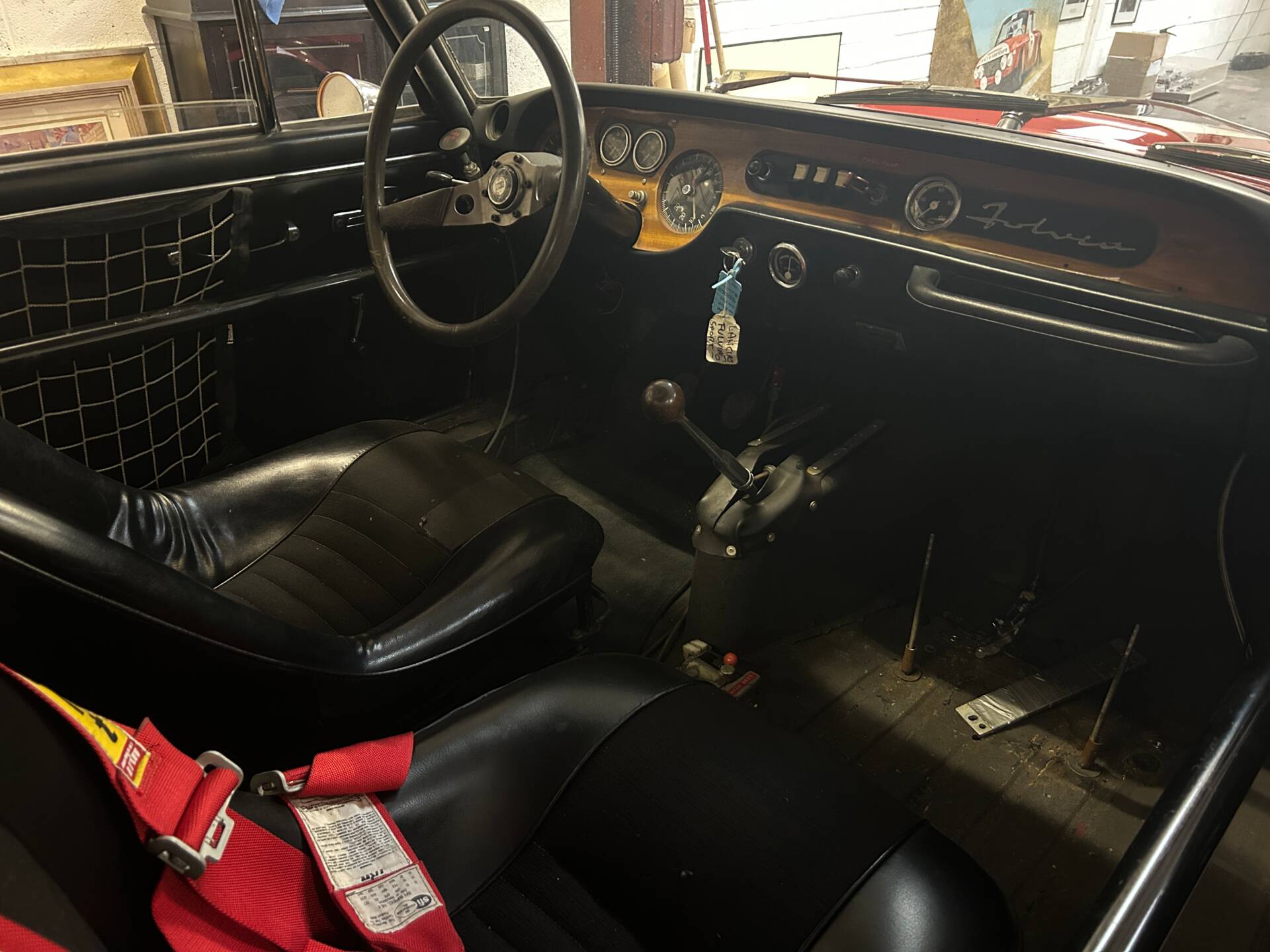
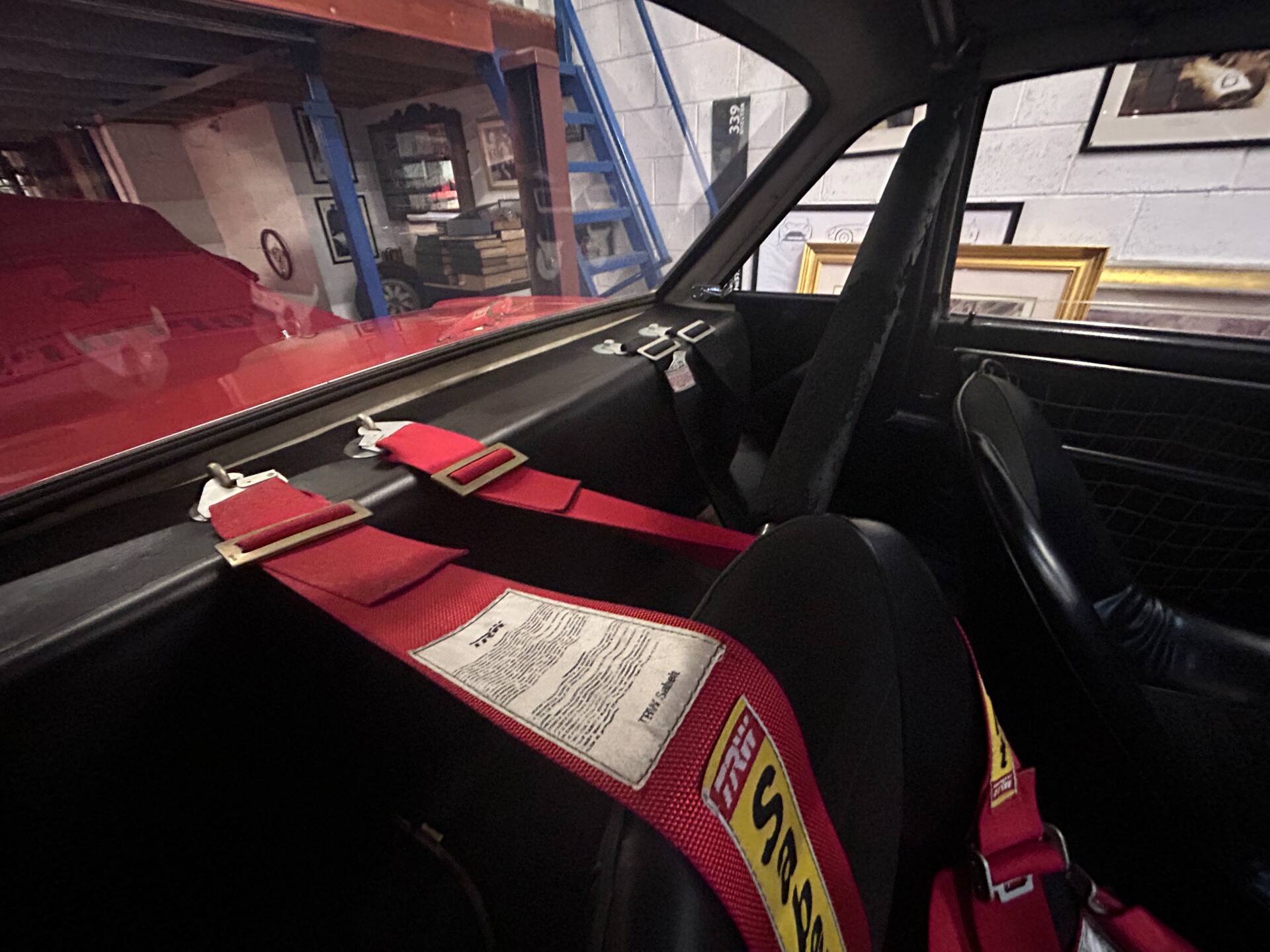
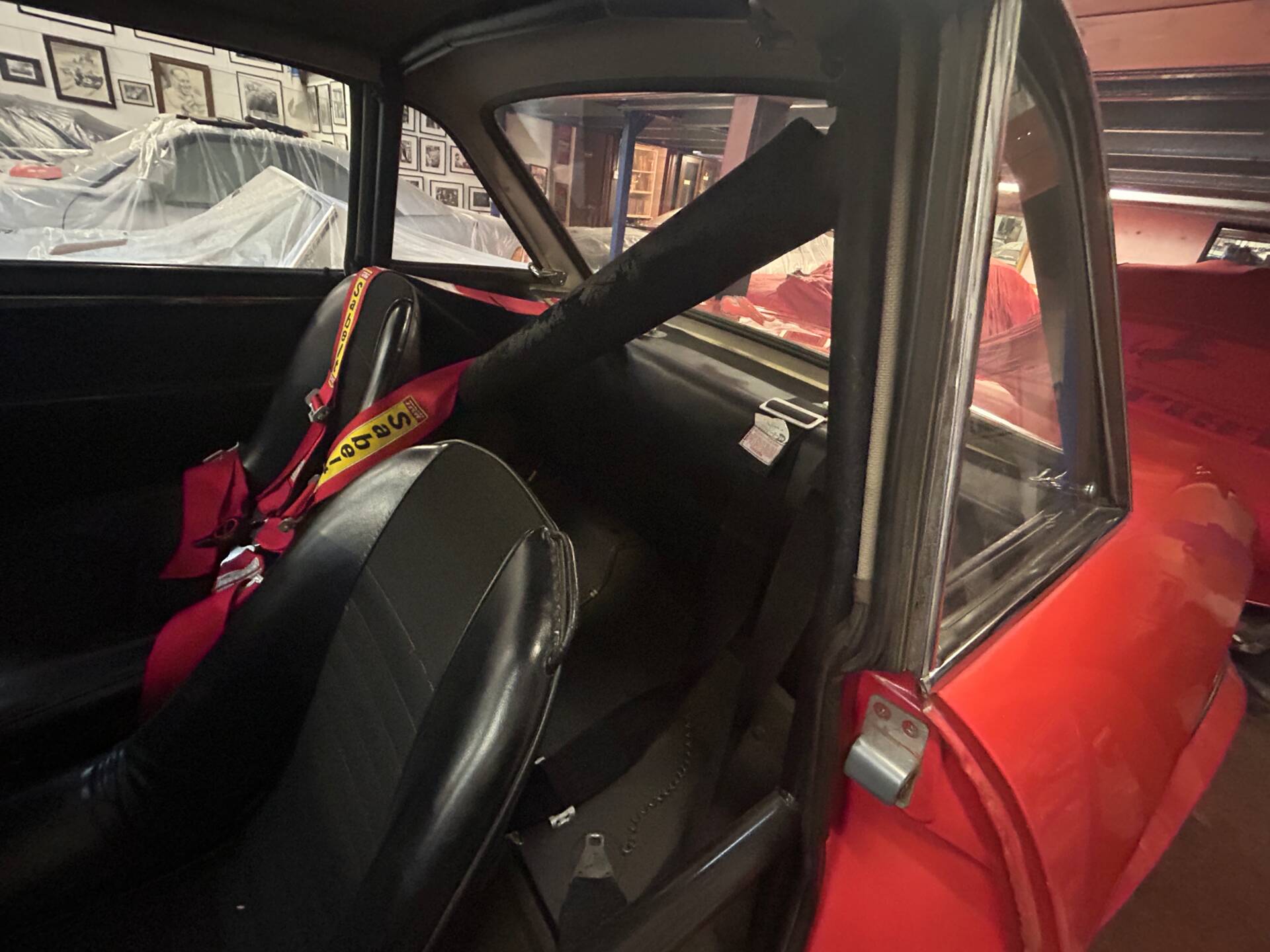
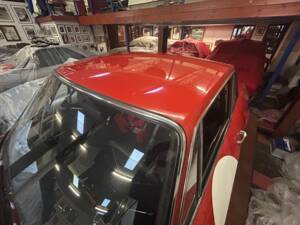
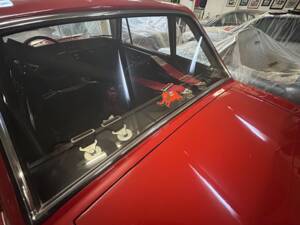
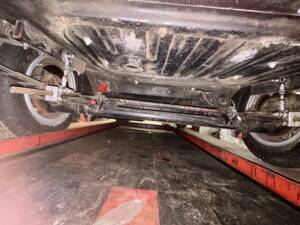
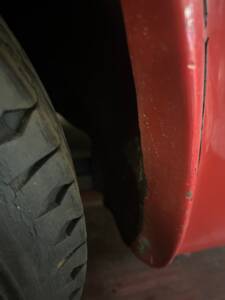
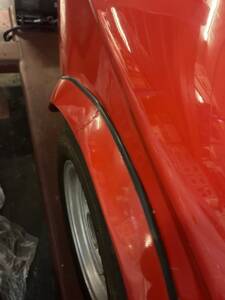
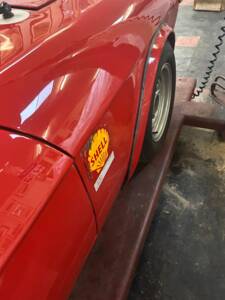
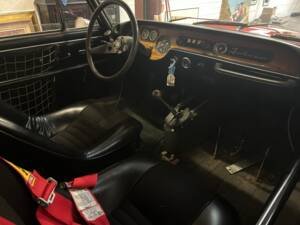
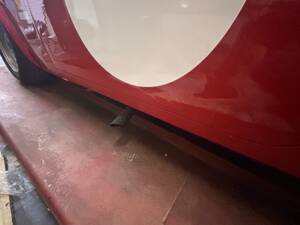
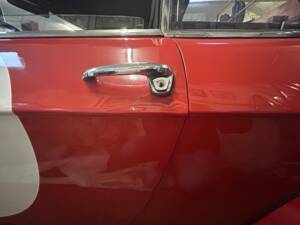
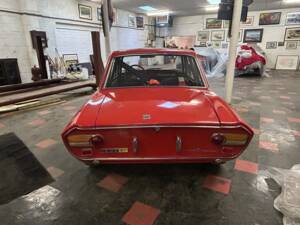
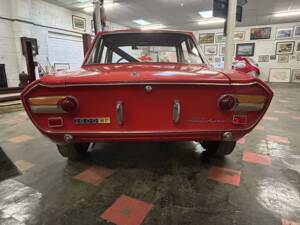
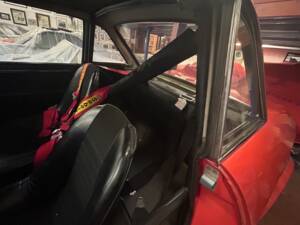
During the current ownership, the car has seen very little running and will require recommissioning. The body and paintwork is commensurate with that of an ex-competition car but there is no rust or rot. The new owner will need to decide whether or not to restore it, or merely bring it back to life whilst retaining its patina.
Omicron know the car well and I am happy to supply their comprehensive report on the history, specification and current condition of the car to seriously interested parties. The car can be viewed by appointment in northern England.
This is a rare and special car which is now being disposed of by the owner of the last 20 years and you will be dealing directly with the owner, not a dealer or a middle man.
Known competition history:
2.2.1969 Daytona 24 hours Drivers: Bruce Hollander / Robert Clark / Wayne Marsula Entrant: Algar Enterprises Sponsors: University of Miami Sports Car Club
22.3.1969 Sebring 12 hours Drivers: Innes Ireland / Mike Tillson / Howard Hanna Entrant: Algar Enterprises
3.8.1969 Paul Whiteman Trophy Daytona (1 hr) Robert Clark
21.03.1970 Sebring 12 hours Drivers: Robert Clark / Wayne Marsula.
Entrant: General Plastics
1971 Daytona 24 Drivers: Donald Rhindress, Robert Clark
Entrant: Homeline Corp.
Did not qualify (many cars did not qualify in 1971 due to the very fast lap times set by the Porsche 917s)
Larry Menser Raced car in America with some success
Bill Noon (Symbolic Motor Car Company) Brought #1002 to Europe in 1999 to compete in Tour Auto – although not listed in online records. Suffered engine damage at Spa-Francorchamps chasing Stirling Moss through Radillon.
Guide price based on £60,000 GBP.