- Motorcycle
- Tecnomoto (0 offers)
Buy Tecnomoto Motorcycles
Tecnomoto built vividly styled Italian lightweight motorcycles, mopeds and miniatures in Vignola from the late 1960s through the 1970s. Rare Squalo, Sport Special and Mistralino machines combine small-capacity two-stroke character with an unusually individual collector appeal.
Search results
Currently, there are no matching listings for your search.
Create search alert
Let yourself be notified as soon as a listing is published that matches your search filters.
Create listing
Do you have a Tecnomoto that you want to sell? Then create a listing now.
Create listingTecnomoto listing references from Classic Trader
Below you will find listings related to your search that are no longer available on Classic Trader. Use this information to gain insight into availability, value trends, and current pricing for a "Tecnomoto" to make a more informed purchasing decision.
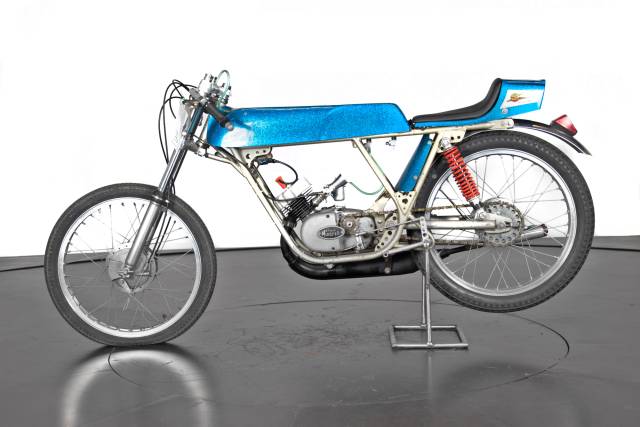
1972 | Tecnomoto Special 50
-

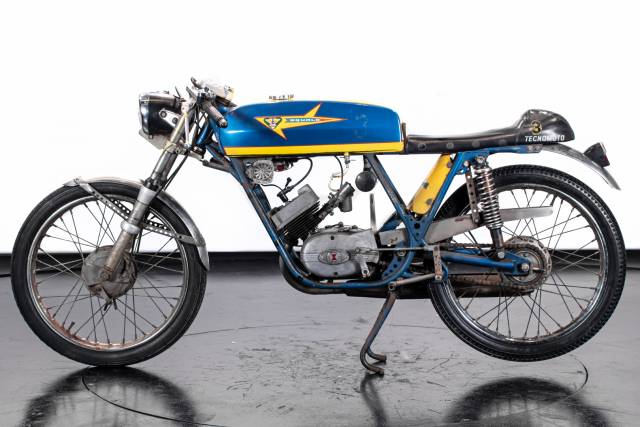
1972 | Tecnomoto Special 50
-
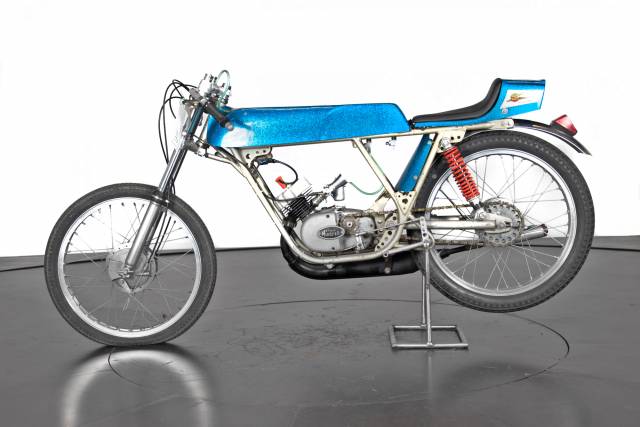
1972 | Tecnomoto Special 50
-
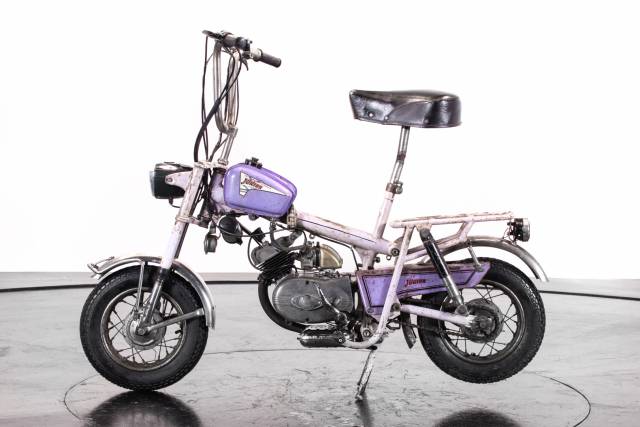
1970 | Tecnomoto Junior
-
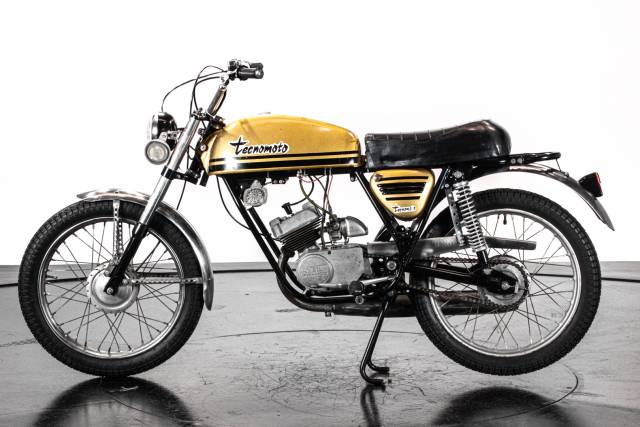
1973 | Tecnomoto Special 50
-
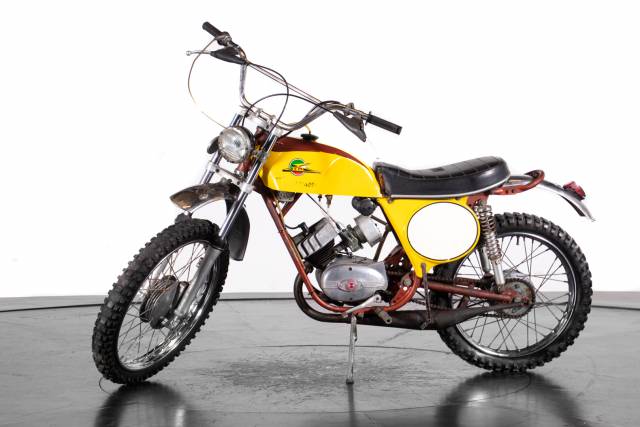
1971 | Tecnomoto Special 50
-
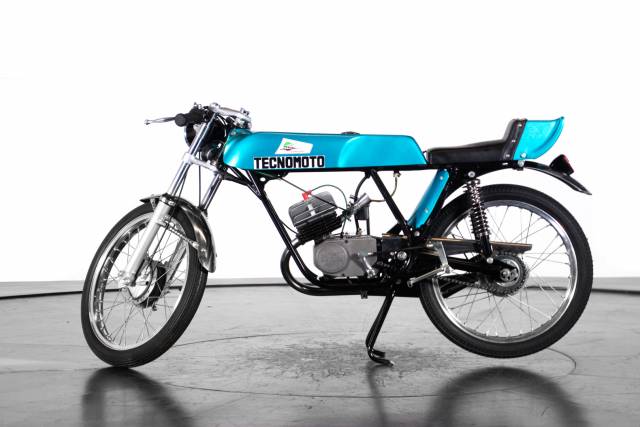
1973 | Tecnomoto Special 50
-
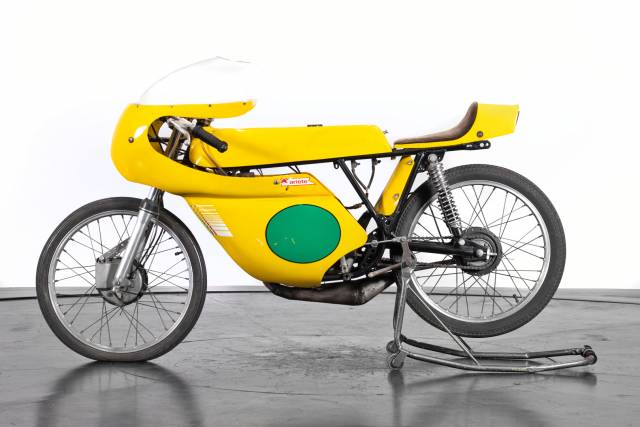
1971 | Tecnomoto Special 50
-
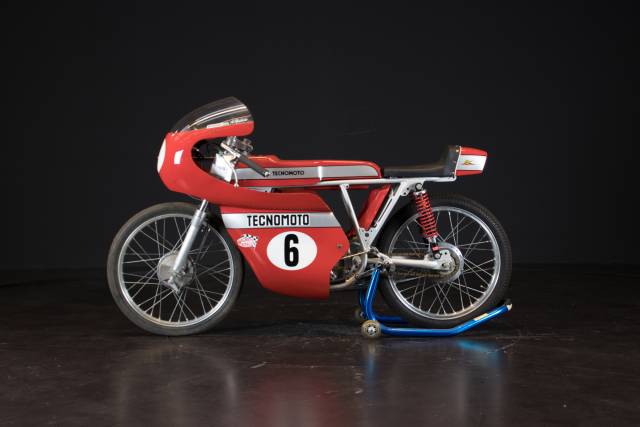
1972 | Tecnomoto Special 50
-
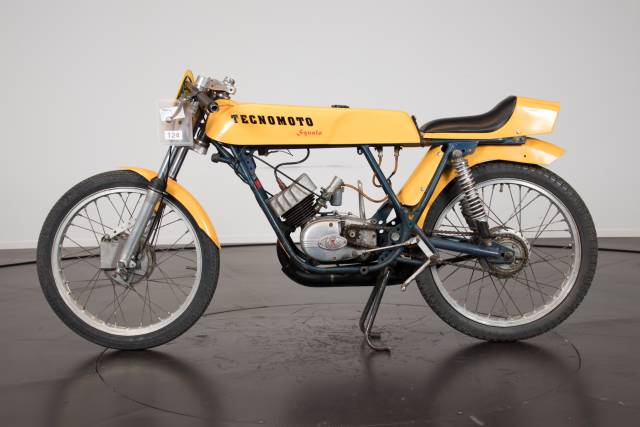
1972 | Tecnomoto Special 50
-
Create search alert
Let yourself be notified as soon as a listing is published that matches your search filters.
Create listing
Do you have a Tecnomoto that you want to sell? Then create a listing now.
Create listingHistory and heritage
Tecnomoto was a small Italian manufacturer from Vignola, in the Modena area of Emilia-Romagna. The company was founded in 1968 by brothers Vittoriano and Giancarlo Pellegrini, at a time when Italy supported a remarkable network of specialist frame builders, engine suppliers and component makers. Tecnomoto used that network intelligently. Rather than attempting to design every engine in-house, it produced distinctive lightweight chassis and bodywork around established units from Franco Morini, Minarelli and, in some applications, Zündapp.
That approach explains both the appeal and the difficulty of buying one today. A Dell'Orto carburettor, piston or gasket may be identifiable through the wider Italian moped trade. A correct Tecnomoto tank, side panel, seat or decal can be far harder to locate. For an Australian buyer, that distinction matters: a missing engine component may be an affordable international order, while a missing model-specific panel can turn into a long search, an expensive custom freight shipment and a specialist reproduction.
The early range concentrated on compact machines. Junior, Paciugo and Paciughino occupied the mini-bike and youth market, while the Squalo gave the brand a sharper sporting identity from about 1969. “Squalo”, Italian for shark, suited the long, narrow tank and crouched profile. S Export, Squalo Turbo and Special Squalo were intended to look fast as well as to provide accessible two-stroke fun. They belong to the same broad family, but surviving examples should never be assumed identical: equipment, engine specification and export trim varied.
By 1972 Tecnomoto offered a surprisingly broad catalogue. Dolly and Personal were practical small machines; Sport Squalo Turbo and Sport Special Turbo targeted road riders; Scrambler Turbo and Cross-Strada S addressed rough tracks and the fashionable scrambler look. There were also 50 cc and 125 cc cross motorcycles using Zündapp or Franco-Morini power. The range reflects the period's enthusiasm for light competition machinery, where a young rider could experience racing style without the cost or weight of a full-size motorcycle.
The Mistralino TM 50 Z6 is among the most interesting later Tecnomotos. Its Minarelli 49.6 cc two-stroke, six-speed gearbox and light enduro chassis made it a lively trail machine. An 80 cc version is also documented. Tecnomoto's preparation of Zündapp engines for competition is associated with the TMZ designation, adding another layer of interest to the cross and regolarità models. A Zündapp motor found in a Tecnomoto is not, by itself, proof of a factory competition specification; the frame, numbers and period equipment must agree.
The end of production is not perfectly settled. Some marque references place it around 1979, while period summaries and auction descriptions suggest that the main activity may have ended as early as the mid-1970s. This uncertainty is a reason to document the individual motorcycle rather than rely on a generic catalogue date. Frame number, engine number, type plate, Italian paperwork and period photographs together provide a more useful identity than an unsupported year in an advertisement.
The key Tecnomoto collector families are:
- Squalo, Squalo Export and Special Squalo: slim, sporting 50 cc road machines with strong visual character.
- Sport Special and Sport Special Turbo: performance-oriented road bikes, often associated with Franco-Morini engines and period tuning.
- Mistralino TM 50 Z6 and TM 80: lightweight trail and enduro machines with Minarelli-related specifications.
- Cross-Strada S and regolarità models: competition-inspired motorcycles, including examples with Zündapp power.
- Junior, Paciugo and Paciughino: scarce miniature and youth machines whose completeness is often more important than outright finish.
Highlights and features
Tecnomoto's defining quality is its willingness to make a small motorcycle visually dramatic. Narrow tanks, colourful paint, exposed steel-tube frames and compact wheels gave these machines a presence beyond their engine capacity. They were not anonymous utility mopeds. Depending on model and year, the equipment could include a four- or six-speed gearbox, light alloy rims, Ceriani-type suspension components, a Dell'Orto carburettor and a purposeful expansion-chamber exhaust.
Light weight is the common thread. A documented Mistralino TM 50 Z6 weighs about 52 kg and produces approximately 6 hp at 8,000 rpm. That is a modest output by modern standards, but it is enough to make a very light motorcycle feel alert. The Squalo and Sport Special deliver a different experience: a low, narrow road silhouette, a rev-happy engine and controls that reward momentum rather than brute acceleration.
Engine variety is a benefit when the specification is correct. Franco-Morini units are familiar to specialists in Italian lightweight motorcycles, and Minarelli parts remain a useful starting point for Mistralino maintenance. Zündapp-powered versions have additional historical interest. Yet interchangeable engines also create opportunities for inaccurate restorations. Before accepting a claimed model, inspect the engine cases, mounting points, carburettor, exhaust routing and controls as a complete system.
Some S50 descriptions mention a four-speed Franco-Morini engine, Dell'Orto 14/12 carburettion, Ceriani fork and Borani alloy rims, with a period Monza kit using a larger cylinder, higher compression, sport exhaust and 20 mm carburettor. Such a kit may be a desirable period enhancement, but it must be distinguished from a later modification. A beautifully painted motorcycle with a modern carburettor and non-period silencer is not automatically a factory Sport Special.
Technical data
Tecnomoto did not publish one uniform specification sheet covering every market and production year. The table below brings together representative documented configurations, not universal figures. The motorcycle being sold always takes priority over a general model description.
For an Australian registration or club permit, retain photographs of every number and label before restoration. A catalogue specification can help identify a motorcycle, but it cannot replace an engineer's assessment, an import document or the requirements of the relevant state or territory authority.
Market overview and buying tips
Tecnomoto is a thin, specialist market. There are too few public transactions to create a dependable average price, and listings often mix complete originals, restored hybrids, race projects and incomplete frames. A seller's asking price is therefore a starting point, not evidence of market value. In the international archive, a 1971 Squalo was advertised at about €4,200, a 1972 Special Squalo at about €4,300, and a 1973 Trail 50 at £2,150. A circa-1971 water-cooled racing Tecnomoto was recorded by Bonhams at £2,990 including buyer's premium. These older public examples are useful context, not current Australian valuations or guaranteed sale prices.
In Australia, the landed cost can change the decision considerably. A small Italian motorcycle may look inexpensive in Europe, but budget in A$400–A$1,200 or more for international crating and sea or air freight, depending on dimensions, route and service. A consolidated shipment can be cheaper than air freight but may take several weeks. Port handling, customs or broker charges, quarantine cleaning, marine insurance and local delivery are separate possibilities. A motorcycle that arrives with soil, seeds or oily residue can face delays and treatment under Australian biosecurity rules. Confirm whether the advertised freight is door-to-door, port-to-port or collection-only before making an offer.
Imported parts bring similar surprises. A gasket set or set of jets may be inexpensive, but a bulky exhaust, tank or wheel can attract A$80–A$250 in postage, with urgent air shipping higher. GST, brokerage and carrier processing fees may apply to the taxable import value, freight and insurance under the relevant arrangements. Ask the seller for a realistic packed weight and dimensions, and obtain a written shipping quote. It is often financially wiser to buy a complete, running Squalo in Australia than a cheap overseas project missing its tank and exhaust.
Start with identity. Photograph the frame number, engine number and type plate. Look for fresh rivets, altered digits, grinding around the steering head and a plate whose font or finish does not fit the period. Ask for the ownership chain, export certificate, old Italian libretto and import paperwork. For a motorcycle already in Australia, check that the VIN or chassis identity is compatible with registration requirements in your state. A verbal claim that the bike is “about 1972” is not enough.
Inspect the two-stroke cold. A seller should allow a cold start, not present an engine warmed in advance. Listen for rumbling crank bearings, rattling piston clearance and gear whine. Check whether it selects every gear, holds neutral and disengages the clutch. Inspect the cylinder, head, exhaust flange and cooling fins for broken studs or crude repairs. Water-cooled examples require extra scrutiny of the radiator, hoses, water jacket and corrosion. Compression is useful evidence, but it does not reveal every bearing, seal or gearbox problem.
Check the carburettor as part of a system. Dell'Orto components are comparatively obtainable, but the correct jetting, needle, airbox and inlet manifold may not be. A 20 mm carburettor could represent a genuine period Monza conversion or a later attempt to make a tired engine feel faster. Ask which jets are fitted and whether the engine runs cleanly under load. A motorcycle that only idles with the choke on, runs with the air filter removed or leaves heavy spooge at the silencer needs proper diagnosis.
Look underneath the finish. Examine the steering head, frame rails, tank mounts, footrest brackets and rear shock mounts. Cross motorcycles may have been jumped or crashed; repaired cracks and bent tubes are more serious than faded paint. Check fork stanchions for pitting in the seal travel, inspect swingarm play and verify that wheels are aligned. Ceriani-type forks, Borani rims and period hubs add authenticity, but worn original parts still need rebuilding.
Treat wheels and brakes as safety items. Small drum brakes should operate smoothly and return fully. Look for oil contamination, oval drums, seized pivots, cracked rims and loose spokes. Tyres with attractive period tread may be decades old and unsafe. Correct tyres can be difficult in Australia, so establish availability before purchase. A modern substitute may be practical for riding, but retain the original wheels and document any changes.
Value completeness. Original tank, seat, exhaust, chain guard, side covers, foot controls, switches and decals can matter more than a fresh engine rebuild. Motor internals from the supplier brands may be sourced through Italian, European or British specialists, whereas a missing Tecnomoto-specific tank might require a used import or handmade reproduction. Include customs, GST, freight and fabrication in the restoration estimate. With a rare lightweight motorcycle, the cheapest project is rarely the cheapest finished motorcycle.
Performance and riding experience
Riding a Tecnomoto is an exercise in using what is available. The engine is small, the motorcycle is light and the useful power arrives in a narrow band. A healthy road 50 asks the rider to keep momentum, select the right gear and let the crankshaft spin. The reward is not modern acceleration; it is the pleasure of extracting speed through timing, smooth shifts and a clean line.
The Squalo has the most focused road personality. Its narrow tank and low bars place the rider in a compact sporting posture. Small wheels respond quickly to steering input, while period drum brakes demand anticipation rather than last-second braking. On a quiet Australian back road it is engaging and intimate, though it is best kept away from high-speed traffic. Wind, hills and headwinds reveal the limitations of a 50 cc engine quickly.
The Sport Special and Turbo variants feel more purposeful when their engine, carburettor and exhaust are correctly matched. A period performance kit can sharpen response, but it can also make starting, jetting and heat management less forgiving. Do not confuse noise with performance. A quiet, well-sealed exhaust and clean plug colour are better signs than an open pipe and an impressive cloud of smoke.
The Mistralino TM 50 Z6 uses its six ratios to keep the small engine working. At around 52 kg it changes direction easily and feels playful on gravel or a farm track, subject to legal access and safe conditions. Its period suspension and drum brakes cannot be judged by modern enduro standards. The riding experience is about lightness, direct feedback and mechanical involvement, not long-distance speed or aggressive jumps.
Cross-Strada and regolarità machines bring a taller stance and more room to move. They can be delightful on low-speed trails, but check the legality of riding an imported, unregistered historic motorcycle off-road in your location. Before regular use, replace aged hoses, inspect fasteners, set the brakes and fit trustworthy tyres. Preservation and safety are compatible; originality does not require riding with perished rubber or a failing brake cable.
Design and accessories
Tecnomoto's design language evolved through contrast. Road models use slim tanks, graphic side panels and a tucked-in silhouette; trail machines use high mudguards, number plates and a narrow seat. Period examples are recorded in vivid blue, green and red schemes, and the colour itself is part of the marque's appeal. This is Italian lightweight design without the reserve of a large touring motorcycle.
When assessing a restoration, coherence beats gloss. Correct decals, a period tank cap, matching levers, original fasteners and an appropriately worn seat may tell a more convincing story than flawless paint applied to an assembled collection of unrelated parts. Compare both sides of the tank and frame for paint boundaries, inspect mounting holes and ask for photographs taken before disassembly. A black frame or replacement handlebar is not necessarily wrong, but it should have an explanation.
Clip-on bars, a racing fairing, larger carburettor or expansion exhaust may have been contemporary accessories. Their desirability depends on documentation and fit. On a genuine competition or water-cooled version, missing specialist hardware is a major concern. On a standard Squalo, an accurately made reproduction may be acceptable if the original cannot be found, provided the listing clearly says so.
Sport, culture and export history
Tecnomoto was never a Grand Prix giant, but its cross and regolarità motorcycles belong to Italy's energetic small-capacity competition culture. Zündapp-based preparation and reports of early cross success around the Autodromo di Modena help explain why the sporting models attract collectors. They should be treated as part of the motorcycle's story, not as proof of an undocumented factory race pedigree.
The brand also reached Britain through John Rudge Imports of Overseal, Staffordshire. In the British market, a bright Italian 50 fitted naturally into the era's moped customising and café-racer culture. That background is relevant to Australian buyers because an imported example may have spent time in the United Kingdom, carrying a different control layout, registration history or period modification. Read the paperwork and inspect the actual motorcycle rather than assuming all export versions match Italian-market examples.
Australia has its own reason to appreciate Tecnomoto: distance makes rarity visible. A local survivor with an intact tank, frame plate and correct exhaust can be more useful than a cheaper European project once freight and missing parts are counted. Conversely, a well-documented imported restoration can justify its landed price if the seller has preserved invoices, serial-number photographs and evidence of biosecurity-compliant shipping.
Summary
Tecnomoto suits collectors who value Italian individuality, light weight and small-capacity two-stroke character over effortless parts supply. Squalo and Sport Special motorcycles deliver the most recognisable sporting shape; Mistralino and Cross-Strada offer a lively early-enduro experience; Junior, Paciugo and Paciughino are charming miniatures where completeness is especially important.
For Australia, calculate the whole purchase: motorcycle price in A$, inspection, crating, freight, port or broker fees, possible GST, quarantine preparation, registration work and the cost of importing bulky parts. Favour a complete, correctly identified machine with honest documentation. Find Tecnomoto motorcycles on Classic Trader, study the listing photographs carefully and make the rare example's numbers, engine and parts story part of the deal.