- Motorcycle
- SWM (2 offers)
Buy SWM Motorcycle
SWM is a compact Italian off-road name with real competition pedigree and a loyal collector following. From the early Six Days bikes to the TL trials machines and TF enduros, these classics blend light weight, Rotax character and genuine sports history.
Search results
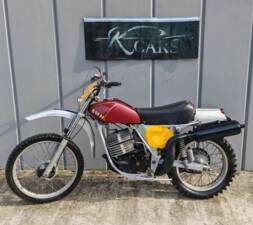
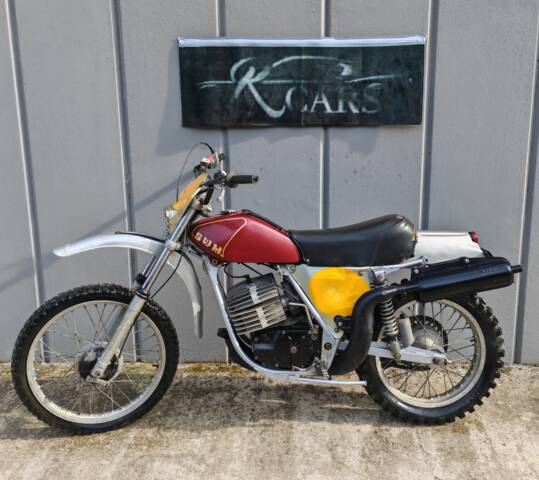
1977 | SWM RS 250 GS
SILVER VASE !!!

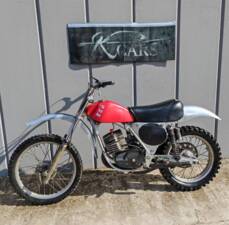
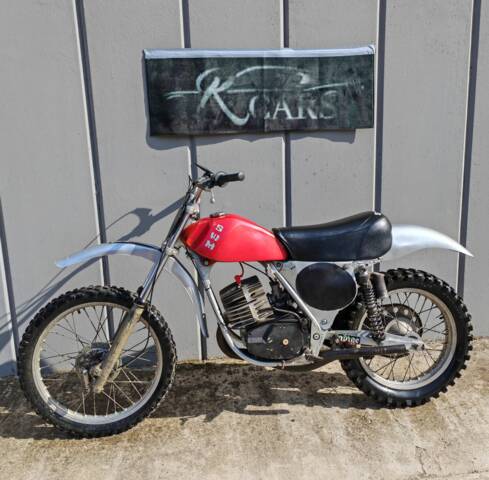
SWM listing references from Classic Trader
Below you will find listings related to your search that are no longer available on Classic Trader. Use this information to gain insight into availability, value trends, and current pricing for a "SWM" to make a more informed purchasing decision.
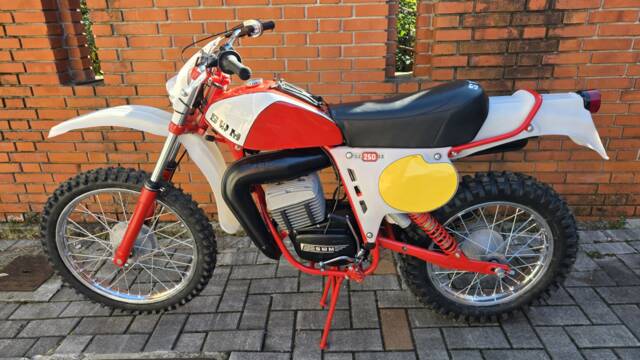
1978 | SWM RS 250 GS
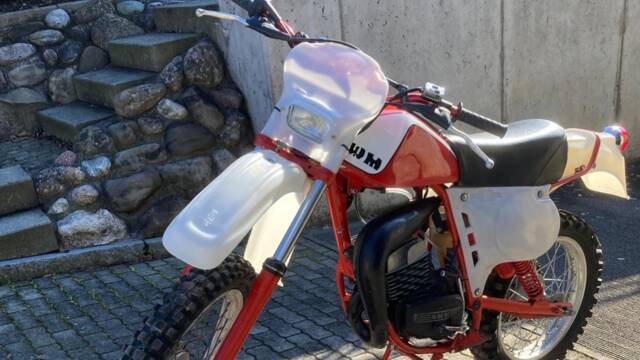
1980 | SWM RS 125 GS
SWM Enduro Sammlung zu Verkaufen

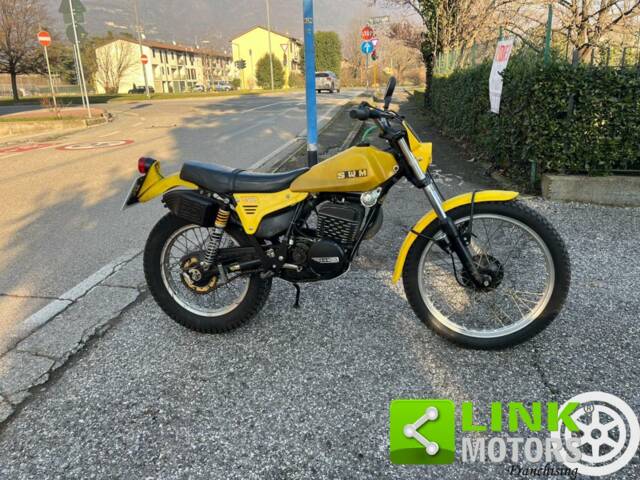
1982 | SWM TL 300
SWM TL MW 320 TRIAL
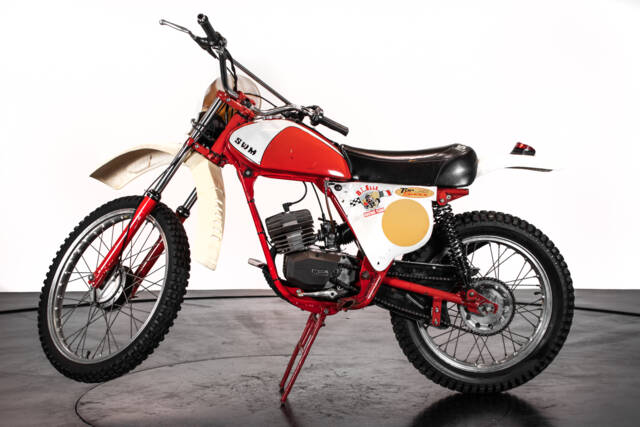
1978 | SWM 50 RBS
-
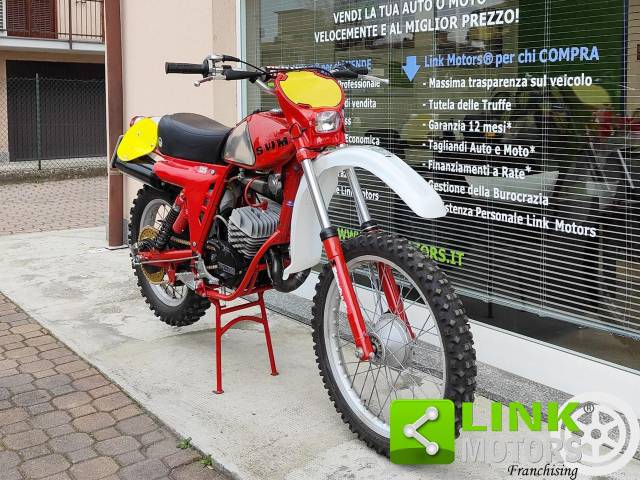
1978 | SWM RS 125 GS
SWM RS-GS 125 1978
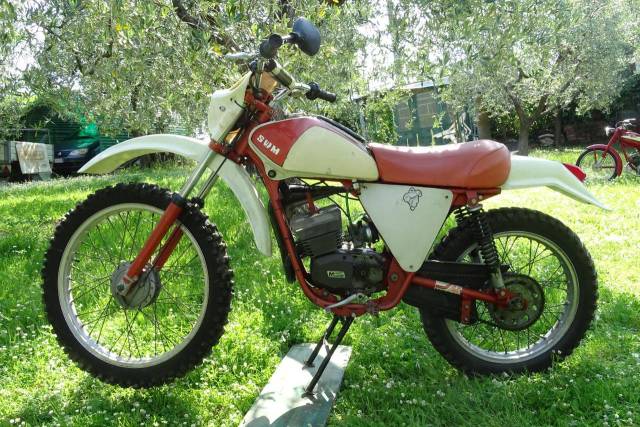
1974 | SWM 50
SWM MK 50 RBS RB 50
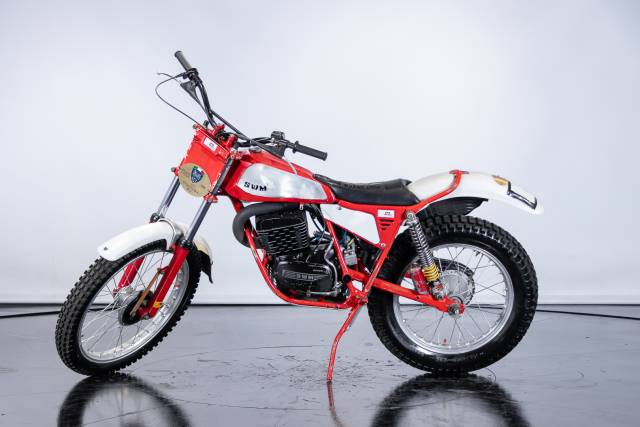
1977 | SWM TL 320
-
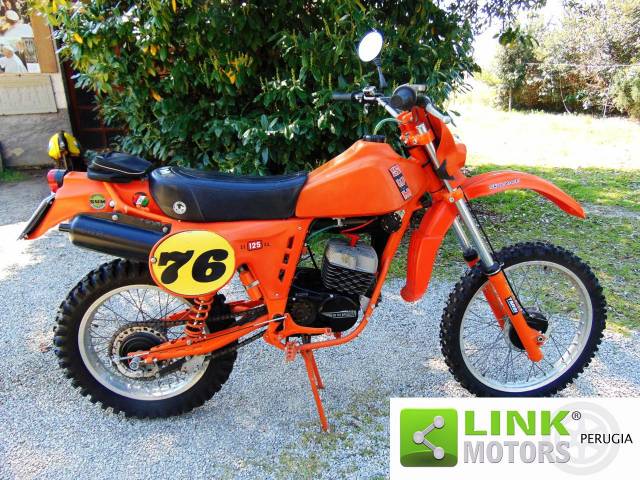
1981 | SWM RS 125 GS
SWM RS-GS-125
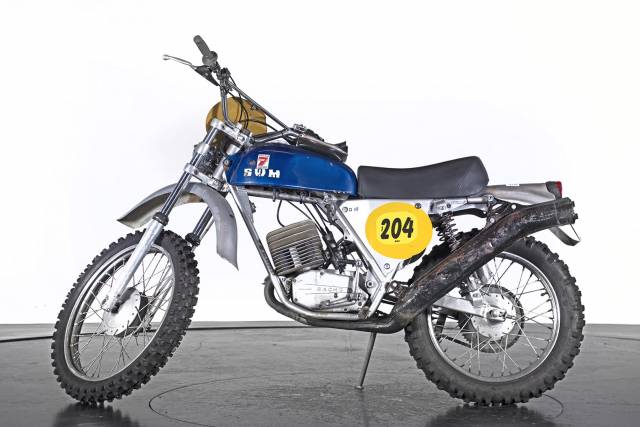
1974 | SWM GS 125
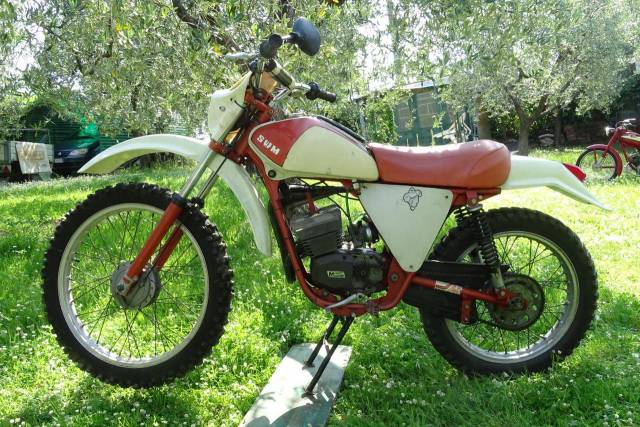
1974 | SWM 50
SWM MK 50 RBS RB 50
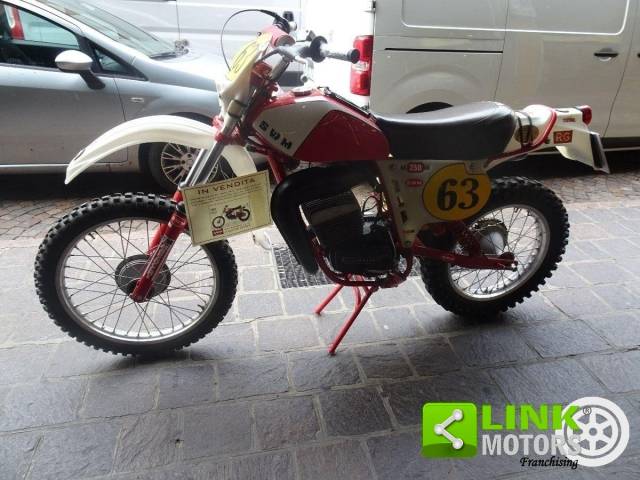
1977 | SWM RS 250 GS
Swm - RS-GS 250 - Targa Oro Asi
History
SWM stands for Sironi, Vergani, Vimercate, Milano, and that name tells you almost everything about the brand’s character: local, practical, fiercely competitive, and deeply tied to Italy’s off-road culture. The company was founded in 1971 in Vimercate near Milan by Piero Sironi and Fausto Vergani, two men who wanted to build motorcycles that could stand up to the roughest terrain without carrying unnecessary weight or showmanship.
SWM arrived at exactly the right moment. The 1970s were a golden period for trials, enduro and motocross, when many privateers still believed a smartly prepared lightweight bike could beat a big-budget machine. SWM leaned into that idea from the start. Its first production bikes appeared in 1972, and the early years focused on Trials, Enduro and Motocross models rather than road machines. That focus gave the brand a clear identity and helped it attract riders who cared more about traction, balance and durability than about chrome and touring comfort.
The earliest collector bikes were the Six Days models, offered in 100cc and 125cc form with Sachs engines. The name itself linked the brand to the world’s hardest off-road test, the International Six Days Trial, and it made perfect marketing sense: these were bikes built with endurance in mind. SWM’s reputation grew quickly because the machines were not just stylish competition replicas; they were genuine race tools sold to riders who wanted to enter events straight from the showroom.
The next major step came in 1977, when SWM moved to Rotax disc-valve engines. That change shaped the brand’s future. The Rotax-powered RSGS / RS-GS models brought a more mature technical package, with better power delivery and a stronger link to the serious enduro and trials scene. The company also developed the TL trials range, which would become one of its most respected lines and later deliver the most famous result in SWM history.
By the end of the decade, SWM had refined its identity around the two disciplines where light weight and precise chassis tuning mattered most: trial and enduro. The TF1 and later TF3 became the backbone of the enduro range from roughly 1979 to 1983, while the TL 320, TL 125 and TL 350 Jumbo represented the brand’s strongest trials statement.
The sporting peak arrived in 1981, when Gilles Burgat won the Trial World Championship on an SWM TL 320. That title remains the headline achievement for the marque and is a major reason why the classic SWM name still matters to collectors today. In the same era SWM also scored a notable endurance success with the Silver Vase at the ISDT on the Isle of Man in 1975, underlining the brand’s versatility across off-road disciplines.
Despite its sporting credibility, SWM remained a relatively small manufacturer. Total production across the classic era is usually estimated at around 40,000 to 60,000 units, which is modest by mainstream standards but significant for a specialist off-road brand. The company eventually ran out of financial road and went bankrupt in 1984. Like many passionate small manufacturers, it had made excellent motorcycles but struggled to scale them into long-term commercial stability.
The name did not disappear forever. In 2014, SWM was revived under the Shineray Group, and today the brand has an official Australian presence through swmmotorcycles.com.au. That modern importer matters for classic buyers too: it shows the brand still has support, recognition and dealer visibility in Australia, even if the bikes listed here come from the original 1970s and early 1980s era.
For Australian enthusiasts, classic SWM motorcycles remain rare. Most examples arrived through dedicated private importers, long-time off-road collectors or riders who brought them into the country after years of overseas competition use. That scarcity makes the bikes more interesting, but it also means the best examples tend to move quietly between serious buyers rather than sitting around for long.
Highlights
What makes SWM special is not one single model, but a very consistent philosophy: build a light, competitive motorcycle first, then add only the parts needed to win events. That approach explains why the bikes feel so focused even today. They were designed by people who expected them to be ridden hard, lifted over obstacles, dropped, repaired and ridden again.
The collector appeal starts with the early Six Days models. These machines capture the original SWM idea in its purest form: simple, light, agile and purpose-built. The Sachs-powered bikes are important because they mark the beginning of the brand’s story and because they connect SWM to the classic European off-road movement before Rotax became the defining engine partner.
The RSGS / RS-GS range is where many collectors start to get serious. These bikes represent the transition to Rotax power and a more mature SWM chassis identity. They are also among the most usable classic SWMs for real-world riding, which matters in Australia where many buyers want a bike that can still be taken to vintage trials days or classic enduro events.
The TF1 and TF3 enduros are another key chapter. They show SWM at full development maturity, with stronger mid-range appeal and broader displacement choices, including larger-capacity versions up to 440cc. If the Six Days models are the early statement and the TL trials bikes are the cult icons, the TF range is the practical collector’s choice for riders who want something they can actually use.
Then there is the TL 320. This is the bike that links SWM forever to world championship success. The TL 125, TL 320 and later TL 350 Jumbo are especially important because they show how SWM translated Rotax-based engineering into a winning trials platform. For collectors, Burgat’s 1981 title gives the TL 320 a layer of historical importance that goes beyond its mechanical specification.
Technically, SWM stood out for its choice of components. The marque used Rotax disc-valve engines, Marzocchi forks, Acerbis plastics and Grimeca hubs across many of its best years. That combination reads like a who’s who of classic Italian and Austrian off-road hardware. It also means the bikes feel authentically period-correct rather than like later restorations trying too hard to look old.
There is also an interesting broader heritage angle. The Armstrong MT500 and later Harley-Davidson MT350E military motorcycles were derived from the SWM XN Tornado. That connection gives SWM an unusual place in motorcycle history: a small Italian off-road manufacturer indirectly helped shape a military bike that went on to serve in significant numbers.
For Australian buyers, the appeal is twofold. First, SWM bikes are rare enough to feel special in the local market. Second, they suit the country’s strong classic trials and enduro scene, especially in Victoria, New South Wales and Queensland, where vintage off-road events still attract riders who appreciate light, characterful machinery.
Technical Data
The classic SWM range is not wide in the way Japanese brands are wide; it is focused, specialised and highly model-dependent. The table below summarises the most relevant collector-era motorcycles.
Across the range, SWM used a straightforward competition-first engineering recipe. Frames were light and functional rather than ornamental. Suspension components from Marzocchi gave the bikes a distinctly Italian off-road feel, while Acerbis bodywork and Grimeca hubs tied the brand into the wider ecosystem of specialist suppliers that defined the era.
In factory form, these bikes were never built to be showroom luxuries. They were stripped of anything unnecessary. That has a practical upside for classic ownership: if a machine is complete and correct, you are looking at a seriously honest piece of sports engineering rather than a complicated restoration puzzle filled with chrome trim and obsolete touring equipment.
Market Overview & Buying Tips
The SWM market in Australia is best described as small, specialist and import-driven. Classic SWMs were never common here, and most surviving examples were brought in by enthusiasts who understood what they were buying. That means the local supply is thin, but it also means many Australian SWMs have already been owned by people who cared enough to keep them running.
Prices are influenced by that rarity, plus the reality of sourcing parts from overseas. Many restoration and maintenance items still come from the UK and Europe, especially through specialists such as MotoSWM or similar Rotax-focused suppliers. Shipping to Australia adds real cost, and buyers should budget accordingly. As a rough guide, UK or European pricing often ends up feeling like EUR × 1.6–1.7 or GBP × 2.0 once freight and local charges are considered. That does not make SWM impossible to own, but it does mean that a “cheap” bike can become expensive very quickly if it needs missing plastics, engine work or hard-to-find trim.
In AUD, honest buying ranges for classic SWM bikes usually look something like this:
- Project bikes: around A$4,000–A$8,000 if complete but not restored
- Usable riders: roughly A$8,000–A$14,000 depending on model and originality
- Top restored examples: about A$15,000–A$22,000+ for the best TL or rare enduro bikes
Rarity and condition matter a lot. A rough but matching-number TL 320 with correct period parts can be more attractive than a shiny machine that has lost its original character. The same is true for early Six Days models: if the bike retains correct engine, frame and bodywork details, collectors are more likely to pay up.
For Australian buyers, the most sensible approach is usually to buy the best complete bike you can afford rather than the cheapest project. SWM-specific parts are not impossible to find, but they often require patience and overseas ordering. If you have to rebuild the whole bike from boxes, the freight bill alone can become painful.
Inspection should focus on a few key areas:
- Frame and swingarm: look for repairs, cracks and poor welding, especially on bikes used in competition
- Engine originality: check that the Rotax or Sachs unit is the correct type for the model and year
- Cooling and top-end condition: many bikes have seen hard use, so listen for bottom-end noise and assess compression carefully
- Suspension: Marzocchi forks and old shocks are often tired, and replacements can be costly
- Bodywork and plastics: original Acerbis parts are valuable and not always easy to replace
- Fasteners and ancillaries: small missing details can add up fast on a restoration
The good news is that SWM ownership in Australia is helped by the country’s historic registration pathways. Classic and club registration options exist in all states, which makes these bikes more practical than many buyers first assume. LAMS is not relevant here; most classic SWMs are bought for heritage, club use and event riding rather than learner approval.
Another point in SWM’s favour is the active Australian off-road community. The country still has a healthy trials and enduro scene, and that gives classic SWMs a natural home. A TL 320 or TF1 can be more than a display piece. In the right hands it becomes a usable event bike, especially where club rules welcome period machinery.
Because the brand also has a modern Australian importer, new SWM bikes remain visible in the local market. That does not change the value of the classics, but it does help the brand’s name recognition. Buyers do not need to explain what SWM is to every mechanic or registration clerk; the badge still exists, and that makes life easier.
Performance
Riding a classic SWM is about feel rather than outright speed. These bikes were never intended to overwhelm the terrain with power. They were meant to make the rider feel precise, balanced and in control.
The Sachs-powered Six Days bikes are the most old-school in character. They feel light, simple and mechanically direct. Power delivery is modest by modern standards, but that is part of the charm. In trials or tight enduro use, the bike rewards rhythm and finesse more than aggression.
The Rotax disc-valve bikes are the sweet spot for many riders. They offer a broader spread of power and a more mature engine feel. The throttle response is clean, the mid-range is useful, and the chassis remains small and manageable. For Australian club events, that balance is a real advantage because it lets the rider concentrate on lines rather than fighting the bike.
The TL 320 deserves its own mention. This is the machine that won the world title, and the reason is easy to understand once you ride one. It has enough torque to feel flexible, yet it stays narrow and light enough to turn quickly in slow sections. In classic trials, that combination is gold. The bike asks for careful weighting and timing, then rewards it with calm traction and very little drama.
The TF enduros feel a little more urgent. They are still classic two-strokes, but they carry a stronger sense of forward motion, especially in the larger capacities. On rough tracks, they are planted enough to be useful and light enough to feel alive. They suit Australian riders who want a vintage machine they can actually point down a fire trail or use in a historic enduro setting.
One of the most appealing things about SWM performance is that it remains legible. You can feel the engine, understand the chassis and react to the bike without electronic interference or excessive complexity. That makes it attractive to collectors who also like to ride. The bikes are not museum pieces by nature; they are machines with a job to do.
Design
SWM design is classic Italian off-road design at its most honest. There is no excess, no decorative clutter and no attempt to imitate road-bike fashion. Everything on the bike serves the terrain.
The visual language evolved in a way that helps collectors date machines quickly. Early Six Days models carry a straightforward competition look, while the later Rotax-era bikes became more recognisable through their sharper proportions and bolder colour schemes. The orange and black TF-era look is especially memorable and remains the most famous SWM styling cue for many enthusiasts.
The bodywork is part of the appeal. Acerbis plastics give the bikes a distinctly period-correct off-road silhouette, and the parts look right because they were made for serious use, not for decoration. When complete, a classic SWM has a lean, almost minimal appearance that feels very much in line with the best 1970s European competition bikes.
Mechanically, the design also tells a story of collaboration. Rotax, Marzocchi, Acerbis and Grimeca were all respected names in the off-road world, and SWM used them intelligently. That means the bikes are not just good-looking; they are a snapshot of the specialist supplier network that made Italian competition motorcycles so effective during that era.
For collectors, originality matters a lot. Correct tanks, graphics, seat covers and side panels can change the perception of a bike immediately. A SWM with the right details feels period-correct and desirable; a machine with generic replacement parts loses much of its charm. The best examples still look purposeful even when parked on a stand, because the design was always about performance first.
Other
SWM’s wider story adds a lot to its collector value. The brand’s success in trials and enduro was not huge in volume terms, but it was strong in credibility. Winning the 1975 Silver Vase and the 1981 Trial World Championship gave the company a lasting place in off-road history that far exceeds its production size.
The military connection through the XN Tornado, Armstrong MT500 and Harley-Davidson MT350E is another unusual chapter. Few small European manufacturers can claim that their engineering influenced a military motorcycle that saw international service. It is a reminder that SWM’s designs were not just stylish; they were robust enough to be adapted for serious duty.
Australia adds its own layer to the story. Because classic SWMs are uncommon here, the bikes tend to attract a particular buyer: someone who already understands vintage off-road machinery and wants something with genuine personality. They are not for everyone, and that is exactly why they remain interesting.
Parts sourcing is the main ownership challenge. Engines, suspension and consumables can still be managed, but the buyer should be realistic about freight times and exchange rates. If a part has to come from the UK, Europe or the US, the final bill in A$ will usually be noticeably higher than the first online price suggests. That is normal for rare classics, but it should be budgeted from day one.
For the right owner, however, that effort is part of the experience. SWM is a brand for people who like motorcycles with a clear purpose and a real backstory. It rewards knowledge, patience and mechanical care.
Summary
SWM classic motorcycles are a smart buy for collectors who value real off-road history, light handling and limited production. From the early Six Days bikes to the championship-winning TL 320 and the practical TF enduros, the brand offers a compact but highly distinctive range.
In Australia, these motorcycles are rare enough to feel special, yet still relevant thanks to historic registration options, an active classic trials and enduro scene, and the continued presence of the SWM name through a modern local importer. The main caveat is parts access: classic ownership often means ordering from the UK or Europe and paying for it in AUD.
If you want a classic motorcycle with competition pedigree, Italian character and genuine collector appeal, SWM deserves a close look. Find the best example you can, verify the details carefully, and you could end up with one of the most rewarding small-capacity classics in the market.