- Motorcycle
- Rickman (2 offers)
Buy Rickman motorcycle
Rickman built its reputation on giving great engines the chassis they deserved. For Australian buyers, that means rare classics with real collector appeal, but also a market where frame identity, bodywork condition, donor-engine quality and import costs matter before you commit.
Search results
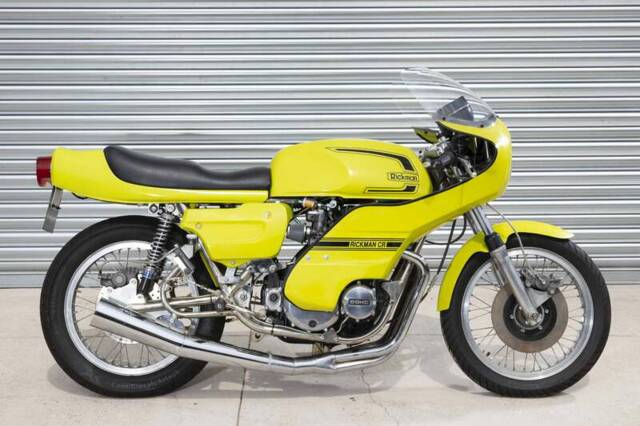
1975 | Rickman Kawasaki CR
1975 Rickman CR Kawasaki 1,015cc

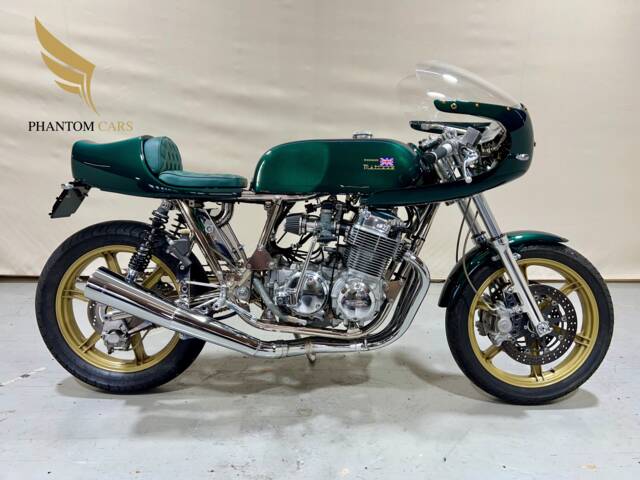
1973 | Rickman Honda CB 750 Four
*** SEHR SELTEN *** Komplett Restauration über Fr. 25'000.- *** Perfekter Zustand *** Eintausch & Finanzierung möglich ***

Rickman listing references from Classic Trader
Below you will find listings related to your search that are no longer available on Classic Trader. Use this information to gain insight into availability, value trends, and current pricing for a "Rickman" to make a more informed purchasing decision.
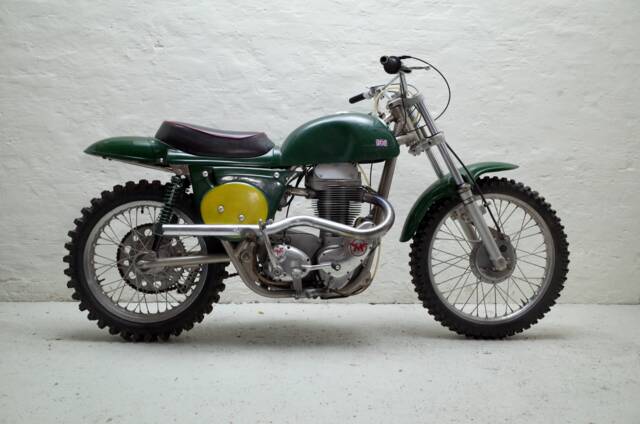
1985 | Rickman Metisse Mk III
1985 Rickman Metisse MRD. Two owners from new, first owner Doug Desborough

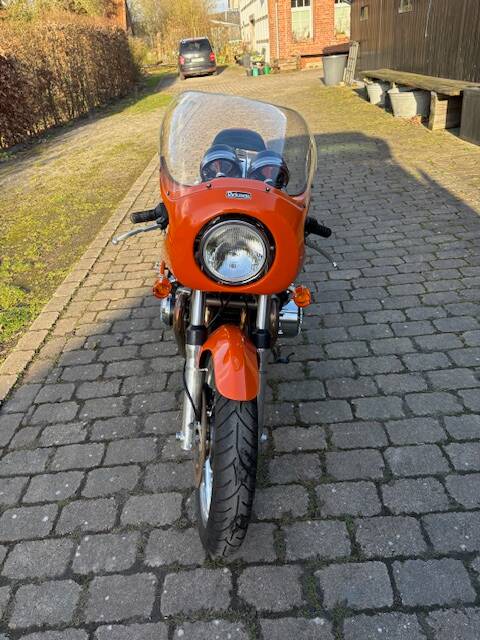
1975 | Rickman Honda CR 750 Four

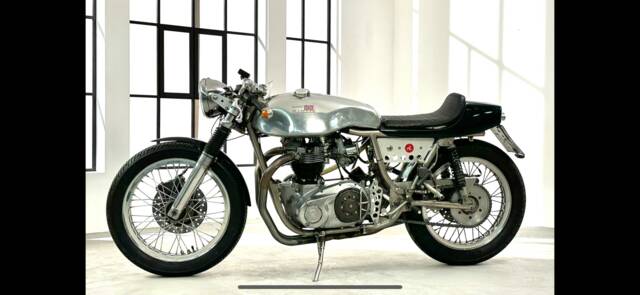
1973 | Rickman Metisse Mk III

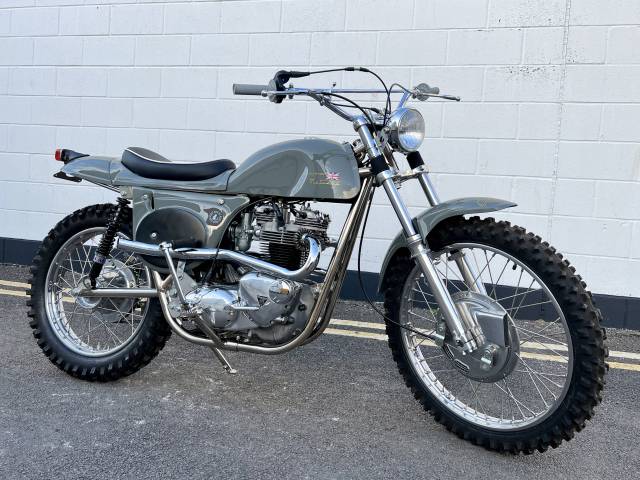
1971 | Rickman G 50 Metisse
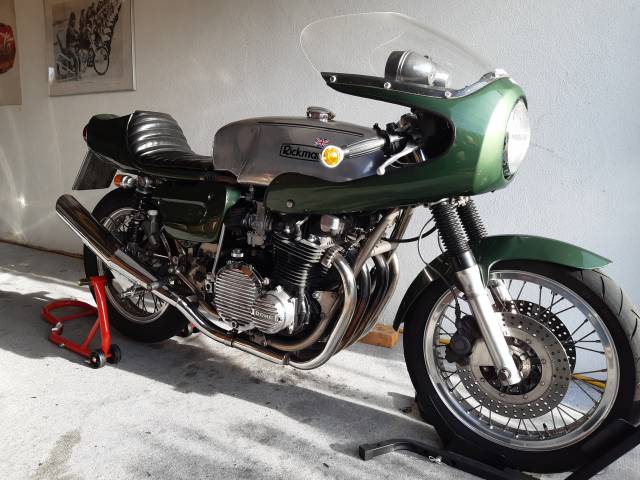
1980 | Rickman Kawasaki CR 1000
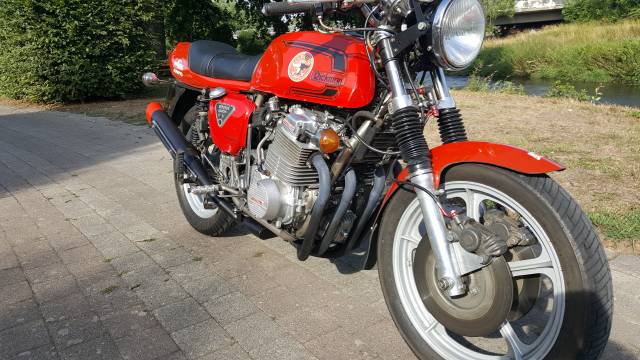
1977 | Rickman Honda CR
CR 750 - JAPAUTO 1000 VX
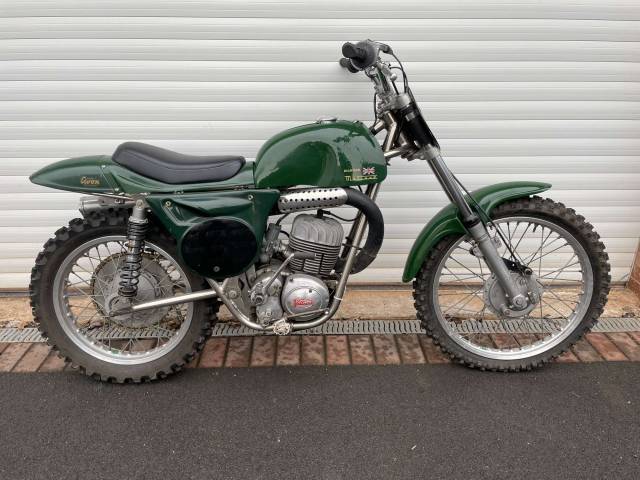
1967 | Rickman Metisse 250
c1967 Rickman Metisse "Petite" Starmaker 250cc
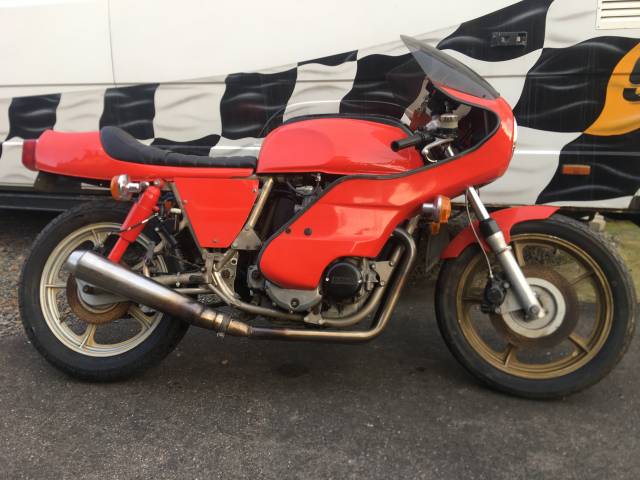
1979 | Rickman Kawasaki CR
Z1 Z900
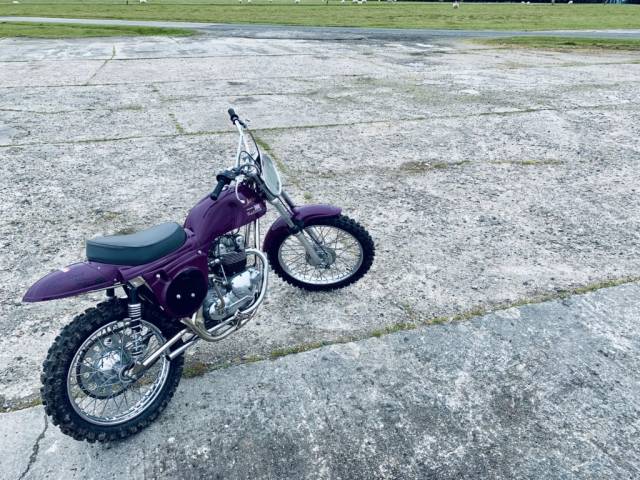
1966 | Rickman G 50 Metisse
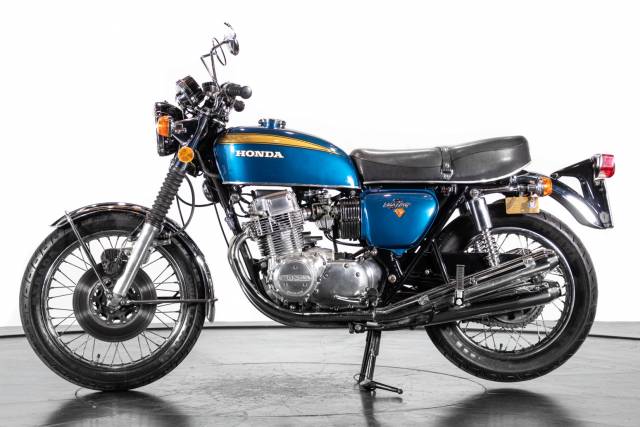
1974 | Rickman Honda CB 750 Four
-

History & Heritage
The story of Rickman starts where many great British specials started: not in a corporate design office, but in competition. Brothers Derek and Don Rickman were front-rank scrambles and motocross riders in the 1950s, and they kept running into the same problem. The engines available from Triumph, BSA, Matchless and Royal Enfield could make power, but the standard frames were often heavier, softer and less accurate than the riders wanted. So the Rickmans began building their own answer.
The first Metisse appeared in 1959. The name, French for a mixed-breed or hybrid, perfectly captured the formula: use the best engine you can get, then wrap it in a lighter, stiffer and better finished chassis. By 1962, the Mk III Metisse had become the key model. Its hand-built, bronze-welded Reynolds 531 frame, distinctive nickel-plated finish and oil-in-frame design gave Rickman an identity that still defines the brand today. Even decades later, buyers often talk about a Rickman chassis before they talk about the engine inside it.
Rickman quickly moved beyond dirt competition. In 1966, the brothers entered road racing with the G50 Matchless-powered machines developed with Tom Kirby, and street-legal Rickmans followed. The Street Metisse translated off-road frame craft into the language of the café racer: lower, sharper and more elegant than the donor bikes that supplied many of the mechanical parts. Rickman was never a mass producer in the Japanese sense, but it did become a serious specialist manufacturer with international reach.
The next big shift came in the 1970s, when the Japanese superbike changed performance expectations. Instead of retreating, Rickman adapted brilliantly. The brothers offered chassis kits for the Honda CB750 and Kawasaki Z1, creating the best-known road-going Rickmans of the era: the CR750 and CR900/CR1000. These bikes combined Japanese four-cylinder reliability and speed with British frame sophistication, Lockheed brakes, Borrani rims and dramatic Avon bodywork. In period, that was a compelling pitch. Today, it is a major part of the collector appeal.
Metisse’s own heritage history notes that more than 16,000 Rickman and Metisse motorcycles were built overall, with the CR range accounting for more than 2,000 of them. The Australian CR750 story is especially relevant locally: period and retrospective Australian coverage notes that around 1,000 CR750 kits were produced, with early distribution in Australia handled by Alron Motorcycles in Perth before Peter Stevens in Melbourne took over in 1977. That means Australia is not just an end market for Rickman imports; it was part of the period sales network for the Japanese-engined road bikes.
Rickman’s standing was recognised in period too. The company received the Queen’s Award to Industry in 1974 for export success, proof that this was more than a niche shed operation. It also helps explain why Rickmans continue to matter to collectors: they sit at the intersection of British competition engineering, café-racer culture, desert-racing mythology and 1970s superbike development.
For buyers today, one more historical point matters: Rickman is not an entirely dead end. Tooling, moulds, archives and expertise passed through custodians such as Pat French and later Metisse Motorcycles, so there remains an ecosystem of registers, specialists and reproduction parts. That does not make Rickman ownership easy, but it does mean a serious buyer can still verify, restore and maintain one with more confidence than the rarity might suggest.
Highlights & Key Models
What makes a Rickman motorcycle worth searching for on Classic Trader rather than treating as just another period special? The short answer is that Rickman built a recognisable engineering identity. Even when engines changed, the bikes still looked, felt and rode like Rickmans.
The first defining trait is the frame. A genuine Rickman frame is usually the centrepiece of the whole machine: hand-finished, beautifully brazed, light for its day and usually nickel-plated in a way few competitors matched. A good Rickman does not look improvised. Even when it is mechanically a hybrid, it feels deliberate.
The second is the model mix. For collectors, five Rickman families matter most:
Metisse Mk III and Mk IV machines are the spiritual core of the brand. These are the off-road and dual-purpose Rickmans that established the reputation. Triumph, Matchless, BSA and other British engines appear here, and originality of frame number, engine plates and period components matters enormously.
Street Metisse models take the same idea onto the road. They are among the purest British café racers of the era: slim, focused and more exclusive than a donor Triumph or BSA-based special. If you want the Rickman concept in its most elegant road form, this is often the one.
G50 Matchless road racers are the hardcore end of the market. These appeal to collectors who value racing provenance above all else. They are scarce, significant and often priced more by history and documentation than by simple condition grades.
Rickman Honda CR750 models are the best-known Japanese-engined Rickmans in Australia. The CR750 took Honda’s tough 736cc SOHC four and dropped it into a Reynolds 531 Rickman frame with Betor forks, Lockheed discs and unmistakable orange bodywork. It solved the period criticism of the CB750 in one stroke: keep the engine, improve the chassis.
Rickman Kawasaki CR900 and CR1000 machines are usually the most muscular of the bunch. Kawasaki’s big fours gave them real superbike presence, while the Rickman chassis kept them sharper and more exotic than a standard Z1 or Z1000. For many collectors, these are the highest-drama road Rickmans.
Across all of these models, a Rickman buyer is looking for a familiar list of signature parts: Reynolds 531 tubing, Avon fibreglass bodywork, Borrani alloy rims, Lockheed brakes, Betor, Ceriani or other quality forks, and a level of fit and finish above the usual home-built special. That parts mix is not trivia. It is exactly what separates an important Rickman from a bike that merely wears a Rickman badge or frame.
Technical Data
Rickman was a make built around chassis philosophy rather than one factory engine line, so the technical picture varies by model. The table below covers the core collector versions most buyers will meet.
For buyers, one point is essential: specification drift is normal with Rickmans. A donor engine may be period-correct but not original to the frame. Brakes, forks, rear shocks, tanks, wheels and fairings may have been changed in service, race use or restoration. That does not automatically make a bike bad. It does mean that value depends on whether the specification is authentic, coherent and documented.
Market Overview & Buying Tips
The Rickman market is small, international and far more nuanced than the market for a mass-produced classic Honda or Triumph. You are usually buying one of three things: a historic competition-based Metisse, a road-going British special, or a Japanese-engined CR-series Rickman. Each group behaves slightly differently, but the same value drivers keep appearing: frame identity, period correctness, bodywork quality, donor-engine condition and paperwork.
Recent public sales in 2024-2025 give a useful real-world guide:
- 1969 Rickman Metisse Project at H&H, October 2024: £3,450 including premium
- 1964 Rickman Metisse 500cc at Anglia Car Auctions, January 2024: £7,452 including premium
- 1973 Norton Rickman Metisse Racing at H&H, March 2024: £9,775 including premium
- 1968 Rickman Metisse Mk IV via Bring a Trailer/Hagerty, January 2025: US$9,135
- 1968 Rickman Street Metisse at Evoke Classics, July 2025: £12,780
- 1964 Rickman Metisse Mk III with Matchless G80CS at Iconic Motorbike Auctions, October 2025: US$9,500
- 1975 Rickman Kawasaki CR900 via Bring a Trailer/Hagerty, May 2025: US$8,925
- Rickman Honda CR750 at Bring a Trailer, July 2025: US$11,100
- 1977 Rickman Kawasaki CR1000 at H&H, October 2025: £12,075
That spread tells you a lot. Project-grade Metisses can still start at surprisingly accessible money, but only if you are willing to take on missing parts, frame verification work and restoration unknowns. Usable, well-presented British-engined bikes tend to sit in the middle. Japanese-engined CR bikes are less predictable: some sell close to ordinary collector-bike money, while stronger, better-documented or more road-usable examples climb meaningfully higher.
Australia adds another layer. The domestic market is thin, so local asking prices can look firmer than overseas auction results. A 1975 Rickman Honda CR750 advertised through Just Bikes in Western Australia was listed at A$32,000, while Australian enthusiast sales records have shown other CR750s selling at around A$20,000 and A$27,000 depending on specification and presentation. In other words, Australian buyers often pay a premium for buying locally, but that premium can make sense if the bike is already here, registered or at least known, and free from the shipping and import complexity of an overseas purchase.
Classic Trader’s Australian Rickman search should therefore be treated as an international buying window, not just a local classifieds page. Rickman stock is rare enough that your realistic shopping territory usually includes Europe, the UK and the US.
What to inspect before you buy
1. Frame number and authenticity
Start here. A Rickman is only as good as its identity. Check the frame number, ask what engine the chassis was originally supplied for, and verify the story through the Rickman Metisse Historic Register, Metisse specialists or supporting paperwork wherever possible. A convincing-looking bike with weak frame history is a risk.
2. Braze joints, headstock area and old repairs
Rickman frames are beautifully made, but they are also specialist structures. Period repairs and re-brazed joints are not unusual, especially on competition bikes. You want to see workmanship that looks professional, not hurried patching under fresh plating or paint.
3. Oil-in-frame condition
Many early Rickmans used the frame as an oil reservoir. That is clever, but it also means long-stored bikes can hide internal corrosion or sludge. Restorers of Street Metisses have specifically cited the risk of rust inside unused oil-bearing frames and sometimes converted them to separate oil tanks for safety. Ask what has been cleaned, sealed or modified.
4. Fibreglass bodywork
This is one of the biggest buying points. Australian restoration coverage on a 1974 Rickman CR noted that Rickman’s fibreglass was often more troublesome than the frame. Tanks may need relining, side covers crack at mounting points, and fairings can be full of old repairs. Original bodywork is valuable, but poor original bodywork can also be expensive.
5. Fuel tank reality
Be especially careful with full fibreglass tanks. Modern fuel and ethanol can create headaches, and some reproduction suppliers explicitly warn that fibreglass tanks are not ideal for normal road use. A properly repaired and lined original tank can still be serviceable, but it should never be taken on trust.
6. Donor-engine condition
Rickman-specific parts may define the value, but engine bills can still define the pain. On Triumph twins, ask about oil leaks, top-end wear and crank work. On Honda CB750 donors, listen for cam-chain and charging-system issues and inspect carburetion quality. On Kawasaki Z1/Z1000-based bikes, confirm cam-chain, gearbox and carburettor health. A Rickman with a tired donor engine quickly stops being a bargain.
7. Brakes, wheels and period components
Lockheed calipers, Borrani rims, Betor forks and period rear shocks are all part of the Rickman package. They are also costly to rebuild correctly. Seized calipers, pitted stanchions and damaged rims are common hidden expenses.
Riding Experience
The reason collectors still chase Rickmans is not only rarity. It is that they deliver a distinctly different ride from the donor motorcycles that supplied their engines.
On a good Metisse, the first impression is usually lightness and directness. The bike feels narrow between the knees, mechanically alive and more exact than a stock British bike of the same era. That matters both on dirt and on back roads. Rickman built frames for riders who wanted precision, so even modestly powered bikes often feel more vivid than their spec sheets suggest.
The Street Metisse adds café-racer attitude without turning the whole experience into theatre. There is still vibration, heat and mechanical presence, but the chassis usually feels calmer and more disciplined than the Triumph or BSA basis would lead you to expect. That is the Rickman magic in miniature: not more engine, but better use of the engine.
The Japanese-engined CR bikes are different again. A Rickman Honda CR750 gives you Honda smoothness and reliability, but with a lower, tauter, more focused feel than a standard CB750. Australian period and retrospective coverage repeatedly returns to the same theme: the CR750 was the answer for riders who loved Honda power but wanted sharper steering, stronger braking and more race-bred presence.
The Kawasaki CR900 and CR1000 bring more brute force. They feel longer, faster and more serious, with the visual drama to match. Yet they are not just faster Kawasakis. The Rickman chassis changes the conversation from straight-line speed to overall control, which is why these bikes remain so desirable to riders who actually intend to use them, not just display them.
None of this means Rickmans are easy in a modern sense. Ergonomics can be committed, heat can be real, and some builds are far more race-bike than all-round roadster. But that is part of the appeal. A Rickman is not meant to feel generic. It is meant to remind you that a small specialist builder once believed factory bikes could be improved.
Design & Accessories
Rickman’s design language is unusually coherent for a hybrid make. The frame is the visual centre of gravity, not the bodywork, and that gives the bikes a style that is immediately recognisable.
The nickel-plated chassis is the signature move. On many motorcycles, the frame is something you barely notice. On a Rickman, it is jewellery and engineering at once. The polished, plated tubes advertise craftsmanship, but they also tell buyers something important: this was never meant to be an ordinary special.
Then there is the Avon fibreglass bodywork. On a Metisse that might mean a tank, seat unit and panels built for function first. On a CR750 or CR900 it becomes more theatrical: fairing, ducktail, long tank and purposeful side panels that make the bike look like a privateer racer that somehow gained number plates. When finished in classic orange, green or yellow period schemes, a Rickman can look more exotic than many far more expensive factory motorcycles.
Accessories and finish play a bigger role in value than on most classics. Correct rearsets, windscreens, fairing brackets, tank straps, instrument layouts and engine plates all help separate a properly sorted bike from a rough approximation. Buyers should also note that reproduction panels exist. Airtech, for example, lists replacement Rickman CR body parts at current prices such as around US$332 for a long fairing, US$198 for a tail section, US$169 for side covers and US$692 for a replacement tank. That is useful because it means broken bikes can be completed, but it also means the best original bikes deserve a premium.
Australian Ownership, Parts & Import Reality
For Australian buyers, Rickman ownership has a very specific reality: common donor-engine parts are usually easier than Rickman-specific parts. If you buy a Honda-based CR750, many core engine service items are far less scary than the frame, tank, fairing, mounts or correct cycle parts. The same principle applies to Kawasaki-based CR models. That makes authenticity more important than ever. A Rickman with incorrect but functional donor-bike parts may be rideable; a Rickman with missing Rickman-only parts may be slow and expensive to finish properly.
The good news is that specialist support still exists. The less good news is that Australian buyers often need to source it internationally.
That matters for cost. Official Australian guidance says imported goods are generally liable for taxes unless an exemption applies, and GST is 10% of the value of the taxable importation, calculated from the customs value plus duty, transport and insurance. For low-value imported goods, GST is commonly collected by the seller or platform at checkout; once consignments move into higher-value territory, the cost stack becomes more noticeable.
For Rickman parts, it adds up quickly. Use the current Airtech reproduction prices as a practical example:
- fairing: US$252-332
- tail section: US$197.52
- side covers: US$169.33
- tank: US$692.31
Order a tank plus tail and side covers and you are already in serious-money territory before freight. Add bulky international shipping, insurance and GST and the landed cost looks very different from the sticker price. Suppliers dealing in general motorcycle parts also warn that large items such as tanks, cowlings, exhausts, forks and wheels can trigger oversized freight surcharges, which is exactly the category many Rickman pieces fall into.
The same logic applies to whole motorcycles. General 2025 international shipping guides put UK-to-Australia sea freight for a motorcycle at roughly A$1,200-A$4,000, with air freight more like A$2,800-A$4,200. From the US, sea freight estimates of around A$1,500-A$3,500 are common. That does not automatically make an overseas Rickman unattractive, but it does mean a locally available bike at a higher asking price may still stack up once freight, GST, import admin and time are counted honestly.
This is where the Australian market context becomes clear. Rickman is rare enough here that buyers are often choosing between:
- Paying more for a bike already in Australia
- Importing a better or cheaper bike and absorbing the landed-cost complexity
- Buying a project and accepting a long global parts chase
There is no single correct answer. The best approach is usually to buy the most complete, best-documented Rickman you can afford. In Australia especially, saving money up front by buying an incomplete project can be false economy if the missing pieces are overseas, bulky and specialist.
Summary
To buy a Rickman motorcycle well, you need to think like both a collector and a realist. The collector side sees what makes the marque so special: the Metisse competition heritage, the gleaming Reynolds 531 frames, the Street Metisse café-racer purity and the brilliant 1970s fusion of British chassis craft with Honda CR750 and Kawasaki CR900/CR1000 power.
The realist side checks the details that decide whether a listing is exciting or expensive: frame number, specification coherence, bodywork condition, engine health, paperwork, and, in Australia, the true landed cost of any missing parts or imported bikes.
The market in 2024-2025 shows Rickman is not a cheap secret any more, but it is still more varied than many blue-chip classic motorcycles. Projects remain available, strong road bikes and racers keep attracting money, and Australian prices can look high because local availability is thin. That is exactly why marketplaces such as Classic Trader matter for this make: the best Rickman to buy may not be the nearest one.
If you want a classic bike with factory polish and easy parts support, there are simpler choices. If you want one of the sharpest, most individual motorcycles of the classic era, Rickman remains one of the strongest searches you can run.