- Motorcycle
- Kawasaki
- Kawasaki Z 400 (1 offer)
Kawasaki Z 400 classic bikes for sale
The Kawasaki Z 400 stands out for its robust air-cooled twin-cylinder engine, distinctive 1970s styling with spoked wheels, and potential for meticulous restoration. With many original components still available and a solid enthusiast following, it offers a classic riding experience paired with satisfying mechanical simplicity.
Search results
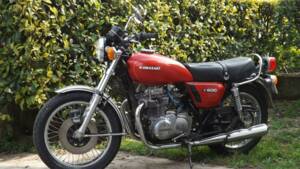
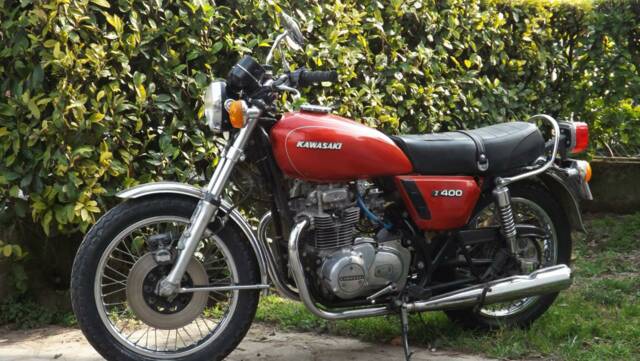

Kawasaki Z 400 listing references from Classic Trader
Below you will find listings related to your search that are no longer available on Classic Trader. Use this information to gain insight into availability, value trends, and current pricing for a "Kawasaki Z 400" to make a more informed purchasing decision.
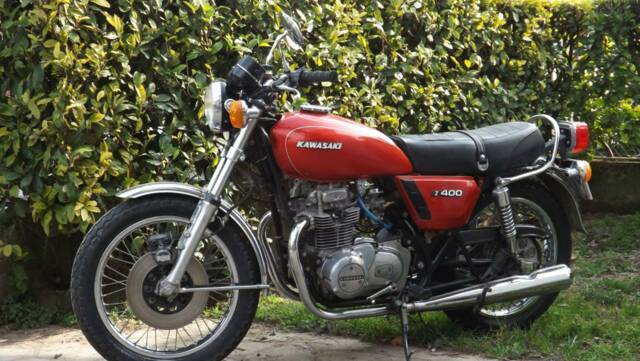
1979 | Kawasaki Z 400
-
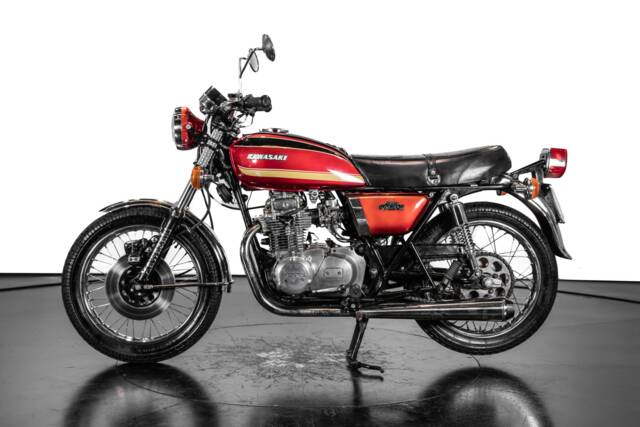
1976 | Kawasaki Z 400
Kawasaki K4 KZ 400
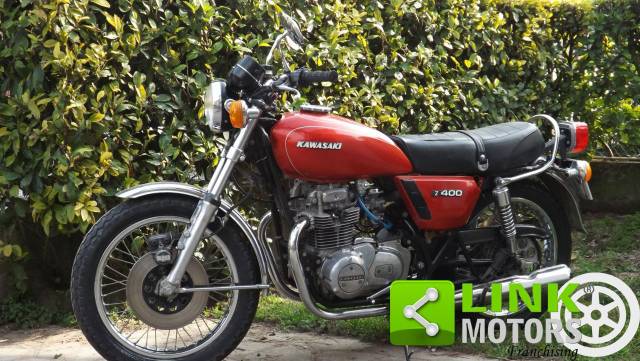
1979 | Kawasaki Z 400
KAWASAKI Z 400 Z 400 anno 1979 ben tenuta
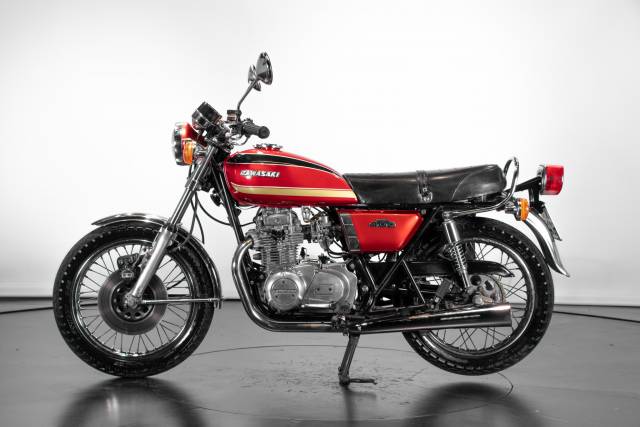
1975 | Kawasaki Z 400
-
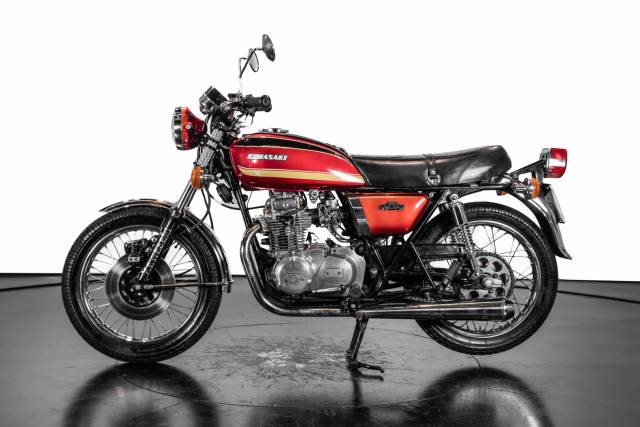
1976 | Kawasaki Z 400
<p>PRESENTE PAD. 26 - FIERA BOLOGNA - 26-29 OTTOBRE</p>
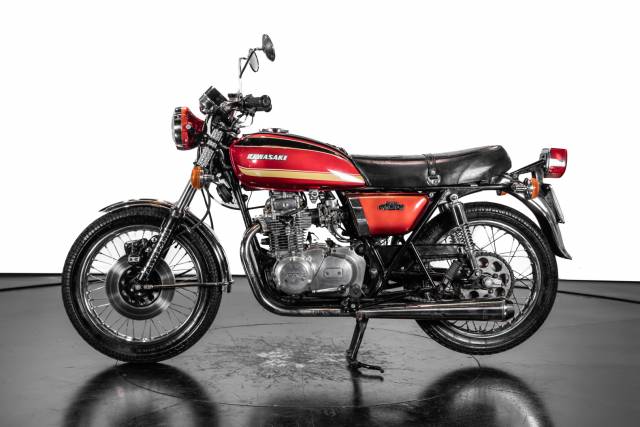
1976 | Kawasaki Z 400
-
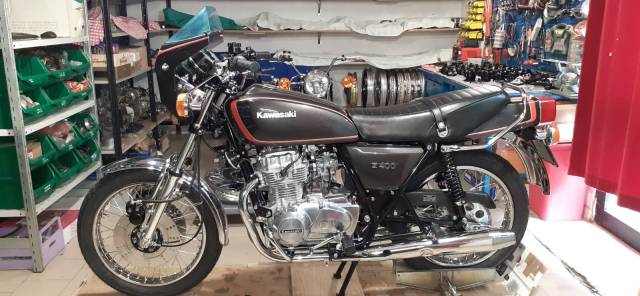
1978 | Kawasaki Z 400
Z400 B1 TWIN
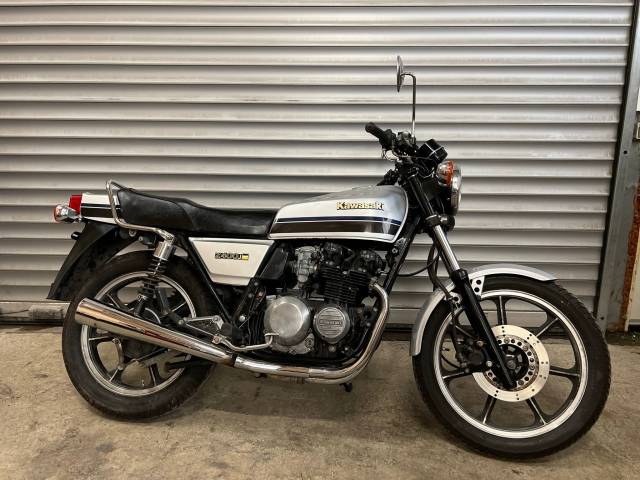
1982 | Kawasaki Z 400
Z400 J

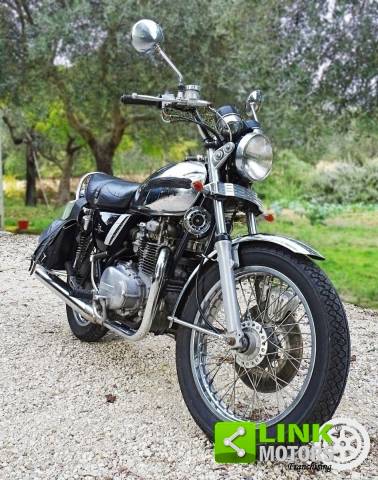
1979 | Kawasaki Z 400
Kawasaki - Z 400 B 1979
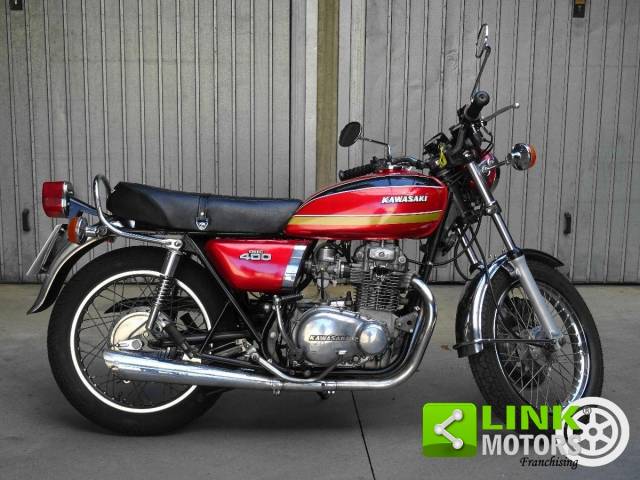
1975 | Kawasaki Z 400
Kawasaki - KZ 400 OHC RESTAURATA E REVISIONATA COMPLETAMENTE
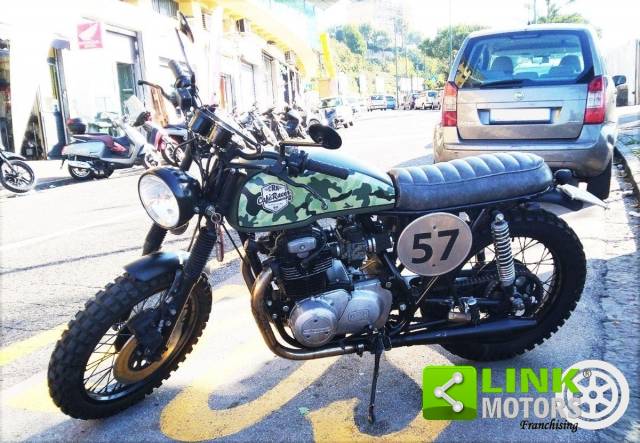
1975 | Kawasaki Z 400
Kawasaki Z 400 1975 - café racer
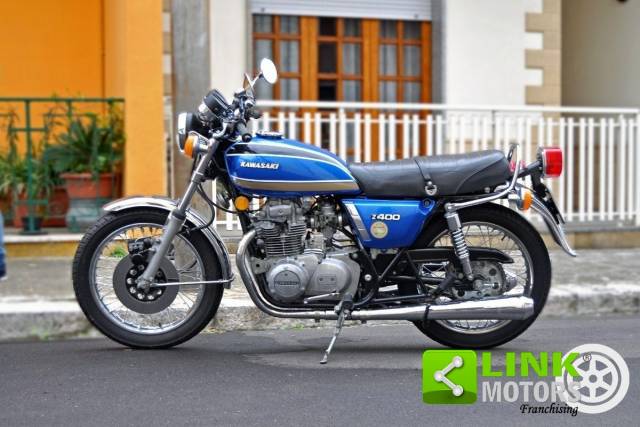
1976 | Kawasaki Z 400
Kawasaki Z400 1976 Restaurata - Documenti e Targhe Originali
Kawasaki Z 400 Classic Motorbikes: Prices & Market Values
The market value of Kawasaki Z 400 motorcycles is primarily determined by technical condition, originality, and mileage, as well as rarity, history, and documentation. A well-maintained, largely original vehicle with low, verifiable mileage and a complete history including expert reports and documentation generally achieves significantly higher prices than a comparable vehicle with deferred maintenance, extensive modifications, or an unclear provenance.
Kawasaki Z 400: Market Prices & Value Trends
Based on Classic Trader marketplace sales data from January 2021 to January 2026, the Kawasaki Z 400 market looks broadly stable, with a long-running cluster of asking prices around £3,000–£3,300 for common late-1970s bikes (notably 1979 examples). In recent months, this pattern has continued, suggesting steady demand rather than a rapid upswing. Most observed prices sit in a realistic market band of roughly £2,500 to £4,300, typically reflecting usable, correctly presented machines where condition and originality do the heavy lifting. A small number of much higher figures (around £10,900–£14,400) appear in the dataset, but these are best treated as outliers that may relate to exceptional restoration quality, provenance, or unusually early/rare year variants, rather than the everyday market level. The data is heavily weighted towards Italian adverts, which can influence the visible pricing profile in Europe. Overall, the Z 400 seems to be stabilising as a sensible entry-point Japanese classic: affordable, collectible, and supported by consistent buyer interest.
History of the Kawasaki Z 400
Launched in the late 1970s, the Kawasaki Z 400 made its mark as a mid-sized motorcycle with substantial build quality and mechanical reliability. The Z 400 was frequently seen in versions such as the Z400B1 (model year 1978) and often first registered in continental Europe, especially Italy. These bikes were known for their practical yet manageable performance, making them popular with both commuters and hobbyists looking for authentic 70s motorcycling. Over the years, the Z 400’s reputation for durability and ease of maintenance has kept demand high among riders seeking a genuine classic riding feel with reasonable upkeep costs.
Model History
The Z 400 series followed Kawasaki’s approach of adapting their successful Z-series architecture down to mid-sized displacements. Directly related to its larger Z siblings, the 400 model typically carried a 2-cylinder, air-cooled engine. It was often exported to various European markets, finding a notable presence in countries like Italy. The Z 400B1 set the benchmark for subsequent minor updates and inspired a number of derivative models, which incorporated changes such as twin disc brakes and various cosmetic tweaks. Although the Z 400 did not have a direct ‘successor’ as such, Kawasaki continued the philosophy of reliable, versatile twins well into subsequent generations.
Highlights and Notable Features
Key features of the Kawasaki Z 400 include powder-coated frames and swingarms, available spoked wheels, and the option for factory-original paint schemes. A standout aspect is the possibility of converting the original single front disc brake to a dual-disc setup for improved stopping power. The frames, engine casings, and most chrome components lend themselves well to high-quality restoration, appealing to purists and customisers alike. The Z 400 maintains the highest share of both supply and demand among Kawasaki listings on Classic Trader, with each accounting for 100% of Z-series entries.
Technical data
Special Editions and Collectible Models
While most Z 400 models are standard, some have been specially restored or updated, featuring rare original colourways or upgraded brake setups, like an additional front disc and an anti-switch arch for greater fork stability. These improvements, while not official special editions, are highly valued in the enthusiast community for their authenticity and period-correct upgrades.
Weak Spots and Common Issues
Availability of certain parts—especially original exhaust systems—can be a challenge. While essential mechanical and rubber parts like cables, grips, and clutch components are generally available, trim and factory-fitted accessories may require patience to source or restore. Routine service is straightforward, though attention to regular replacement of fork seals, gaskets, and filters is crucial for reliable operation. Early Z 400s with single front disc brakes may benefit from upgrades to twin-disc systems for improved safety.
Engine, Performance, Transmission and Handling
The air-cooled two-cylinder engine is designed for durability and accessible power delivery, appealing to those who appreciate the mechanical feedback of a true 1970s motorcycle. The standard Z 400 came equipped with a five-speed gearbox and cable actuated clutch, while the chassis—highlighted by spoked wheels and the option for dual front discs—delivers a classic, stable ride suitable for spirited touring or relaxed commutes. Original mileages are often low, with many examples hardly run-in when offered for sale.
Popular models in the marketplace are those retaining their original paint schemes and chrome, as well as those restored to a high standard, such as powder-coated frames and rebuilt suspension setups. Upgrades like adding a second front disc brake and additional windshields (which remain fully reversible) fetch particular interest. undefined
Interior, Comfort, Exterior and Design
The Z 400 exemplifies late-70s Kawasaki design: black powder-coated frames, distinctive tank and side-cover shapes, and characteristic chrome details. The original seat bench often remains intact, and paint schemes echo the era’s aesthetics. Custom touches such as optional windshields add comfort while remaining period-correct. Restoration of chrome and galvanised parts is common practice, as is repainting in original colours, further cementing the classic look and feel. Accessories like additional luggage mounts and rubberised battery trays are available, reflecting the focus on practical but visually authentic upgrades.
Other Relevant Features
Several Kawasaki Z 400s offered on the market were originally registered in Italy, contributing to a wider European legacy. Complete, legally documented motorcycles are available, with many sellers offering worldwide shipping and the possibility of professional inspections or expert appraisals. Registration year and model year may differ, for example with a 1978 build registered in 1980.
Summary
The Kawasaki Z 400 is a model that combines the spirit of late 1970s motorcycle engineering with accessibility and authentic riding pleasure. It rewards enthusiasts who appreciate quality restoration and mechanical honesty, bolstered by a supportive community and high demand for original or well-preserved examples. As a mainstay of the classic Japanese motorbike market, it remains a sought-after entry for riders and collectors alike.