- Motorcycle
- Itom (1 offer)
Buy Itom motorbikes
Itom built some of the sharpest 50cc racers of the post-war era, and that pedigree still matters to collectors today. In Australia, surviving bikes are rare, so most buyers end up searching overseas and weighing import costs, parts shipping and paperwork before they buy.
Search results
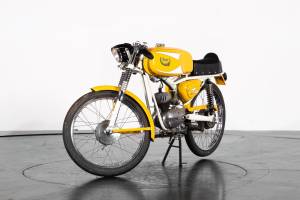
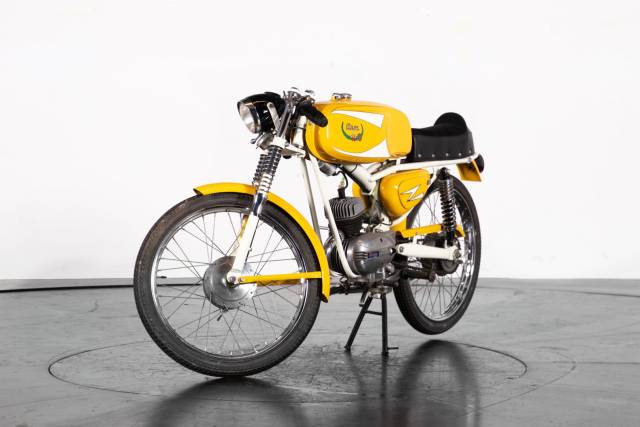
1965 | Itom Astor 4 M Competizione
VERY RARE !!!

Itom listing references from Classic Trader
Below you will find listings related to your search that are no longer available on Classic Trader. Use this information to gain insight into availability, value trends, and current pricing for a "Itom" to make a more informed purchasing decision.
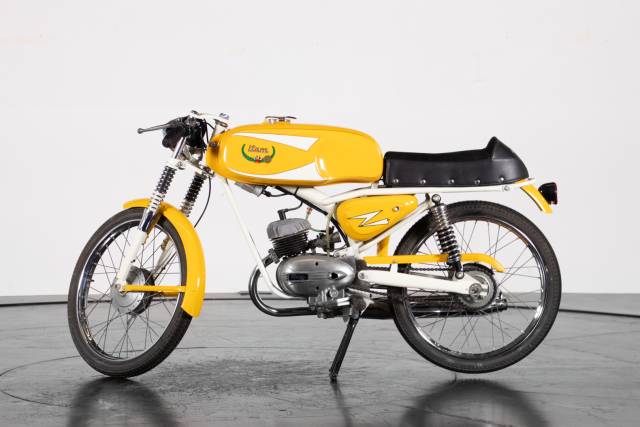
1965 | Itom Astor 4 M Competizione
-
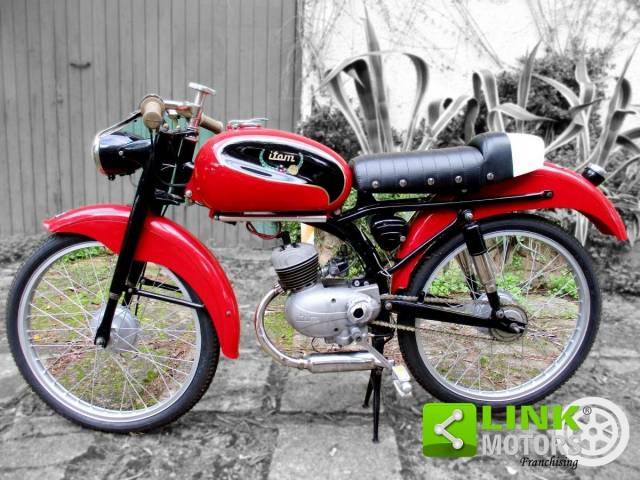
1958 | Itom 50 Sport
ITOM ASTOR SPORT 50 (1958) RESTAURATO
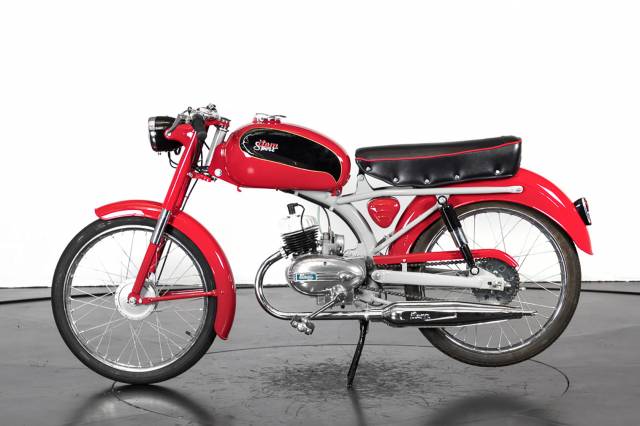
1963 | Itom Astor 4 M Competizione
-
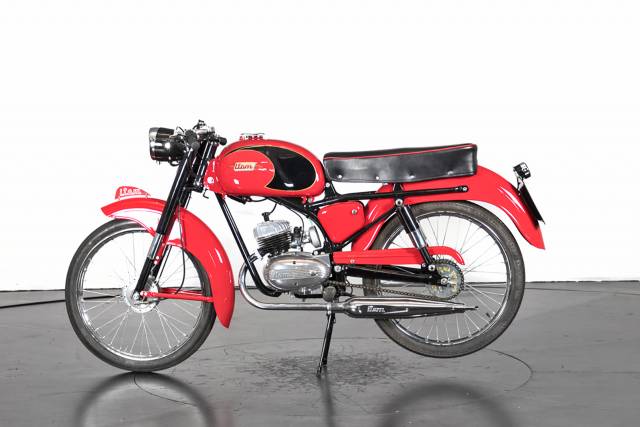
1964 | Itom Astor 4 M Competizione
-
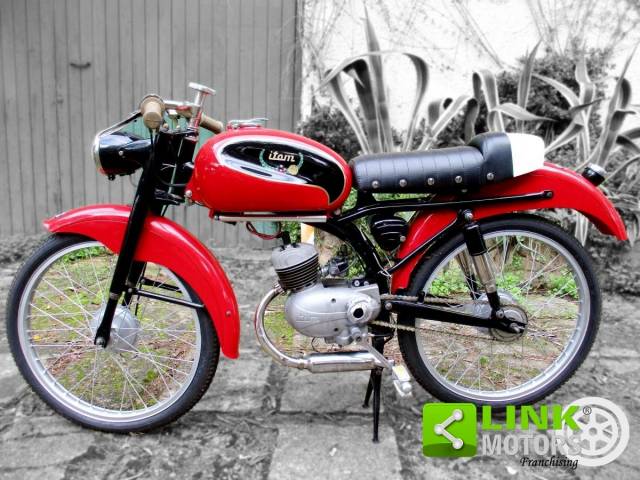
1958 | Itom Astor Competizione
ITOM ASTOR SPORT 50 (1958) RESTAURATO
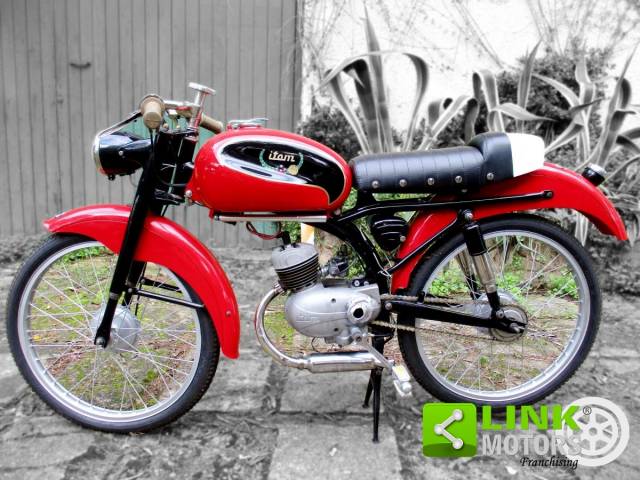
1958 | Itom Astor Competizione
ITOM ASTOR SPORT 50 (1958) RESTAURATO
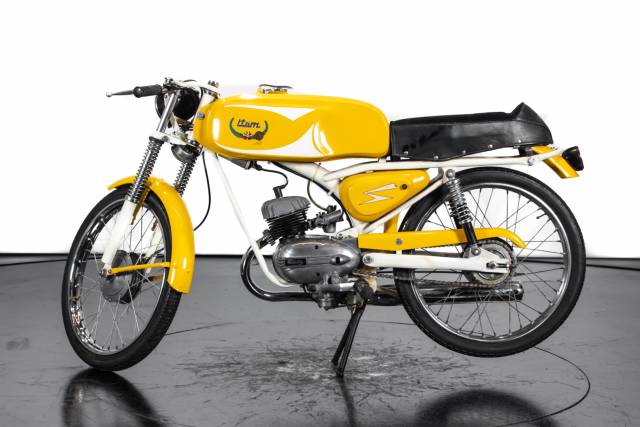
1967 | Itom 50 Sport
-
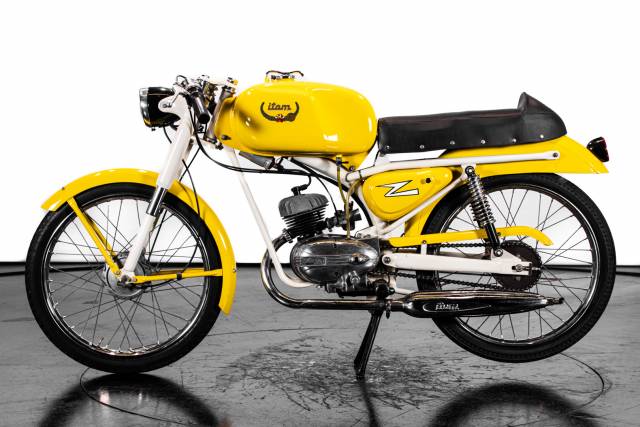
1962 | Itom Astor Competizione
-
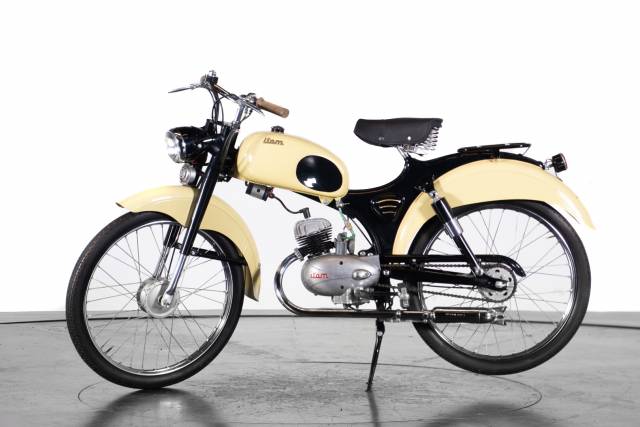
1950 | Itom Astor Donna
-
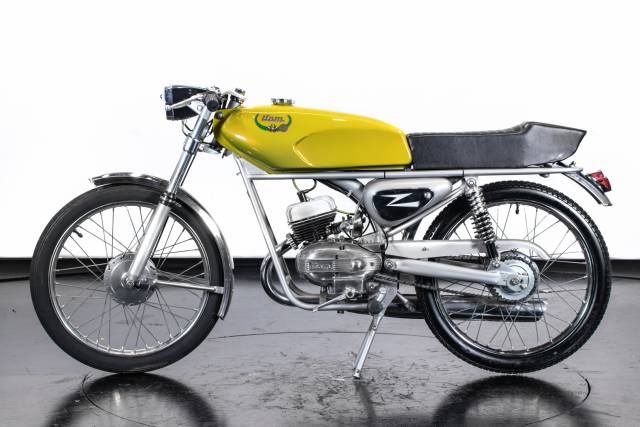
1971 | Itom Astor Competizione
-
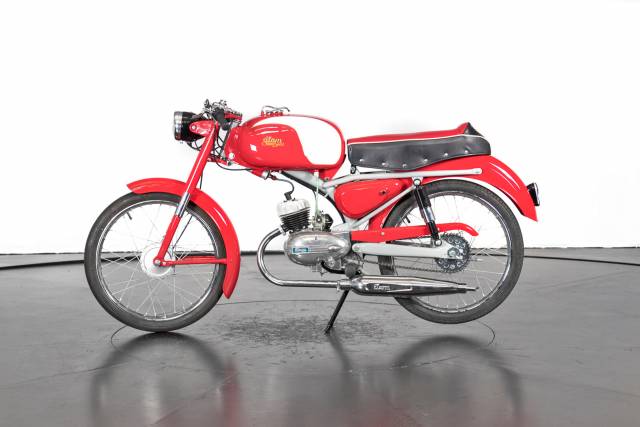
1967 | Itom Astor Competizione
-
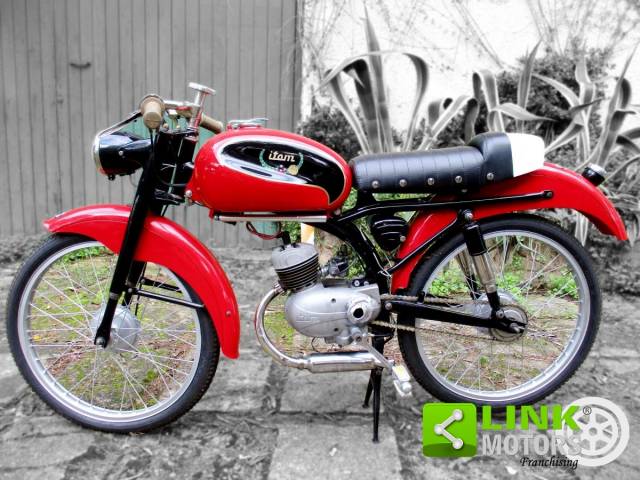
1958 | Itom Astor Donna
ITOM ASTOR SPORT 50 (1958) RESTAURATO
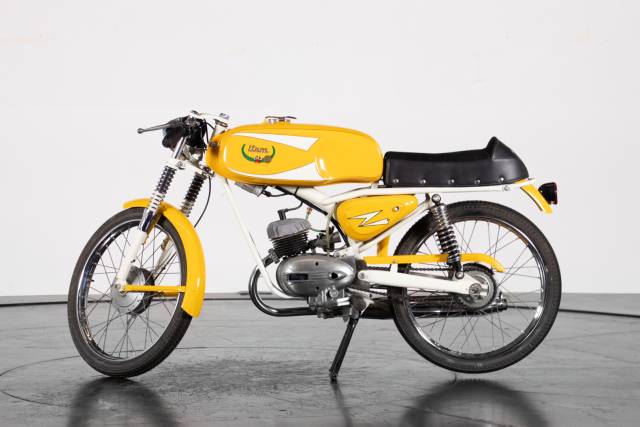
1965 | Itom Astor 4 M Competizione
-
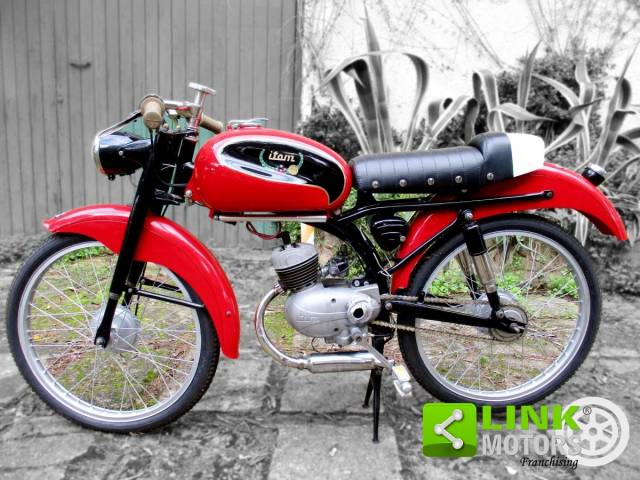
1958 | Itom Astor Competizione
ITOM ASTOR SPORT 50 (1958) RESTAURATO
History
Itom is one of those small Italian names that punches far above its weight. Founded in Turin in 1944 by lawyer Corrado Corradi, the brand name stood for Industria Torinese Meccanica. What began as a modest post-war workshop quickly grew into a specialist maker of light motorcycles and racing-capable 50cc machines that would become respected far beyond Italy.
Series production started in 1948. Early Itom machines were simple, light and practical, but the firm’s reputation soon came from its sporting edge. The Tourist arrived in 1949 as one of the first true Itom models people could buy rather than just admire. By the mid-1950s, the Astor and Astor Sport had appeared, followed by the more focused Astor Super Sport Competizione.
The company moved from Turin to Sant’Ambrogio di Torino around 1957/58, where production continued under the IMSA name while the Itom badge remained on the bikes. This was the era in which the brand’s identity hardened: compact two-strokes, careful finishing, and a strong link to competition use. Itom did not try to become a mass-market giant. Instead, it built fast, technically interesting machines for riders who wanted something more serious than a commuter moped.
The late 1950s and 1960s brought the models that collectors now chase most eagerly. The Tabor 65cc appeared in 1959, the Astor 4M in 1965, the Sirio Cross in 1969 and the Sprint in 1972. Production ended in 1975, but by then Itom had already secured its place in the history of small-capacity Italian motorcycling.
For Australian buyers, that history matters because Itom is extremely uncommon locally. You are unlikely to stumble across one at a weekend club run in Sydney, Melbourne or Brisbane. In practice, most serious Australian collectors buy from the UK or Italy, where the surviving pool is larger and the paperwork is often better understood. That also means factoring in freight, crating, import duties, GST, quarantine cleaning and the often overlooked cost of getting the right parts shipped from Europe later on.
The defining models are worth knowing:
- Tourist (1949): the early entry point into Itom ownership
- Astor / Astor Sport (1954): the line that established the sporty identity
- Astor Super Sport Competizione (1957): the competition-minded variant
- Tabor 65cc (1959): the larger-capacity outlier
- Astor 4M (1965): the best-known and most sought-after road model
- Sirio Cross (1969): the off-road flavoured special
- Sprint (1972): the final sporting chapter
Highlights
What makes Itom stand out is not sheer size or production volume. It is the brand’s race-bred attitude. Even the smaller road bikes look as though they were designed with club racing in mind. That is a big part of the appeal for collectors today: these are not anonymous commuter bikes, but machines with a clear personality and a genuine competition link.
The Astor 4M is the headline act. With its 49.5cc two-stroke, Dell’Orto UA18S carburettor, 4-speed foot-change gearbox and quoted output of around 5.5–6 hp at 10,000 rpm, it was a serious little machine for the mid-1960s. It could reach roughly 95–97 km/h, which was exceptional for such a small engine. The yellow-and-white livery is instantly recognisable and remains one of the strongest visual cues in the entire Itom range.
The earlier Astor Sport and Astor Super Sport Competizione are important for buyers who value period racing hardware. They represent the hands-on, mechanically vivid side of the brand: gear selection by hand or twist-grip arrangement on earlier examples, lightweight construction, and a feel that is more miniature racer than gentle runabout.
The Tabor is the oddball. With its 65cc engine, it sits slightly apart from the better-known 50cc models. That makes it especially interesting to collectors who want something unusual, but it also means parts and restoration knowledge may be thinner on the ground.
The Sirio Cross and Sprint show how Itom evolved late in life. They are less famous than the Astor family, but they matter because they round out the story. For a collector, that broader range is useful: if you cannot find an Astor 4M, a well-presented Astor Sport or Sprint can still deliver the same Itom character.
Three things make these bikes especially attractive in Australia:
- Scarcity — local supply is tiny, which keeps serious examples interesting.
- Racing credibility — the brand is associated with names such as Mike Hailwood, Bill Ivy, Dave Simmonds, Jean-Pierre Beltoise and Beryl Swain.
- Restoration theatre — they are small enough to store easily, but niche enough to feel rewarding once rebuilt correctly.
That said, Australian buyers need to be practical. Parts are rarely sitting on a shelf in your local suburb. Expect to source consumables, badges, carburettor parts, cables, seals and trim from Italy or the UK, and add international shipping on top. For one-off items, courier costs can be surprisingly high relative to the value of the part, so a cheap bike with missing details can quickly become expensive.
Technical Data
Itom did not always publish consistent factory data, so period test figures and auction catalogues are the best guide. That is normal for small Italian manufacturers of the era. For buyers, the key is not a single brochure number, but whether the bike matches known period specification, whether major components are correct, and whether the machine is complete.
The Astor 4M deserves extra attention because it is the benchmark Itom. The move from earlier hand-change layouts to a proper foot-operated four-speed gearbox made it easier to ride quickly and more in tune with the sporting market of the 1960s. In collector terms, that makes it the most desirable road-going Itom for many buyers.
Market Overview & Buying Tips
The Itom market is small, but it is not static. Good bikes keep finding buyers because the brand has real story value, and because the best models are difficult to replace. For Australian enthusiasts, the buying process usually starts overseas. A car or bike already in the country is a bonus, not the norm.
Offers & Prices
Based on recent UK and Italian listings, realistic values for Itom motorcycles sit roughly in these bands:
These figures are only the starting point. For Australian buyers, the true landed cost can be much higher once you add:
- shipping from Italy or the UK
- crating and export paperwork
- marine freight and insurance
- customs clearance
- GST and any duty payable
- quarantine inspection and cleaning
- local compliance work if the bike is being road registered
A cheap bike in Europe can easily stop being cheap once it reaches Australia. That does not mean you should avoid importing. It means you should buy the best, most complete example you can afford.
What to look for before you buy
Completeness first. Missing Itom-specific parts can be frustrating and expensive to source. Tank badges, toolboxes, correct hubs, carburettor pieces, exhausts and period controls can all be hard to replace correctly.
Check the engine numbers and frame identity. On rare bikes, matching components matter. Even if the bike is not perfect, a clear identity helps future resale and registration.
Inspect the carburettor and ignition carefully. The small two-strokes are lively when sorted, but worn carburettor internals, air leaks and tired ignition parts will ruin the experience.
Look for corrosion in hidden areas. Frames, welds, fork legs, wheel rims and the underside of the tank should be examined properly. A pretty paint job can hide decades of storage damage.
Ask about restorations done in Europe. A bike restored in Italy or the UK can be excellent, but check whether the work was cosmetic or mechanical. Photographic evidence helps.
Budget for shipping parts later. This is the biggest Australian reality check. Even if you buy a very good bike, you may still need seals, cables, a speedo, rubber mounts or trim. Those pieces often travel from Europe at significant cost.
Buyer profiles
Itom suits three types of Australian buyers especially well:
- Collectors of rare Italian small-capacity bikes
- Riders who want a lightweight, historic two-stroke with character
- Investors in niche machines with strong visual appeal and limited supply
If you are new to the brand, the safest entry point is usually an Astor 4M or a well-documented Astor Sport. If you already know the scene and want the rarest flavour, the Competizione and selected racing-related machines are the most alluring.
Market trend
In Europe, Itom values have been supported by their rarity and by growing interest in small-capacity racing history. In Australia, the market is thinner but that can work in your favour if you buy well. Exceptional machines do not come up often, and a tidy, correctly presented Itom can attract attention at club events, private collections and specialist sales.
The main risk is not lack of demand; it is lack of supply and parts. That is why provenance, originality and completeness are so important.
Performance
Riding an Itom is not about relaxed touring. It is about revs, lightness and momentum. These machines feel alive because they demand participation. The engine wants to spin, the gearbox wants attention, and the whole bike rewards a rider who stays involved.
The Astor 4M is the most convincing example. Its power delivery is narrow but energetic, and once the revs climb, the bike feels much faster than the displacement suggests. The sound is sharp, metallic and eager. On a good road, it can feel closer to a miniature race bike than a commuter machine.
The earlier hand-change Astor variants are slower in outright terms, but they have their own charm. Part of the appeal is mechanical theatre: you are using your hands to make the bike move through the gears, which gives every ride a period feel.
Suspension and handling are simple, but the light weight means the bikes change direction easily. On smooth back roads, that makes them enjoyable and responsive. On rough surfaces, of course, their age shows. The ride is firm, the brakes are modest by modern standards, and they ask for respect.
For an Australian owner, this makes Itom ideal for:
- club runs
- museum display
- occasional Sunday rides
- concours events
They are less suited to heavy commuting, long-distance touring or rough daily use. Many owners will prefer to keep mileage low and treat the bike as a moving piece of history.
Design
Itom design is one of the main reasons the bikes still stand out. The brand never lost sight of the fact that small motorcycles could also look exciting. The Astor 4M is the clearest expression of that idea, with its white frame, yellow bodywork and compact proportions. It has the visual confidence of a race bike reduced to toy scale.
Earlier Astor machines are plainer, but still elegant in a distinctly Italian way. Their slim tanks, neat frames and tidy proportions reflect the era when even modest motorcycles were built with style in mind. There is little visual bulk. Everything feels intentional.
The Sirio Cross adds a tougher, more utilitarian look, while the Sprint marks a later shift in styling. For collectors, that evolution is interesting because it shows the brand moving from early post-war utility into sport, then into a more modern late-period form.
Small details matter on Itom motorcycles. Correct paint shades, decals, tank badges and chrome finish can strongly influence value. A well-restored machine should not look overdone. The best examples retain a period honesty that suits the engineering.
For Australian buyers, originality is especially important because replacement cosmetic parts may need to be sourced from abroad. If a bike is already correct, that saves time, money and a lot of international postage.
Other
Itom’s racing reputation is one of the strongest reasons to buy one today. The brand was not just “present” in competition; it was genuinely influential in the 50cc scene, including in Australia and internationally. Riders such as Mike Hailwood, Bill Ivy, Dave Simmonds, Jean-Pierre Beltoise and Beryl Swain are part of that story.
That matters because collector interest often follows the racing narrative. A bike that helped launch famous careers, and that showed up in international competition, carries more appeal than a simple commuter machine ever could. Itom was part of a golden age when small-displacement racing was fiercely serious and technically inventive.
The Australian angle is worth emphasising. Because Itom was rarely sold here in meaningful numbers, local ownership has always been unusual. That scarcity can make the bike more desirable, but it also means the support network is thinner. Owners should expect to rely on overseas clubs, parts specialists and forum knowledge.
Practical import advice for Australia:
- Get clear photos of the frame, engine, numbers and paperwork before you commit.
- Confirm whether the seller can crate the bike safely.
- Ask whether the bike drains fluids properly for transport.
- Budget for a professional clean if the bike has been sitting in a humid European shed.
- Keep all invoices, shipping records and export documents for registration and resale.
If you are buying a project rather than a finished bike, do the maths carefully. A rough Itom can be tempting because the entry price is lower, but missing bodywork, rare trim and engine internals can add up quickly once freight and parts shipping are included. For Australian collectors, the smarter buy is often the more complete machine.
Summary
Itom motorcycles are rare, light, stylish and genuinely significant in small-capacity racing history. For Australian buyers, they are also a specialist import proposition. That combination makes them harder to buy, but more rewarding to own.
If you want the best-known model, look for the Astor 4M. If you want earlier character, the Astor Sport and Astor Super Sport Competizione are highly appealing. If you want something unusual, the Tabor, Sirio Cross and Sprint round out the range with their own charm.
The key buying rule is simple: buy completeness, provenance and originality first. Because parts often have to come from Italy or the UK, a cheap bike with missing pieces can become expensive fast. But for the right buyer, that is part of the attraction. An Itom is not just a small motorcycle. It is a sharp, rare and emotionally satisfying piece of post-war motorcycling history — one that is absolutely worth discovering now if you want something few other collectors in Australia will have.