- Motorcycle
- BSA
- BSA M 21 (0 offers)
BSA M 21 Classic Motorcycles for Sale
The BSA M 21 is a heavyweight British side-valve single-cylinder motorcycle known for its robust engine and reliable construction, developed primarily for sidecar work and military service. Its enduring design and reputation for durability make it a mainstay among pre-war and post-war motorcycle enthusiasts.
Search results
Currently, there are no matching listings for your search.
Create search alert
Let yourself be notified as soon as a listing is published that matches your search filters.
Create listing
Do you have a BSA M 21 that you want to sell? Then create a listing now.
Create listingBSA M 21 listing references from Classic Trader
Below you will find listings related to your search that are no longer available on Classic Trader. Use this information to gain insight into availability, value trends, and current pricing for a "BSA M 21" to make a more informed purchasing decision.
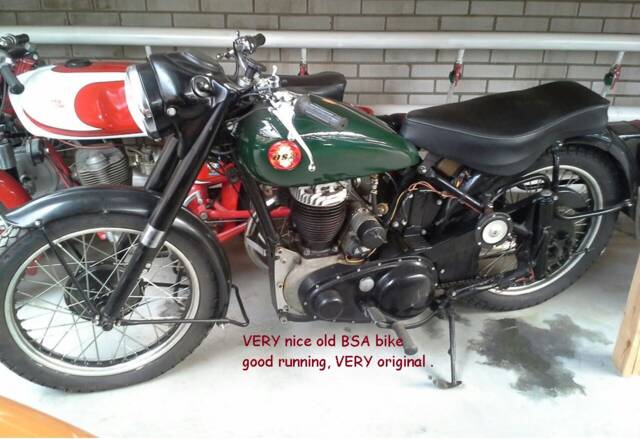
1953 | BSA M 21
M21

Create search alert
Let yourself be notified as soon as a listing is published that matches your search filters.
Create listing
Do you have a BSA M 21 that you want to sell? Then create a listing now.
Create listingBSA M 21 Classic Motorbikes: Prices & Market Values
History of the BSA M 21
BSA (Birmingham Small Arms Company) developed the M 21 in the late 1930s as an evolution of its popular M Series. Targeting both civilian and military use, the M 21 offered reliable service through wartime Britain, becoming the backbone of many dispatch and service fleets during WWII. With its heavy-duty 600cc side-valve engine, the M 21’s robust construction proved ideal for hauling sidecars, making it a favoured option for cargo and personnel transport. Production continued into the 1950s, with the model seeing continual improvements.
Model History of the M 21 Series
The M 21 was an advancement over earlier M Series models like the M 20, building upon BSA’s single-cylinder platform. The M 20, powered by a 500cc engine, was the predecessor and served with distinction during WWII. The M 21 expanded on this legacy, uprating displacement to 591cc and increasing torque for heavy-duty work. While later BSA models shifted focus towards overhead valve technology and parallel twins, the M 21’s rugged simplicity remained in production for those who valued strength and reliability.
Highlights of the BSA M 21
The M 21 stands out for its robust side-valve 600cc engine, ample torque output, and suitability for sidecar or heavy-duty applications. Its frame construction, plunger or rigid rear end design, and practical features catered directly to demanding service use. The M 21’s legacy is inseparable from its workhorse image and distinguished wartime record.
Technical Data
Special Editions and Collectible Models
During and after WWII, several M 21s were supplied to government, military, and police forces. These versions often feature blackout lights, reinforced frames, and unique specification numbers, making them highly valued among collectors for their provenance and distinct features.
Weak Spots and Common Issues
Routine inspection of the M 21’s lubrication system is essential, as its total-loss oiling setup can lead to excessive wear if neglected. Periodic checking of valve clearances, magneto ignition reliability, and chain tension ensures continued smooth running. Watch for wear in the girder front fork bushes and plunger suspension (on later models), as these can develop play with age.
Engine, Transmission and Handling
With a tractable 591cc side-valve engine producing abundant low-rev torque, the M 21 excels in controlled, steady running rather than outright speed. The 3-speed transmission is durable, designed for hauling duty, and suits the engine’s torque curve. Handling is stable, especially with a sidecar fitted, due to the reinforced frame design. Braking relies on period drum brakes, necessitating anticipation and careful planning when riding in modern traffic. The plunger-frame M 21s, introduced post-war, are of particular note for improved (if rudimentary) rear suspension comfort compared to the earlier rigid rear end. Early military models are appreciated for their historical features and rugged details.
Interior, Comfort, Exterior and Design
The BSA M 21’s visual identity is defined by its tall profile, heavy-duty mudguards, and substantial fuel tank. Army versions may have utilitarian finishes in khaki or matte paint, while civilian examples range from classic BSA green to deep maroon. Equipment such as hand gear change levers, Smiths chronometric speedometers, and comfortable sprung saddles are common. Optional extras included leg shields and factory-fitted sidecars, both prized for period-correct restoration.
Other Features
Many M 21s were adapted post-service for commercial, police, or utility work, with custom racks, toolboxes, and even sirens or special lighting. These modifications add variety to the collector market and provide insight into their longstanding versatility.
Summary
The BSA M 21 exemplifies British motorcycle durability and practical engineering. As the most prominent BSA model in the classic bike market, it offers unique appeal through its combination of historical significance, robust mechanical design, and adaptability for sidecar or solo use. When seeking a classic motorcycle truly reflective of mid-20th century utility and craftsmanship, the M 21 stands apart.