- Motorcycle
- BMW
- BMW R75 (1 offer)
BMW R75 classic motorcycles for sale
The BMW R75 is a remarkable motorcycle-sidecar combination built for tough off-road conditions during the Second World War. Known for its robust engineering and sophisticated two-wheel drive, this military machine set technical benchmarks that still impress classic motorcycle enthusiasts. Featuring a distinct layout and unique drive technology, the R75 continues to be a fascinating highlight in BMW's history.
Search results
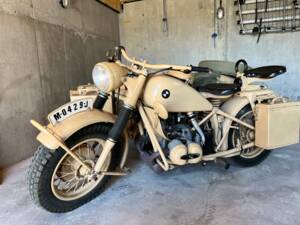
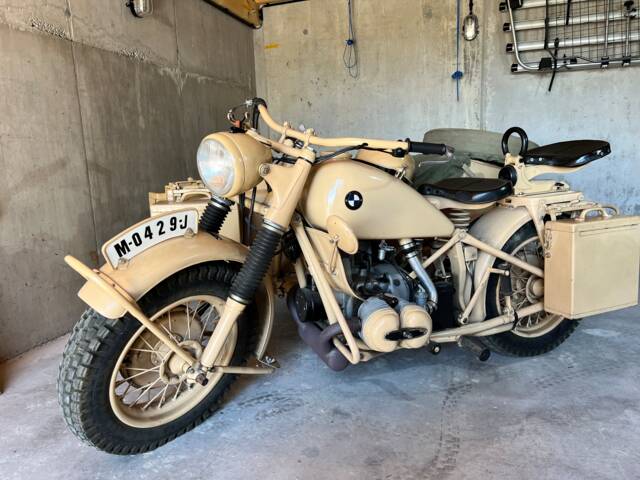
1943 | BMW R75
Wehrmachtsgespann with Steib Sidecar, 1943

BMW R75 listing references from Classic Trader
Below you will find listings related to your search that are no longer available on Classic Trader. Use this information to gain insight into availability, value trends, and current pricing for a "BMW R75" to make a more informed purchasing decision.
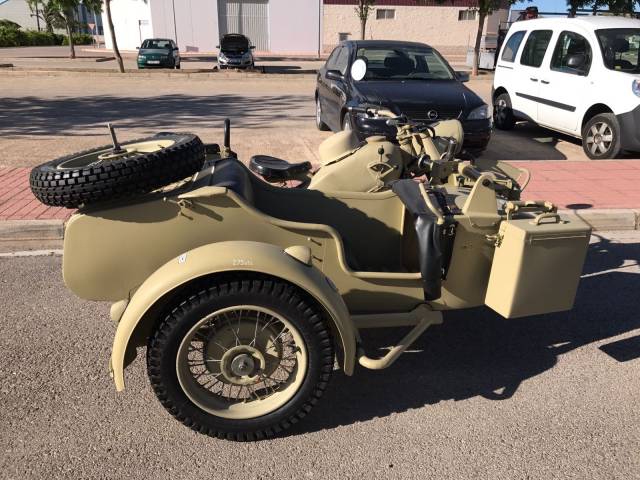
1941 | BMW R75
1941 BMW R75

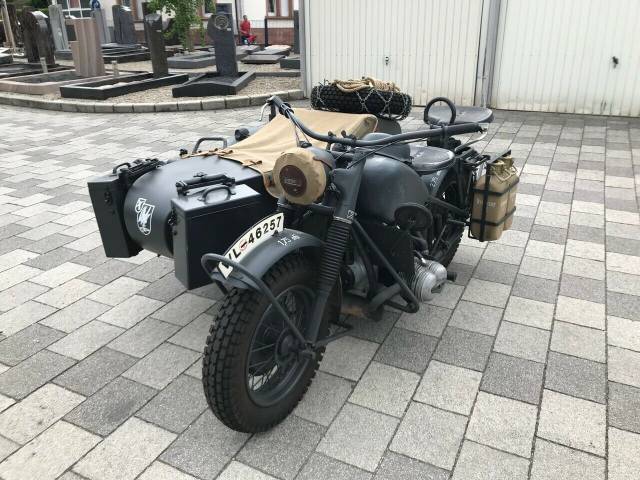
1943 | BMW R75
1943 BMW R 75
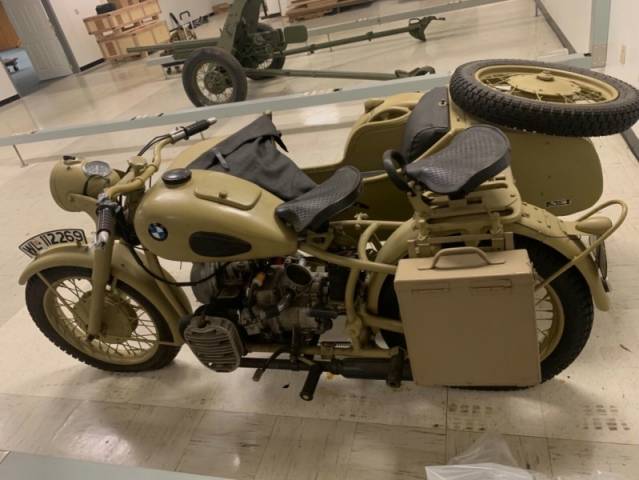
1944 | BMW R75
1944 BMW R60

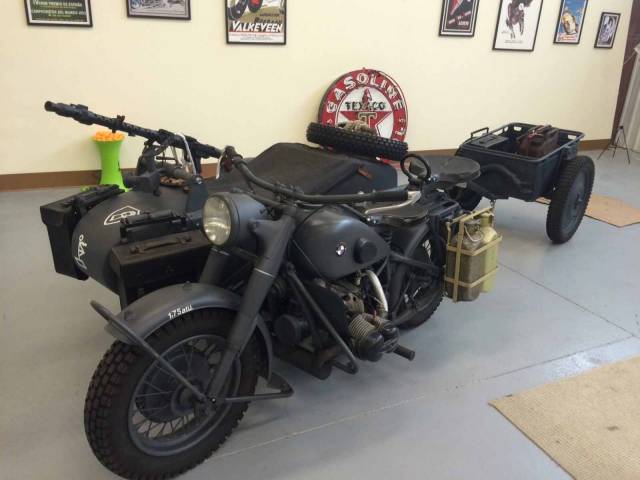
1942 | BMW R75
1942 BMW R75 Military + Beiwagen Gespann
BMW R75 Classic Motorbikes: Prices & Market Values
History of the BMW R75
The BMW R75 was designed in the early 1940s to meet the exacting requirements of the Wehrmacht for a reliable, off-road-capable motorcycle with a sidecar. Production began in 1941, with 1943 models seeing significant field use. Its innovative all-wheel drive system and robust construction allowed it to operate successfully over rough terrain, making it indispensable for military reconnaissance and transport roles during WWII. Over its production run, thousands were manufactured for deployment on various fronts. Many surviving examples still bear original accessories such as canteens, jerry cans, and field equipment.
Model History
The R75’s direct predecessors included earlier BMW sidecar motorcycles, but none with the same level of technical sophistication. Earlier BMW models featured less advanced drive systems. With the end of WWII, the demand for such motorcycles ceased, and civilian production did not resume, making the R75 a distinct outlier in BMW’s motorcycle lineup. There was no true successor following the war, further cementing the R75’s unique status.
Highlights of the BMW R75
A central feature of the R75 is its two-wheel drive system, distributing power to both the rear wheel and the sidecar wheel via a shaft drive and locking differential. This construction, combined with selectable off-road and on-road gear ratios, gives the R75 outstanding mobility on challenging terrain. Hardly any other motorcycle of its time matched this technical complexity. Accessories such as jerry cans, field water bottles, and military-issue luggage are often found accompanying surviving examples.
Technical Data
Special Editions and Collectible Models
No official factory special editions were produced during the war, as the R75 was primarily a utility vehicle. However, certain units may feature unique wartime modifications, field conversions, or original equipment packs—these details can enhance desirability for collectors.
Weak Spots and Common Issues
As with most vintage military motorcycles, wear on the shaft-driven all-wheel system is common due to harsh wartime and field operations. Checking the condition of the differential and transfer case is essential. Age-related issues such as leaky gaskets and corroded electrical systems occur if maintenance was lacking. Original accessories increase a bike’s appeal but should be checked for authenticity and completeness.
Engine, Transmission and Handling
The BMW R75 is powered by a robust flat-twin engine delivering reliable performance tailored for off-road and military use. Its gearbox with integrated transfer case provides a broad selection of gearing for both road and rough terrain. The interplay between the locking differential and two-wheel drive delivers traction on unstable surfaces and makes reversing with a sidecar cargo practical—a rarity among motorcycles. The ride is predictably rigid, prioritising durability over comfort, but excels in adverse conditions. All R75 models share the same fundamental mechanical layout. Interest often focuses on those with original wartime accessories and field modifications, as these details evoke the vehicle’s operational history.
Interior, Comfort, Exterior and Design
BMW engineered the R75 with functionality foremost: exposed mechanicals, easy-to-service components, and rugged steel construction. The sidecar features mounting points for military accessories and stowage. Comfort was secondary to reliability, but the sprung seat and spacious sidecar make for a utilitarian, yet purposeful, ride. Paint schemes were often military matt grey or field camouflage; civilians sometimes restore them in period-correct livery. Accessories, such as period luggage or extra carriers, are highly sought-after by enthusiasts aiming for authenticity.
Other Relevant Features
The BMW R75 stands as a symbol of wartime engineering, valued for its technical ingenuity and lasting mechanical integrity. Today, it serves as a rolling testament to an era, with many restored examples seen at historical re-enactments and specialist vintage motor events.
Summary
The BMW R75 balances its engineering prowess with historic appeal, making it a unique offering among classic motorcycles. Exclusively represented in its segment, it commands attention for its design sophistication, two-wheel drive system, and connection to a pivotal moment in automotive history. Collectors and enthusiasts prize the R75 for its robust construction, technical features, and authenticity of surviving equipment.