- Motorcycle
- BMW
- BMW R 27 (1 offer)
BMW R 27 classic motorcycles for sale
The BMW R 27 was the last single-cylinder motorcycle from BMW to feature a shaft drive, produced between 1960 and 1966. With its unique rubber-mounted engine and reliable 250cc four-stroke single, this model is valued by collectors for its advanced (for the time) chassis and distinct engineering solutions.
Search results
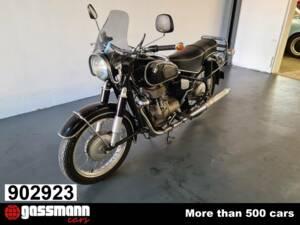
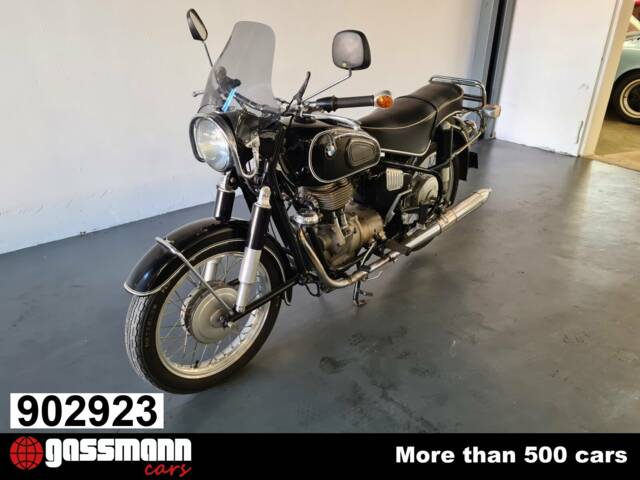
1965 | BMW R 27
R 27 - Restauriert

BMW R 27 listing references from Classic Trader
Below you will find listings related to your search that are no longer available on Classic Trader. Use this information to gain insight into availability, value trends, and current pricing for a "BMW R 27" to make a more informed purchasing decision.
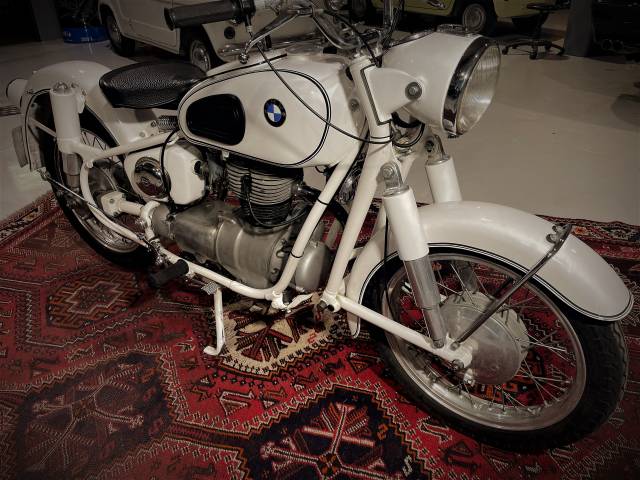
1965 | BMW R 27
Restauración total 9 sobre10

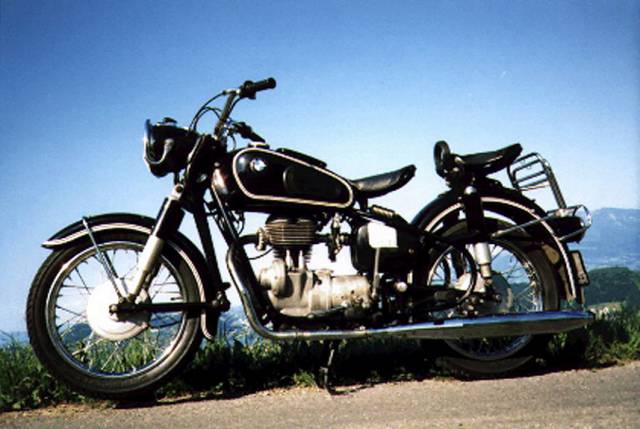
1966 | BMW R 27
Verkaufe Motorrad BMW R27

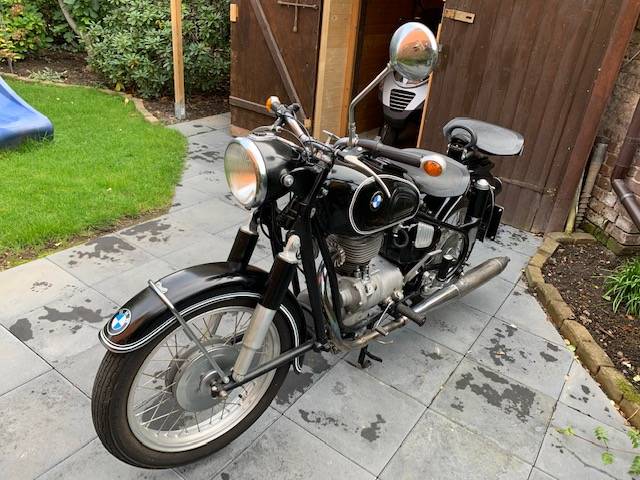
1965 | BMW R 27
Ein Oldtimer Motorrad im besten Zustand
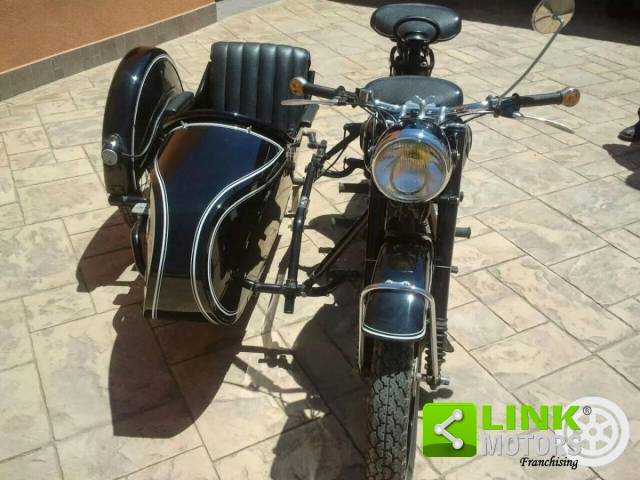
1961 | BMW R 27
Bmw - Altro

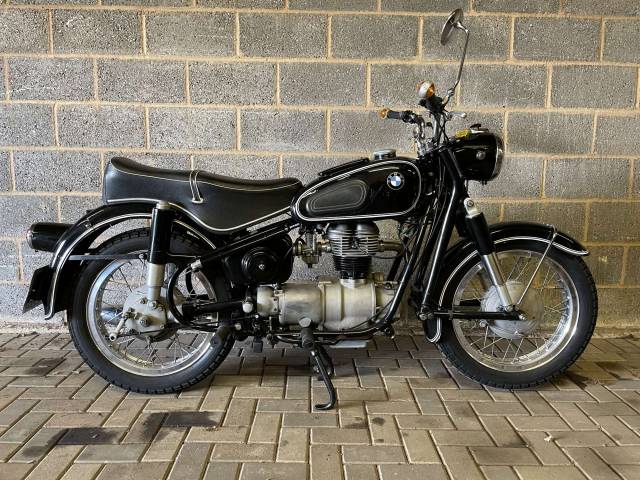
1964 | BMW R 27
1964 BMW R27

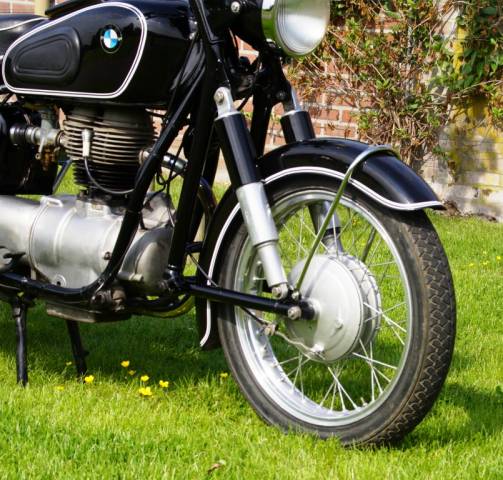
1964 | BMW R 27
BMW R27 250cc mono nice project

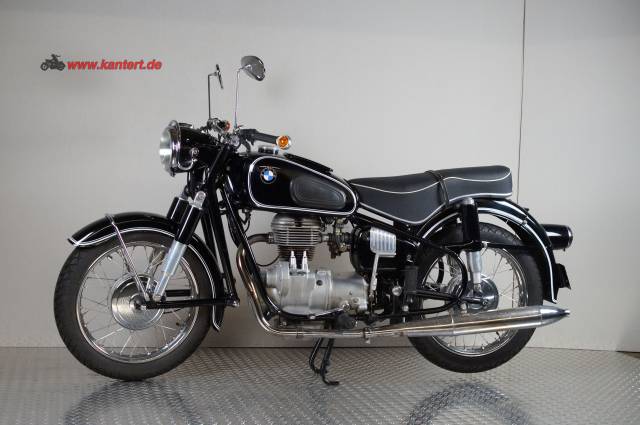
1964 | BMW R 27
Sehr schön restaurierte BMW R27
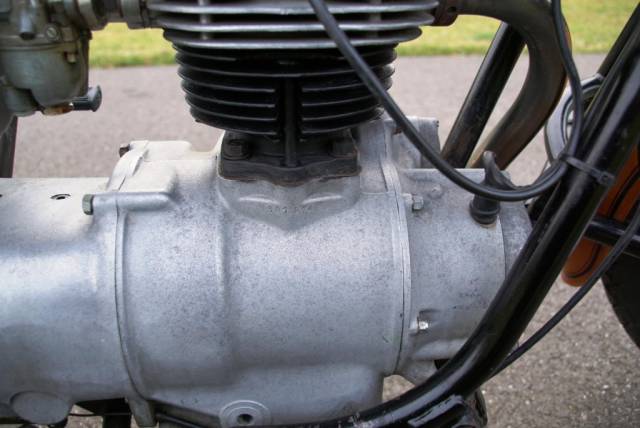
1964 | BMW R 27
BMW R27 matching numbers in rare orange colour nice winterproject
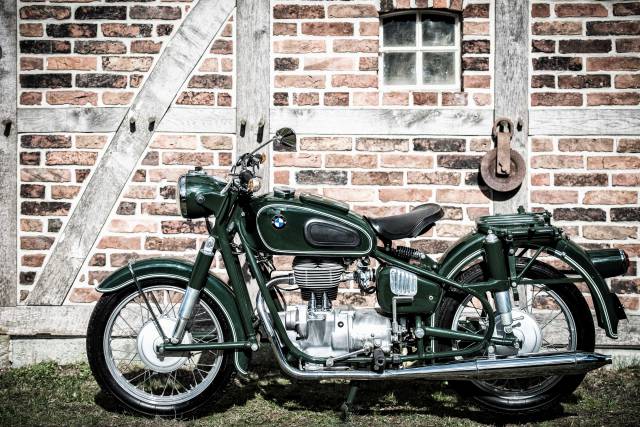
1963 | BMW R 27
The last true BMW in the very rare fir green!
BMW R 27 Classic Motorbikes: Prices & Market Values
The market value of BMW R 27 motorcycles is primarily determined by technical condition, originality, and mileage, as well as rarity, history, and documentation. A well-maintained, largely original vehicle with low, verifiable mileage and a complete history including expert reports and documentation generally achieves significantly higher prices than a comparable vehicle with deferred maintenance, extensive modifications, or an unclear provenance.
BMW R 27: Market Prices & Value Trends
Based on sales data from the Classic Trader marketplace, the BMW R 27 market (typically 1961–1966, around 18 hp) shows a broadly stable to slightly softer trend over the 2021–2025 period, with prices clustering in the mid-range despite a few wider swings. Across the recorded European ads and results, most examples sit in a realistic band of roughly £6,000 to £11,000, reflecting the difference between usable riders, smart originals and properly restored bikes. One higher figure appears in the dataset (around £19,000), but as a single point it should be treated as an outlier rather than a baseline for the wider market. The latest data point in 2025 is towards the lower end of the range, suggesting buyers are currently price-sensitive unless condition and documentation are particularly strong. Long-term demand remains supported by the R 27’s classic BMW single-cylinder appeal, straightforward ownership experience, and the continuing interest in period-correct, road-usable 1960s machines.
History of the BMW R 27
BMW introduced the R 27 in 1960 as the direct successor to the R 26, enhancing the design with a number of technical improvements and retaining the sturdy, singular character of the marque’s small single-cylinder motorcycles. Production lasted until 1966, with some machines first registered as late as 1967 depending on dealer stock. With a total production of 15,364 units—bearing engine numbers 372 001 to 387 566—the R 27 marks the culmination of BMW’s tradition of single-cylinder bikes with a shaft drive. The model’s development borrowed heavily from the R 26 but set a new standard in terms of refinement and technological detail for this class of motorcycle.
Model History and Lineage
The R 27 evolved from the BMW R 26 (1956–1960), itself a single-cylinder, 250cc four-stroke model that introduced features like the closed driveshaft and rear swingarm to BMW’s ‘small boxer’ lineup. The R 26 delivered 15 hp, compared to the R 27’s 18 hp. The main innovations of the R 27 were the rubber-mounted engine—the only such single BMW would build—and subtle tweaks to the chassis and controls, including the move to a foot-shifted 4-speed transmission. After the R 27 was discontinued in 1966, BMW’s focus shifted away from singles to its famous boxer twins, ending the era of the brand’s OHV 250cc shaft-driven singles.
Notable Features and Highlights
The R 27 is distinguished as the last BMW single-cylinder model with a shaft drive. It delivered 18 hp from its 250 cc OHV engine—the highest power output achieved by a BMW single-cylinder shaft drive—and featured a unique engine mounting system using rubber bushings to dampen vibration. The bike used the robust Earles front fork, which all but eliminated dive under braking and was well-suited for sidecar work. The closed shaft drive and longitudinal engine-gearbox alignment were technological hallmarks, ensuring easier maintenance and smooth power transmission. Original bikes sometimes appear in the period-correct 'Police Green' (RAL 6009), which in West Germany was reserved exclusively for police units at the time.
Technical Data
Special Editions and Collectible Models
Certain R 27s appeared in “Police Green” (Tannengrün, RAL 6009), a colour restricted in period to official police motorcycles in West Germany. These variants, supplied to police forces, stand out today for both their original finish and potential special equipment, making them particularly interesting for collectors who value originality and period-correct accessories.
Maintenance and Known Issues
Routine inspection is essential for the driveshaft housing and the rubber engine mounts, unique to the R 27, as both can show wear over decades. The enclosed shaft drive simplifies upkeep compared to chain-driven contemporaries, but regular oil changes and attention to the Earles fork pivot points are recommended for the chassis. The drum brakes, standard for the time, require regular adjustment and cannot match the stopping performance of modern systems.
Engine and Performance, Transmission and Handling
The 250cc OHV single produces 18 hp, a notable figure for its era, and is mated to a foot-shifted four-speed gearbox with exceptionally smooth clutch action. The R 27’s longitudinal crankshaft aligns perfectly with the enclosed shaft drive, eliminating mechanical complexity and drivetrain losses seen in transverse layouts. The Earles fork keeps the front end level when braking, counteracting nose-dive and giving a stable, predictable ride, even with a sidecar. The rubber-mounted engine is unique among BMW singles, significantly reducing vibration and improving comfort. All R 27s share the same technical base; Police versions with official green paint and period accessories are highlighted by collectors for their authenticity and provenance.
Design, Materials and Equipment
The R 27’s design is functional and reflects BMW’s engineering priorities of the era. The upright single-cylinder engine and linearly arranged crank and driveshaft offer an uncluttered mechanical look. Earles forks up front and a swinging arm rear assure precise handling. Colours ranged from classic BMW black with white pinstriping to official ‘Police Green’ for law enforcement. Instrumentation is basic, with a mounted speedometer and straightforward controls. The model saw early use of a black plastic slider over the ignition key and omitted the previous model’s front mudguard and manual gear lever. While factory options were limited, police bikes could be fitted with extra mounts, radio gear or large windshields for official use.
Other Noteworthy Features
The R 27 marked the final use of several construction principles in a BMW single, including the longitudinal engine layout and use of a shaft drive in this displacement class. The 1960s German police versions are not only visually distinctive but also reflect the vehicle’s widespread deployment in official capacities and reliability under daily use.
Summary
The BMW R 27 stands as a distinctive milestone in BMW’s motorcycle lineage: the last of the rubber-mounted, shaft-driven 250 cc singles. Its blend of clever engineering, practical design elements such as the Earles fork and enclosed drive, and select versions built for police use make it a deeply characterful, technically interesting classic with a presence all its own.