- Motorcycle
- Yamaha
- Yamaha RD 250 (0 offers)
Yamaha RD 250 classic bikes for sale
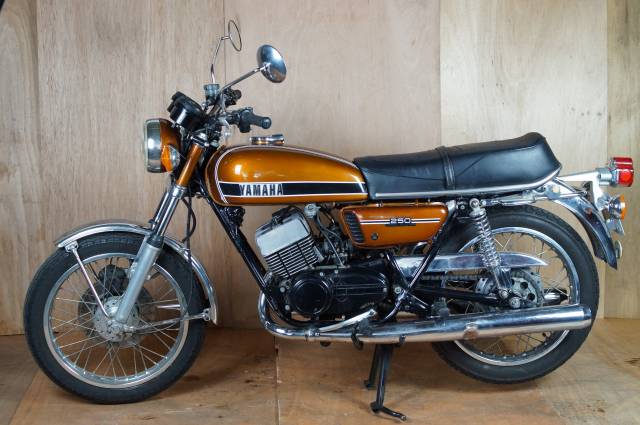
The Yamaha RD 250 blends exhilarating two-stroke technology with a robust design, defining 1970s and 1980s sport motorcycling. This twin-cylinder machine remains one of the key references for two-stroke fans, cherished for its lightweight chassis, eager power delivery and unmistakable lines.
Search results
Currently, there are no matching listings for your search.
Create search alert
Let yourself be notified as soon as a listing is published that matches your search filters.
Create listing
Do you have a Yamaha RD 250 that you want to sell? Then create a listing now.
Create listingYamaha RD 250 listing references from Classic Trader
Below you will find listings related to your search that are no longer available on Classic Trader. Use this information to gain insight into availability, value trends, and current pricing for a "Yamaha RD 250" to make a more informed purchasing decision.
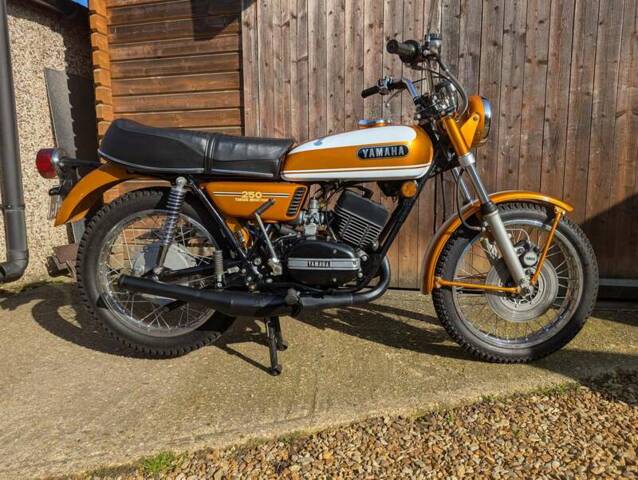
1973 | Yamaha RD 250
1973 Yamaha RD250 247cc
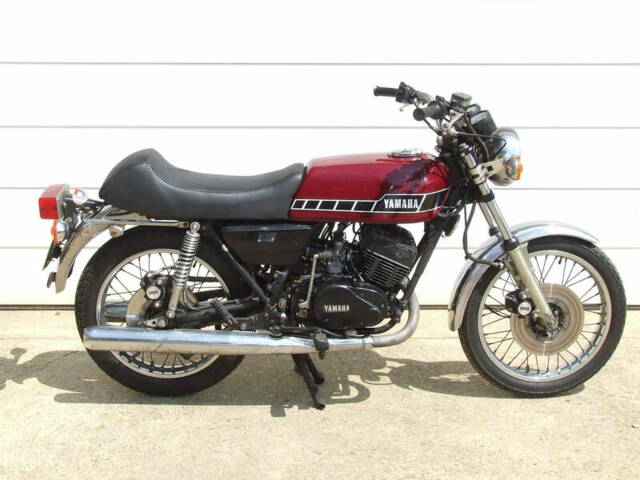
1975 | Yamaha RD 250
1975 Yamaha RD250 250cc
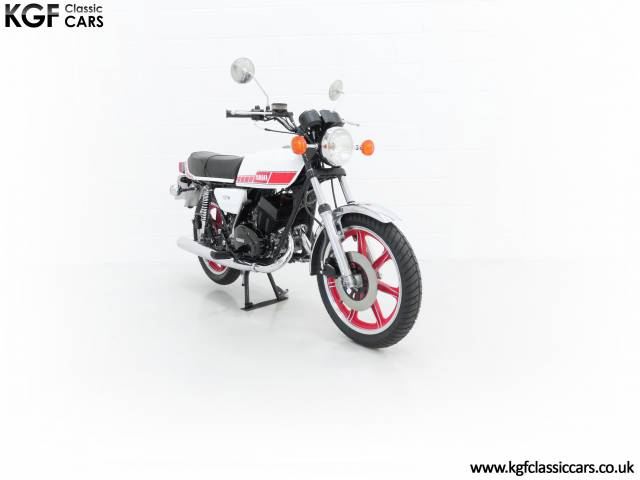
1979 | Yamaha RD 250
An Iconic Sports 2-Stroke UK Yamaha RD250E in Fabulous Condition.
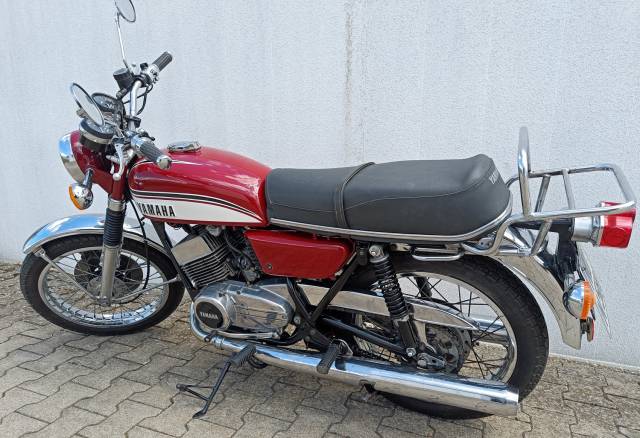
1974 | Yamaha RD 250
2.Hand, Matching Numbers, guter Zustand
1977 | Yamaha RD 250
Schöne originale RD 250
Create search alert
Let yourself be notified as soon as a listing is published that matches your search filters.
Create listing
Do you have a Yamaha RD 250 that you want to sell? Then create a listing now.
Create listingYamaha RD 250 Classic Motorbikes: Prices & Market Values
History of the Yamaha RD 250
The Yamaha RD 250 series became a symbol of affordable sport motorcycling in the 1970s. Born from Yamaha’s focus on high-revving two-stroke engines, the RD 250 carved a niche with its balance of performance, reliability, and accessible handling. The RD series followed Yamaha’s earlier two-stroke development and quickly found success across Europe and beyond, especially with younger riders eager for a sporting experience without the premium price tag. Its widespread presence at racetracks and in the hands of private tuners attests to its significance in riding culture.
Model History and Evolution
The RD 250 series was developed as a response to the success of its predecessors in Yamaha’s sport line-up. Key models include the RD250 (type 352) and the later Yamaha RD250E (Model E), both sticking closely to the performance formula: air-cooled, reed-valved parallel twins with 247 cc. The RD 250 served as a launching pad for the more potent RD 350, but the 250’s balance of power and usability made it a stand-alone hit. Over the years, Yamaha introduced electronic ignition, upgraded brakes, and improved ergonomics, with visual cues such as the classic ‘Speed Block’ graphics marking each iteration.
Highlights of the Yamaha RD 250
Technically, the RD 250 stands out for its torque-induction two-stroke twin engine, Yamaha’s own Autolube oil-injection, and a 6-speed gearbox—impressive details for its era. The double-cradle tubular steel frame, cast alloy wheels, and sporty riding position are hallmarks. The red 'Speed Block' livery is especially sought-after among enthusiasts. Instrumentation includes not only speedometer and tachometer, but a complete set of indicators (oil, neutral, high beam), further setting it apart. Equipment like the lockable fuel cap and helmet lock improve daily utility.
Technical Data
Special Editions and Collectible Models
Among RD 250 connoisseurs, the Model E (RD250E) and the type 352 are especially recognised. Original paint schemes such as 'Clean White' with classic Yamaha ‘Speed Block’ decals lift desirability. These variants are prized for their authentic period looks and factory finishes.
Weak Spots and Common Issues
Known technical weaknesses are not specified in the present source data. Due to the age and design of two-stroke motorcycles, general points to inspect include the condition of the oil-injection Autolube system, the carburettor setup, and the two-stroke exhaust, all of which are critical for reliable running. Potential buyers should pay close attention to frame integrity due to the age and possible racing history of many examples.
Engine, Performance and Handling
The RD 250 delivers taut responses thanks to its rotary-valve two-stroke twin and lightweight chassis. The engine pulls cleanly throughout the rev range, delivering noticeable surge right as the torque-induction system comes on song. With 32 bhp available at high rpm and a close-ratio 6-speed transmission, brisk acceleration is a hallmark of this bike. Disc brakes front and rear, together with sport-oriented cast alloy wheels and grippy rubber, offer a nimble, engaging ride. Tall handlebars and sensible ergonomics were a hallmark of the RD’s adaptability to city and twisty backroad use alike. - RD 250 (type 352): Recognised for its period-correct livery and early 1970s layout.
- RD250E (Model E): Upgraded with features such as improved brakes and refined detailing, combining classic two-stroke charm with everyday usability.
Design and Equipment
A key part of the RD 250’s identity lies in its double-cradle steel frame and chrome mudguards, paired with minimalist side panels. The bench seat is a classic detail, while special Yamaha paint jobs like ‘Clean White’ and the red ‘Speed Block’ graphics send a strong visual signal. Standard features include upright mirrors, helmet lock, lockable side panels, and storage under the seat—details that reveal the practical side of this sporting machine. Cast alloy wheels underline its focus on modernity (for the 1970s), while every control—kill switch, indicator switch, full instrumentation—emphasises everyday usability alongside sporty credentials.
Other Noteworthy Features
The RD 250 was distinct for its daily usability in addition to sporting intent. Details such as the dual stand (side and centre), adjustable mirrors, and toolkit storage under the seat aim at long-term practicality. Safety touches include a main stand for stable parking and a steering lock as well as helmet holders, catering to commuter and enthusiast alike.
Summary
The Yamaha RD 250 remains an unmistakable reference point for classic sport motorcycles. Its combination of a responsive two-stroke engine, thoughtful design, and comprehensive equipment list have secured it a strong place in enthusiast circles. On the used market, it commands high interest due to its unique blend of performance and usability. With its major supply and demand share among Yamaha classics, the RD 250 attracts those who appreciate period-correct engineering and brisk, involving road performance.