Wolseley 14/56 classic cars for sale
The Wolseley 14/56 combines British engineering with pre-war elegance, offering a distinctive mid-sized saloon that reflects the technical achievements and aesthetic values of the late 1930s. For enthusiasts drawn to robust construction, supple ride quality, and period details, the 14/56 stands out as a noteworthy option in classic motoring.
Search results
Currently, there are no matching listings for your search.
Create search alert
Let yourself be notified as soon as a listing is published that matches your search filters.
Create listing
Do you have a Wolseley 14/56 that you want to sell? Then create a listing now.
Create listingWolseley 14/56 listing references from Classic Trader
Below you will find listings related to your search that are no longer available on Classic Trader. Use this information to gain insight into availability, value trends, and current pricing for a "Wolseley 14/56" to make a more informed purchasing decision.
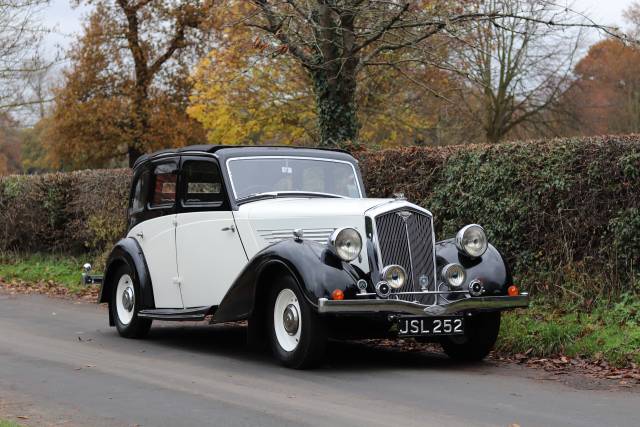
1937 | Wolseley 14/56
1936 Wolseley 21 Tickford Drop Head Coupe

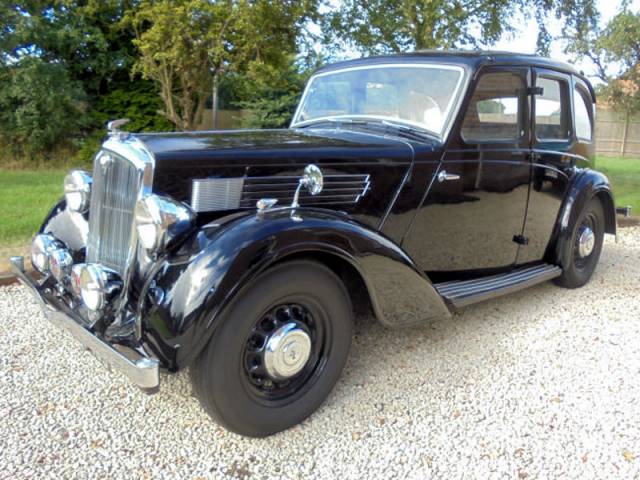
1938 | Wolseley 14/56
Auction Donington Park: 23.02.2017 Estimate: £11000 - 13000
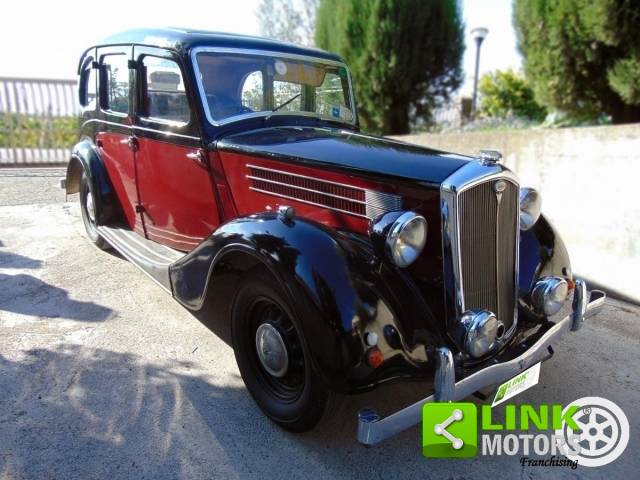
1938 | Wolseley 14/56
Wolseley 14/60 Saloon, anno 1938, documenti francesi da immatricolare, completamente restaurata, un gioiello

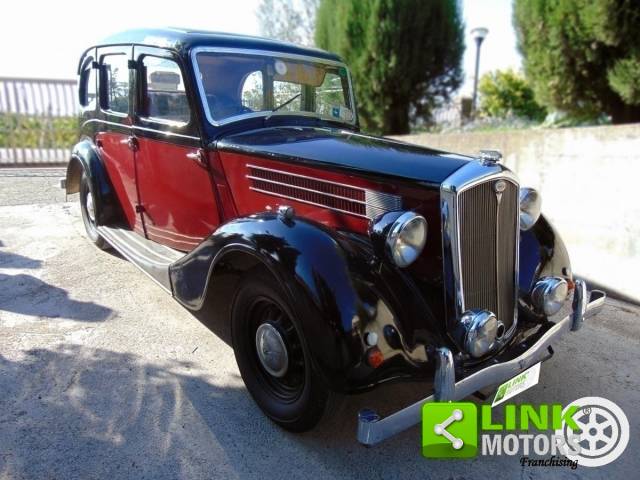
1938 | Wolseley 14/56
Wolseley 14/60 Saloon, anno 1938, documenti francesi da immatricolare, completamente restaurata, un gioiello
Create search alert
Let yourself be notified as soon as a listing is published that matches your search filters.
Create listing
Do you have a Wolseley 14/56 that you want to sell? Then create a listing now.
Create listingWolseley 14/56 Classic Cars: Prices & Market Values
History of the Wolseley 14/56
The Wolseley 14/56 was introduced in 1936 as part of the Wolseley Series II models, delivering a step forward in refinement and cabin comfort for the era. Designed during a period marked by rapid advancements in automobile technology, the 14/56 benefitted from the integration of all-steel body construction and the advanced overhead camshaft engine that Wolseley engineered. Its introduction preceded WWII and it was produced until around 1939. The 14/56 signified Wolseley's focus on blending durability, driving comfort, and understated luxury for discerning middle-class customers. The car was positioned as a reliable family saloon, bridging the gap between practicality and the badge prestige that came with the Wolseley name.
Model History
The 14/56 built on the success of the earlier 14/60 and carried Wolseley's stylistic cues such as the illuminated radiator badge and flowing fender lines. The '14' designated the fiscal horsepower class in the UK taxation system; '56' denoted its engine output. While the 14/56 shared chassis elements with its MG and Morris contemporaries, it featured a more refined interior and distinct mechanical tuning. The production run ended at the onset of WWII, after which the market shifted towards postwar models with updated styling and further engineering progressions.
Highlights of the Wolseley 14/56
Key highlights include an inline-six engine with overhead camshaft—unusual among its direct competitors—and leaf-sprung suspension delivering a comfortable ride even by modern standards. The cabin was trimmed with wood veneer and featured practical instrumentation, hallmarks of pre-war British saloon craftsmanship. The 14/56 also featured hydraulic brakes, an advancement over earlier mechanical systems. Its blend of classic proportions, upright grille, and the signature Wolseley badge made it recognisable on British roads of the 1930s.
Technical Data
Special Editions and Collectible Models
Factory records and historic documentation do not indicate any officially designated special editions of the Wolseley 14/56, but some bespoke-bodied examples were produced for wealthy customers by UK coachbuilders, resulting in unique survivors that occasionally emerge at auction. These should be examined for authenticity and provenance.
Weak Spots and Common Issues
No specific factory-recognised weak spots are documented for the Wolseley 14/56, but as with most pre-war vehicles, buyers should inspect extensively for corrosion in steel body panels and chassis rails, worn suspension bushings, perished rubber components, and the condition of wood interior trim. The overhead camshaft engine requires regular lubrication and valve adjustment to maintain smooth operation. Sourcing certain trim and mechanical components may be challenging due to the rarity and age of the vehicle.
Engine and Performance, Transmission and Handling
The Wolseley 14/56 is powered by a straight-six engine with overhead camshaft, producing 56 horsepower. This setup results in a cruising speed suitable for 1930s A-roads, with a reputation for smooth acceleration and long-legged touring. The four-speed manual transmission offers positive engagement, and hydraulic brakes provide reassuring stopping for a car of its class. The leaf-sprung suspension and relatively low centre of gravity contribute to steady and composed handling, making the 14/56 a relaxed and enjoyable cruiser for vintage rallies or classic tours. Other notable models in the Wolseley range from the same era include the smaller Wolseley 12/48 and the larger, more opulent 18/80, both sharing elements of the 14/56 chassis and mechanical design. The MG SA, a mechanically related car, offers a sportier interpretation, while the Morris 14 shares some underpinnings but with less elaborate interior detailing.
Interior, Comfort, Exterior, and Design
The interior of the 14/56 typifies late 1930s British luxury, with a dashboard finished in polished wood, matching veneer door cappings, and high-quality leather upholstery. Practicality was considered, with a large steering wheel and clear Smiths dials. The upright saloon silhouette, signature illuminated Wolseley badge, and flowing wing lines set the exterior apart from its more utilitarian cousins. Options included a sliding sunroof and a selection of period-correct paints, with some models featuring pinstriped detailing and subtle chrome accents. The car’s understated elegance appeals to purists seeking originality in pre-war British saloons.
Other Relevant Features
A small number of Wolseley 14/56s have been retrofitted with modern safety features, such as upgraded lighting or discreet electronic ignition, improving usability without detracting from the original appearance. Spare parts availability can be improved by networking with dedicated Wolseley owners’ clubs and specialist suppliers.
Summary
The Wolseley 14/56 offers enthusiasts a chance to experience late-1930s motoring with a blend of technical interest and period-correct comfort. While it remains a rare sight both on the road and in the classic car market, its engineering qualities and understated aesthetic ensure lasting appeal for those passionate about British automotive heritage.