Vauxhall 23/60 classic cars for sale
The Vauxhall 23/60, produced during the early 1920s, represents a milestone in British engineering, recognised for its robust D-Type chassis and its blend of elegance and durability. This model stands out among vintage Vauxhalls, offering an authentic driving experience for those seeking pre-war motoring with character.
Search results
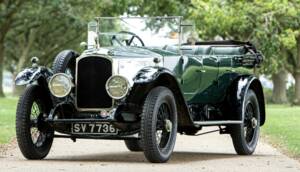
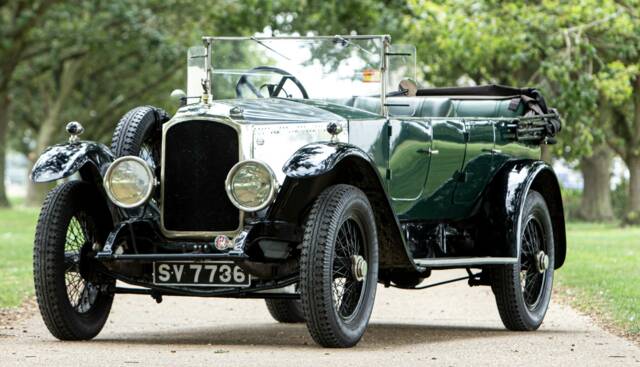

Vauxhall 23/60 Classic Cars: Prices & Market Values
History of the Vauxhall 23/60
Debuting in 1922, the Vauxhall 23/60 quickly established its reputation as an upper-class touring vehicle, especially favoured by British drivers seeking luxury and technical advancement following the First World War. It replaced Vauxhall's earlier E- and D-Type cars, inheriting the robust D-Type chassis which had proven itself both on the road and during military service. The car was built at Vauxhall's Luton plant, a significant centre for British automobile production in the interwar period, and swiftly became associated with reliability and comfort on long journeys.
Model History
The 23/60 was directly descended from the celebrated D-Type, sharing its chassis and much of its mechanical architecture. It was followed by the 30/98—another celebrated Vauxhall—for those seeking even greater performance and sporting capability. Throughout its production, the 23/60 evolved in detail and equipment, but remained true to its touring car roots, with no major bodywork variations until the arrival of its successor.
Highlights of the Vauxhall 23/60
The Vauxhall 23/60 is notable for its 3.9-litre four-cylinder engine, which provided a strong balance of torque and smoothness, making it suitable for both spirited driving and relaxed touring. The D-Type chassis endows the car with remarkable stability for a vehicle of its era. One major highlight for enthusiasts is the car’s mechanical honesty: it delivers an unfiltered connection to the road, typical of early 1920s British engineering.
Technical data
Special Editions and Collectible Models
The Vauxhall 23/60 was most commonly available as a tourer or saloon, often with bespoke coachwork supplied by renowned British firms upon request. Although not factory-special in the sense of later vehicles, individual coachbuilt examples can be considered collectable, especially those with custom touches or unusual histories.
Weak Spots and Common Issues
When considering a Vauxhall 23/60, attention should be paid to the chassis and body integrity, as frames can suffer from corrosion and fatigue due to age. The novel-for-its-time engine requires regular maintenance and correct lubrication; neglect can lead to reliability concerns. As with all pre-war machinery, expect some degree of ongoing adjustment for optimal braking and steering performance.
Engine, Performance, Transmission and Handling
The 3.9-litre four-cylinder delivers around 60 horsepower, which—by the standards of the early 1920s—ensured respectable pace and ease of overtaking. The 23/60 is geared towards long-distance touring rather than outright speed, and its four-speed manual offers robust but deliberate shifts. Thanks to the substantial chassis and suspension setup, handling is stable but requires the driver to anticipate and respect the car's size and vintage dynamics. Among the Vauxhall 23/60s, examples with documented coachbuilding provenance or those featuring period-appropriate sporting equipment are particularly notable, as they showcase unique interpretations of the D-Type chassis without sacrificing the driving qualities for which the model is best known.
Interior, Comfort, Exterior and Design
Design of the 23/60 blends Edwardian touches with emerging interwar aesthetics. Interiors typically feature leather upholstery, polished wood dashboards, and intricate instrumentation. Externally, the car is distinguishable by its robust axles, generous wheelbase, and, commonly, elegant open-touring bodies. Coachbuilt variants could include rare colour combinations or accessories such as custom trunk mounts and special lighting equipment.
Other Relevant Features
Notable among pre-war British vehicles, the 23/60 makes use of period engineering staples like magneto ignition and manual advance/retard controls. Spares availability is supported by a dedicated network of British specialist suppliers. Participation in historic motoring events remains a strong point for this model, with many examples still seen on rallies and vintage tours throughout Britain and beyond.
Summary
The Vauxhall 23/60 occupies a significant place within the classic British car landscape, offering a rare driving experience for enthusiasts seeking authenticity and mechanical engagement. Its strong presence in both the market supply and viewer interest demonstrates its continued relevance among pre-war classic aficionados, with each surviving example reflecting a piece of British motoring history.