Talbot 14/45 classic cars for sale
The Talbot 14/45 stands out as an advanced British six-cylinder touring car of the late 1920s and early 1930s, renowned for its spirited engine, solid construction, and well-considered technical solutions. Its distinctive character, elegant interiors with leather and wood trim, and practical four-wheel brakes make it a favourite among enthusiasts seeking genuine 1920s touring charm.
Suchergebnisse
Zur Zeit sind keine passenden Inserate zu Ihrer Suche veröffentlicht.
Create search alert
Let yourself be notified as soon as a listing is published that matches your search filters.
Create listing
Do you have a Talbot 14/45 that you want to sell? Then create a listing now.
Create listingTalbot 14/45 listing references from Classic Trader
Below you will find listings related to your search that are no longer available on Classic Trader. Use this information to gain insight into availability, value trends, and current pricing for a "Talbot 14/45" to make a more informed purchasing decision.
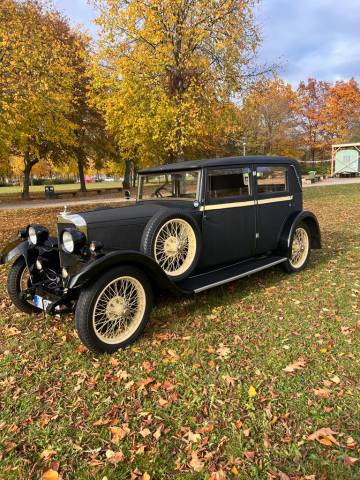
1929 | Talbot 14/45
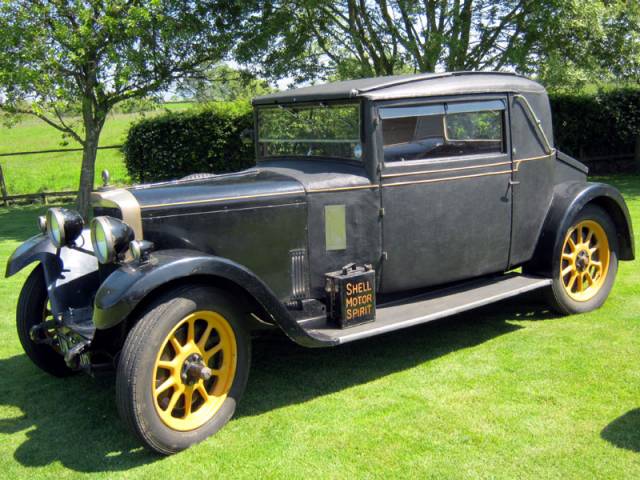
1929 | Talbot 14/45 Weyman Coupé
Auction Duxford: 29.03.2017 Estimate: £20000 - 24000
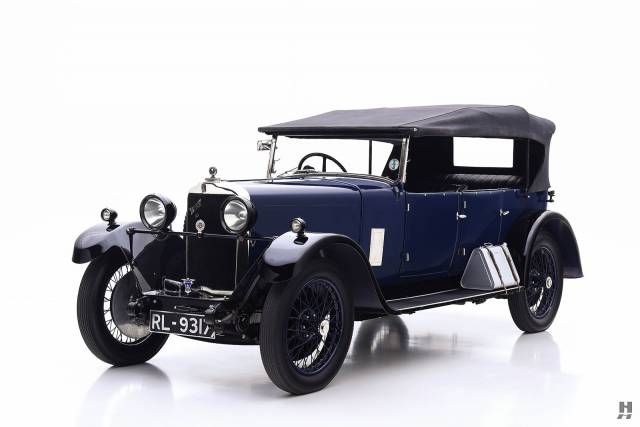
1929 | Talbot 14/45
Talbot Type AG 14/45
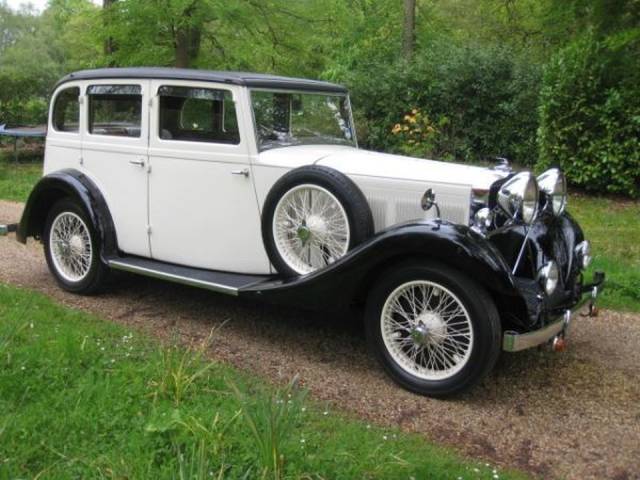
1935 | Talbot 14/45
Create search alert
Let yourself be notified as soon as a listing is published that matches your search filters.
Create listing
Do you have a Talbot 14/45 that you want to sell? Then create a listing now.
Create listingTalbot 14/45 Classic Cars: Prices & Market Values
History of the Talbot 14/45
The Talbot 14/45 emerged in 1926 under the engineering leadership of Georges Henri Roesch at Clement Talbot, Ltd. in London. Originally rooted in the import and assembly of French Clément-Bayard automobiles, Talbot became a fully-fledged British car maker by 1906. The 14/45 was Roesch's answer to the shifting demands of post-WWI motorists, bridging the gap between lightweight sporting behaviour and everyday reliability. Its production spanned until 1932, with more than 11,000 units produced, marking a successful chapter in British automotive history and reinforcing Talbot's reputation for sophisticated engineering.
Model history
The Talbot 14/45 followed the tradition of light touring cars but introduced several technical innovations that differentiated it from predecessor Talbot models. While it retained classic British touring car styling, it surpassed its antecedents with a high-revving six-cylinder engine and features like four-wheel brakes. There was no direct, officially recognised successor to the 14/45 within the Talbot range, but the engineering approach set the standard for subsequent models by Roesch, influencing the development of later Talbot and Sunbeam-Talbot vehicles in the 1930s.
Highlights of the Talbot 14/45
Among the distinctive features of the 14/45 is its 1665 cc six-cylinder engine, unusually high-revving for its era, reaching up to 4500 rpm and producing 41 hp. Unlike many contemporaries, it combined robust construction with light mechanicals, resulting in an agile driving experience. Advanced technical solutions—such as a fully pressurised gearbox lubricated by warmed engine oil and an oil pressure indicator lamp—demonstrate thoughtful engineering. The 14/45 also featured four-wheel brakes, an elegant but practical tourer body, and period-correct trim: nickel-plated details, discreet paint finishes, and interiors finished in leather and wood.
Technical data
Special Editions and Collectible Models
While the 14/45 was mainly produced as a tourer, certain custom coach-built versions with bespoke bodies were delivered, often featuring additional trim or slightly more elaborate fittings. However, there are no factory-created limited editions or officially designated 'special' versions within the standard production run.
Weak Spots and Common Issues
No specific weak spots are documented in current available references; however, regular inspection of mechanicals—especially the lubrication system and four-wheel brakes—remains essential due to the age of these vehicles. Upkeep of the leather interior, weather equipment, and period electrical instruments also requires specialist knowledge to preserve originality and functionality.
Engine and Performance, Transmission and Handling
The Talbot 14/45 is recognised for its unexpectedly agile driving dynamics among British touring cars of the 1920s. Its six-cylinder engine not only delivers 41 hp but is capable of high revs, contributing to a lively character on the road. The four-speed manual gearbox, coupled with four-wheel brakes, gives the car confident handling and braking compared to contemporaries. The ride is refined for its era, influenced by leather-cased leaf springs and robust chassis engineering. All variations of the 14/45 share the common six-cylinder drivetrain and four-speed gearbox, making each example interesting to collectors. Coach-built bodies may differ in comfort or trim but do not fundamentally affect the underlying chassis and engine specification.
Interior, Comfort, Exterior and Design
The 14/45 is notable for its understated British tourer aesthetics: generally subdued paintwork with black mudguards, a black fabric hood, and nickel accents that retain classic visual appeal. Inside, the cabin is laid out with practical elegance—leather seating, wooden dashboard trim, and period instrumentation from Smiths or Jaeger. Functional details include external direction indicators at the number plate, a fishtail exhaust for a period-correct rear end, and weather protection by way of hood and side curtains. Accessories were suited to touring use rather than luxury, maintaining a restrained sophistication.
Other
The 14/45 frequently featured details such as leather-wrapped leaf springs for improved ride comfort and durability. The oil pressure warning lamp, an unusual feature for the time, underscored Talbot’s focus on technical advancements even in straightforward instrumentation.
Summary
The Talbot 14/45 represents a significant chapter in British automotive engineering of the interwar period, blending high-revving six-cylinder performance with practical touring car virtues. Over 11,000 produced examples attest to the success of Georges Roesch’s design, which still appeals today for its technical character, elegant yet restrained aesthetic, and driving qualities unusual among its peers. Every 14/45 available carries the full weight of Talbot’s heritage, making it a central figure for anyone interested in British classics from the late 1920s and early 1930s.