- Car
- Studebaker
- Studebaker Standard Six (0 offers)
Studebaker Standard Six classic cars for sale
The Studebaker Standard Six stands out as an important part of American automotive history, representing the solid engineering and forward-thinking design of the 1920s. As one of the key models from Studebaker’s era of expansion, it is a rare sight on the market today and is highly distinctive for its robust build and pre-war styling.
Search results
Currently, there are no matching listings for your search.
Create search alert
Let yourself be notified as soon as a listing is published that matches your search filters.
Create listing
Do you have a Studebaker Standard Six that you want to sell? Then create a listing now.
Create listingStudebaker Standard Six listing references from Classic Trader
Below you will find listings related to your search that are no longer available on Classic Trader. Use this information to gain insight into availability, value trends, and current pricing for a "Studebaker Standard Six" to make a more informed purchasing decision.
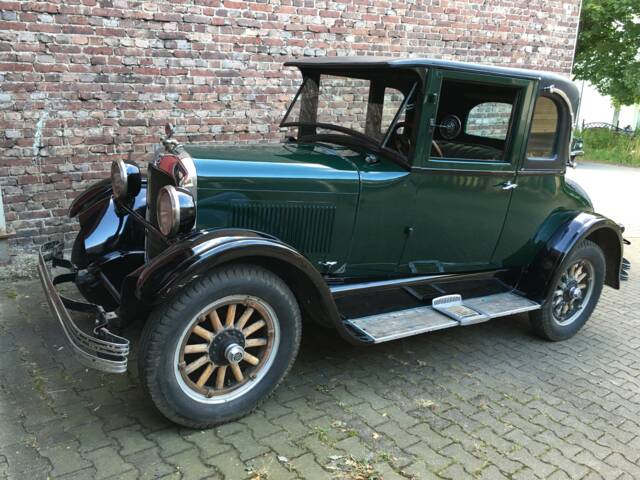
1926 | Studebaker Standard Six
Country Club Coupé

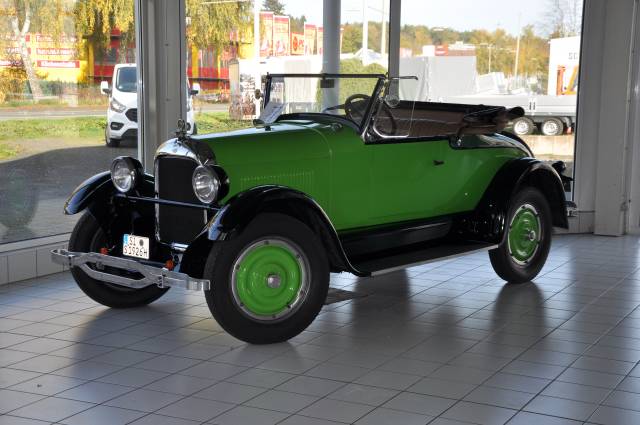
1926 | Studebaker Standard Six
Create search alert
Let yourself be notified as soon as a listing is published that matches your search filters.
Create listing
Do you have a Studebaker Standard Six that you want to sell? Then create a listing now.
Create listingStudebaker Standard Six Classic Cars: Prices & Market Values
History of the Studebaker Standard Six
Studebaker launched the Standard Six as part of its ambitious programme in the early 1920s, aiming to offer vehicles with robust technical quality to a rapidly growing motoring public. Built in South Bend, Indiana, from 1918 to 1927, the Standard Six shared its platform with the Studebaker Light Six and Light Four, which streamlined manufacturing and maintained a balance between cost-effectiveness and reliability. As motoring technology advanced, Studebaker continuously updated the Standard Six, culminating in the introduction of the more powerful Studebaker Dictator in 1928, which effectively replaced the Standard Six. This period marked a transition from post-WWI utilitarianism to more comfort and performance-focused automobiles.
Model History of the Studebaker Standard Six
The Standard Six grew out of Studebaker's experience building the Light Four and Light Six, utilising the same wheelbase and a similar array of features. Its main predecessor was the Light Six, while its direct successor was the Studebaker Dictator, which carried on many of the mechanical innovations but with updated styling and improved performance. During its production cycle, the Standard Six was offered in a range of body styles, catering to both family buyers and those seeking a more upscale motoring experience.
Highlights of the Studebaker Standard Six
The Standard Six is regarded for its sound chassis construction, making use of American engineering norms of the 1920s, and for its user-friendly mechanicals that allowed for both ease of repair and consistent reliability. It’s notable for its period-appropriate styling, solid ride quality, and being part of a segment that contributed to Studebaker's reputation for durability. In addition, the shared parts with its siblings made servicing practical across several models all produced in the same timeframe.
Technical Data
Special Editions and Collectible Models
No specific special editions of the Studebaker Standard Six stand out in historical records, but cars with rare body styles or period-correct accessories are always of interest to collectors. Factory upgrades as the market moved towards the Dictator often included improved trim and equipment in later model years.
Weak Spots and Common Issues
No direct information on typical weak spots is available for the Standard Six. As with most vehicles from this era, close attention should be paid to the condition of the chassis, drivetrain wear, and the presence of original components, as well as rust and aging in bodywork and suspension. Mechanical simplicity aids in ongoing maintenance, and availability of spares can depend on model year and body style.
Engine, Performance, Transmission and Handling
The Standard Six was equipped with a six-cylinder engine, designed for smooth performance and dependable power delivery typical for the time. The vehicle's ride was aimed at passenger comfort rather than outright speed, with a chassis built for durability and consistent handling on the unpaved roads of the 1920s. The three-speed manual gearbox offered straightforward operation, in line with contemporary expectations. While technical data varies, the main highlight remains the six-cylinder configuration and the shared mechanical platform with other Studebaker models of the decade, making for both easy drivability and repairability.
Interior, Comfort, Exterior and Design
The Standard Six featured body styles that represented the conservative but robust tastes of American car buyers in the pre-Depression era. Interiors prioritised function and durability, with comfortable seating and straightforward controls. Exteriors displayed Studebaker’s signature upright stance, broad fenders, and a practical yet elegant silhouette. Special colours and interior trim levels could vary depending on market and year, with some examples featuring period accessories like motometer radiator caps, rear luggage racks, and genuine wood or nickel-plated fittings.
Other Noteworthy Features
Given the Standard Six’s build era, many cars were offered with optional equipment such as side-mounted spare wheels, wire wheels, and early electrical systems which reflected the evolving technology of the period. Attention to originality and matching numbers remains important for value retention.
Summary
The Studebaker Standard Six remains a prominent representative of early American motoring, offering solid engineering, practical design, and a direct link to the era’s industrial advancement. Its prevalence among Studebaker listings demonstrates its ongoing appeal for enthusiasts and collectors, particularly those seeking a classic with historical significance and reliable underpinnings.