Skoda Rapid Classic Cars for Sale
The Škoda Rapid stands as one of the most diverse nameplates from Škoda, encompassing several distinct generations, each with its own technical and stylistic character. Whether it’s the 1930s saloon, the 1980s rear-engined coupé, or the modern compact models, the Rapid remains an accessible classic for enthusiasts interested in inventive Czech engineering and remarkable versatility.
Search results

Skoda Rapid Classic Cars: Prices & Market Values
History of the Škoda Rapid
The Škoda Rapid nameplate traces back to a saloon produced from 1935 to 1947—a time when Škoda combined robust engineering with elegant yet practical bodywork. This pre-war Rapid was valued for its reliability and comfort, making it a common sight on Central European roads.
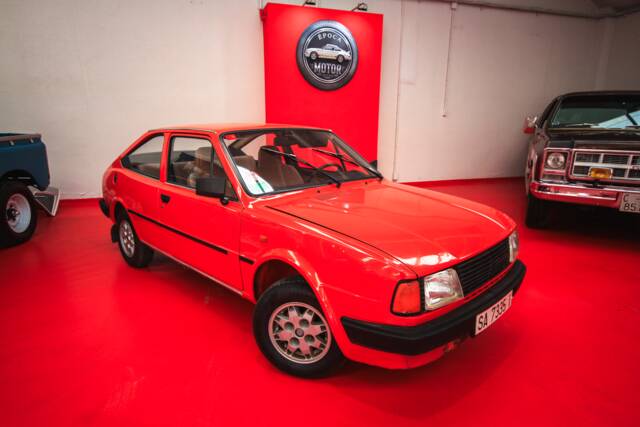
The name re-emerged in the early 1980s with the Škoda Garde, later evolving into the Škoda Rapid coupé (1981–1990). With its distinctive coupé shape and rear-mounted engine, this era of Rapid served as Škoda’s answer to affordable, everyday sporty vehicles behind the Iron Curtain.
Model History: All Generations of the Rapid
There are four main generations under the Škoda Rapid name:
- 1935–1947: The first Rapid appeared as a saloon, built for durability and practical use before, during, and after WWII.
- 1981–1990: The Garde/Rapid coupé was based on the Škoda 120/130/135 chassis, notable for its rear-engined configuration and affordable maintenance.
- Rapid India: Launched in the 2010s and based on the Volkswagen Vento, this sedan catered to the Indian market, offering contemporary mechanicals with Škoda styling cues.
- Rapid (2012): Introduced internationally, this generation covered hatchbacks, liftbacks, and sedans, often sharing technology with Volkswagen’s global lineup but packaged with distinct Škoda practicality.
Highlights and Unique Features of the Škoda Rapid
The Škoda Rapid’s variety across decades means a broad range of highlights: The 1930s model is celebrated for its innovative engineering relative to the pre-war era, while the 1980s rear-engined coupé offered a layout rarely seen outside premium sports cars. In the modern context, the Rapid stands out for its efficient use of interior space, solid build quality, and affordable running costs—building a reputation as a smart entry-level classic.
Technical Data
Special Editions and Collectible Models
No official factory special editions are comprehensively documented for the classic Rapid series. Nevertheless, particularly well-preserved 1980s Rapid coupés and early pre-war saloons in original condition are often regarded as collectible among dedicated Škoda enthusiasts due to their relative rarity and unique engineering solutions.
Weak Spots and Common Issues
No specific technical weak spots or recurring issues are documented in the provided information. For classic Škoda Rapids, buyers should generally inspect for rust in the body panels (especially on 1980s coupés), wear in suspension components, and availability of spare parts. For newer Rapid models, typical used car checks for electronics and drivetrain condition are recommended.
Engine, Performance, Transmission and Handling
The diversity within the Rapid family makes performance characteristics highly generation-dependent. The 1980s Rapid coupé, equipped with rear-mounted engines, provided a driving sensation akin to other Eastern European coupes of the era—lightweight, nimble, and engaging at lower speeds. Modern Rapids, based on updated Volkswagen platforms, focused more on efficiency, comfort, and predictable handling, making them excellent choices for everyday driving in classic form. Highlight: The Škoda Rapid coupé (1981–1990) for its rear-wheel drive layout and accessible mechanicals, and the 1935–1947 saloon for its historical significance.
Interior, Comfort, Exterior and Design
Design in the Rapid series reflects the eras they were made. The 1930s version mixes Art Deco influences with functional Central European styling. The coupés of the 1980s are known for their sloping rooflines, simple dashboards, and use of robust textiles and plastics. The latest Rapid models prefer straightforward design, with clear instrumentation, good visibility, and practical interior storage—often highlighted by enthusiasts for their real-world usability. Optional equipment in later models included air conditioning, upgraded audio, and alloy wheels, while the earlier cars focused more on durability than luxury.
Other Noteworthy Features
The Škoda Rapid line’s transformation from pre-war saloon, to rear-engine coupé, to popular family hatch and sedan, is a testament to its adaptability. The model’s evolution mirrors the changing fortunes of the Czech car industry—from independence, through the socialist period, and into the Volkswagen-led era.
Summary
No other Škoda model reflects the brand’s history and technical adaptability like the Rapid. Whether drawn to the mechanical simplicity of rear-engined classics or the accessible comfort of the modern interpretations, enthusiasts will find a rich variety of classic options bearing the Rapid badge. Each generation brings a distinctive character, meaning there is a Rapid to suit numerous collector preferences and driving tastes.