SIATA Spring Classic Cars for Sale
The SIATA Spring is a rare Italian two-seater roadster, produced between 1967 and 1972, characterised by its retro 1930s-inspired bodywork, Fiat 850 underpinnings, and exclusive hand-built touches. With only around 300 examples still in circulation, it stands as a sought-after treasure for classic sports car enthusiasts.
Search results
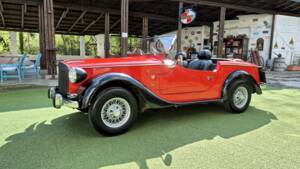
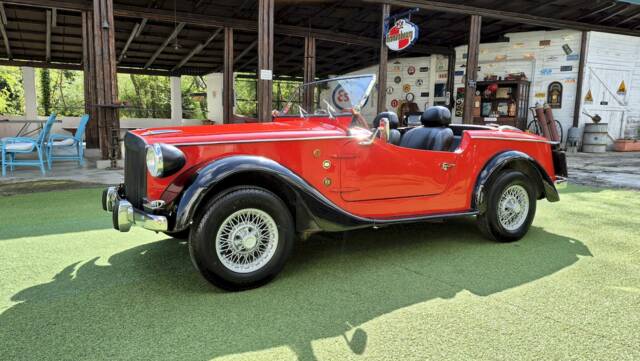
1968 | SIATA Spring 850
SUMMER PRICE 2026 @ CITY MOTORS

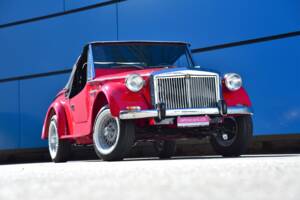
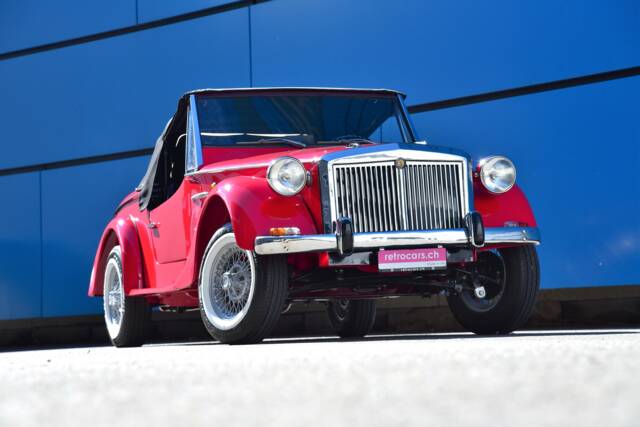
1971 | SIATA Spring 850 S
Dolcevita classic car in nostalgic design with MFK as a veteran. Film car from the Babar the Elephant comic of the 60s

SIATA Spring listing references from Classic Trader
Below you will find listings related to your search that are no longer available on Classic Trader. Use this information to gain insight into availability, value trends, and current pricing for a "SIATA Spring" to make a more informed purchasing decision.
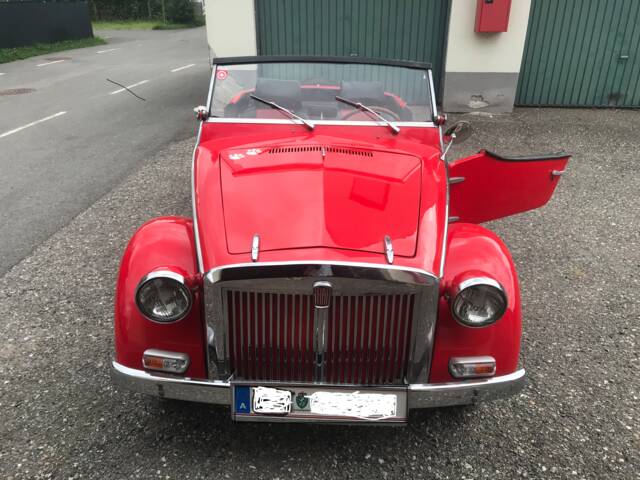
1968 | SIATA Spring 850
Historisches Fahrzeug

1967 | SIATA Spring 850
OTTIMA AUTOVETTURA OGGETTO DI RESTAURO PROFESSIONALE-ORIGINALE IN TUTTO
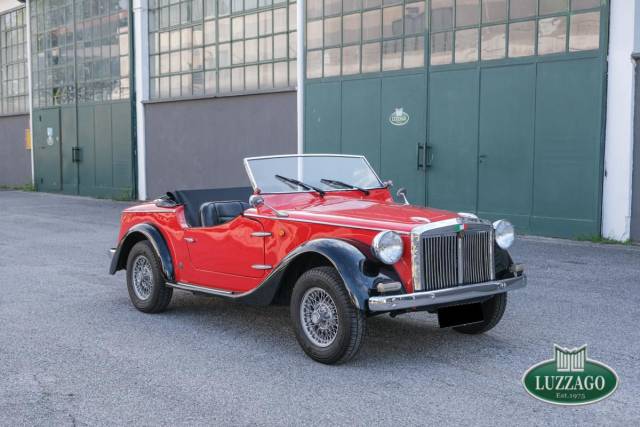
1967 | SIATA Spring 850
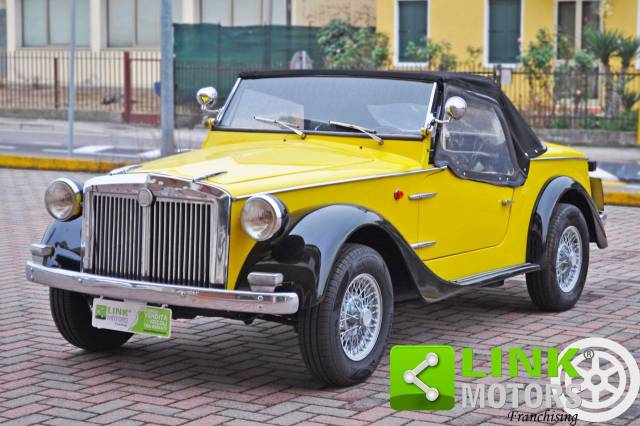
1968 | SIATA Spring 850
FIAT 850 Spring Siata
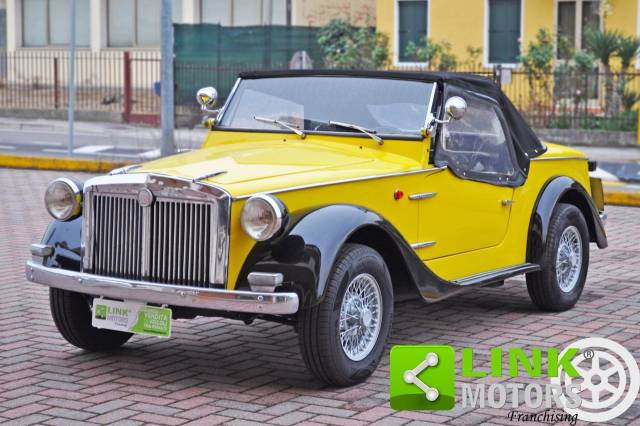
1968 | SIATA Spring 850
FIAT 850 Spider Siata
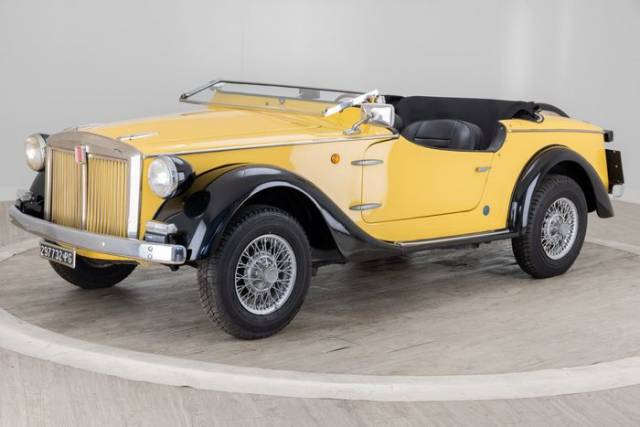
1972 | SIATA Spring 850

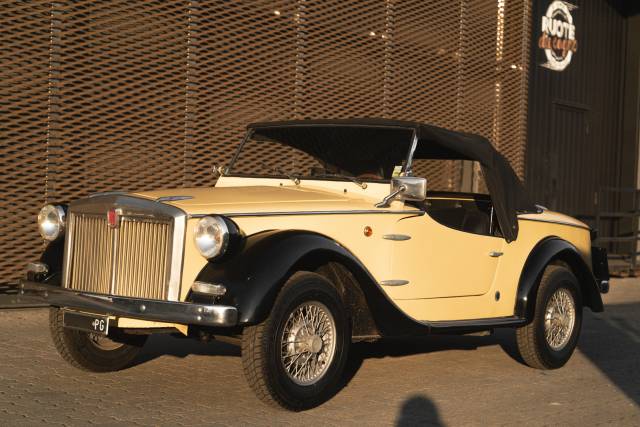
1967 | SIATA Spring 850
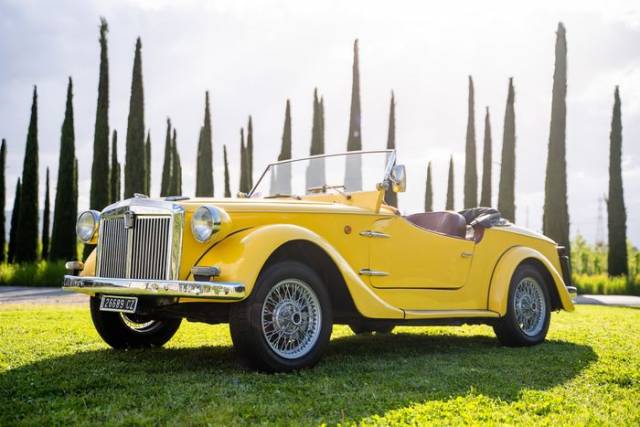
1968 | SIATA Spring 850
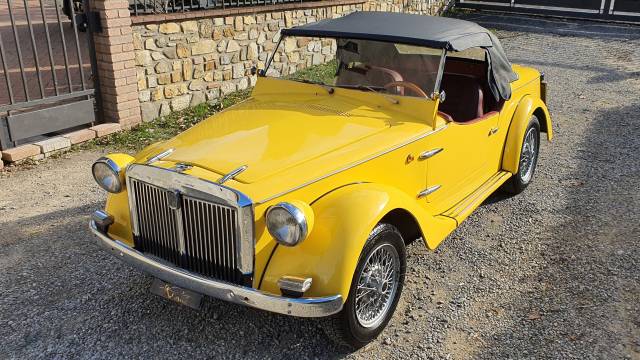
1967 | SIATA Spring 850
Gorgeous !!!
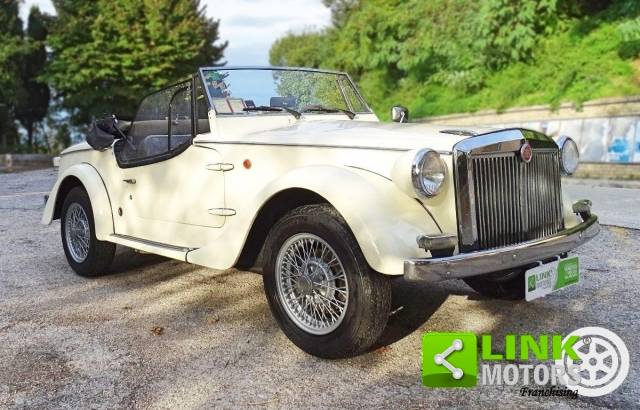
1969 | SIATA Spring 850
FIAT - Siata 850 Spring Spyder
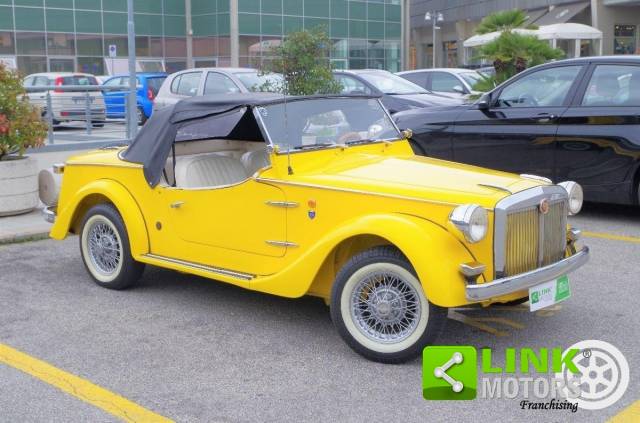
1968 | SIATA Spring 850
FIAT Siata 850 SPRING Spider 1968 | Perfetta - ASI
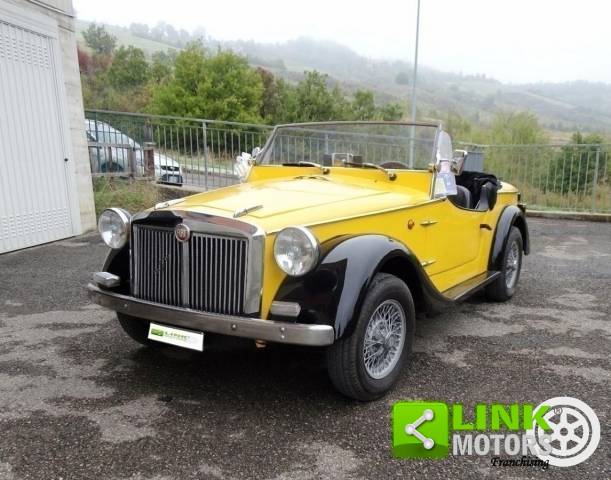
1968 | SIATA Spring 850
Fiat 850 SIATA SPRING
SIATA Spring Classic Cars: Prices & Market Values
History of the SIATA Spring
The SIATA Spring marked a distinctive chapter in Italian post-war automotive engineering. Launched in 1967 by SIATA (Società Italiana Applicazioni Trasformazioni Automobilistiche) of Turin, a brand renowned for its expertise in Fiat-sport modifications, it was envisioned as a roadster for carefree motoring, drawing inspiration from the flamboyant styling of the 1930s. The project was a bold move — creating one of the first mass-produced vehicles in Europe to embrace a retro look. Built atop the platform of the Fiat 850, the Spring fused Italian flair with visual elements reminiscent of early English sports cars, like sweeping fenders and a pronounced chromium grille. Its launch essentially opened the European market for leisure-oriented convertibles, making it a precursor to today’s fun-focused classics. Despite early commercial success, particularly in Germany with over 600 examples sold in half a year, SIATA ceased production in 1970 due to financial constraints. Subsequently, Sardinian manufacturer Orsa briefly continued limited production until 1974 under the name Spring Speciale.
Model History: Evolution, Predecessor, and Successor
The SIATA Spring was rooted in SIATA’s tradition of transforming Fiat chassis, specifically utilising mechanicals from the Fiat 850. As SIATA’s final in-house development, it came at the twilight of the manufacturer’s history. With no direct predecessor, its lineage can be traced back to other Fiat-based SIATA sports models from the 1950s and 1960s. After ending production in Turin, a short-lived continuation came via Orsa in Sardinia between 1971 and 1974, resulting in a small number of additional cars. No true successor followed, as SIATA dissolved and the project concluded.
Highlights and Unique Features of the SIATA Spring
What sets the SIATA Spring apart is its bold reinterpretation of classic 1930s styling cues: separate flowing wings, an oversized chrome grille, and upright stance. Built in limited numbers—around 3,000 units overall, with approximately 300 known to survive—it’s a stand-out at gatherings of Italian rarities. The Spring is known for its nearly bespoke touch, including Borrani wire wheels, a folding soft-top, and interior luxuries like a wood dashboard and sport steering wheel. Details such as the Jaeger rev counter and original black square licence plates emphasise the period character. Yellow paint and red leather interiors are particularly prized by collectors.
Technical Data
Special Editions and Collectible Models
Variants included special-order extras such as the rare folding roof, Borrani wire wheels, and Jaeger instrumentation. Orsa’s 'Spring Speciale', built in Sardinia after 1971, featured subtle updates, though production numbers remain disputed and most examples were exported. Collectors particularly seek out cars with unique period-correct colour schemes or full documentation, including the booklet-style registration and original fittings.
Weak Spots and Common Issues
Sourcing original spare parts, especially unique SIATA bodywork, chrome trim, and period accessories, can be challenging due to the small production run and scarcity. Mechanical components, being Fiat 850-based, are more accessible. Prospective buyers should carefully inspect for corrosion on the bespoke body panels and check for authenticity of original details such as the wood dashboard and rare accessories.
Engine, Transmission and Driving Characteristics
The SIATA Spring’s 843 cc engine, inherited from the Fiat 850, offers lively performance for its displacement. The rear-mounted configuration gives it a playful, tail-happy handling characteristic, while its lightweight bodyshell heightens the feel of direct, old-school motoring. The manual gearbox is precise and direct, matching well with the modest output. The Spring was conceived for relaxed drives rather than sportscar speed but rewards with nimble, communicative steering and genuine open-air charm. - SIATA Spring (1967–1972): Fiat 850-influenced, 37 hp, lightweight retro-styled roadster with period-accurate details and semi-bespoke finish.
- Orsa Spring Speciale (1971–1974): Sardinian continuation, rare and primarily exported, modest updates over the Turin original.
Interior, Comfort, Exterior and Design Elements
The SIATA Spring’s design is a homage to earlier automotive eras, with a hand-shaped aluminium body, curved mudguards, freestanding headlights and an imposing vertical grille. The cabin includes a wooden dashboard and sport steering wheel, reflecting the Italian approach to craftsmanship. Optional extras included a folding cloth roof, Borrani wire wheels, and the sought-after Jaeger rev counter reminiscent of 1950s competition cars. Typical finishes like yellow paintwork paired with red leather seats add to its visual impact. Chrome trim and vintage-style accessories were abundant and contributed to the Spring’s unique flair.
Other Features and Details
The SIATA Spring was summer motoring distilled to its essentials. Originally supplied with booklet-style registration papers and period-appropriate black square number plates. Many examples offered technical documentation for smooth transfer and export. With its blend of rarity, exuberance, and Italian engineering, it suits collectors focused on truly individualistic, nearly hand-built sports cars.
Summary
The SIATA Spring remains a compelling choice for enthusiasts of rare Italian classics: it combines quirky 1930s-retro design, accessible Fiat technology, and exclusivity due to its low survivor count. With original features, select factory extras, and documentation adding value, the Spring offers a distinct experience within the world of European roadsters—both on the road and in collectors’ circles.