SEAT 124 classic cars for sale
The SEAT 124 stands for Spanish automotive pragmatism and technical innovation between 1968 and 1980. Available as a saloon, estate and coupé, the 124 combined reliable mechanics with surprisingly comfort-focused features and a robust steel body. Its influence on Spanish roads in the decades following its launch remains unmatched.
Search results
Currently, there are no matching listings for your search.
Create search alert
Let yourself be notified as soon as a listing is published that matches your search filters.
Create listing
Do you have a SEAT 124 that you want to sell? Then create a listing now.
Create listingSEAT 124 listing references from Classic Trader
Below you will find listings related to your search that are no longer available on Classic Trader. Use this information to gain insight into availability, value trends, and current pricing for a "SEAT 124" to make a more informed purchasing decision.
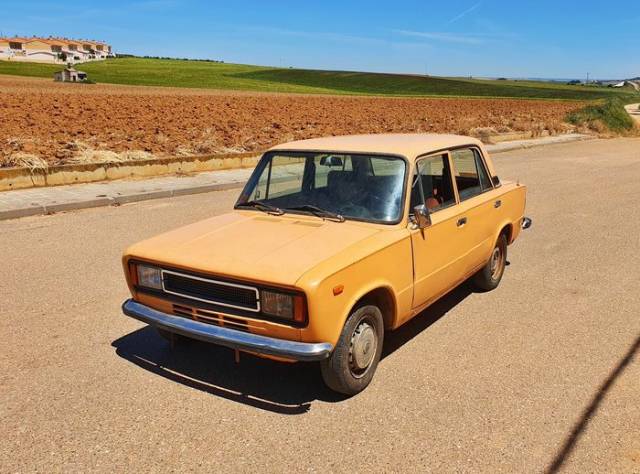
1978 | SEAT 124

Create search alert
Let yourself be notified as soon as a listing is published that matches your search filters.
Create listing
Do you have a SEAT 124 that you want to sell? Then create a listing now.
Create listingSEAT 124 Classic Cars: Prices & Market Values
History of the SEAT 124
The SEAT 124 was introduced in 1968, when Spain’s car market demanded affordable, practical transport for families. Built in SEAT’s Barcelona and Pamplona plants, it was closely related to the Fiat 124 yet tailored for the requirements of Spanish customers. Unlike many contemporaries, the SEAT 124 boasted cutting-edge amenities for its time, such as passenger vanity mirrors and a demister for the rear window. Its debut as a 4-door saloon quickly expanded, serving as a backbone of Spain’s car ownership surge. Between 1968 and 1980, SEAT sold over 896,000 units, highlighting its impact across Spanish streets.
Model History
Initially launched as a four-door saloon, the SEAT 124 lineage soon broadened. The station wagon version (Familiar) followed, offering increased practicality with an upgraded boot and upright taillights. In 1976, the 124 Pamplona emerged from the Pamplona plant, featuring modernised design cues like square headlights and expanded engine options—1.6, 1.8, and 2.0 litres. The SEAT 124 took cues from its Fiat counterpart, but evolved independently in later years before ultimately being succeeded by newer Spanish models in the early 1980s.
Highlights of the SEAT 124
What set the SEAT 124 apart was the balance between traditional Spanish manufacturing and astute adoption of technological progress. This model introduced sharper design lines, a monocoque structure, and comfort options unusual for its class: rear window demister, integrated armrest ashtrays, and passenger courtesy mirrors. The versatility of the body styles and range of available trims and engines fuelled its wide appeal.
Technical Data
Special Editions and Collectible Models
The 1976 ‘124 Pamplona’ is especially noteworthy, with its distinctly square headlights and updated trim. This model offered engine choices up to 2.0 litres, a clear departure from the earlier, smaller-displacement options and signalling a new performance direction for SEAT’s family saloon.
Weak Spots and Common Issues
The SEAT 124’s steel body is susceptible to rust, particularly around the wheel arches and fenders. Electrical systems—such as the dashboard and radio connections—should be scrutinised for faults typical of period wiring. Mechanical wear is an inevitability for classics: attention must be paid to replacing old brake components and checking all hoses. Maintaining the original instrument panel and period electrical accessories ensures both functionality and value restoration.
Engine and Performance, Transmission and Handling
With its modest 60 hp and rear-wheel drive, the SEAT 124 provided brisk, reliable motoring for its class, reaching speeds of up to 140 km/h. Handling was steady thanks to its straightforward suspension, but the vehicle’s relatively lightweight construction meant that performance was absolutely dependent on correct maintenance. Later models with larger, more powerful engines offered an engaging drive even by today’s standards. - SEAT 124 1.2: 60 hp, 140 km/h, saloon body
- SEAT 124 Pamplona: Up to 2.0 litre engines, redesigned lights and trim, improved performance
Interior, Comfort, Exterior and Design
The SEAT 124 adopted a cleaner, more angular silhouette compared to earlier SEATs, prefiguring the straight-lined styles of the 1980s. Inside, a classic instrument panel dominated the dashboard, complemented by thoughtful details like an optional passenger vanity mirror, armrest ashtrays, and a demister for the rear window—a rarity then. The painted steel bodyshell struck a balance between resilience and respectable finish, with Spanish market colours reflecting 1960s and 1970s tastes. The Familiar (estate) model offered greater versatility, while the Sport coupé added extra flair for enthusiasts.
Other Features
As many SEAT 124s are still registered as historics in Spain, documentation for Spanish plates and historical vehicle status is relevant for collectors. The model’s practicality endures, with many examples remaining close to their original factory specs, a testament to robust engineering and straightforward maintenance.
Summary
A cornerstone of Spanish automotive history, the SEAT 124 combined reliability, practical design, and period comforts rarely found in its competitors. With strong representation among SEAT classics on the market and a robust following among collectors, the SEAT 124 has proven itself more than just a derivative of its Fiat origins—it is a hallmark of Spain’s driving culture from the late 1960s through the early 1980s.