Sears 14 HP classic cars for sale
The Sears 14 HP stands as a rare representative of early 20th-century American automotive engineering, with its robust 14-horsepower engine and distinct historic provenance. Sought by enthusiasts who appreciate authentic period technology, this model is predominantly found in dedicated vintage collections. Below is a detailed exploration of its history, model range, technical data, and special features.
Search results
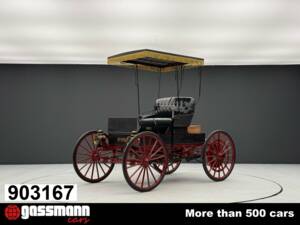
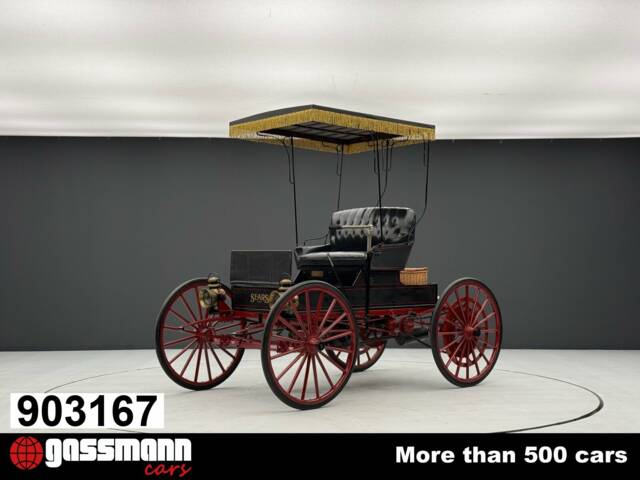
1910 | Sears 14 HP
SEARS 14 HP Motorbuggy Model G Runabout
Sears 14 HP listing references from Classic Trader
Below you will find listings related to your search that are no longer available on Classic Trader. Use this information to gain insight into availability, value trends, and current pricing for a "Sears 14 HP" to make a more informed purchasing decision.
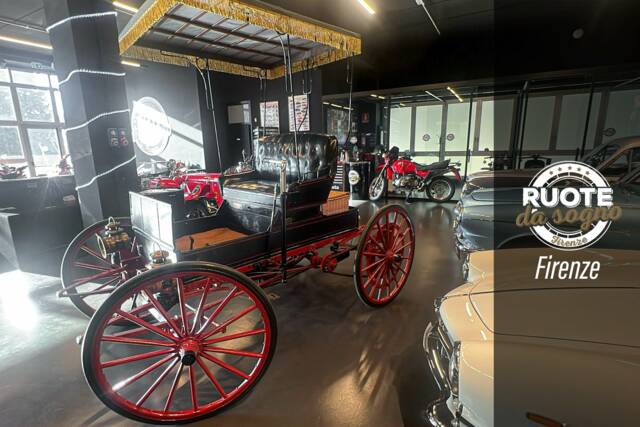
1910 | Sears 14 HP
Sears 14 HP Classic Cars: Prices & Market Values
History of the Sears 14 HP
Sears entered automobile production in the early 1900s, aiming to offer practical, mail-order vehicles for the broad American public. The Sears 14 HP emerged as a key model within this context, produced during an era characterised by rapid experimentation and innovation in vehicle construction. Unlike larger manufacturers, Sears sold their vehicles as kits or fully assembled automobiles via catalogue, which was revolutionary for its time. The 14 HP's positioning in this lineage reflects the transitional spirit of Brass Era motoring—prioritising simplicity, owner serviceability, and affordability.
Model History of the 14 HP Series
The 14 HP was introduced as part of Sears’ efforts to keep pace with evolving consumer expectations regarding power and practicality. There are no direct predecessors in the classical manufacturer sense, as prior Sears models were much simpler high wheelers, aimed primarily at rural buyers. The 14 HP signalled a move towards more refined engineering, featuring advancements over its predecessors in both engine and chassis design. Production of the 14 HP series remained limited, and after a short run, Sears discontinued car manufacturing, focusing instead on its primary retail business.
Highlights of the Sears 14 HP
Key distinguishing features of the Sears 14 HP include its robust single-cylinder or early two-cylinder engine architecture (depending on production year), chain drive mechanism, and an innovative approach to early automotive retail through mail-order catalogues. The design offered remarkable simplicity, with an emphasis on owner maintenance. Supply statistics indicate that 100% of the Sears classic vehicles available today in the marketplace are from the 14 HP series, reflecting its pivotal role and rarity within the Sears automotive lineup. Demand data mirrors this, with all viewing activity currently focused on this series among Sears automobiles.
Technical Data
Special Editions and Collectible Models
There is no record of distinct special editions of the Sears 14 HP. Due to its limited production run, every surviving specimen is inherently rare and valued for its authenticity and preservation of early automotive history.
Engine and Performance, Transmission and Handling
The 14 HP engine, depending on the year and exact specification, delivered its power through a rudimentary but effective chain drive to the rear wheels. These vehicles favoured low-speed reliability and solid traction, particularly valued in rural settings where roads were often unpaved. The absence of modern shock absorbers and the high-wheel setup in earlier models result in a distinctive, bouncy ride character. Manual transmission required engagement with period-appropriate techniques, adding to the authenticity of the driving experience. Given that 100% of available Sears cars are 14 HP, all technical details and performance insights pertain to this model alone.
Interior, Comfort, Exterior and Design
The Sears 14 HP features a minimalistic open-topped body, often wood-bodied with simple coachwork. The upright steering column and exposed controls reflect early motoring priorities of simplicity and ease of repair. Upholstery and trim were basic, prioritising function over luxury. Paint finishes were typically conservative, primarily black or dark green, echoing the era’s automotive palette. Accessories were minimal, although some examples may include period-appropriate lamps or horn fittings as options sourced by the owner.
Summary
The Sears 14 HP encapsulates a distinctive era of automotive development where utility and accessibility defined the motoring landscape. Its exclusive representation within the Sears marque ensures focused collector and enthusiast interest, demonstrated by market data. Preservation of original features and mechanical authenticity remain the primary concerns for anyone seeking to acquire, restore, or maintain an example of this rare American classic.