Saab 9000 Classic Car for Sale
The Saab 9000, produced between 1984 and 1998, stands as Sweden's answer to the executive segment, combining innovative turbo technology with Scandinavian engineering and distinct design features. Known for its robust performance, unique interior solutions, and remarkable practicality, this model attracts both enthusiasts and drivers looking for something different in the upper mid-range class.
Search results
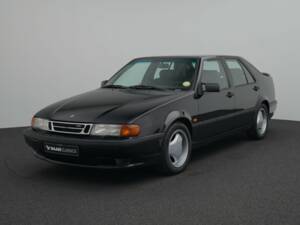
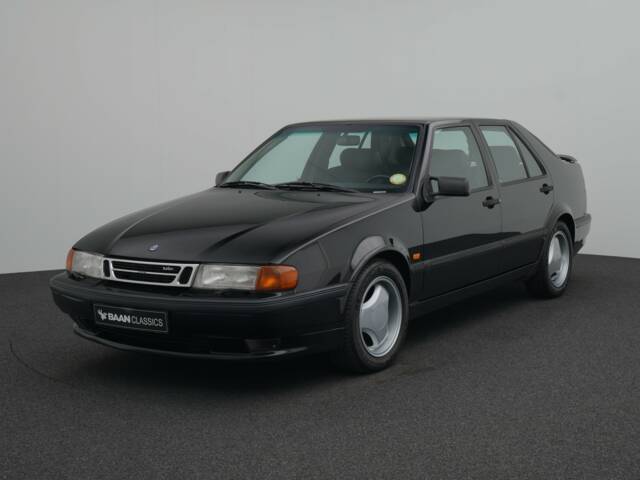
1993 | Saab 9000 CS Turbo Aero
Saab 9000 2.3 CS Turbo Aero

Saab 9000 listing references from Classic Trader
Below you will find listings related to your search that are no longer available on Classic Trader. Use this information to gain insight into availability, value trends, and current pricing for a "Saab 9000" to make a more informed purchasing decision.
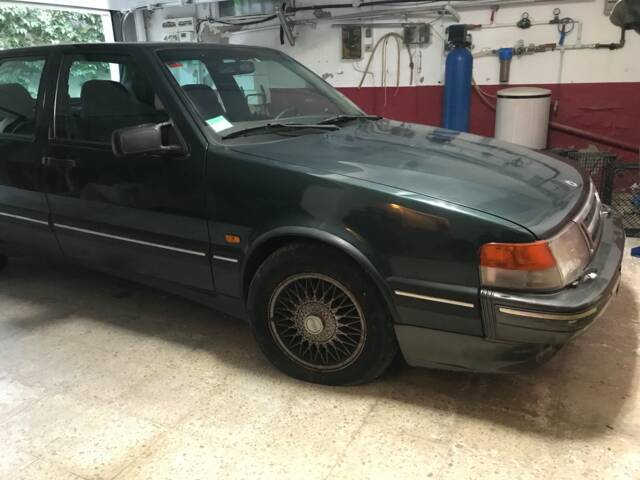
1993 | Saab 9000 2.3-16 Turbo CDE
Saab 9000 Griffin

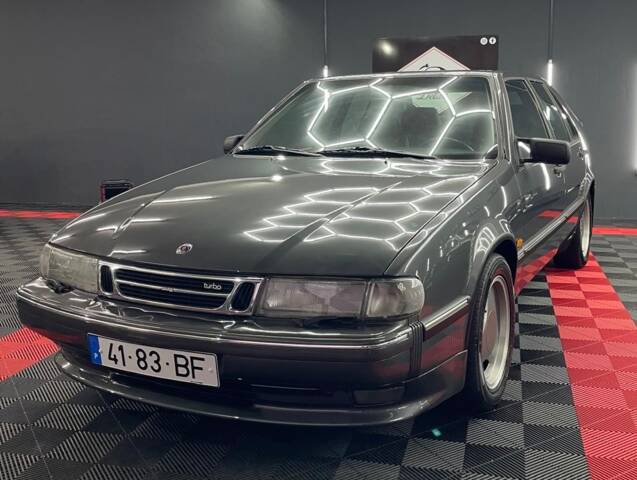
1992 | Saab 9000
CS 2.3 turbo S

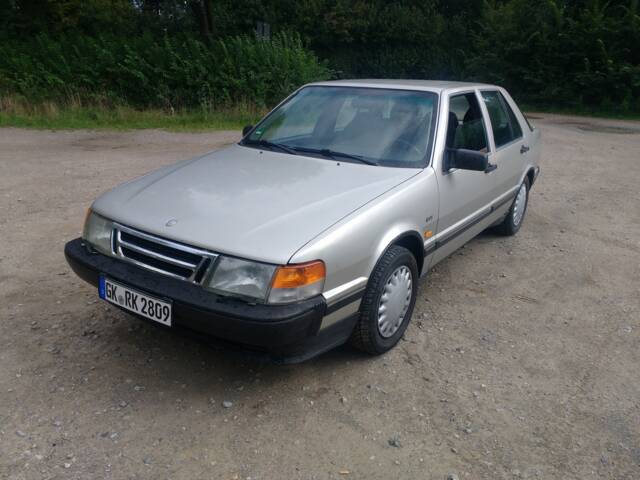
1991 | Saab 9000
Tüv bis 5/25

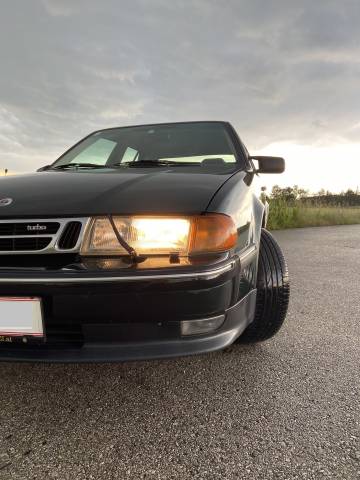
1993 | Saab 9000 2.3-16 Turbo CDE
Fantastischer Driver, alles funktioniert, technisch wie neu

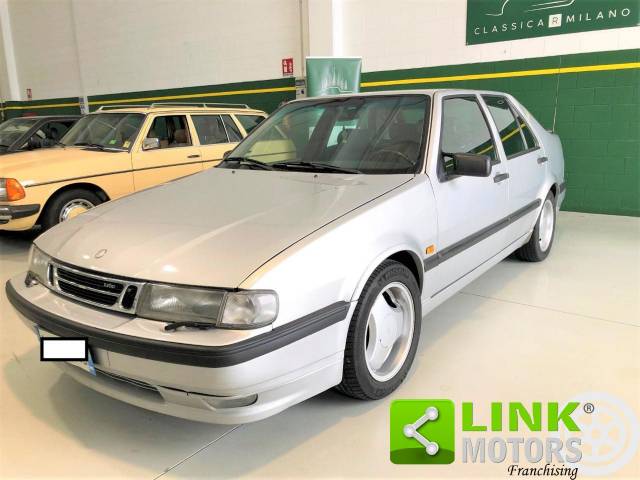
1996 | Saab 9000 CS
SAAB 9000 Berlina 185 CV -TAGLIANDATA

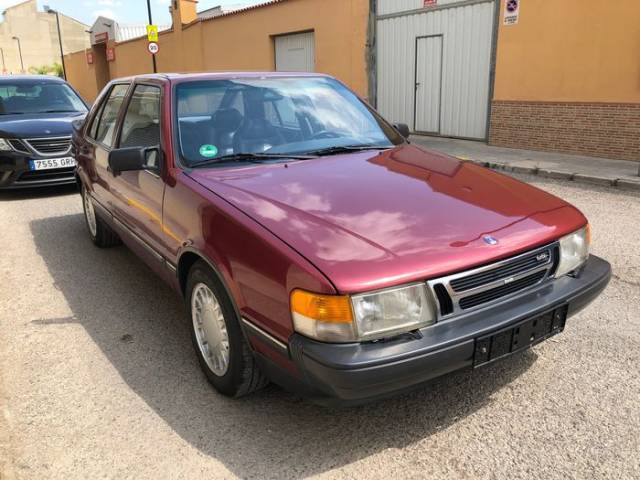
1985 | Saab 9000 CS Turbo Aero
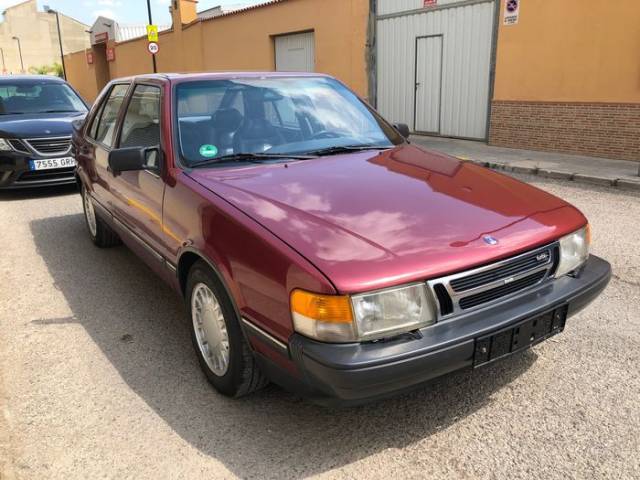
1985 | Saab 9000
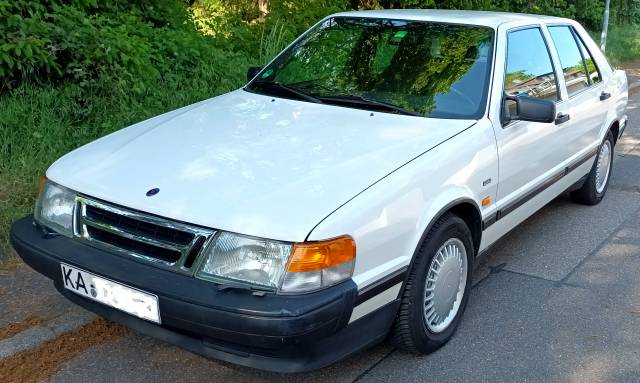
1990 | Saab 9000
SAAB Limusine mit 2,3 16V Motor nur ein Besitzer
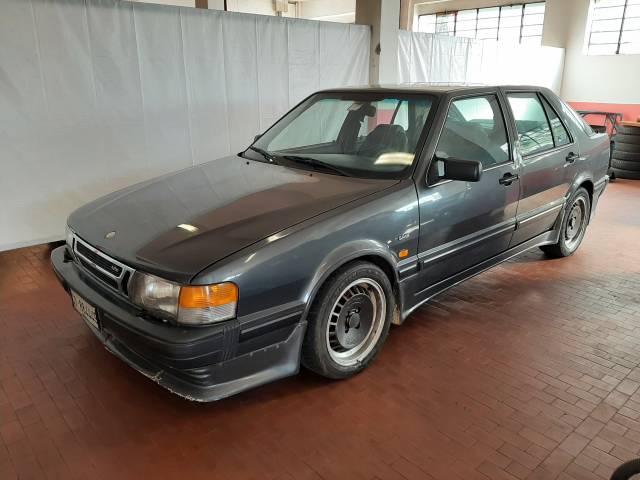
1986 | Saab 9000
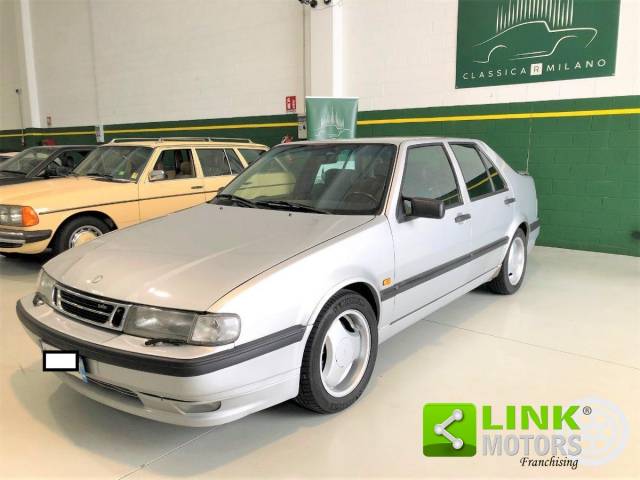
1996 | Saab 9000
SAAB - 9000 - turbo 16 5 porte CS Aero
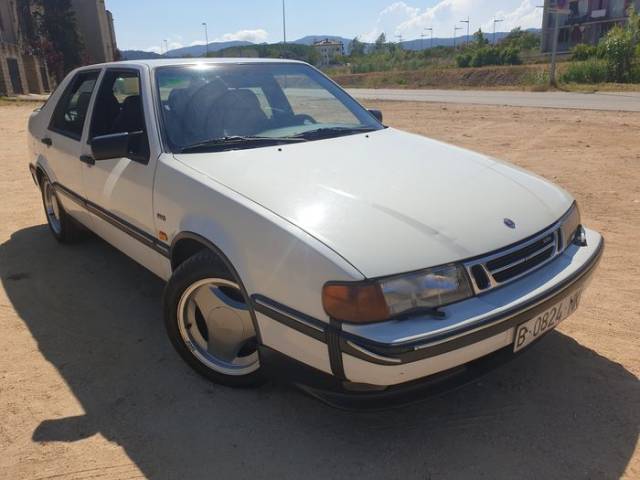
1992 | Saab 9000
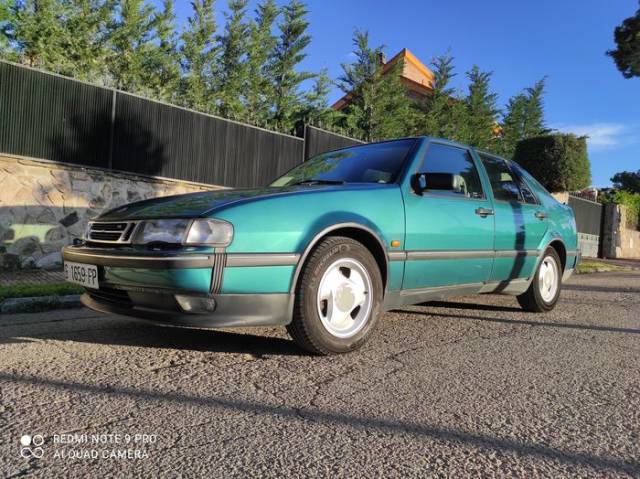
1995 | Saab 9000 CSE V6
Saab 9000 Classic Cars: Prices & Market Values
History of the Saab 9000
Launched in 1985 as a 5-door hatchback, the Saab 9000 was Saab’s entry into the executive car segment, building on the success of its turbocharged predecessors, the 99 and 900. Development was a joint effort with Fiat Group brands, sharing some components with the Ford Croma, Lancia Thema, and Alfa Romeo 164, though Saab applied its own engineering and safety features. Petrol engines only, a range of body styles, and constant technological refinements defined the model until its replacement by the Saab 9-5 in 1997. Noteworthy: the ignition switch was placed on the steering column—a departure from Saab’s typical placement near the gear shift.
Model history
The Saab 9000 lineage began with the 9000 Turbo in 1985, initially offered as a hatch. Over its production, body variants expanded to include both 5-door hatchbacks and 4-door notchbacks. The model was continually updated, introducing new engine options and additional equipment levels like the Aero and CS. The 9000 remained in production until 1998, succeeded by the Saab 9-5, marking the end of one of Saab’s most technologically ambitious lines.
Highlights and Unique Features
The 9000 was the first Saab equipped with a standard onboard computer, giving real-time readouts for consumption, tank contents, voltage, and outside temperature. Safety was paramount, with side impact protection, pyrotechnic seatbelt pre-tensioners, and later, ABS. Engine outputs ranged from 125 to 225 PS, with available 2.0 to 3.0-litre petrol engines. Interior luxury included electrically adjustable leather memory seats, climate control, and advanced audio systems. Standard front-wheel drive, spacious accommodation for five, and a generous payload made the 9000 both dynamic and practical.
Technical data
Special Editions and Collectible Models
Notable special editions include the 9000 CS Turbo Aero, offering peak power and sportier suspension, and early 9000 Turbo models, some delivered without front indicators and fitted with a distinctive three-part rear spoiler plus rare colours like 120G. Accessory lines such as the Airflow-Kit body kits and rare Momo or Heuschmid steering wheels add collector appeal.
Weak Spots and Common Issues
Common rust areas are the doors, bonnet, window frames, and rear wheel arches. Expect frequent engine and clutch renewals on high-mileage examples. The headliner (roof lining) often sags and may have been retrimmed in Alcantara. Inspections such as MOT/TÜV are musts. Finding original parts for rare body kits can be challenging, but key mechanical elements remain available due to the model’s solid reputation.
Engine and Performance, Transmission and Handling
High-performance Turbo models (like the Aero) accelerate from 0-100 km/h in under 7 seconds, achieving up to 240 km/h. The 9000’s front-wheel drive layout and independent MacPherson strut suspension with Panhard rod ensure responsive handling paired with comfort. Standard equipment included progressive turbo response, while options like H&R springs and dampers were popular upgrades for enthusiasts. Early models with manual gearboxes and uprated intercoolers are particularly valued for their dynamic character. 9000 CS Turbo Aero: 2.3-litre four-cylinder engine, up to 225 PS, iconic 16-inch 3-spoke alloys. 9000 Turbo (early years): Noted for unique rear spoilers, no front indicators, and standout paint codes. Both models synonymous with Saab’s street presence and performance legacy.
Interior, Comfort, Exterior and Design
The Saab 9000 combined Swedish restraint and functionality with unexpected interior luxury: from fabric to high-grade leather, often electrically adjustable with memory. Driver-focused dashboards and deeply supportive seats underline the car’s touring capabilities. Optional extras such as electric sunroof, cruise control, and advanced audio/CD were available. Externally, the squared-off lines, pronounced three-spoke alloys, and (on some models) Airflow-Kit body kits set the 9000 apart. Some rare editions received Momo or Heuschmid wheels. Distinctive early colours, such as 120G, are highly recognisable among enthusiasts.
Other Features
The Saab 9000 was offered both with pure petrol and converted petrol/LPG configurations in select markets. Taxes for the classic can be relatively low, intermittently around €150/year, depending on emissions. The 9000 has seen increased rarity among early versions, with very good classic data ratings (up to '2'). It’s a staple in several European markets, including prominent cities in Spain.
Summary
The Saab 9000 sets itself apart as a uniquely Swedish take on the executive segment—brimming with safety features, turbocharged dynamics, and an interior engineered for lasting comfort. Its share of the classic Saab market is unmatched, and the diverse model variants offer something for every purist. While some rust and interior issues are to be expected, the 9000’s blend of practicality, performance, and understated design continues to attract connoisseurs seeking individuality and technical sophistication in a classic car.