Saab 90 classic cars for sale
The Saab 90 represents Swedish engineering from the mid-1980s, standing out as a distinct evolution of the Saab 99 with unique design elements from the Saab 900. With only around 25,378 units produced, and just 600 delivered to Germany, the Saab 90 remains a rare find—often praised for its comfort, robust mechanics, and everyday practicality.
Résultats de la recherche
À l'heure actuelle, il n'y a pas d'annonces correspondant à votre recherche.
Create search alert
Let yourself be notified as soon as a listing is published that matches your search filters.
Saab 90 listing references from Classic Trader
Below you will find listings related to your search that are no longer available on Classic Trader. Use this information to gain insight into availability, value trends, and current pricing for a "Saab 90" to make a more informed purchasing decision.
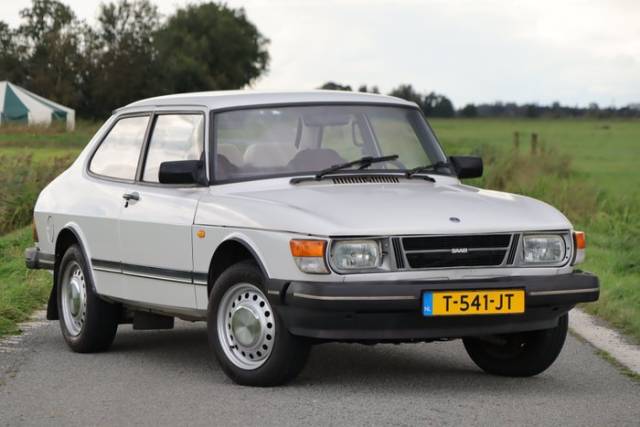
1986 | Saab 90
Saab - 90 - 1986

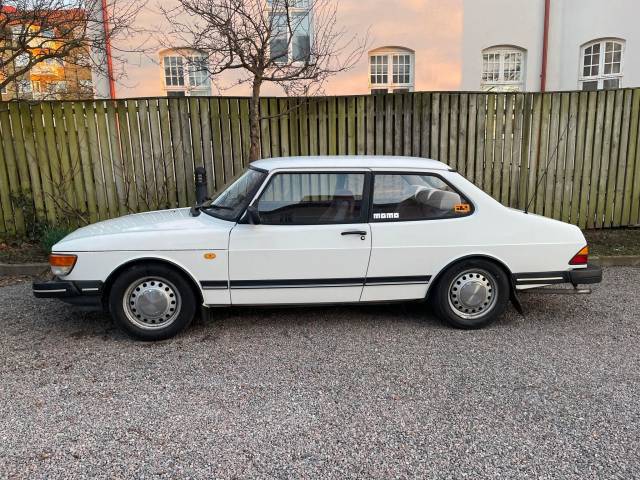
1987 | Saab 90
Oldtimer Saab

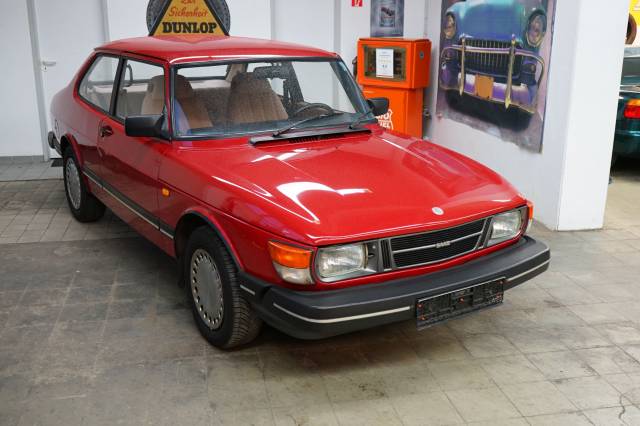
1988 | Saab 90
1. Hand

Create search alert
Let yourself be notified as soon as a listing is published that matches your search filters.
Saab 90 Classic Cars: Prices & Market Values
History of the Saab 90
Saab produced the 90 from September 1984 to 1987 in Uusikaupunki, Finland, at the Saab-Valmet factory. The vehicle was presented as the direct successor to the Saab 99 and positioned below the Saab 900 in the line-up. What set the Saab 90 apart was its hybrid construction: the model featured the front section of the Saab 99 but adopted the rear design from the more modern Saab 900 sedan, which aided in production efficiencies. The 90 was available exclusively as a two-door notchback saloon and was marketed as Saab’s entry-level offering at the time. It was powered by a 2.0-litre inline-four engine, similar to the one found in the 99, providing a balanced combination of power and efficiency.
Model history
The Saab 90 replaced the long-running Saab 99 and was manufactured until 1987, after which the model line was discontinued. While the Saab 900 became the spiritual and technological successor to both the 99 and 90, the 90 itself never received a direct replacement. It maintained the robust build quality of its predecessor while introducing more modern styling cues from the 900. The production figure of 25,378 units highlights its relatively low presence compared to other Saab models—a factor that contributes to its appeal among enthusiasts today.
Highlights of the Saab 90
The Saab 90’s most notable attribute is its blended architecture, combining the trusted mechanics of the 99 with the design improvements of the 900. The model received significant updates in 1986, including new bumpers and integrated side indicators in the front wings. In 1987, further refinements were introduced, such as an upgraded carburettor and a redesigned interior. Options at the time included metallic paint and a manual sunroof—features that add to the period charm of surviving examples. The comfortable front seats, simple dashboard design, and reliable braking system are further hallmarks of this model.
Technical data
Special Editions and Collectible Models
There are no factory special editions or limited-series Saab 90 models documented. However, rare factory options, like metallic paintwork or Minilite/Saab-Ronal alloy wheels, can add a touch of exclusivity. Vehicles in original condition, especially with a well-documented service history or rare interior trim options (such as velour or unique colour combinations), are particularly appreciated by collectors.
Weak Spots and Common Issues
The Saab 90 is generally known for robust mechanics and everyday usability. Its simple carburettor and handbrake mechanisms make inspection and maintenance straightforward. Nevertheless, particular attention should be paid to potential rust on thin body panels, wear on interior materials, and the integrity of the braking system. Spare parts remain widely available, though prospective buyers should verify the state of documentation and service history, as originality and maintenance are significant for classic Saab ownership.
Engine and Performance, Transmission and Handling
The Saab 90 delivers relaxed and comfortable driving, well-suited for long-distance journeys thanks to supportive front seats and a compliant chassis. Powered by a front-mounted 2.0-litre four-cylinder, the car offers balanced output and efficiency, with most models equipped with a 4- or even 5-speed manual gearbox. The reliable front-wheel-drive setup ensures good traction, especially in the wet—true to Saab's Swedish roots. Braking systems, both front and rear, are robust and instil confidence. The typical driving character is composed, practical, and distinctly Scandinavian in philosophy. - 1985–1987 Saab 90 2.0: Featuring 100 hp, 5-speed manual, and options like factory metallic paint and sunroof.
- Models with Saab-Ronal or Minilite alloys: sought for their period-correct motorsport styling.
Interior, Comfort, Exterior and design
The Saab 90’s design combines the unmistakably angular front fascia of the 99 with the sleeker rear end of the 900. Noted for its precise panel gaps and solid construction, the bodywork can be found in period shades like Cherry Red or classic white. Interiors reflect 1980s Swedish sensibility, with high-quality velour or corduroy trim seats in shades of grey or burgundy, and a dashboard focused on clarity and ergonomics. Factory radios (typically Philips or Blaupunkt) and practical touches like original service booklets complete the authentic package. Carpets, floor mats, and minimalist details reinforce the model’s function-driven charm, while period alloy wheels add visual interest.
Other relevant features
The Saab 90’s practical strengths include ample boot space, adaptable rear seating, and readiness for everyday use even as a classic. Owners appreciate surviving examples with complete documentation, original accessory packs, and evidence of regular maintenance. The vehicle’s suitability for long journeys and robust technology underpin its ongoing popularity with enthusiasts. Many Saab 90 cars on the market today are MOT/TÜV-certified, demonstrating their roadworthiness.
Summary
With its unique blend of Saab 99 and 900 DNA, the Saab 90 stands as a rare and underrated member of the classic Saab portfolio. Attractive for its comfortable ride, practical layout, and reliable engineering, it also appeals thanks to its exclusivity—shaped by modest production numbers and specific regional availability. For those seeking a usable and distinctive 1980s classic saloon, the Saab 90 offers a rewarding ownership experience anchored in practicality and engineering integrity.