Riley Special Classic Cars for Sale
The Riley Special fascinates collectors and drivers with its unique blend of hand-crafted coachwork, top-tier engineering, and distinct rarity. With bespoke aluminium bodies and robust 2.5-litre twin-cam engines, these cars capture the essence of British pre-war sportiness and craftsmanship.
Search results
Currently, there are no matching listings for your search.
Create search alert
Let yourself be notified as soon as a listing is published that matches your search filters.
Create listing
Do you have a Riley Special that you want to sell? Then create a listing now.
Create listingRiley Special listing references from Classic Trader
Below you will find listings related to your search that are no longer available on Classic Trader. Use this information to gain insight into availability, value trends, and current pricing for a "Riley Special" to make a more informed purchasing decision.
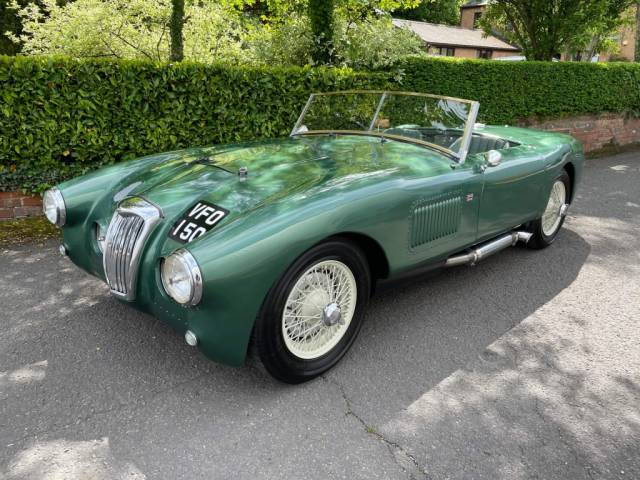
1955 | Riley Special
1955 Riley Hamilton SP

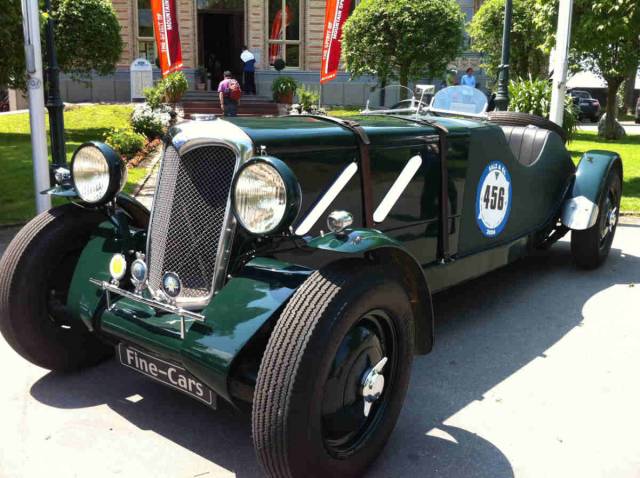
1949 | Riley Special Big-Four Brookland
RILEY-SPECIAL BIG-FOUR 100 PS

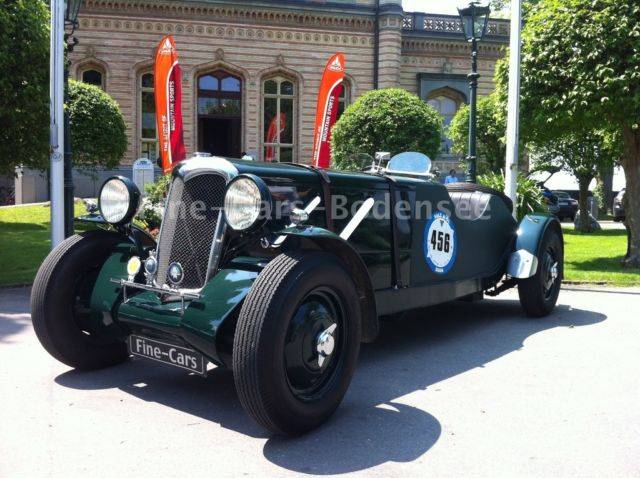
1949 | Riley Special Big-Four Brookland
RILEY-SPECIAL BIG-FOUR 101 PS
Create search alert
Let yourself be notified as soon as a listing is published that matches your search filters.
Create listing
Do you have a Riley Special that you want to sell? Then create a listing now.
Create listingRiley Special Classic Cars: Prices & Market Values
History of the Riley Special
The Riley Special emerged during the mid-1930s, a turbulent era for both the British automotive industry and Riley itself. Building and launching an ambitious model in the shadow of economic uncertainty, and amidst the market successes of rivals like Rolls-Royce and Jaguar, represented a bold move. Internally, Riley was managing leadership disagreements regarding model direction and design, making the journey from concept to production anything but straightforward. Despite these obstacles, the project manifested as a statement of Riley's commitment to performance and innovation against a fiercely competitive landscape.
Model History of the Riley Special
The Riley Special, produced briefly between 1934 and 1935, was built on the recognisable saloon platform but intended to showcase new engineering standards and elevated driving dynamics. Most variants were fitted with four-cylinder engines producing around 51 hp, but examples exist with larger twin-cam 2.5-litre units—a testament to the brand’s reputation for spirited performance. The car was not developed into multiple model variants, reflecting market limitations and internal strategy. With only a single production year, it was soon succeeded by more flexible and market-oriented Riley models.
Highlights and Special Features of the Riley Special
Hand-crafted aluminium bodies, often overseen by former Riley engineers such as John Hamilton, give each Riley Special individual character. Standout features include the availability of a 2.5-litre twin-cam engine, Jaguar-sourced gearboxes with overdrive, and, on certain vehicles, state-of-the-art Rieger Racing suspension. The interior could be finished to a luxurious standard, with deep-pile Wilton carpets and full-leather upholstery. Period reviews and modern assessments both praise the Riley Special’s superior build quality and surprising agility for its time.
Technical Data
Special Editions and Collectible Models
Each Riley Special reflects its own heritage due to the hand-built nature of many examples, some tailored to individual specifications by respected engineers or workshops. While not launched as a numbered limited edition, cars finished with 2.5-litre twin-cam engines, Jaguar gearboxes, or Rieger Racing suspension are highly regarded among enthusiasts for their technical and historical value.
Weak Spots and Common Issues
No typical manufacturer-related weaknesses have been reported for the Riley Special within the provided data. However, as many examples are bespoke or lightly custom-built, mechanical compatibility and originality checks are highly advisable. Prospective buyers should inspect for non-standard modifications and ensure the provenance of unique features such as engine type, gearbox, and bespoke trim components.
Engine and Performance, Transmission and Handling
The Riley Special was designed to compete on dynamic capability, with its lightweight coachwork paired to responsive engines. The availability of a 2.5-litre twin-cam significantly elevated outright grunt compared to period rivals. Paired with Jaguar’s robust gearbox and, on select models, overdrive gearing, the Riley Special offered a versatile and lively drive across varying road conditions. Handling is enhanced by innovative suspension designs—such as Rieger Racing systems— making it a standout for spirited touring. The most sought-after Riley Specials are those engineered with the 2.5-litre twin-cam, Jaguar gearbox and overdrive, as well as examples personally constructed or overseen by classic Riley engineers like John Hamilton. These combinations maximise both performance and collectibility.
Interior, Comfort, Exterior and Design
Coachbuilt design defines the Riley Special: many feature hand-shaped aluminium bodywork with distinctive long-nosed styling and elegant contours. Interiors reflect the luxury aspirations of the era, often trimmed with leather and Wilton carpets. Bespoke craftsmanship shines in the details: instrument clusters, special upholstery, and select wood or metal inlays were chosen according to client preference. The exterior could be tailored in rare paints and wheel designs. Accessories such as motoring lamps, bespoke luggage, or personal badges further express the individuality prized in the Special’s era.
Other Features and Notes
Some Riley Specials feature one-off bespoke enhancements by later owners or restorers, focusing on increasing comfort, improving mechanical reliability, or tailoring aesthetics. Given their rarity and hand-built status, historical documentation and build sheets are especially valuable when appraising these vehicles.
Summary
The Riley Special occupies a special niche in British motoring history—a rare fusion of championship-bred engineering, bespoke design, and 1930s luxury. With its leading technical features, remarkable build quality, and undeniable rarity, the Riley Special remains a compelling proposition for dedicated collectors and those seeking a unique driving experience from Britain’s golden age of motoring.