Renault Type D Classic Cars for Sale
The Renault Type D stands as a piece of early French motoring history, representing Renault’s evolution at the dawn of the 20th century. This model captures the innovative spirit of its era with its distinctive mechanics and characteristic design features. Enthusiasts recognise the Type D for its place among the first generations of Renault automobiles, cementing its relevance among collectors interested in the roots of automotive engineering.
Search results
Currently, there are no matching listings for your search.
Create search alert
Let yourself be notified as soon as a listing is published that matches your search filters.
Create listing
Do you have a Renault Type D that you want to sell? Then create a listing now.
Create listingRenault Type D listing references from Classic Trader
Below you will find listings related to your search that are no longer available on Classic Trader. Use this information to gain insight into availability, value trends, and current pricing for a "Renault Type D" to make a more informed purchasing decision.
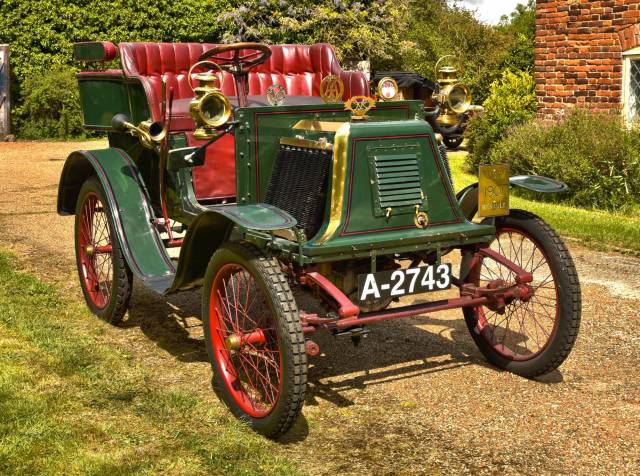
1901 | Renault Type D
Create search alert
Let yourself be notified as soon as a listing is published that matches your search filters.
Create listing
Do you have a Renault Type D that you want to sell? Then create a listing now.
Create listingRenault Type D Classic Cars: Prices & Market Values
History of the Renault Type D
Unveiled in the early 20th century, the Renault Type D was one of the pioneering models that defined the brand’s formative years. At a time when the automobile industry was in its infancy, Renault focused on mechanical reliability and craftsmanship. The Type D emerged as part of the manufacturer’s drive to produce practical and robust vehicles, utilising simple, yet proven engineering techniques that laid foundations for future series.
Model History
The Type D was positioned as a direct successor to Renault’s earliest models, particularly following the influence of their Type A and Type B. With the Type D, Renault continued their exploration of compact, practical bodywork and modest engine outputs. This model line paved the way for subsequent improvements in power and comfort that would feature in the next generations, such as the Type G and H.
Highlights of the Renault Type D
Defining factors of the Renault Type D include its compact chassis, rear-mounted engine, and signature 'coal scuttle' bonnet design typical of pre-1910 Renaults. The vehicle’s hand-crafted components and focused engineering stand out, ensuring reliability and ease of repair. Unlike later models, the Type D’s direct mechanical systems provided a pure driving feel, which remains the source of fascination for historians and collectors.
Technical Data
Special Editions and Collectible Models
Special-bodied versions and customer-ordered coachwork on the Type D are rare but do exist. In period, some chassis were delivered to specialist bodybuilders who crafted unique items such as doctor’s coupes or small delivery vehicles, each adding further individuality and value.
Engine and Performance, Transmission and Handling
Owing to its single-cylinder engine, the Renault Type D offers gentle, low-speed driving that matches early 20th-century road conditions. Acceleration is gradual, and the car’s manual controls require familiarity due to their non-synchronised gearboxes. Handling is best at moderate speeds, with braking performance dictated by mechanical drum systems. The Type D’s mechanical simplicity, however, aids straightforward maintenance, making regular upkeep feasible for experienced vintage vehicle owners. The most interesting configurations of the Type D come with customer-specific coachwork or rare period accessories, which set them apart at shows and events.
Interior, Comfort, Exterior and Design
Characteristic features of the Type D include a tall, upright driving position, a minimalistic dashboard with essential controls, sturdy wooden spoke wheels, and exposed mechanical linkages. Early coachbuilt bodies offer unique paintwork, with natural wood and brass highlights. Interior comfort is basic, prioritising functionality and weight savings, while accessories varied widely depending on the buyer’s request—often extending to specific leather upholstery or period lighting solutions.
Other Noteworthy Features
Some Type D vehicles were specially adapted for commercial purposes or equipped with pioneering accessories, such as acetylene headlamps or custom storage trunks, reflecting the bespoke nature of early Renault production.
Summary
The Renault Type D provides a direct link to the origins of French car manufacturing. For connoisseurs, the focus lies on historical authenticity, engineering simplicity, and the satisfaction of operating a classic machine with character. Its low market presence reinforces its status as a unique historical artefact for those dedicated to the preservation of pre-war automotive heritage.