- Car
- Polski FIAT
- Polski FIAT 126 (1 offer)
Polski FIAT 126 classic cars for sale
The Polski FIAT 126 stands as one of the most recognised vehicles in Eastern European automotive history. Simple mechanical design, robust construction, and compact dimensions ensured its long-standing popularity. Its presence on the roads was unmistakable, and it continues to attract enthusiasts searching for an authentic driving experience from a bygone era.
Search results
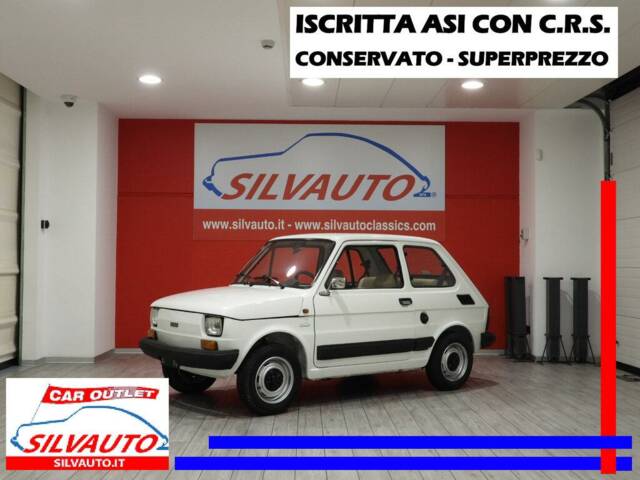
1982 | Polski FIAT 126p
FIAT 126 PERSONAL 4 650 - ISCRITTA ASI CON C.R.S. – CONSERVATO – SUPERPREZZO (1982)

Polski FIAT 126 listing references from Classic Trader
Below you will find listings related to your search that are no longer available on Classic Trader. Use this information to gain insight into availability, value trends, and current pricing for a "Polski FIAT 126" to make a more informed purchasing decision.
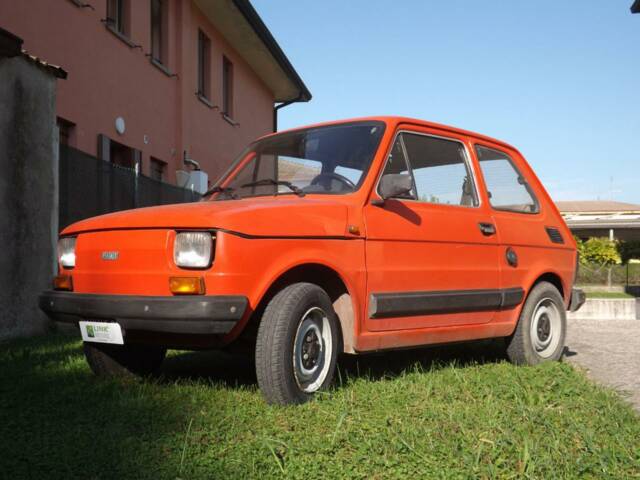
1981 | Polski FIAT 126p
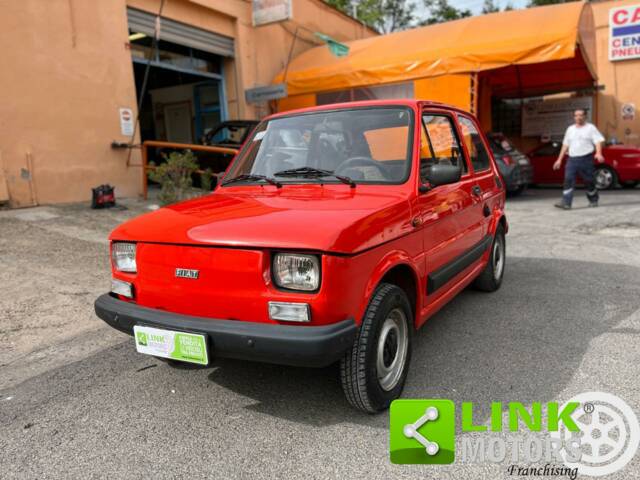
1987 | Polski FIAT 126p
FIAT 126 Personal4 650, Carrozzeria Restaurata
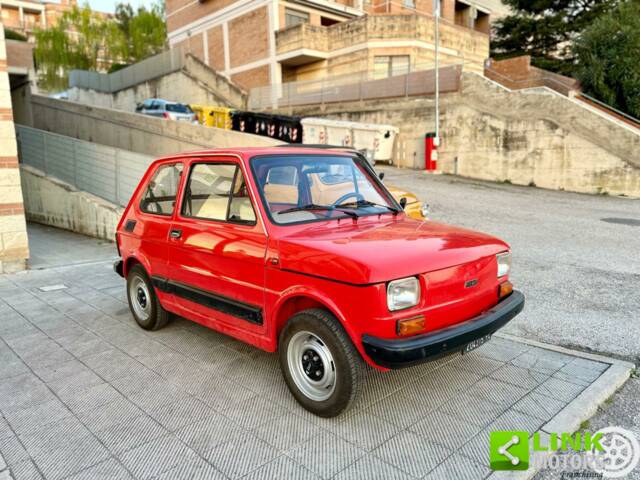
1981 | Polski FIAT 126p
FIAT 126 650 Personal 4
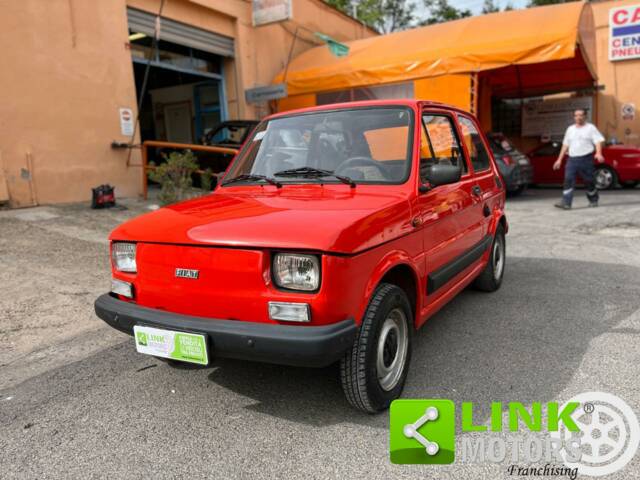
1987 | Polski FIAT 126p
FIAT 126 Personal4 650, Carrozzeria Restaurata
Polski FIAT 126 Classic Cars: Prices & Market Values
History of the Polski FIAT 126
Production of the Polski FIAT 126 began in the early 1970s, born from a licensing agreement with the Italian automaker Fiat. Destined to mobilise the Polish population, this small car quickly became a symbol of everyday motoring in Poland and other Eastern Bloc countries. Built in Bielsko-Biała and Tychy, the 126 was derived directly from the Fiat 126, itself an evolution of the famous Fiat 500. Over the span of nearly three decades, millions rolled off the production lines, offering affordable private transport and forming an intrinsic part of social history.
Model history
The Polski FIAT 126 replaced the home-grown Syrena and the earlier Polski Fiat 500. Throughout its production, it gradually evolved through several updates, which mainly improved reliability, safety, and comfort. There was no direct successor produced in Poland after the end of the 126's production in 2000, with the market shifting towards modern compact hatchbacks. The model is often referred to as the 'Maluch' – Polish for 'the little one' – by the locals, which highlights its affectionate place in Polish culture.
Highlights of the Polski FIAT 126
The Polski FIAT 126's enduring popularity stems from its minimalistic engineering – the simplicity of rear-mounted, air-cooled engines and modest equipment makes it approachable even for hobbyists. Its compact size allowed for manoeuvrability in narrow city streets, and its maintenance requirements are basic compared to contemporaries. Notably, the model had a significant social and economic impact, giving individual mobility to a generation of families.
Technical data
Special Editions and Collectible Models
The Polski FIAT 126 was occasionally offered in special series such as the '126p FL', which introduced elements like a plastic dashboard and revised bumpers, and celebration models marking production milestones. Some locally customised versions featured export-only finishes, distinctive badging, or different trim highlights, making them notable among collectors.
Weak Spots and Common Issues
Due to the vehicle's simple construction, mechanical repairs are straightforward, but potential buyers should inspect for structural corrosion, especially in the floorpan and sills. Engine and gearbox components are durable but can suffer from neglect and irregular maintenance. Electrical systems, being basic, are prone to age-related issues. Parts availability remains fair, thanks to a large number of vehicles produced and an active enthusiast network.
Engine and Performance, Transmission and Handling
Performance from the small two-cylinder engine is modest, focusing on practicality over speed. Acceleration is best described as steady, with 0–100 km/h typically taking over 30 seconds. However, the combination of a light chassis and minimal input required from other mechanical systems makes the 126 agile and nimble in urban environments. Handling is influenced by the rear-engine, rear-wheel-drive setup, offering a unique driving sensation with the bulk of the weight at the back. Most sought-after variants include the late 126p models with the upgraded 652 cc engine and 'lux' trim. Their blend of increased practicality and classic design makes them particularly interesting to collectors and enthusiasts alike.
Interior, Comfort, Exterior and Design
The Polski FIAT 126 retains the Spartan Italian city car charm, with a functional interior layout and few frills. Thin instrument panels, minimalist seating, and practical controls reflect the vehicle's utilitarian spirit. Early models came with metal dashboards and simple vinyl upholstery, while later versions added plastic elements and moderate refinement. Externally, the car's trademark boxy shape, large windows, and diminutive wheels are recognisable features. A range of simple, solid colour finishes was available, with white, red, and blue being typical. Accessories were few, but roof racks and period-correct seat covers are sought-after by enthusiasts.
Other Features
Noteworthy is the thriving parts community for the Polski FIAT 126, which helps keep many examples running and on the road. Its small physical and ecological footprint appeals to those interested in sustainable classic car ownership.
Summary
The Polski FIAT 126 offers a distinct driving and ownership experience rooted in mechanical simplicity and historical relevance. Its prevalence in both classic car listings and enthusiast circles reflects enduring appreciation for this practical, characterful city car.