Packard 160 classic cars for sale
The Packard 160 represents American craft during a pivotal era—built between 1940 and 1941, these vehicles embody the transition to wartime engineering and luxury. With its robust inline-eight engine and elegant design details, the 160 is a testament to Packard’s relentless focus on refinement and technology.
Search results
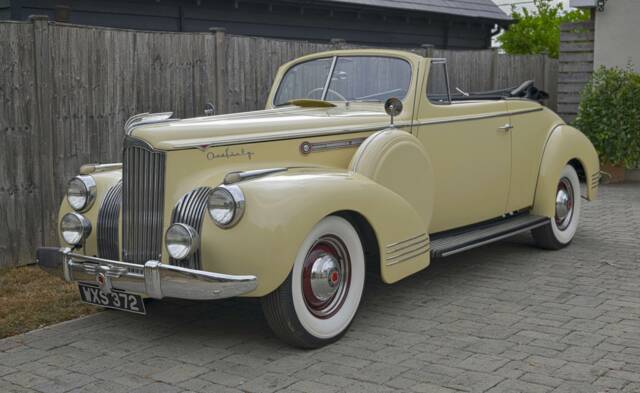

Packard 160 listing references from Classic Trader
Below you will find listings related to your search that are no longer available on Classic Trader. Use this information to gain insight into availability, value trends, and current pricing for a "Packard 160" to make a more informed purchasing decision.
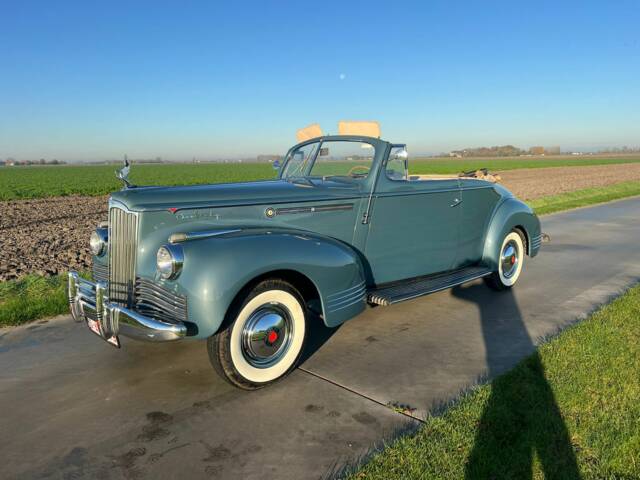
1942 | Packard 160
Packard One-Sixty Cabriolet | 1942 | Route 66 Auctions - For sale by auction. Estimate 26500 EUR

Packard 160 Classic Cars: Prices & Market Values
History of the Packard 160
The Packard 160 was introduced in 1940 as part of Packard’s Super Eight lineup, targeting buyers who wanted the advanced engineering and prestige of the senior Packard models without the full expense of the Custom line. The 160 was positioned above the 120 and below the flagship 180. Its arrival marked an evolution in pre-war American luxury vehicles, combining established Packard chassis technology with streamlined bodywork and new mechanical features. The 160 is closely associated with the changing American landscape before and during WWII, with many units seeing use as both luxury sedans for executives and official transport for the military and government.
Model History
The 160 succeeded the Packard Super Eight and introduced technical updates such as improved hydraulic brakes and a more refined 356 cubic inch straight-eight engine, delivering 160 hp—hence the name. Offered body styles included club sedan, touring sedan, convertible coupe, and formal sedan, most of them provided by the prestigious coachbuilder Henney. Production continued through 1941, with the model phased out as Packard shifted its focus to wartime production and later post-war models.
Highlights and Special Features
Distinctive features of the Packard 160 include a powerful straight-eight engine, Packard’s signature grille with vertical bars, and options like factory overdrive and air conditioning, a luxury for its era. The interior was appointed with fine fabrics and wood trim. Mechanical innovations such as independent front suspension set the 160 apart from contemporary competitors.
Technical Data
Special Editions and Collectible Models
Special bodystyles, such as those crafted by coachbuilder Henney, included ambulances, limousines, and hearses. The convertible coupe variant is particularly rare and prized by collectors because of its low production numbers and enduring style. The 160 Touring Sedan with factory air conditioning is also considered noteworthy among enthusiasts.
Weak Spots and Common Issues
Maintenance of the Packard 160 primarily concerns the wear and availability of suspension bushings, brake system components, and cooling apparatus. The largely mechanical nature of the straight-eight engine makes it robust, but attention should be paid to head gasket integrity and proper carburettor tuning due to modern fuel differences. Finding perfect trim and some exclusive parts, such as period-correct switches and interior wood trim, can require specialist suppliers or restoration shops familiar with Packard models.
Engine, Performance, Transmission and Handling
The 356 straight-eight generates smooth, linear power and notable low-end torque, providing strong acceleration for a car of this weight. The three-speed manual blends gracefully with overdrive, allowing relaxed cruising at motorway speeds. Thanks to independent front suspension and a well-calibrated leaf spring rear, the Packard 160 provides stable, comfortable handling with less body roll than contemporaries from other US manufacturers. Popular variants among enthusiasts include the Convertible Coupe and the Touring Sedan, both recognised for their attractive styling and versatility. These models, when properly maintained, provide reliable touring ability, a rarity for large American classics of this era.
Interior, Comfort, Exterior and Design
The Packard 160’s body was designed under the direction of Packard’s in-house team and styled with gently rounded fenders and a pronounced grille. Special paint options and fine detailing—such as chrome spears, scripted badges, and tasteful pinstriping—distinguish well-preserved examples. Interior materials ranged from broadcloth to leather, with insert woodgrain dashboard elements and deep carpeting. Original accessories like radio, clock, and factory air conditioning add rarity and comfort, while optional fog lamps, wheel trim rings, and elegant hood ornaments bring further individuality.
Other Features
Packard 160 models were occasionally delivered to U.S. government agencies and the military, with some variants known to survive in institutional collections. With both sedan and limousine configurations, the chassis was adapted for specialty purposes, making surviving examples diverse in configuration.
Summary
The Packard 160 stands as a highly engineered and handsomely styled classic, bridging the gap between the opulence of the late 1930s and the utility necessities of the early 1940s. Collectors admire it for its technical advancements, variety of bodystyles, and the craftsmanship typical of pre-war Packard vehicles.