O.S.C.A. Barchetta classic cars for sale
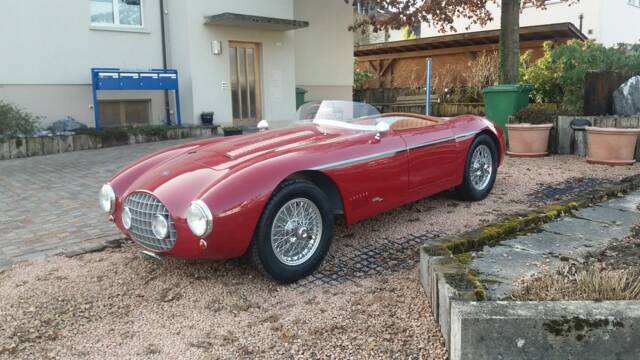
The O.S.C.A. Barchetta blends Italian engineering prowess with the rare craftsmanship of Carrozzeria Fantuzzi, showcasing a lightweight, open aluminium body and a potent OSCA twin-cam engine derived from Fiat underpinnings. This model is a standout for collectors seeking a pure driving experience, mechanical authenticity, and Italian heritage.
Search results
O.S.C.A. Barchetta Classic Cars: Prices & Market Values
Introduction and history of O.S.C.A. Barchetta
The O.S.C.A. Barchetta traces its origins to Italy, conceived by Officine Specializzata Costruzioni Automobili (OSCA) — the workshop established by the Maserati brothers after their departure from the family’s original marque. The focus was on sportscar construction using their deep technical expertise. With close ties to Carrozzeria Fantuzzi, a revered name in Modenese coachbuilding, the Barchetta emerged as a lightweight, roofless sports car, its purpose being to capture the flair and mechanical purity of post-war Italian motoring. Historically, many Barchettas sprang from Fiat bases modified with OSCA’s signature twin-cam engines, offering an accessible entry into bespoke Italian engineering. Unlike the works competition cars, Barchettas like these were typically not raced, yet borrow design cues from historic OSCA racers.
Model History
The O.S.C.A. Barchetta does not represent a single, factory-defined production model but rather a series of vehicles modified over time — usually post-war — combining Fiat chassis with OSCA mechanical and engine components, and bespoke Fantuzzi aluminium bodies. The transformation from standard Fiat to Barchetta-style roadster was inspired by the design and technology of the record-setting, competition-focused OSCA MT4 series. These custom Barchettas maintained the contemporary aesthetics and engineering philosophy of the period, serving as road-going tributes to their racing kin, with no direct production-line predecessor or successor.
Highlights of O.S.C.A. Barchetta
The Barchetta commands attention through its compact, open aluminium bodywork crafted by Fantuzzi, echoing the artistry of mid-century Italian design. The OSCA Type 372 1.5-litre twin-cam engine, coupled with dual Weber 40 DCOE carburettors and a 4-speed gearbox, provides a responsive and authentic drive. Hydraulic drum brakes on all four corners and independent front suspension speak to advanced mechanics for the era. OSCA’s technical partnership with Fantuzzi and Fiat allows these cars to offer a high degree of authenticity and uniqueness, with many examples displaying individualised details and craftsmanship.
Technical data
Special Editions and Collectible Models
While most OSCA Barchettas share core mechanical attributes, each build can be regarded as unique due to their custom coachbuilt nature. Some examples may feature particularly rare Fantuzzi details or provenance linking them closely to the Maserati brothers’ circle, conferring added interest. However, there are no officially recorded factory-limited editions.
Engine and Performance, Transmission and Handling
The 1.5-litre twin-cam engine delivers brisk acceleration for its displacement, aided by the car’s lightweight aluminium shell and minimalistic approach. The dual Weber carburettors offer immediate throttle response. A 4-speed manual transmission (often shared with period Fiat cars) ensures mechanical engagement, while the combination of independent front suspension and hydraulic drum brakes allows for stable, period-appropriate handling. The rear axle may differ based on the donor (OSCA or Ferrari), subtly influencing the driving characteristics. The sum of these technical elements offers a raw, tactile driving experience for discerning enthusiasts. Popular models include Barchettas sporting engines with documented OSCA provenance, Fantuzzi-bodied examples with verified history, and cars retaining original Fiat chassis and mechanicals.
Interior, Comfort, Exterior and Design
The OSCA Barchetta’s design centres on simplicity and sporting intent. Fantuzzi’s aluminium body architecture is marked by fluid proportions and minimal adornment. The cockpit typically features bare-metal elements, basic instrumentation, and rudimentary seating — all serving to reduce weight and embrace the era’s sports car ethos. Options or accessories are often limited to basic weather protection (if any), and interiors may display artisan details unique to Fantuzzi’s craftsmanship. The use of special paint colours or upholstery is less crucial than structural authenticity and originality, though some cars feature period-correct racing numbers or finishes, echoing classic motorsport aesthetics.
Other relevant features
O.S.C.A. Barchettas are frequently supported by a body of specialist literature and documentation, aiding restoration and verification. Enthusiasts should be mindful that these cars are sometimes confused with purebred OSCA competition models (e.g., MT4), but Barchettas typically lack racing pedigree.
Summary
The O.S.C.A. Barchetta occupies a unique position among Italian classics, fusing the engineering of the Maserati brothers’ OSCA with bespoke Fantuzzi bodywork, often on Fiat underpinnings. Its appeal lies in mechanical purity, essentialist design, and deep historical ties to a significant era in automotive culture. For buyers, finding an authenticated, well-documented example is crucial, as each Barchetta tells its own story through details and provenance.