Nekaf Jeep classic cars for sale
The Nekaf Jeep stands as one of the most historically significant 4x4s used by the Dutch armed forces. Built in Rotterdam between 1954 and 1958, these rugged vehicles delivered true off-road capability and military utility—values enthusiasts still appreciate today.
Search results
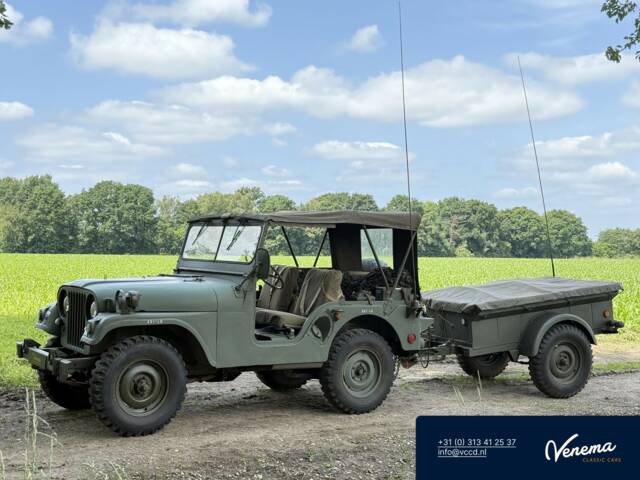
1956 | Nekaf Jeep M38 A1
Nekaf M 38 a1

Nekaf Jeep listing references from Classic Trader
Below you will find listings related to your search that are no longer available on Classic Trader. Use this information to gain insight into availability, value trends, and current pricing for a "Nekaf Jeep" to make a more informed purchasing decision.
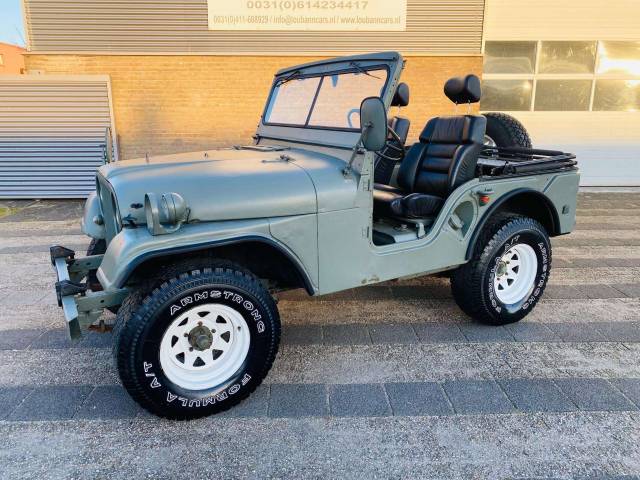
1959 | Nekaf Jeep M38 A1
Sonstige Marken Nekaf JEEP 1959 LPG
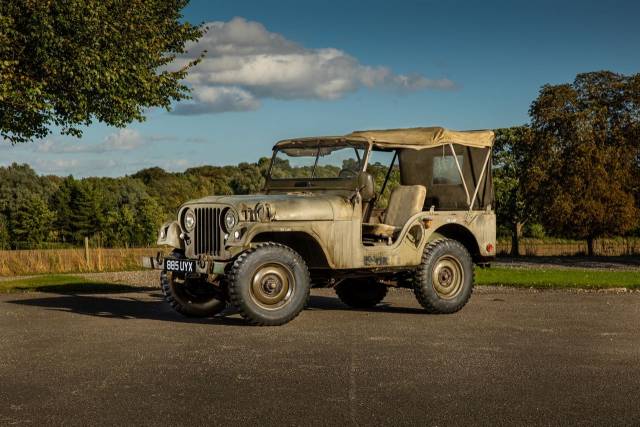
1955 | Nekaf Jeep M38 A1
From the Dutch Royal Army's

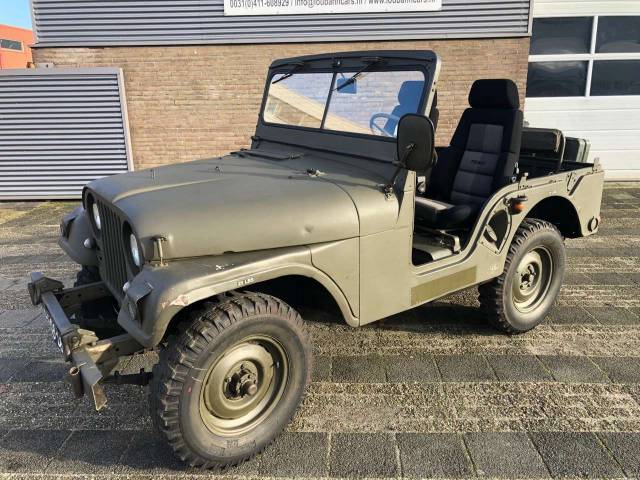
1959 | Nekaf Jeep M38 A1
Jeep Willys Nekaf M38a1 1959
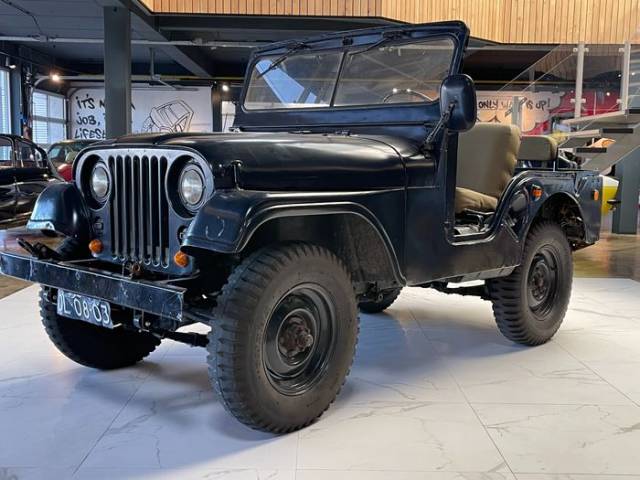
1956 | Nekaf Jeep M38 A1
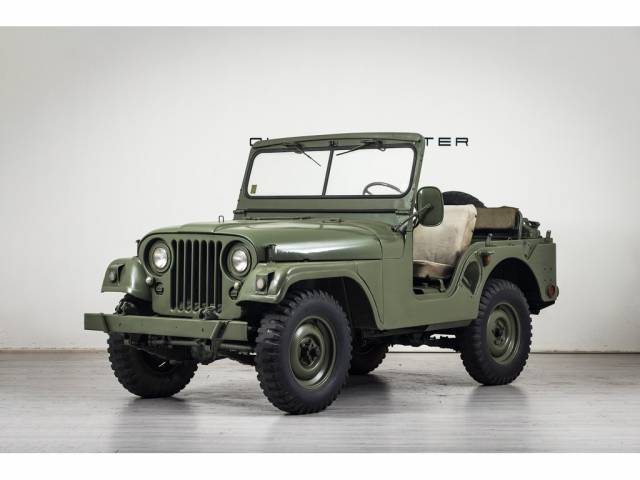
1956 | Nekaf Jeep M38 A1
NL Kenteken
Nekaf Jeep Classic Cars: Prices & Market Values
History of the Nekaf Jeep
The origin of the Nekaf Jeep traces back to the Dutch Army’s search for a new multipurpose light vehicle in the post-war era. After evaluating and rejecting a domestic concept from DAF, military decision-makers opted for the proven American M38A1 platform. The task of assembling this Jeep variant locally was carried out by the Nederlanse Kaiser-Frazer (NEKAF) plant in Rotterdam, using large shipment kits from the US. Over time, about 24% of the components were sourced within the Netherlands. The contract began with an order for 4,000 vehicles, expanding to a total production run of approximately 5,700 units by 1958. Subsequently, production was handed over to Kemper & Van Twist Diesel, who built an additional 2,000 vehicles. Reflecting both longevity and reliability, the Nekaf Jeep remained in Dutch military service far longer than anticipated, only being replaced in the 1990s by models such as the Land Rover and Mercedes-Benz G-Class. Some units soldiered on until their final military sale in 2000.
Model History
The Nekaf Jeep is based directly on the Willys M38A1, itself a successor of the WWII Willys MB and Ford GPW models. While initially almost identical mechanically to its American cousin, the Dutch version was adapted in small details to comply with local road regulations. The basic concept—a robust, simple ladder-frame four-wheel drive—remained unchanged throughout production. After NEKAF’s assembly contract ended, Kemper & Van Twist Diesel took over for the last Dutch-built batches. The Nekaf functioned as Dutch standard military transport for several decades, before its eventual displacement by more modern all-terrain vehicles.
Highlights of the Nekaf Jeep
Primary features include durable four-wheel drive, traditional body-on-frame construction, and a 3-speed (later 4-speed) manual gearbox. With a wheelbase of 206 cm and a lightweight of just 1,300 kg, the Nekaf Jeep was capable of towing loads up to 1,250 kg. Purpose-built for military use, the model is prized for its utilitarian design and resilience in harsh conditions. Adaptations for Dutch regulations distinguish the Nekaf Jeep from its US counterpart, but the core design philosophy—simplicity and serviceability—remained paramount.
Technical data
Special Editions and collectable variants
No officially documented special editions were produced for the Nekaf Jeep. However, collectors value vehicles with original military equipment, period-correct accessories, or known service history in notable military units. Occasional field modifications added during service can give certain vehicles unique provenance within enthusiast circles.
Engine and performance, transmission and handling
The Nekaf Jeep offers an authentic military-era driving experience: rugged, direct, and functional. Its four-wheel drive system ensures impressive performance off-road, while the manual gearbox demands driver involvement typical of the era. Suspension is focused on durability rather than comfort, with handling tailored to versatility over refined road manners. Most Nekaf Jeeps are powered by the standard inline-four petrol engine, paired with either a 3- or 4-speed manual transmission. Vehicles that have retained or restored their original drivetrain and military configurations are often highlighted in enthusiast discussions.
Interior, comfort, exterior and design
The Nekaf Jeep’s design is firmly rooted in its utility-first military role. Minimalistic instrument layouts, weatherproof materials, and easily replaceable panels were part of the practical approach. Open bodywork and folding windshields were typical, making for a spartan interior in comparison to civilian vehicles. Accessories often included canvas tops, blackout lighting, and auxiliary fuel canisters. Dutch compliance led to slight changes—such as lighting—adapting these models to local regulations.
Other notable features
A distinctive aspect of the Nekaf Jeep’s development is the international supply chain, with component kits imported from the United States then completed in the Netherlands. Over time, nearly a quarter of the components were sourced nationally, underscoring Dutch industry’s contribution to military vehicle production.
Summary
The Nekaf Jeep embodies decades of Dutch military vehicle heritage. Built under licence in Rotterdam, it blends proven American engineering with local adaptations and service longevity. Its strong classic 4x4 credentials and unembellished, functional design mark it as a true representative of its era, highly regarded among classic military vehicle collectors.