Morris Eight Classic Cars for Sale
The Morris Eight, produced from 1935 to 1948, represents one of the most well-known pre-war British small cars. Its robust technology, characteristic design, and broad model variety—including tourers, saloons, and even commercial vans—make it a distinctive presence among classic cars. Enthusiasts value its side-valve four-cylinder engine, fine British craftsmanship, and a driving experience that remains engaging today.
Search results
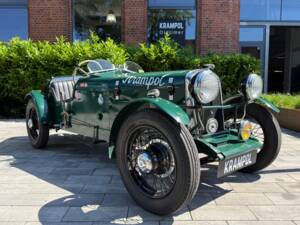
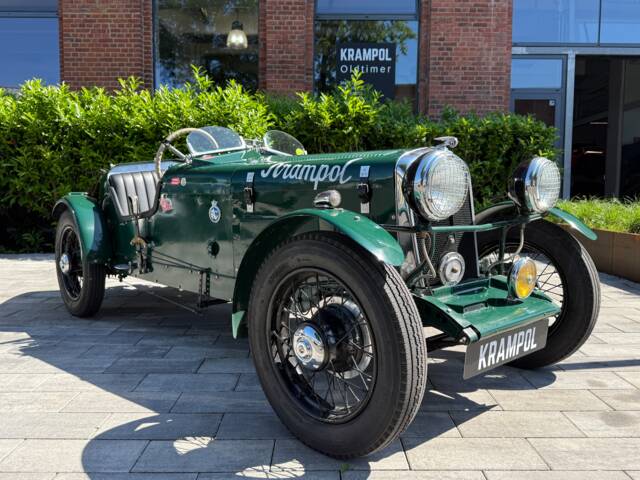
1936 | Morris Eight
Morris Eight Special Spitzheck - mit Liebe zum Detail

Morris Eight listing references from Classic Trader
Below you will find listings related to your search that are no longer available on Classic Trader. Use this information to gain insight into availability, value trends, and current pricing for a "Morris Eight" to make a more informed purchasing decision.
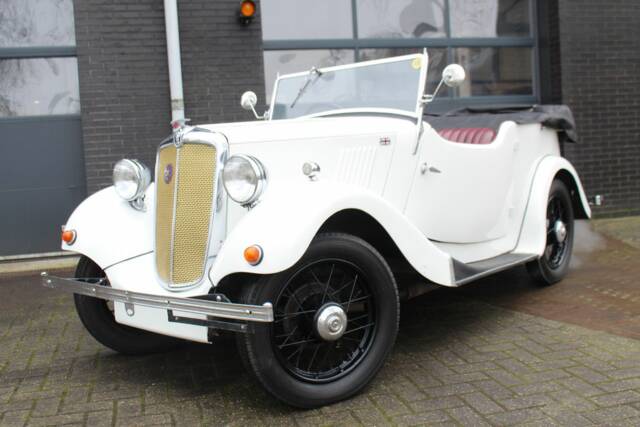
1935 | Morris Eight
Morris Eight Series I Tourer | 1935 | Route 66 Auctions - For sale by auction. Estimate 8500 EUR

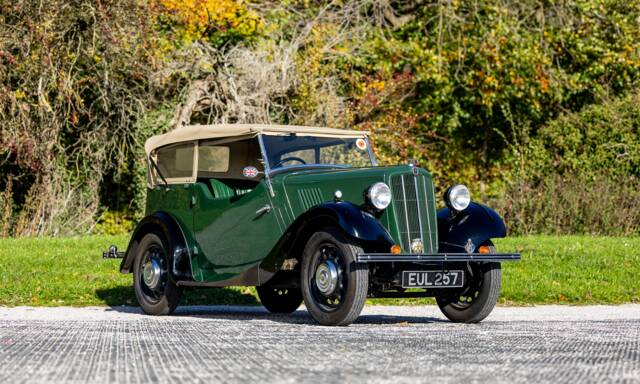
1937 | Morris Eight
1937 Morris Eight Series II Tourer

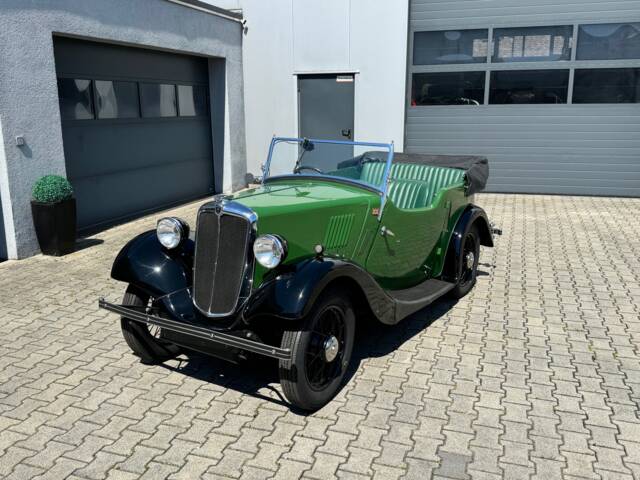
1935 | Morris Eight
Tourer, Vier Sitzer
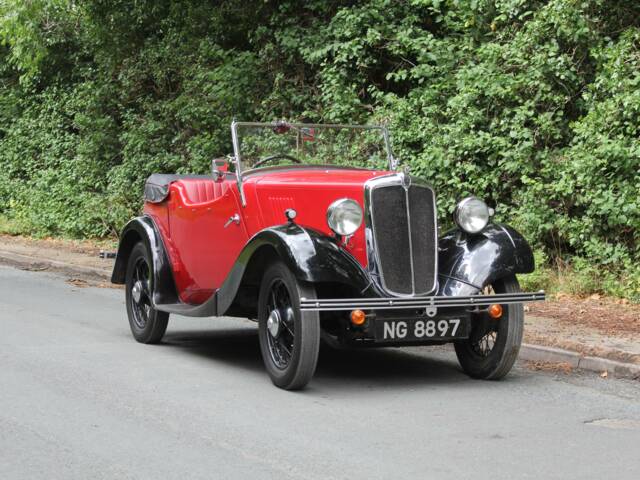
1935 | Morris Eight
1935 Morris Eight Two-Seat Tourer
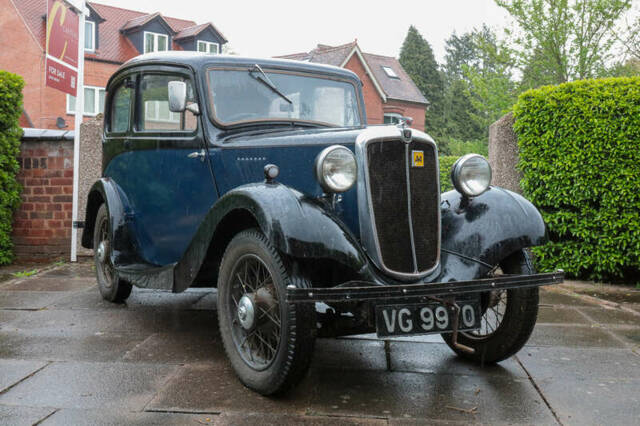
1937 | Morris Eight
1937 Morris 8 Two-Door Saloon Series I E
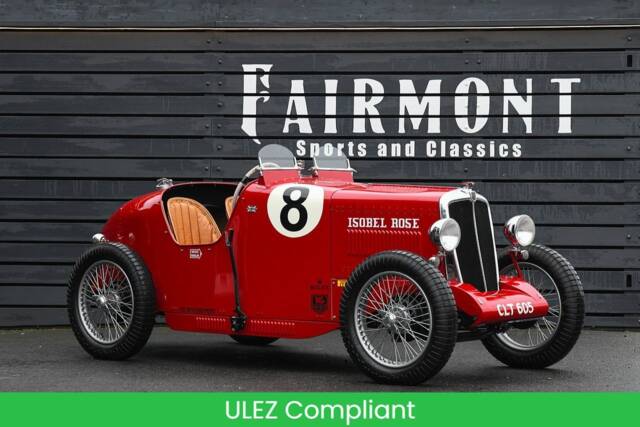
1936 | Morris Eight
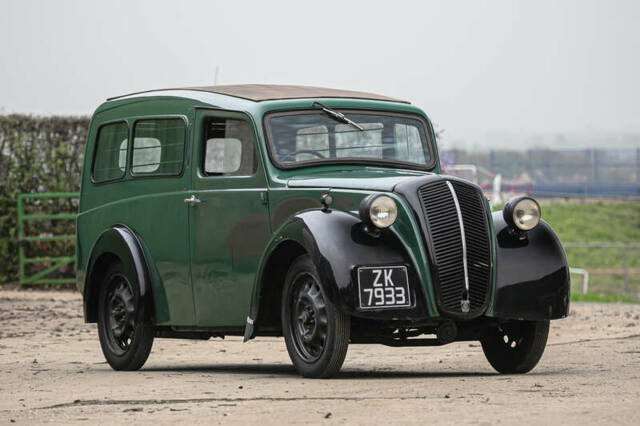
1947 | Morris Z
1947 Morris Eight Series Z 5cwt Van
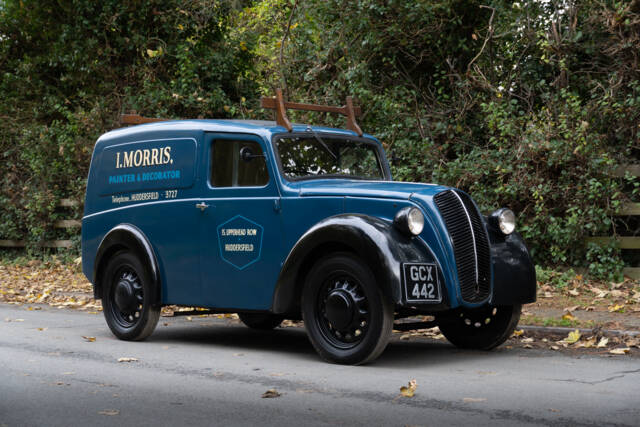
1952 | Morris Z
1952 Morris Z Type Van
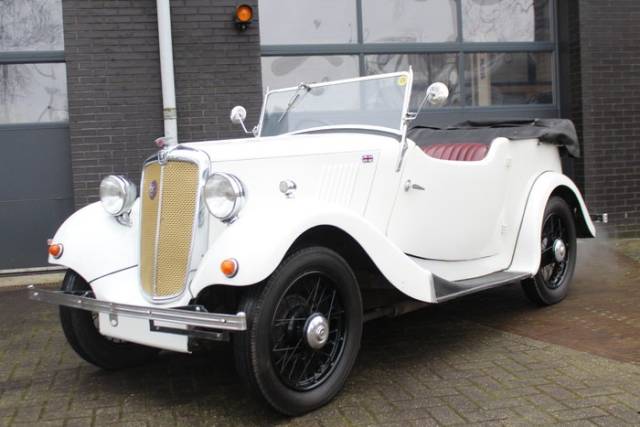
1935 | Morris Eight
Morris - Minor Eight Tourer - 1935
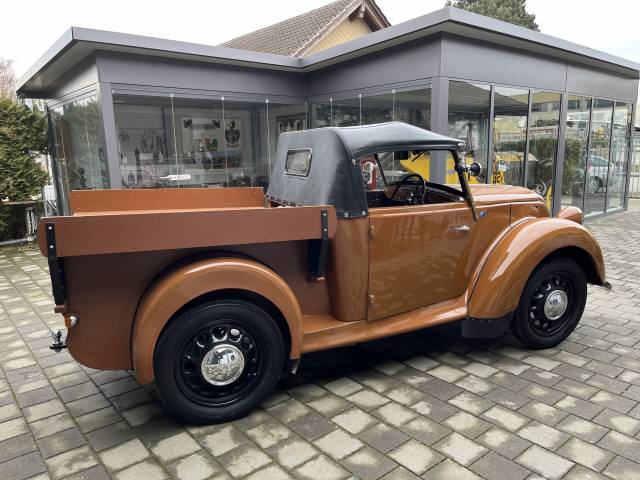
1949 | Morris Z
Morris 8 Pick- Up Restauriert sehr selten / Cabrio H-Zulassung
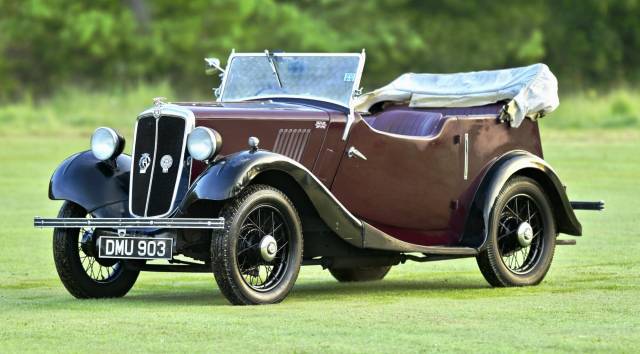
1938 | Morris Eight
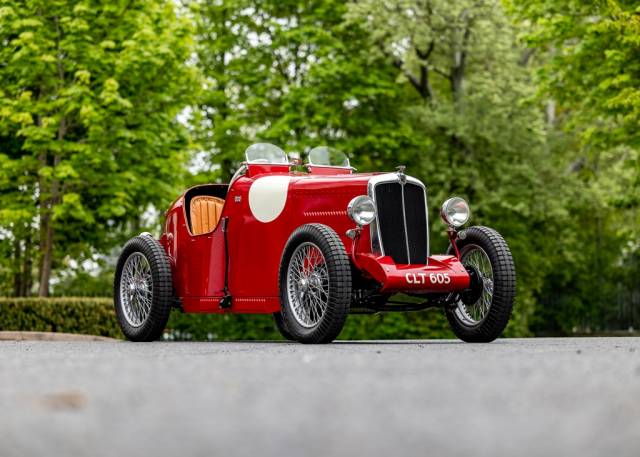
1936 | Morris Eight
Morris Eight Special
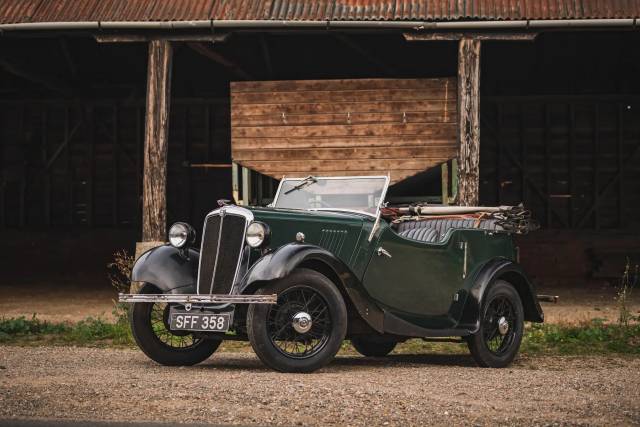
1935 | Morris Eight
Charming Open-Top Motoring
Morris Eight Classic Cars: Prices & Market Values
History of the Morris Eight
The Morris Eight debuted in 1935 as Morris Motors' response to the highly successful Ford Model Y, reshaping the British small car market. Its launch quickly elevated Morris back to the top tier among British manufacturers, with more than 160,000 units sold in the first three years alone. The car was initially launched as both a tourer and a saloon, providing versatility for families and businesses alike. Its sturdy build and affordable pricing made it widely accessible during the late 1930s, while continuous evolution ensured its production until 1948. The Eight became a common sight on British roads and was often regarded as the car that anchored Morris’ financial recovery before World War II.
Model Series History
The original Morris Eight, Series I, was offered from 1935 to 1937, featuring a reliable 918cc four-cylinder side-valve engine and hydraulic brakes—considered advanced at the time for a small car. Available in two- or four-door saloons and tourers, as well as a van version, the Series I combined modern features with affordable running costs. Series II followed with subtle updates, mostly cosmetic, before the Series E arrived in 1938 with a more streamlined design, improved ergonomics, and fender-mounted headlights. During 1940–1953, the Series Z commercial van extended the Eight’s legacy into the realm of practical utility, being popular with tradespeople thanks to its robust chassis and enclosed body. The Eight’s engineering later contributed to the design of the Morris Minor, reinforcing Morris’ influence on post-war British motoring.
Highlights and Special Features
Key distinctions of the Morris Eight include its compact yet surprisingly spacious body, ergonomic driving position, and mechanical reliability. Features such as hydraulic brakes, SU carburettor, and six-volt electrics were advanced for its class at the time. Options like a sunroof, leather or fabric upholstery, dashboard clock and ammeter gave owners a sense of premium motoring in a compact package. Original models were offered with British right-hand drive and could achieve a top speed near 60 mph. The commercial Z-van catered to businesses needing a durable small van. Many vehicles still boast their original registration documents and period colours like green, blue, and black.
Technical Data
Special Editions and Collectible Models
The Morris Eight Z van, produced from 1940 to 1953, stands out as a notable derivative. Designed for commercial use, this version featured an enclosed rear body for goods transport and was especially common among small businesses and trades. With over 50,000 units produced, the Z van highlighted the Eight’s adaptability beyond private motoring. Some Australian-market Eights were assembled with unique 'Ute' pickup bodies, further extending the Eight’s versatility.
Engine, Transmission, and Driving Dynamics
Driving a Morris Eight means experiencing vintage British small-car motoring. The side-valve four-cylinder engine, despite its modest capacity, provides sufficient performance for city and light rural driving. Power output is around 23.5 bhp on early models, with a maximum speed close to 60 mph. The later Series E benefits from a four-speed gearbox, enhancing driveability at higher speeds. Hydraulic brakes, introduced early in production, improve safety compared to many pre-war competitors. Handling is straightforward thanks to light steering and compact dimensions, making the Eight manageable for modern classic events or leisurely weekend drives. - Morris Eight Series I: 918cc, 23.5 bhp, 3-speed, hydraulic brakes. Most common and sought after, 71% of market supply.
- Morris Eight Series E: Streamlined body, 21 kW, 4-speed, improved comfort.
- Morris Eight Series Z: Commercial van, robust chassis, nearly unchanged drive train, produced into the early 1950s.
Interior, Comfort, Exterior and Design
The Morris Eight is defined by classic British design cues—pronounced curved wings, upright radiator grill, and simple, elegant body lines. The Series E’s waterfall grille and fender-mounted headlights signalled a step forward in styling. Interiors, depending on the trim, feature either leather or fabric seats, a functional set of dashboard instruments (including an ammeter and clock), and optional wood trim. Many examples retain their original sliding sunroofs. Paintwork covers period-correct colours like deep green, midnight blue, or black, and accessories such as period workshop manuals, toolkits, and British registration plates are often preserved.
Other Notable Features
Many Morris Eights available today still carry their original documentation and period British licence plates, adding historical value. Spare parts for engine, brakes, and electrics are typically restorable or still available, with a strong enthusiast community in the UK providing technical support. The Eight is often certified as a historic vehicle or classic car, allowing for participation in motoring events and preservation schemes.
Summary
The Morris Eight is a central figure in British automotive history and a cornerstone of the classic car scene. Its reliable engineering, characteristic design, and rich model diversity have resulted in strong collector interest—particularly in Series I and commercial variants. By combining vintage driving enjoyment with a network of restoration resources, the Morris Eight represents a practical and rewarding choice for those passionate about historic British motoring.