Morris 10 classic cars for sale
The Morris 10 combines unmistakably British engineering with practical design from the 1930s and 1940s. Popular as both a saloon and convertible, the Morris 10’s straightforward mechanics and availability of parts make it a suitable choice for classic car enthusiasts looking for a true vintage driving experience.
Search results
Currently, there are no matching listings for your search.
Create search alert
Let yourself be notified as soon as a listing is published that matches your search filters.
Create listing
Do you have a Morris 10 that you want to sell? Then create a listing now.
Create listingMorris 10 listing references from Classic Trader
Below you will find listings related to your search that are no longer available on Classic Trader. Use this information to gain insight into availability, value trends, and current pricing for a "Morris 10" to make a more informed purchasing decision.
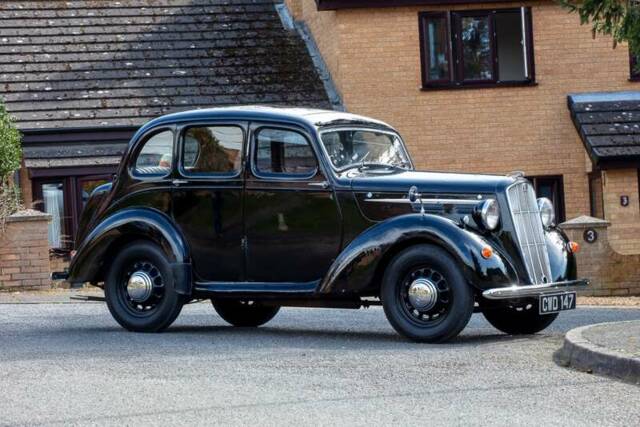
1939 | Morris 10
1939 Morris 10/M

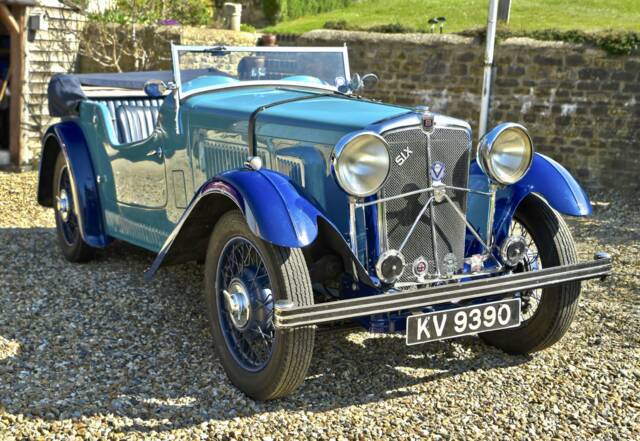
1934 | Morris 10/6 Special
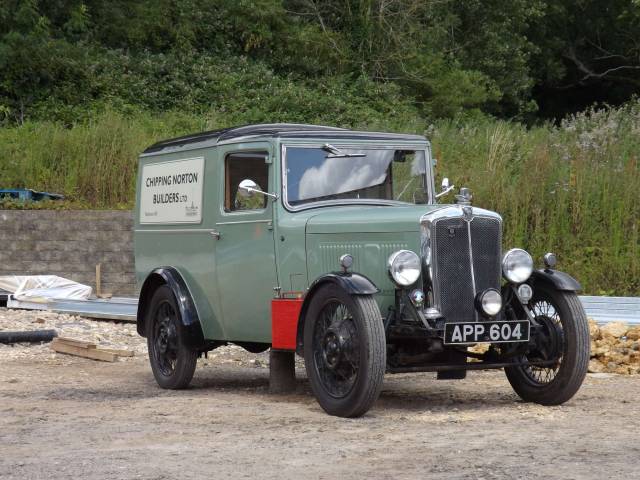
1934 | Morris 10/4
1934 Morris Ten Van
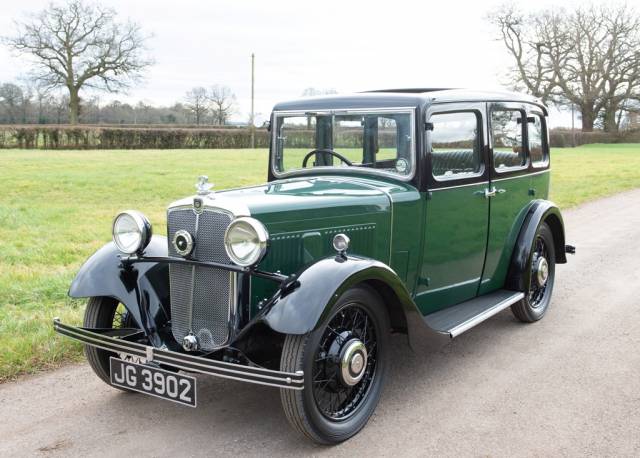
1933 | Morris 10/4
Morris 10/4 Saloon
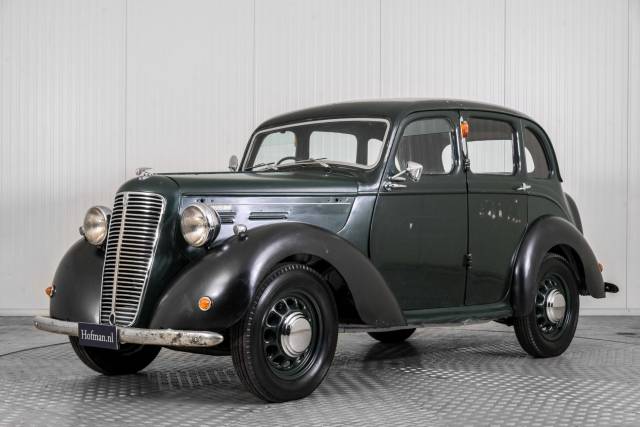
1948 | Morris 10
Morris Ten

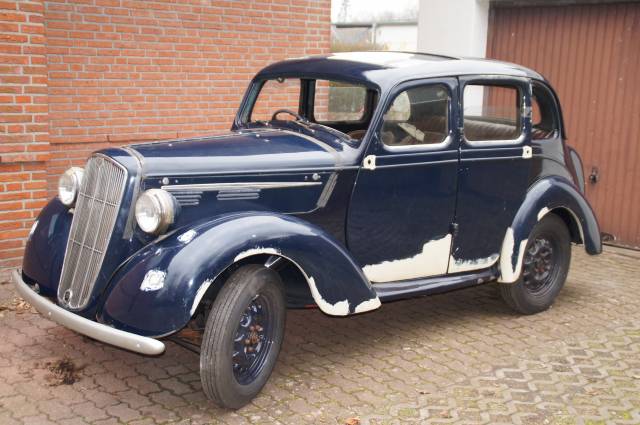
1946 | Morris 10
Morris 10/4 Series M: Teilrestauriert (Motor, Vorderachse), nicht fahrbereit

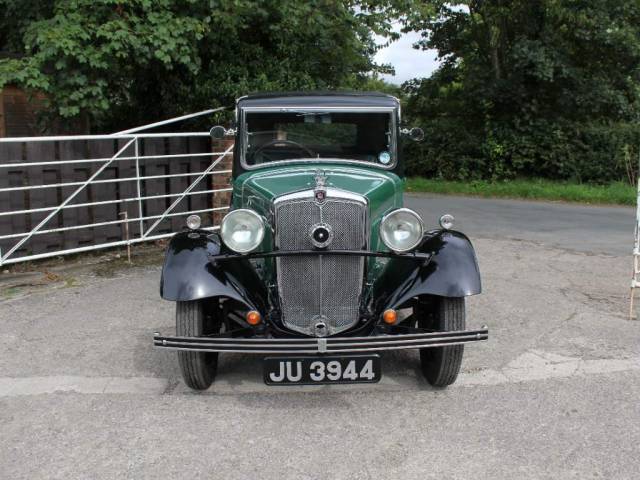
1934 | Morris 10/4
Morris Ten-Four Special
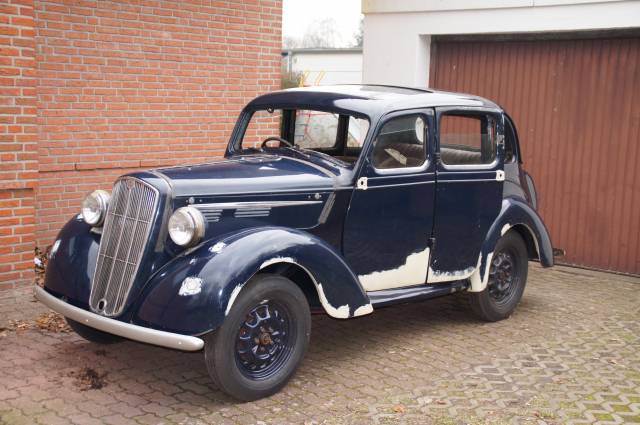
1946 | Morris 10
Teilrestauriert, nicht fahrbereit/Not in running condition
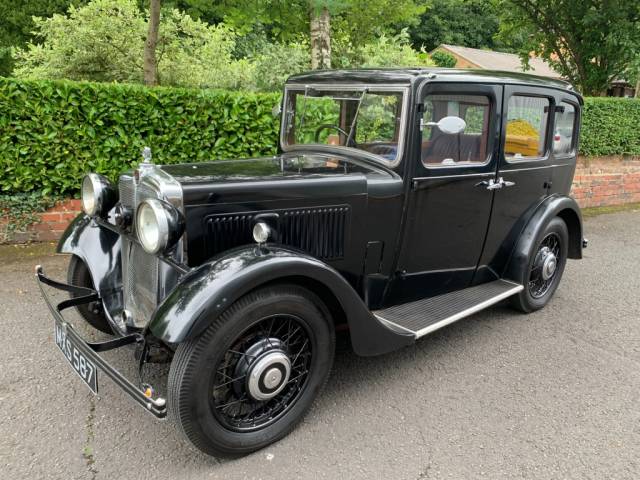
1934 | Morris 10/4
1934 Morris 10/4 sliding head saloon
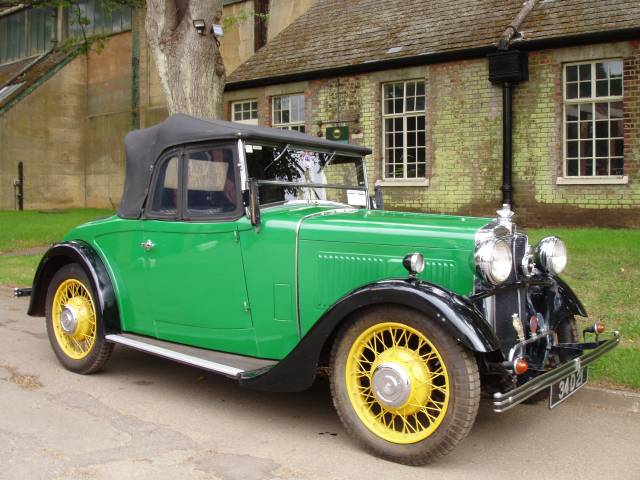
1934 | Morris 10/6 Special
2-seat & dickey
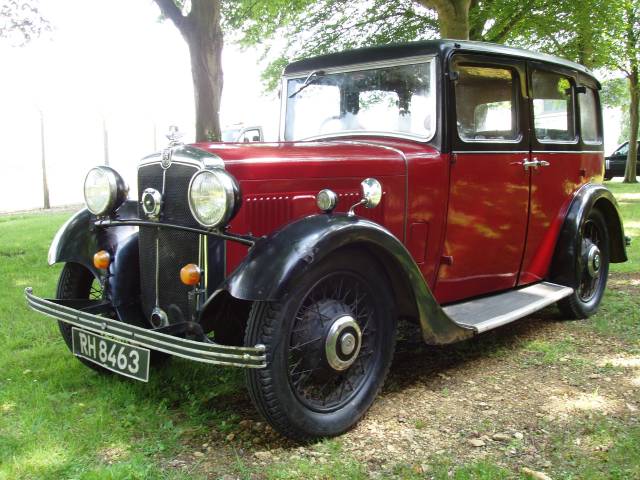
1933 | Morris 10/4
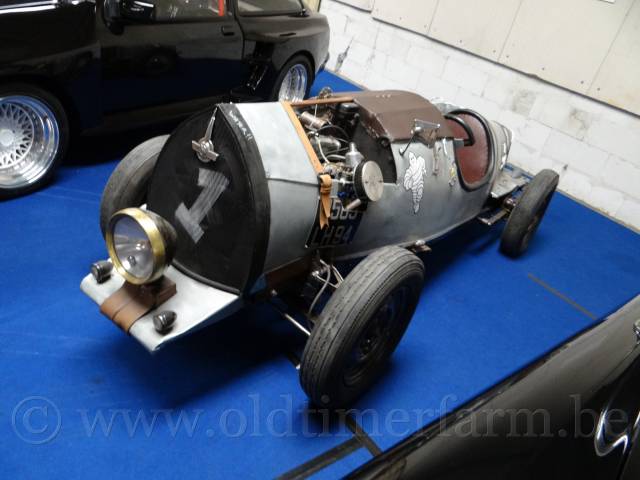
1951 | Morris 10 Special Racer

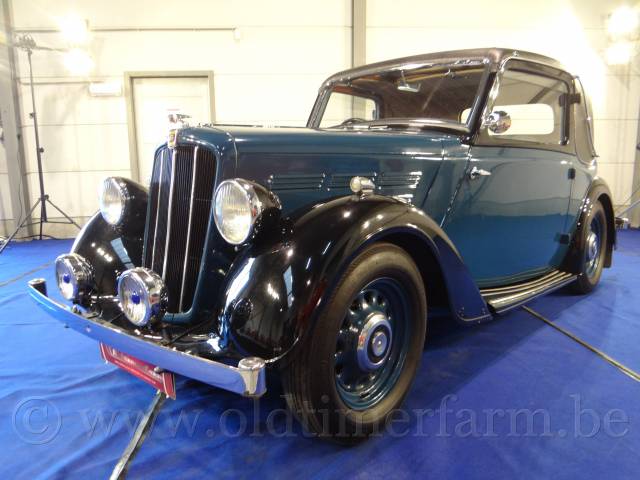
1938 | Morris 10/4
Create search alert
Let yourself be notified as soon as a listing is published that matches your search filters.
Create listing
Do you have a Morris 10 that you want to sell? Then create a listing now.
Create listingMorris 10 Classic Cars: Prices & Market Values
History of the Morris 10
Introduced in 1933, the Morris 10 established itself as a medium-sized, 10-horsepower model at the heart of British motoring. The car underwent several evolutions through the years, including four- and six-cylinder versions, multiple body styles, and technical updates such as hydraulic brakes and synchromesh transmission. The Morris 10 remained in production until October 1948, after which it was succeeded by the Morris Oxford MO. The car's design and driving character mirrored the period's trend towards reliability, straightforward assembly, and mechanical simplicity.
Model History of the Morris 10
The earliest version, the Morris 10/4 (1933–1935), featured a four-cylinder engine and four-speed manual gearbox. In 1934, the six-cylinder 10/6 variant broadened the range, offering increased refinement and a longer wheelbase. The introduction of the Series II and III between 1935 and 1938 saw improvements such as overhead valves (in the Series III), enhanced power output, and incremental design adjustments like the replacement of spoke wheels with steel ones. Production of the Morris 10 finished with the 'Series M' variant just after World War II, making way for the Oxford MO.
Highlights of the Morris 10
The Morris 10 is noted for its variety of body styles—saloon, coupé, convertible, and even torpedo—and for technical features such as hydraulic Lockheed brakes, a manually operated four-speed gearbox, and solid construction with a separate chassis frame. Interior highlights included leather or faux leather seats and simple, functional dashboards often made of wood or steel. The 10/6 Special limited edition, equipped with a tuned engine and dual SU carburettors, stands out in the lineup. Paint options included period-correct hues like dark blue and Sahara beige.
Technical Data
Special Editions and Collectible Models
One of the rare special versions is the Morris 10/6 Special, built in limited numbers and fitted with a more powerful six-cylinder engine and twin SU carburettors, as well as unique four-seat open-body coachwork by specialist firms. These are sought after by dedicated Morris collectors. Early coupé and torpedo body variants are also especially notable among enthusiasts due to their low production numbers and distinctive styling.
Weak Spots and Common Issues
Prospective buyers should be aware of several characteristic weaknesses: the electrical system is basic and prone to deterioration, often requiring complete rewiring. Brake and wheel cylinders, typically produced from steel or stainless steel in replacements, need regular checks. Trim, carpets, and headlining are frequently in need of restoration, especially as templates rather than replacement parts are more common. Suspension (front and rear leaf springs) often wears, as do bearings. Classic features such as tank caps, 'D-Lamp' taillights, and semaphore (indicator) covers are popular search items among owners. Rust on steel bodies and frames should also be checked carefully. Parts sourcing is generally possible, but can be time-consuming and may require sourcing directly from the UK.
Engine, Performance, Transmission and Handling
The Morris 10 is powered by a robust yet simple four-cylinder engine, typically paired with a manual four-speed gearbox. Some earlier and sportier versions featured a six-cylinder engine. The rear-wheel drive, separate chassis, and leaf spring suspension ensure a drivetrain and handling experience in keeping with British cars of the era: unfiltered, softly sprung, and mechanical. The car weighs about 900 kg, and its output of around 37 PS allows for a measured pace, fitting for pre- and immediate post-war driving conditions. Transmission and clutch engagements are mechanical and require deliberate operation, characteristic of the mid-century British vehicle. - Morris 10/4: The archetypal four-cylinder, four-door family saloon.
- Morris 10/6 Special: Limited production, six-cylinder, enhanced performance and specification.
- Morris 10 Series M: The final generation, most common in today’s market, and highly sought after by enthusiasts for its improved practicalities.
Interior, Comfort, Exterior and Design
The Morris 10’s interior is marked by a period-correct use of leather or vinyl on the seats and door trims, with headlining and carpets often in need of replacement during restorations. Dashboards are wood or pressed steel, with simple instrument clusters. Externally, paintwork ranges from dark blue to creamy Sahara beige, with the bodywork built in classic saloon, coupé, and open formats atop a ladder frame chassis. Accessories like external spare wheels, hubcaps, and simple exterior mirrors are common, and heating was not standard. Many examples were locally fitted with specialised equipment, and replacement parts like D-Lamps and semaphore indicators define the vehicle’s period details.
Other Features
The majority of surviving Morris 10s are right-hand drive and were never registered in Germany, which is typical for imported British classics. The car is generally robust and uncomplicated, consistent with the period’s engineering, and is seen as a restoration project due to easy part availability and mechanical simplicity. Original documentation and spare parts lists are often included with the vehicles, which aids restoration.
Summary
The Morris 10 stands as a reference point for pre- and post-war British car engineering: solidly built, mechanically simple, and restored with relative ease thanks to broad parts availability. The market today shows greatest interest in the later Series M, with ongoing demand for both restoration projects and well-preserved examples. Its broad variety of body styles and engines offer a compelling mix of historical character and practical vintage motoring.