- Car
- Mitsubishi
- Mitsubishi Sapporo (1 offer)
Mitsubishi Sapporo Classic Cars for Sale
The Mitsubishi Sapporo, available as a rare coupé, is a hard-to-find classic that appeals to enthusiasts seeking something different. With its distinctive origins tying back to the Galant series, the Sapporo stands out for its uniqueness and historic relevance. These vehicles are often found in good condition, having been stored dry and carefully maintained, and they enjoy specific advantages such as eligibility for historic license approval. Discover the fascinating story and features of the Mitsubishi Sapporo.
Search results
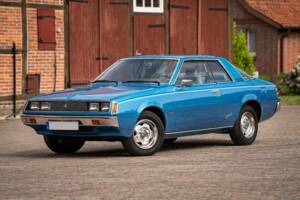
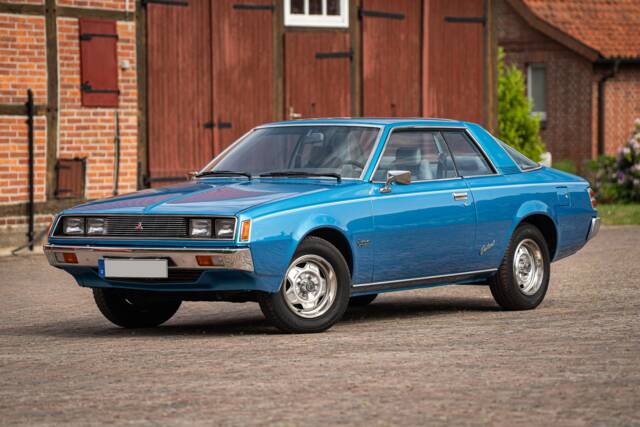
1978 | Mitsubishi Sapporo
Bright Blue, sehr seltenes Coupe im Topp Zustand

Mitsubishi Sapporo listing references from Classic Trader
Below you will find listings related to your search that are no longer available on Classic Trader. Use this information to gain insight into availability, value trends, and current pricing for a "Mitsubishi Sapporo" to make a more informed purchasing decision.
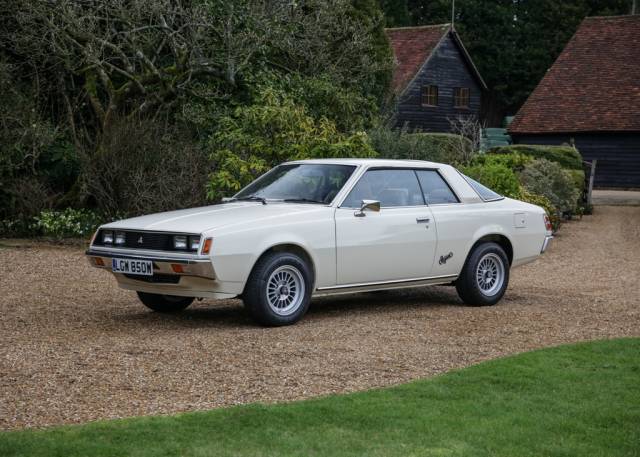
1980 | Mitsubishi Sapporo
Mitsubishi Sapporo

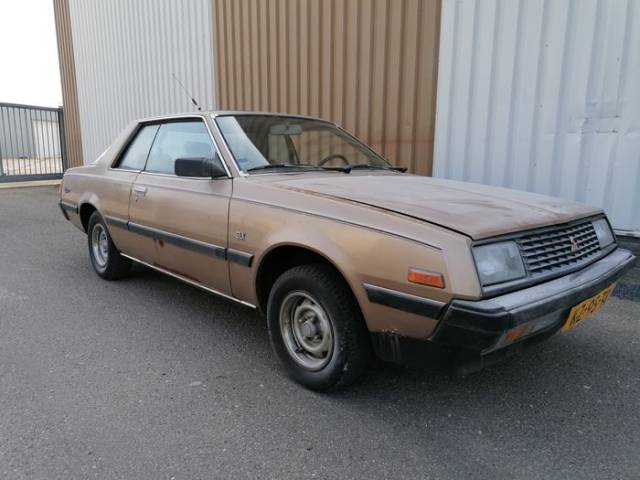
1984 | Mitsubishi Sapporo

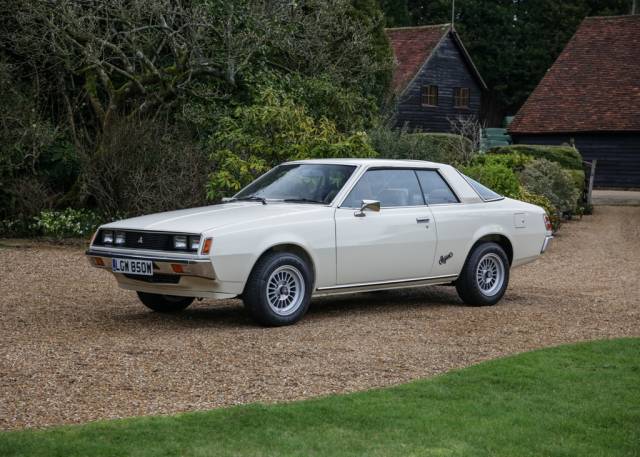
1980 | Mitsubishi Sapporo
Mitsubishi Sapporo
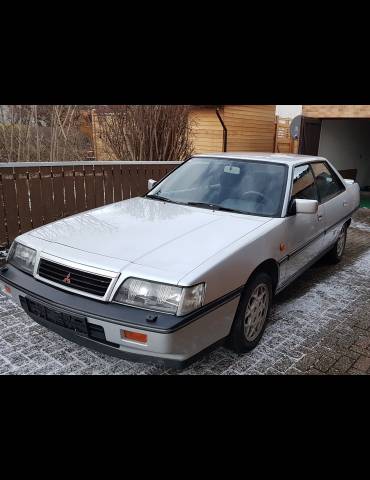
1987 | Mitsubishi Sapporo 2400
Sehr gepflegter Zustand (Garagenfahrzeug) 104032KM H-Kennzeichen
Mitsubishi Sapporo Classic Cars: Prices & Market Values
History of the Mitsubishi Sapporo
The Mitsubishi Sapporo traces its lineage to two notable periods: Initially launched between 1978 and 1984 as a rear-wheel drive hardtop coupé based on the third-generation Galant, it was internally called the Galant Lambda in Japan and exported to European and South American markets under the Sapporo name. In the United States, it was branded as the Dodge Challenger and Plymouth Sapporo. In 1980, the model underwent a comprehensive facelift to further modernise its appearance and appeal. A second iteration appeared from 1987 to 1990, now as a hardtop sedan based on the front-wheel drive fifth-generation Galant and exclusively offered in the European market as the Sapporo, with the US counterpart known as the Sigma.
Model History
The Sapporo is a direct evolution of the Mitsubishi Galant series, with its coupé and sedan forms reflecting the respective third and fifth generations of the Galant. The first series (1978–1984) stood as a striking hardtop coupé, while the second run (1987–1990) presented a more refined hardtop sedan configuration. Variants were tailored to local markets, with nameplates and some equipment differing. Over its lifespan, the Sapporo gained recognition for its robust reliability and innovative features relative to its era.
Highlights and Unique Features
The Sapporo is best distinguished by its combination of rarity and market-specific features, including original hydraulic power steering and comprehensive original documentation or service booklets in well-preserved examples. Its construction allows for historic registration (with tax benefits and exemption from environmental zone restrictions in certain countries). Many vehicles have been sheltered for years, often as garage-kept cars, contributing to their preservation. Components like original service parts—such as the power steering pump, ignition distributor cap, and period brake systems—remain available for maintenance. The Sapporo's unique blend of everyday drivability and classic charm is a peculiar find.
Technical Data
Special Editions and Collectible Models
No large-volume special editions have been explicitly documented for the Mitsubishi Sapporo. However, vehicles with verifiable original equipment (such as full service history, complete on-board documentation, and original delivery details from Mitsubishi dealerships) are particularly valued by enthusiasts and collectors. Such well-documented examples with factory-fitted options or unique paintwork are especially sought after.
Weak Spots and Common Issues
Typical of its era, the Sapporo is susceptible to rust, particularly in certain model years. It's important to inspect the underbody, wheel arches, and sills for corrosion. Many parts—like the power steering pump and brake components—are still available but may require sourcing patience. Well-kept, garage-preserved vehicles often fare better against these issues. Potential buyers should look for a full service history and original manuals to ensure authenticity and maintenance continuity.
Engine, Transmission, and Driving Behaviour
The Sapporo offers a blend of reliable engine performance and comfort-focused driving thanks to its hydraulic power steering and balanced suspension setup. The rear-wheel drive coupé from the early era provides engaging dynamics, while the later front-wheel drive sedan emphasises smoothness and efficiency. Both generations were fitted with robust powertrains and serviceable brake systems, designed for long-term usability. The 1978–1984 coupé is particularly regarded among enthusiasts, especially in original, unrestored condition. Its mechanical simplicity and engine options make it a viable choice even for regular driving, with availability of key mechanical spare parts aiding practicality.
Interior, Comfort, Exterior and Design
The Sapporo's design follows the period's trend of elongated coupé lines in its original iteration and understated sedan elegance in its second. The cars were often finished in unique factory colours, and special editions came with distinctive striping and wheel designs. Hydraulic power steering, well-integrated dashboards, and comfort-oriented interiors set the Sapporo apart in its class. Original accessories such as Mitsubishi-branded documentation folders or classic wheel trims add to the collector appeal.
Other Features
Mitsubishi Sapporo vehicles can be driven in daily traffic and adapted with day-use number plates for test drives. The ability for historic vehicle registration not only preserves the model’s tax advantages but also enables continued use within environmental zones where regulations permit. Some owners further benefit from the fact that these cars were often garaged for decades, keeping originality and condition at a high level.
Summary
The Mitsubishi Sapporo is a rare sight on the classic car market, with its roots in the Galant family and a choice of coupé or sedan form. Its combination of original engineering, preserved documentation, and the option for historic status make it alluring to both collectors and daily drivers seeking classic reliability. Rarity and comprehensive historical records define the Sapporo, positioning it as a remarkable Mitsubishi experience in the classic scene.