- Car
- Mercedes-Benz
- Mercedes-Benz L 319 (1 offer)
Mercedes-Benz L 319 classic vehicles for sale
The Mercedes-Benz L 319 stands as the brand’s first foray into the segment below 7.5 tonnes, bridging the gap between compact vans and larger lorries. Produced from 1955 to 1968 in multiple configurations, the L 319 combined a robust chassis, practical variations, and mechanical simplicity, making it the backbone for trades, services, and special-purpose vehicles for more than a decade.
Search results
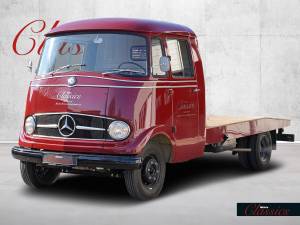
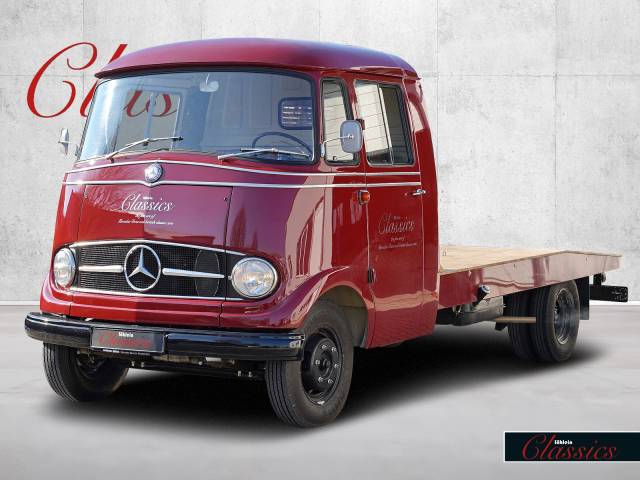
1962 | Mercedes-Benz L 319
Vehicle completely REBUILT with NEW ENGINE!!!
VAT is reclaimable

Mercedes-Benz L 319 listing references from Classic Trader
Below you will find listings related to your search that are no longer available on Classic Trader. Use this information to gain insight into availability, value trends, and current pricing for a "Mercedes-Benz L 319" to make a more informed purchasing decision.
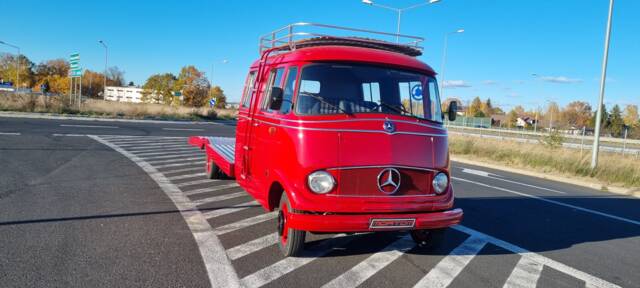
1967 | Mercedes-Benz L 319 D
Mercedes - Benz L319 car transporter

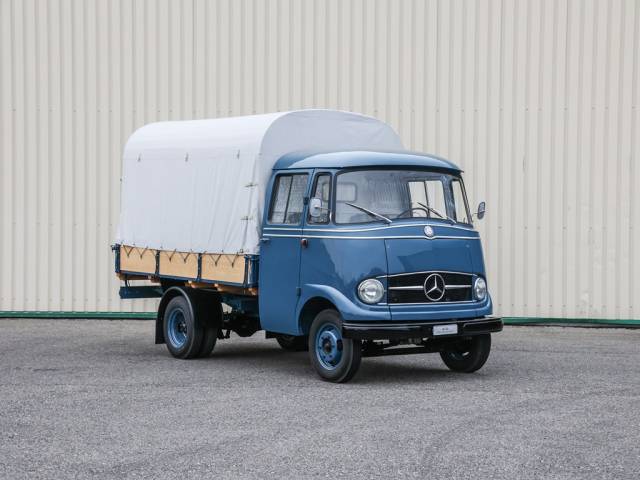
1964 | Mercedes-Benz L 319
1964 Mercedes-Benz L 319 Pickup

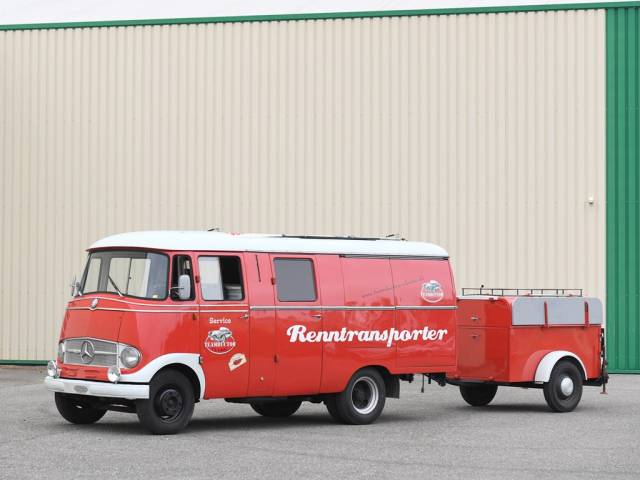
1961 | Mercedes-Benz L 319
1961 Mercedes-Benz L 319 with Trailer
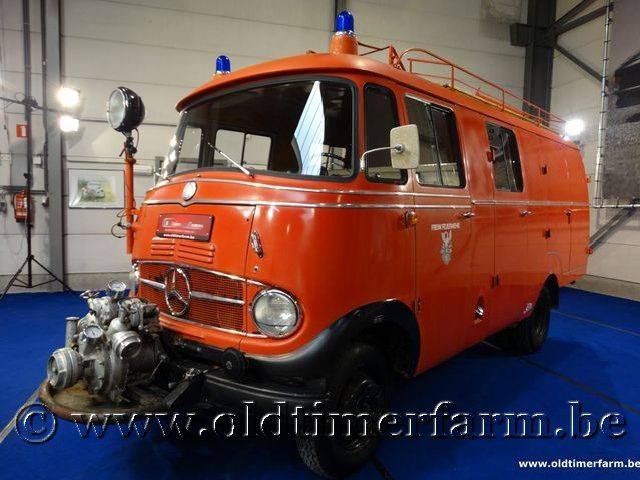
1963 | Mercedes-Benz L 319
1963 Mercedes-Benz L319 Fire Truck '63

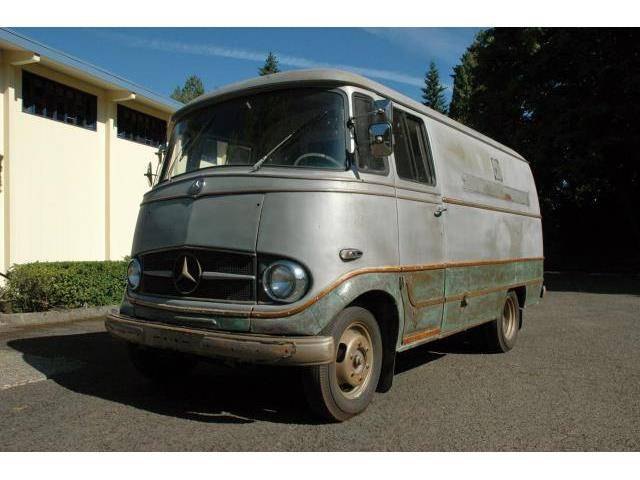
1960 | Mercedes-Benz L 319 D
Motore 1900 lo stesso della Mercedes 190 Sl stessi strumenti e volante

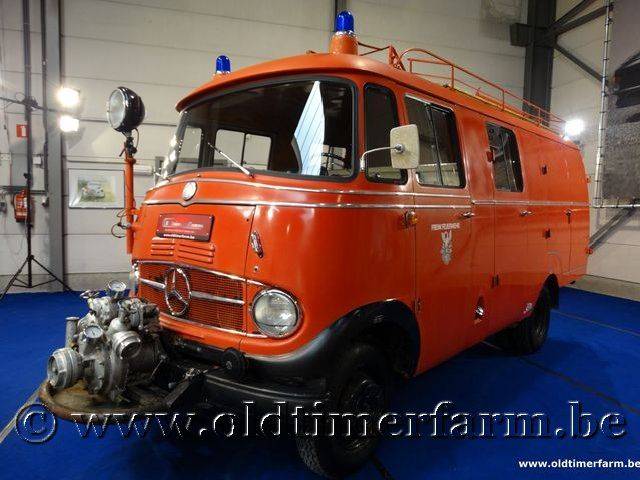
1963 | Mercedes-Benz L 319
1963 Mercedes-Benz L319 Fire Truck '63
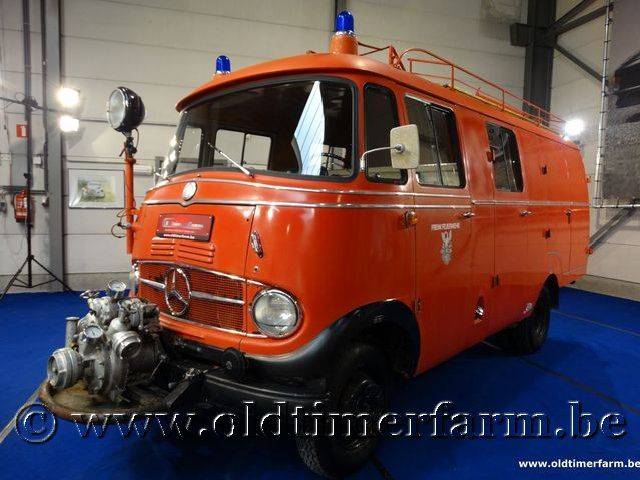
1963 | Mercedes-Benz L 319
1963 Mercedes-Benz L319 Fire Truck '63
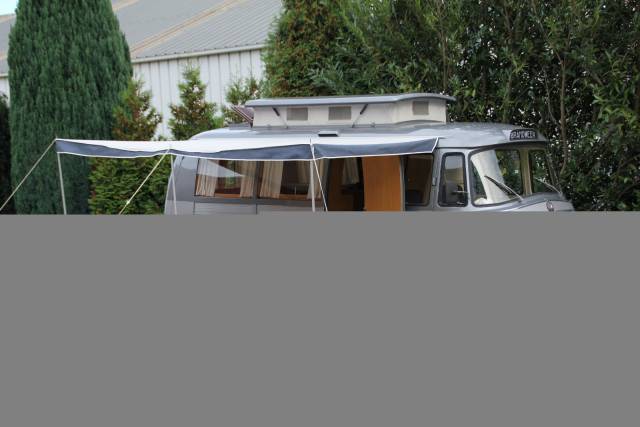
1958 | Mercedes-Benz L 319 Camper
Mercedes-Benz L 319 B Camper Wohnmobil
Mercedes-Benz L 319 Classic Cars: Prices & Market Values
Introduction and History of Mercedes-Benz L 319
First unveiled at the 1955 IAA in Frankfurt, the Mercedes-Benz L 319 represented a milestone as the company’s first new postwar light commercial vehicle. It was designed primarily as a ‘fast truck’ for the class under 7.5 tonnes, addressing a market gap for utility vehicles of this size. The L 319 was developed on a sturdy ladder-frame chassis with a distinctive cab-over-engine layout, rounded driver’s cab ('Rundfahrerhaus'), and practical engineering aimed at commercial customers. Over the years, the model served as a platform for delivery vans, pickups, minibuses, and numerous custom body variants, underpinning a wide range of business and municipal uses throughout its production life until 1968.
Model history
The L 319 was the first Mercedes-Benz light commercial vehicle after WWII, laying the foundation for the brand’s modern transporter segment. Available from the mid-1950s, it came in panel van, pickup, chassis-cab, and minibus (O 319) versions. The load capacity ranged between 1.6 and 2 tonnes, with variations in wheelbase and overall weight, reflecting its adaptability. Powertrain options broadened over time: from the initial 43 PS diesel (1.8 litre, derived from the 180 D saloon) to more powerful diesels (OM 621 up to 55 PS) and petrol engines (including units from the 180a and up to 80 PS from the 190 SL). The bus and special-bodied models saw equally diverse developments, and the model’s utility and reliability mean many are still in use or restored as collector’s vehicles today. Production exceeded 140,000 units before replacement in 1967 by the 'Düsseldorfer Transporter,' the Mercedes-Benz T2.
Highlights of the Mercedes-Benz L 319
The L 319 is marked by its robustness, versatility, and practical design. The model’s cab-over-engine approach maximised interior and payload space without sacrificing compactness—important for urban goods transport. Its characteristic “blunt nose”, wide-set headlights, and prominent front grille with the Mercedes star are visual trademarks. The L 319 could be supplied as a closed van, platform truck, minibus, or bare chassis for custom conversions, including ambulances, campers, and fire engines. Simplicity and rugged engineering also facilitated maintenance and adaptability for specialist applications. Accessory equipment included electric winches, rotating seats, folding tables, and more comfortable or luxurious interiors in some versions.
Technical data
Special Editions and Collectible Models
Numerous specialist and limited-production L 319 variants exist. The O 319 minibus, for example, offered luxurious finishes and multi-row passenger seating, and is now highly valued among collectors and camper conversion enthusiasts. Several motorhomes, notably from Mikafa with aluminium bodywork and elaborate amenities (including showers and toilets), were built as premium custom vehicles on the L 319 chassis. Unique event vehicles, mobile shops, and versions built as mobile coffee bars further underline its status as a basis for rare and individualised classics.
Engine and Performance, Transmission and Handling
The L 319 was engineered for utility and dependability rather than speed: the early diesel models offer 43 PS, later improving to 55 PS, and petrol options up to 80 PS in certain rare versions. The engine is positioned between the front seats and drives the rear wheels, providing effective traction even when heavily loaded. The ride sits on solid axles with leaf springs, and additional coil springs at the rear to support greater payloads. Standard was a 4-speed manual gearbox; some restorers have added 5-speed units or larger engines to enhance driveability. The robust but simple suspension means that ride comfort is business-like and direct, prioritising durability over refinement. Early vehicles may feel slow by present-day standards, but the simple mechanics and layout contribute to ease of service and reliability. - L 319 Diesel (OM 621): 1.8–2.0 l displacement, 43–55 PS
- L 319 Petrol (from 180a): 1.9 l, 65 PS
- L 319 Petrol (from 190 SL): up to 80 PS (rare)
- O 319 Minibus: luxury interior, up to 18 seats
Interior, Comfort, Exterior and Design
The L 319 features the characteristic rounded driver's cab ('Rundfahrerhaus') with a short, blunt nose ('Stupsnase'), and broad, friendly front. The wide-set headlamps and prominent central radiator grille present a distinctive 'face.' Interior finishes varied widely: from rugged, wipe-clean commercial trim in most panel vans and pickups to plush, multi-seat minibus layouts in the O 319 with options like deluxe seats, armrests, and bespoke furniture. High-roof versions, club buses and campers could be specified with rotating seats, folding tables, gas cookers, integrated storage, and additional lighting. Materials ranged from painted steel and hard-wearing vinyls to wood or aluminium in specialist conversions. Accessories and custom solutions were frequent due to the broad utility of the vehicle, including electrical winches, event modules, or exhibition-fitments. Exterior paint finishes for utility use were typically utilitarian, but private buses and promotional vehicles occasionally featured two-tone or bespoke liveries.
Other relevant features
The model’s exceptional spare parts support today makes it practical for restoration and daily use even decades after production ended. Its modular frame enabled countless custom conversions, including ambulances, police vans, mobile shops, and rare show vehicles. Several L 319s survive as campers with fully integrated living quarters. Its dimensions—long as 6.3 metres and up to 2.7 metres high for the motorhome builds—make it easily adapted to a range of unique bodies and purposes. With over 140,000 produced, it remains one of the most versatile and widely used Mercedes-Benz commercial models of its era.
Summary
The Mercedes-Benz L 319 initiated the brand’s participation in the small to mid-weight delivery vehicle sector, combining a robust framework with flexible applications and mechanical reliability. Offered in a broad variety of configurations—from humble vans to luxury minibuses, campers, and specialist commercial builds—it shaped an entire genre of utility vehicles for over a decade. Today, the L 319’s lasting reputation, strong parts availability, and scope for individualised restoration make it one of the most adaptable and collectible Mercedes-Benz classics from the era.