Mazda 323 classic cars for sale
The Mazda 323 stands out as a compact marvel from Mazda's extensive line-up, offering a wide range of versions from practical hatchbacks to high-performance rally homologation specials like the 323 GT-R. Its blend of reliability, technical diversity, and sporting heritage ensures a loyal following among enthusiasts and collectors.
Search results
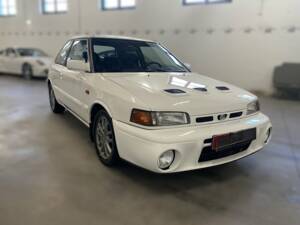
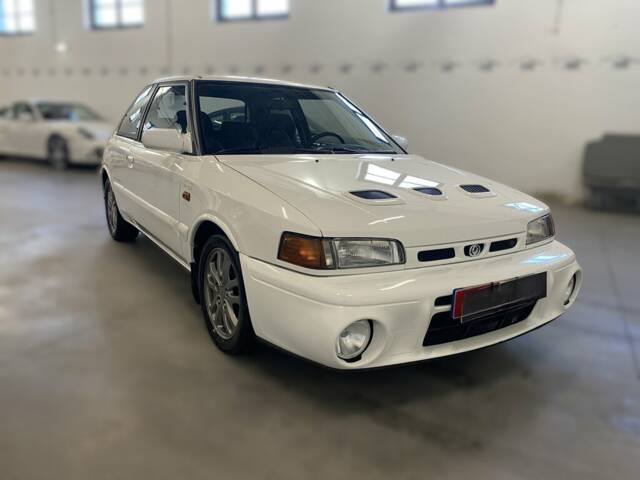
1992 | Mazda 323 GT-R
Mazda 323 GT-R | 1992 | Route 66 Auctions - For sale by auction. Estimate 24000 EUR

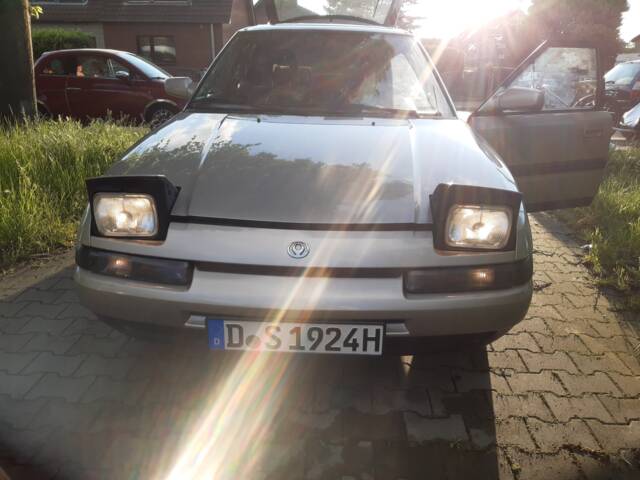
1993 | Mazda 323F 1.6 16V
Mazda 323F (BG) "Schlafaugen" – Gold-Edition – Nur 79tkm – H-Zulassung – Sammlerzustand

Auctions ending soon

Loading…
Loading…
Loading…
Loading…
Mazda 323 listing references from Classic Trader
Below you will find listings related to your search that are no longer available on Classic Trader. Use this information to gain insight into availability, value trends, and current pricing for a "Mazda 323" to make a more informed purchasing decision.
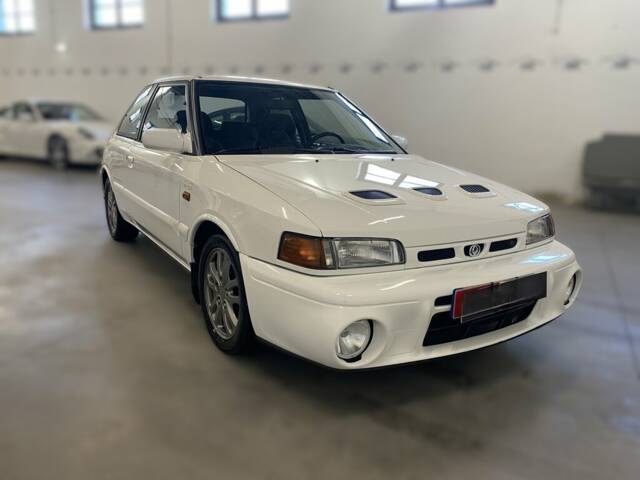
1992 | Mazda 323 GT-R
Mazda 323 GT-R | 1992 | Route 66 Auctions - For sale by auction. Estimate 23500 EUR
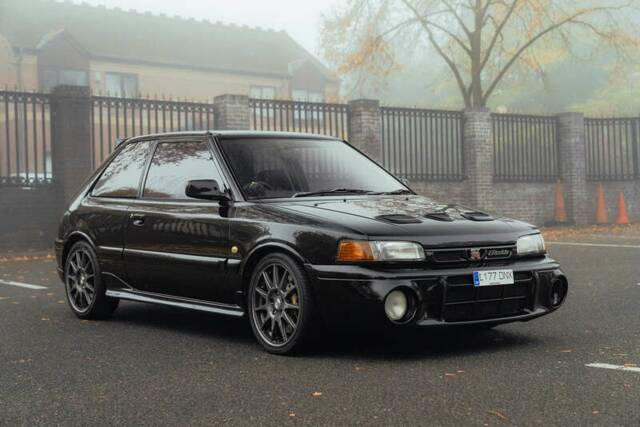
1994 | Mazda 323 GT-R
1994 Mazda 323 Familia GT-R

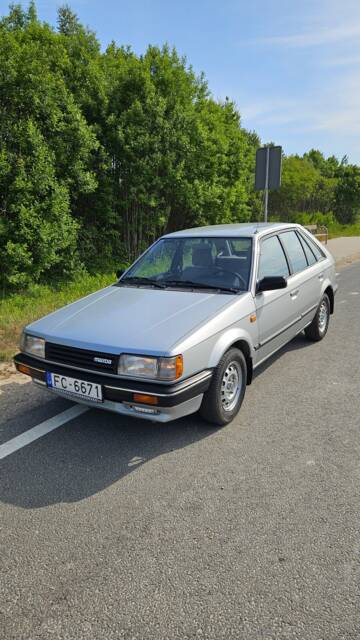
1986 | Mazda 323
Mazda 323, 1.7d, 1986.y.
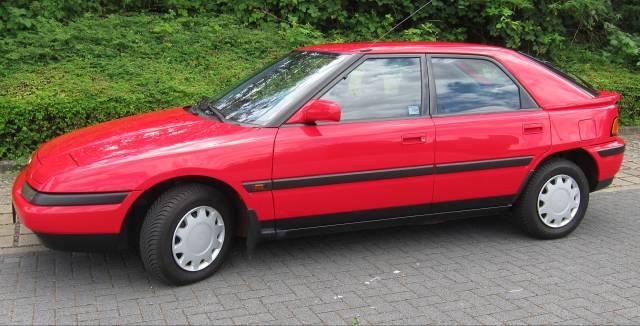
1992 | Mazda 323F 1.6 16V
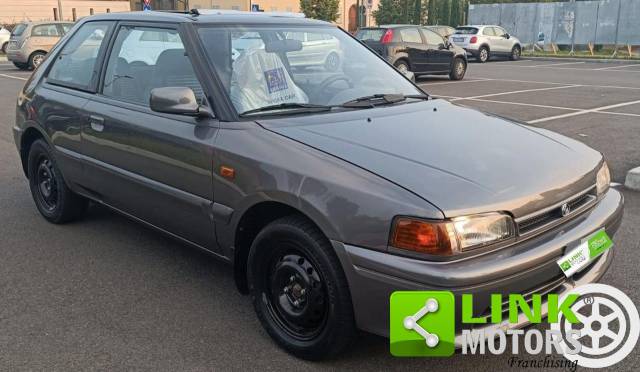
1991 | Mazda 323 Turbo 4WD
MAZDA 323 1.8i turbo 16V 3 porte 4WD GTX

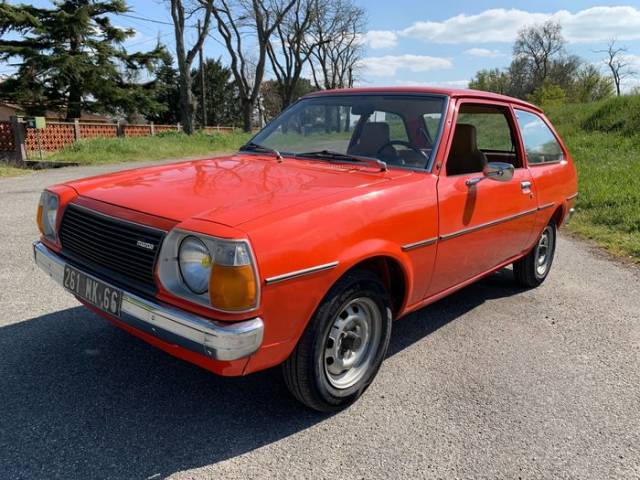
1977 | Mazda 323
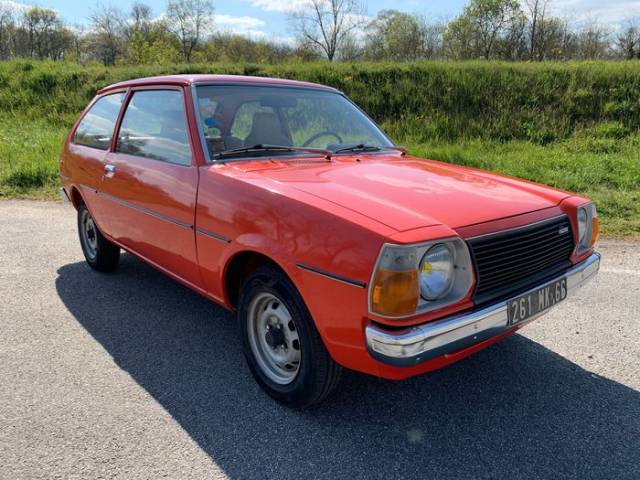
1977 | Mazda 323
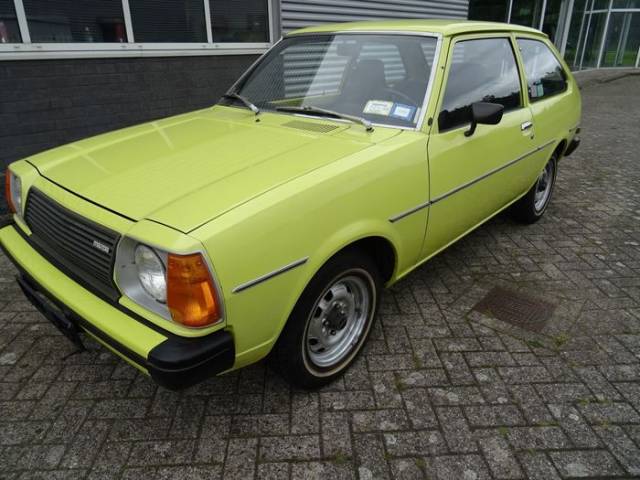
1978 | Mazda 323
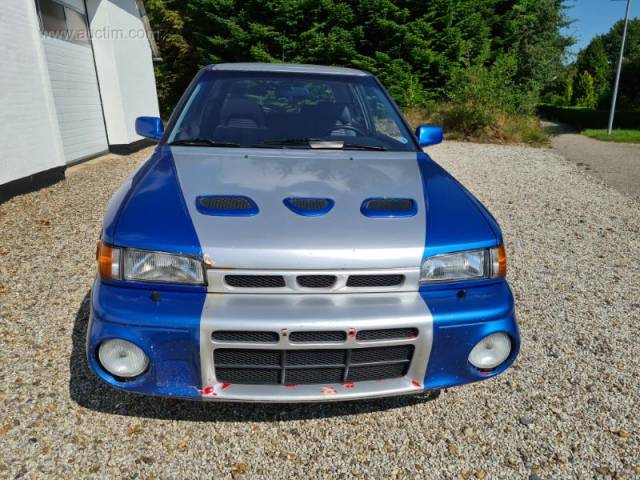
1992 | Mazda 323 GT-R
Online auction


1985 | Mazda 323
New tyres, original paint, no rust.

1990 | Mazda 323
Mazda 323 H-Kennzeichen
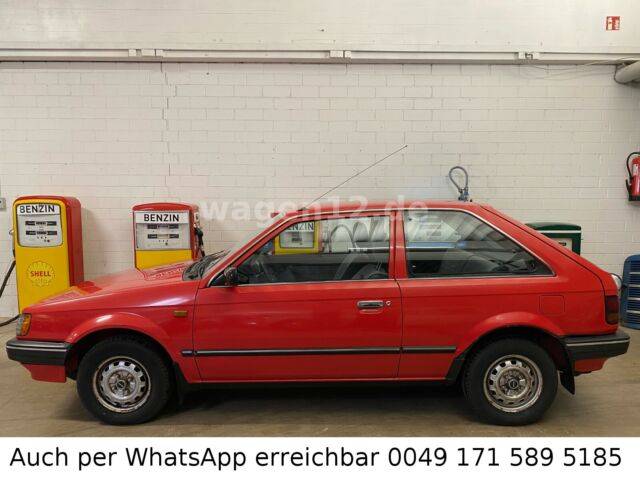
1985 | Mazda 323
Mazda 323 1. Hand
Mazda 323 Classic Cars: Prices & Market Values
History of the Mazda 323
Mazda introduced the 323 in 1977 as the successor to the earlier 1000/1200/1300 models. Over 26 years and several generations, the 323 became a staple in the compact segment, known in other markets as the Familia or Protegé. The first generation, powered by a 1.0-litre four-cylinder, faced tough competition but set the stage for the model's technical and stylistic evolution. Later generations introduced sharper lines, improved safety, diesel and larger petrol engines, and an array of body styles. The 323 appealed both for its robust construction and innovative features, especially during the 1980s and 1990s when rally-inspired versions gained notoriety. Production continued until 2003, after which Mazda pivoted to the Mazda3.
Model History of the 323
Each generation of the 323 brought distinct advancements. The second generation showed minor changes before the third, which adopted more angular styling and added diesel as well as 1.6-litre petrol options up to 150 hp. The fourth generation continued with new engine choices, including a 1.9-litre GT with 128 hp. The penultimate 1994 model introduced a 2.0-litre V6 engine with 144 hp and modernised interiors, while the final series, from 1998, was available in Comfort, Exclusive, and Sportive trims. In global markets, variations such as the GLC (US version) emphasised the car’s broad appeal. The final evolution of the 323 and its special editions, especially the turbocharged 4WD models, cemented its place as a driver's car in both civilian and motorsport settings.
Highlights of the Mazda 323
Sporting variants such as the 323 4WD Turbo GTX and the rare GT-R 4WD Turbo pushed the limits of the compact category, boasting turbocharged engines (1.6L DOHC Turbo with 16 valves and up to 185 hp for GT-R) and advanced all-wheel-drive systems. These models served as homologation specials for FIA Group A and Group N rallying, with only around 2,200 units of the GT-R built—making them highly desirable among motorsport aficionados. Across the range, features like five-speed gearboxes, power steering, electric sunroofs, sports seats, digital dashboards, and exclusive paint schemes (e.g., two-tone metallic finishes) set certain 323s apart from standard compacts. Even entry-level models were notable for their simplicity and robust engineering, with markets like the US (GLC) offering unique configurations and features.
Technical Data
Special Editions and Collectible Models
The standouts in the 323 family are the homologation models: the 323 GT-R 4WD Turbo (c. 2,200 units produced) and the GTX 4WD Turbo. Built specifically for rallying, the GT-R combined a turbocharged 1.8-litre engine with extensive developments in chassis and suspension, including pneumatic ride height adjustment in some GTX versions. Limited-edition paint (such as one-year-only yellow on the GLC), exclusive interiors, and unique alloy wheels further distinguish these models. In the US, the GLC model offered engine configurations and emissions controls tailored to local regulations.
Engine, Transmission and Handling
Driving dynamics in the Mazda 323 range vary widely. Standard models offer solid, predictable handling, while the turbocharged GTX and GT-R electrify the experience with all-wheel-drive, uprated brakes, and reinforced chassis components. The five-speed gearboxes in performance trims are geared for responsiveness. Noteworthy options include pneumatic suspension (GTX), limited-slip differentials, and sports seats for enhanced lateral support—features geared towards enthusiastic driving and motorsport applications. - 323 GT-R 4WD Turbo: 1.8L turbo, 185 hp, Group A rally homologation, c.2,200 units
- 323 GTX: 1.6L DOHC Turbo, 4WD, sports suspension
- 323 V6 (Late model): 2.0L V6, 144 hp, modernised interior
- GLC (US): 1.5L, emissions equipment, specific US trim
Interior, Comfort, Exterior and Design
Distinctive design shifts marked each 323 generation. The third generation introduced noticeably sharp lines, giving the car a sportier stance. The fourth adopted pop-up headlights for select versions and a refreshed silhouette. Special two-tone paint schemes (black/silver on GTX) and limited colours such as yellow for select model years highlight 323 individuality. Interiors in upmarket versions feature digital dashboards, power windows, electric mirrors, central locking, and sports style seating. Pneumatic suspension added to specific models elevates both comfort and performance. Across all variants, the combination of practical ergonomics and considered material choices reflects Mazda’s focus on driver engagement and utility.
Other notables
US-bound GLC models benefitted from electronic ignition, emissions equipment, and subtle variant-specific elements. Parts compatibility across Japan, Europe, and the US remains high, aiding restoration and customisation projects. Lower-spec models underlined durability with a no-nonsense, minimal trim approach, exemplified by the absence of features like rear wipers, central clocks, or luggage covers in early US-spec GLCs.
Summary
The Mazda 323 demonstrates exceptional range—from efficient, everyday family transport to high-performance, rally-bred homologation specials. Technical diversity, a reputation for reliability, and an unmistakably Japanese approach to engineering ensure long-term appreciation from drivers and collectors. From the rare Group A GT-R to basic but tough economy versions, the 323’s multifaceted legacy spans practicality, motorsport, and distinctive automotive character without compromise.