Marcos Mantula classic cars for sale
The Marcos Mantula stands out as a strikingly rare British sports car, combining a lightweight fibreglass body with a robust Rover V8 and unique design features. This compact coupe commands attention with its low stance and offers both driving excitement and comfort, making it not just a showpiece but also suitable for longer journeys.
Search results
Currently, there are no matching listings for your search.
Create search alert
Let yourself be notified as soon as a listing is published that matches your search filters.
Create listing
Do you have a Marcos Mantula that you want to sell? Then create a listing now.
Create listingMarcos Mantula listing references from Classic Trader
Below you will find listings related to your search that are no longer available on Classic Trader. Use this information to gain insight into availability, value trends, and current pricing for a "Marcos Mantula" to make a more informed purchasing decision.
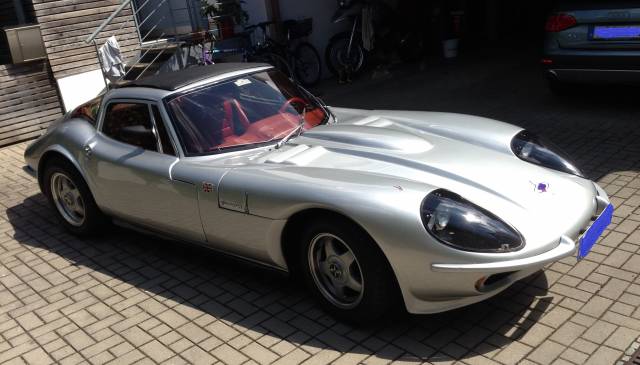
1985 | Marcos Mantula
Linkslenker mit höhenverstellbarem Fahrwerk und H-Kennzeichen

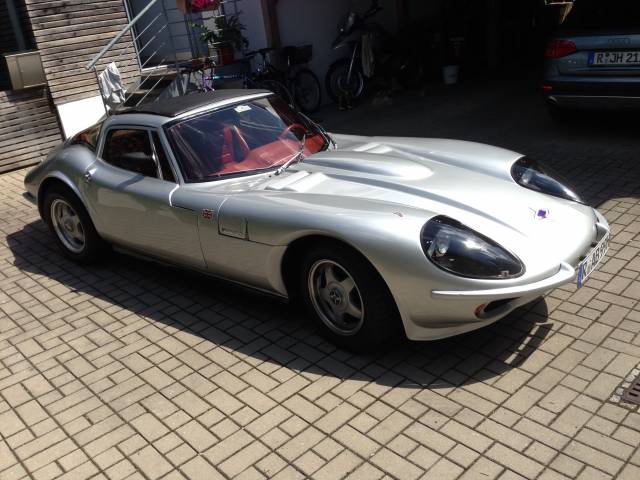
1985 | Marcos Mantula
Marcos Mantula V8 3.6
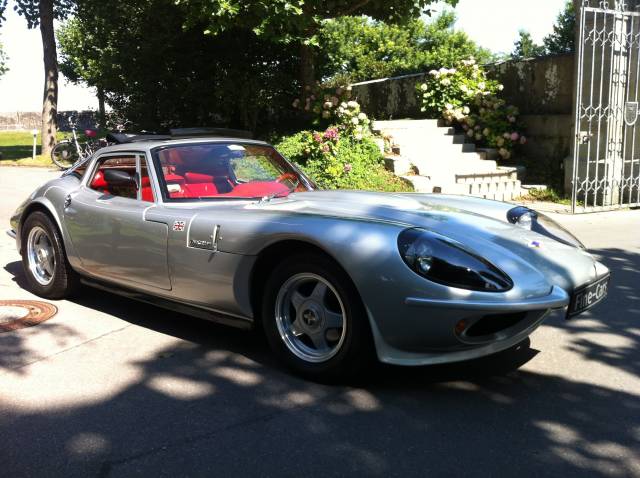
1985 | Marcos Mantula
Seltener Linkslenker BRD H-Zulassung
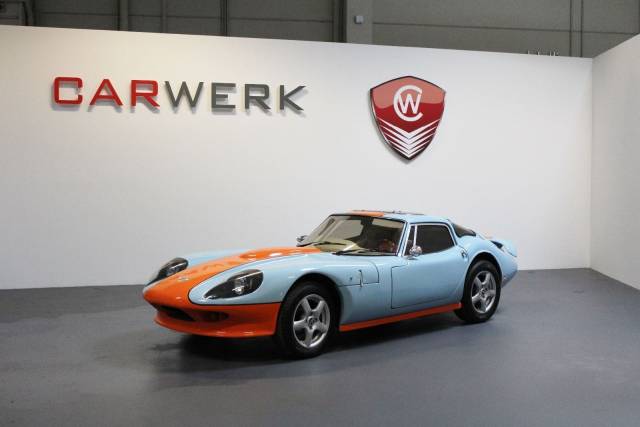
1984 | Marcos Mantula
Marcos Mantula LHD
Create search alert
Let yourself be notified as soon as a listing is published that matches your search filters.
Create listing
Do you have a Marcos Mantula that you want to sell? Then create a listing now.
Create listingMarcos Mantula Classic Cars: Prices & Market Values
History of the Marcos Mantula
In the early 1980s, after a ten-year hiatus caused by financial difficulties, Marcos Cars restarted production with the introduction of the Mantula. Launched in 1984, the Mantula marked a technical and stylistic evolution for the brand. The vehicle was designed to resemble the earlier GT, but it featured a more advanced Rover-sourced aluminium V8 engine. This engine choice was noteworthy as the original Buick-developed unit had migrated to Rover, with modifications for European demands – notably an upgraded cooling system and improved highway durability. By the end of its run in 1992, a total of 170 Mantula coupés had been built, making it a rare find and the mainstay of Marcos during its second production period.
Model History
The Marcos Mantula succeeded the earlier Marcos GT models, bringing fresh engineering and a modern engine. The GT’s roots date back to the 1960s, while the Mantula was the company’s first post-revival model. Distinct for its V8 power, lightweight construction, and slightly more angular looks, the Mantula paved the way for later evolutions, including even lighter variants and the eventual use of a 3.9-litre Rover V8. Its combination of British engineering with American-derived V8 power set a template for Marcos models that followed.
Highlights of the Marcos Mantula
The Mantula is celebrated for its lightweight construction—tipping the scales at around 800–1041 kg depending on the version—and powerful Rover V8, offering an impressive power-to-weight ratio unusual in British sports cars of its era. Its adjustable pedals, rather than adjustable seats, and very low driving position, were paired to a height-adjustable suspension, making the chassis both sporty and adaptable for road conditions. The fibreglass bodywork mounted on a tubular frame made corrosion far less of a problem than in most contemporaries. Luxurious interior options, electric sunroof, and electric windows were unusual features for such a low-slung sports car. Strict tolerances on body panels were not a focus: wider panel gaps are part of its character.
The Mantula dominates its segment: based on Classic Trader supply and demand statistics, 100% of Marcos listings and views within this model series are for the Mantula, underlining its exclusive status and complete dominance among Marcos cars on the market.
Technical Data
Special Editions and Collectible Models
There are no officially documented special editions for the Mantula, but later factory-built cars with fuel-injected 3.9-litre V8 and further weight reductions (down to circa 900 kg) are sought after for their combination of modernisation and pure sporting intent. Additionally, some Mantulas were supplied as kits for home assembly, leading to subtle variations; however, factory-built cars are especially appreciated among enthusiasts.
Maintenance, Weak Spots and Common Issues
The Mantula’s fibreglass body means rust is not a major issue, and the chassis received rust protective treatment from new. However, attention should be paid to the quality of kit-built examples, as finish and assembly can vary. Panel gaps can differ and are characteristic rather than a flaw, but should be checked for structural integrity. The interior can sometimes require retrimming, but parts availability is reasonable. The seating is fixed, so ergonomics rely on pedal adjustment. Due to the low cabin and transmission tunnel design, footwell space is limited, especially for wide shoes. Suspension and braking can be upgraded, and these improvements are often found on well-maintained examples.
Engine and Performance, Transmission and Handling
The Mantula’s outstanding power-to-weight ratio, from a 3.5-litre or 3.9-litre Rover V8, enables brisk acceleration and dynamic handling—making it suitable not just for short sprints but also long-distance Grand Touring. The weight-optimised construction ensures responsiveness, while the adjustable suspension caters to a range of driving environments. A limited-slip differential and rear-wheel drive layout reward drivers with an engaging experience. Most Mantulas feature the 3.5-litre V8 (193 PS), though the lighter, fuel-injected 3.9-litre V8 variant (175 PS) is notable for keeping similar performance thanks to the even lower weight. Vehicles equipped with upgraded brakes and suspension are particularly desirable for spirited driving.
Interior, Comfort, Exterior and Design
Marcos did not outsource the design, resulting in a distinctively British shape defined by swooping fibreglass panels and a remarkable low silhouette. The cabin is luxuriously trimmed for a car of this type, with options for leather upholstery and wood inlays, but the space is tight, with pedal adjustment standing in for seat adjustability. An electric sunroof and electric windows were available. Tailored comfort features, like new dampers and improved brakes, further enhance the Mantula’s usability. The design incorporates a distinct front grille and subtle references to earlier Marcos models, while the light weight and racing-inspired proportions distinguish it from other coupes of its era.
Other Features
Options such as a fully retrimmed interior, parade and club suitability, as well as a possible H registration (historical vehicle plate in Germany), broaden the Mantula’s appeal. The lightweight concept and adjustable technologies point to a car made for driving enthusiasts and collectors who value individuality and driving focus.
Summary
The Marcos Mantula bridges lightweight British engineering and muscular Rover V8 performance, built in low numbers and recognised for both its distinctive design and spirited driving characteristics. With robust supply and demand indicators—100% among Marcos listings and views—this rare sports coupe occupies a unique space as both a collector’s piece and a car for memorable outings and long-distance tours.