Lotus 70 classic cars for sale
The Lotus 70 stands out as an uncompromising single-seater built specifically for the demanding Formula 5000 series. Designed by Martin Waide and launched in late 1969, this racer embodies the British spirit of motorsport innovation and pure performance. Discerning collectors and racing enthusiasts value the 70 not only for its engineering pedigree but for its rarity and its place in motorsport history.
Search results
Currently, there are no matching listings for your search.
Create search alert
Let yourself be notified as soon as a listing is published that matches your search filters.
Create listing
Do you have a Lotus 70 that you want to sell? Then create a listing now.
Create listingLotus 70 listing references from Classic Trader
Below you will find listings related to your search that are no longer available on Classic Trader. Use this information to gain insight into availability, value trends, and current pricing for a "Lotus 70" to make a more informed purchasing decision.
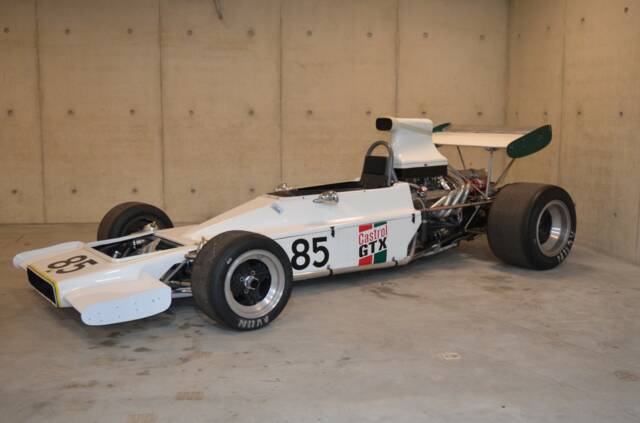
1970 | Lotus 70
The Bill Brack 1970 Lotus 70 Formula 5000

Create search alert
Let yourself be notified as soon as a listing is published that matches your search filters.
Create listing
Do you have a Lotus 70 that you want to sell? Then create a listing now.
Create listingLotus 70 Classic Cars: Prices & Market Values
Introduction and history of the Lotus 70
The Lotus 70 was not intended for conventional road use; it was purpose-built for the Formula 5000 circuit, a category introduced to bridge the gap between Formula 1 and lesser single-seater series. The car’s roots lie in Lotus's deep commitment to track engineering, as evident by its predecessor designation 'Lotus 68.' When introduced at the very end of the 1969 racing season, the Lotus 70 embodied contemporary design philosophy — lightness, simplicity, and mechanical focus. Only a handful of chassis were produced, making each surviving example a rare witness to late-60s and early-70s motorsport advancements.
Model history
The Lotus 70 can trace its conceptual lineage to the famed Lotus open-wheelers of the 1960s. Originally badged as Lotus 68, it was reworked and officially entered as the Lotus 70. As a Formula 5000 contender, it was shaped by new regulations of the era, demanding powerful V8 engines but more cost-efficient than Formula 1. Its tenure was brief, reflecting the rapid evolution and competitiveness of 1970s single-seater racing. Lotus's next steps after the 70 focused on further F1 innovation, making the 70 one of the rare detours in their portfolio.
Highlights of the Lotus 70
Purpose-built for Formula 5000, the Lotus 70 sported a chassis designed for optimal rigidity and weight distribution, maximising cornering performance on fast, technical circuits. Unlike many contemporaries, the 70 used advanced aerodynamics with sleek bodywork intent on reducing drag and increasing downforce at racing speeds. The car’s exclusivity — with only a few units made — appeals to collectors who seek significant engineering steps from the Lotus skunkworks.
Technical data
Special Editions and Collectible Models
Due to its tiny production numbers, each Lotus 70 is already considered highly collectible. There are no documented factory variants or limited editions beyond the original run, as each chassis was essentially hand-built and may have small, owner- or team-specific modifications from period racing use.
Engine and Performance, Transmission and Handling
On track, the Lotus 70 offered a level of feedback and dynamic capability that stands as a testament to Lotus’s motorsport engineering of the era. Its V8 engines delivered immense torque and linear power, managed through a straightforward racing transmission. The lightweight chassis and tuned suspension provided formidable agility and responsiveness in corners, consistent with Lotus’s racing DNA. Its handling characteristics are still celebrated by drivers experienced in historic Formula machinery. The Lotus 70 model line essentially consists of the handful of Formula 5000-specification cars built; interest often focuses on period-raced chassis with known competition history, as originality and provenance are highly valued among collectors.
Interior, Comfort, Exeterior and design
The Lotus 70’s cockpit was unapologetically functional: minimal dashboard, essential instrumentation, and no concessions to comfort — only the safety and spaciousness required for helmeted drivers. The car’s exterior featured the classic Lotus racing livery, sculpted nose, pronounced side pods, and integrated rear aero components for increased high-speed stability. Materials used were determined by the need for lightweight strength, primarily aluminium and composite panels over a steel frame. Optional period accessories were essentially limited to racing requirements, such as quick-release steering wheels or different seat padding tailored to each driver.
Summary
The Lotus 70 epitomises the focused engineering ethos Lotus applied to Formula 5000 racing: lightweight construction, direct road-holding, and advanced aerodynamics. With every surviving chassis representing historic motorsport and engineering rarity, the 70 appeals to those seeking an uncompromising racing machine endowed with the spirit and technical ambition of Colin Chapman’s Lotus works. Its singular place in supply and demand statistics reflects its standing as a unique collectible within both Lotus history and the broader world of vintage racing cars.