Lotus Omega classic cars for sale
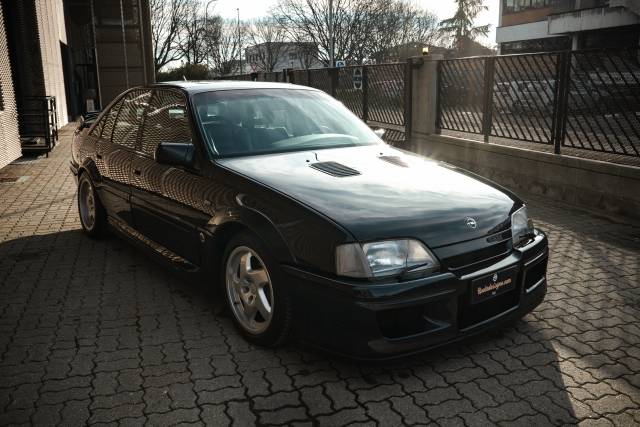
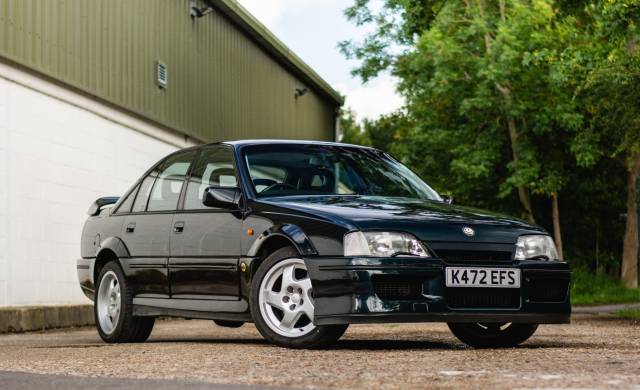
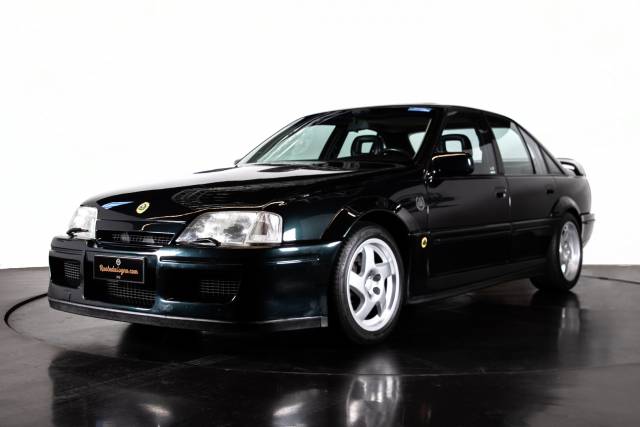
The Lotus Omega, produced between 1990 and 1992, set new benchmarks for high-performance saloons. Emblazoned in deep Imperial Green, it combined understated looks with remarkable technical sophistication and a turbocharged six-cylinder punch. Discover this engineering marvel that redefined expectations for four-door cars of its era.
Search results

1992 | Lotus Carlton
Lotus Omega 3.6 Twin Turbo "Less than 33,000 km - Collector's condition" "Less than 33.000 km - Collector's condition" - As a collector you want this mileage and quality, From the first private German owner until 2025, First road registration in 1996,Well documented - the board map and invoices are just as good as the car ,"An “enthusiast” sees an Opel - A true enthusiast sees the concept and knows better",

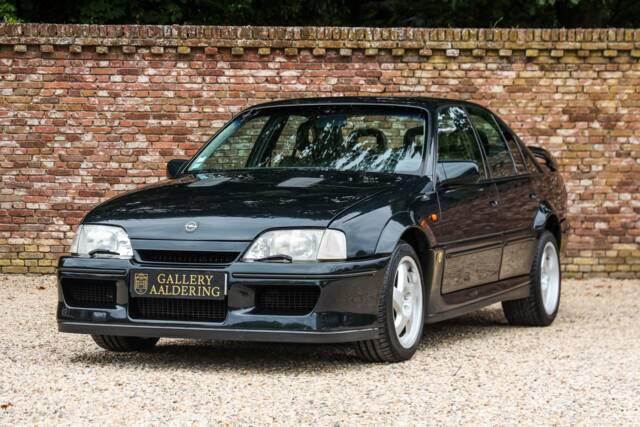
1992 | Lotus Carlton
Lotus Omega 3.6 Twin Turbo "From the first owner" "From the first owner" - He says he bought the Omega brand-new for his wife and not for himself, Accompanied by a complete and comprehensive historical dossier, In “Imperial Green” - but they all come that way from the factory because it's a fantastic color , Back then the Omega was a formidable opponent for Ferrari drivers on the “Autobahn”,
Auctions ending soon

Loading…
Loading…
Loading…
Loading…
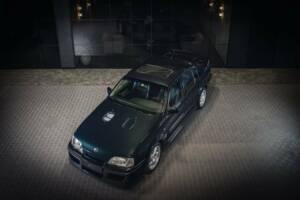
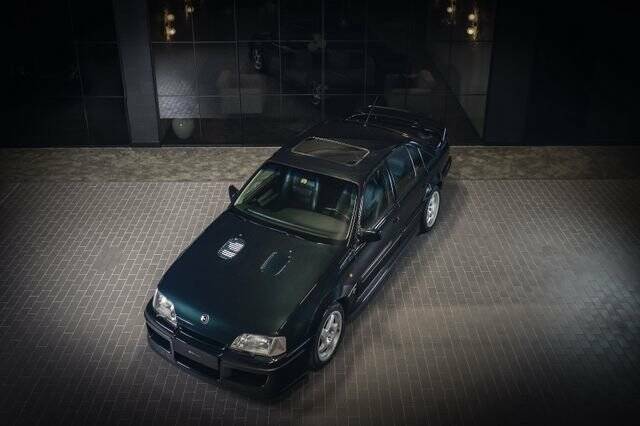
1992 | Lotus Carlton
Omega

Lotus Omega listing references from Classic Trader
Below you will find listings related to your search that are no longer available on Classic Trader. Use this information to gain insight into availability, value trends, and current pricing for a "Lotus Omega" to make a more informed purchasing decision.
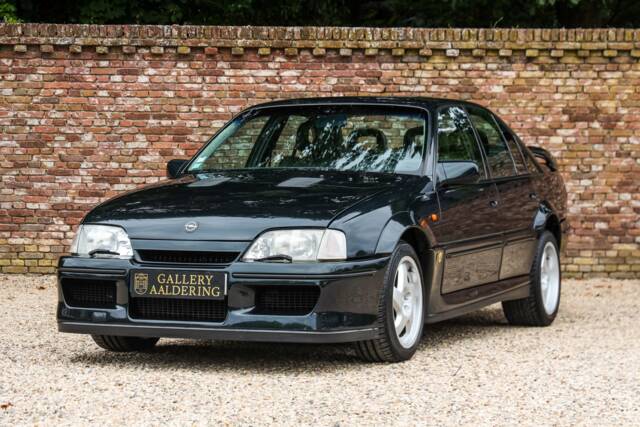
1992 | Lotus Carlton
Lotus Omega "From the first owner" "From the first owner" - He says he bought the Omega brand-new for his wife and not for himself, Accompanied by a complete and comprehensive historical dossier, In “Imperial Green” - but they all come that way from the factory because it's a fantastic color , Back then the Omega was a formidable opponent for Ferrari drivers on the “Autobahn”,
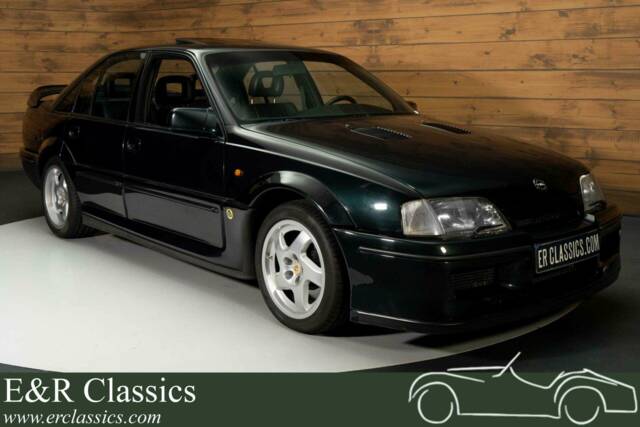
1991 | Lotus Carlton
Opel Omega Sedan
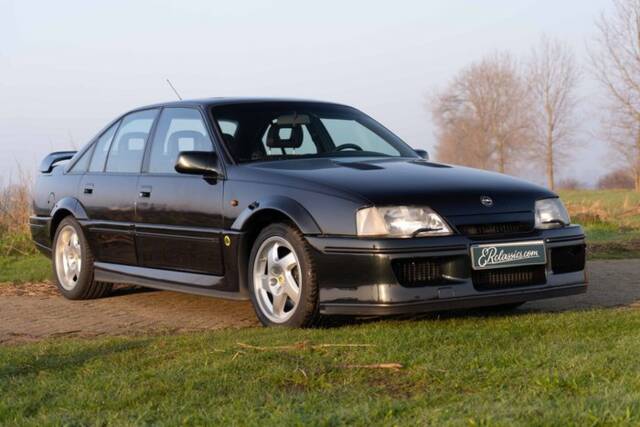
1991 | Lotus Carlton
Lotus - Omega - 1991
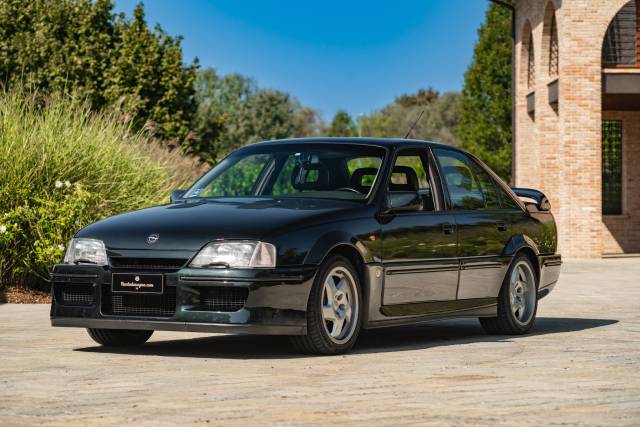
1992 | Lotus Carlton

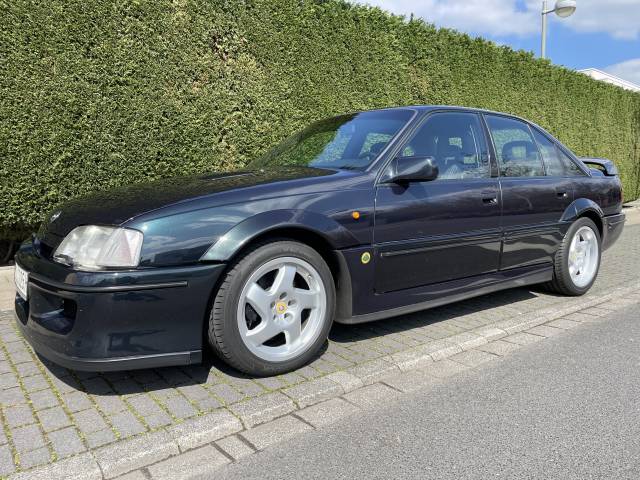
1991 | Lotus Carlton
Mit Original Neuteilen generalüberholt - Technisch absolut perfekt
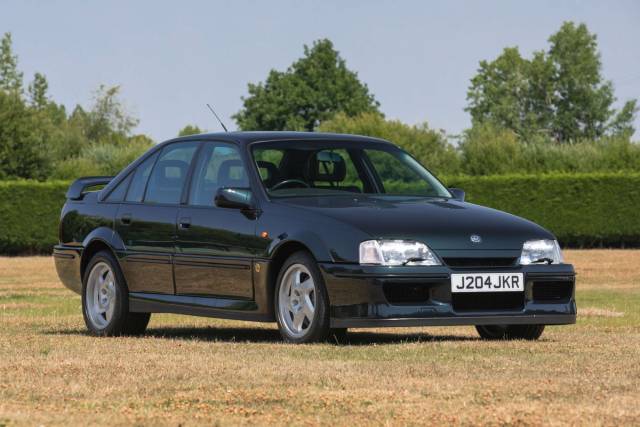
1991 | Lotus Carlton
1991 Vauxhall Lotus Carlton

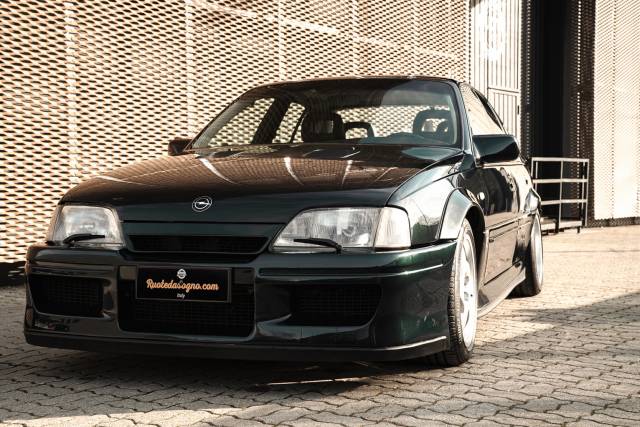
1991 | Lotus Carlton
1991 | Lotus Carlton
1993 | Lotus Carlton
One of the most iconic saloon's ever?
1991 | Lotus Carlton
1991 | Lotus Carlton
Lotus Omega Classic Cars: Prices & Market Values
History of the Lotus Omega
The Lotus Omega, known in the UK as the Lotus Carlton, was the result of a collaboration between the British sportscar specialist Lotus and Opel, based on the first generation Opel Omega A saloon. Launched around 1990, production continued until roughly 1992. With around 950 examples built—only about 630 as left-hand drive—its exclusivity is legendary. The development aimed to transform the Omega into a saloon capable of rivaling top European performance cars, utilising numerous components from General Motors’ global network, yet re-engineered to Lotus' demanding standards. Its launch sparked both admiration and controversy due to its unbridled top speed, at a time when highway speed limits were hotly debated.
Model History and Evolution
The Lotus Omega saw its roots in the Opel Omega A (1986–1993), which itself was renowned for durability and comfort. Lotus selected this model as a base for their four-door super saloon project, radically modifying powertrain, suspension and braking. The predecessor could be considered any high-performance Omega, such as the Omega 3000 or 3000 24V, but nothing before matched the Lotus Omega's technical ambition. The project did not see a direct successor from Lotus; instead, the car stands as a unique episode in the brand's history, influencing the future of fast saloons in Europe.
Highlights and Rarity of the Lotus Omega
Distinct among performance saloons, the Lotus Omega reached a top speed of 280–283 km/h (176–177 mph), then the fastest production saloon worldwide. Its 377 hp, twin-turbocharged six-cylinder, 6-speed ZF gearbox from the Corvette ZR1, and limited-slip differential, all delivered driving dynamics unprecedented for its class. The dedicated Goodyear tyres, exclusive bodywork with wide arches, AP Racing brakes, and a single official paint colour (Imperial Green) underlined its special status. Interior appointments were luxurious yet purposeful, with full black leather and comprehensive comfort features.
Technical Data
Special Editions and Collectible Models
Every Lotus Omega can be considered special due to the tiny production run (approx. 950 units). Some were delivered with additional (often aluminium) auxiliary tanks and, in rare cases, factory accessories. However, there were no separate limited editions beyond the standard model, all built to an equally ambitious specification.
Weak Spots and Common Issues
While precise data on specific weak spots for the Lotus Omega is limited here, technically informed buyers should consider standard issues seen in high-powered turbocharged saloons: attention to drivetrain wear, proper functioning of the complex electronics and turbocharger systems, and sourcing of rare Lotus- or GM-specific parts. Given its rarity, specialist knowledge and expert inspection are critical.
Engine and Driving Dynamics
The Lotus Omega’s 3.6-litre, twin-turbocharged inline-six delivers remarkable acceleration—0–100 km/h in around 5 seconds—and a top speed above 280 km/h without electronic limitation. The ZF 6-speed gearbox and 45% limited-slip differential (from Holden) provide precise control over enormous torque. AP Racing brakes and unique Goodyear tyres ensure the car is not only fast in a straight line but capable under demanding use. The reinforced chassis, suspension and differential accommodate both daily usability and extreme driving. The only variant is the Lotus Omega (Omega A), each with the same technical specification and Imperial Green finish. The UK market saw the car marketed as the Lotus Carlton, sharing the mechanical specification but built for right-hand drive.
Interior and Exterior Design
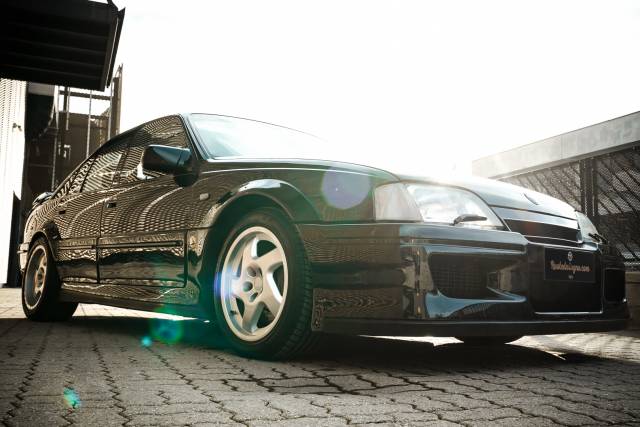
Externally, the Lotus Omega maintains a restrained, saloon profile, augmented by wider arches, discreet aerodynamic elements, and Lotus badges on the wings and rear. Imperial Green is the exclusive exterior colour, often seen as nearly black in low light, providing an unmistakeable yet subtle presence. Black full-leather interiors come equipped with sport seats, climate control, modern (for its time) on-board computer, and electrically operated amenities. Factory equipment list includes electric windows, sunroof, central locking, and front airbags—rare for early '90s saloons. The combination of understated visual cues and functional luxury marks the Omega out from both its base car and contemporaries.
Further Features and Historical Context
The Lotus Omega is remembered for sparking public debate in the early ‘90s—its high speed and performance abilities led to calls for speed limits in Germany. Period accessories, such as auxiliary aluminium tanks, were sometimes fitted. Its general mechanical concept drew from a wide pool of GM technology, but the final tuning and integration bear Lotus’ performance hallmark.
Summary
The Lotus Omega remains an outlier in both Lotus and European performance car history, fusing everyday convenience with outright speed. Its rarity—just under a thousand built, almost all in Imperial Green—ensures it holds a unique place among collectors and enthusiasts. Engineered in Hethel but based on the tried-and-tested Omega platform, it set a reference for four-door performance during its brief two-year production window.