Lotus 22 classic car for sale
The Lotus 22, introduced in 1962, stands as perhaps the most successful spaceframe Lotus in motorsport. Built specifically for Formula Junior racing, it features an advanced chassis, four-wheel disc brakes, dry sump Ford-Cosworth engines, and production limited to just 77 vehicles.
Search results
Currently, there are no matching listings for your search.
Create search alert
Let yourself be notified as soon as a listing is published that matches your search filters.
Create listing
Do you have a Lotus 22 that you want to sell? Then create a listing now.
Create listingLotus 22 listing references from Classic Trader
Below you will find listings related to your search that are no longer available on Classic Trader. Use this information to gain insight into availability, value trends, and current pricing for a "Lotus 22" to make a more informed purchasing decision.
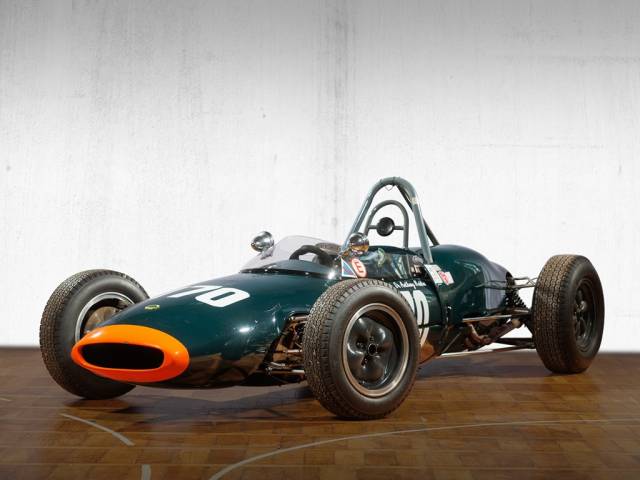
1962 | Lotus 22 Formel 2
1962 Lotus 22 Formula Junior


1961 | Lotus 22 Formel 2
1961 Lotus Type 22 Formula Junior
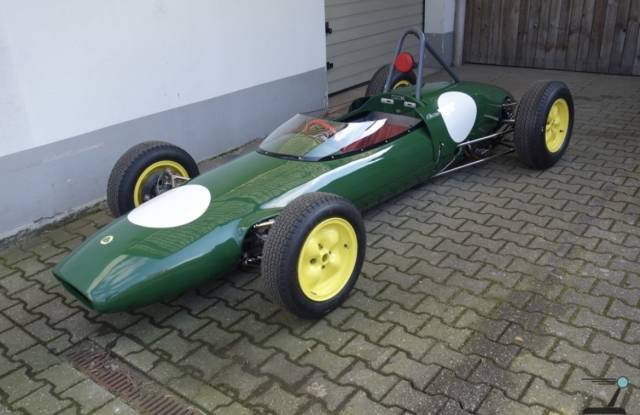
1962 | Lotus 22 Formel 2
Komplett restauriert und Einsatzfertig

Create search alert
Let yourself be notified as soon as a listing is published that matches your search filters.
Create listing
Do you have a Lotus 22 that you want to sell? Then create a listing now.
Create listingLotus 22 Classic Cars: Prices & Market Values
History of the Lotus 22
The Lotus 22 made its debut at the 1962 London Motor Racing Show, representing a significant evolution from the previous Lotus 20. Key engineering advancements included a stiffer spaceframe made from thicker tubing, reinforced chassis elements, and adoption of four-wheel Girling disc brakes, now mounted externally for more effective cooling and maintenance. The rear suspension was inspired by the 1961 Lotus 21 Formula 1 car, replacing the use of drive shafts as suspension arms with dedicated upper camber rods, enhancing handling and safety. The 22 primarily competed in the Formula Junior class, achieving remarkable success including Peter Arundell’s 18 victories in 25 races during the 1962 season. After the Formula Junior category ended in 1963, the Lotus 22 continued in 1000cc Formula 2 and Formula 3, and sometimes, after modification, even participated in non-championship Formula 1 events.
Model history
The Lotus 22 directly succeeded the Lotus 20, incorporating lessons in aerodynamics, suspension refinement, and weight distribution. Compared to the 20, the 22 used more sophisticated chassis tubing and improved track width. After the discontinuation of Formula Junior, several 22s transitioned to Formula 2 or were modified to accept larger engines, such as 1.5-litre units for select Formula 1 events not counting for the World Championship. Key engine variants included Ford-Cosworth SCA, MAE, and 109E types. The strong global demand was met by delivering most of the 77 chassis directly to private customers and independent racing teams worldwide.
Highlights of the Lotus 22
The Lotus 22 distinguished itself through its use of dry sump Cosworth-tuned engines canted at 30 degrees, lowering the centre of gravity and allowing sleeker, more aerodynamic rear bodywork. Its racing credentials are underscored by its lightweight tubular spaceframe chassis and advanced all-round disc brakes—cutting-edge technology for its period. The model’s success in international motorsport, particularly Formula Junior, cemented its status among purpose-built race cars of the early 1960s.
Technical data
Special Editions and Collectible Models
While all Lotus 22s are considered historically significant due to the limited run, some cars were factory-upgraded or extensively modified for Formula 2 specifications or received larger 1.5-litre engines for select non-championship races, making them especially notable within collector circles.
Weak Spots and Common Issues
There is no specific data on known weak spots; however, as with all 1960s race cars, regular inspection of suspension joints, chassis alignment, and maintenance of the dry sump oil system are critical. Correct sourcing of original Girling brakes and Cosworth engine components can be a challenge. Authenticity of historic modifications or upgrades should be verified, especially for competition eligibility.
Engine and Performance, Transmission and Handling
Period-correct Lotus 22s delivered approximately 100 hp from their dry sump Ford-Cosworth units, while later uprated examples could achieve up to 125 hp. With a lightweight chassis and refined suspension geometry, the car set standards in responsiveness and balance, contributing directly to its dominance in Formula Junior. The standard fitment of 4-speed gearboxes, either Renault or VW-based, provided robust, reliable shifting under racing conditions. The combination of a low polar moment of inertia, wide track, and canted engine resulted in superior cornering and driving dynamics compared to rivals. - Lotus 22 Standard Formula Junior: 1.1L Cosworth, 100 hp
- Lotus 22 Formula 2 conversion: up to 1.5L engine, c. 125 hp
Interior, Comfort, Exterior and Design
The Lotus 22’s design is a textbook example of early 1960s single-seater engineering: minimalist cockpit with essential instrumentation, slimline bodywork tailored for low drag, and original colour schemes varying by customer. The bodywork was notably smoother and less boxy than that of the predecessor Lotus 20. Original 13-inch wheels and externally mounted brakes showcased functional race engineering. No factory extras were typically offered, but later cars often featured tailored accessories for contemporary historic race events.
Other relevant features
Every surviving Lotus 22 intended for participation in historic motorsport requires an FIA Historic Technical Passport (HTP); this ensures period-correct configuration and safety compliance for European and US events. Chassis authenticity and race history can add significantly to vehicle provenance and value.
Summary
The Lotus 22 is regarded among the most effective and developed Formula Junior chassis, combining advanced engineering, proven racing pedigree, and unique technical details. With just 77 built, every example is a piece of racing history, eligible for vintage events and sought after for their engineering purity and race-winning potential.