Lotus Eclat Classic Cars for Sale
The Lotus Eclat blends advanced British engineering with distinctive fastback styling. Built mainly in the late '70s and early '80s, this sports coupé captivates with its lightweight fibreglass construction, rear-wheel drive, and a unique 2+2 seating concept, offering an engaging driving experience with practical everyday usability.
Search results
Currently, there are no matching listings for your search.
Create search alert
Let yourself be notified as soon as a listing is published that matches your search filters.
Create listing
Do you have a Lotus Eclat that you want to sell? Then create a listing now.
Create listingLotus Eclat listing references from Classic Trader
Below you will find listings related to your search that are no longer available on Classic Trader. Use this information to gain insight into availability, value trends, and current pricing for a "Lotus Eclat" to make a more informed purchasing decision.
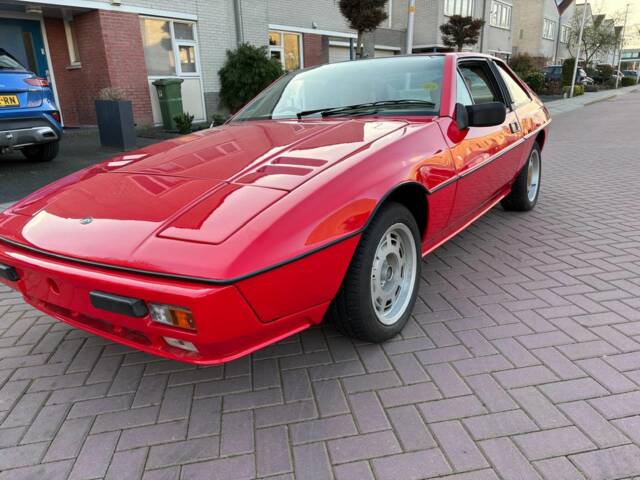
1985 | Lotus Eclat
Lotus Eclat | 1985 | Route 66 Auctions - For sale by auction. Estimate 5500 EUR

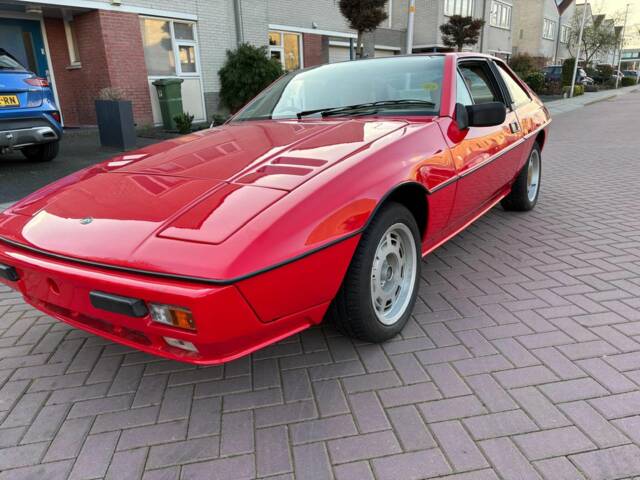
1985 | Lotus Eclat S 2.2
Lotus Eclat | 1985 | Route 66 Auctions - For sale by auction. Estimate 8500 EUR
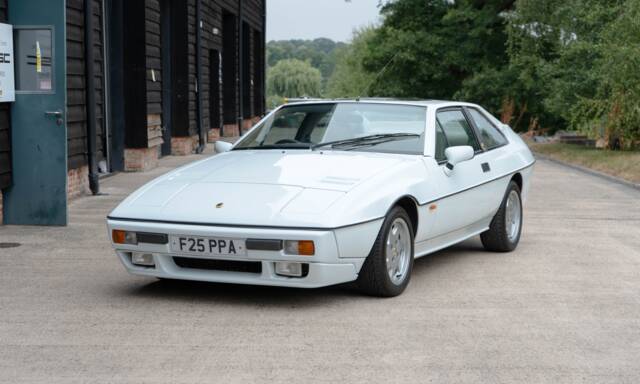
1989 | Lotus Eclat S 2.2
1989 Lotus Eclat Excel

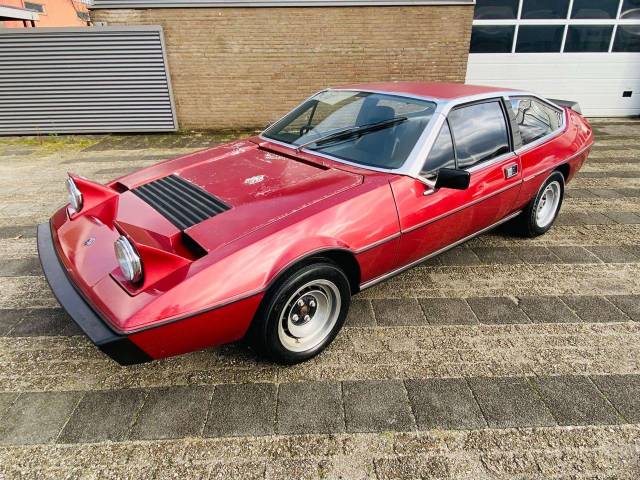
1978 | Lotus Eclat
Lotus Eclat 2.0 520 RHD 1978 opknapper
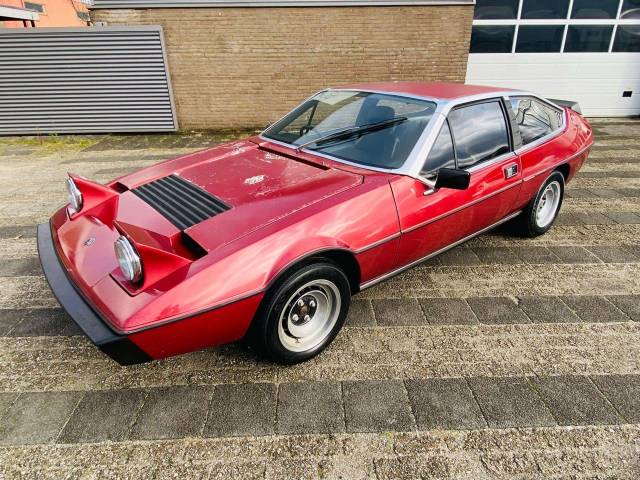
1978 | Lotus Eclat
Lotus Eclat 2.0 520 RHD 1978
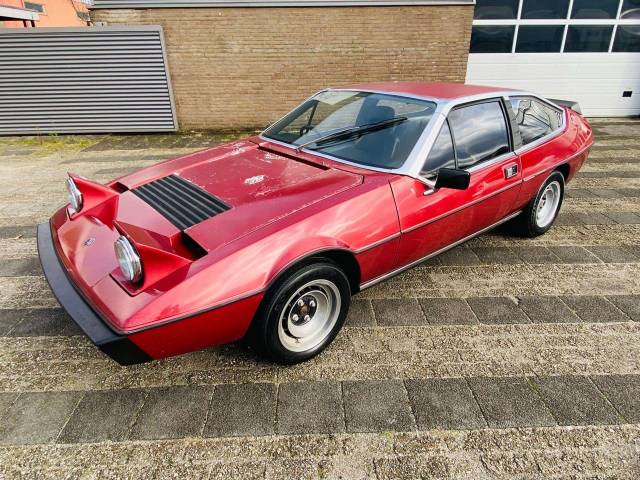
1978 | Lotus Eclat
Lotus Eclat 2.0 520 RHD 1978
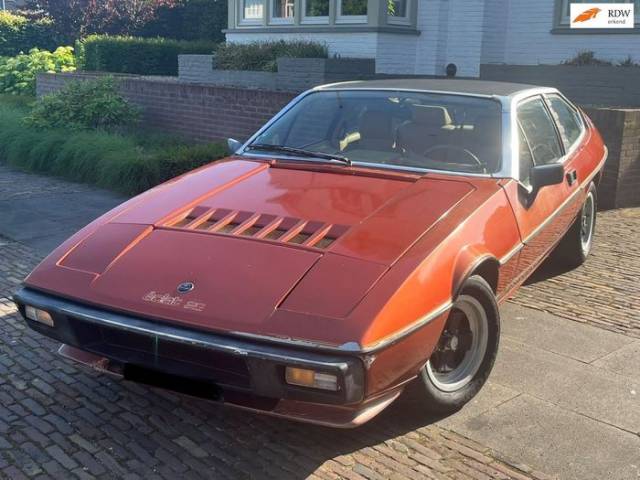
1982 | Lotus Eclat S 2.2
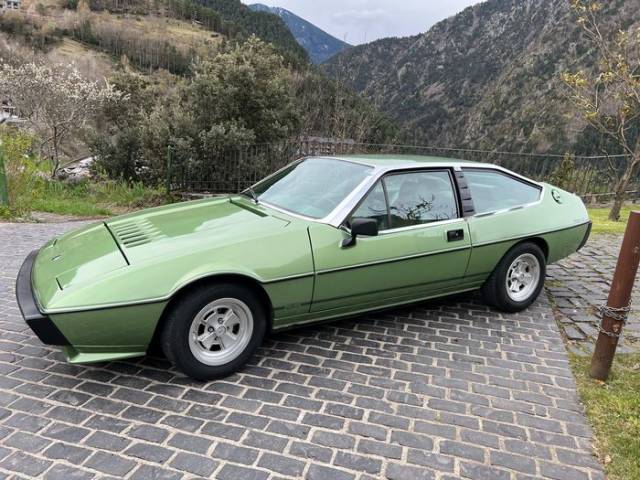
1980 | Lotus Eclat S 2.2
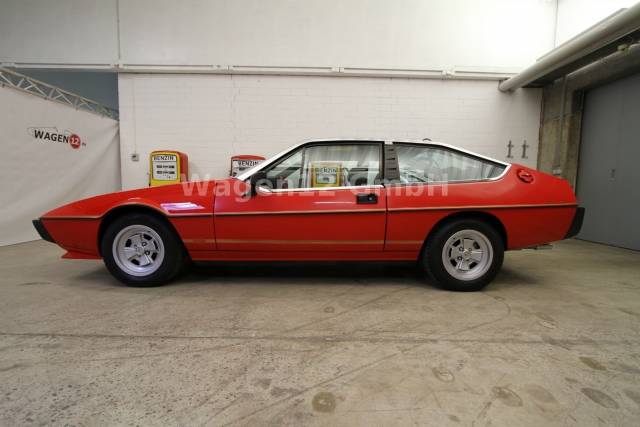
1981 | Lotus Eclat S 2.2
Lotus Eclat S2

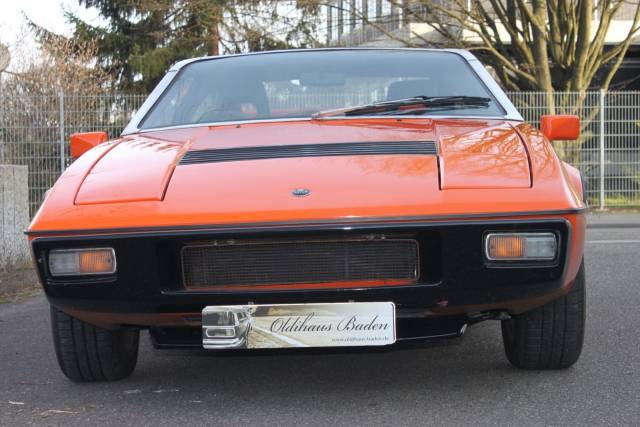
1978 | Lotus Eclat
Lotus Eclat S1/Typ 821 RHD - 93.890 km
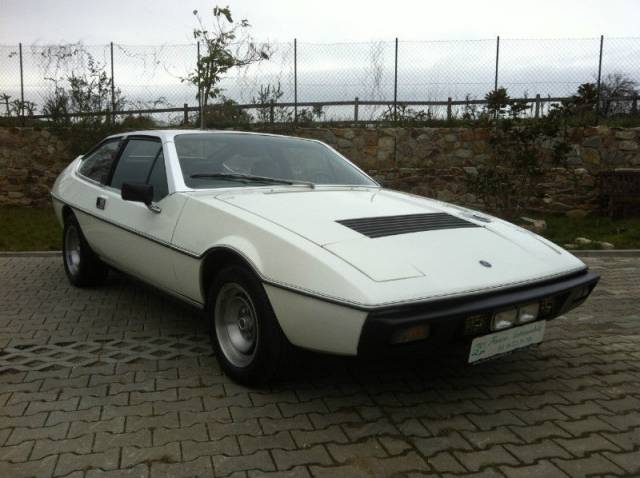
1980 | Lotus Eclat S 2.2
Excel/ Eclat LHD
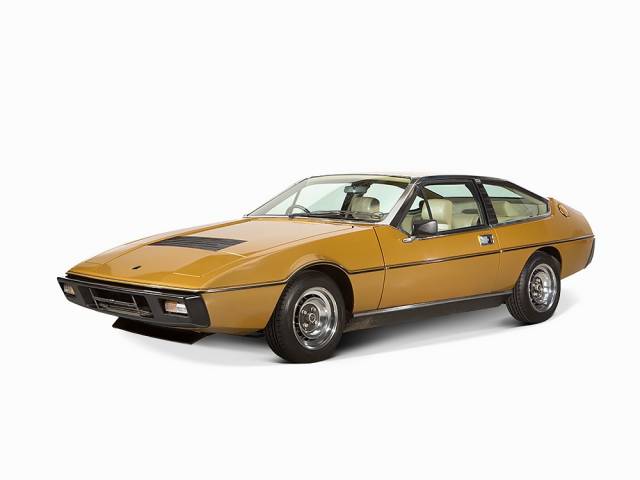
1980 | Lotus Eclat
This vehicle will be auctioned on 11/28/2014 at 6 pm
Create search alert
Let yourself be notified as soon as a listing is published that matches your search filters.
Create listing
Do you have a Lotus Eclat that you want to sell? Then create a listing now.
Create listingLotus Eclat Classic Cars: Prices & Market Values
History of the Lotus Eclat
Lotus Cars unveiled the Eclat in 1974 as a more practical sibling to the Elite, retaining much of the Elite’s technical base while adding a fastback profile. The design was closely tied to the Lotus engineering ethos of just enough, weighing in at just 975 kg thanks to its fibreglass body. Company founder Colin Chapman personally introduced the Eclat at the New York Auto Show, marking Lotus’s commitment to evolving beyond its kit-car roots and further establishing its reputation for innovative sports car design. Production ran until 1982, after which the Eclat evolved into the Lotus Excel.
Model History
The Eclat was produced from 1974 (some sources cite 1975) through to 1982, split into two main series. The Series 1 (Type 76) launched with the 2.0-litre Lotus 907 engine, while the 1980 Series 2 (Type 84) introduced the 2.2-litre 912 engine and a galvanised chassis to address earlier corrosion issues. Models included the base Eclat 520, air-conditioned 521, power-steered 523, and the 524 with automatic transmission. Only 220 units of the S2 were built, making it a particularly rare find.
Highlights and Statistics
Distinctive features include the long fastback shape for added boot capacity, the 2+2 seat configuration, and lightweight glassfibre bodywork. Handling is exceptional due to the car’s near-perfect weight distribution and rear-wheel-drive layout. The Eclat’s engineering prioritises agility and a direct connection between car and driver, reflecting Lotus’s philosophy in this era.
Thanks to its rarity—just 220 S2 units produced—it’s a standout even among classic Lotus cars. According to our market database, Lotus Eclat listings account for 100% of Lotus supply and demand on our platform, highlighting both its singularity and current dedicated interest within the Lotus classic car segment.
Technical Data
Special Editions and Collectible Models
In 1981, Lotus released the Eclat Riviera, a special edition featuring a lift-out sunroof and further equipment upgrades. Another significant development was the Eclat Excel, initially equipped with a Toyota-sourced gearbox; this was the link between the Eclat and its more refined successor, the Lotus Excel, produced into the early ‘90s.
Weak Spots and Common Issues
Early Eclat Series 1 models used a felt strip between the chassis and fibreglass body that trapped water, leading to chassis corrosion—especially at the rear. Lotus addressed this in Series 2 by switching to a galvanised chassis. Mechanical components are robust if serviced regularly, but age-related electrical issues and wear in the fibreglass panels or interior trim can occur. Proper inspection of undercarriage, seals, and suspension is recommended for prospective buyers.
Engine and Performance, Transmission and Handling
The Lotus Eclat shines with its responsive rear-wheel-drive chassis, balanced weight distribution, and light overall construction. With 160 PS from a high-revving slant-four engine and a choice of manual or automatic transmissions, the Eclat stands out for agility on winding roads. Owners appreciate the direct steering and minimal body roll. Its precision handling and sharp feedback are hallmarks of Lotus engineering. - Lotus Eclat 521: Standard, manual, air conditioning optional.
- Lotus Eclat 524: Automatic transmission, higher comfort trim.
- Lotus Eclat S2: 2.2-litre engine, galvanised chassis, only 220 built—ensuring collectibility.
- Eclat Riviera: Special S2 with open roof and extra features.
Interior, Comfort, Exterior and Design
The Eclat’s wedge-shaped exterior came under the influence of Italian design trends—Giorgetto Giugiaro’s aesthetic is clearly visible. The 2+2 cabin, while compact, offers more usability than most rivals, with fold-down rear seats for added flexibility. Interior options include leather trim, power steering, air conditioning, and – in special editions – lift-out roof panels. Externally, pop-up headlights and slim bumpers complement the crisp lines. Accessories and exterior colours were typical for the late '70s, with some cars ordered in striking paint tones.
Other Noteworthy Features
Practicality is higher than expected for a classic Lotus: the liftback boot gives genuine storage capability. Later models added features usually reserved for more luxurious GTs, including power steering and improved cabin trim. The Eclat can often be viewed and collected in the Netherlands, and specialised companies facilitate EU-wide transport for buyers.
Summary
With its fastback practicality, lightweight construction, and engaging drive, the Lotus Eclat delivers a distinct blend of daily usability and classic British engineering. Limited numbers, especially of the S2 series, make it a compelling and exclusive choice among enthusiasts looking for something different in the world of classic sports cars.