Lotus 15 classic car for sale
The Lotus 15 stands as a technical milestone in motorsport history, renowned for its pioneering lightweight design and developed between 1958 and 1960 under Colin Chapman’s direction. With its rare presence and racing pedigree, the 15 is a sought-after machine for true enthusiasts of British engineering.
Search results
Currently, there are no matching listings for your search.
Create search alert
Let yourself be notified as soon as a listing is published that matches your search filters.
Create listing
Do you have a Lotus 15 that you want to sell? Then create a listing now.
Create listingLotus 15 listing references from Classic Trader
Below you will find listings related to your search that are no longer available on Classic Trader. Use this information to gain insight into availability, value trends, and current pricing for a "Lotus 15" to make a more informed purchasing decision.
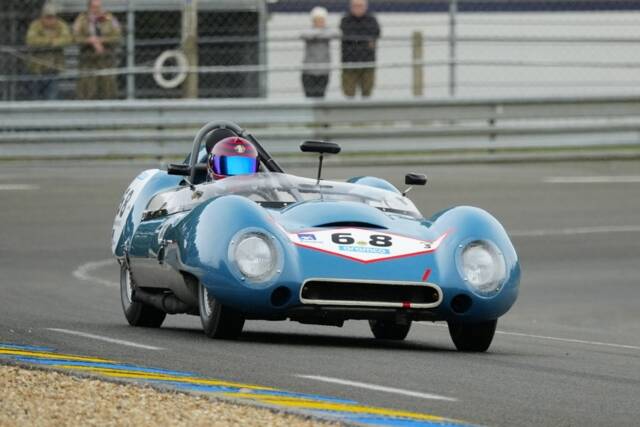
1959 | Lotus 15
Lotus 15

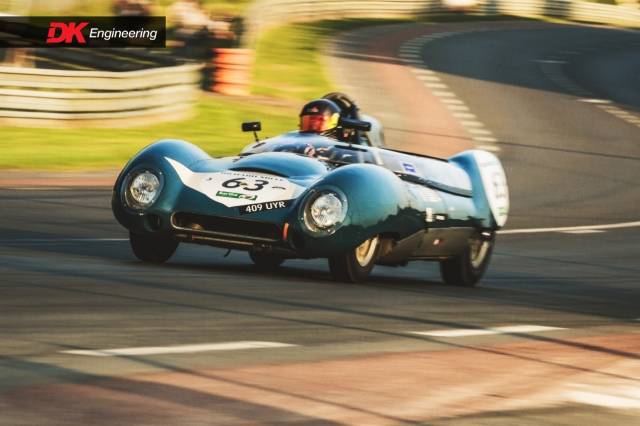
1959 | Lotus 15
Lotus XV [DK1136]

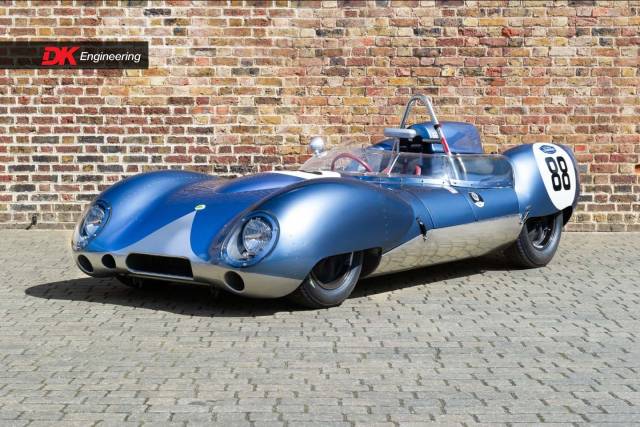
1958 | Lotus 15
Lotus XV [DK924]
Create search alert
Let yourself be notified as soon as a listing is published that matches your search filters.
Create listing
Do you have a Lotus 15 that you want to sell? Then create a listing now.
Create listingLotus 15 Classic Cars: Prices & Market Values
History of the Lotus 15
The Lotus 15 was developed during a pivotal period in British motorsport. Conceived by Colin Chapman to succeed the Lotus Eleven, it marked a leap forward in chassis engineering and aerodynamic thinking. Built from 1958 to 1960, the Lotus 15 competed in sports car racing's golden era, often facing fierce rivals on both domestic circuits and international tracks. Its immediate predecessor was the Eleven—a highly successful, streamlined machine—but the 15 pushed boundaries further with its more powerful engine options and an advanced spaceframe chassis.
Model History
The Lotus 15 represents the direct evolution from the Eleven, with Lotus seeking to dominate up to the three-litre class in international sports car racing. Over its production run, the 15 featured several engine configurations, predominantly Coventry Climax units, and ongoing enhancements to chassis stiffness and weight reduction. Following the 15, Lotus shifted its focus toward mid-engined designs, culminating in the game-changing Lotus 19 and, later, the Lotus 23—icons of Chapman’s engineering philosophy.
Highlights of the Lotus 15
Engineered with a meticulous focus on weight saving and performance, the Lotus 15 featured a spaceframe chassis, lightweight aluminium bodywork, independent suspension, and disc brakes all around. Its low-profile shape contributed to excellent aerodynamics, while the model’s track record includes success at world-renowned events like Le Mans and Goodwood. With a limited production run, every surviving example represents a tangible piece of racing history.
Technical Data
Special Editions and Collectible Models
While the Lotus 15 was produced in very limited numbers to begin with, some models can be distinguished by specific engine configurations or period racing histories at events such as Le Mans. Cars campaigned by renowned drivers or bearing original competition provenance are highly regarded among specialists.
Weak Spots and Common Issues
Modern restoration and ongoing care are crucial for any surviving Lotus 15, as original materials (such as aluminium panels and spaceframe joints) are susceptible to corrosion and fatigue over decades. As specialist competition machinery, sourcing authentic mechanical components like period-correct Coventry Climax engines and original brake assemblies requires deep expertise and access to historic motorsport suppliers. Owners must remain attentive to chassis integrity and ensure continual, precise adjustment of the suspension and brakes.
Engine and Performance, Transmission and Handling
The Lotus 15 offers a uniquely direct driving experience, with crisp throttle response and razor-sharp steering. Depending on the engine variant, power output ranges from around 130hp in early FWB-equipped cars to upwards of 240hp in later, competition-prepared FPF models. The rear-wheel-driven car uses either standard or racing transmissions, offering quick gear changes and excellent mechanical feedback. Weighing well under 600kg even in competition trim, the Lotus 15’s exceptional power-to-weight ratio, fully independent suspension, and disc brakes allow it to out-handle heavier rivals of its era. Most interest today centres on period-raced examples with strong provenance, often with FPF engines in the 2.0–2.5 litre class.
Interior, Comfort, Exterior and Design
The Lotus 15’s exterior is shaped by pure function: a low-drag, lightweight aluminium body with cutaway front arches and minimal cockpit height. Chapman’s design focus is visible in the tight cockpit—optimised for driver engagement rather than comfort. Lightweight bucket seats, sparse instruments, and the spartan dashboard are typical. Special design features include faired-in headlamps and a wrap-around Perspex windscreen, with factory bodywork sometimes delivered in distinctive racing colours. Optional accessories were minimal, as every element served the pursuit of speed and agility on track.
Other Features
Historic Lotus 15s might feature contemporary upgrades such as FIA-compliant roll cages, modern safety fuel cells or period-correct magnesium wheels, implemented by restorers to enhance safety and event eligibility without detracting from authenticity.
Summary
The Lotus 15 epitomises the innovative, performance-driven ethos of late 1950s motorsport. With its advanced chassis, range of Coventry Climax engines, and low production numbers, it stands as a benchmark for those passionate about historic racing machinery. A Lotus 15 attracts specialist enthusiasts drawn to rarity, period authenticity and precise, analogue driving.