Lola T292 Classic Cars for Sale
The Lola T292 stands out in the history of two-litre prototype racing, epitomising British engineering in early 1970s motorsport. Built for the fierce competition of the European 2-Litre Championship, it remains the reference point for drivers and collectors seeking genuine period racing credentials.
Search results
Currently, there are no matching listings for your search.
Create search alert
Let yourself be notified as soon as a listing is published that matches your search filters.
Create listing
Do you have a Lola T292 that you want to sell? Then create a listing now.
Create listingLola T292 listing references from Classic Trader
Below you will find listings related to your search that are no longer available on Classic Trader. Use this information to gain insight into availability, value trends, and current pricing for a "Lola T292" to make a more informed purchasing decision.
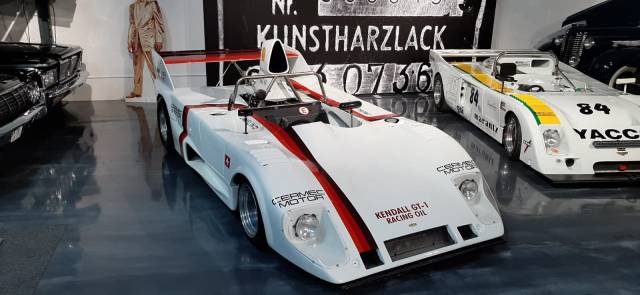
1973 | Lola T292

Create search alert
Let yourself be notified as soon as a listing is published that matches your search filters.
Create listing
Do you have a Lola T292 that you want to sell? Then create a listing now.
Create listingLola T292 Classic Cars: Prices & Market Values
History of the Lola T292
By 1972, Lola Cars had established themselves as a powerhouse in prototype racing. The T292 emerged as the evolution of the T290, specifically designed for Group 5 Sports 2000 regulations. With a chassis engineered by Bob Marston and the input of key innovators like John Barnard and Patrick Head—who would later shape Formula 1—the T292 was aimed squarely at dominating European 2-Litre races. Its construction reflected a dedication to lightweight structural rigidity and aerodynamic balance, essential for the class. Throughout the 1970s, the T292 consistently proved itself at European circuits, contending against rivals from Chevron and Osella, contributing to Lola’s legacy as a builder of some of the era’s most effective racing prototypes.
Model Evolution: From T290 to T299
The T292 sits in the centre of a lineage of Lola sport prototypes. It succeeded the T290 and was subsequently developed into cars such as the T294, T296, T297, T298, and T299. Each iteration incorporated evolutionary improvements in aerodynamics, chassis design, and adaptability to different powertrains, maintaining Lola’s competitive stature in 2-Litre prototype championships well into the 1980s.
Highlights and Unique Features
The Lola T292 is defined by its lightweight aluminium monocoque, mid-engine configuration, and precise engineering tailored for high-speed circuits. Triple British design influence is evident in its fine chassis balance and adaptability. Technically collaborative design work between Marston, Barnard, Head, and Broadley ensured continued relevance against newer rivals. Its racing history and scarcity in the classic market further set it apart.
Technical Data
Special Editions and Collectible Models
Throughout its production, Lola T292 chassis were prepared by privateer teams for major events and sported unique livery and mechanical adaptations, especially when prepared for races like the 24 Hours of Le Mans. Some T292s received substantial updates in period, including aerodynamic bodywork variations for low-drag or high-downforce tracks, making each surviving car a case study in racing history.
Weak Spots and Common Issues
T292s require diligent care due to their motorsport pedigree. Attention must be paid to monocoque integrity, as well as proper maintenance of original magnesium suspension parts, frequent overhauling of high-revving engine components, and careful inspection of period electrical systems. Restoration requires sourcing authentic racing parts, making experienced engineers and historic racing specialists invaluable.
Engine and Performance, Transmission and Handling
Optimised for circuit racing, the T292 provided exceptional handling rivalled by few thanks to precise rack-and-pinion steering and advanced suspension for its era. Engine packages—usually Ford-based two-litre four-cylinders—supplied strong power-to-weight ratios, while five-speed gearboxes enabled full use of rev-happy powertrains. Cornering stability and progressive braking were major selling points, ranking the T292 among the most competitive Sports 2000 prototypes of its time. Lola T292s with period Ford Cosworth engines and those with documented international competition history are especially desirable. Chassis with unique race preparation or successful track records attract heightened attention in the historic motorsport community.
Interior, Comfort, Exterior and Design
Authenticity rules the design of the Lola T292: a purposeful, minimalist cockpit dominated by essential gauges and controls, built around the needs of racing. Composite seats were moulded to driver preference, with weight savings prioritised over comfort. Externally, the T292’s low-slung, aerodynamic fibreglass bodywork, faired wheel arches, and pronounced tail reflector genuine early 1970s motorsport aesthetics. Special liveries from its original race entries further distinguish individual cars; factory options were minimal, with aftermarket period accessories like quick-fill refuelling or additional lighting for endurance events occasionally present.
Other Relevant Features
Documentation and provenance are central to the value and appeal of any T292. Matching chassis numbers, competition logbooks, and original specification sheets greatly affect collectability. Period racing successes and detailed restoration history are points of note for potential buyers.
Summary
The Lola T292 remains a key figure in the development of Sports 2000 prototypes. Its engineering, design pedigree, and concentration in the classic car market make it the definitive Lola on offer today. For historic motorsport enthusiasts, a T292 promises authentic driving and collecting experiences rooted in genuine period competition.