Lloyd Alexander classic cars for sale
The Lloyd Alexander stands as a prime example of German practicality from the late 1950s, offering efficient engineering, compact dimensions, and a robust reputation for reliability. Produced between 1957 and 1961, it was Lloyd's answer to the changing mobility needs of post-war Europe.
Search results
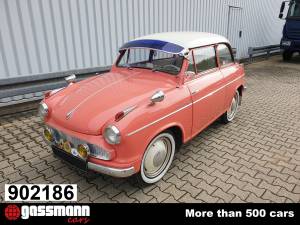
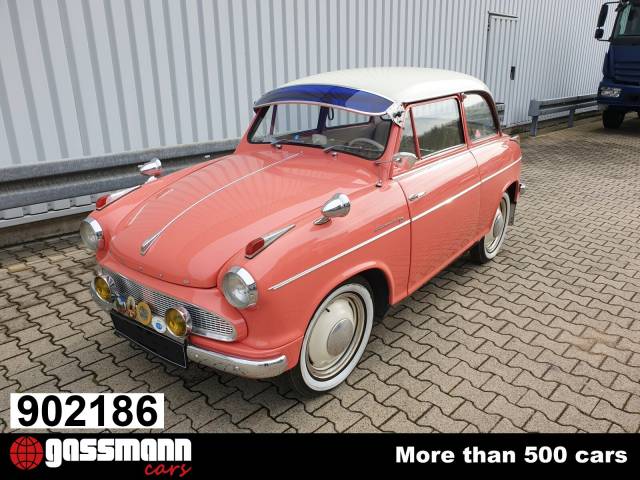
1961 | Lloyd Alexander TS
LLOYD - LP 600 Alexander TS

Lloyd Alexander listing references from Classic Trader
Below you will find listings related to your search that are no longer available on Classic Trader. Use this information to gain insight into availability, value trends, and current pricing for a "Lloyd Alexander" to make a more informed purchasing decision.
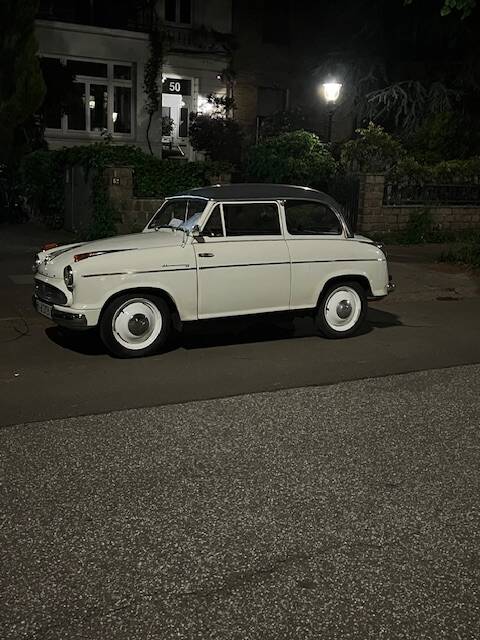
1958 | Lloyd Alexander TS
Borgward Lloyd Alexander TS – Fully Restored German Classic
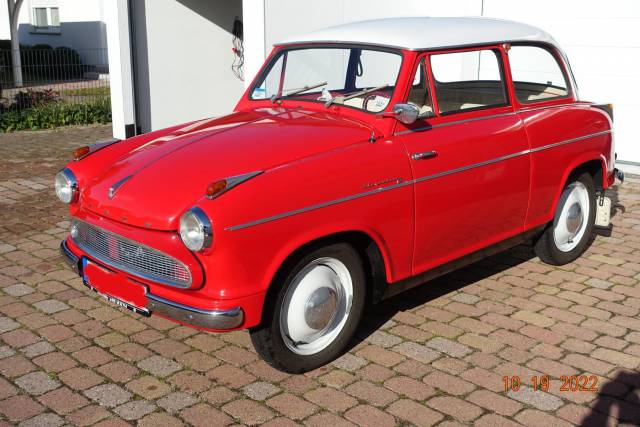
1958 | Lloyd Alexander TS
LP600 TOP Zustand
Lloyd Alexander Classic Cars: Prices & Market Values
History of the Lloyd Alexander
The Lloyd Alexander was introduced in 1957 by Lloyd, part of the Borgward group based in Bremen. Designed during a period of rapid economic and social change in Germany, the Alexander replaced the Lloyd 400 and reflected the evolving expectations for comfort, practicality, and affordability. Key innovations over its predecessor included fully retractable crank windows instead of sliding panes and a now externally accessible boot, which improved everyday usability. The Alexander marked Lloyd’s dedication to adapting its vehicles to meet the needs of families seeking modest, reliable transport. Its production ran until 1961, upon which it left the Lloyd line-up with no direct successor, closing a short but notable chapter in German automotive history.
Model Range and Development
Within Lloyd’s portfolio, the Alexander emerged between the Lloyd 400 and the later Alexander TS. Mechanically, it was closely related to the Lloyd 600, sharing the two-cylinder, air-cooled, four-stroke engine but featuring a more advanced four-speed gearbox with a column shift, plus a proper boot lid for outside access. The Alexander was available as a saloon, cabrio-saloon, estate version (Kombi), and a small panel van. An important differentiation from the Lloyd 600 was the adoption of synchronized gears and other comfort-related upgrades, setting it apart in a market crowded with basic microcars.
Highlights and Unique Features
Simple engineering and thoughtful practicality are central to the Alexander’s appeal. The synchronized four-speed gearbox, the externally accessible luggage compartment, and the modest 25-litre fuel tank mounted under the bonnet all reflect clever packaging. Period-specific two-tone body paint and cream-coloured synthetic leather interiors underscored its era’s cheerful design cues. The model was supplied in several 6-volt electrical systems, with later or converted examples running at 12 volts. The Alexander was more expensive than microcars like the BMW Isetta and Glas Goggomobil, yet provided notably greater cabin space and usability. Original parts and technical documentation remain accessible for present-day owners.
Technical Data
Special Editions and Collectible Models
The Lloyd Alexander TS was a sportier version with slight improvements in performance and trim, but otherwise the standard Alexander remained the principal model. Collectors find added interest in well-preserved estate models (Kombi) or original two-tone combinations, which were less common and often better equipped compared to standard saloons.
Weak Spots and Common Issues
Original Lloyd Alexanders are praised for straightforward, accessible engineering, making parts replacement and routine servicing manageable even decades later. Buyers should check for corrosion on the chassis and underbody, as well as the integrity of the compact engine and transmission. Owners continue to find original 6-volt components, while many vehicles are converted to 12 volts for practicality. Maintaining the drum brake system and sourcing period-correct accessories are ongoing considerations.
Engine, Transmission and Handling
The Alexander’s 596 cc engine produced 19 bhp, allowing the car to match urban and suburban traffic of its time, though acceleration was leisurely. The four-speed manual transmission with column shift was considered advanced among contemporaries, providing greater driver comfort. Hydraulic drum brakes offered period-typical stopping power, while handling was safely understeered, in line with front-wheel-drive setup and modest power output. The Lloyd Alexander TS, with its slightly more powerful engine and finer trimmings, is often highlighted among enthusiasts for offering a more engaging drive and additional comfort.
Interior, Comfort, Exterior and Design
The Lloyd Alexander’s cabin featured synthetic cream-coloured leather seats, often found in combination with bright, pastel-coloured bodies—sometimes in two-tone schemes for a distinctive look. The cockpit was streamlined and practical, typical of the 1950s economic context. Notable equipment included wind-up windows and an externally accessible boot, both upgrades from previous Lloyd models. Optional accessories ranged from radio fitments to decorative trims. The Kombi body style offered additional versatility for owners needing cargo capabilities.
Other Notable Features
Original documentation and parts availability are notable strengths for preservation and restoration projects. The sensible engineering philosophy of Lloyd vehicles means many parts are interchangeable across similar models, easing maintenance for current enthusiasts.
Summary
Lloyd Alexander offers a direct insight into economical German motoring in the late 1950s, bridging the gap between utilitarian microcars and mainstream family vehicles. Its thoughtfully upgraded features, practical maintenance, and distinctive period design make it a valued choice for classic car aficionados interested in functional, historically resonant vehicles.