Lancia Rally 037 Classic Cars for Sale
The Lancia Rally 037 stands alone as the final rear-wheel-drive car to secure the World Rally Championship. Developed at the dawn of the Group B rally era, this rare machine united advanced engineering with track-focused design, delivering both blistering performance and uncompromising motorsport pedigree.
Search results
Currently, there are no matching listings for your search.
Create search alert
Let yourself be notified as soon as a listing is published that matches your search filters.
Create listing
Do you have a Lancia Rally 037 that you want to sell? Then create a listing now.
Create listingLancia Rally 037 listing references from Classic Trader
Below you will find listings related to your search that are no longer available on Classic Trader. Use this information to gain insight into availability, value trends, and current pricing for a "Lancia Rally 037" to make a more informed purchasing decision.
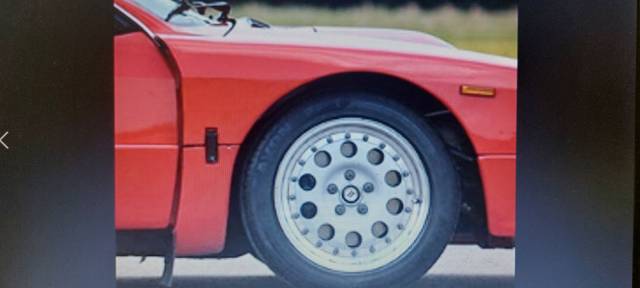
1983 | Lancia Rally 037
GROUP B PLEASE READ THE DESCRIPTION

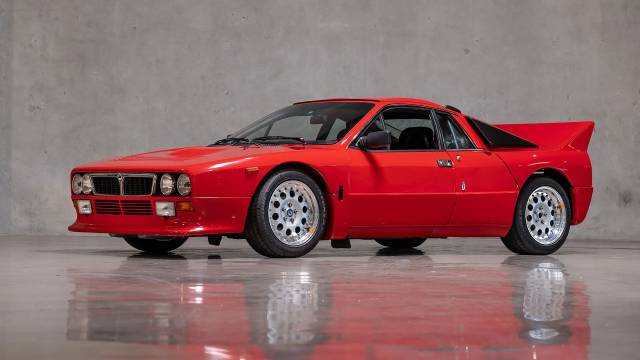
1982 | Lancia Rally 037
1982 Lancia Rallye 037 "Stradale"

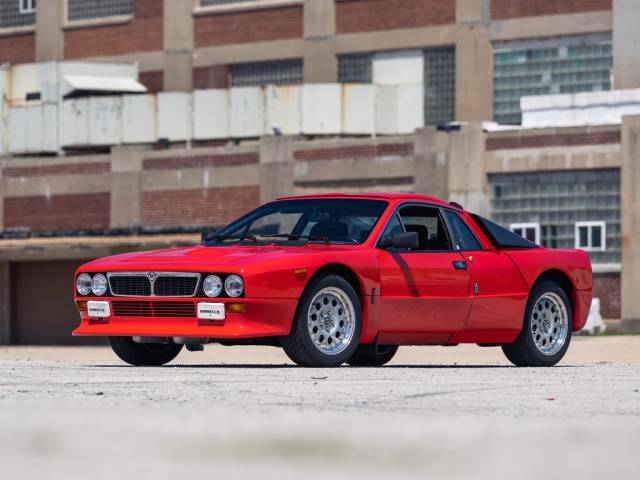
1982 | Lancia Rally 037
1982 Lancia Rally 037 Stradale
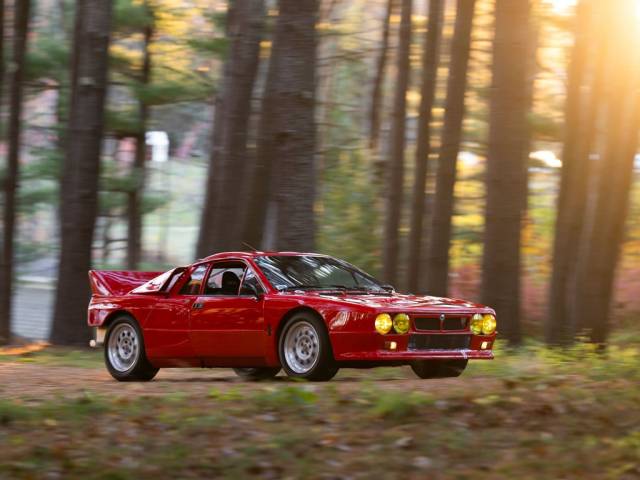
1982 | Lancia Rally 037
1982 Lancia Rally 037 Stradale ‘Evolution II’
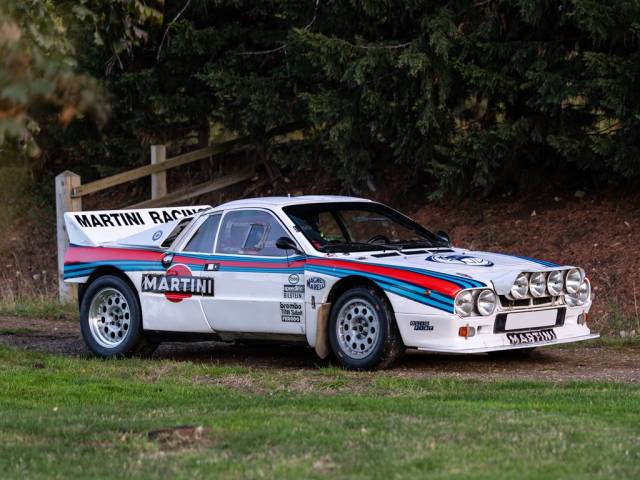
1982 | Lancia Rally 037
1982 Lancia 037 Group B Works Evolution 1
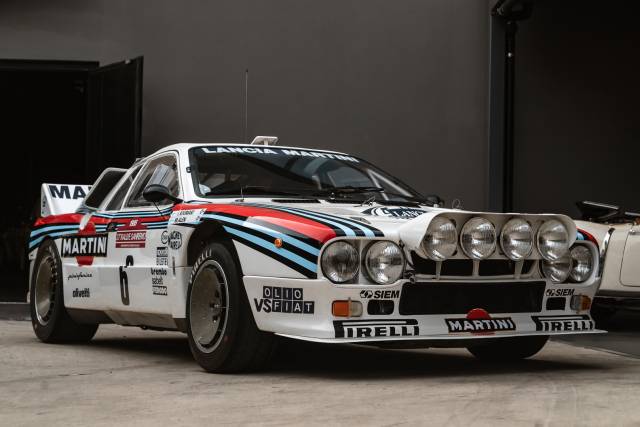
1983 | Lancia Rally 037
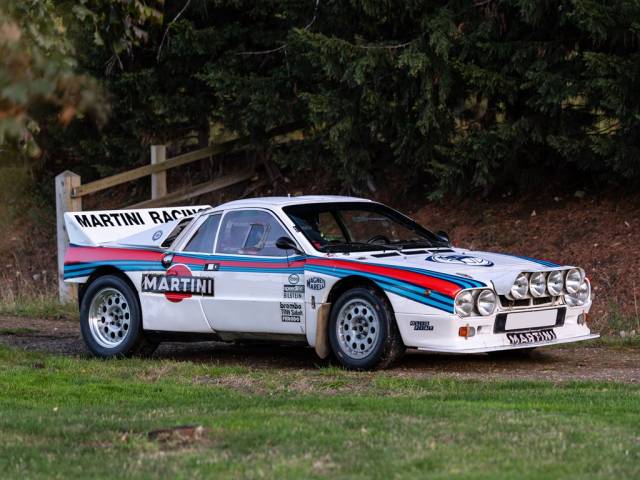
1982 | Lancia Rally 037
1982 Lancia 037 Group B Works Evo 1
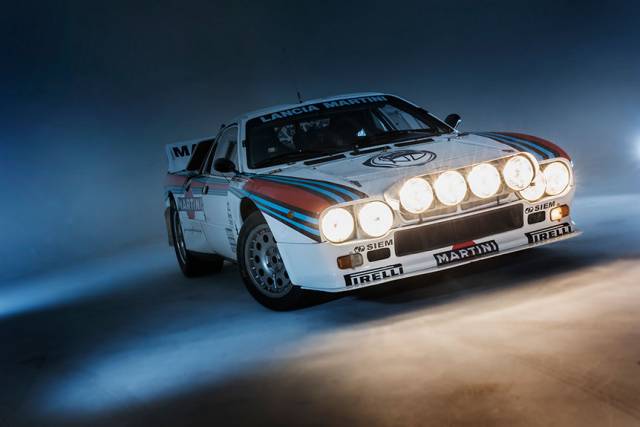
1983 | Lancia Rally 037

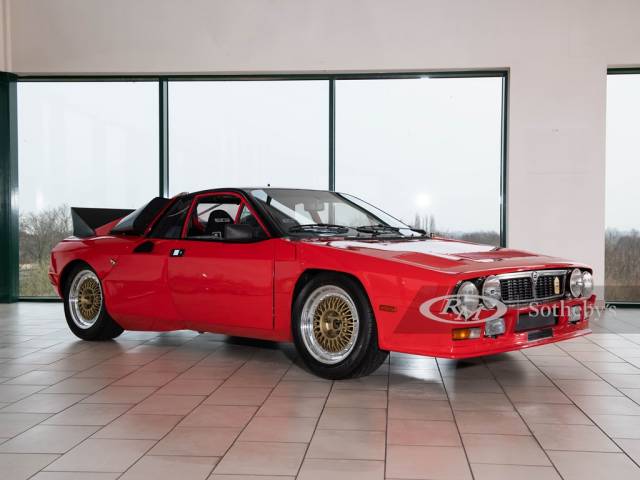
1980 | Lancia Rally 037
1980 Lancia Rally SE 037 Prototype
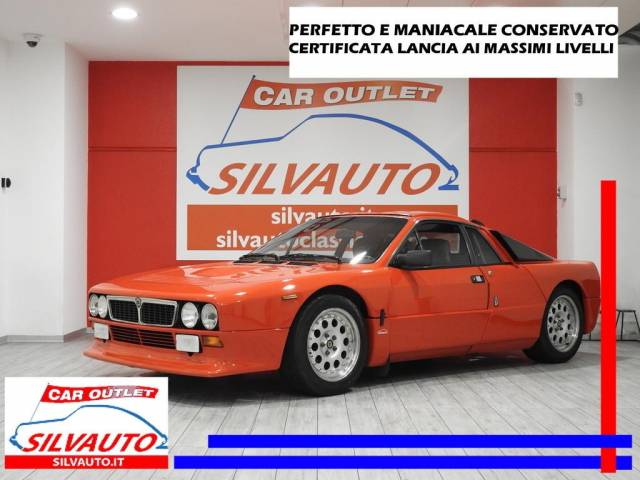
1984 | Lancia Rally 037
LANCIA 037 RALLY STRADALE
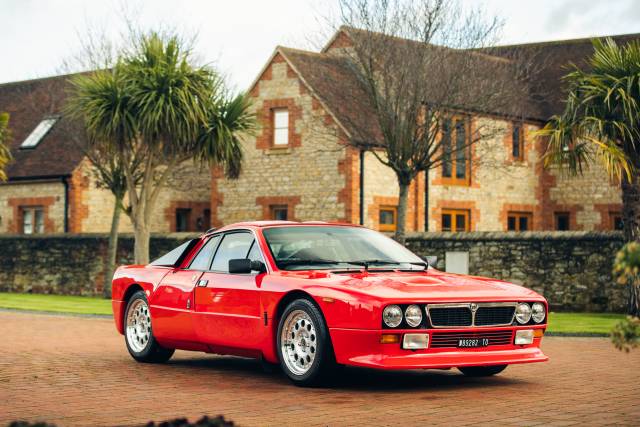
1983 | Lancia Rally 037
Stradale
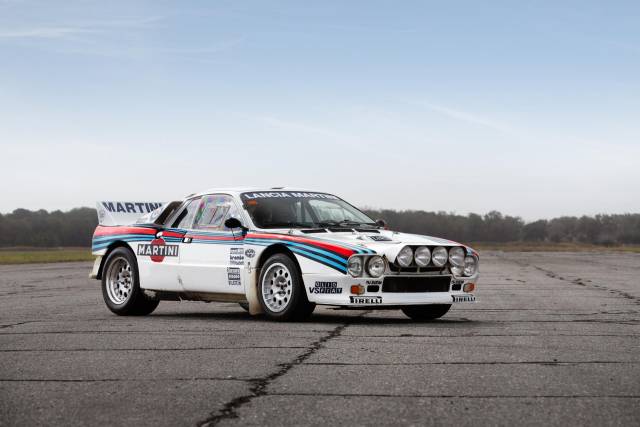
1983 | Lancia Rally 037
World and European Rally Championship Competitor
Create search alert
Let yourself be notified as soon as a listing is published that matches your search filters.
Create listing
Do you have a Lancia Rally 037 that you want to sell? Then create a listing now.
Create listingLancia Rally 037 Classic Cars: Prices & Market Values
History of the Lancia Rally 037
The Lancia Rally 037 emerged in the early 1980s, crafted by Lancia in direct response to the introduction of Group B regulations by the FIA. Debuting in March 1982, its primary mission was to reclaim rally dominance, particularly against emerging all-wheel-drive rivals like the Audi Quattro. Although the chassis was derived from the Lancia Montecarlo, the 037 was radically reengineered, retaining only the central body cell. Success soon followed: in the 1983 season, the 037 secured victories at prestigious events such as Monte Carlo, Tour de Corse, and Sanremo, ultimately clinching the World Rally Championship for manufacturers — a feat unmatched by any subsequent rear-wheel-drive car.
Model History and Evolution
The Rally 037 was purpose-built for Group B, replacing the older Stratos and continuing Lancia’s rally tradition. Homologation required at least 200 road-legal ‘Stradale’ versions to be produced, so Lancia created a total of around 217 units, including various evolution stages. The core ‘Stradale’ was joined by racing variants: Group B factory cars, the enhanced Evo 2—of which only about 20 were produced—and rally-prepared derivatives for private and works teams alike. Each car carried its unique chassis number, with a select number exported outside Italy, notably to Japan and France.
Highlights and Rally Achievements
The Rally 037’s engineering set it apart: longitudinal mid-mounted 2.0-litre inline-four (Fiat-based), tuned by Abarth, and supercharged with a Roots-type ‘Volumex’ compressor. The 037’s handmade Kevlar-glassfibre bodyshell, designed in collaboration with Pininfarina, delivered outstanding stiffness and low weight. Its competition success included wins at Monte Carlo, Tour de Corse, Acropolis, New Zealand and Sanremo in the 1983 WRC season. Top drivers such as Walter Röhrl, Markku Alén, and Attilio Bettega piloted the car, with strong results not only for Lancia but also for privateer teams, especially in France under André Chardonnet.
Technical Data
Special Editions and Factory Evolutions
Beyond the 207 homologation models, Lancia developed a handful of Evo 2 factory cars, featuring further power increases and technical refinements for top-level rally use—only around 20 of these were assembled. These Evo 2 examples are especially sought after, often directly connected to notable rallying personalities or teams, including extensively documented works cars and privateer versions run by the Chardonnet outfit in France.
Weak Spots and Known Issues
While explicit weak points are not recorded in the provided data, the advanced composite construction and specialised rally-derived mechanicals suggest that diligent inspection is essential. Particular attention should be paid to the structural integrity of Kevlar/glassfibre panels, the condition of the ZF transaxle, and the supercharger system. As with all high-performance homologation rally cars, provenance and service history are vital to any purchase decision.
Engine, Driving Dynamics and Handling
The 037’s chassis dynamics were tailored to the rigours of 1980s rallying: lightweight and extremely stiff, with purpose-designed front and rear steel subframes for improved suspension response. The rear-wheel-drive layout, unique among its Group B peers, delivered precise feedback but required experienced hands in challenging conditions. The transversely supercharged inline-four offered immediate power delivery, eschewing turbo lag for instant response, while the close-ratio ZF transmission contributed to excellent control.
Suspension geometry—double wishbones front and rear, twin rear dampers per corner—provided exceptional grip and adjustability, crucial on variable rally stages. The limited-slip differential helped to harness the engine’s output on loose surfaces.
Popular Models:
- Stradale (homologation, ca. 205 hp)
- Group B rally (ca. 280–310 hp)
- Evo 2 factory cars (highest spec, technical refinements) undefined
Design and Features: Exterior and Interior
Pininfarina’s wind tunnel was integral to shaping the 037’s distinctive silhouette, optimised for aerodynamic efficiency and cooling. The Kevlar-reinforced composite bodywork enabled eye-catching panel forms while reducing mass. The earliest cars left the factory in Rosso Corsa paint with functionally minimal black interiors—purposefully equipped for the demands of racing, frequently with cord-finished seats. Accessories were limited, but Speedline 16-inch alloys, Pirelli tyres and adaptable wheel/tyre packages were standard, tailored for both tarmac and loose-surface rallies.
Every 037 featured a stripped cockpit befitting its competition DNA. Comfort gave way to control: clear instruments, robust switchgear and a roll bar—these elements highlight the uncompromising, motorsport-first environment.
Other Details and Motorsport Context
The Lancia Rally 037 was officially sold as ‘Lancia Rally 037’ or simply ‘Lancia Rally’ under the factory SE037 code. Every chassis was individually numbered (prefix ZLA151AR…). Many examples feature traceable competition history with major international events, remaining highly visible at historic motorsport gatherings such as Goodwood, Eifel Rallye and RallyLegend.
France played a prominent role in the model’s story thanks to André Chardonnet’s imports, and notable drivers like Jean-Claude Andruet built strong reputations in these machines.
Summary
A singular chapter in rally history, the Lancia Rally 037 marries advanced 1980s engineering with pure motorsport intent. Built in limited numbers for Group B, it remains a touchstone for rear-wheel-drive performance, technical innovation, and charismatic design. The 037’s rarity, combined with its direct rally pedigree and distinctive construction, ensures lasting status among collectors and enthusiasts seeking a true thoroughbred from Lancia’s golden era.